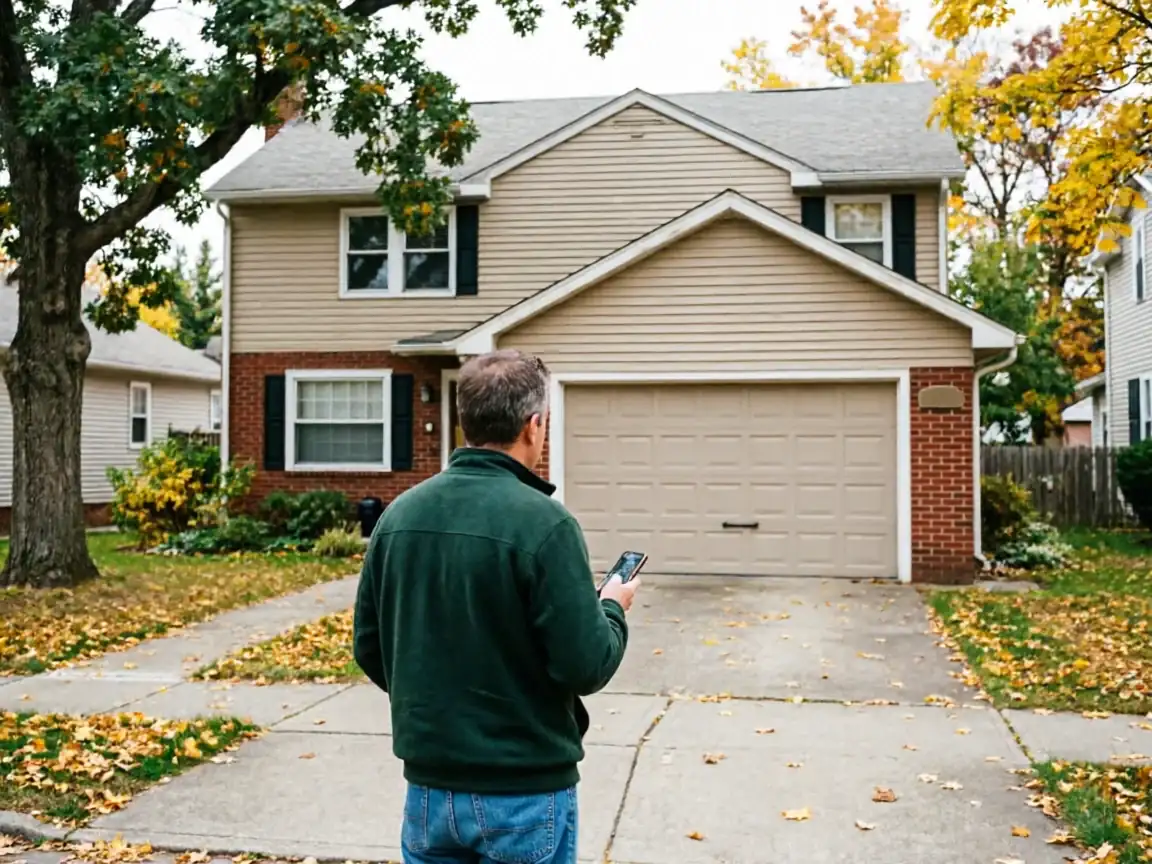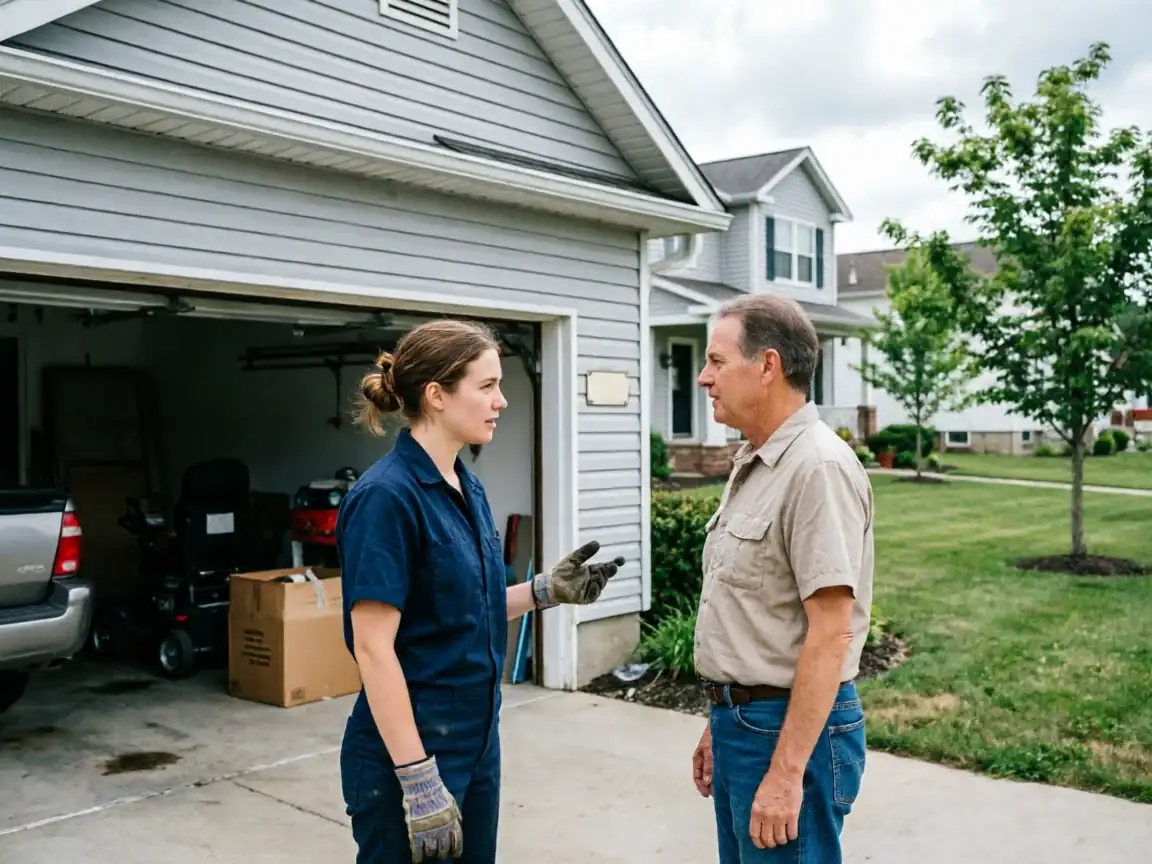
Checking It Yourself
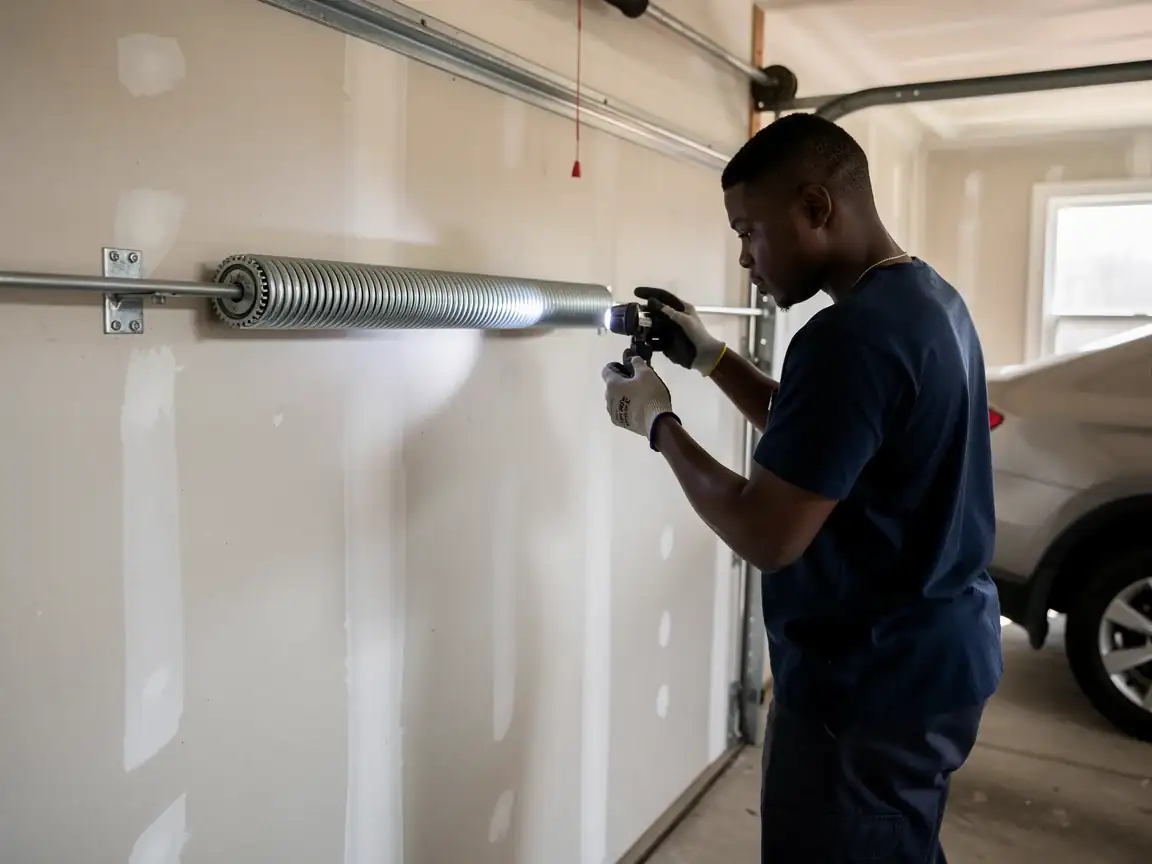
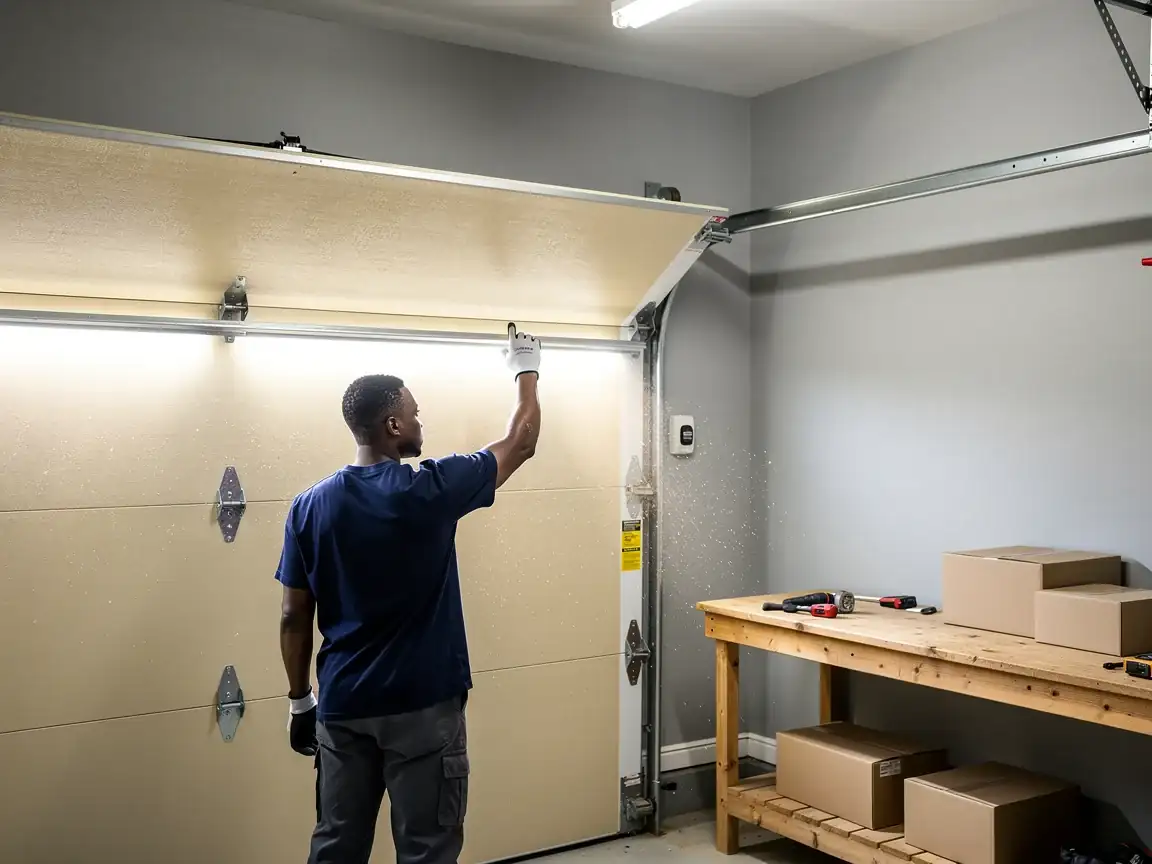
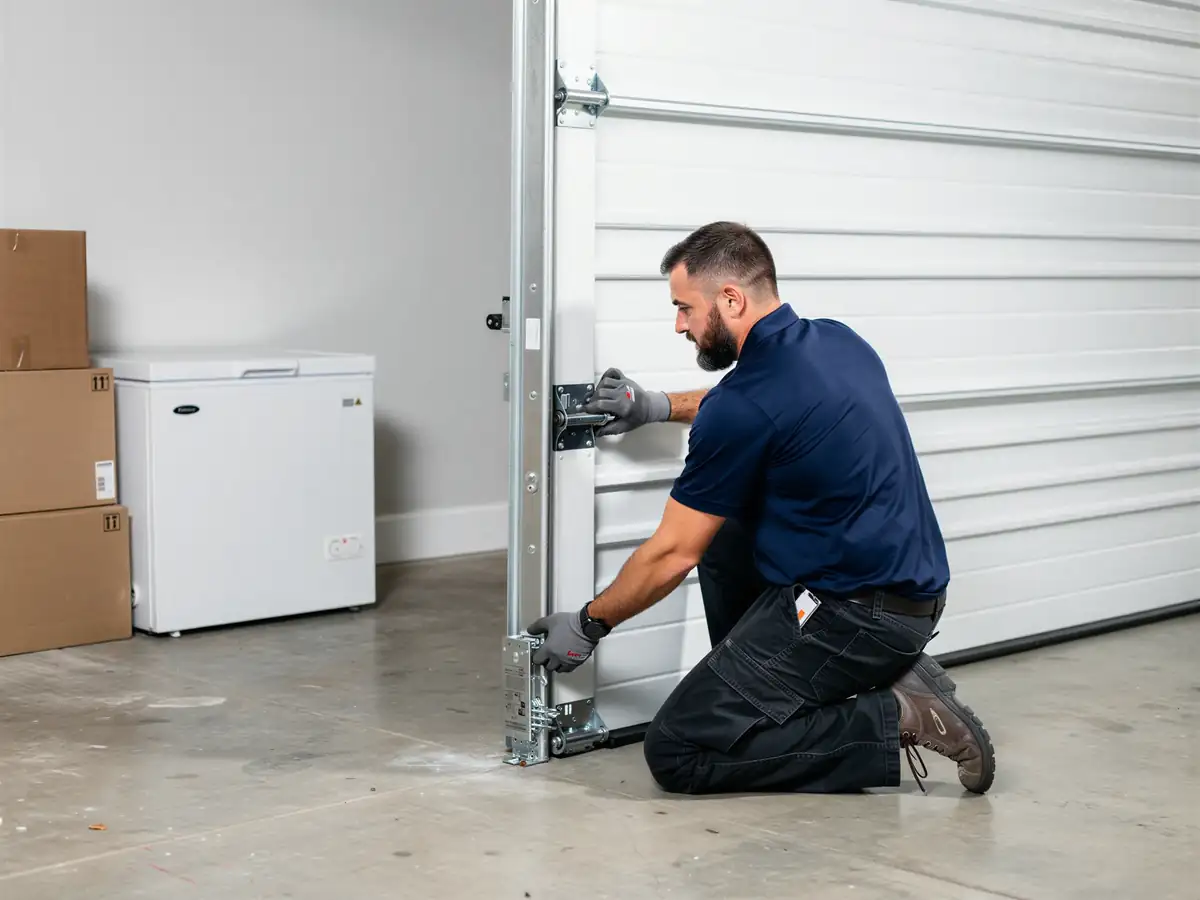
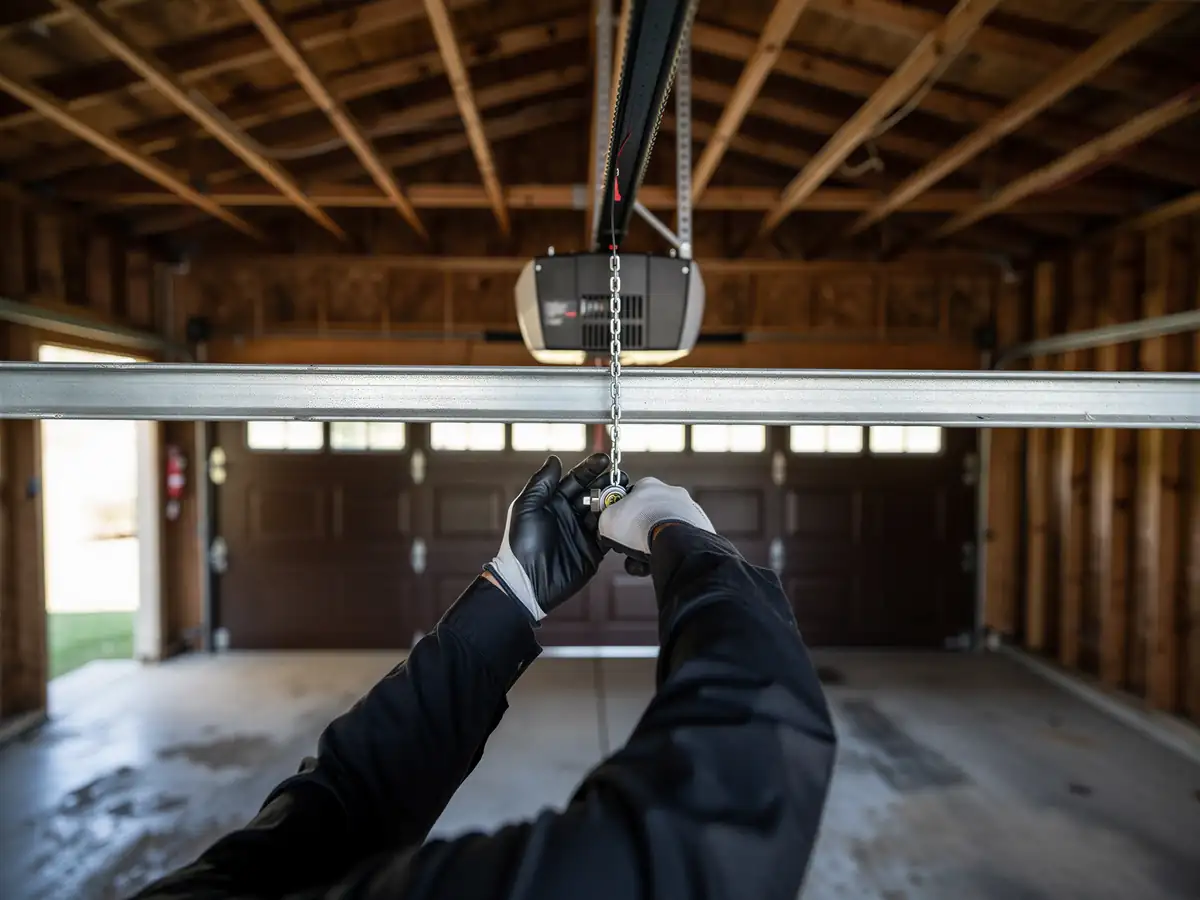
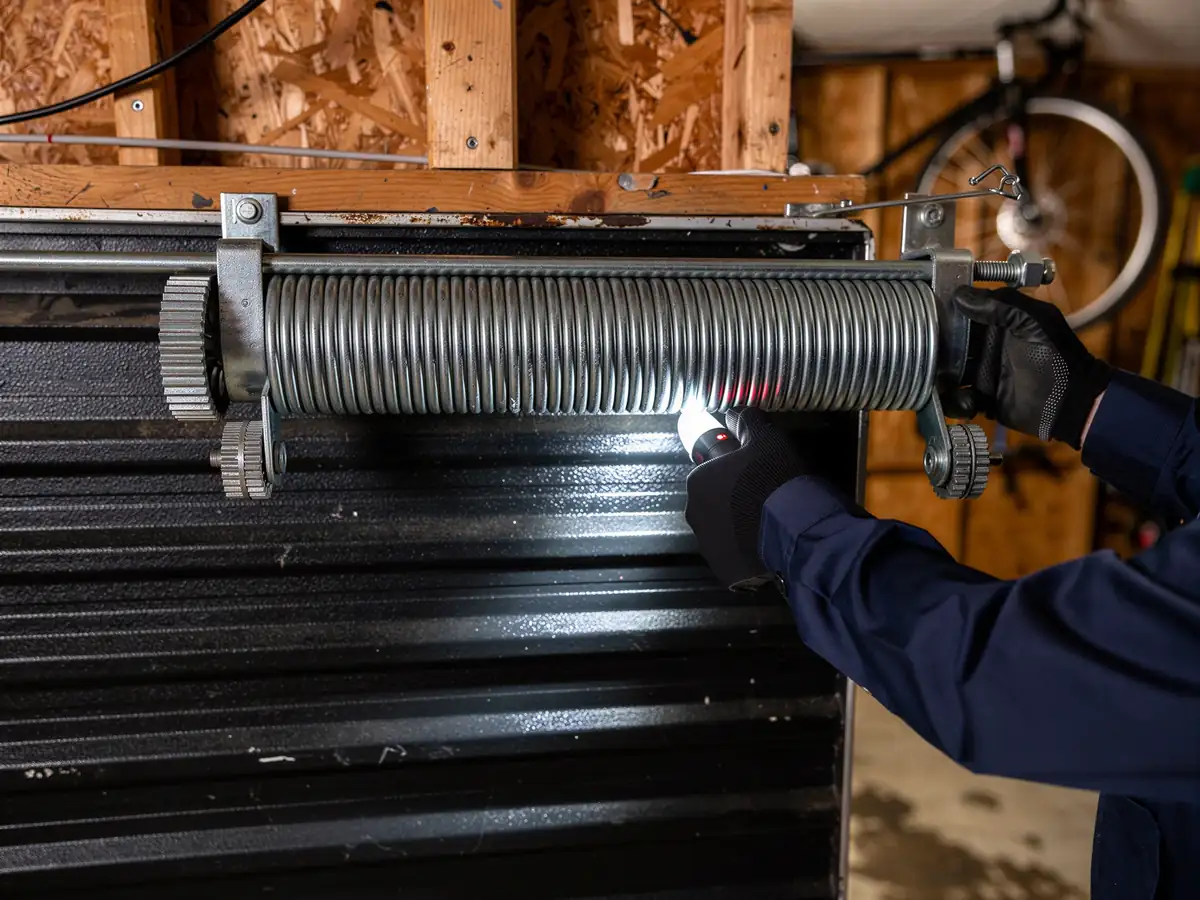
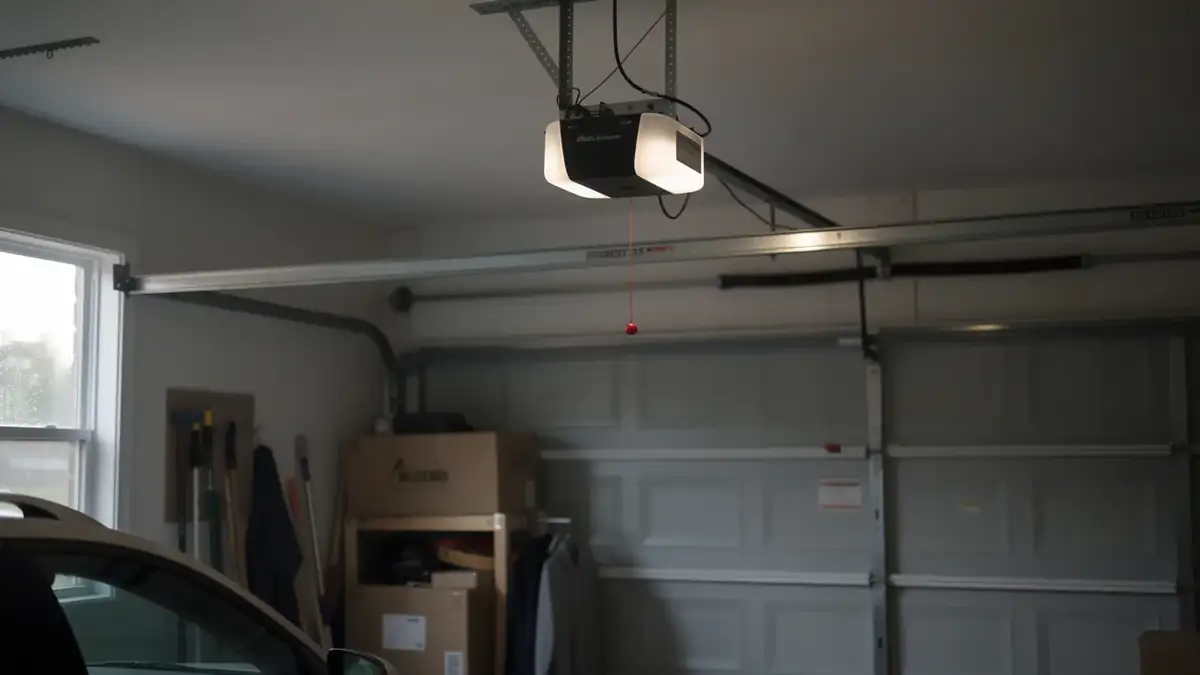
Before you call anyone, pull the red emergency release cord hanging from the trolley rail and try lifting the door by hand. If it moves smoothly and stays wherever you leave it, the opener or the power is your only problem - not the springs. If it's heavy, fights you, or drops on its own, stop. That's spring tension, and it's not a DIY fix.
With median housing age around 1973 across this area, a lot of Eagan garages still run the original drive rail or an opener installed decades after the house went up, which means the release mechanism itself can be stiff or rusted from disuse. Pull it anyway - gently, with steady pressure, not a yank. If the cord snaps or the trolley won't disengage, that's a sign the hardware has been seized for a while, and it's worth a look even after the power comes back.
Check your breaker panel next. A tripped breaker from a surge during an outage is common and an easy fix. If the breaker's fine and the opener still won't respond once power's restored, the logic board likely took the hit, not the motor.
Doing Nothing For Now
If you've confirmed the door opens and closes fine by hand
You don't need an emergency call just because the opener is dead. Manual operation is safe and normal short-term - plenty of Eagan households run their door manually for days while waiting on a part or deciding whether to replace a failing opener.
What you shouldn't do is leave the door disengaged and unlocked overnight through a long outage
Reset the manual lock bar if your door has one. And don't keep forcing the wall button hoping it'll catch - repeated attempts on a board that's already fried can push a marginal capacitor into total failure, turning a $40 board repair into a full opener swap.
The Problem
Across the roughly 104,140 owner-occupied houses in this service area, openers fail after power cuts for one of three reasons: a tripped breaker, a blown circuit board, or - on older units - a dead backup battery that was supposed to carry the door through exactly this situation and didn't.
Housing here runs 1956 through 2004, median around 1973, and across the 37 named areas that make up this stock, most of it dates to the 1960s and '70s. That means a large share of openers in use are themselves older replacements, not original equipment, and many were installed before battery backup was standard. When the power drops, those units simply stop. No backup, no chime, no half-open position - just off. Newer openers with battery backup usually finish the current cycle or let you trigger one manual open, which is the difference most people notice first when they upgrade.
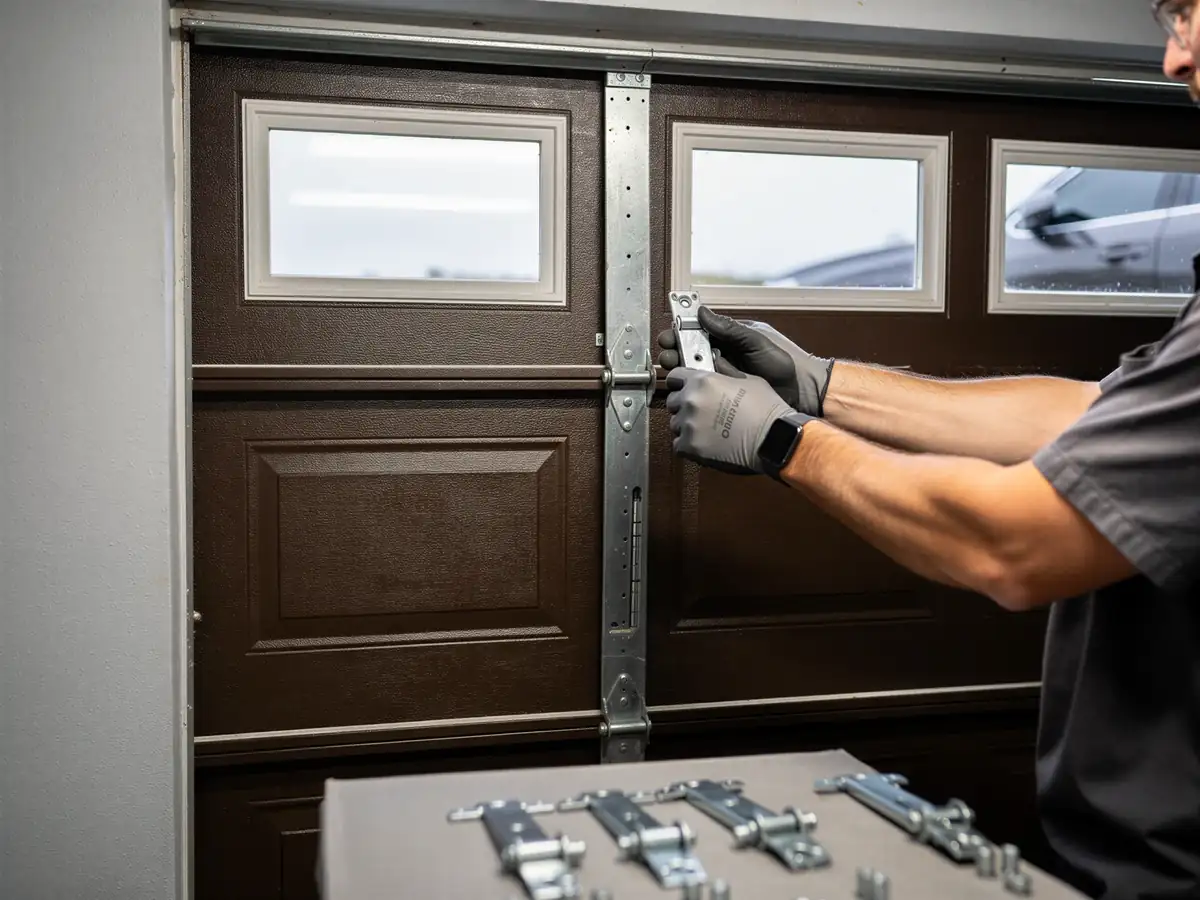
We don't stock every control board for every opener brand on the truck - some have to be ordered, and that can mean a day or two wait depending on the model.
How Local Conditions Play In
This is a cold moderate climate, and the outages that matter here tend to come with winter storms, not summer heat. That timing matters: a dead opener in July is an inconvenience, a dead opener at 6 a.m. in a January cold snap is how you find out your manual door chain is frozen stiff from condensation that built up inside an unheated garage.
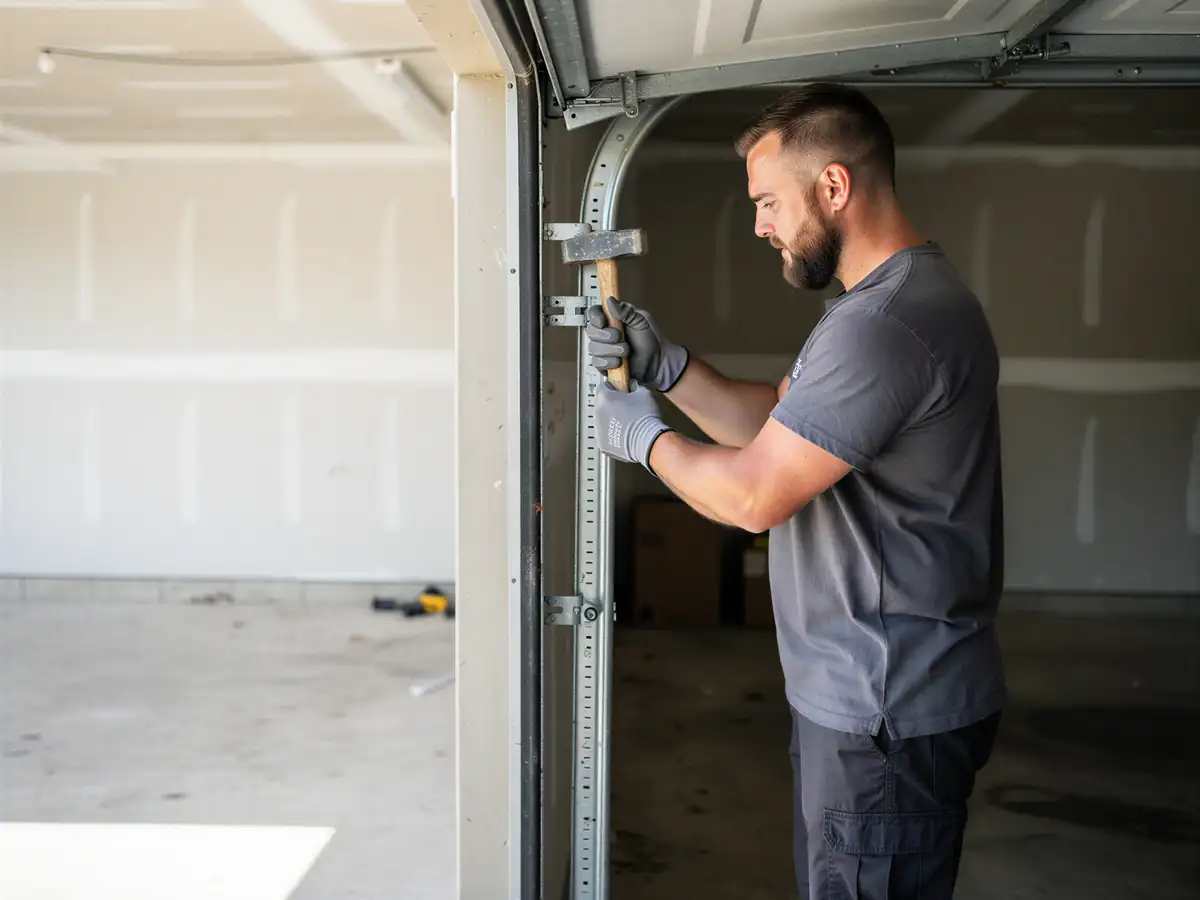
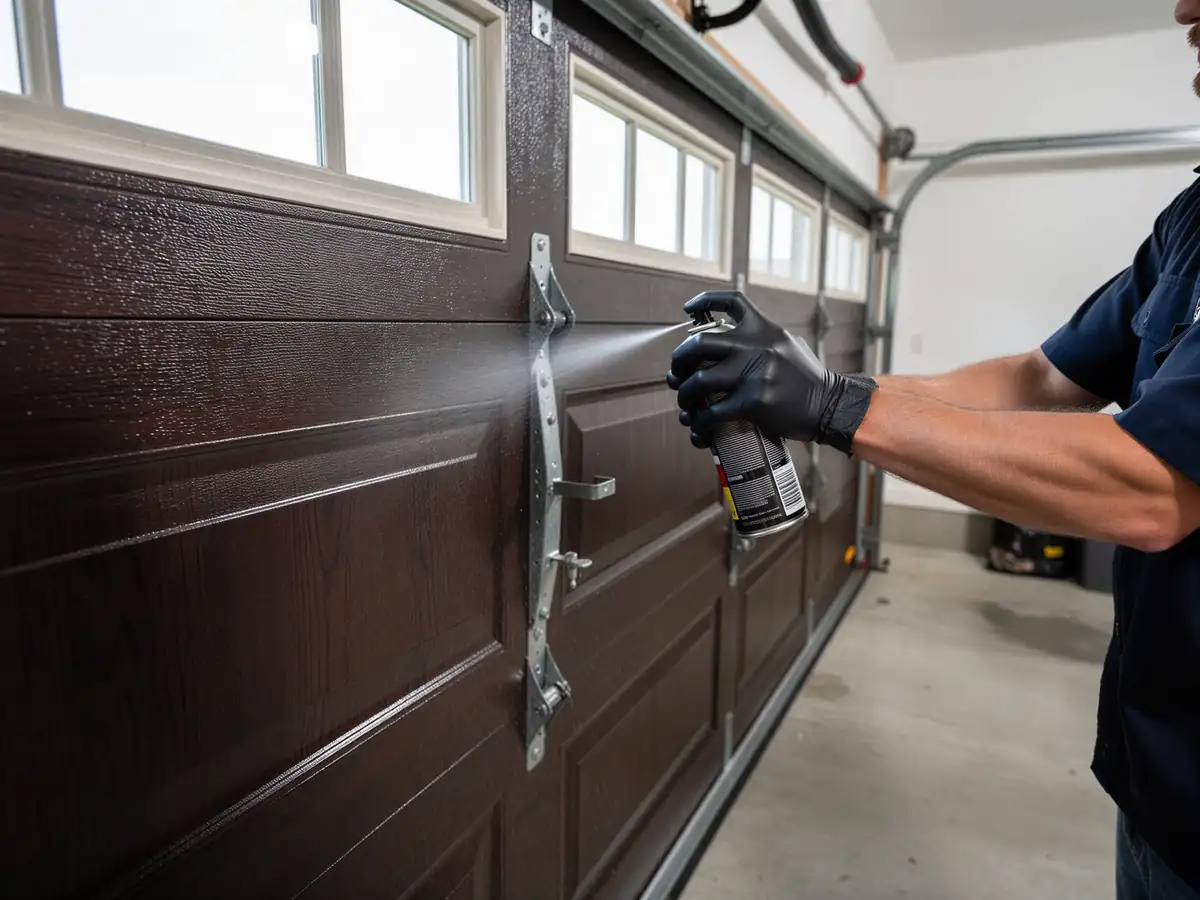
Houses from the 1960s and '70s era that dominate this stock typically weren't built with insulated garage doors or heated attached garages as a given, so temperature swings inside the garage track closely with outside temperature. When a board fails during a cold snap, the same cold that caused the surge also stiffens door seals and track lubricant, so the manual backup you're relying on works worse right when you need it most. Keeping track hardware lubricated through winter isn't cosmetic here - it's what keeps the manual release usable when the opener itself is down.