Checking It Yourself
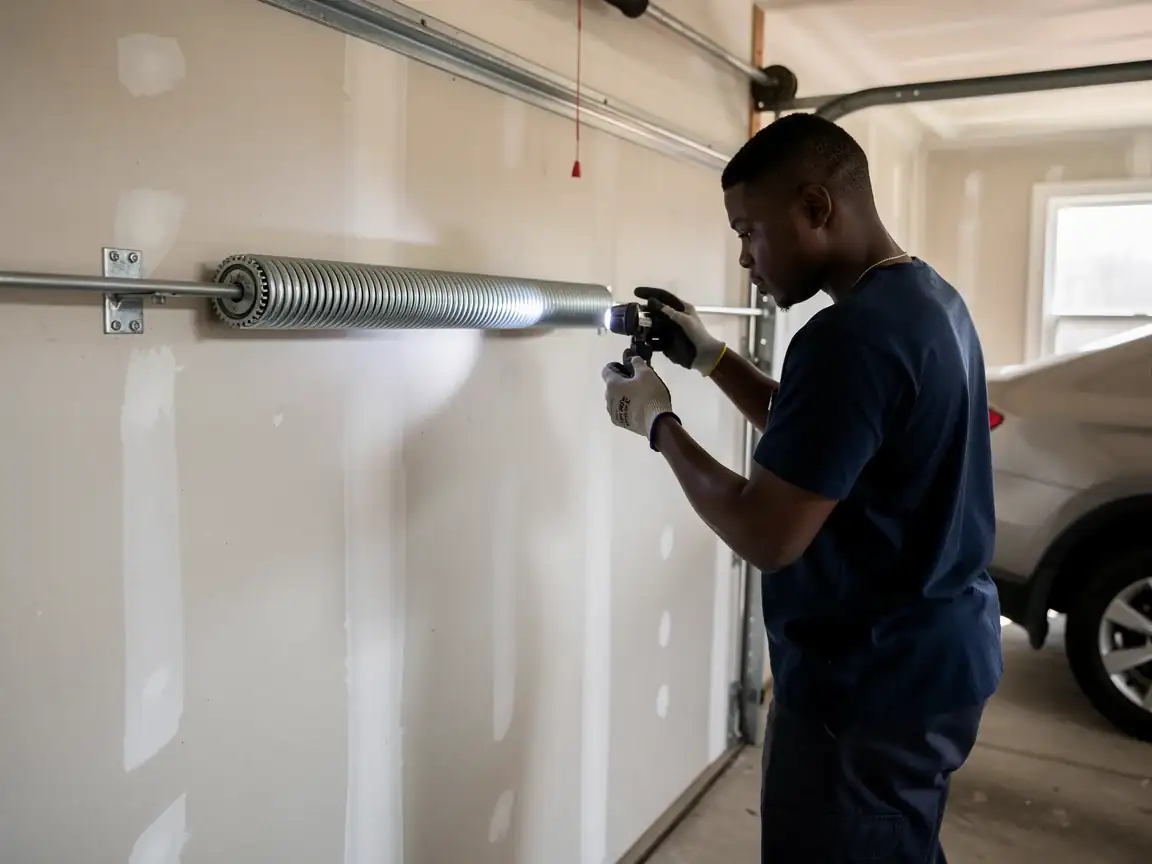
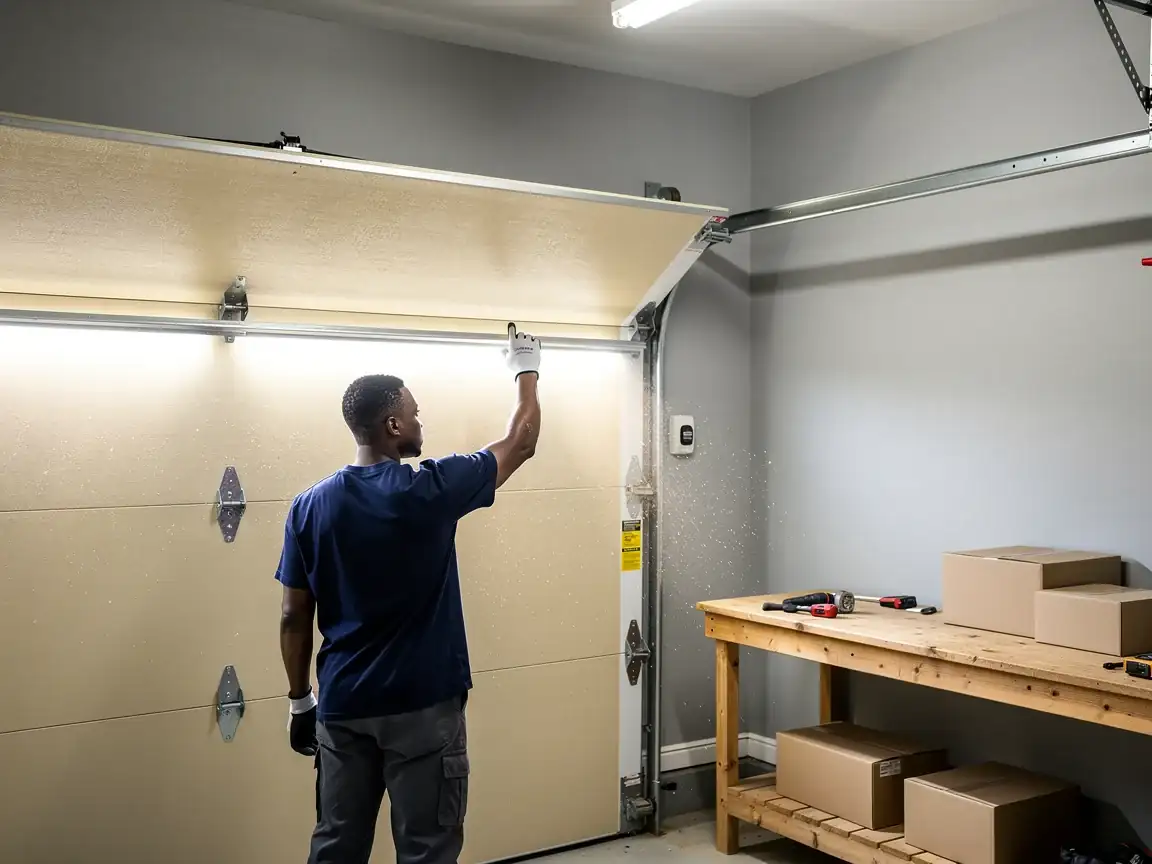
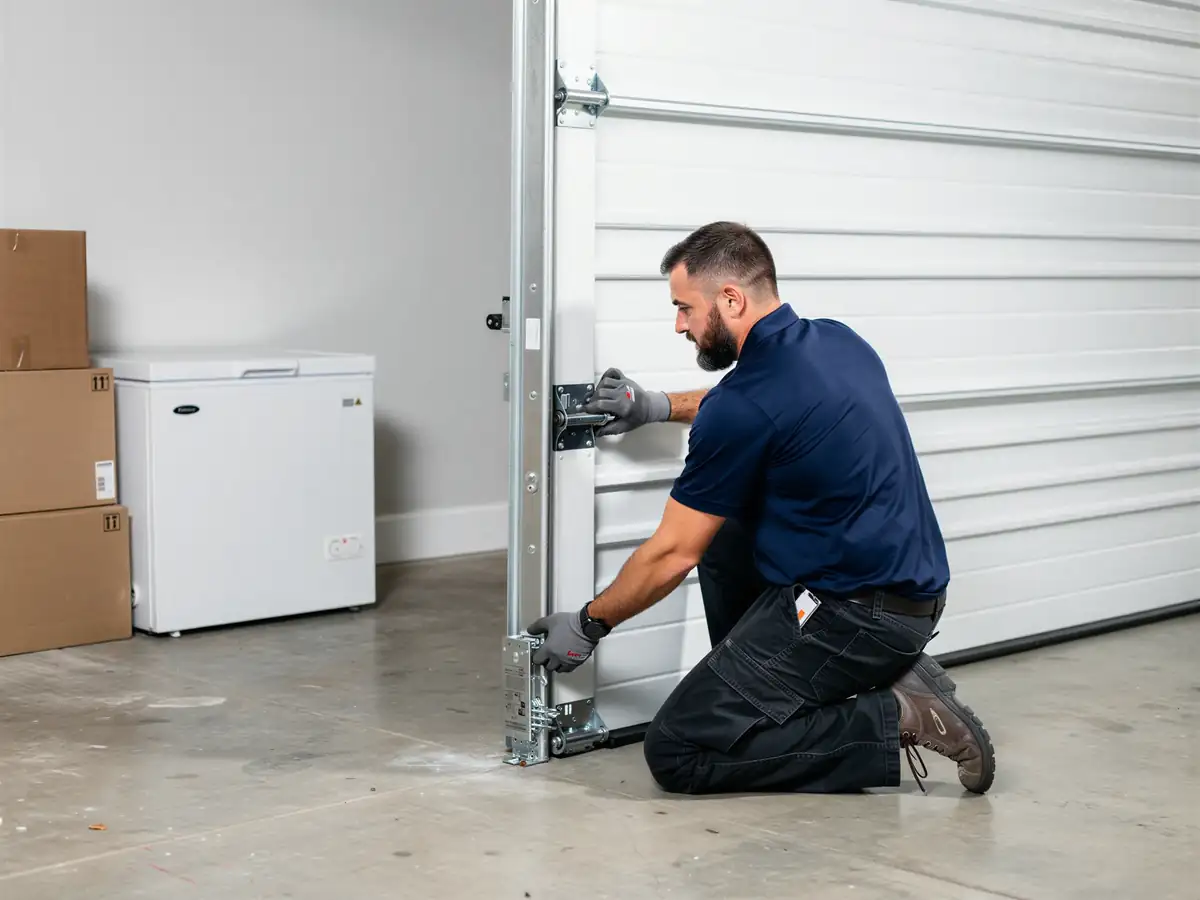
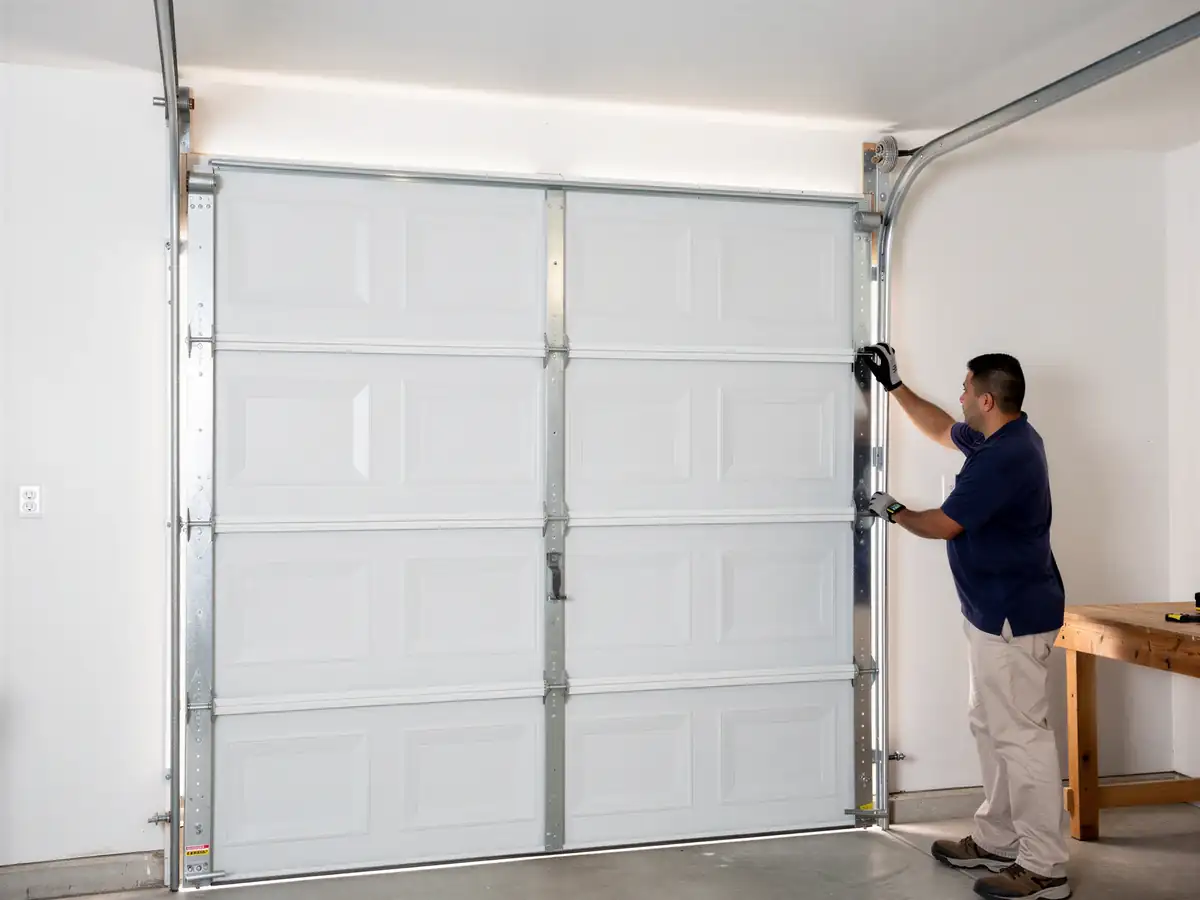
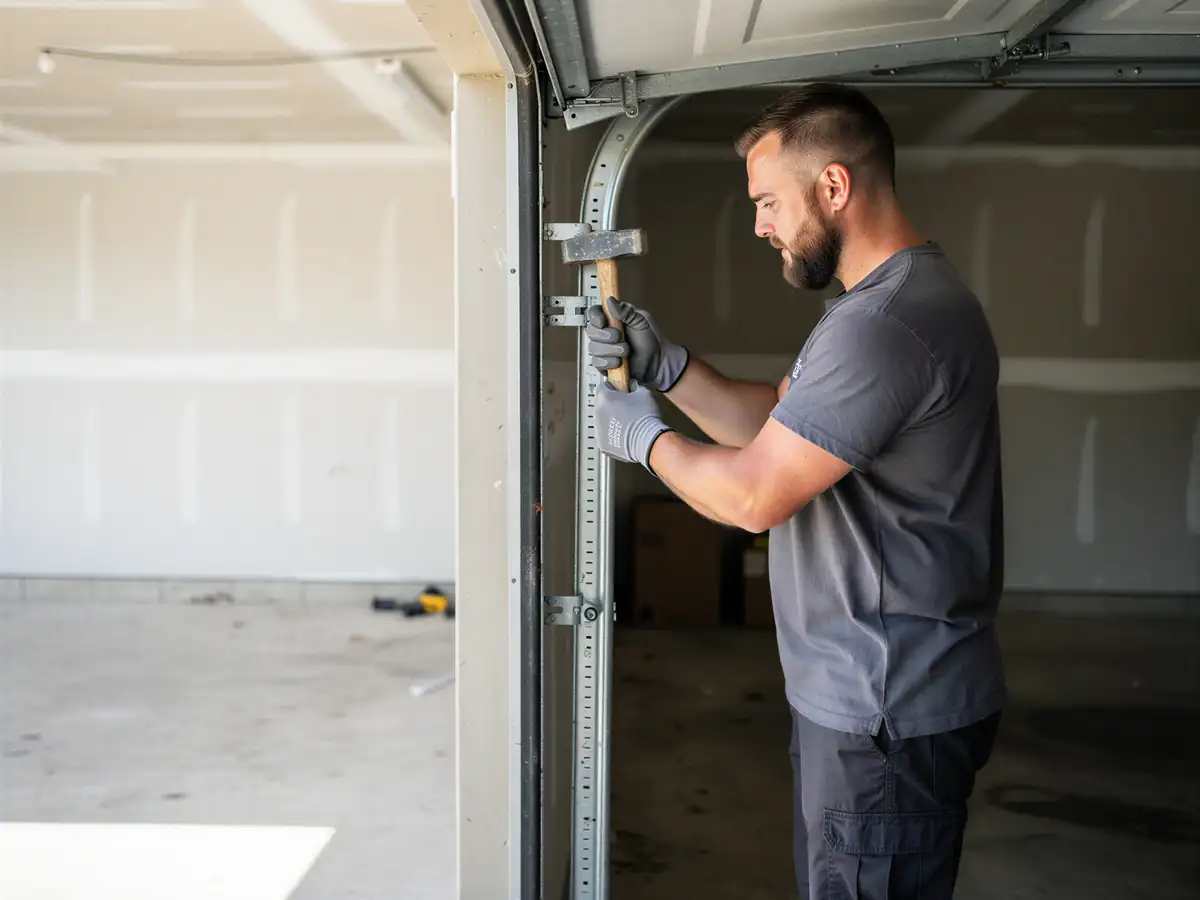
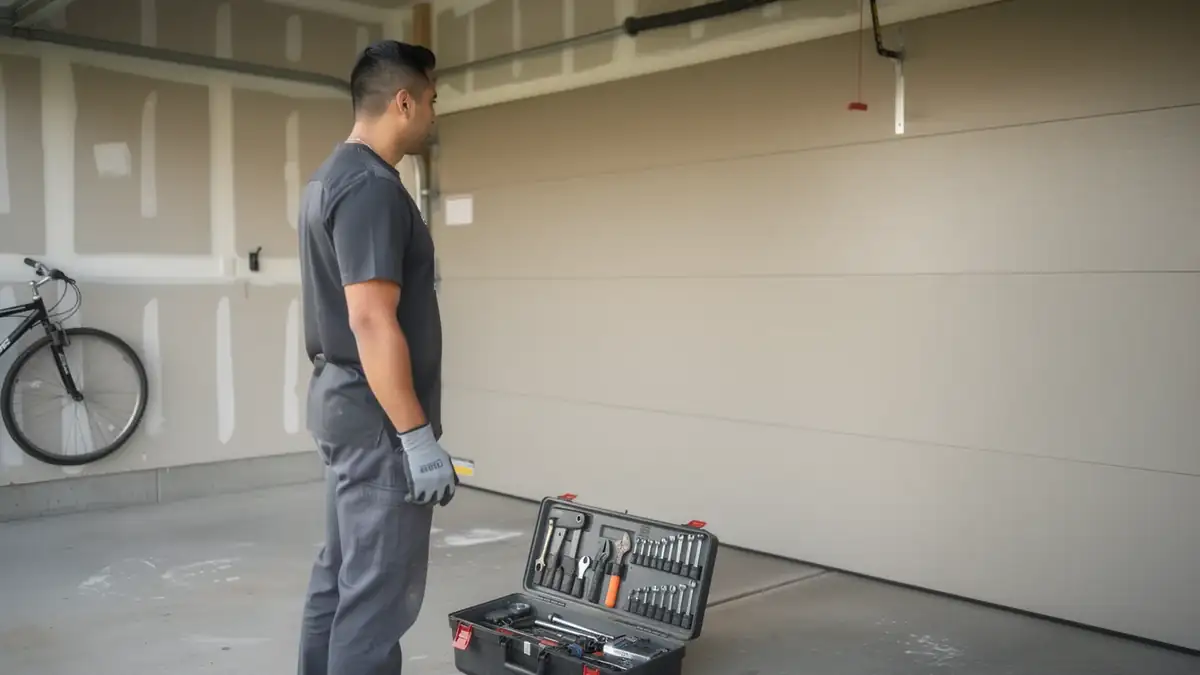
Before you call anyone, there's a short list worth looking at yourself. Pull the manual release cord with the door closed and see if it lifts by hand with no fight - if it feels heavy or lopsided, that's spring tension, not a motor problem. Look at the tracks for rust pitting or bent sections, common on houses built in the 1956-2004 range that make up most of Eagan's stock, since original steel track from that era wasn't galvanized the way current stock is. Check the weatherstripping along the bottom panel; on a door built anywhere near the 1973 median year for this area, it's likely original or a first replacement, and it hardens and cracks faster here once winter sets in. None of this requires tools. It just tells you, and us, where to start. If the door is noisy but still opens and closes square, that's usually rollers or hinges, not a safety issue. If it's crooked in the opening or one side drops faster than the other, stop opening it and call - that's a cable or spring problem and it can let go.
The Problem
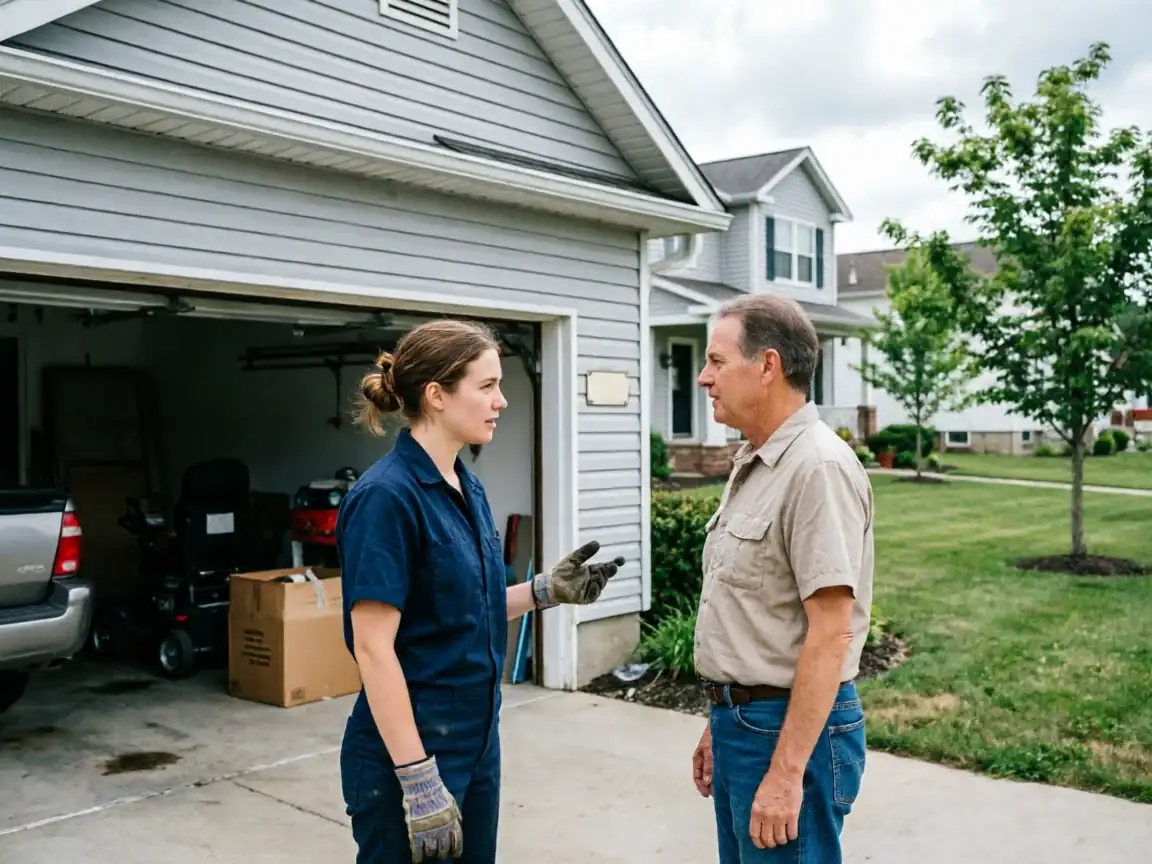
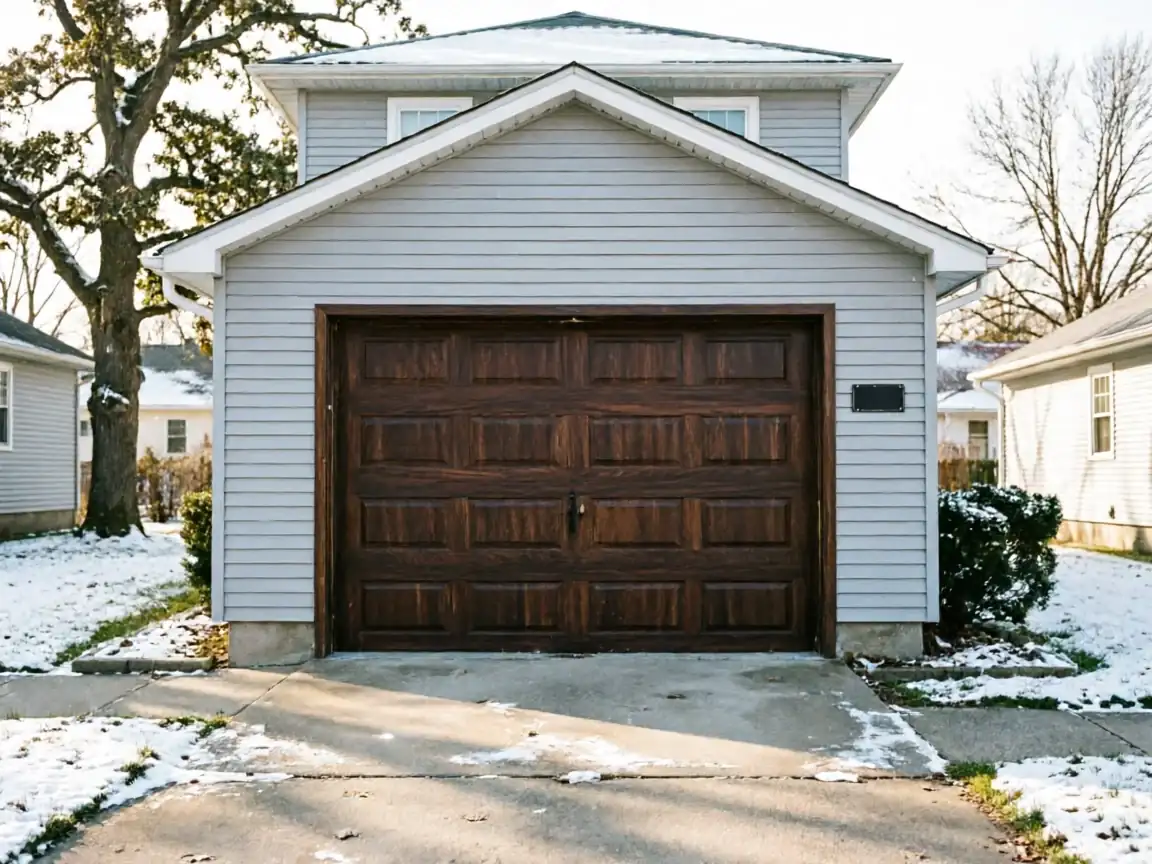
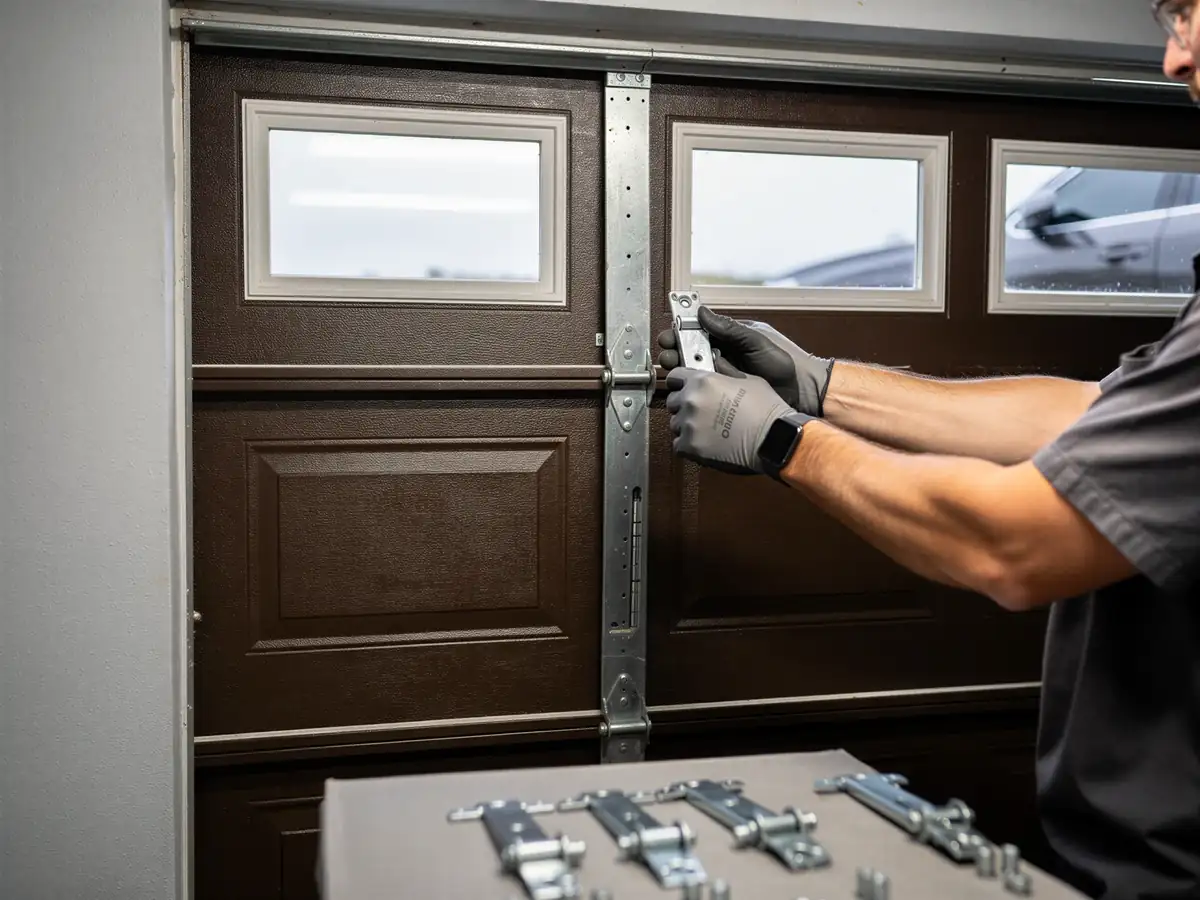
Eagan's housing stock is mostly 1960s-70s construction spread across the area's named neighborhoods, which means a lot of doors and openers are either original or on their second generation of hardware. That matters for parts. A one-piece door or an early sectional from that era often runs on hardware sizes and spring winds that current manufacturers don't stock as standard - we can usually source what's needed, but it's not always a same-day part. The honest limitation here: if your opener or spring assembly is a discontinued line from a house built in the early part of that 1956-2004 range, we may need a day or two to get the right spring wound or the right sprocket in, and we'll tell you that up front rather than make you wait on a truck that shows up without the part.
How Local Conditions Play In
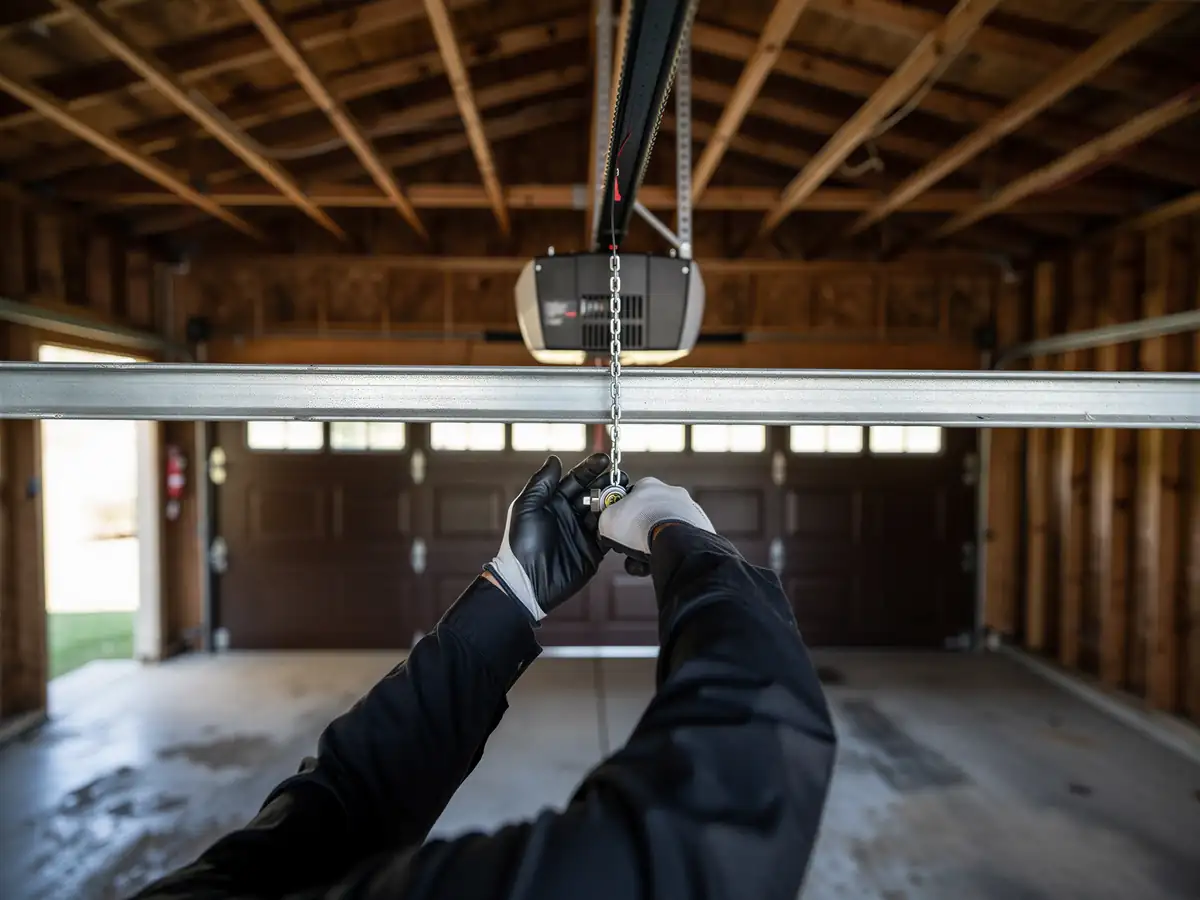
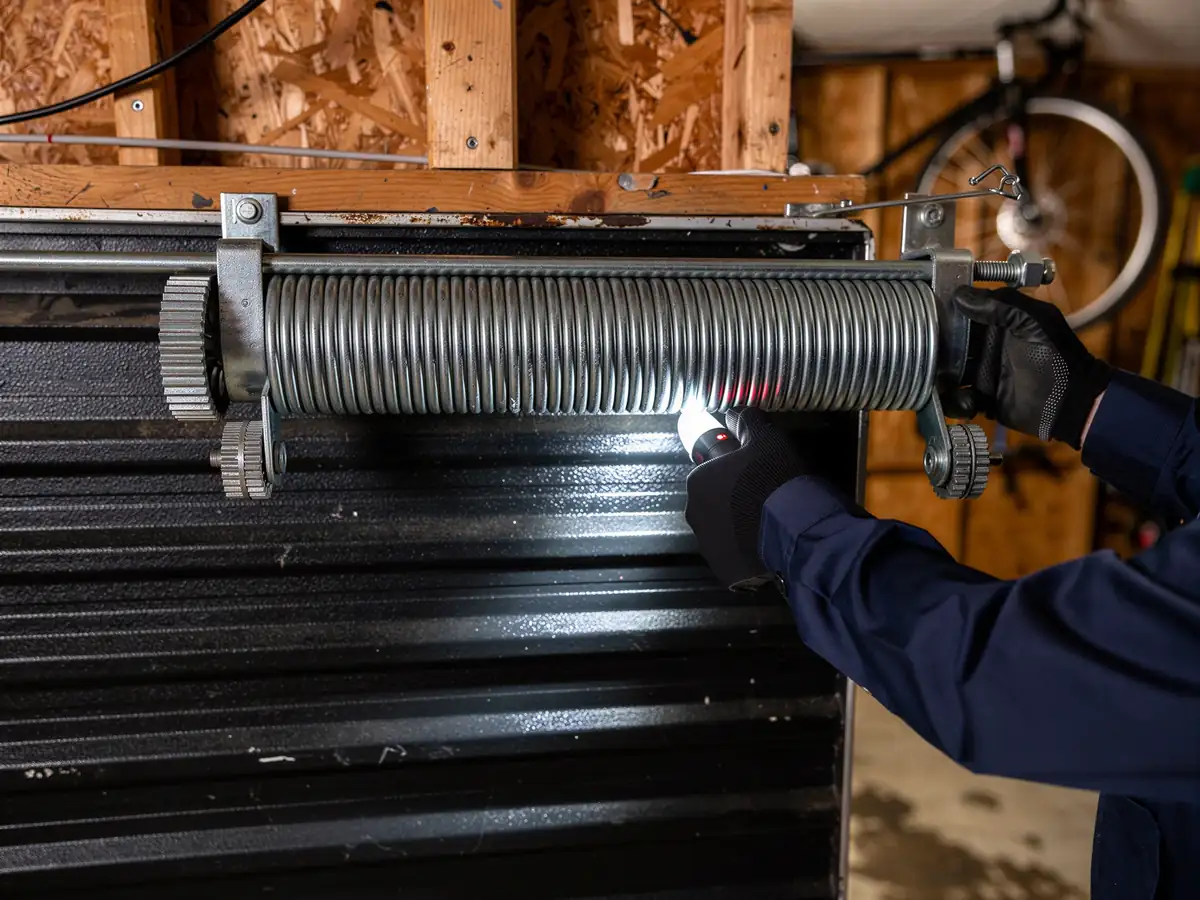
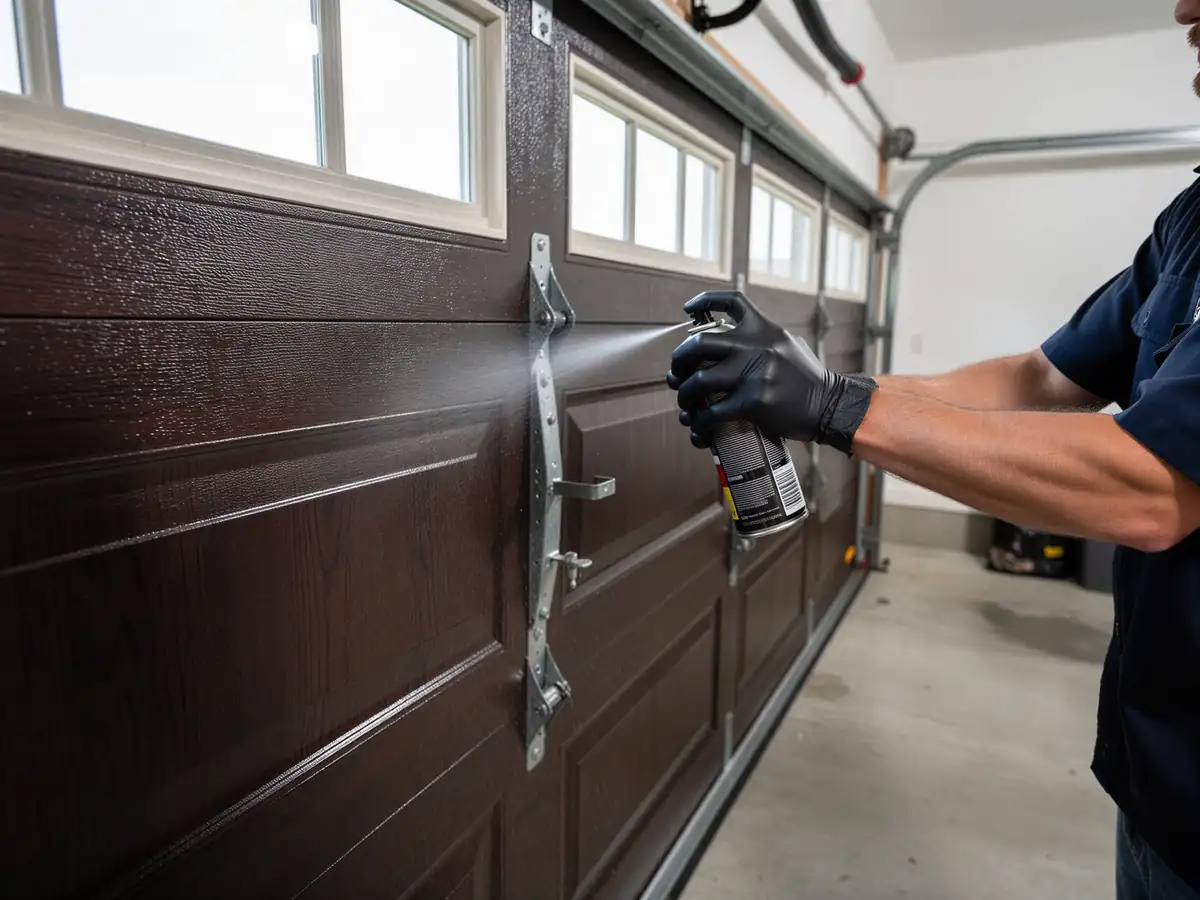
This is a cold, moderate climate band, and that shows up specifically in spring behavior and lubrication, not in some vague 'weather affects doors' way. Torsion springs lose a measurable amount of lift as steel contracts in cold temperatures, so a door that closes fine in August can feel heavy or hang up in January on the exact same spring. Openers with standard grease-based chain drives slow down and strain harder in cold garages, which is part of why force settings that were fine in summer start grinding gears by winter. On a service call we check spring tension against the season, not just against the door's weight on paper, and we check opener force settings the same way. None of this is a reason to replace anything early - it's a reason to get tension and lubrication checked before the cold snap, not after the door's already stuck halfway up.