When We Can Get There
Roseville sits about 14 miles from our shop in Eagan. We don't keep a crew stationed here, so we're not the outfit you call when a door is hanging by one cable at 6am and you need someone in fifteen minutes. We travel in from Eagan for scheduled repairs, installs, and the kind of jobs that can wait for a truck to cross town. If you're weighing us against a company that parks closer to Roseville, that's a fair thing to weigh. What we bring instead is familiarity with the hardware this part of the metro actually has in its garages, not a generic service menu.
We work across the wider Eagan service area, which includes Mendota Heights, Inver Grove Heights, West St. Paul, and a long list of other communities within roughly 20 miles. Roseville is on the far edge of that radius for us, so we schedule it in the same window as other farther-out towns rather than treating it as a priority stop. If timing matters more than anything else for your situation, say so when you call and we'll tell you honestly whether we're the right fit that day.
What People Here Ring About
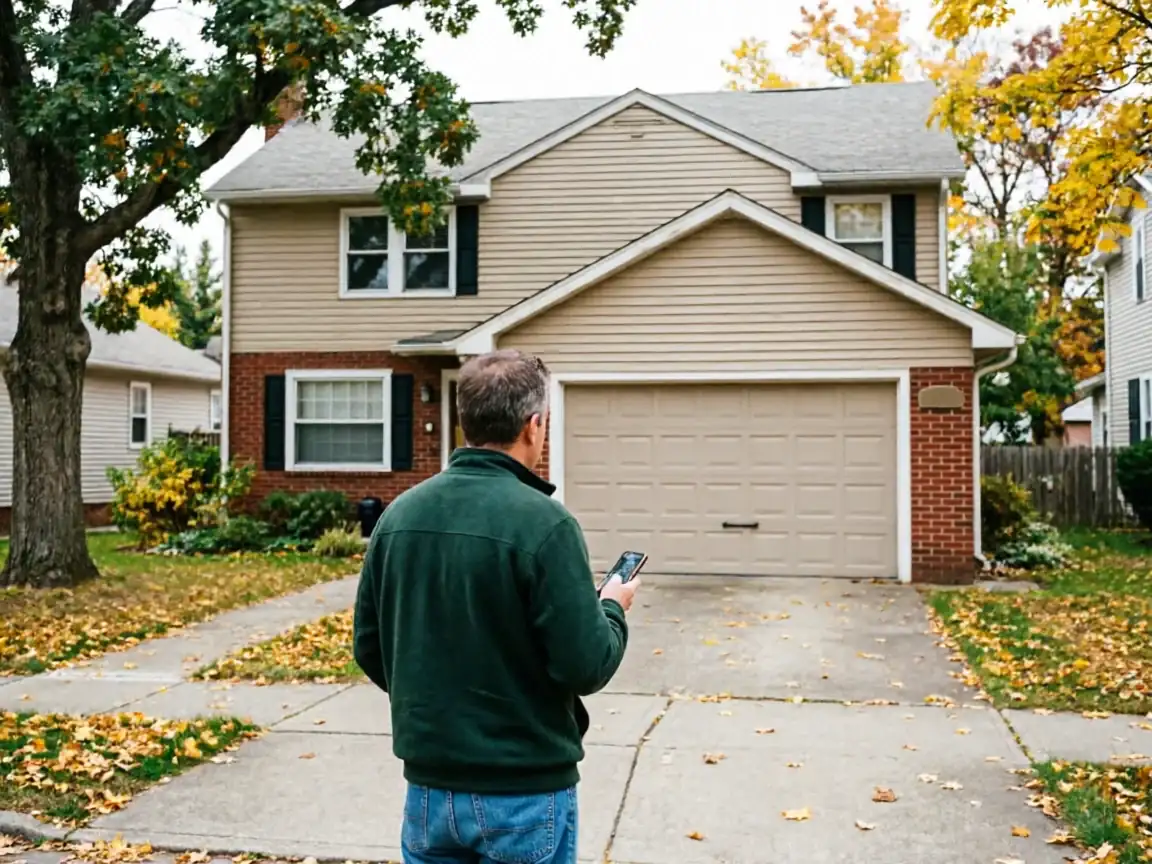
Roseville's housing mostly went up in the 1960s
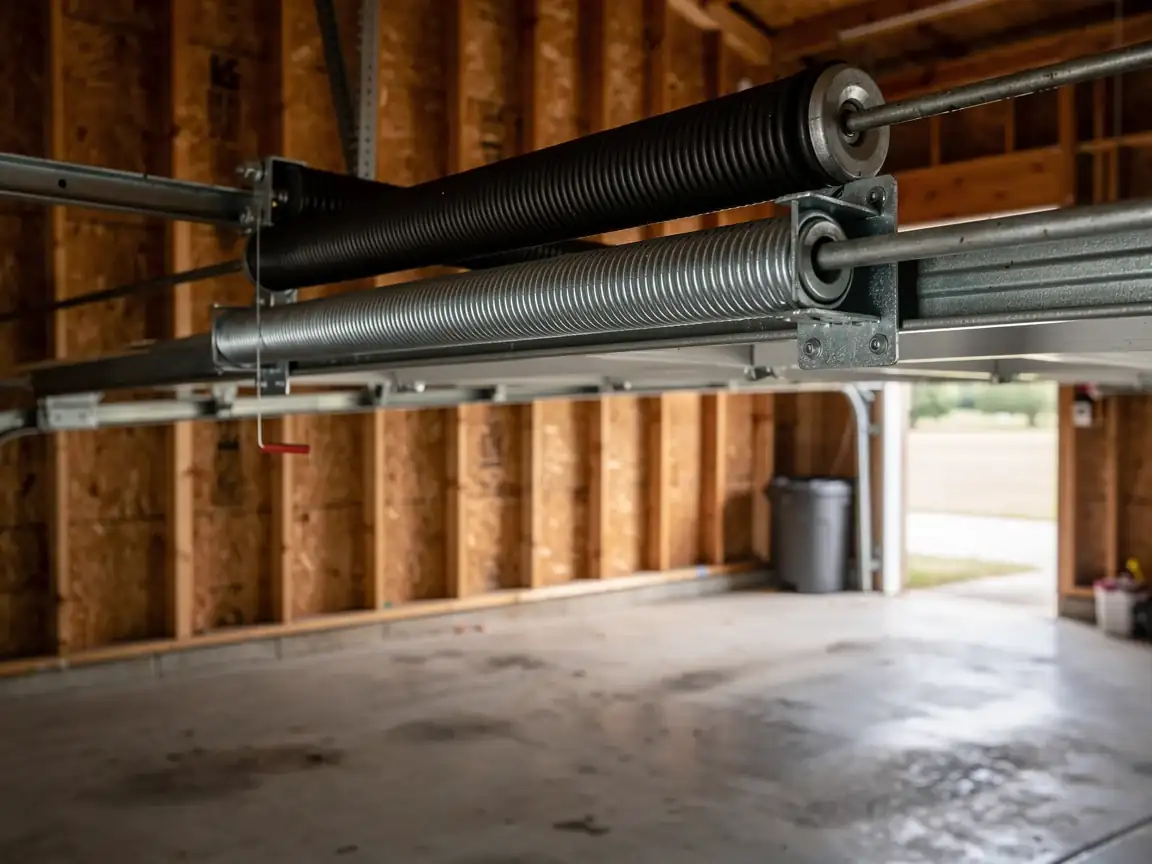
Earlier than the 1973 median for our broader service area. That five-to-ten-year gap matters more than it sounds like it should. Doors and openers installed in that decade are often on their second or third opener but still running the original track and spring setup, because nobody thinks to touch hardware that still lifts the door. The calls we get from this part of town lean toward worn extension springs rather than torsion systems, and toward rollers and hinges that have simply outlasted their grease.
With 15,586 households in the area and median income around $88,440
A lot of these are owner-occupied houses where someone's been meaning to deal with the noisy door for a year or two before it finally sticks or won't close. Minnesota winters don't help - cold makes old lubricant stiffen and metal contract, which is often what turns a noisy door into a stuck one. We see that pattern across the whole service area, Roseville included, more in the colder months than the warmer ones.
- 15,586 households
- $88,440 median household income
What That Means for Doors
A door installed around 1968 was built for a lighter garage and a simpler opener than what's common now. If a homeowner has swapped in a heavier insulated door over the years but kept the original spring, the spring is often undersized for the new weight - that shows up as an opener straining, or a door that drops suddenly partway through its cycle. It's one of the more common mismatches we find on older stock, not unique to Roseville but more likely here given the build era.
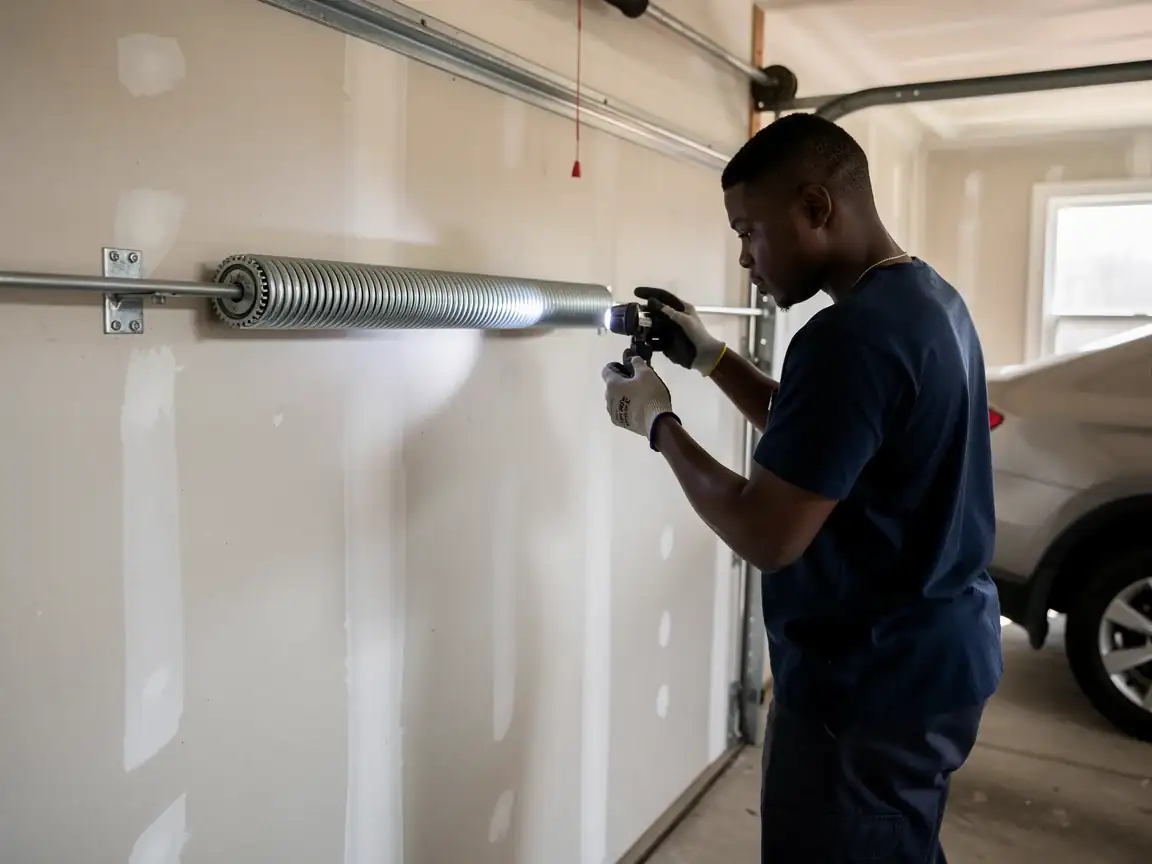
Extension springs from that period also don't have the safety cables that became standard later. If yours doesn't have a cable running through the spring, that's worth fixing regardless of whether anything else is wrong, since a snapped spring with no cable can whip loose. We'll flag it if we see it, even on a service call for something unrelated.
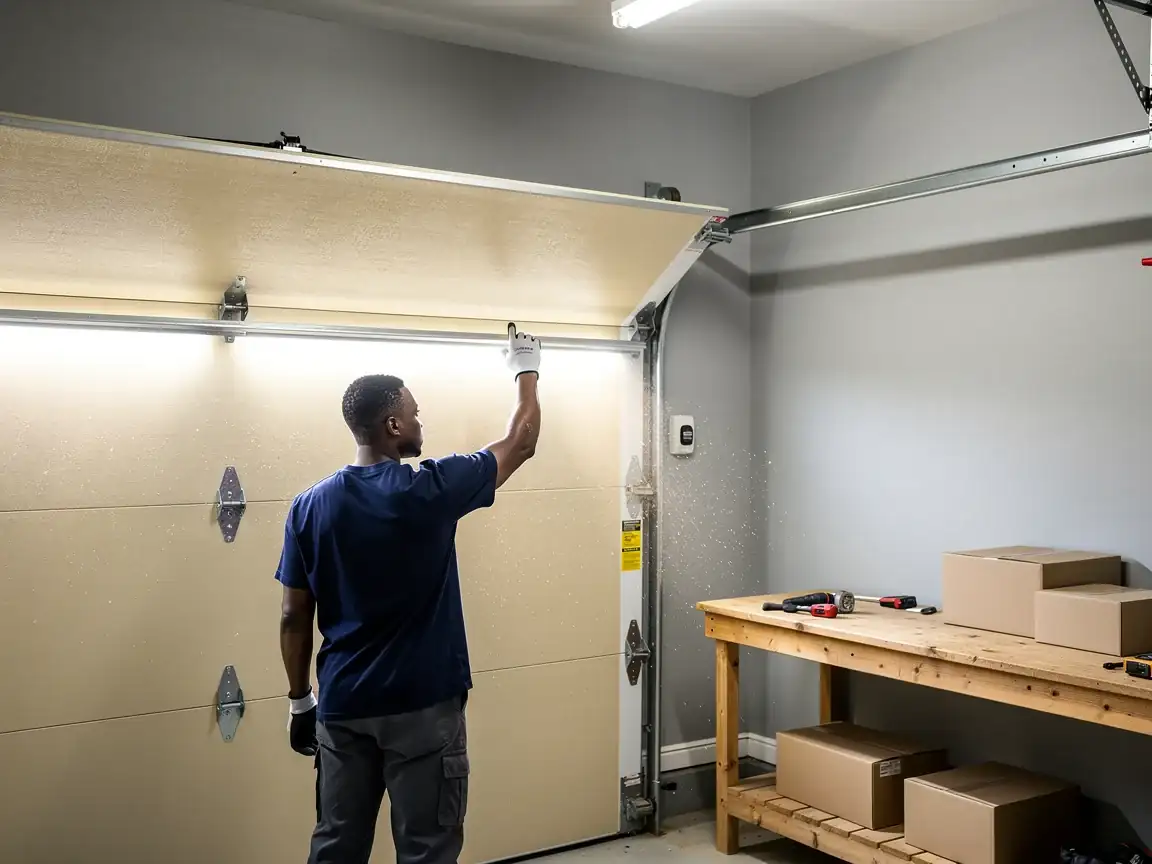
One limit worth naming: if a door's track is badly bent or the section panels are cracked from age, patching the spring or opener doesn't solve the underlying problem. At some point replacement costs less over time than chasing repairs on a door that's fighting itself.
This Area's Housing
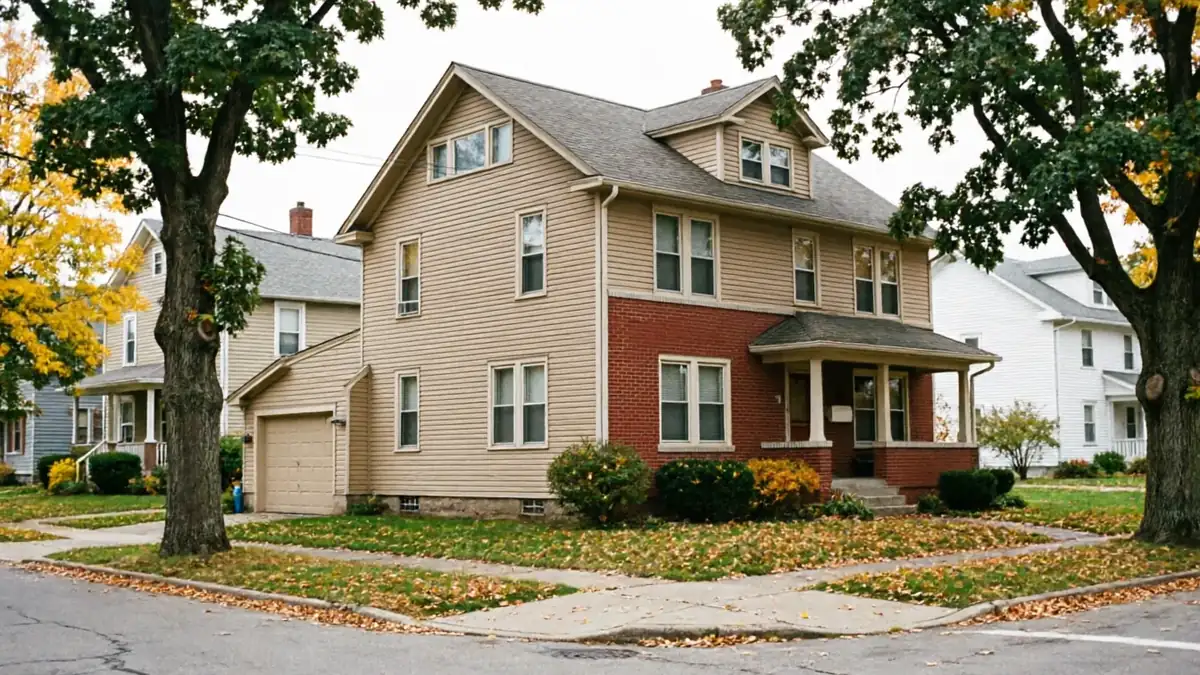
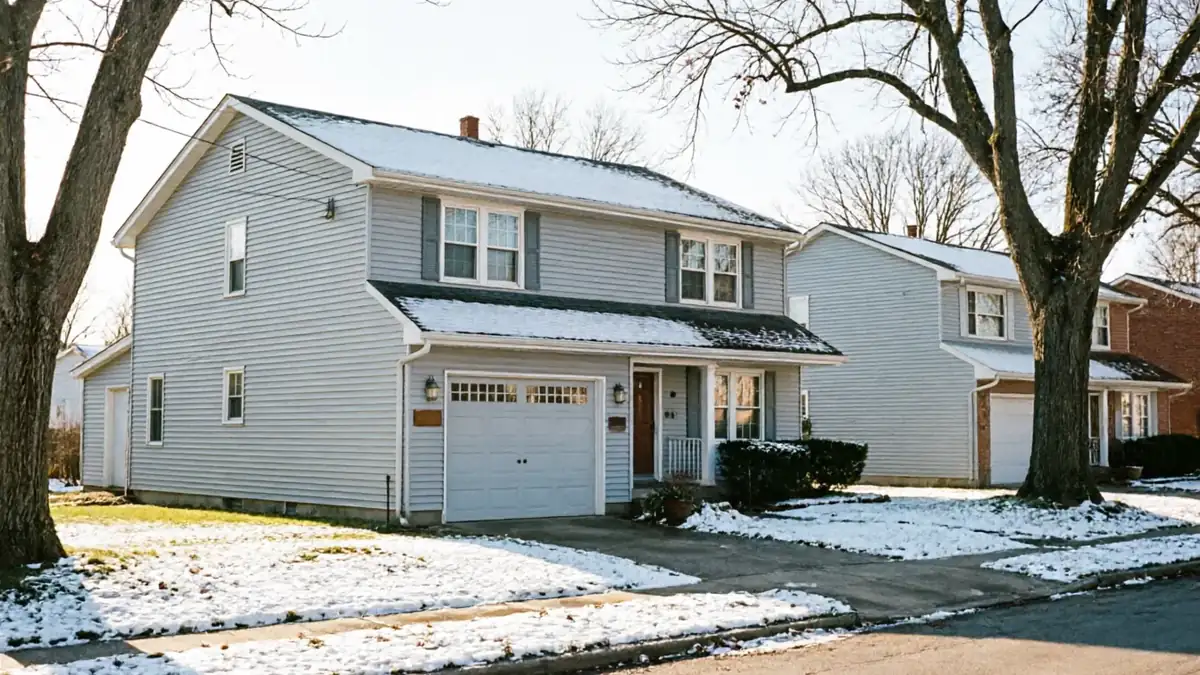
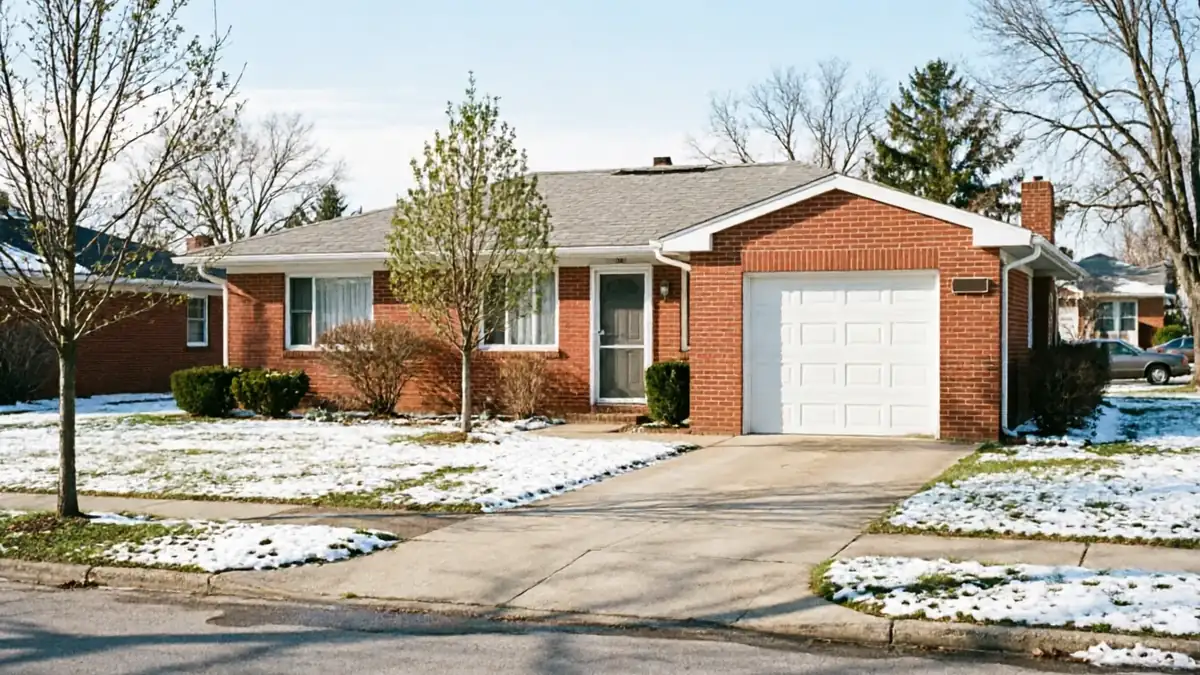
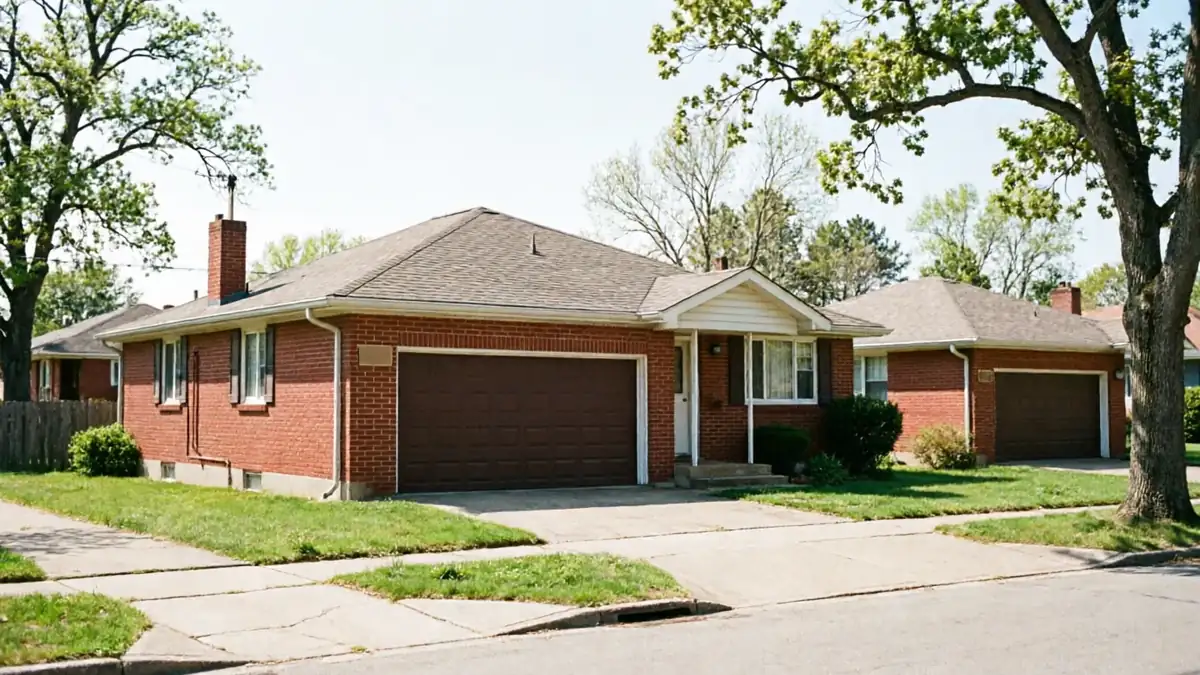
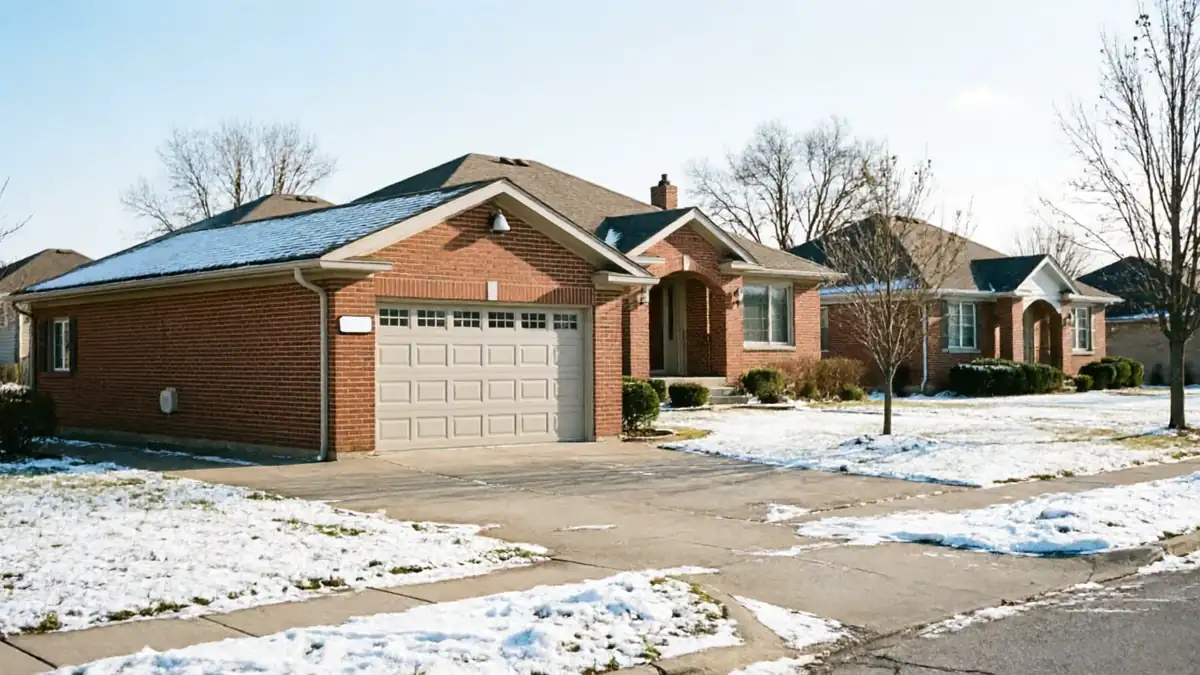
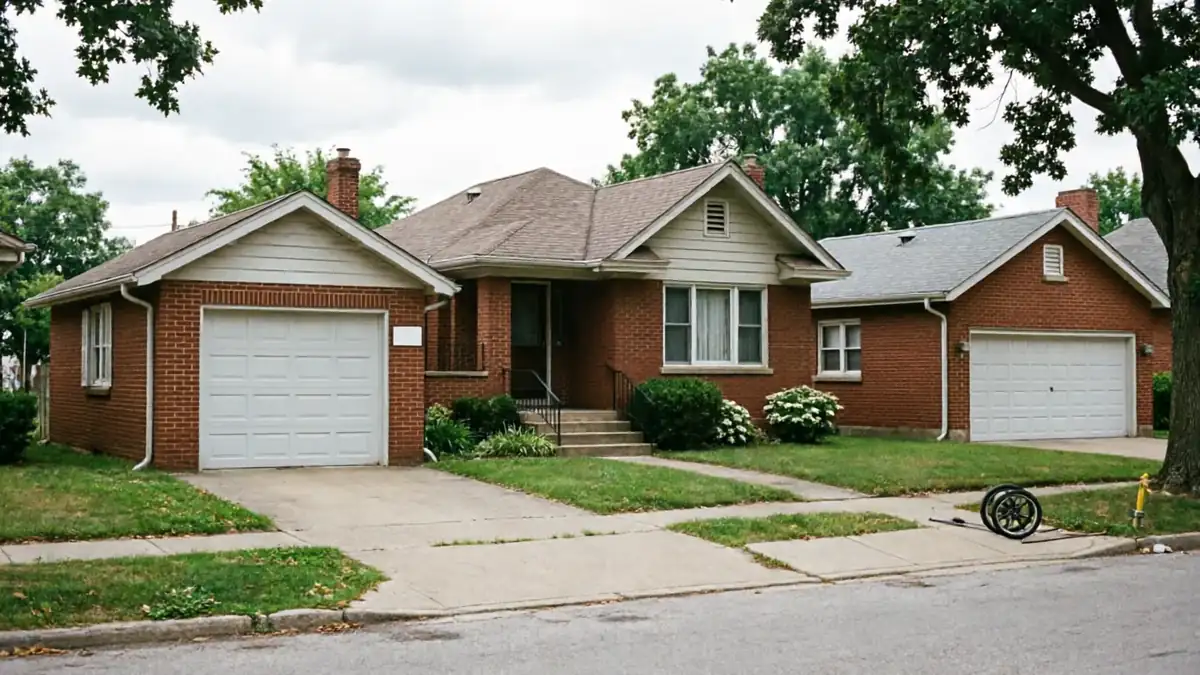
Roseville's median build year of 1968 puts it toward the older end of the broader 1956-2004 range we see across this service area, where the overall median lands around 1973. That earlier date lines up with a wave of post-war development common to several inner-ring suburbs in this part of the Twin Cities. Houses from this era typically have two-car attached garages sized for the cars of the time, which is narrower than a lot of modern double doors, and garage ceiling heights that can limit which opener models fit cleanly.
Across the region's 241,852 households and 104,140 owner-occupied houses, the mix runs from these 1960s originals up through homes built as late as 2004, so hardware age varies a lot block to block even within one city. In Roseville specifically, the age skews consistently older, which is why we expect more spring and hinge wear calls here than in newer pockets of the service area, and fewer opener-compatibility issues tied to unusually tall modern garages.