How We Fix It
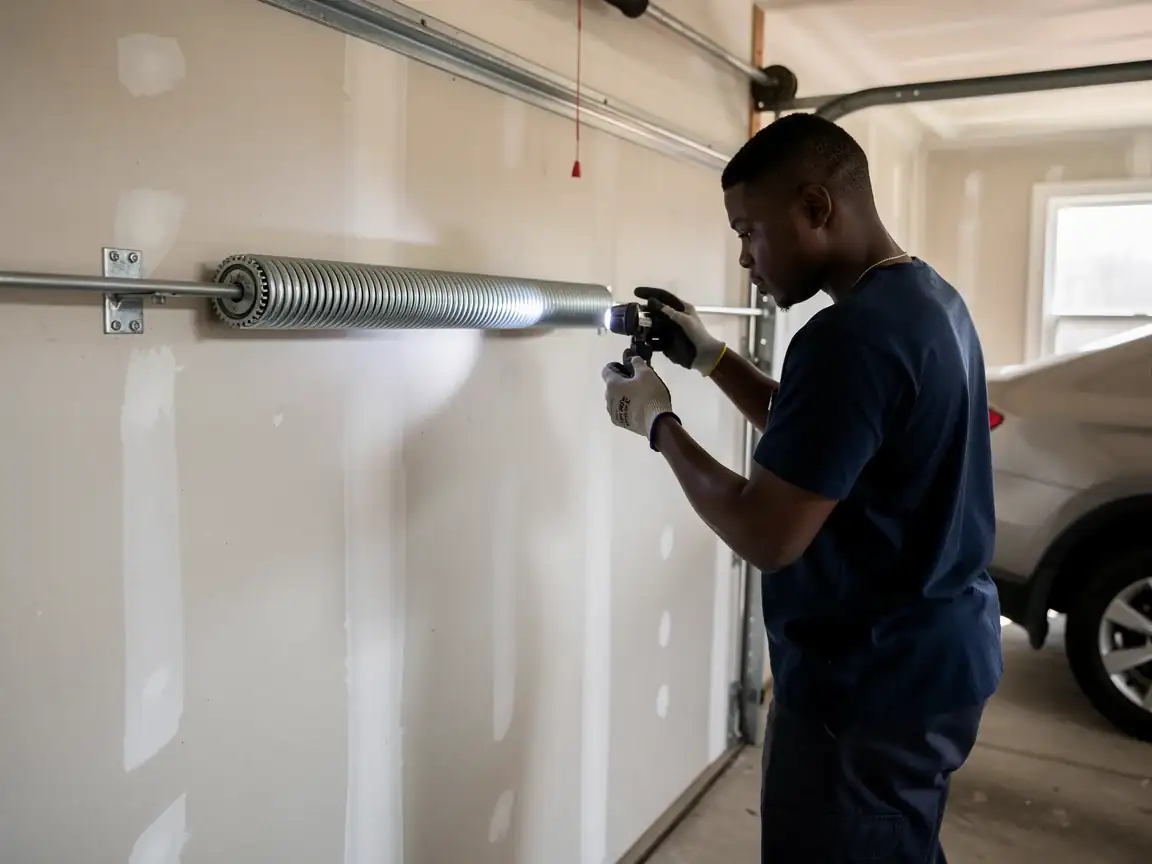
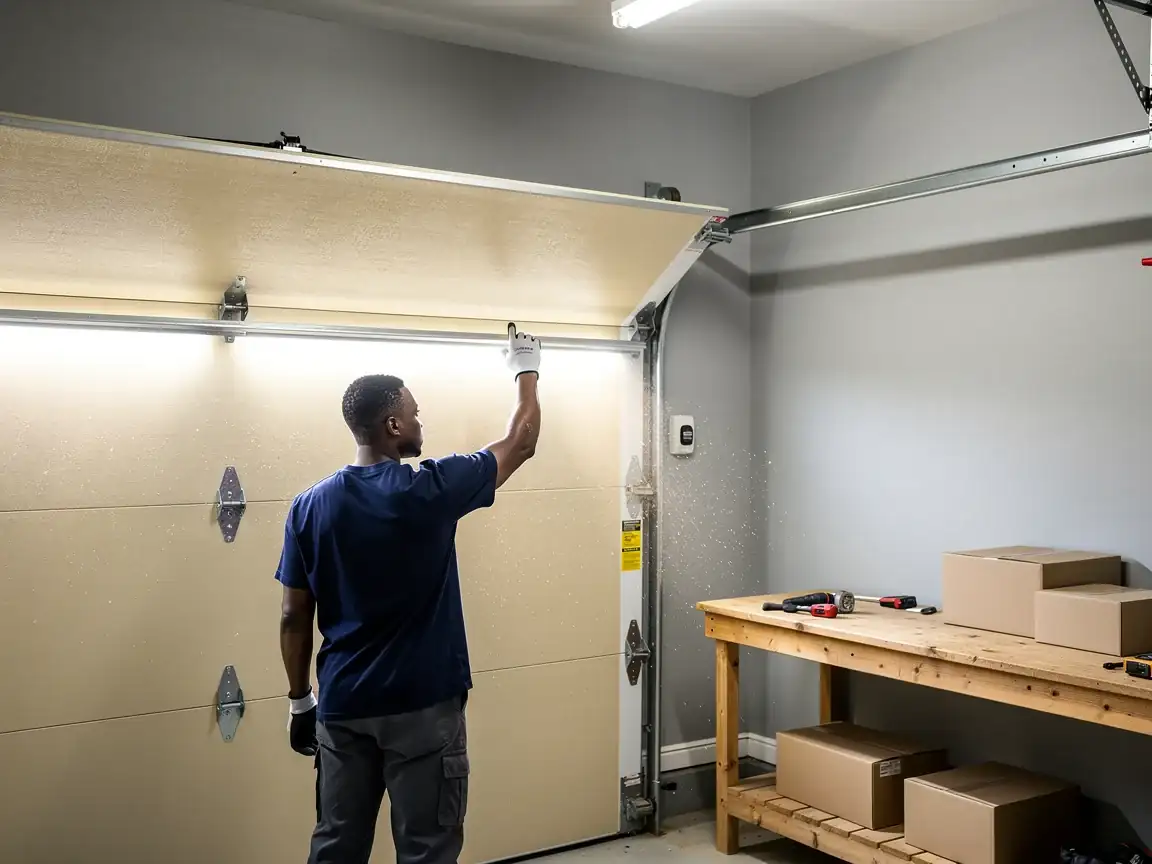
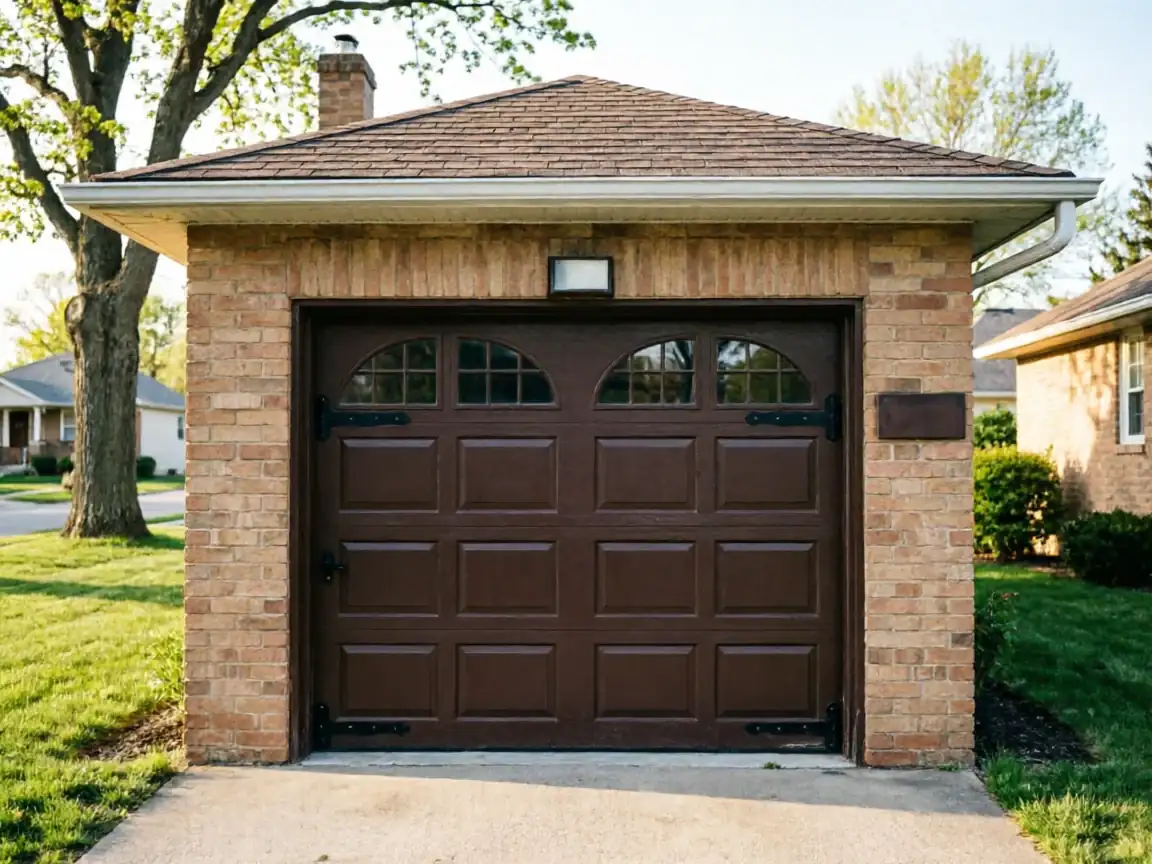
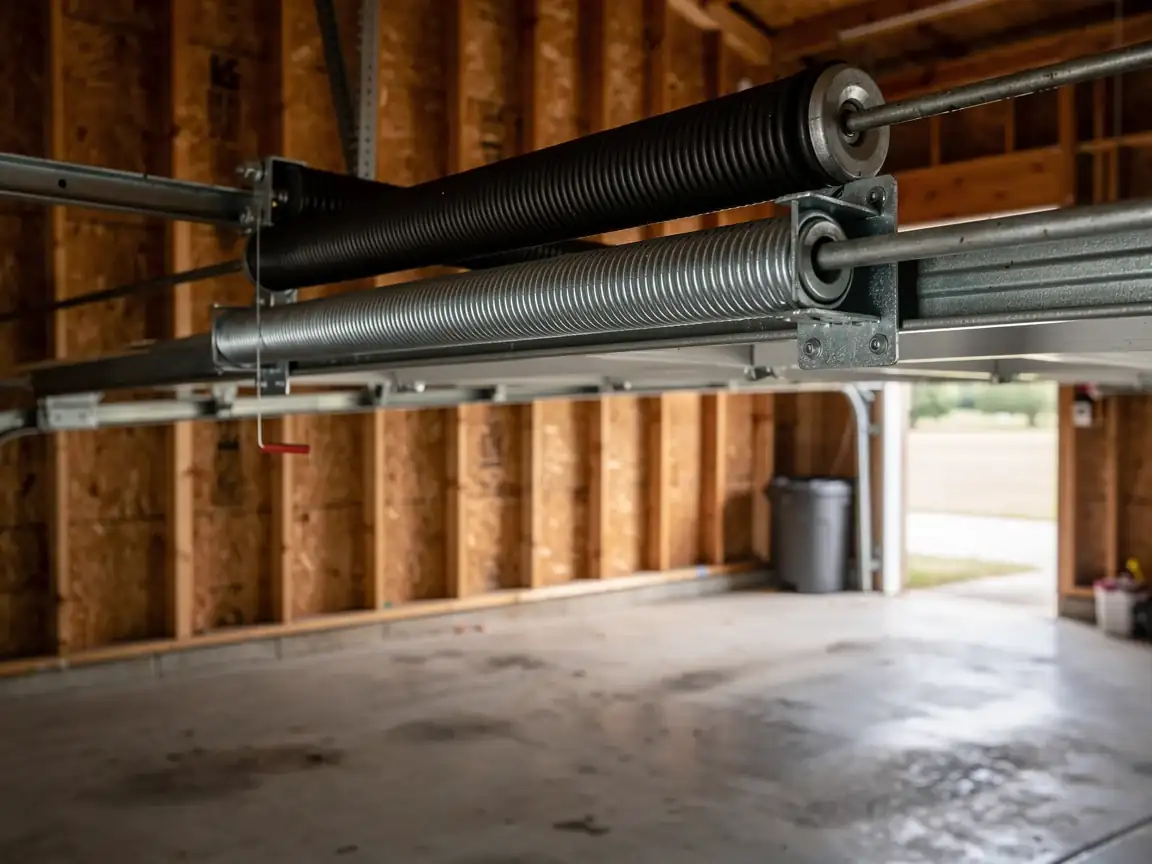
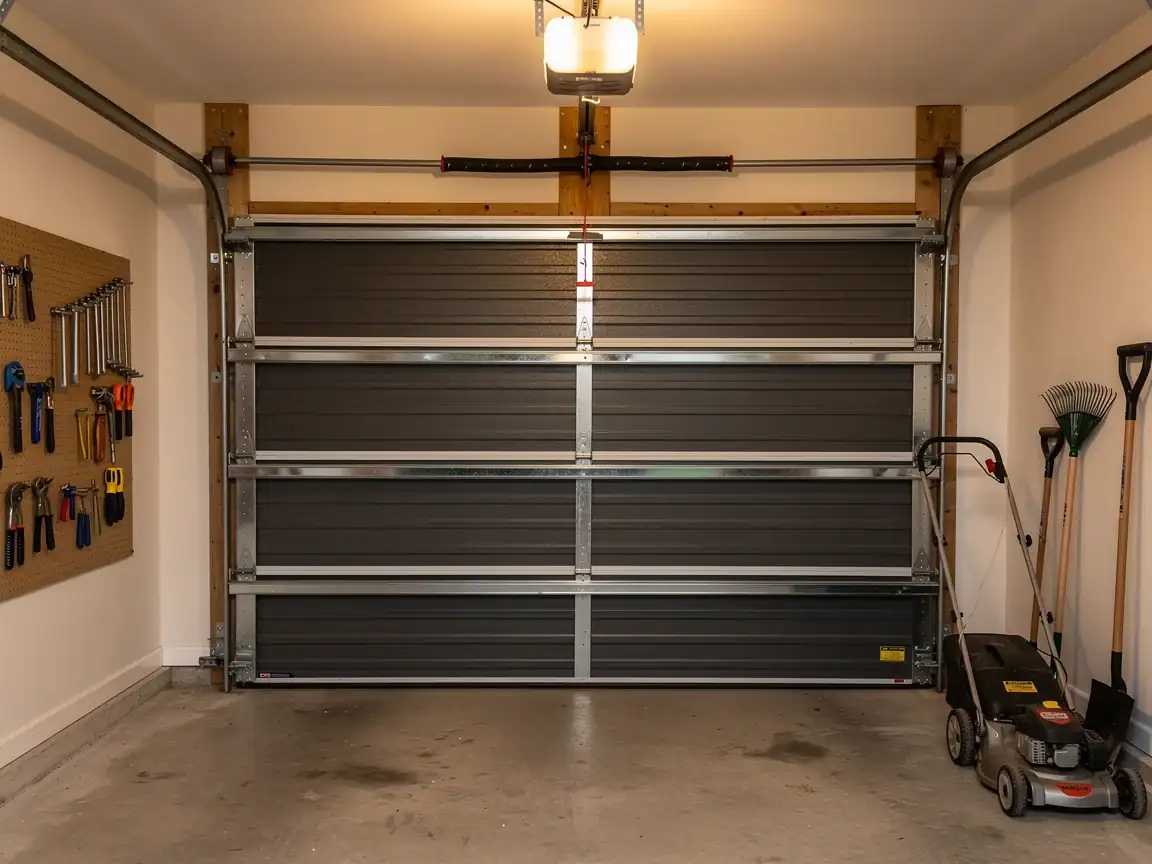
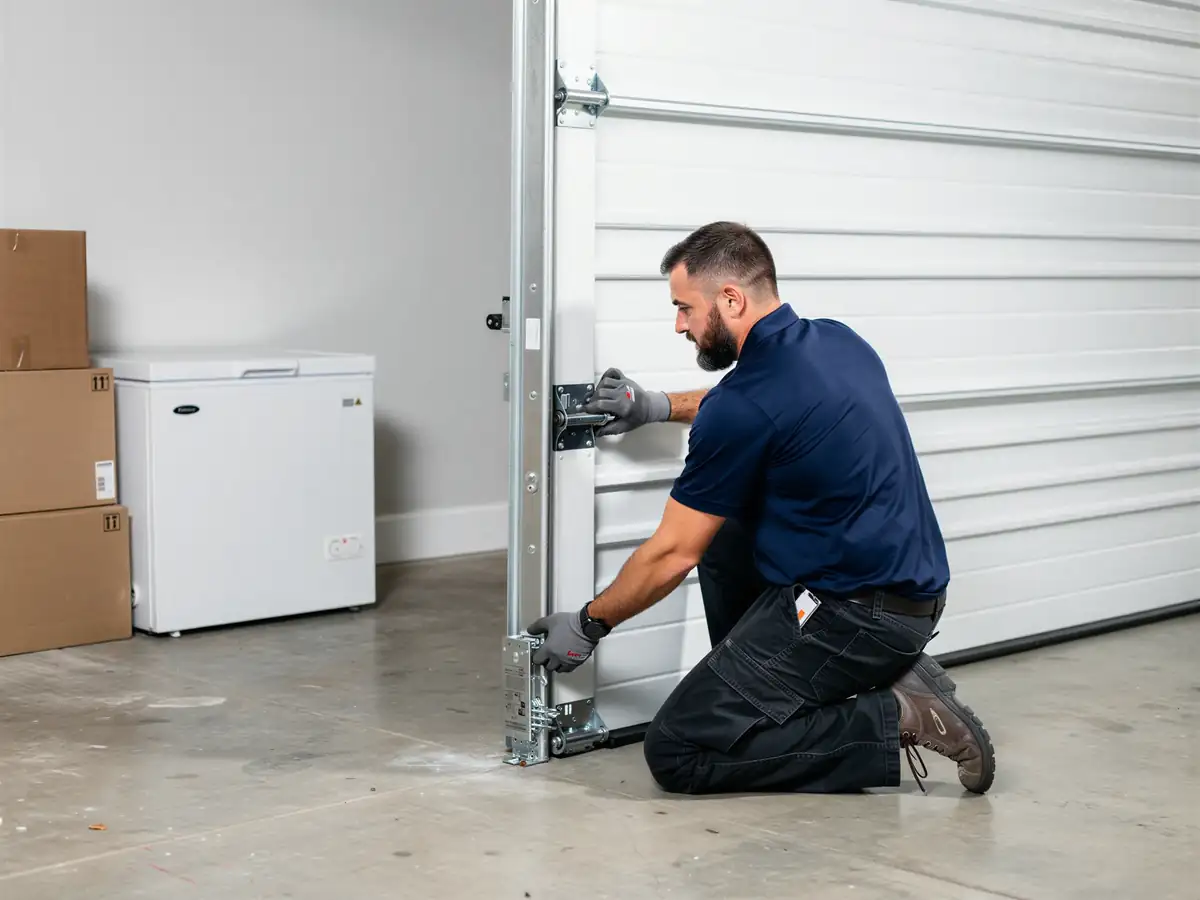
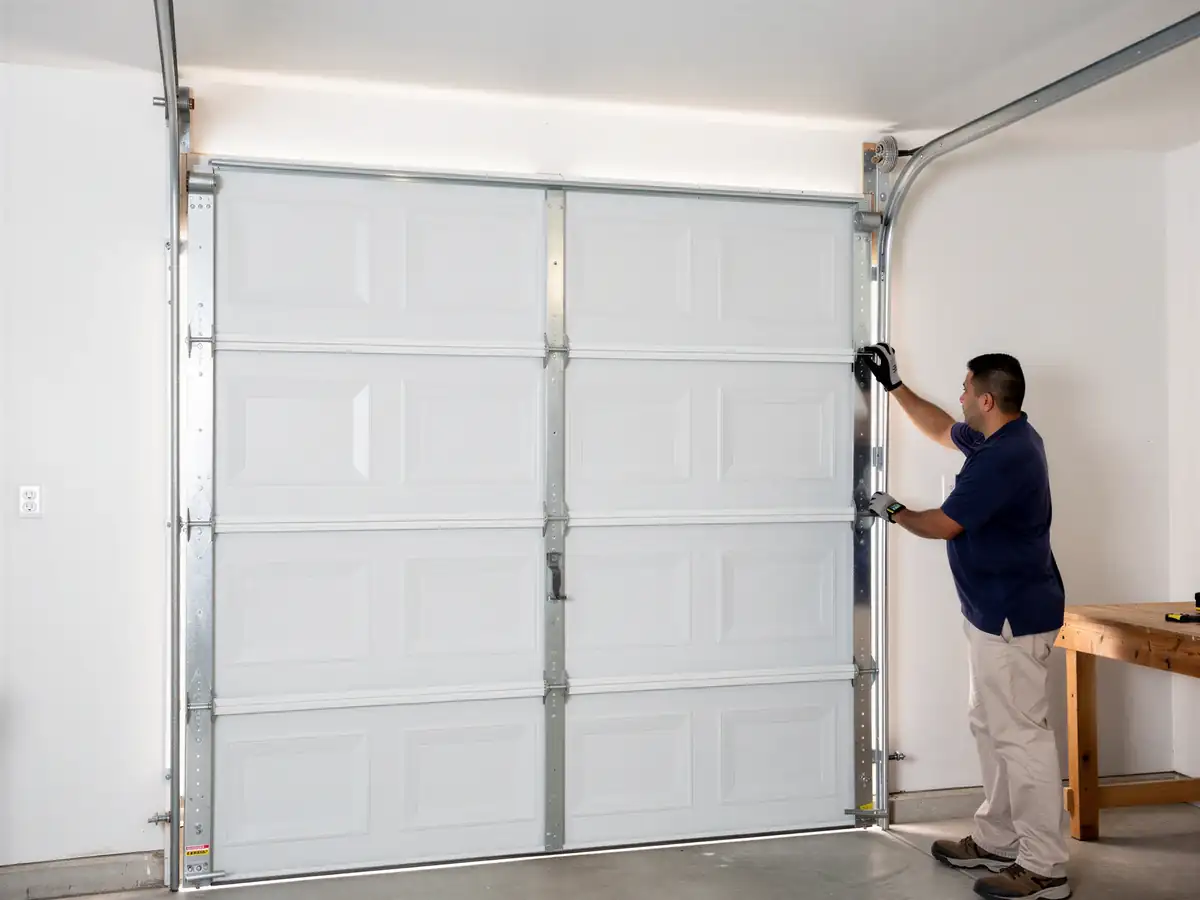
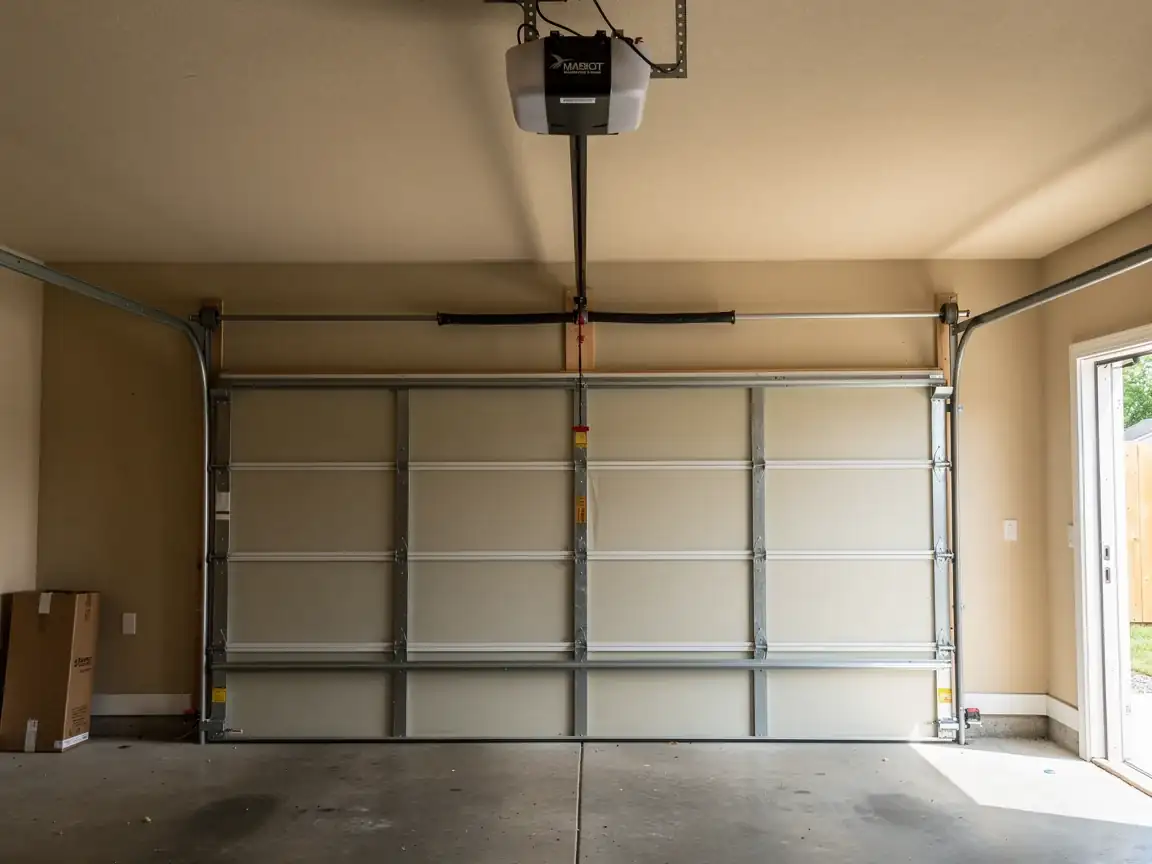
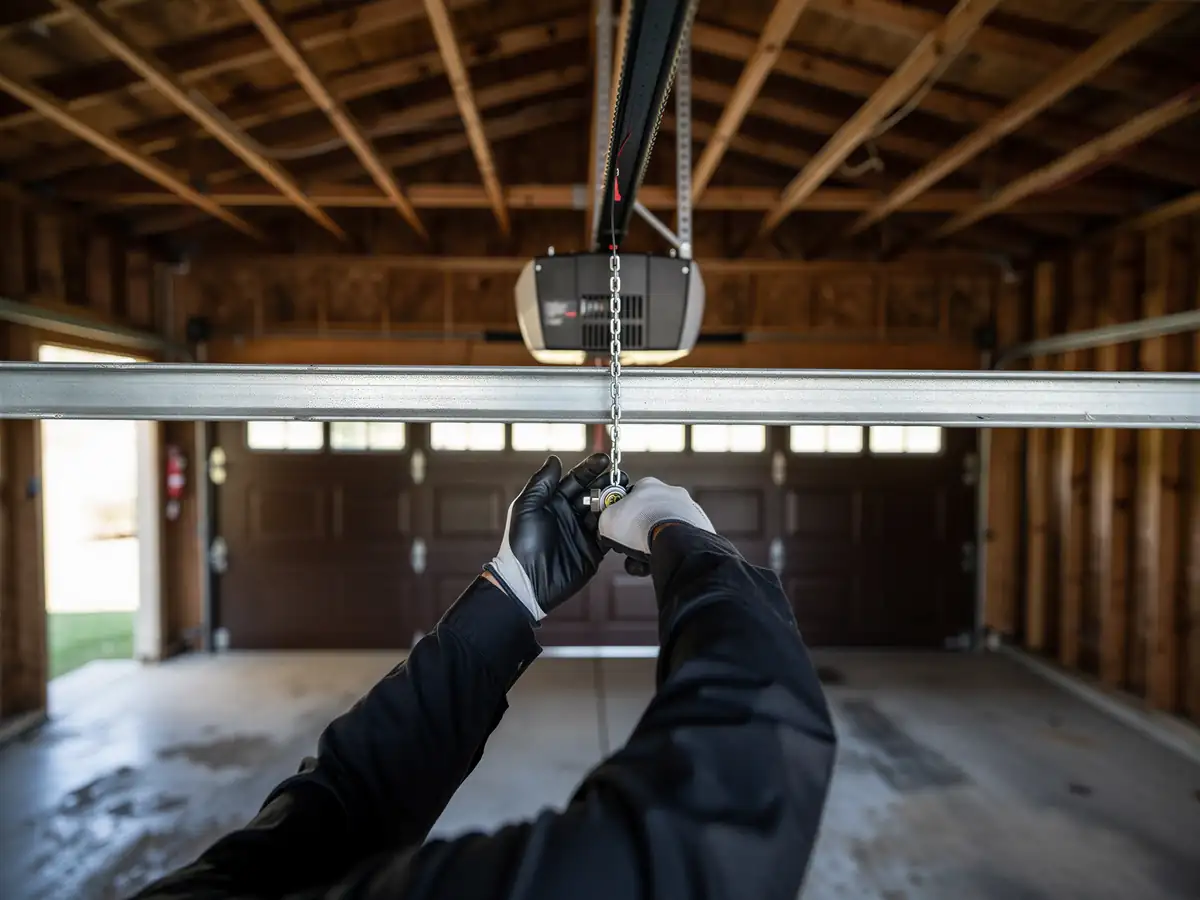
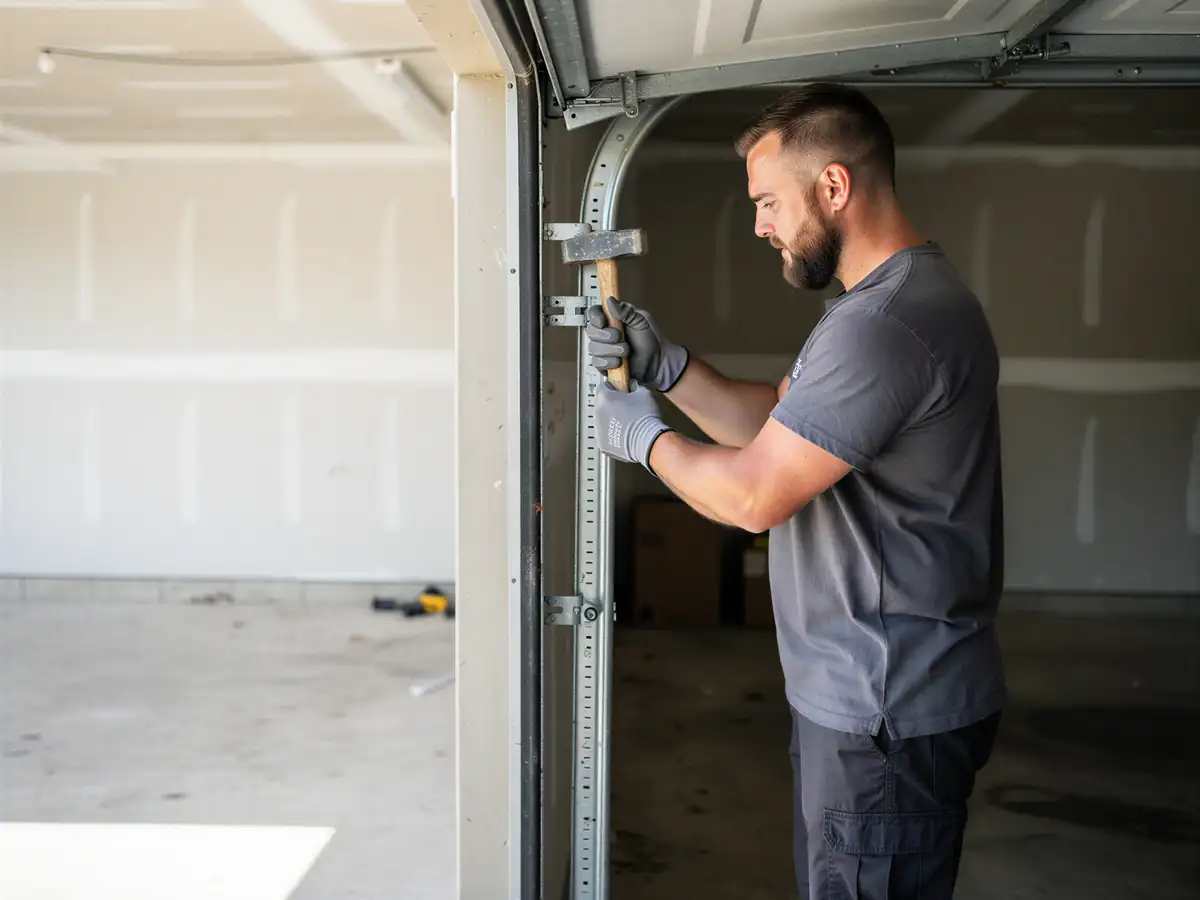
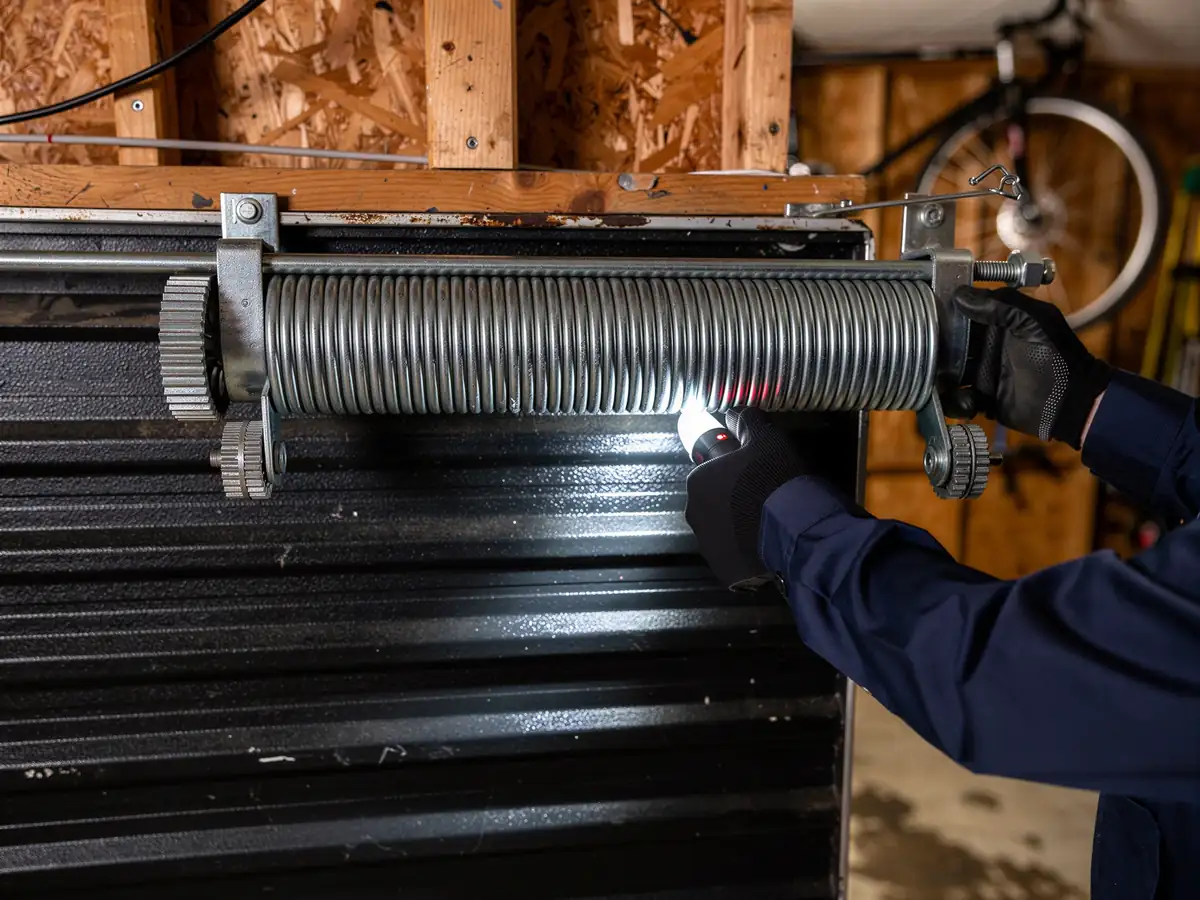
A broken torsion spring means the door has no counterbalance left - the opener is lifting the full weight of the panel section on its own, which is why it strains, stalls, or won't move at all. We unload the old spring with winding bars, pull the shaft, and measure the door's wire size, coil diameter, and length against the actual door weight rather than just swapping in whatever was there. On most single-car and double-car doors built in this area from the 1960s through the early 2000s, that means standard torsion hardware mounted above the opening, which is straightforward work once the door is secured and the cables are off tension.
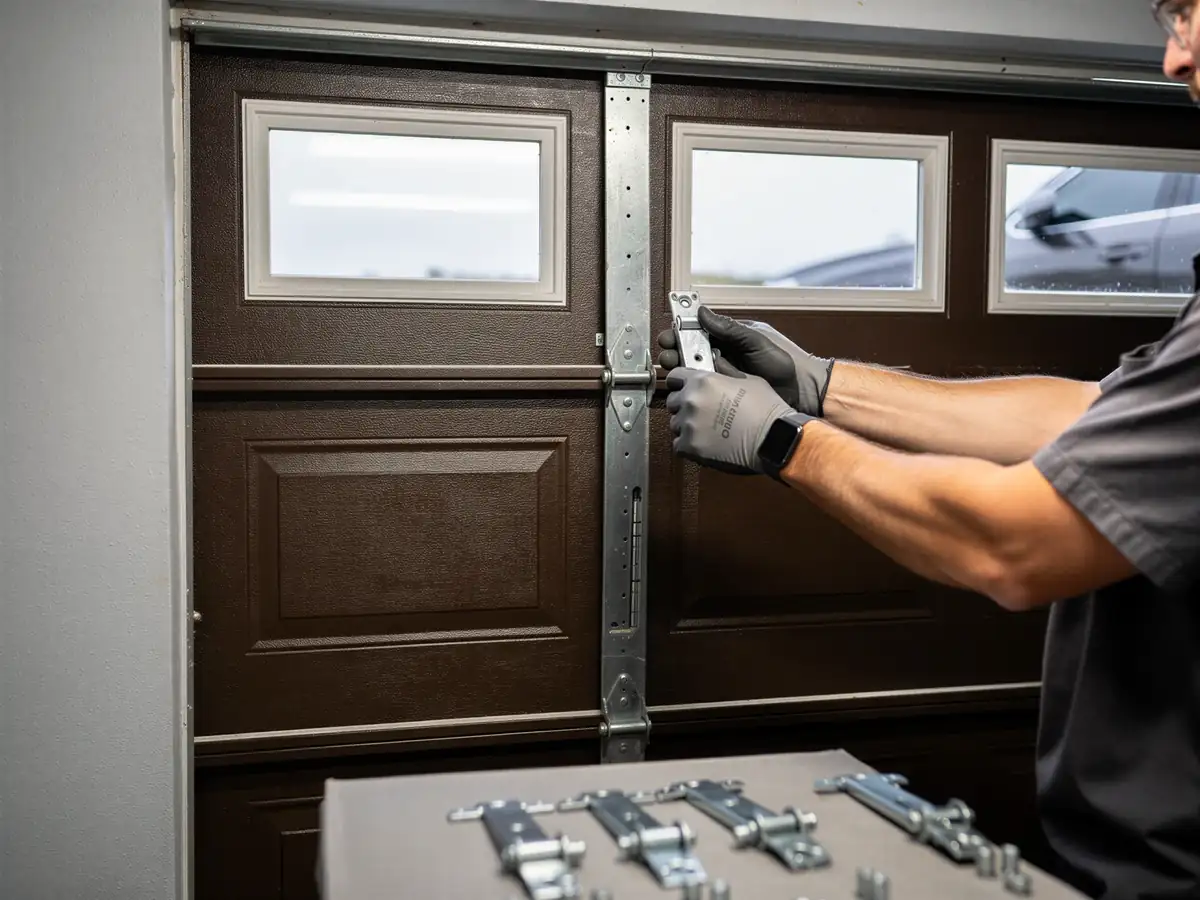
We check the cables, drums, and center bearing at the same time, because a spring rarely fails in isolation - if the bearing's seized or a cable's frayed, replacing the spring alone just sets up the next breakdown. On older doors where the torsion tube or end bearing plate has worn oblong from decades of cycling, we'll say so before we quote the fix, since sometimes the bracket needs attention too. We don't leave a door half-repaired; if we start the job, the door goes back together safe to operate that same visit, or we tell you why not.
What It Costs
We don't post a flat number for spring repair because the right fix depends on the door's weight
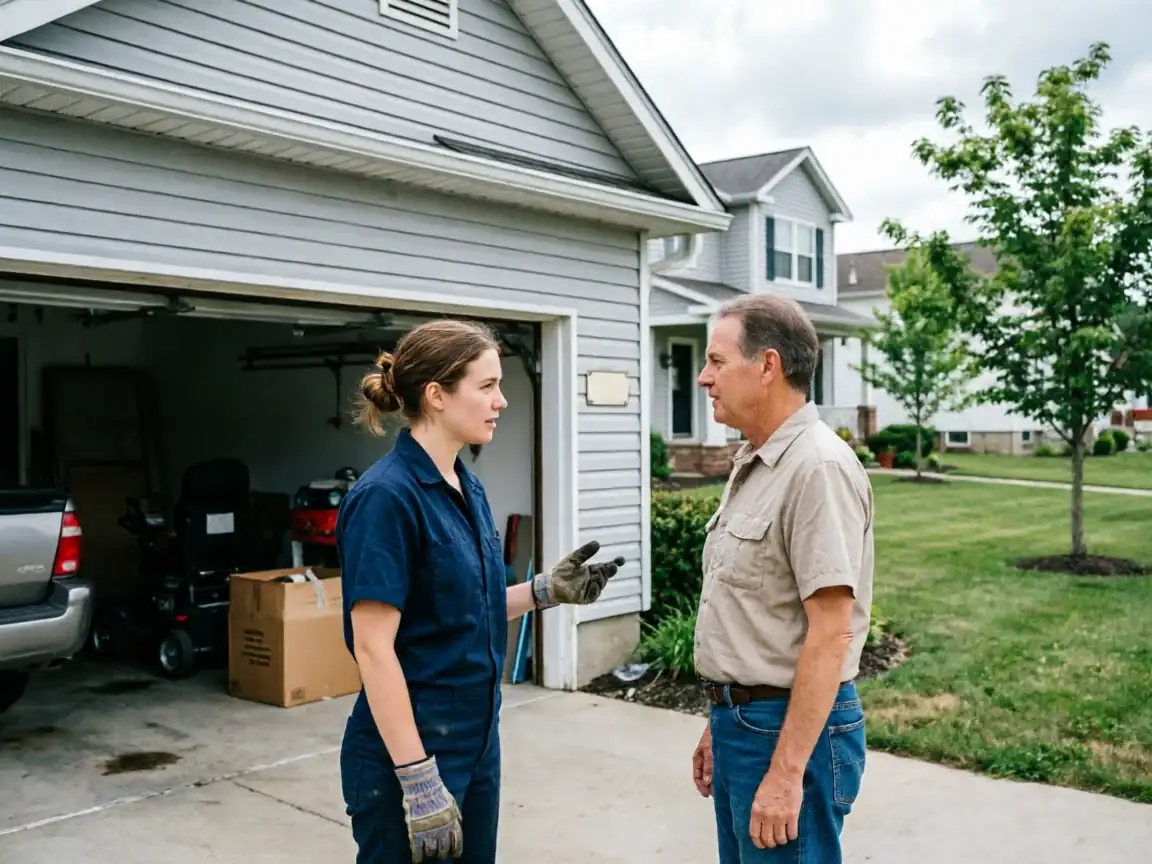
The spring size it actually needs, and whether cables, drums, or bearings need replacing alongside it. A single spring swap on a lighter door costs less than a dual-spring replacement on a heavier insulated double door, and we won't know which you have until we're standing in front of it.
What we can tell you
Springs are rated for a number of cycles, and in a cold-climate area like this one, where the door's doing extra work against stiff cold-weather seals and heavier winter air pulling on the opener, that cycle count gets used up without any dramatic signs beforehand - the door just works fine until the spring snaps. We give you the number before we touch anything, broken down by part, not a lump sum. If the torsion hardware itself is rusted or bent beyond saving, we'll tell you that costs more than a spring and let you decide.
What You Are Seeing
A door that won't lift past a few inches, or drops like dead weight when the opener disengages, almost always means a torsion spring has let go. You'll often hear it before you see it - a loud bang from the garage, usually when nobody's touching the door, is the spring parting on the shaft. After that, the opener motor will strain, groan, or trip its own overload trying to lift a door with no counterbalance, which can burn out the motor if it's run repeatedly in that state.
Some owners notice the warning signs first: a door that's gotten noticeably harder to lift by hand, one side that looks lower than the other when it's resting open, or a gap in the coil you can see when you look up at the spring itself. Any of those mean the spring is close to the end of its life, not that it's already failed. Don't keep running the opener on a door that's stuck partway or dropping fast - that's how cables snap next, which turns a spring job into a bigger repair.
What Causes It Around Here
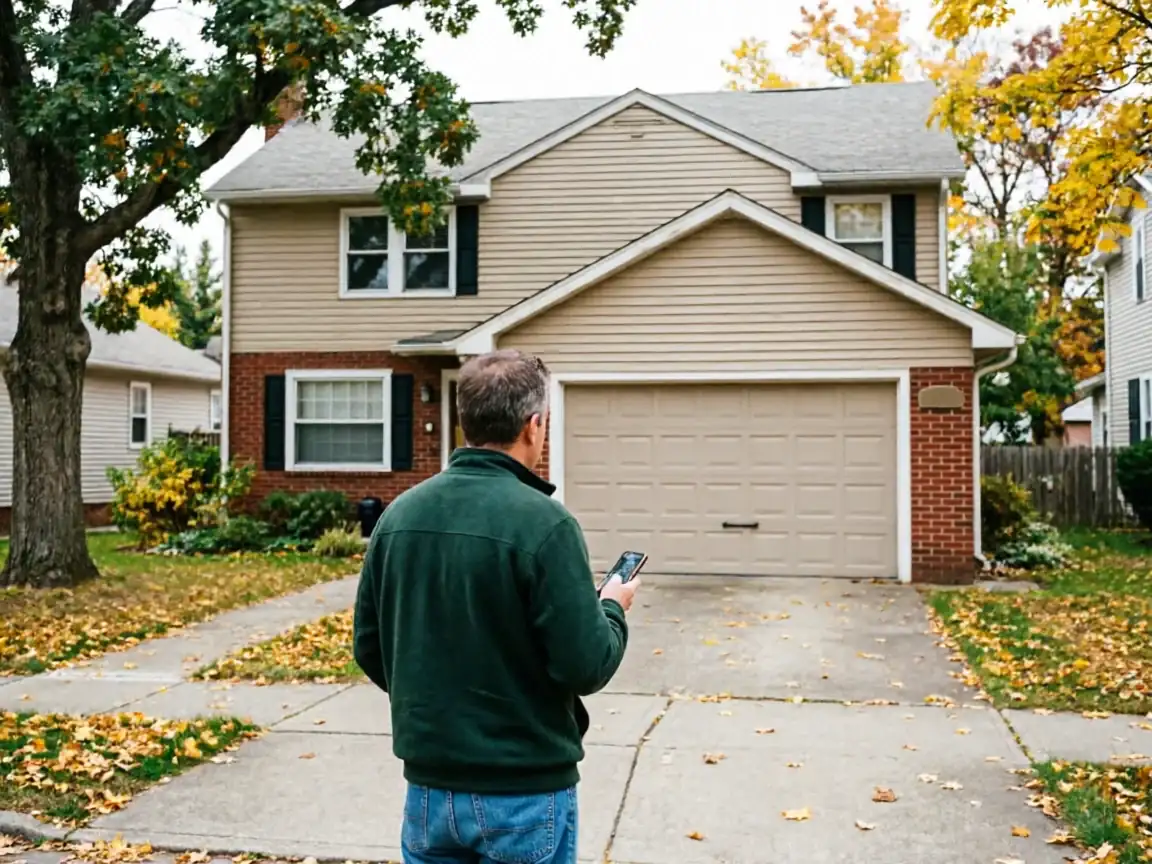
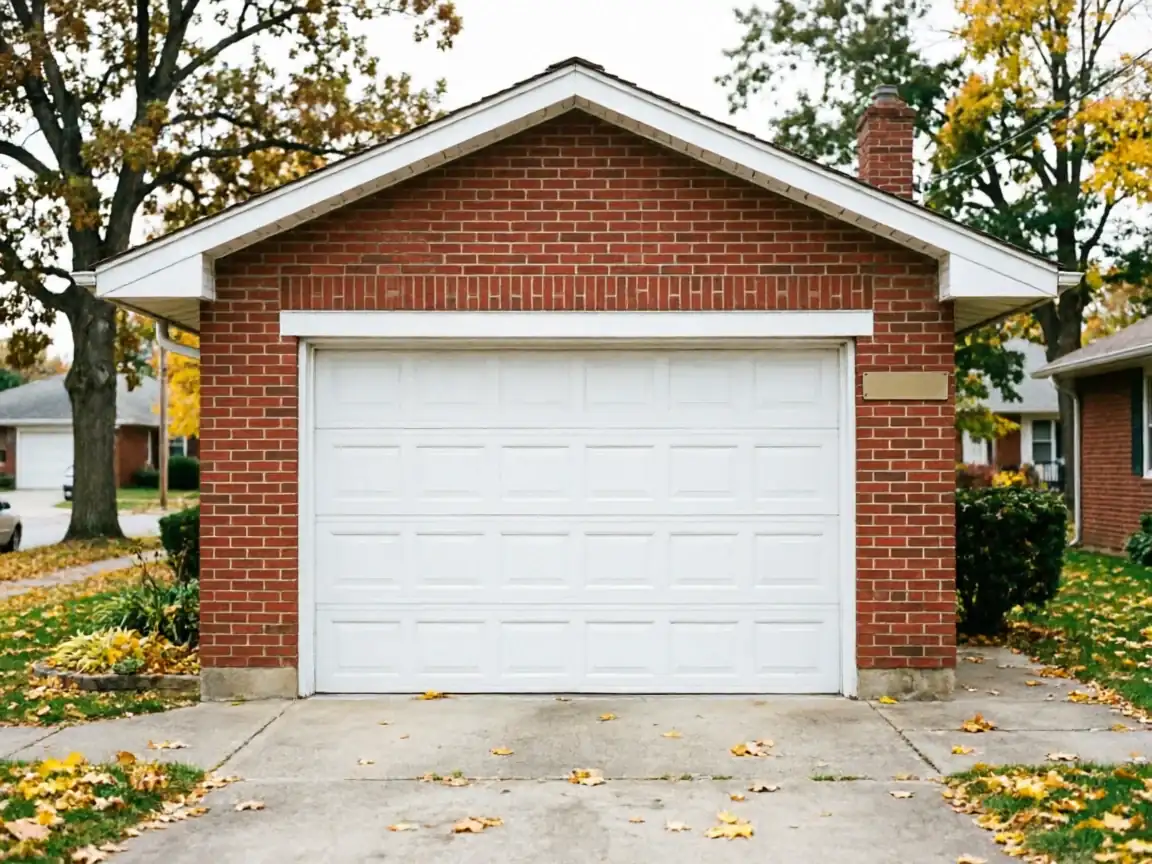
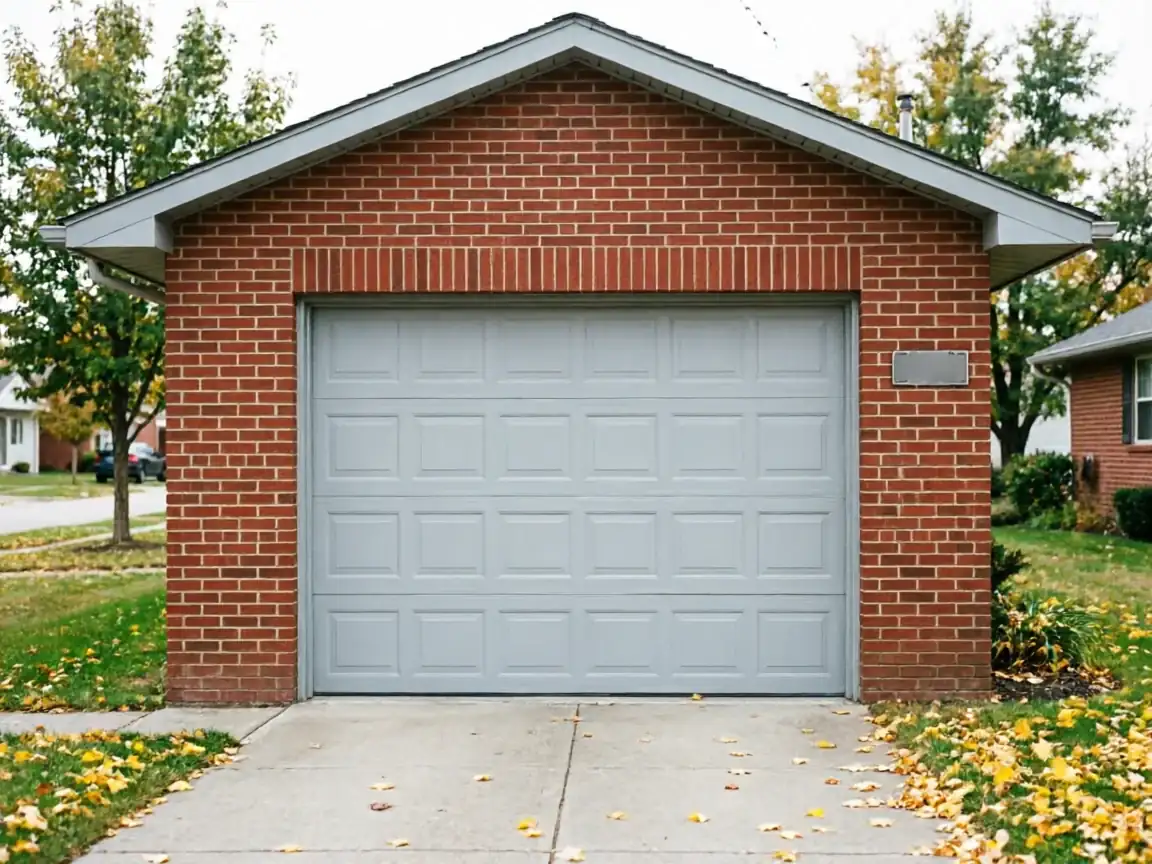
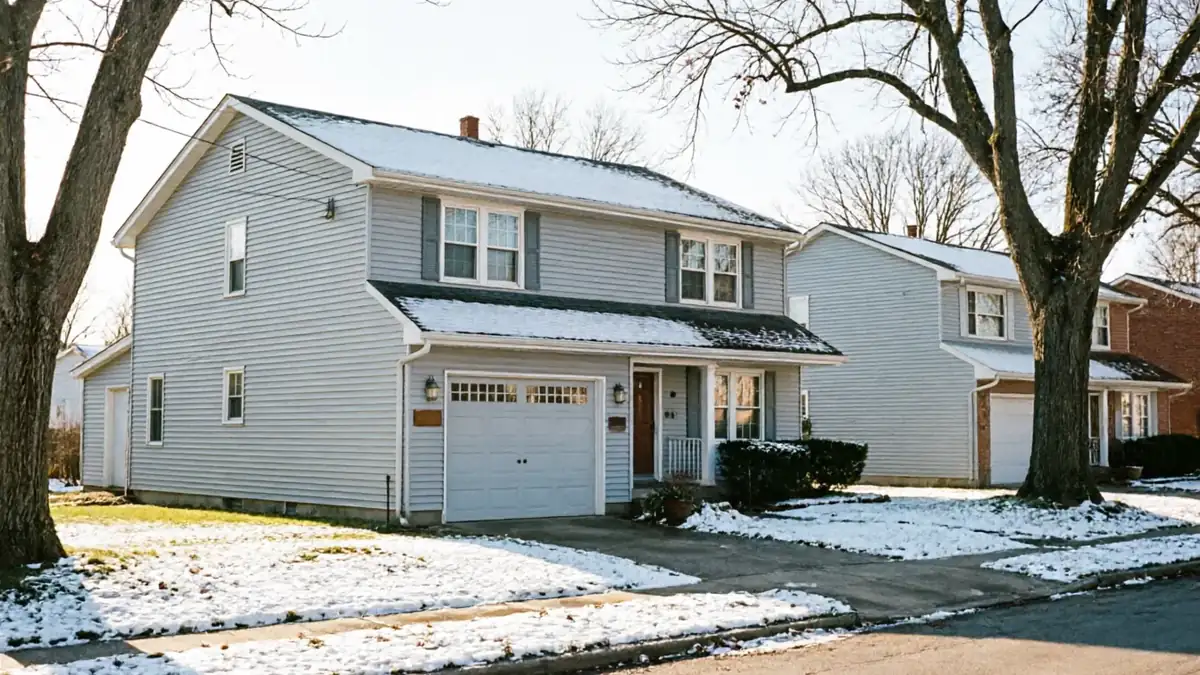
Housing in this area runs mostly 1956 to 2004, with a median build year around 1973, and a lot of that stock across the 37 named areas we work in dates to the 1960s and 70s. Doors and torsion hardware from that era weren't built for infinite cycles, and many houses are still running original or first-replacement springs that have simply outlasted their rated life.
The bigger factor is the cold. This is a cold-climate area, and torsion springs lose a bit of flex in sustained cold, which means more strain on the coil with every lift during the months that door gets used the most - pulling cars in and out, kids in and out, twice a day through a long winter. That combination of older torsion hardware and a genuinely cold climate band is why spring failure here tends to cluster into certain weeks rather than spreading evenly across the year. It's not a defect in any one door - it's wear meeting weather on hardware that's often decades old.