How We Fix It
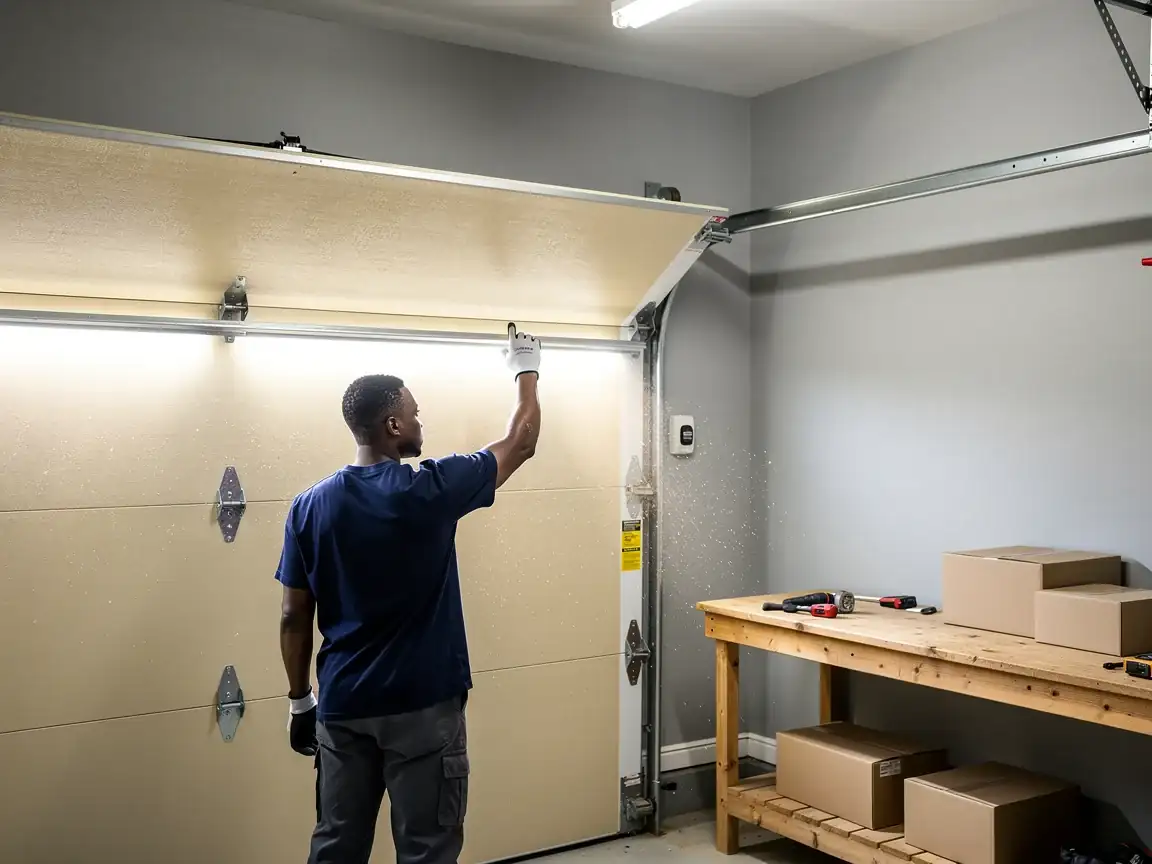
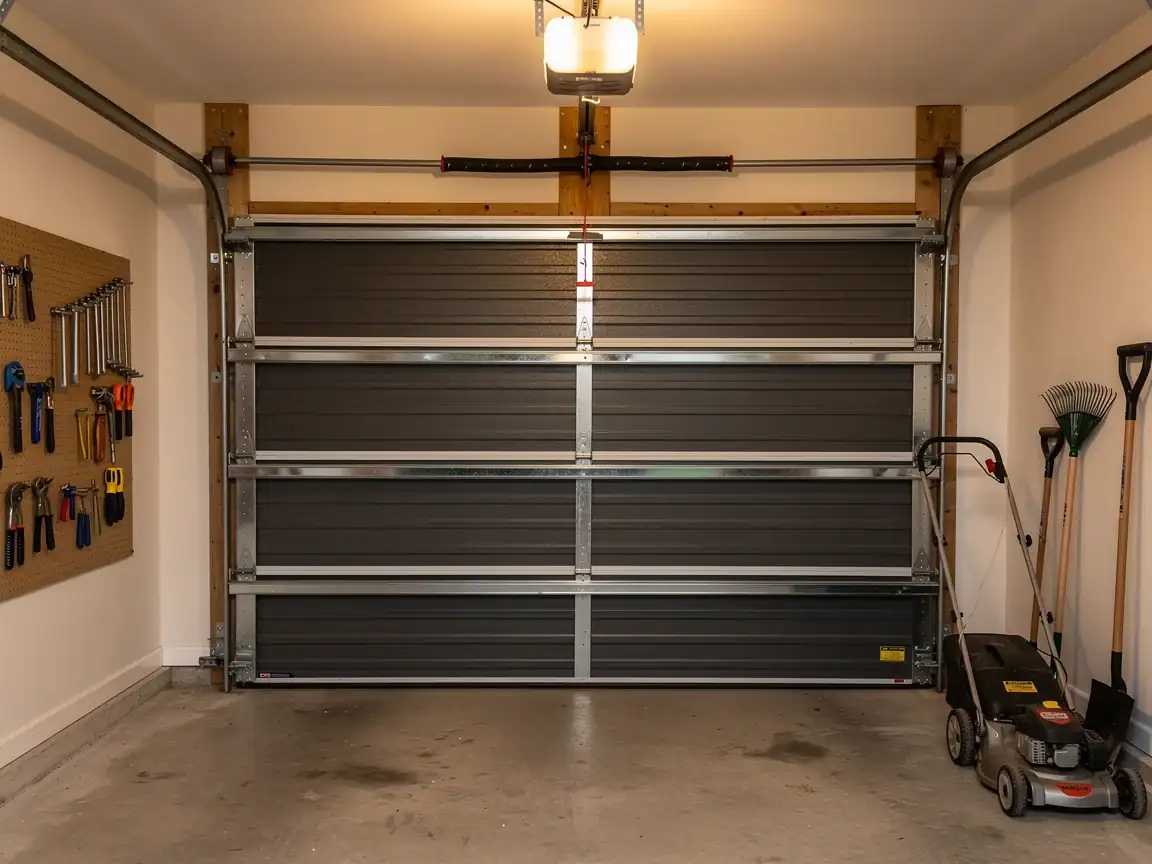
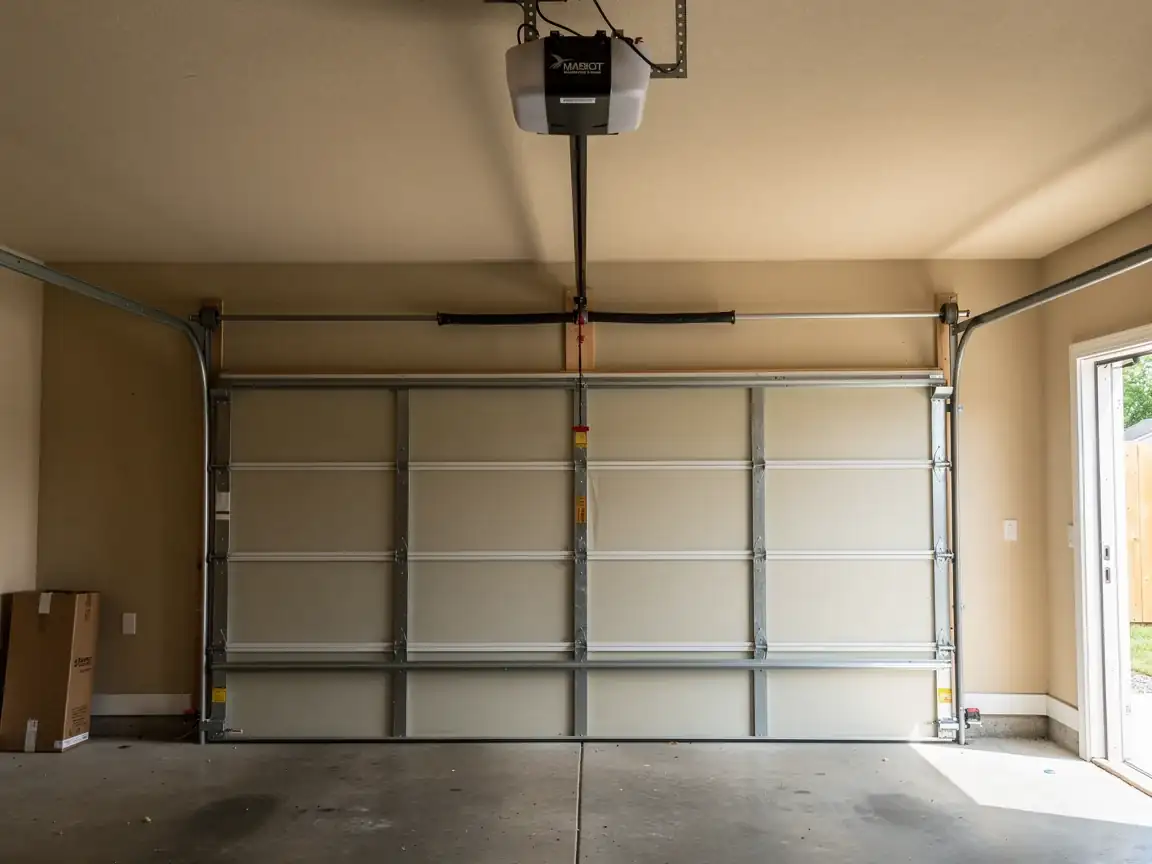
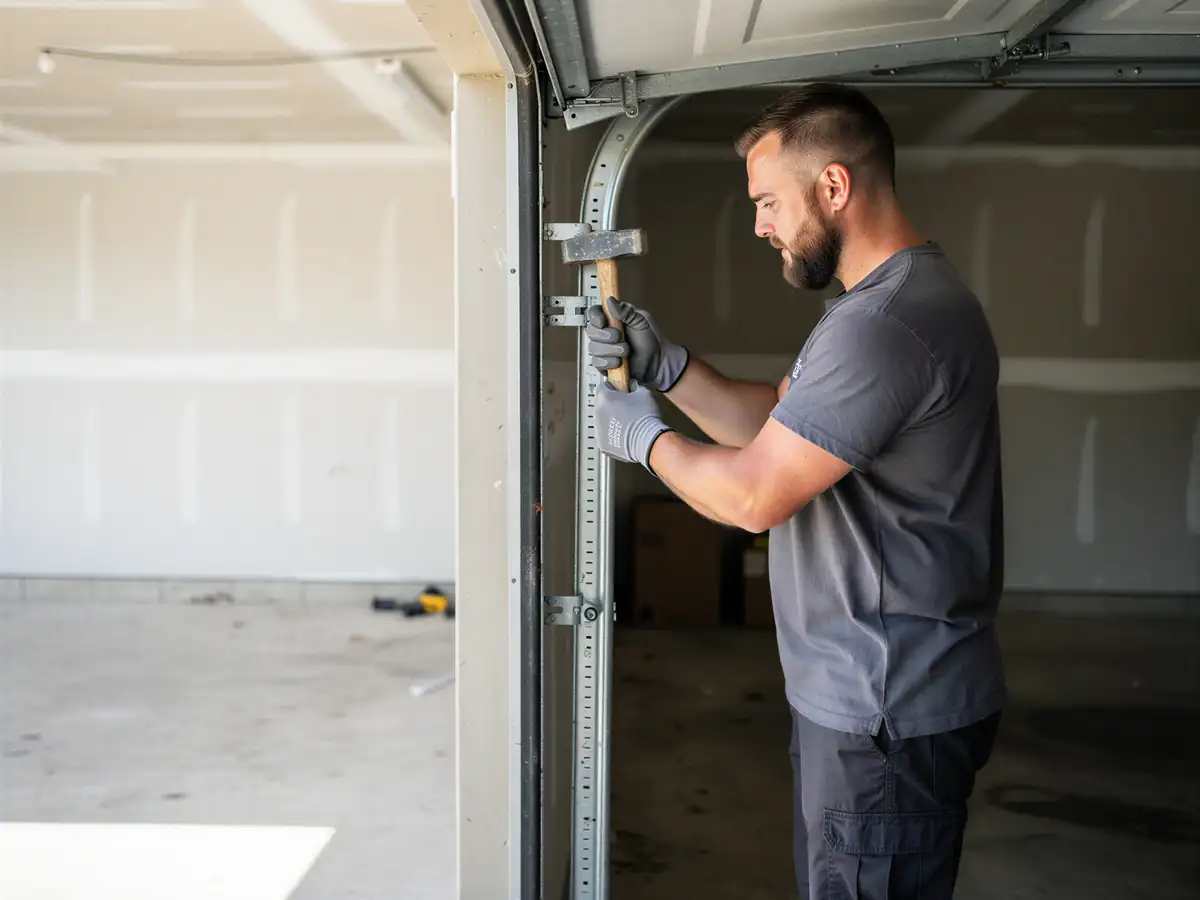
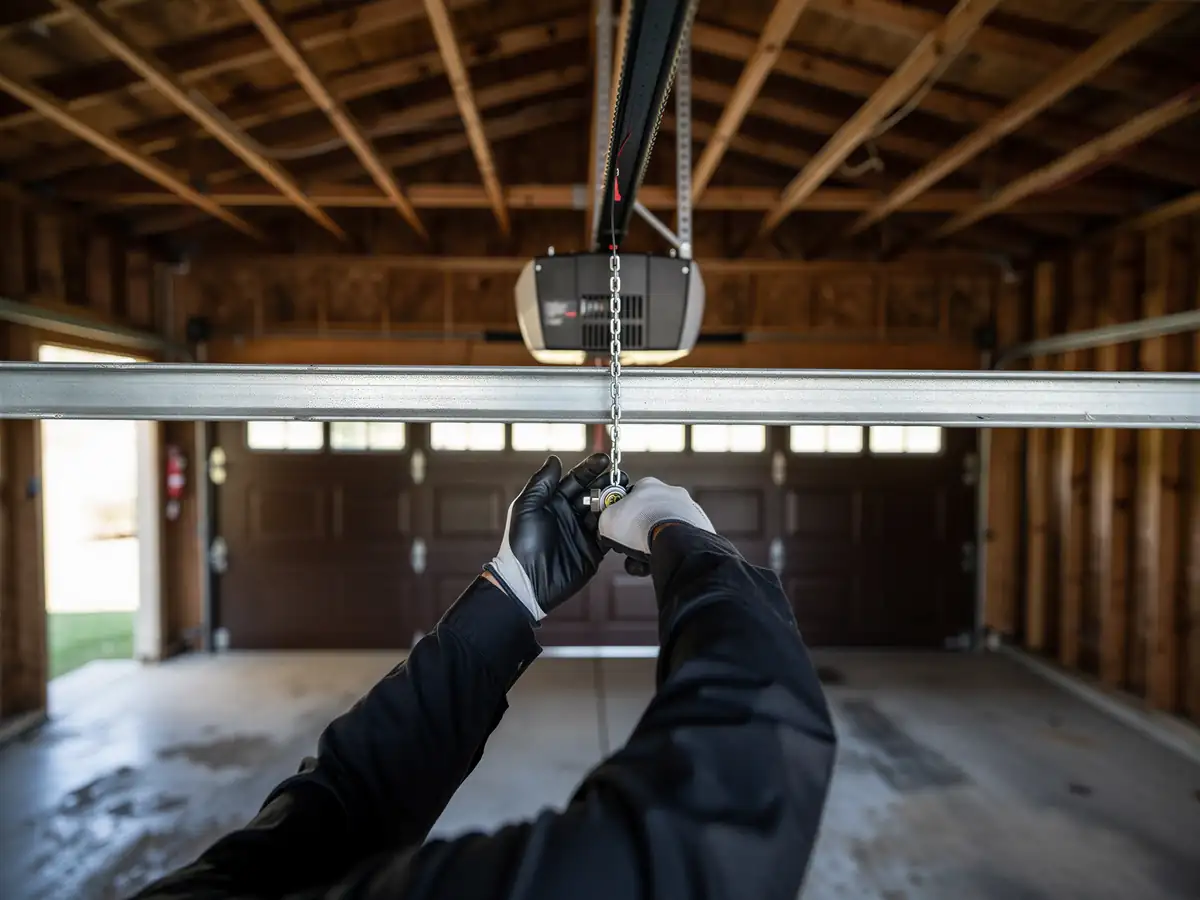
We start by watching the door run a full cycle before touching anything. A grinding noise on the way up usually points to a stripped nylon gear inside the opener head, not the motor itself. If the door reverses halfway or won't close at all, we check the safety sensors first, since a knocked-out-of-alignment eye will stop a close every time and gets blamed on the opener when it isn't the problem. From there we test the logic board, the capacitor on older chain and screw-drive units, and the wiring running back to the wall button.
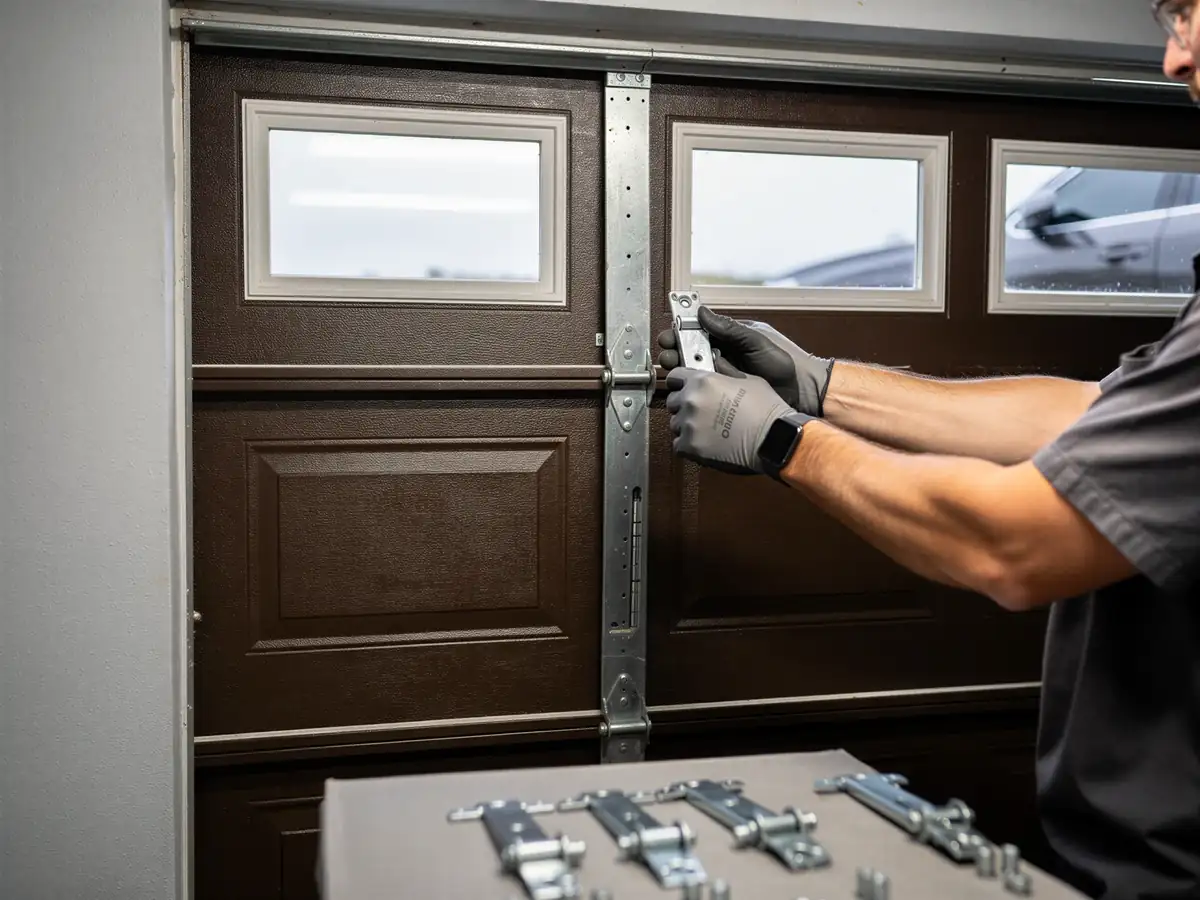
We carry common gear kits, circuit boards, and sensor pairs on the truck for the drive types that show up most in this area. If a part is obsolete or the manufacturer stopped making boards for a model, we'll say so and walk through whether a repair still makes sense or whether the opener itself is at the end of its run. We don't swap a whole unit just because it's easier for us; if a $20 gear kit gets another five years out of a working motor, that's what we do.
One limitation worth naming: if the opener was installed before universal safety reversal became standard practice, we won't reconnect it without bringing the sensors up to current operating condition. We're not going to leave a door running without that in place.
What It Costs
We don't publish a flat price list for opener repair
Because the fix for a chewed-up gear and the fix for a dead circuit board aren't in the same ballpark, and we're not going to quote a number before we've seen the unit. What we can tell you is what drives the cost: whether the part is still manufactured, whether the opener is a chain, belt, or screw drive, and whether the issue is the opener itself versus the door's springs or cables pulling extra load that burns out the motor early.
Given that most of the opener calls we run in this service area involve units installed in houses built well before today's codes
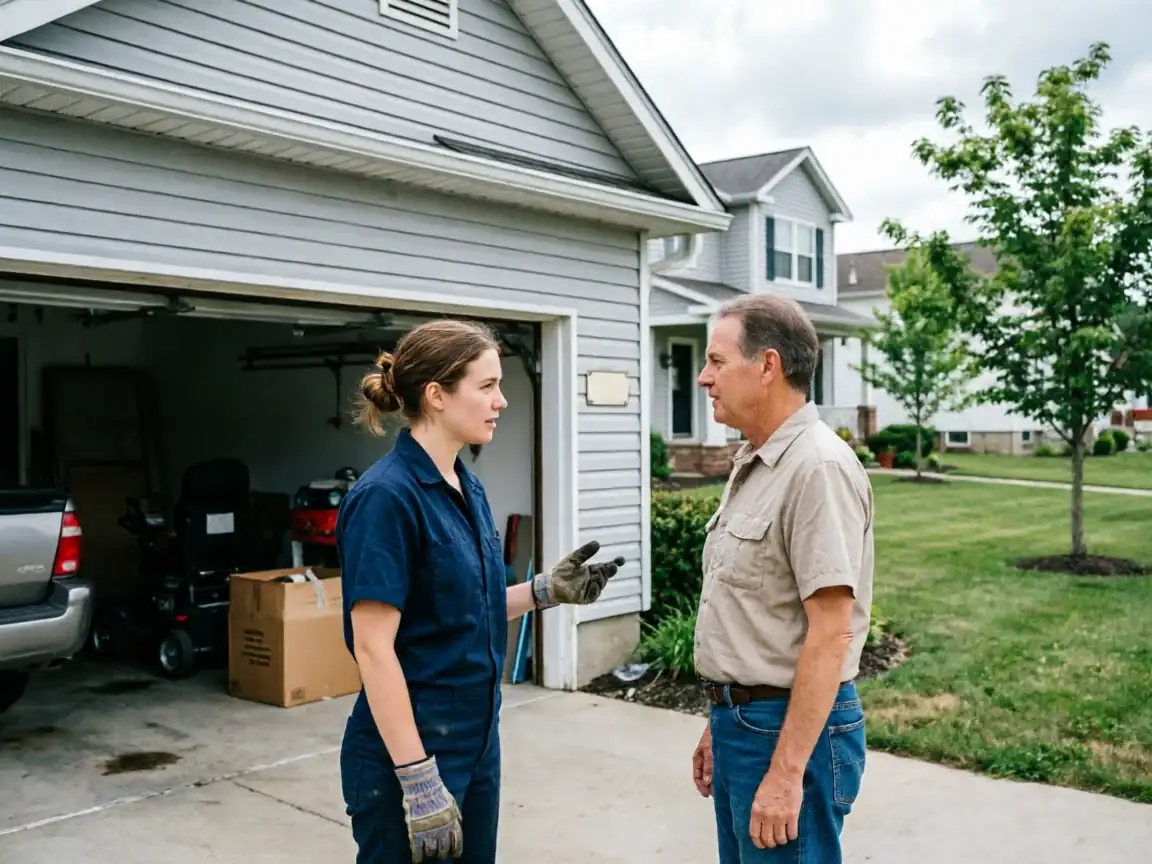
A lot of jobs end up being a parts swap rather than a full replacement. We'll give you the real number on site, before any work starts, and we'll tell you plainly if replacement is the better spend than another repair. A homeowner shouldn't have to guess which one they're buying.
What You Are Seeing
The opener runs but the door doesn't move: usually a stripped gear or a broken drive belt, not the motor. The light blinks and the door won't close: almost always a sensor out of alignment or a sensor lens fogged with garage dust. The door opens fine but reverses on close every time: check for something blocking the sensor beam before assuming the board failed.
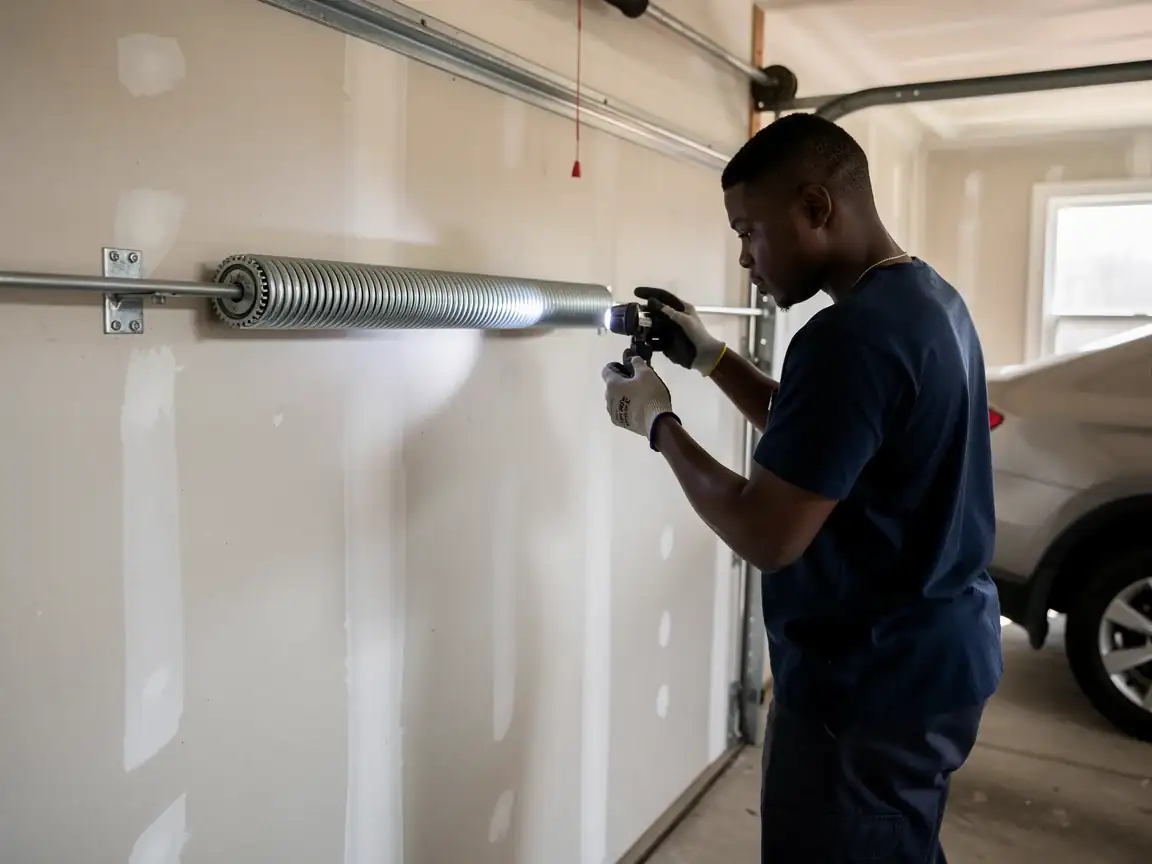
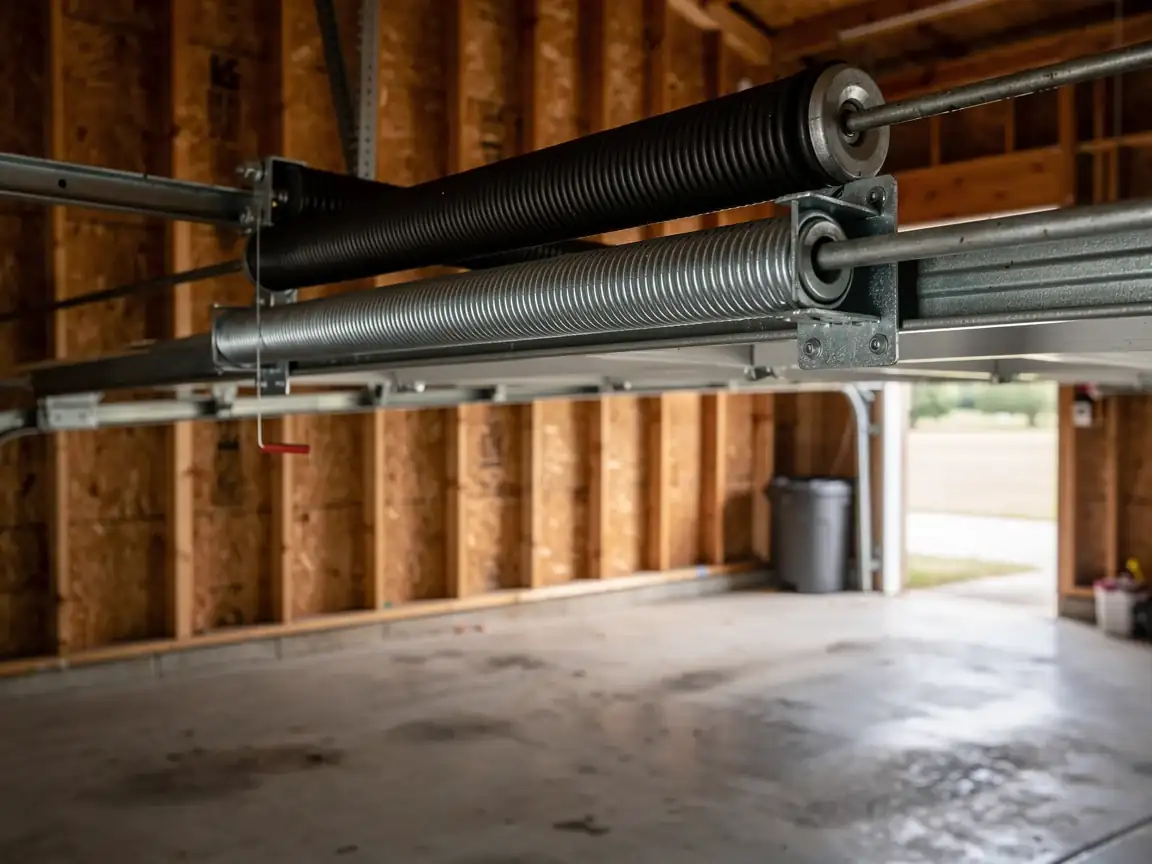
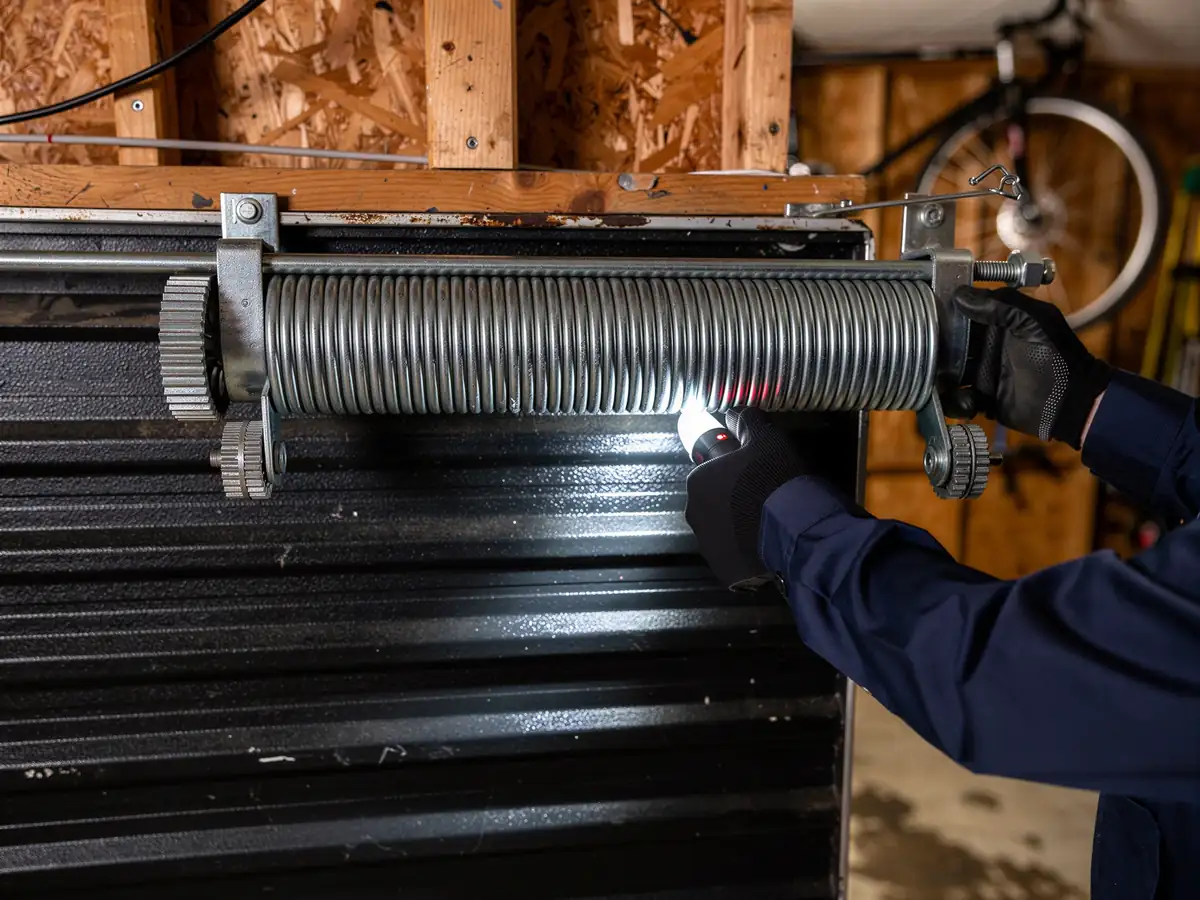
A remote that works sometimes but not always often means a failing circuit board rather than a dying battery, especially if the wall button has the same intermittent behavior. A loud pop followed by the opener running but the door not lifting is frequently a broken spring taking the load off the opener entirely, which is a door repair, not an opener repair, even though it looks the same from the driver's seat. Humming with no movement at all, paired with a warm motor housing, points to a capacitor that's given out, common on chain and screw-drive units that have been running since the house was built.
What Causes It Around Here
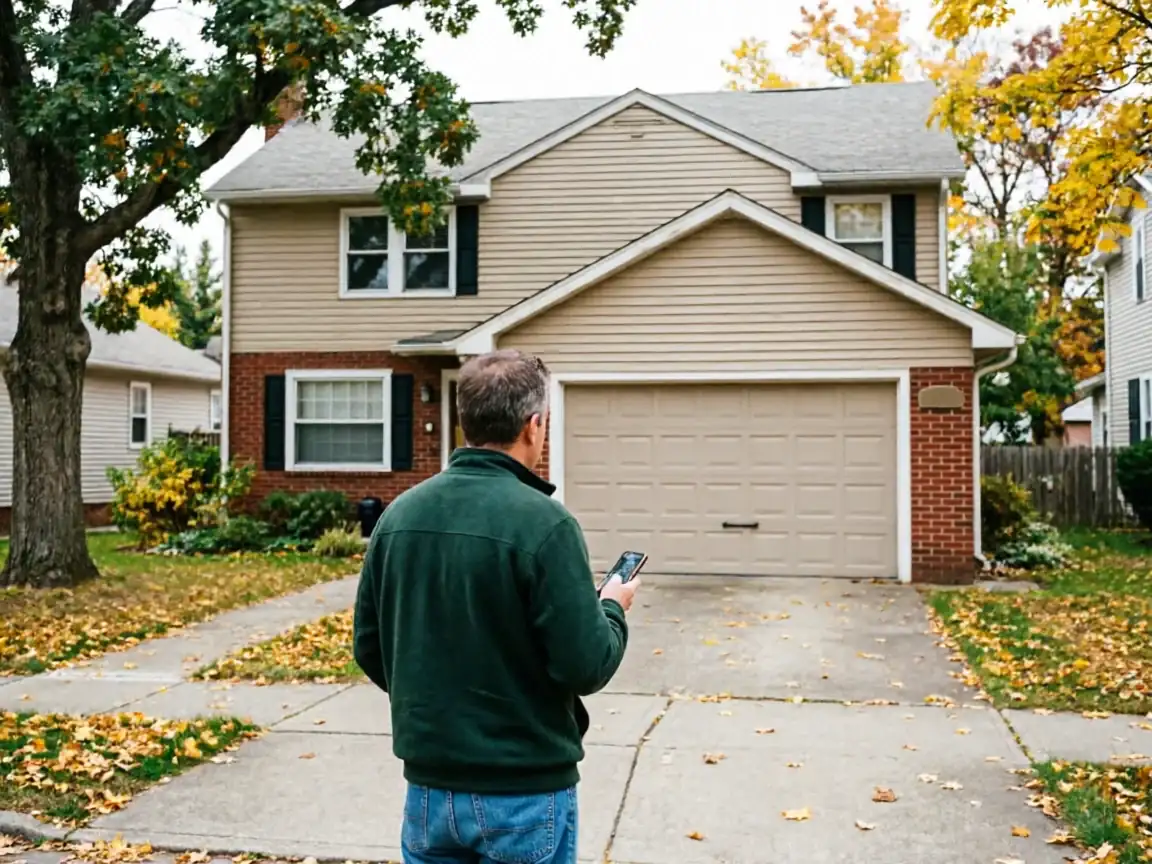
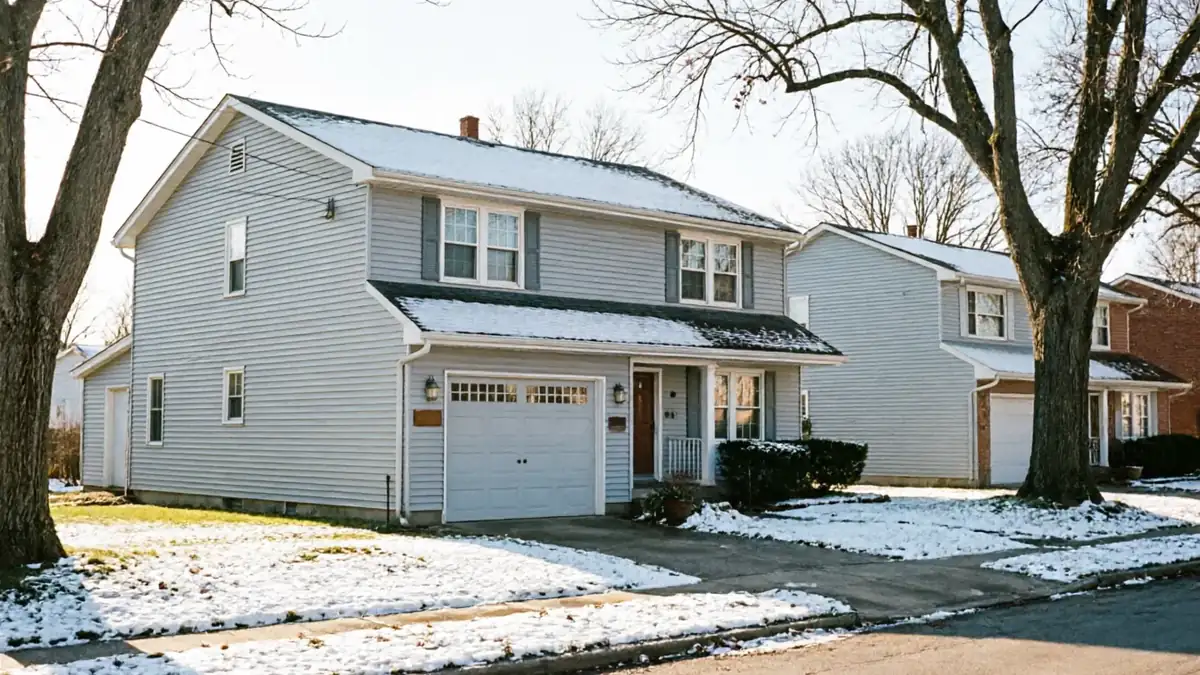
Most of the houses in this service area went up between 1956 and 2004, with the bulk of that stock dating to the 1960s and 70s. That matters for openers specifically: a lot of these garages still run units original or close to original to the house, built on logic boards and gear designs that predate the safety photo-eye standard most manufacturers now build in from the start.
Eagan sits in a cold, moderate climate band, and that swing matters more to an opener than people expect. Cold grease in the gearbox makes a motor strain harder on the first lift of the morning, which is exactly the stress that finishes off a gear that's already worn thin. Across the roughly 241,852 households and 104,140 owner-occupied houses in this service area, we see the same pattern over and over in garages from that build era: original hardware, decades of thermal cycling, and a gear or board that finally gives out in the cold months rather than the warm ones.