How We Fix It
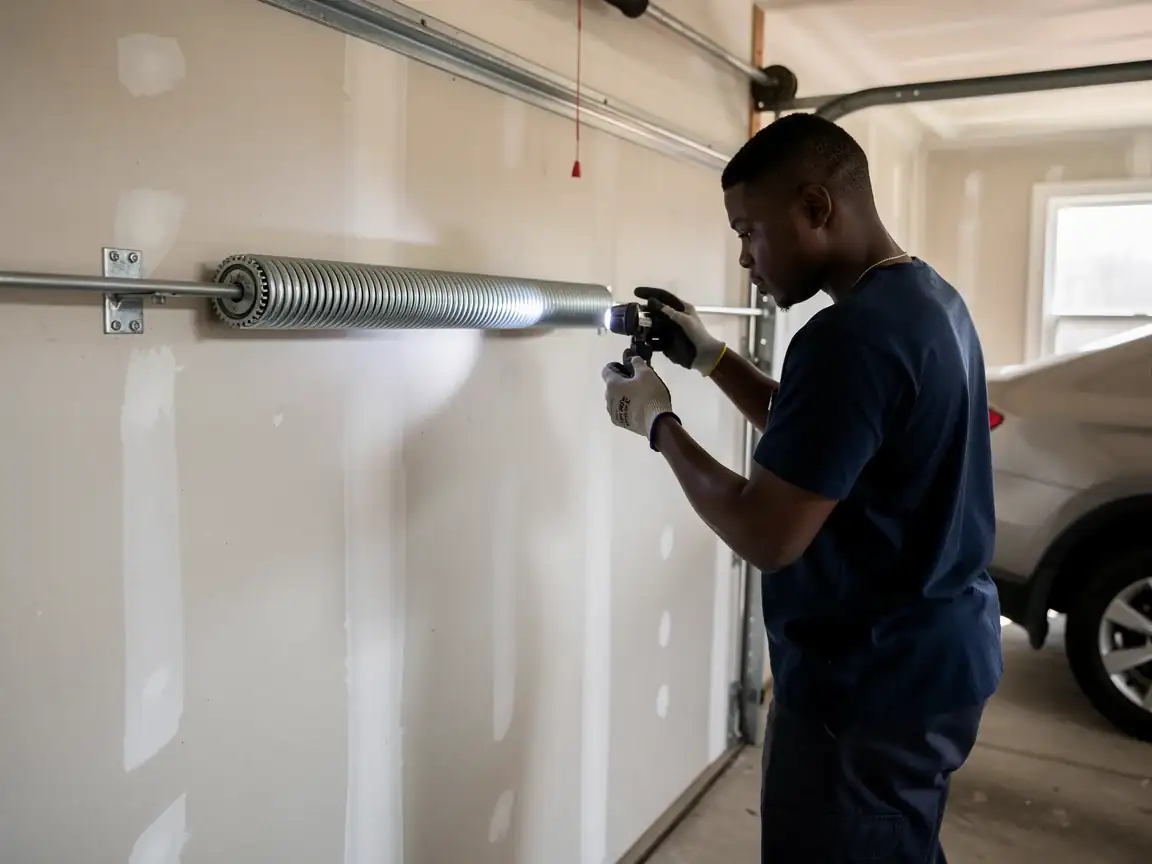
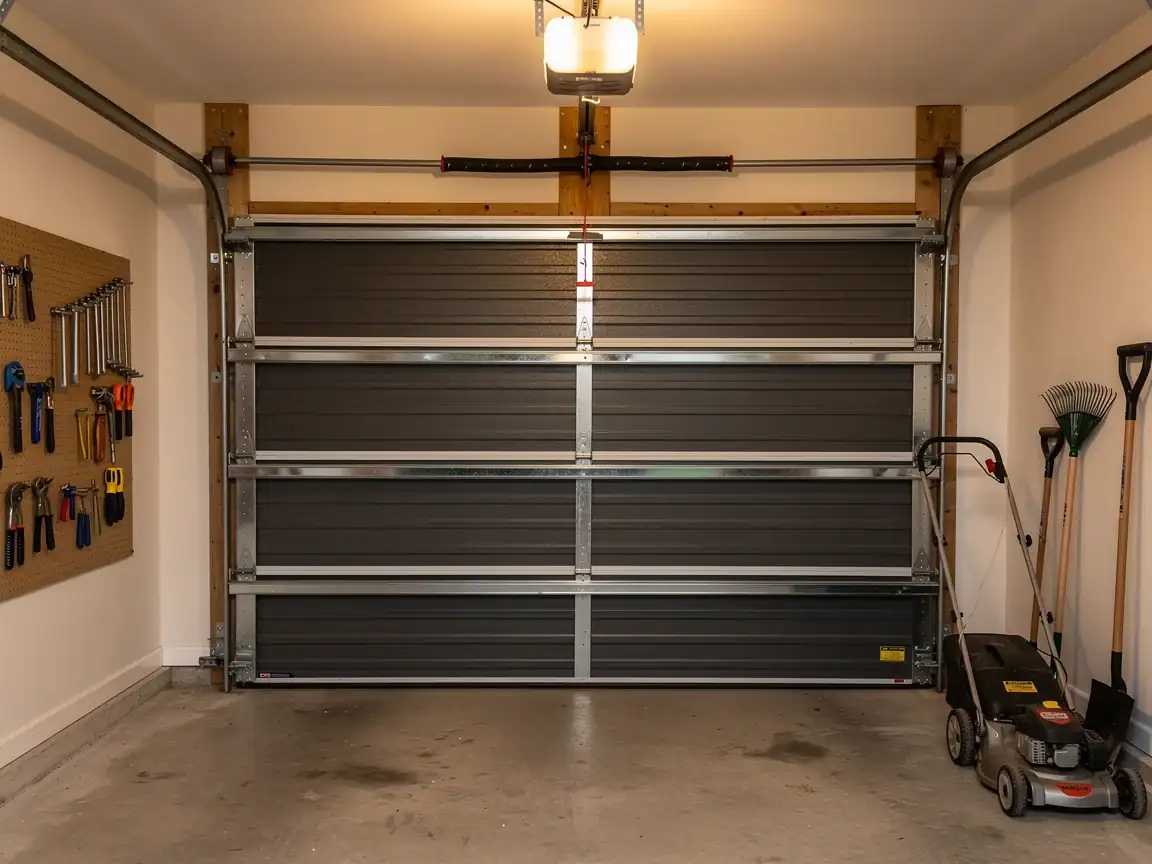
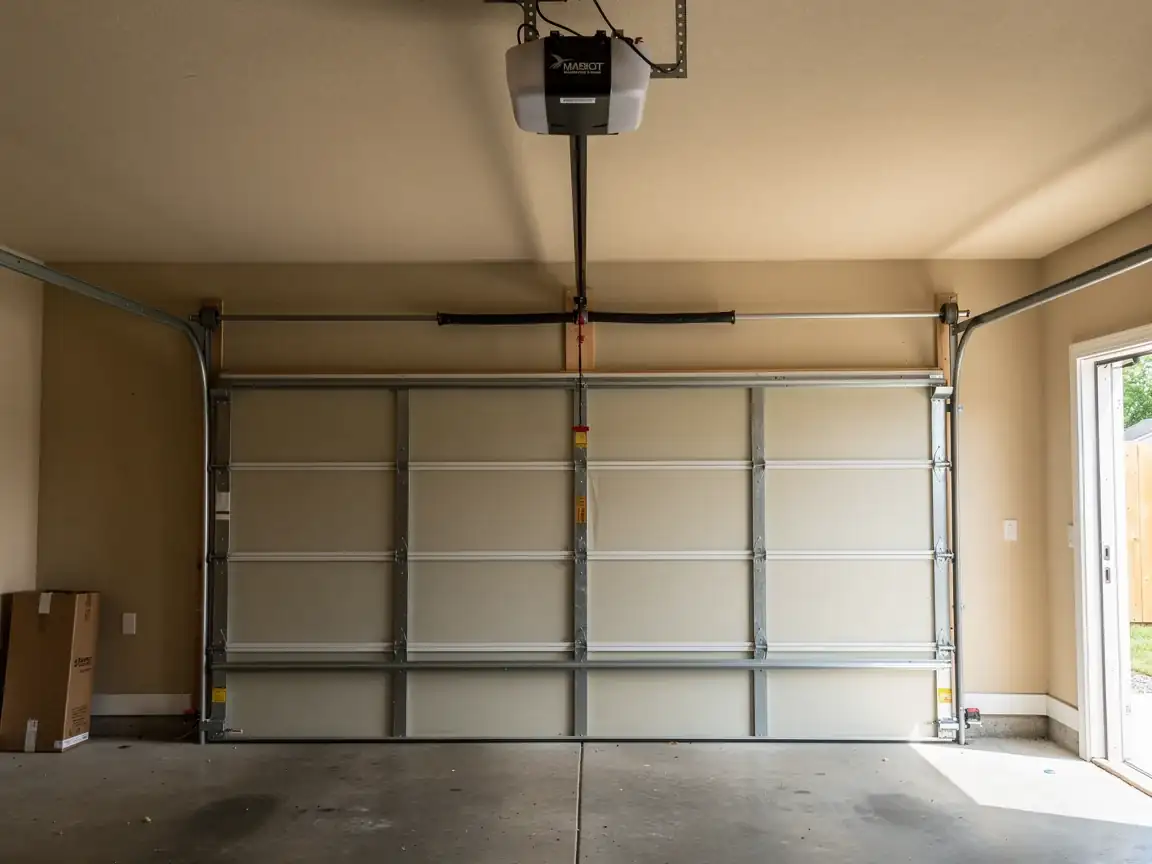
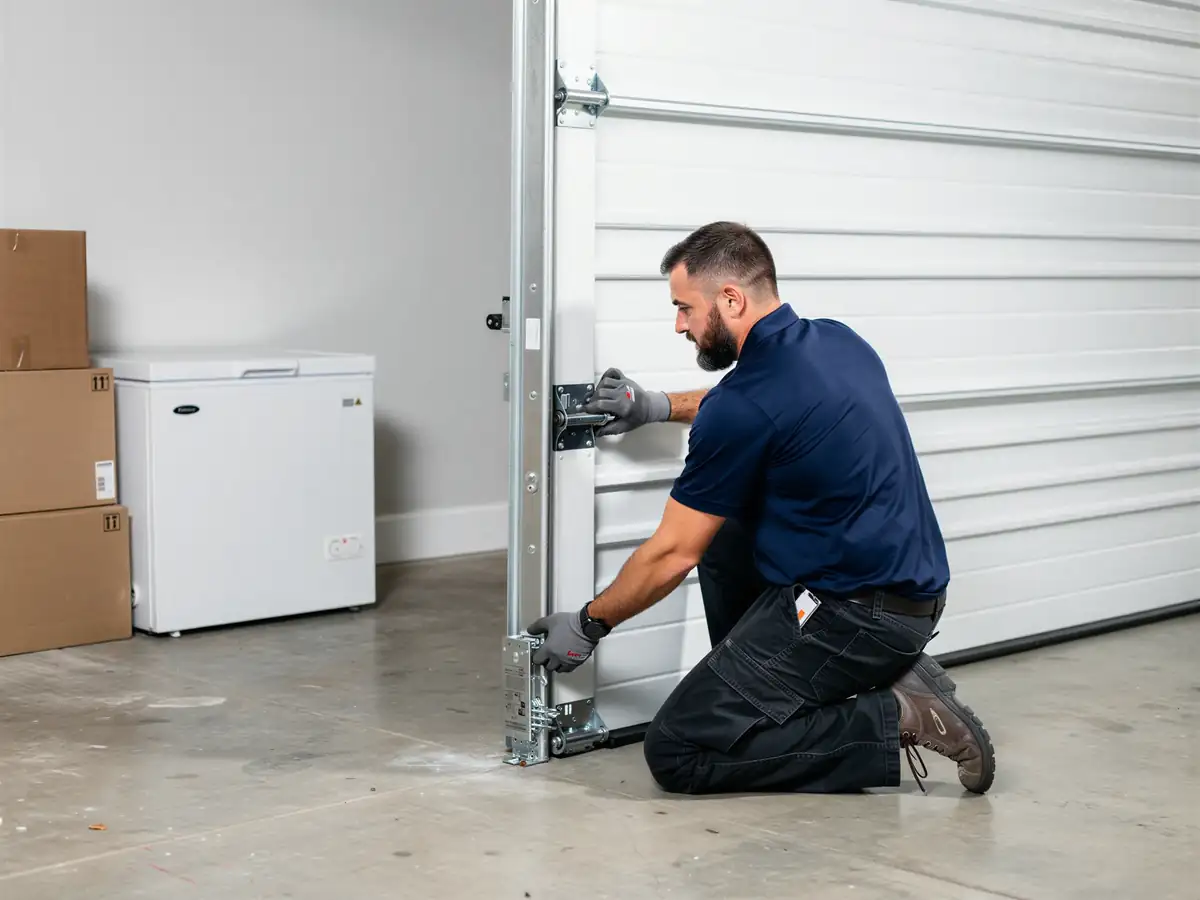
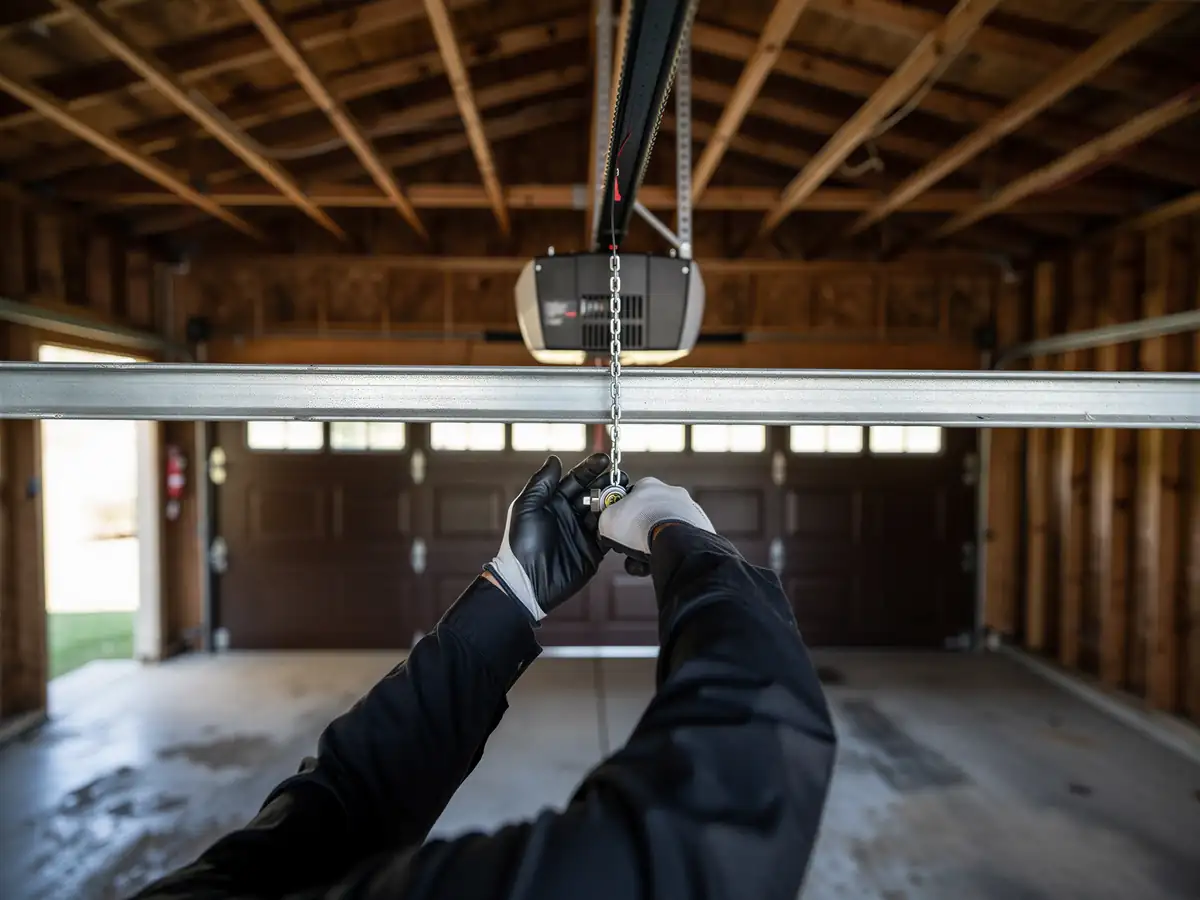
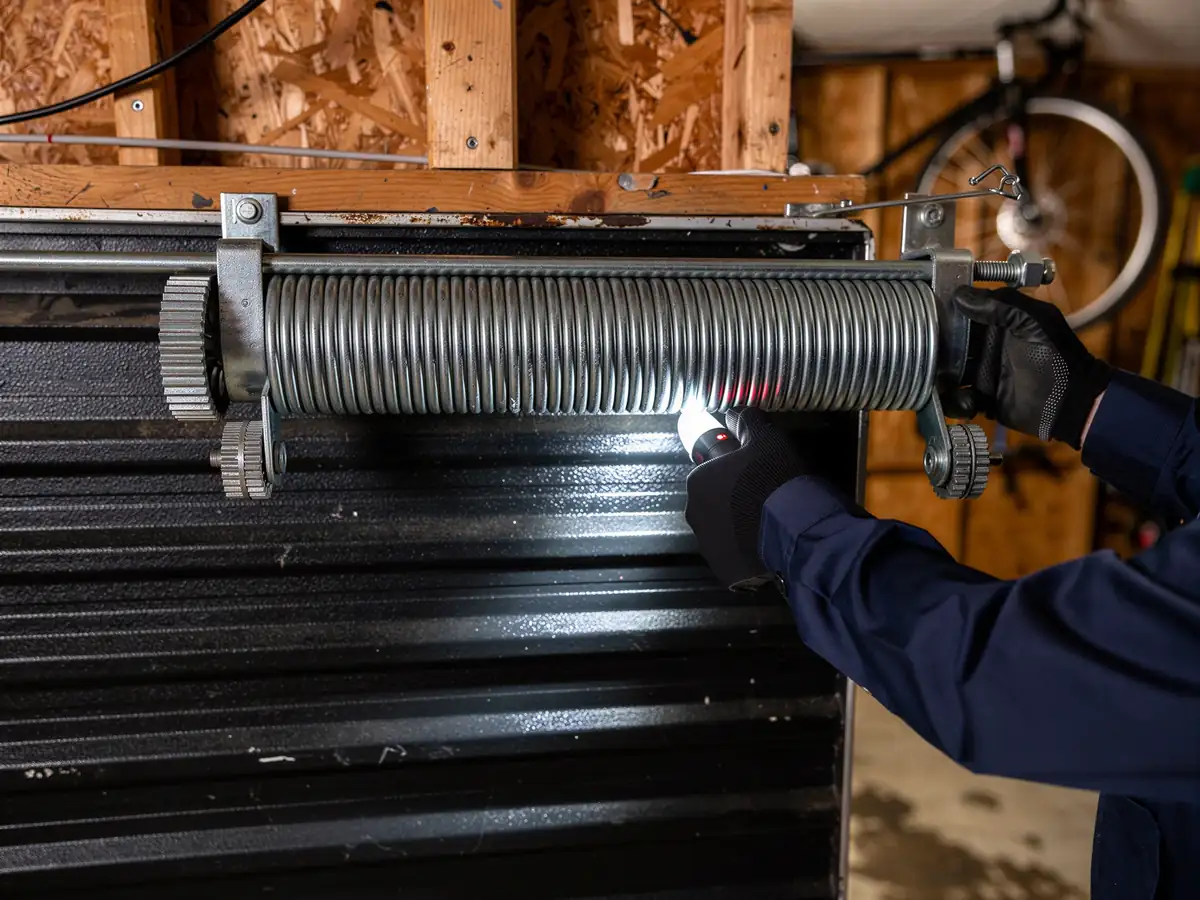
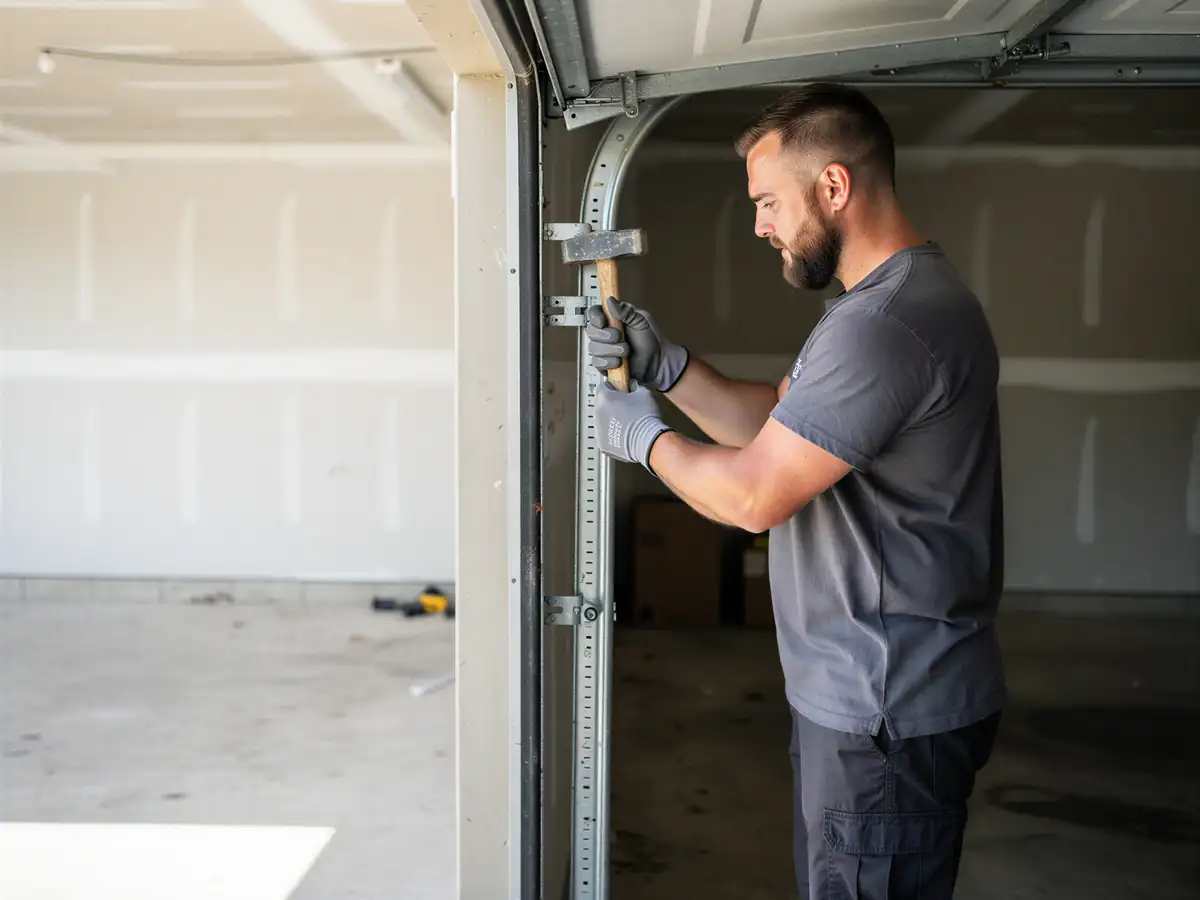
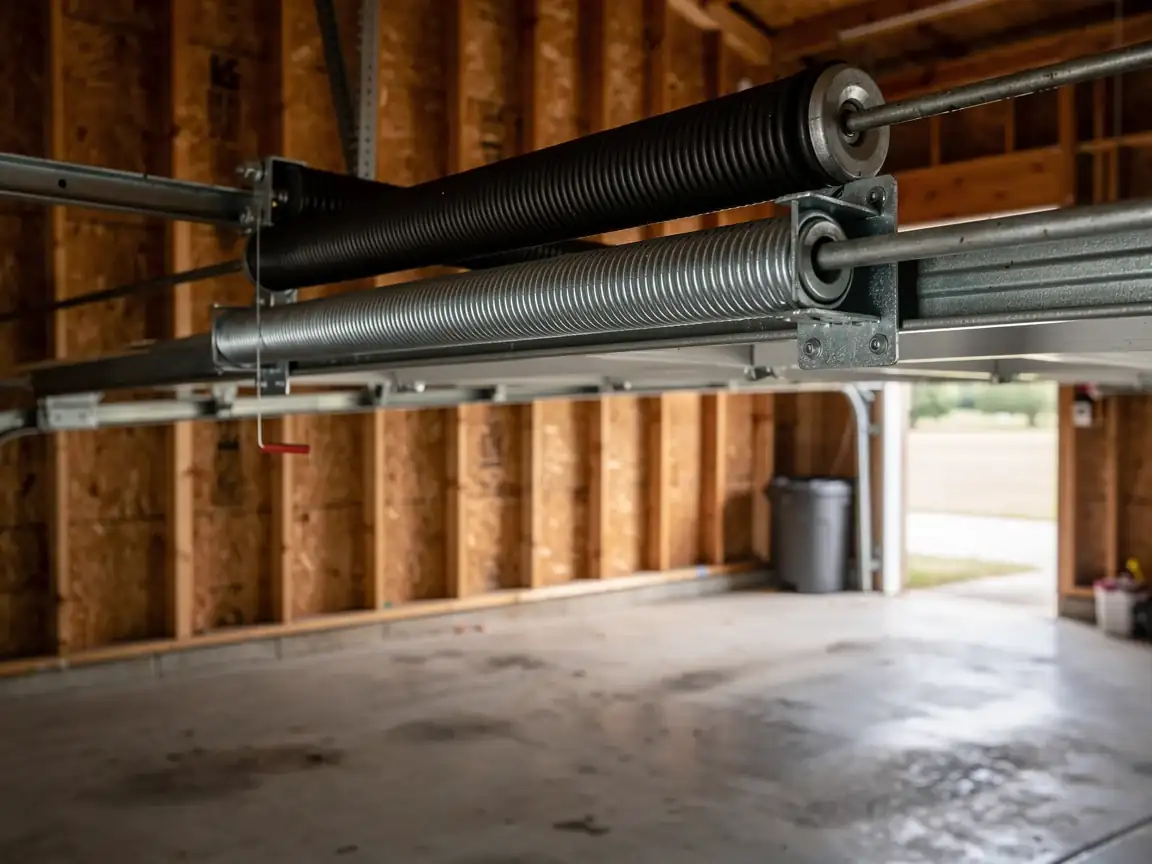
We start at the spring, not the opener, because on a door built in the 1960s or 70s that's almost always where the real problem is. We check cable wear, roller condition, and the track alignment before we touch the opener logic board, since a door that's binding on bent track will burn out a new opener just as fast as the old one.
A door installed when Eagan's housing stock was new, back around the median year of 1973, is now pushing fifty years on its original hardware. On jobs like that we replace torsion springs sized to the door's actual weight rather than swapping in a universal spring and hoping, because original one-piece and sectional doors from that era were often built heavier than what's sold today.
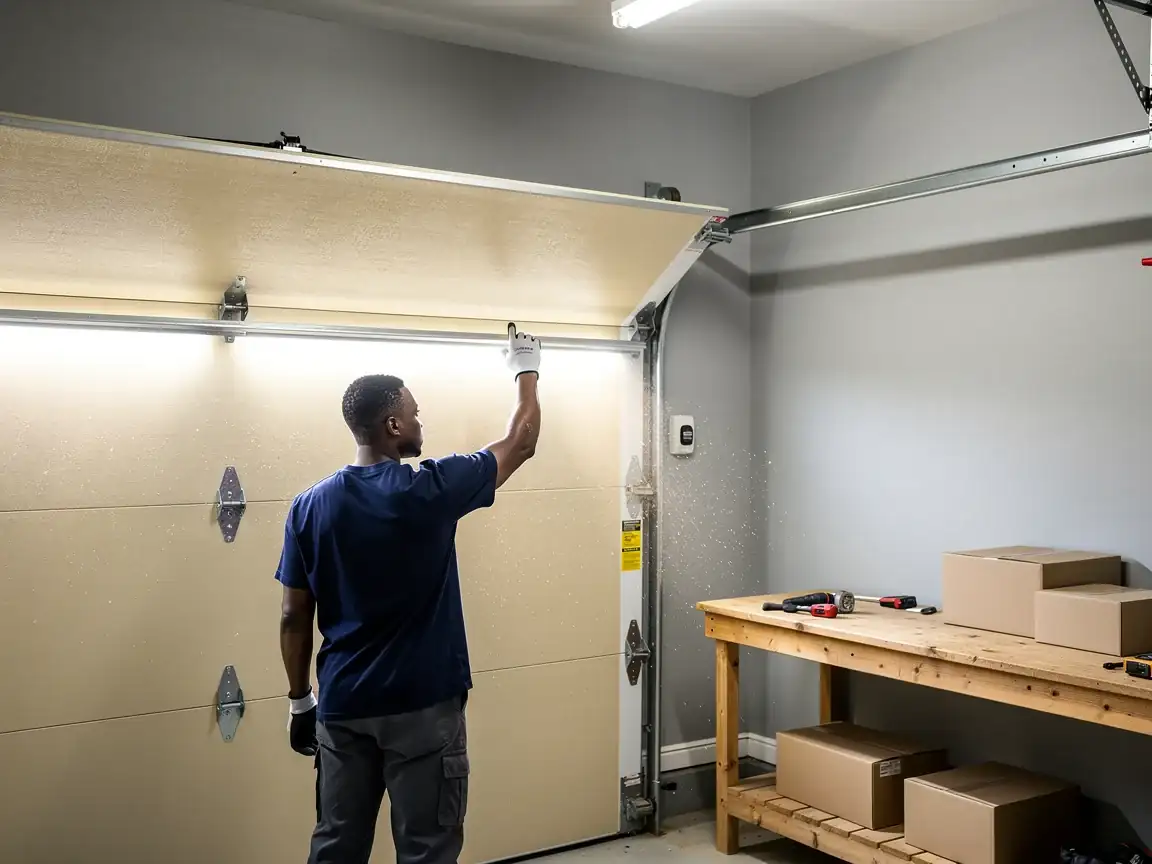
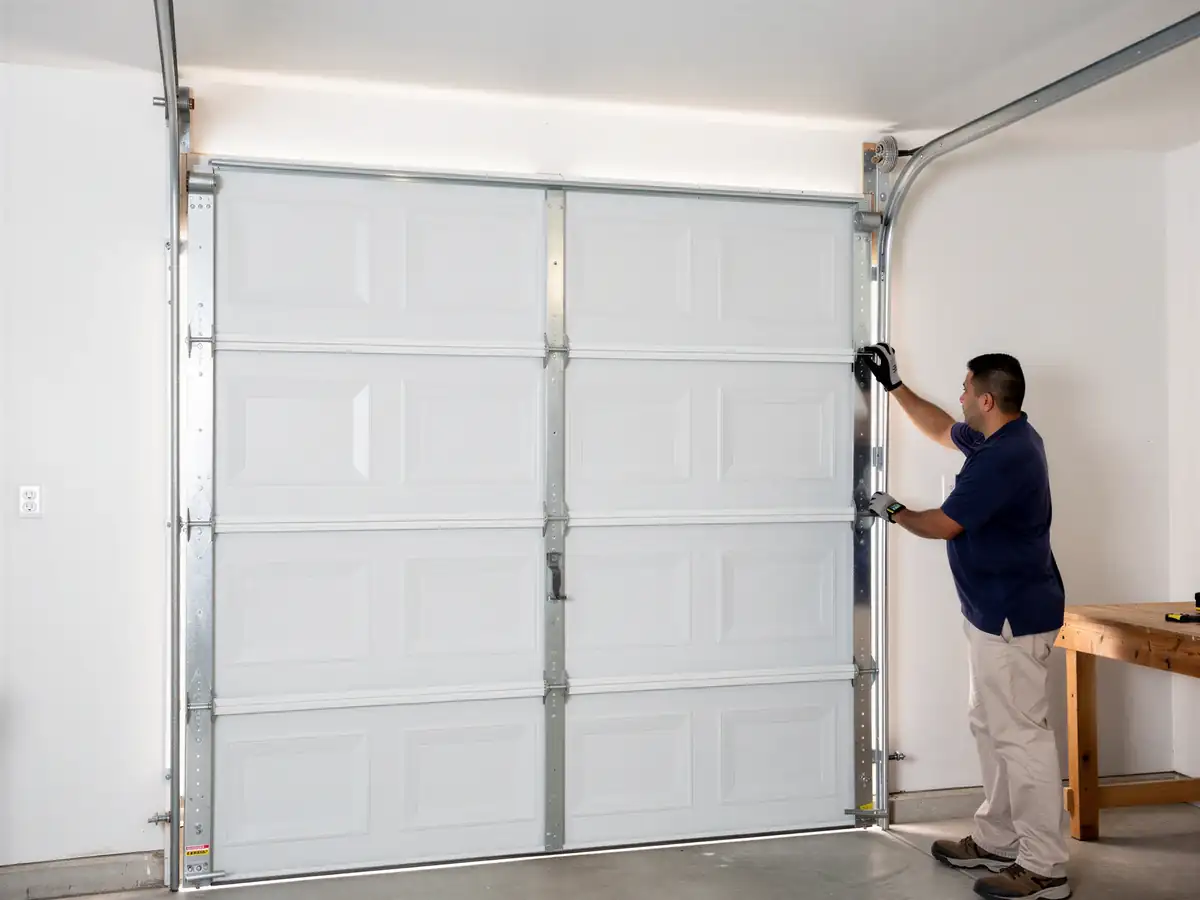
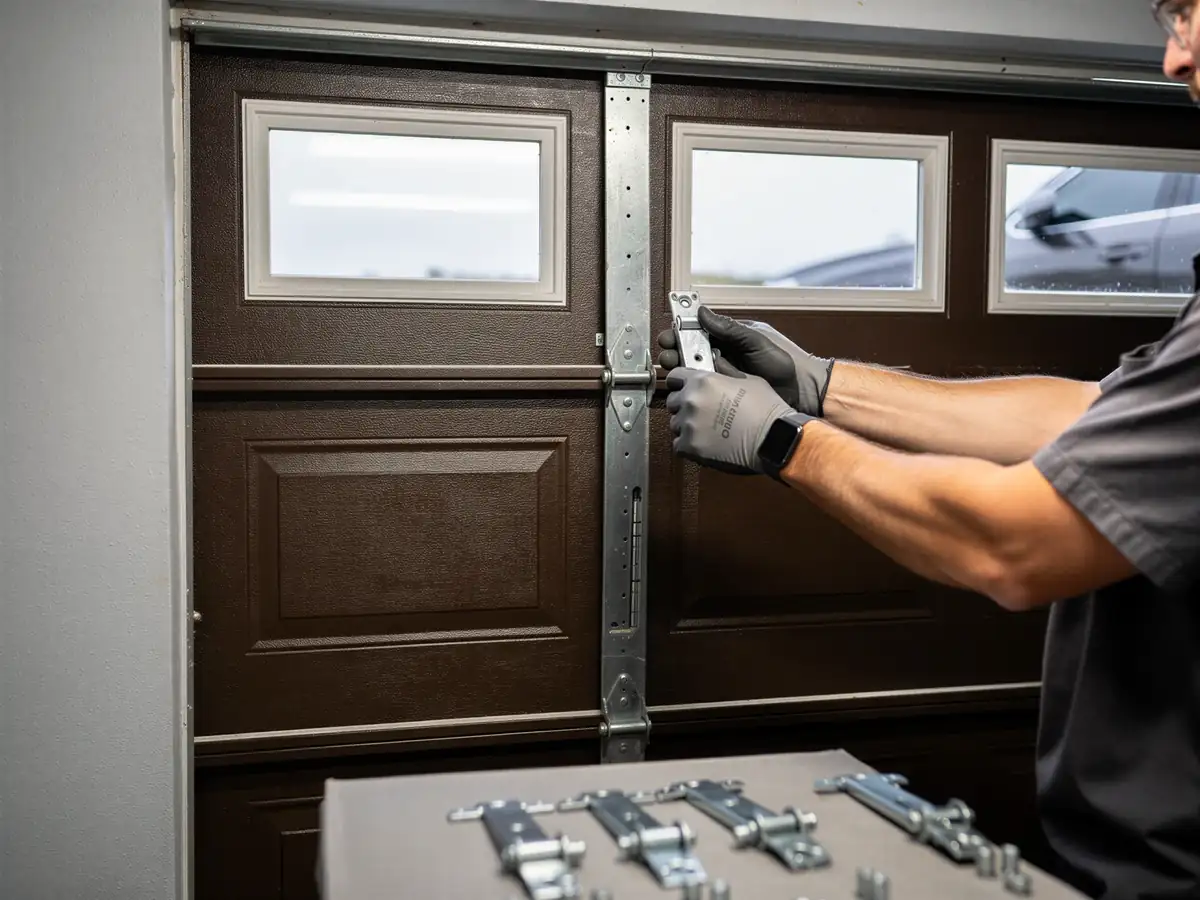
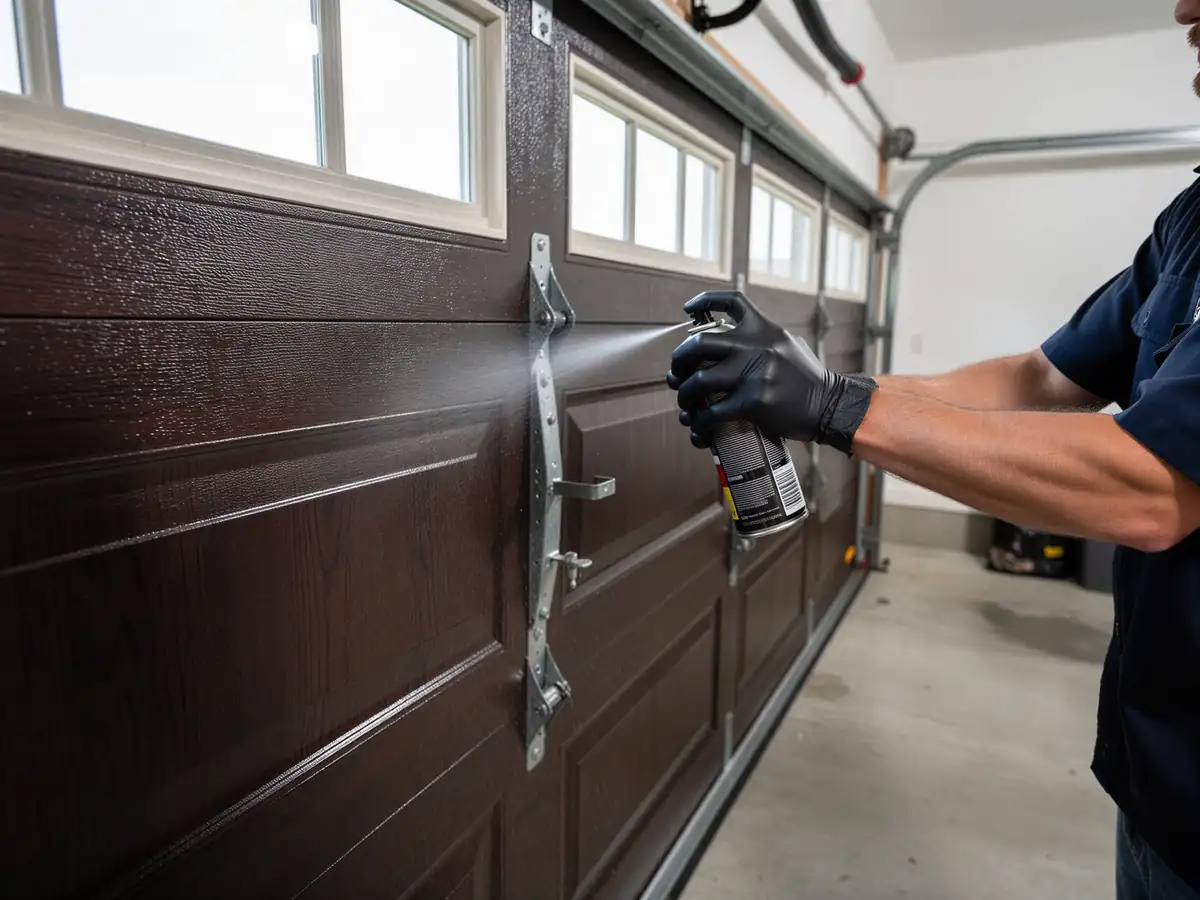
Once the door moves freely under hand power, we balance it, lubricate the hinges and rollers, and only then connect the opener and test the travel limits and force settings. If a cable is frayed or a bottom bracket is rusted through, we replace it rather than patch it, because that's the part most likely to fail again inside a year. We won't recommend a full replacement unless the frame or panels are actually compromised; plenty of these older doors are worth saving.
What It Costs
We don't post a flat number here because the spread between a broken cable and a full spring-and-track rebuild on a forty-year-old door is wide
And a number that's wrong is worse than no number. What we can tell you is what drives the cost on an Eagan job: the age and weight of the door, whether the track needs full realignment or just adjustment, and whether the opener is original equipment or already a replacement.
With 104,140 owner-occupied houses across this service area and a median household income of $92,940
Most Eagan homeowners are deciding between a repair and a full replacement on a door that's older than they are. That's a real decision, not a sales pitch, and we'll walk you through both numbers before we start any work, not after.
- 104,140 owner-occupied
- $92,940 median household income
One honest limit: if your door's parts are no longer made
Which happens on some of the oldest one-piece models still in the area, a repair quote can take longer than a same-day call because we have to source hardware rather than pull it off a shelf.
What You Are Seeing
If the door slams the last six inches of travel, that's usually a spring that's lost tension, not an opener problem. If it opens fine but creeps sideways or binds partway up, look at the track brackets before you blame the motor. A door that's suddenly heavy to lift by hand, even with the opener disconnected, almost always means a broken or weakening torsion spring.
Noise matters too. A grinding or popping sound on the way up usually points to a worn roller or a bent track, not the gears inside the opener head. Clicking without movement is a different story and usually traces back to the opener itself.
On older sectional doors, hairline cracks along the bottom panel seam show up after enough freeze-thaw cycles, and that's worth a look even if the door still opens and closes fine for now, because it tends to get worse, not better, on its own.
What Causes It Around Here
Eagan sits in a cold moderate climate band, which means the torsion spring on a door built before 1980 has gone through decades of winter contraction and summer expansion, and that cycle is what actually tires out the steel, not any single cold snap. Most houses in Eagan went up between 1956 and 2004, with the bulk of the stock dating to the 1960s and 1970s across the area's 37 named neighborhoods, so a lot of the doors we're called out to are original equipment running on hardware nobody manufactures to the same spec anymore.
Homes five miles out toward Mendota Heights or Inver Grove Heights share the same 1960s-70s build era as the rest of Eagan, so the same spring and hinge wear shows up on both sides of that line. The cold doesn't break a spring on its own, but it makes brittle steel brittle faster, and a spring that was already near the end of its life cycle tends to go in January, not July. That's less about bad luck and more about the math of a forty or fifty year old coil under repeated temperature swings.