When We Can Get There
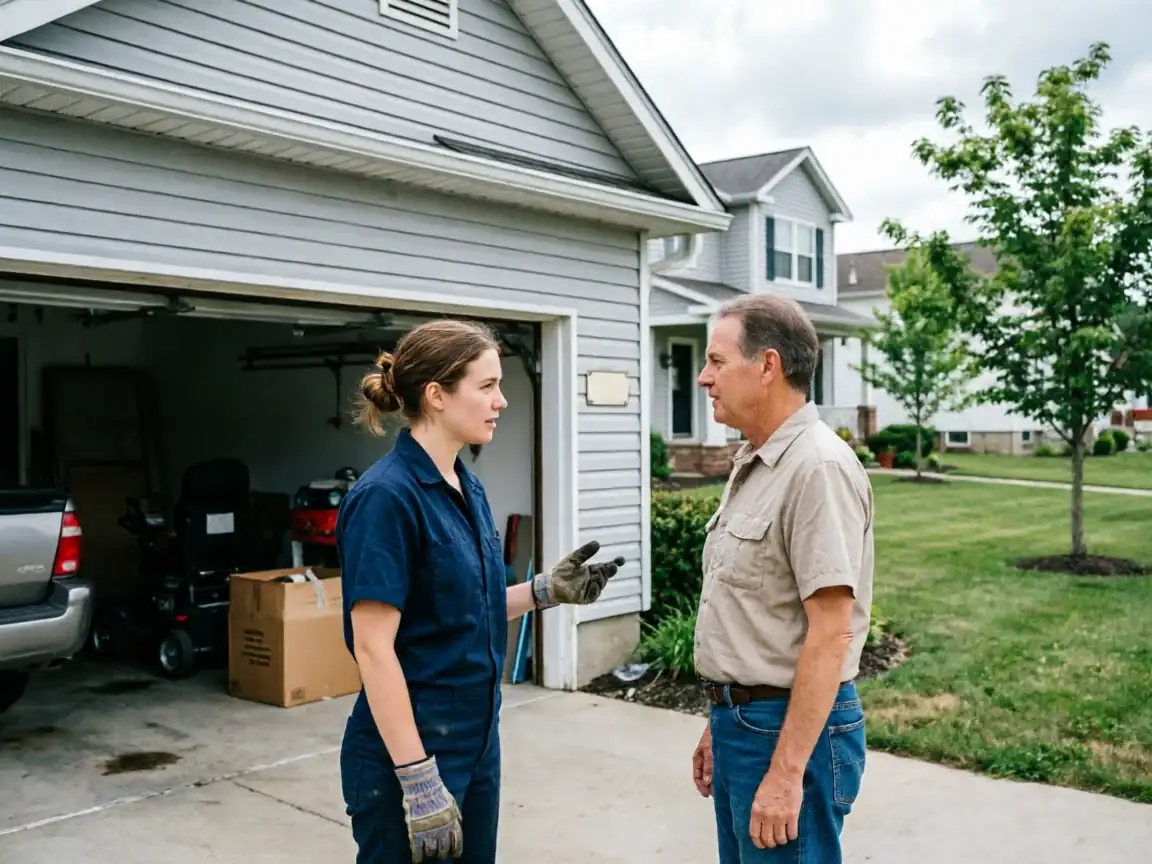
We run out of Eagan, and Lake Elmo sits about 17 miles out, which puts it on the far edge of our regular route. We don't keep a crew or a truck stationed in Lake Elmo - every job here means a drive, so if you call early in the day we can usually work you into that day's loop rather than pushing you to tomorrow. We're not going to pretend we're around the corner. We're not. What we can tell you is that the drive doesn't change the parts on the truck or the work once we're in your driveway. A broken spring gets fixed the same way whether it's 5 miles from the shop or 17.
What That Means for Doors
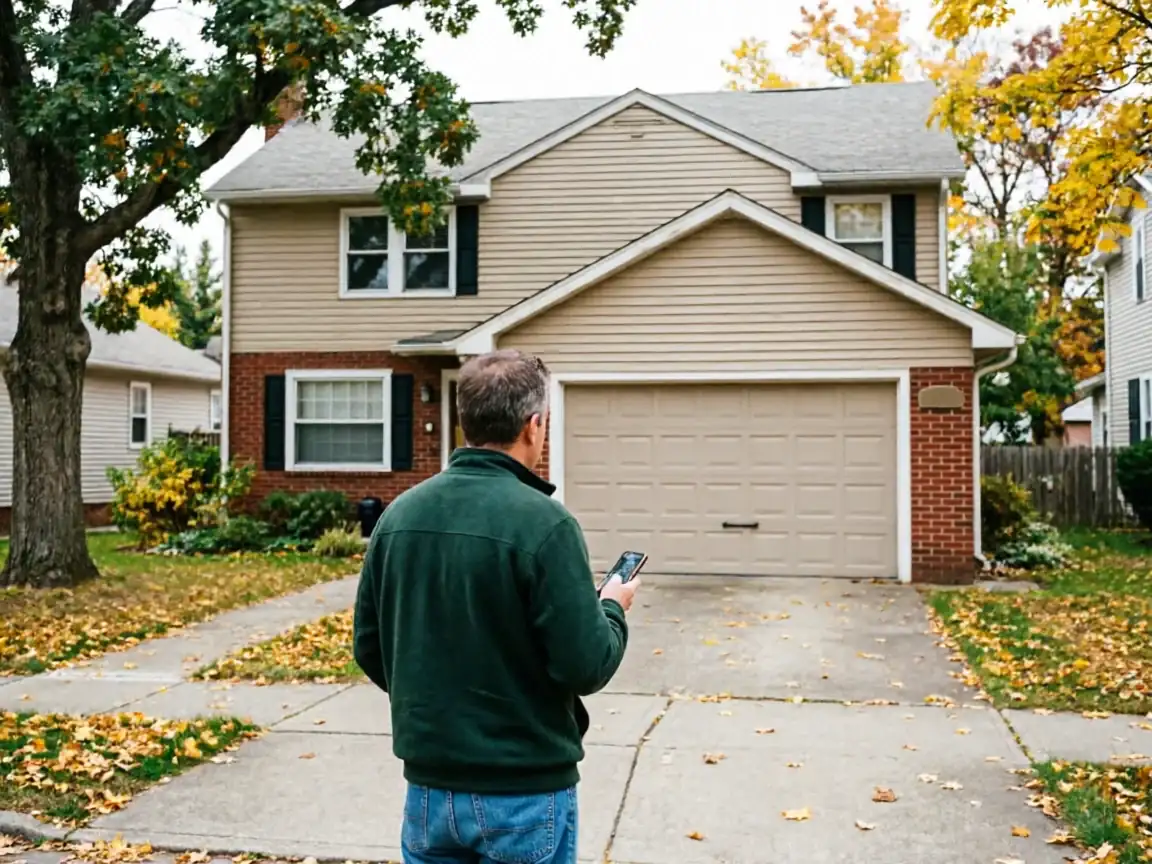
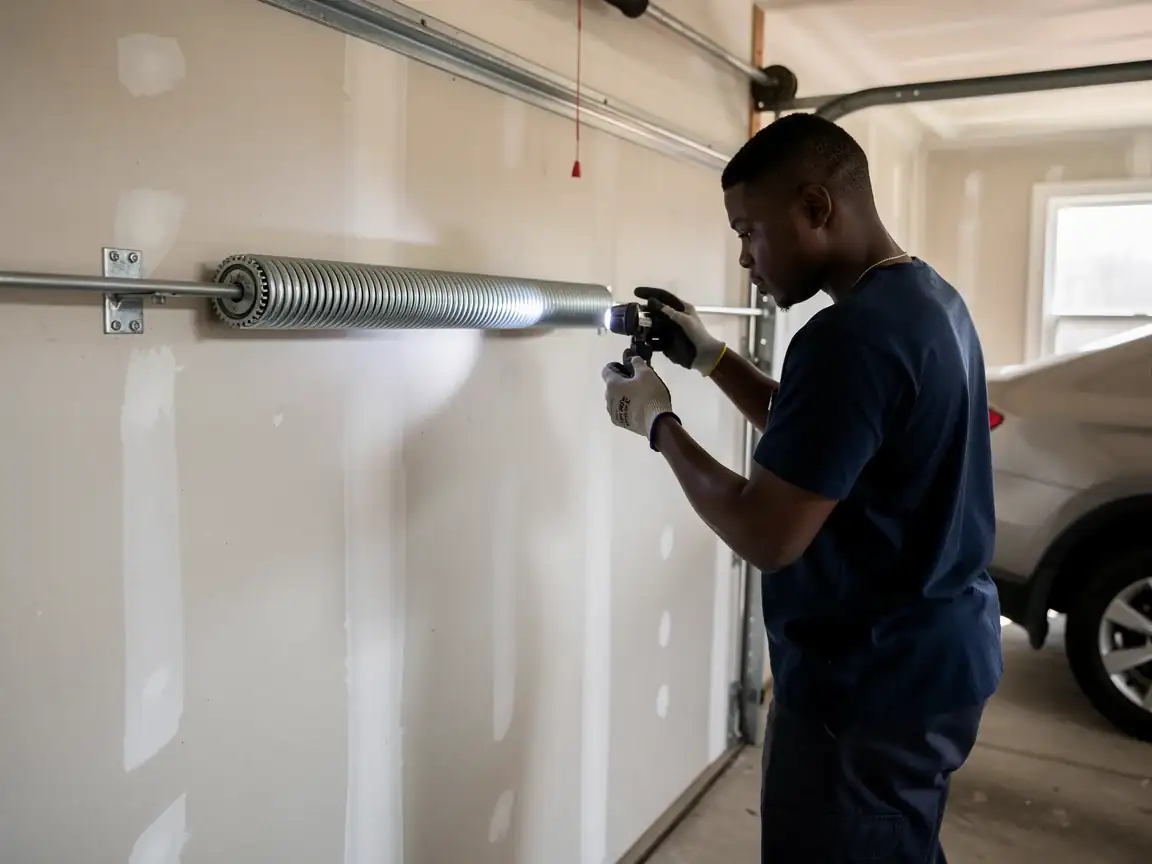
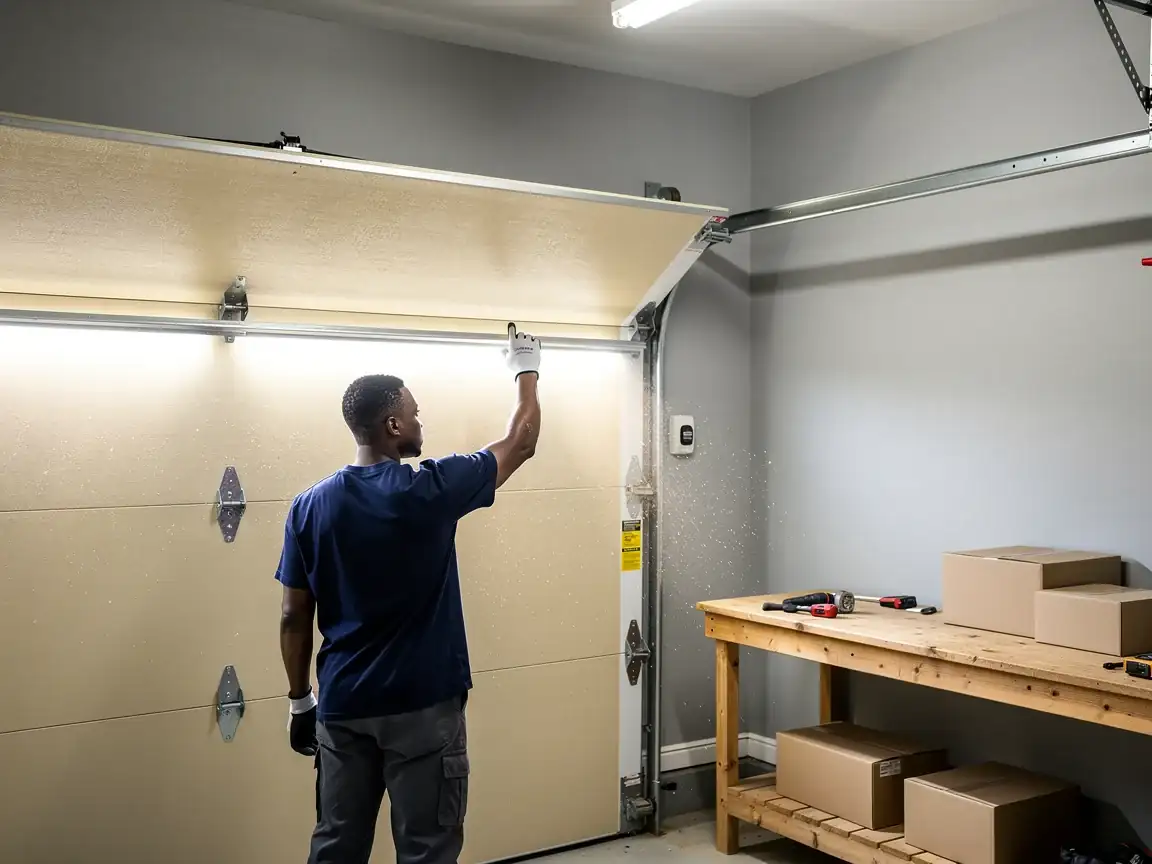
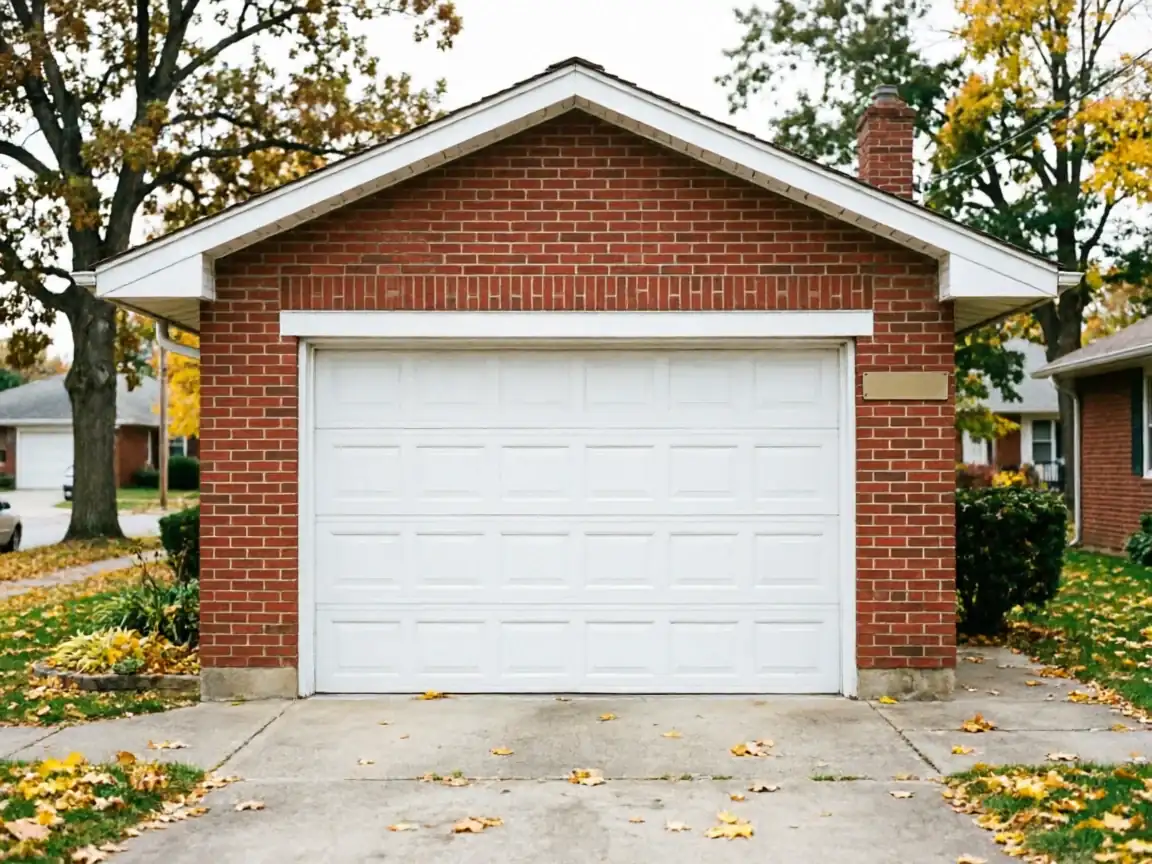
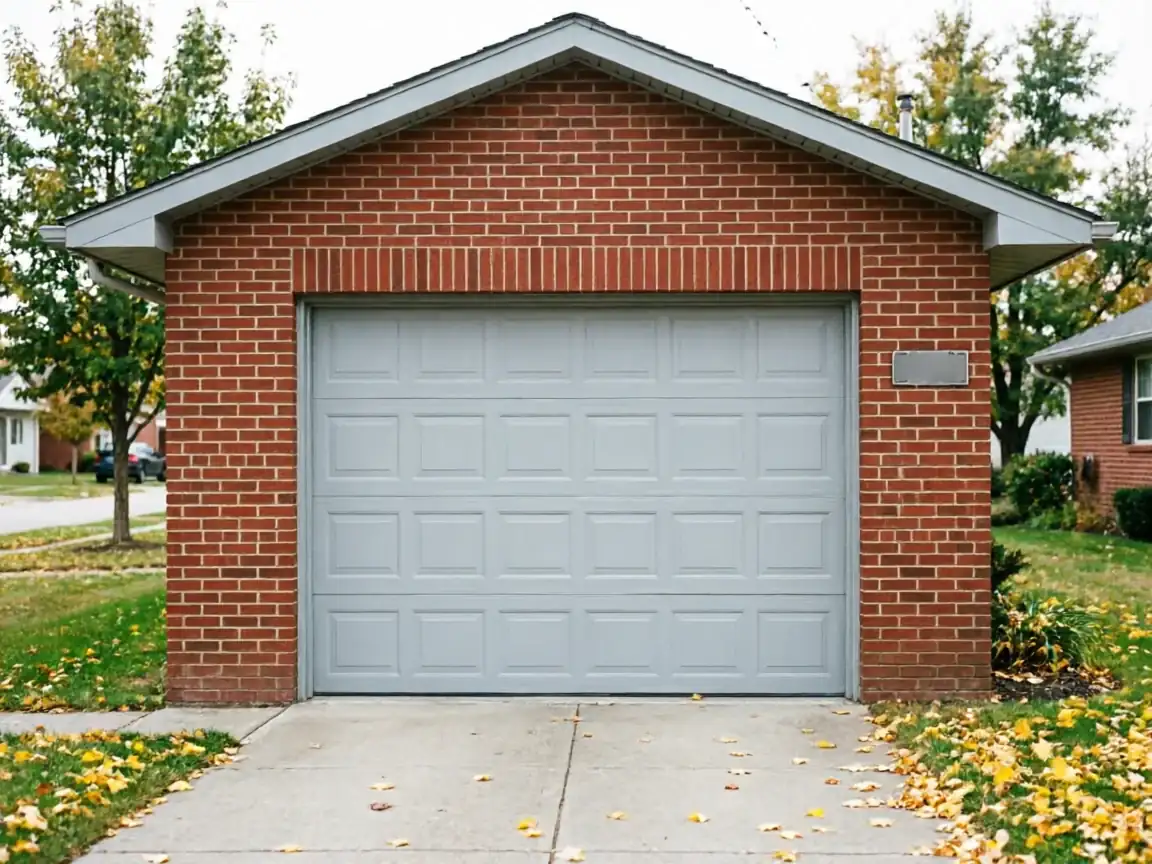
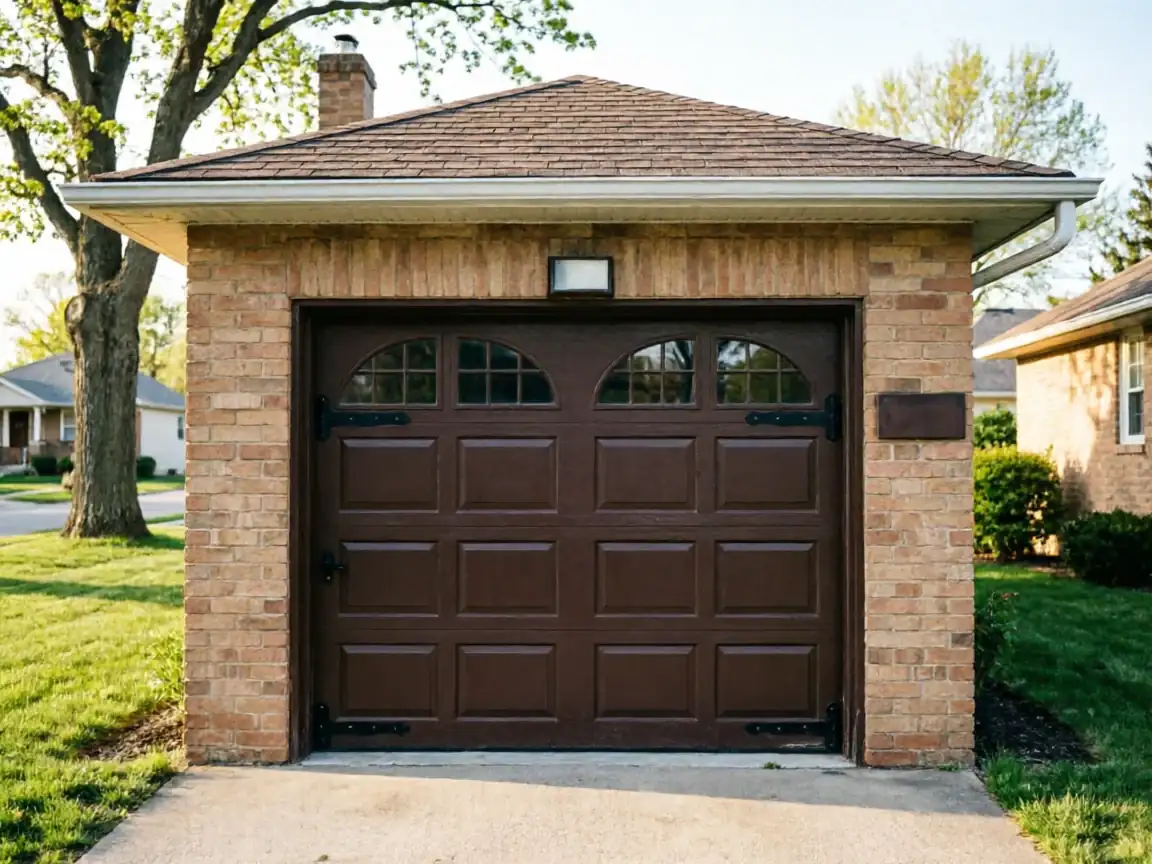
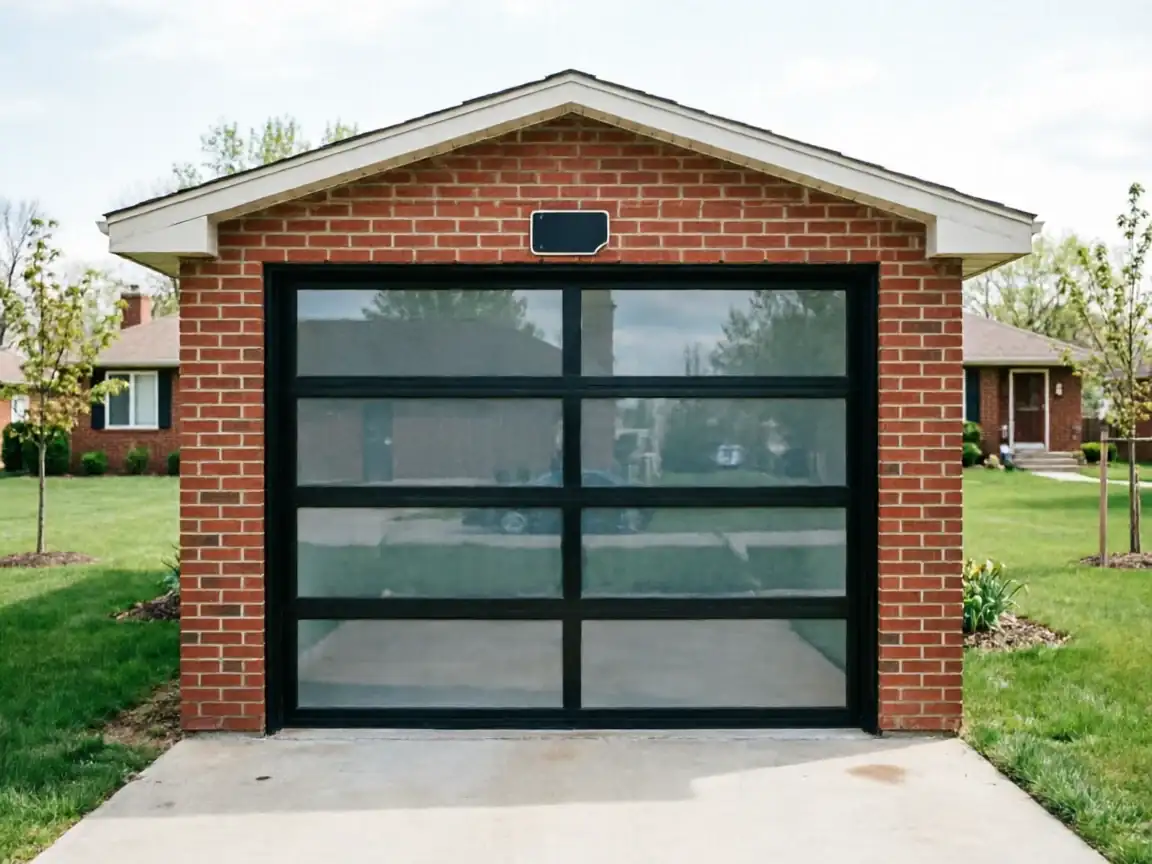
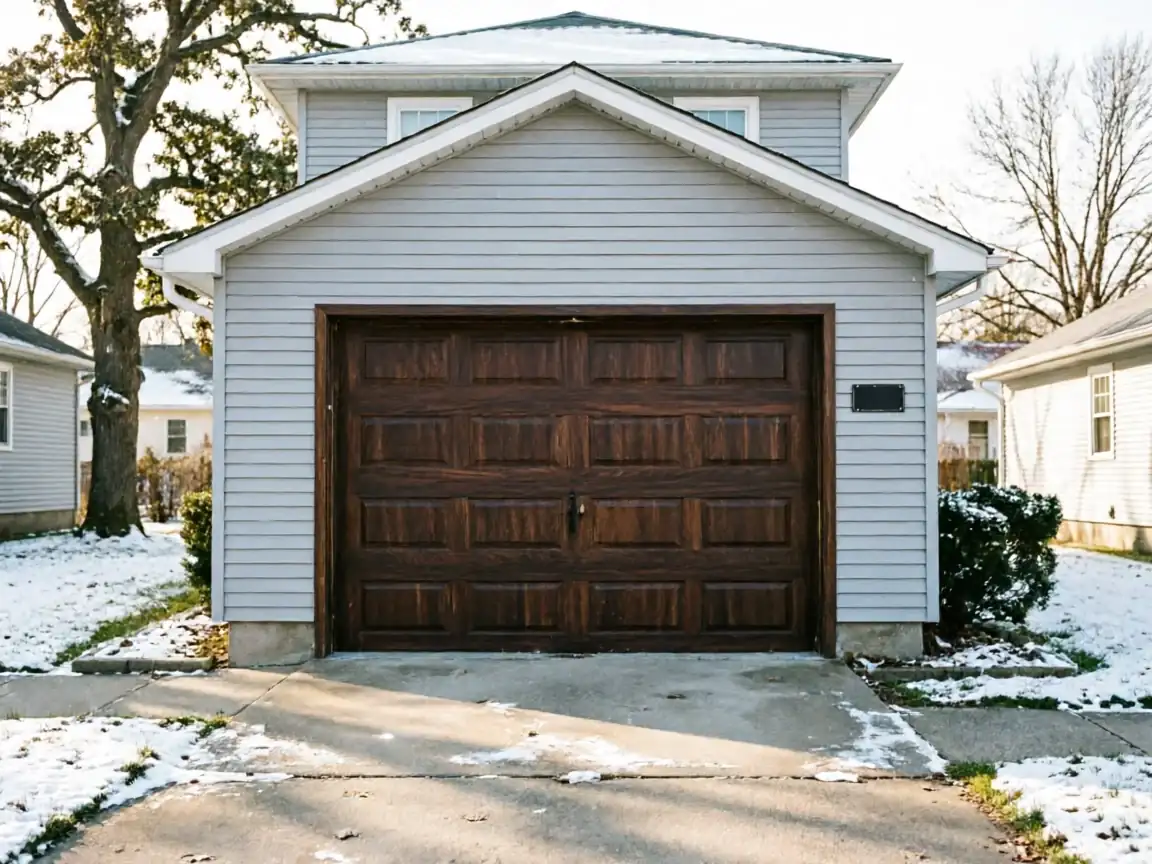
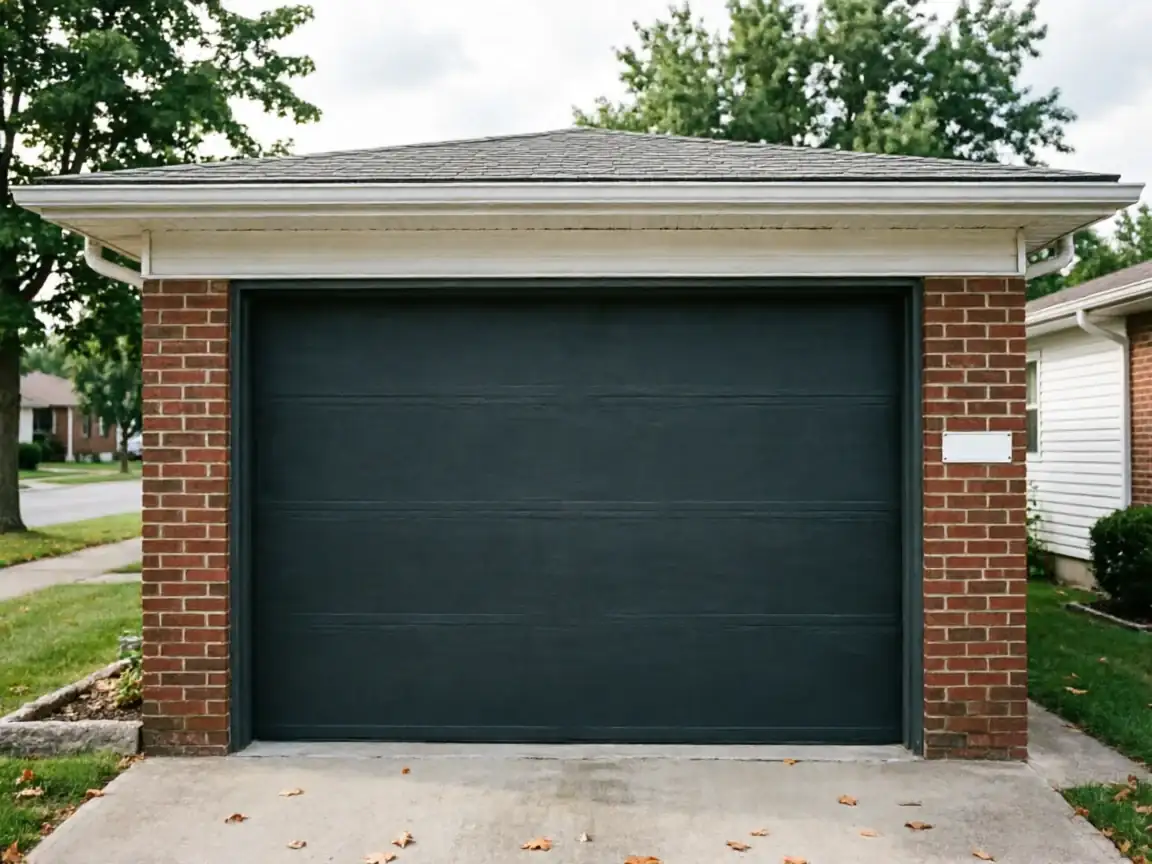
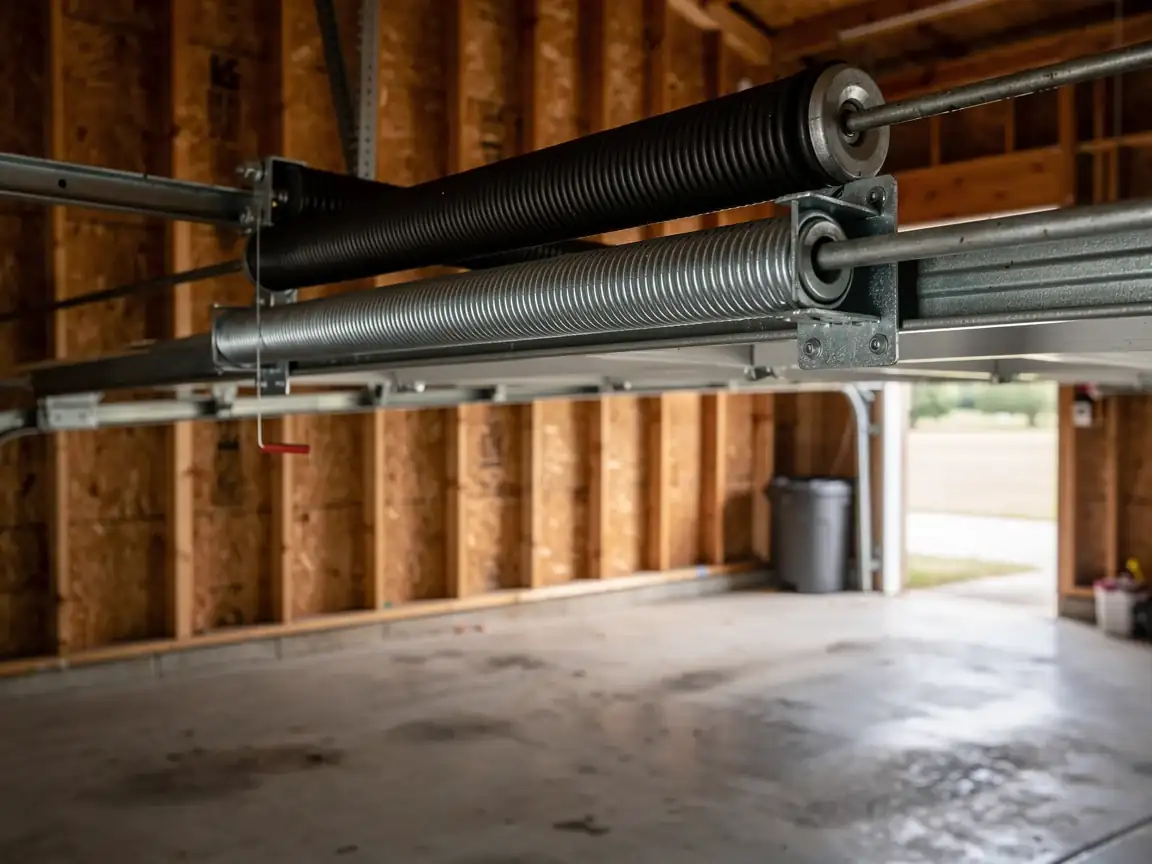
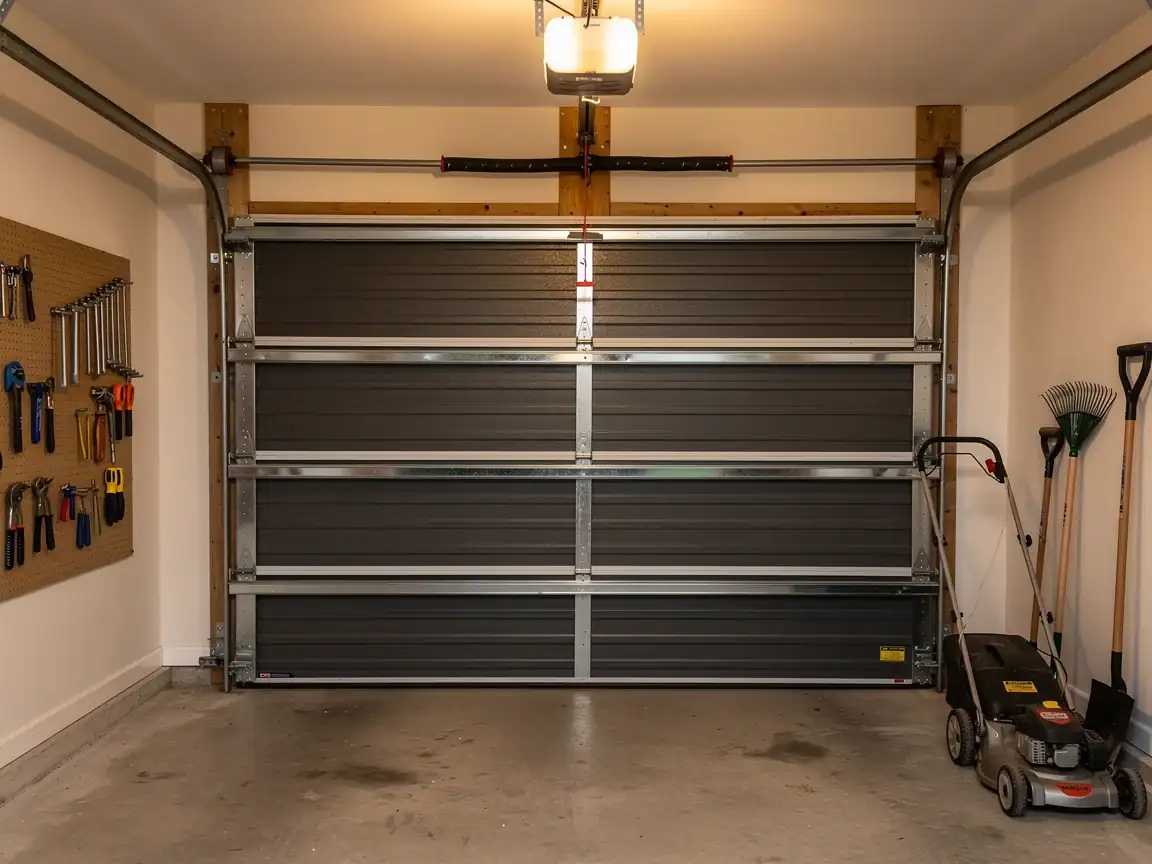
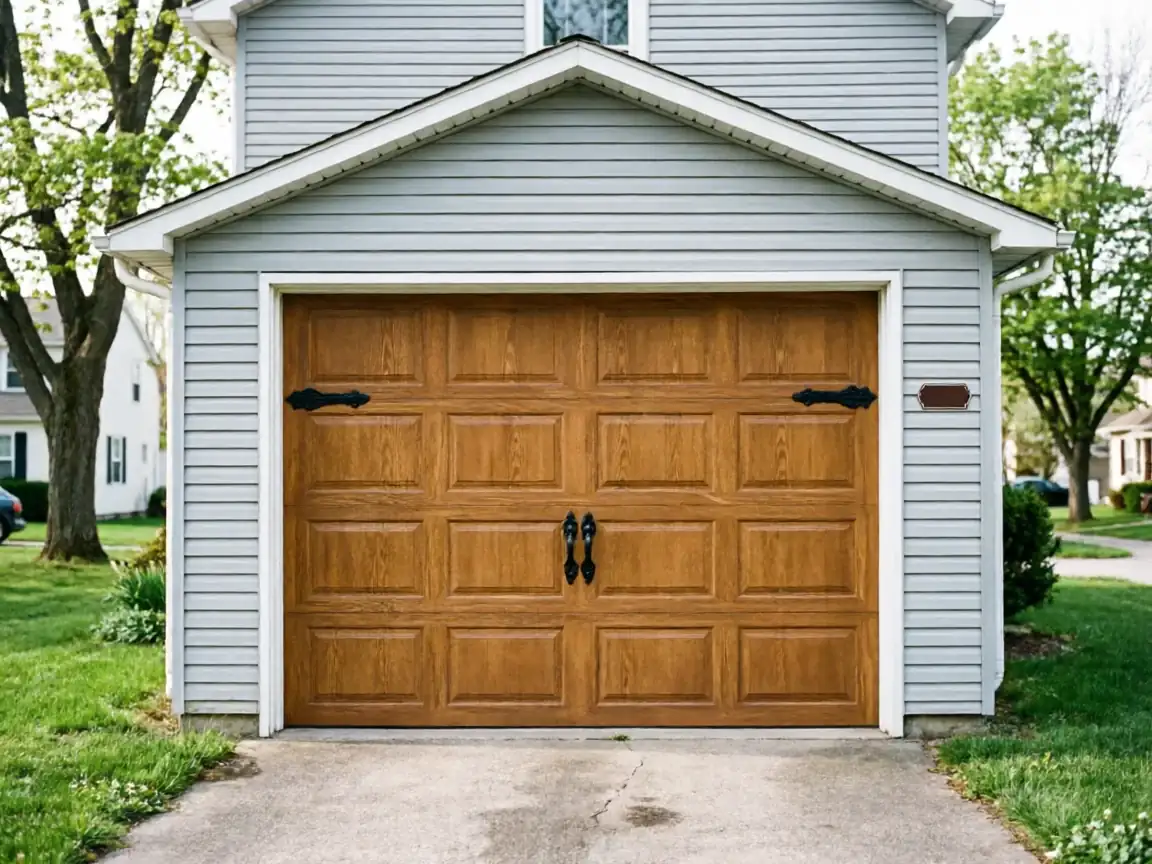
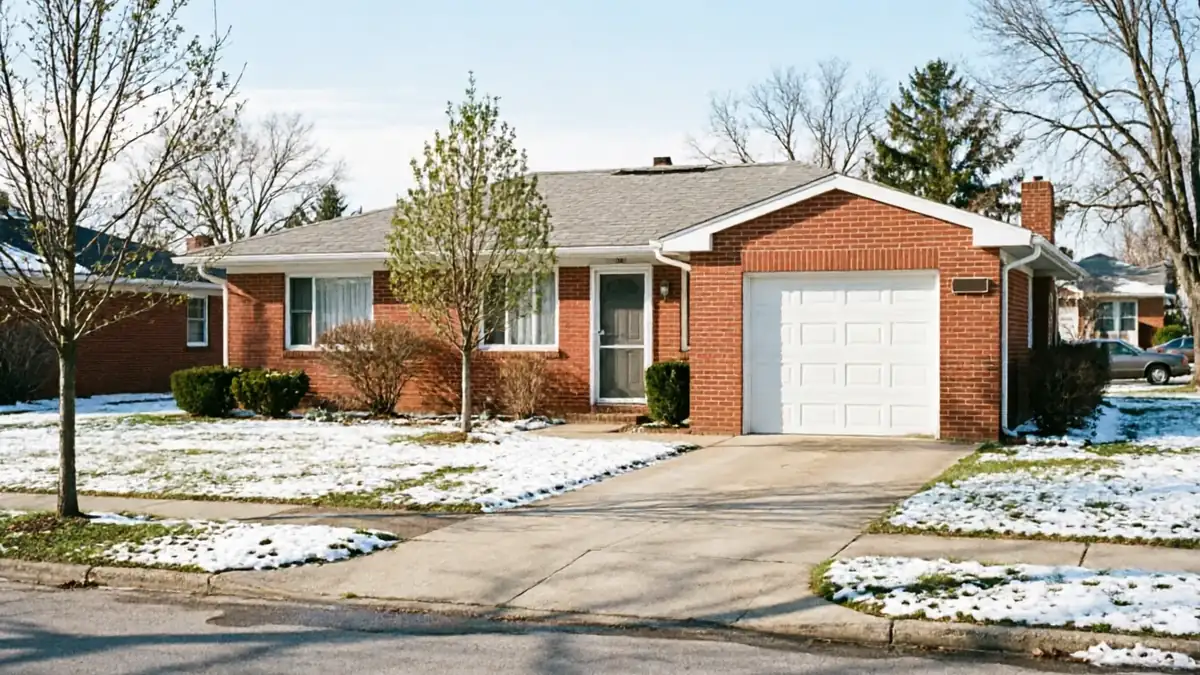
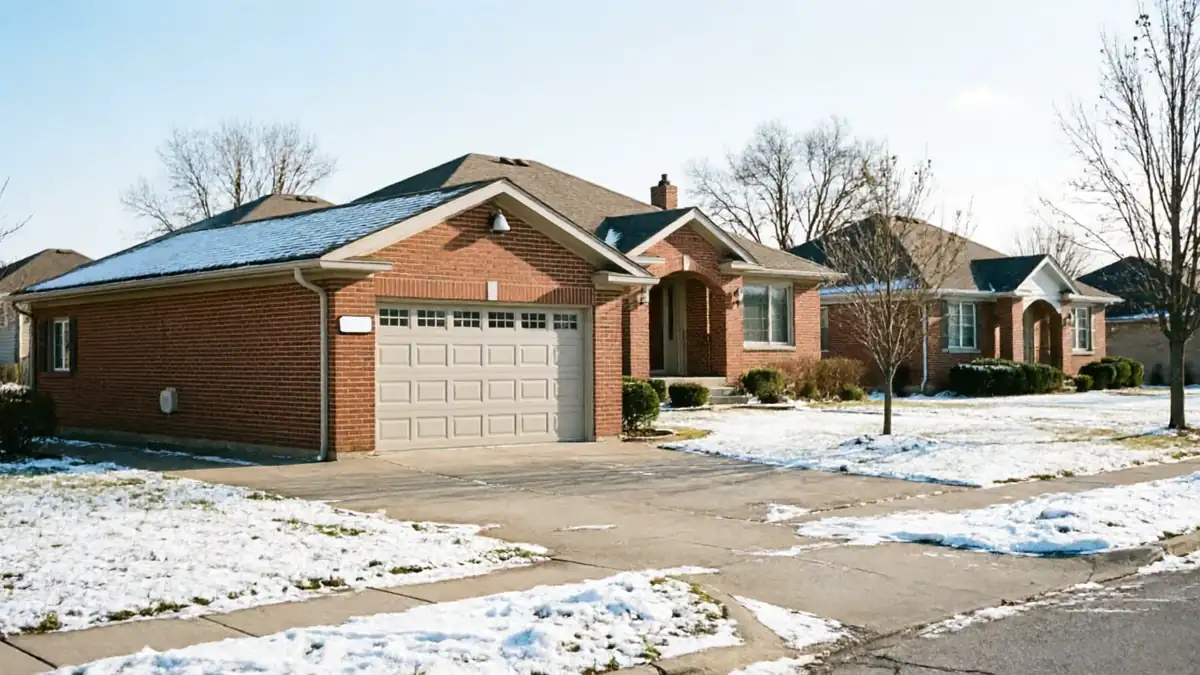
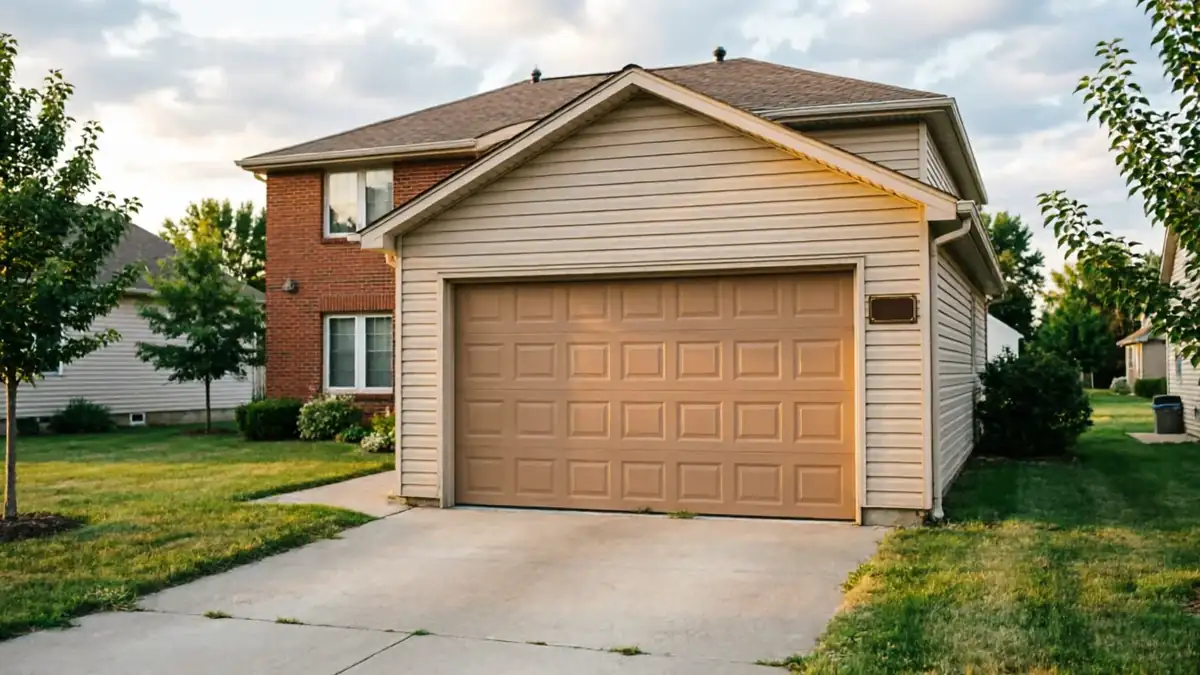
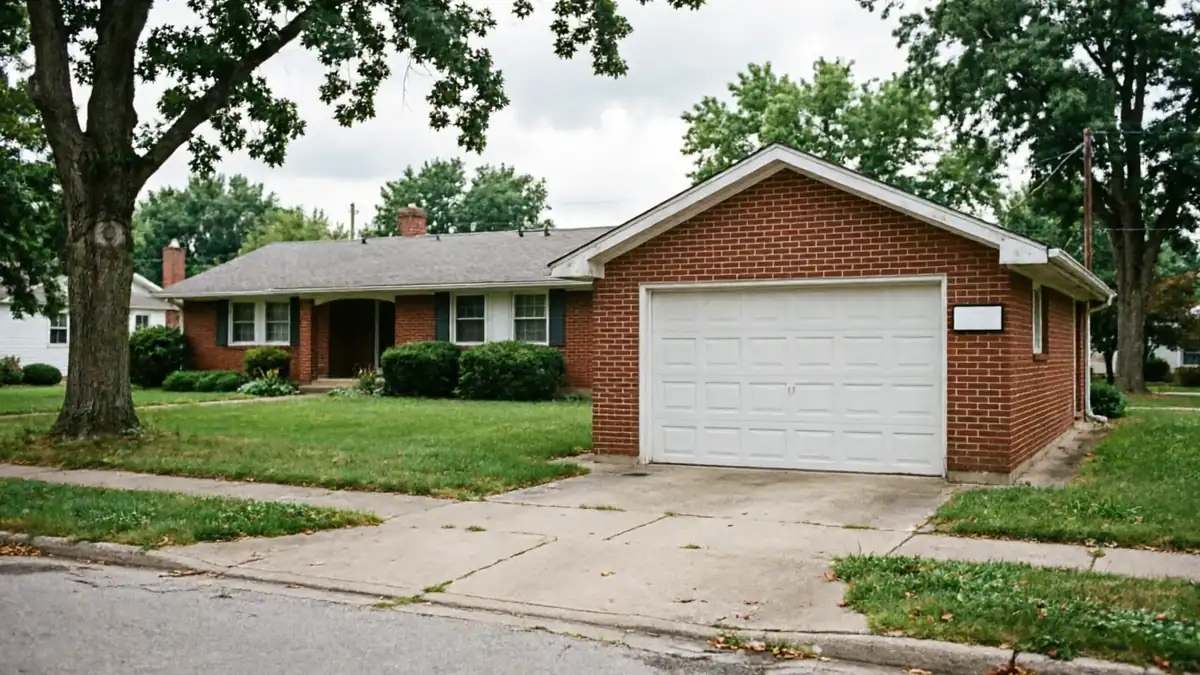
The median home here was built around 2002, which is a different animal from the 1960s and 70s stock that makes up most of the wider service area. These houses came standard with factory torsion systems, safety sensors, and heavier doors sized for three-car garages - not the lighter single doors and older extension-spring setups you find in a lot of older neighborhoods nearby. That means fewer calls about rusted-through cables and more about opener logic boards, worn nylon rollers on doors that have had 20 years of daily cycling, and torsion springs reaching the end of their rated cycle count right about now. The cold winters here still take a toll on seals and weatherstripping no matter the build year, so that part doesn't change.
This Area's Housing
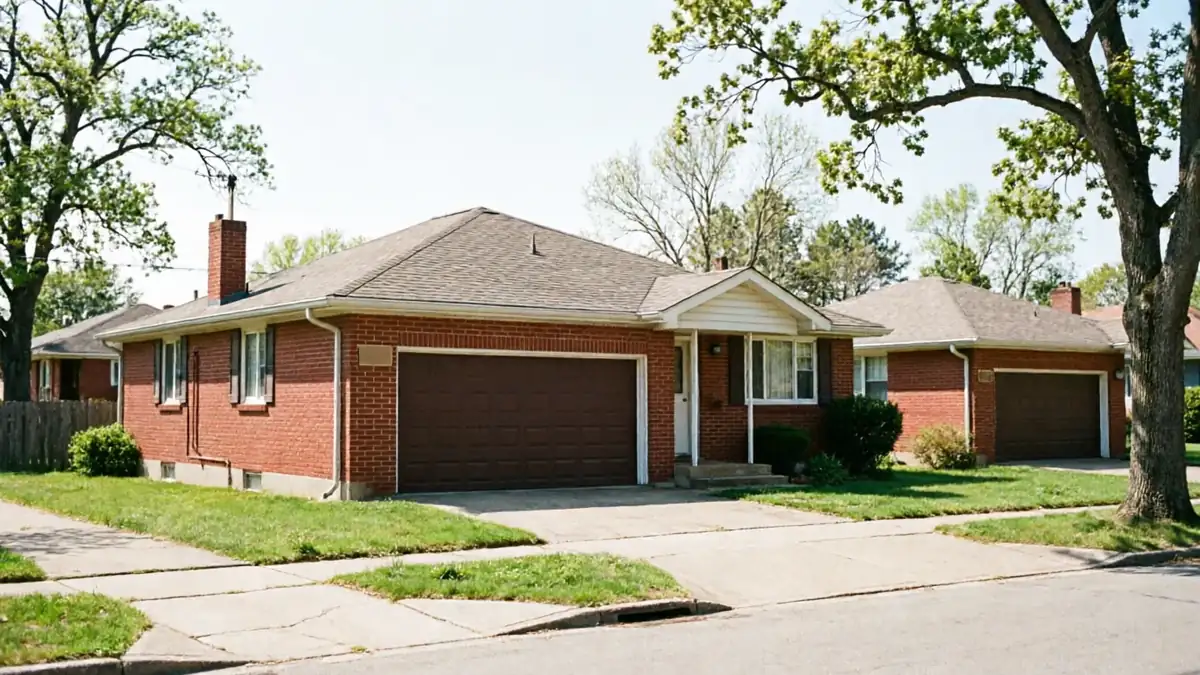
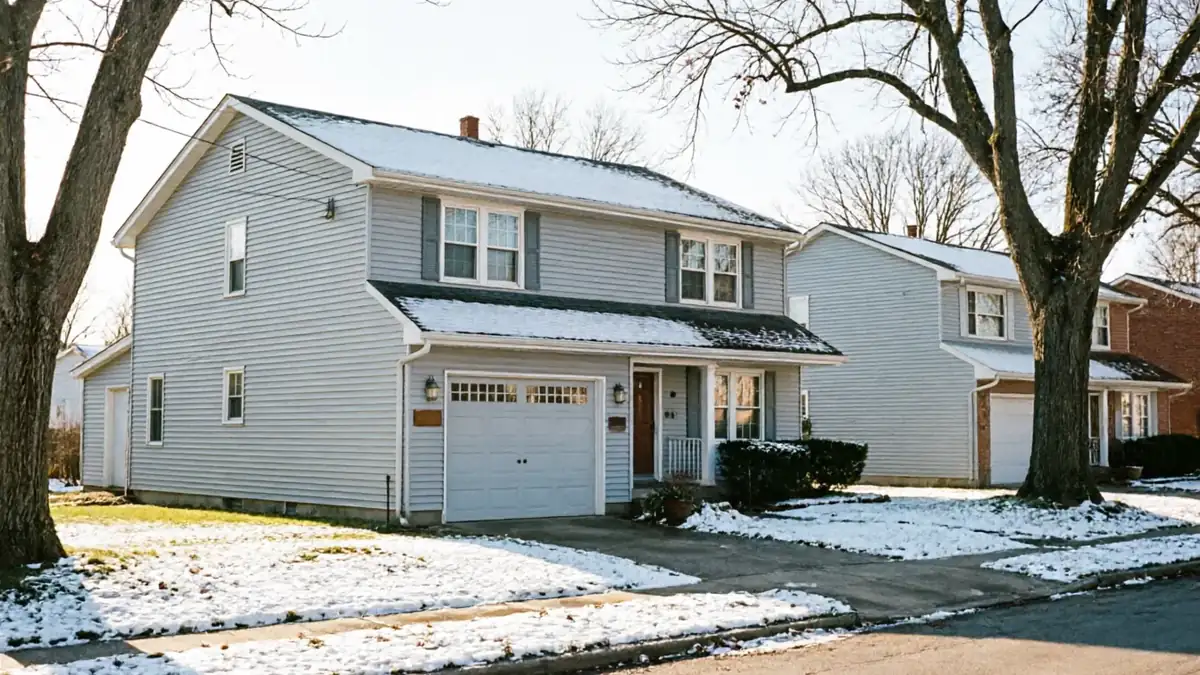
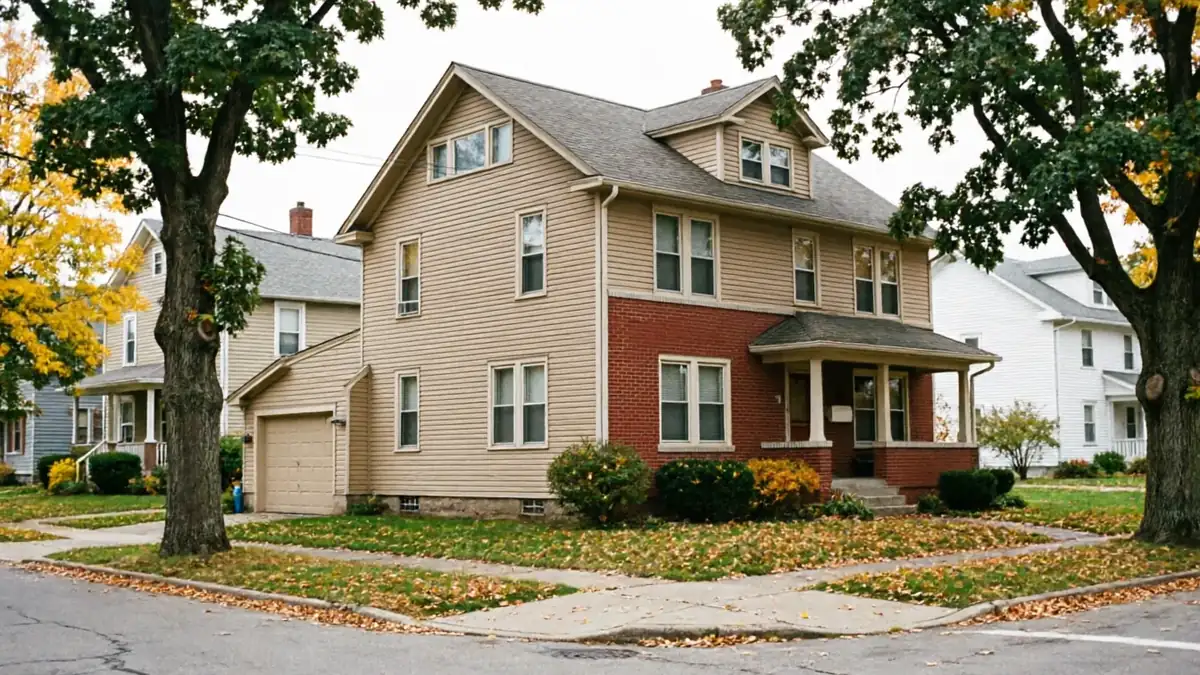
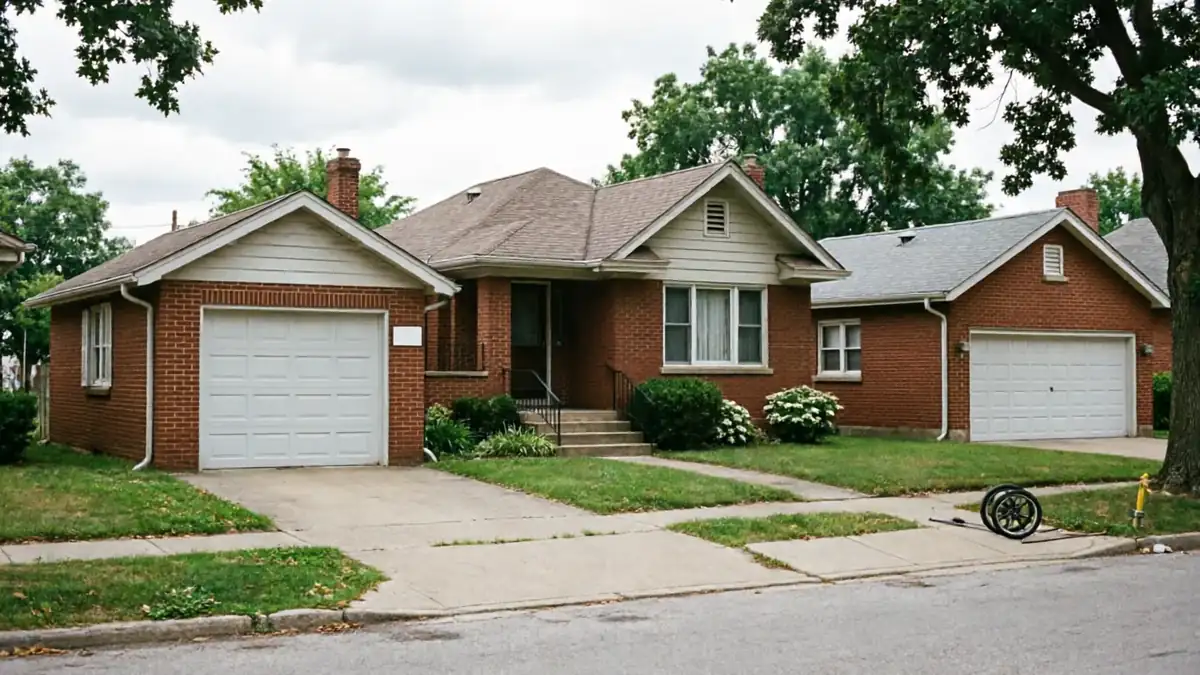
Lake Elmo's housing stock being newer on average than the rest of the territory means the common failure points shift later in a door's life. A 2002-built door is just now hitting the age where springs, which are rated in cycles rather than years, start to go. We don't see much of the original-hardware, side-mounted torsion setups that show up in homes from the 1950s and 60s - those are mostly a non-issue here. One honest limitation: if your opener logic board is a proprietary model tied to a builder-installed smart-home system, we may need to order the part rather than carry it on the truck, and that can mean a short wait.