How We Fix It
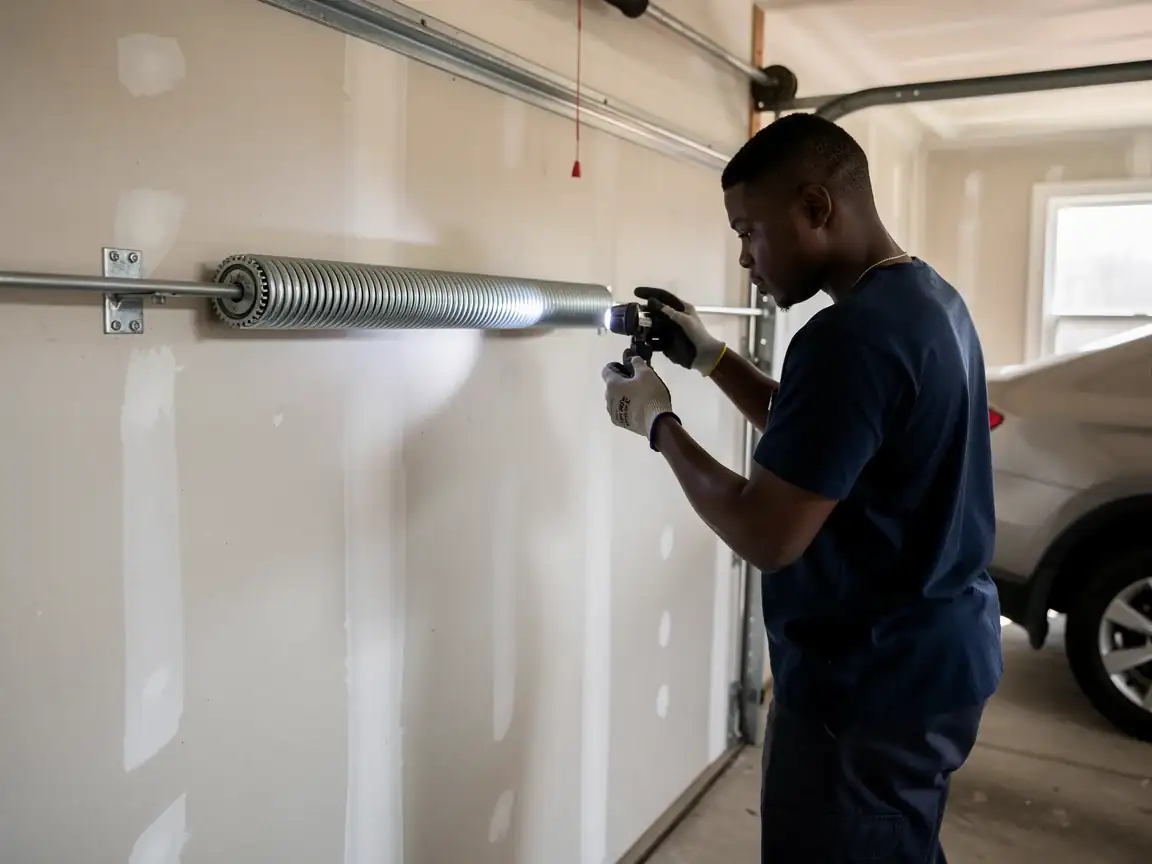
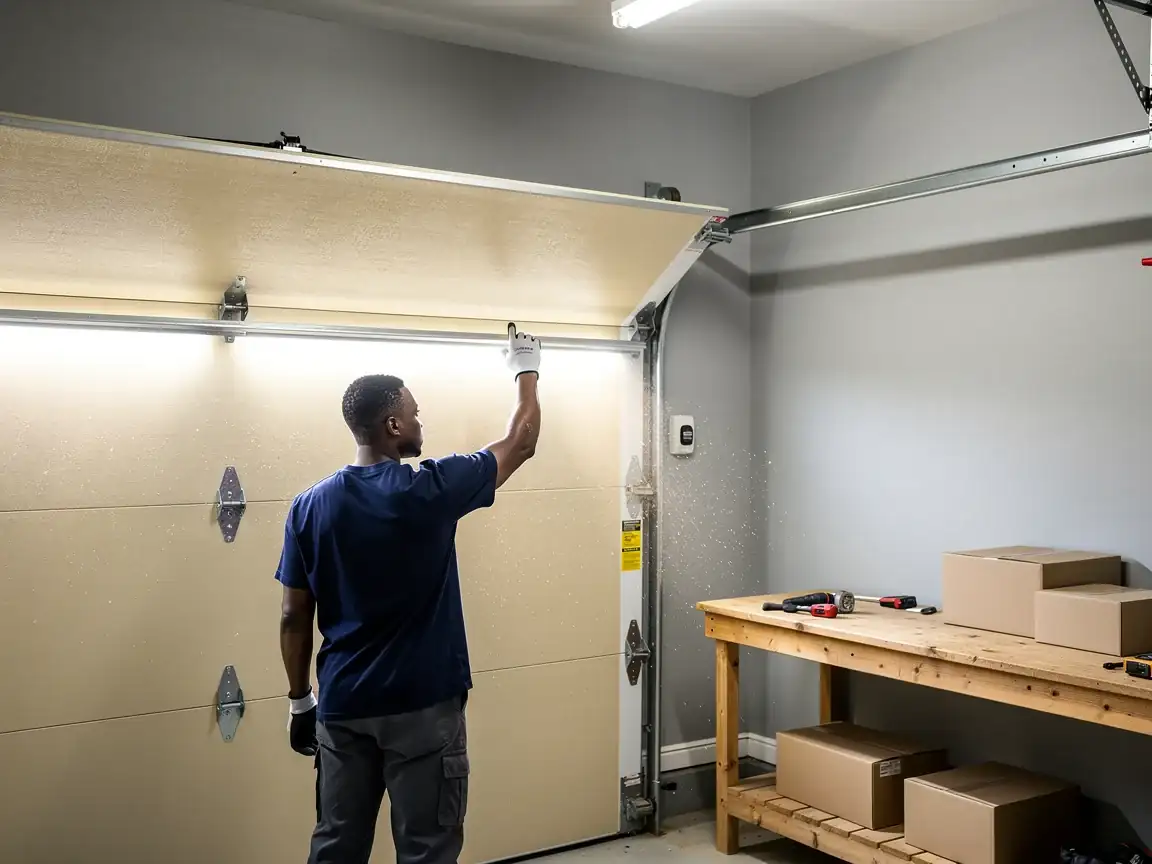
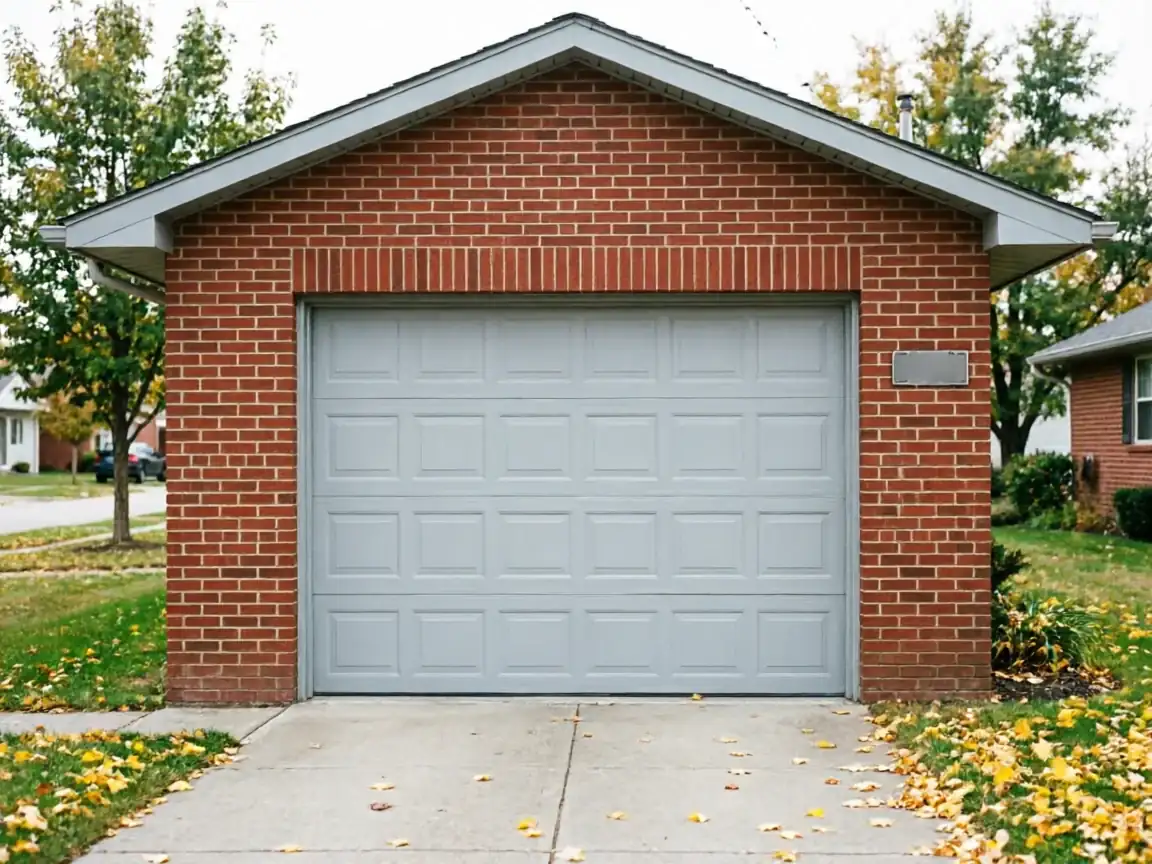
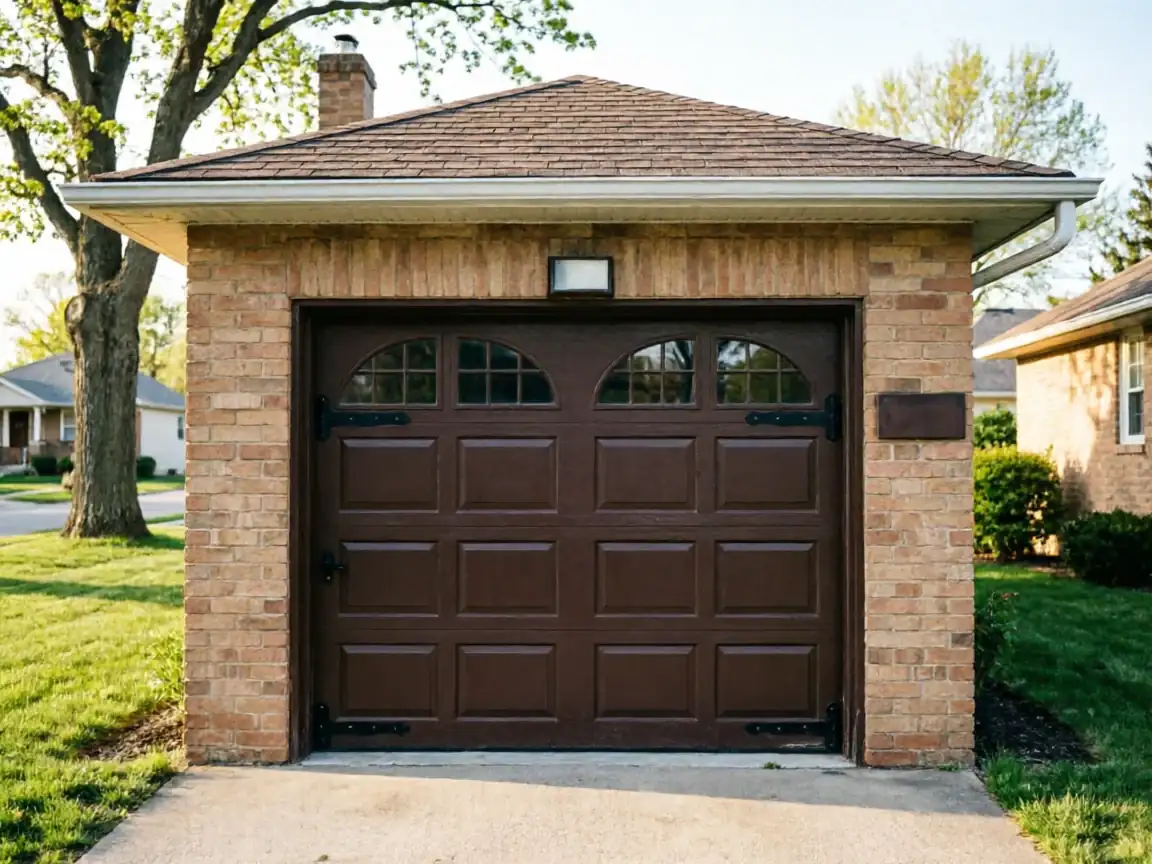
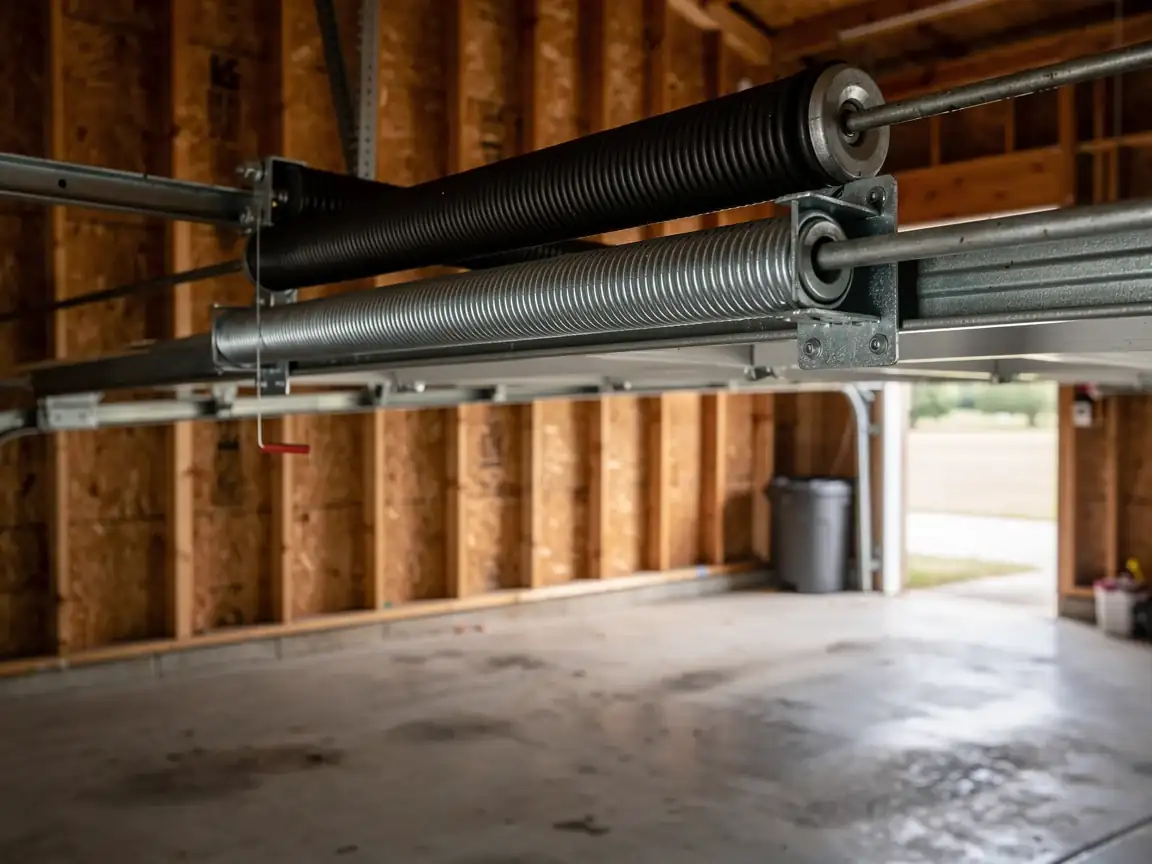
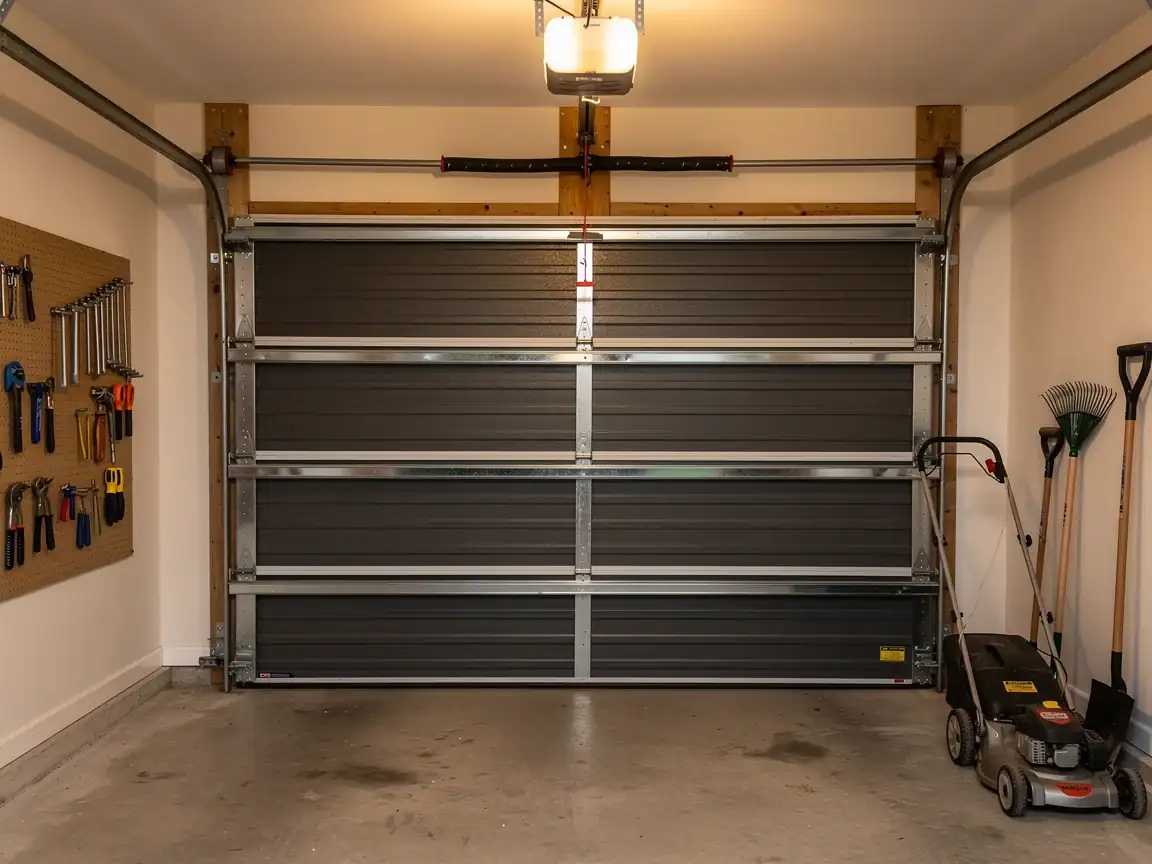
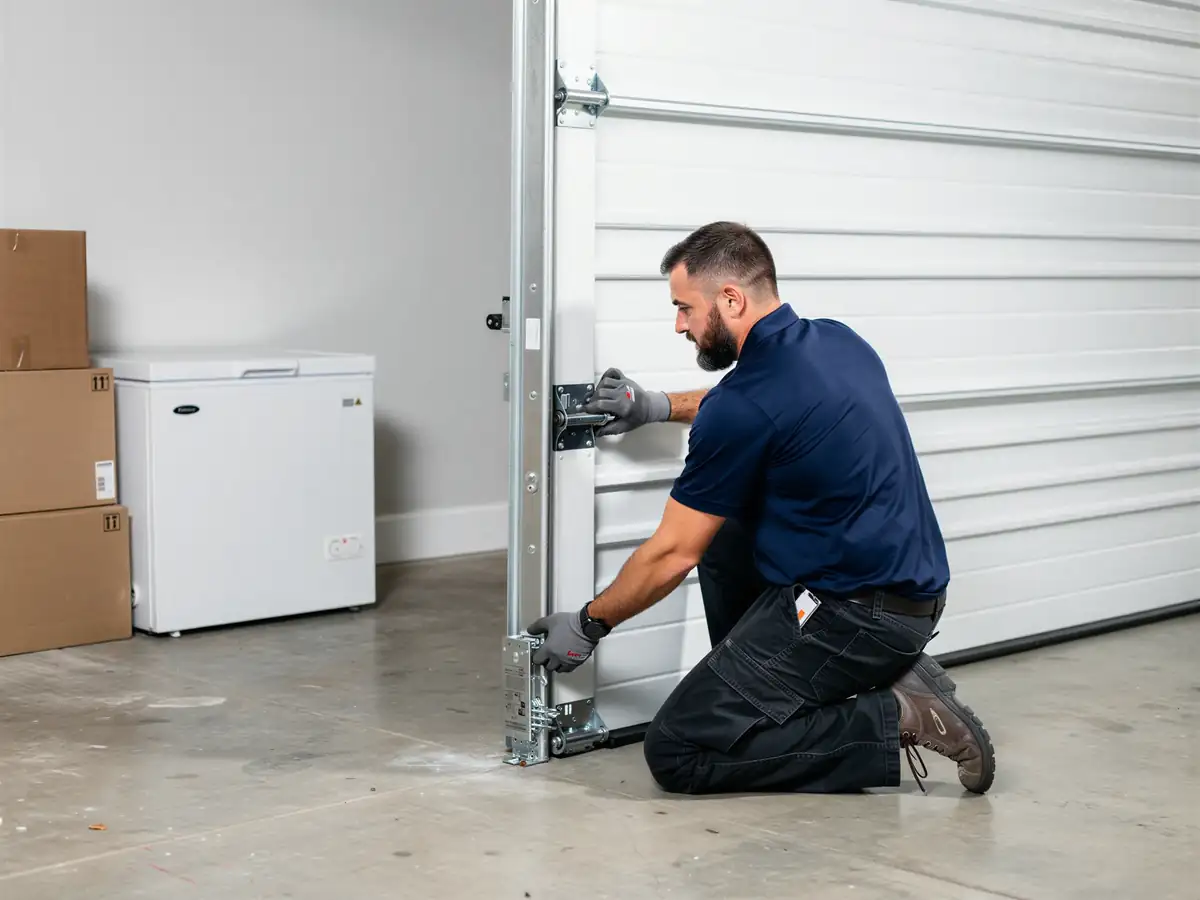
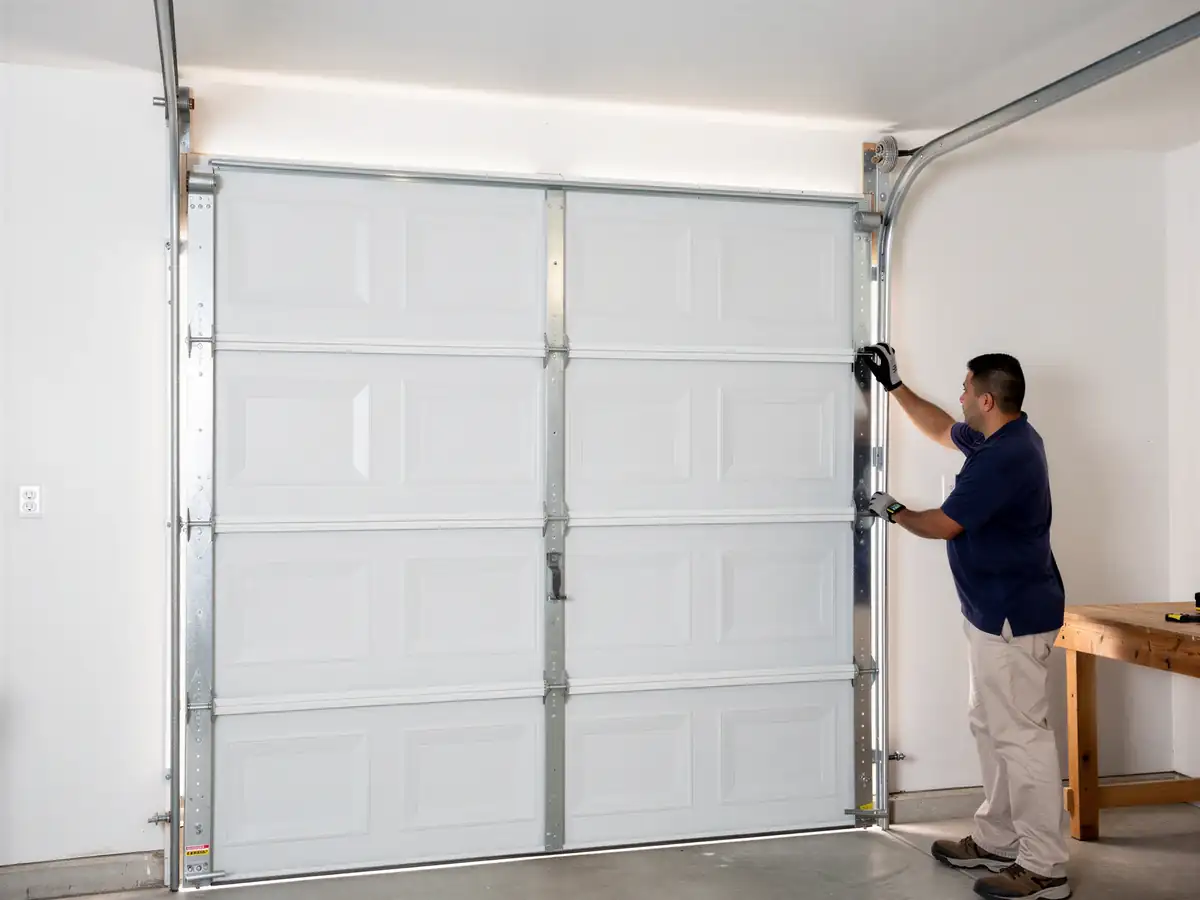
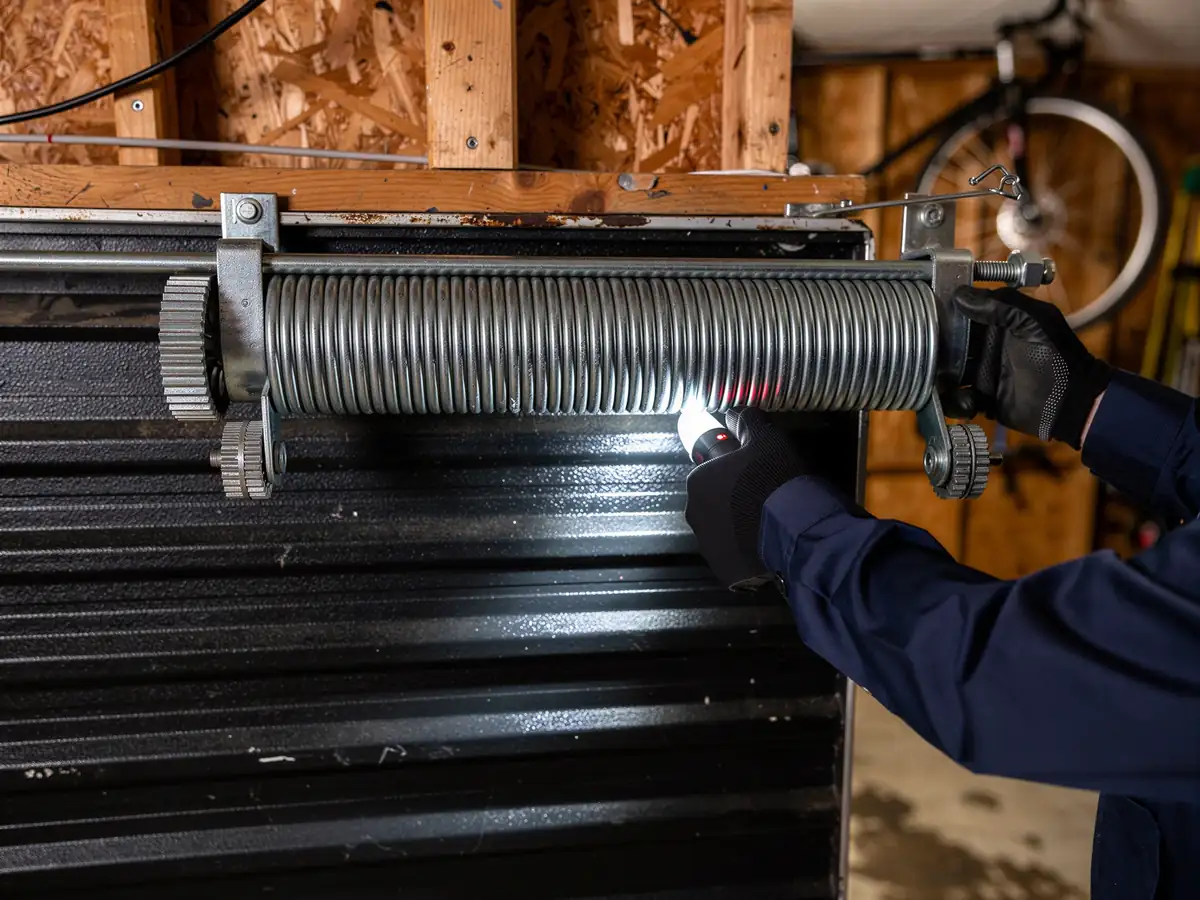
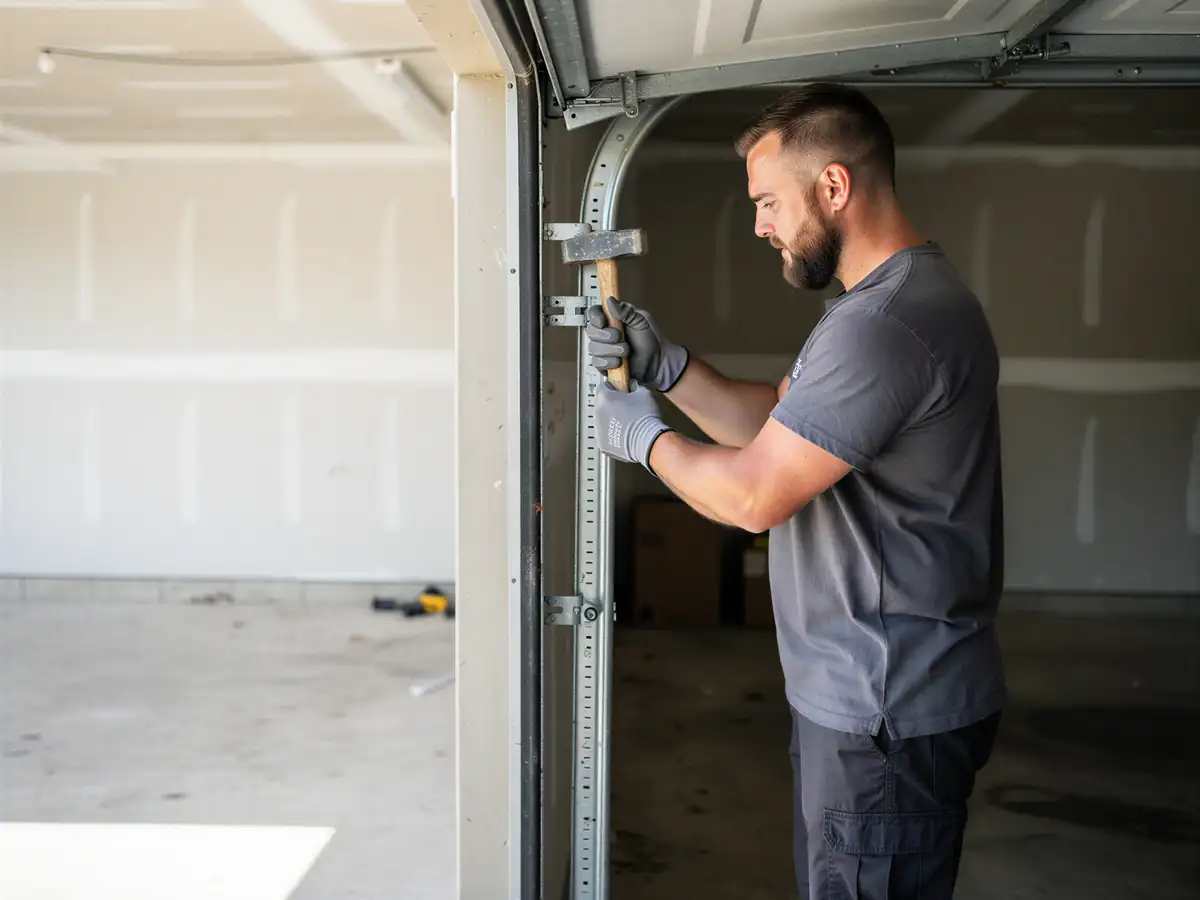
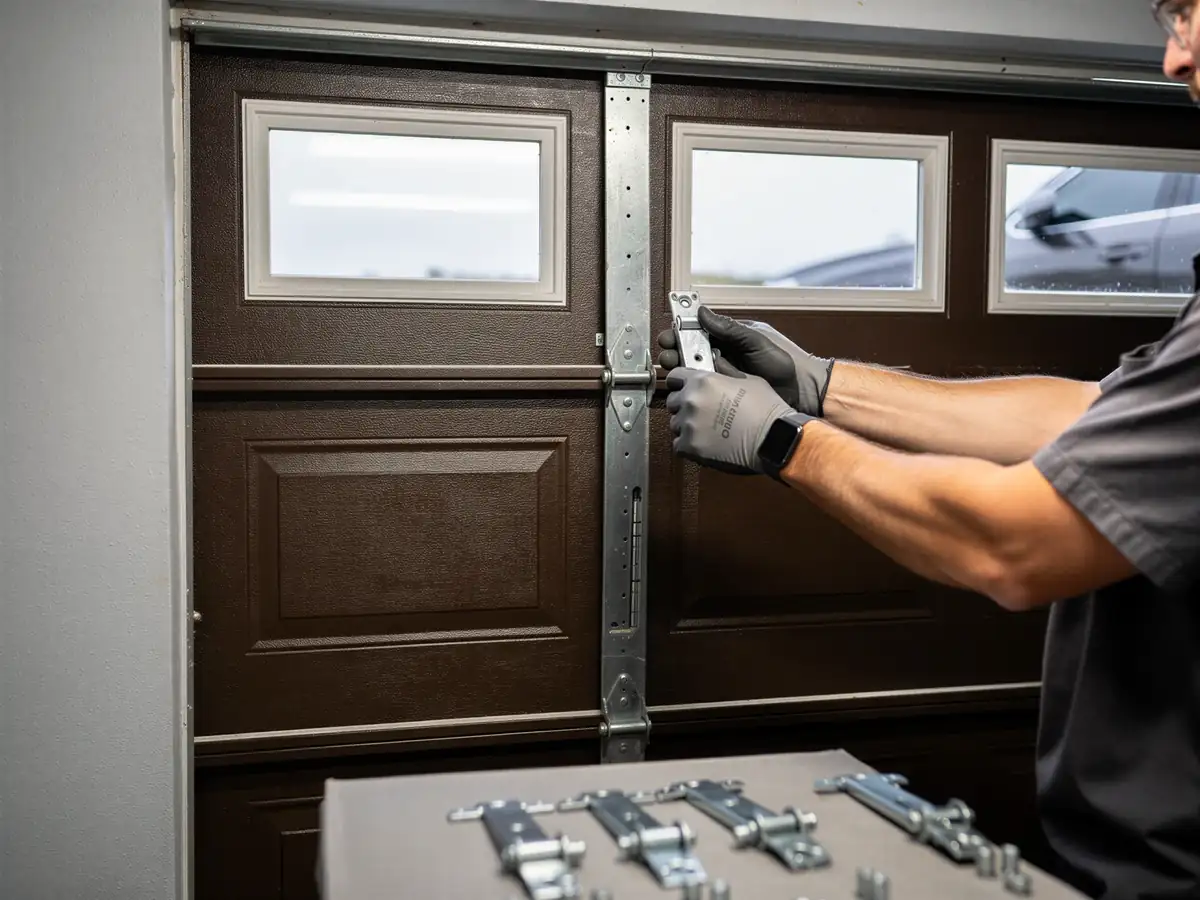
We start by looking at the whole door, not just the dented or cracked panel. On a sectional door, one bad panel usually means the others are the same age and gauge of steel, so we check the rest of the run before we order anything. If the door is still a match-able style, we pull the section, swap in the new panel, and re-hang it on the existing hinges and rollers, then rebalance the door so the opener isn't straining against uneven weight. If the track or hinges show wear from the old panel binding, we true those up at the same time, because a straight panel on a bent track will dent again. Here's the honest limit: on doors that have been up since the 1960s or 70s, the exact panel profile is often discontinued. When we can't match color, rib pattern, or insulation core, we'll tell you straight that a full-door replacement is the better call rather than installing a panel that looks wrong next to the rest of the door. We're not going to sell you a patch job that won't hold or won't match, just to close the ticket.
What You Are Seeing
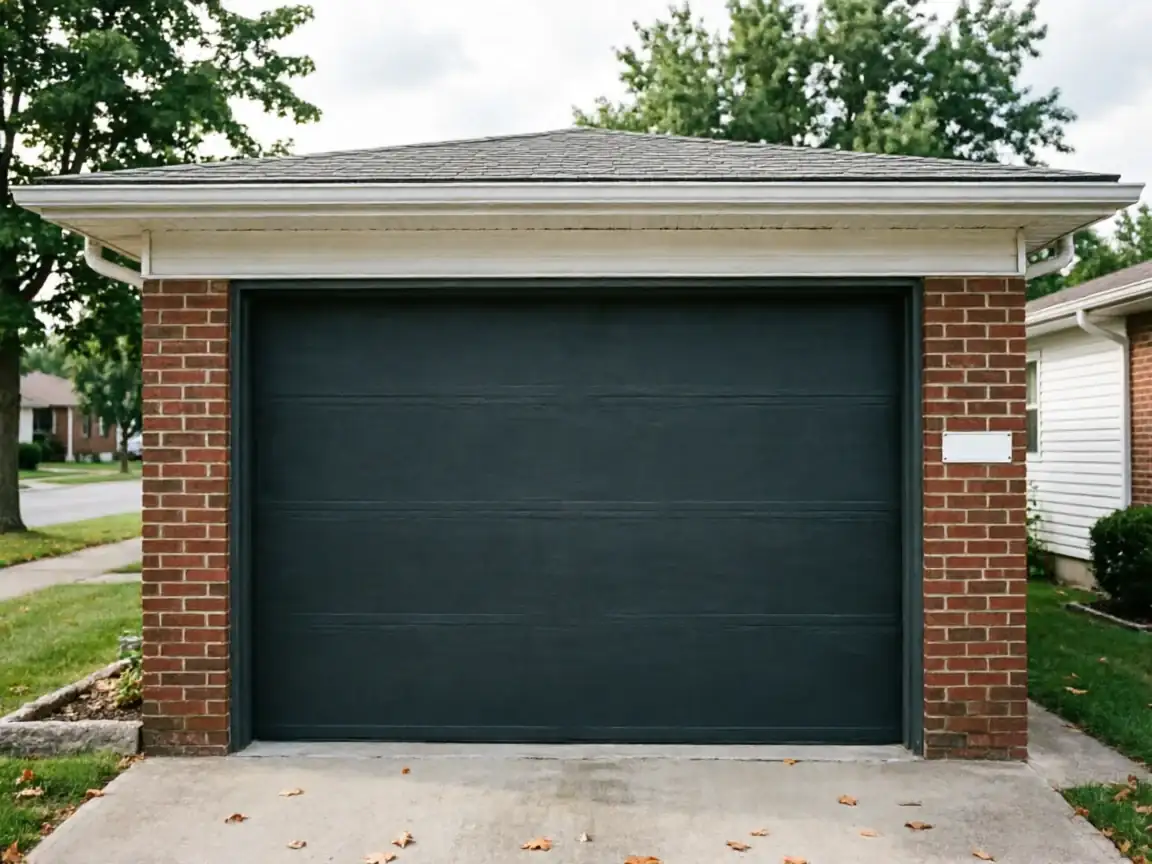
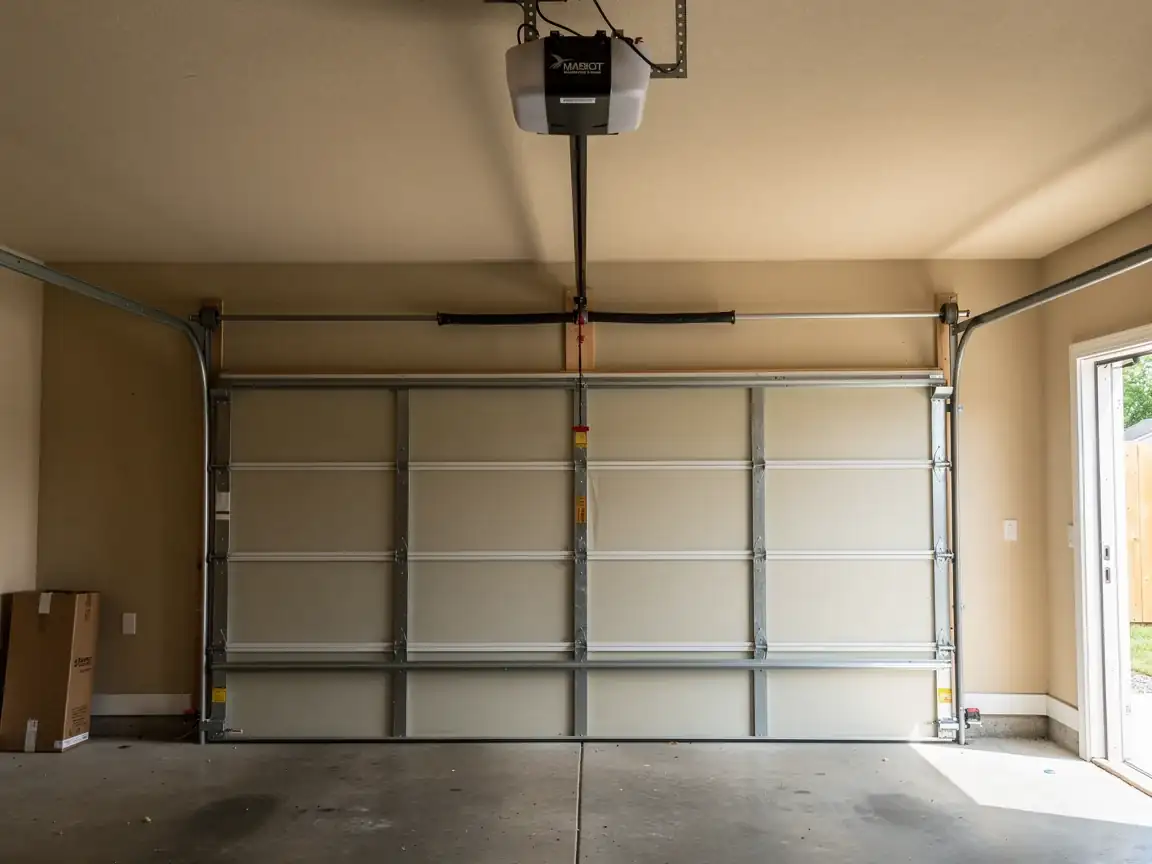
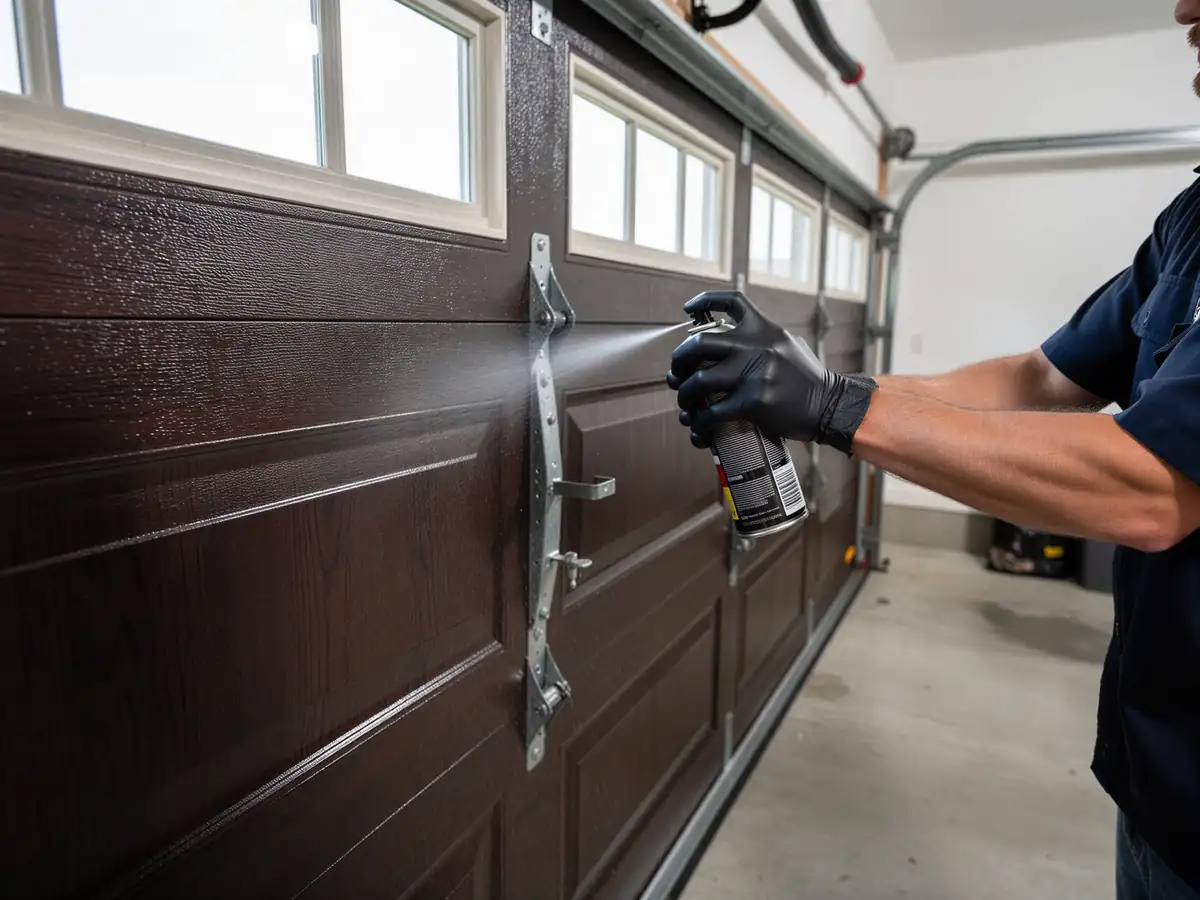
Most calls start with a panel that's visibly bowed, dented, or has a seam that's split along the rib. Sometimes it's not damage you can see from the driveway - a seam crack lets daylight or cold air through at the bottom section, and you notice it as a draft in the garage rather than as damage on the door. Bottom panels are the ones that take the worst of it: road grit, moisture, and the freeze-thaw cycle that comes with a cold climate region work on the seam and the weatherstrip channel first. You might also notice the door binding or catching partway through its travel - that's often a panel that's bowed just enough to rub the track, not a spring or opener problem. If the door is noisy in one spot every single cycle, check that section before you assume it's the opener.
What Causes It Around Here
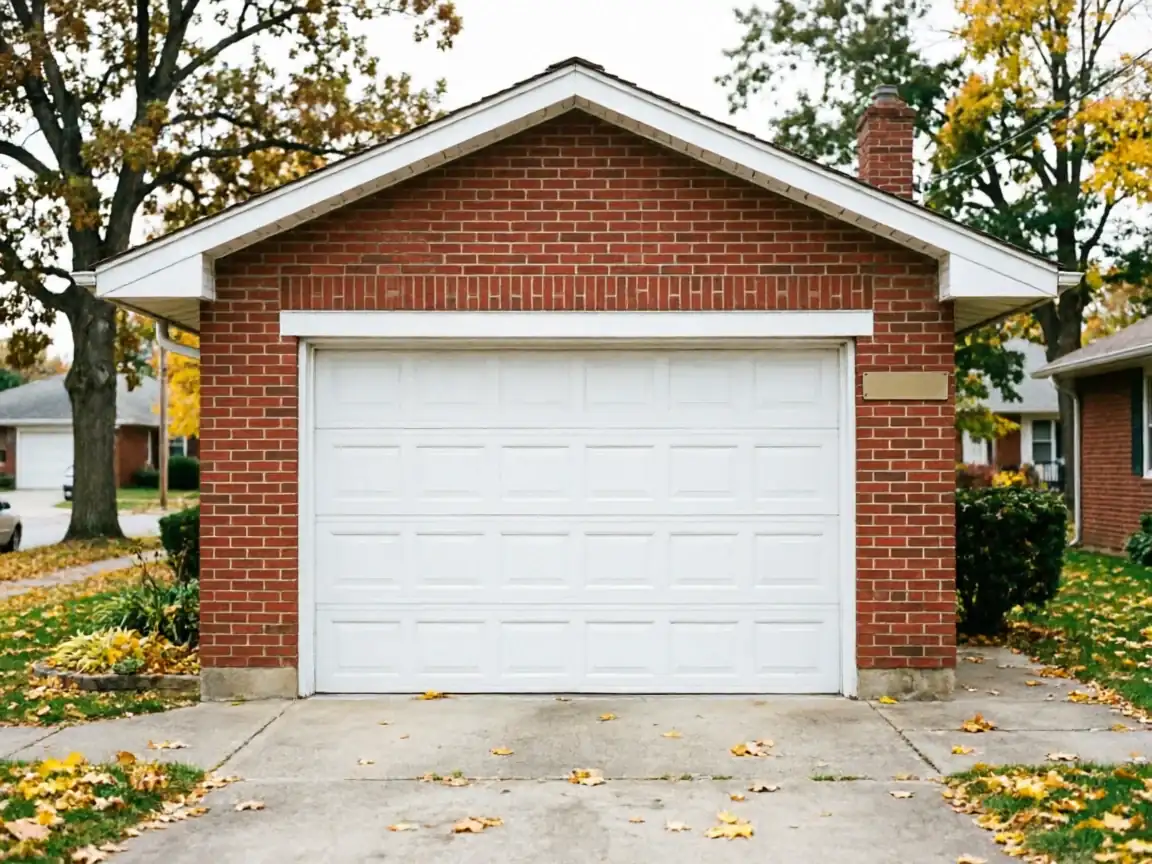
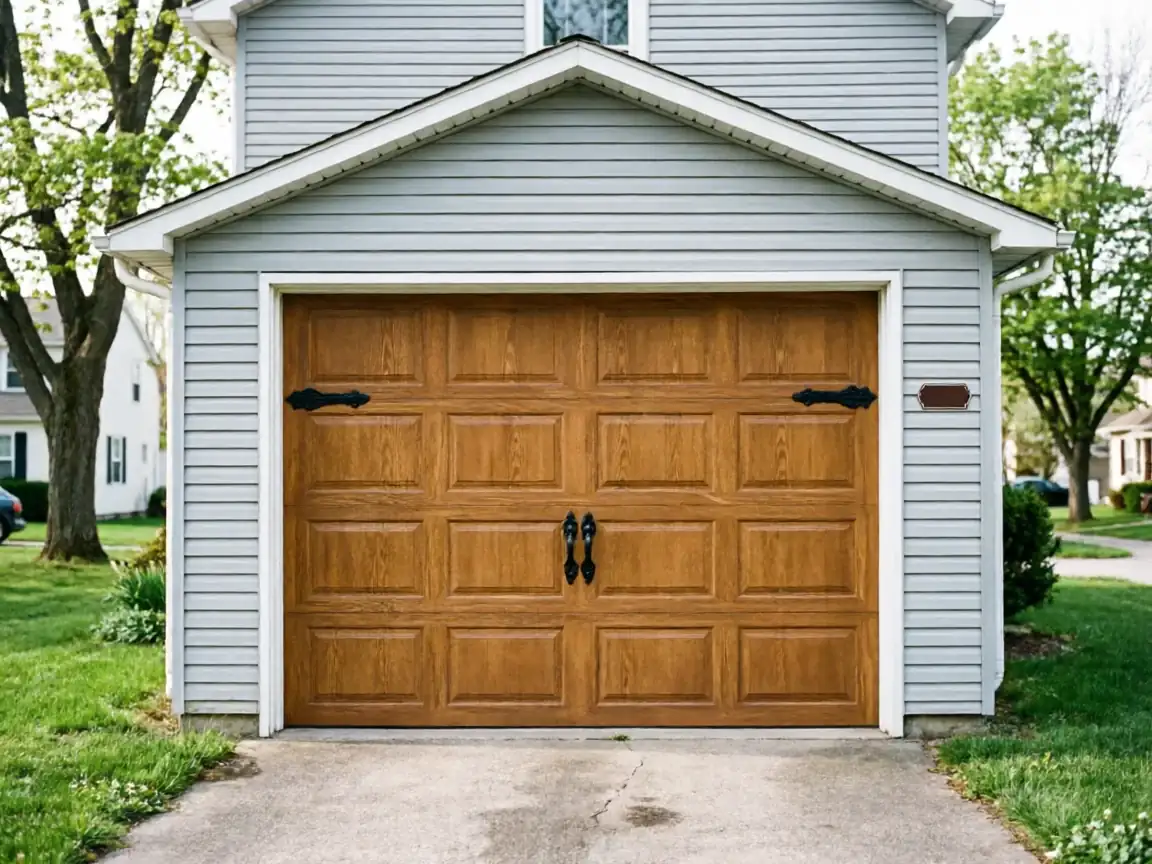
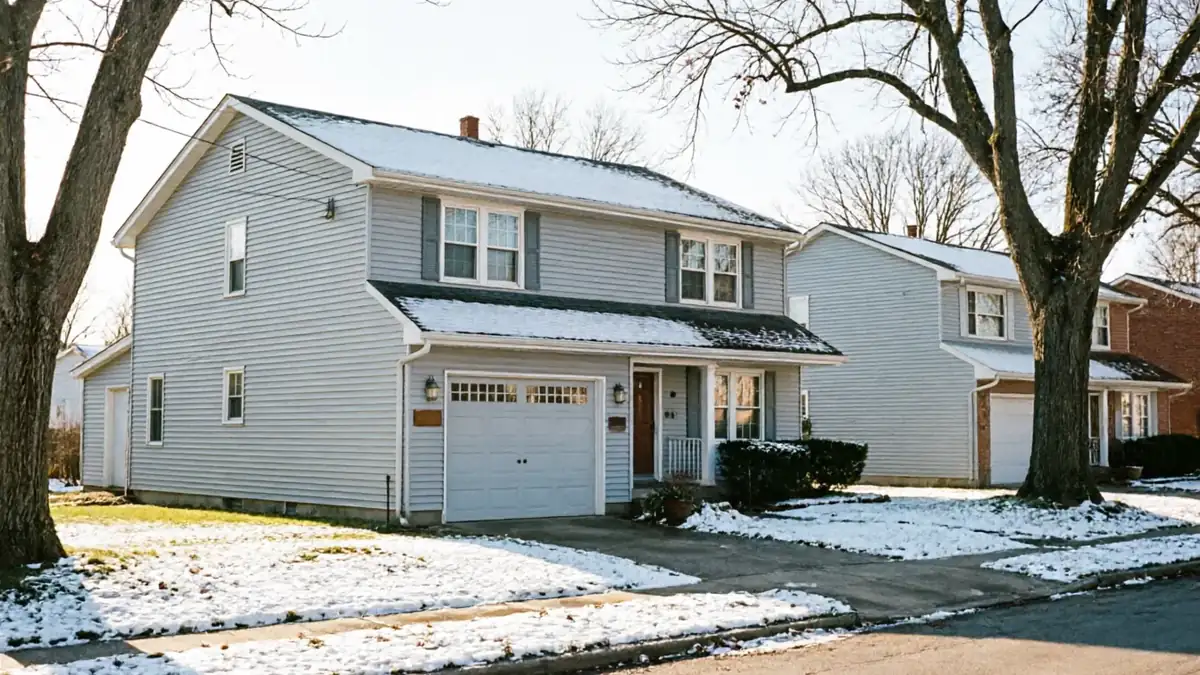
A lot of the housing stock we work on went up between 1956 and 2004, with the median build year around 1973, and most of it falls into that same 1960s-70s run across the 37 named areas in our territory. Doors from that era used a thinner gauge steel than what's sold today, and many were never insulated, which matters in a climate band that runs cold through winter. Thin steel flexes more in a hard freeze, and repeated flexing is exactly what splits a seam over the years. Add in the normal wear - a bumper tap, a basketball, a mirror that clips the frame - and a panel that's already brittle from cold cycling is more likely to crack than dent and pop back. On newer builds in the territory, panels are heavier gauge and often foam-filled, so we see fewer cracked seams and more cosmetic dents from contact instead.