How We Fix It
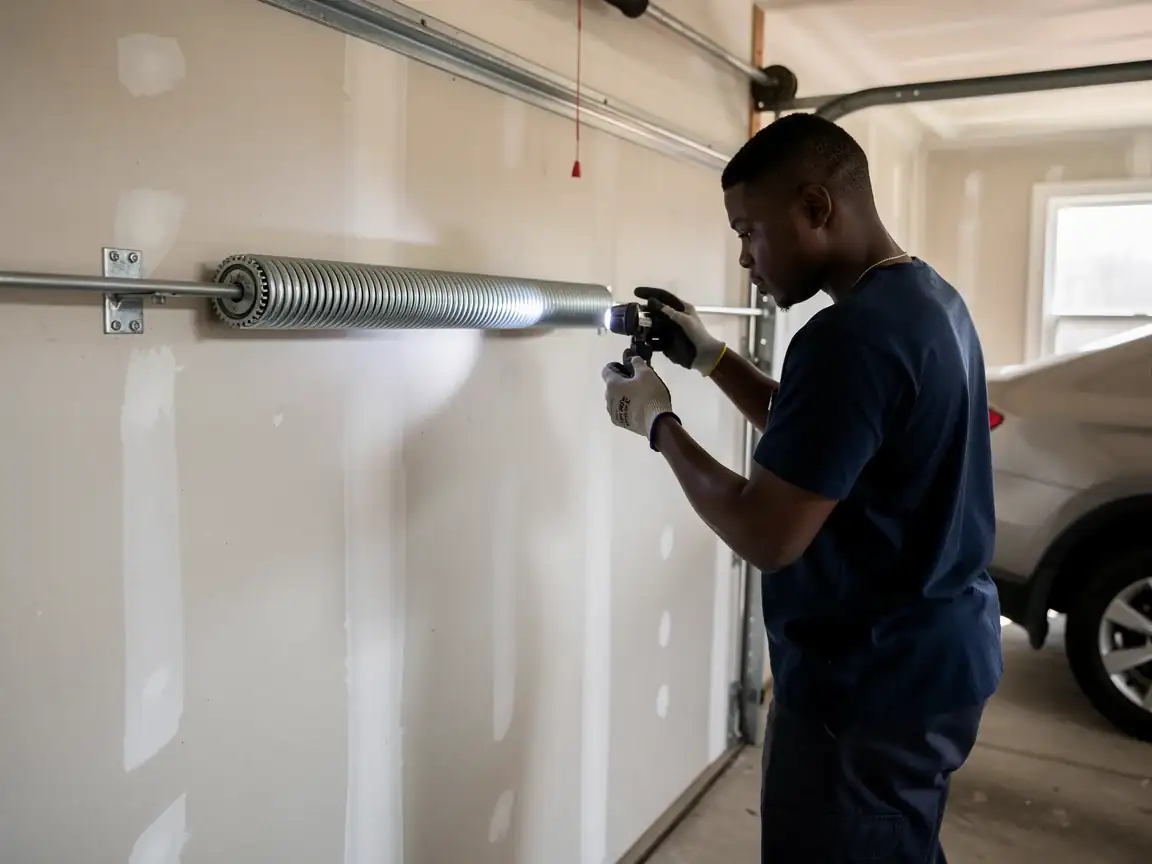
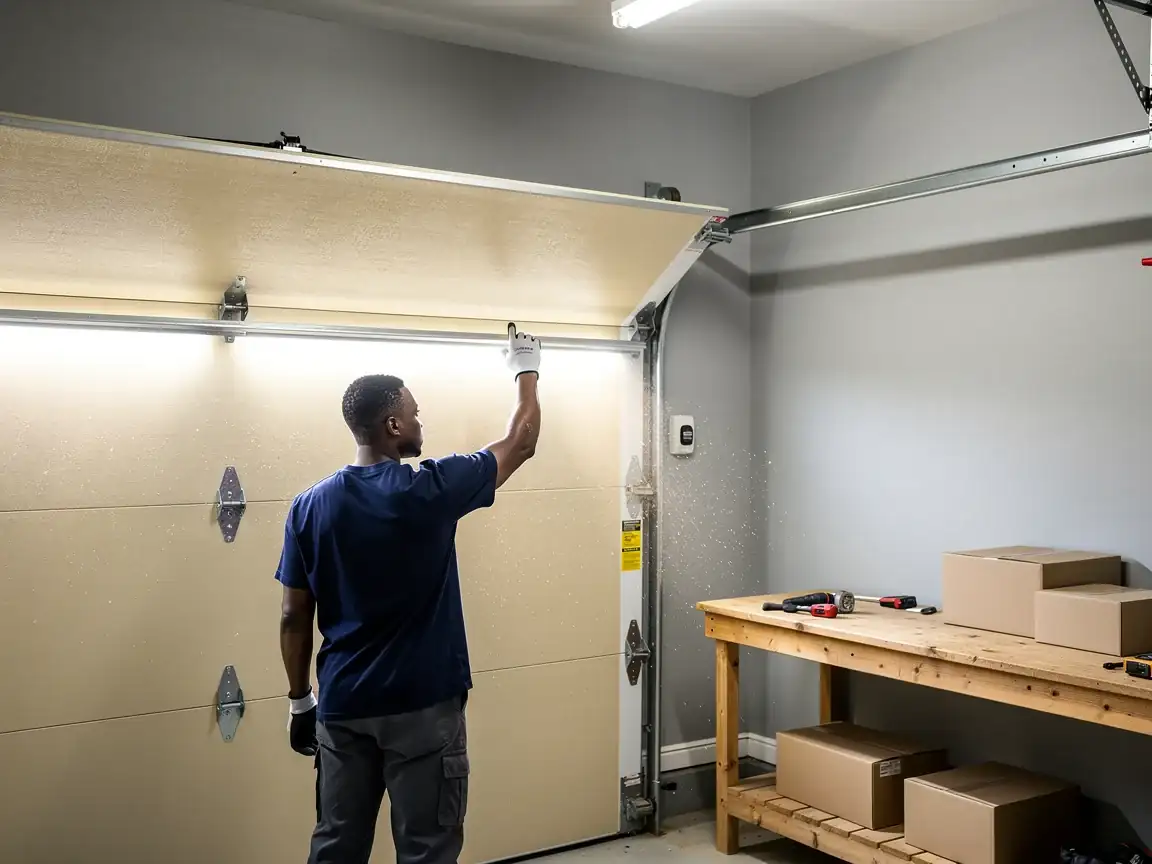
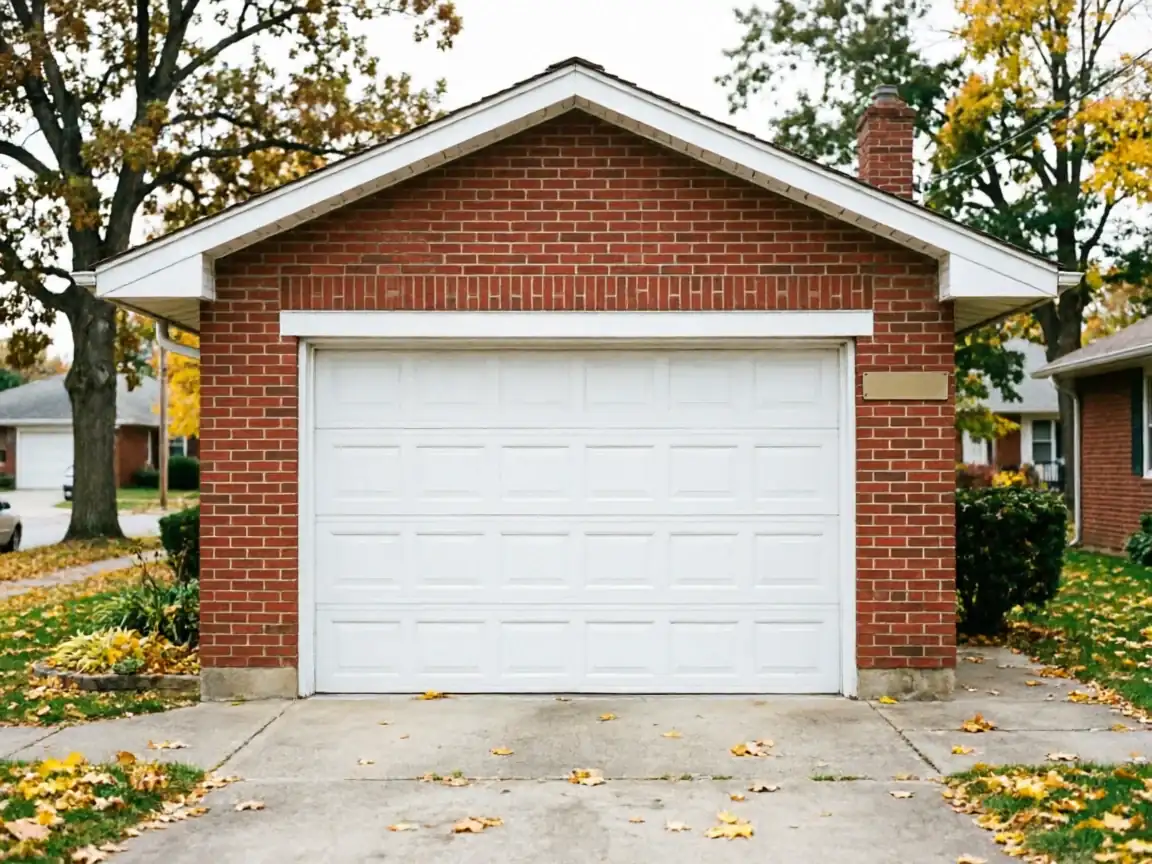
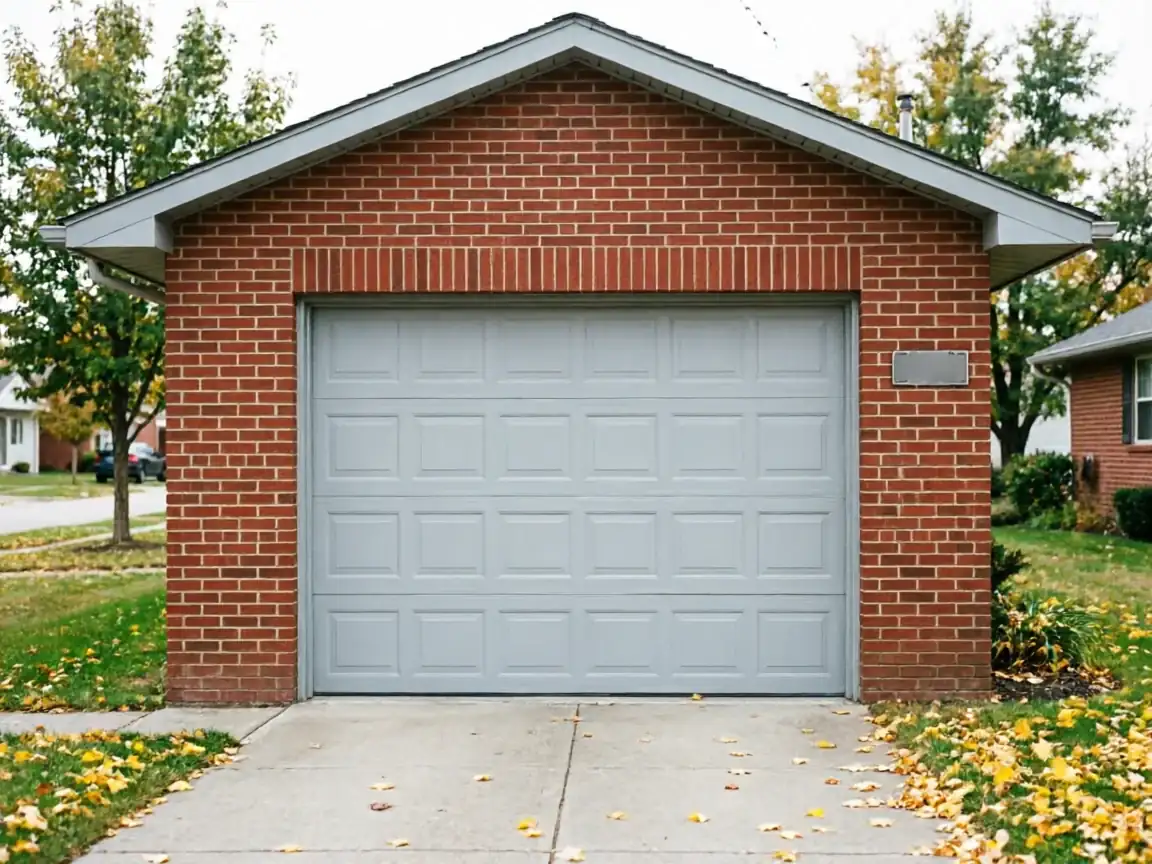
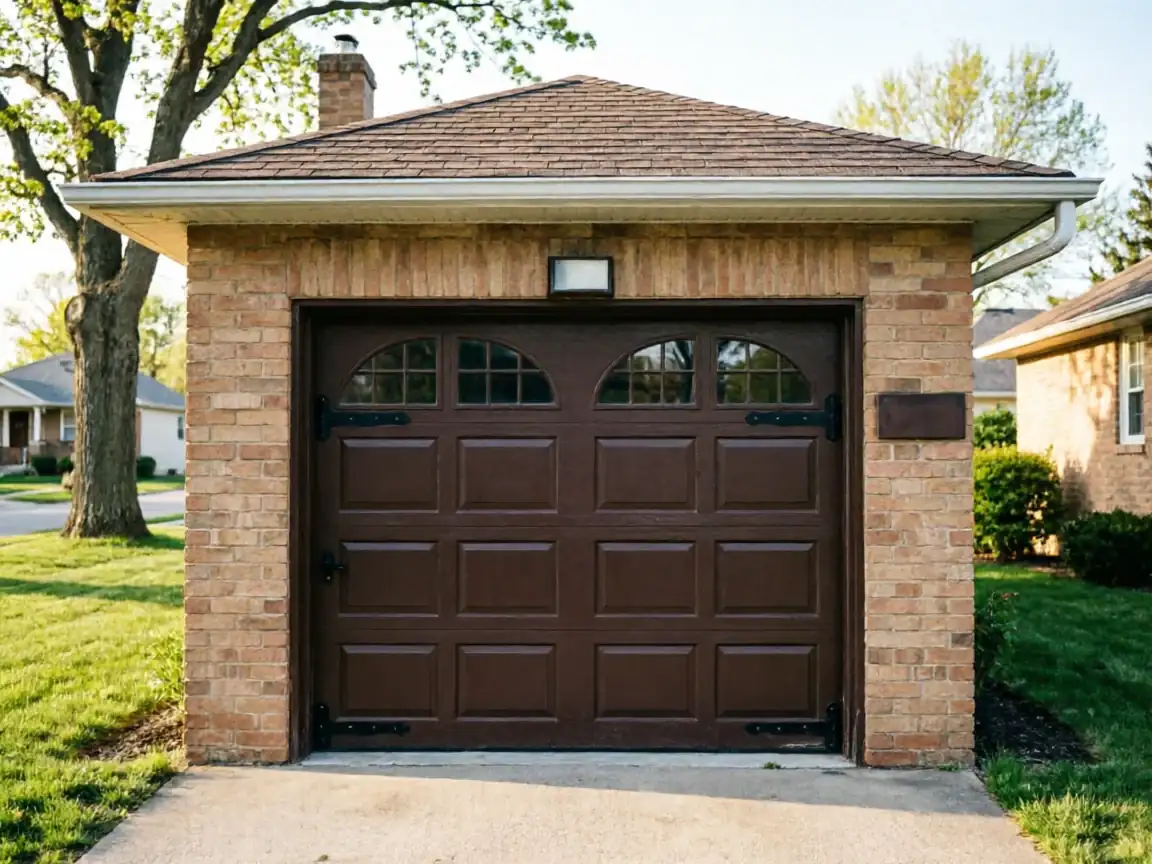
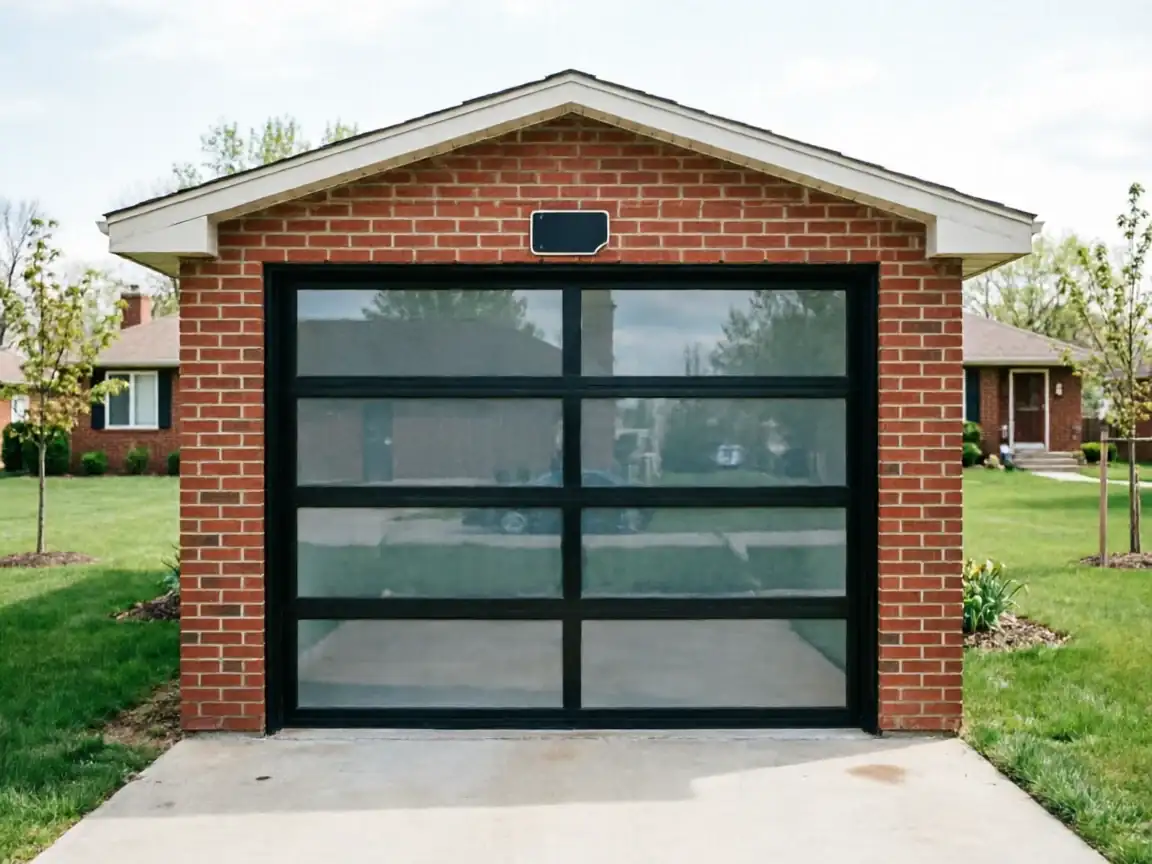
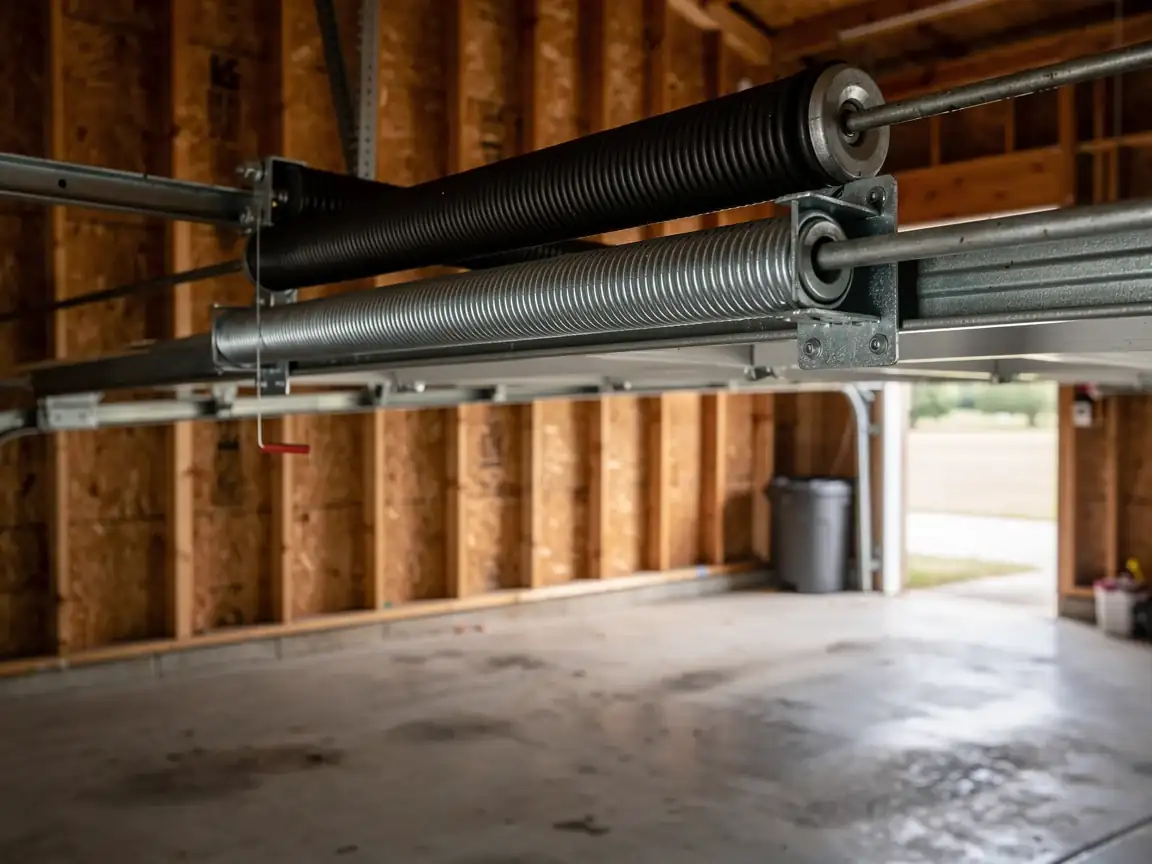
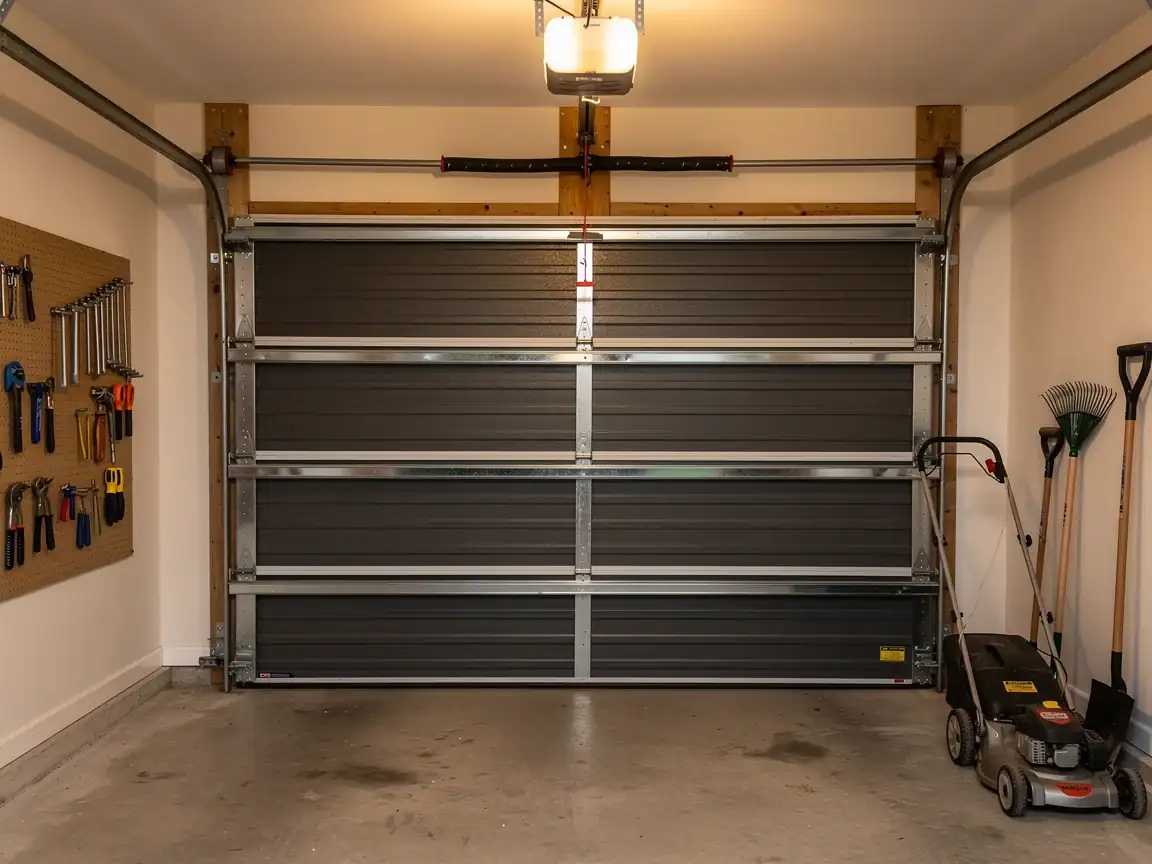
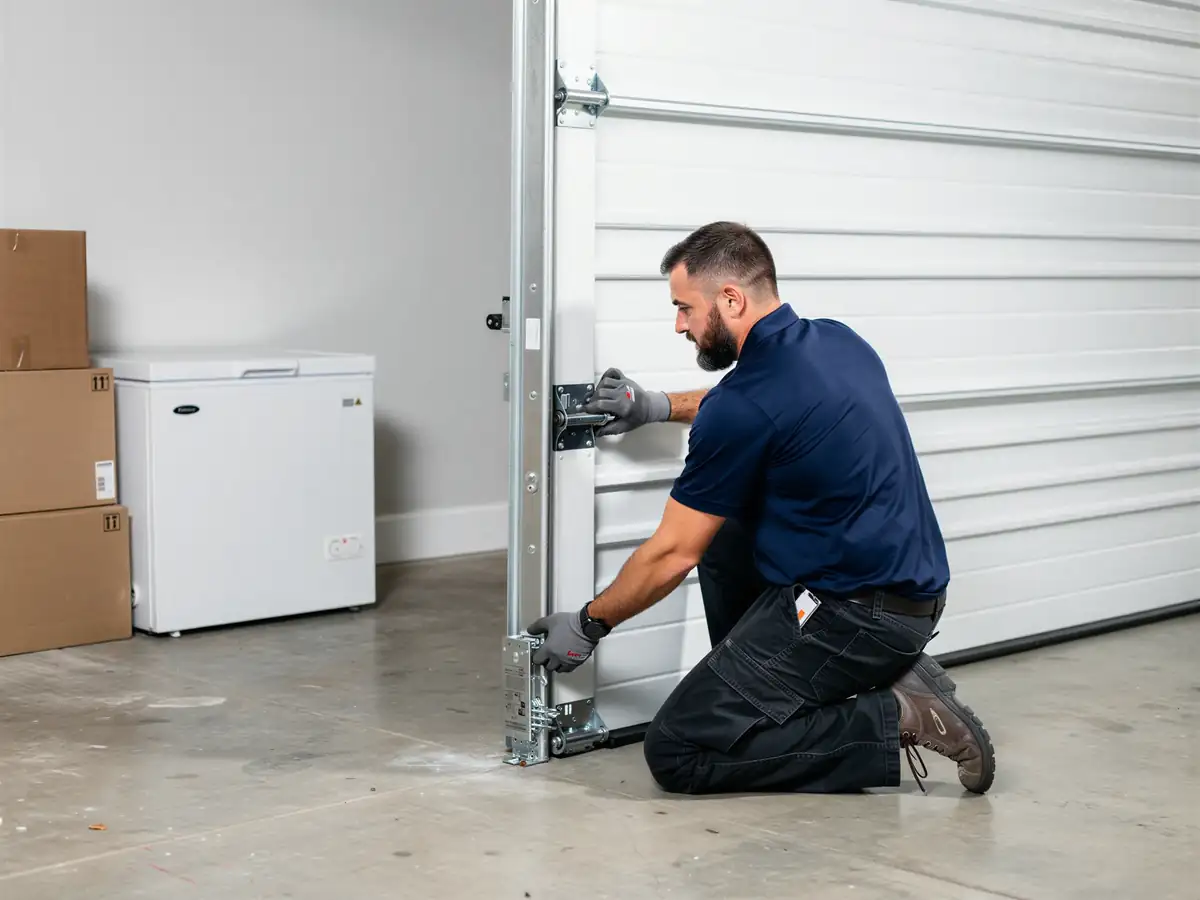
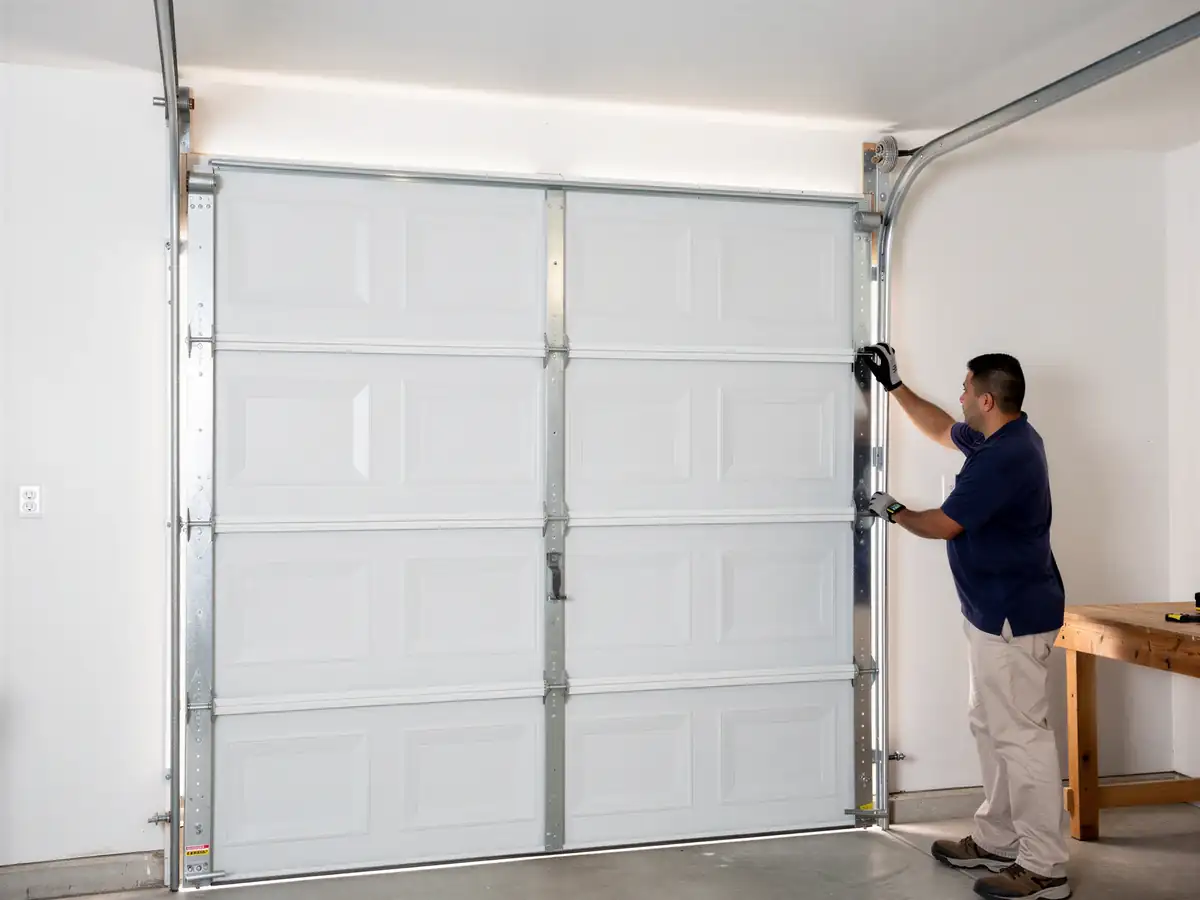
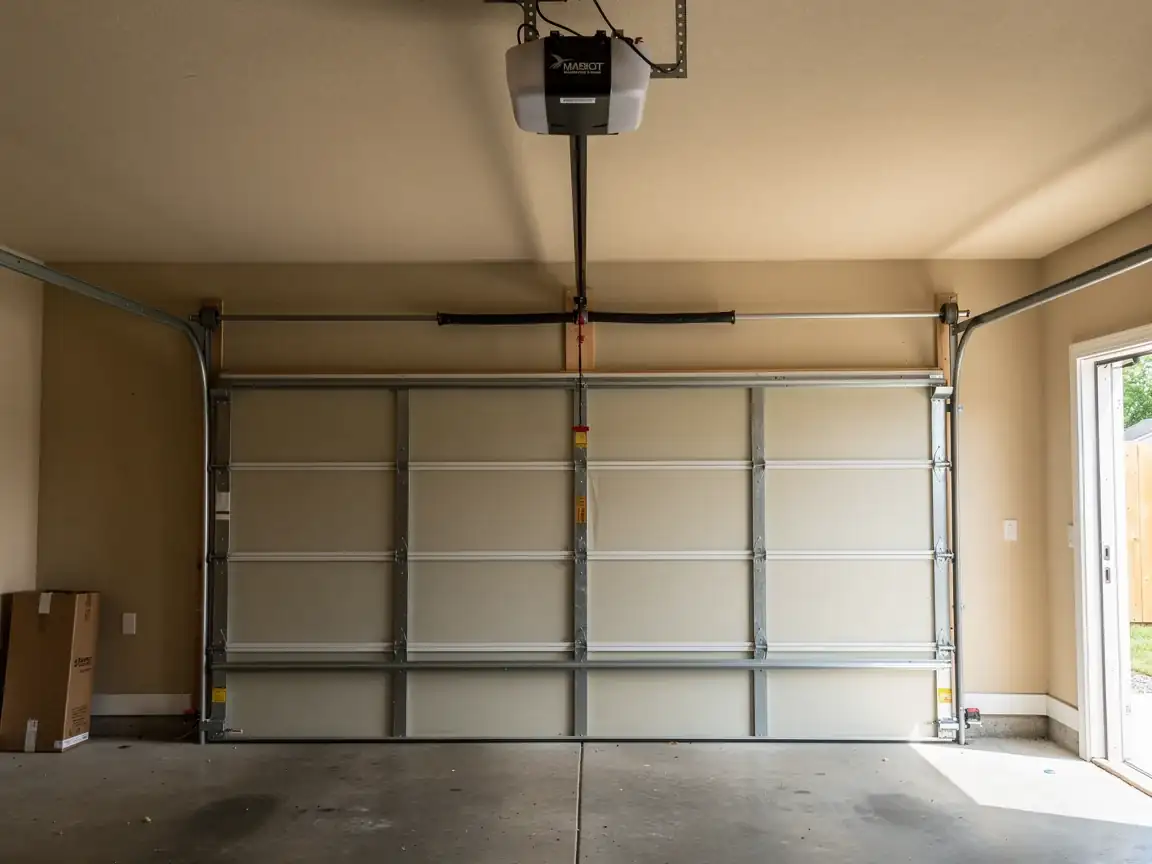
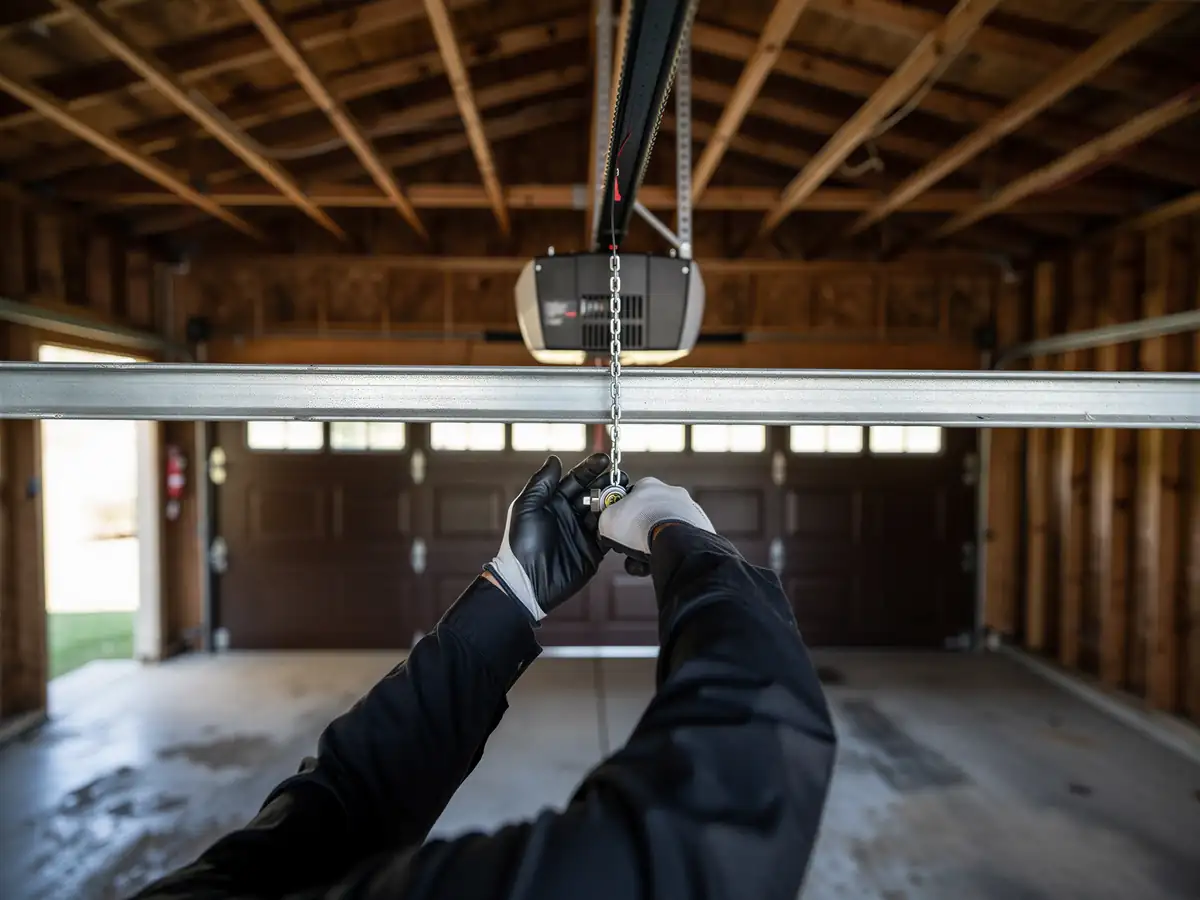
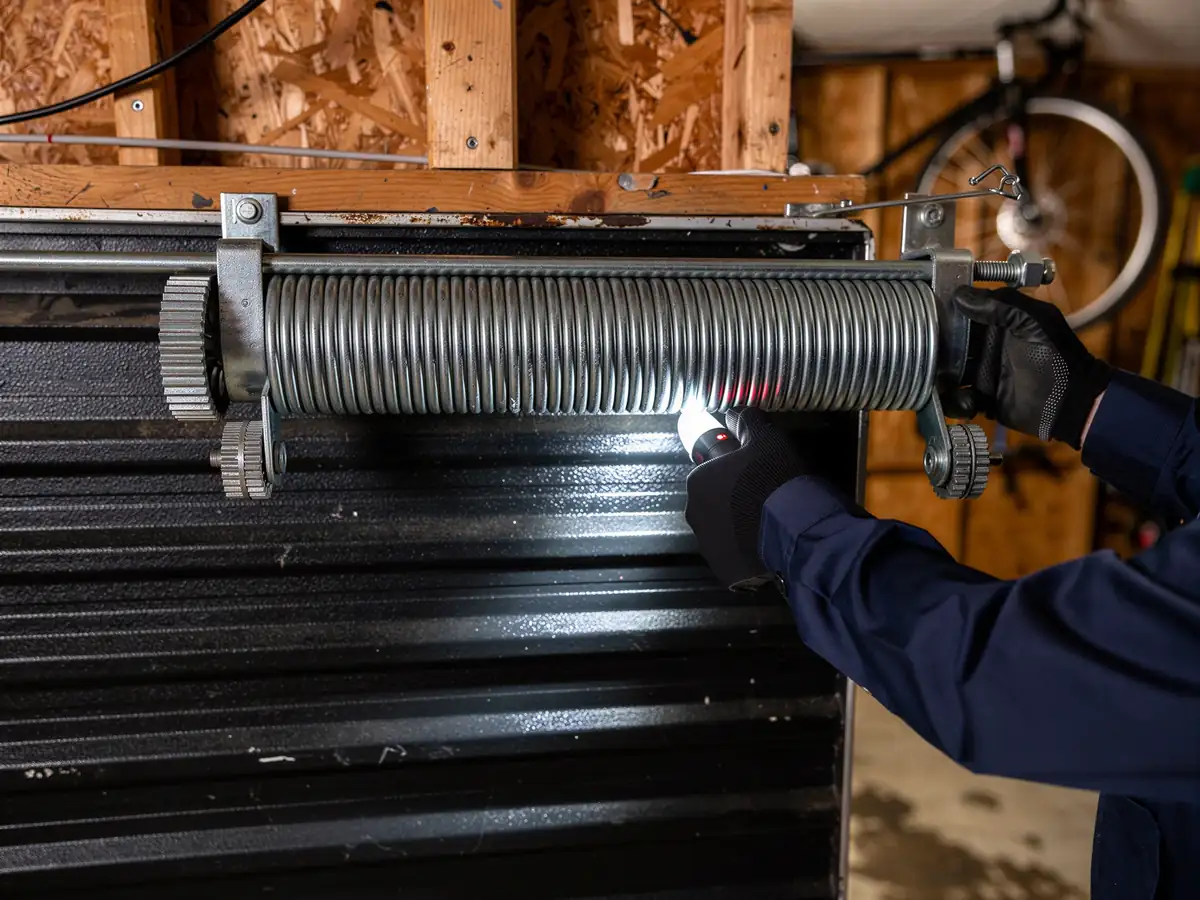
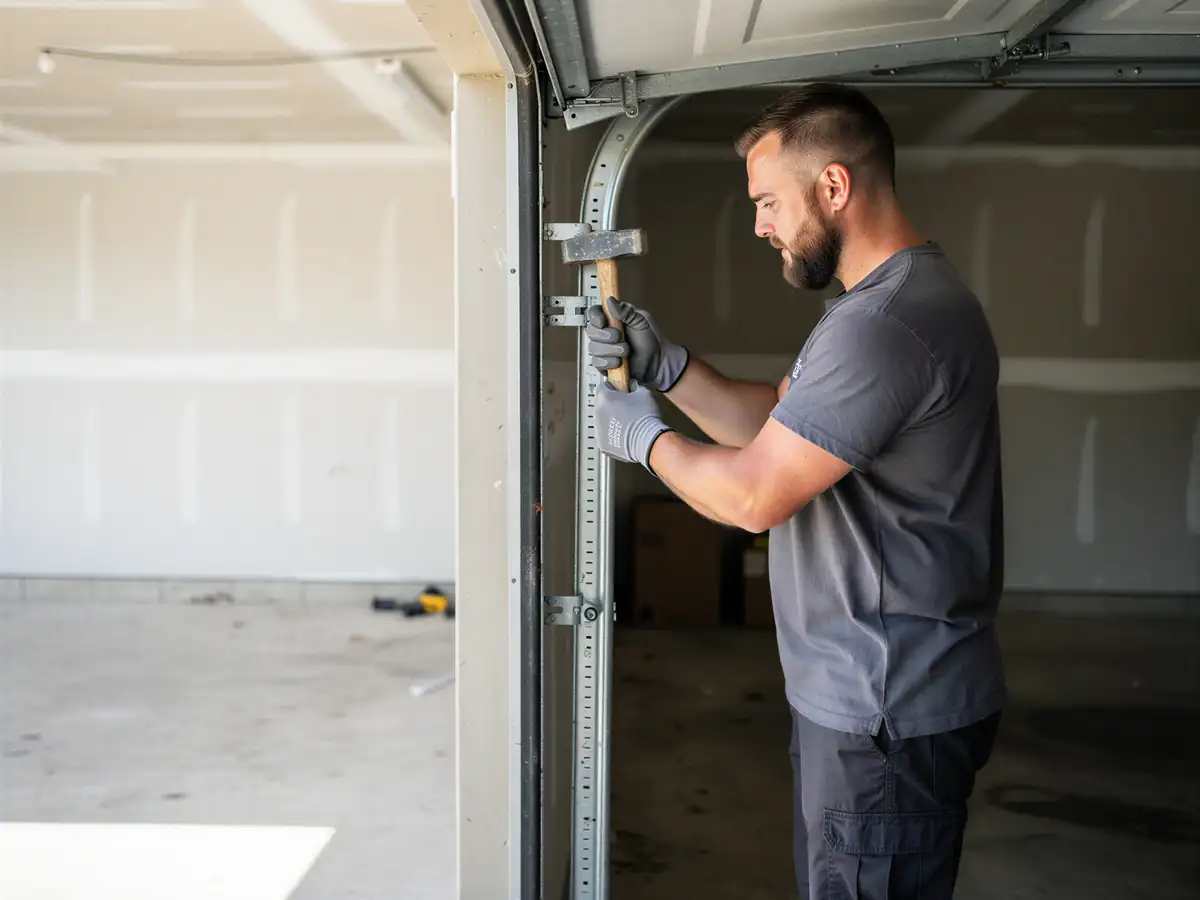
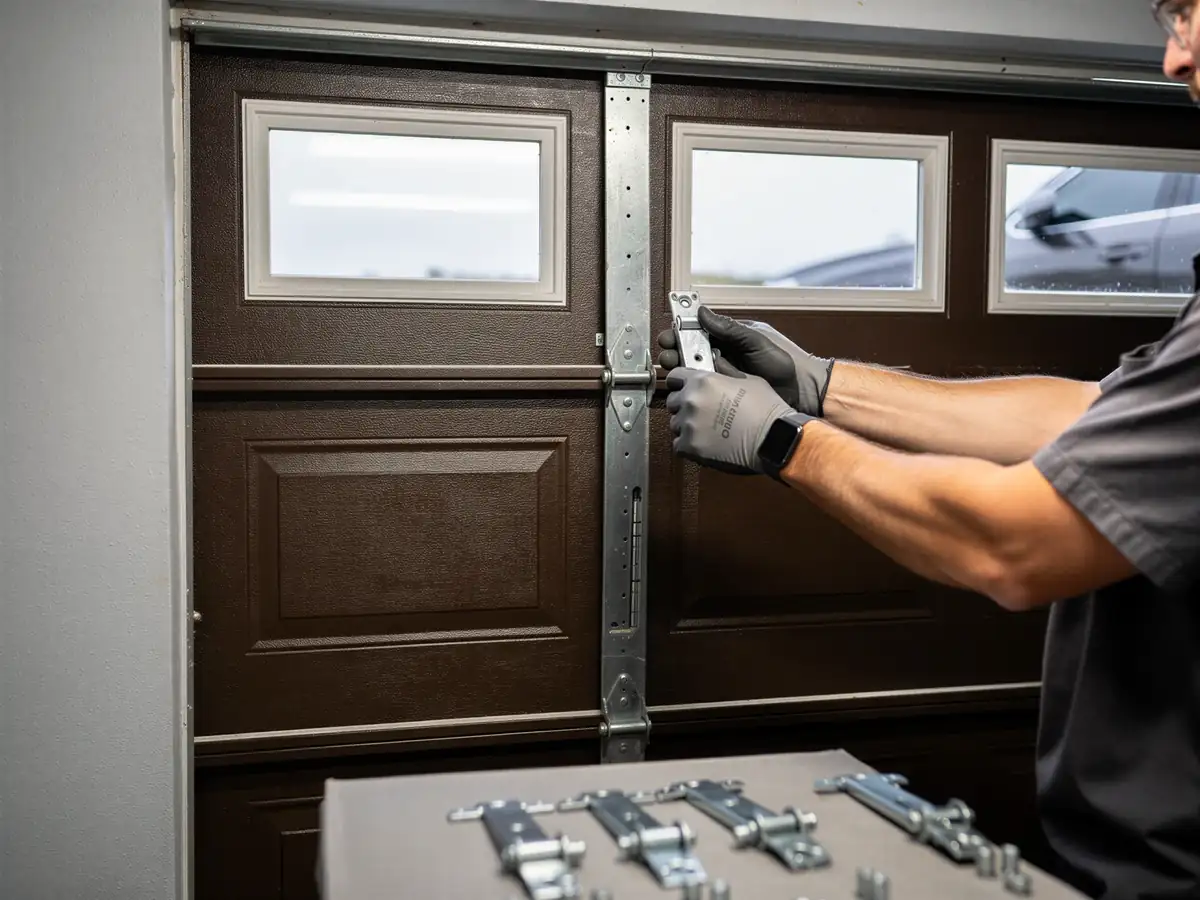
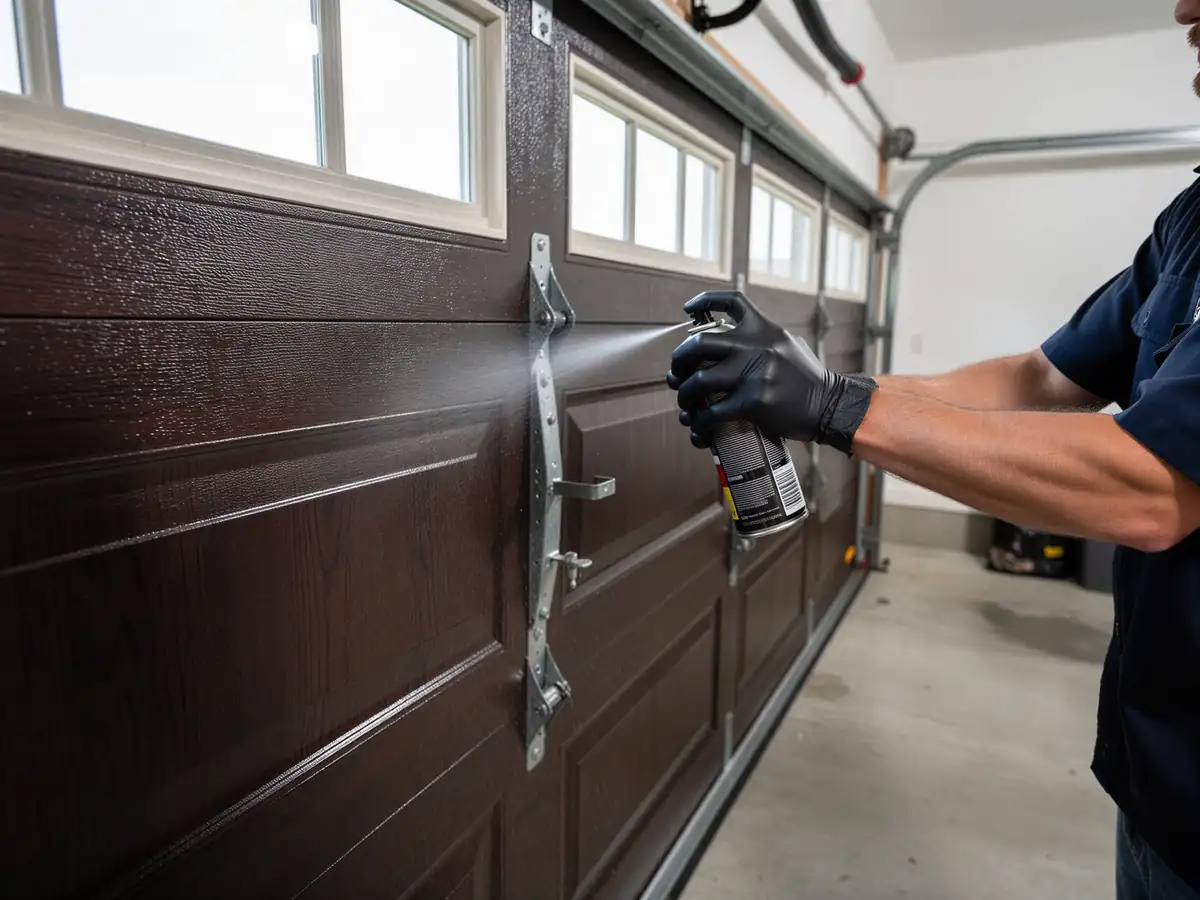
Maintenance on a residential garage door isn't one job, it's a short list of checks that catches problems before they strand a car inside or outside. We look at spring tension, since a torsion spring that's lost even a few turns puts extra load on the opener and the cables. We check roller wear and track alignment, lubricate hinges and bearings, and test the balance of the door by disconnecting the opener and lifting it by hand - a properly balanced door should stay put at waist height.
We also check the weatherstripping and bottom seal, which matter more here than in a milder climate, and we inspect the cable condition for fraying, since a cable under tension that snaps can do real damage. On homes with openers from the 1980s or 90s we check the safety reversal sensors, which weren't always standard equipment when the door and opener were installed together.
What we don't do is replace parts that don't need replacing just to pad a visit. If a spring has life left in it, we say so. If the door's balance is off because of a worn cable rather than the spring itself, we fix the cable and leave the spring alone. The goal of a maintenance visit is to extend what's already working, not sell a new door.
What It Costs
We don't publish a flat maintenance price here because the right scope depends on the door's age, the opener, and what a hands-on inspection turns up
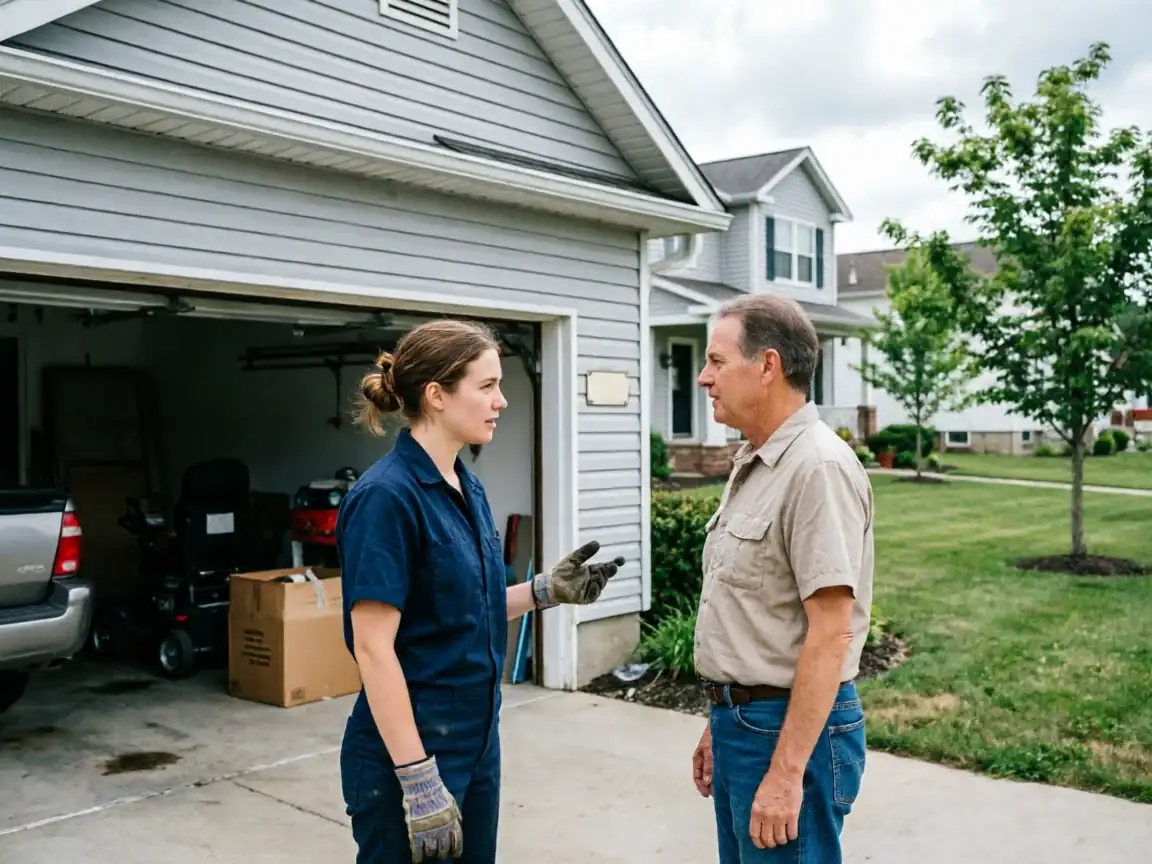
A single-car door on a newer opener is a different job than a double door with original 1970s hardware. What we can tell you is how we price: a maintenance visit is quoted after we look at the door in person, and any repair beyond basic tune-up work is priced before we touch it, not after.
Households across this service area have a median income of $92,940
And the owner-occupied housing stock runs into the hundreds of thousands of units, which tells you maintenance work here spans a wide range of door ages and budgets - there's no single number that fits a 1960s one-piece door and a ten-year-old insulated steel door equally well. If your door is original to a house built in the 1960s or 70s, expect the conversation to include whether parts for that hardware are even still being made, because sometimes the honest answer is that a repair isn't worth it against the cost of replacement.
- $92,940 median household income
What You Are Seeing
The signs that bring most of our maintenance calls are consistent: a door that's noticeably heavier to lift by hand than it used to be, a door that drifts down on its own instead of staying put mid-lift, grinding or popping sounds from the spring area, or an opener that strains and runs hot on a door it used to handle without effort. Any of those point to a spring or cable issue that maintenance can usually catch before it becomes a stuck door.
Other households notice the door shuddering or jerking as it travels, which usually means a roller or track problem rather than a spring problem - different fix, same category of wear. And some notice drafts or a visible gap along the bottom seal, which in a cold-climate house means real heat loss, not just a cosmetic issue.
None of these on their own mean the door is about to fail completely. They mean the hardware is telling you it's due for a look. Waiting through a full winter on a door that's already showing one of these signs is usually when a minor adjustment turns into a weekend without a working door.
What Causes It Around Here
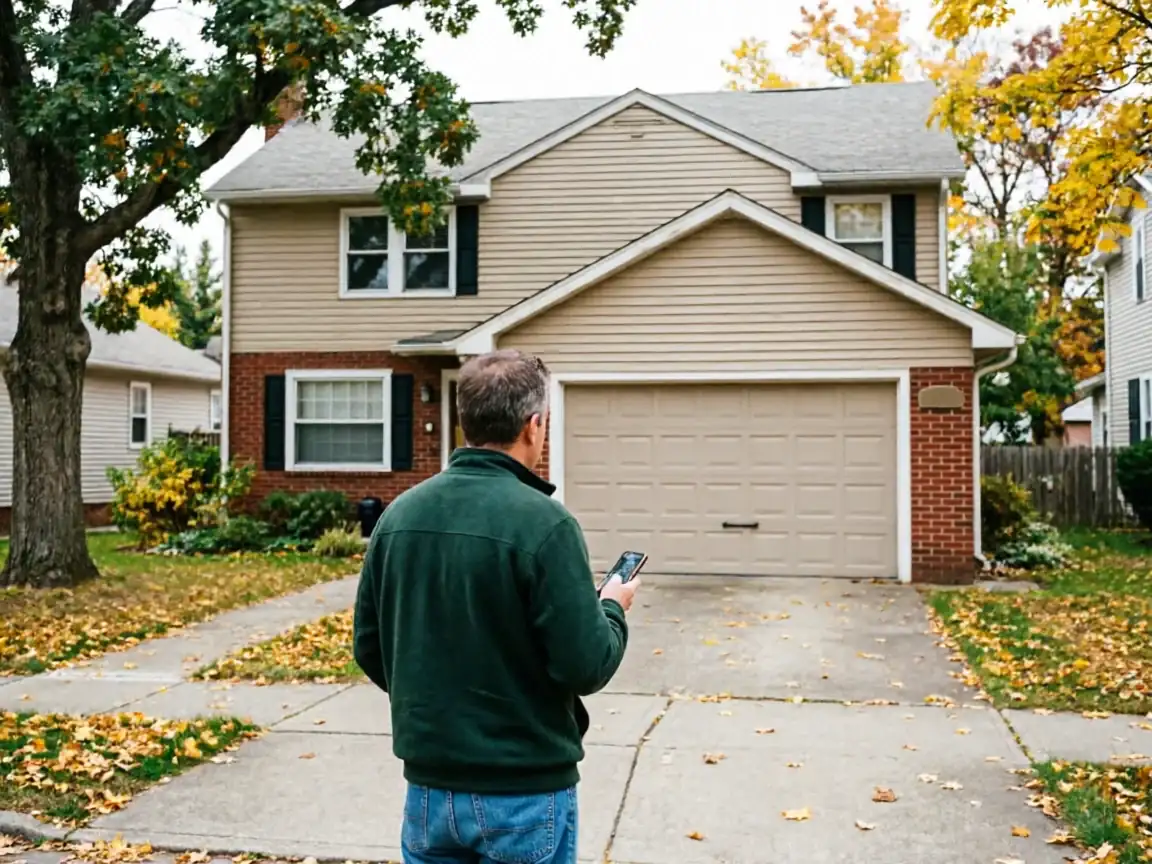
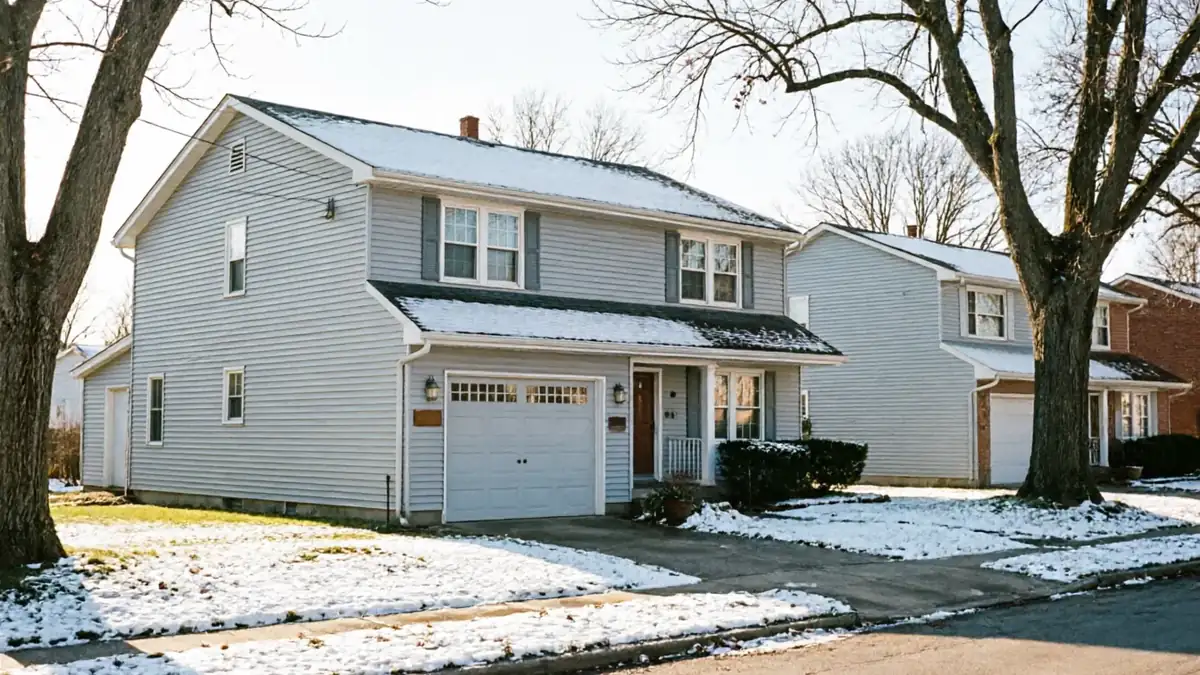
Housing across this area was mostly built between 1956 and 2004, with a median year of 1973, and most of the stock across the 37 communities we serve dates to the 1960s and 70s. That matters for maintenance because a door and opener installed or replaced during that era is now decades past its design life even if it's been swapped out once - torsion springs, cables, and rollers all have a service life measured in cycles, not years, and a door original to a 1973-built house has seen a lot of cycles.
The cold climate here adds its own wear. Steel contracts in deep cold, lubricant thickens, and a spring that's borderline in October can bind or snap outright on the first hard cold snap. Weatherstripping that was fine in summer shrinks and cracks. None of that is unique to one street or one town - it's a function of age-of-housing-stock meeting a genuinely cold winter across the whole region, which is exactly why maintenance timed before the cold sets in catches more than maintenance done after.