Checking It Yourself
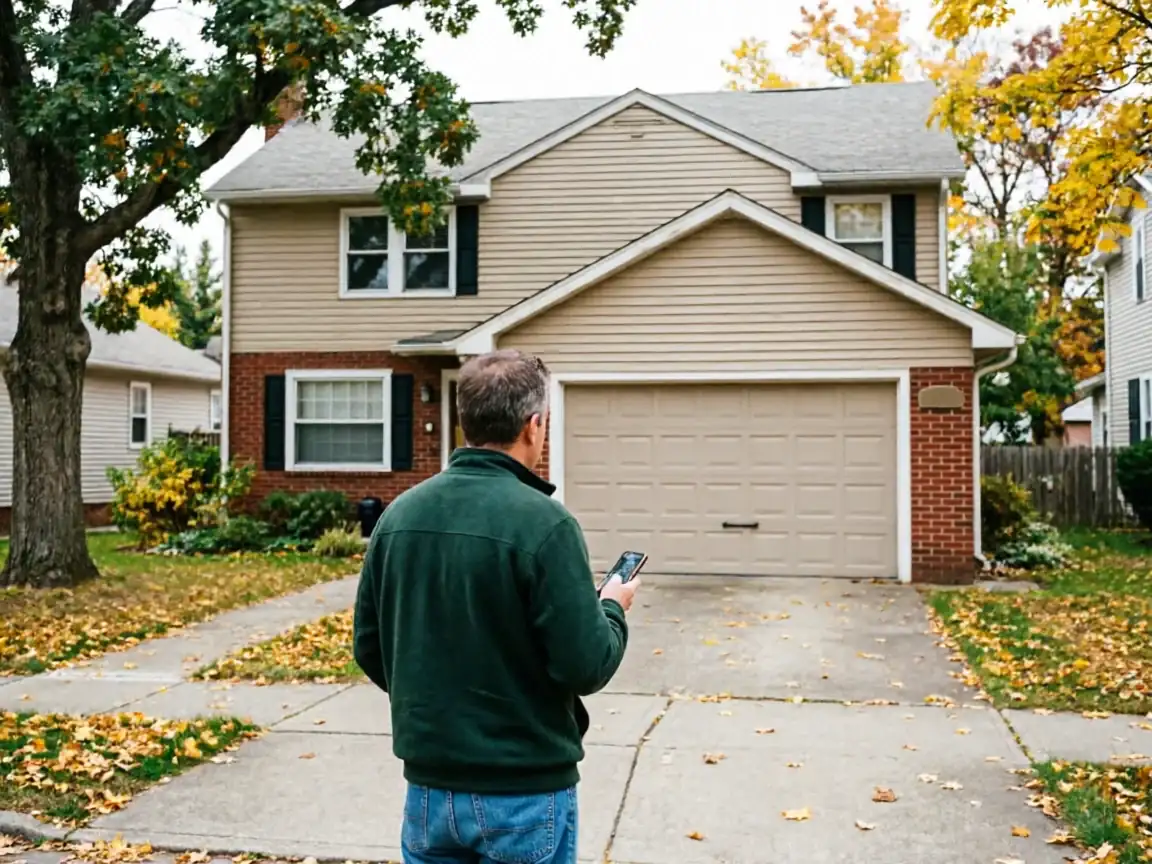
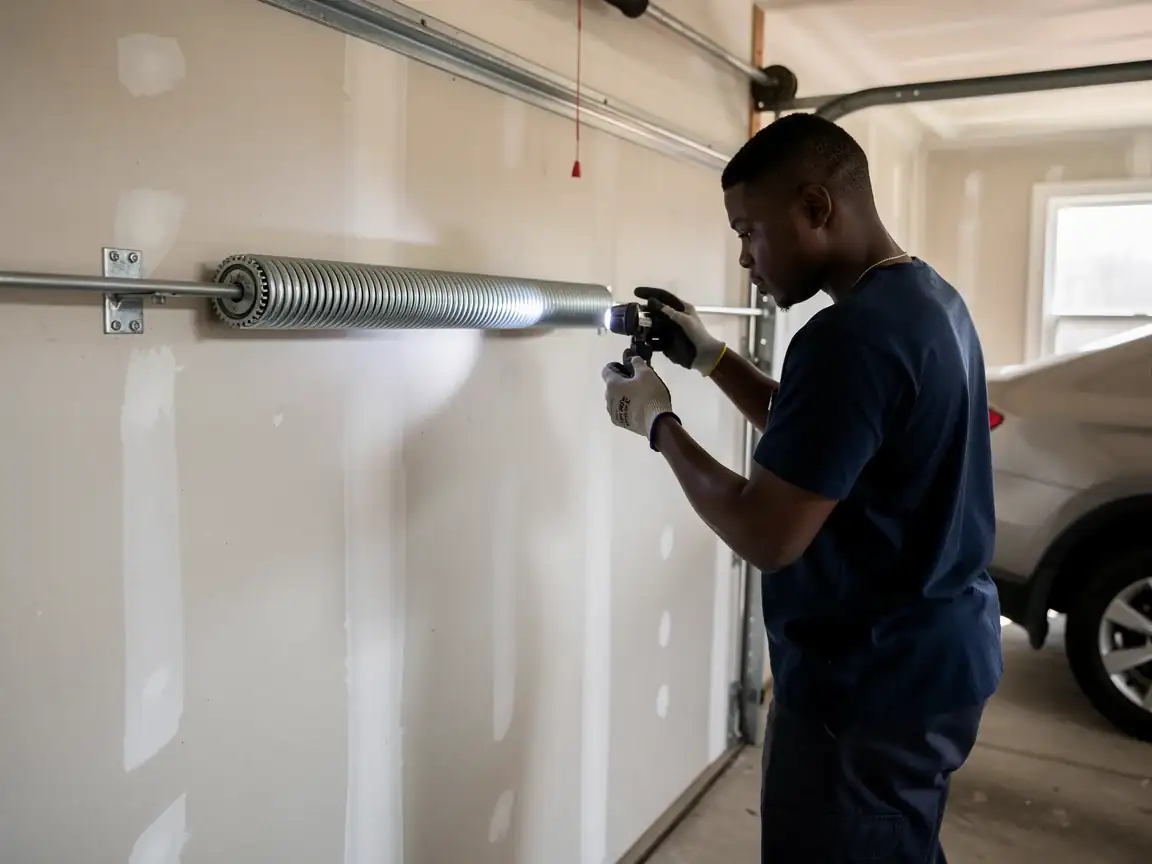
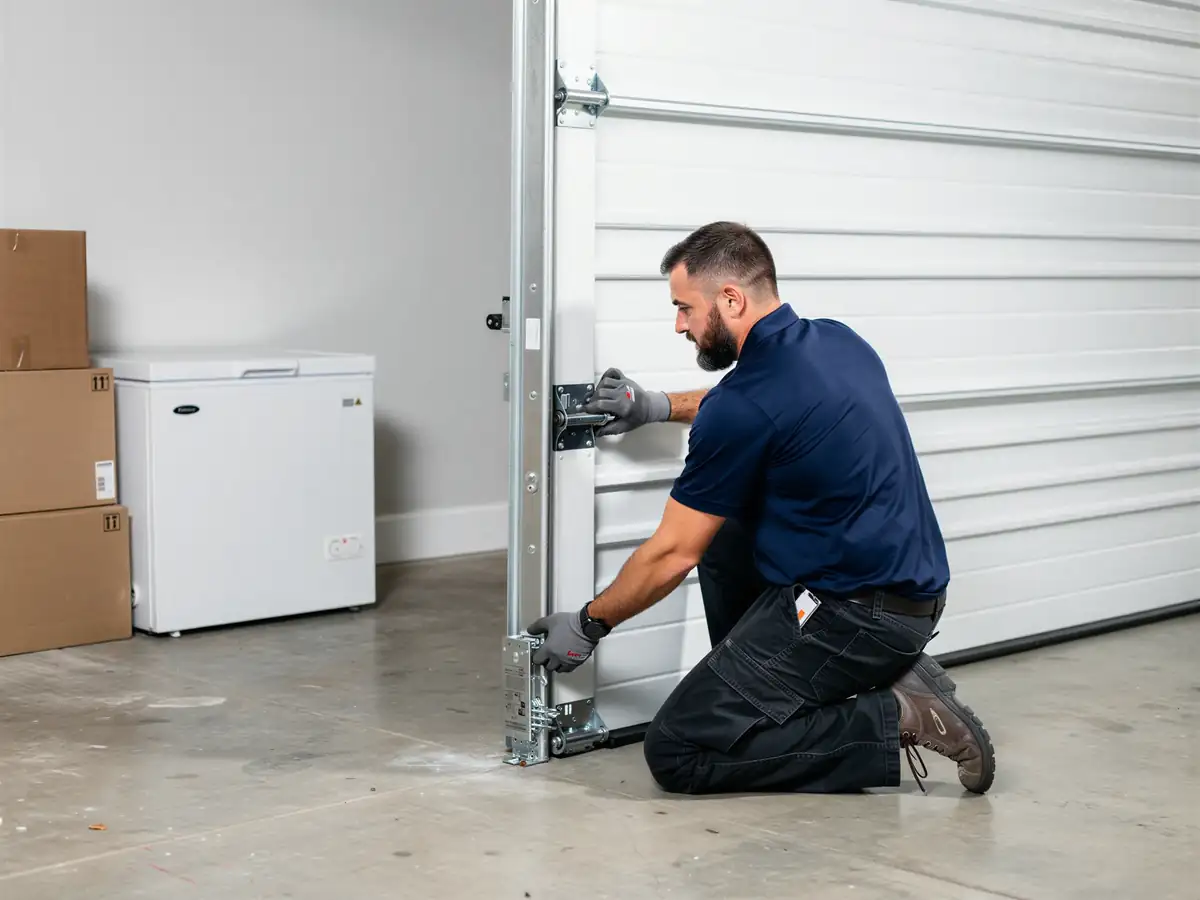
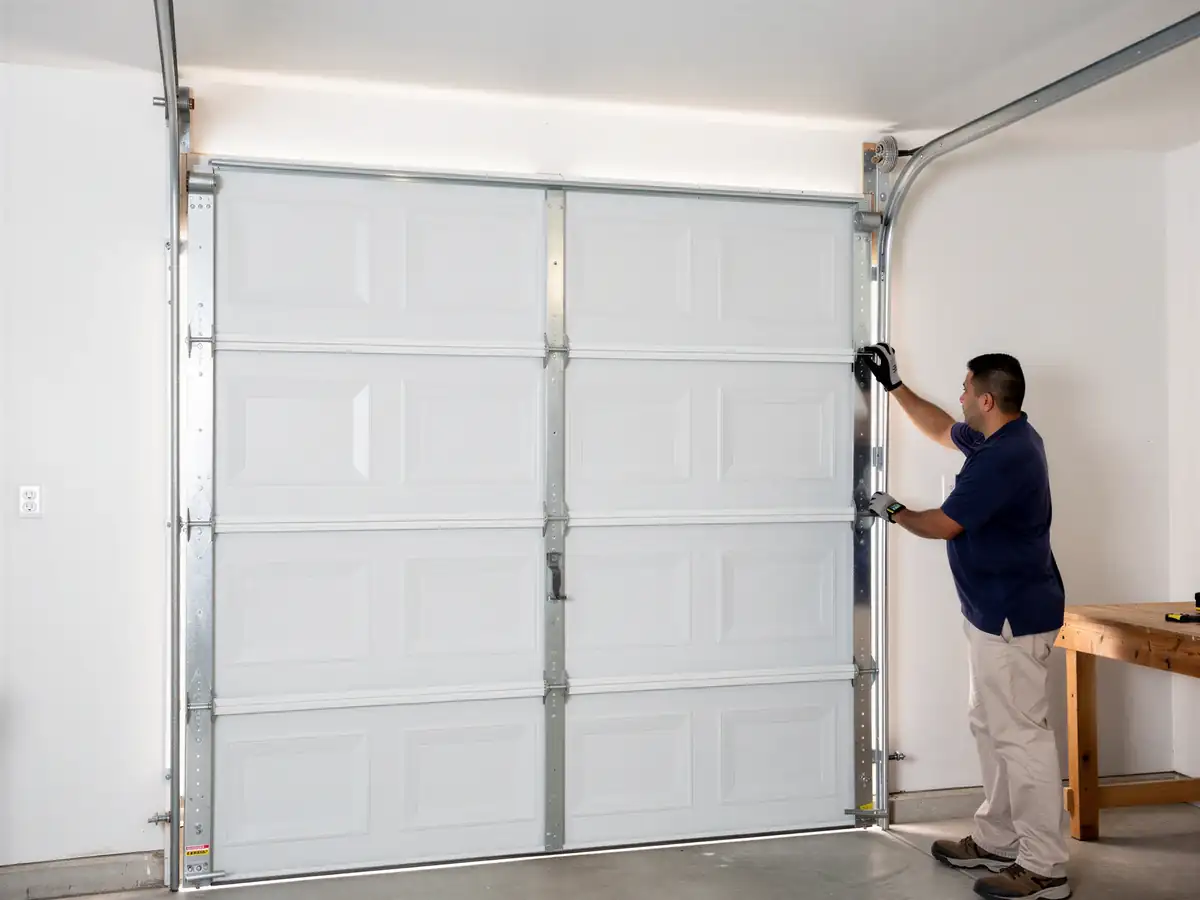
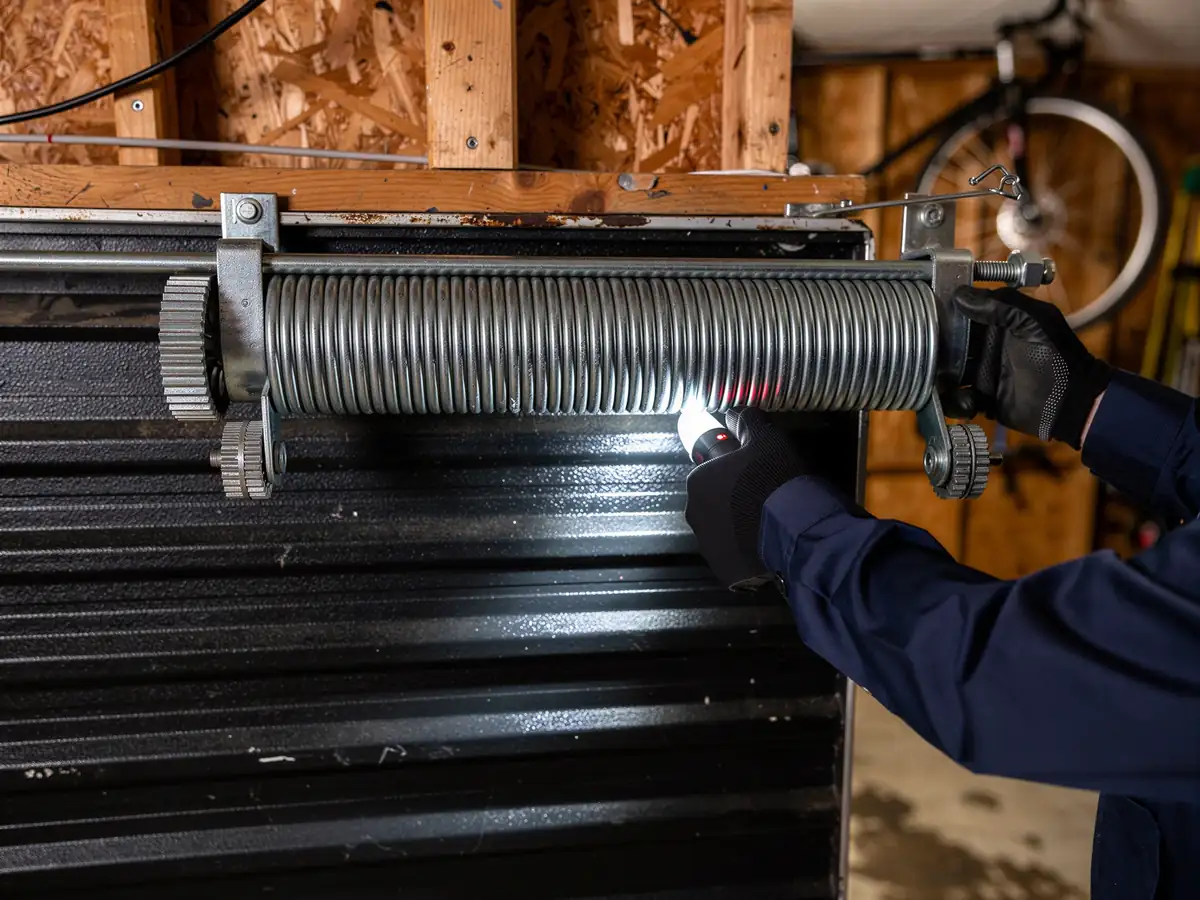
Before you call anyone, look at the spring itself. Most Eagan garages have a single torsion spring mounted above the door on a shaft, or two smaller ones side by side if the house was built later in the 1956-2004 range that covers most of this housing stock. A broken spring shows a visible gap in the coil - the metal will look like it's been cut clean through. You'll also notice the door won't stay up on its own, or the opener strains and reverses partway through the lift.
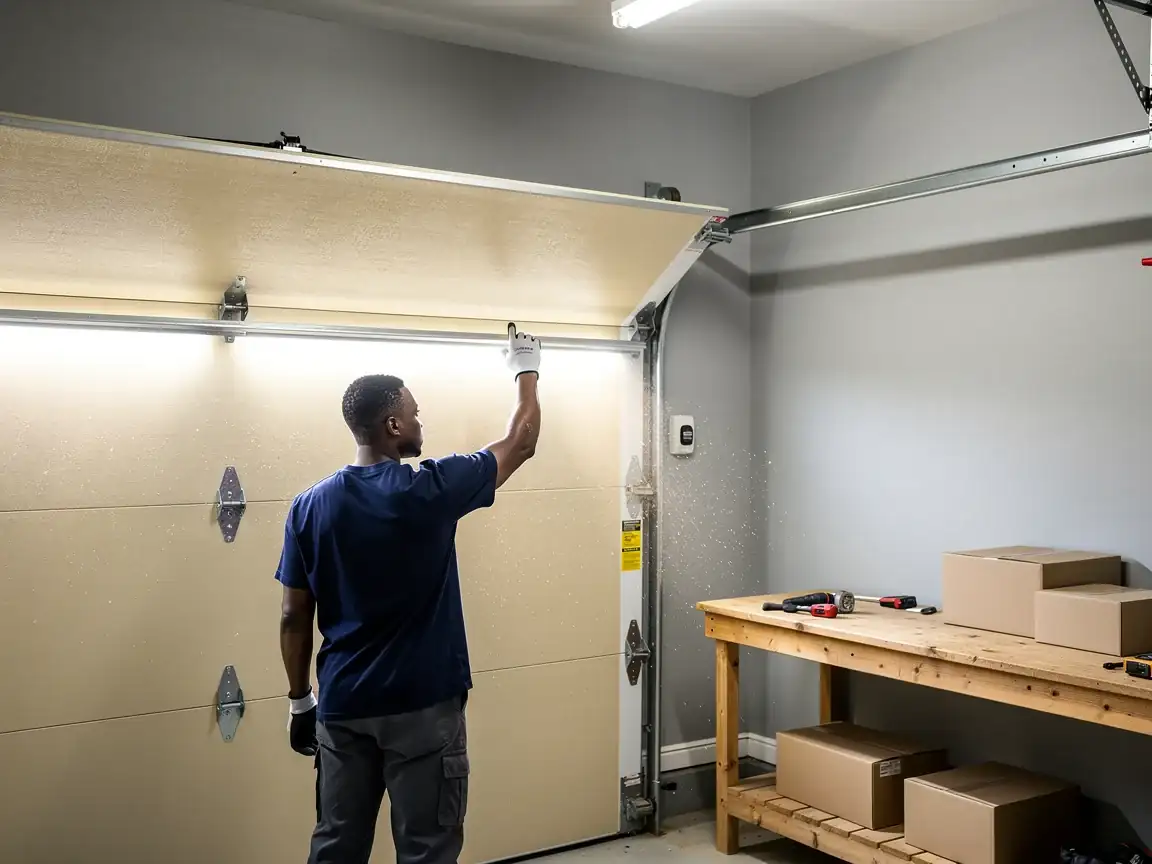
Do not try to open the door by hand past that point, and do not let the opener force it. If you see the gap, the job is done looking - the spring is broken and nothing about checking further changes that. What you can safely check is whether the cable on either side has slipped off the drum, which sometimes happens at the same moment a spring lets go and looks similar from a distance but is a different repair.
One honest note: a spring that looks intact but sounds different, or lifts the door with noticeably more effort than it used to, isn't something you can diagnose from the floor. Spring tension is measured by turns and wire size, not by eye.
Doing Nothing For Now
If the spring has already broken, there isn't a version of waiting that helps
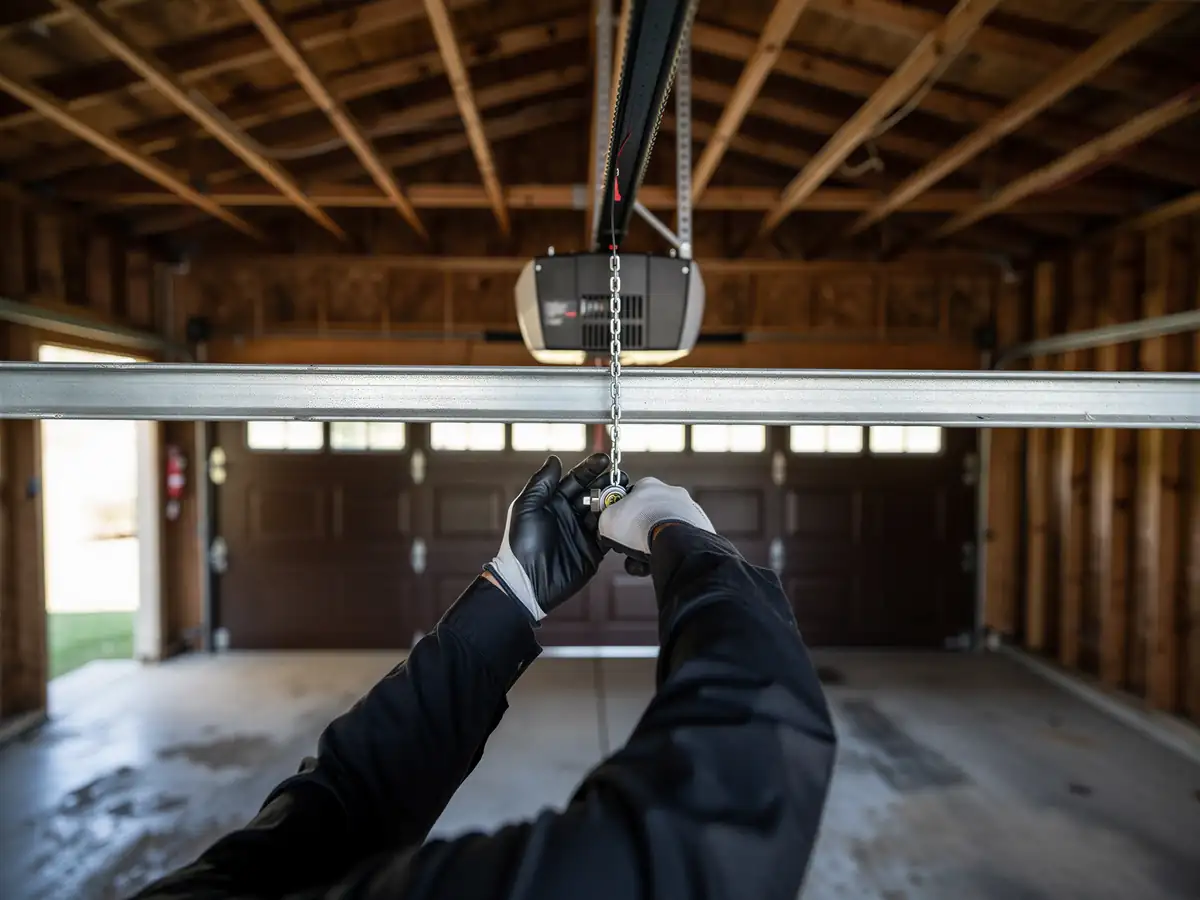
A torsion spring under a broken coil carries no load, which means the opener - and whoever opens the door by hand - takes the full weight of the panel instead. On the older single-car doors common in the 1960s-70s stock that makes up a lot of this area, that weight is still enough to bend a track or strip an opener gear if someone forces it a few more times before the repair happens.
Parking the car outside for a day or two while you line up the right parts isn't a problem
What causes damage is repeated cycling - using the opener anyway because the door 'mostly' goes up. Each cycle on a dead spring puts more strain on the drums and cables, and those are cheaper to replace before they fail than after.
If you're not going to use the garage at all for a few days
Leaving the door down and skipping the opener is the lowest-risk option until the spring gets replaced.
The Problem
Torsion springs lose strength through cycle count, not calendar age, but cold makes a weakened spring let go sooner than it would in July. Steel contracts in low temperatures, and a spring that's already near the end of its rated cycles has less margin to handle that extra stiffness on the coldest mornings - which is exactly when Eagan sits in a cold climate band for a good stretch of the year.
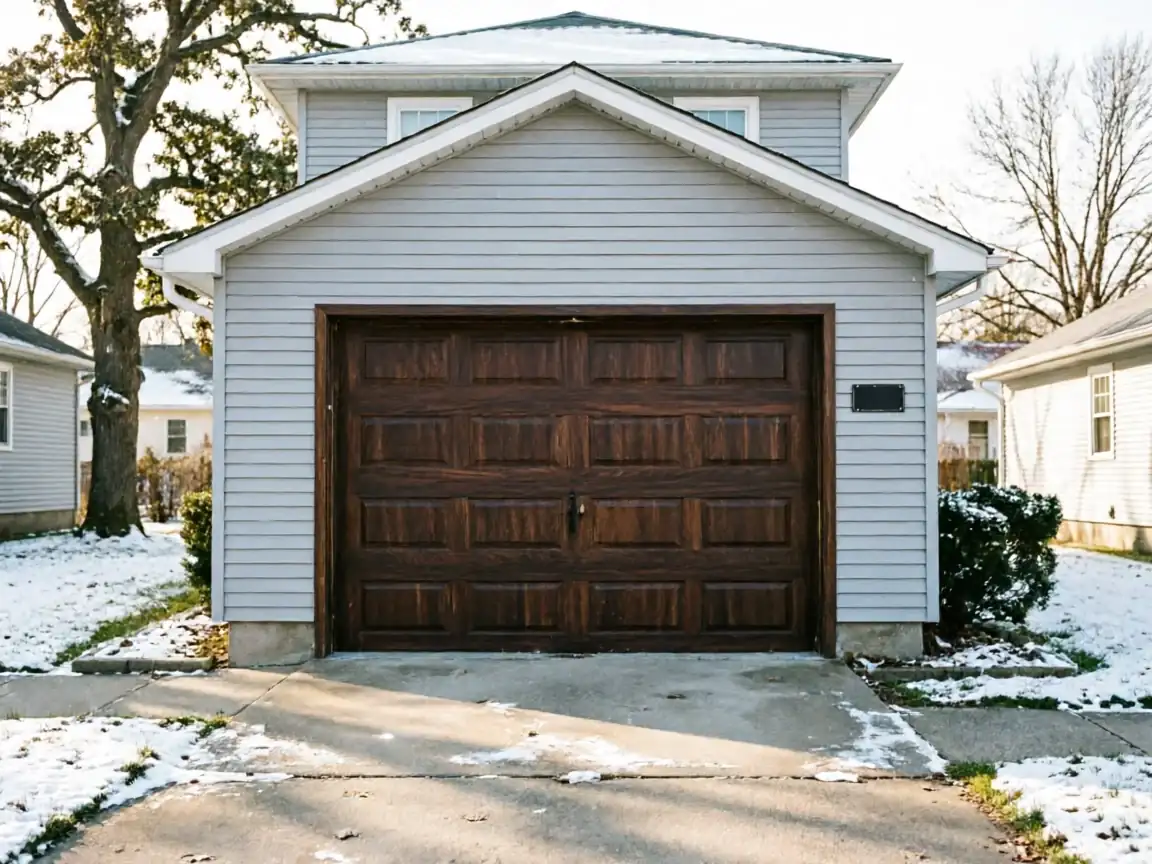
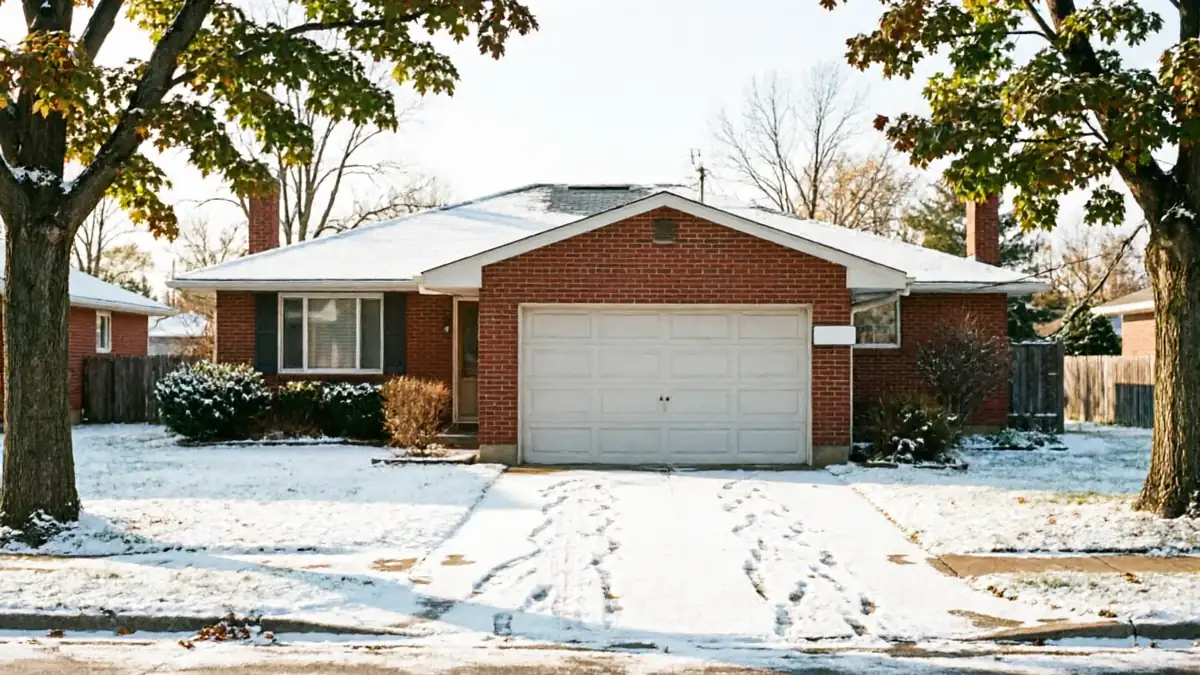
Houses here built between 1956 and 2004, with a median around 1973, are mostly on their second or third spring by now if nobody's tracked it. That median year matters: a lot of these garages still have the original torsion hardware from a build era before dual-spring setups were standard on heavier doors, which means a single spring doing a job two are doing in newer construction elsewhere.
The failure itself is almost always sudden - you don't get a slow leak of tension, you get a working door one day and a dead one the next, usually on the first truly cold stretch of the season.
How Local Conditions Play In
Eagan's winters put real stress on garage hardware that a milder climate wouldn't. Across the 37 named areas that make up this region's housing, the stock trends 1960s-70s with the same basic door and spring layout, which means a lot of households are carrying springs rated for a cycle count they've already passed, sitting in a garage that swings from near room temperature to well below freezing overnight.
That temperature swing is the part owners don't think about. The spring doesn't know it's cold until the steel itself does, and a shaft that's been fine all fall can go in a single January morning because the metal is less forgiving at that point. It's not a defect in the door - it's physics meeting a spring that was already near its limit.
If your garage is attached and unheated, which describes most of the houses from this build era, that swing happens every single night from late fall through late winter. There's no way to fully prevent it short of replacing a spring before it breaks, on a schedule rather than waiting for the cold to decide for you.