Checking It Yourself
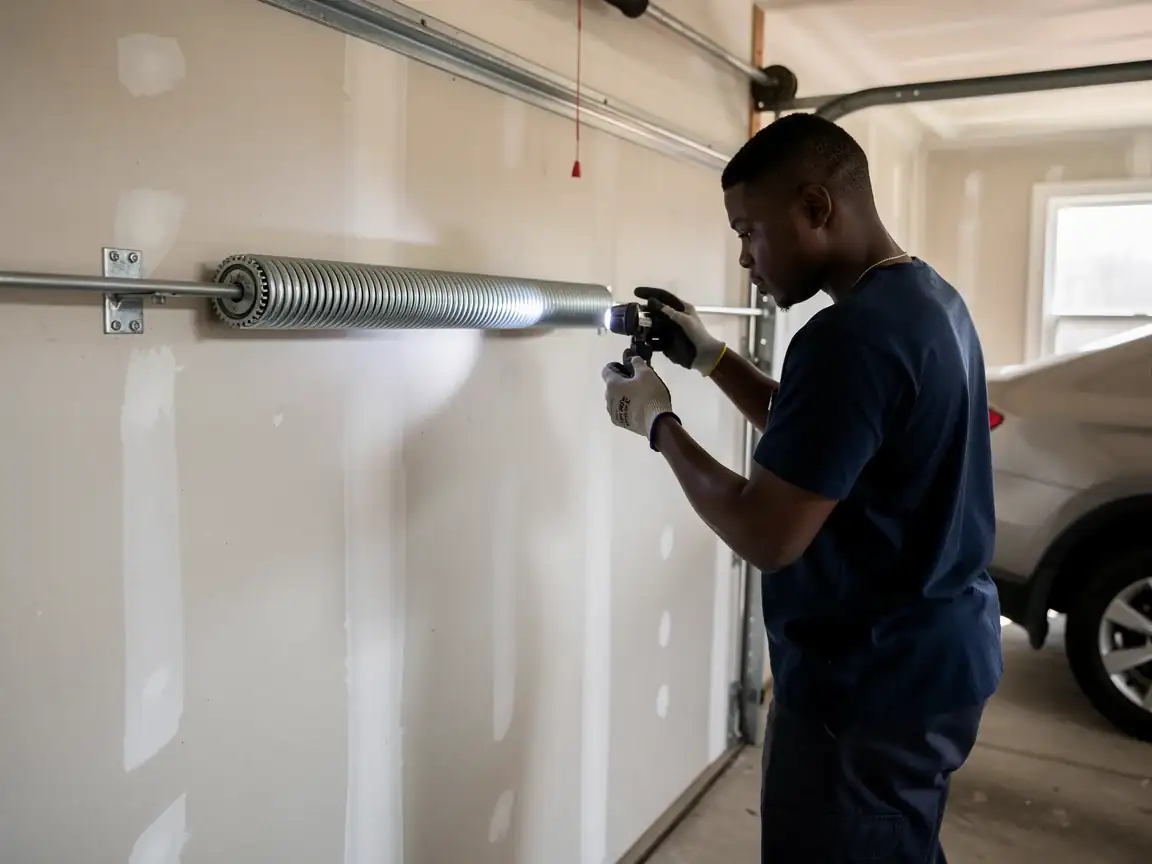
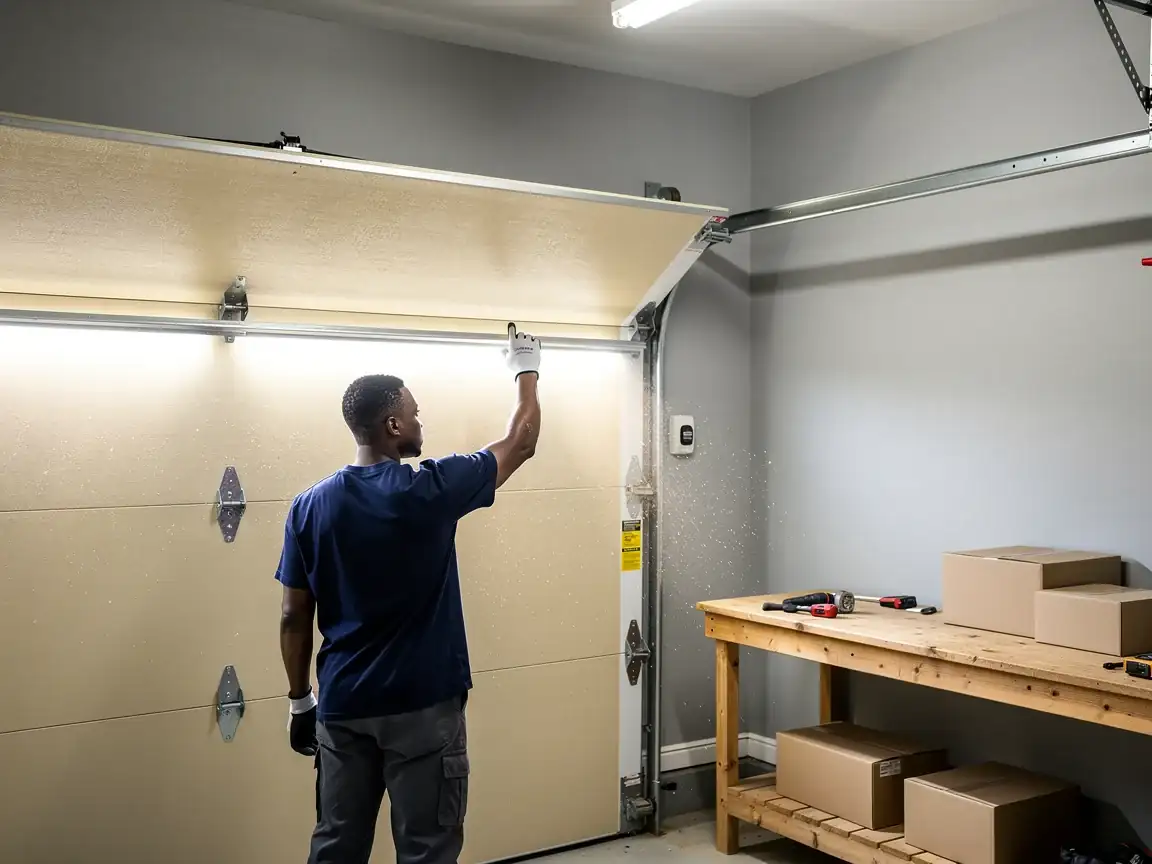
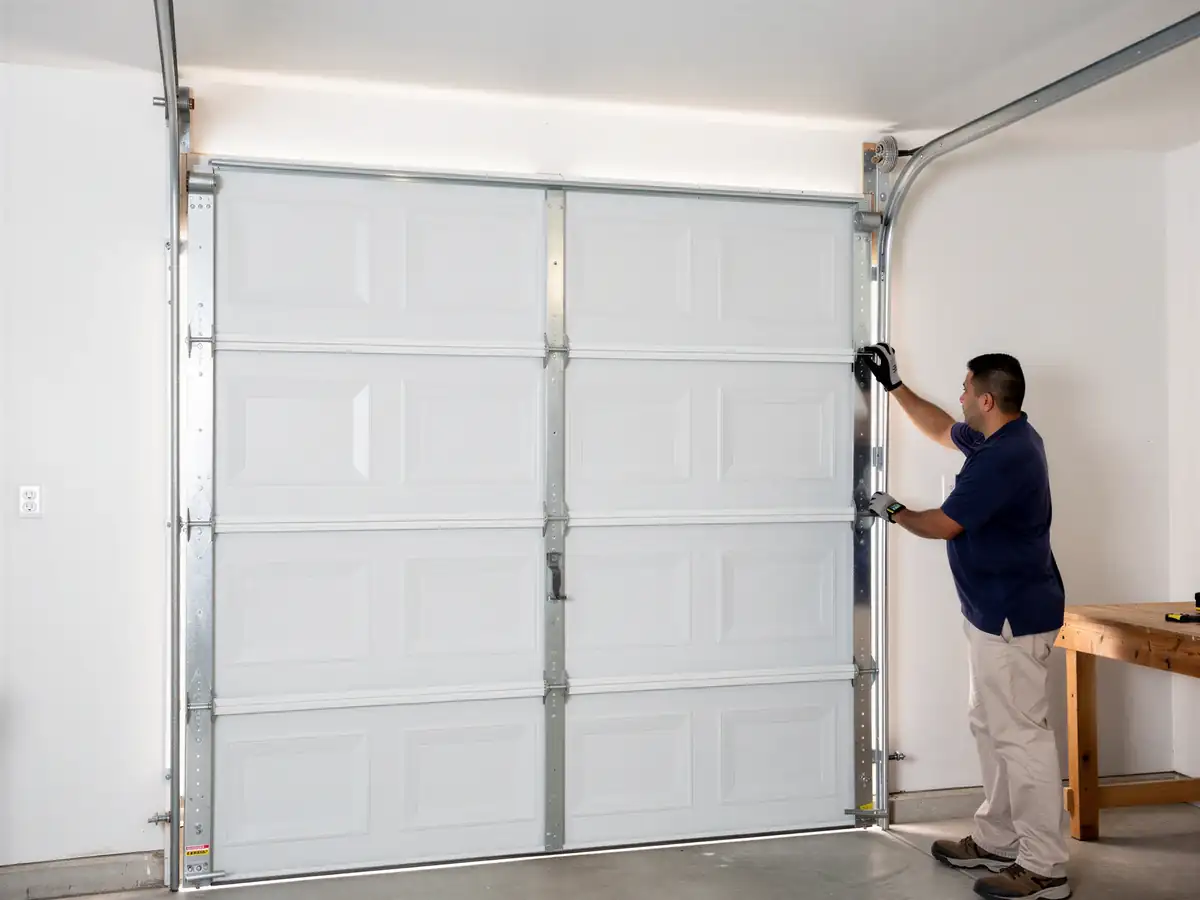
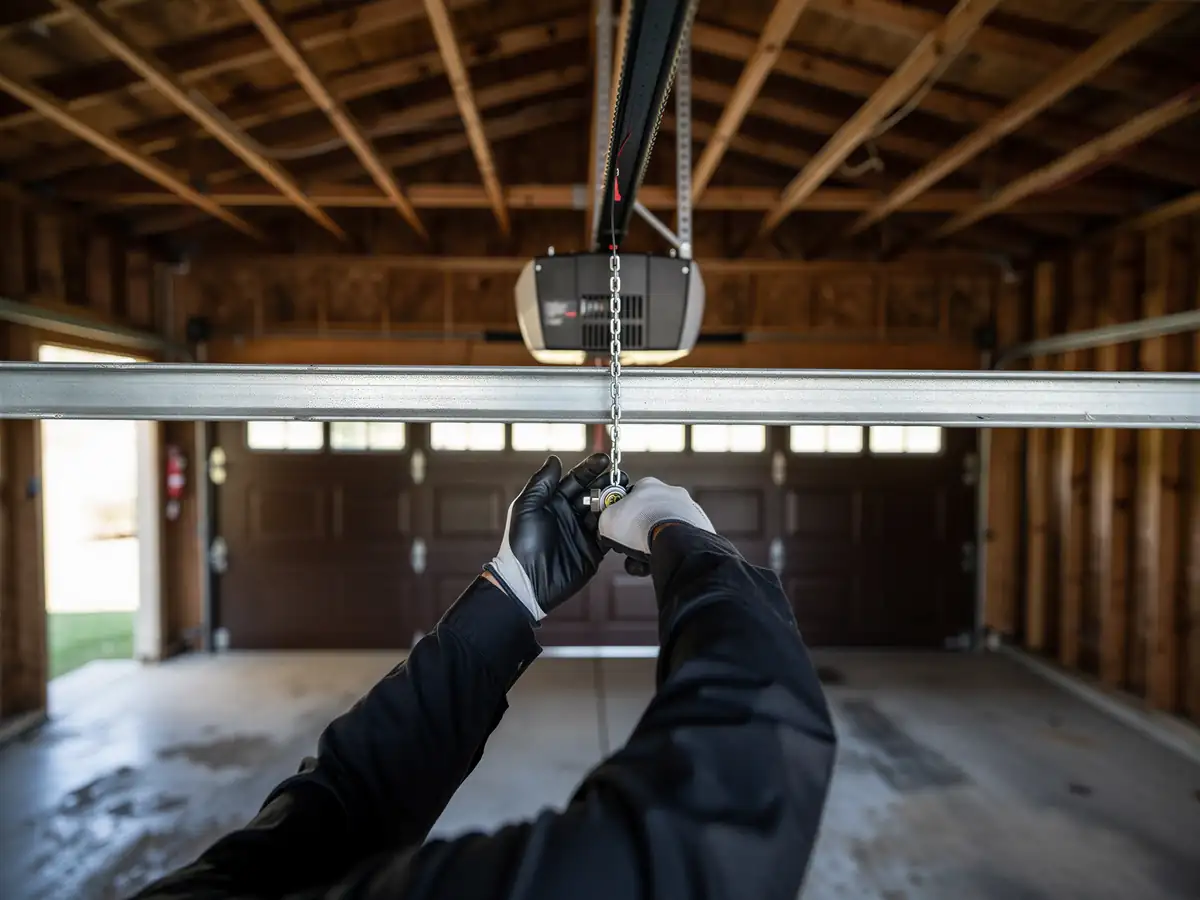
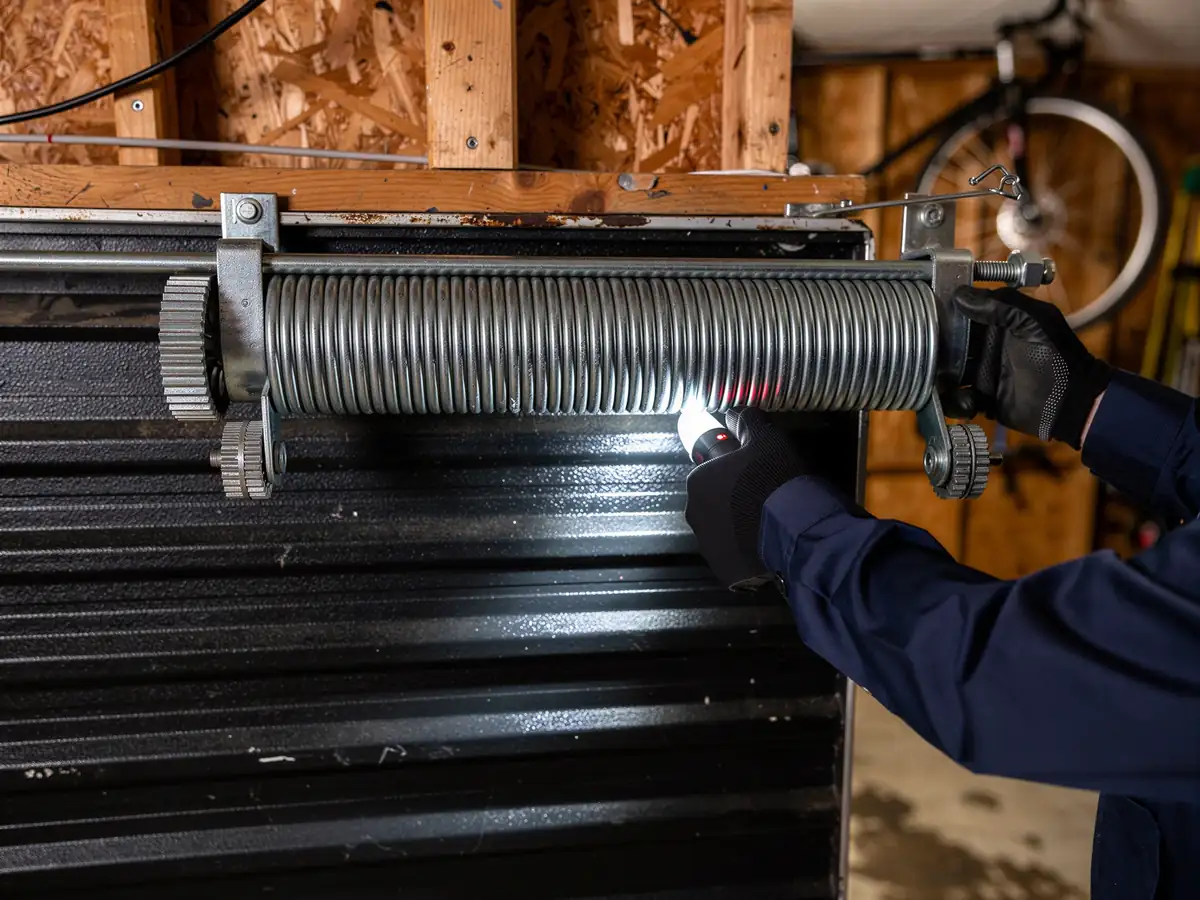
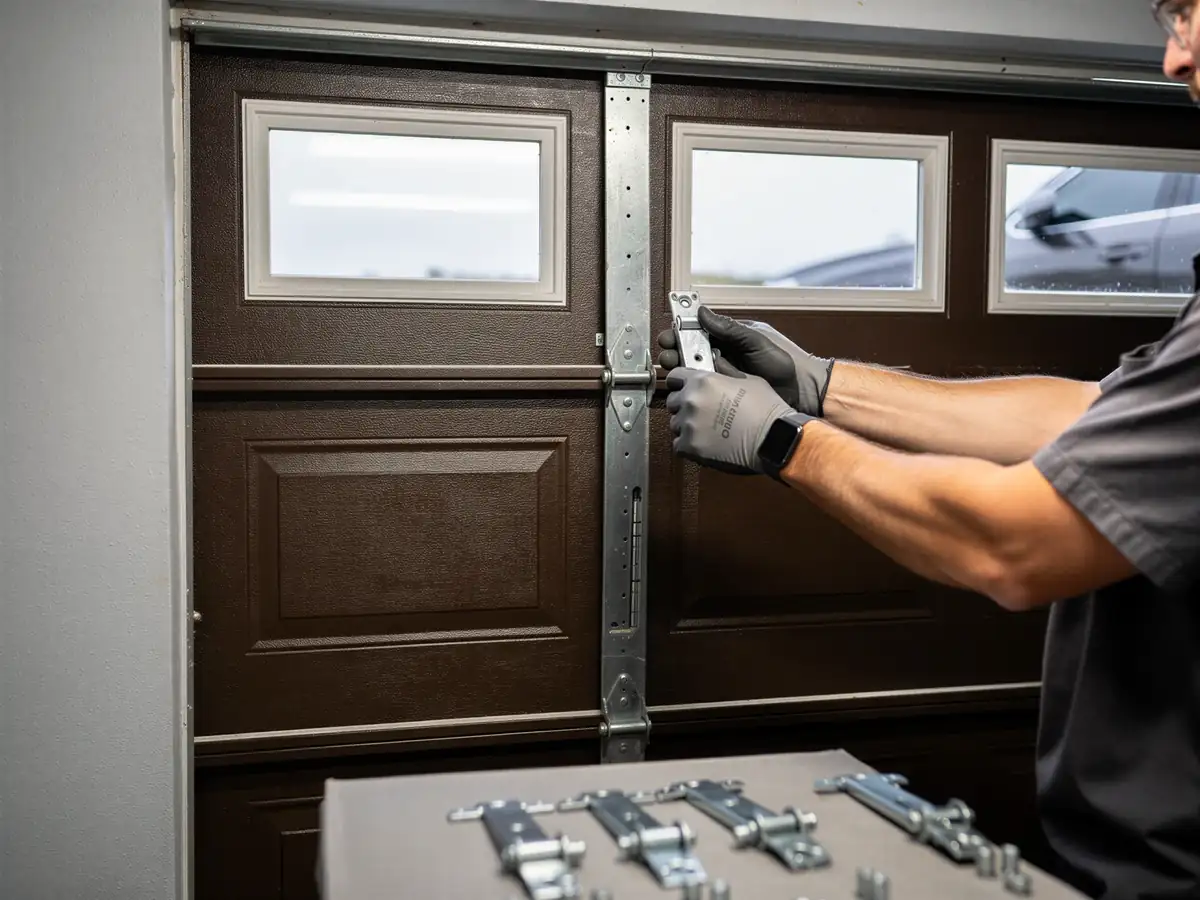
Before you call anyone, walk out and look at the door with the opener unplugged. Lift it by hand halfway up. If it holds there on its own, the springs are doing their job. If it drops or feels heavy, the spring is weak or broken, and that's not a DIY fix - torsion springs are under real tension and they've hurt people.
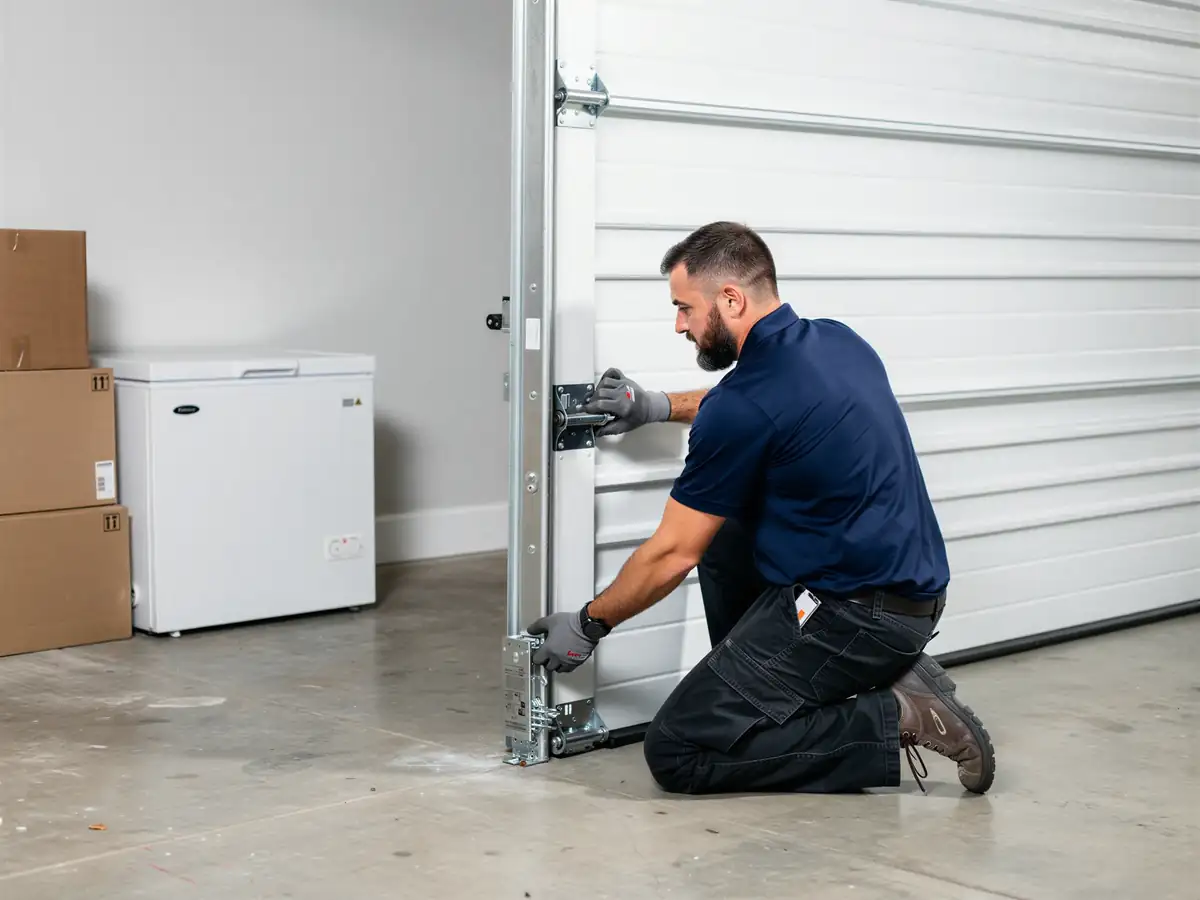
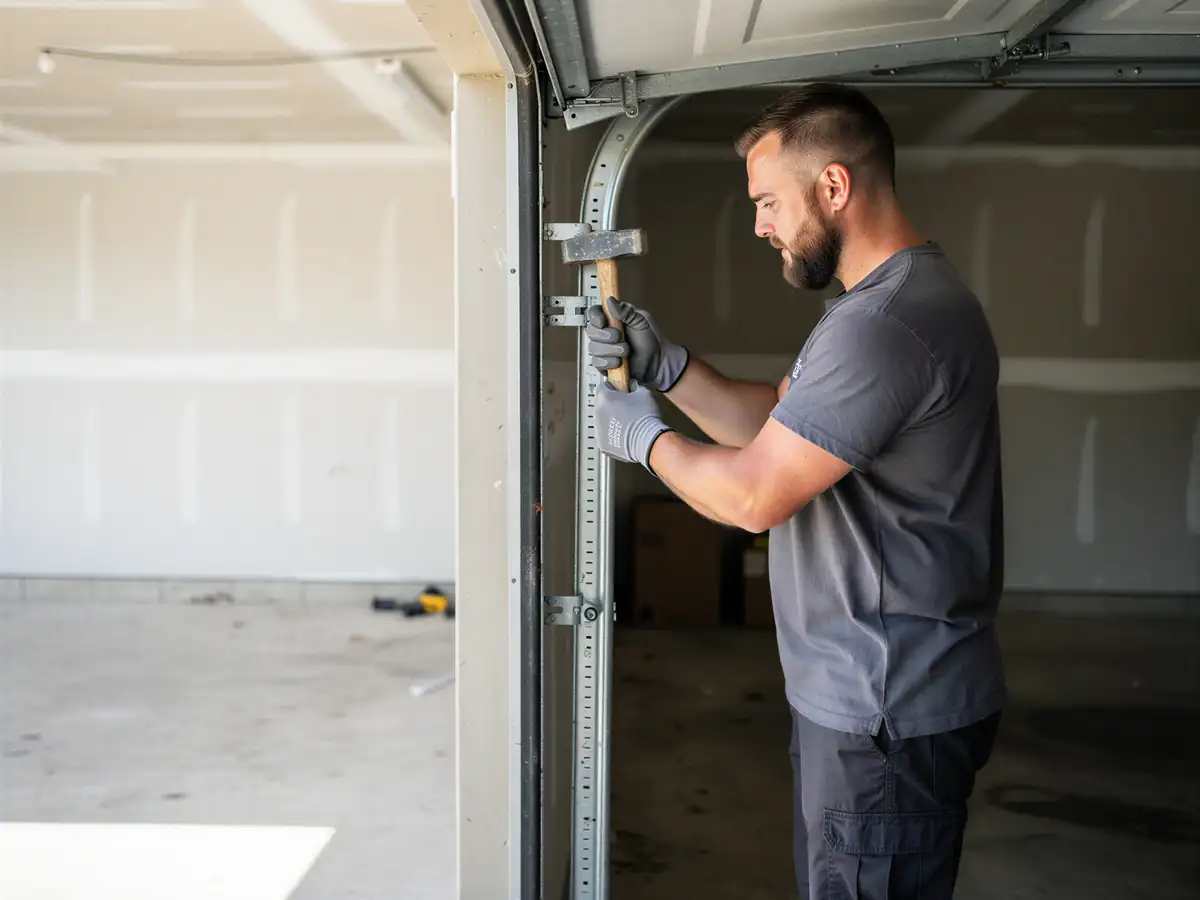
Next, look at the track. A lot of Eagan's housing stock went up between 1956 and 2004, with much of it concentrated in that 1960s and 70s construction wave that shaped this side of the metro. A door from that era often still runs on the original steel track, and after fifty-plus years, rust pitting and slightly bent rail sections are common even if the door still looks fine from the driveway.
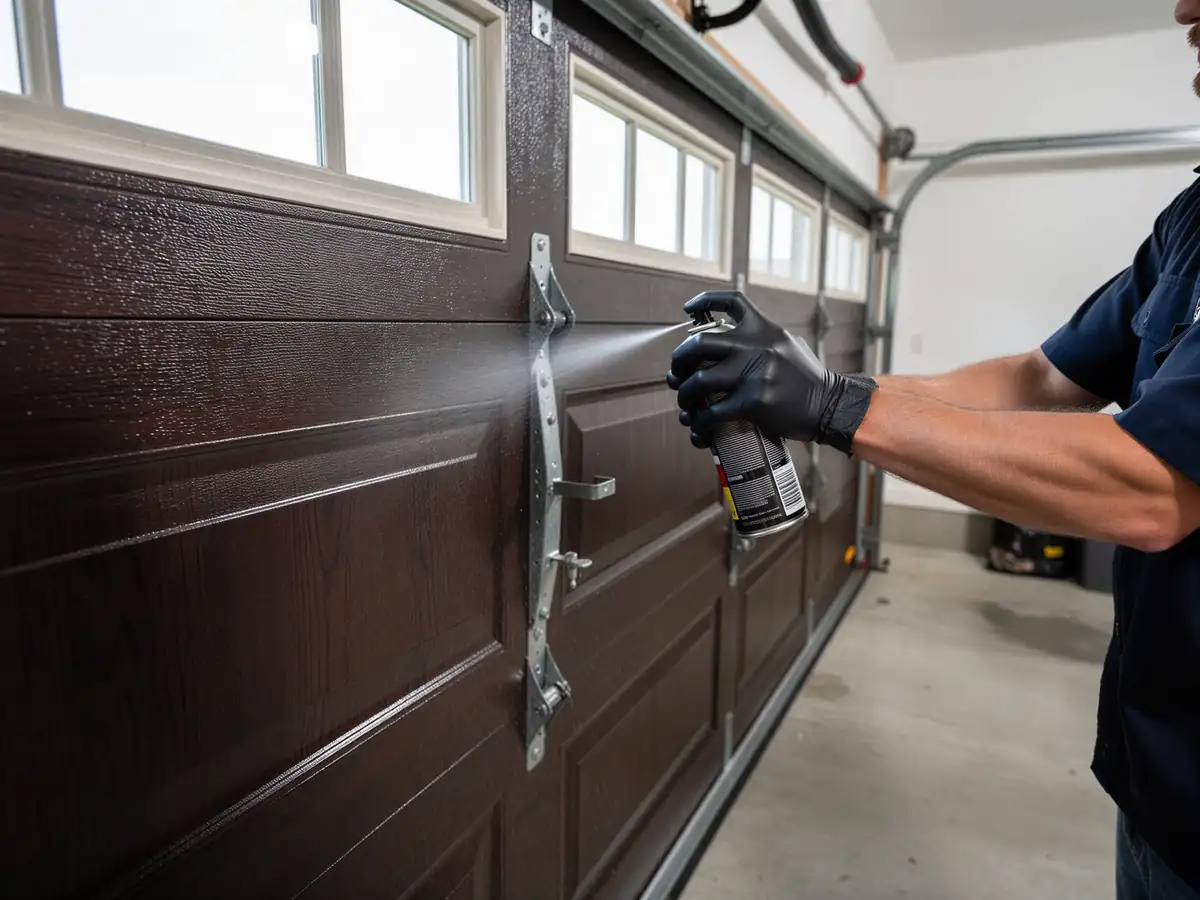
Check the bottom seal too. On a door this old, the rubber is usually cracked or flattened, and that matters more here than it would somewhere warmer - a bad seal in a cold-climate winter means a garage that never gets above freezing. None of this tells you whether to fix or replace, but it tells you what you're dealing with before anyone gives you a number.
Doing Nothing For Now
Sometimes doing nothing is the right call
If the door opens, closes, and the spring still holds the weight when you test it by hand, you can usually ride out another season, especially if the house is on the newer end of that 1956-2004 build range.
But there's a limit to that advice
And I'll be honest about it: a weak spring doesn't get better on its own. It gets worse, usually at the worst possible time - cold mornings are hard on old springs, and a half-dead one tends to finally let go when the metal is stiff and brittle rather than on a mild afternoon. If you've already noticed the door is heavier to lift than it used to be, that's not a 'wait and see' situation anymore, that's a 'this is failing' situation.
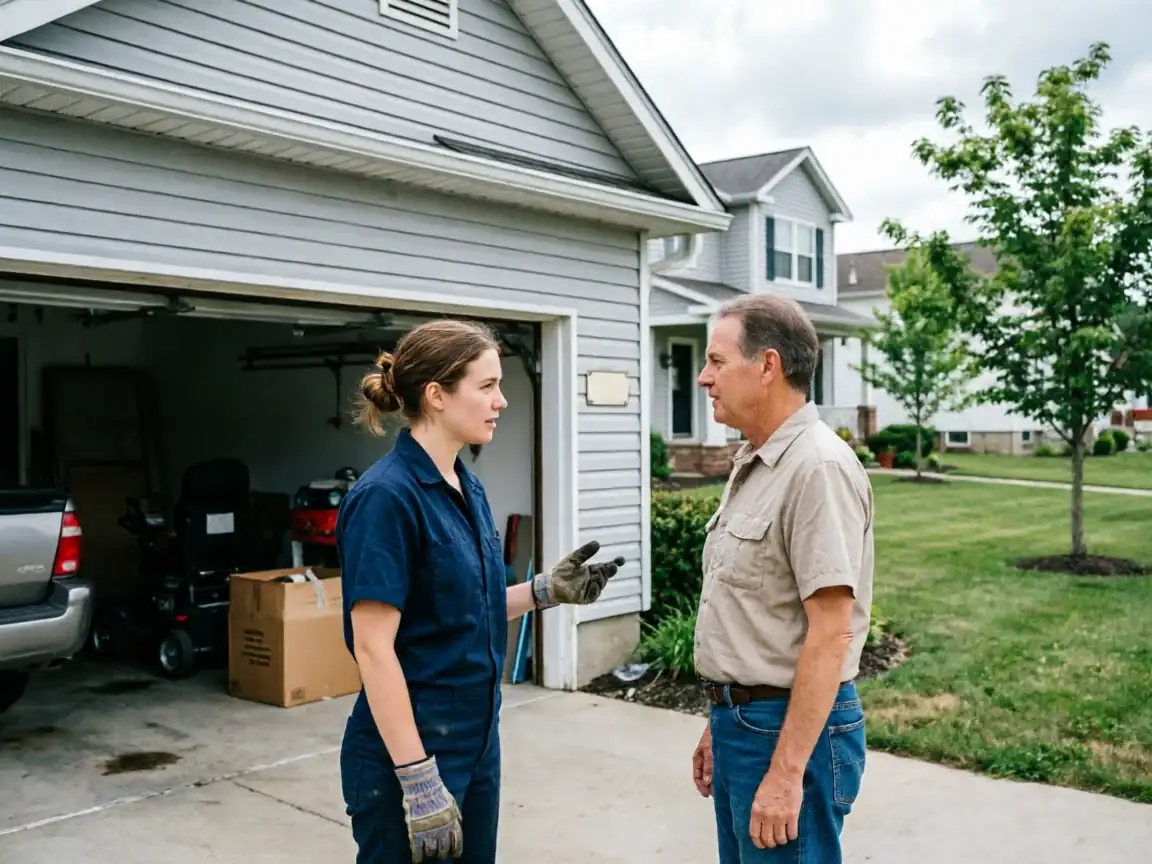
The honest limitation here is that we can't tell you over the phone whether a spring has one winter left in it or one lift
That's a look-at-it-in-person call. What we can tell you is that in a house built in that same era as most of the ones around here, original springs rarely make it past the decades they're already pushing.
The Problem
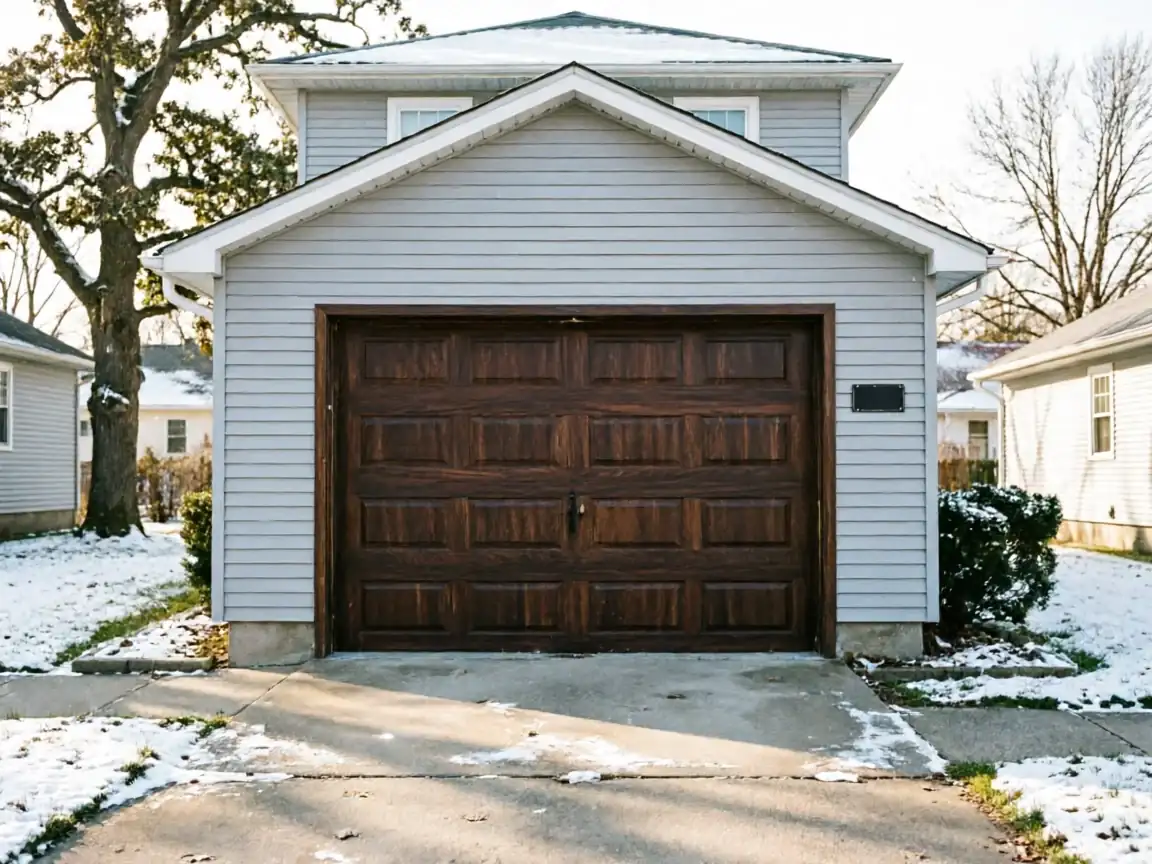
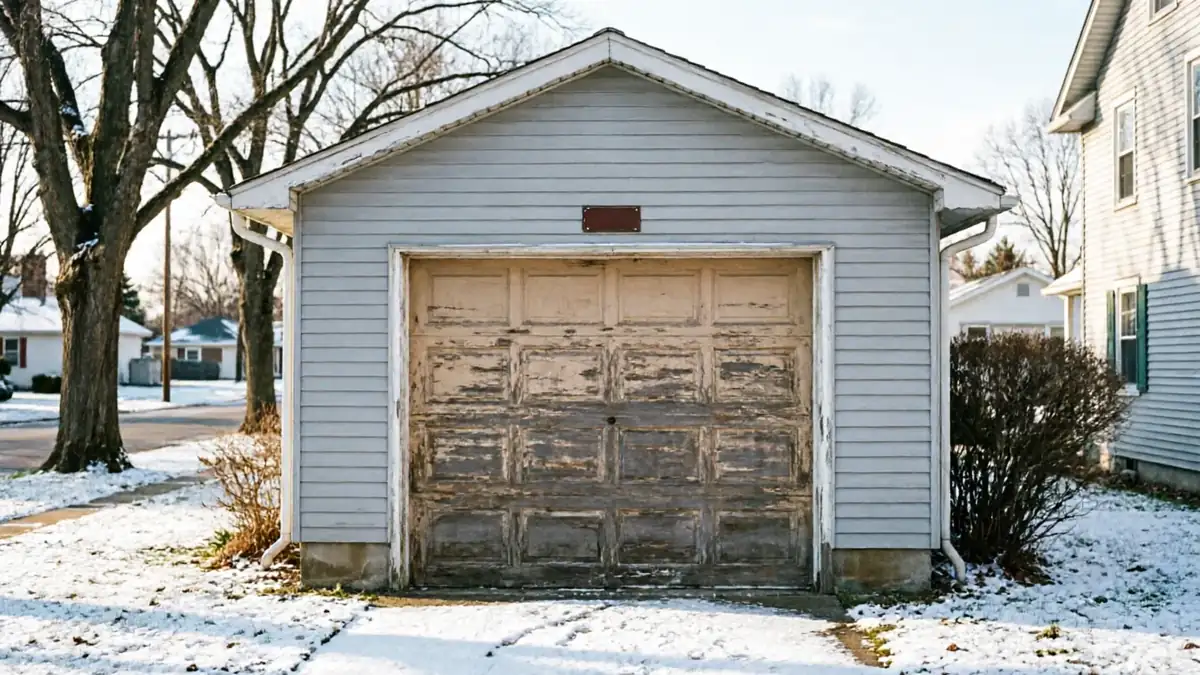
The core issue is simple: a lot of Eagan sits on housing stock built in the 1960s and 70s, part of a broader median build year of 1973 across the area, and that means a lot of original garage hardware is still in service across 37 named neighborhoods nearby. Doors and openers from that window weren't built to last sixty or seventy years - most were rated for a couple of decades of normal use.
That's a long way of saying: if your house falls into that build era, the door is probably original or close to it, and the parts on it are either obsolete or close to it. Replacement rollers and some older track hardware for doors that age aren't always sitting on a shelf, which is part of why a repair quote on a genuinely old door sometimes comes back closer to the cost of a new one than people expect.
Across the roughly 104,140 owner-occupied houses in this service area, a huge share were built in that same 1960s-through-90s window. That's not a coincidence - it's why this exact question, fix or replace, comes up as often as it does around here.
How Local Conditions Play In
Eagan sits in a cold, moderate climate band, and that changes the math on an old door more than people expect. Steel contracts in the cold. A torsion spring that's already lost some tension has less margin to work with on a January morning than it did in July, and a track that's slightly out of alignment binds harder when it's cold than when it's warm.
That's also why a worn bottom seal matters more here than it would in a milder climate - it's not just a draft, it's the difference between a garage that stays workable through winter and one that doesn't. If you're deciding whether an old door is worth fixing, the climate here pushes that decision a little sooner than it would somewhere without real winters.
None of this means every older door needs to go. A door in otherwise decent shape, with a seal and spring that still test fine, can keep working through plenty more cold-climate winters. It's the doors already showing wear - heavy lift, cracked seal, pitted track - where the local winter tips the scale toward replacing rather than patching.