How We Fix It
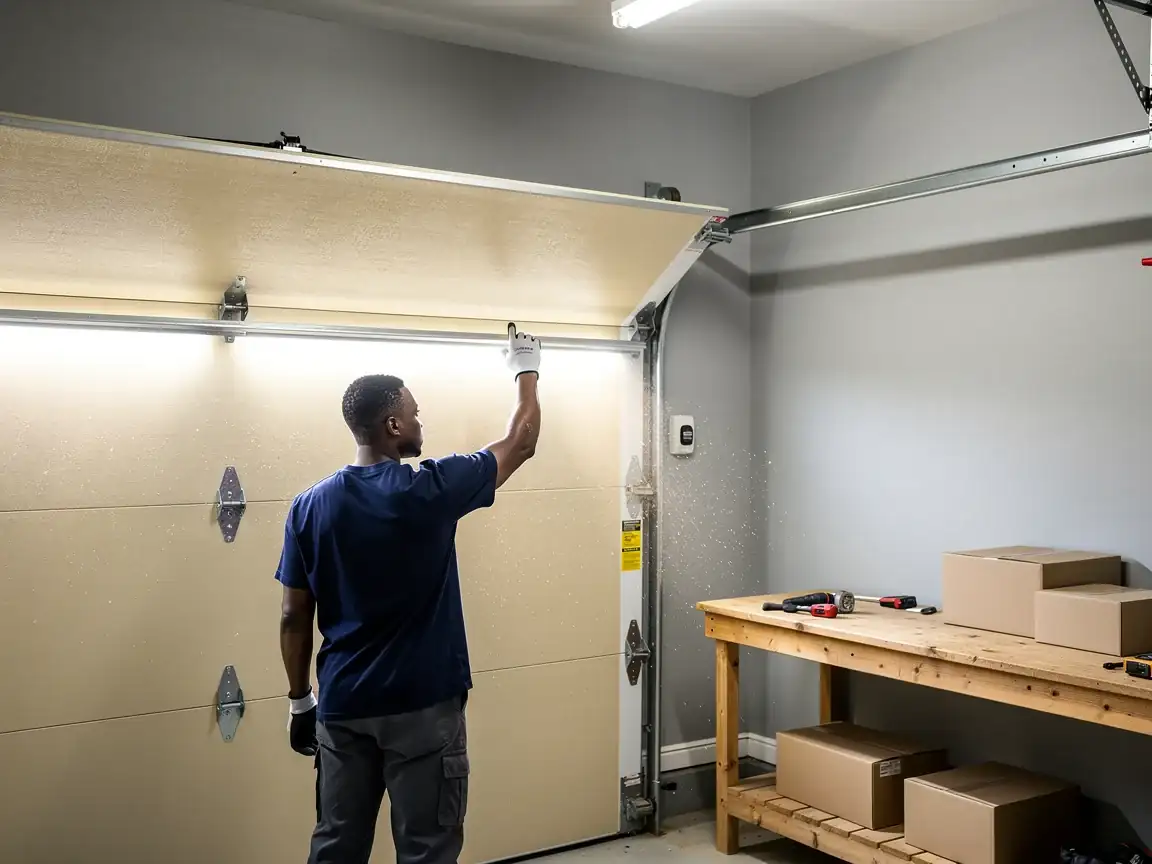
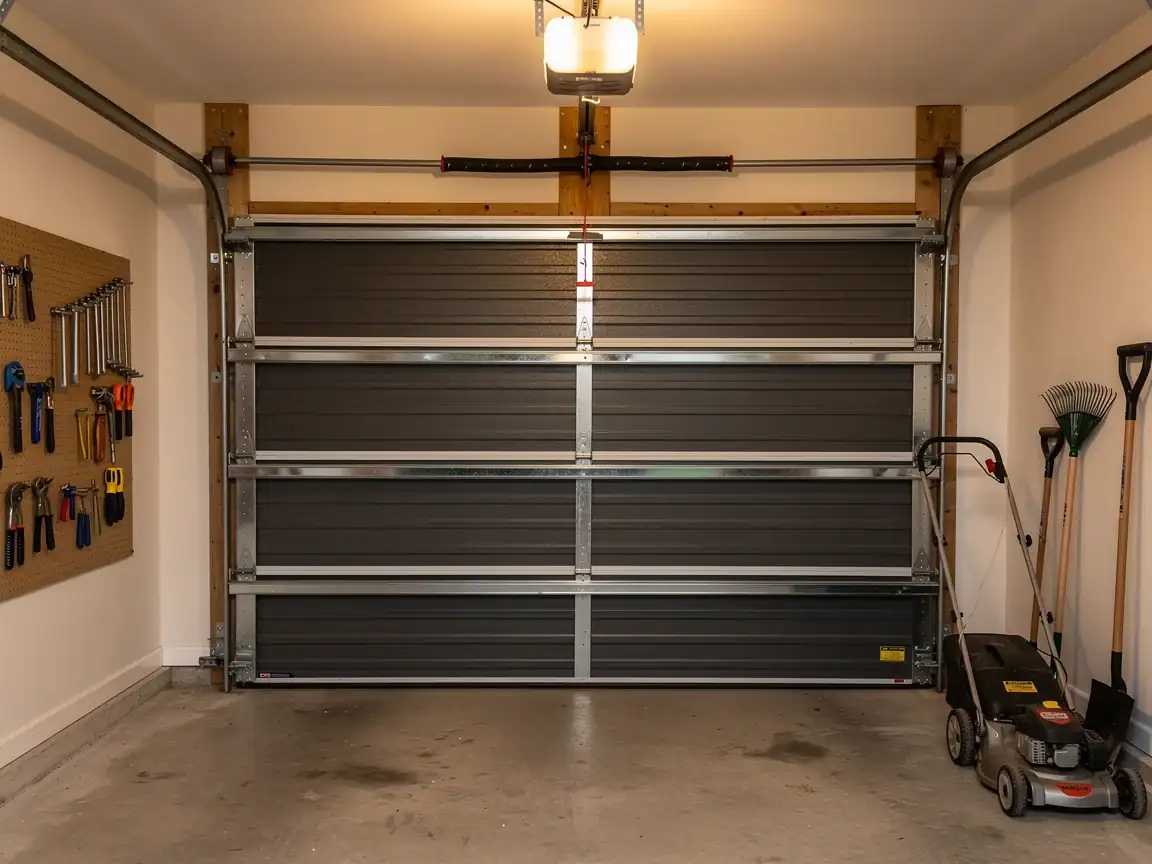
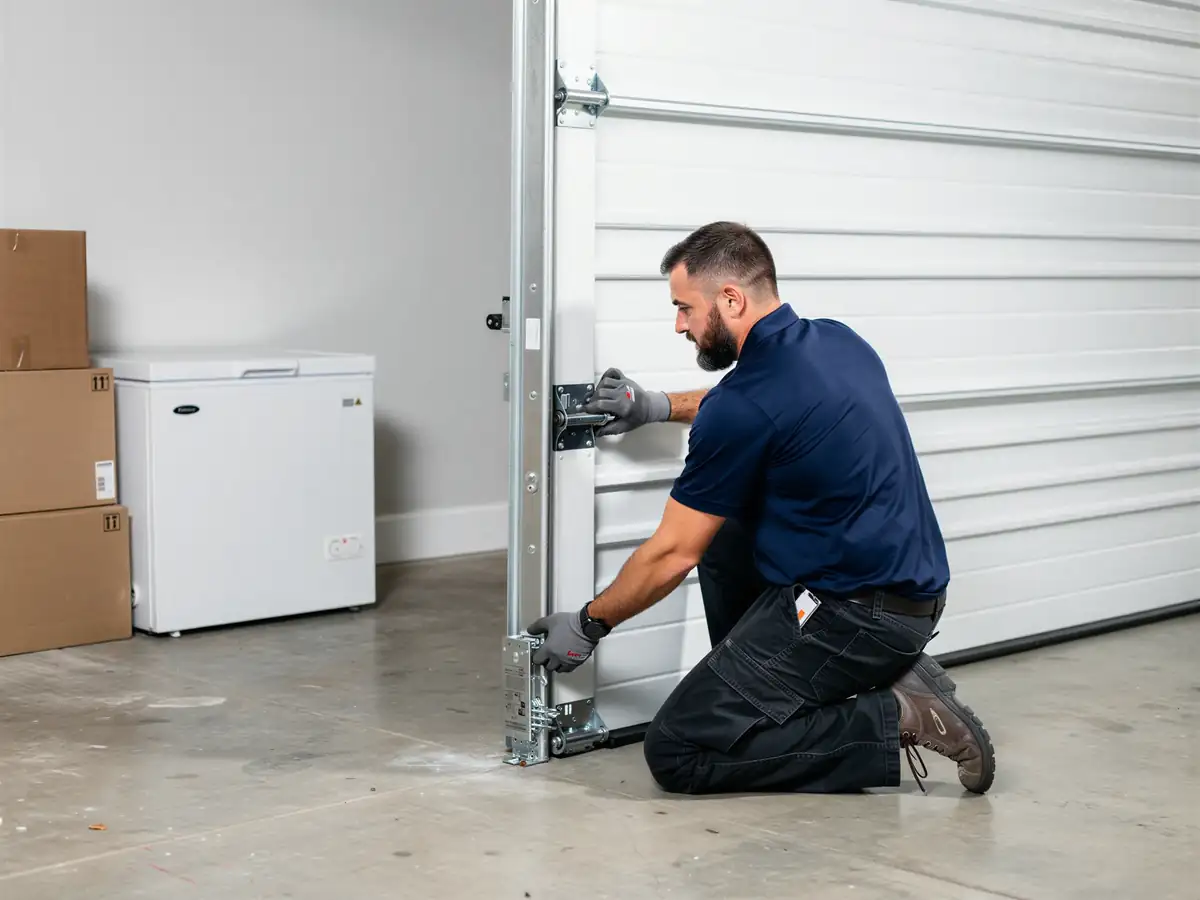
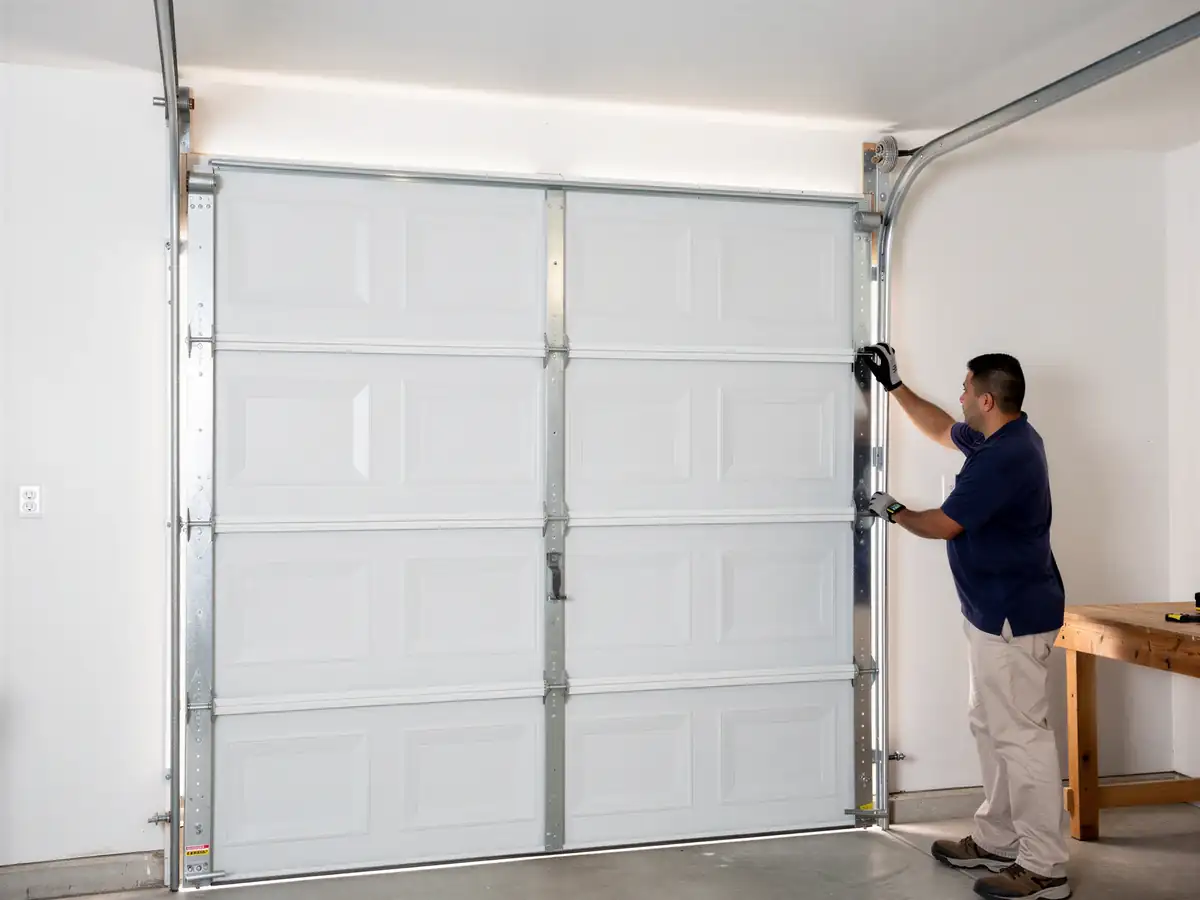
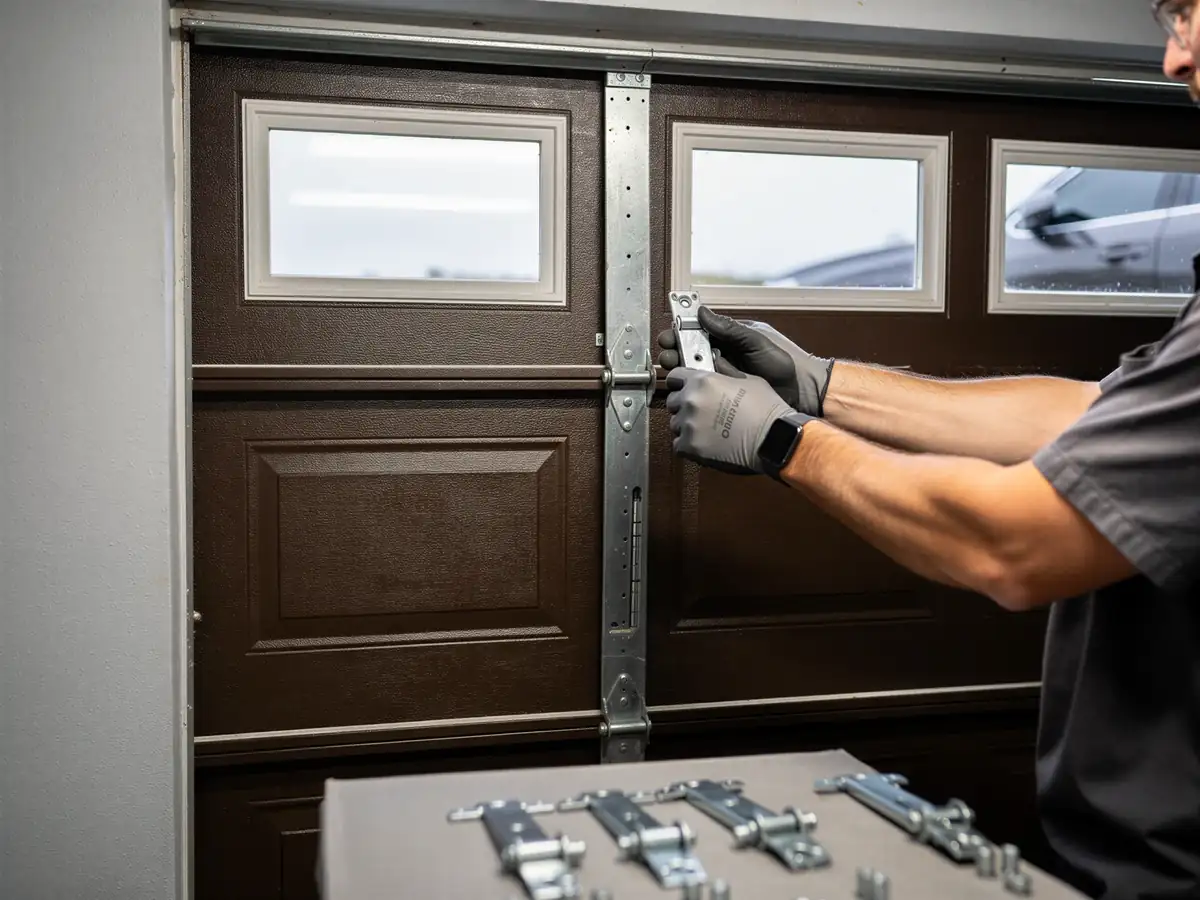
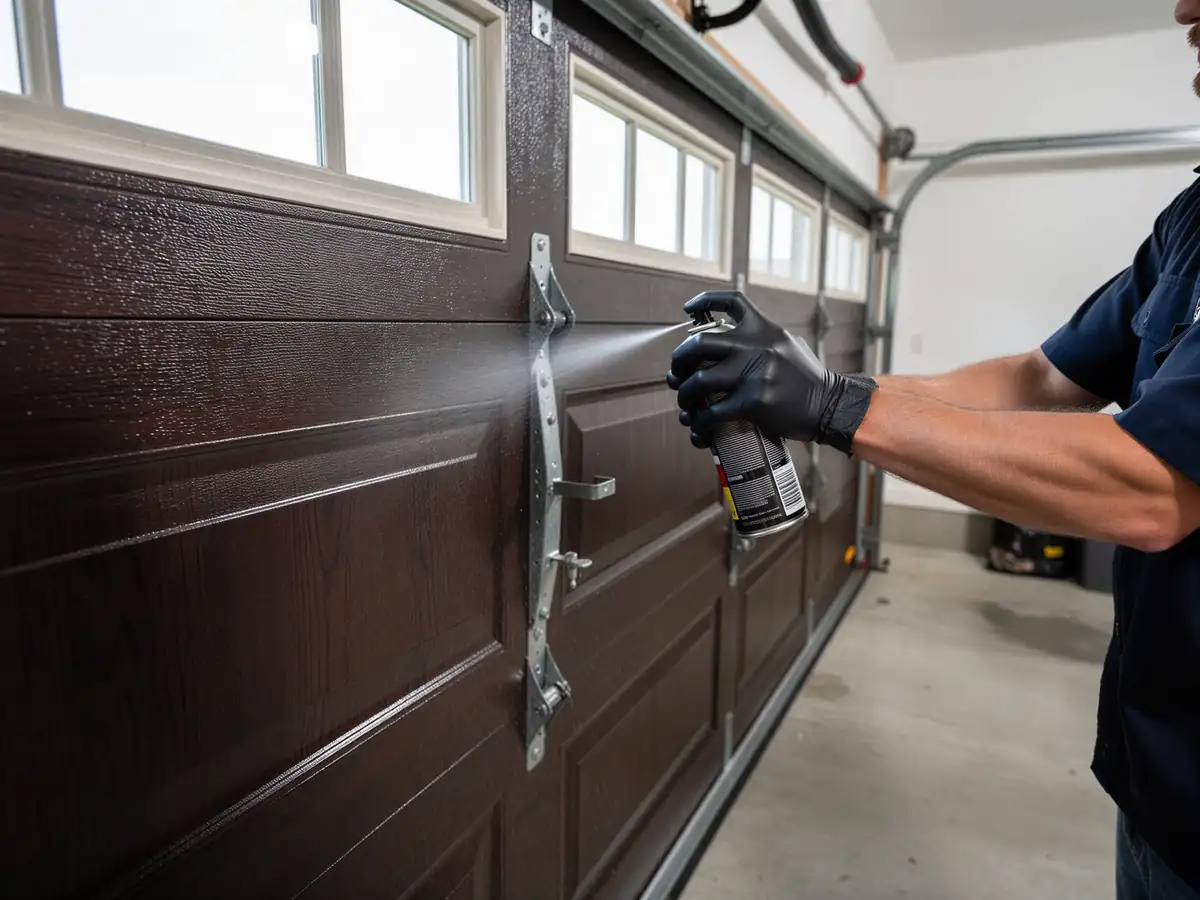
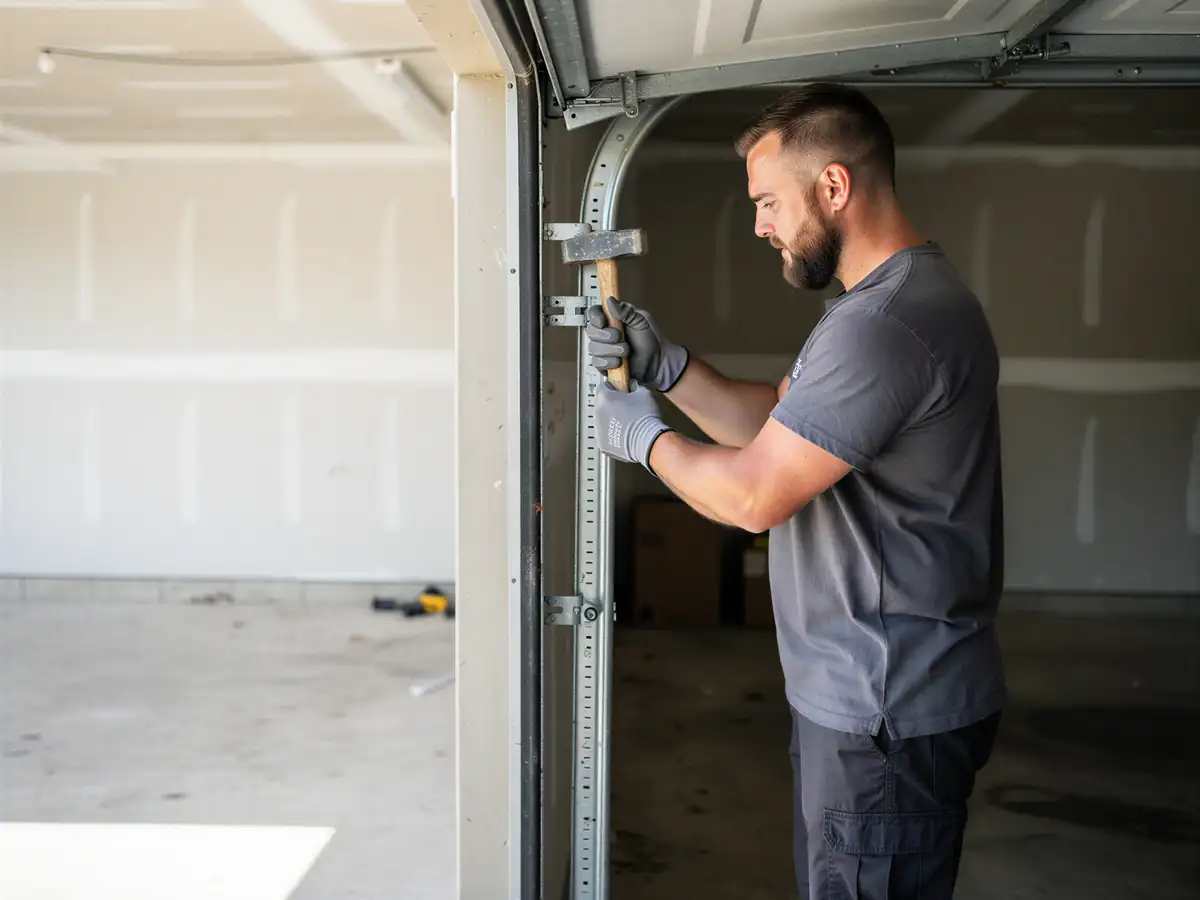
First thing we do is figure out whether the door actually left the track or whether the track itself has pulled away from the jamb. Those are two different jobs. If a roller popped out but the track is straight, we walk the door back onto the rail, check the rollers for flat spots or cracked bearings, and make sure the cable drums are still seated before we let the door run again. If the track bent or the brackets pulled loose from the framing, we take the panel off, straighten or swap the damaged section, and re-shim the bracket so it's plumb against the jamb, not just screwed back where it was.
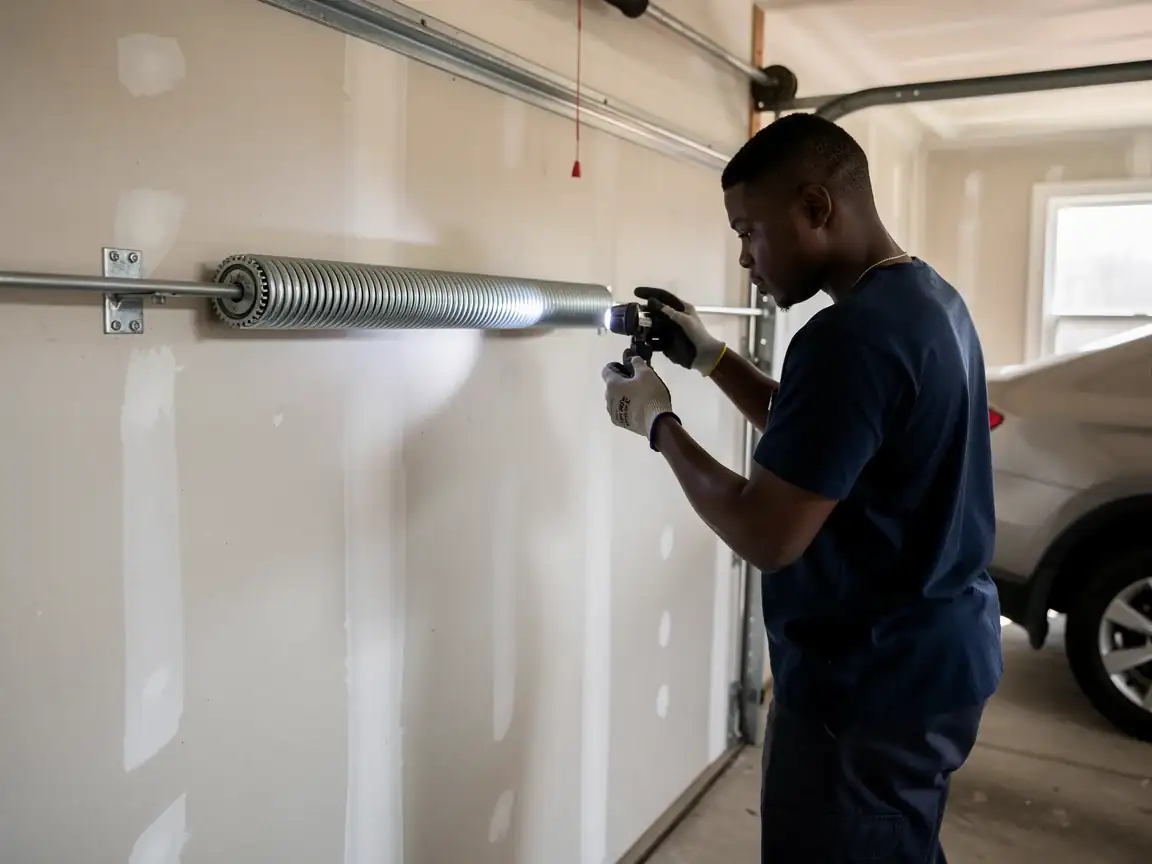
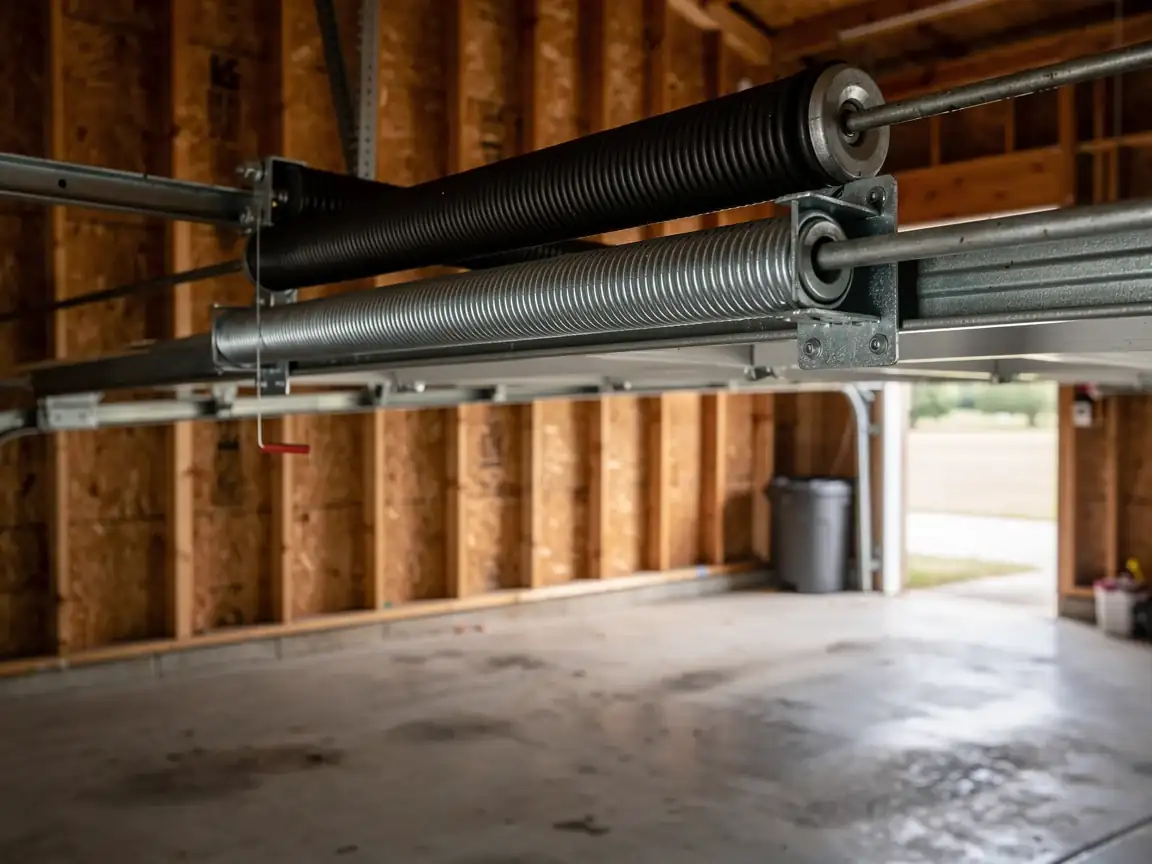
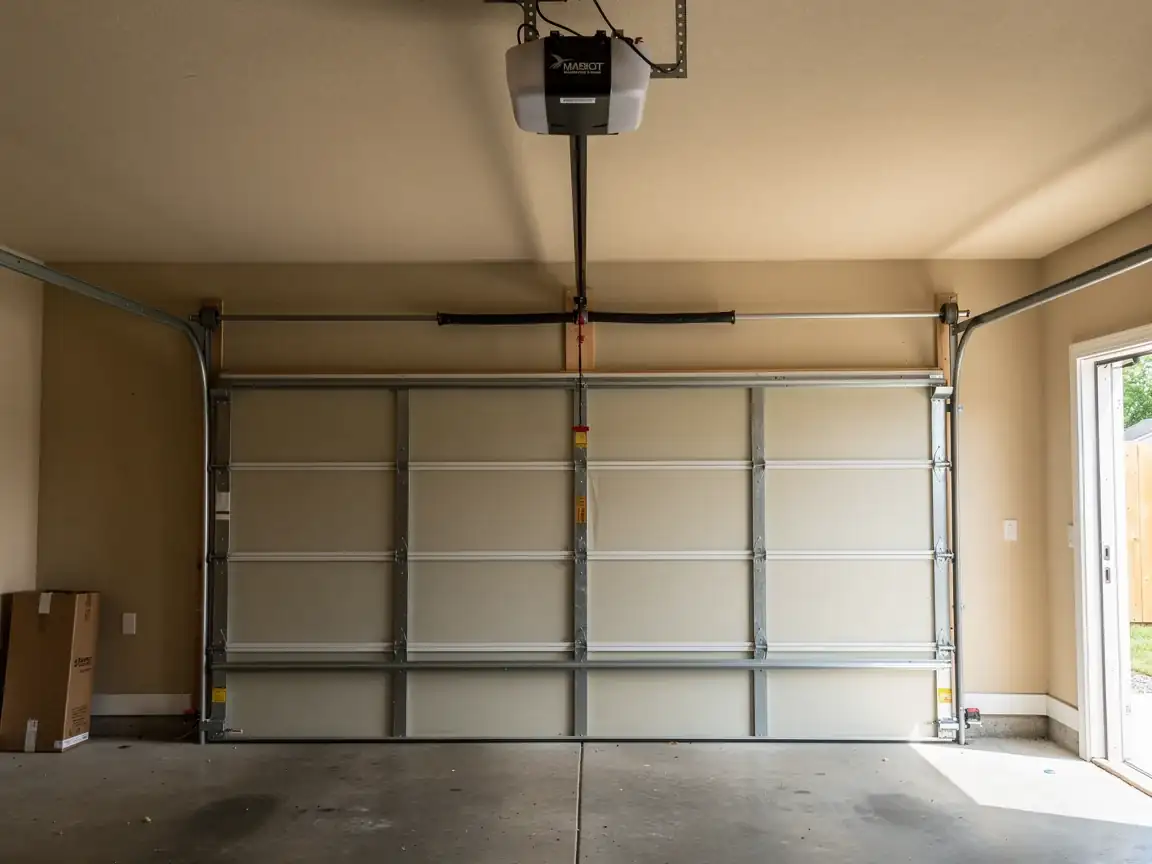
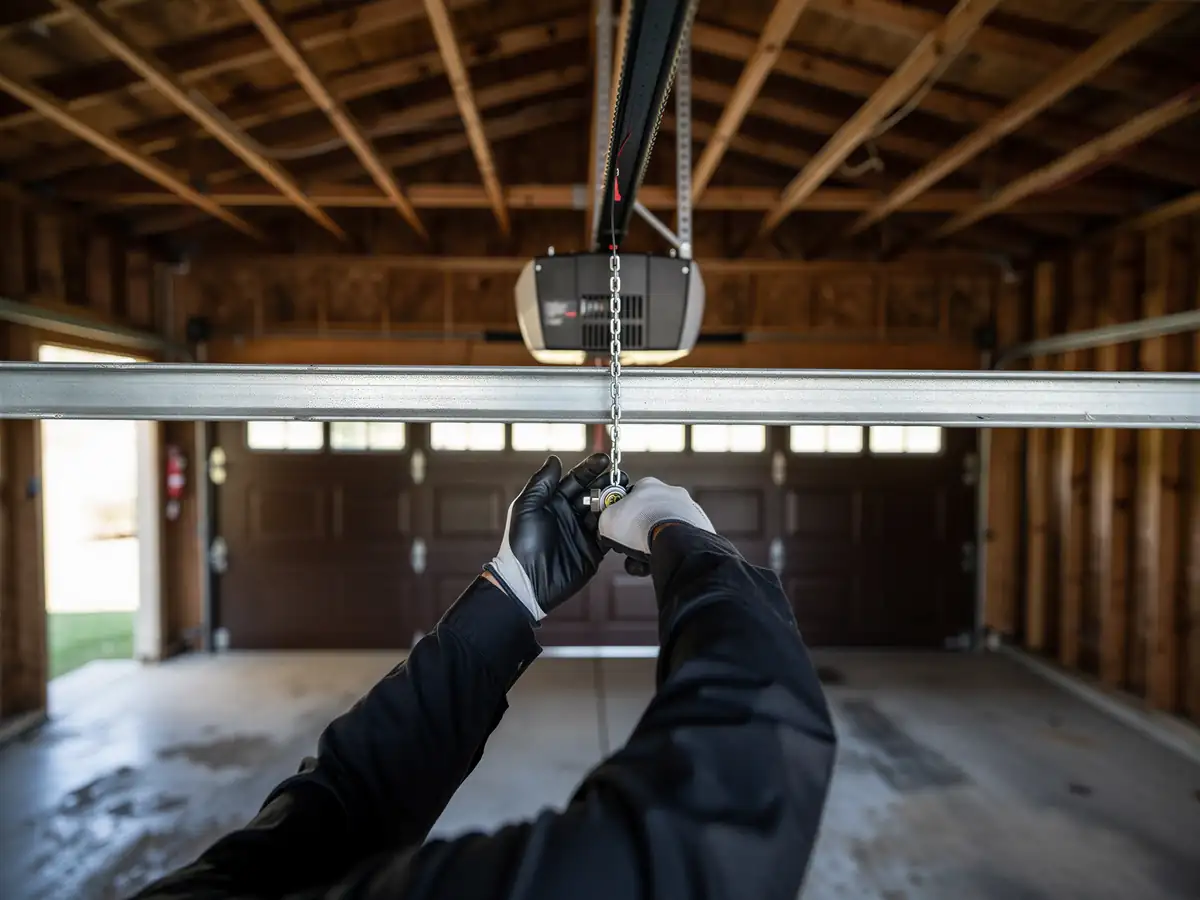
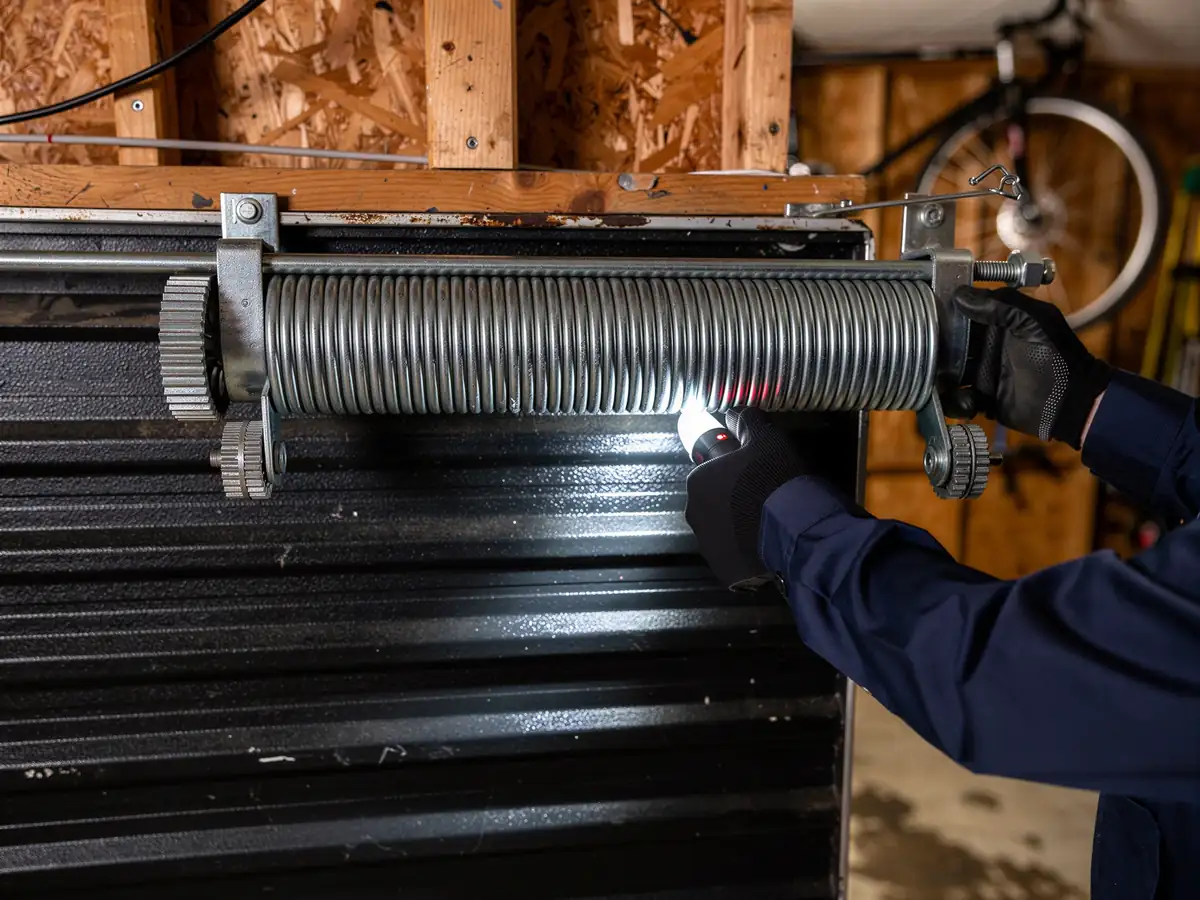
We also check the obvious things that get skipped: opener travel limits, the force setting, and whether the springs are still balanced. A door that's off track because of a worn roller is a different repair than one that's off track because a spring let go and the door dropped crooked and twisted the track on the way down.
One honest limit here: if the track is bent badly enough near the hinges, or the vertical section has pulled the lag screws out of a rotted jamb, straightening it is a short-term fix. We'll tell you when replacement is the better call instead of patching something that'll come back off in a month. We work across the Eagan service area, from here out toward Mendota Heights and Inver Grove Heights.
What It Costs
We don't post a flat number for this because off-track jobs aren't all the same size
A door that slipped one roller and still sits square in the opening is a short call: realign, check the hardware, test it under power. A door that twisted when it came off, bent the track, and pulled a bracket loose is a longer job with parts involved - track sections, rollers, sometimes a hinge or two.
What we won't do is quote a price before we've looked at it
Anyone who gives you a number sight unseen over the phone for "garage door off track" is guessing, because the cost difference between a ten-minute realignment and a track and roller replacement is real. What we can tell you is what drives the cost: how many rollers are bad, whether the track needs replacing or just straightening, whether the cable came off the drum too, and whether the opener's travel settings need resetting afterward.
We give you the number after we've opened the door up and looked at the track, the rollers, and the brackets
Not before. If a full track replacement makes more sense than patching a bent section, we'll say so and explain why, rather than charging you twice for the same repair.
What You Are Seeing
Most people notice this one of two ways. Either the door won't move at all and you can see daylight between the roller and the track when you look up at the corner, or the door moves but it's crooked - one side higher than the other, grinding or scraping as it goes, sometimes with a loud bang when a roller catches the edge of the rail.
Sometimes it's quieter than that: the door closes most of the way and then stops short, or it reverses on its own partway down because the opener's sensors read the misalignment as an obstruction. If you look closely at the track where it meets the wall, loose or bent brackets usually show up as gaps, visible flex when the door runs, or screws that have backed partway out of the jamb.
A door that's fully off the track on one side and hanging at an angle is not safe to force closed by hand or run on the opener. The cables are under tension and a door that drops further while it's off track can come down hard. If you're seeing any of this, the safer move is to leave it where it is and call rather than keep running the opener through it.
What Causes It Around Here
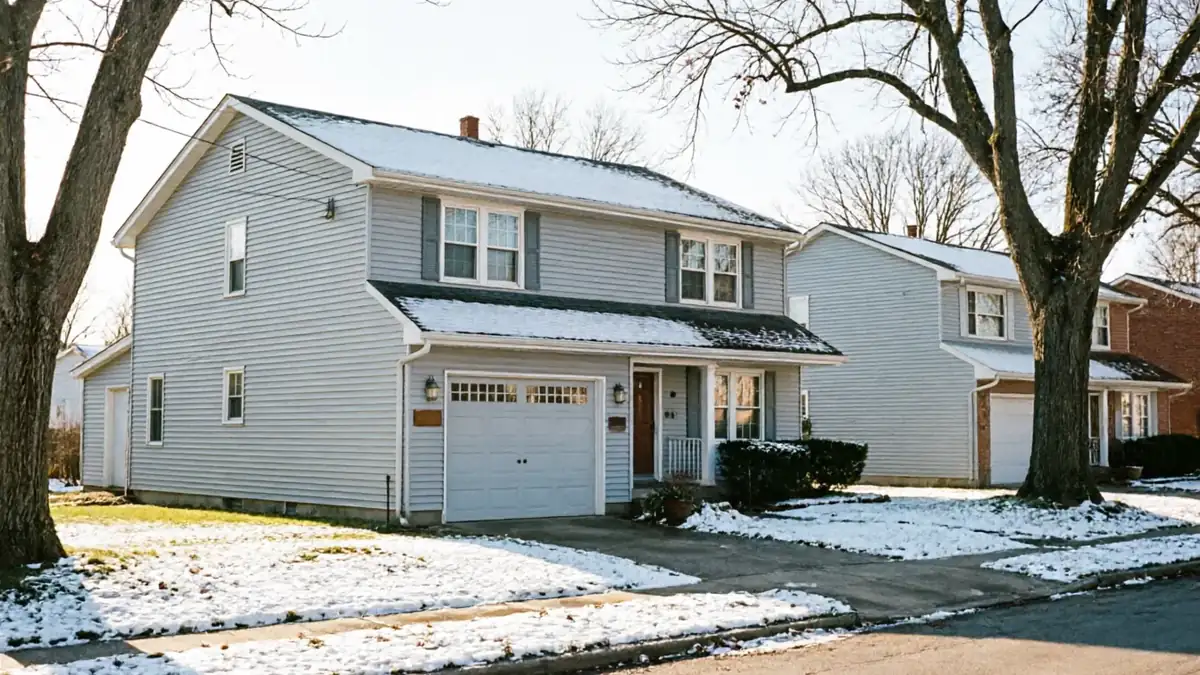
Eagan's housing stock mostly went up between 1956 and 2004, with the typical house dating to around 1973, and most of what's on the ground across this part of the metro is that same 1960s-70s build wave. A lot of those garages still have original steel track and the lighter hardware that came standard then - thinner rail, smaller rollers, brackets lagged into framing that's shifted a little over fifty-plus years.
The climate does the rest. This is a cold, moderate band, and the freeze-thaw cycle through a typical Eagan winter moves slab floors and foundations just enough, year after year, to walk track brackets loose or pull them slightly out of plumb. Add a stiff door that's been running on worn rollers in that same cold, and the metal doesn't flex the way it did when the house was new - a roller that would've stayed seated in July skips the rail in January.
Across the service area there are roughly 104,140 owner-occupied houses, a large share of them from that same era, which is why this isn't a one-off problem house to house - it's a pattern tied to how old the hardware is and what the winters do to it.