How We Fix It
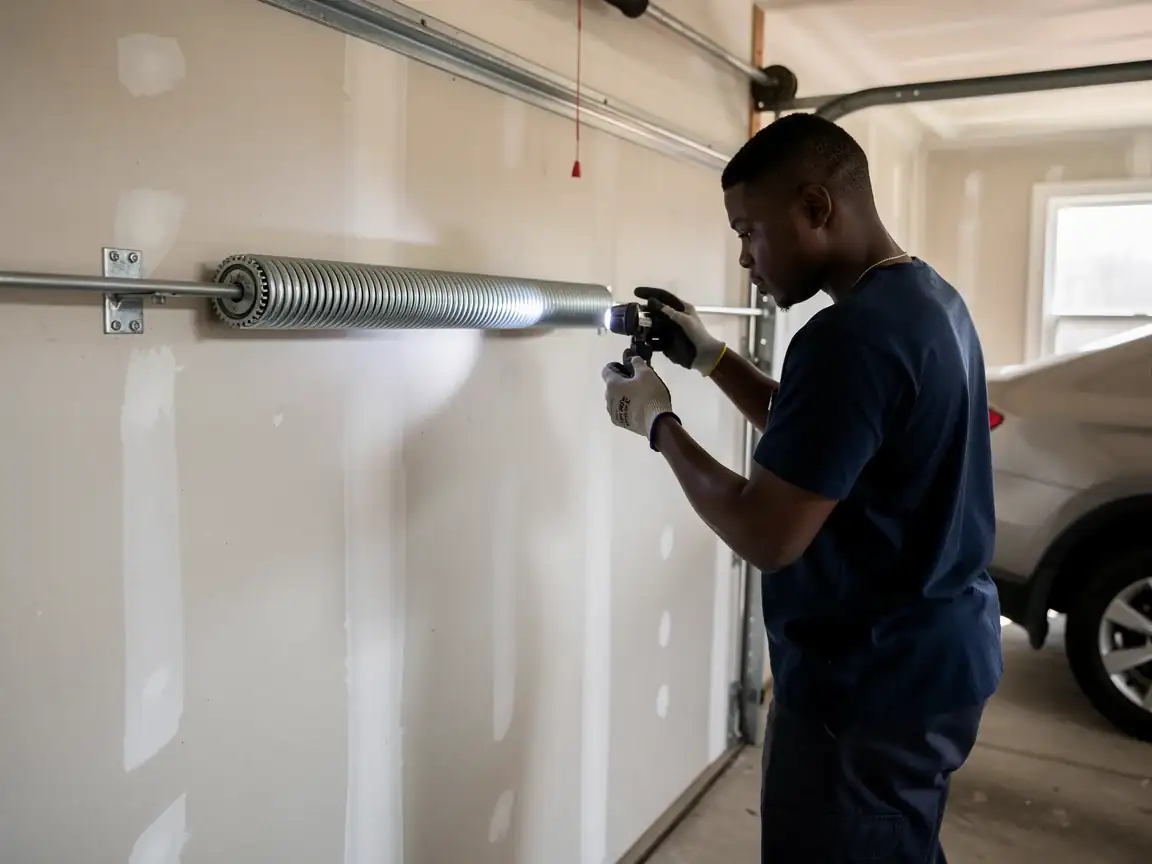
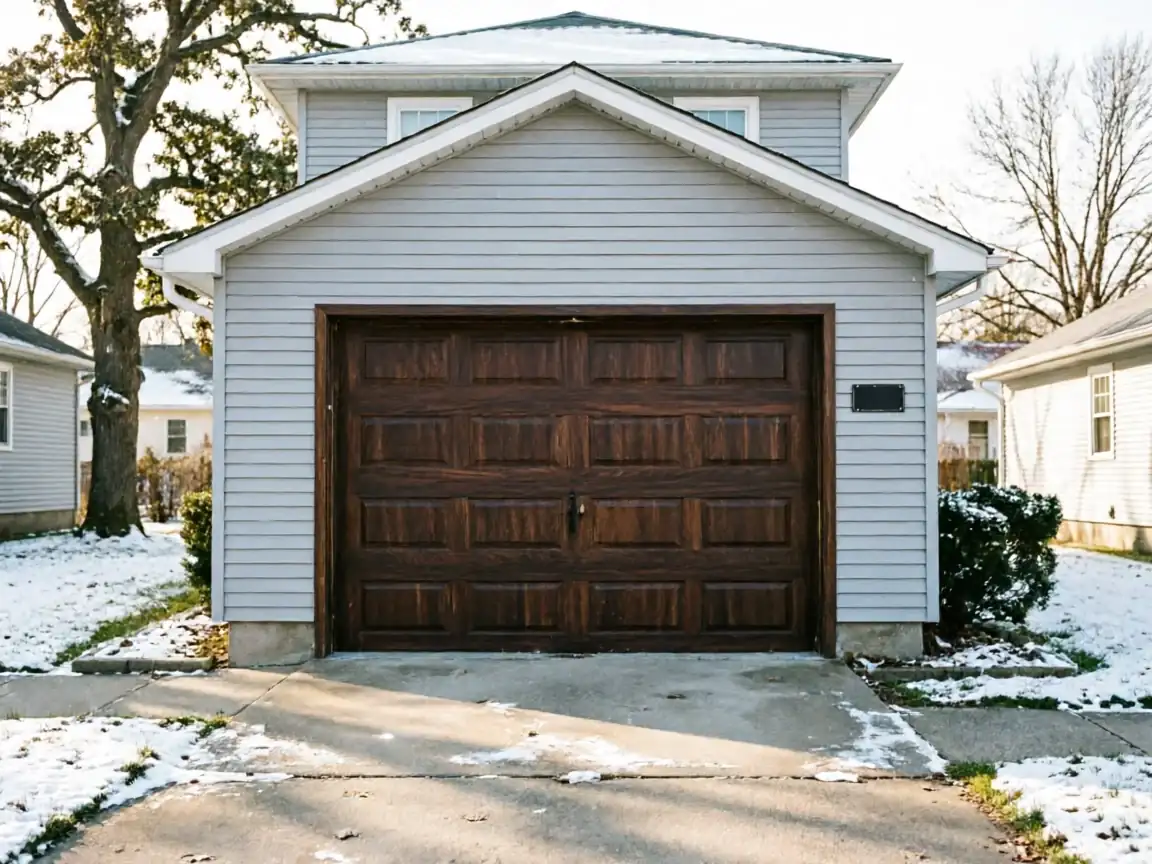
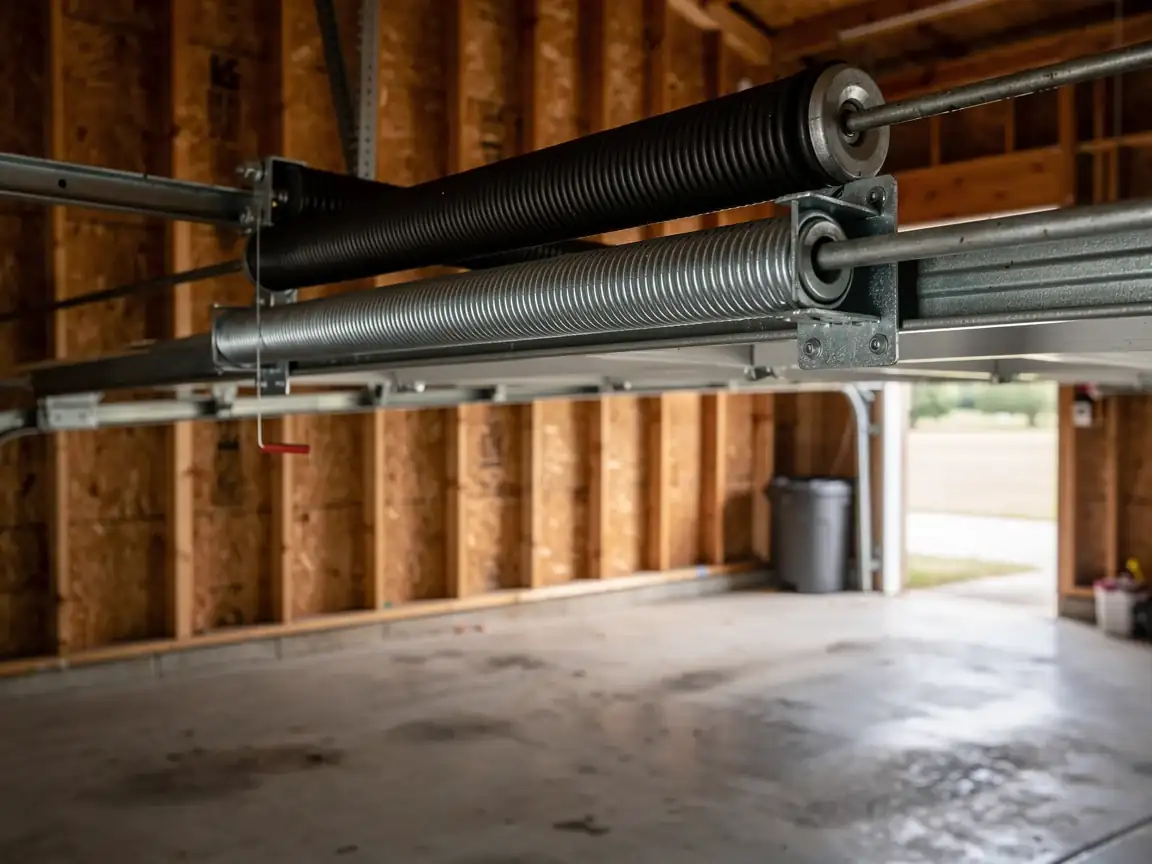
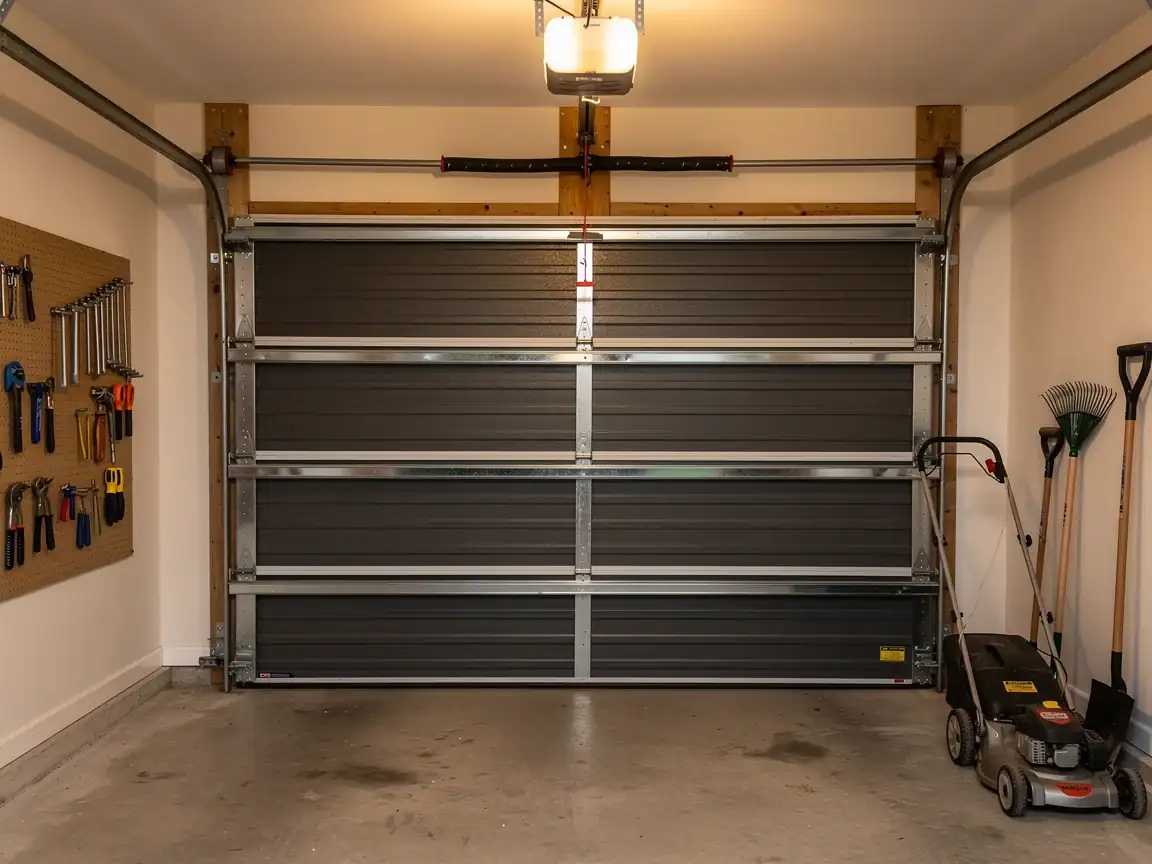
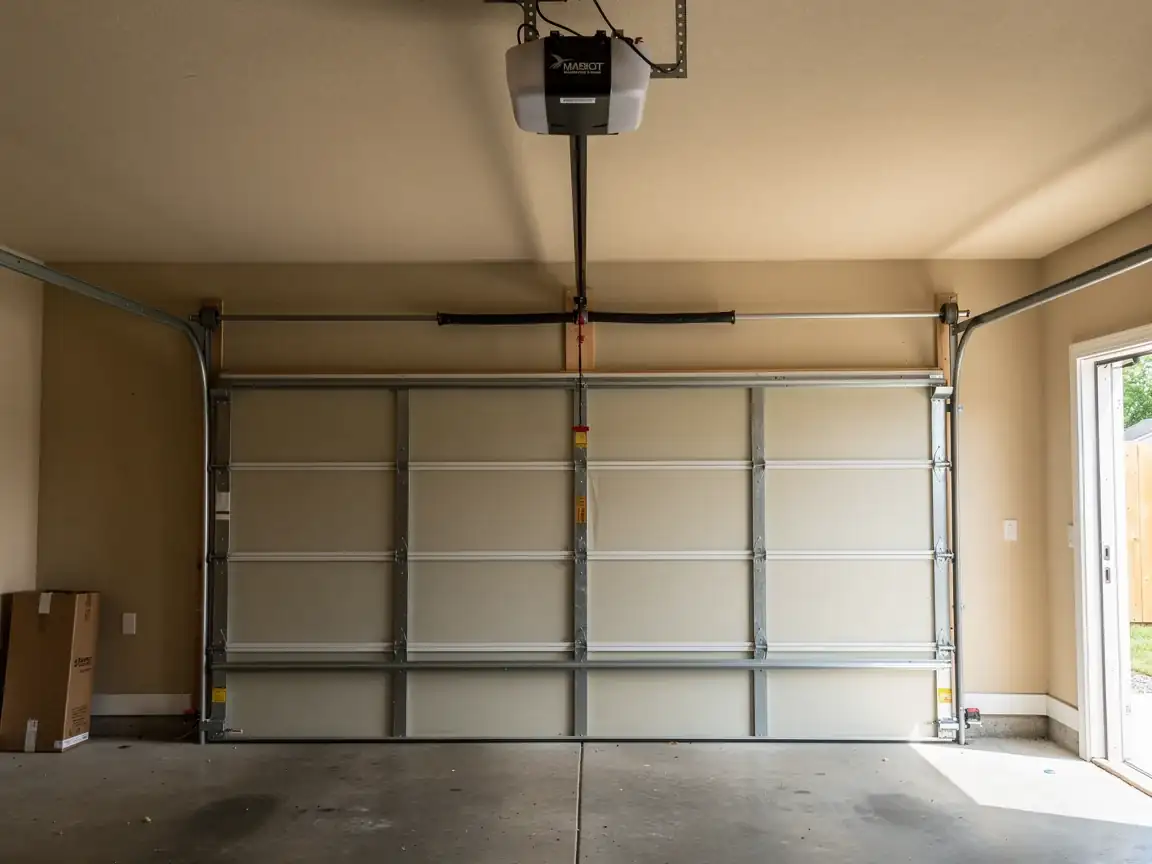
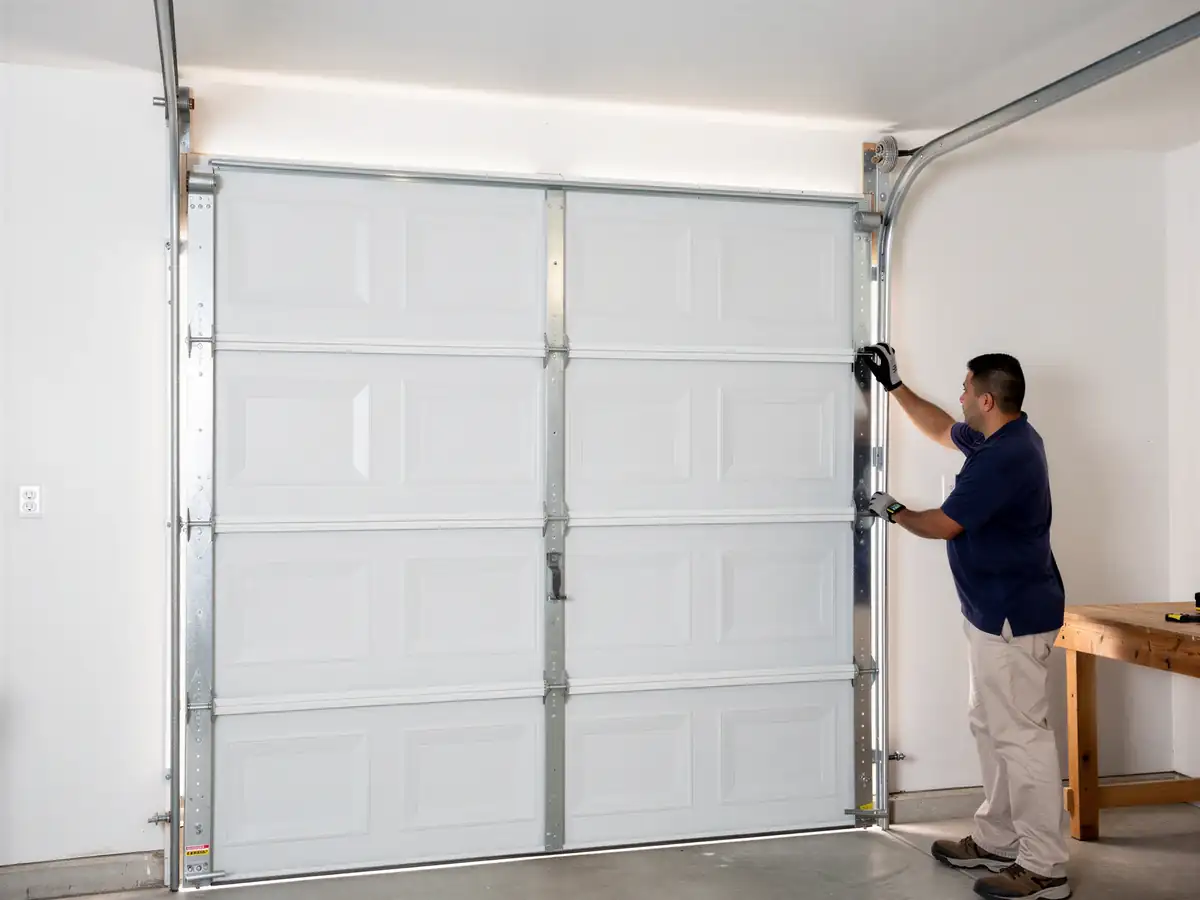
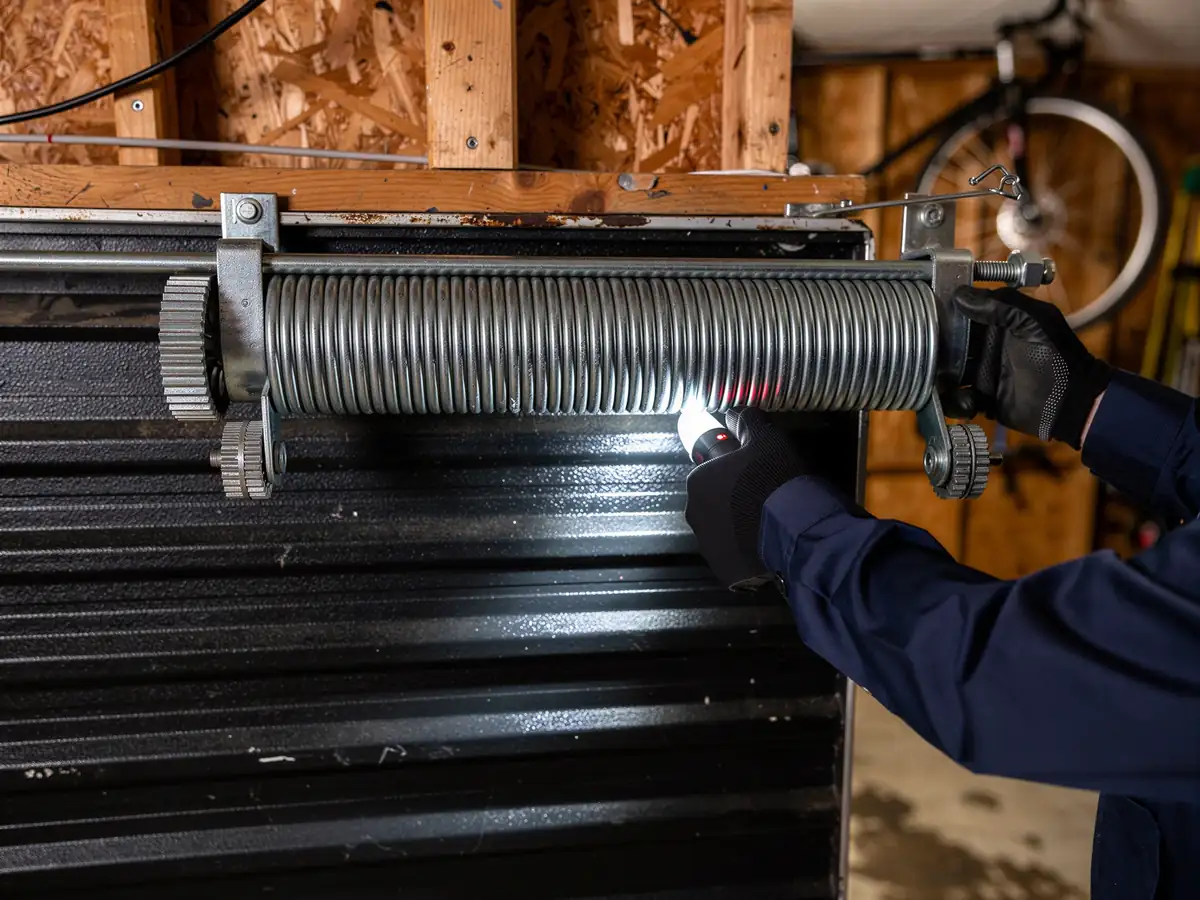
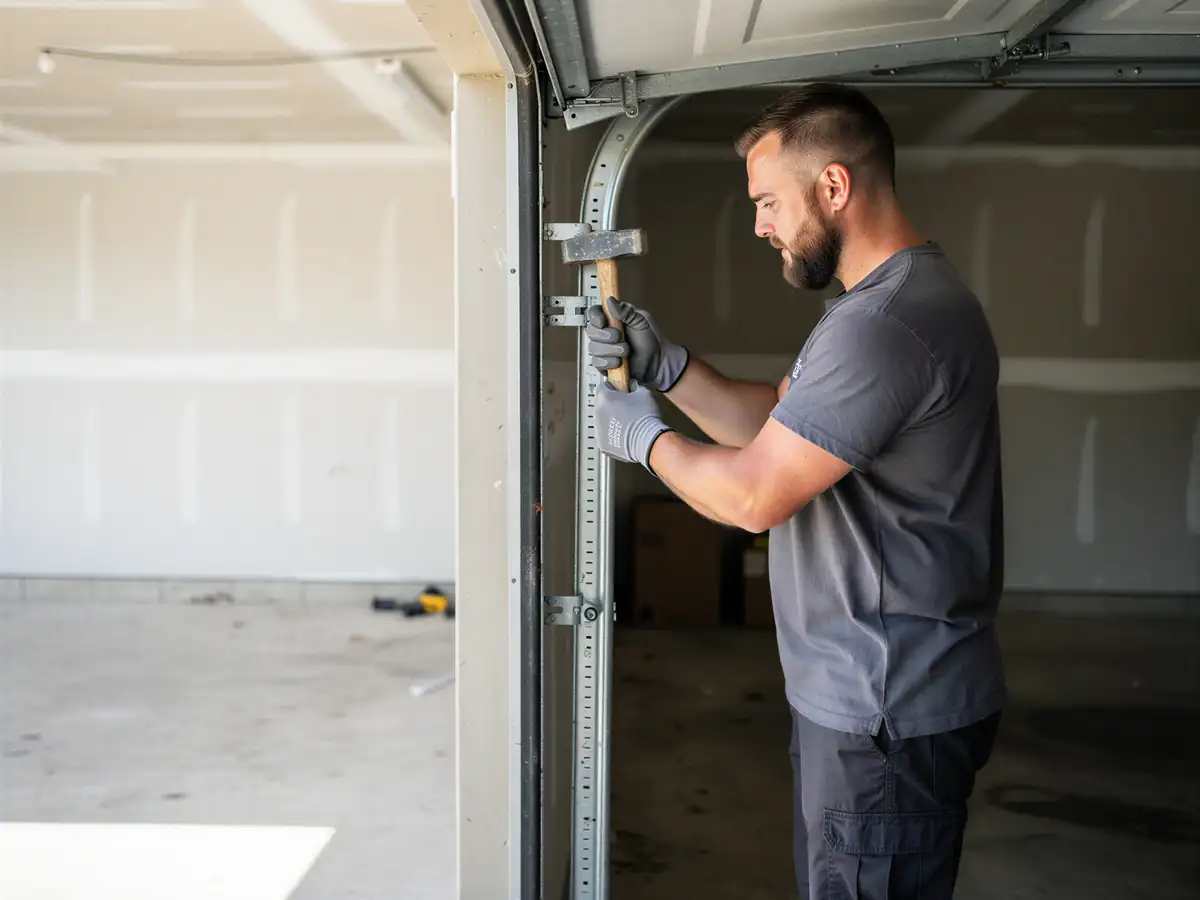
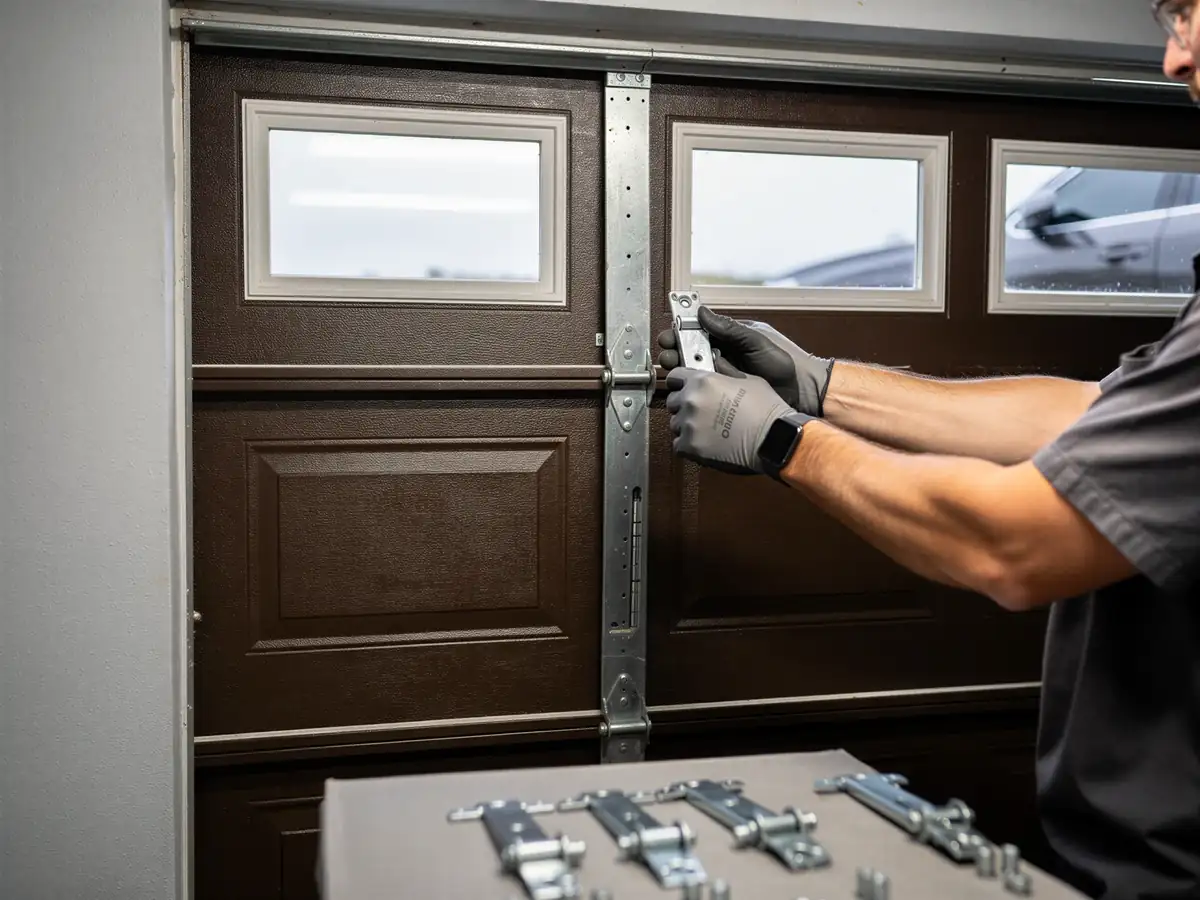
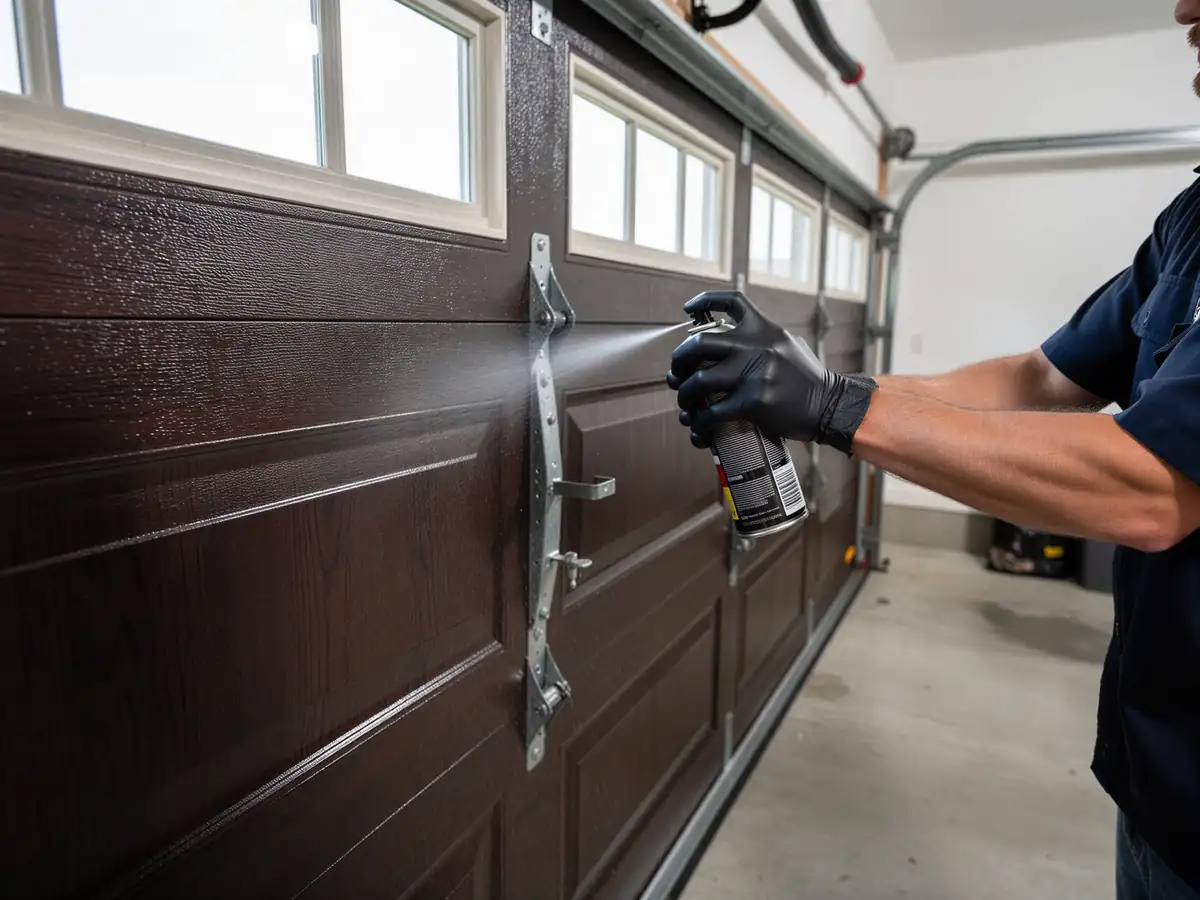
We start at the spring, not the opener, because most calls that sound like an opener problem turn out to be a torsion spring that's lost tension or snapped outright. We check the cable drums, the roller tracks for bends, and the bottom brackets before we touch the opener logic board. If the door is a one-piece or an older sectional from the original build, we look at the track spacing and the hinge wear first, since hardware from that era wasn't built to the same tolerances as what ships today.
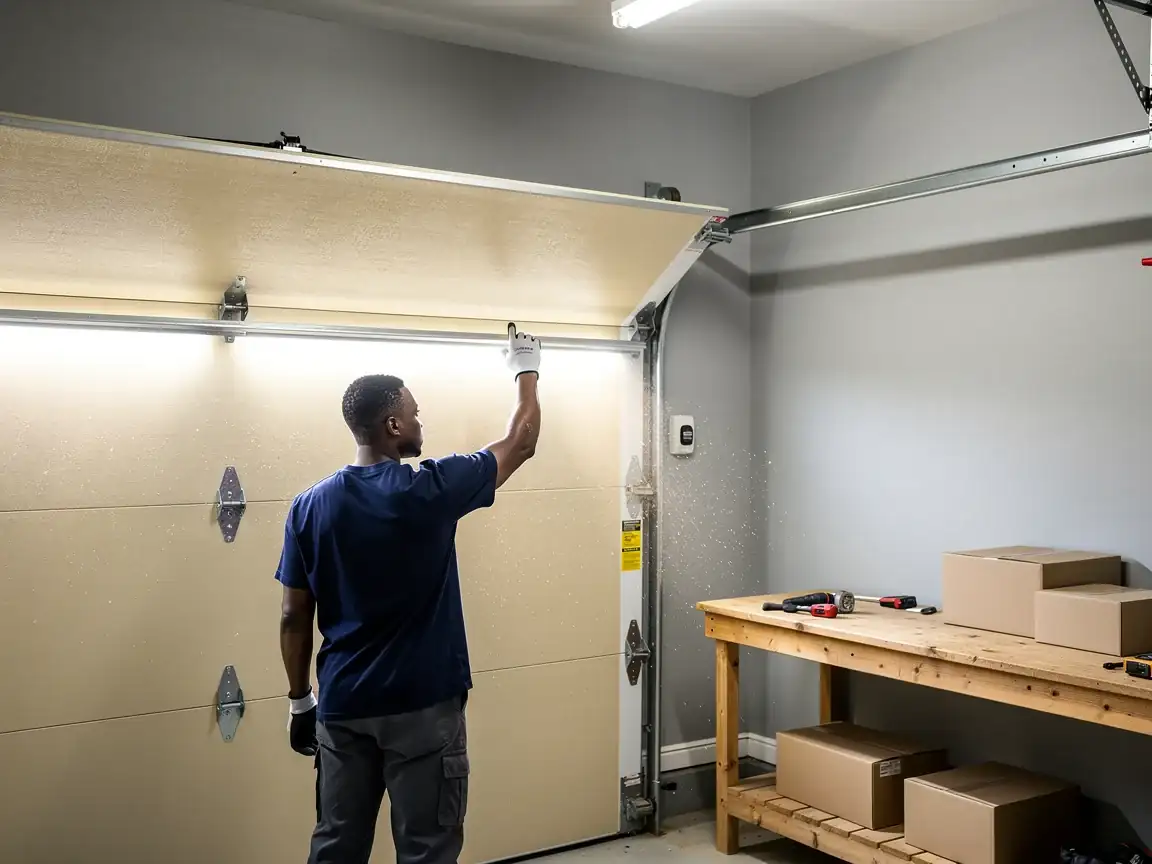
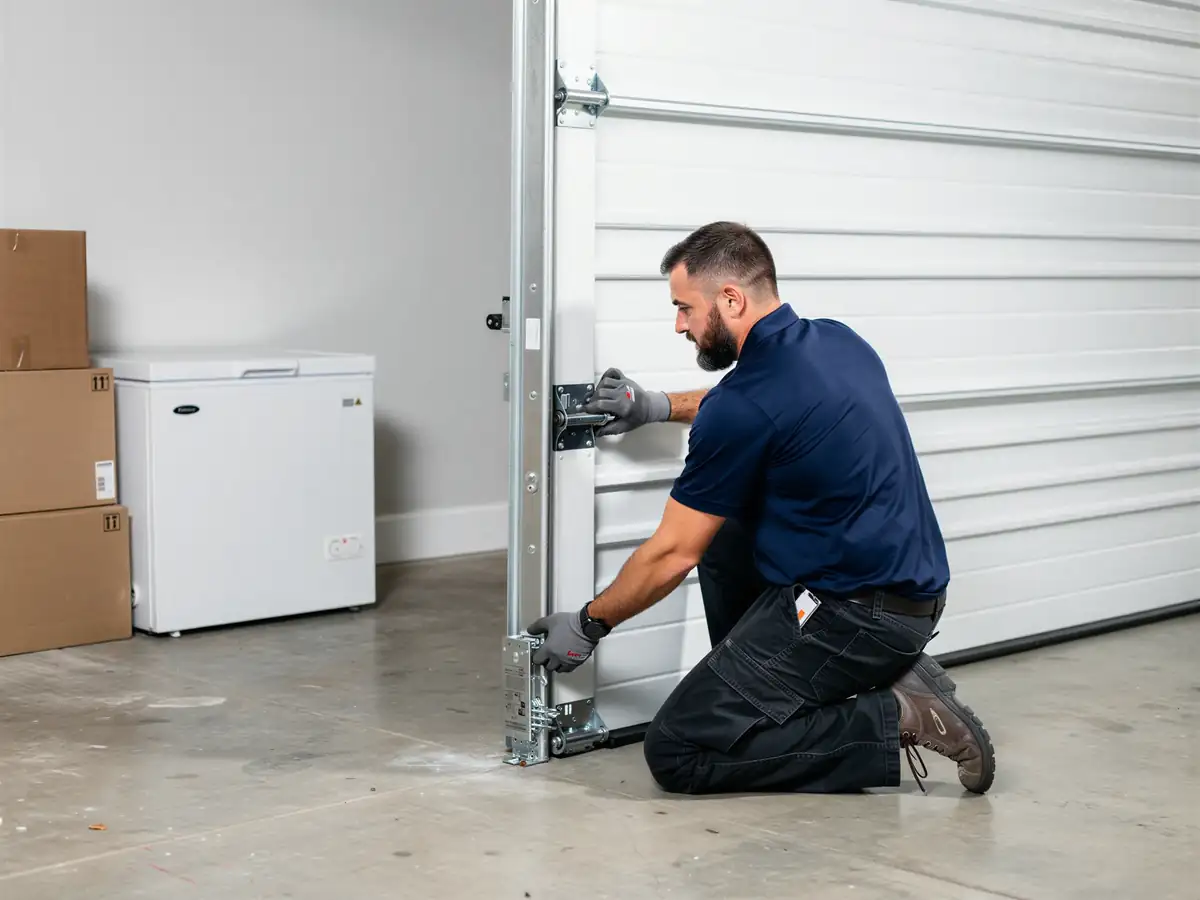
Once we know what's actually broken, we replace the failed part, not the whole assembly, unless the rest of the hardware is too worn to hold a new spring safely. A torsion spring has to be sized to the door's actual weight, and guessing wrong on that is how you get a spring that fails again in a year or a door that slams down when a cable slips. We test the balance by hand after any repair, not just the opener's force setting, because the opener can mask a door that's actually out of balance.
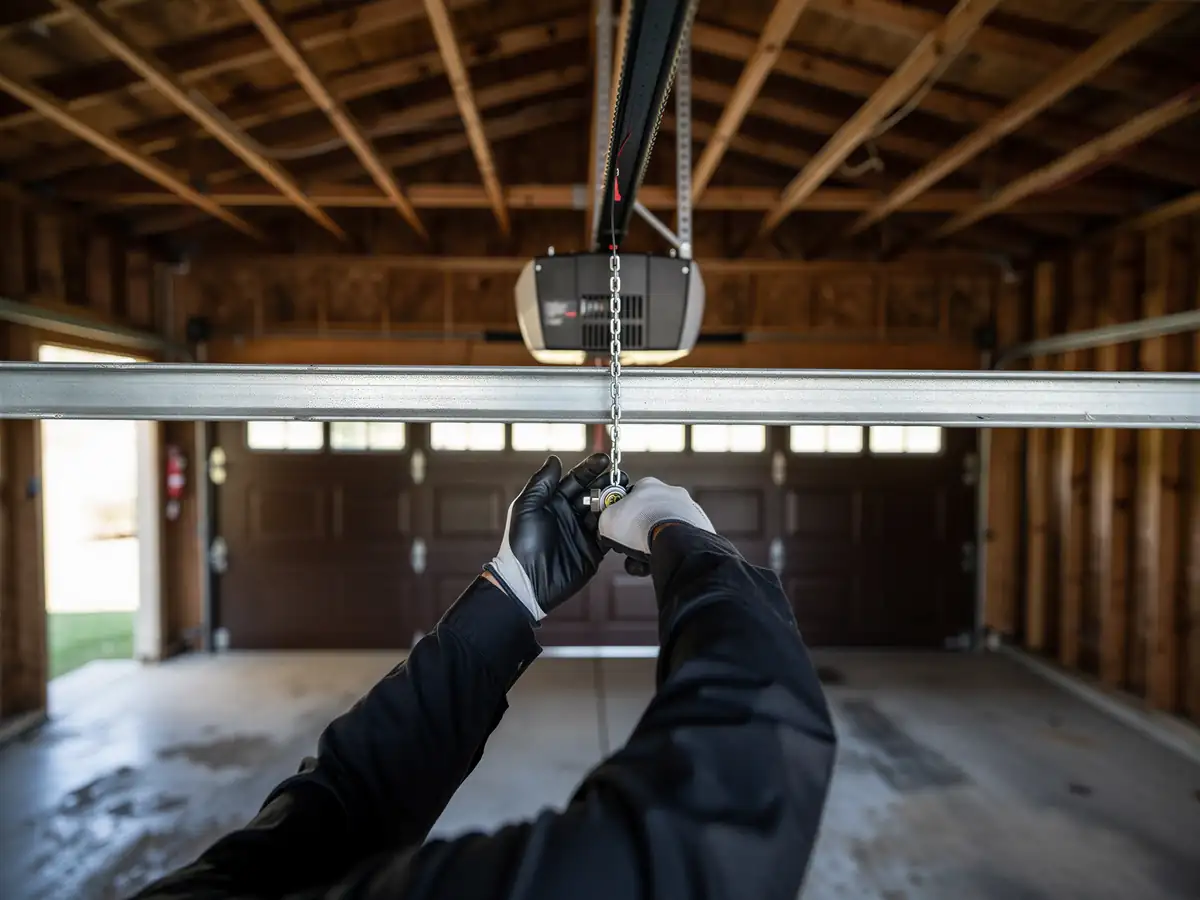
We don't push a full opener replacement when a capacitor or a logic board fix solves it. If the drive gear is stripped on a belt or chain unit, that's a parts swap, not a new system.
What It Costs
We don't post flat prices here because the real cost depends on what's actually wrong
A broken extension spring job looks nothing like a full torsion spring and drum replacement on a heavier insulated door, and opener repairs range from a swapped capacitor to a new logic board. We give you the number after we've looked at the door, not before.
What we can tell you honestly
In a service area where median household income runs $92,940, most homeowners can cover a spring-and-hardware repair without it being a financial event, and we'd rather quote the actual fix than upsell a full door replacement when the frame and track are sound. If a door is old enough that the track is bent beyond straightening or the panels are rusted through, replacement usually costs less over time than repeated patch repairs - we'll tell you straight if that's where your door is.
- $92,940 median household income
One limitation worth naming
If a part is obsolete enough that it's back-ordered from the manufacturer, we can't promise a same-week turnaround on that specific piece, even though most spring and roller jobs we handle get done same-day.
What You Are Seeing
The door stops partway up and reverses on its own - that's usually a sensor alignment issue or a spring that's no longer carrying its share of the door's weight, which shifts the load the opener has to pull. A loud bang from the garage, followed by a door that won't budge even by hand, is a torsion spring that's snapped; don't try to lift it past that point.
Grinding or a opener that runs but the door doesn't move usually means a stripped gear inside the opener unit, not a problem with the door itself. A door that shudders or jerks on one side as it travels is often a cable that's come off the drum, or a roller that's cracked and binding in the track - both get worse the longer you run the door on them.
If the door feels heavy when you lift it manually with the opener disconnected, that's your spring telling you it's under-tensioned before it fails outright. That's the symptom worth calling about before it becomes a dead spring on a cold morning.
What Causes It Around Here
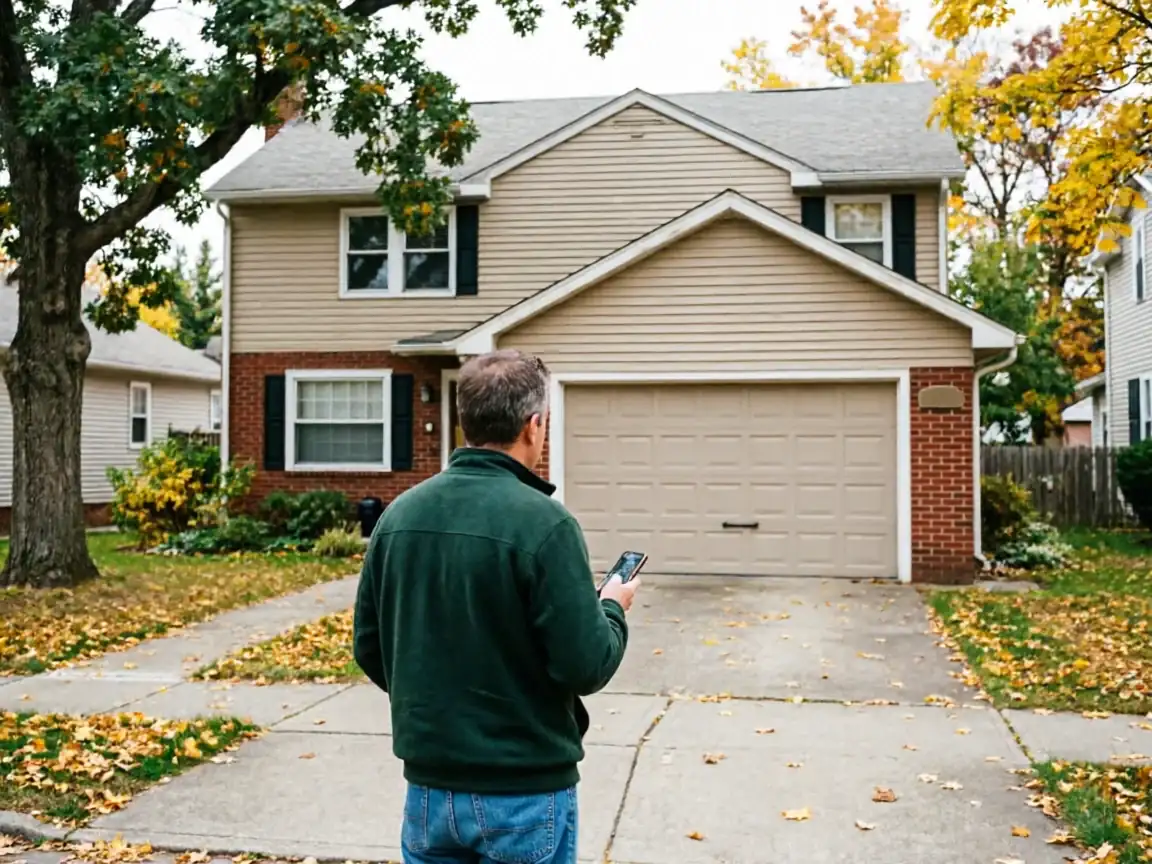
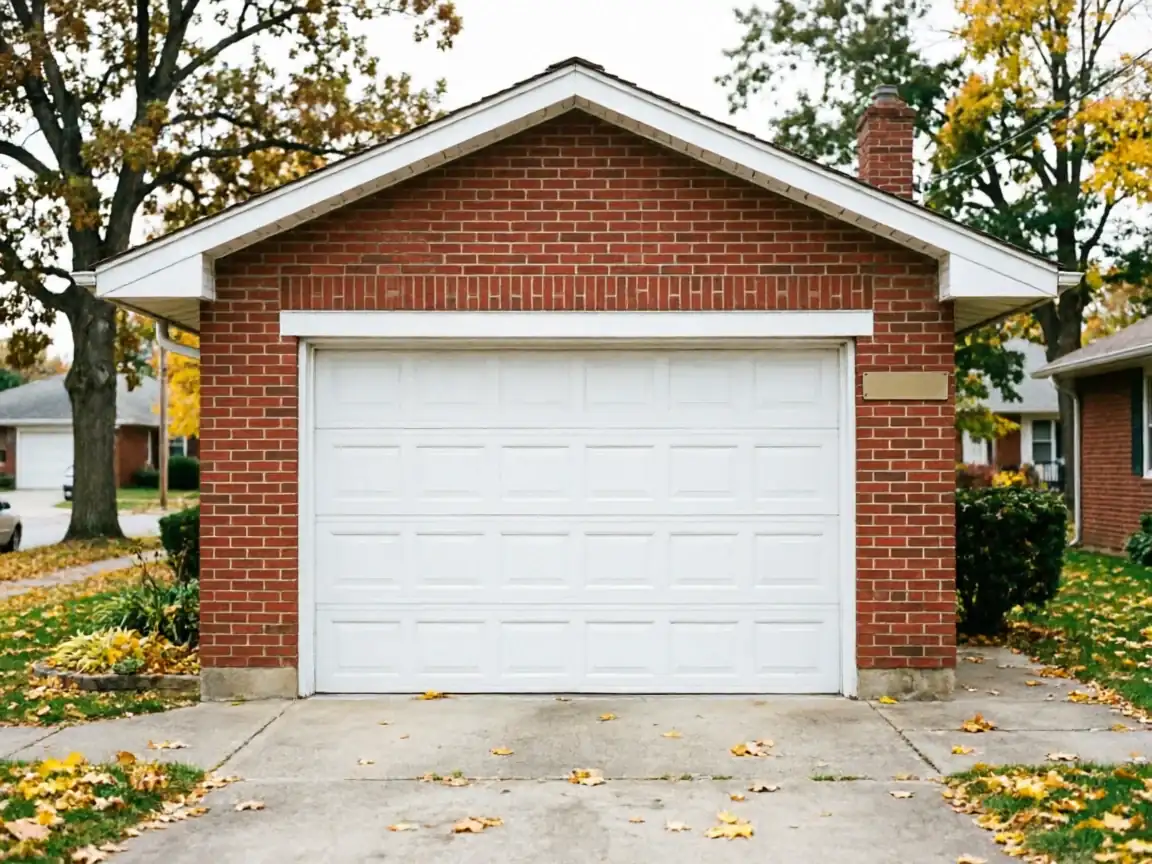
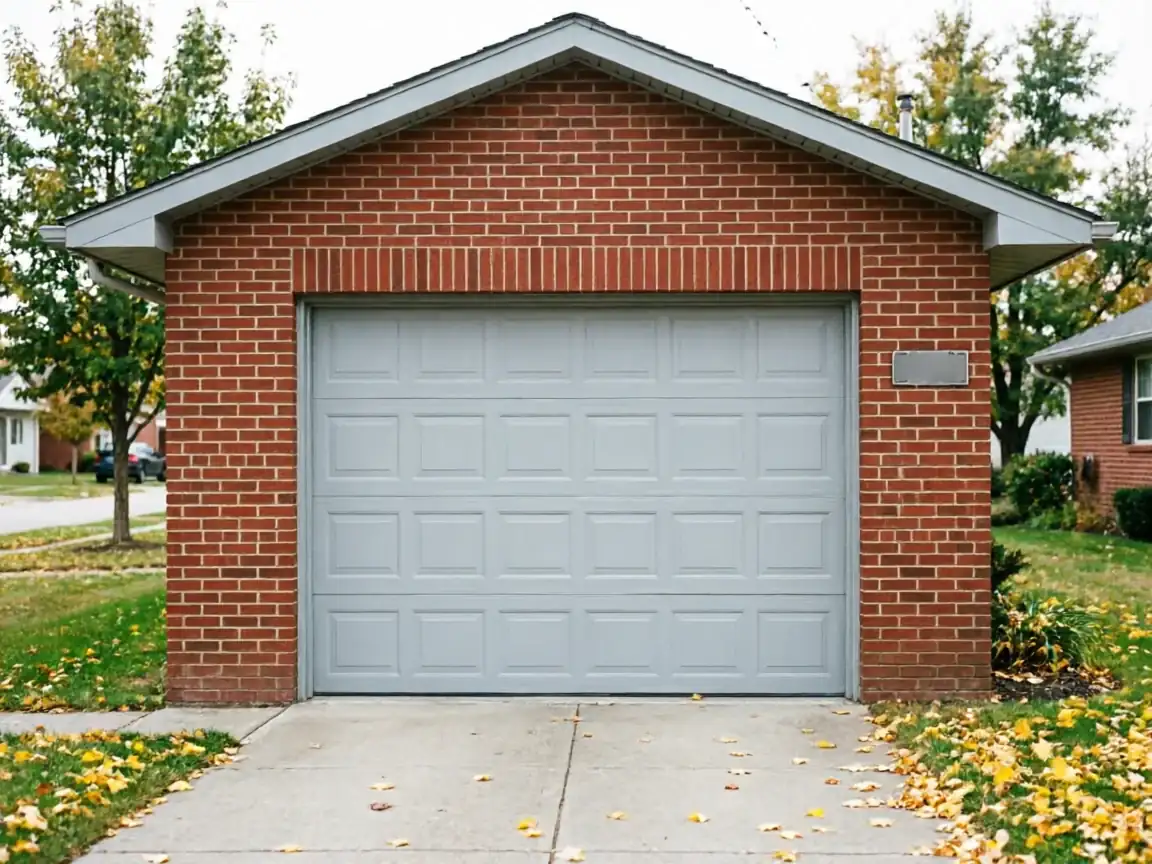
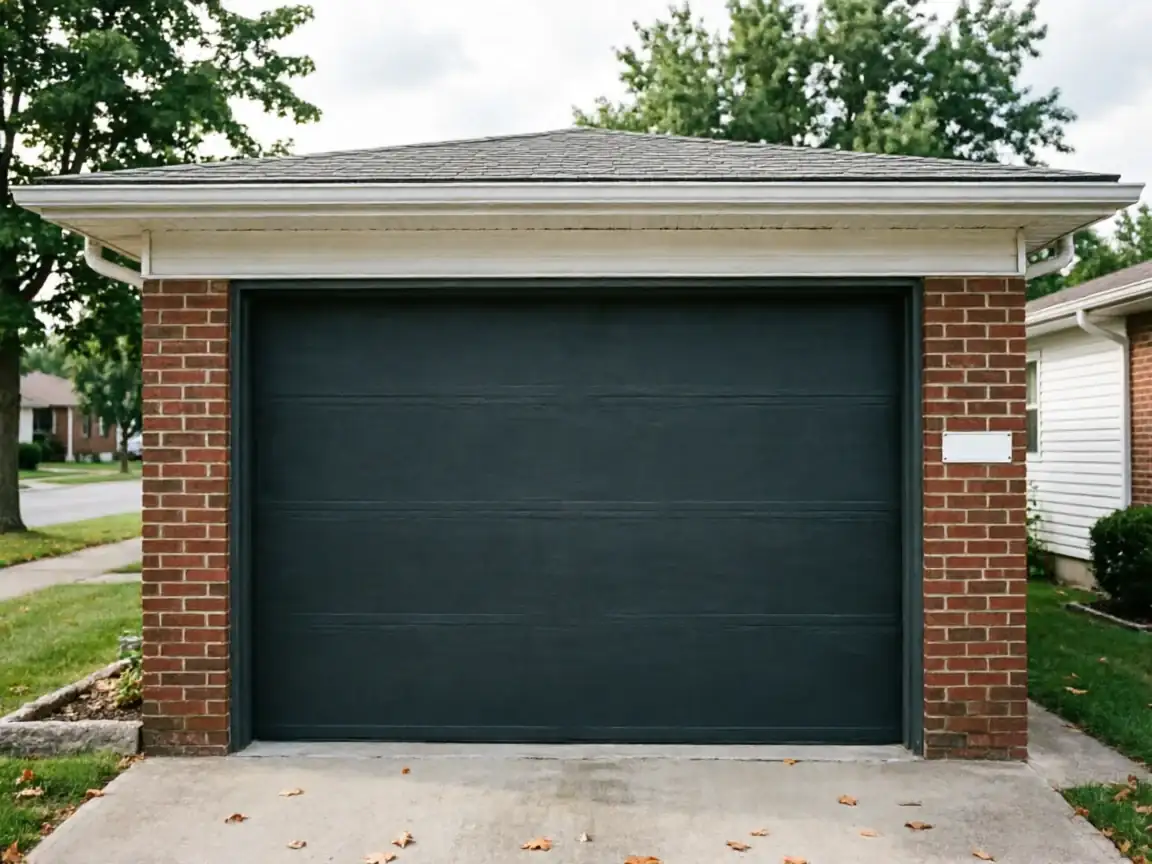
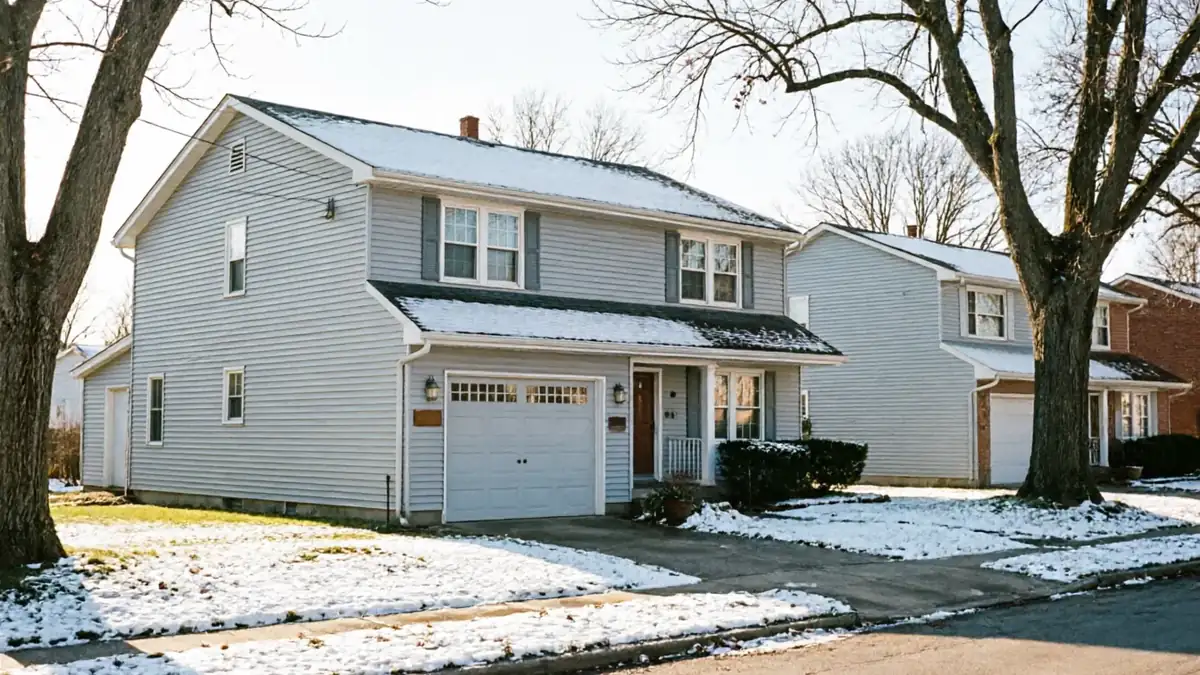
Most houses in Eagan went up between 1956 and 2004, with the median landing around 1973, and that matters because a door and its hardware from that build era have had decades to fatigue. Across the city's 37 named neighborhoods, the bulk of the housing stock dates to the 1960s and 70s, which means a lot of garages are still running torsion springs, drums, and track brackets sized for the original builder-grade door - not whatever heavier insulated door got swapped in later without anyone resizing the spring to match.
Eagan sits in a cold, moderate climate band, and that cold does specific damage: steel contracts and stiffens lubricant on tracks and hinges, nylon rollers that were already brittle from age crack outright on the first hard freeze, and torsion springs that are already near the end of their cycle count tend to let go on the coldest mornings rather than the mild ones. A door that's been limping along fine through summer can fail the first week temperatures drop.
We work throughout Eagan and into nearby Mendota Heights, about five miles east, and Inver Grove Heights, also around five miles out, so we see the same housing-era patterns repeat across that stretch of the metro.