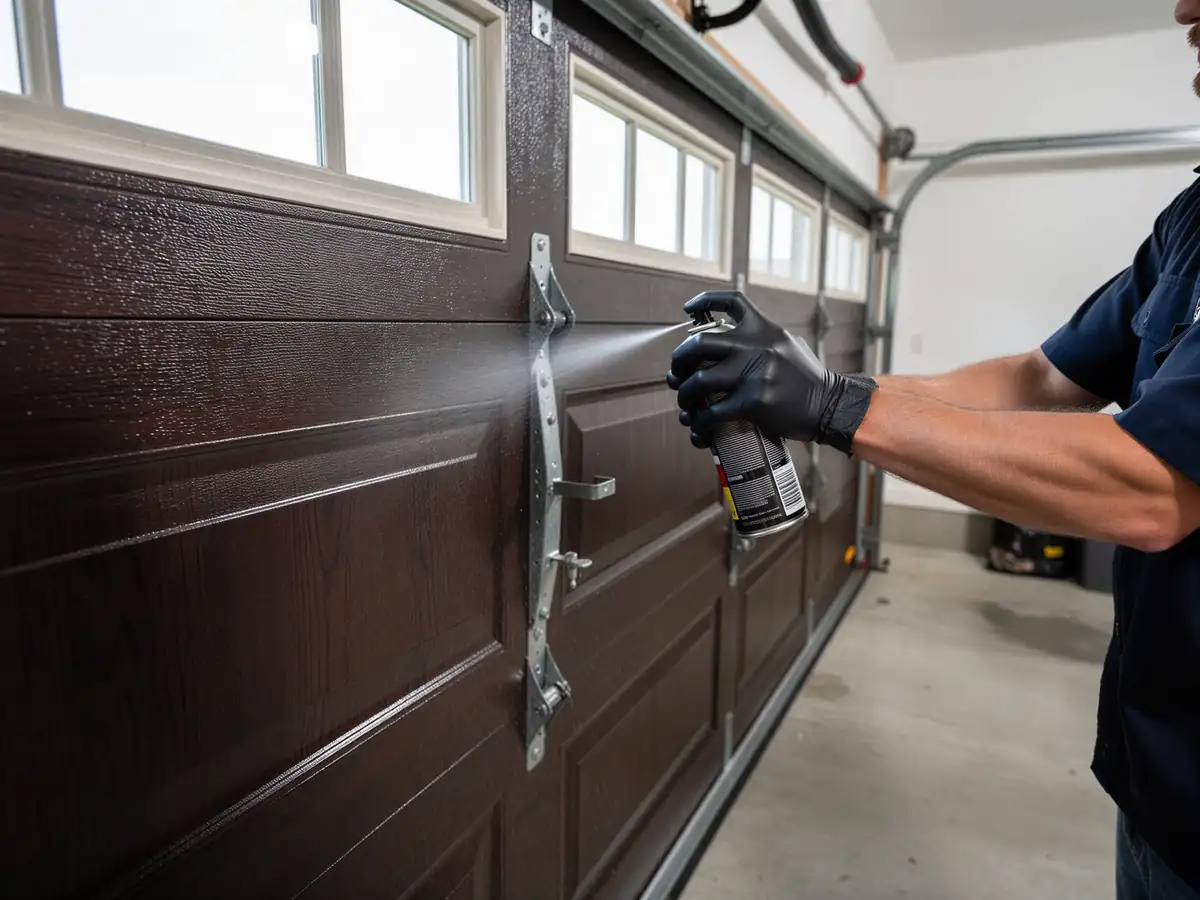
How We Fix It
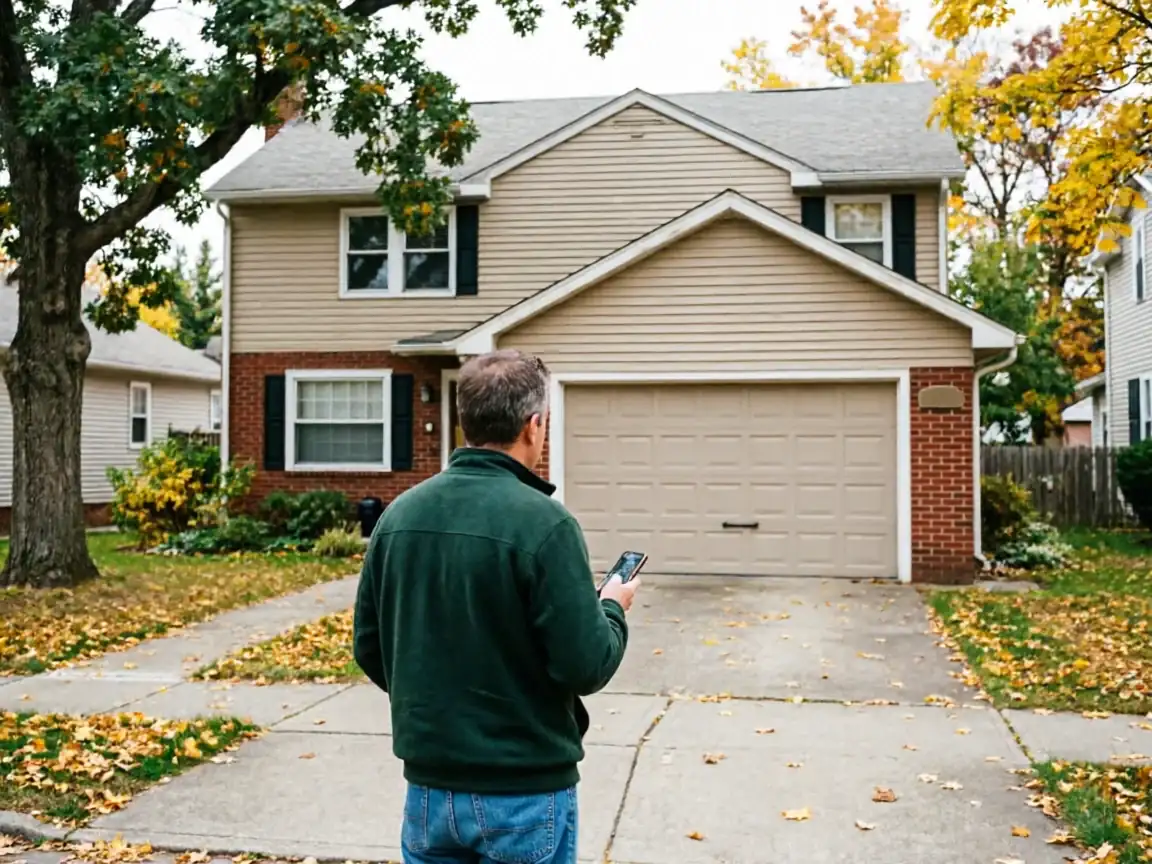
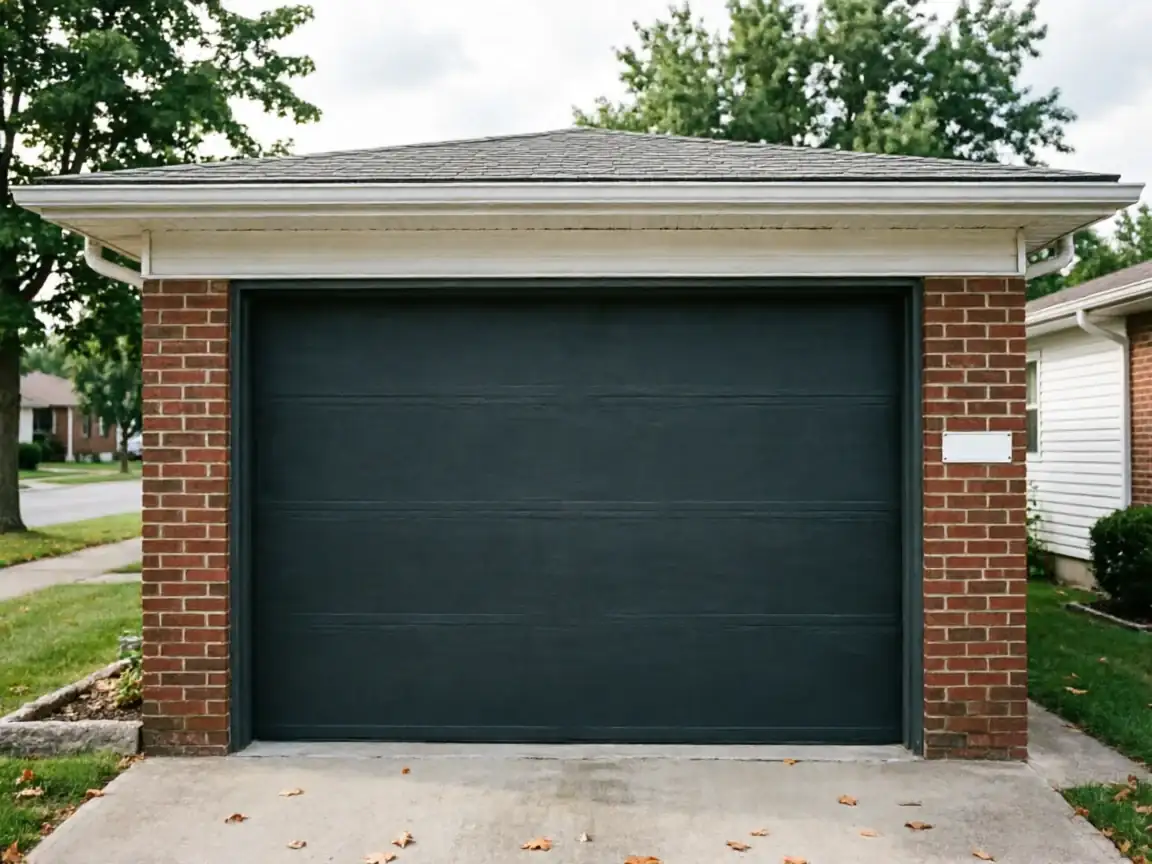
Installation here starts with the opening, not the catalog. Most of Eagan's housing stock went up between 1956 and 2004, with the heavy concentration in the 1960s and 70s across the city's 37 named neighborhoods, so a lot of openings are framed to specs nobody uses on new construction anymore. We measure the jamb, header, and track clearance before we talk panel style, because a door that looks right in a brochure can bind on an opening built to an older standard.
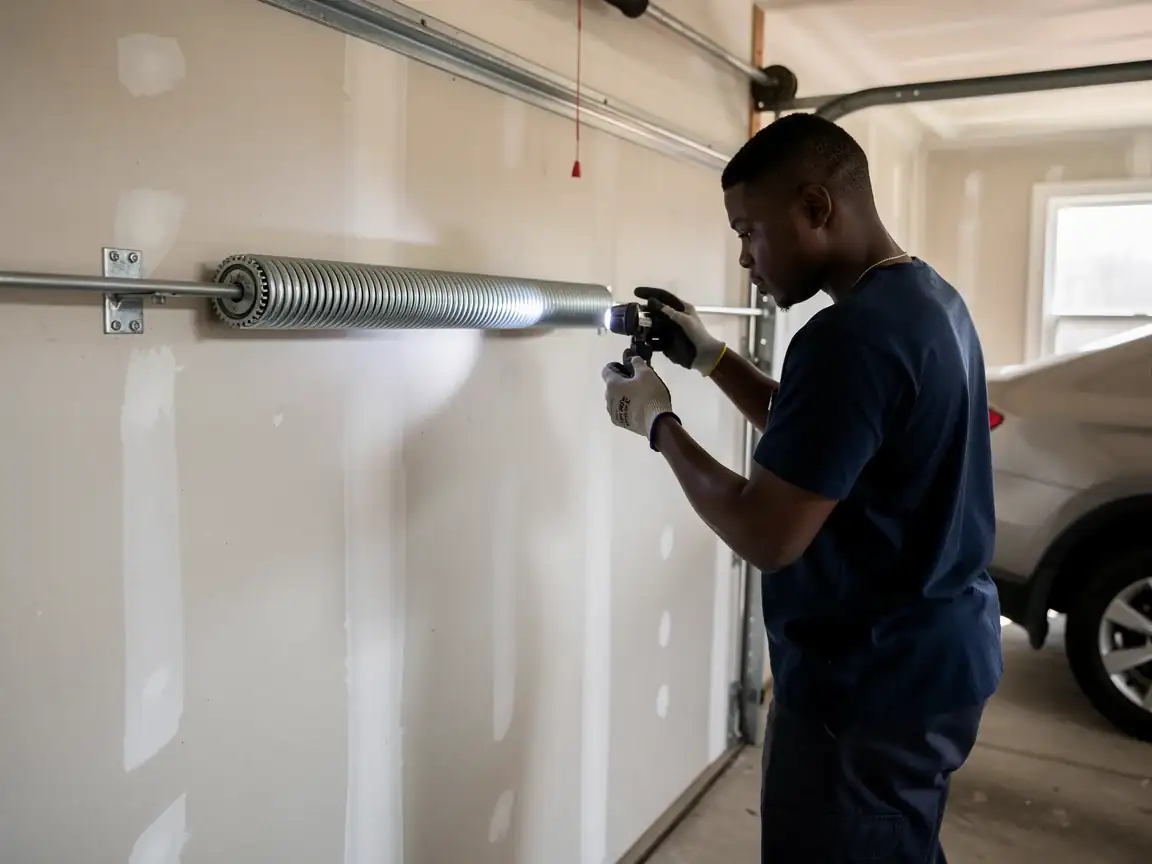
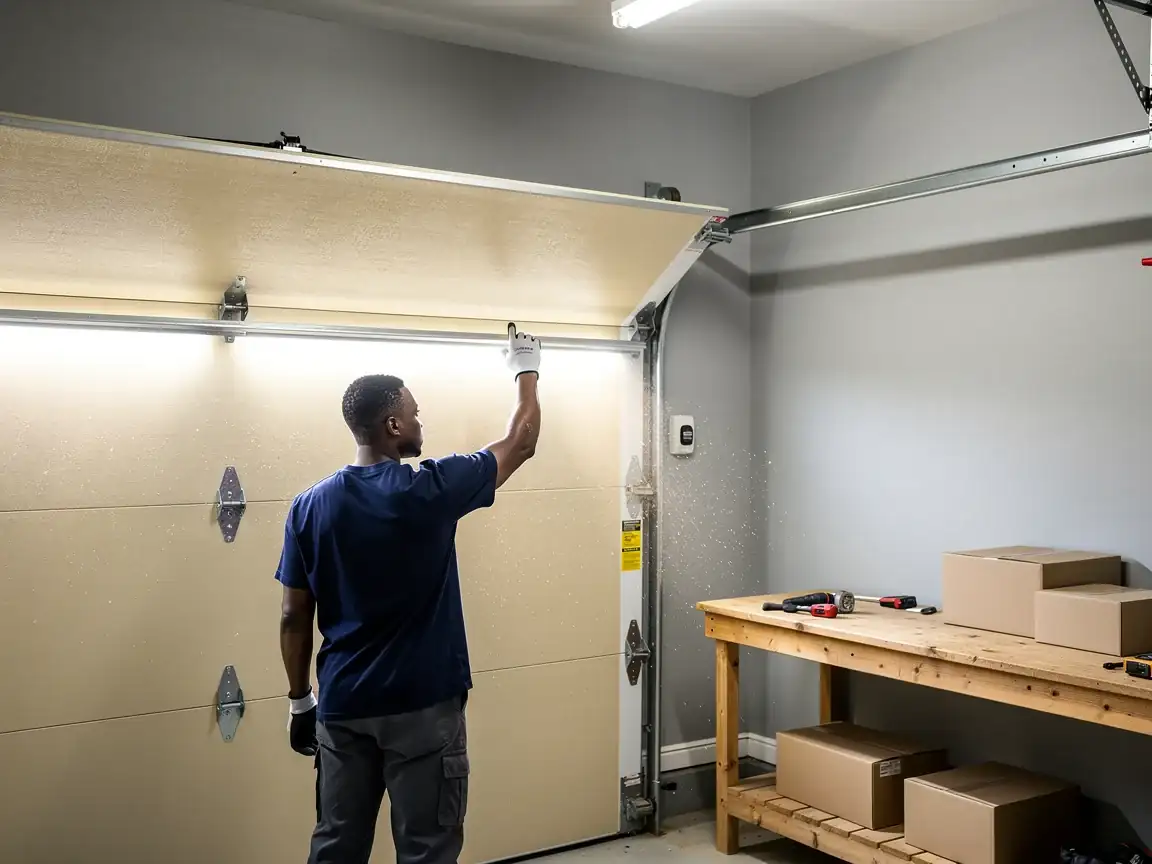
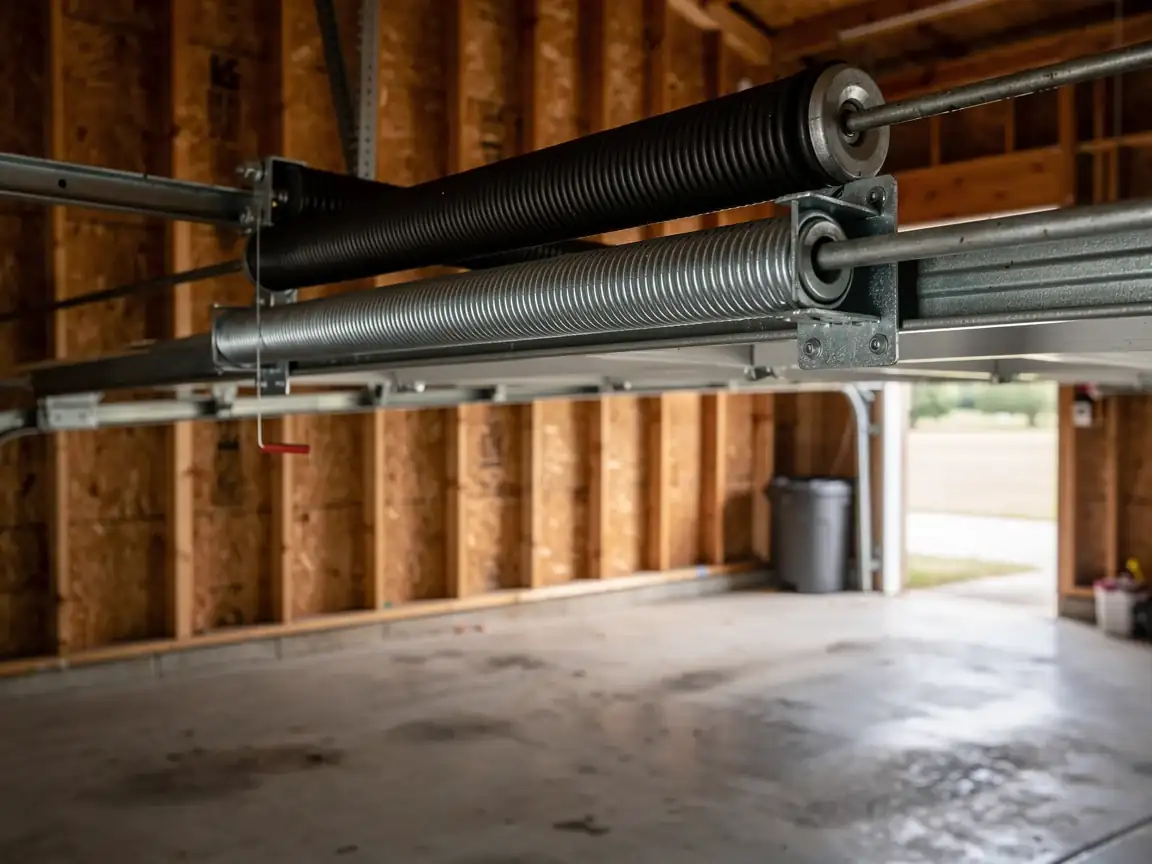
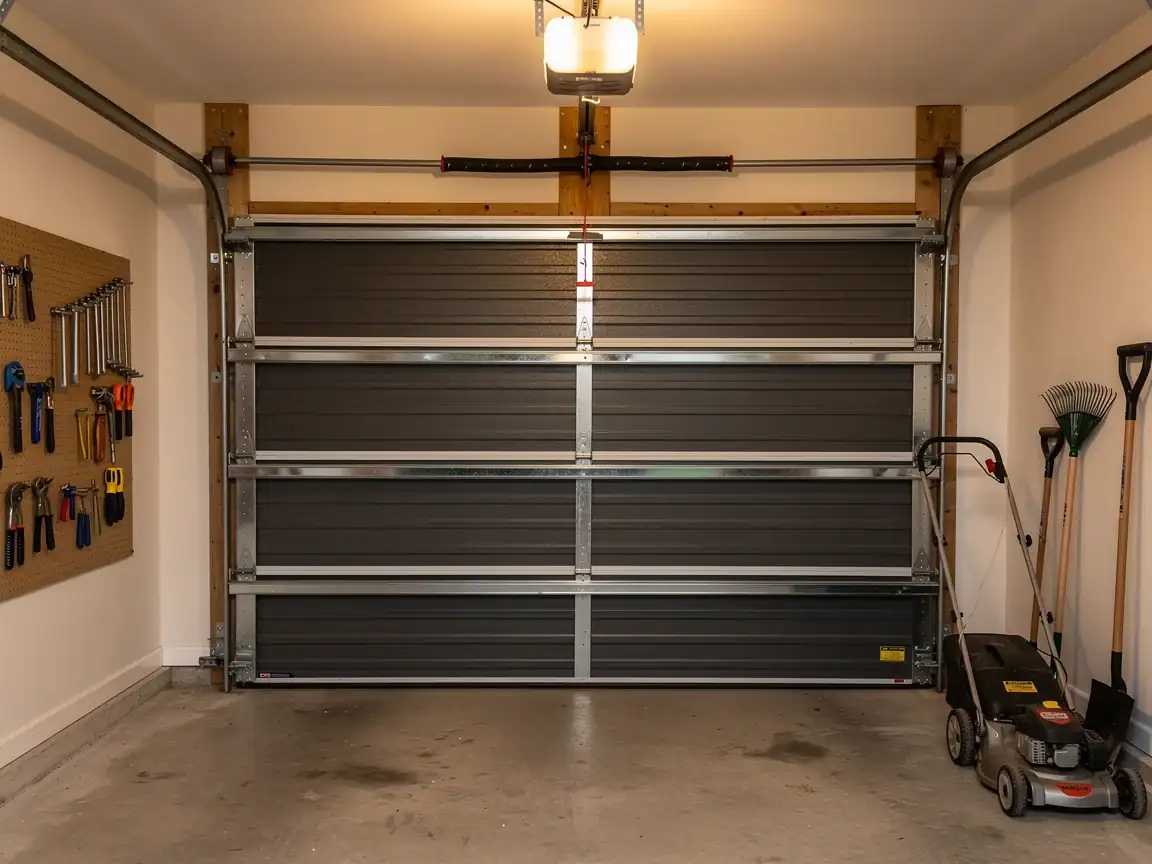
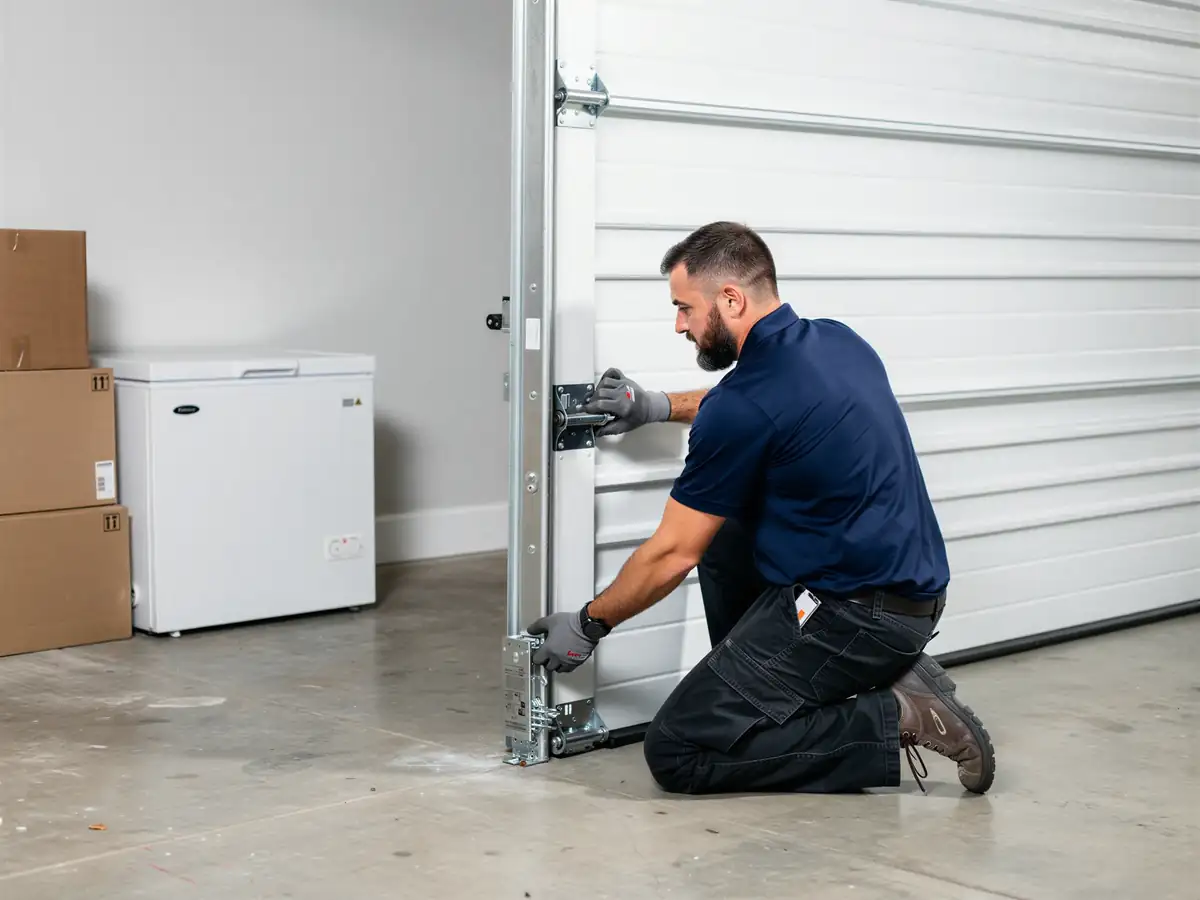
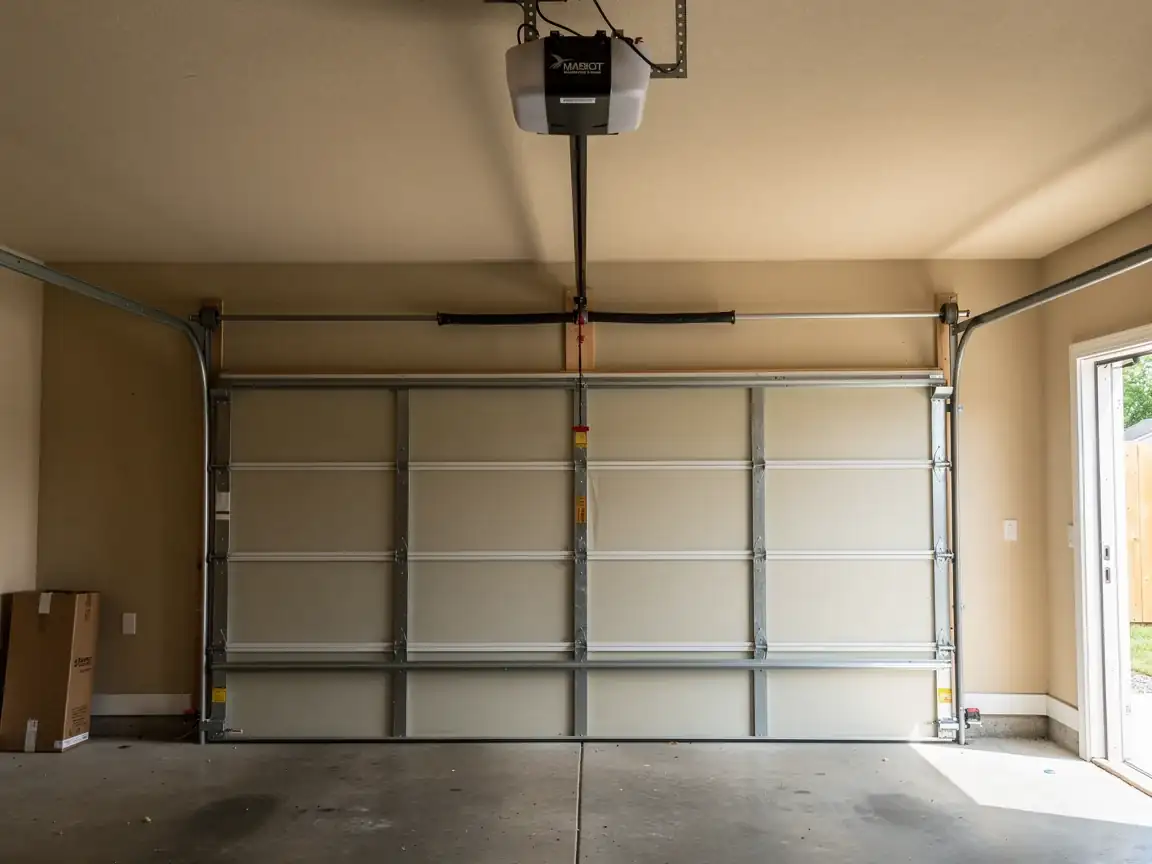
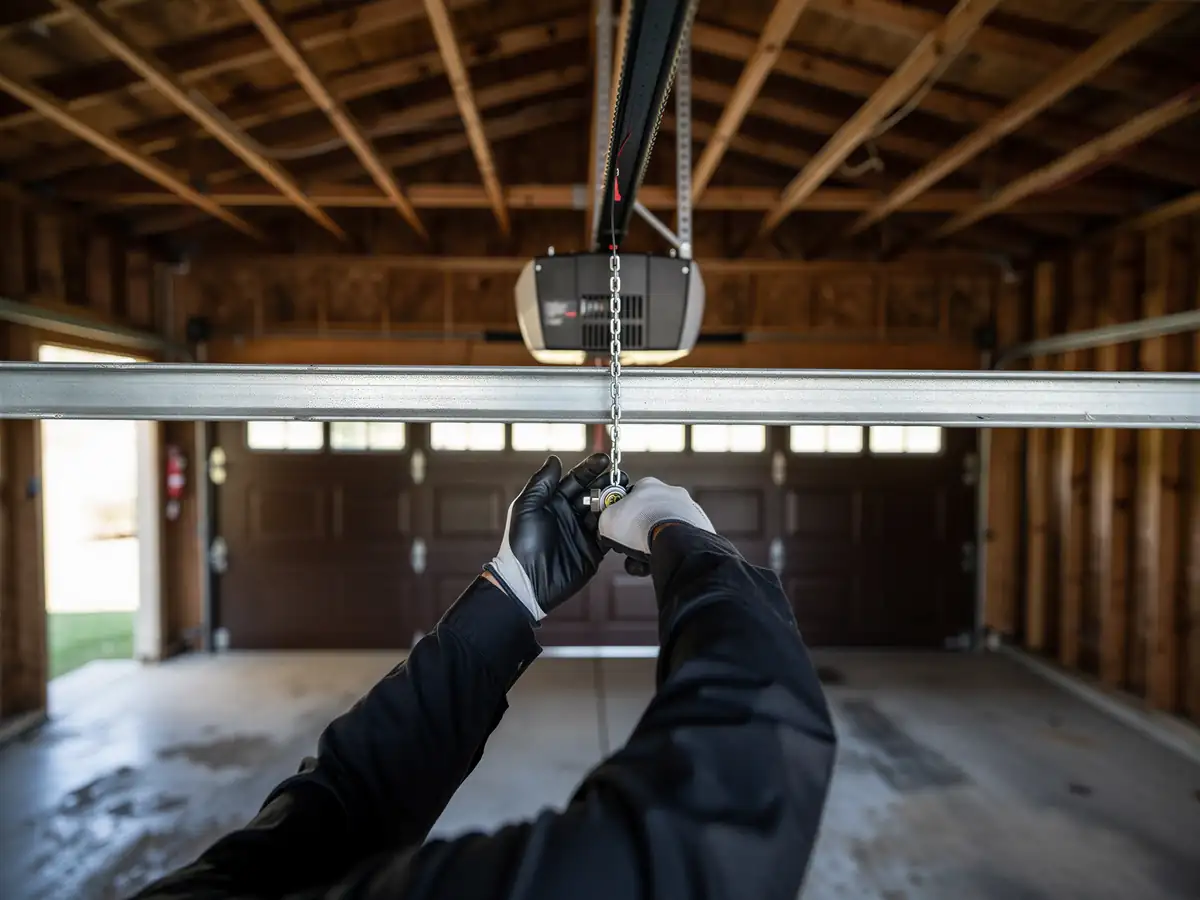
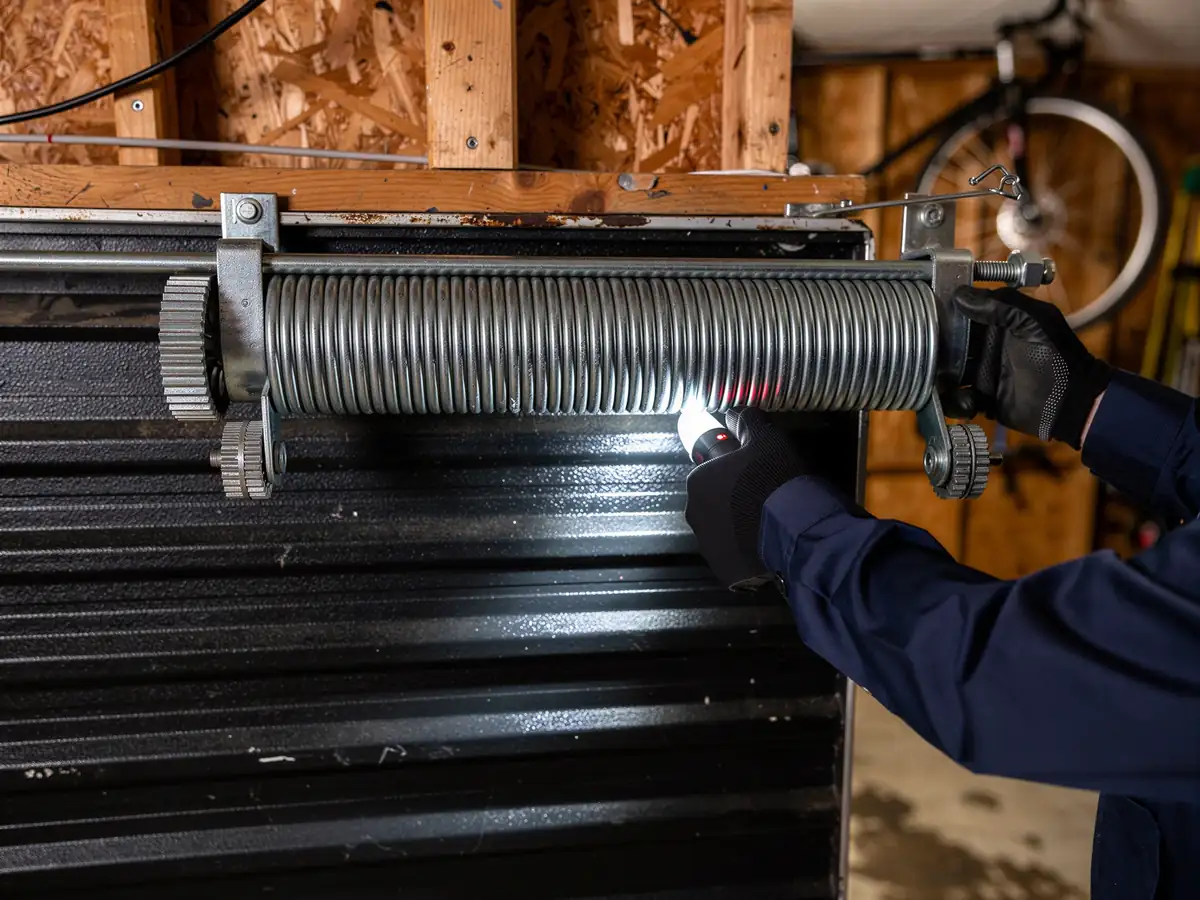
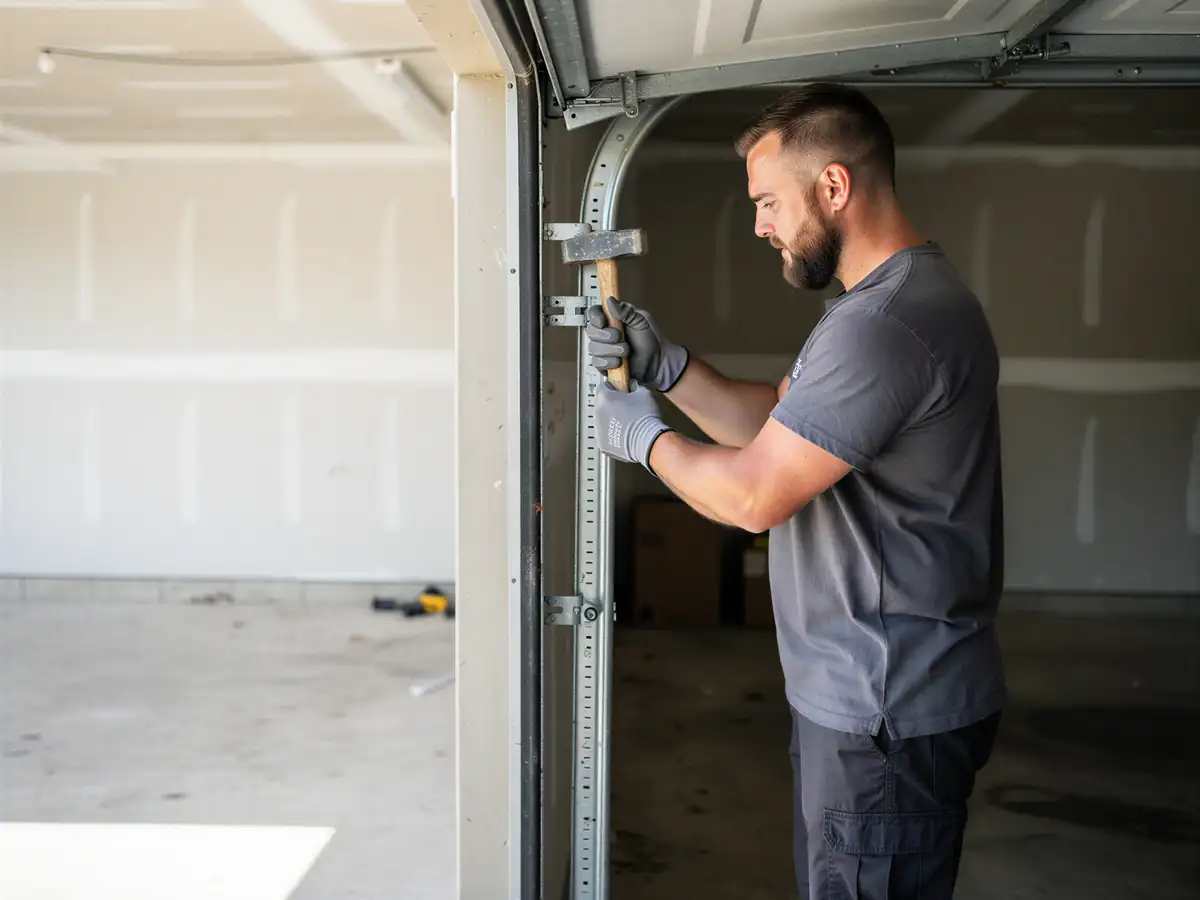
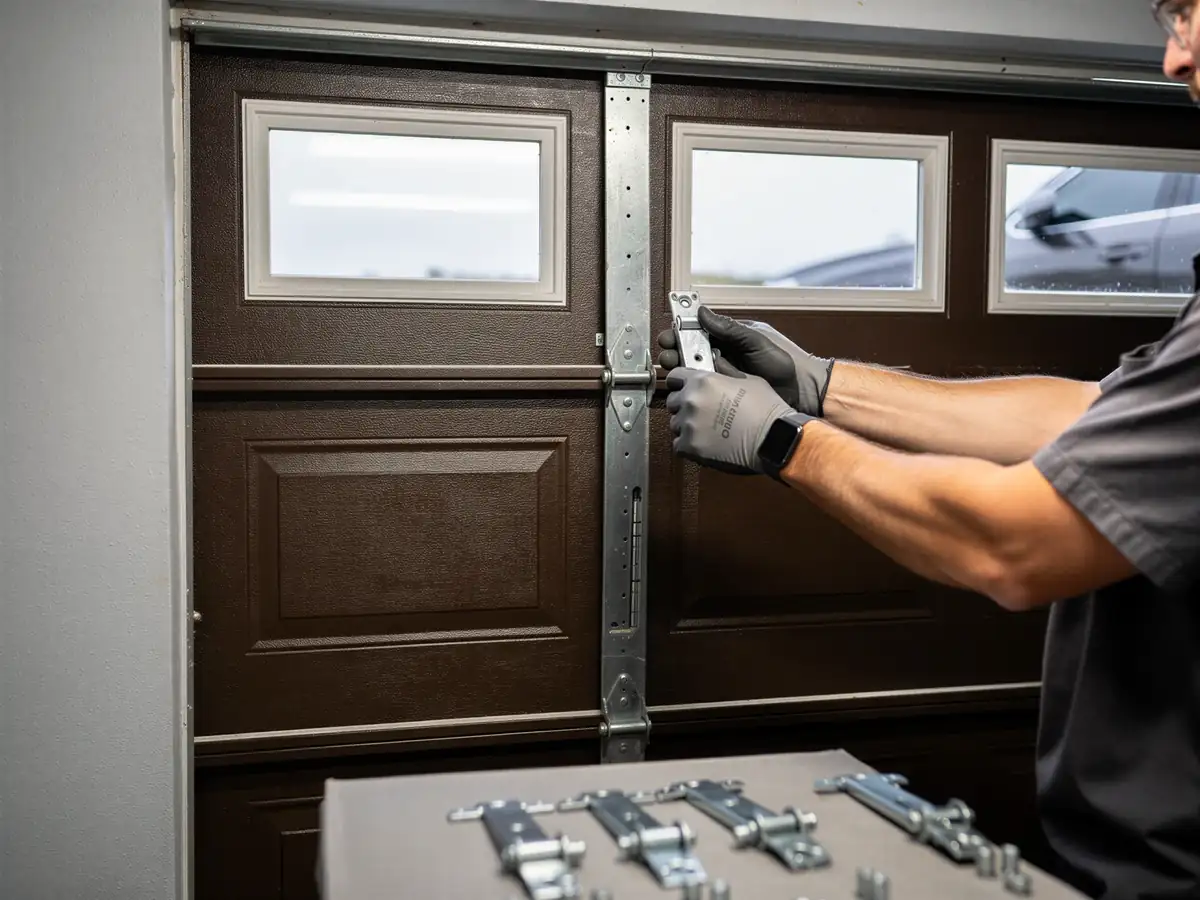
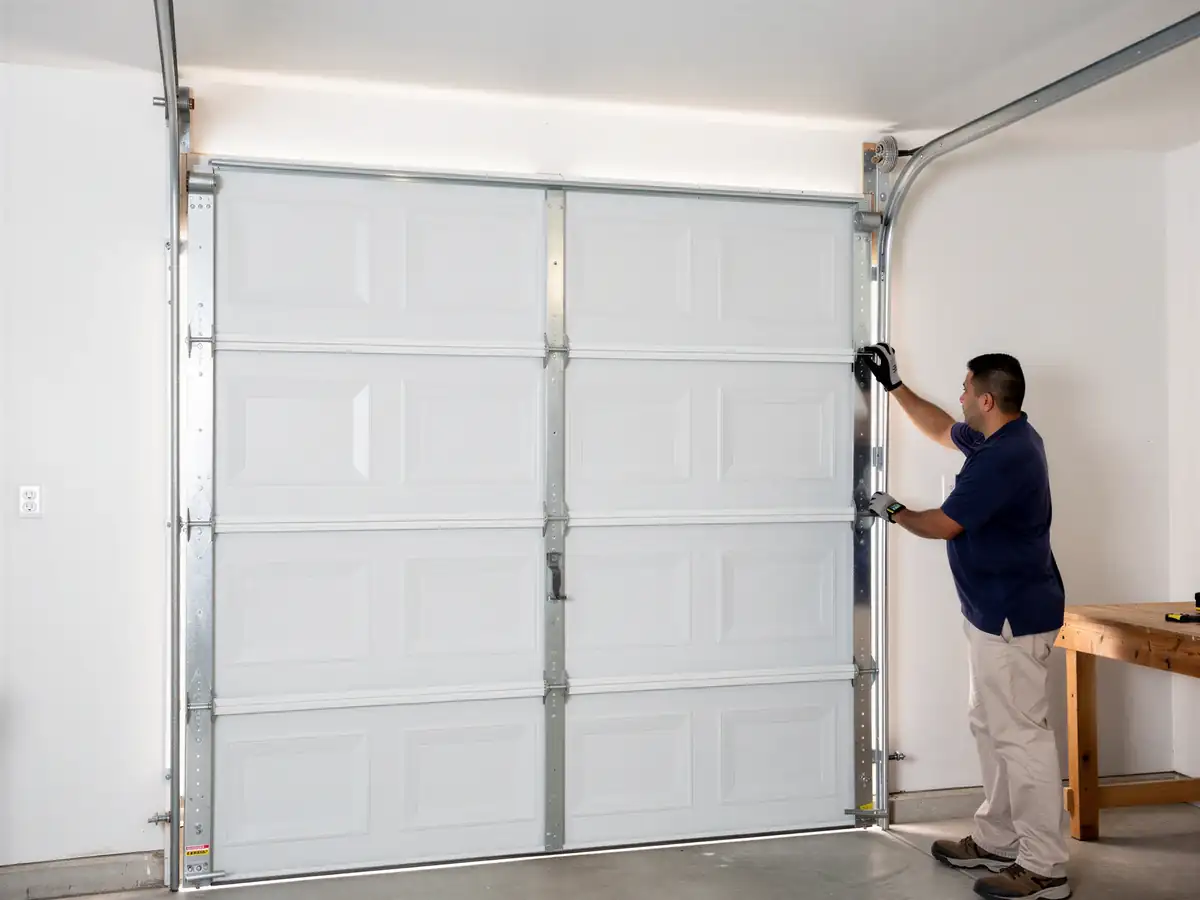
Once we've got real measurements, we pull the old door, track, and springs as a set rather than bolting a new door onto hardware that's already stretched or pitted. On a torsion setup we size the spring to the new door's actual weight - insulated steel runs heavier than the single-layer doors a lot of these houses started with, and an undersized spring will shorten the life of the opener fast. We set the new track plumb, balance the door by hand before the opener ever touches it, and test the auto-reverse and force settings before we call it done. We serve the area out to Mendota Heights, Inver Grove Heights, and West St. Paul as well, so the crew is used to this same mix of original openings and later additions.
We don't rush the balance check. A door that closes fine under power but is out of balance by hand will wear the opener's gears early, and that's a callback nobody wants.
What It Costs
We're not going to put a number here that we can't back up
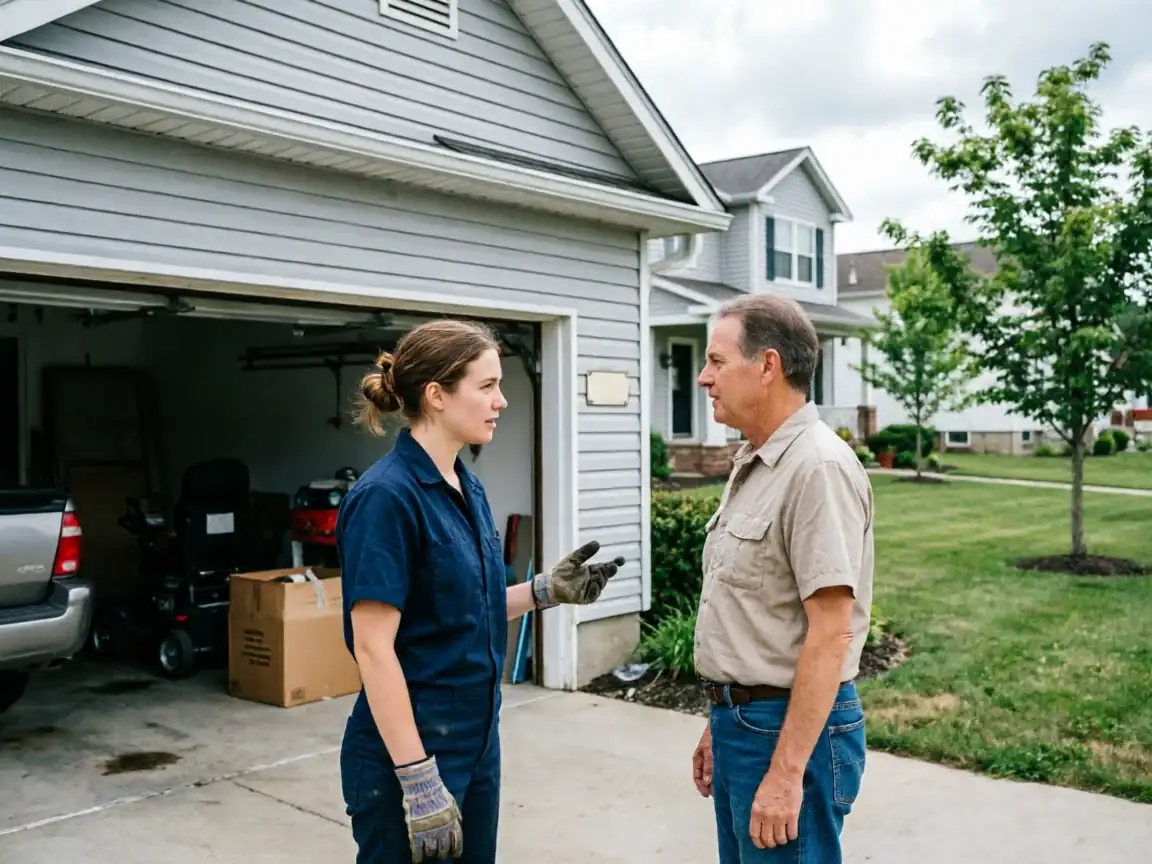
Every install is priced off the actual opening, door material, and whatever track or header work the house needs, and that varies more than people expect once you're dealing with houses built across a 48-year span. What we can tell you is how we scope it: a walk-through of the opening, a look at the existing track and spring type, and a written quote before anything gets ordered.
Across the service area, median household income runs $92,940
And most of the jobs we quote land in the range where a full replacement makes more sense long-term than another patch repair on a door that's already past its working life. That's a budgeting fact, not a price - we still won't quote a number sight unseen, because a door on a garage with an odd header height or an attached opener mount can add labor that a flat online price would hide.
- $92,940 median household income
One honest limitation
If your opening needs structural framing work, that's outside what we price as a straight door swap, and we'll say so before we start rather than after.
What You Are Seeing
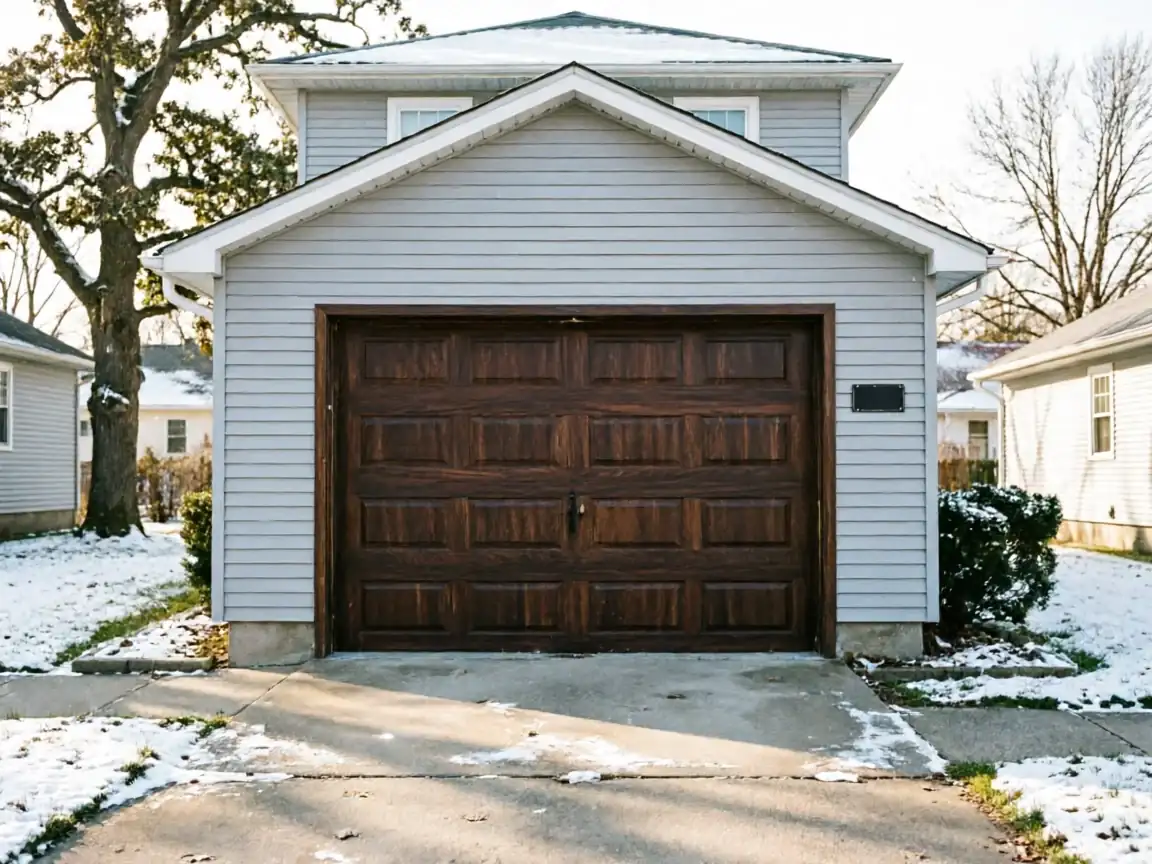
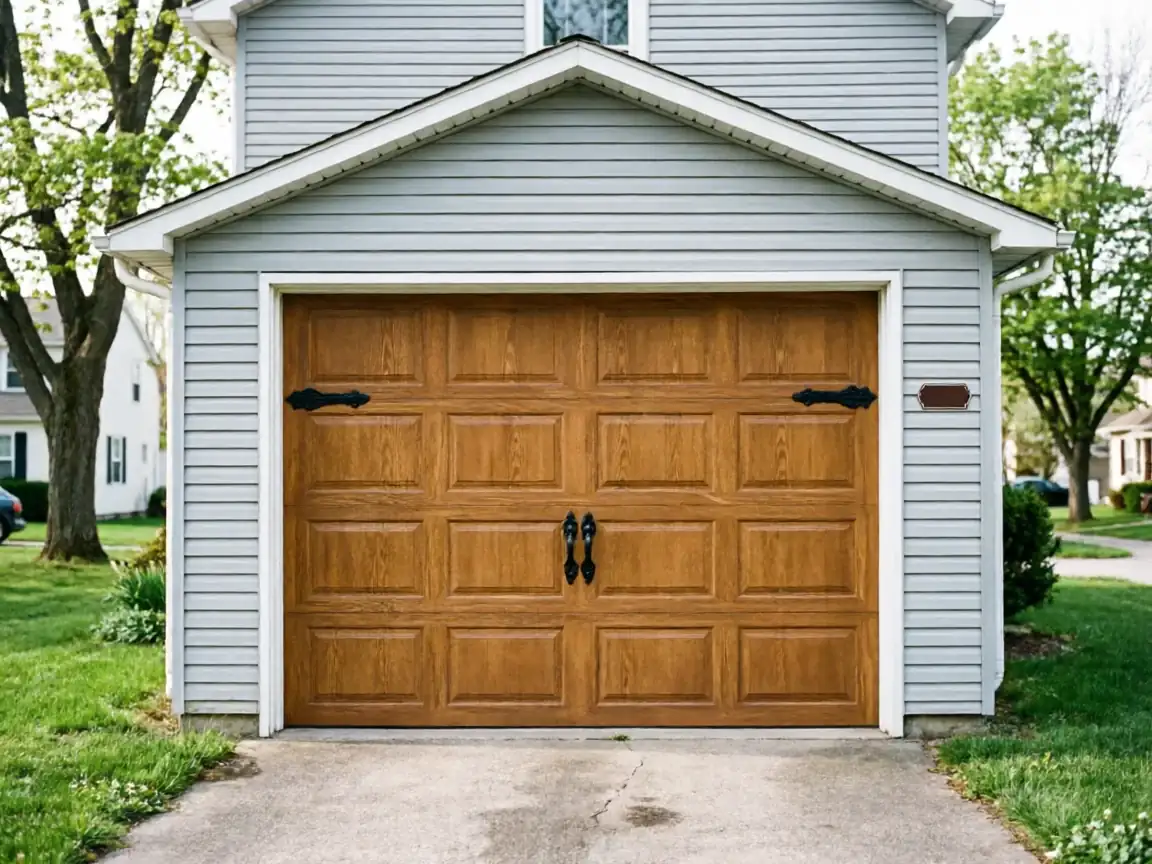
If your door is original to the house, you're probably looking at a single-layer steel panel door, maybe with a chain-drive opener from whenever the house got its first automatic opener added. Dents along the bottom panel, a track that's visibly bowed at the roller, or a door that drops the last foot instead of lowering evenly - those are wear patterns we see constantly on houses from this build era, not isolated problems.
Across the service area there are 104,140 owner-occupied houses out of 241,852 households, and a large share of them are sitting on garage doors and openers that predate the current insulation and safety-reversal standards. You'll also sometimes see daylight at the bottom seal even when the door is fully closed - that's usually the door itself warping slightly, not a track problem, and it's a sign the panel material has reached the end of its service life rather than something a repair will fix for good.
If your opener is original too, the motor housing often shows yellowing or cracking from UV and temperature swings in the garage, which is a separate replacement decision from the door itself.
What Causes It Around Here
Eagan sits in a cold, moderate climate band, and that matters more for garage doors than people assume. A door that cycles through hard freezes and spring thaw every year puts repeated stress on steel panels and on any wood trim around the opening, and on houses from the 1960s and 70s that steel wasn't galvanized or coated the way it is now. Thirty, forty, fifty years of that cycle is what you're seeing when a panel has gone soft at the bottom corners or a track has rusted at the mounting brackets.
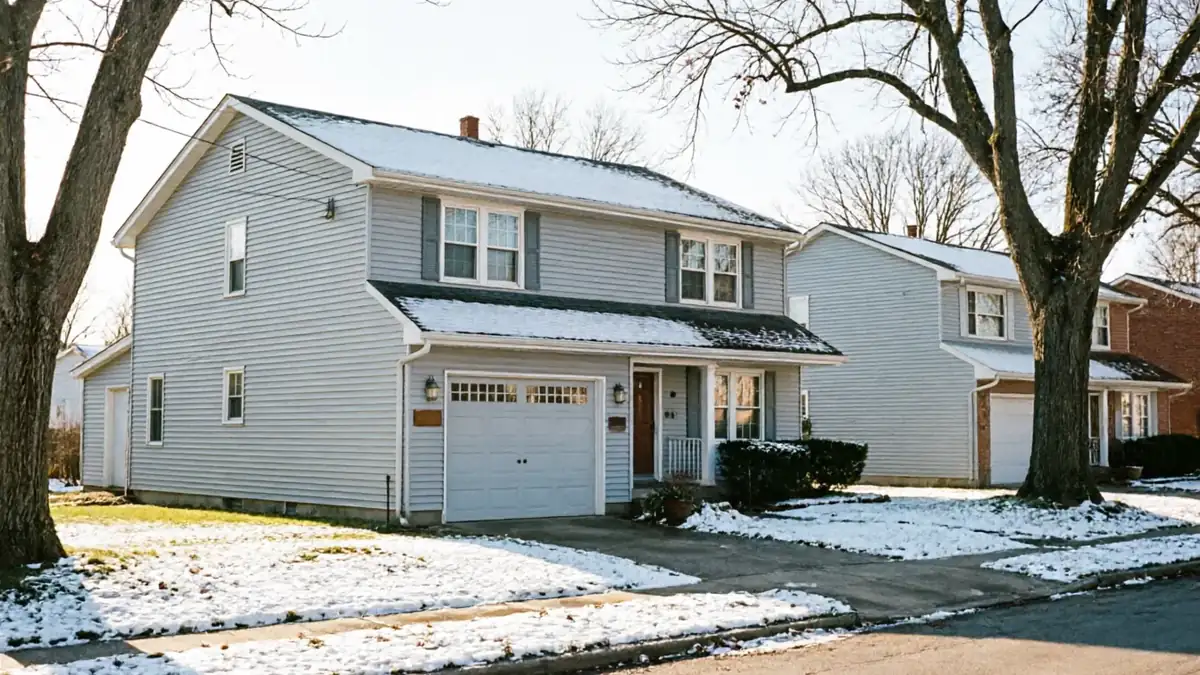
The building stock itself plays into it too - most of Eagan's housing dates to 1956 through 2004, median right around 1973, which puts a big share of doors at an age where the steel gauge, insulation, and spring systems are all behind current standards at once. It's not one failure, it's three systems aging together. That combination - older steel, original hardware, and a climate that runs cold enough to stiffen springs and crack weatherstripping every winter - is why full replacement comes up so often here instead of a single-part repair.