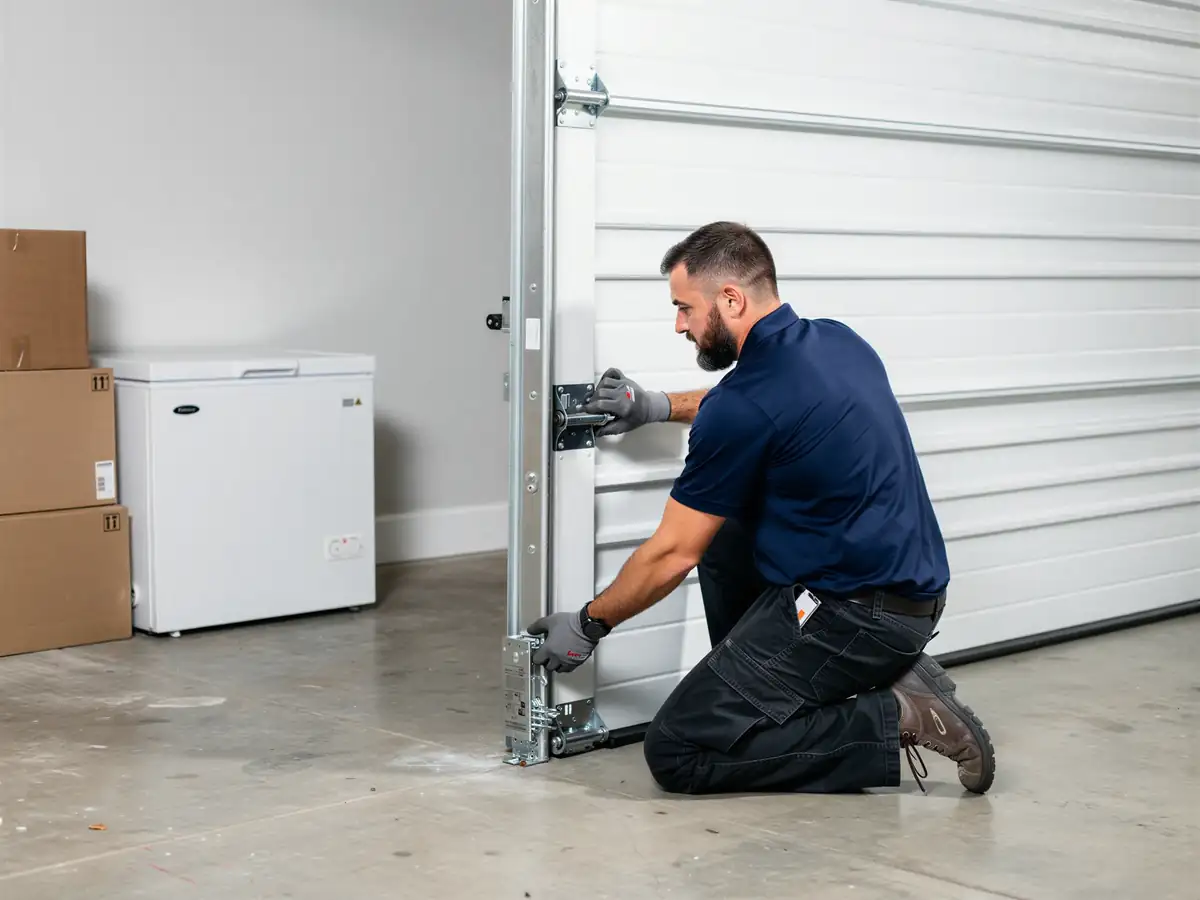
How We Fix It
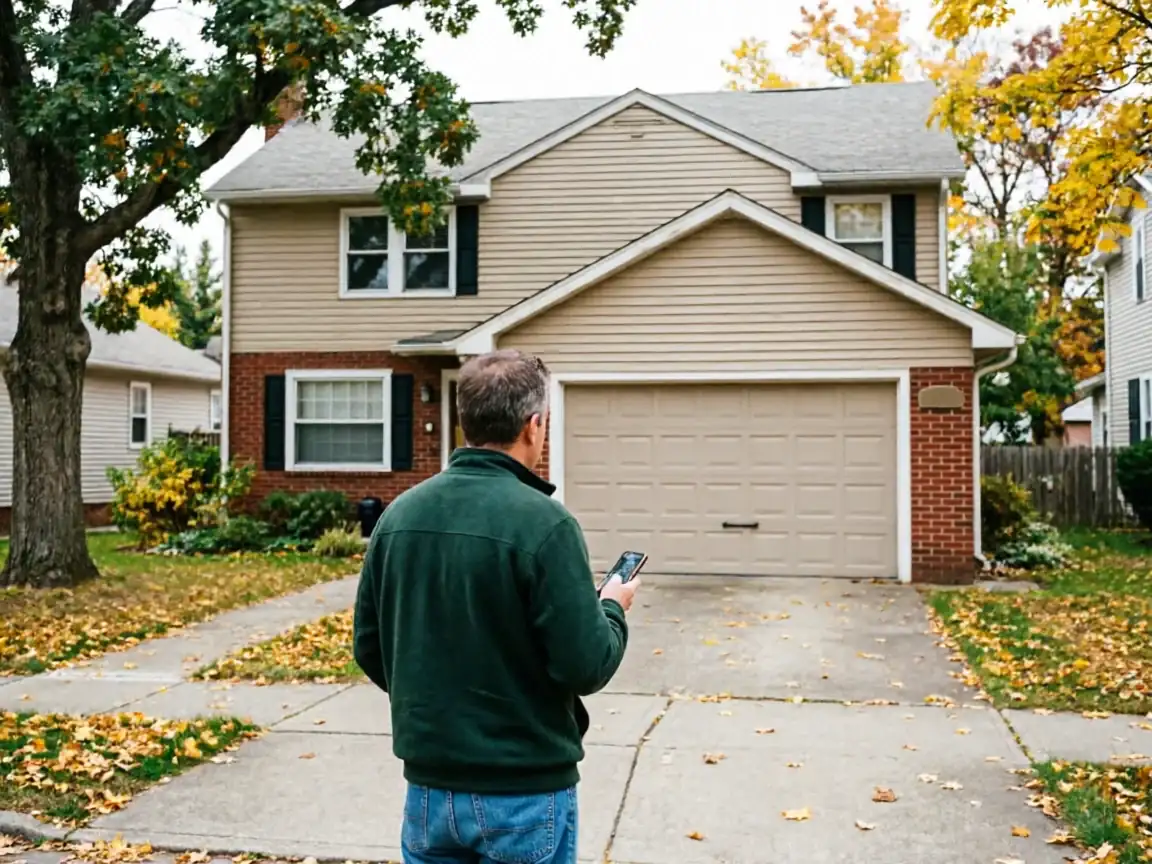
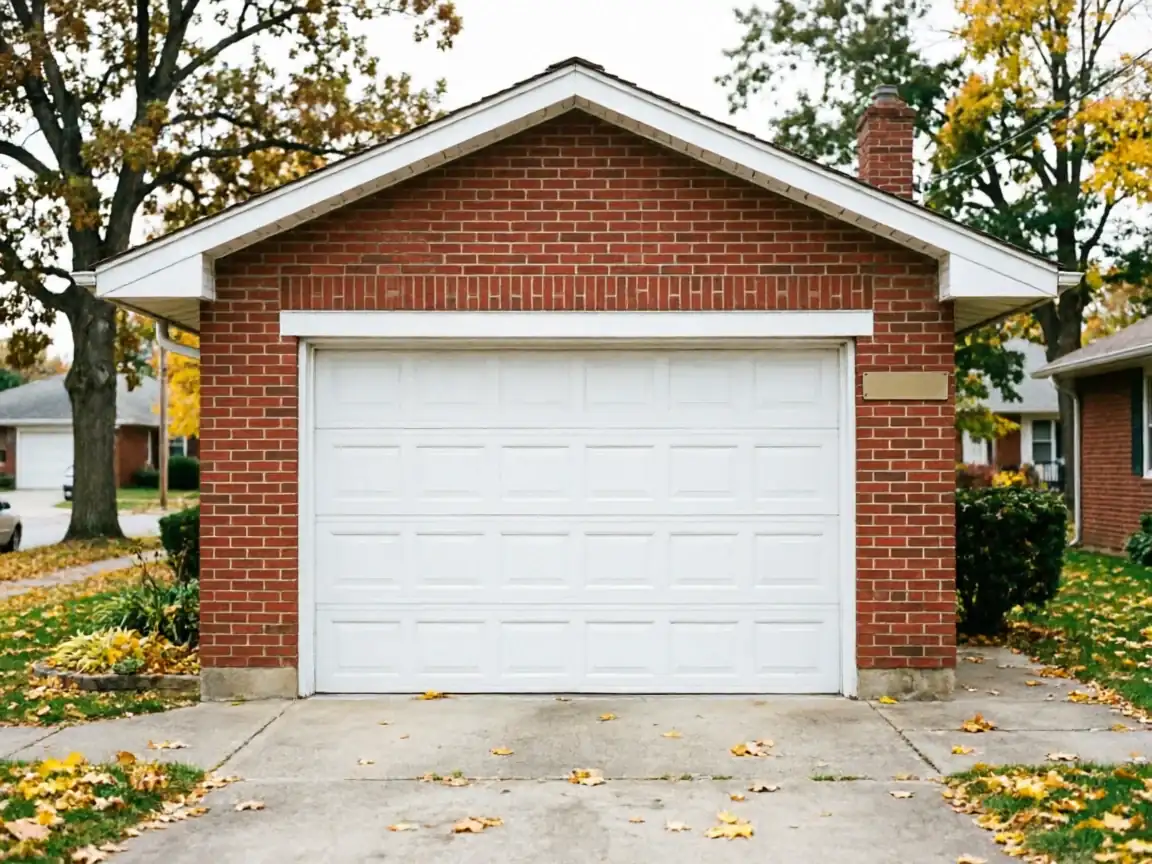
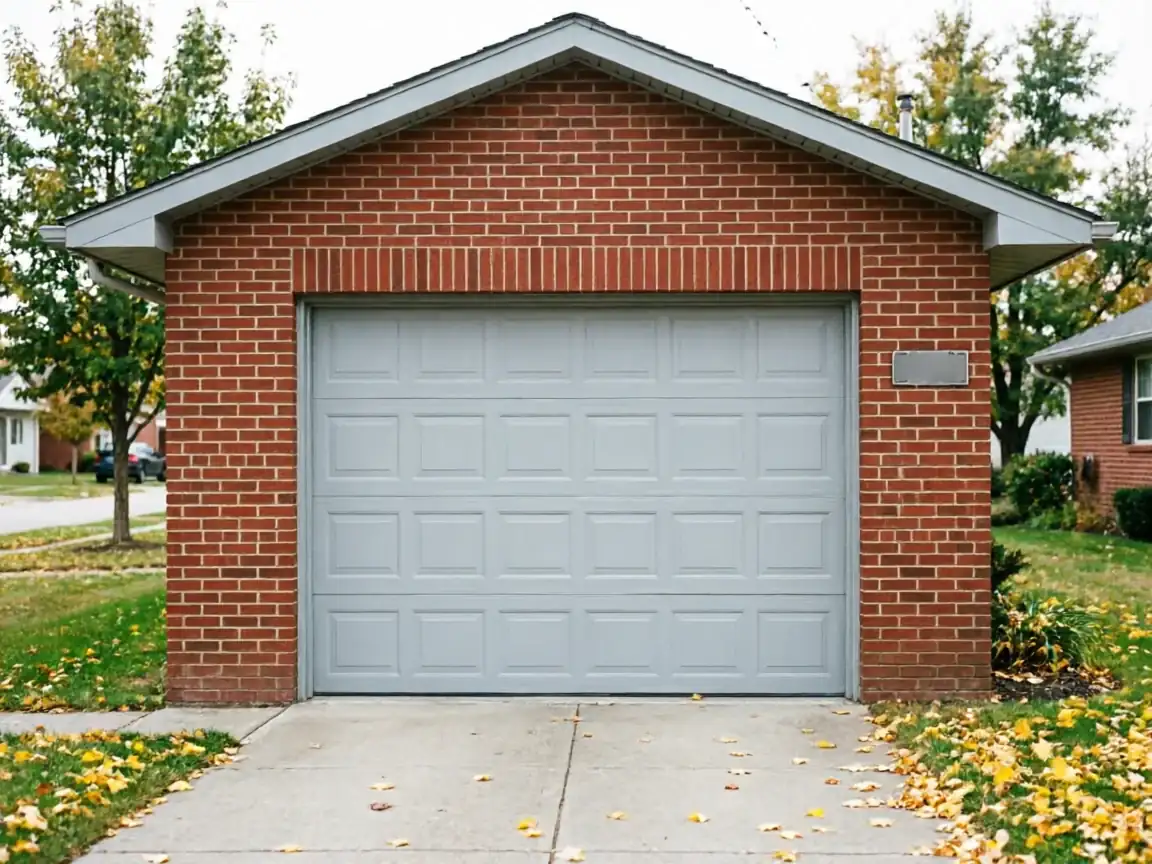
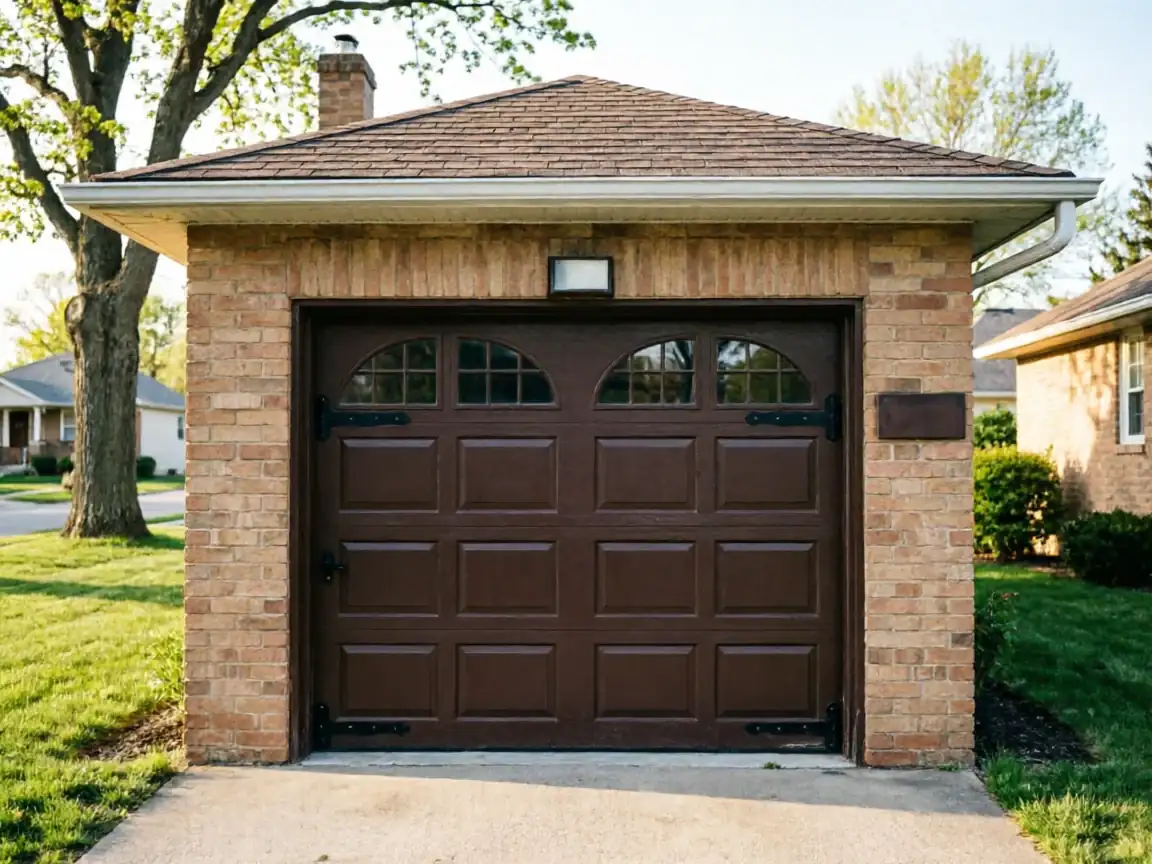
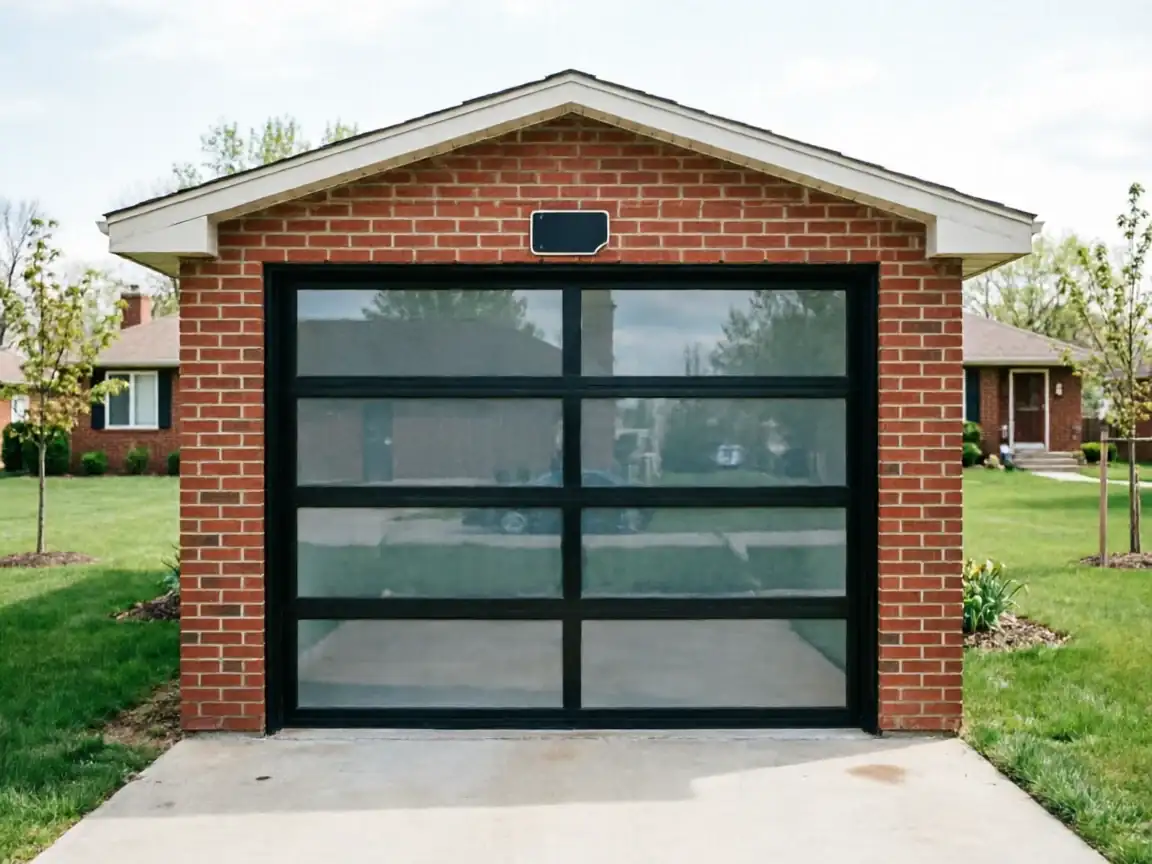
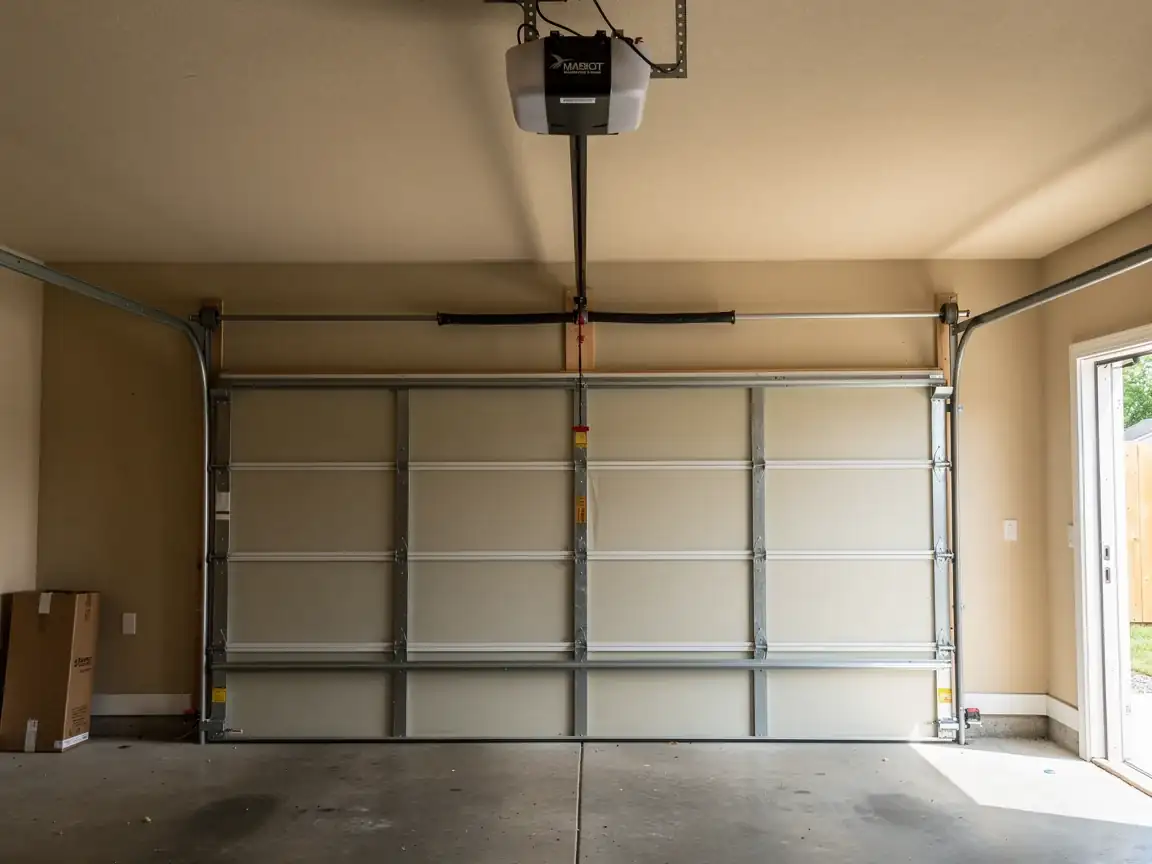
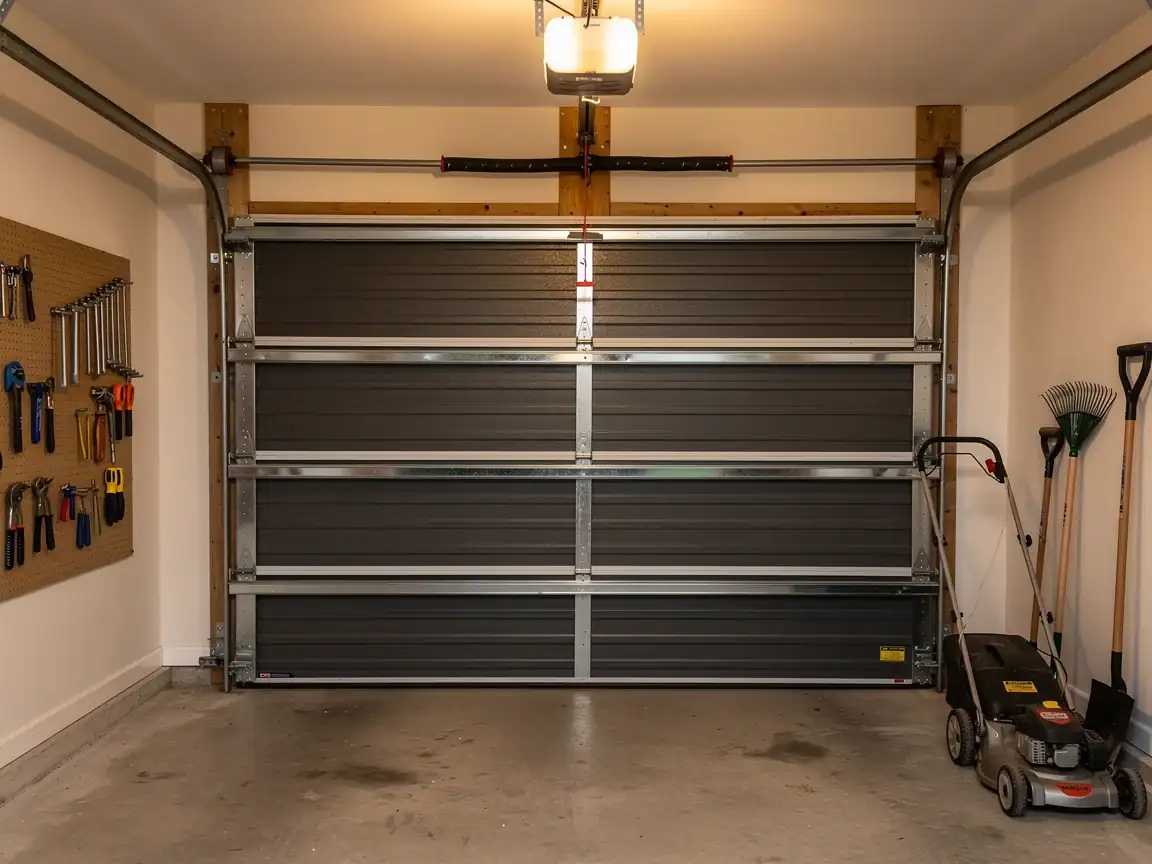
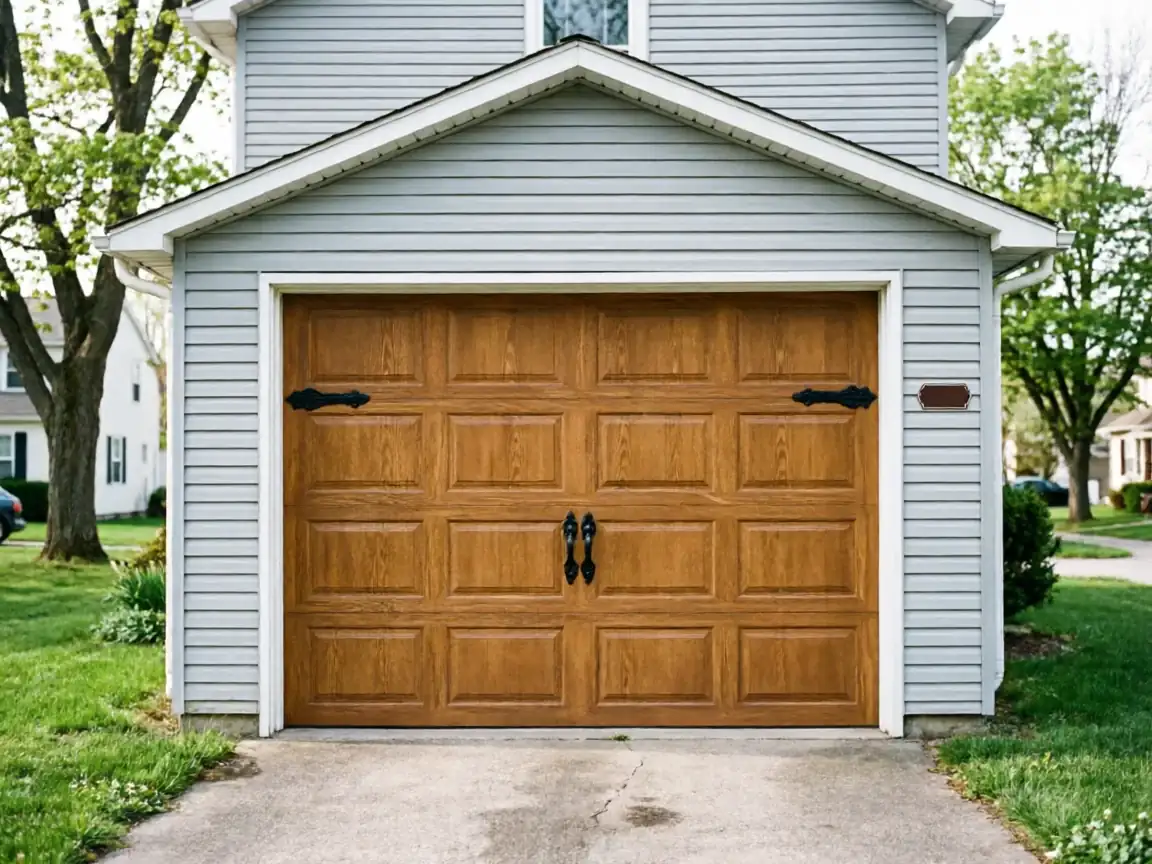
Most of the houses we get called to in Chanhassen went up in a narrow band around 1993, almost twenty years newer than the typical build year across the rest of the service area. That changes what breaks. Instead of original one-piece doors and ancient extension spring setups, we're dealing with builder-grade steel sectional doors on torsion hardware, paired with a first-generation chain or belt opener that's never been swapped out.
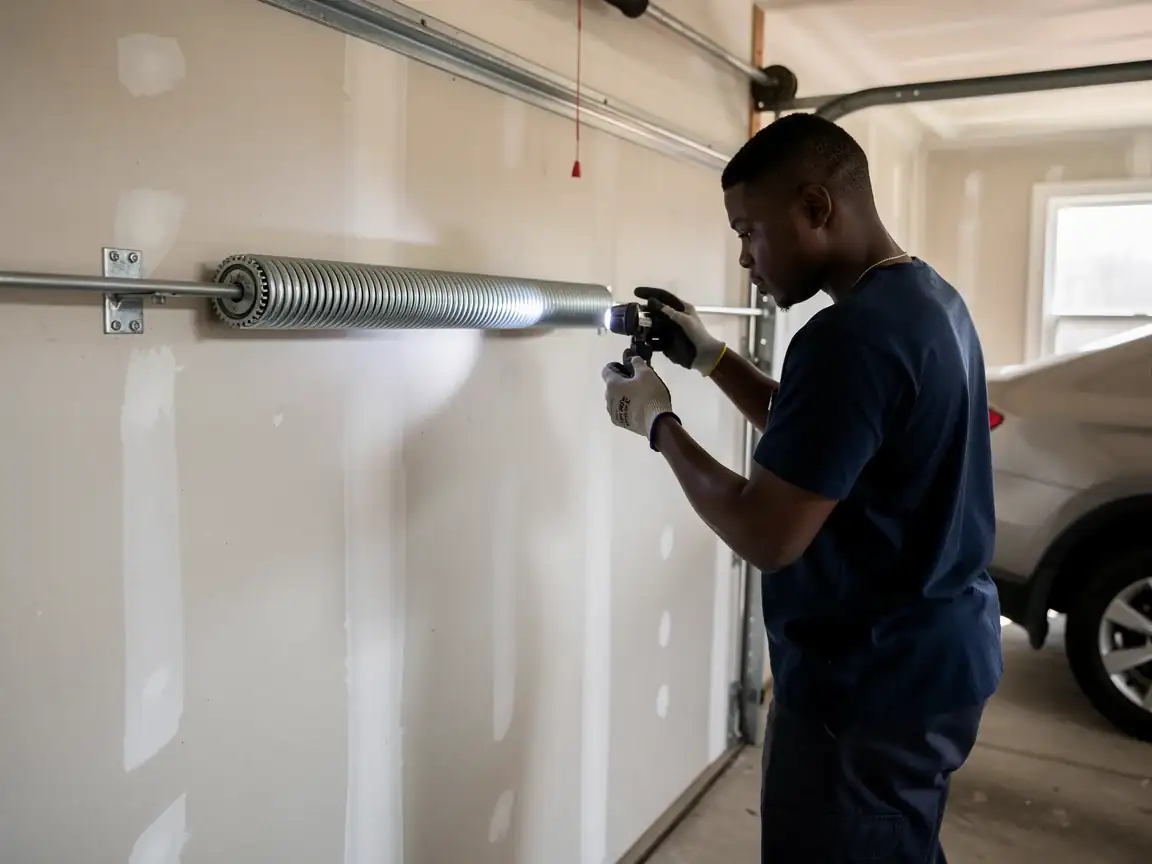
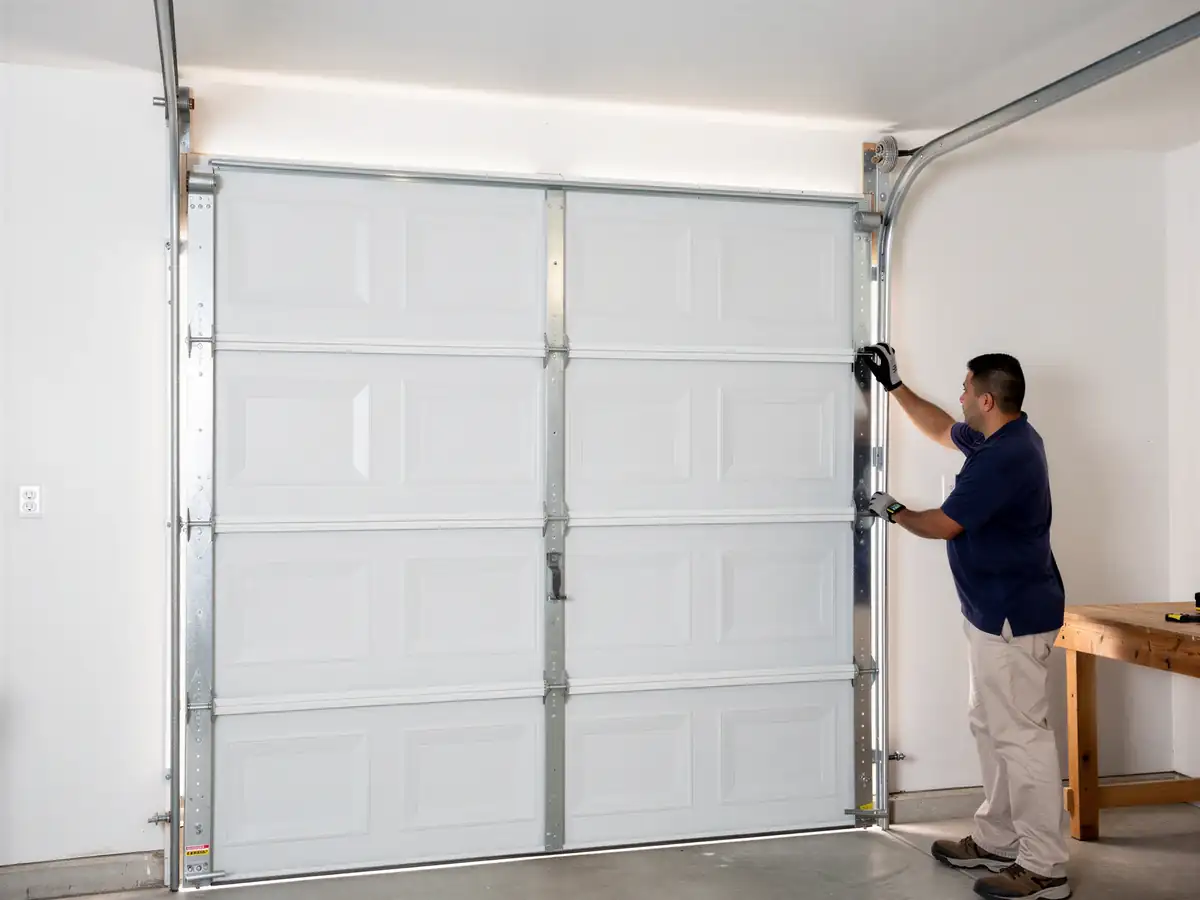
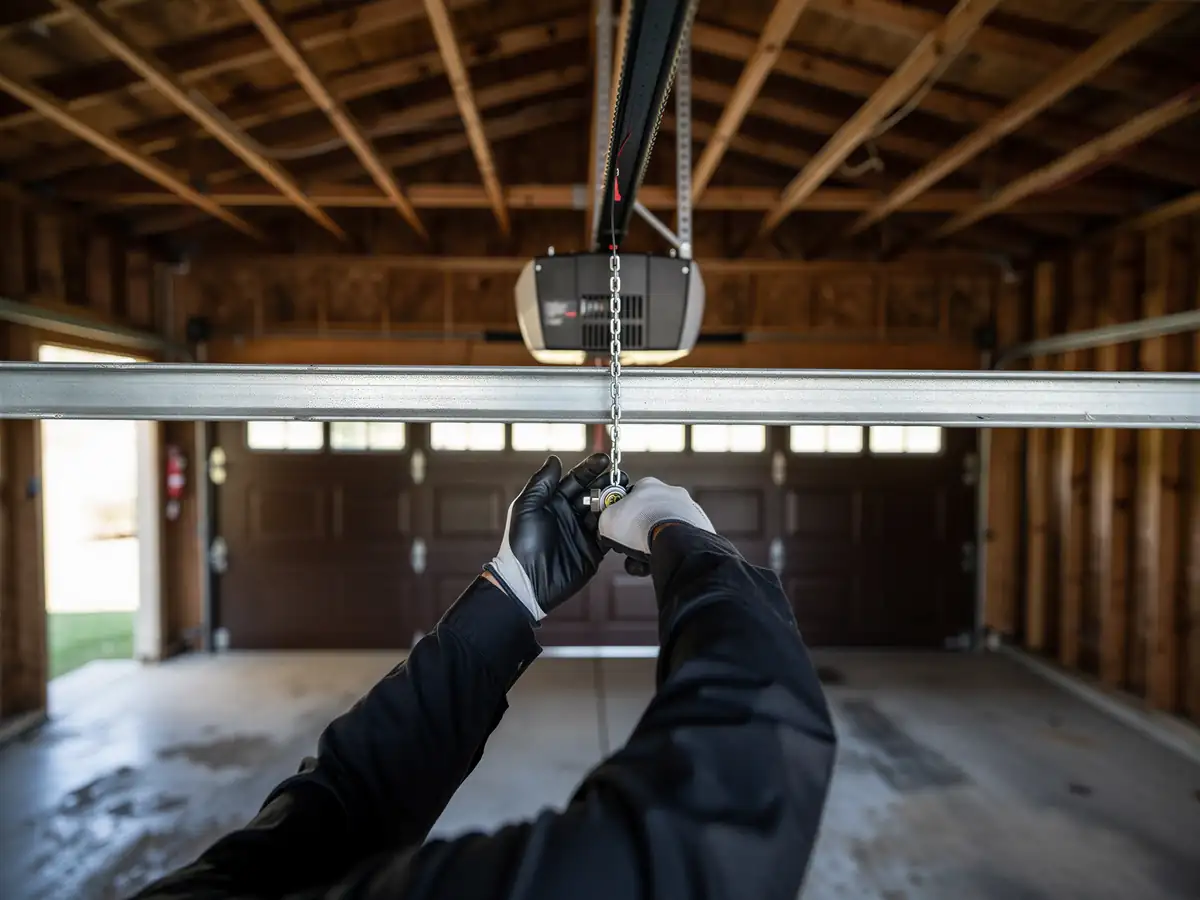
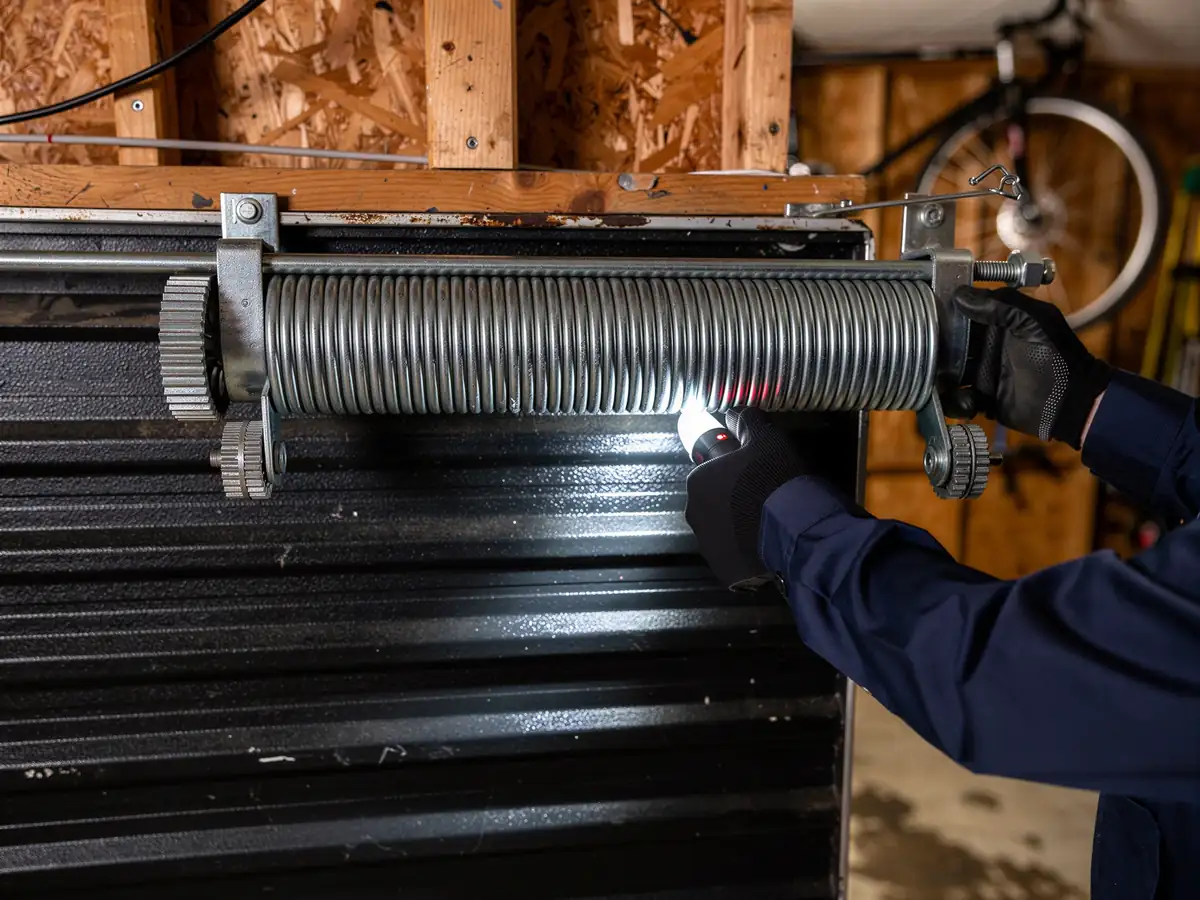
Doors from the early-to-mid 1990s are now entering their third decade, old enough that the original torsion springs and the gear sets inside the first opener are both due. Springs don't care how new the house looks - they're rated in cycles, not years, and a 30-year-old spring on a door that gets used twice a day is well past its working life. The gear-and-sprocket assembly inside a chain-drive opener from that era wears down the same way, usually announcing itself as a grinding noise or a door that reverses halfway up.
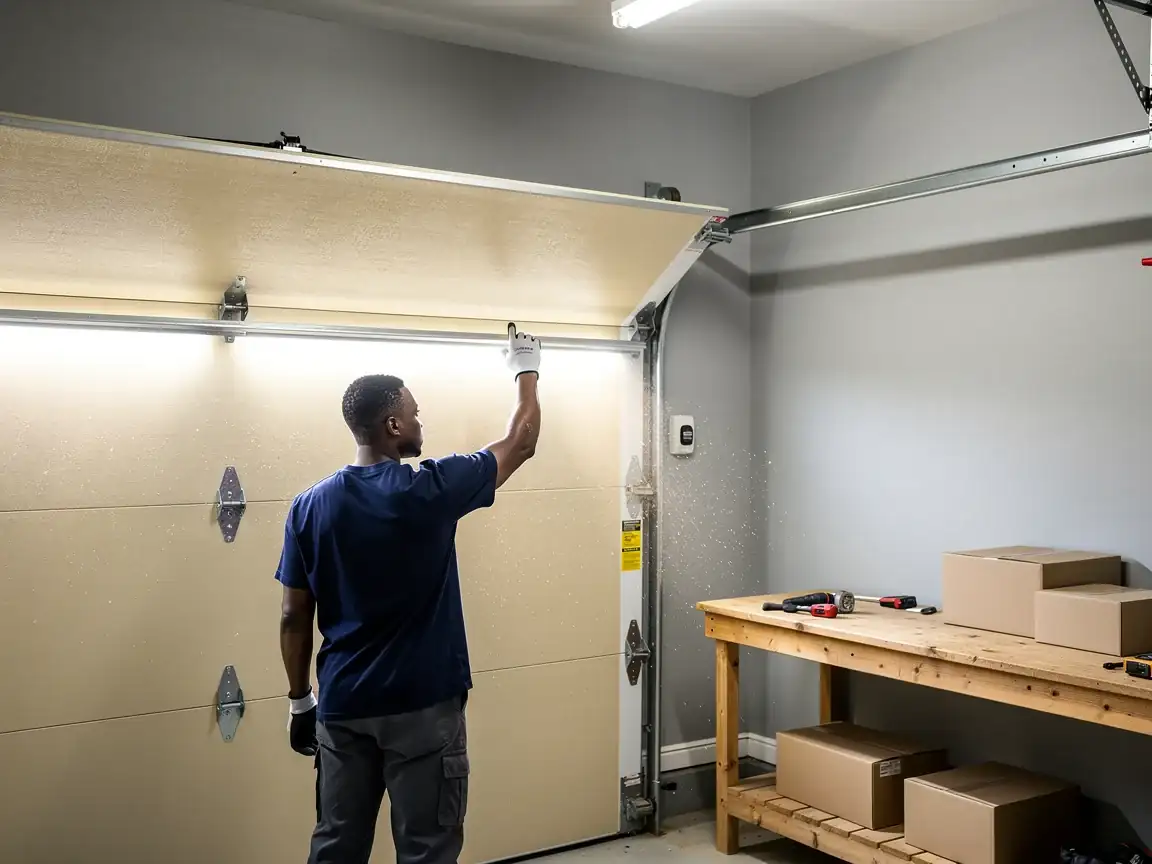
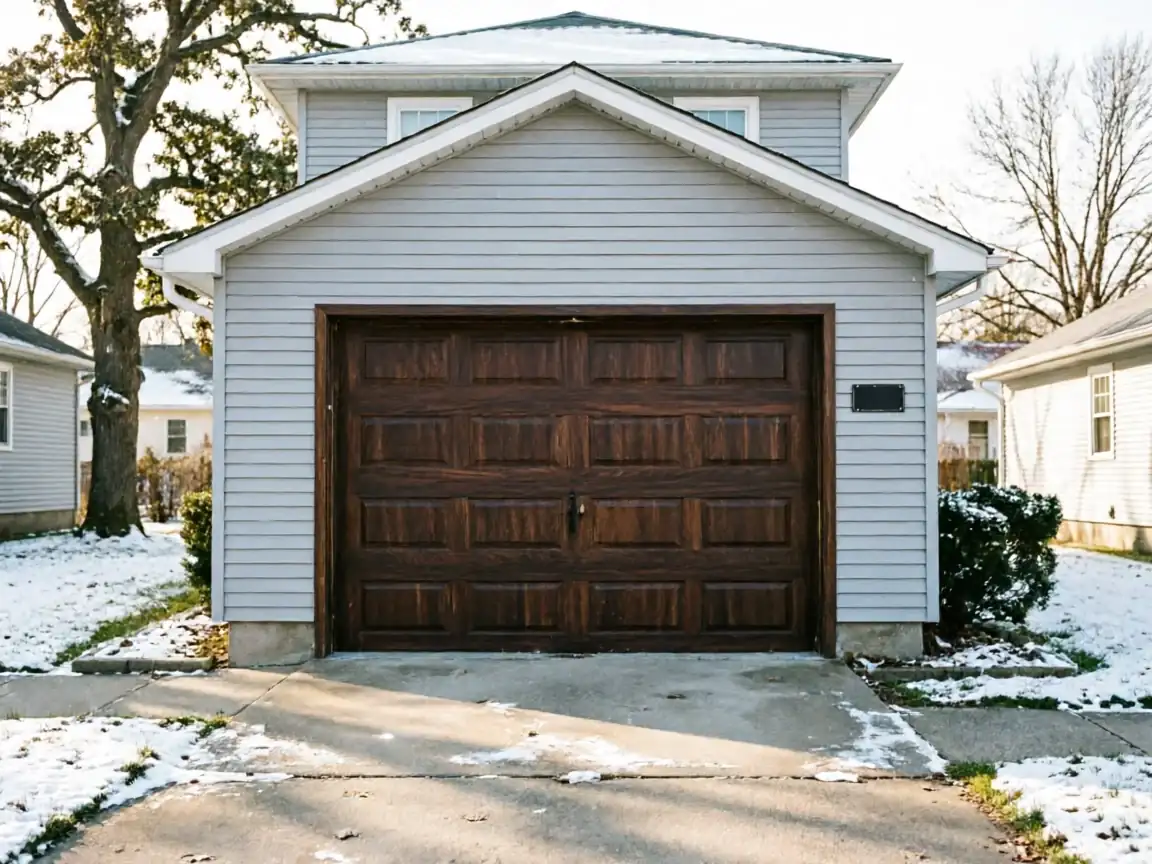
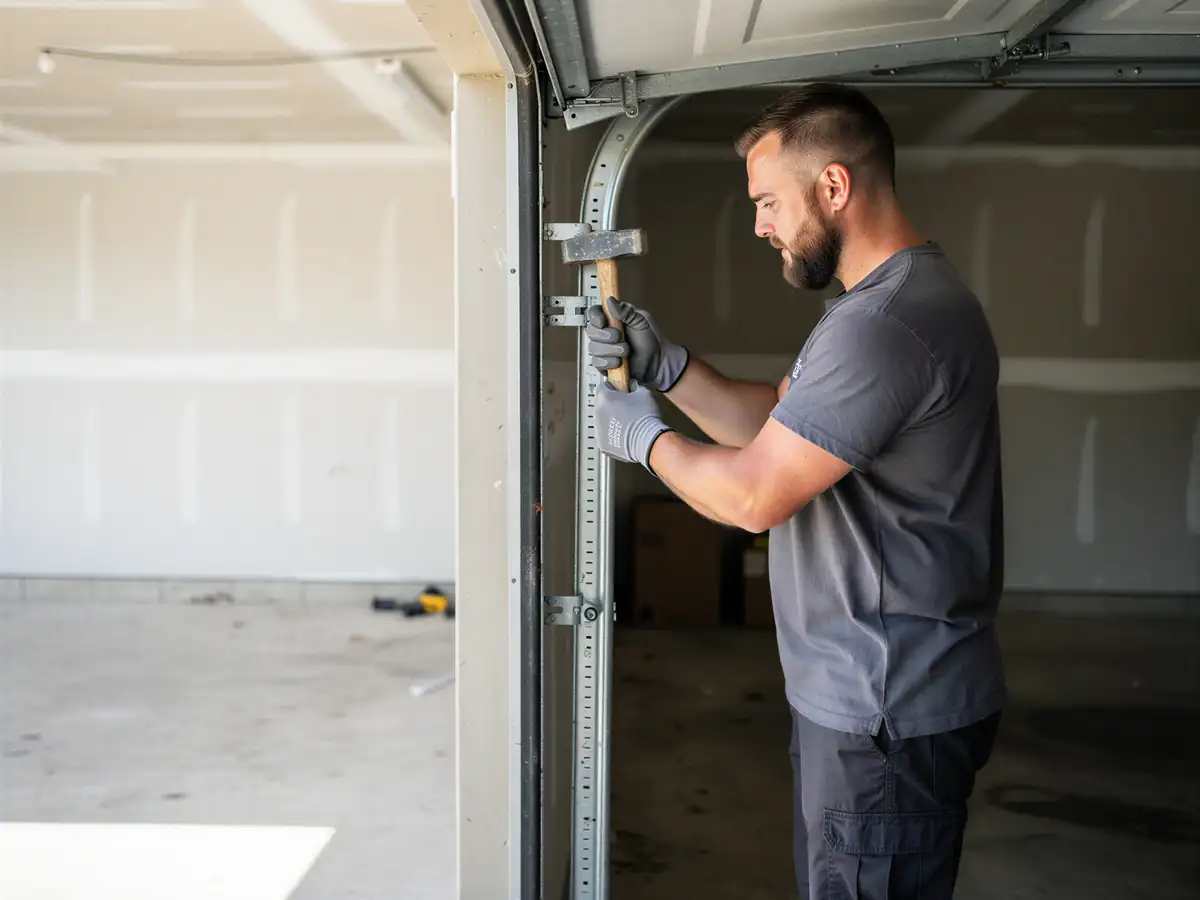
Minnesota winters add their own wear pattern on top of the age issue - steel sections contract in the cold, which tightens tolerances at the rollers and tracks and turns a slightly worn roller into a door that binds or jumps the track on the coldest mornings. We see more of that failure mode here in January than July, regardless of how old the door is.
Doing It Yourself
A few things are worth checking before you call anyone
Pull the emergency release cord and see if the door moves smoothly by hand - if it's heavy or uneven, that's a spring telling you it's losing tension, and no amount of opener adjustment will fix it. Check the photo-eye sensors near the floor on each track; a bumped or dusty sensor is one of the most common reasons a door won't close, and it's a two-minute fix. Run the auto-reverse test by setting a 2x4 flat under the door and making sure it bounces back on contact.
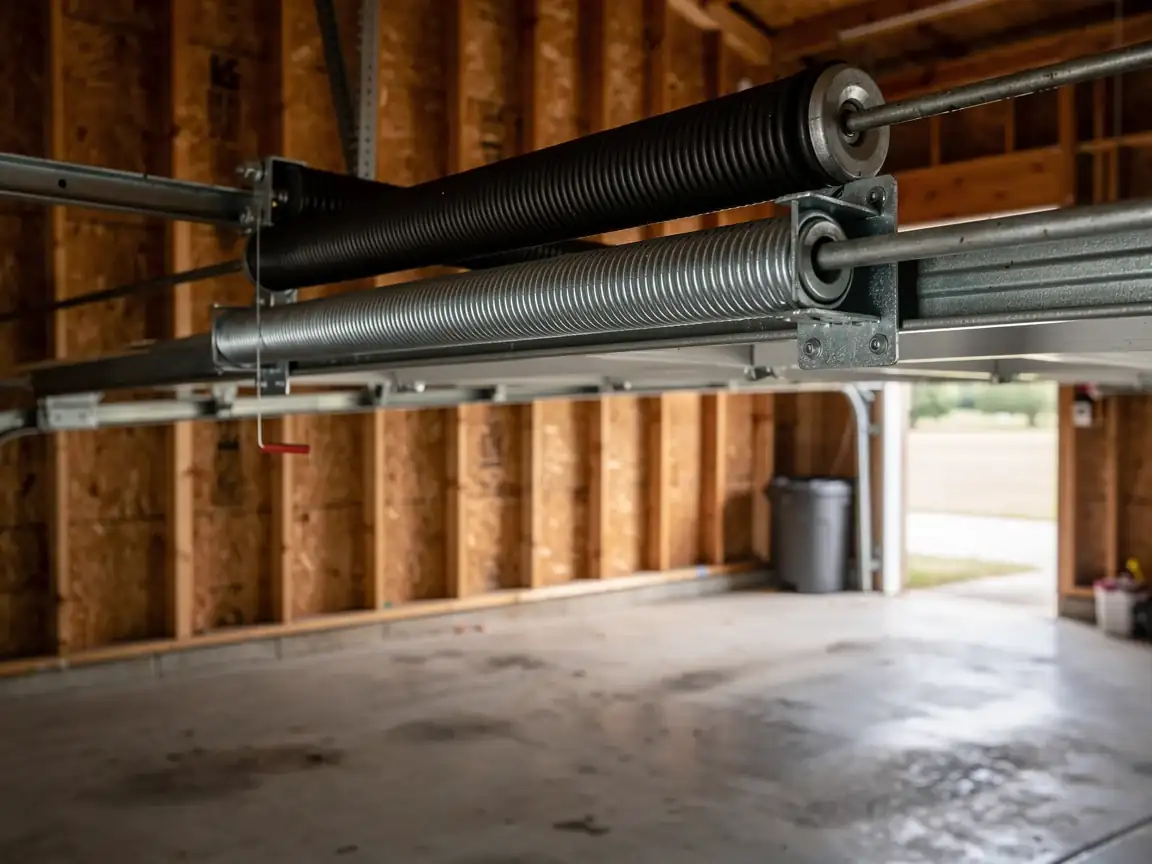
What you shouldn't do is touch the torsion spring itself
These are wound under enough tension to cause a serious injury, and on a door this age the spring and its anchor hardware may both be original equipment that's never been inspected. If the door is heavy to lift by hand, if the spring looks stretched or has a visible gap in its coils, or if the opener is straining and making noise before it moves the door at all, that's a call-in job, not a weekend project.
How to Book
We're based in Eagan, about 20 miles from Chanhassen, so there's no local branch or depot here - the truck comes out to you. With roughly 9,607 households in Chanhassen, it's not a market that supports its own dedicated crew, but it's a regular stop on the route.
Give us a call or book through the Chanhassen garage door service page and we'll get a truck scheduled. If you want the full rundown of what we handle out of the Eagan shop, that's covered on the Eagan repair page - this page is specifically about the repair calls we run in Chanhassen.
Parts We Carry
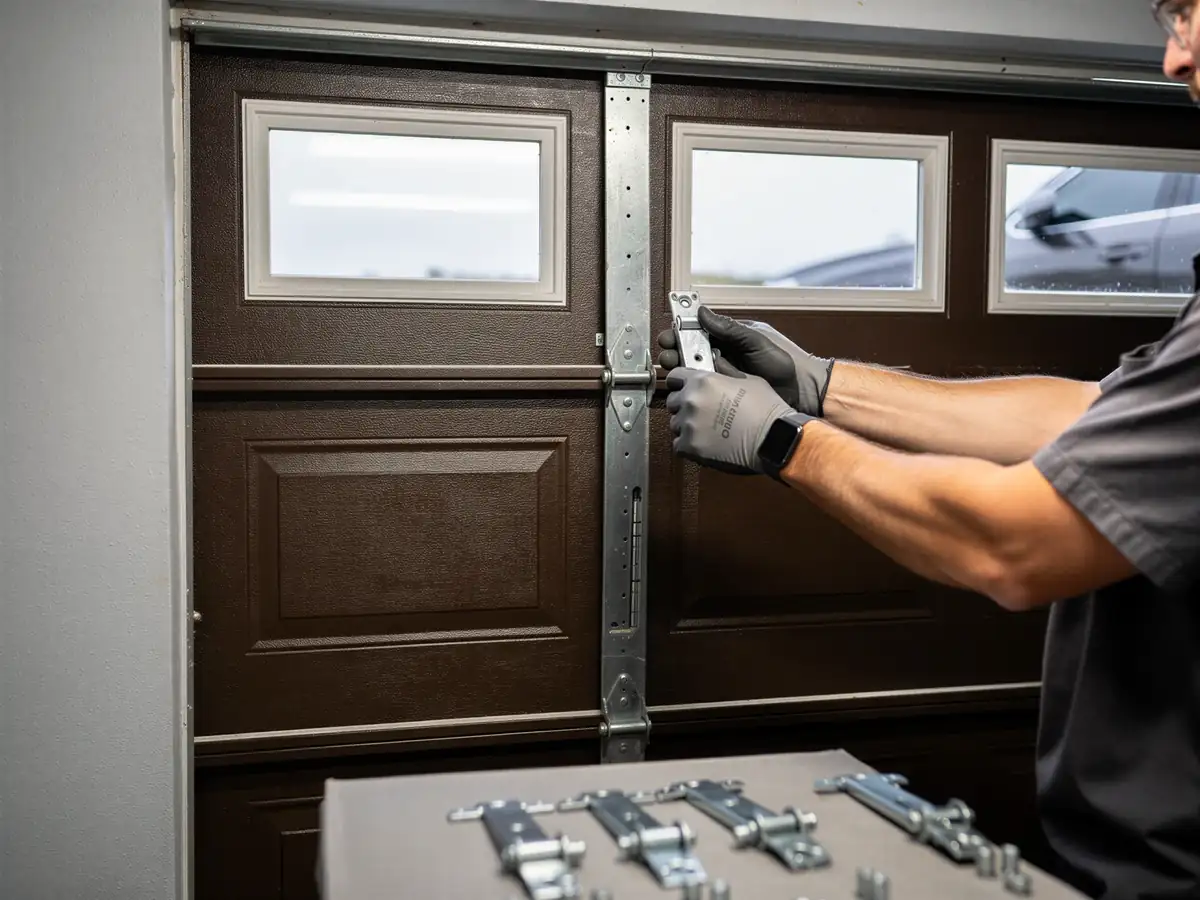
Median household income in Chanhassen runs well above the $92,940 median for the broader service area, closer to $138,034, and that shows up in the kind of hardware we're replacing on these calls - insulated steel doors with heavier gauge panels, and belt-drive openers rather than the bare chain units common in older, lower-cost housing stock. We stock torsion springs sized for mid-weight insulated doors, steel rollers (nylon where the track alignment allows it), galvanized lift cables, and the standard safety cable kits that should be on any extension-spring setup from this era that hasn't been retrofitted.
We carry opener parts - drive gears, belts, circuit boards for the common residential models - but we don't stock every obsolete board for every opener sold in the early '90s. If your opener is a discontinued model and the board's failed, sometimes the honest answer is a new opener rather than hunting for a part that hasn't been manufactured in years. We'll tell you straight which way that math goes before we start billing for parts.