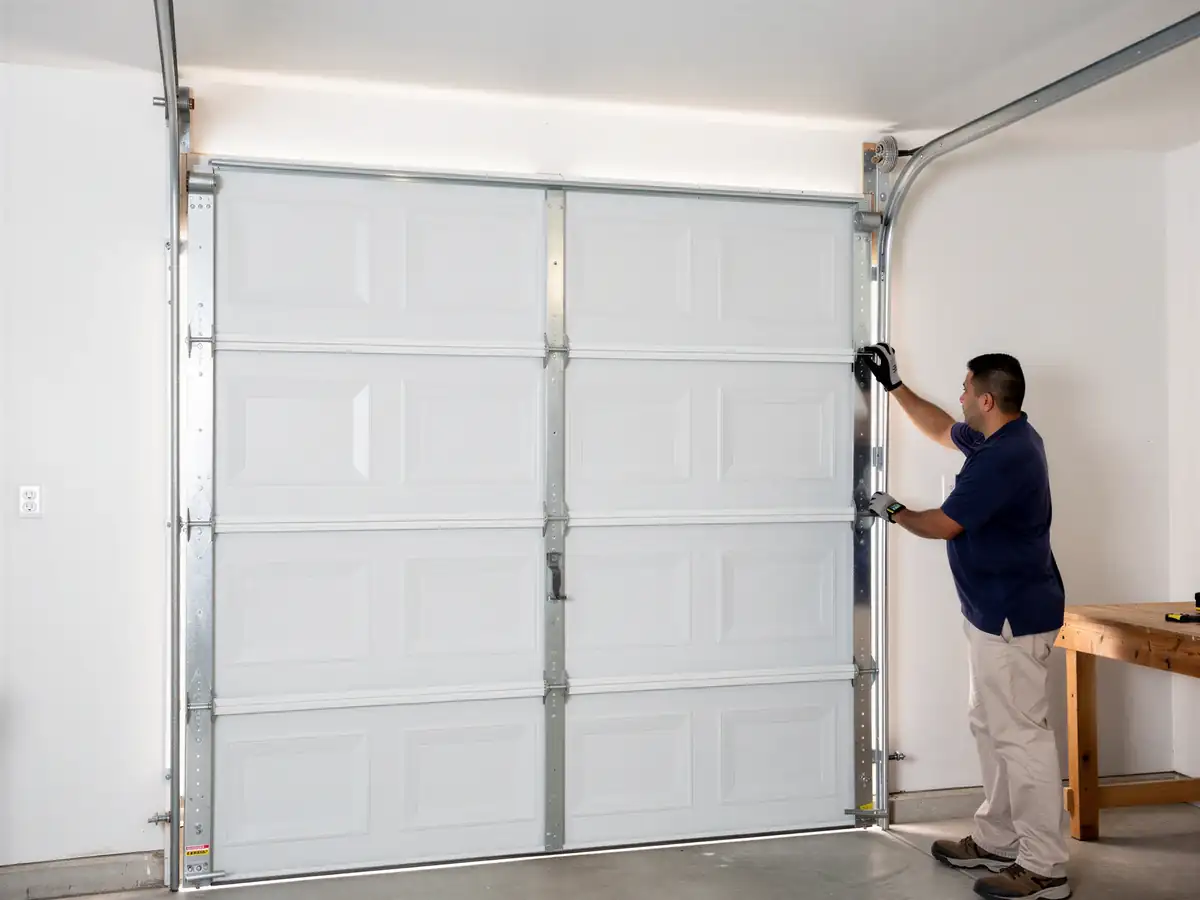
How We Fix It
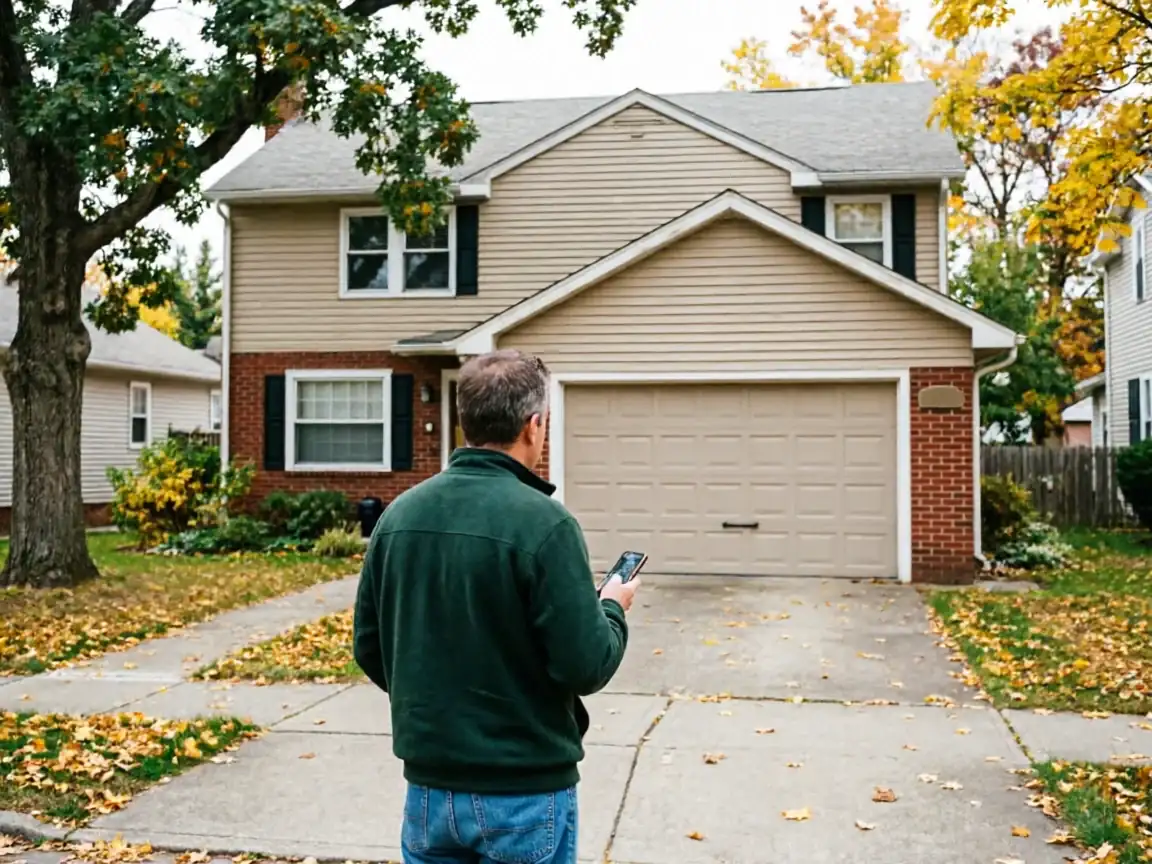
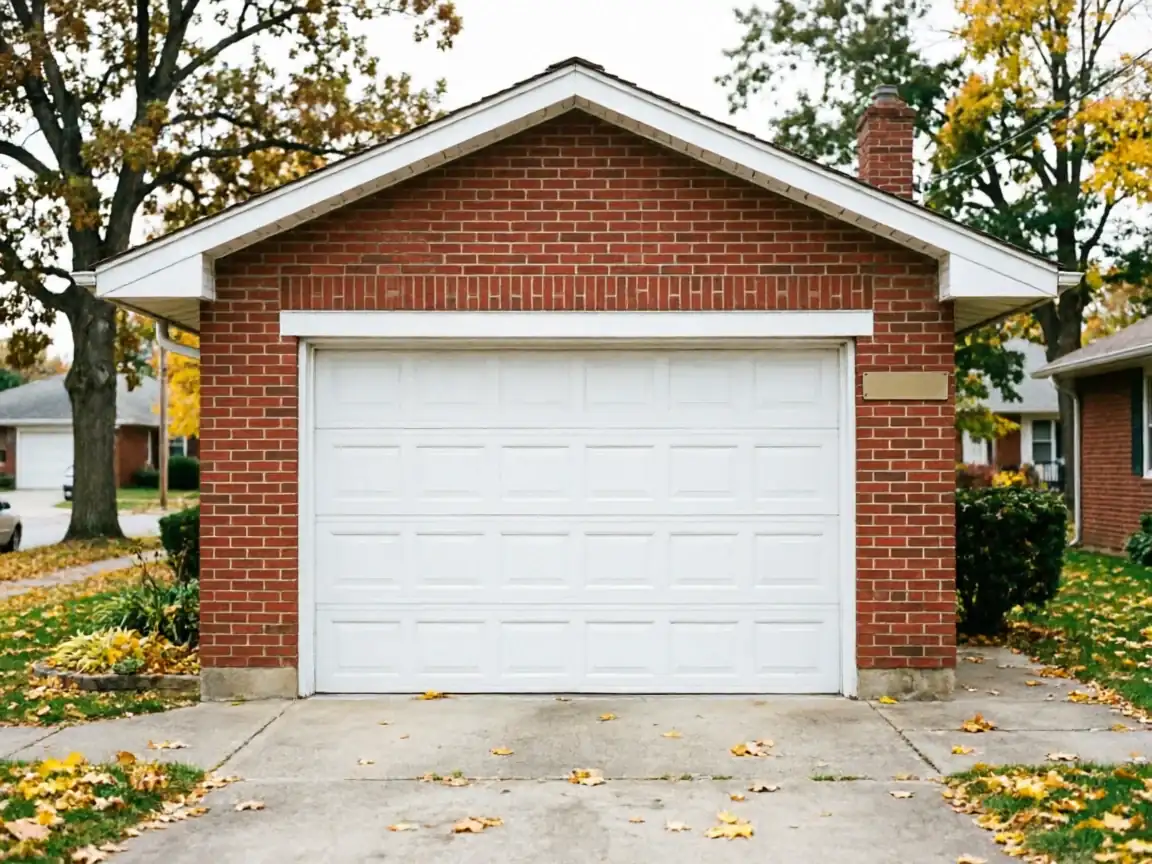
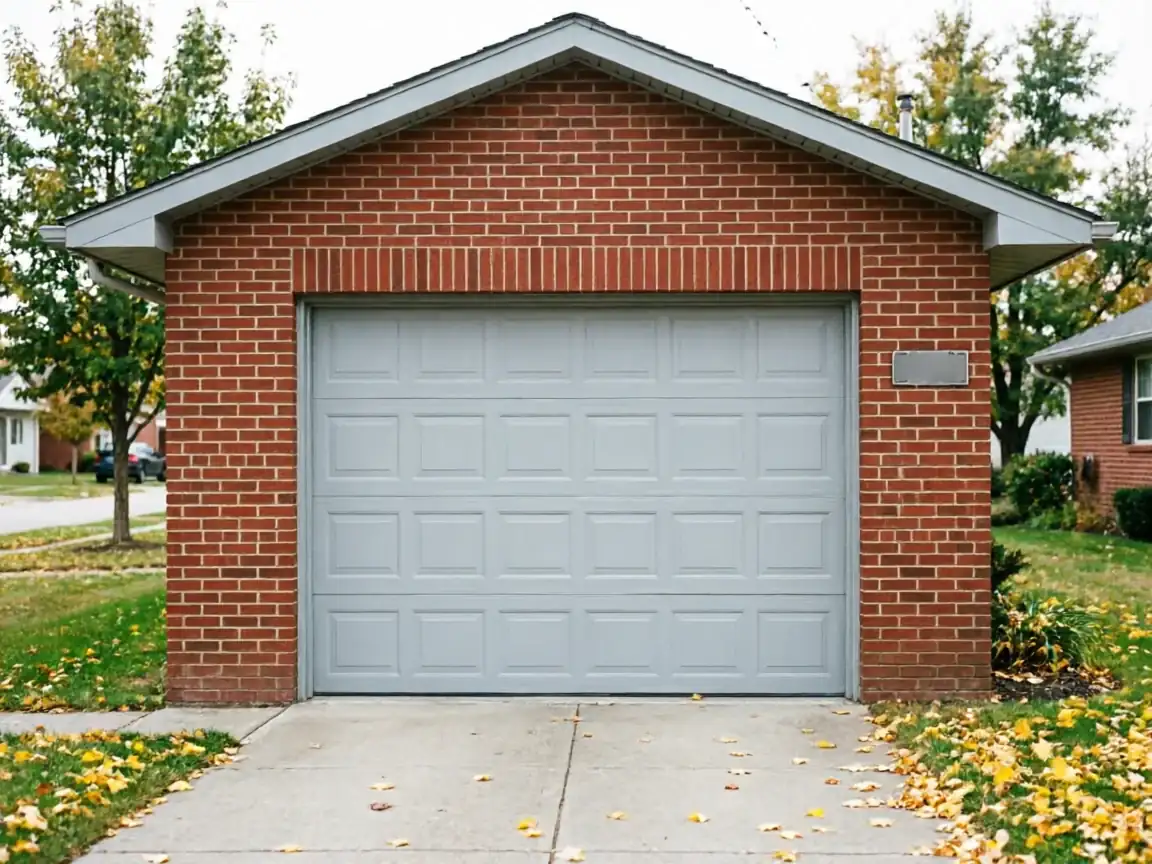
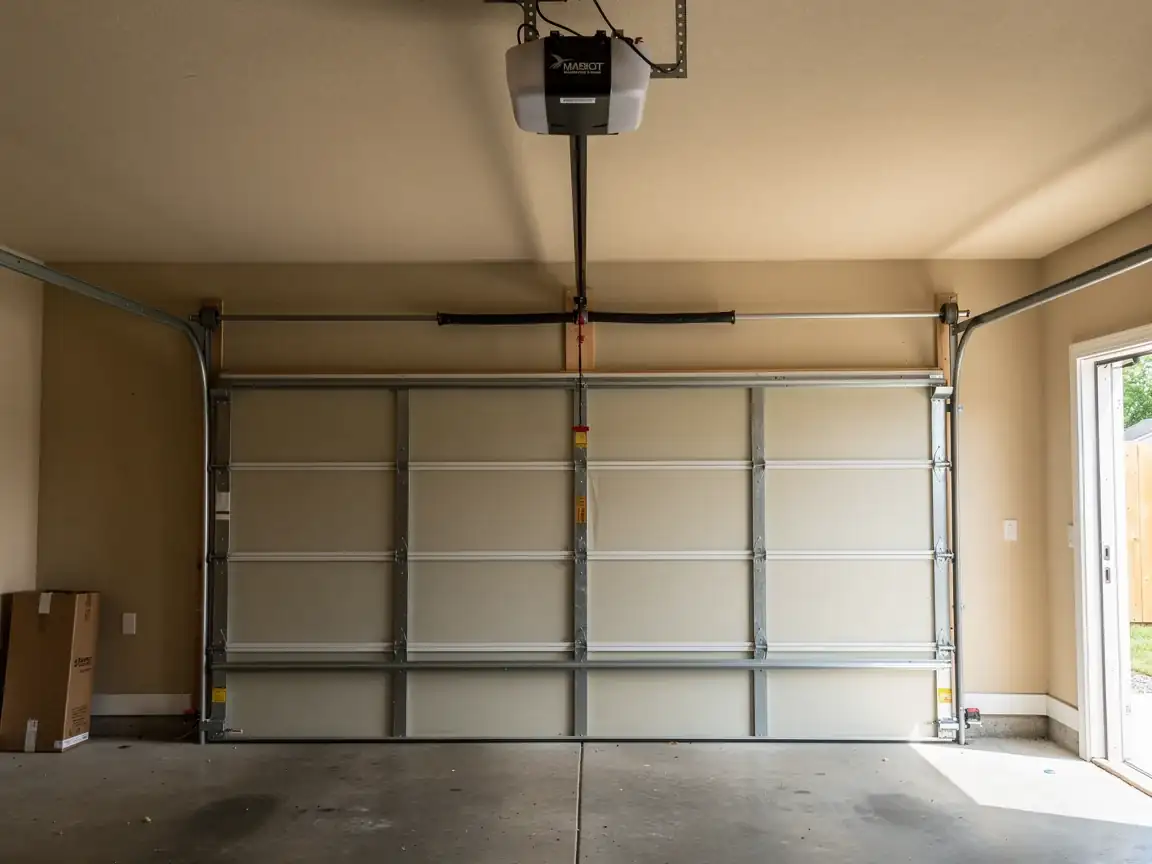
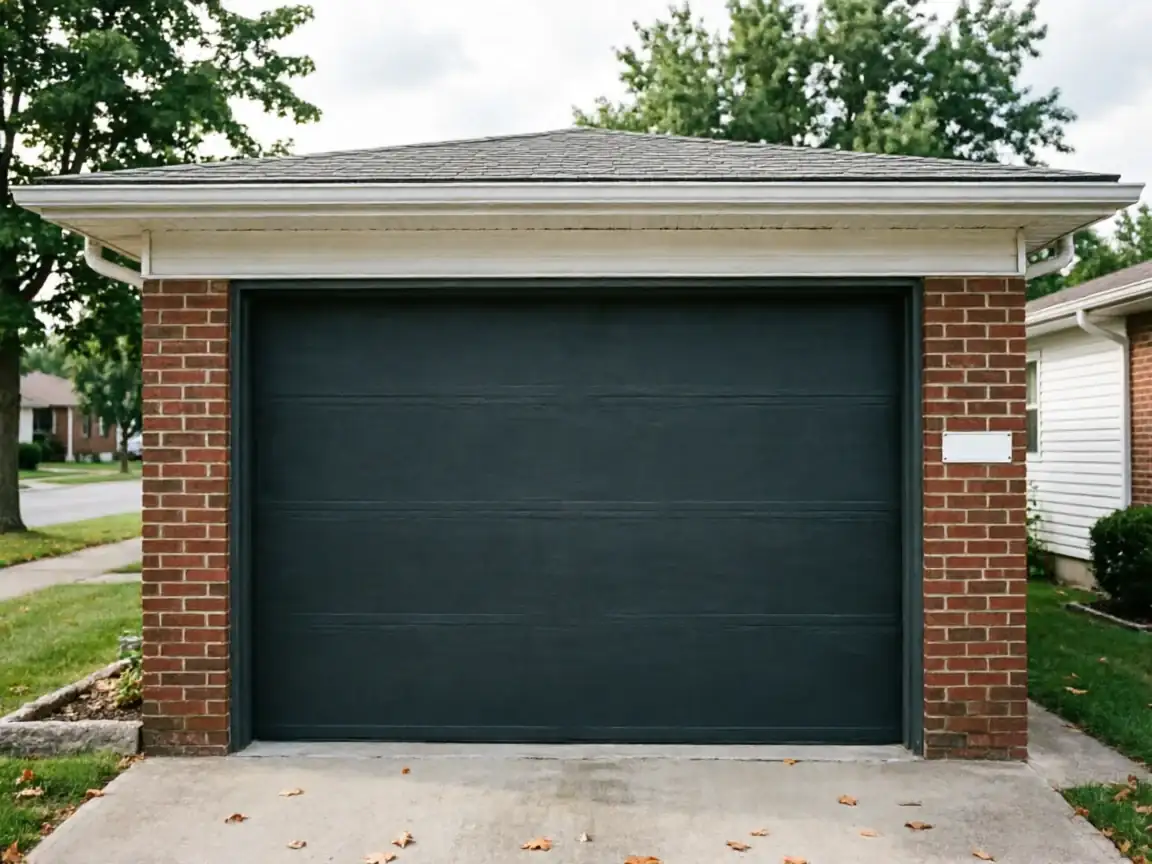
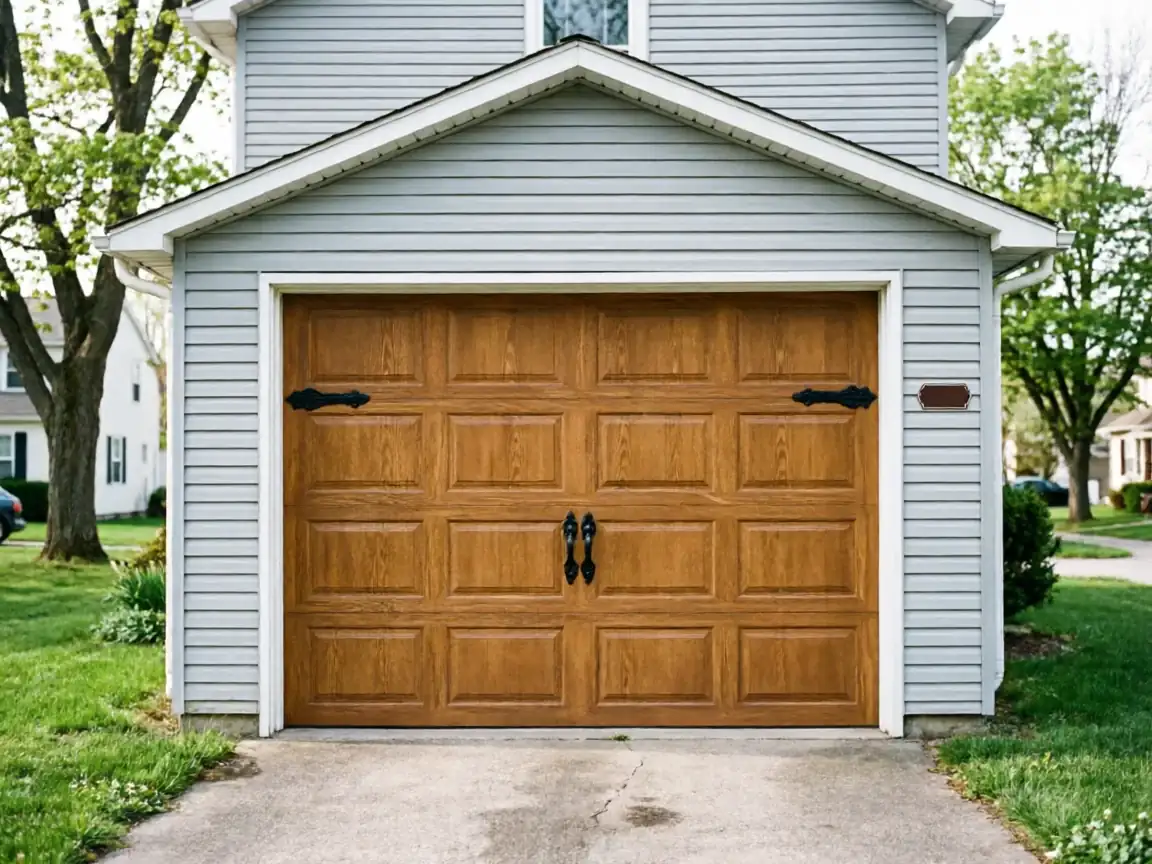
Chanhassen's housing stock centers on a median build year of 1993, which puts most garages a full generation newer than the older neighborhoods closer to Eagan where doors can date back to the 1950s. That later build era means wider openings as standard - a lot of these houses went up with 16-foot double-door bays instead of two narrow singles, and the original doors are steel sectional panels with foam insulation already built into the skin, not retrofitted later.
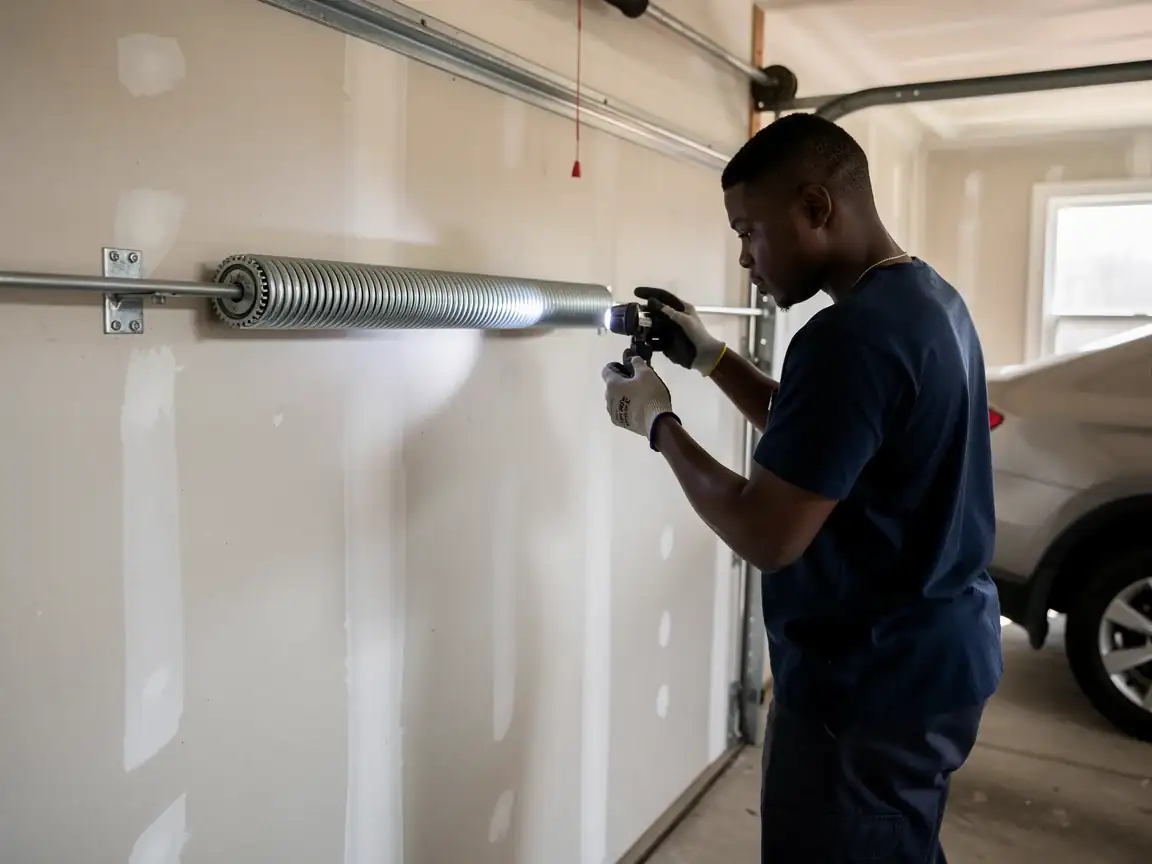
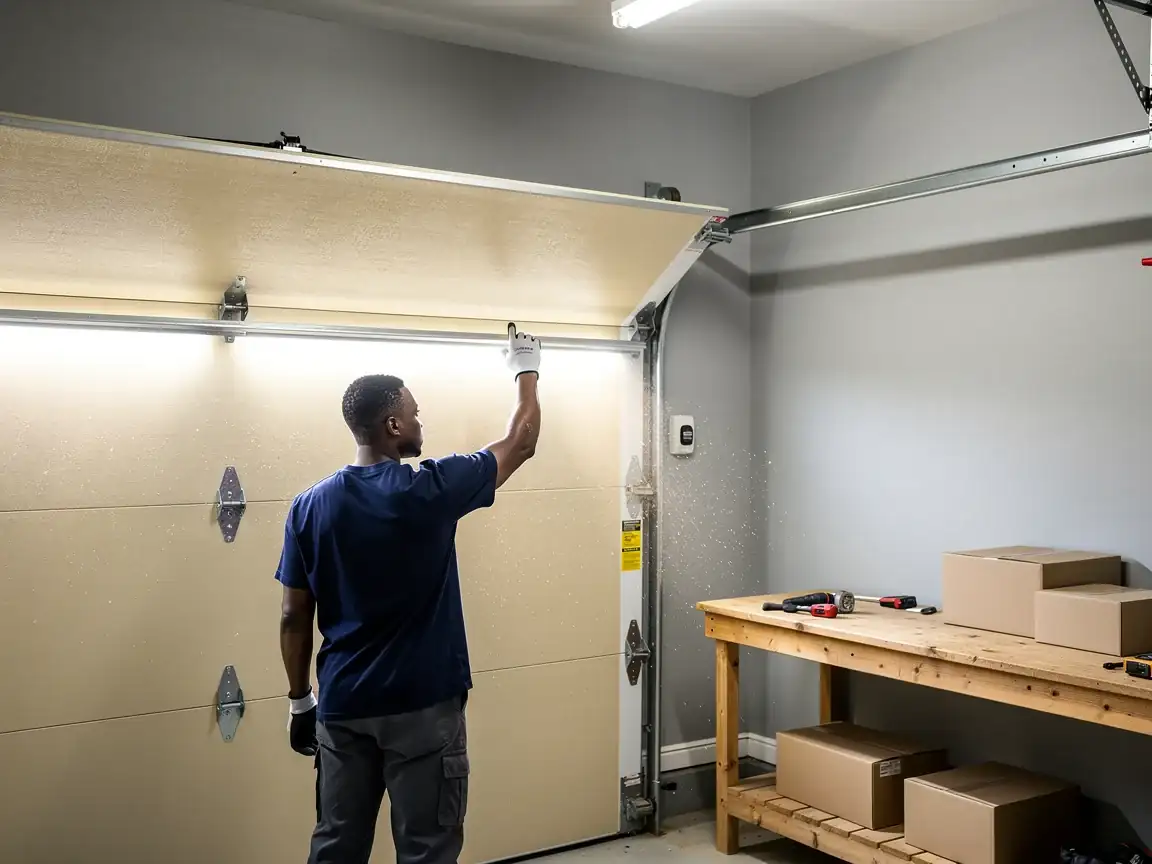
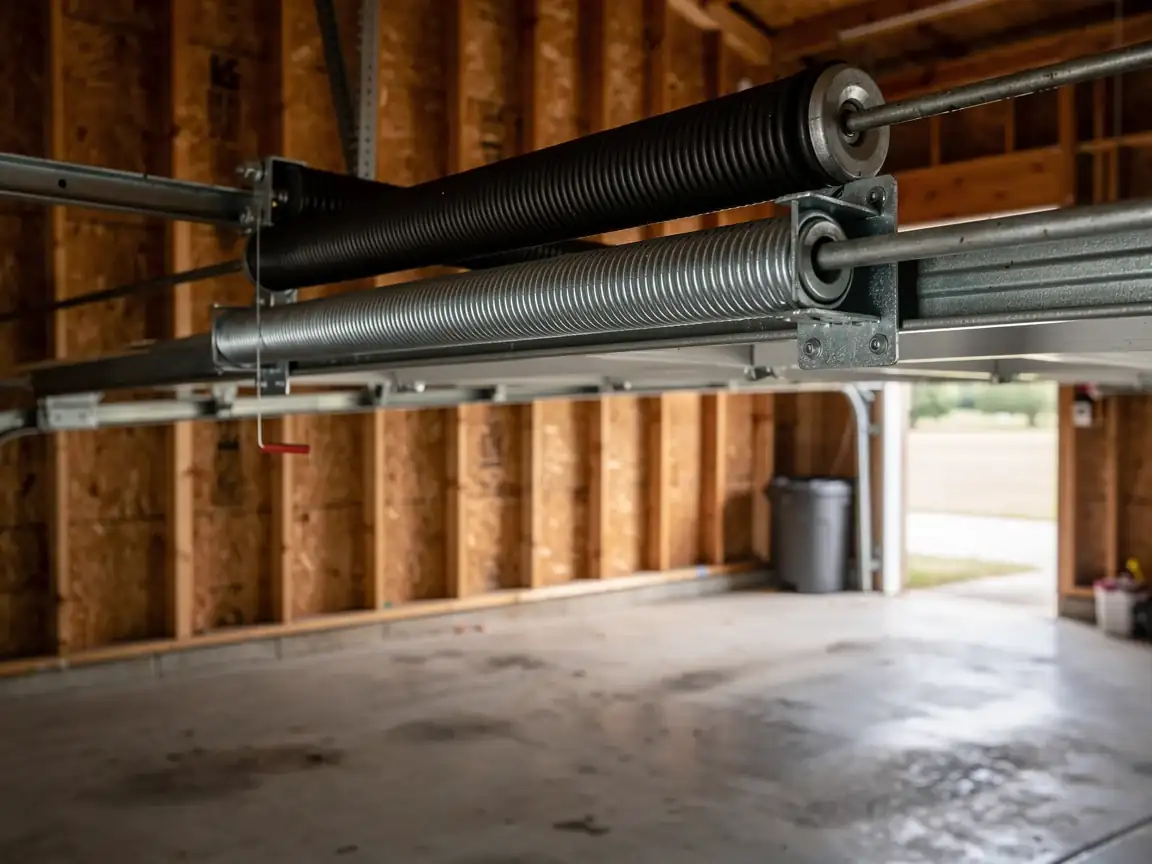
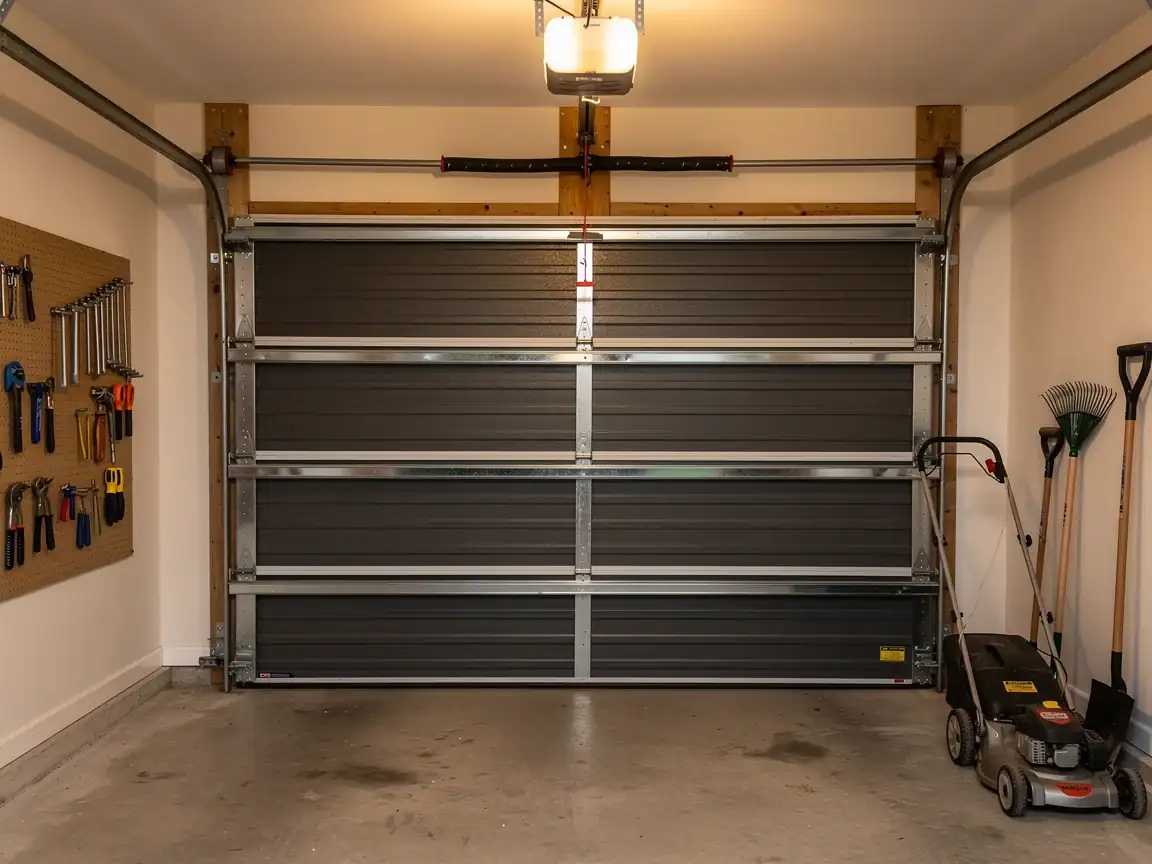
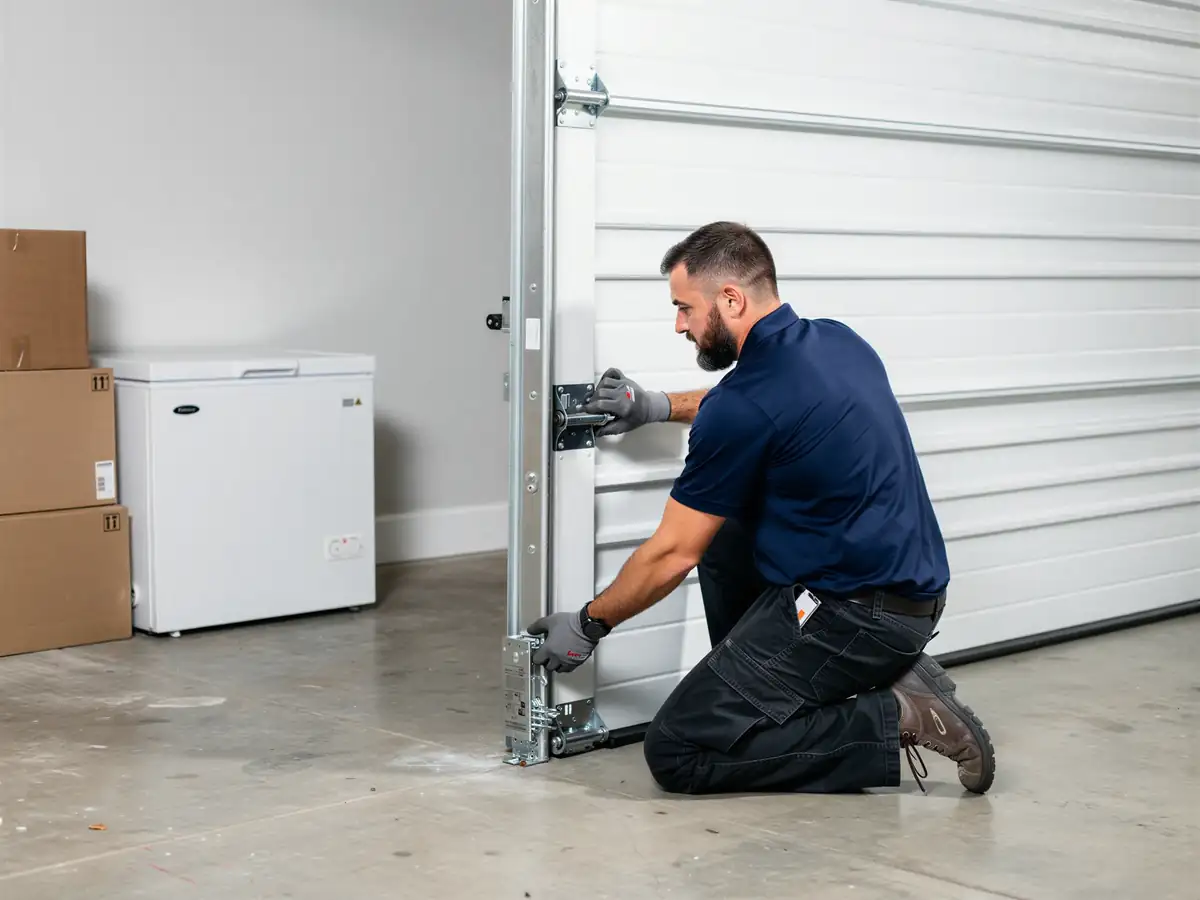
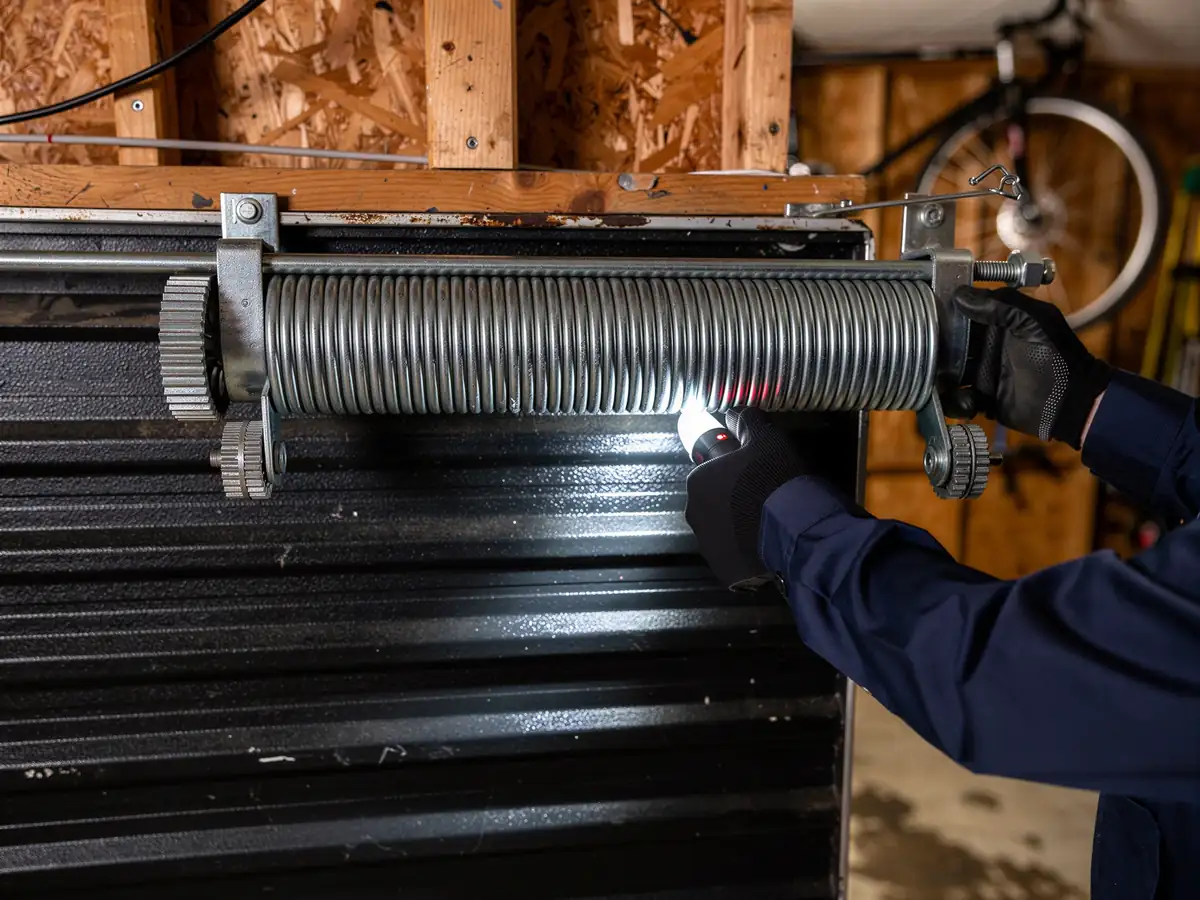
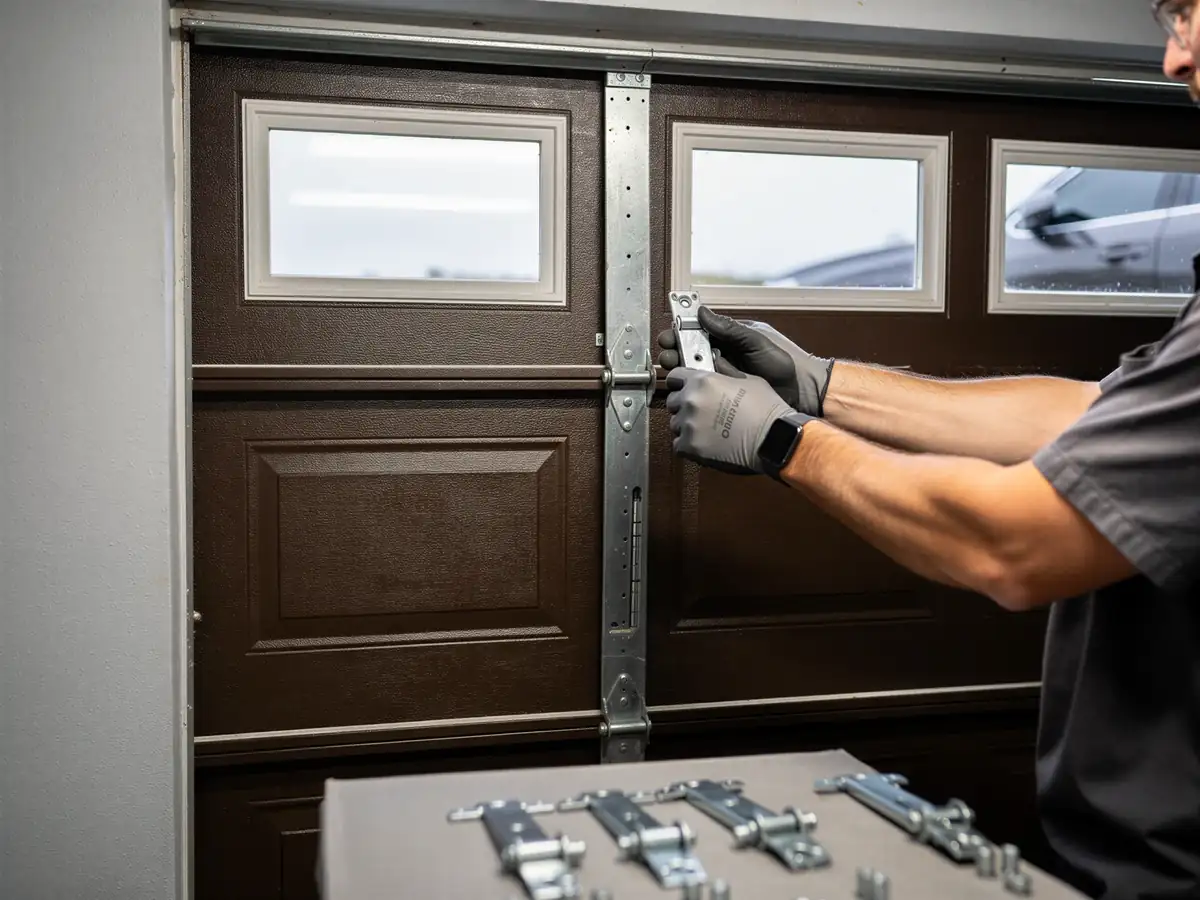
When we install a replacement here, the job starts with measuring that opening against the new door's panel weight, because an insulated steel door in a 16-foot width carries more load than the uninsulated doors common on older housing stock. That changes the torsion spring sizing - undersize the spring and the opener strains on every cycle; oversize it and the door won't seat right at the floor. We size the spring to the actual door going in, not a generic chart number, and we match the track and drums to the same door before it ever goes on the wall. On a double-wide opening we also check the header and jambs can take the new door's actual weight, since swapping an old insulated door for a heavier modern one isn't always a straight panel-for-panel trade.
Doing It Yourself
A new install on a 16-foot double opening is a two-person job at minimum
And that's before you get into spring tension. Torsion springs on insulated steel doors this wide carry enough stored force to break a bone or worse if the winding bar slips, and getting the drum-and-cable geometry wrong on a wide door shows up immediately as a door that racks sideways instead of running level in the tracks.
Where a motivated homeowner can reasonably do their own work
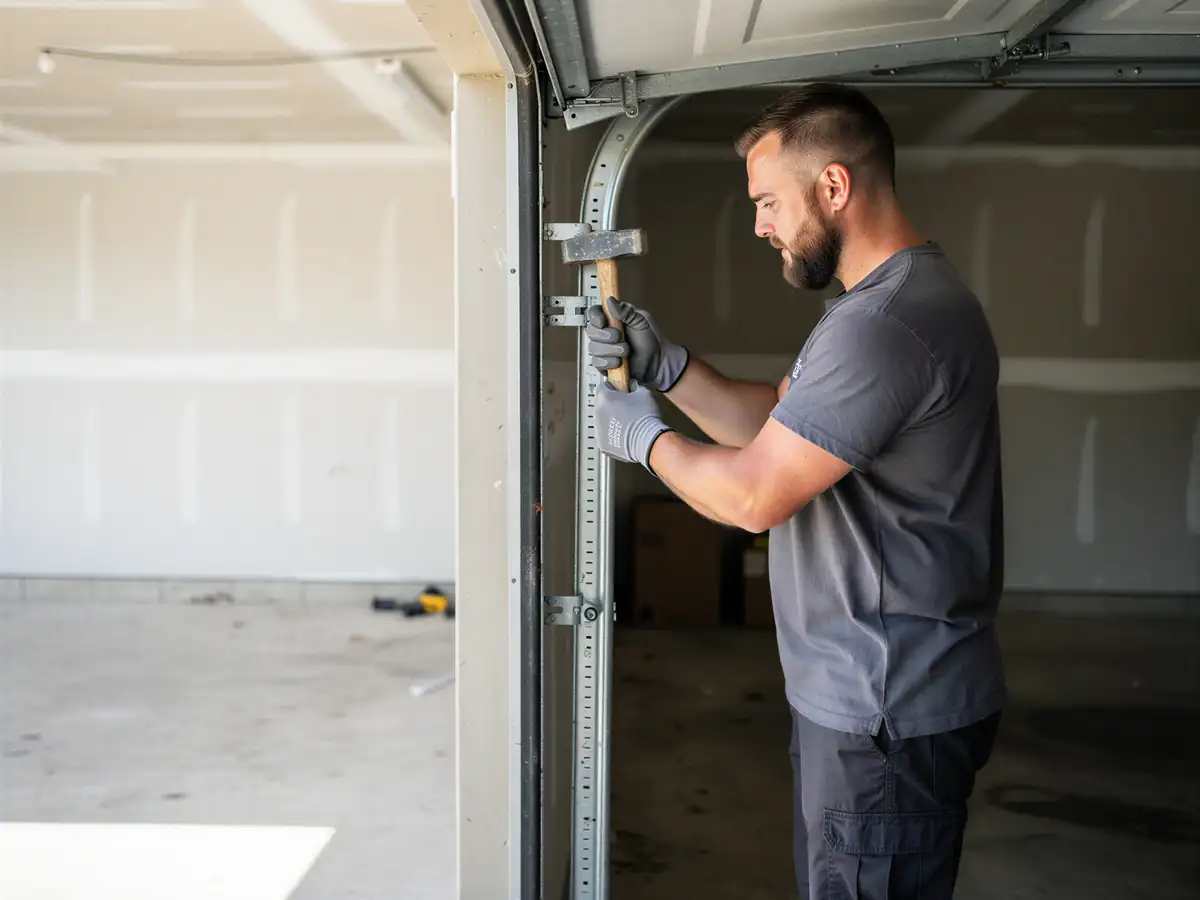
Swapping weatherstripping, replacing worn rollers on an existing door, or reprogramming an opener remote. Where we'd tell you to stop and call someone: anything involving the spring system, anything involving removing the old door from a 16-foot opening, or anything involving the track plates bolted into the header. We'll say plainly that a full new-door installation on a double-wide opening isn't a reasonable weekend project even for someone comfortable with tools - the margin for a bent track or a crushed hand is too thin to be worth the money saved.
How to Book
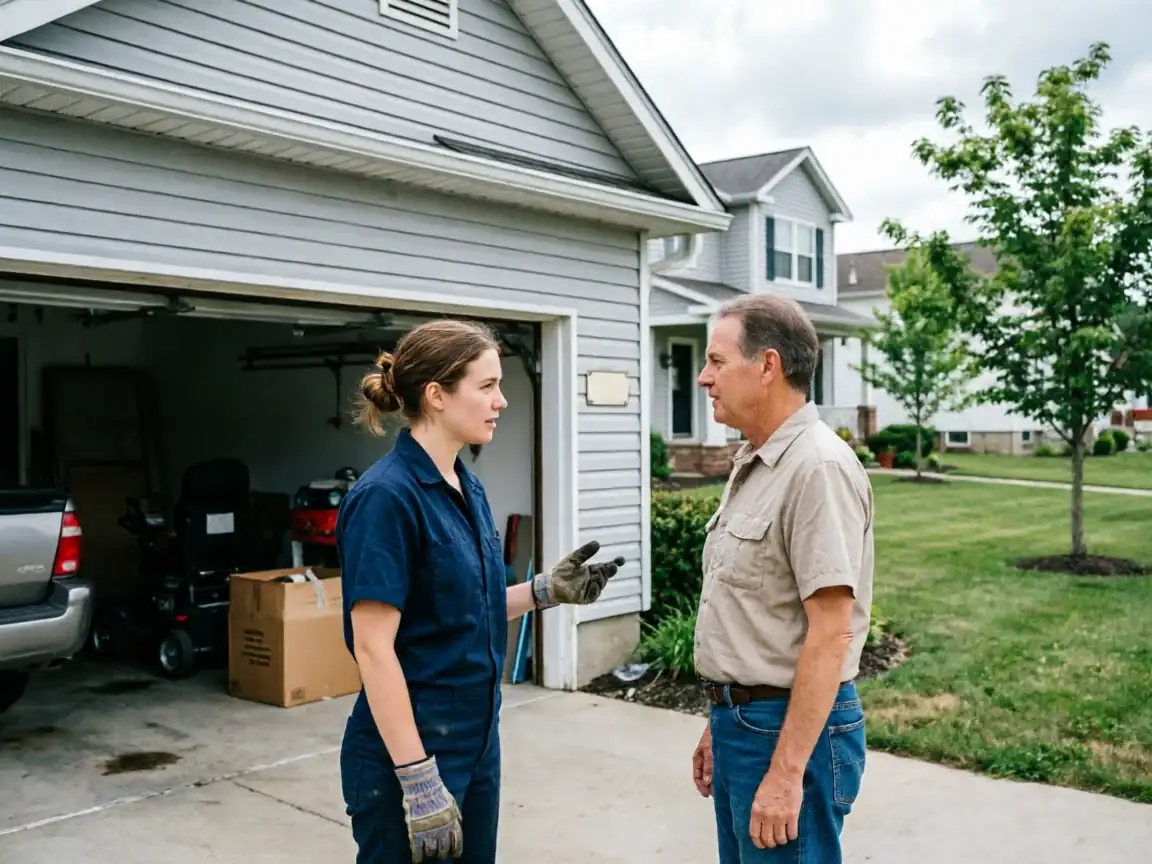
We run jobs in Chanhassen out of Eagan, about 20 miles away, so installs here get scheduled rather than handled same-day on a drop-in basis. When you call, we'll ask the width of your current opening, whether it's a single or double door, and roughly how old the house is - for Chanhassen that's usually early-to-mid 1990s construction, which tells us a good deal about what's likely behind the existing panel before we ever see it.
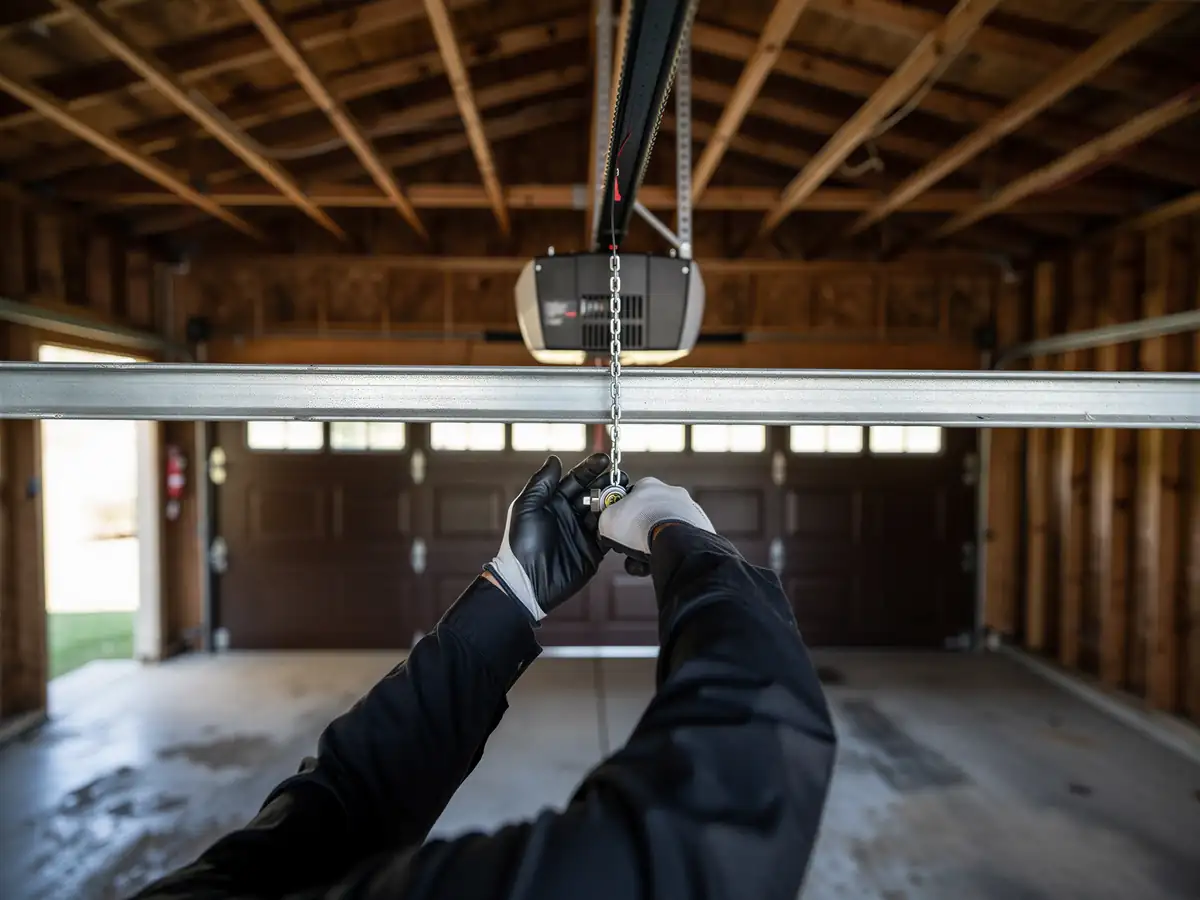
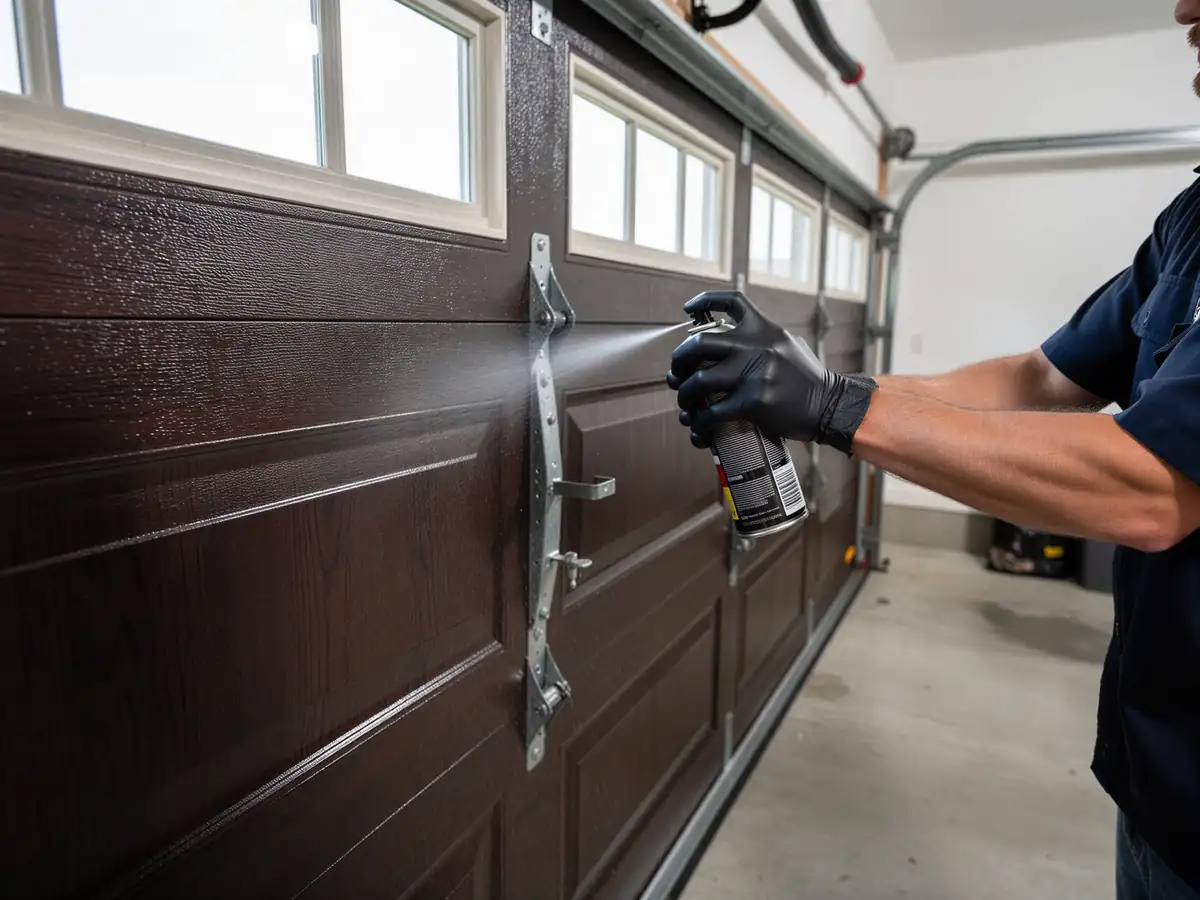
For general repair work - a stuck opener, a cable off the drum, a panel that's been dented - the service page below covers what we handle beyond new installs. If you're comparing installation against our broader Eagan-area coverage, that page has the full rundown of what we do across the service area.
Parts We Carry
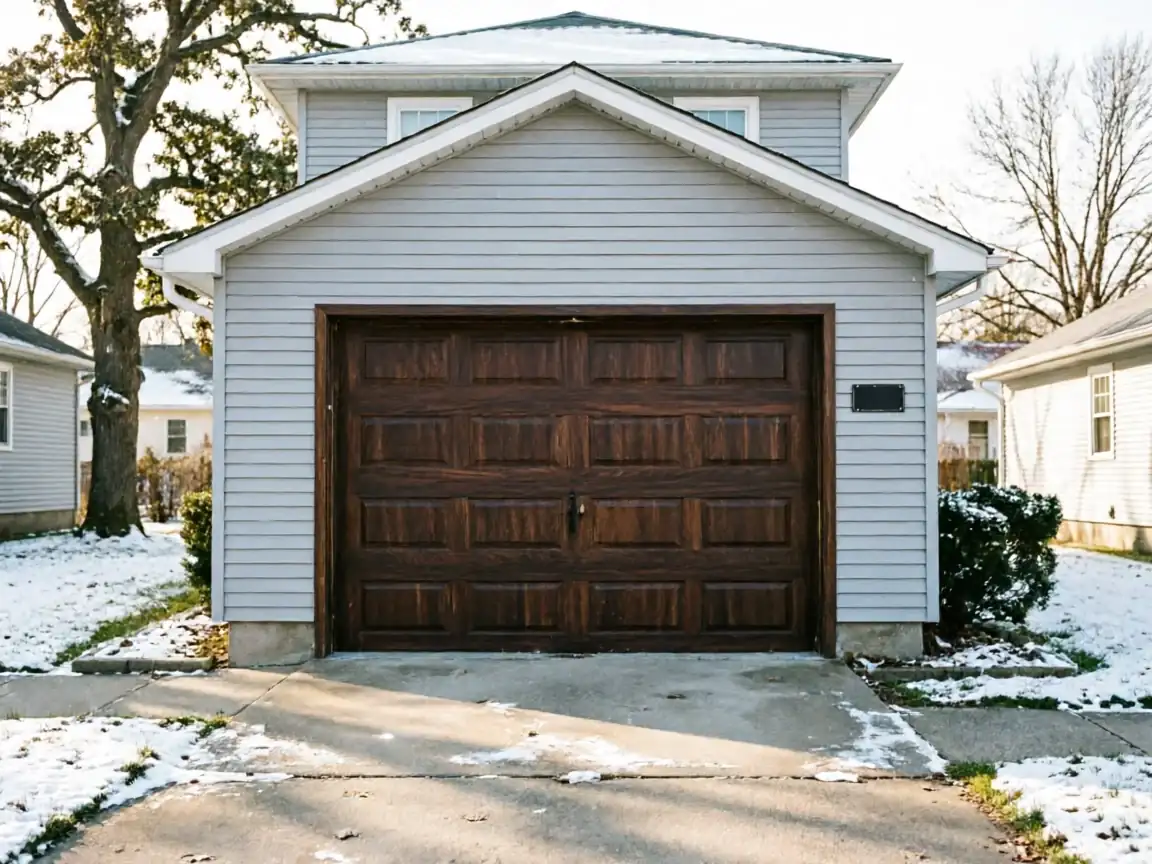
For new installs we stock steel sectional doors in insulated configurations suited to a cold-moderate climate, which covers the Chanhassen area along with the rest of where we work. That means doors with foam-filled panels rather than the single-layer steel sometimes found on older uninsulated garages - worth it here given winter heating costs on an attached garage.
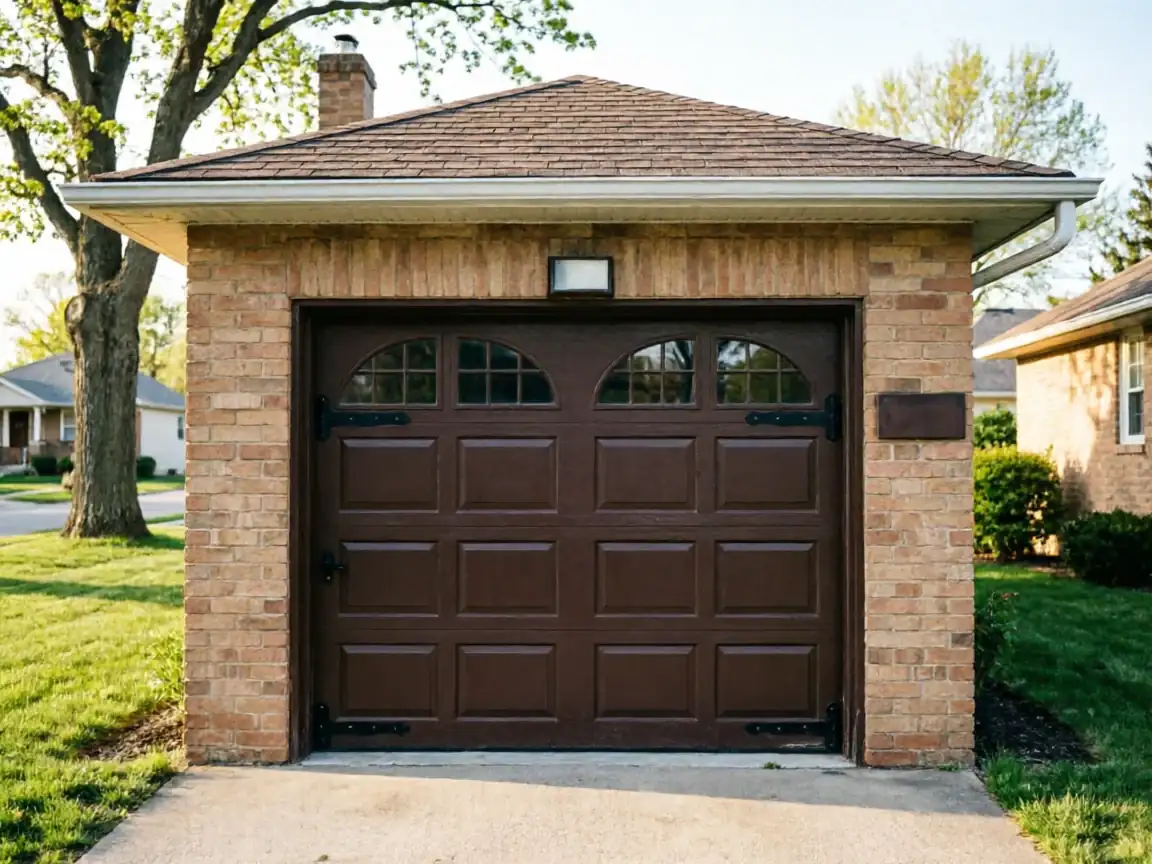
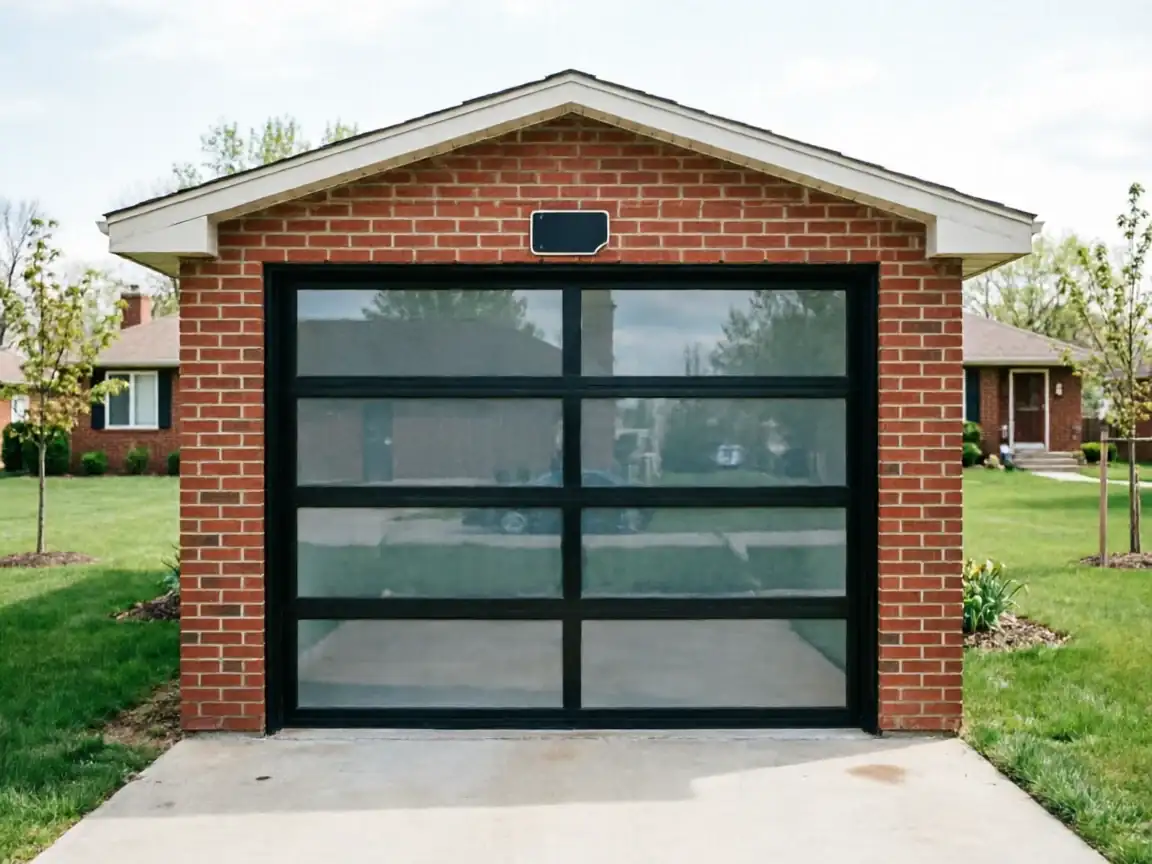
One limit worth saying up front: not every width and panel style sits on the truck ready to go. A standard 16-foot double in a common panel finish we can usually turn around fast; a nonstandard width, a specific window-insert pattern, or a particular color match sometimes means a manufacturer order with its own lead time. We'll tell you at the estimate stage which category your job falls into rather than promise a date we can't hold.