What You Are Seeing
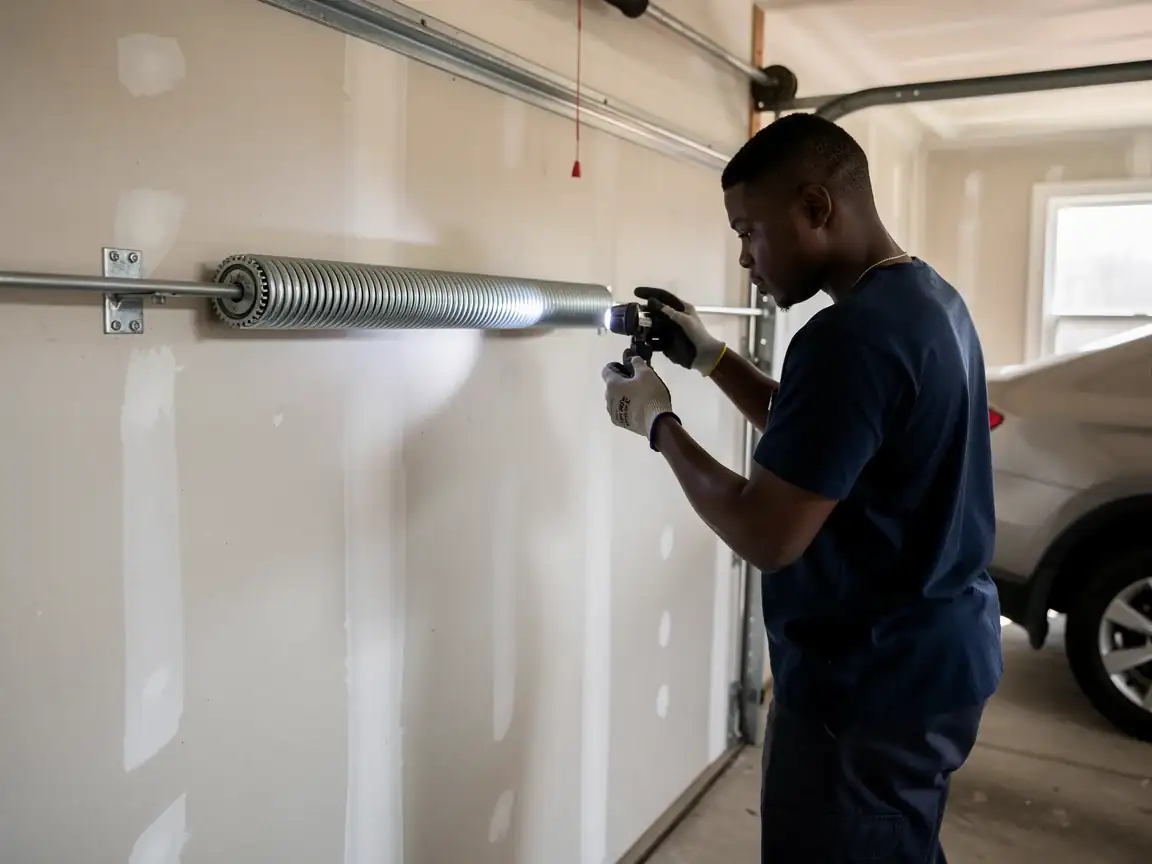
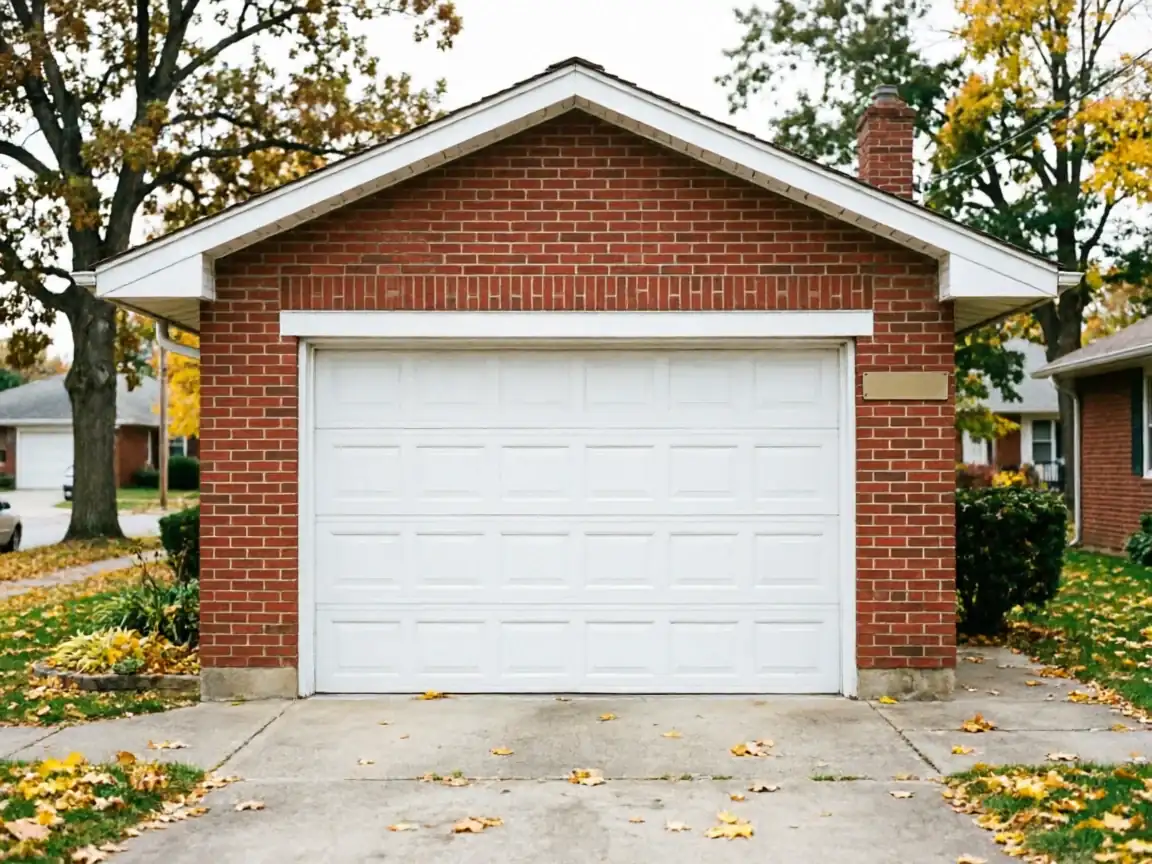
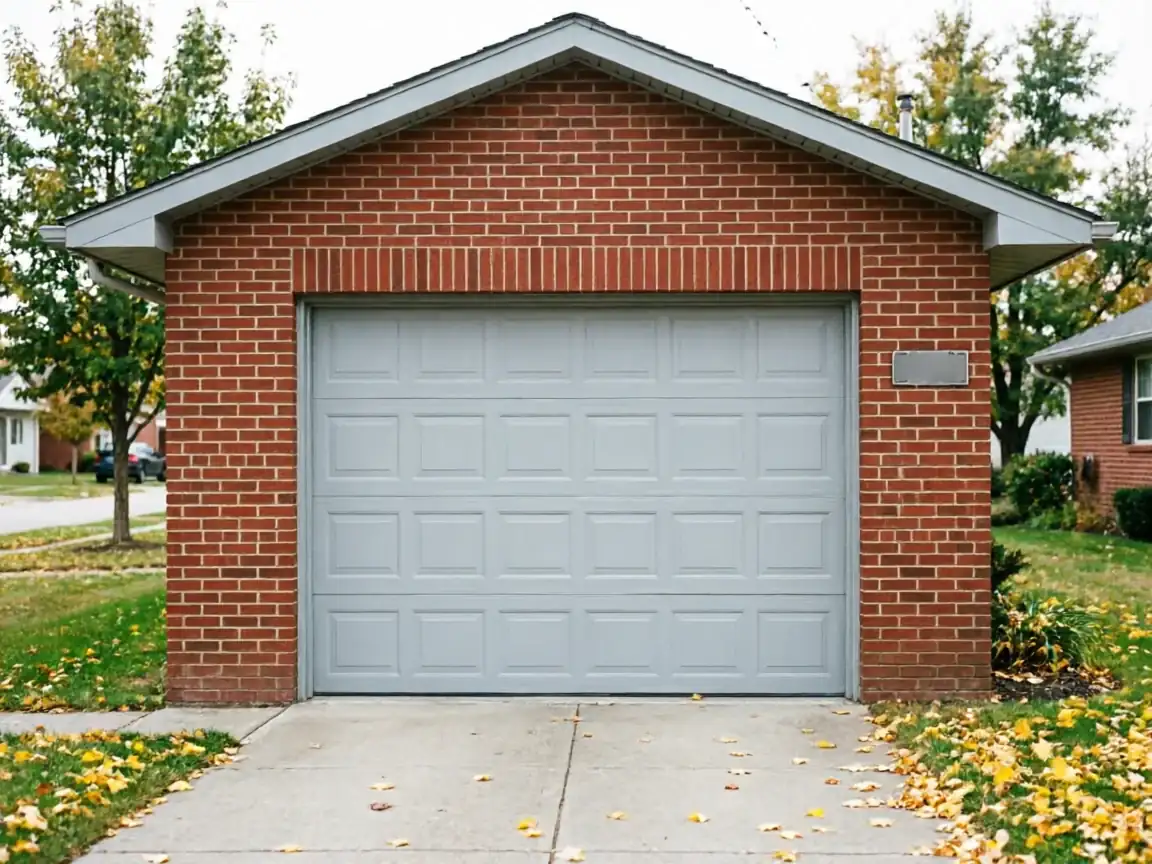
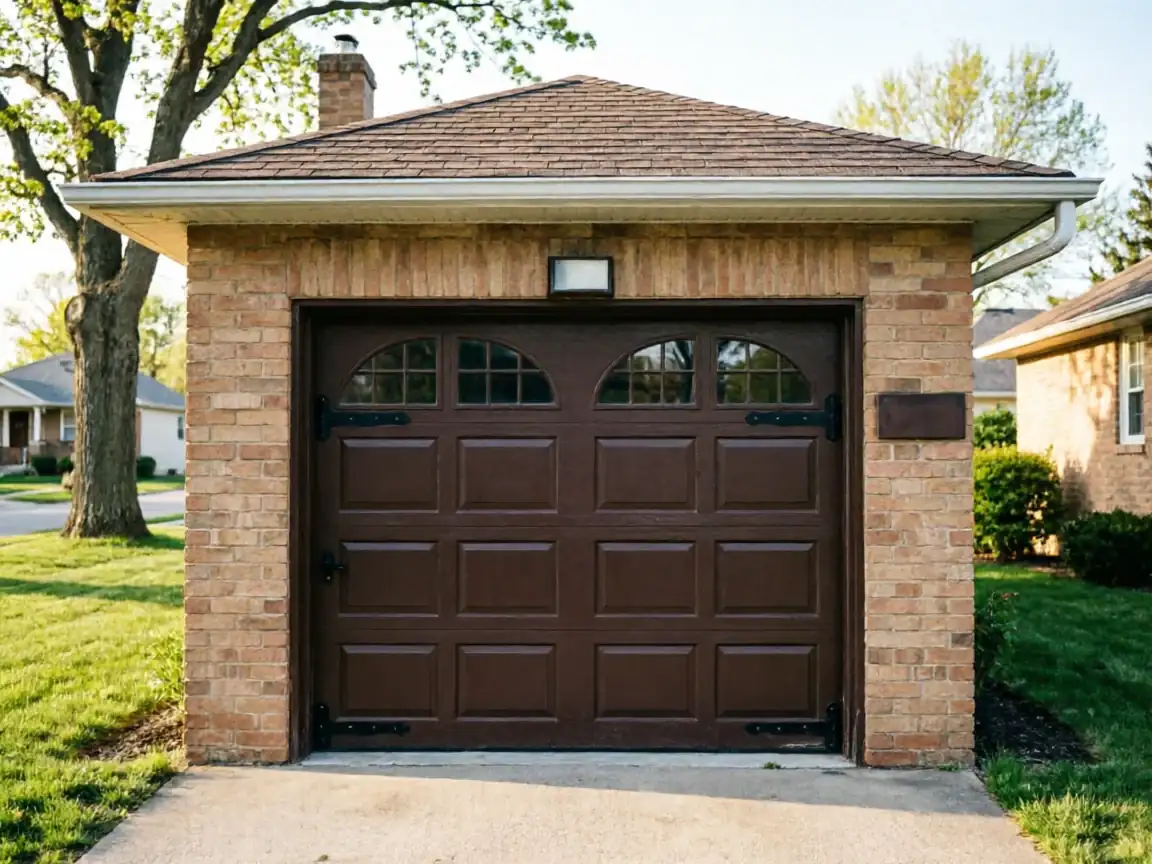
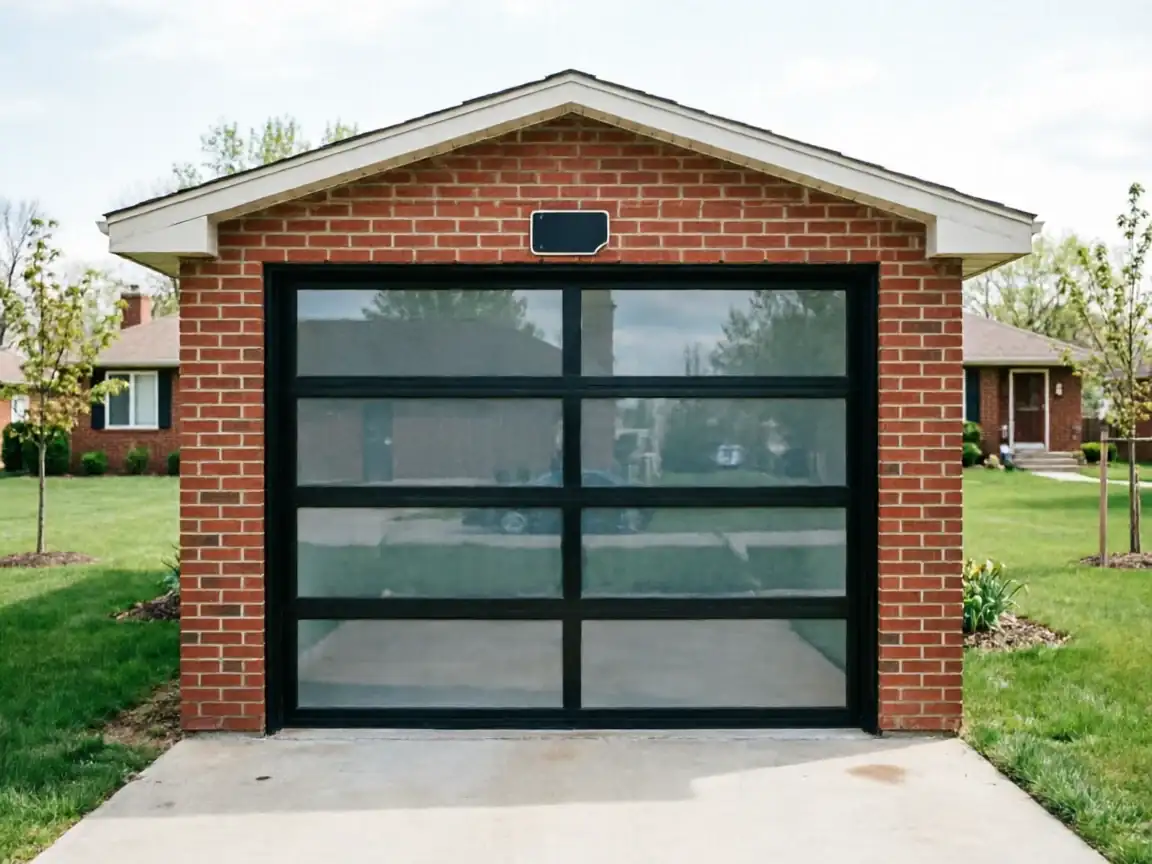
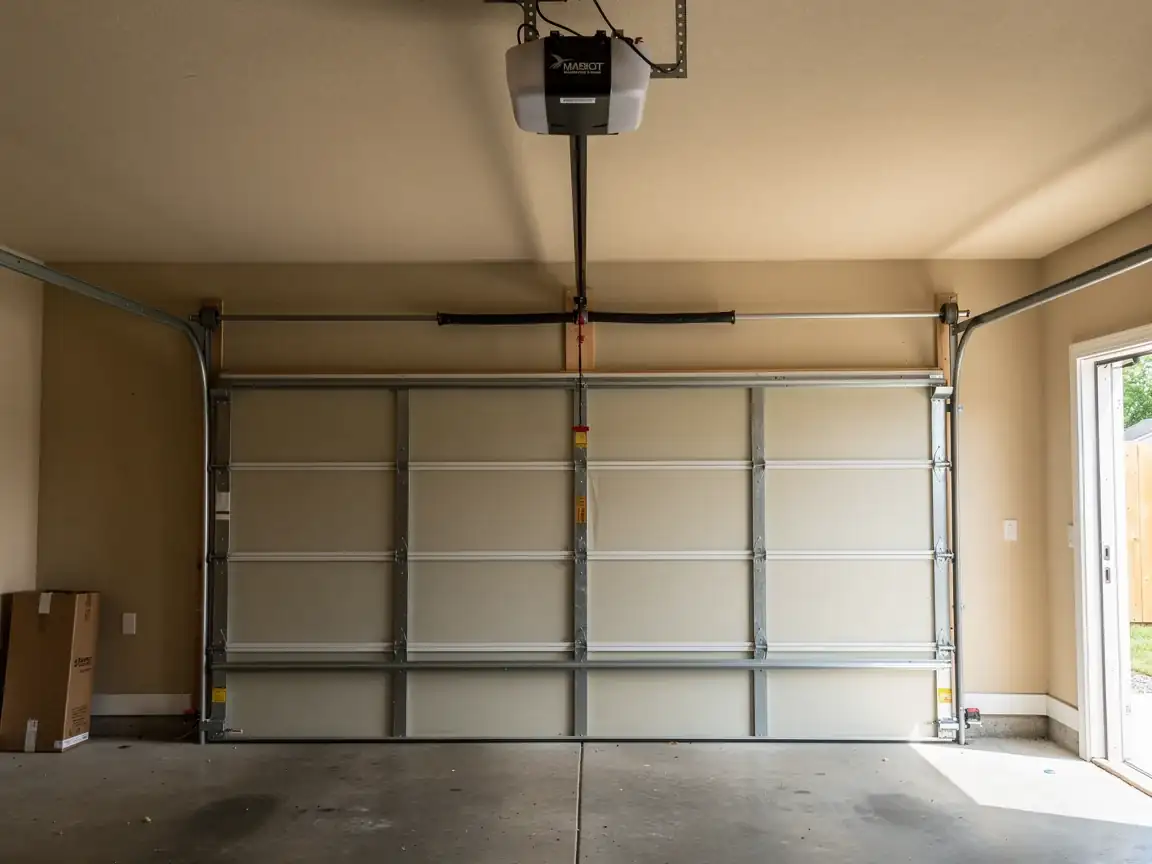
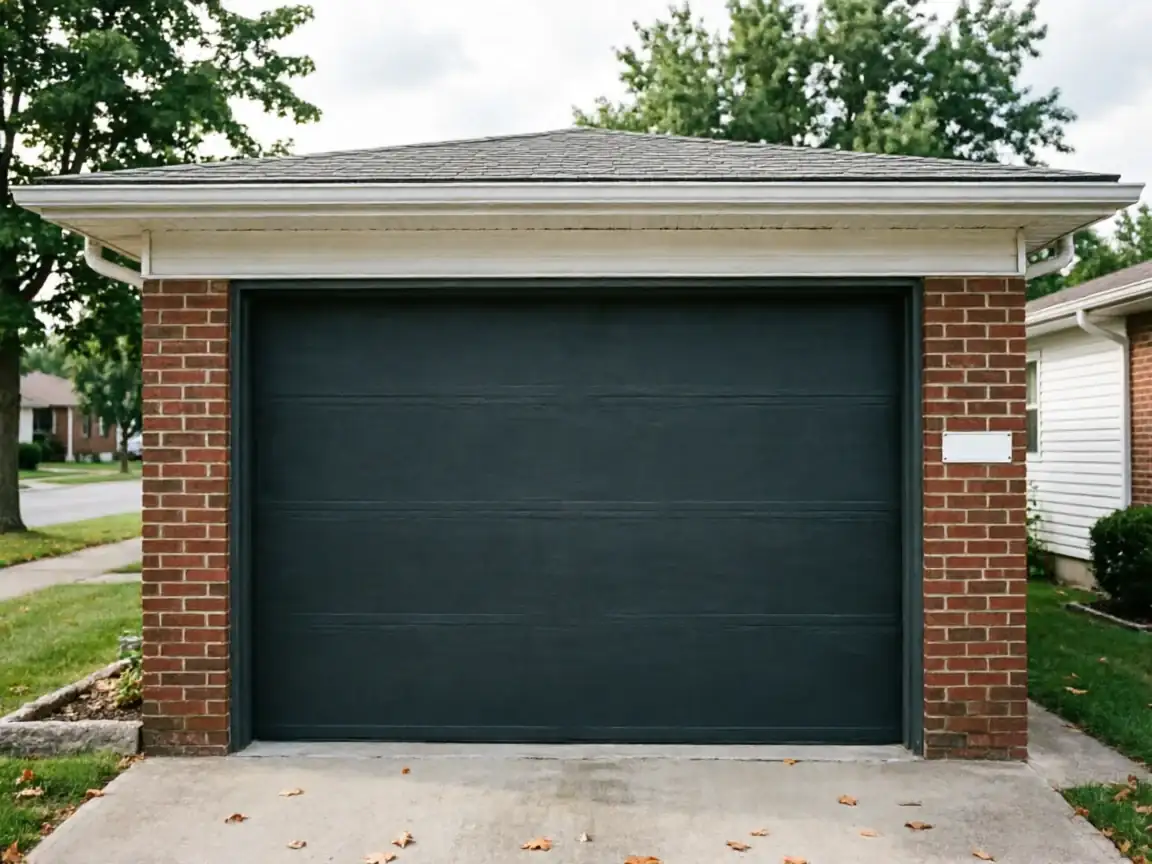
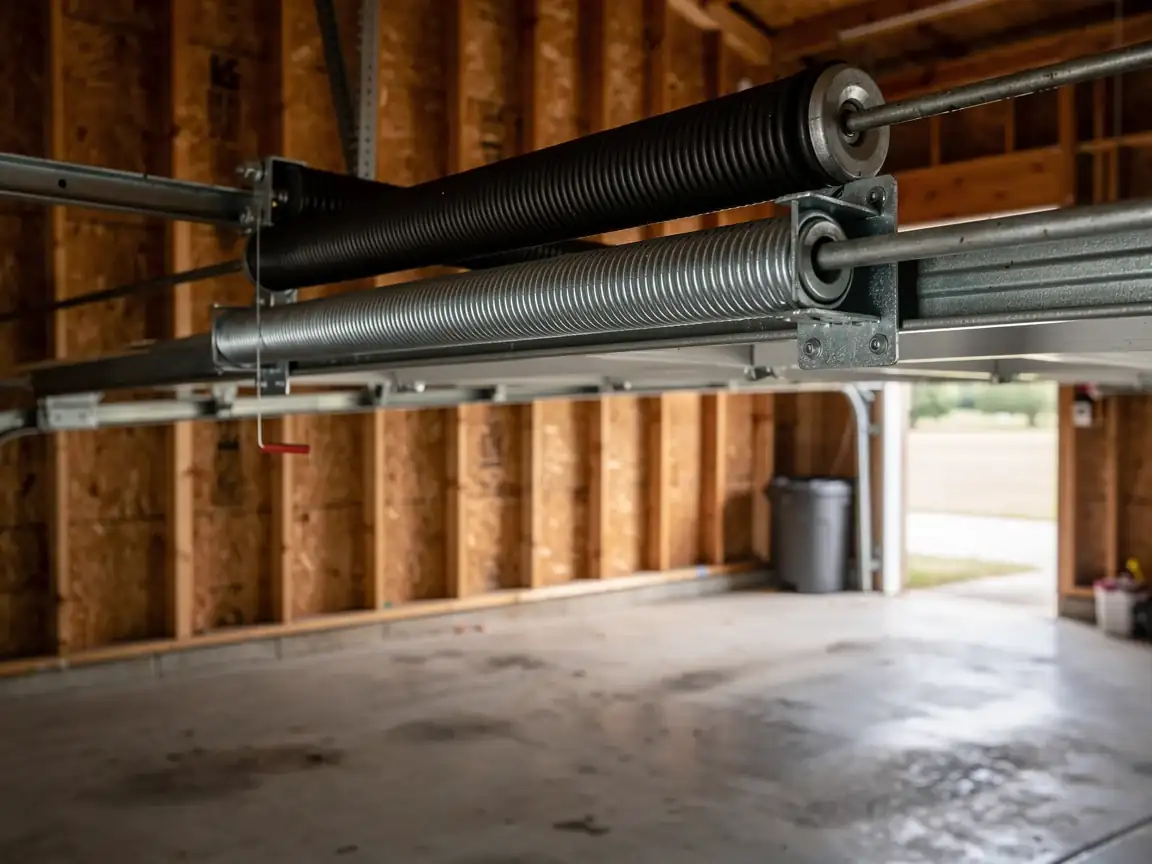
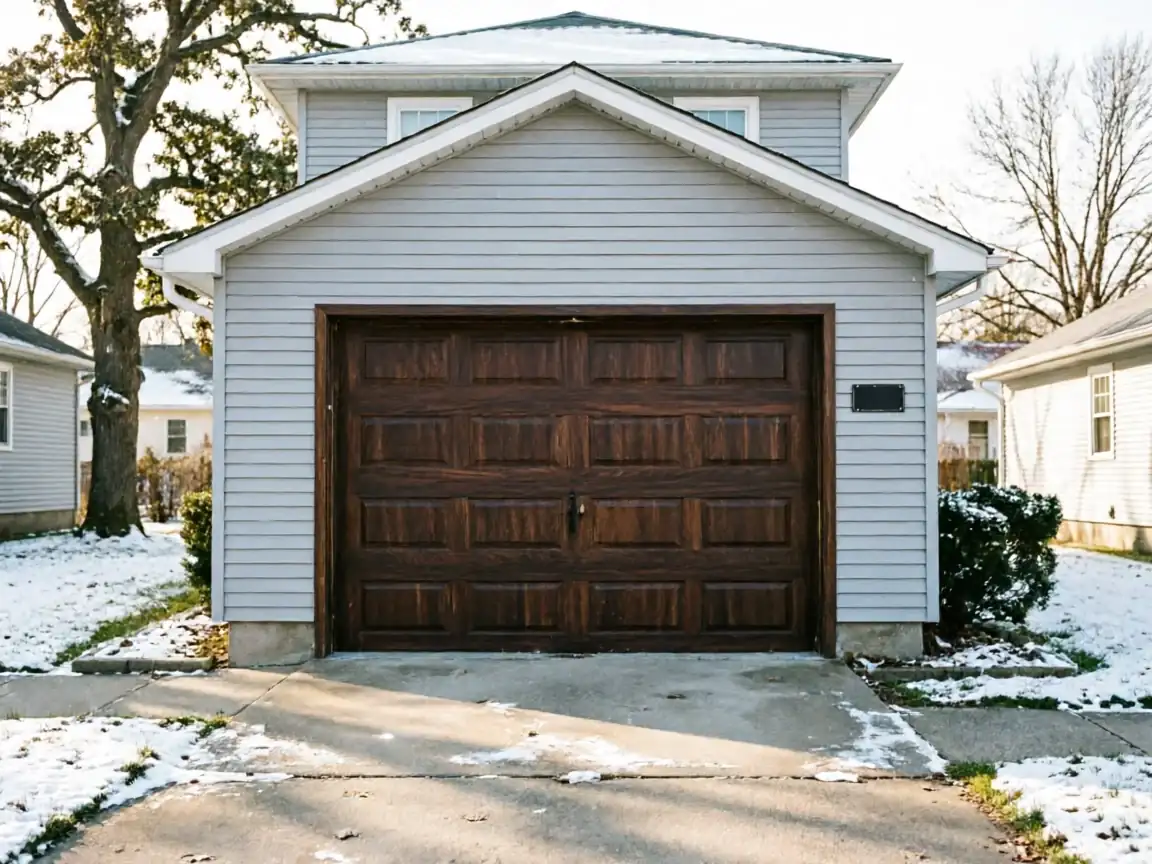
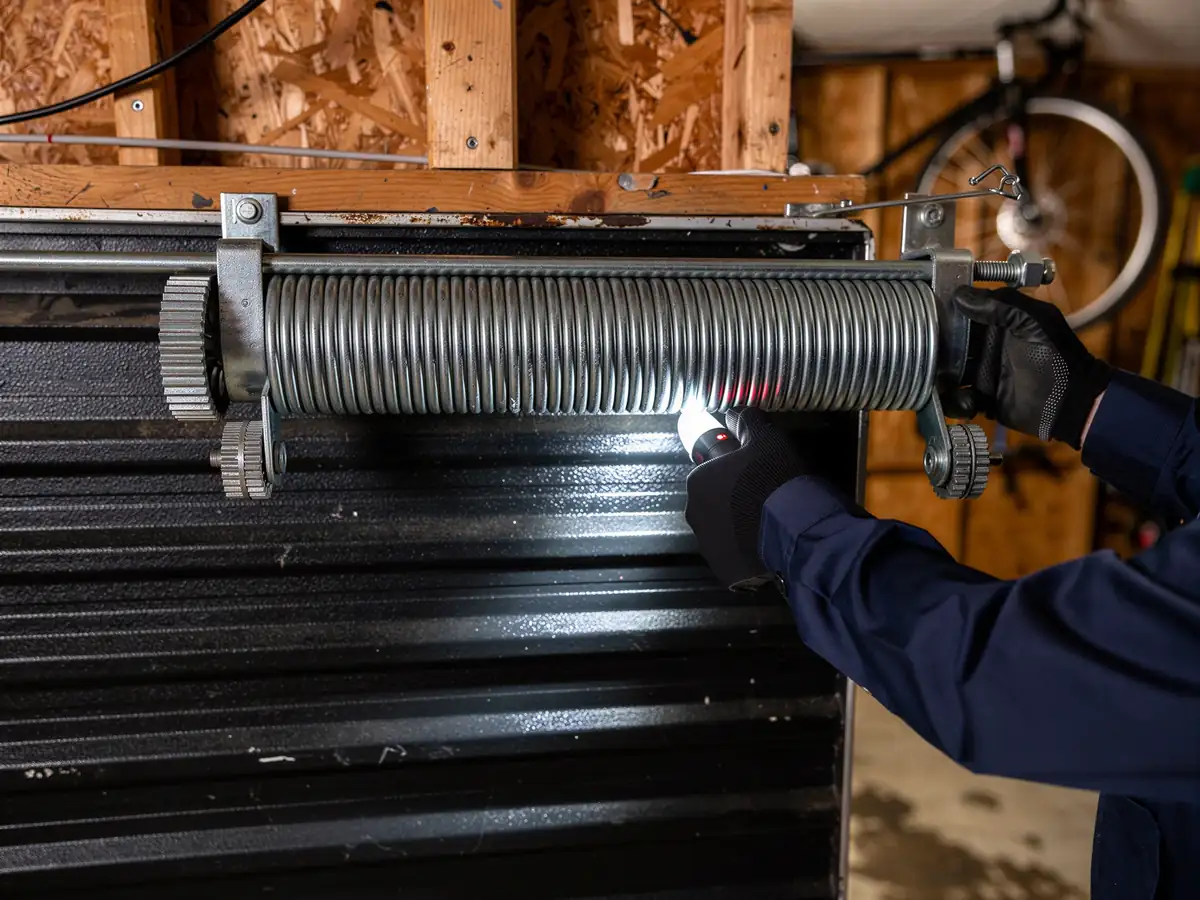
Roseville's housing stock centers on 1968, which puts most garages here near or past the sixty-year mark on their original torsion springs, drums, and cable. That's not unusual for this corner of the Twin Cities - the broader service area we cover runs from houses built in 1956 up through 2004, with a median around 1973, so Roseville sits right at the older end of that range. What that means in practice: if nobody's touched the spring system since the house was built, you're not looking at a worn part so much as a part that was never designed to run this long. Cable fraying at the drum, a torsion spring that's lost tension unevenly, or a center bearing plate that's seized are all common on doors this age. With 15,586 households in Roseville, a good chunk of them are sitting on the same vintage hardware, which is part of why this call comes up here more than it does in newer subdivisions closer to Eagan. We don't guess at what's original - we look at the spring winding cones, the track gauge, and the opener mounting before we quote anything.
How We Fix It
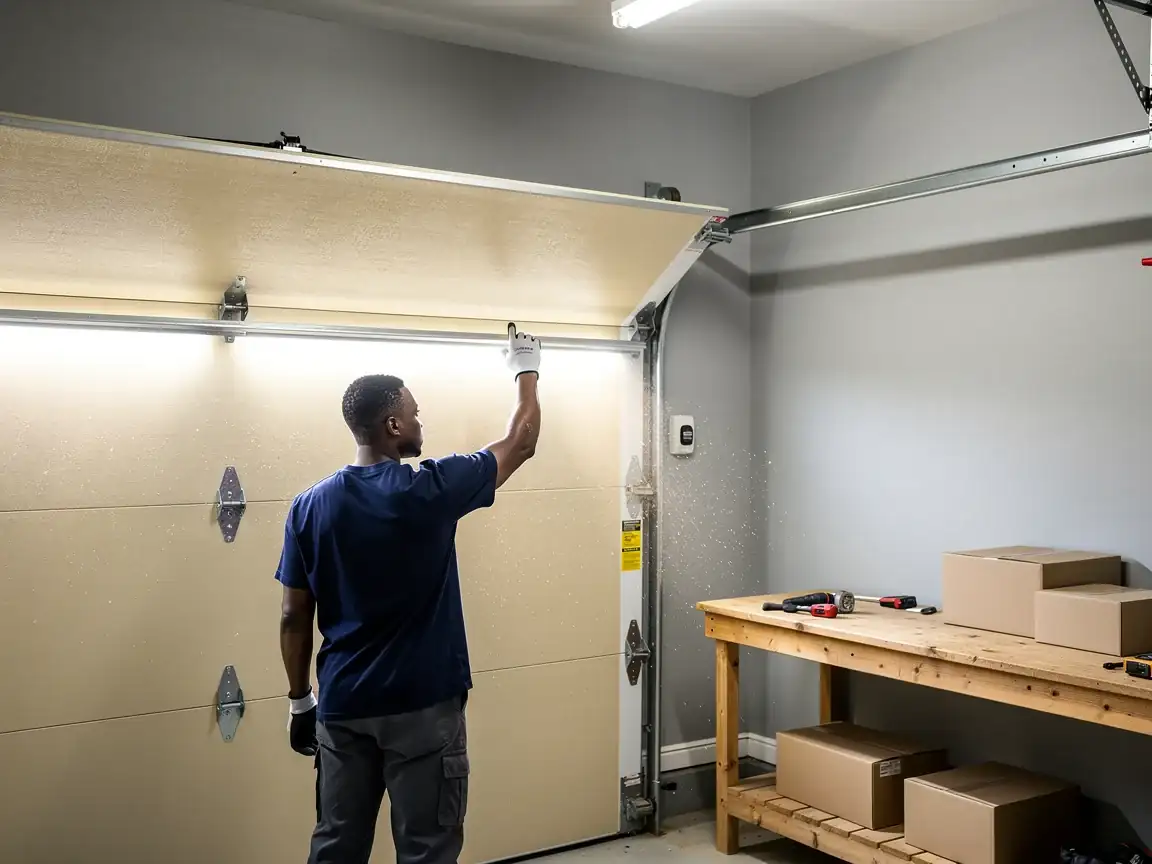
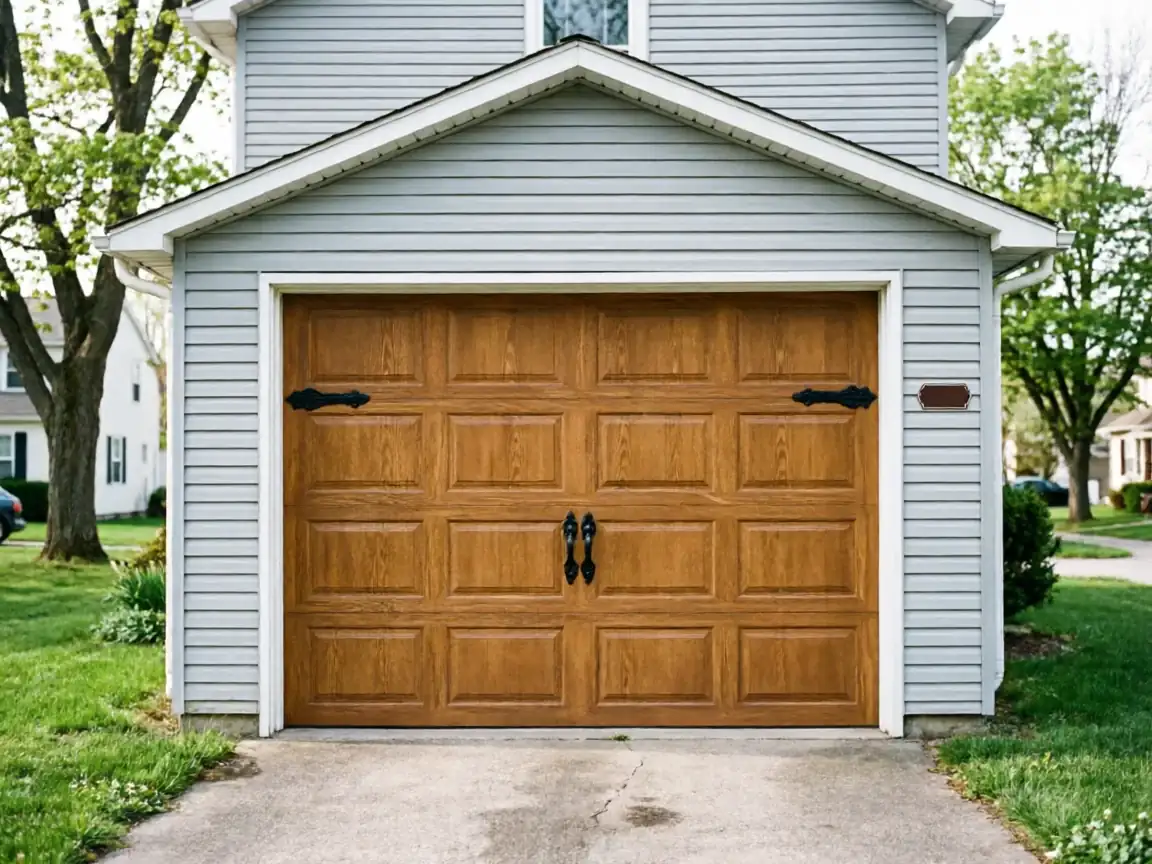
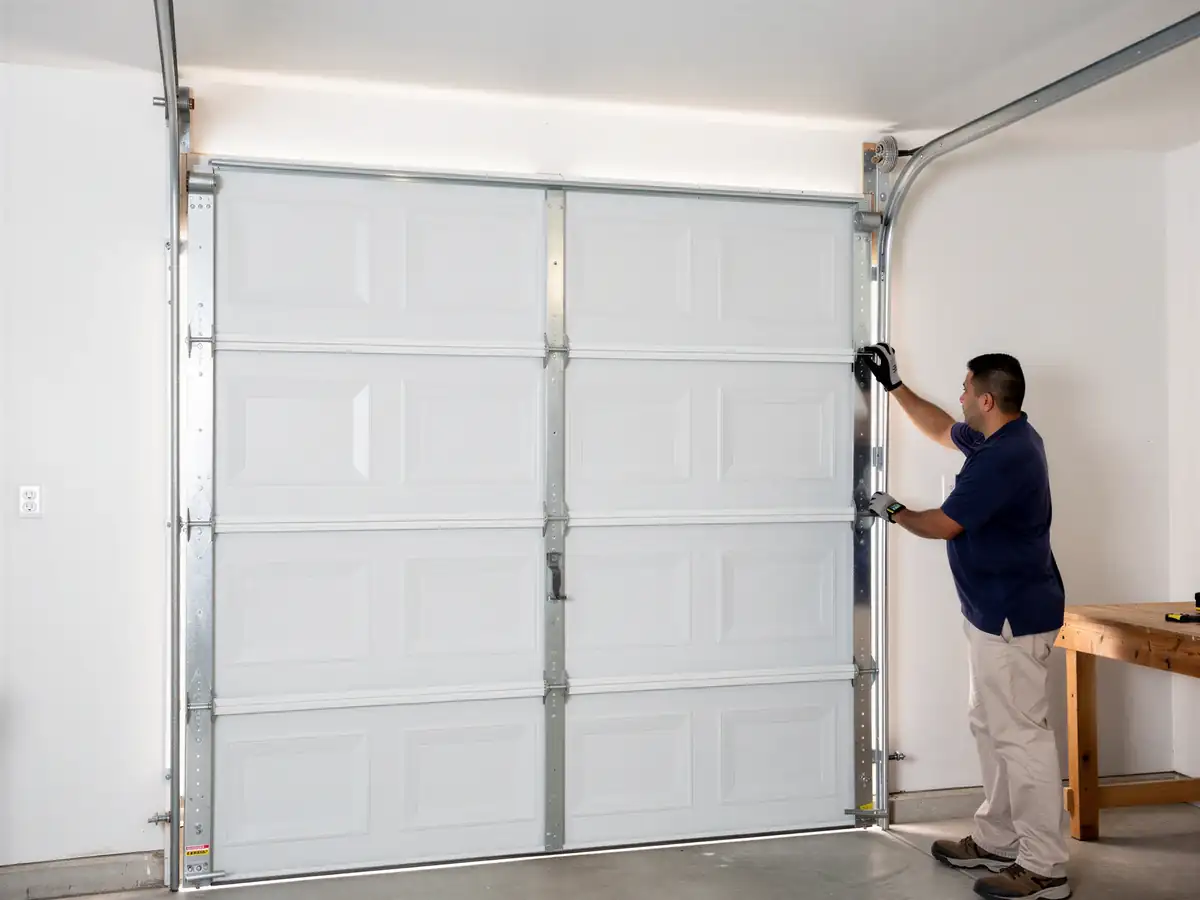
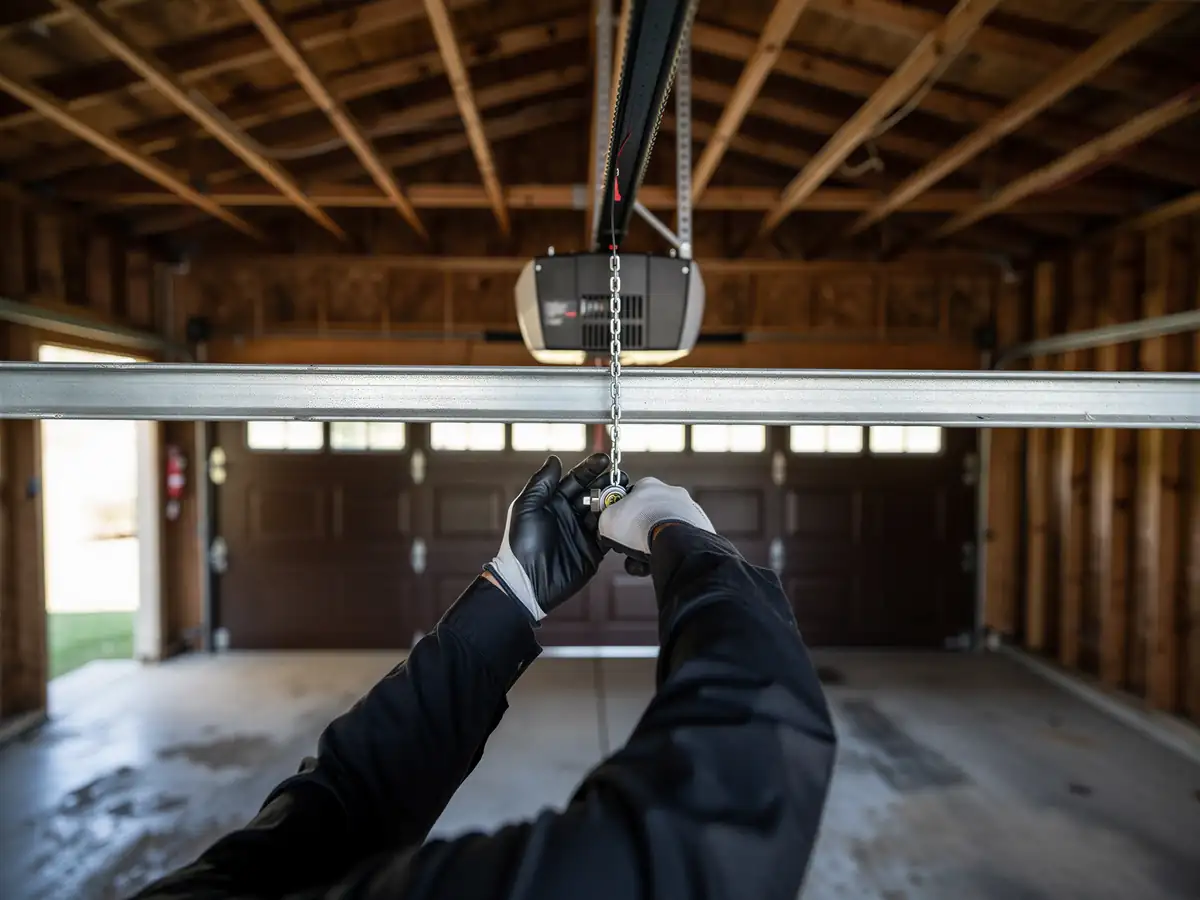
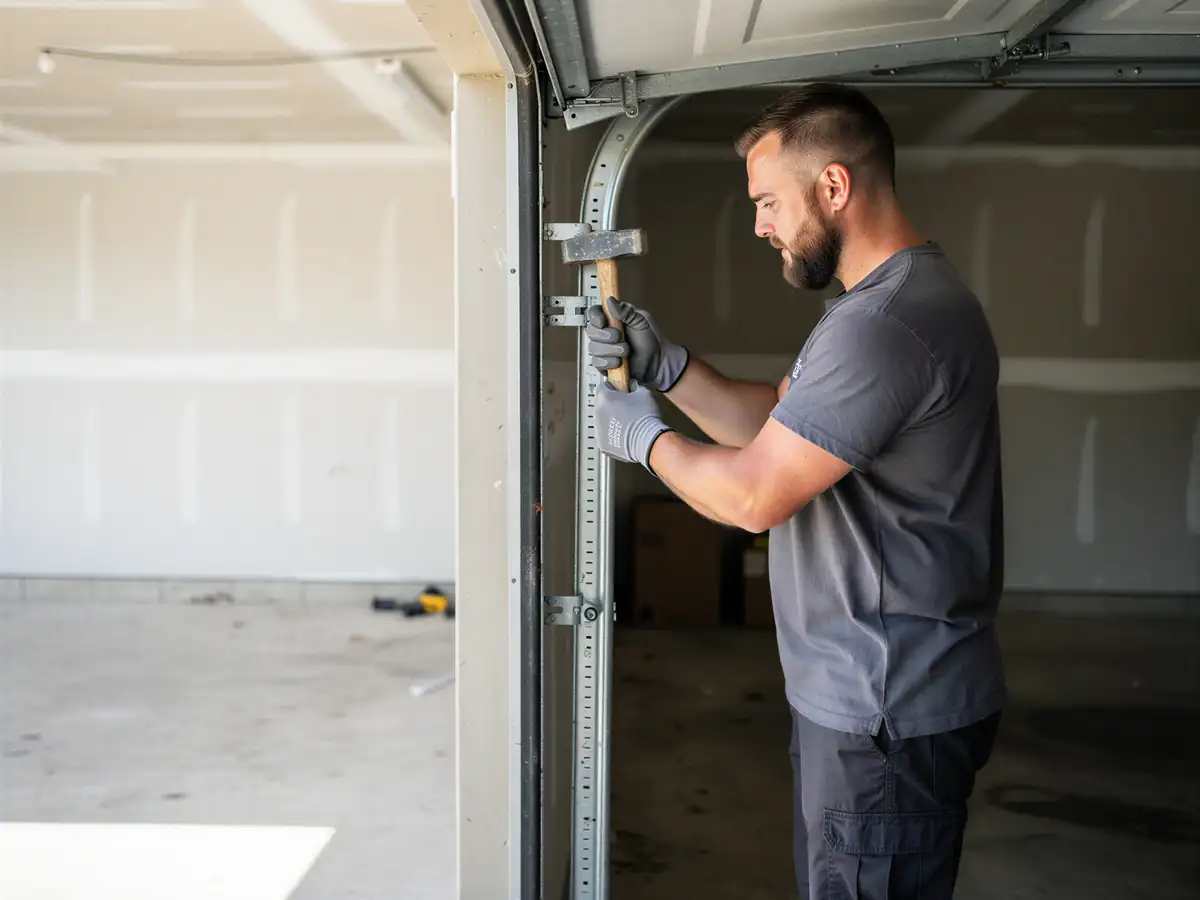
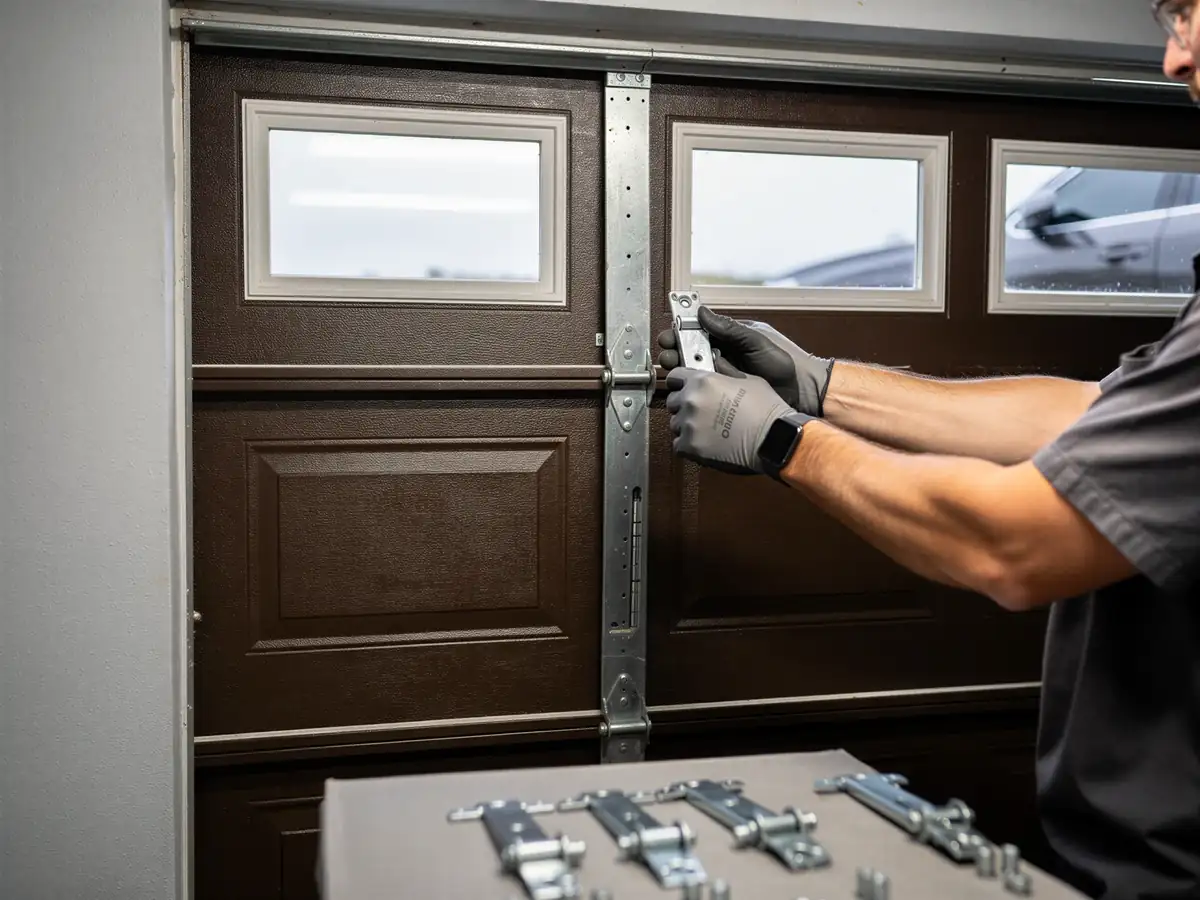
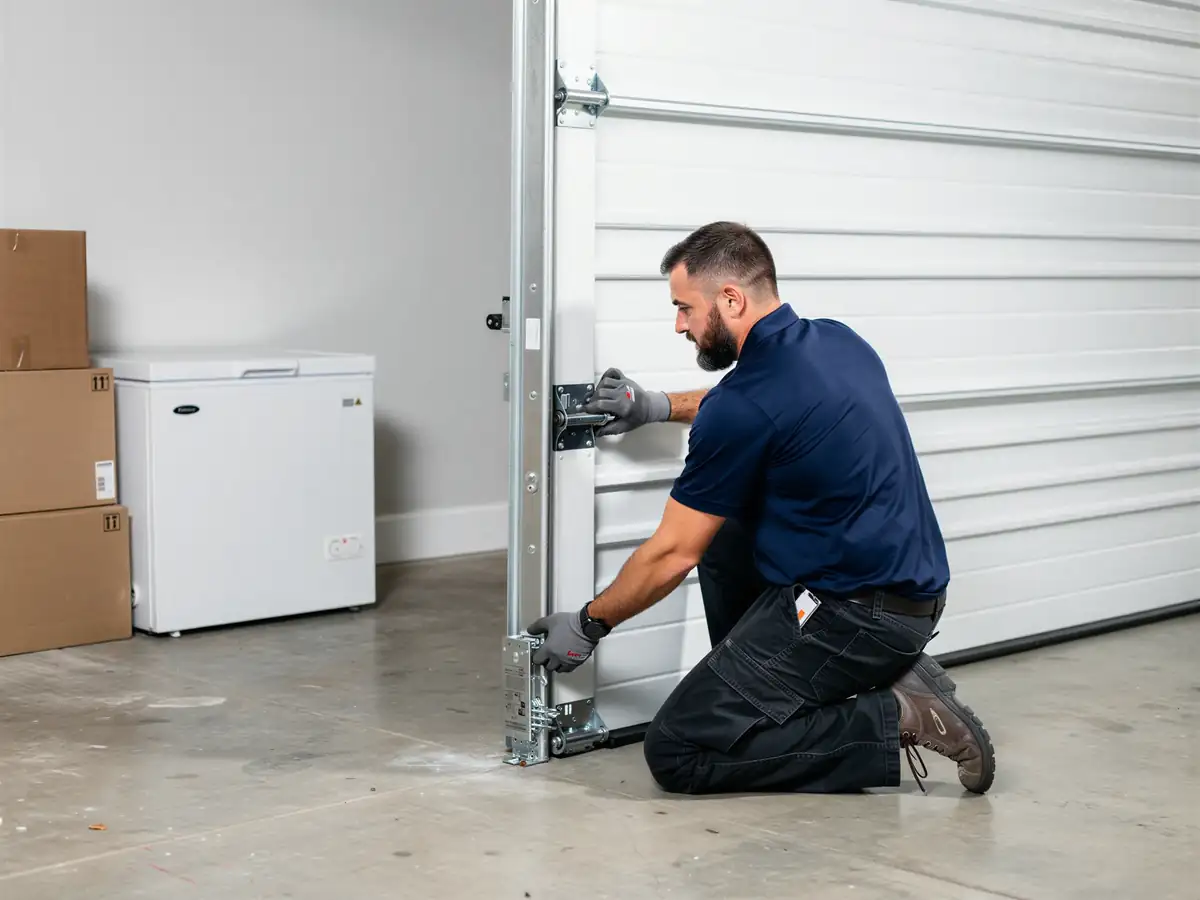
We come out from Eagan - it's about 14 miles - carrying torsion springs sized for older one-piece and sectional doors, not just the current factory-standard stock. On a house from 1968, the first thing we check is whether the drums, bearing plates, and track are original or already replaced, because mixing a new spring onto a worn drum is how you get a repeat call in six months. If the opener is original or close to it, we'll say so plainly rather than patch around a motor that's at the end of its life. Panel repair versus full door replacement comes down to rust at the bottom section and whether the track is bent enough to throw the whole door out of alignment - sometimes a repair is the right call, sometimes it isn't, and we'll tell you which before we start. Full details on what we handle and how a service call runs are on our Roseville service page, and general info on the company is on the Eagan page.
Doing It Yourself
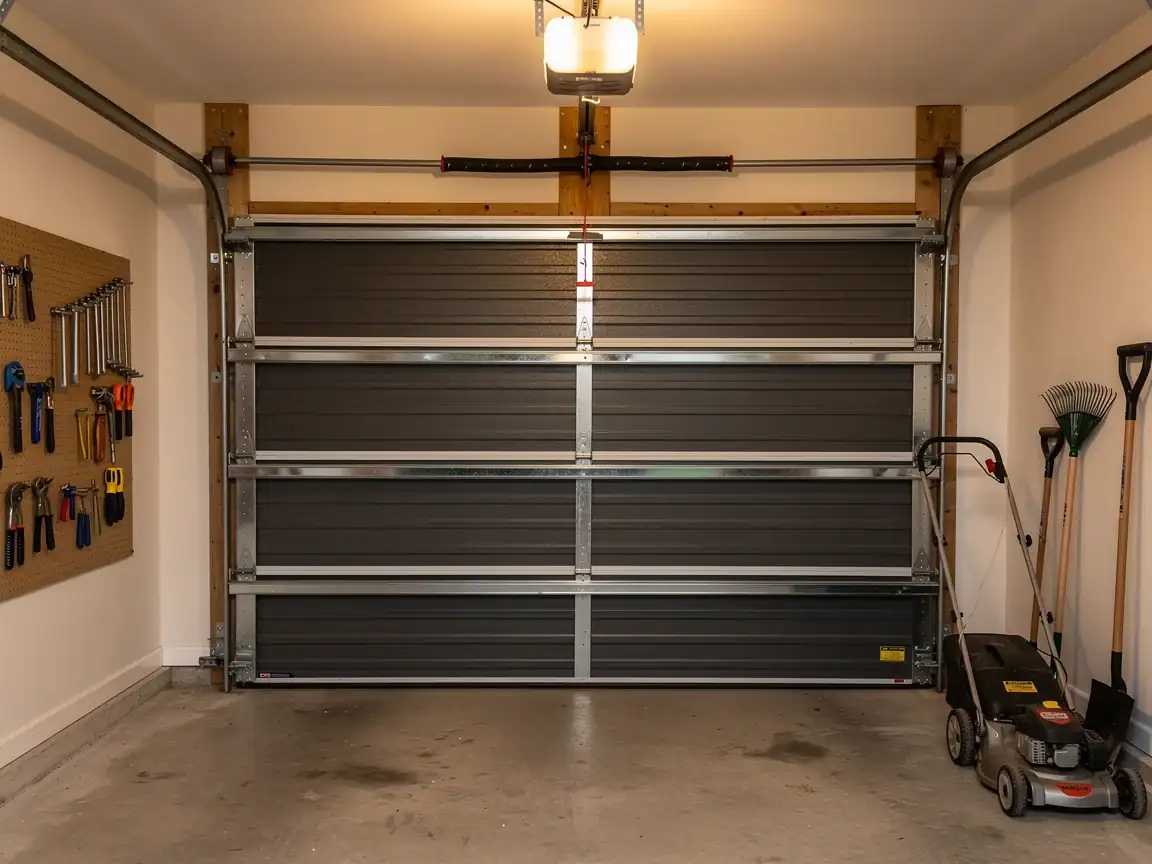
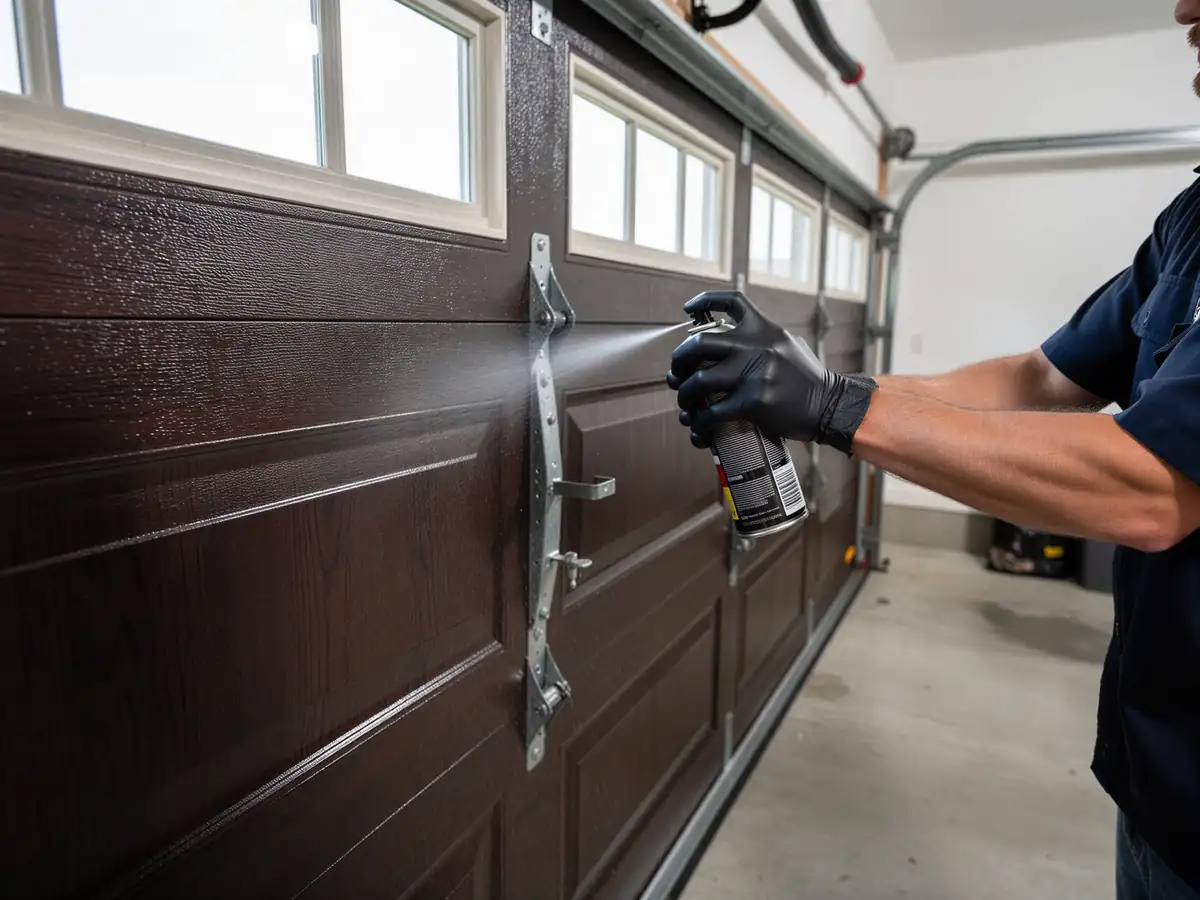
A torsion spring under tension is not a weekend project, especially on hardware this old - the winding cones on a 1968-era door can be seized or corroded enough that a standard winding bar doesn't seat right, and that's how people get hurt. What you can safely check yourself: whether the bottom brackets are rusted through, whether the opener's safety reversal still works (block the door with a 2x4 and see if it backs off), and whether the track bolts are loose at the wall. If the door is original steel with no insulation and the bottom section has rust-through, that's usually a replacement conversation, not a repair one - patching a 55-year-old panel rarely holds. One honest limit on our end: if a part is genuinely obsolete - some original 1960s hardware is - we may need a day or two to source a compatible replacement rather than an exact match, and we'll say that upfront rather than promise same-day on something we don't have on the truck.