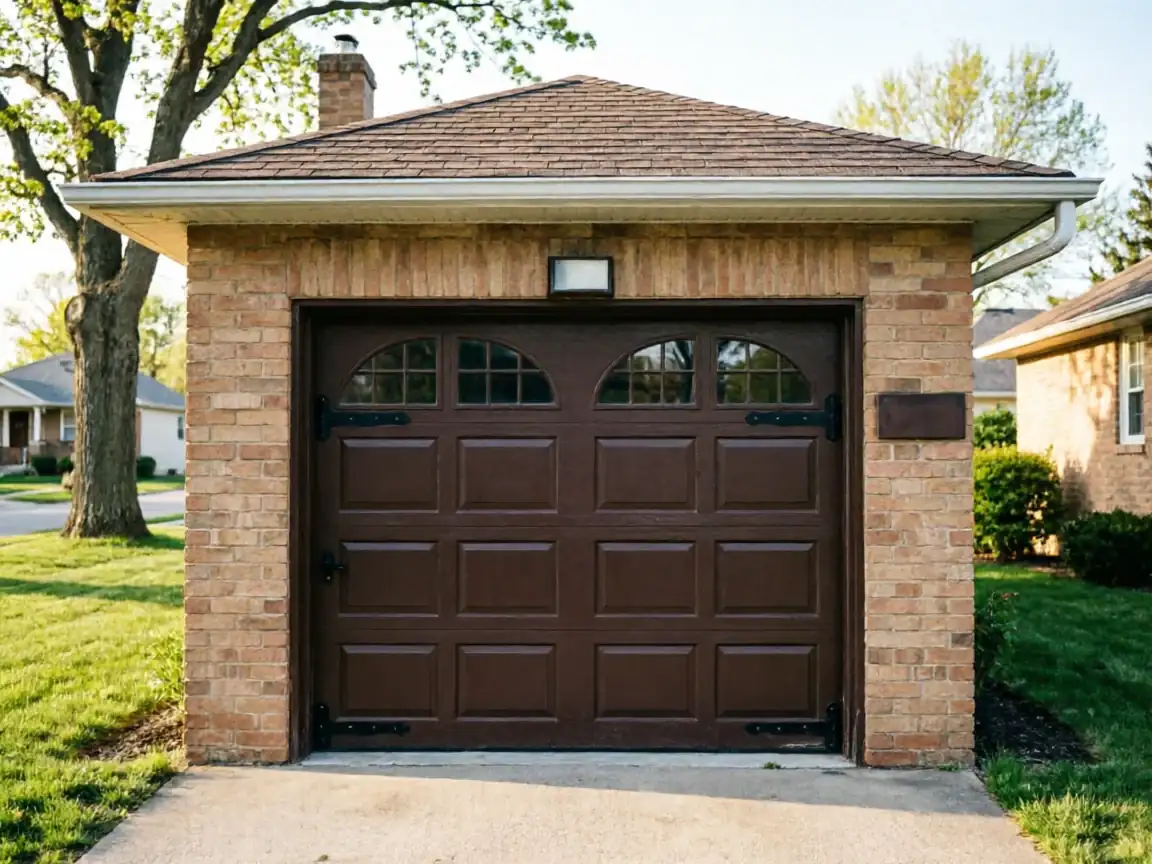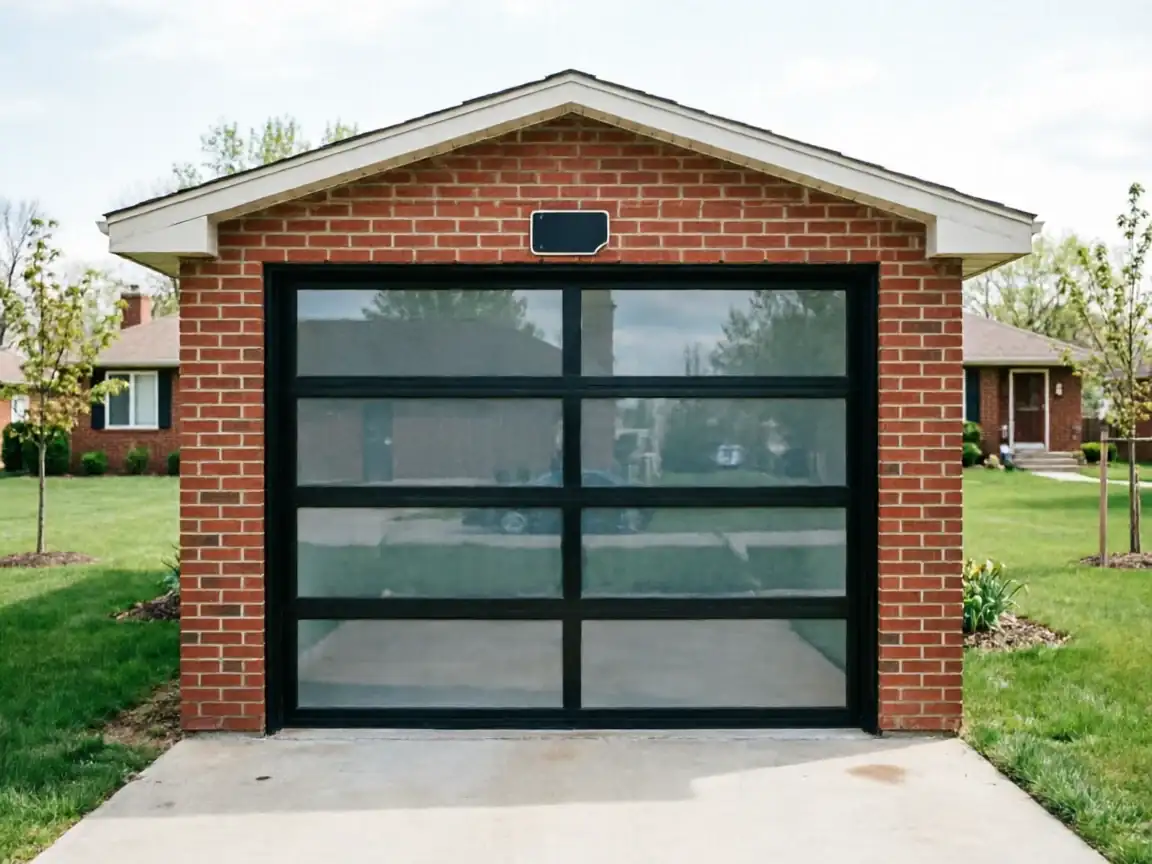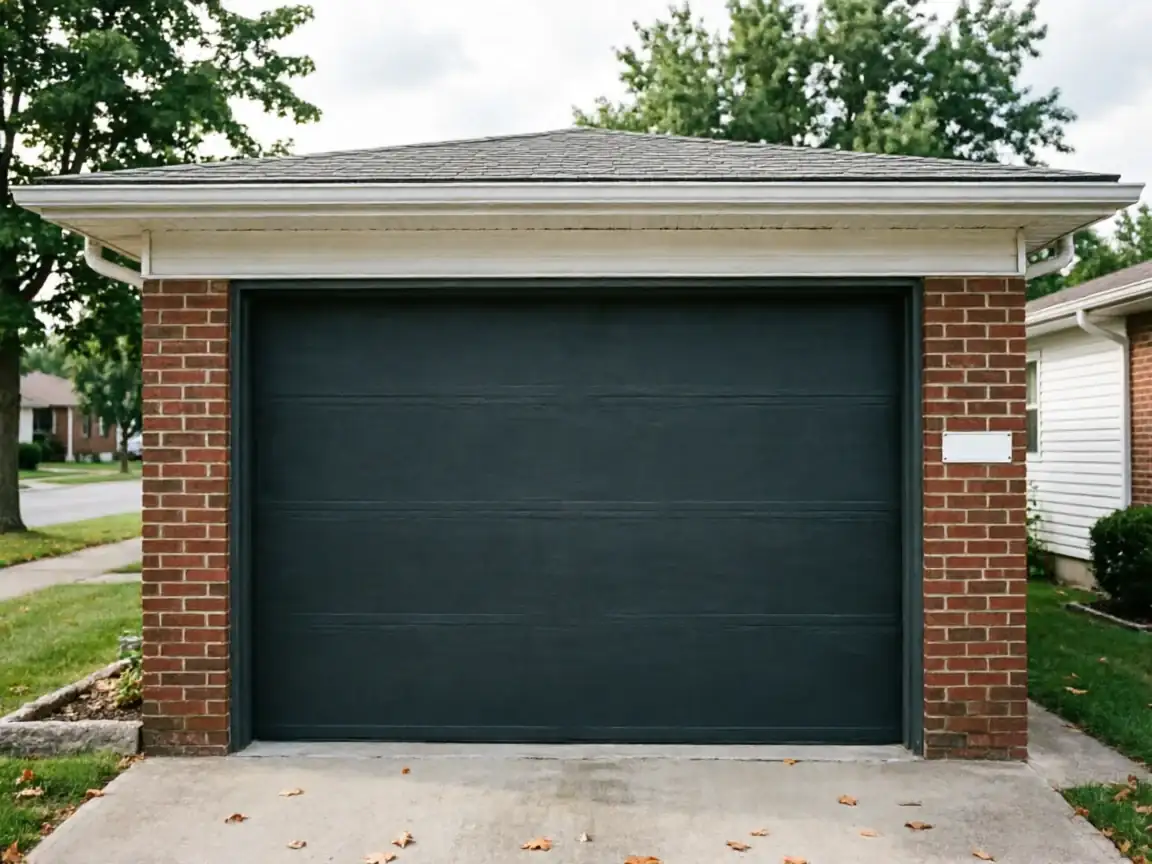
What You Are Seeing
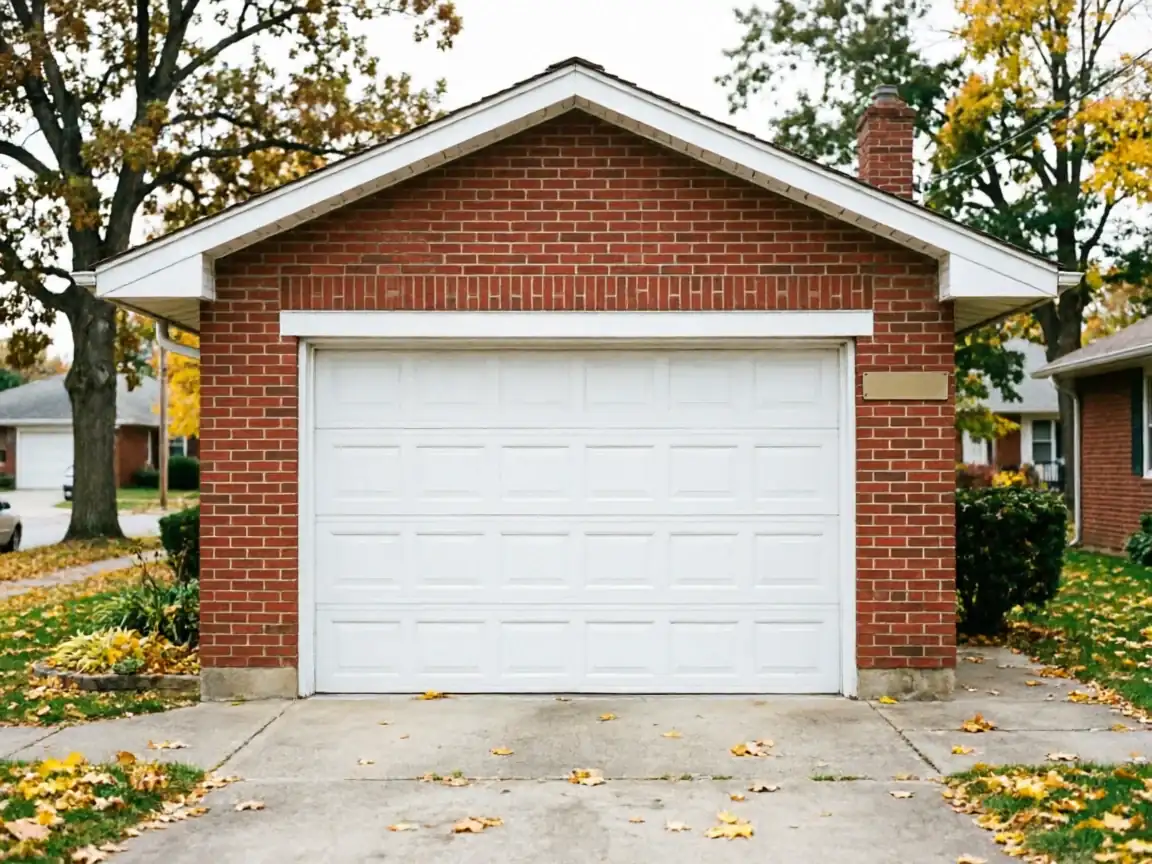
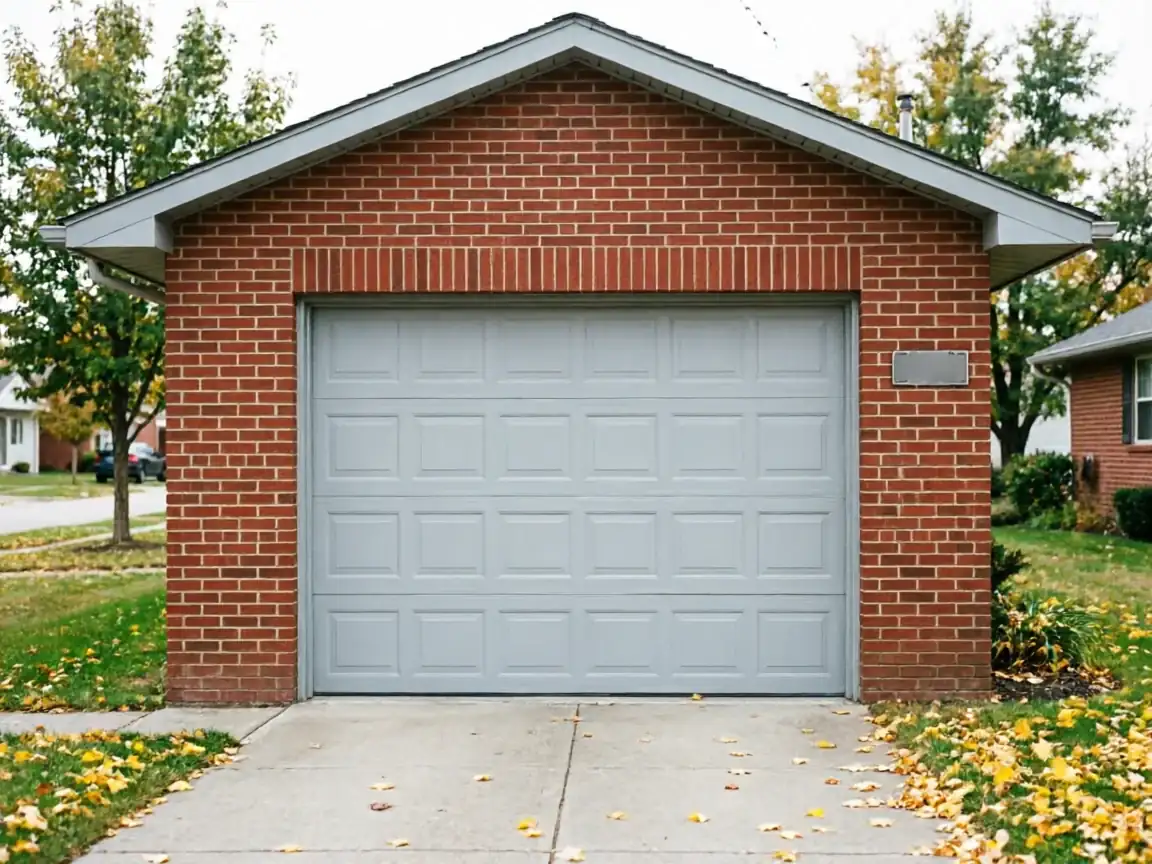
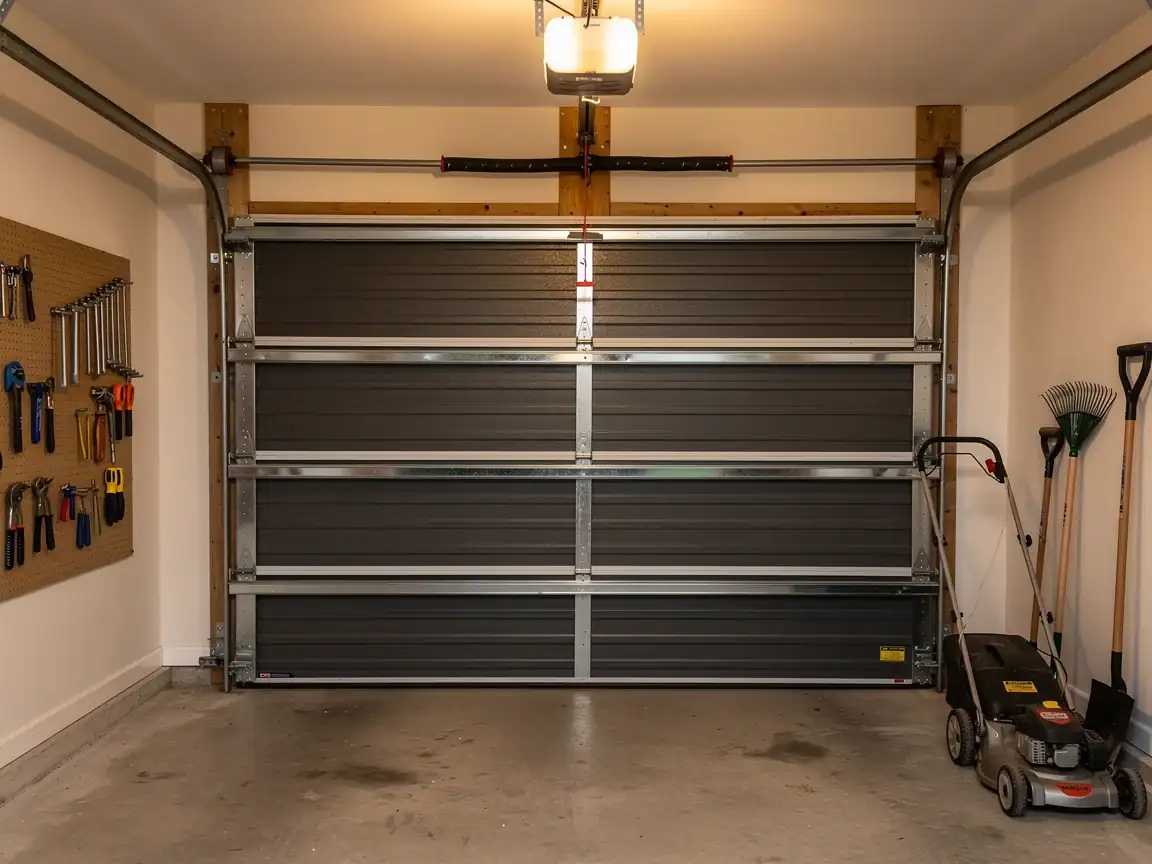
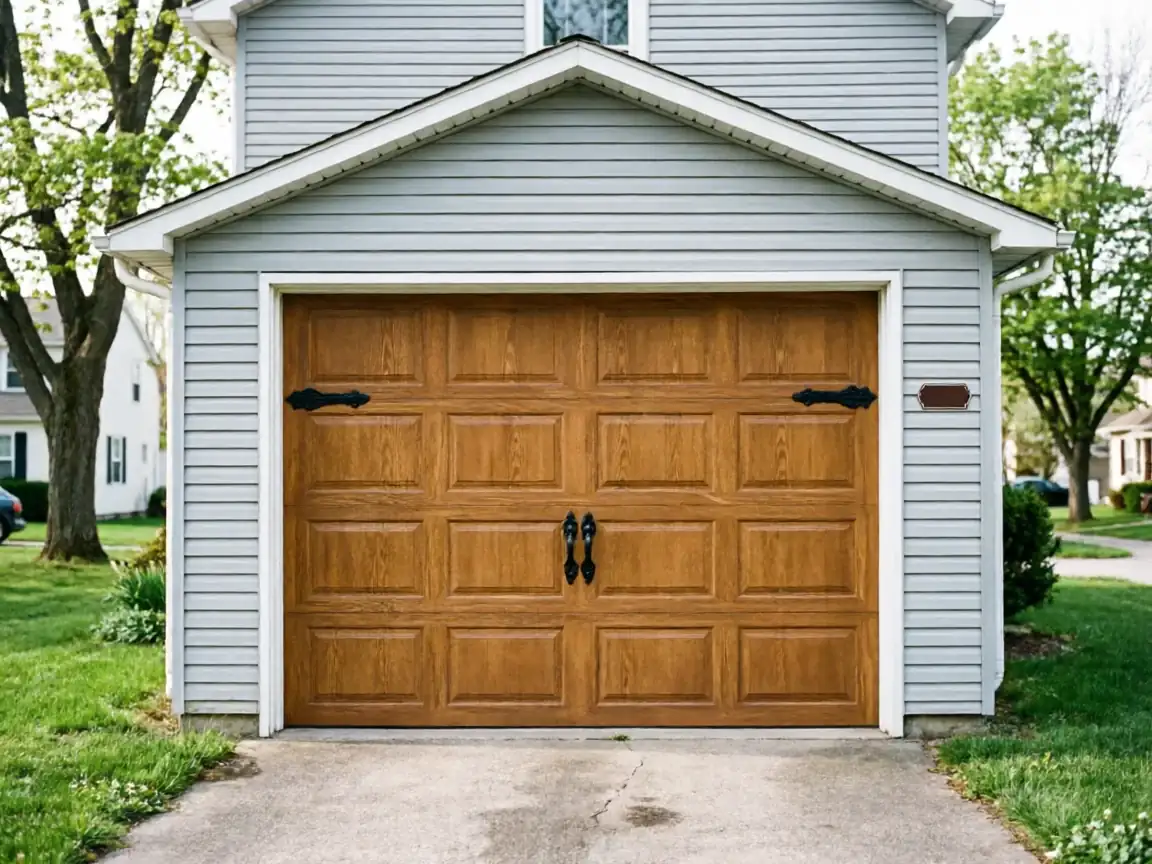
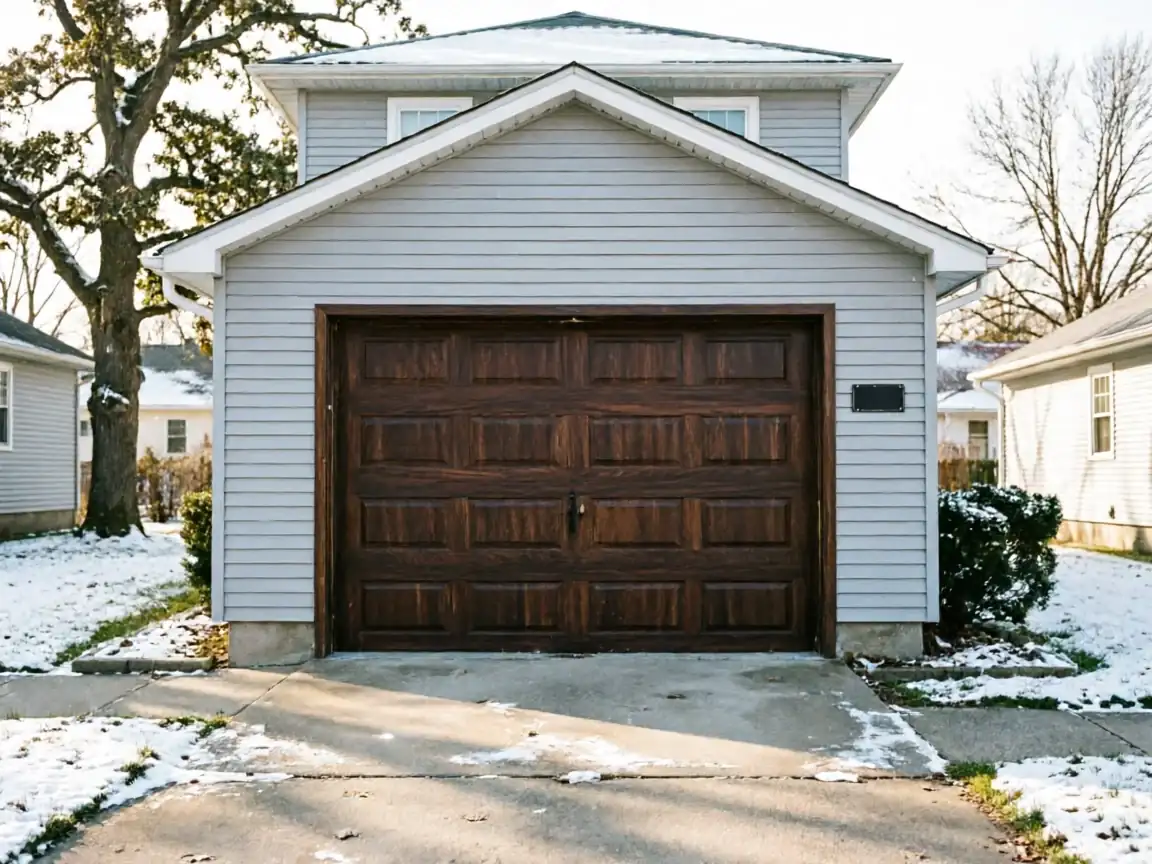
Most houses in Roseville went up around 1968, square in the middle of the 1960s-70s wave that shaped this part of the Twin Cities. That build year matters more than people think when it comes time to replace a garage door. Openings from that era were often framed a few inches narrower or shorter than what current steel and insulated doors come in off the shelf, and the track hardware mounted to the jamb assumed a single lightweight panel, not the heavier insulated sections most owners want now. If your opener is original or close to it, it was sized for a door that weighed a fraction of what a modern double-layer steel door weighs. None of this means your garage is a problem. It means a straight swap - same size, same hardware, new skin - usually isn't what the job actually needs. We measure the rough opening and the track clearance before we quote anything, because guessing on a house this age is how you end up with a door that binds on the header or an opener straining against a panel it was never rated to lift.
How We Fix It
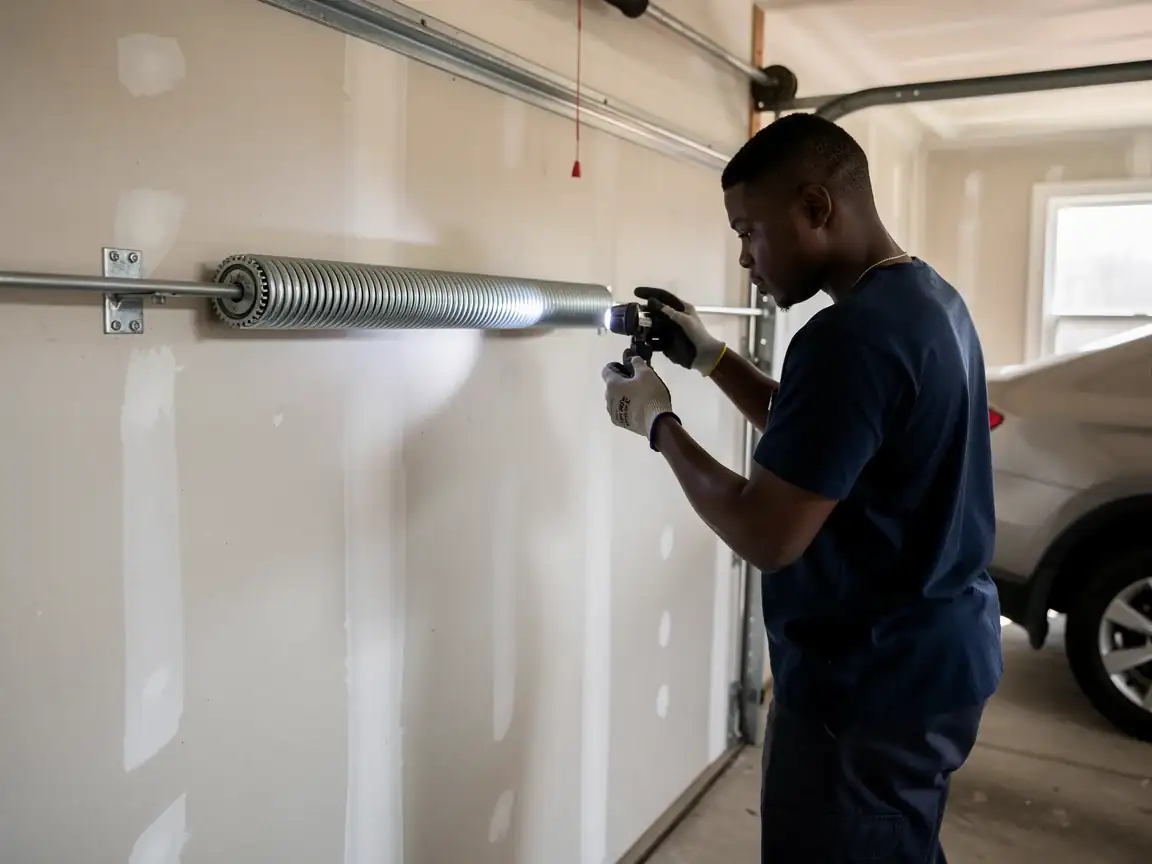
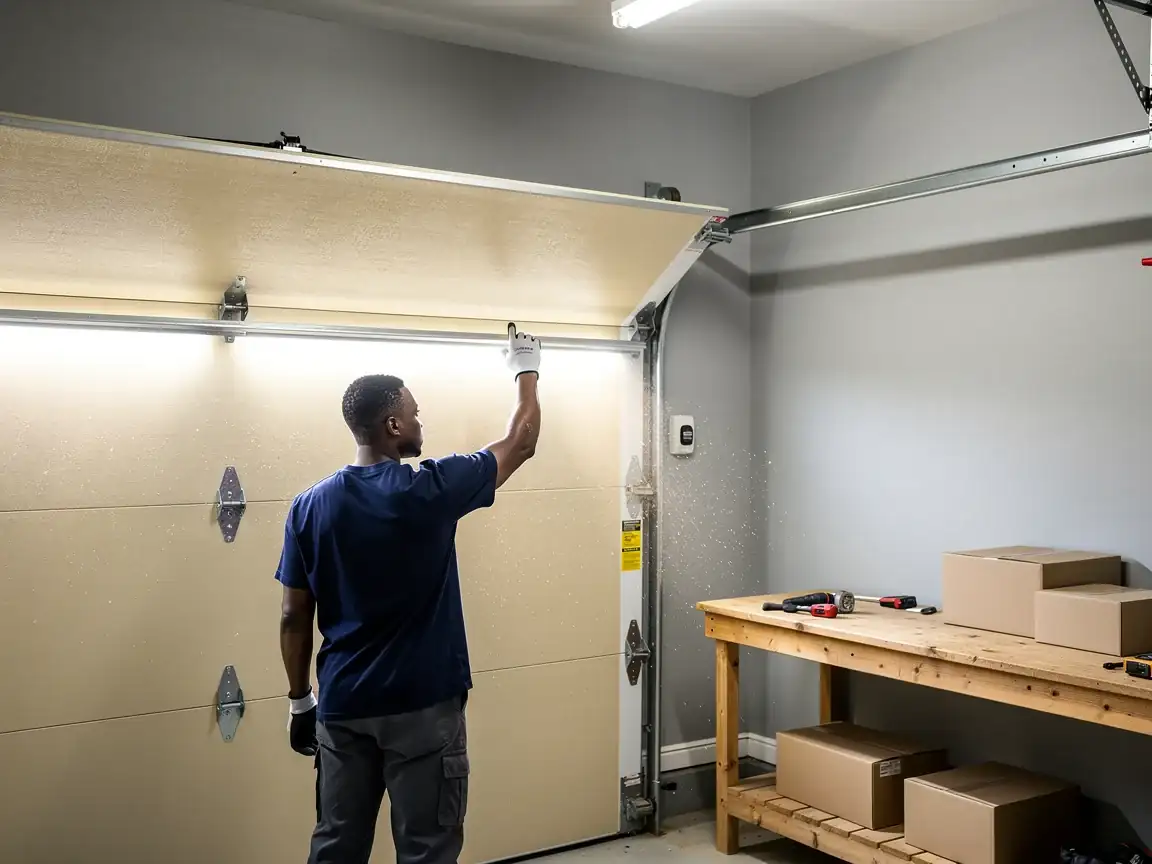
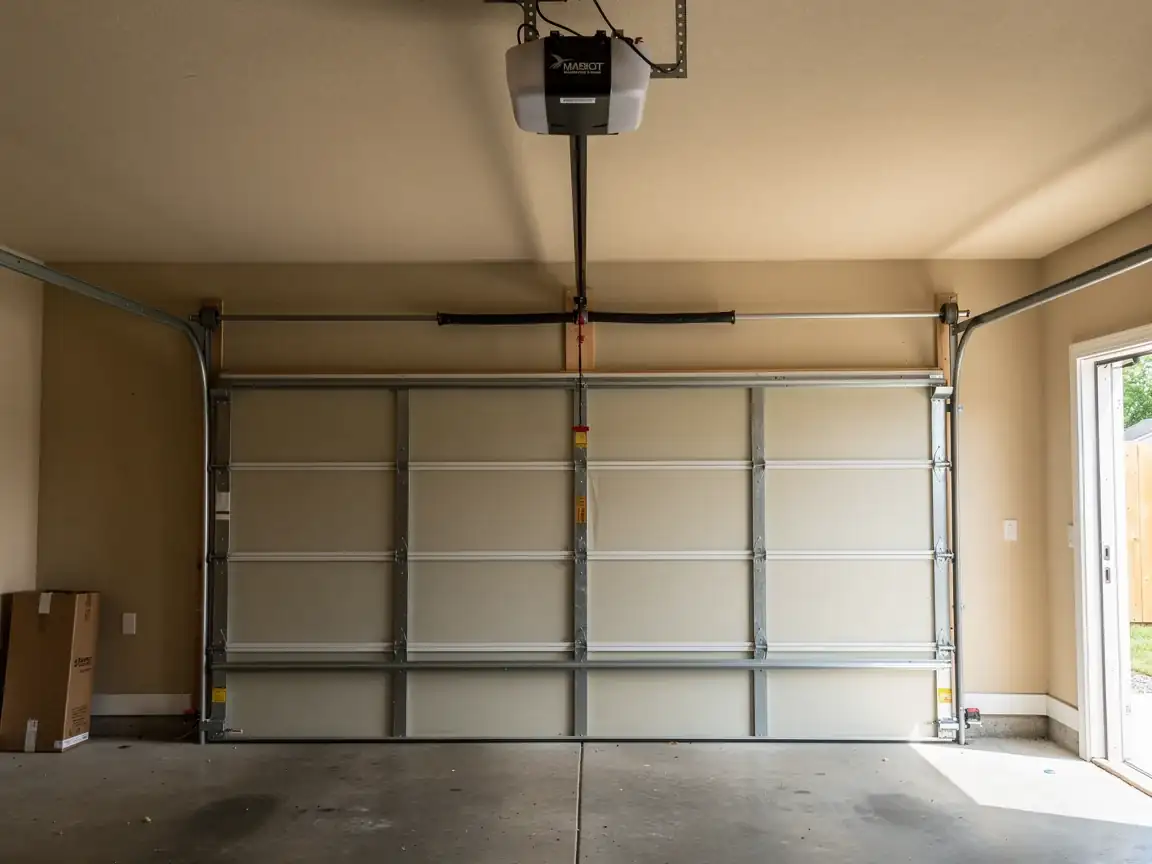
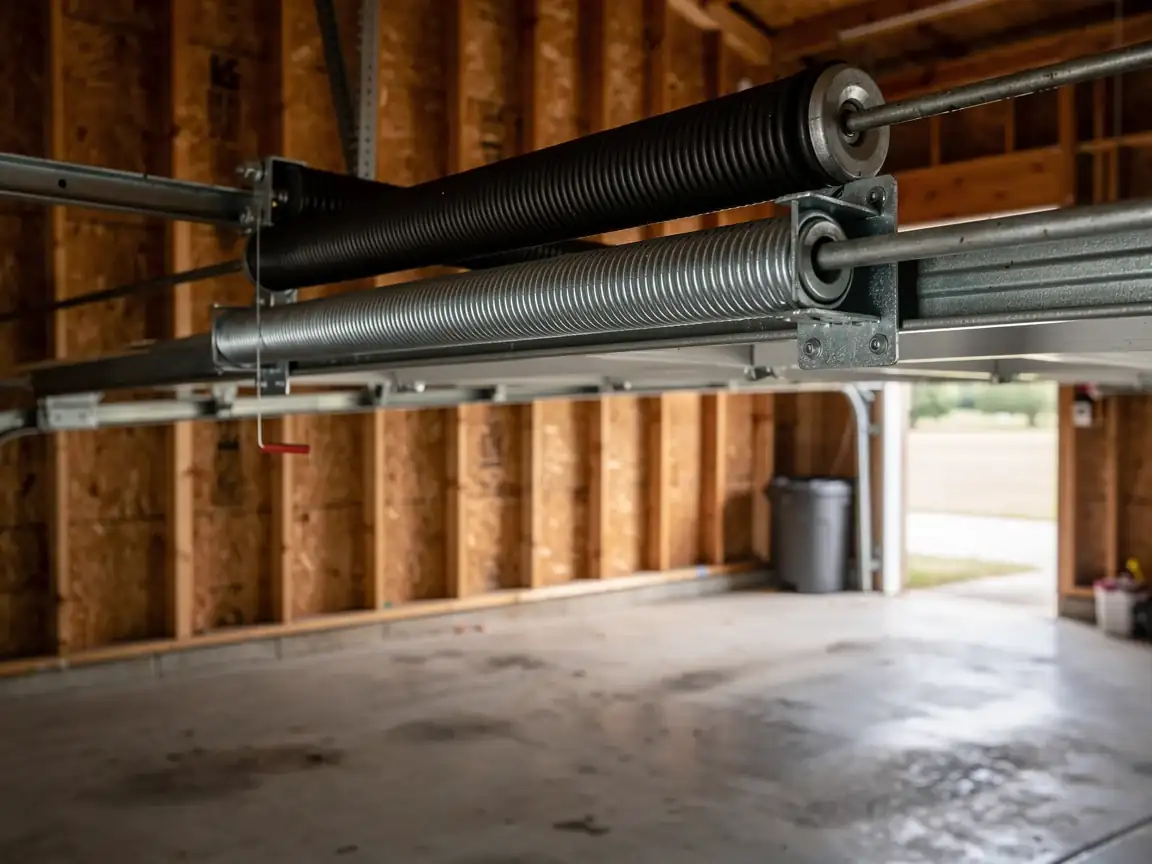
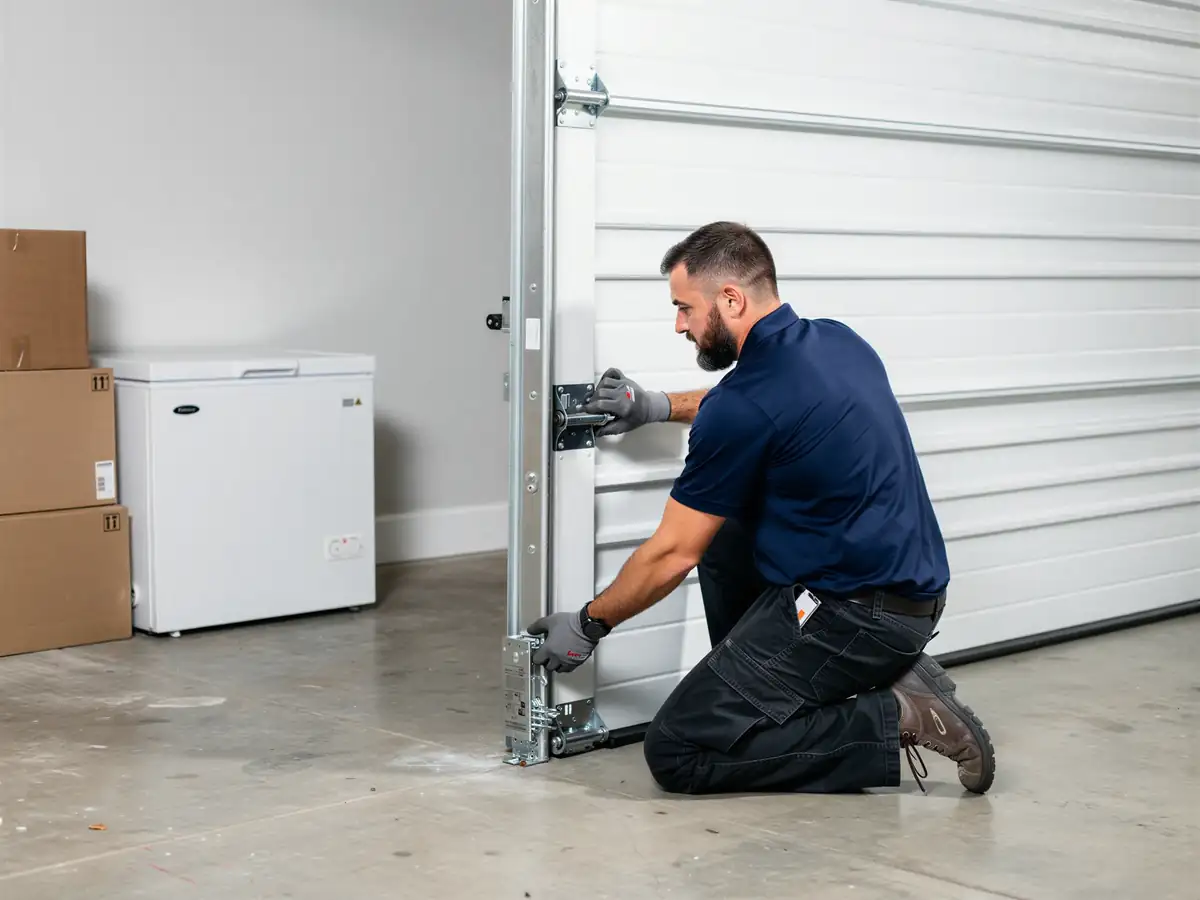
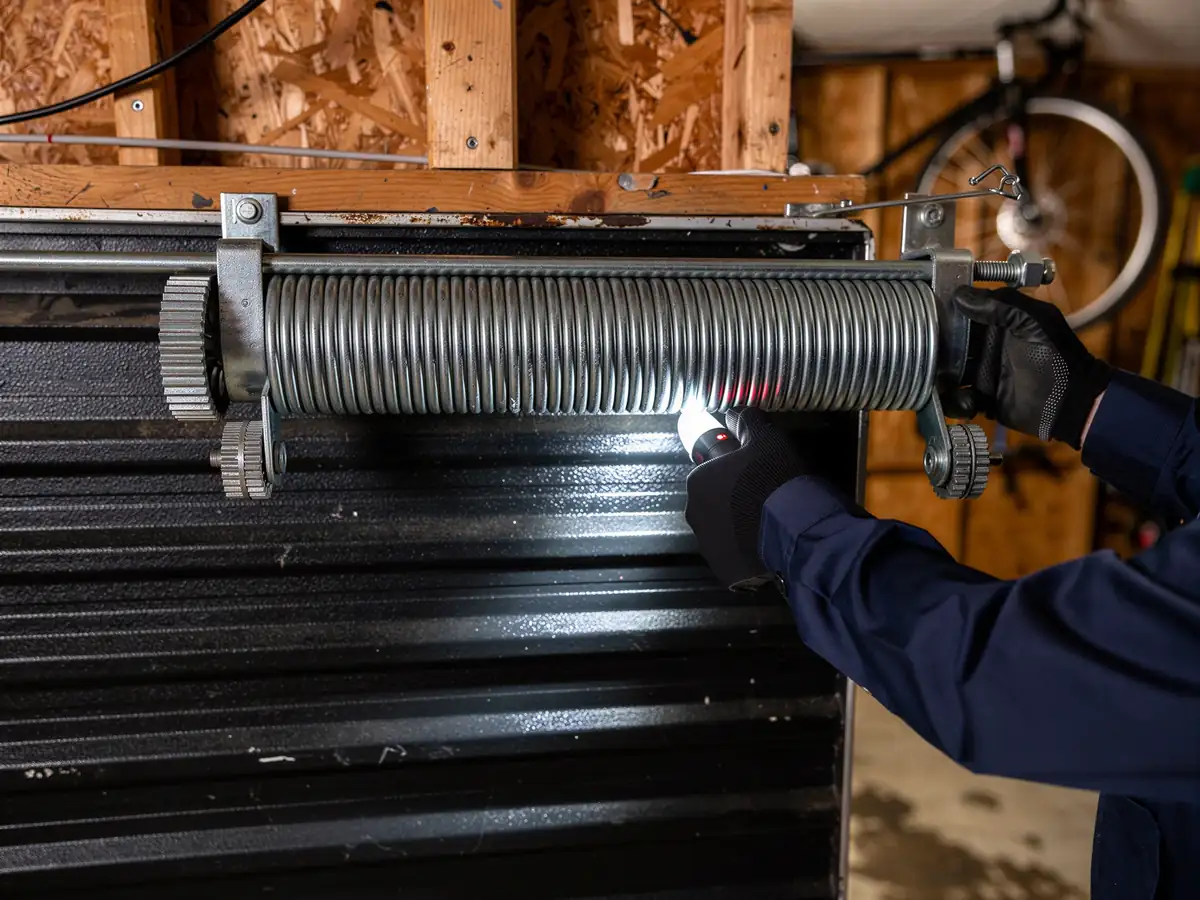
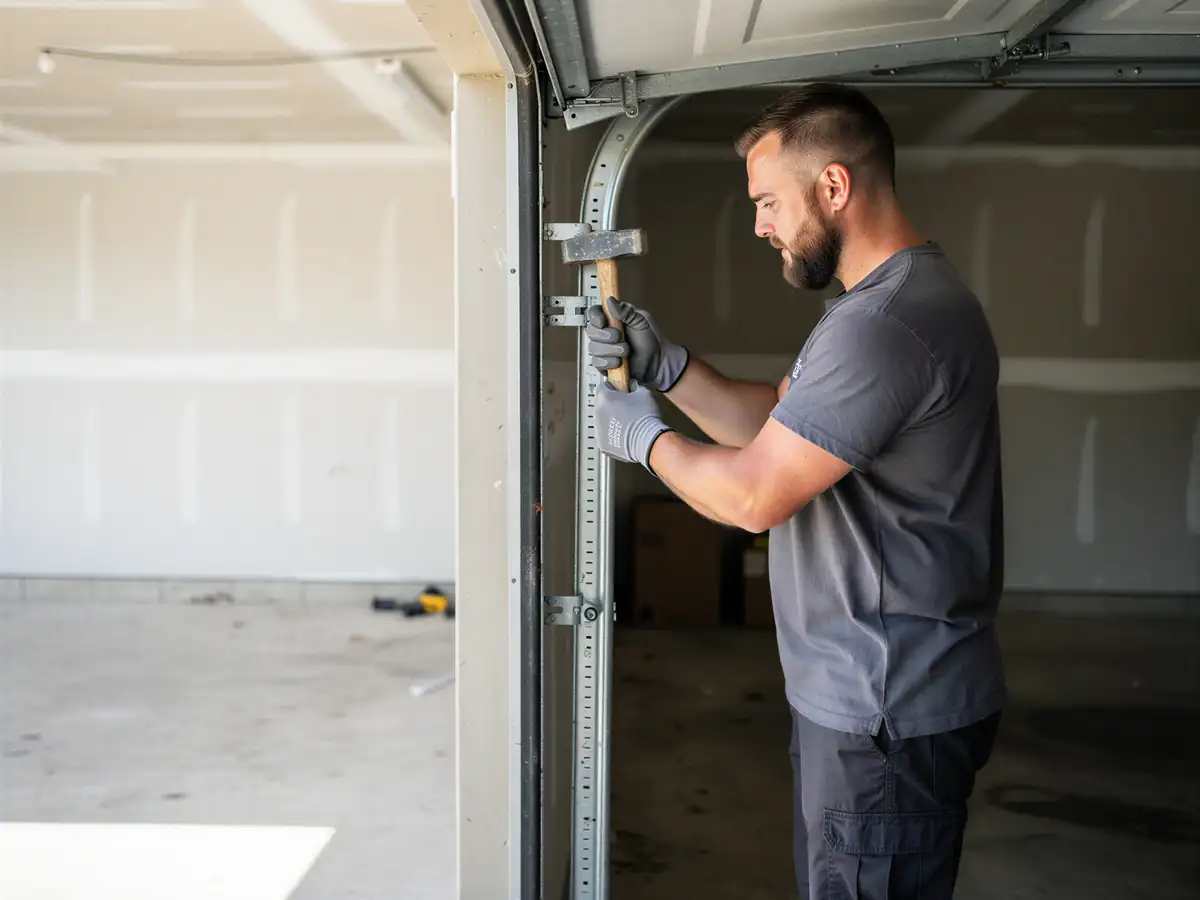
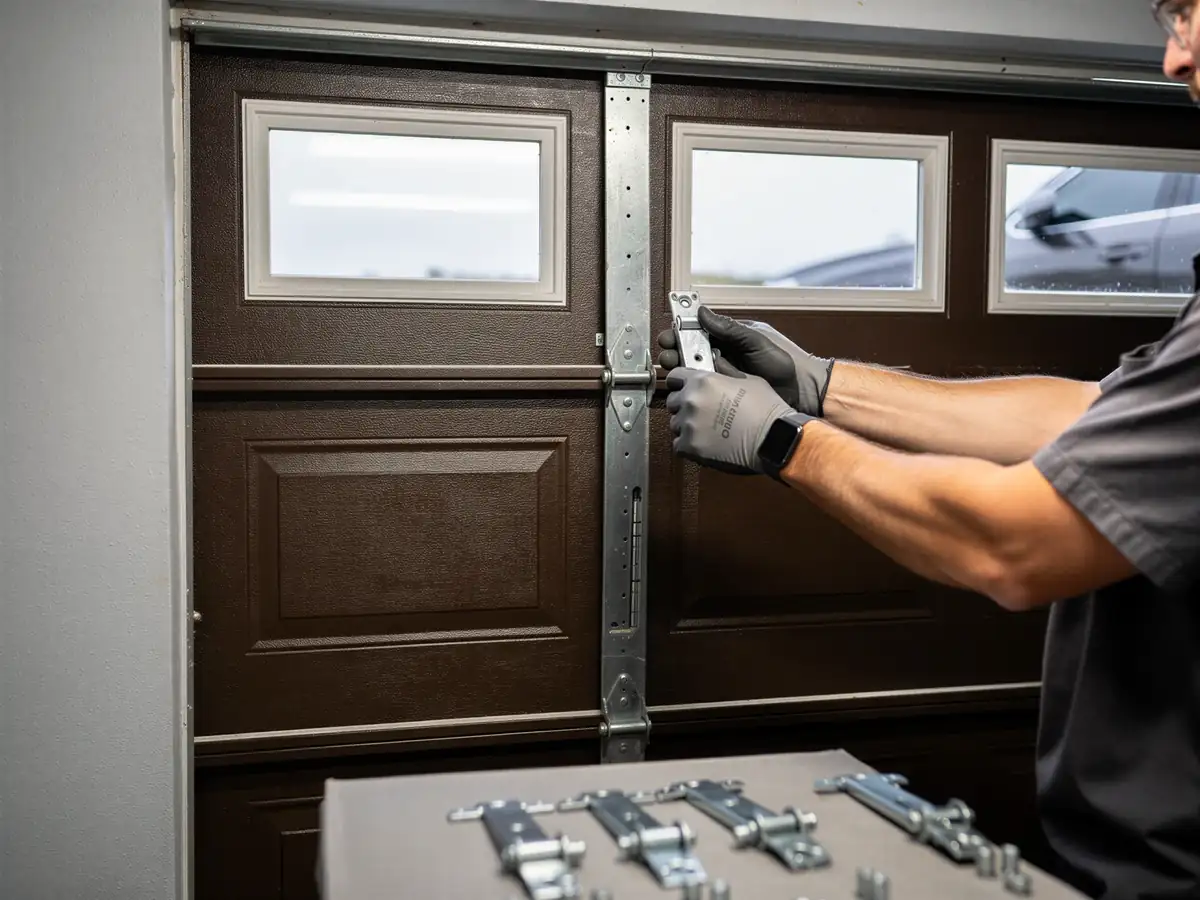
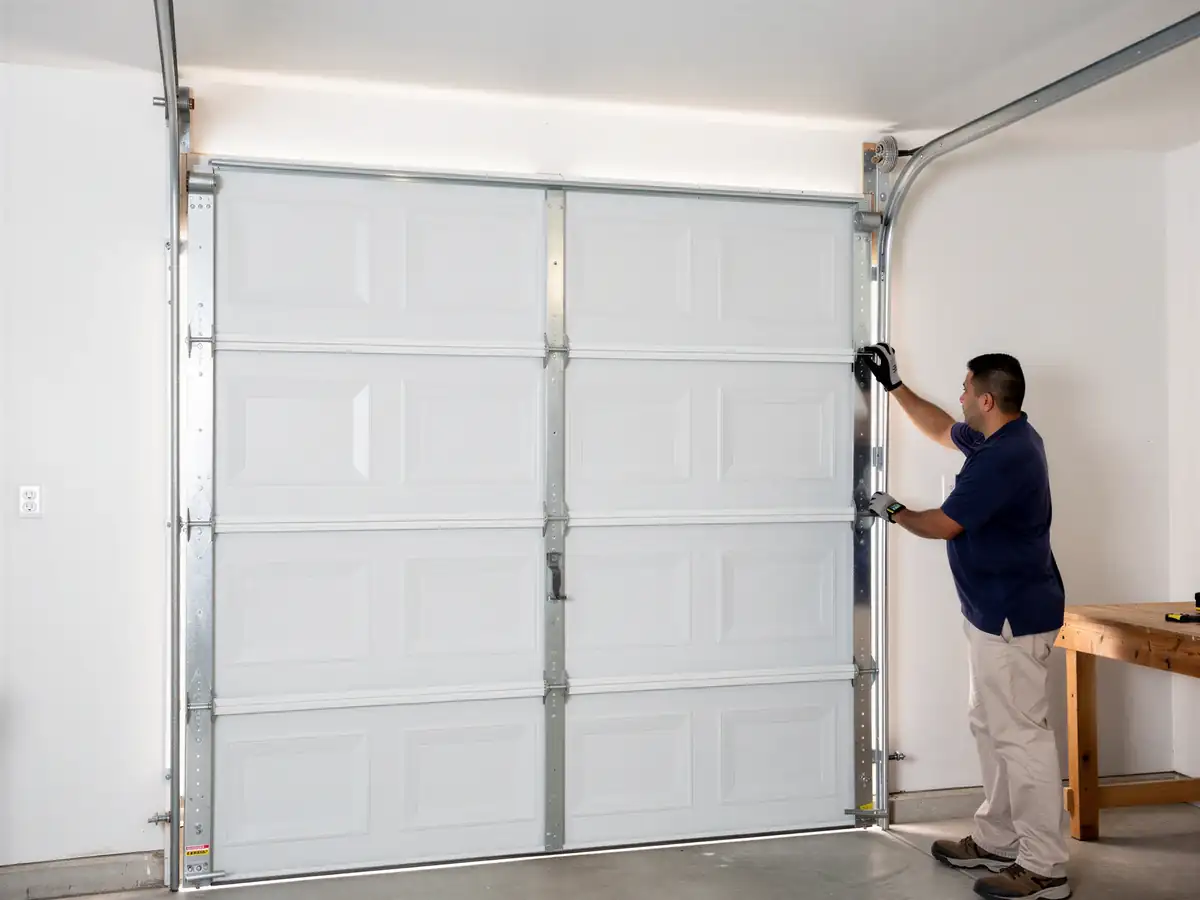
Installation starts with the opening, not the catalog. We check rough opening width and height, headroom above the door, and whether the existing track and spring system can carry a heavier insulated panel or needs to be replaced along with the door. On houses from the late 1960s, we frequently replace the torsion spring and track hardware as part of the job rather than bolting a new door onto 50-year-old brackets, because the brackets were engineered for the original door's weight, not the new one's. We'll walk you through steel gauge, insulation R-value appropriate for a cold-moderate climate, and opener compatibility before anything gets ordered. One honest limit here: some double-wide openings on older Roseville homes are narrower than current standard double-door sizing, which can mean a custom-width order and a longer lead time than a stock single door. We'll tell you up front if that's your situation rather than after the deposit.
Doing It Yourself
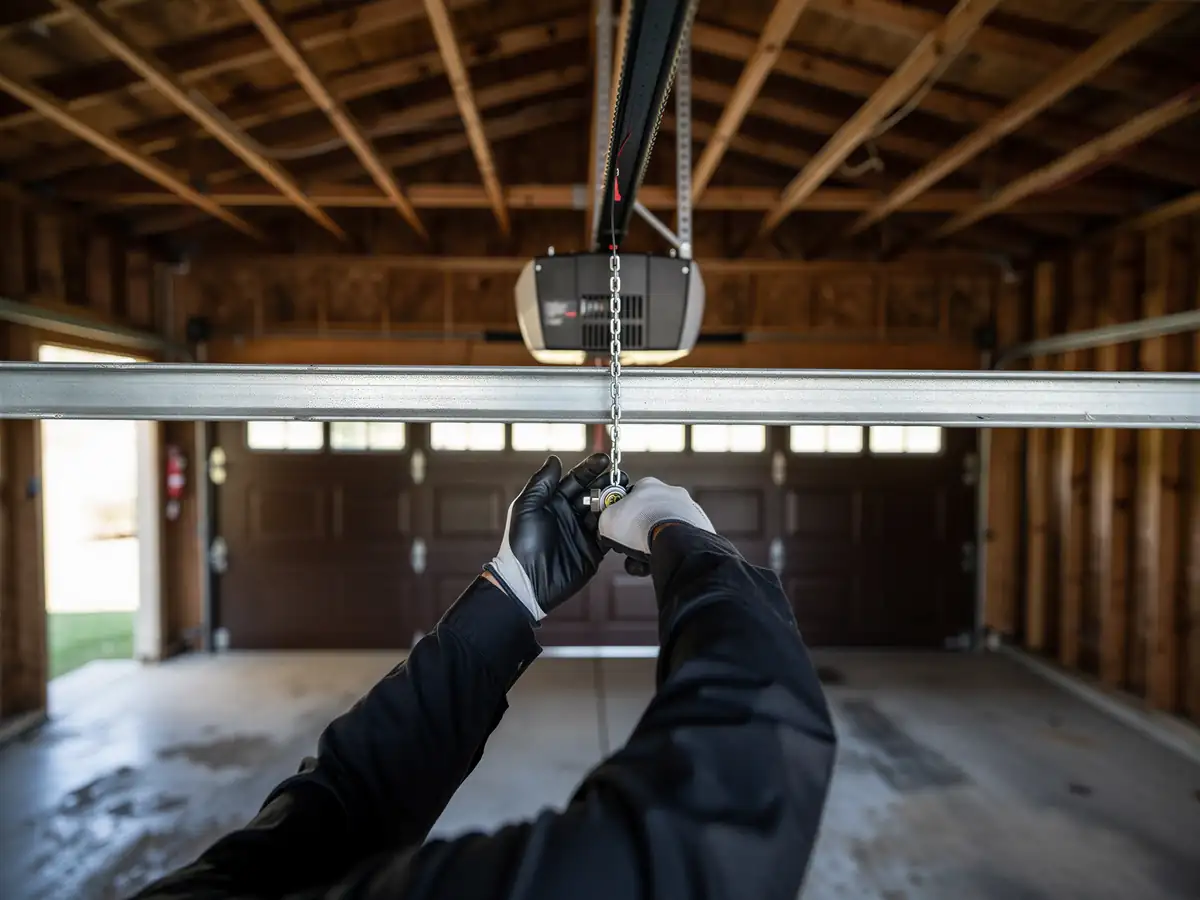
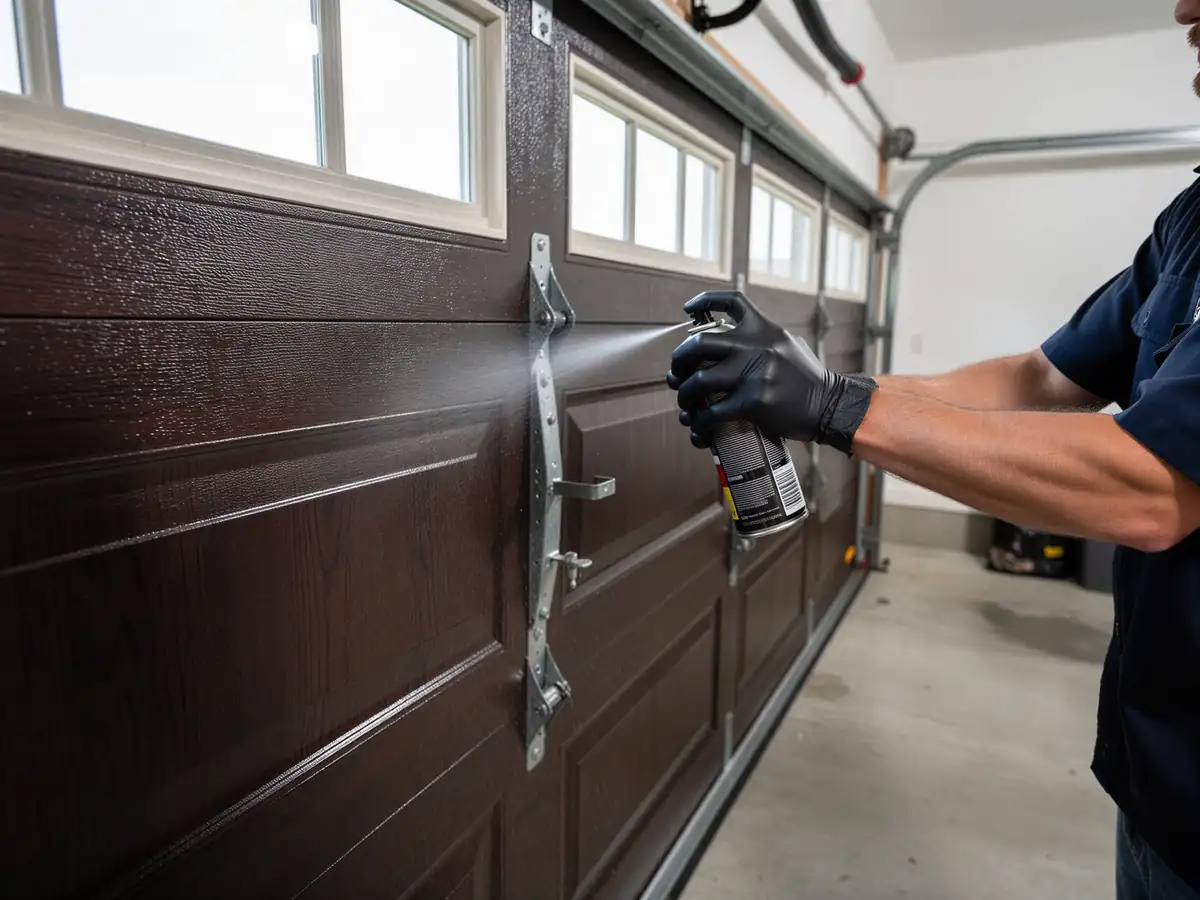
Swapping a door panel yourself is possible if you're comfortable with torsion spring tension, which is the part that sends people to the ER when it isn't. Measuring your own rough opening before you shop is worth doing regardless of who installs it - on a house built in this era, don't assume a big-box stock size will fit without shimming or trimming the jamb. If your current door is original steel from the 1960s-70s build wave, replacing just the weatherstripping and bottom seal is a cheap first step that may buy you a season or two before you need a full install. What we don't recommend doing yourself: anything involving the torsion spring, or installing a door heavier than your existing opener's rated lift capacity without upgrading the opener at the same time.