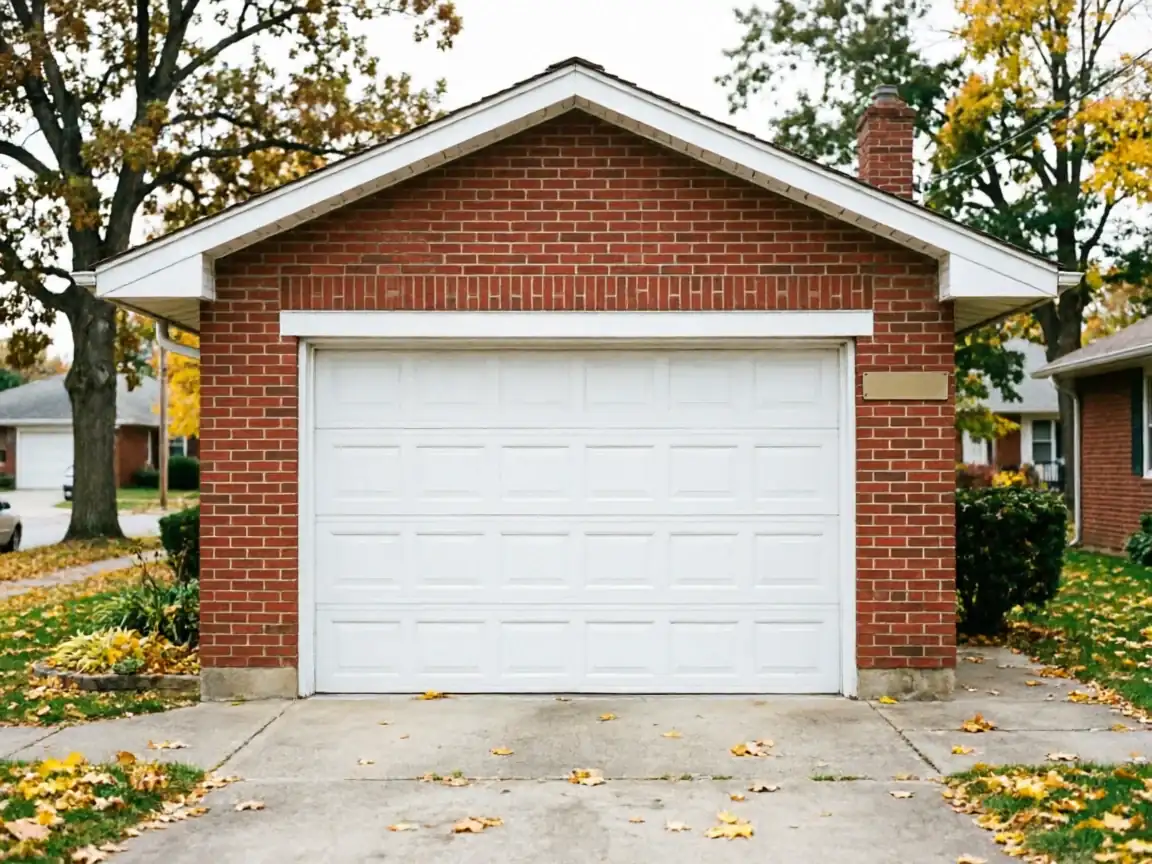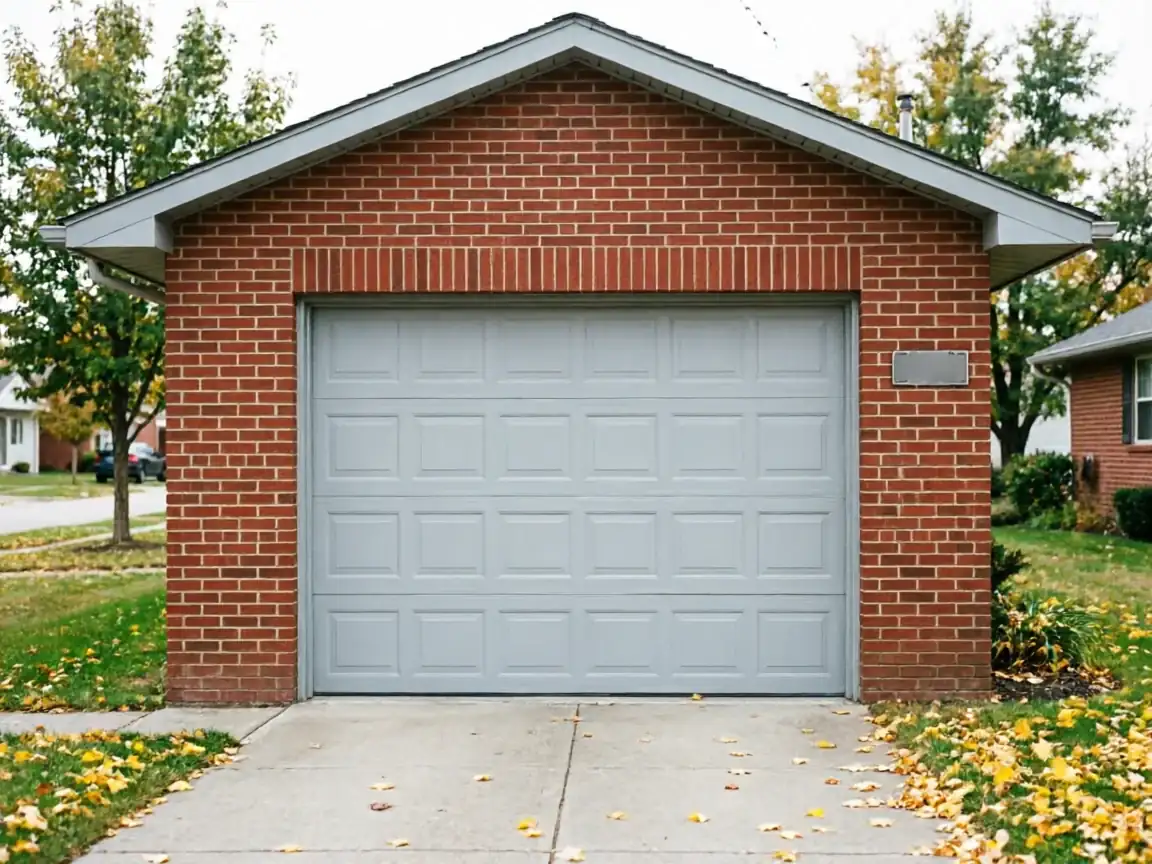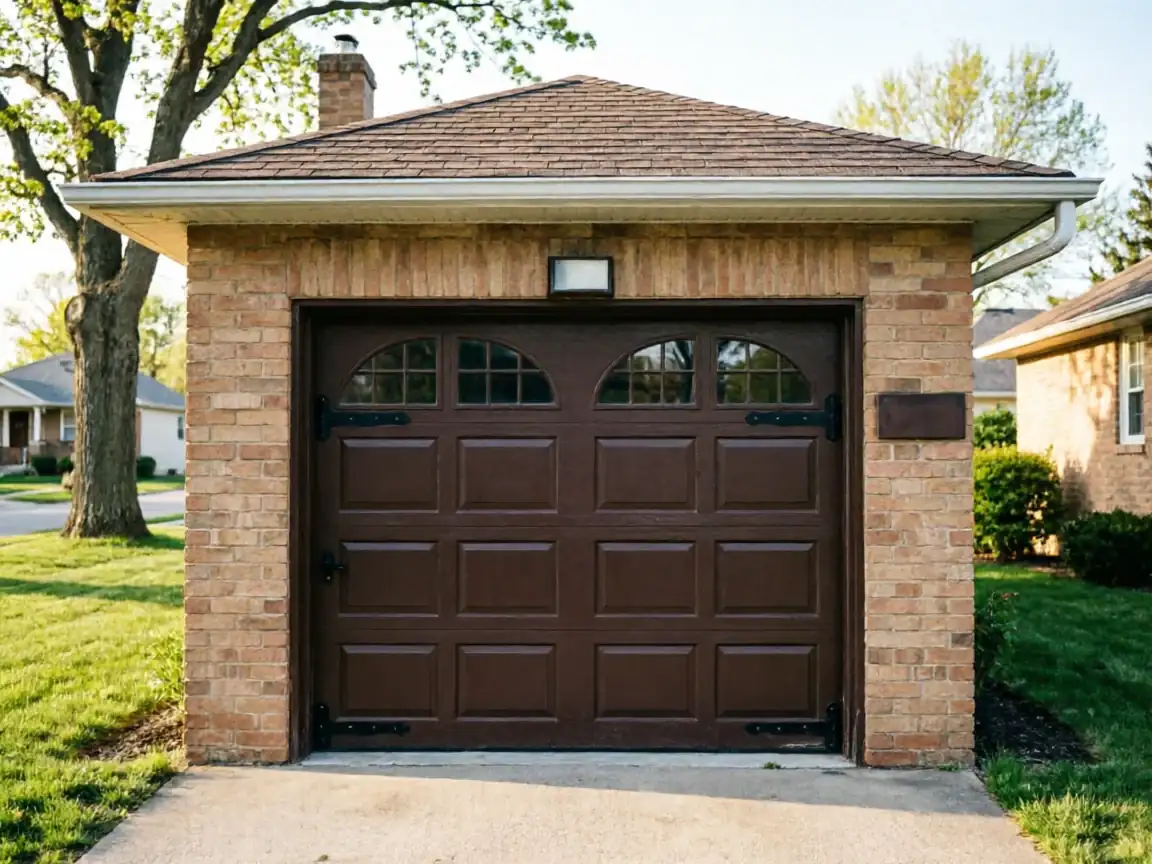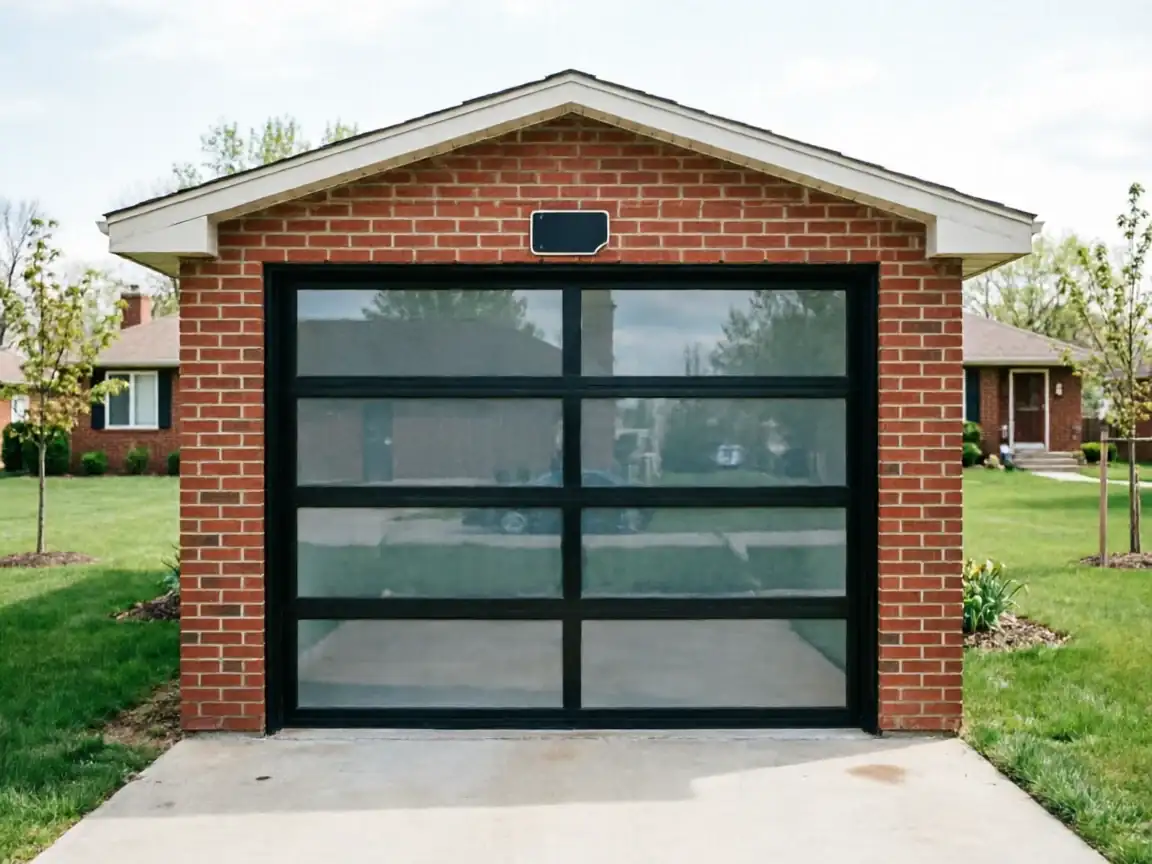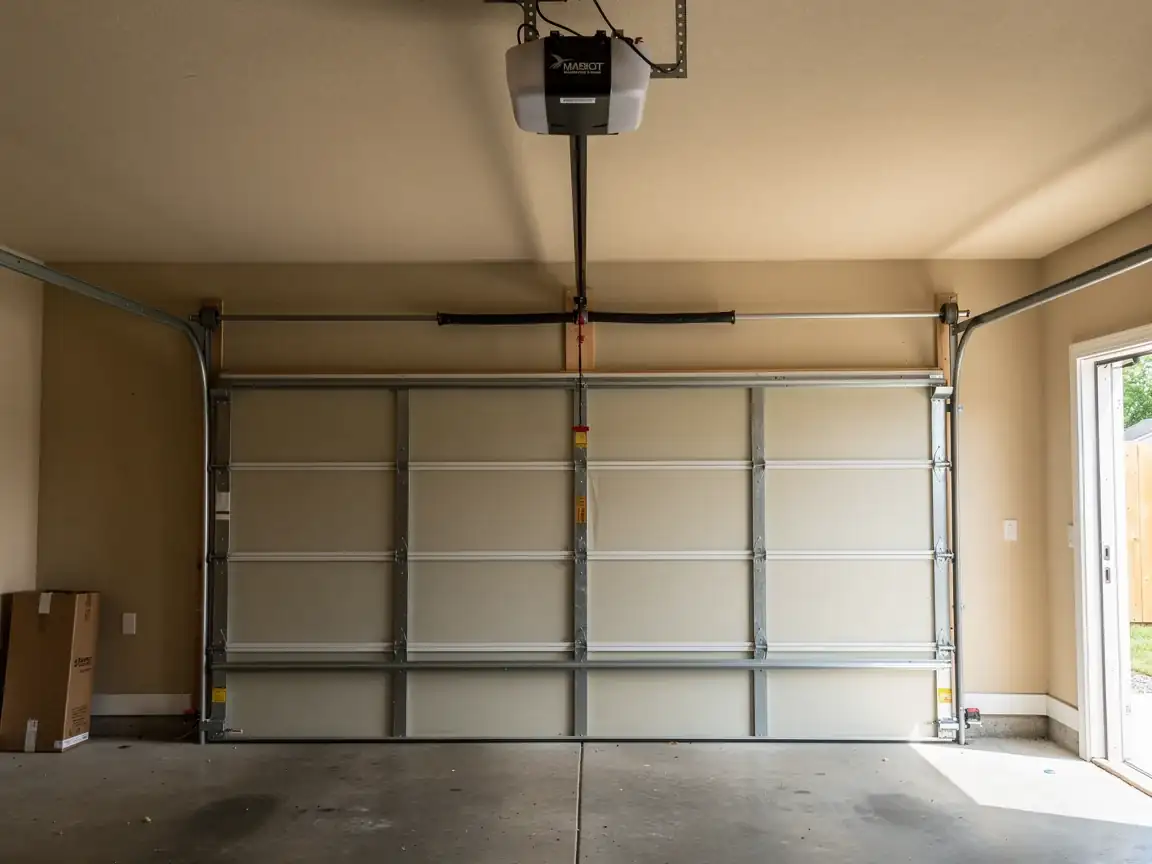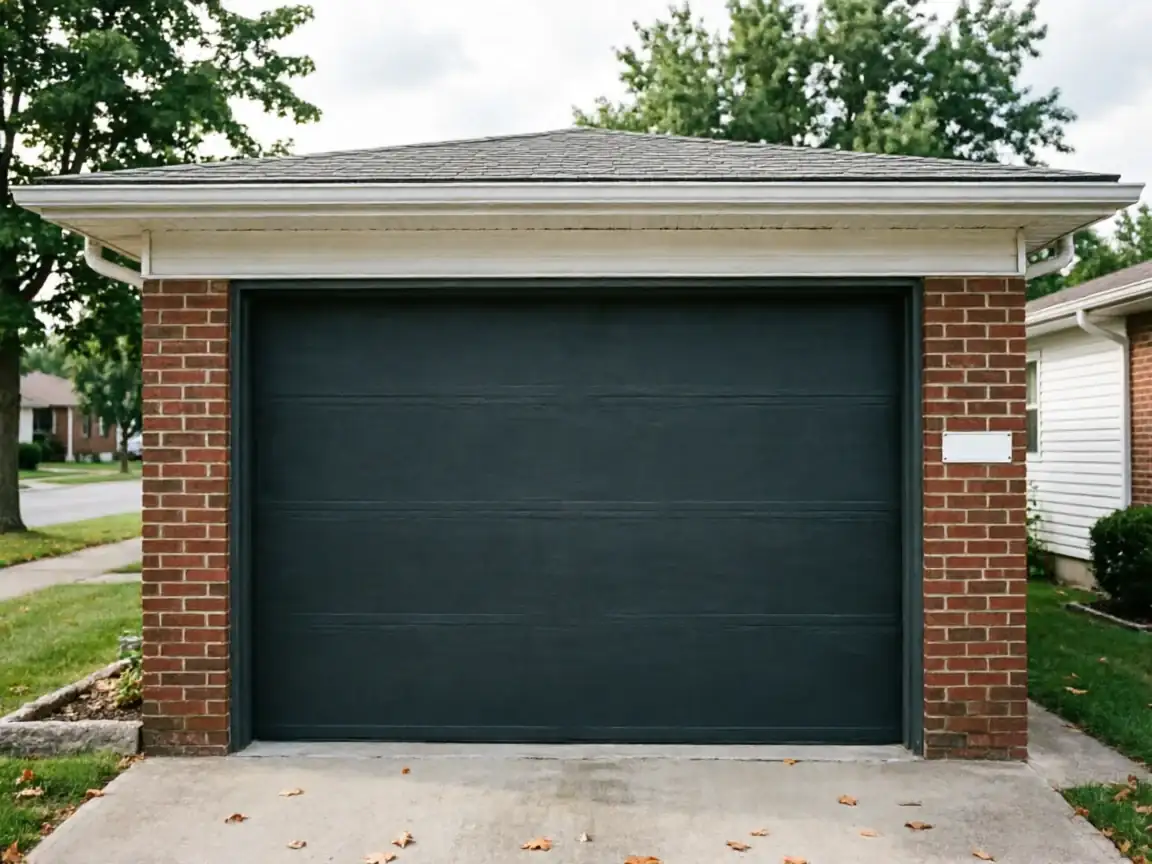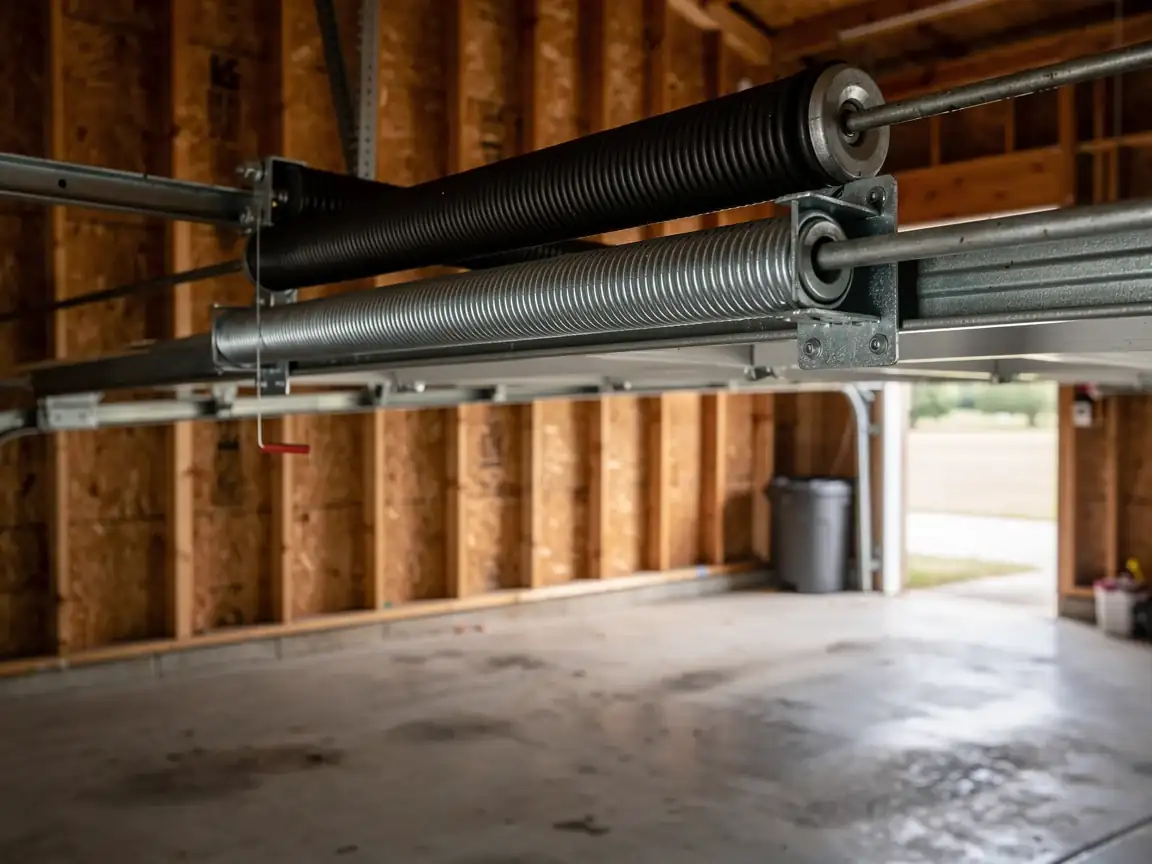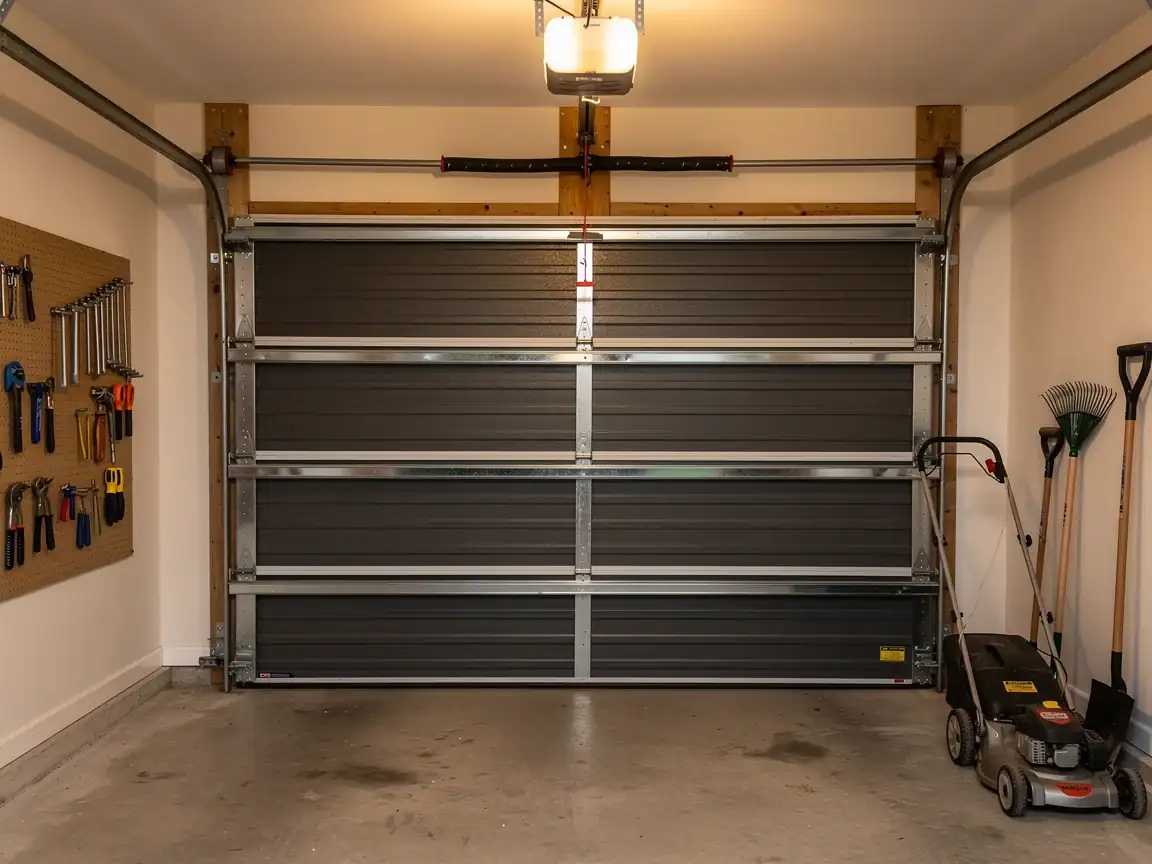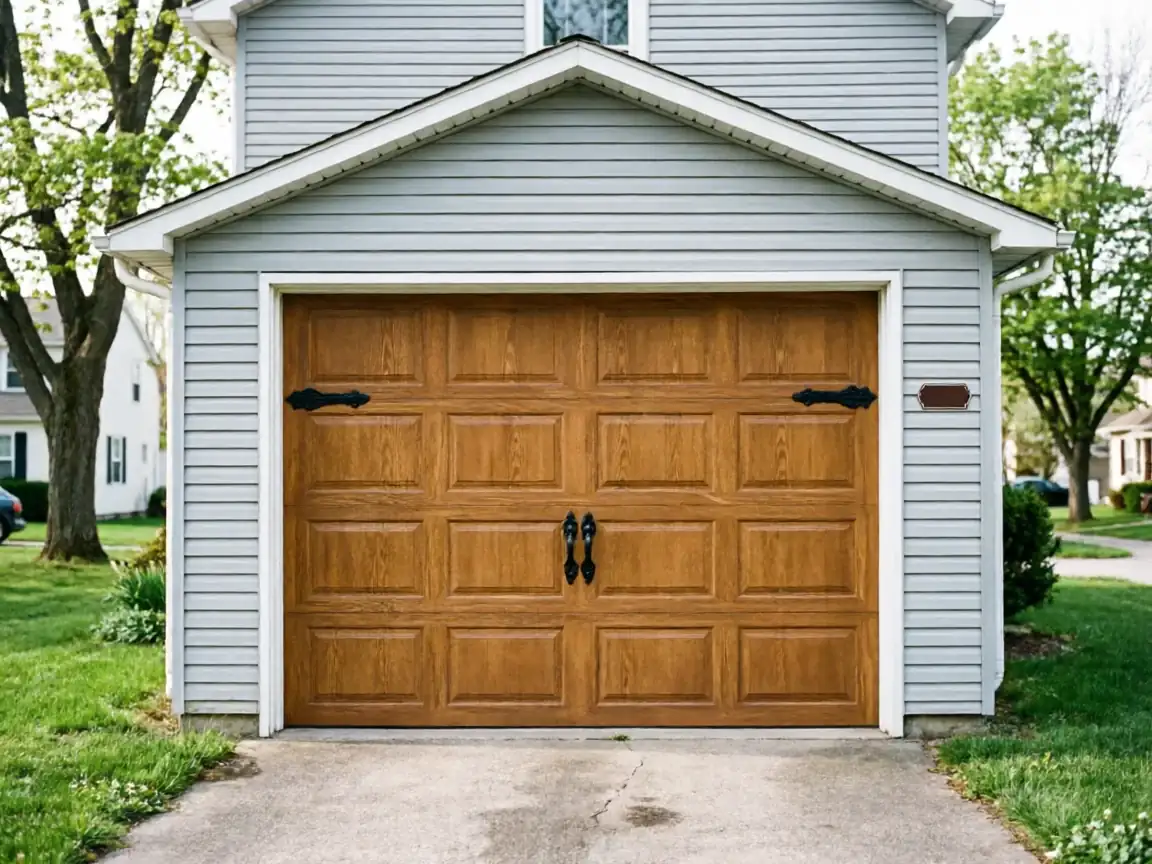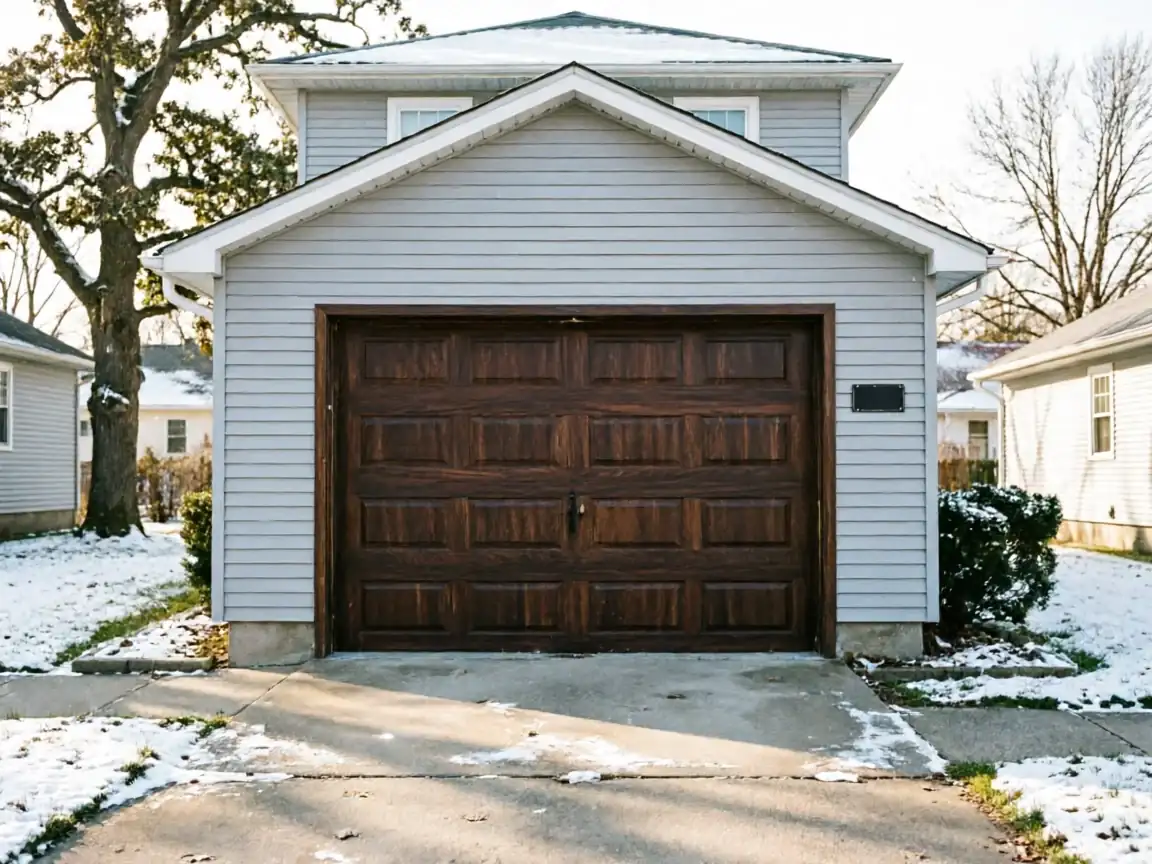
What You Are Seeing
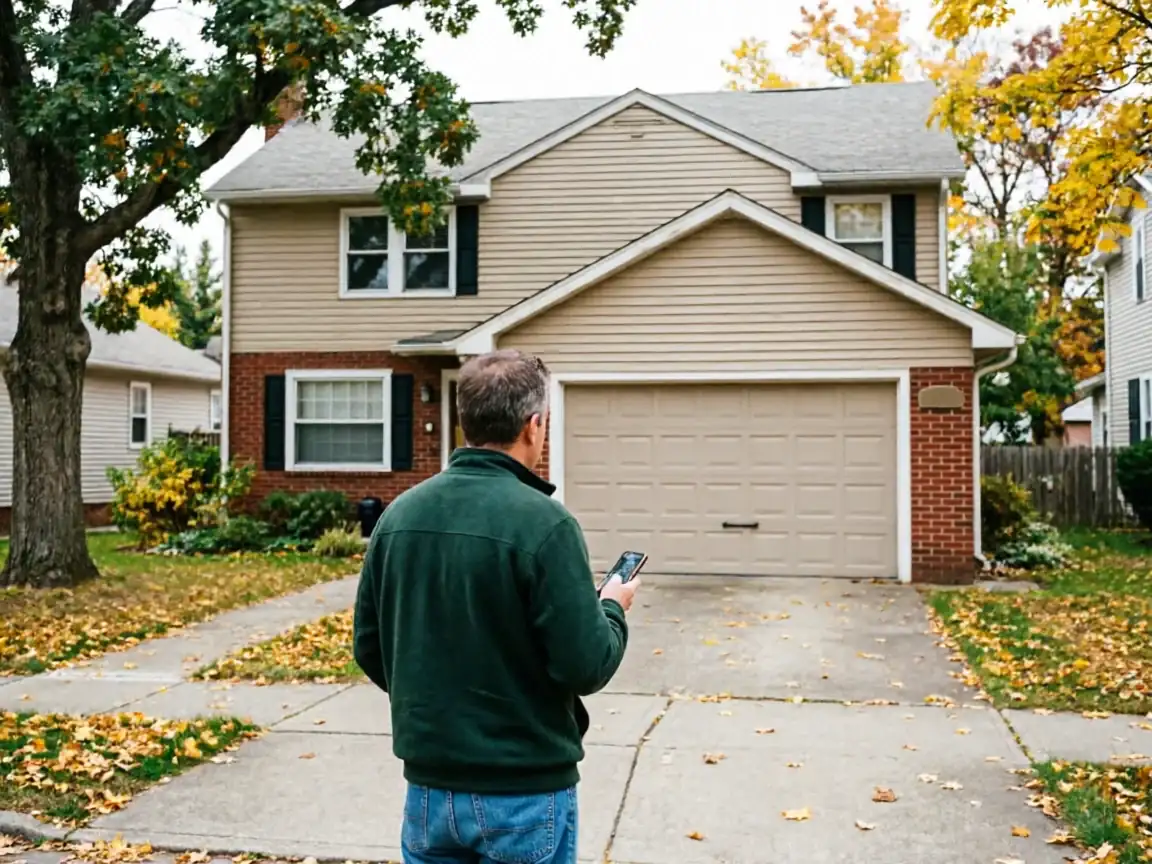
Roseville's housing sits at a median build year of 1968, a few years ahead of the 1973 median we see across the wider service area we cover out of Eagan. That gap matters more than it sounds. A door installed in the late 1960s or early 70s often carries a panel profile and section height that newer manufacturers don't stock as a direct match anymore. If one panel on your door gets crumpled by a backed-into bumper or a wind-driven branch, the rest of the door may be running hardware that was never designed to pair with a current replacement panel.
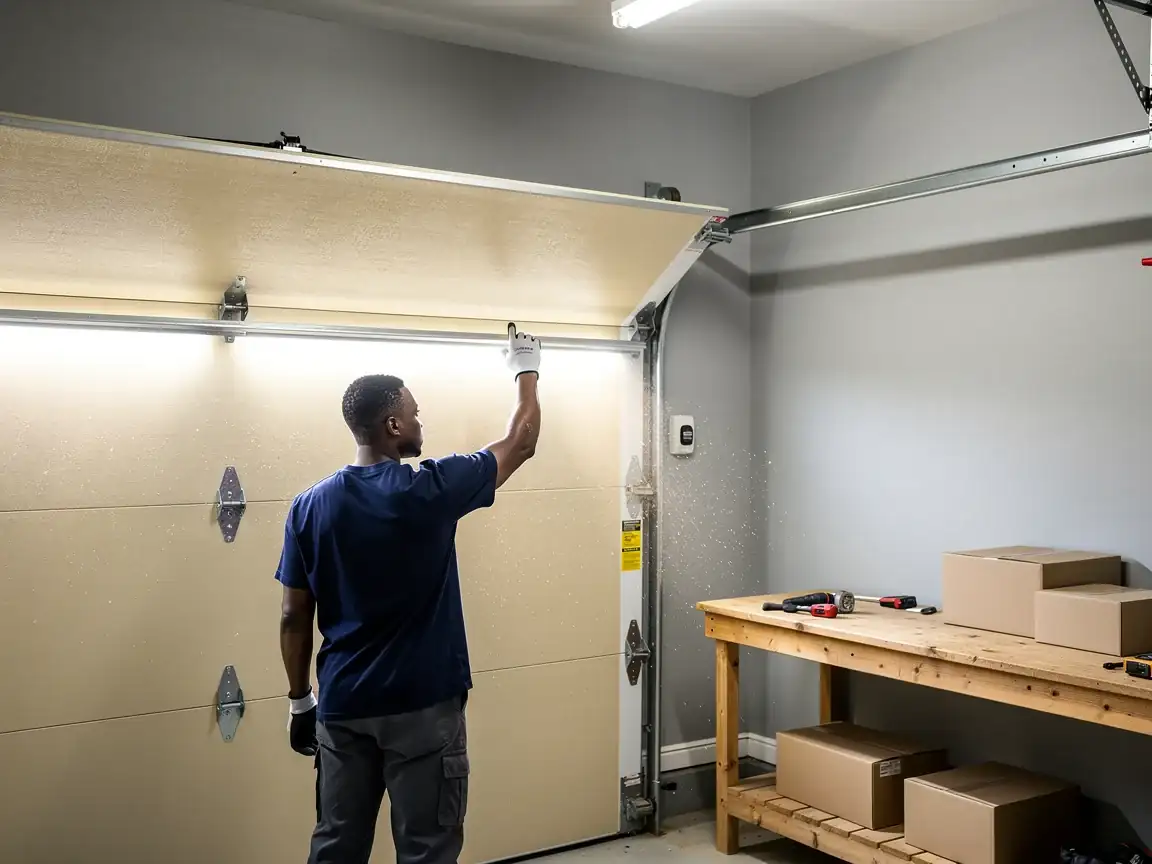
With 15,586 households in Roseville, there's a real range of doors out there, but the 1960s-70s stock mentioned across this part of the region is well represented here. What you're usually seeing isn't a cosmetic dent - it's a section where the steel has bowed enough to bind against the track, or a panel where the hinge holes have stretched past where a screw will bite. Either one throws off how the whole door travels, not just how it looks.
What Causes It Around Here
Minnesota's cold climate band does most of the slow damage
Panels on older doors, especially the single-layer steel common on builds from this era, flex more in deep cold, and that flex works the seams and the hinge fasteners loose over years of freeze-thaw cycles. A door that's already a little stiff from age takes a harder hit when something strikes it - a dropped ladder, a trailer hitch backing in wrong, a gust that catches a panel left half-open.
Income and household data for this part of the region suggest most of these houses were bought as long-term homes, not flipped fast
Which tracks with what we find: original doors that have had one owner and little attention beyond the opener getting serviced. That's not a knock - it just means the panel damage tends to be the first real problem these doors have had in decades, and the rest of the hardware is often at the same age, not freshly replaced.
How We Fix It
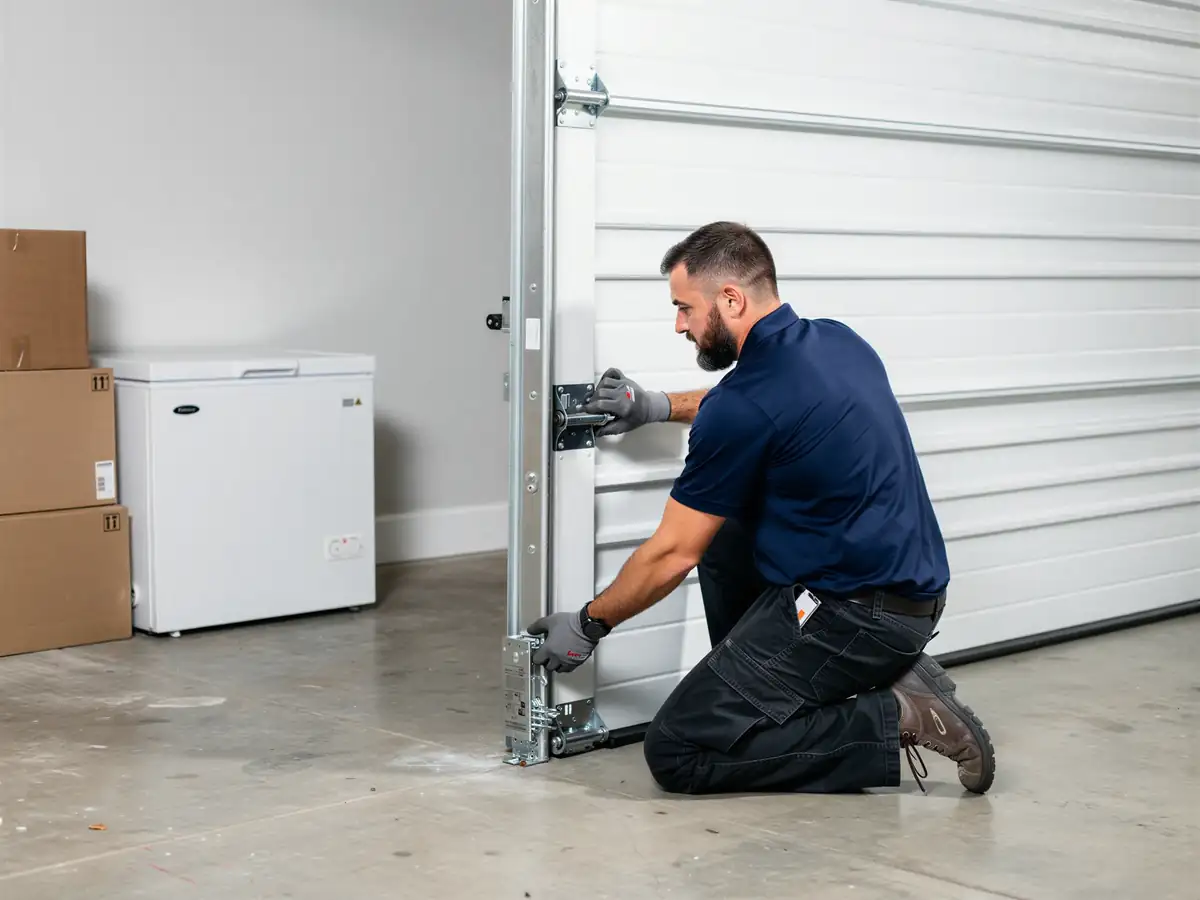
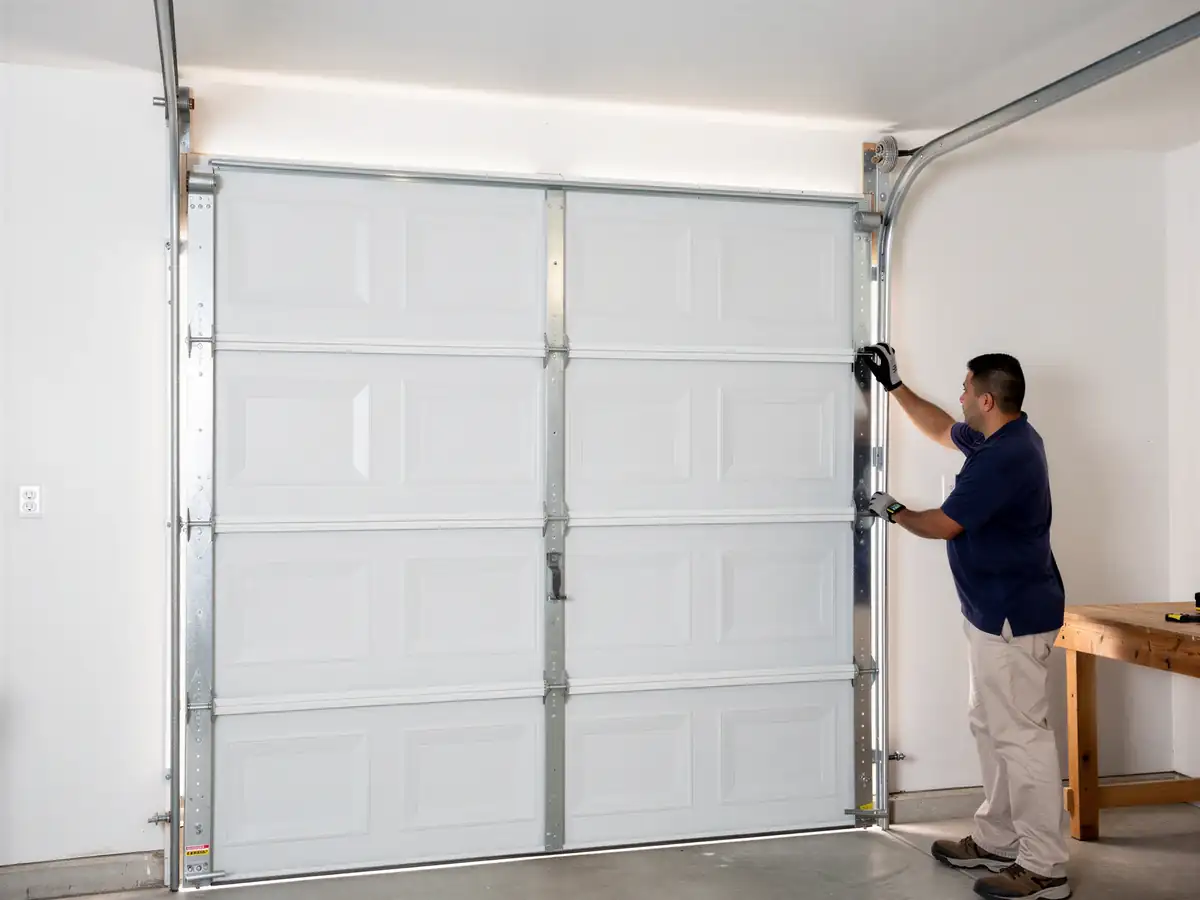
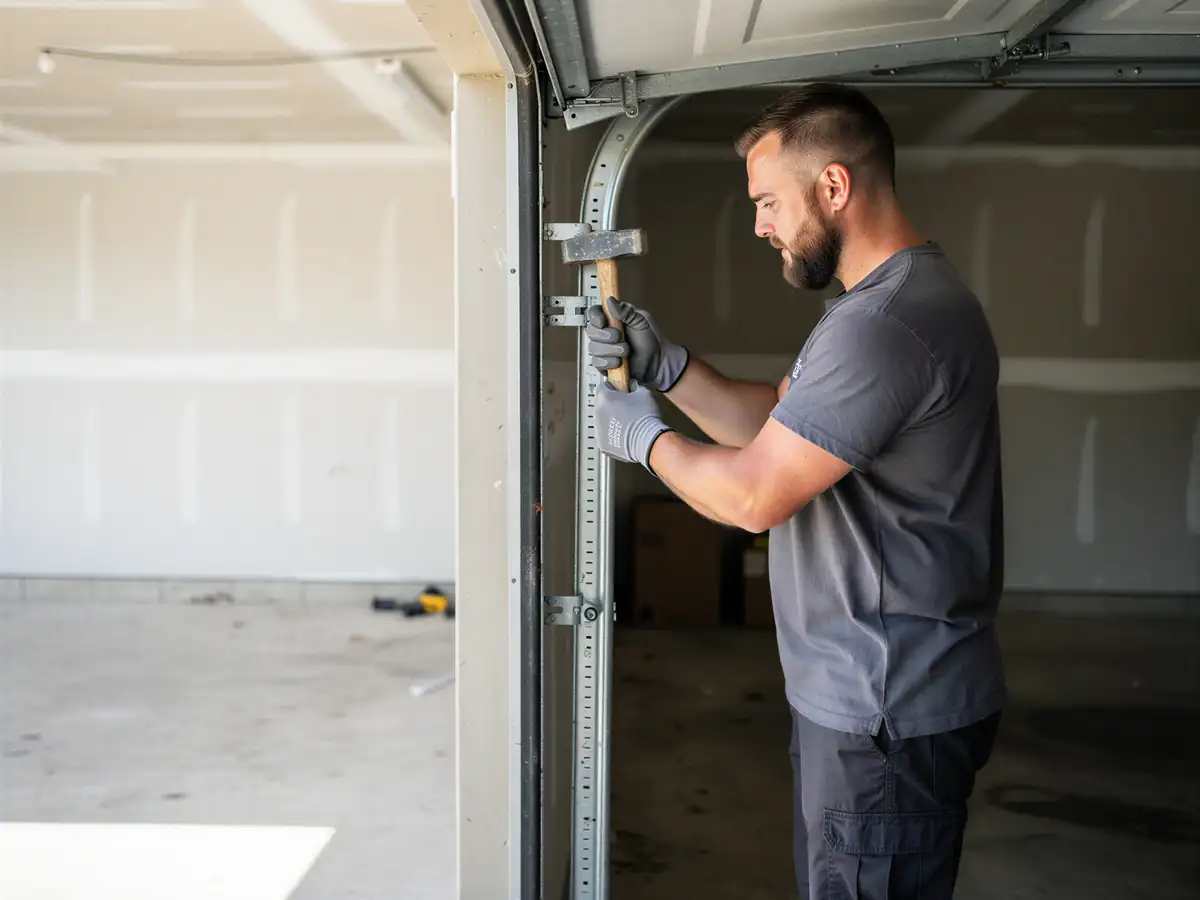
We travel to Roseville from Eagan, about 14 miles out, so we scope the door before we load the truck - panel width, section height, and whether the track and hinges are original steel or have already been swapped at some point. If a matching panel exists from a current manufacturer line, we order it to the original specs rather than replacing the whole door. If the panel profile is discontinued, which happens on doors from this era, the honest call is usually a full door replacement rather than a patched-together panel that won't sit flush.
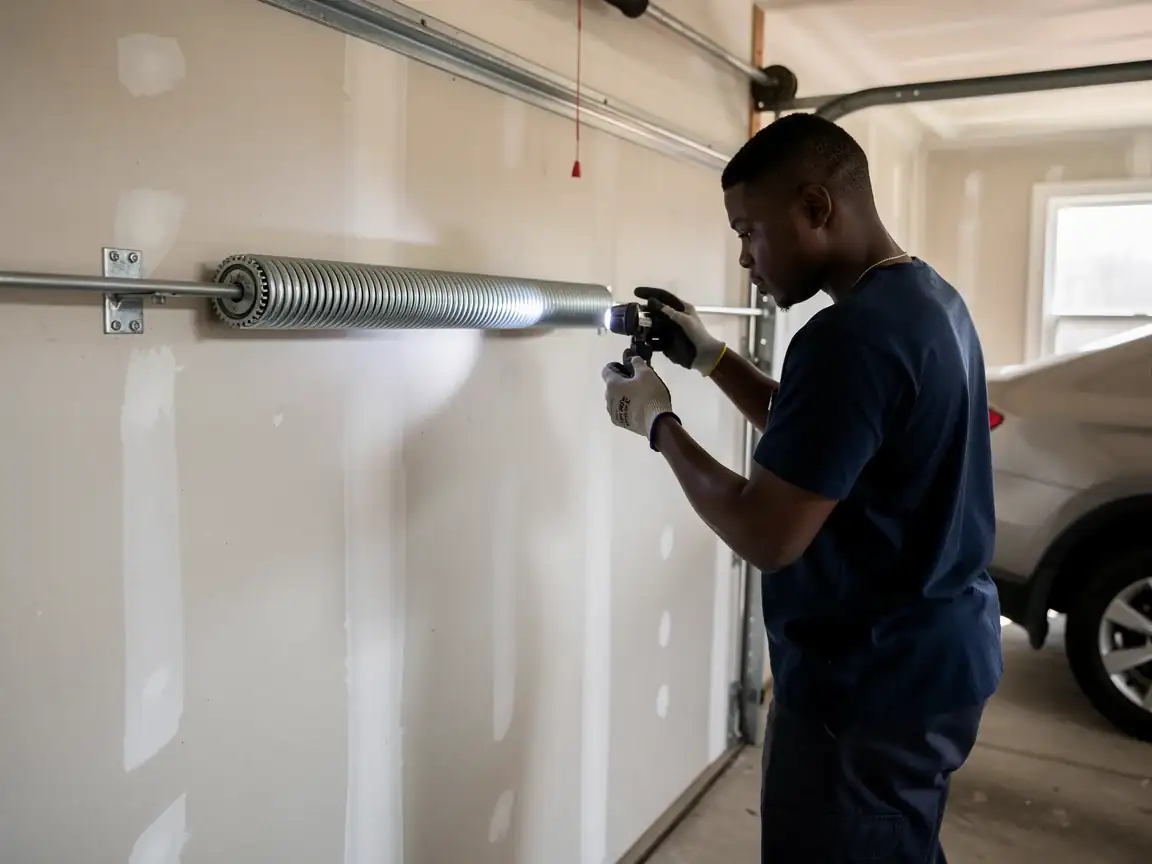
We don't try to force a mismatched panel onto an old door just to save a trip. A door with one new panel and three faded ones will look it, and more importantly, a mismatched panel can throw off the balance on the springs. For the full range of what we handle beyond panels, see our Roseville service page.
Doing It Yourself
If it's just a cosmetic dent that hasn't bent the panel's edge or cracked the seam, a lot of homeowners can live with it or pull it out some with a plunger and patience - that's a reasonable call for a door that still runs true. Where we'd stop you is swapping the panel yourself on anything built before the mid-1970s. The fastener spacing and section thickness on doors from that stretch of Roseville's housing often don't match what's sold off the shelf today, and a panel that doesn't seat right can put uneven load on the springs and hinges next to it.
If you're not sure whether your door is old enough for that to matter, check the build year on your house against 1968 - if your home went up within a few years of that, treat a cracked or bowed panel as a call for a look, not a weekend project.