How to Book
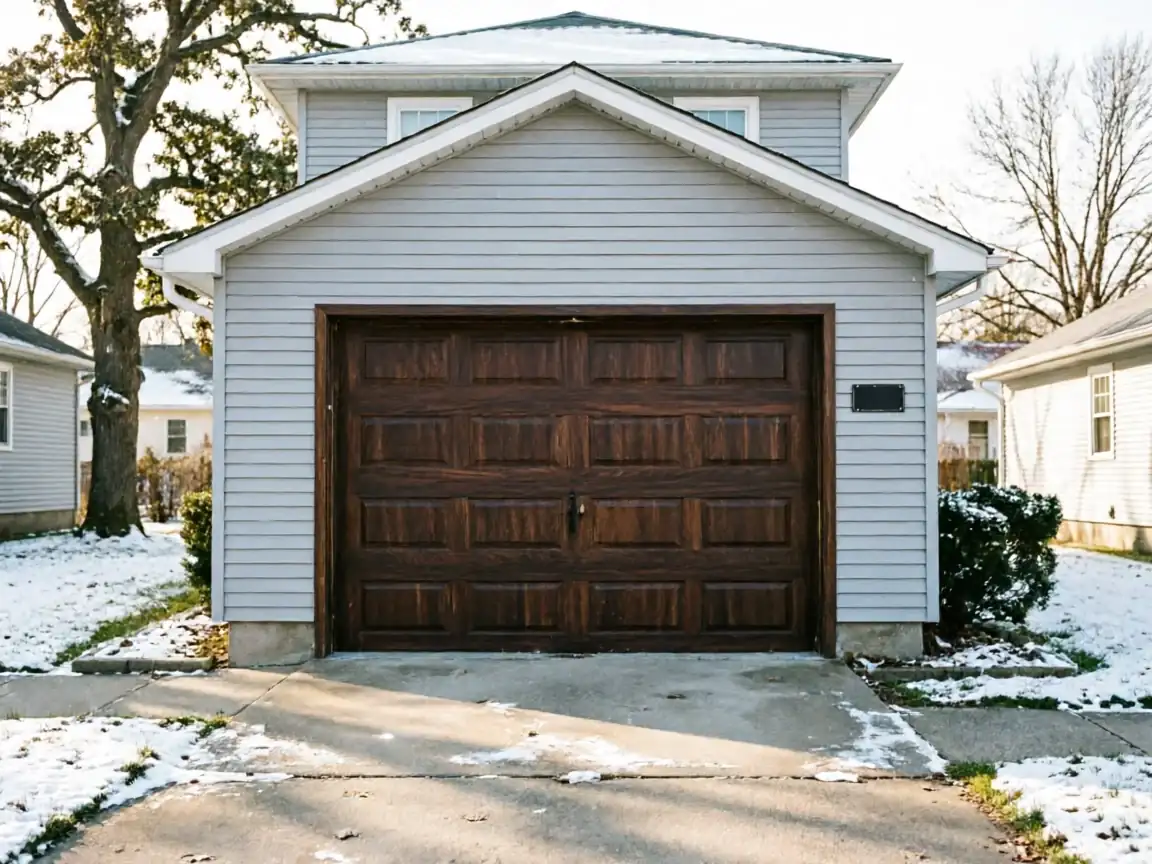
Richfield is a town of about 16,221 households, which is enough volume that the kind of call we get here follows a pattern - older doors, original hardware, and openers that have outlived their rollers. We don't keep a depot in Richfield; the truck comes from Eagan, about 7 miles out, so when you call we're scheduling a drive, not a walk-in. Tell us the door's symptom (won't open, makes noise, hangs crooked) and roughly how old the door is if you know it, since that tells us a lot before we're even on site. You can start a job request through the Richfield service page, or check what else the Eagan shop handles on the Eagan repair page. We don't promise a same-day slot here - that depends on the day's route, not on anything specific to this town.
Doing It Yourself
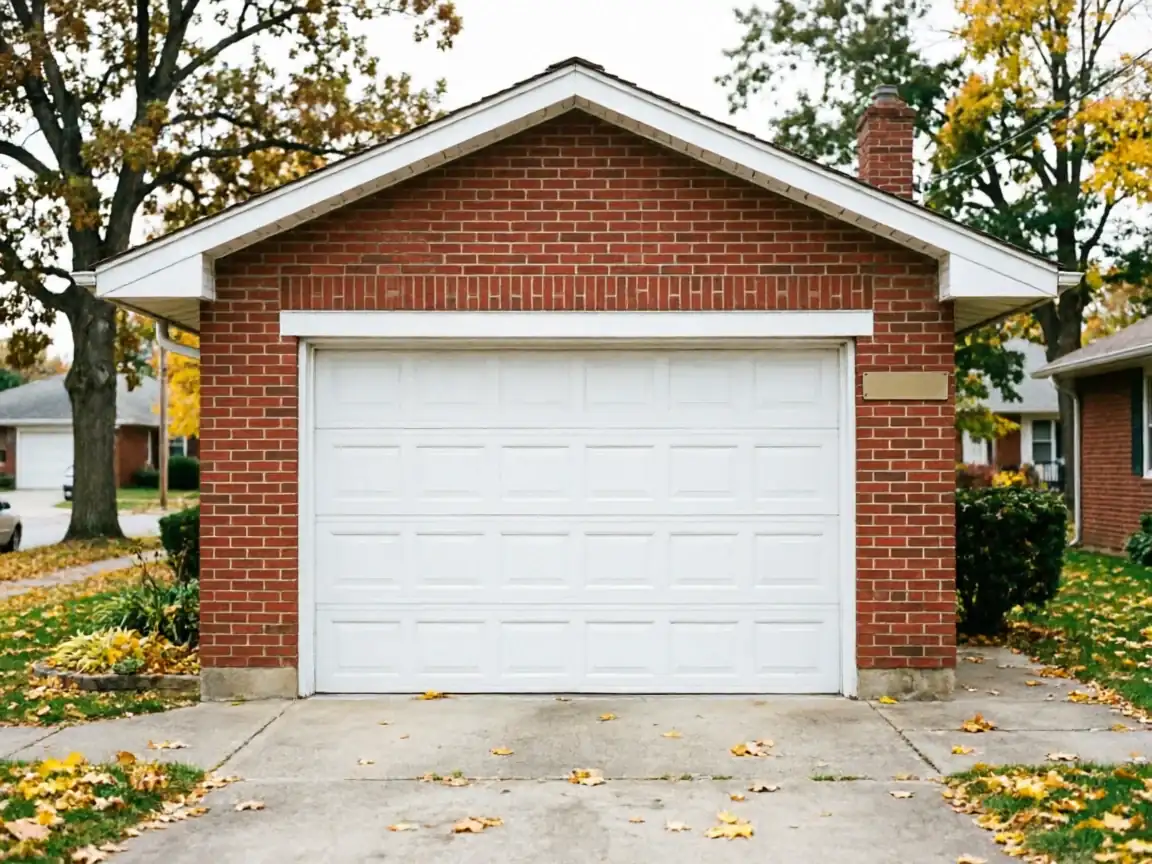
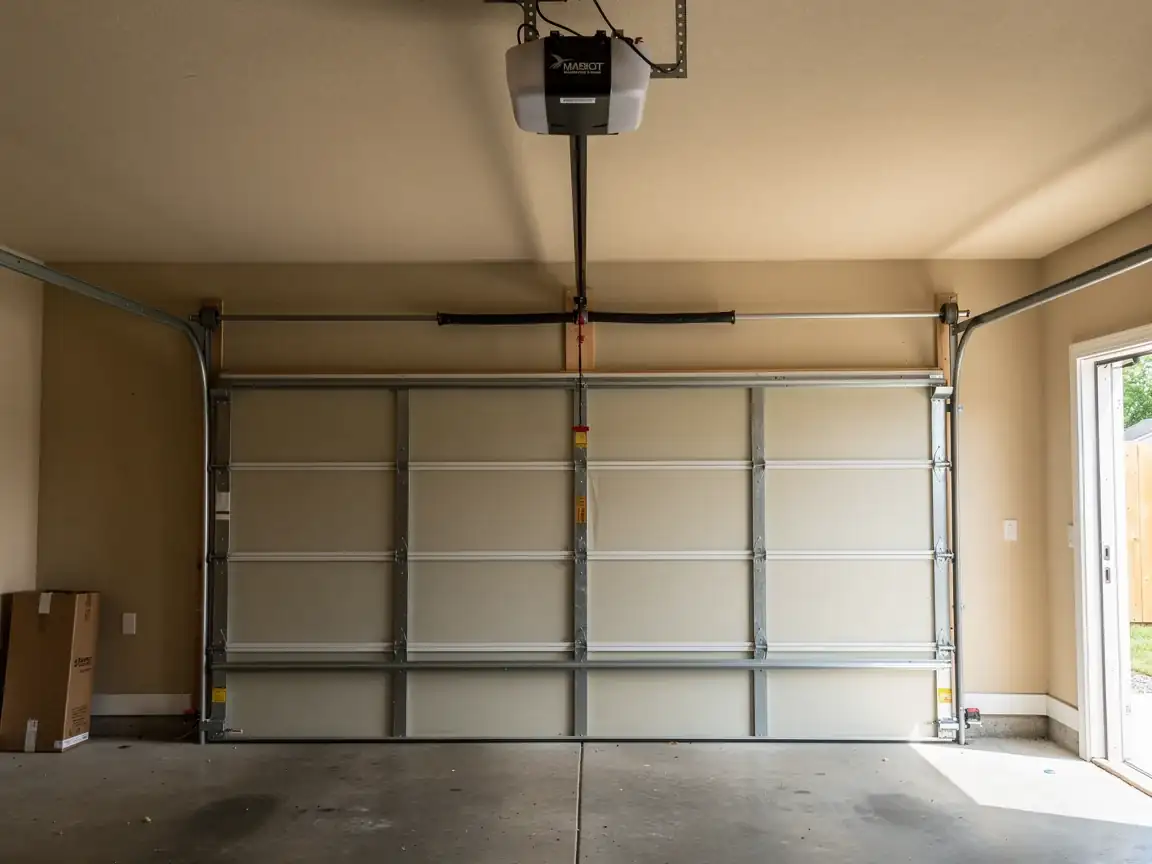
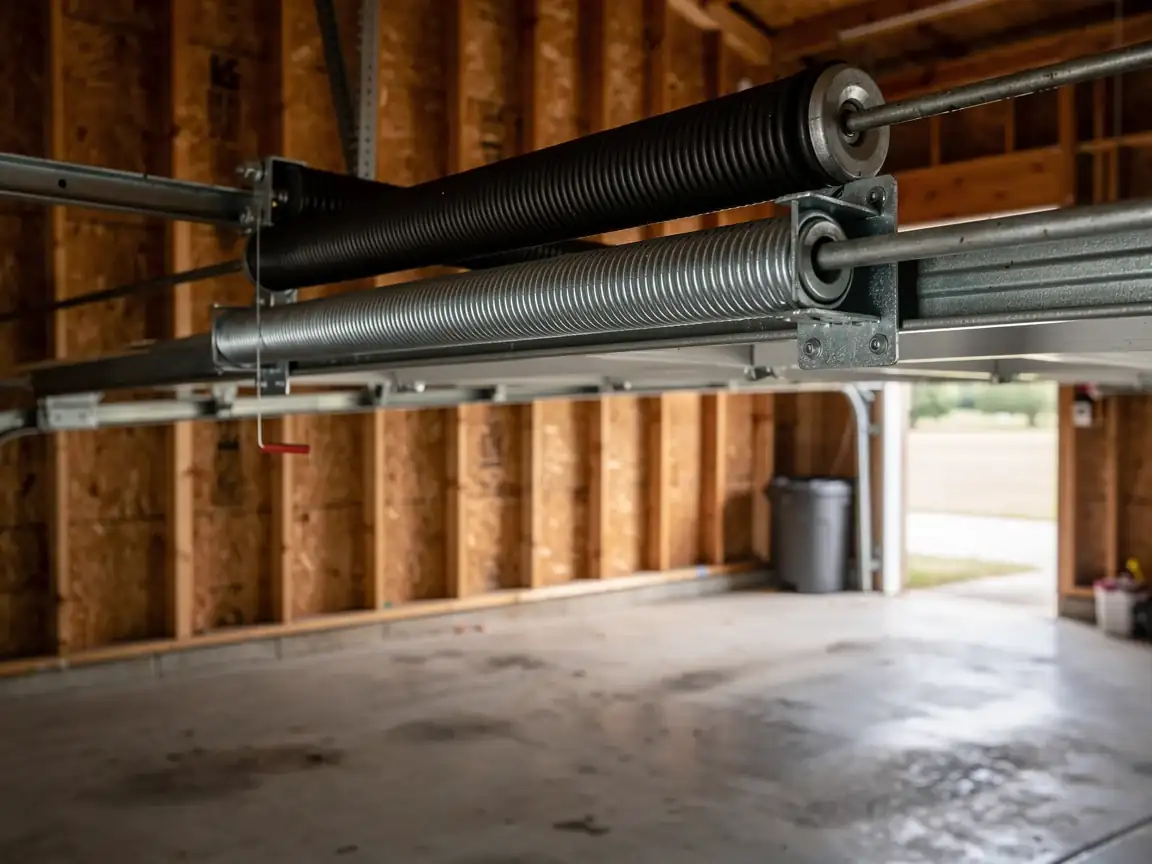
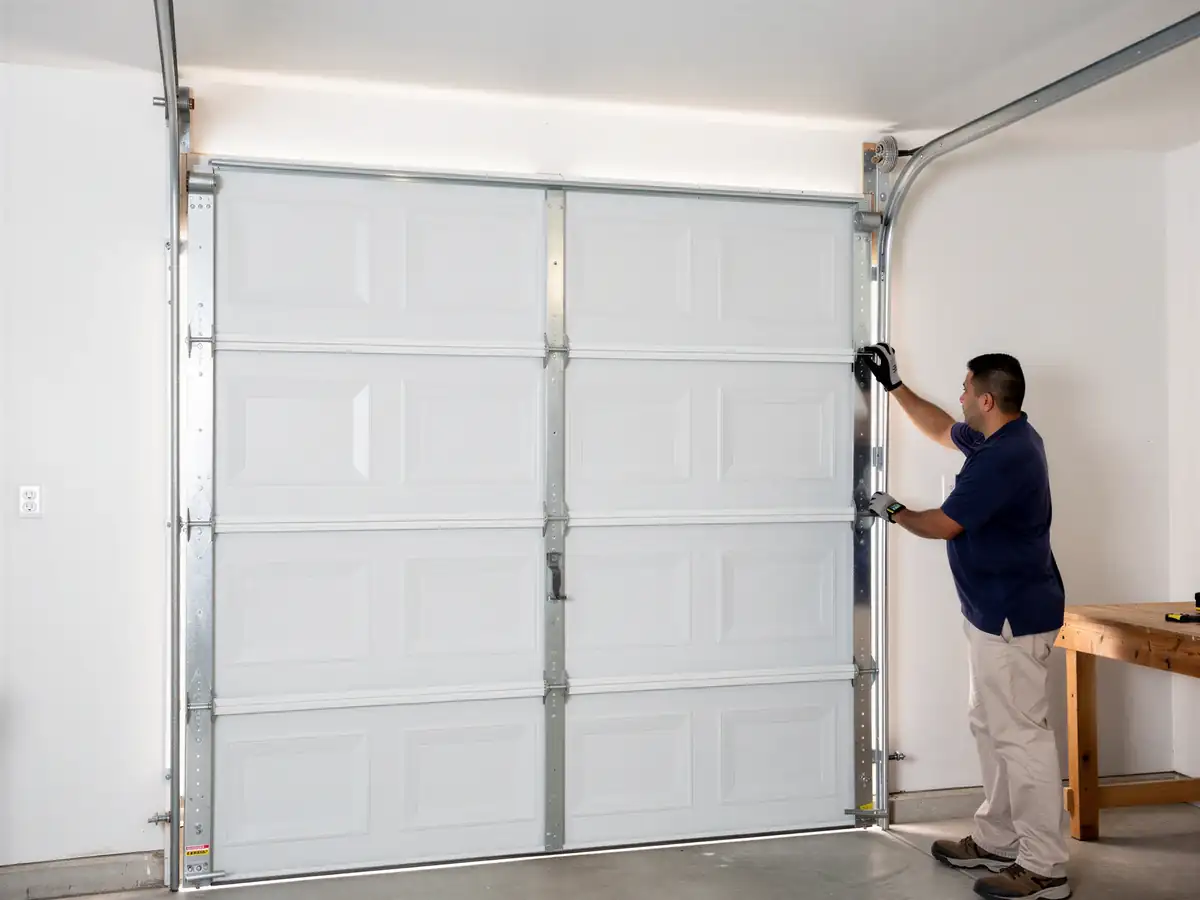
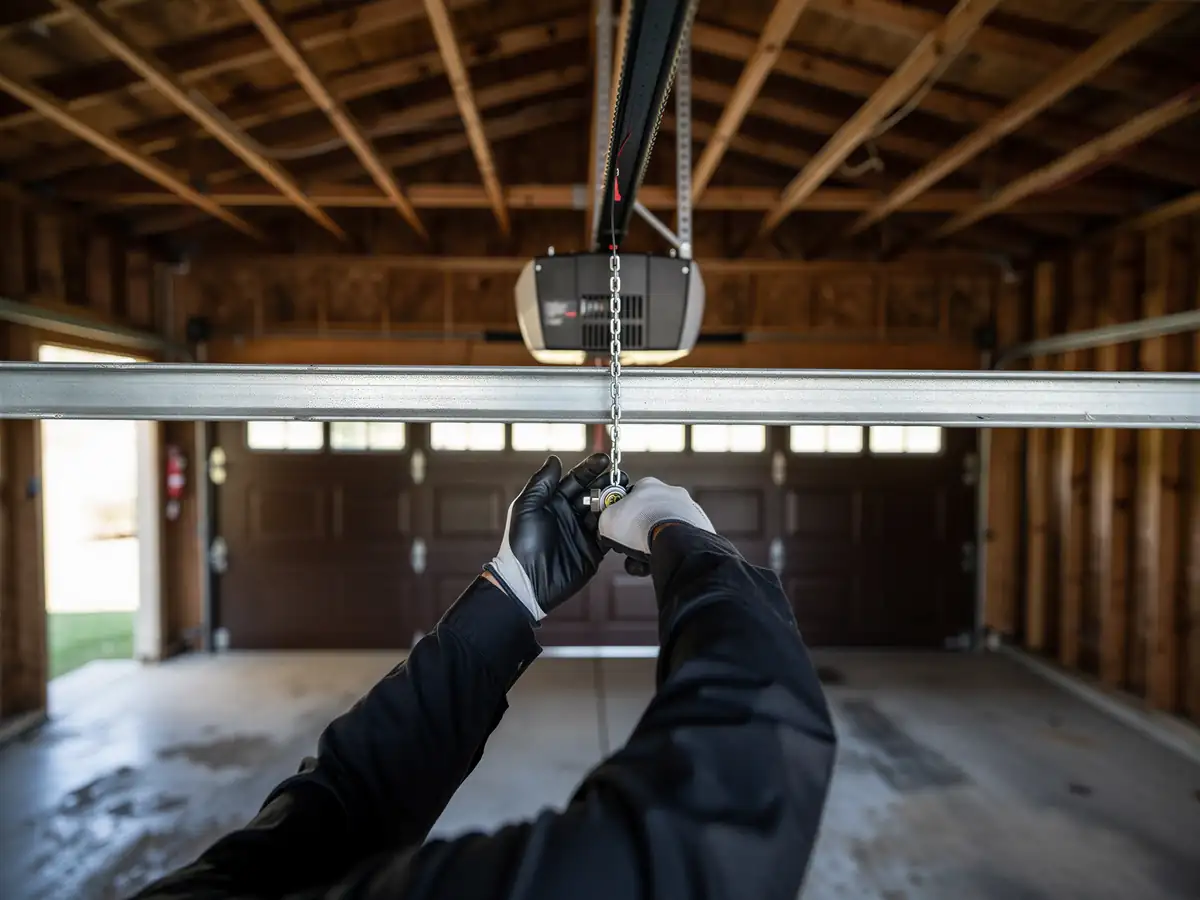
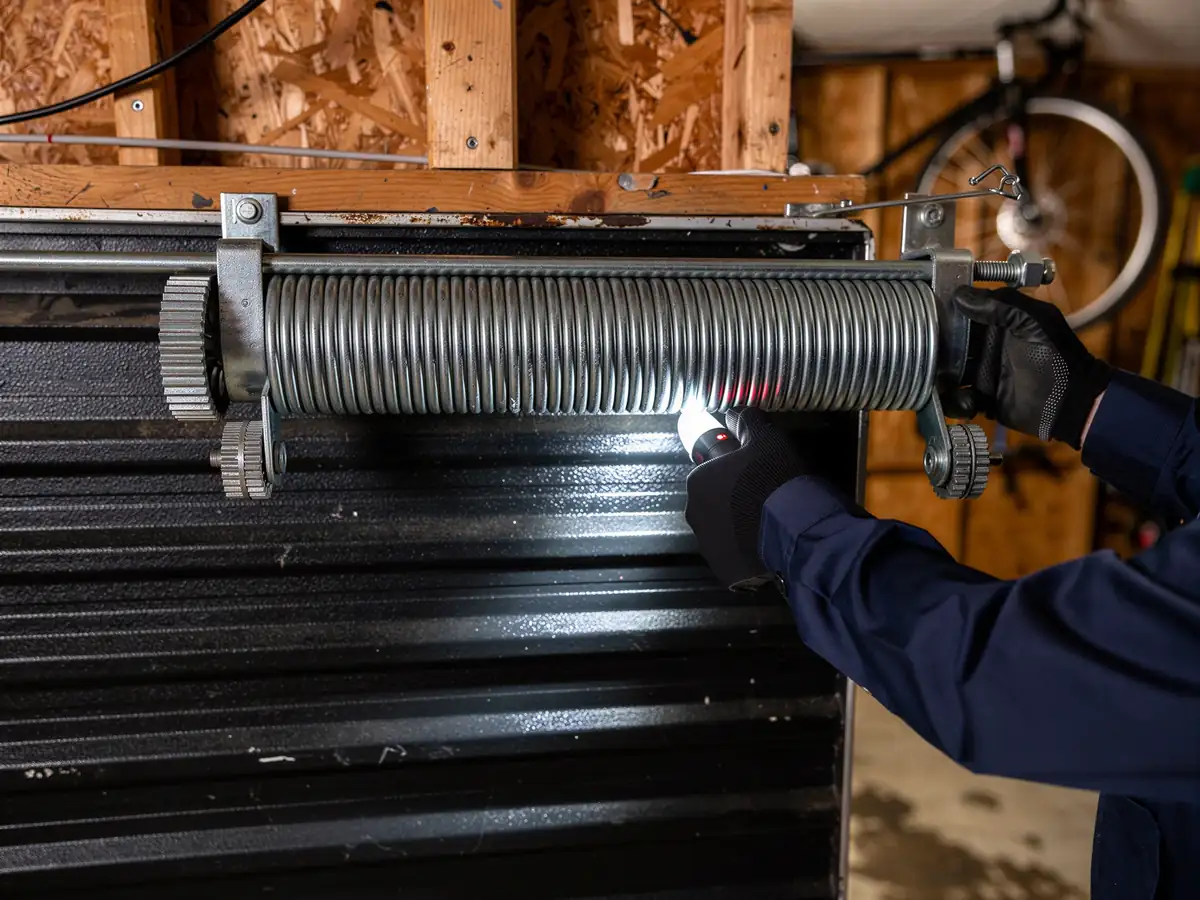
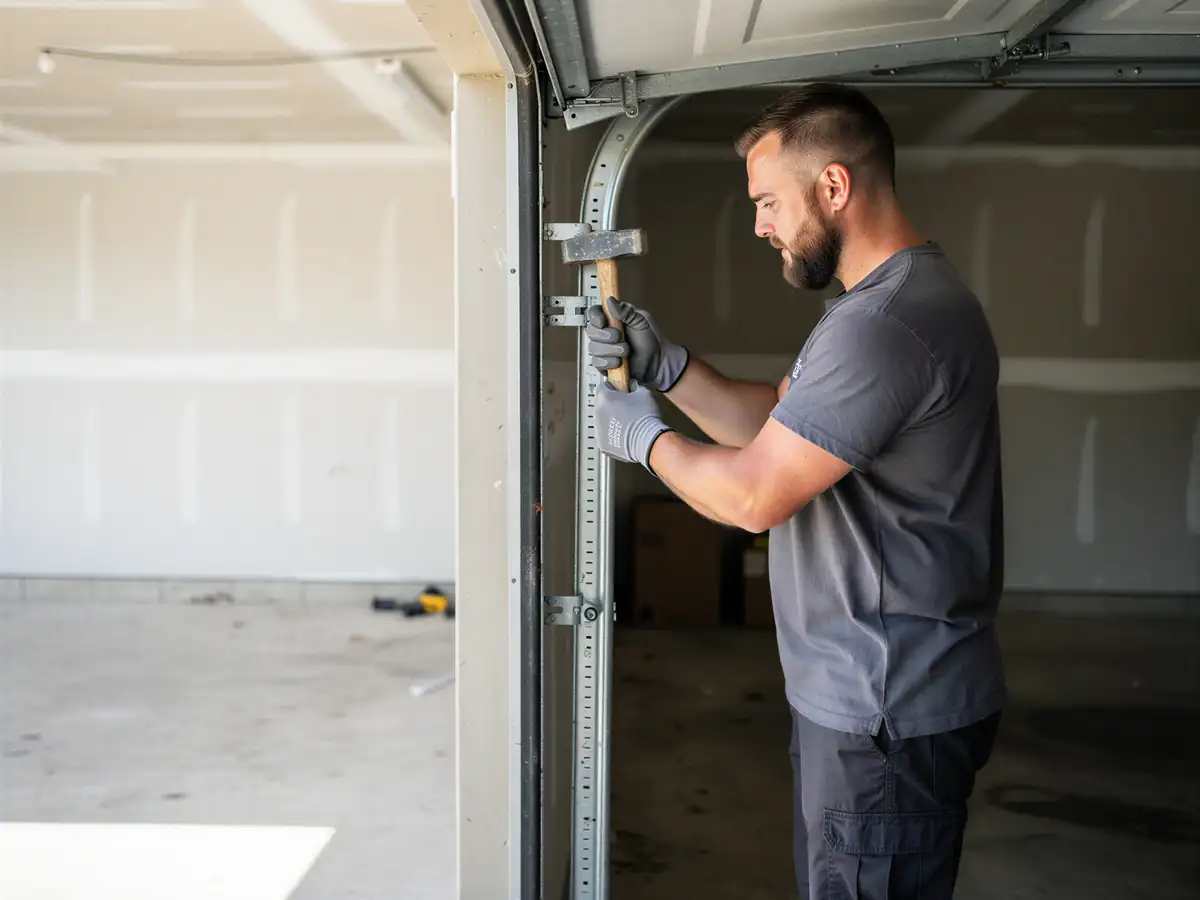
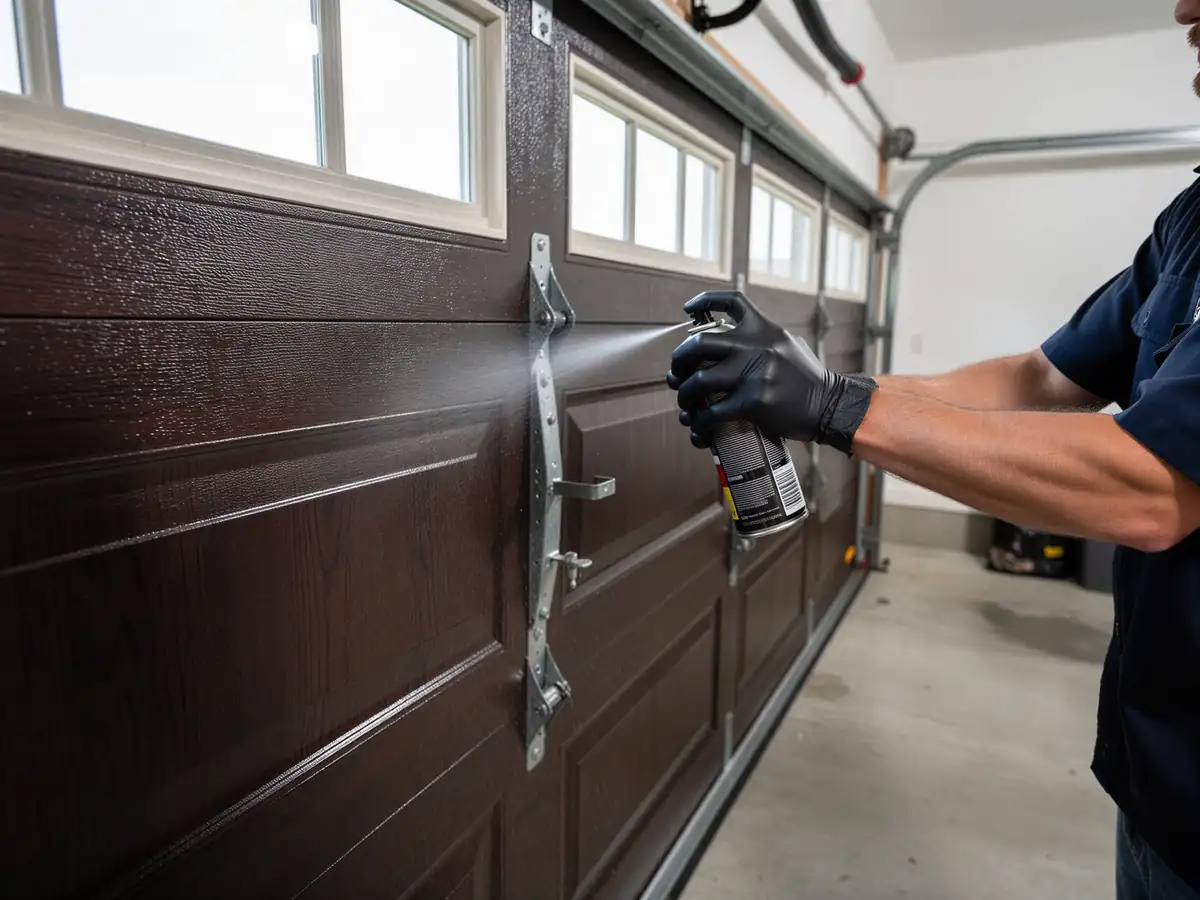
There's real DIY territory here: tightening loose track brackets, replacing worn rollers, lubricating hinges, swapping a remote battery, clearing the photo-eye sensors if the door won't close. None of that needs a technician. What you should not touch is the spring system - on a 1959-era door that's often exposed extension springs with no containment cable, and those store enough force to break a wrist or worse if they let go while you're working near them. If the door is heavy to lift by hand with the opener disconnected, that's a spring problem, not an opener problem, and it's not a weekend project. Our honest limit here: if the door is an original single-car door from that build era with a track profile nobody makes anymore, sometimes the straight answer is replacement, not another repair, because parts for that exact track width can take weeks to source.
Parts We Carry
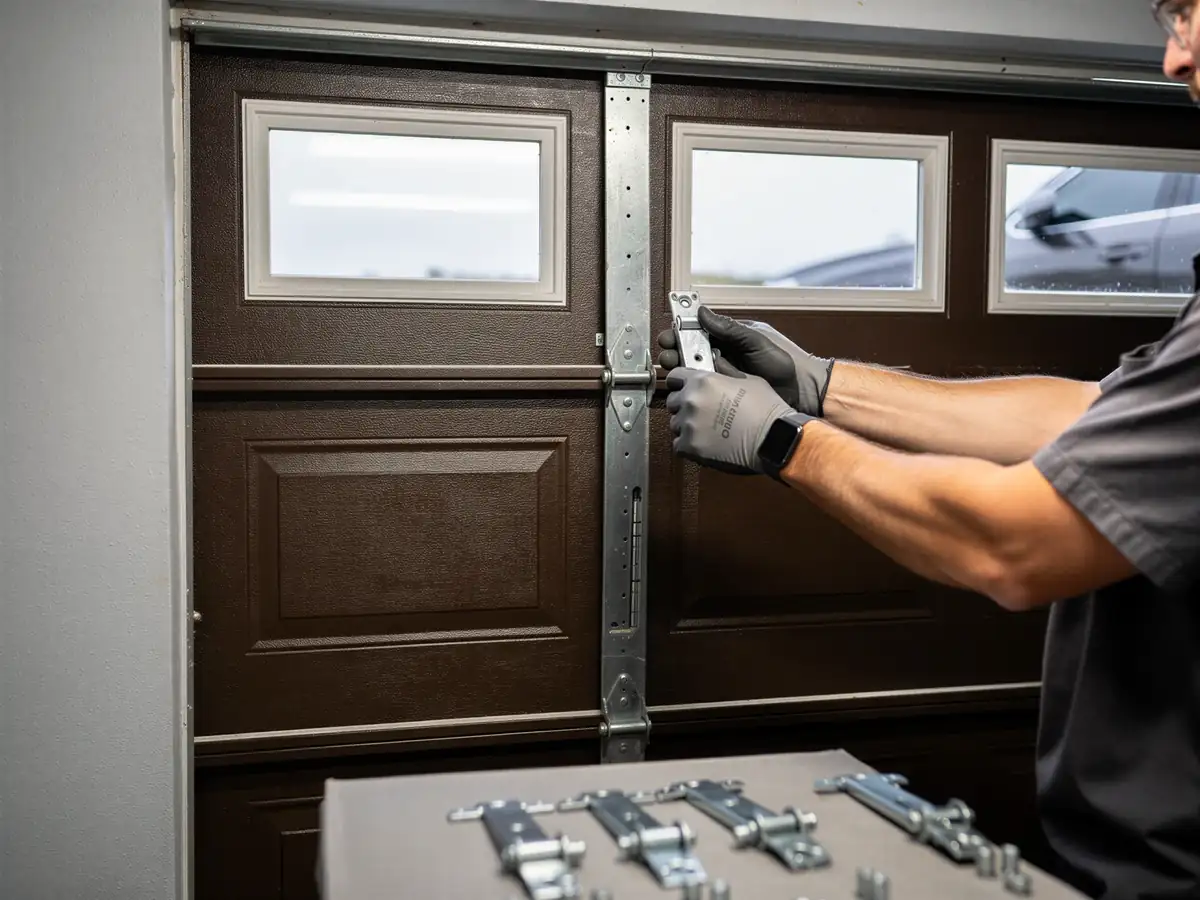
We stock common torsion springs, standard rollers (nylon and steel), safety cables, and opener logic boards that fit most doors built from the 1960s onward. Richfield's older single-car doors sometimes run narrower track and spring sizing than what's typical for the area's 1973-median housing stock, and those odd sizes aren't something we carry on the truck as a matter of course. When we hit one of those, we order the correct part rather than force a near-fit, which means a return trip instead of a one-visit fix. We'd rather tell you that up front than install something that's close enough and fails again in six months.
What Can Go Wrong
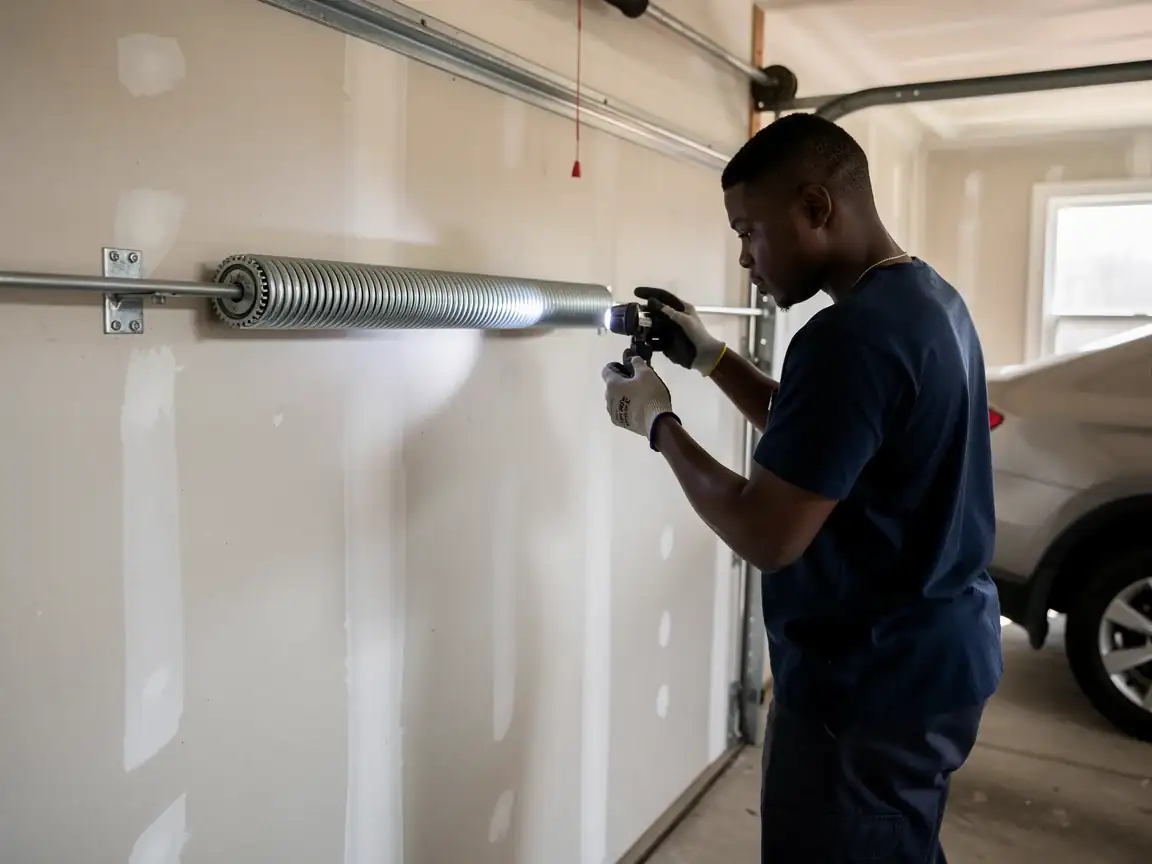
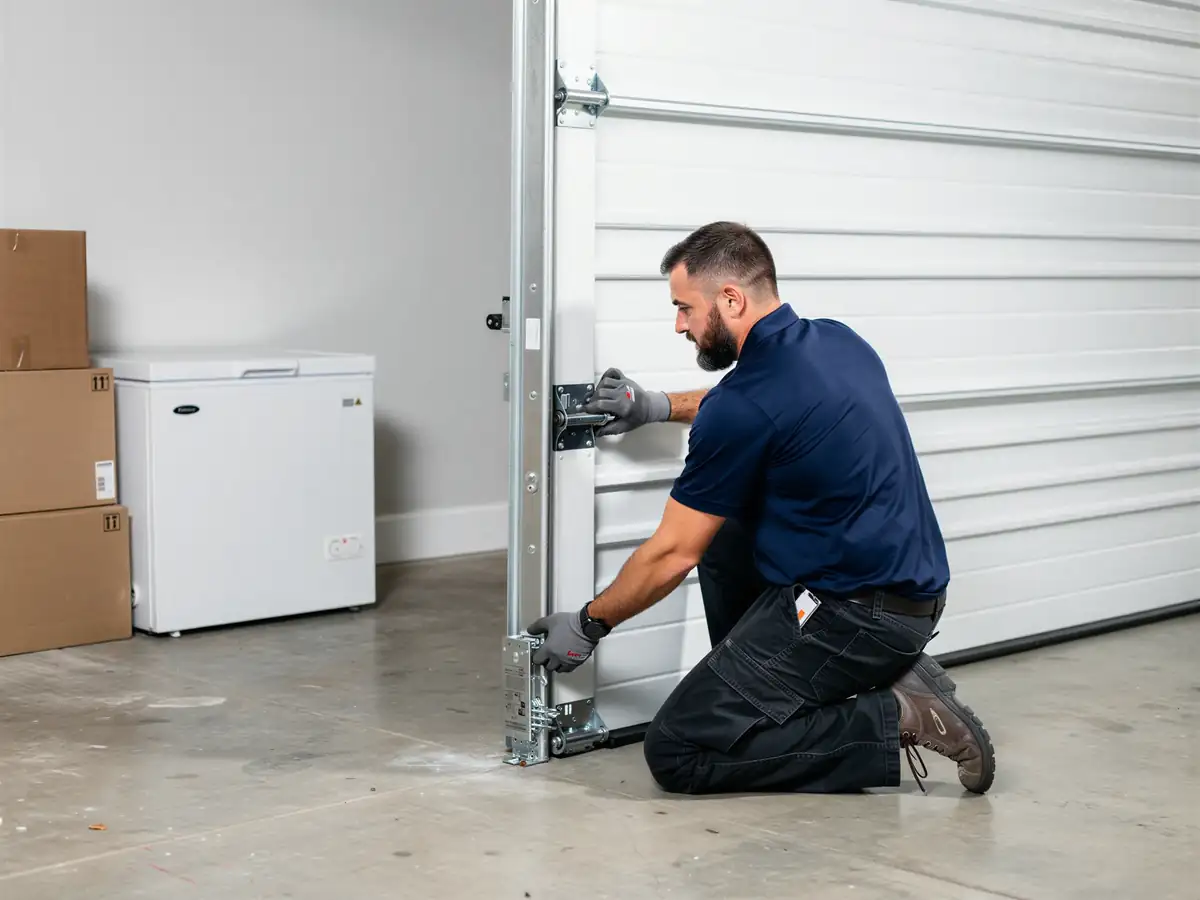
On a door built around 1959, the failures we see most are extension springs that have stretched out or snapped after decades of cycling, steel tracks that have gone out of true from age and frost-heave under the slab, and cables that fray where they wrap the drum on hardware nobody's serviced in years. Openers are almost never original at this point, but they're frequently mismatched to the door's actual weight because someone installed a general-purpose unit without checking. In Minnesota's cold climate, metal contracts in winter, so marginal alignment problems that were tolerable in summer show up as a door that won't fully seat or close. None of that is unique to one house - across a town of 16,221 households built mostly in the same decade, the same handful of failure points keeps repeating.