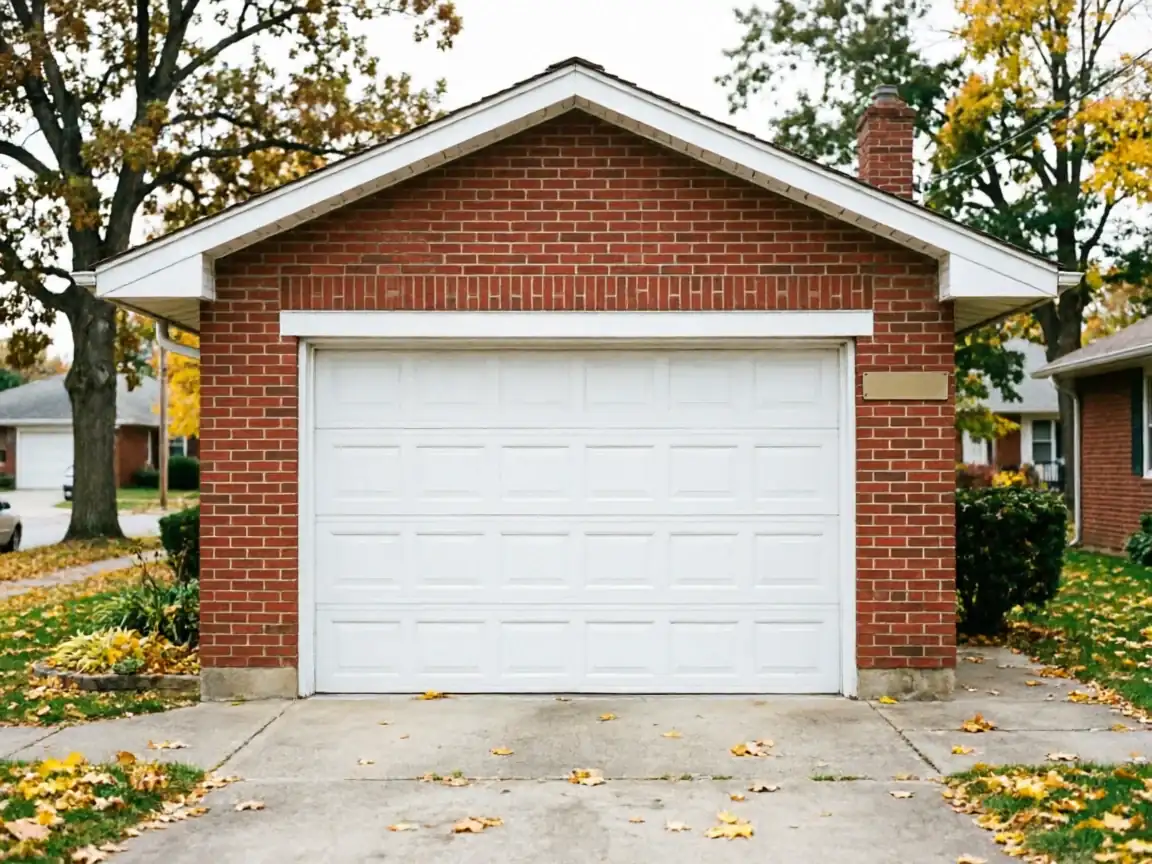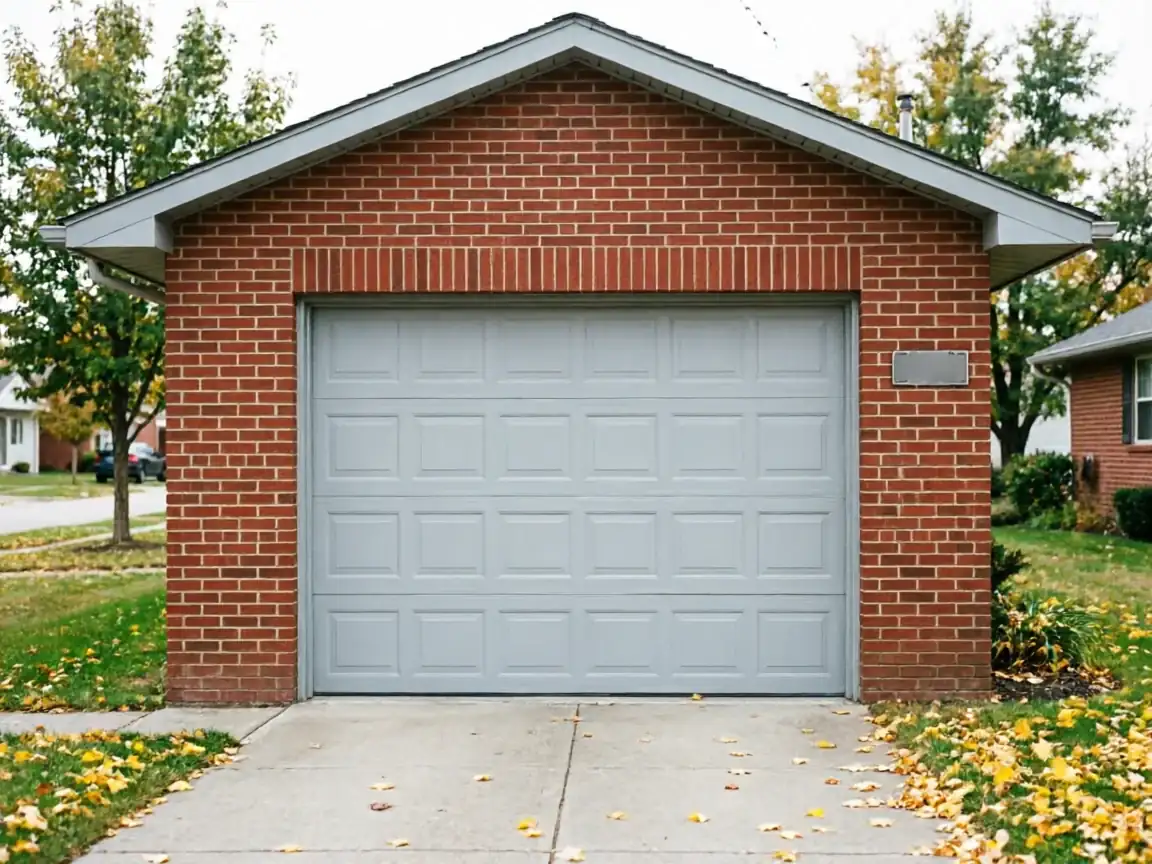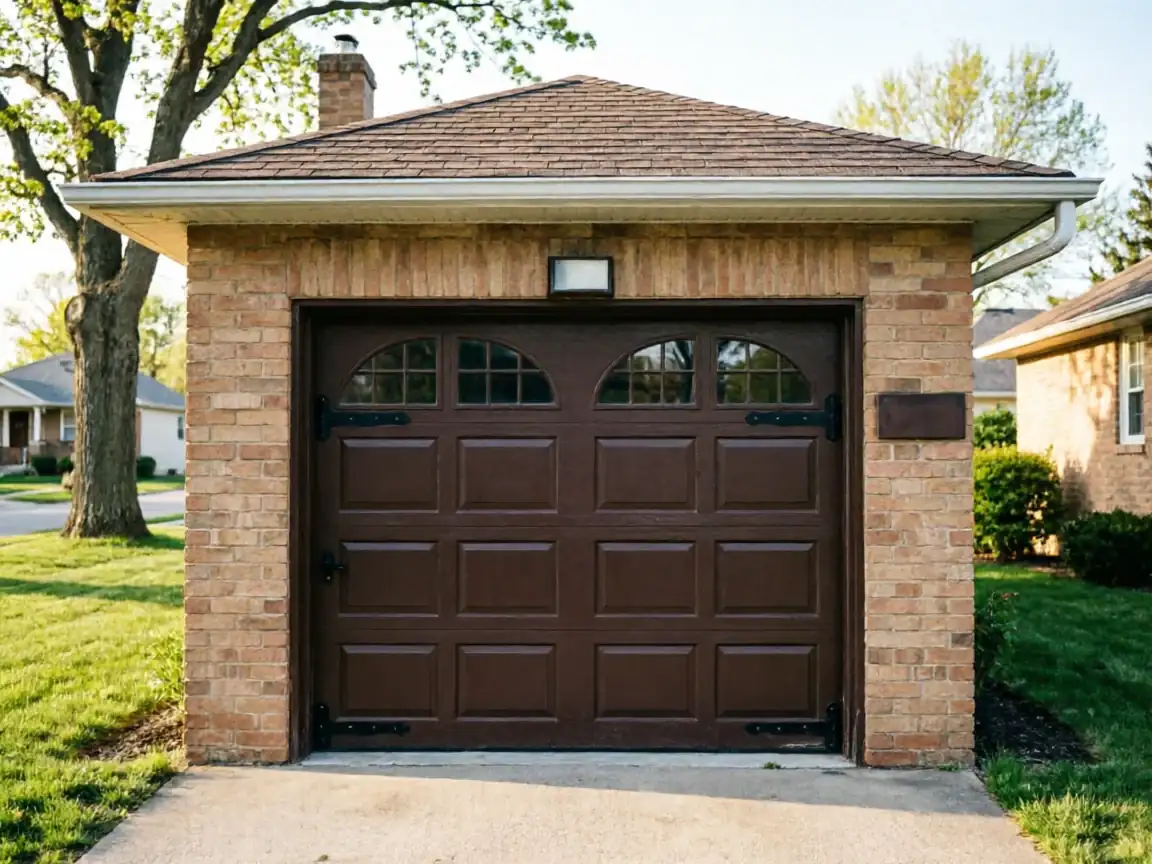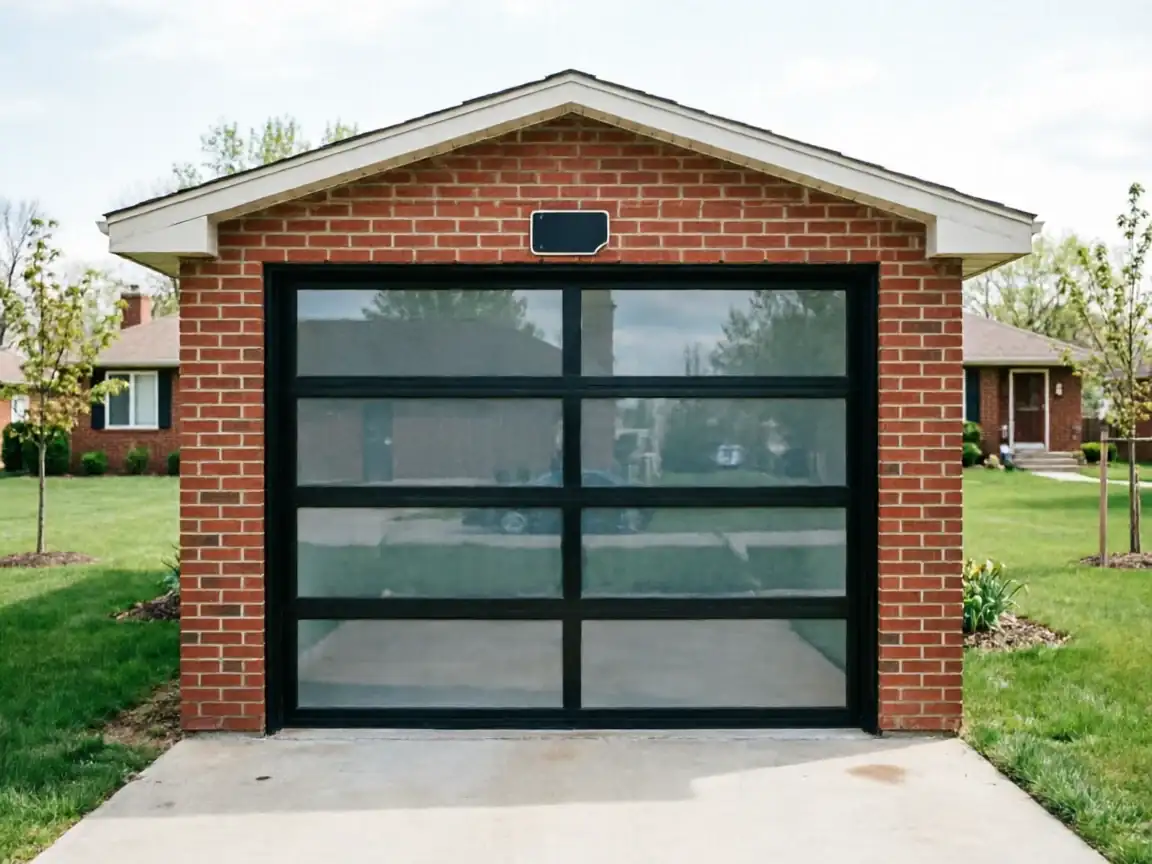
How to Book
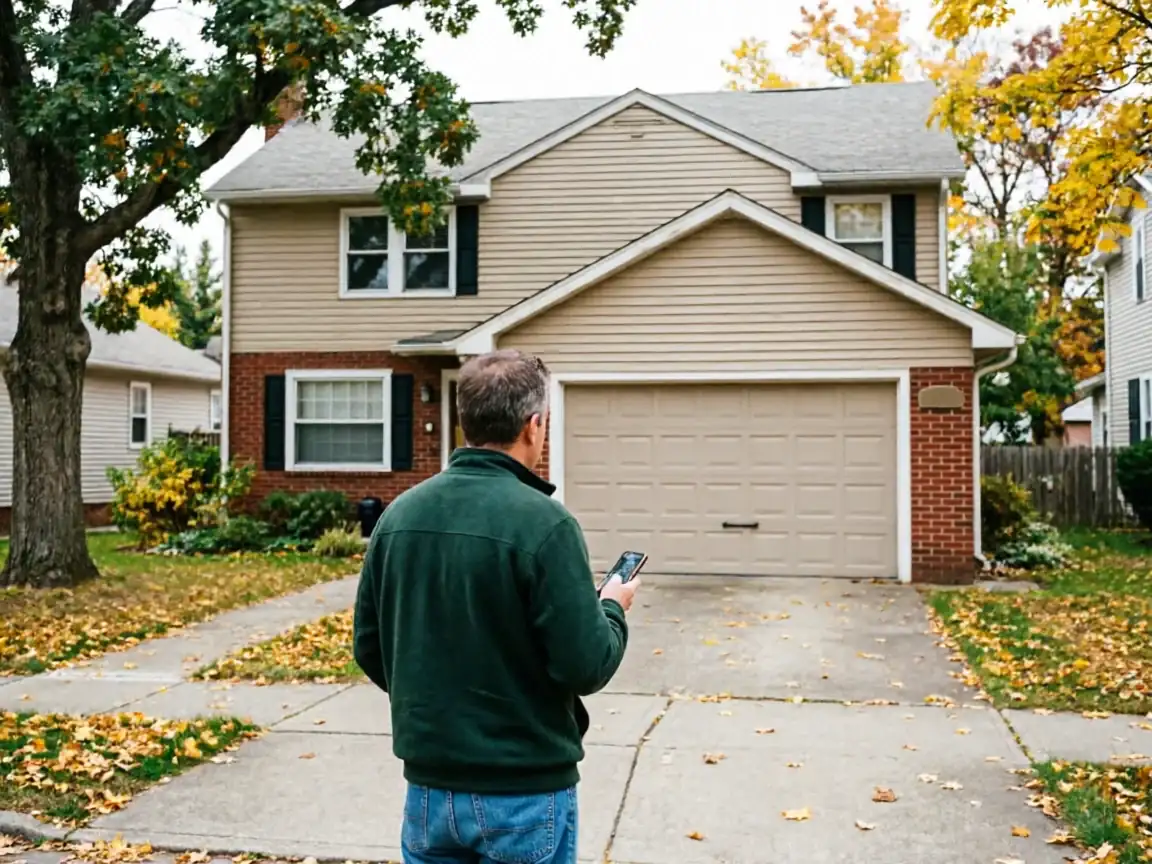
We're based in Eagan, about 7 miles from Richfield, and we run panel replacement jobs out this way on a regular route. Call ahead and tell us the door's age if you know it, or just the dent and the panel count - single car or double, how many sections tall. A quick photo of the damage and the track hardware helps us pull the right panel stock before we leave the shop, since Richfield's housing dates earlier than a lot of the rest of our coverage area and not every panel profile is something we keep on the truck without checking first.
We don't keep a branch or drop-off counter in Richfield itself - this is a service call from Eagan, not a local storefront. That means we schedule by route rather than same-hour walk-ins, so booking ahead gets you a tighter window than calling the morning you notice the dent. See the Richfield garage door service page for the full list of what we cover out here.
How We Fix It
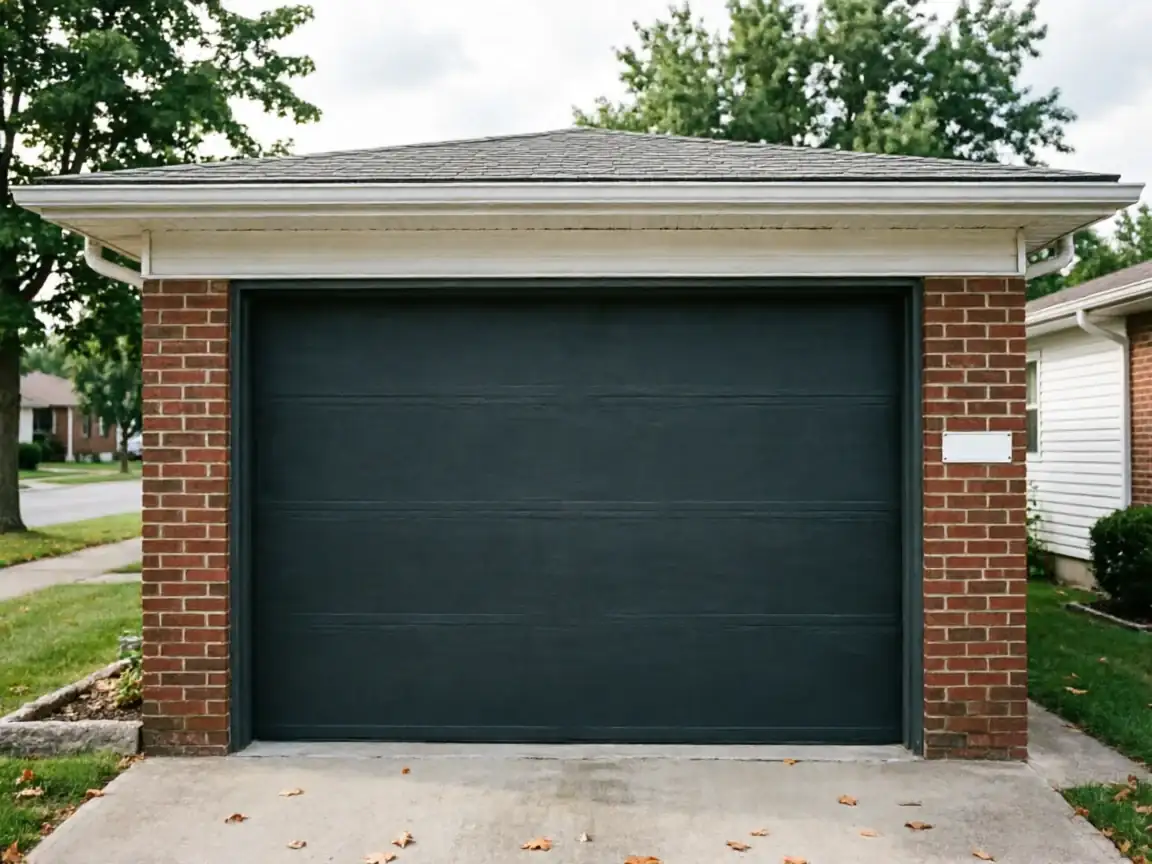
Richfield's housing stock centers on a median build year of 1959
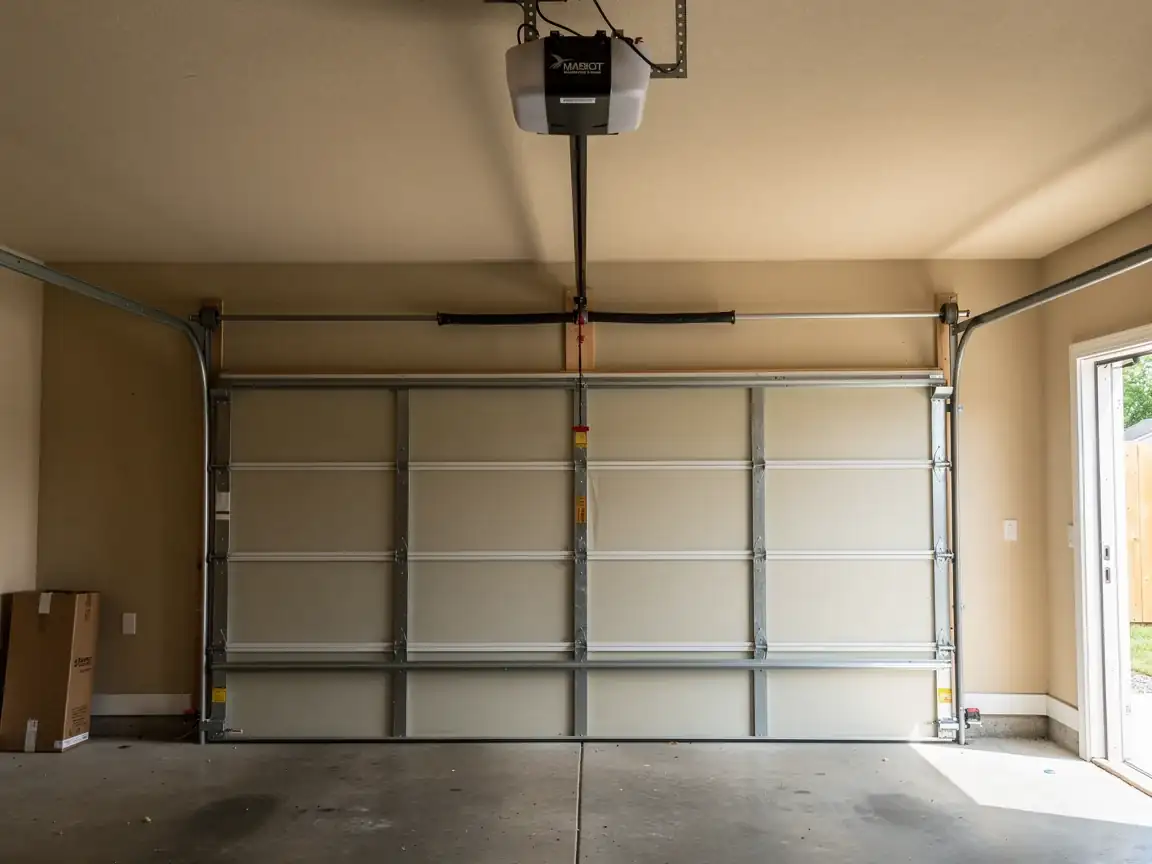
Which puts a lot of these garages ahead of the 1973 median for our wider service area and squarely in the era when steel sectional doors were just replacing the older one-piece swing-up style. Panel replacement on a house this age usually starts with figuring out which generation of door you've actually got, because the section height, the end-stile hardware, and the hinge spacing from a late-1950s door don't always match what a supplier ships today without some adaptation.
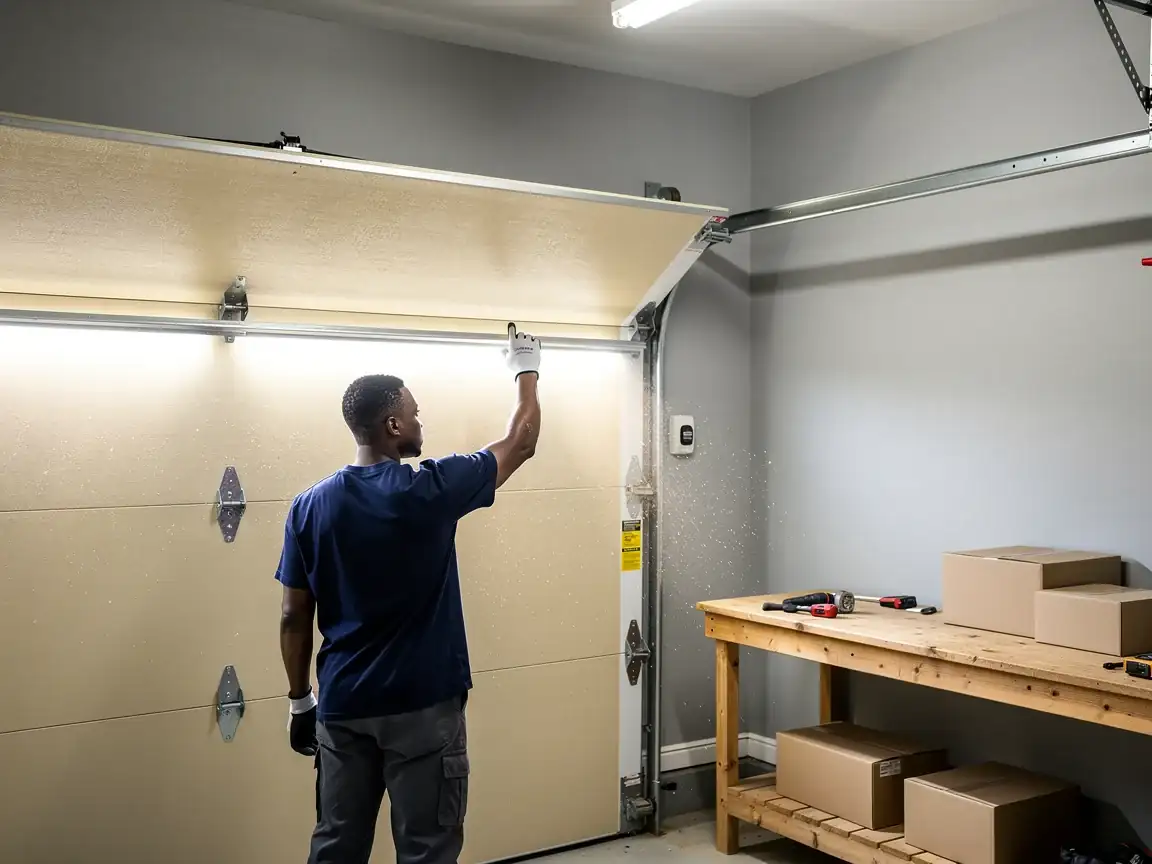
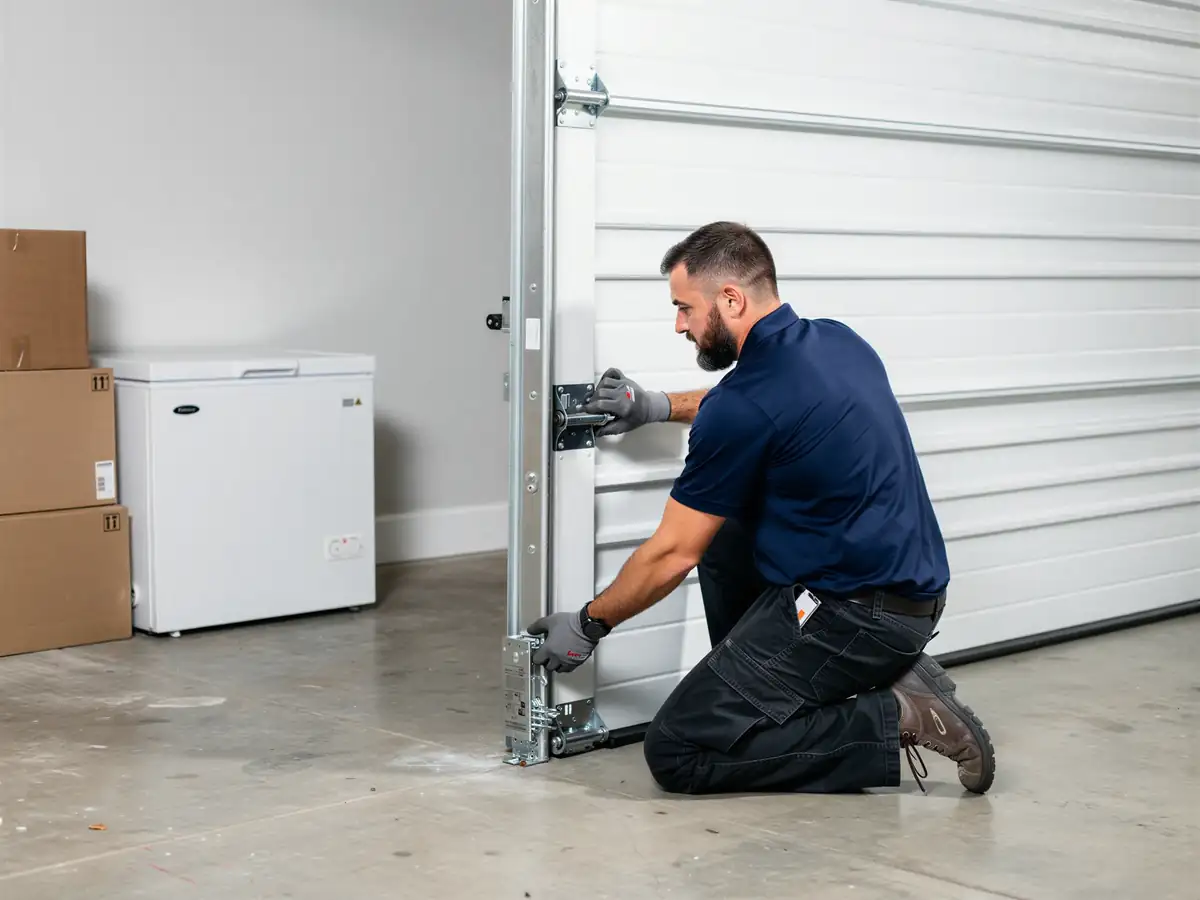
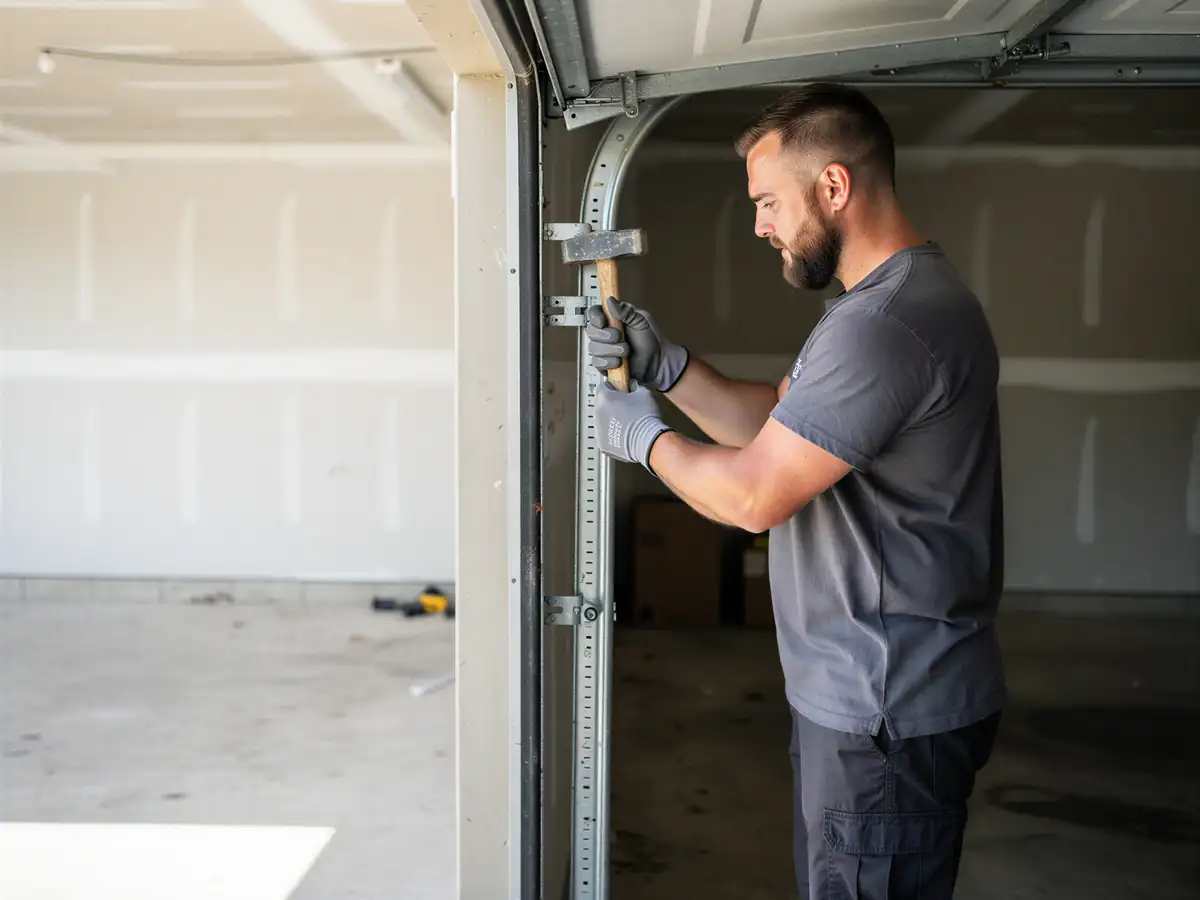
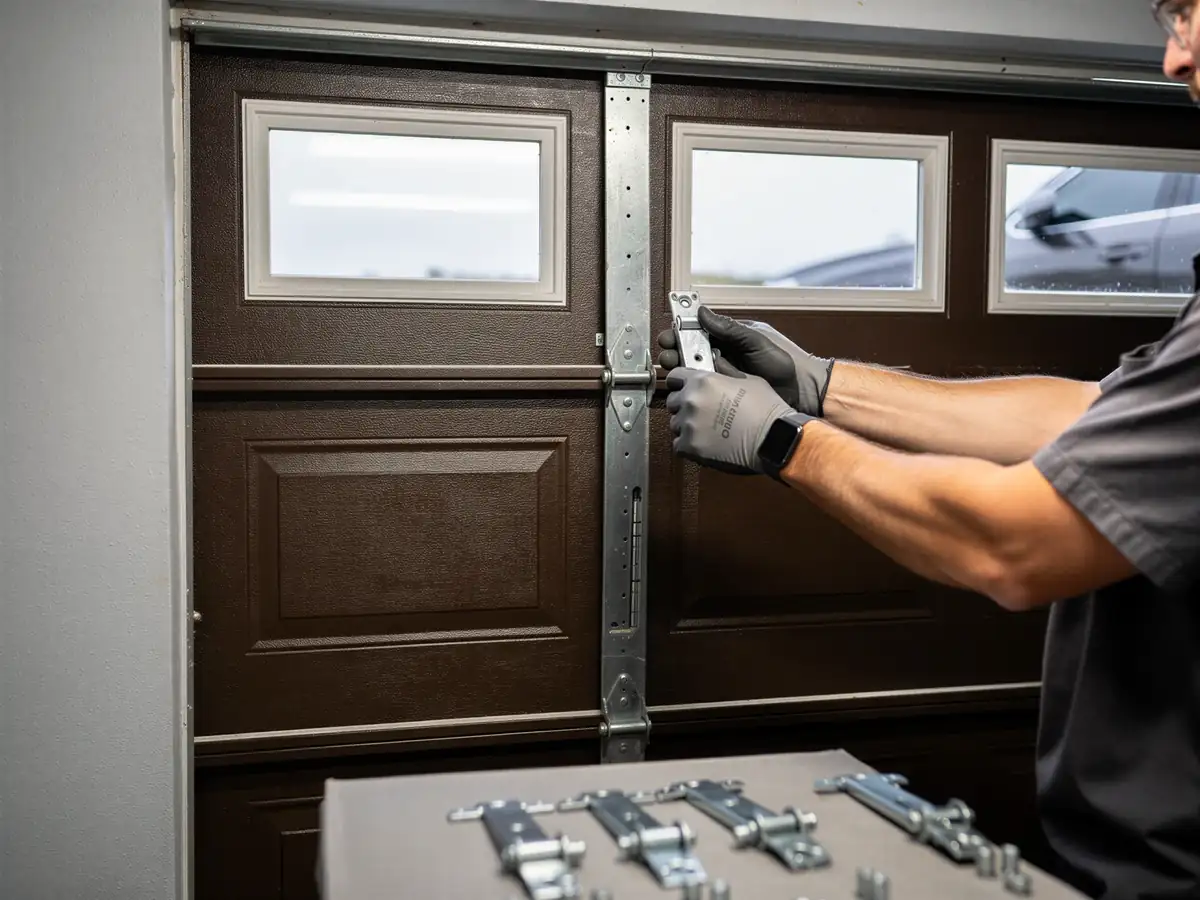
Once we've identified the panel profile, we pull the damaged section off the hinges
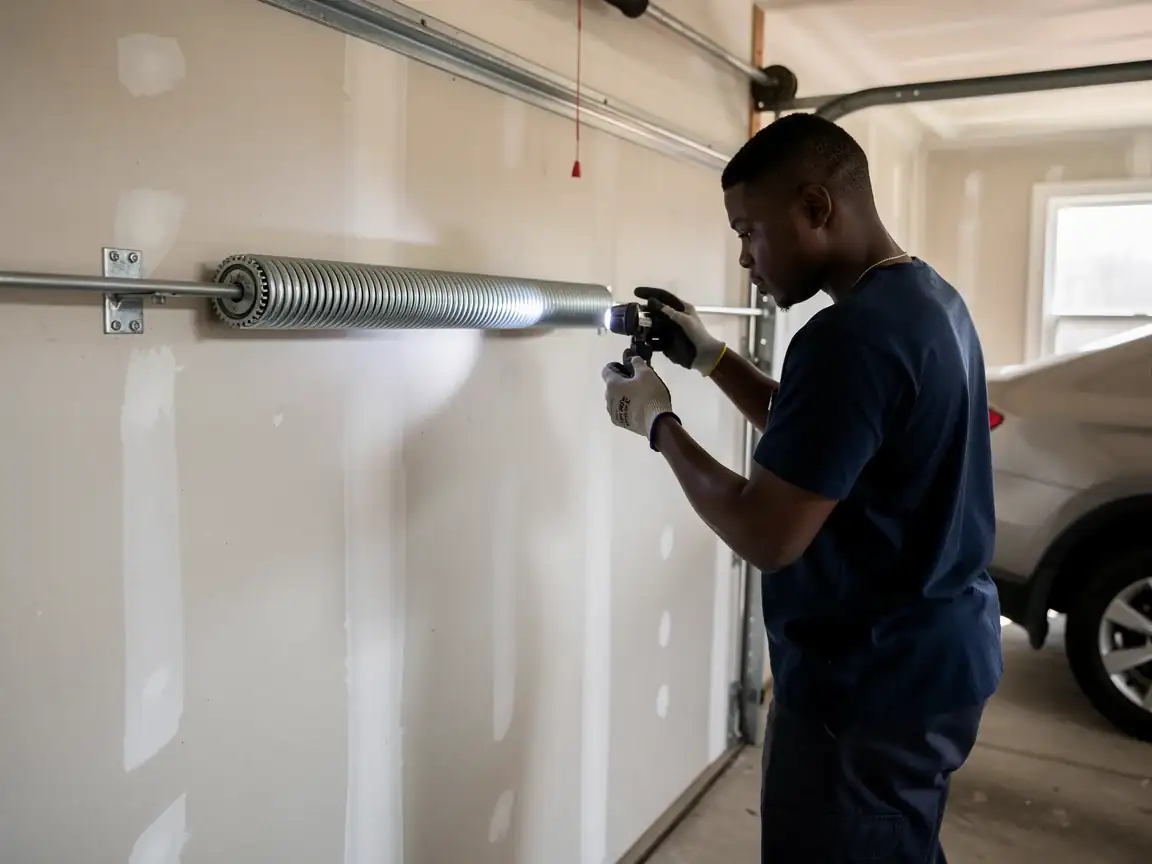
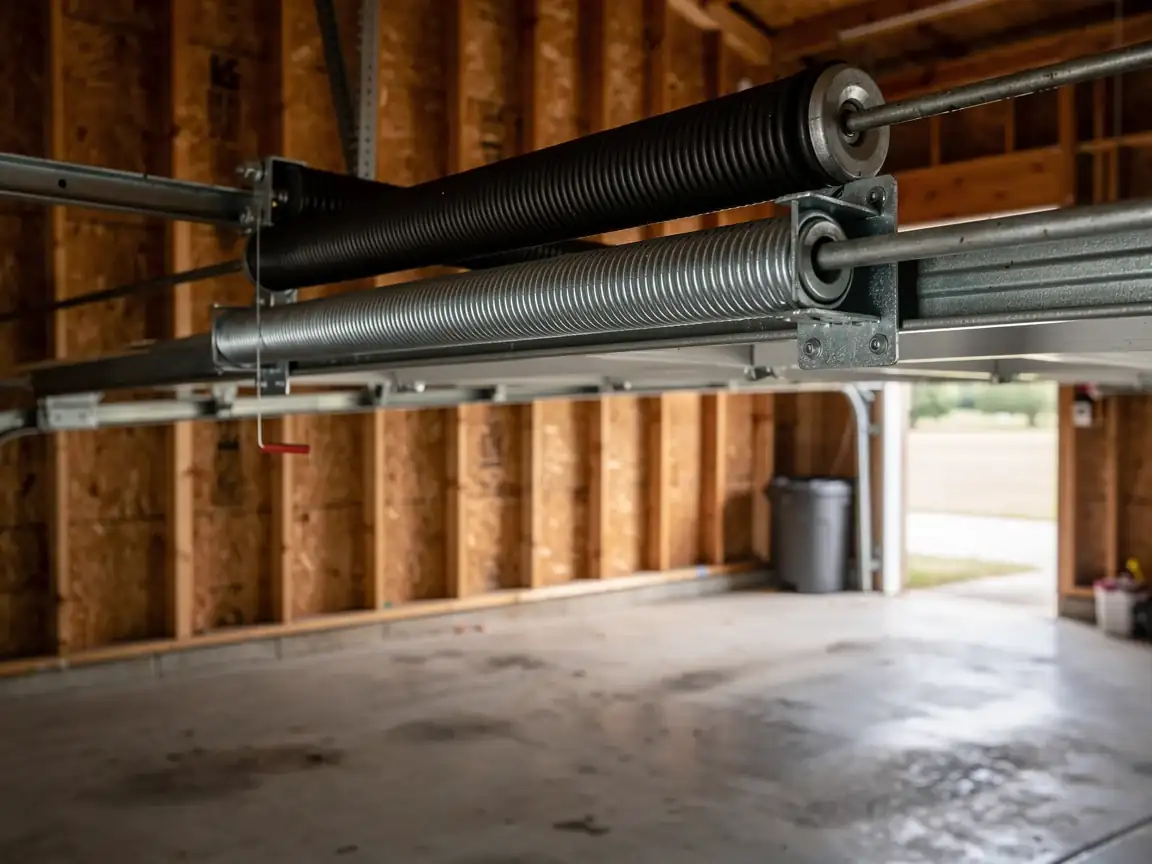
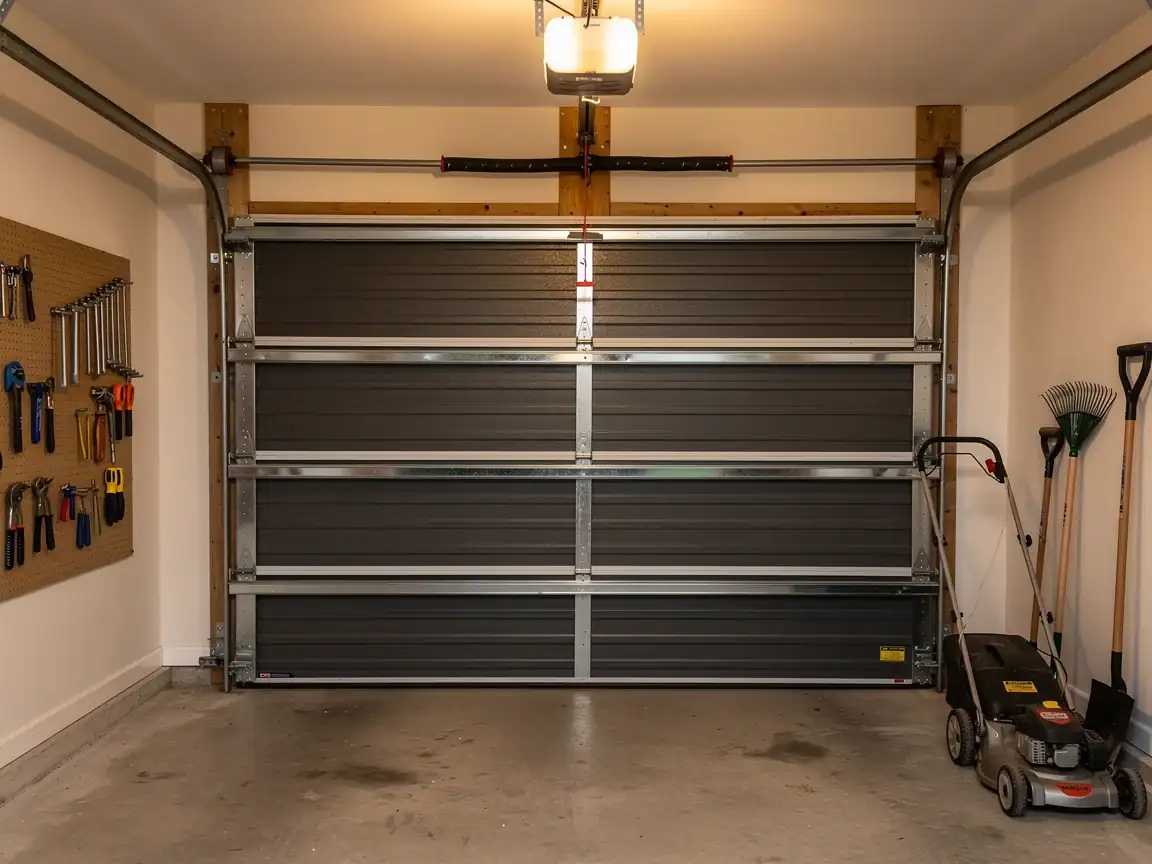
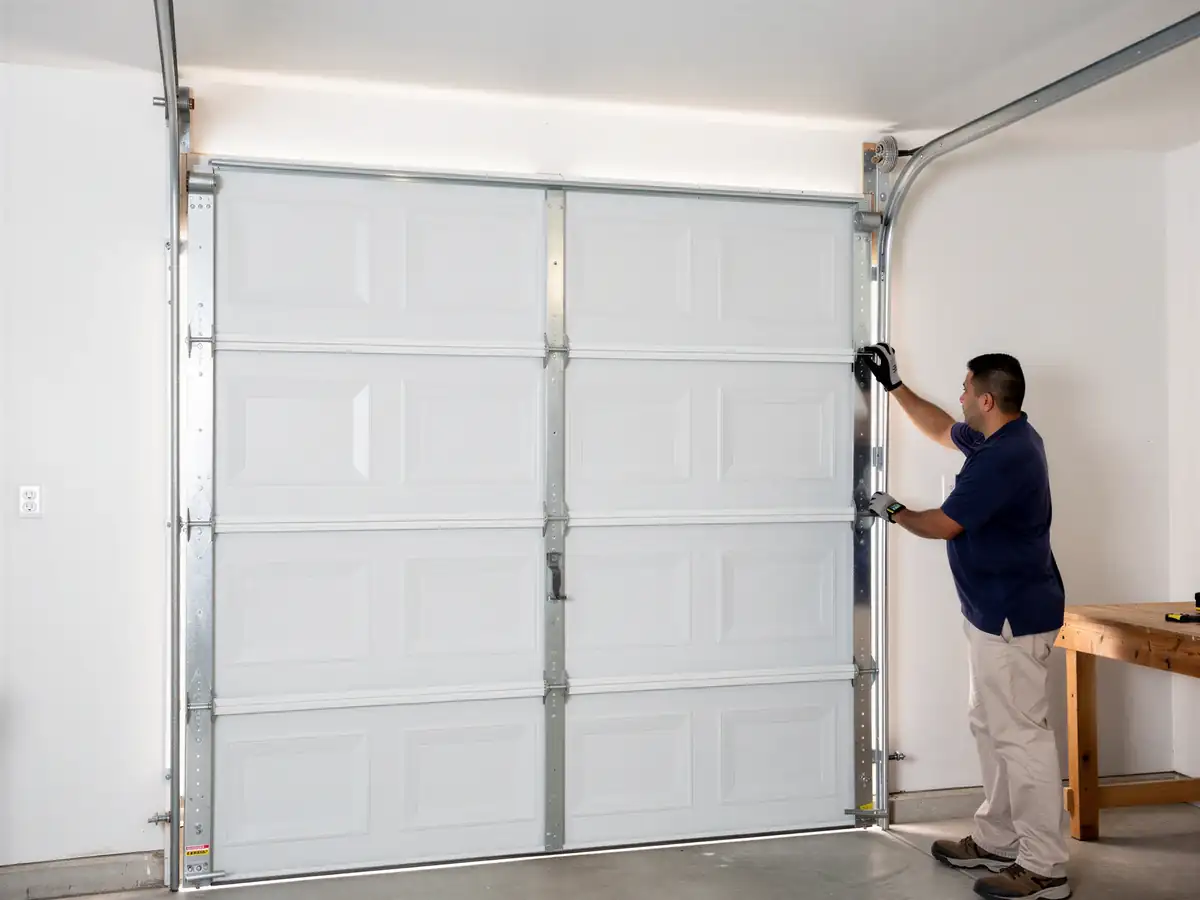
Check the adjoining panels and track alignment for anything the dent pushed out of true, and set the new or matched panel in place before re-testing the balance. On older doors we're also checking whether the existing spring and cable setup can handle a slightly different panel weight - steel gauges have changed enough over sixty-plus years that a straight swap isn't always a straight swap.
Doing It Yourself
If it's a single cosmetic dent and the door still opens and closes square, you can sometimes pull it out yourself with a suction tool or a panel-dent kit, especially on the lighter steel used on doors from this era. Where it gets risky is anything involving the bottom panel near the cables, or a top panel near the opener arm - on a 1959-era door those brackets were often set up differently than what you'd find in a hardware store retrofit kit, and a bolt pattern that's off by a half inch can bend the new panel on install.
We'd also say: if more than one panel on the door shows stress cracking or separation at the seams, that's usually not a one-panel fix anymore, even if only one section looks bad from the driveway. Call before you order a replacement panel on your own - matching the wrong profile means a return shipment and a second trip, and lead times on obsolete panel styles aren't short.
Parts We Carry
We stock common sectional panel widths and the standard steel gauges used across most of the 1960s-70s housing that makes up the bulk of our service area, which covers a good share of what's in Richfield too. Where it gets harder is the narrower subset of doors still running original or early-replacement hardware from the late 1950s - end hinges, stile brackets, and some flush-panel steel profiles that newer manufacturers don't keep in regular production.
For those, we can usually source a compatible panel rather than an exact match, and we'll tell you straight if that's the case before we order anything. We don't carry wood panel doors or custom architectural profiles as stock items - those get special-ordered and the lead time runs longer than a standard steel panel swap.
What It Costs
We don't publish flat panel prices here because the cost swings on panel width, section height, insulation type, and whether the hardware needs adaptation
All of which vary more in a neighborhood built around 1959 than in a tract built in a single year. What we can tell you is that a straightforward single-panel swap on a common steel profile runs cheaper and faster than a job where we're matching obsolete hardware or special-ordering a section.
We'll give you a number before we start, not after
If a damaged panel turns out to be one of several warning signs - rust at the seams, a door that's racked, a track that's bent as well as the panel - we'll say so, because at that point a second panel replacement inside a year or two often costs more than doing the full door once.
What Can Go Wrong
The biggest miss on older Richfield doors is ordering a panel by width and height alone without checking the hinge spacing and stile profile, since hardware from the late 1950s doesn't always line up with current manufacturer specs. A panel that's close but not exact will usually go in, then bind or rattle within a season as the door cycles.
Cold winters put extra strain on any mismatch - a door built for one steel gauge flexing against a replacement panel of a different gauge tends to show stress cracks at the seams faster once temperatures drop. We also see owners replace a visibly dented panel while the actual cause, a cable that slipped off a drum or a roller that's worn through its track, goes unaddressed, and the new panel takes the same hit again within a year.