How to Book
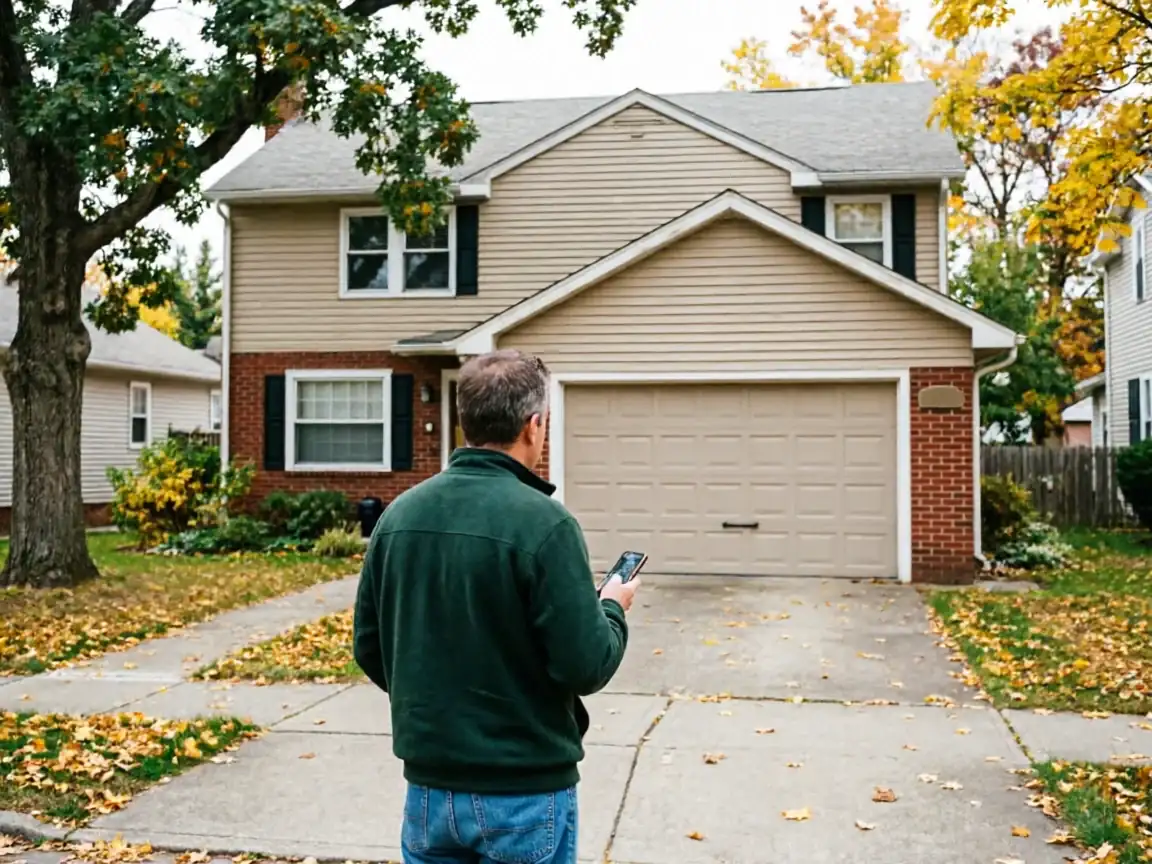
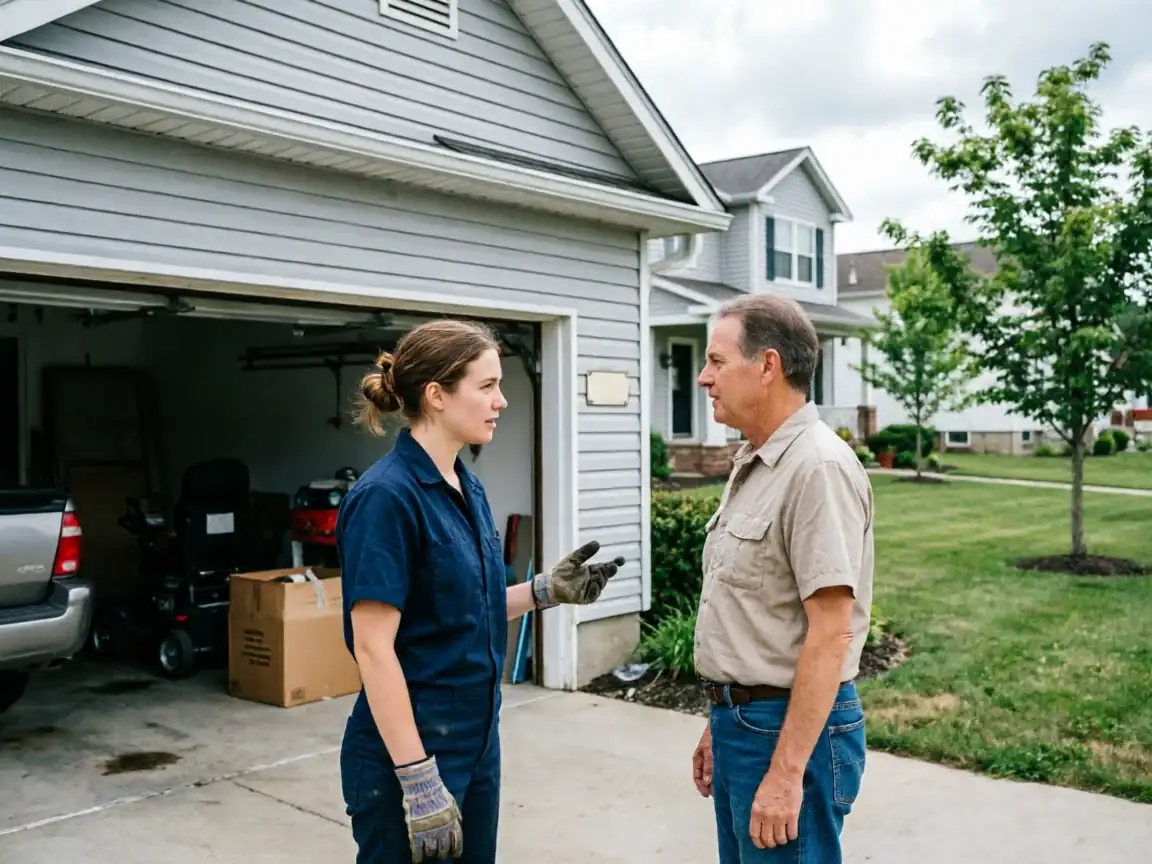
We're based in Eagan, about 7 miles from Richfield, and we run installation jobs out here on a scheduled basis rather than keeping a branch in town. When you call, tell us the age of your house if you know it - Richfield's housing stock runs older than a lot of what we see closer to Eagan, with a median build year around 1959 versus the broader service area's 1973 median. That one detail changes which door sizes and track configurations we bring on the truck. We'll ask about your current opening width and ceiling clearance over the phone so the crew shows up with the right door the first time, not a second trip. Measuring ahead of time matters more here than in newer subdivisions, because a lot of these openings were framed before standard door widths settled into what's common today. Book a measurement visit, not just an install date, and we'll confirm hardware before the door leaves our supplier.
We serve the surrounding area from Eagan, including stops in Mendota Heights and nearby communities, but this page is about the install itself, not our full service list - see our Eagan installation page for that.
How We Fix It
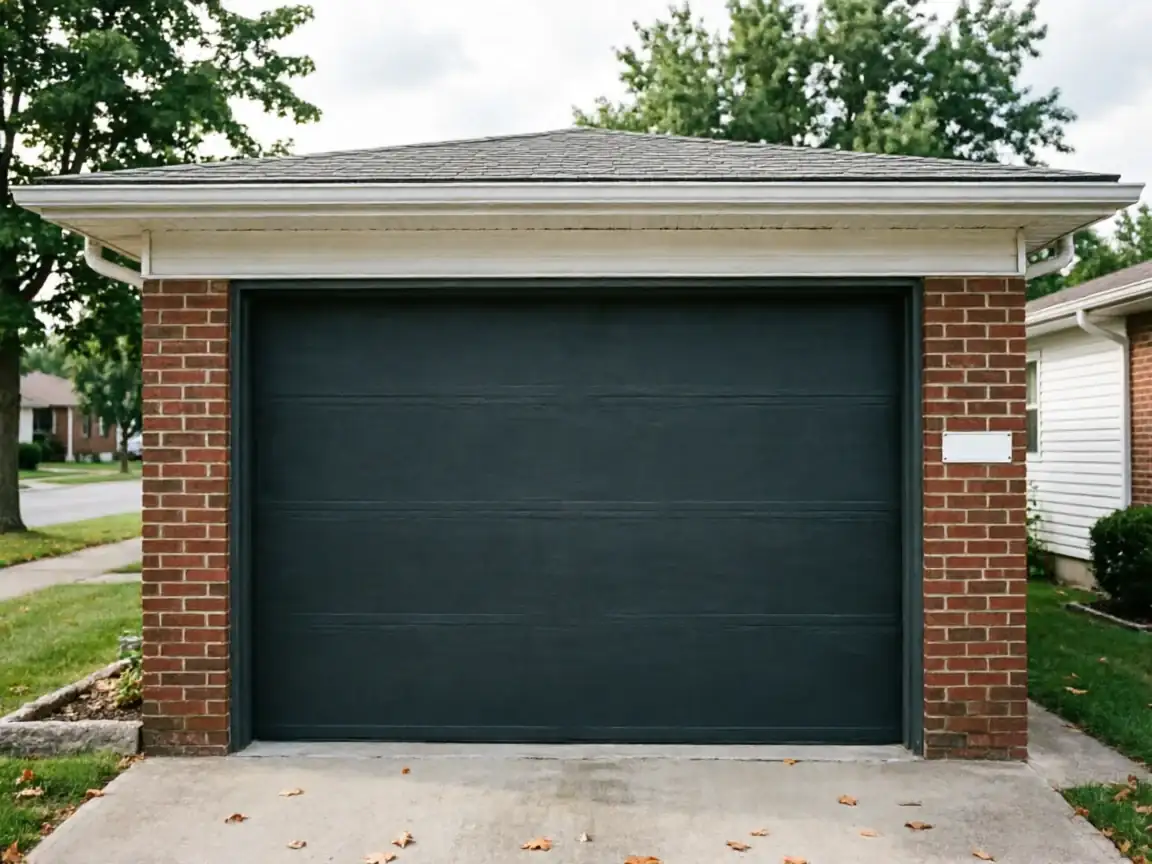
A 1959-era opening in Richfield is usually narrower and shorter than what a modern door ships in off the shelf
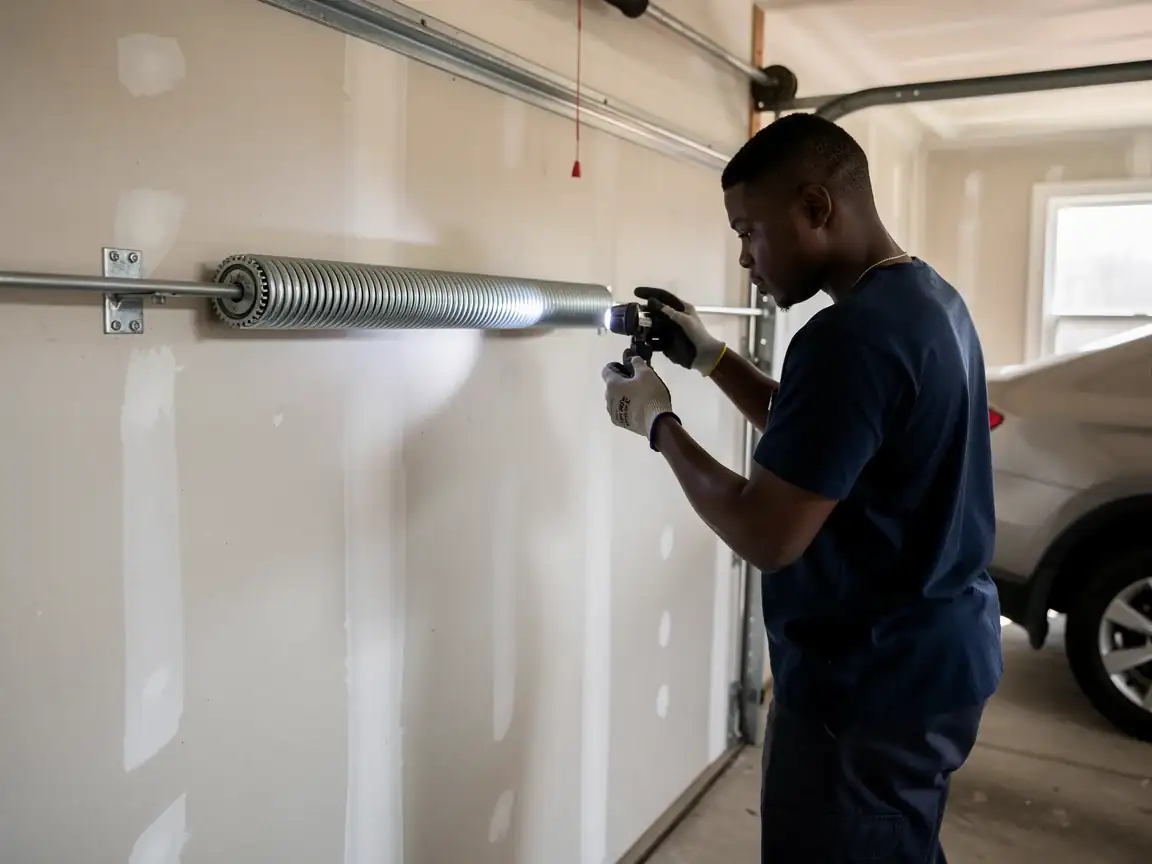
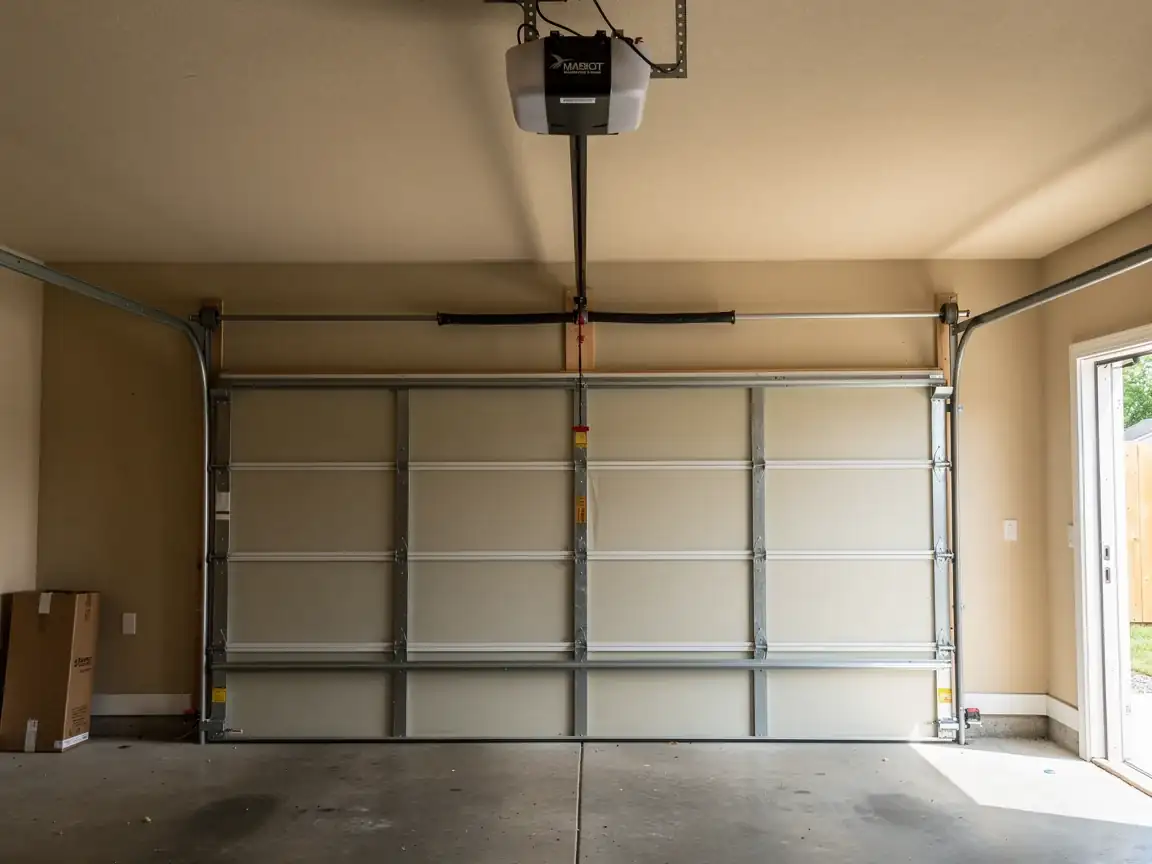
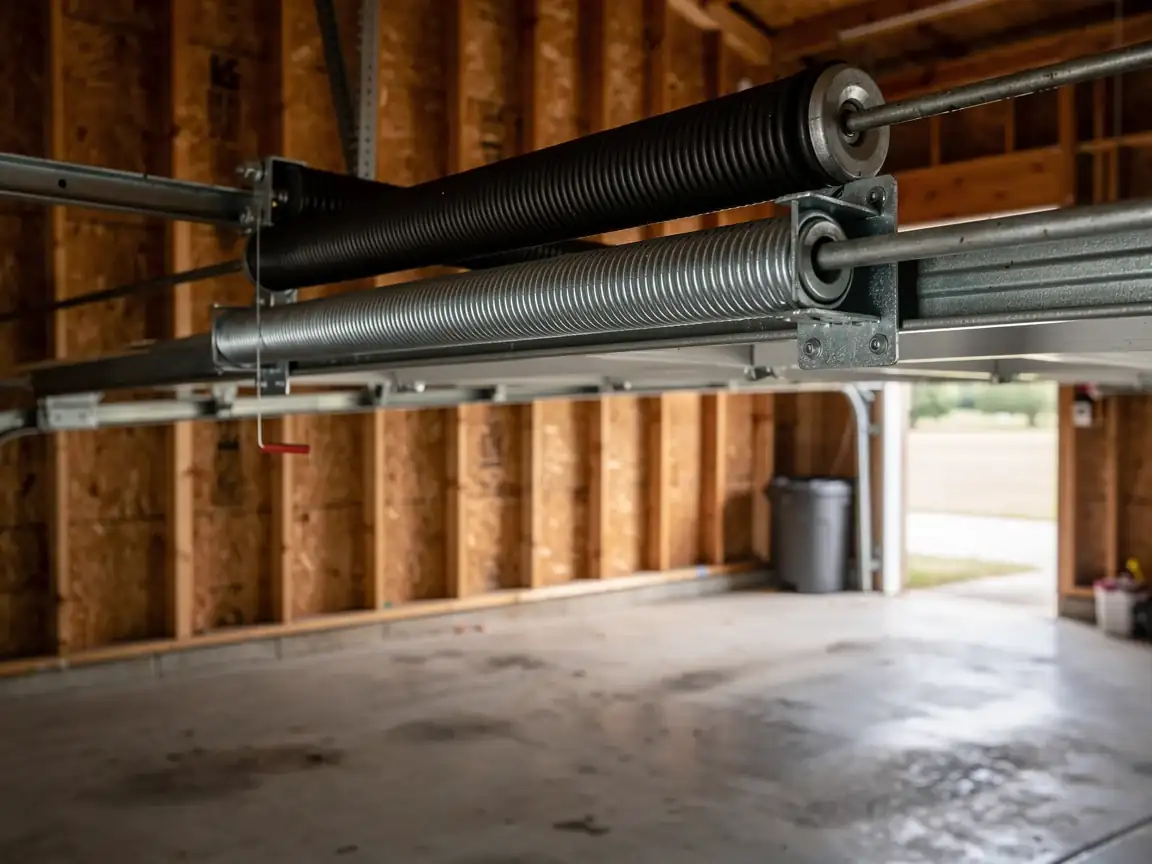
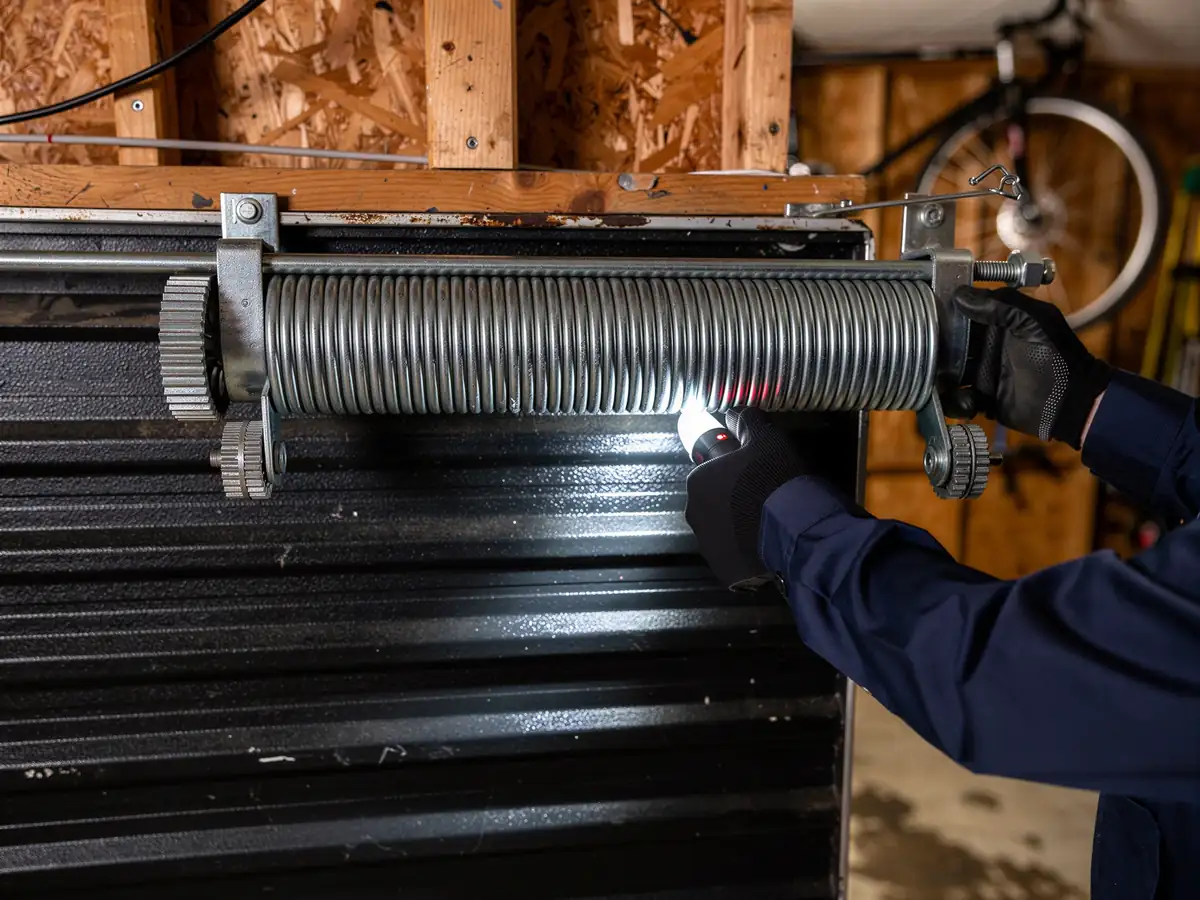
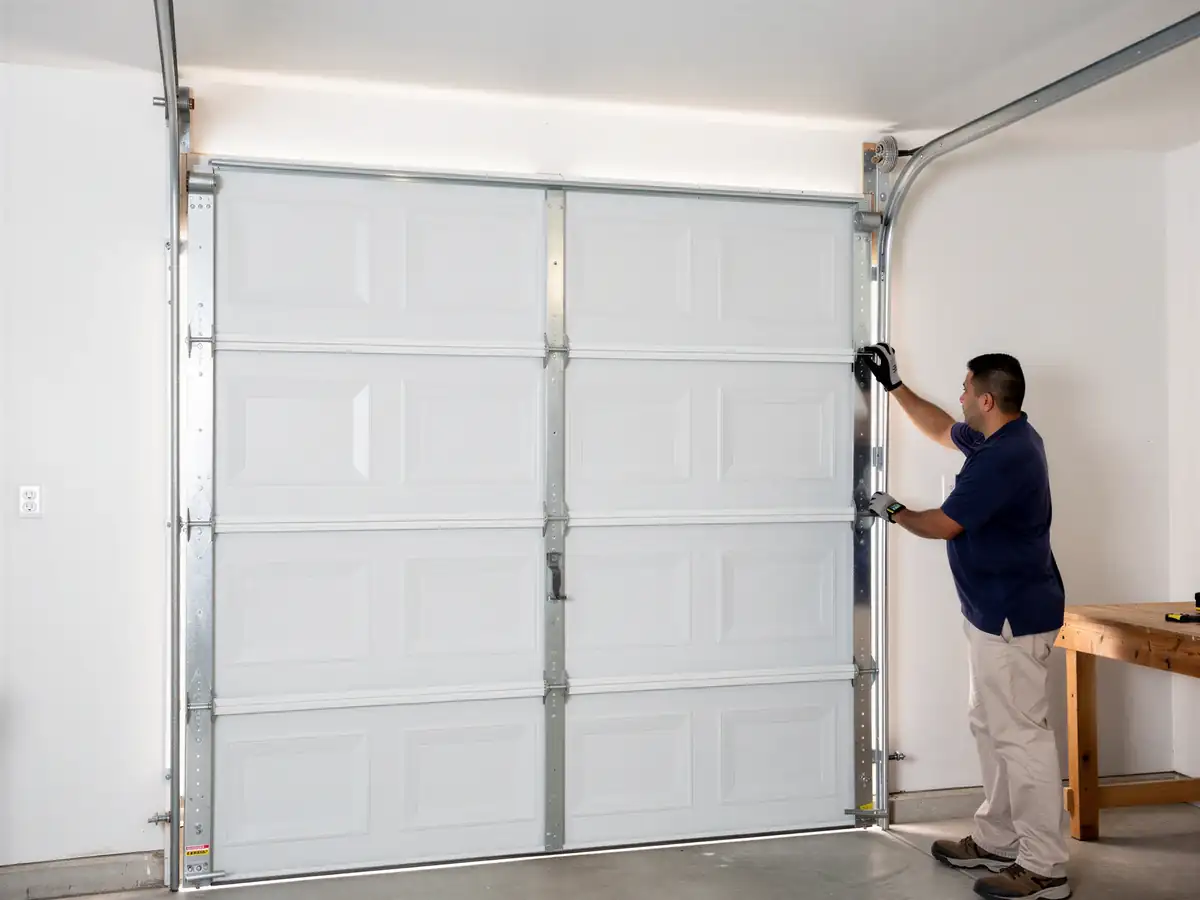
Framing from that period often used dimensional lumber sizes that don't match today's standard jamb widths, so the install isn't always a straight swap - the crew frequently has to build out or trim the frame to seat a new door square. Torsion spring placement is another difference: houses from this vintage were more often built with low headroom above the opening, which limits where we can mount the torsion shaft and sometimes rules out a standard extension-spring upgrade entirely.
We size the new door to the actual opening rather than assuming a modern standard width
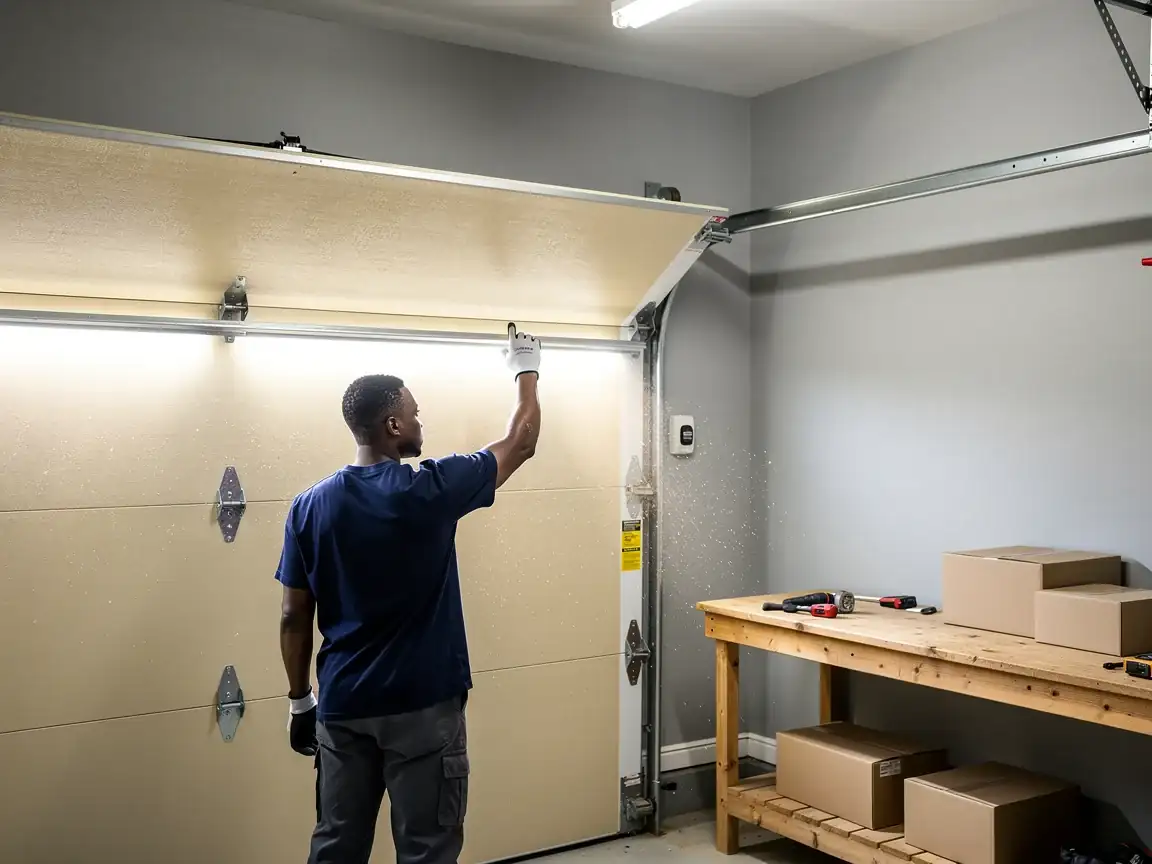
And we check header height before quoting hardware, not after. On colder install days - and this region sits in a moderate-cold climate band - we also check weatherstripping and bottom seal fit more carefully, since older framing settles unevenly over sixty-plus years and gaps show up at the corners first.
Doing It Yourself
If you're set on handling the door swap yourself, the honest limit is the opening itself. On a house built around 1959, you're very likely dealing with non-standard framing, and getting a new door plumb and square in an opening that's shifted over six decades is not a one-person job with a tape measure and a level. Spring tension on an old torsion setup can also be higher than it looks, and low headroom openings common to this era leave less margin for error when you're winding a new shaft.
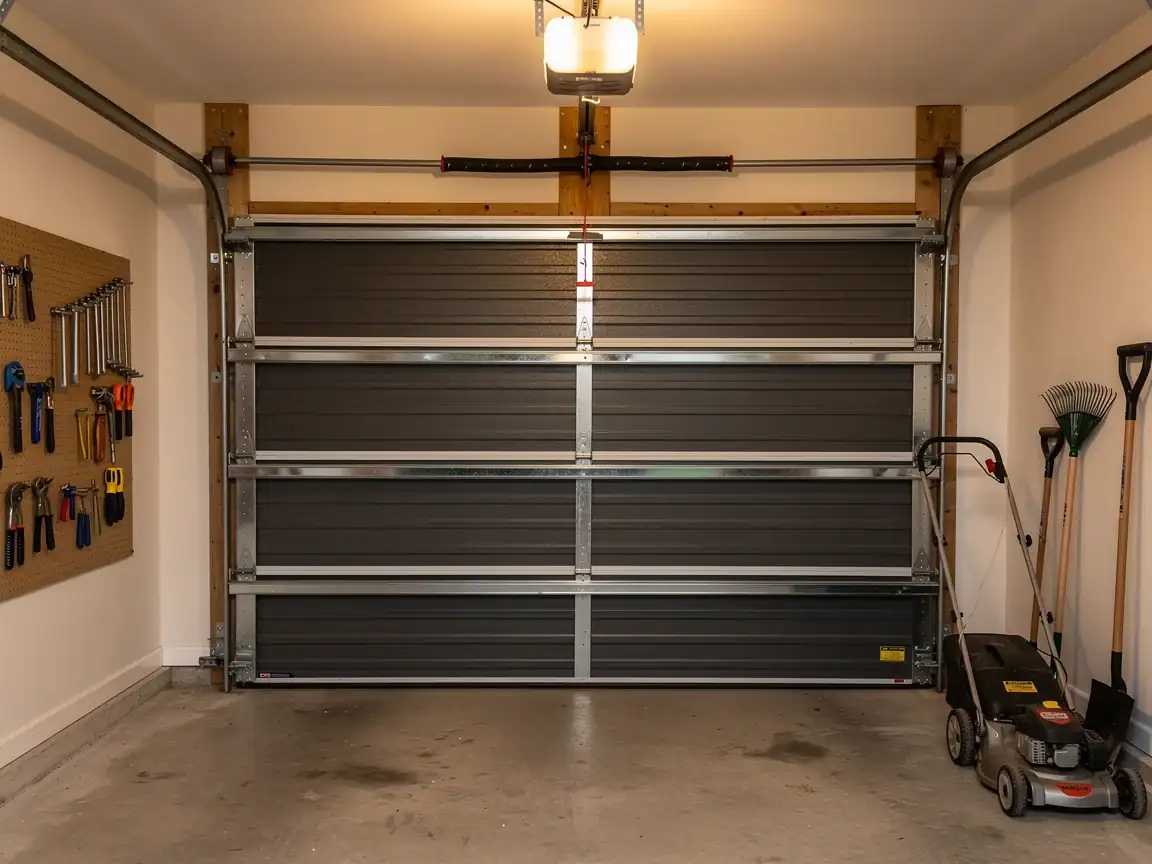
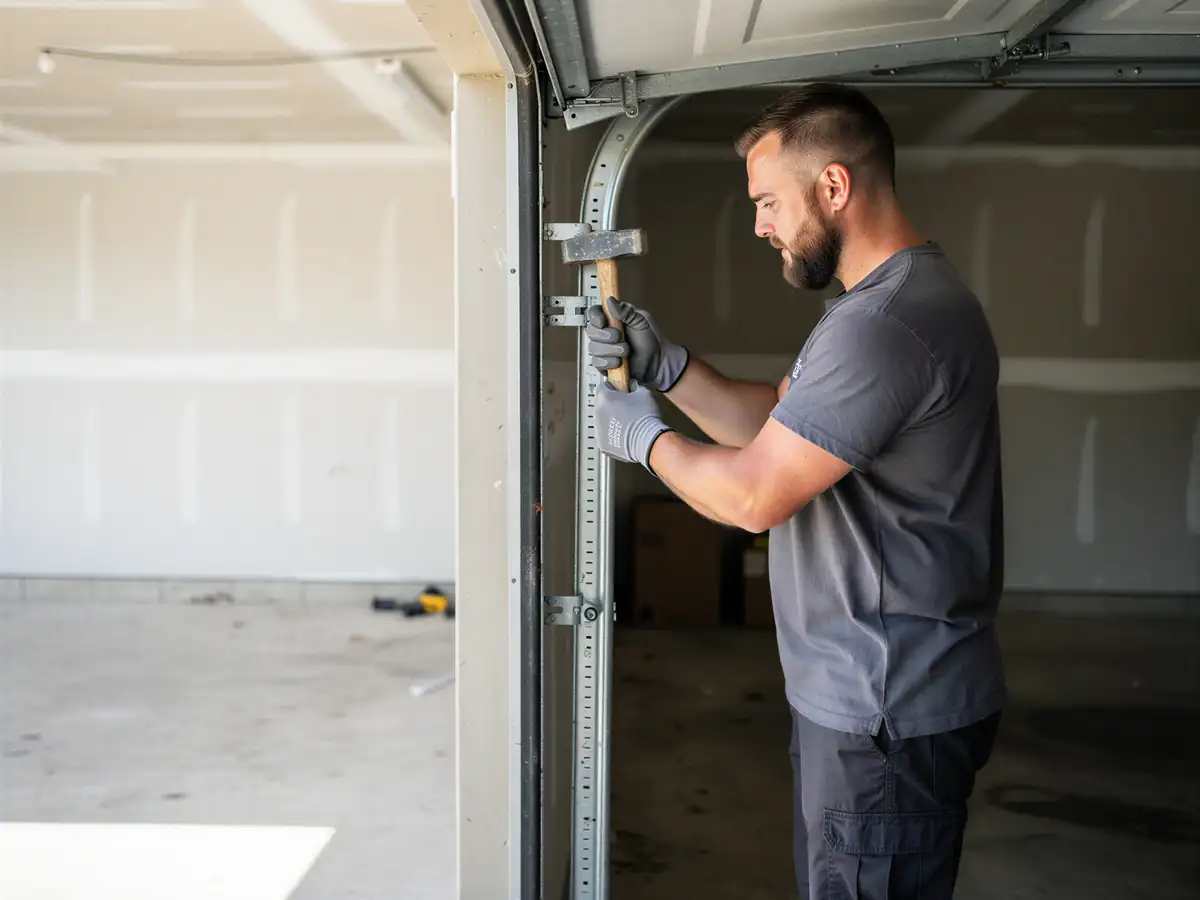
What you can reasonably do yourself: pull the old door panels off, clear the track, and take rough measurements of width, height, and headroom before we arrive. That saves time on the visit. What we don't recommend doing yourself here is anything involving the torsion spring or reframing the jamb - that's where a narrow, older opening punishes a DIY attempt the most.
Parts We Carry
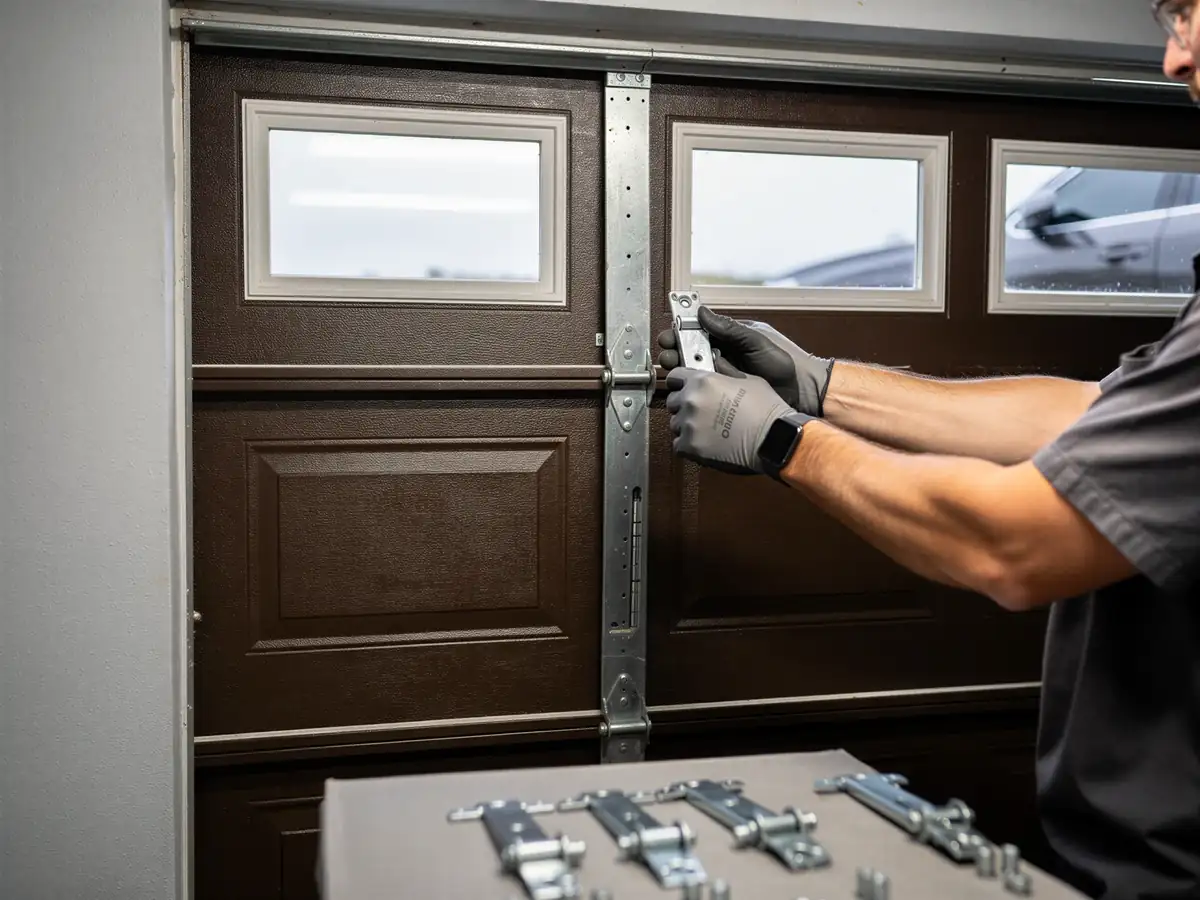
For Richfield jobs we carry door panels in the widths that actually show up in 1950s-and-60s construction, not just the current standard sizes, along with low-headroom torsion kits sized for tighter ceiling clearance. We stock openers rated for the lighter steel doors common on older single-car and narrow double openings, since a full-size modern opener is sometimes more than these openings need.
We do not stock every custom panel style on the truck - some insulated or carriage-style doors have to be special-ordered, and that adds lead time. If your opening needs a non-stock width, we'll tell you the wait up front instead of installing something that's close but not right.
What It Costs
Richfield's median household income sits at $84,055
Somewhat below the $92,940 median across the broader service area, and that's part of why we don't push full custom builds as a default recommendation here. For a lot of these 1959-era openings, a standard insulated steel door with a low-headroom torsion kit covers the job without custom framing, which keeps the cost down. Reframing a non-standard opening adds labor beyond the door and hardware itself, so that's a separate line item we quote after we've measured, not before.
We don't publish a flat price here because opening size and headroom vary house to house even on the same block
A number that fits one 1959 rambler won't fit the one next door if it's been added onto.
What Can Go Wrong
The most common surprise on a Richfield install is discovering the header height won't clear a standard torsion shaft once we're actually in the opening, even after a phone measurement. That's why we confirm headroom in person before ordering hardware. The second is framing that's shifted enough over sixty-plus years that the opening isn't square, which means shimming or minor reframing before the new door can seat right - that adds time to the job that a newer-construction install wouldn't need.
Cold-weather installs in this climate band also mean we watch for brittle weatherstripping on the old door we're removing; it can crack and shed as we pull it, which isn't a problem, just something to expect if you're standing in the garage watching.