How to Book
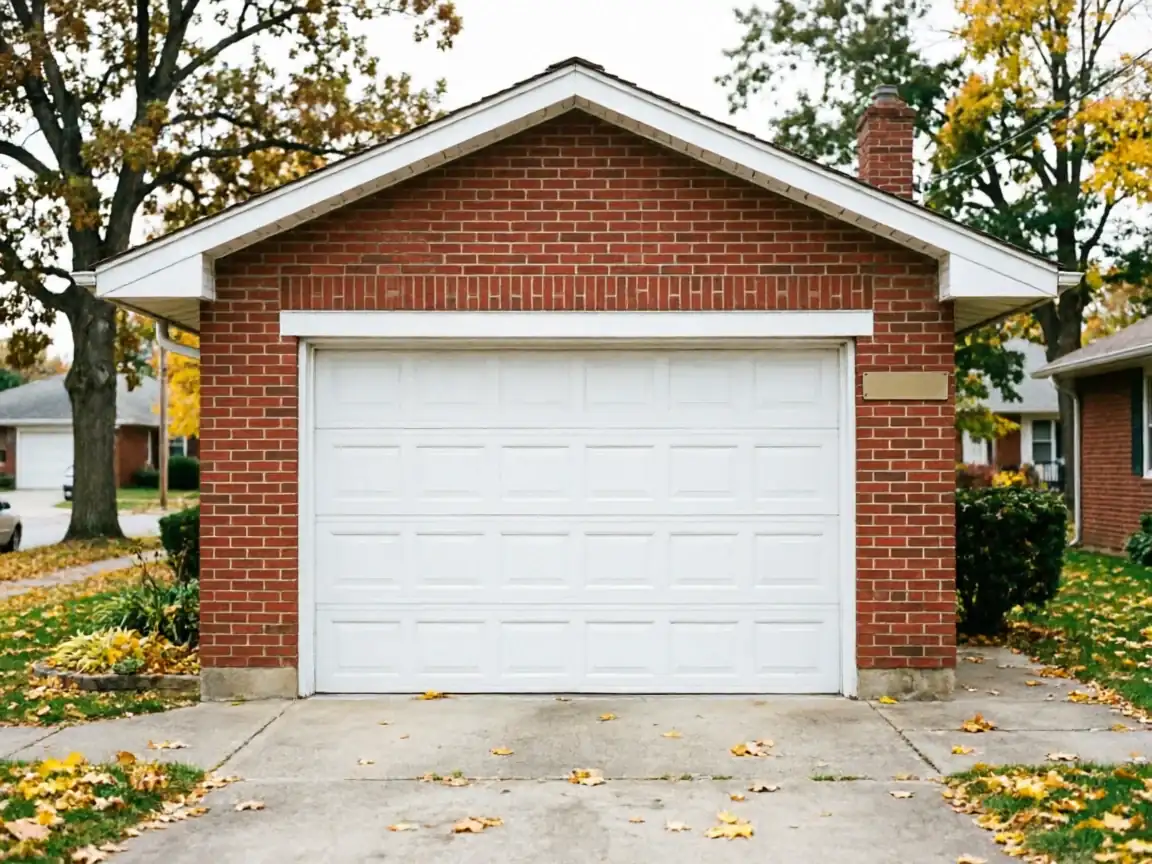
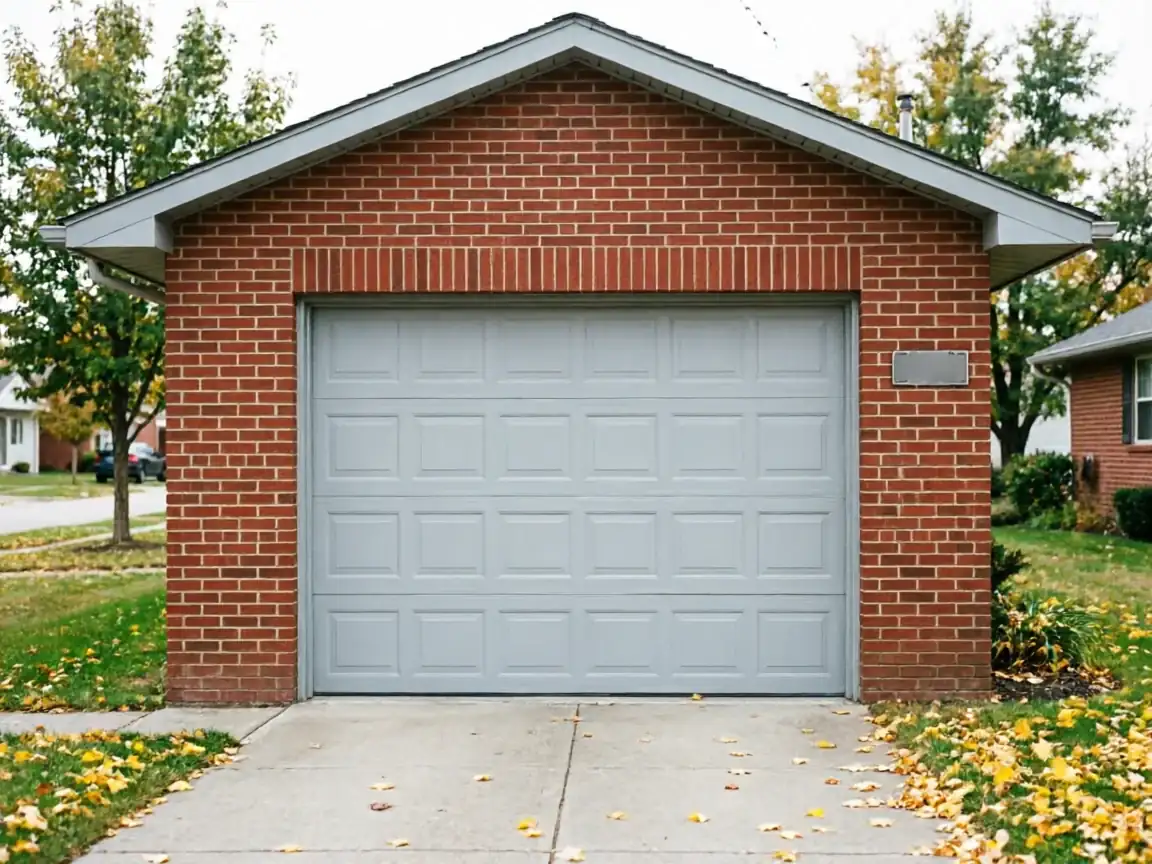
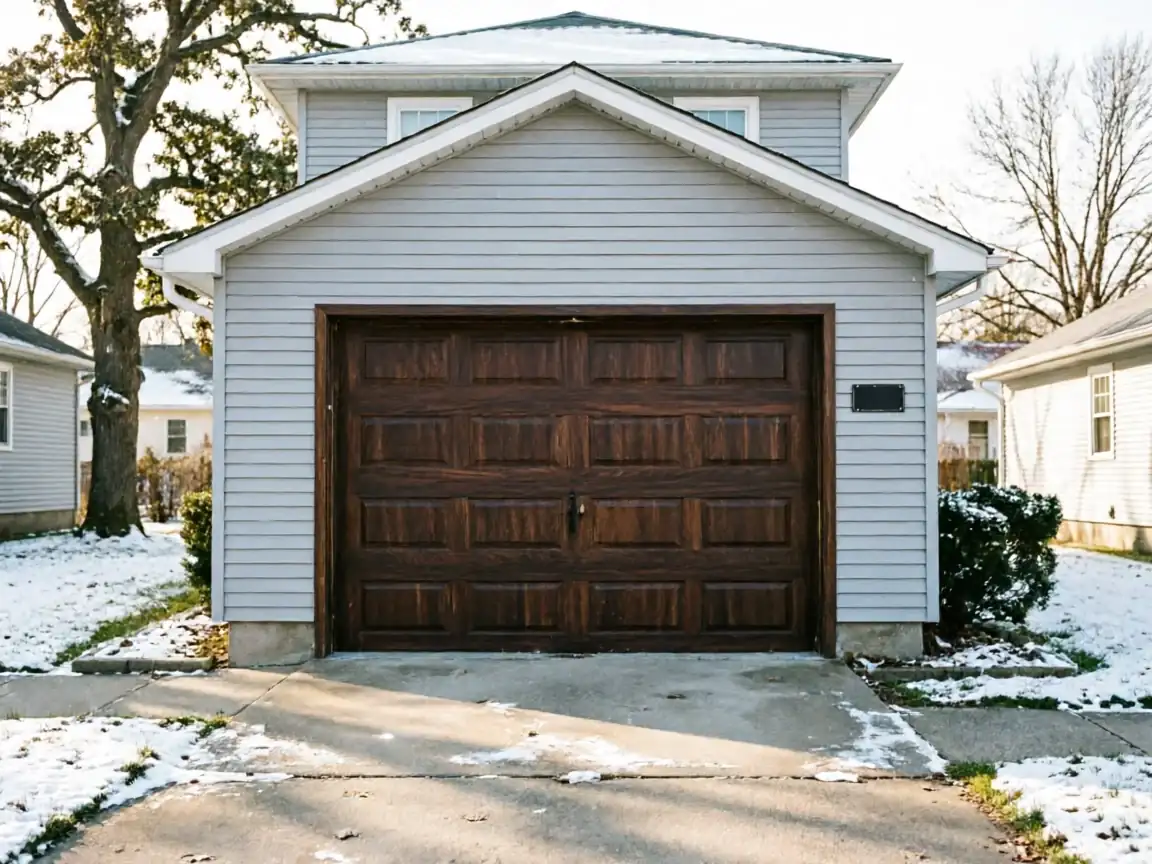
Richfield sits seven miles from our Eagan shop, which puts it on the shorter end of our service runs - closer than most of the other 29 communities we cover. That distance matters less for how fast we show up and more for how we plan the truck: a Richfield call gets loaded with the hardware that fits houses built around 1959, not the mixed bag we'd pack for a newer subdivision. When you call, tell us the door's age if you know it and whether it's lifting unevenly or not moving at all - that tells us which springs to grab before we leave Eagan, instead of guessing and making a second trip. We book the visit, confirm the address, and head out with torsion stock sized for the era most Richfield garages were built in.
Doing It Yourself
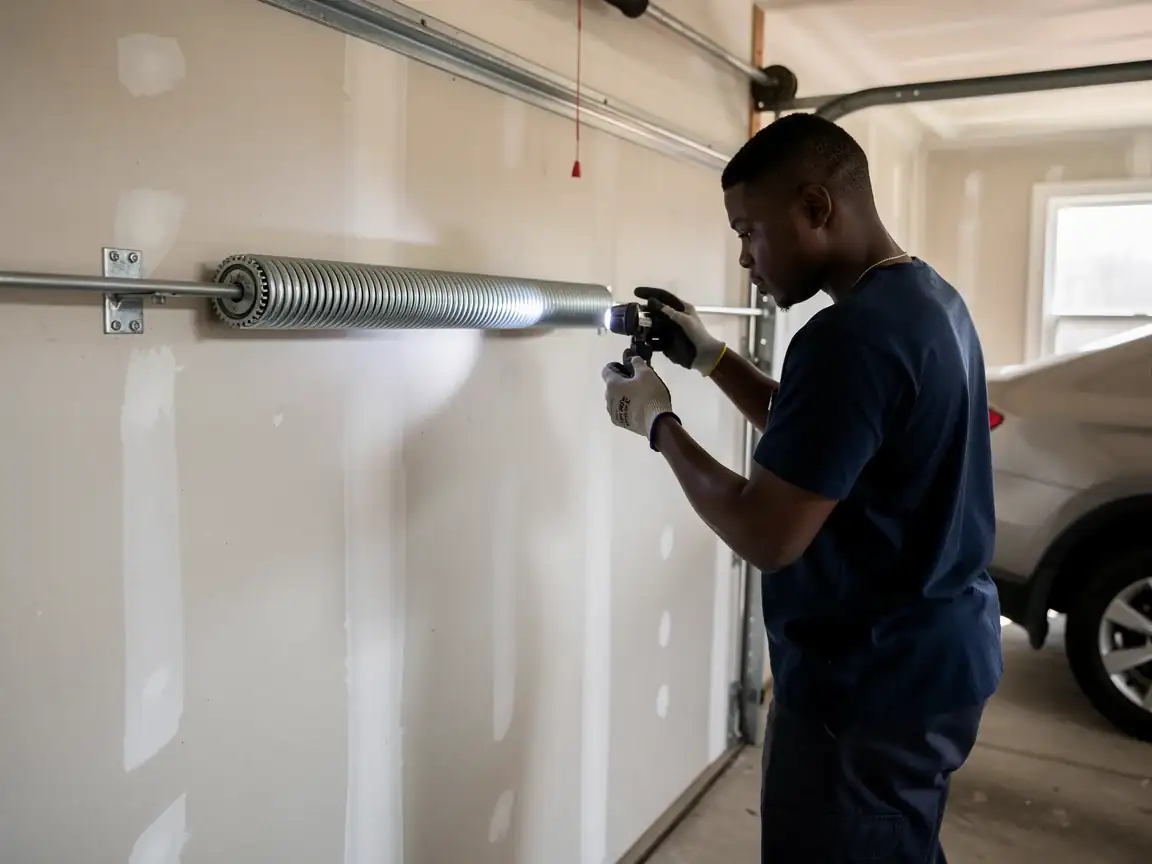
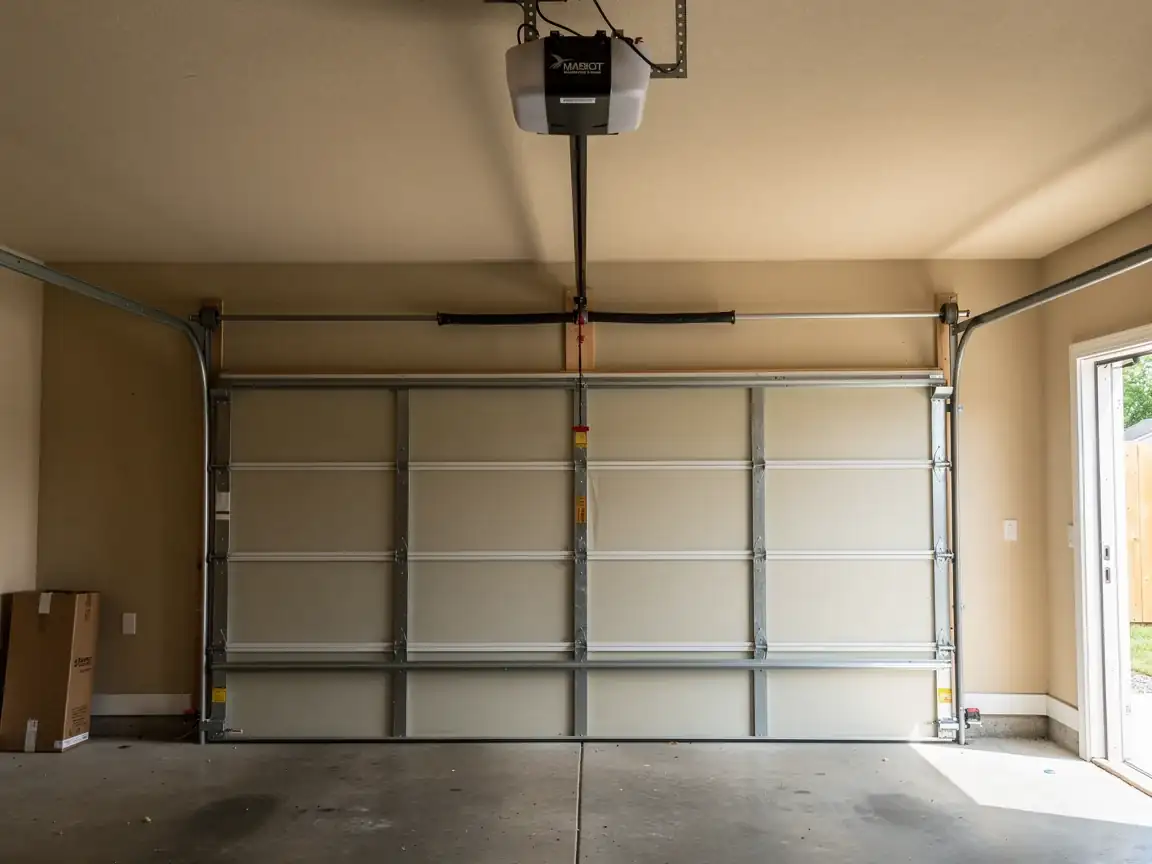
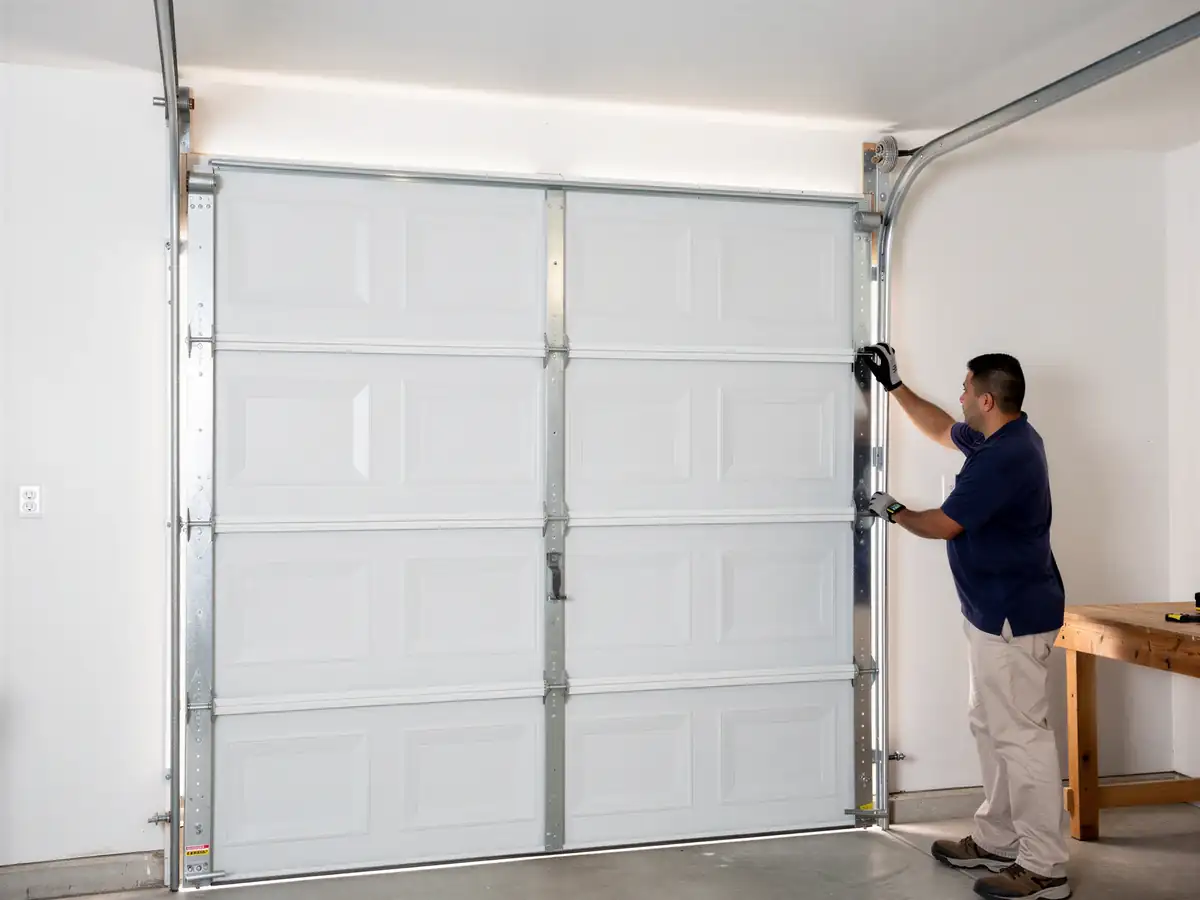
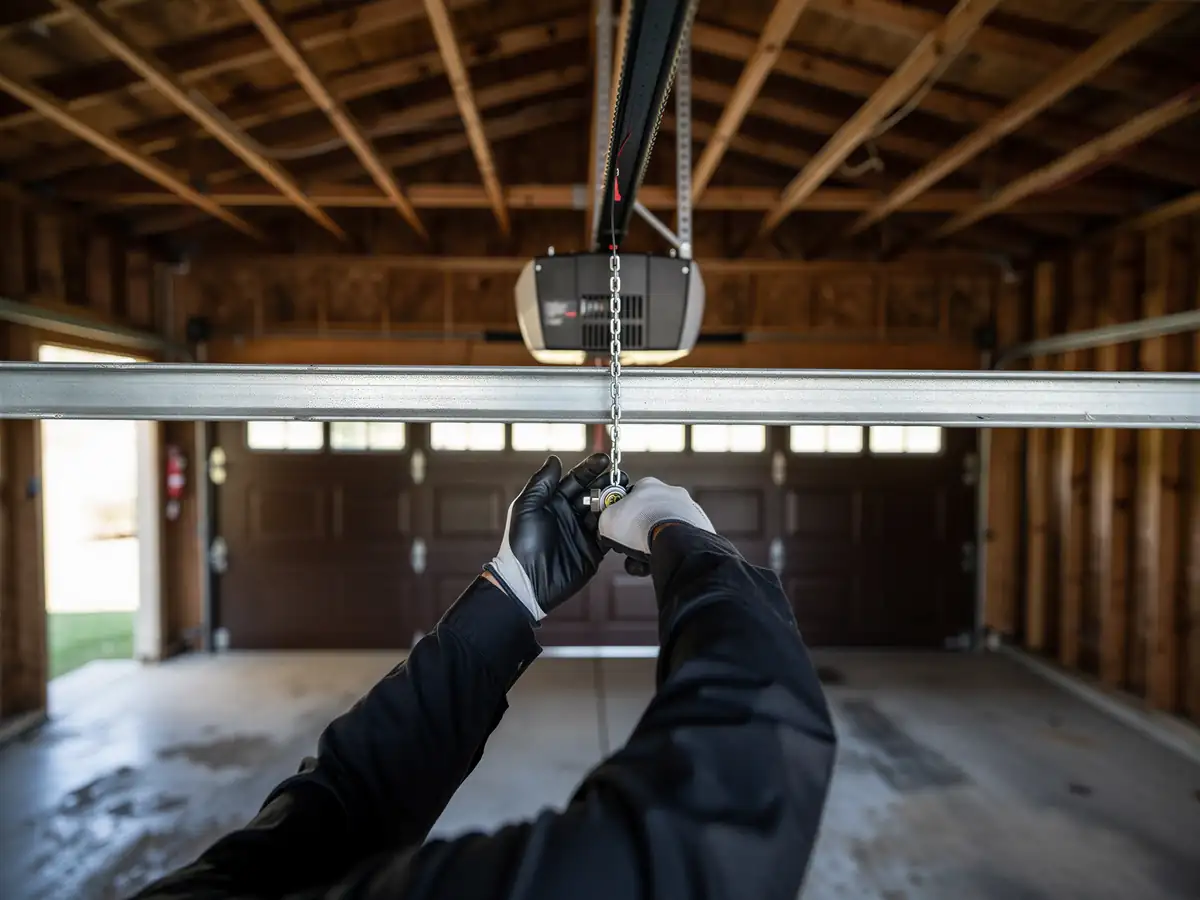
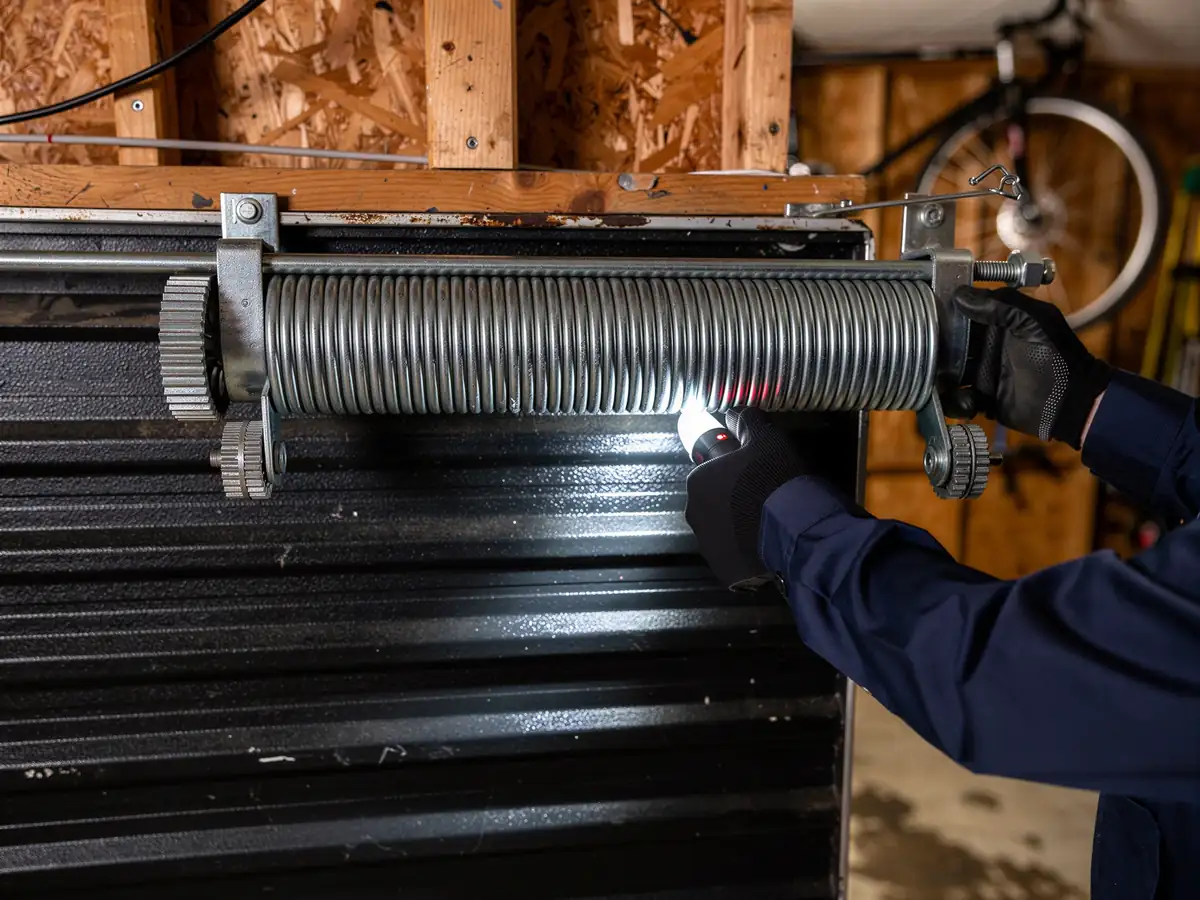
A torsion spring holds enough stored tension to break a hand or worse, and that's true whether the door is five years old or built the same year as most of Richfield's housing stock. What you can safely check yourself: listen for a loud bang (spring snapped), look for a gap or separation in the coil, and see if the door feels unusually heavy when you lift it by hand with the opener disconnected. Don't cut a wound spring, don't try to unwind it with pliers, and don't stand under the door while you're figuring it out. If your garage is original to a 1959-built house, there's a decent chance the winding cone or center bracket is original too, and that's not a part we'd want a homeowner guessing at with a socket wrench.
Parts We Carry
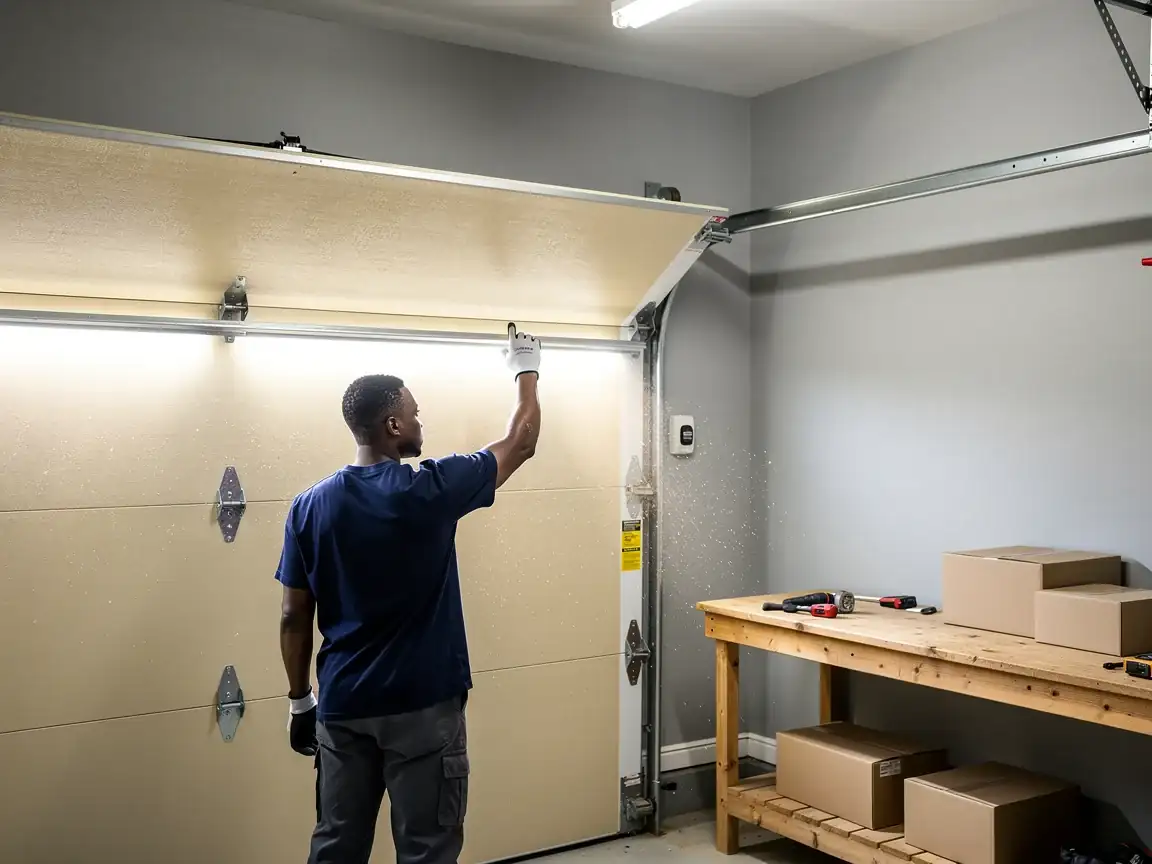
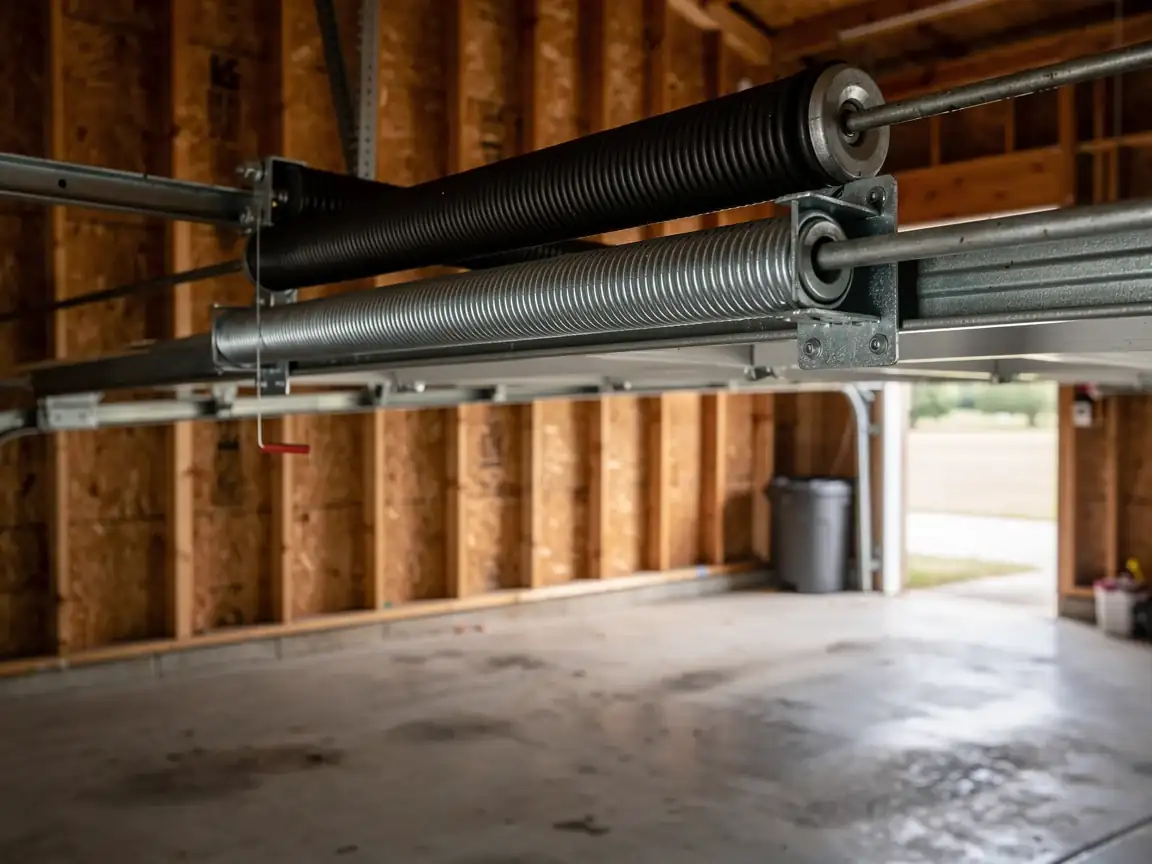
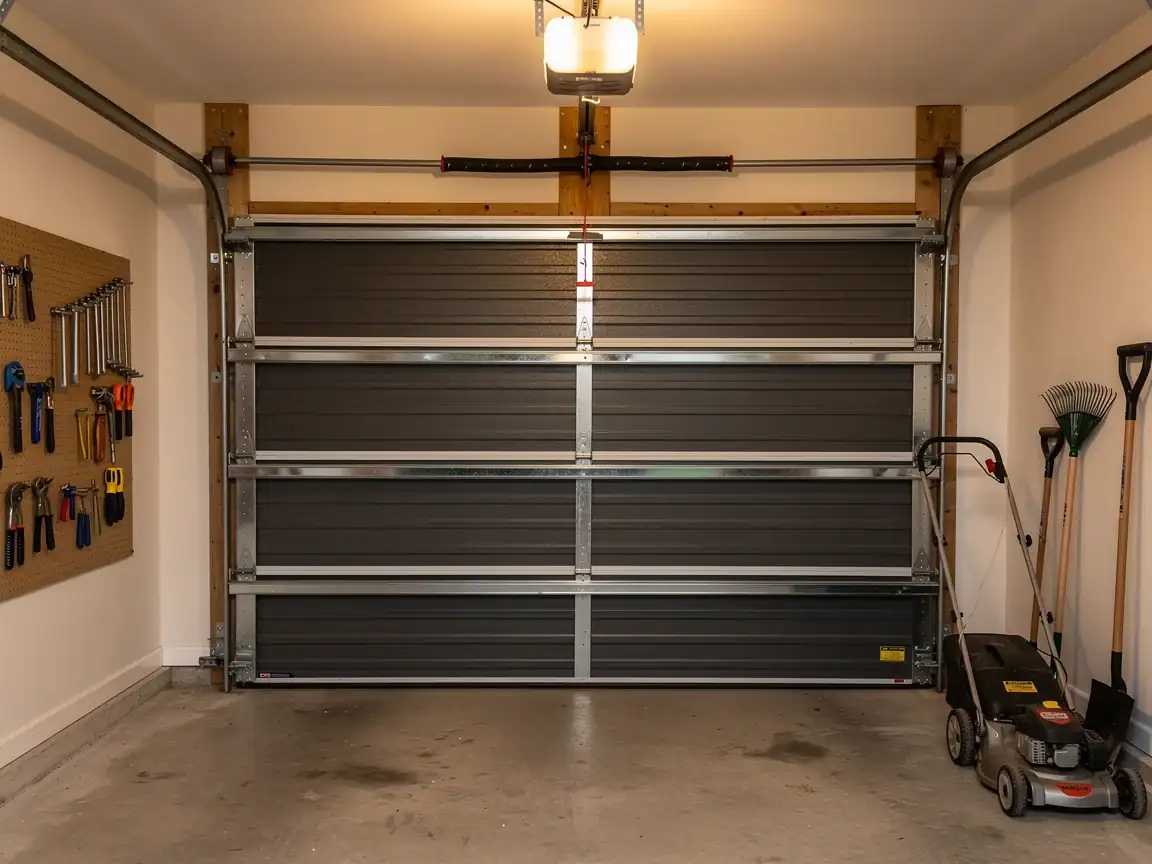
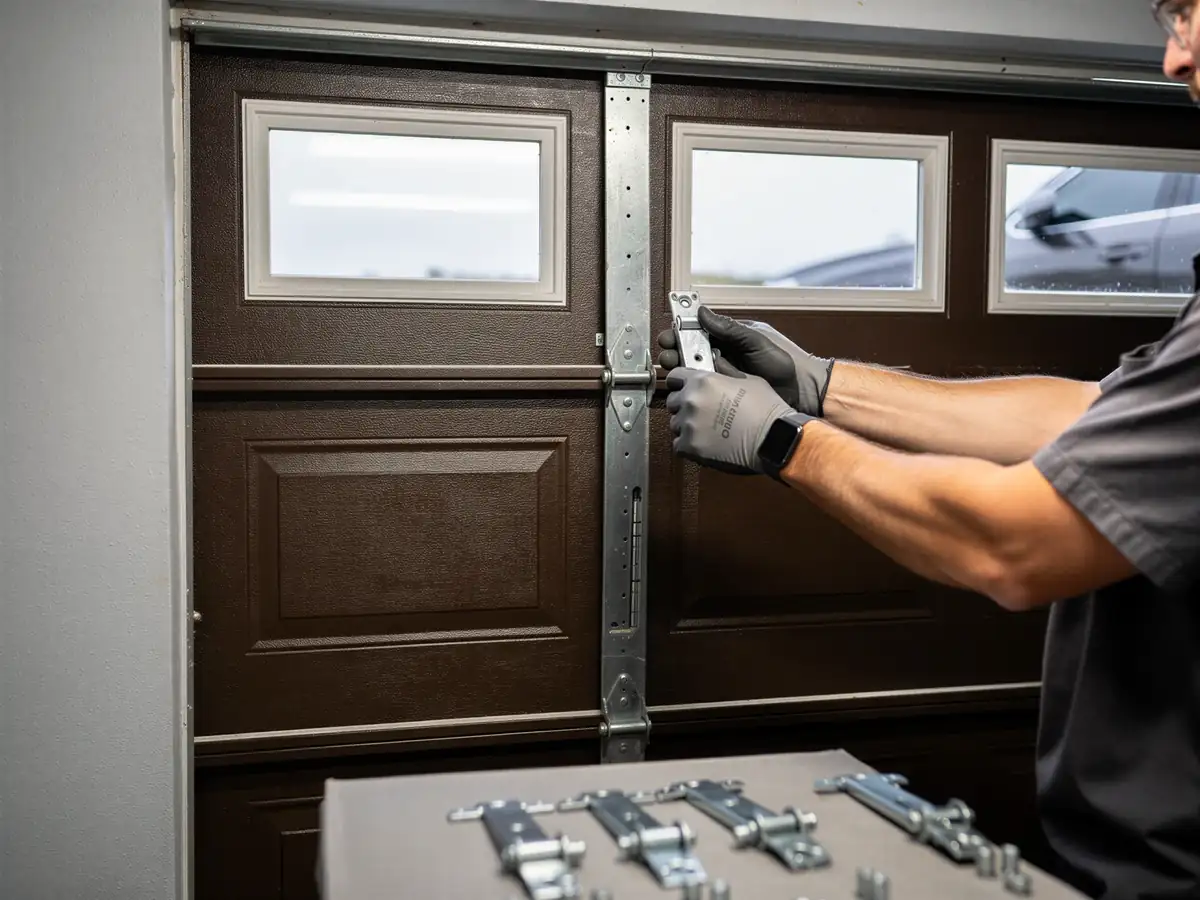
We stock torsion springs sized for the single-shaft setups common in houses from the late 1950s through the 1970s, since that covers most of what we see on this side of the metro. We also carry standard extension springs for the detached and later-added garages that don't match the original build. What we don't keep on the truck: springs for commercial-grade or oversized doors, which are special-order and add a day or two to the job. If a cable, drum, or bottom bracket is also shot - common once a spring has been running unbalanced for a while - we carry those too, since replacing a spring without checking the rest of the system is how you end up back here in six months.
What Can Go Wrong
The most common failure on Richfield's older stock is a torsion spring that's simply reached the end of its wind cycles - these doors have been opening and closing for over sixty years in some cases. Second most common: a cable that's frayed from running over a worn drum, which looks like a spring problem but isn't. In a cold climate like this one, a spring that's already weak can snap outright on the first sub-zero morning when the steel contracts. One thing we won't do is sell you a new spring on a door whose track is bent or whose opener is clearly failing - fixing the spring on a door that's mechanically shot elsewhere just means a callback, and we'd rather tell you that upfront.