How to Book
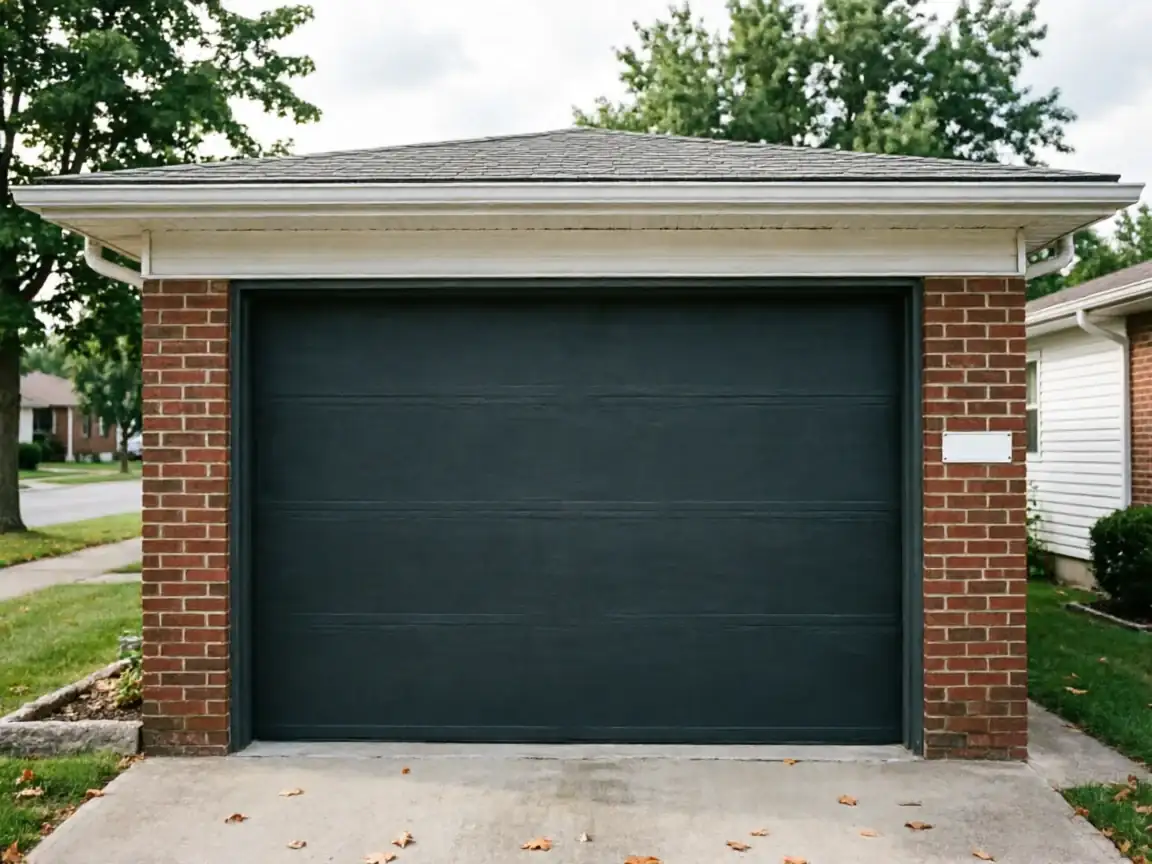
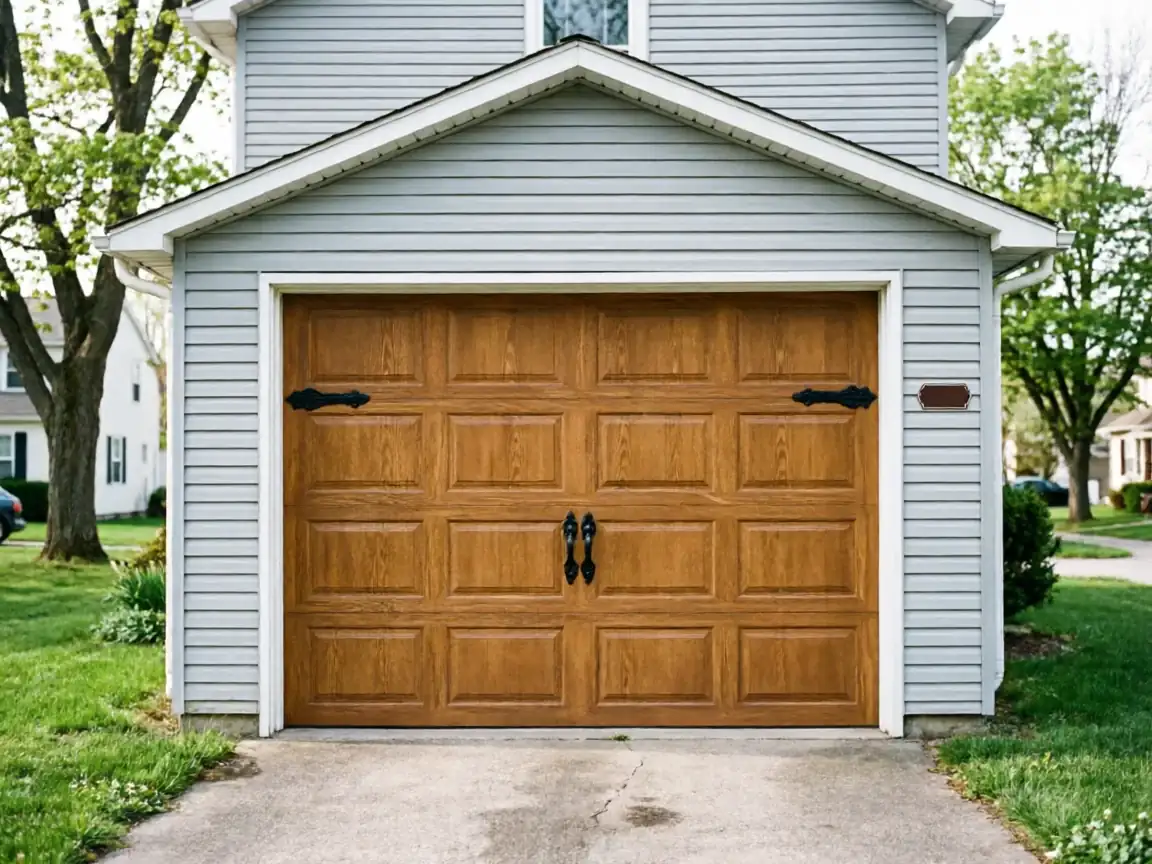
We cover Richfield from our Eagan location, about 7 miles out, so a maintenance visit here is a short drive for the truck, not a special trip. You book through the Richfield service page, tell us the age of the house and what the door is doing (or not doing), and we schedule from there. We don't run a branch in Richfield itself, so everything is dispatched from Eagan - that's worth knowing if you're expecting a same-hour fix for something minor. If you're also looking into other work on the door, our main Eagan maintenance page covers the broader service area and what's involved across the different housing eras we work on. For Richfield specifically, the booking conversation usually starts with one question: has anyone serviced this door since it went up.
Doing It Yourself
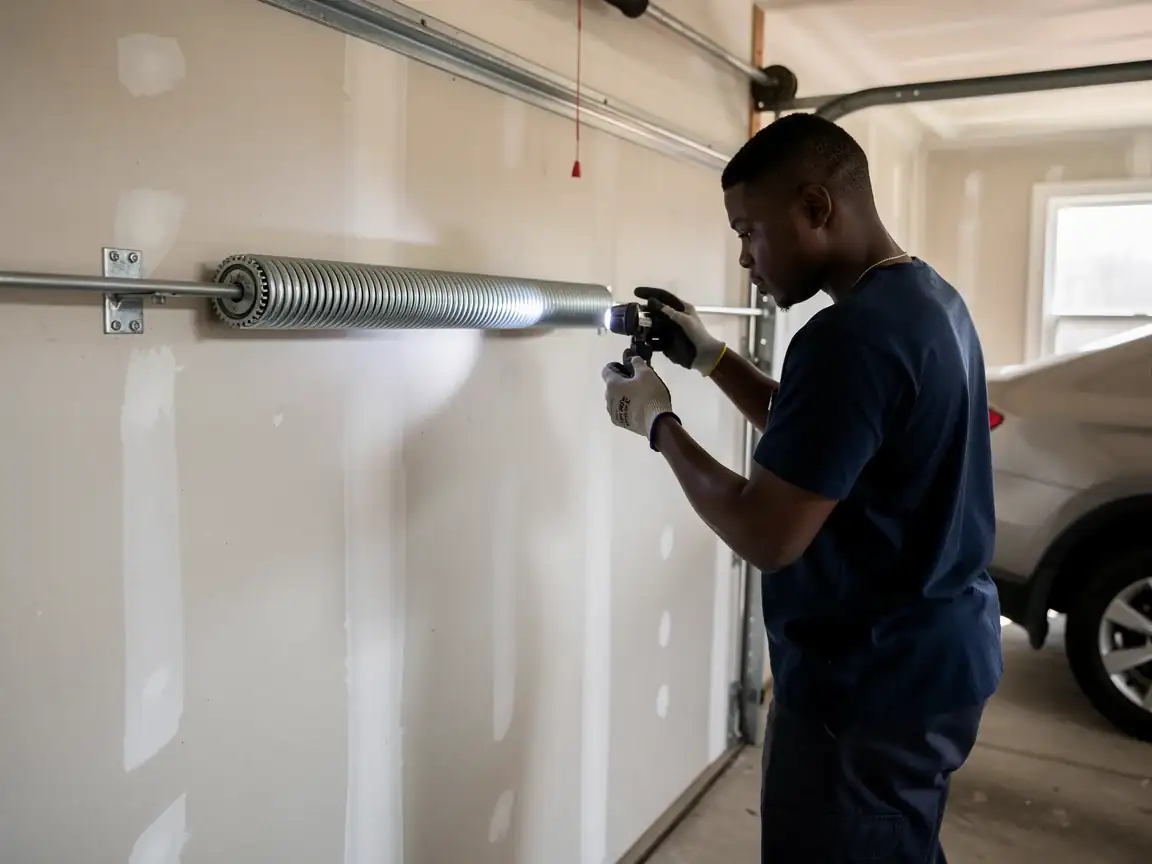
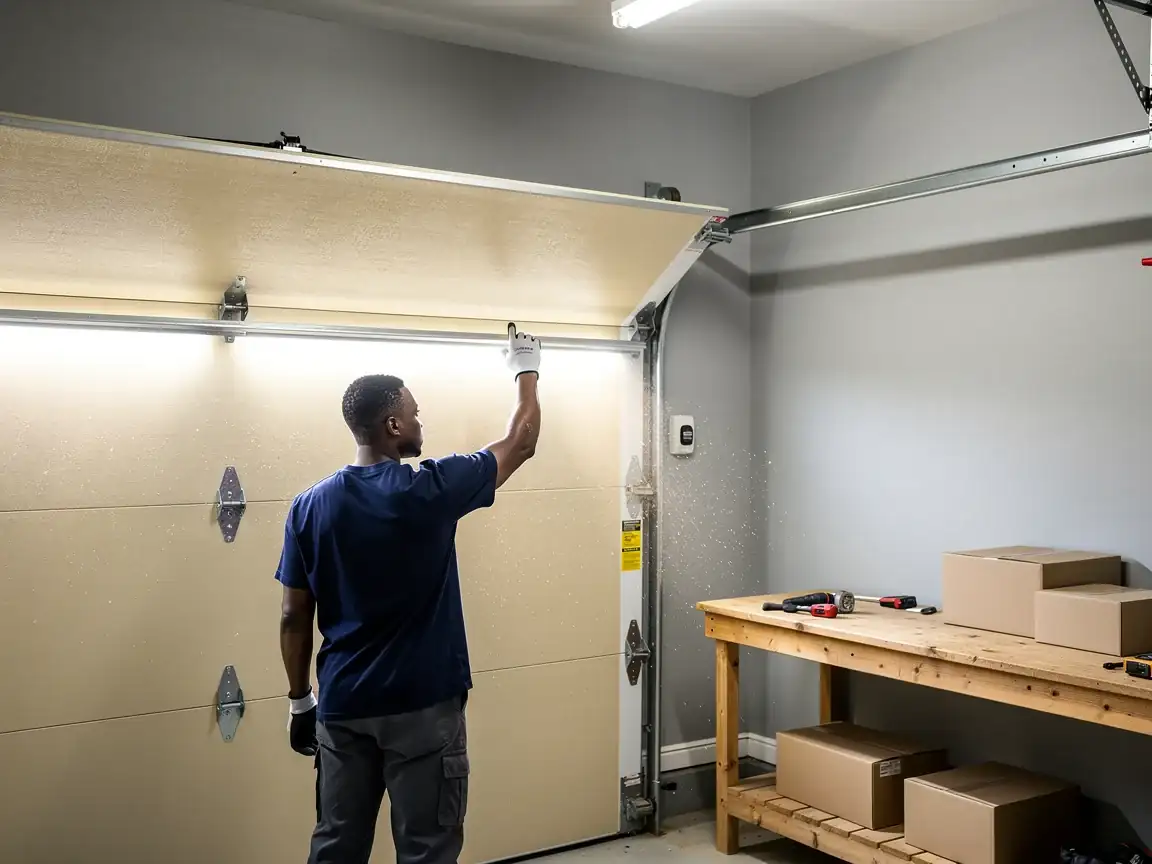
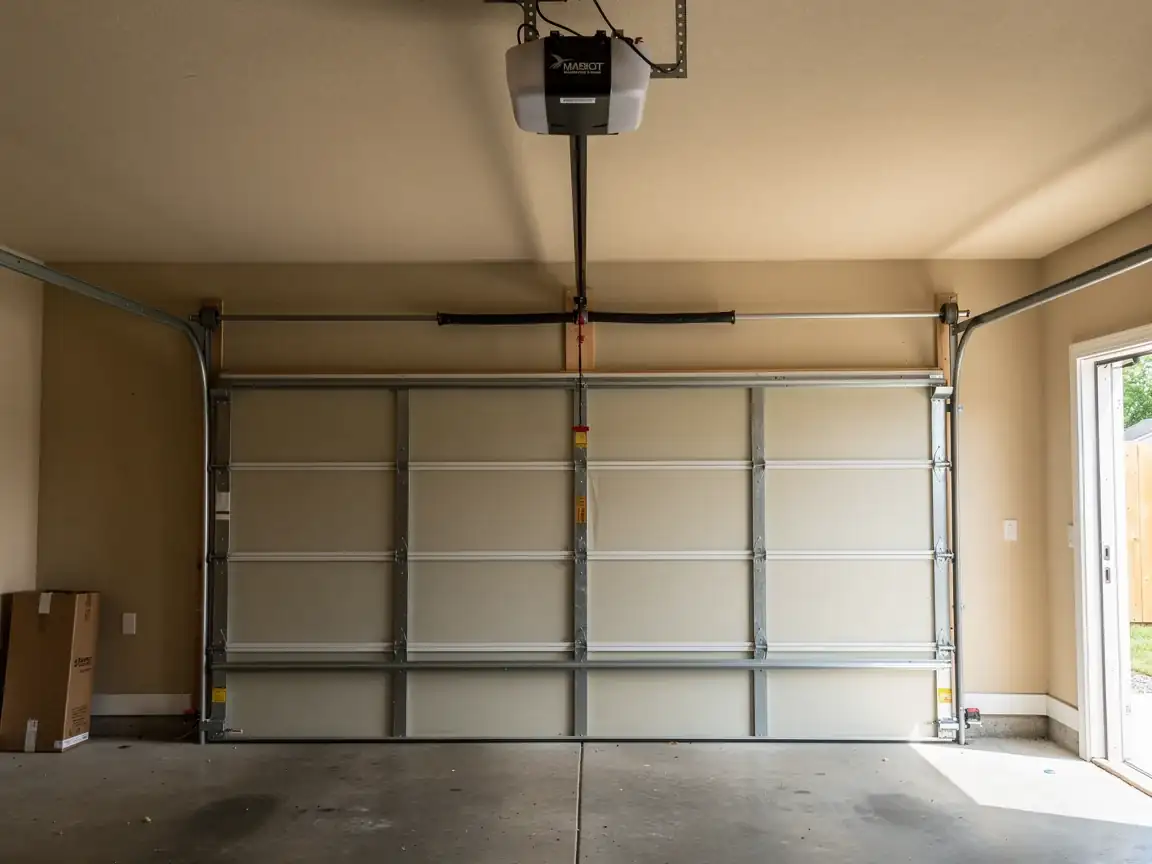
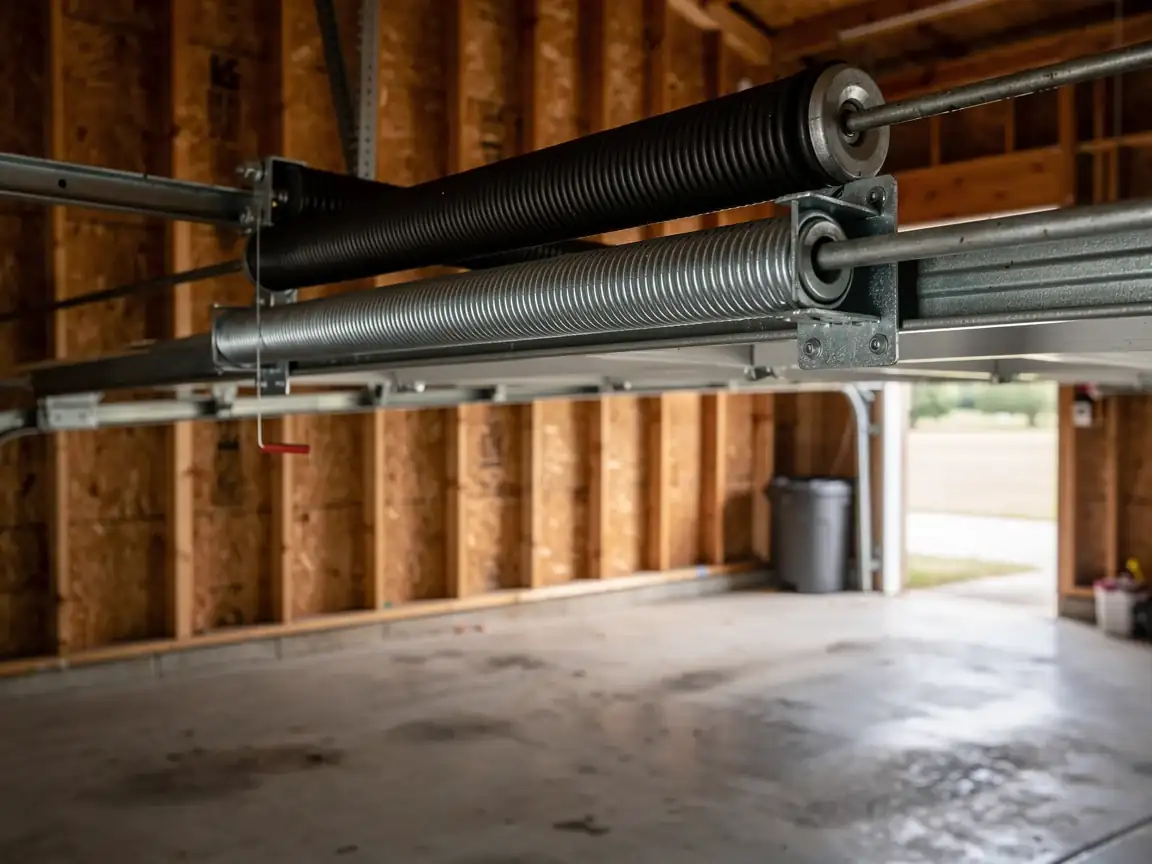
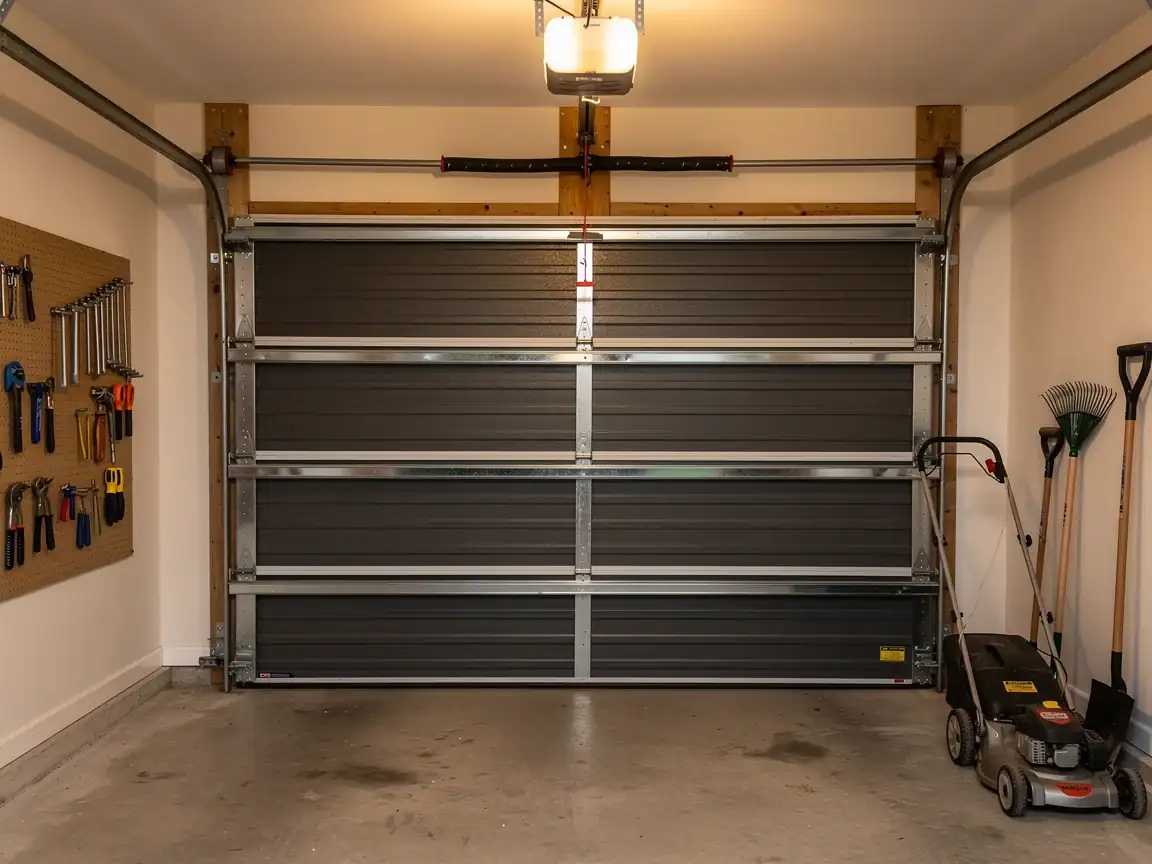
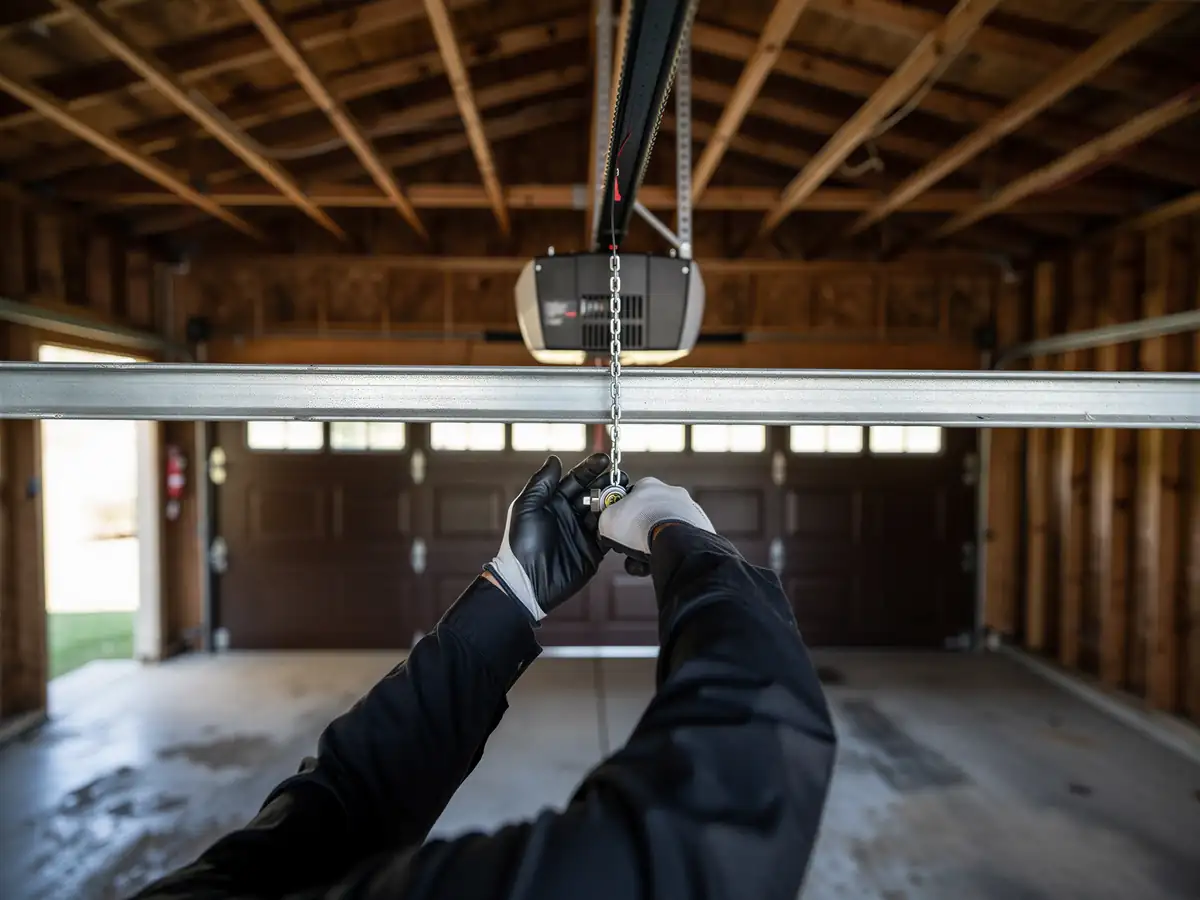
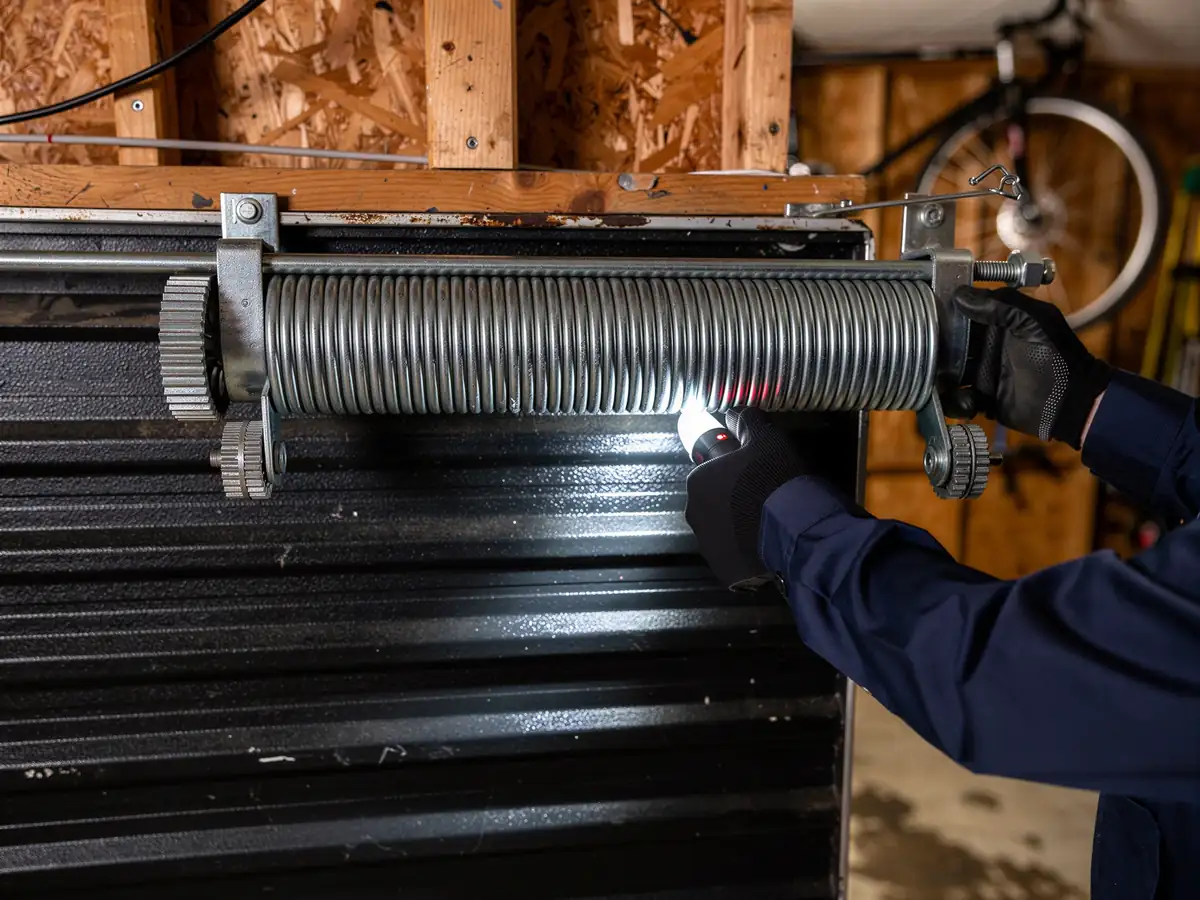
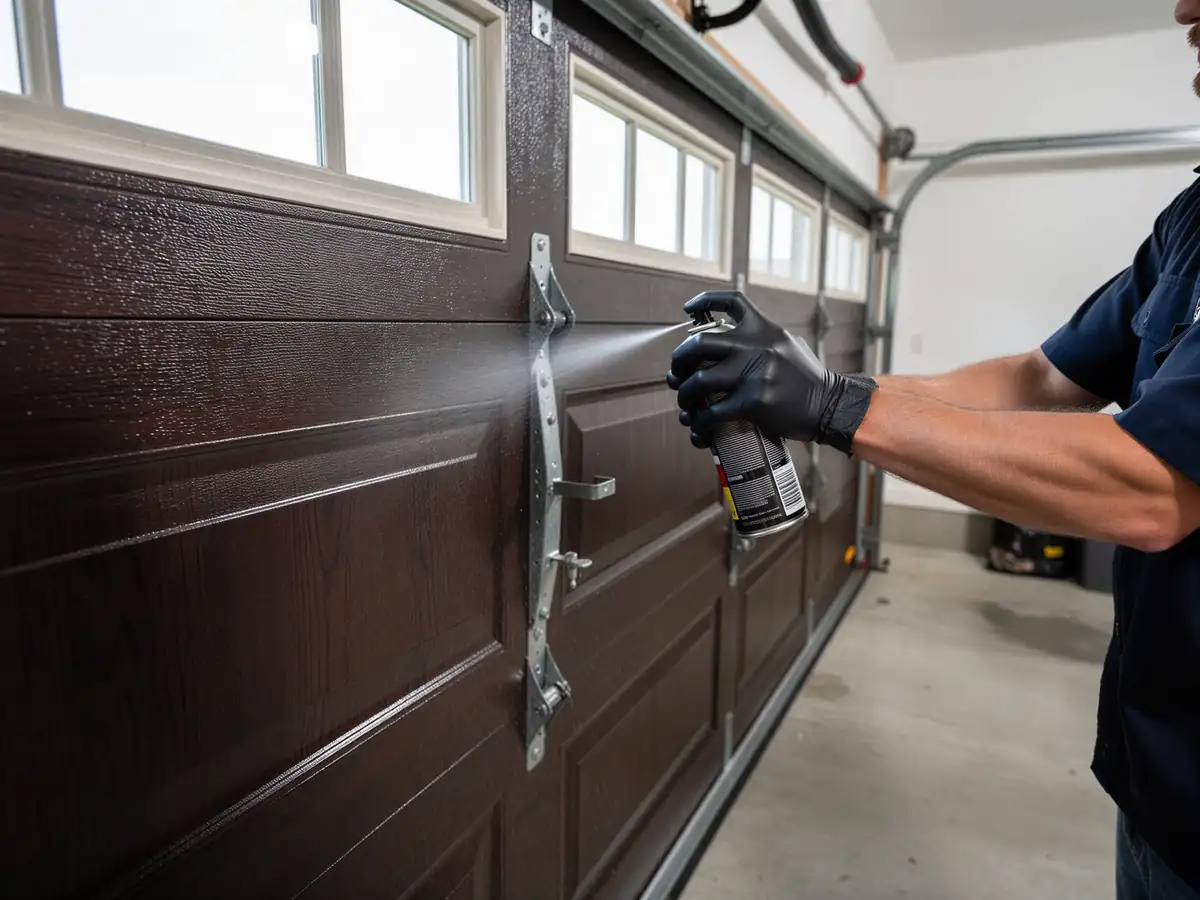
Some of this you can do between visits. Wipe down the tracks and clear out dust or dead leaves so the rollers aren't grinding against debris. A drop of garage-door-rated lubricant on the hinges and roller stems once or twice a year keeps things quieter and slows wear. You can also do a balance check: disconnect the opener, lift the door halfway by hand, and see if it holds - if it drops or shoots up, the spring tension is off. What you should not do is touch the torsion spring itself. That spring is wound under enough force to cause serious injury, and on a house built in 1959 you're likely dealing with original hardware that's had decades to fatigue unevenly, which makes it less predictable, not more forgiving. That one's for us, not a Saturday project.
Parts We Carry
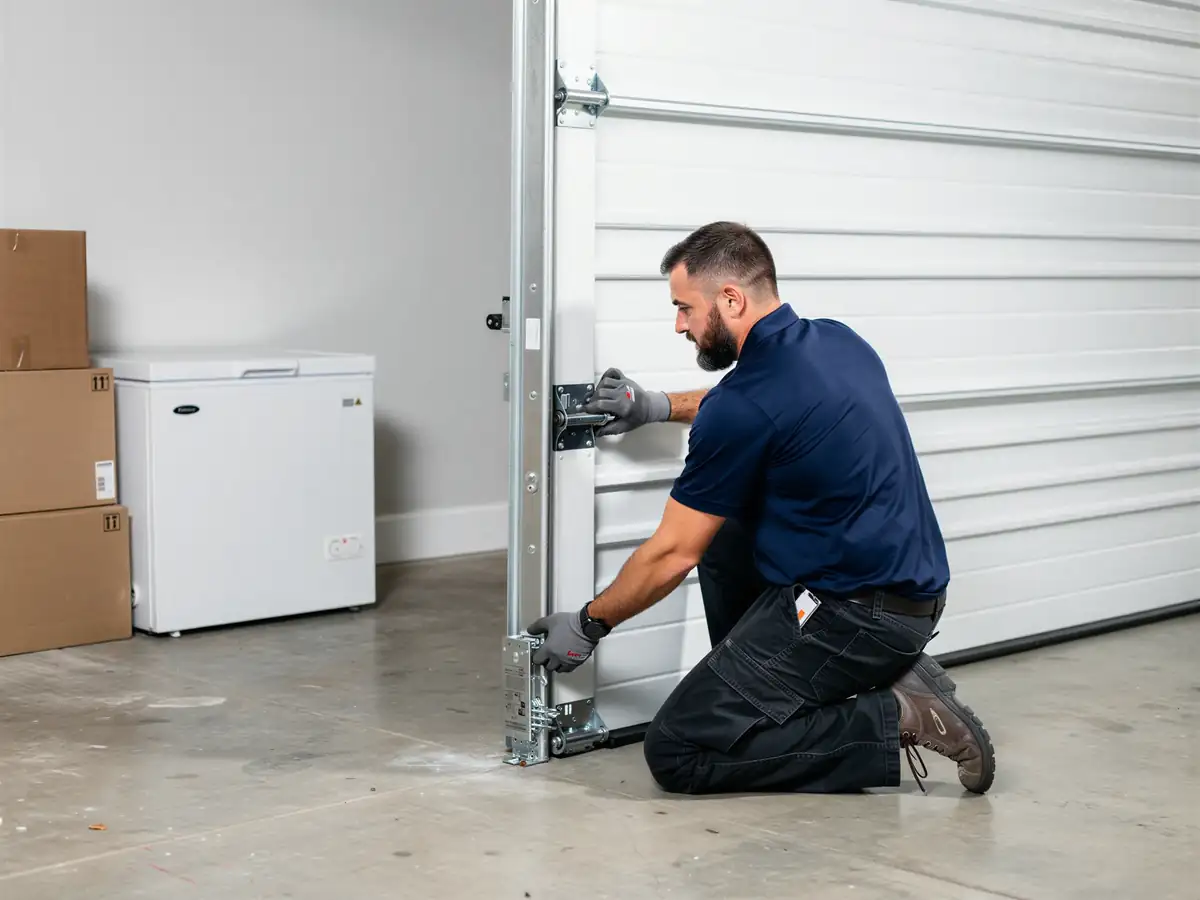
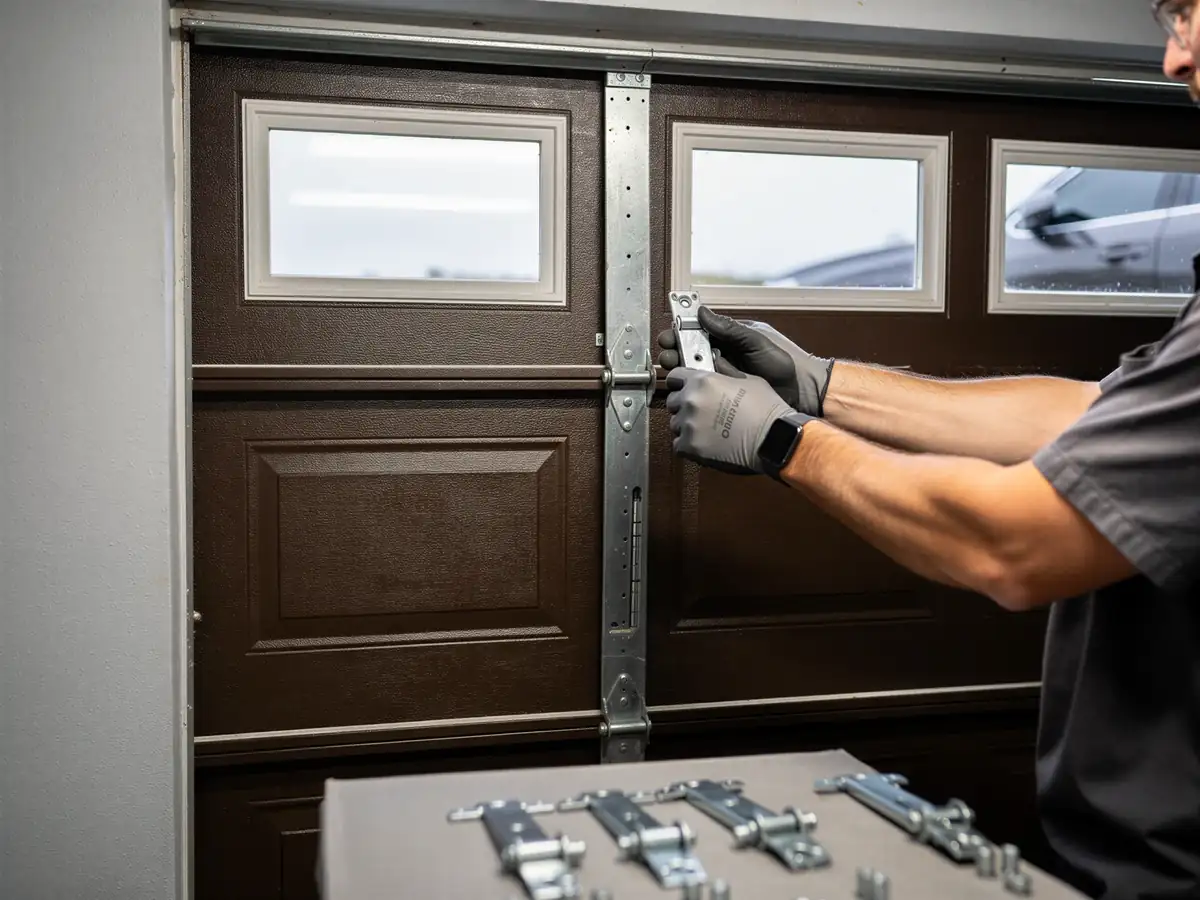
For houses of this vintage we keep common torsion spring sizes, steel and nylon rollers, hinges, and galvanized lift cables on the truck, since those are the parts that wear out on original 1959-to-1970s hardware regardless of door brand. What we don't always have on hand are obsolete drum or track profiles from the earliest production runs of that era - some of those sizes stopped being manufactured decades ago, and if your door needs one, there can be a wait while we source it. That's the honest limitation: we can service almost anything, but we can't make a discontinued part appear faster than the supplier can ship it. Most Richfield jobs don't hit that wall, since rollers, hinges, and standard spring sizes cover the bulk of what fails, but it does come up on doors that have never had a single part replaced since the house was built.
What Can Go Wrong
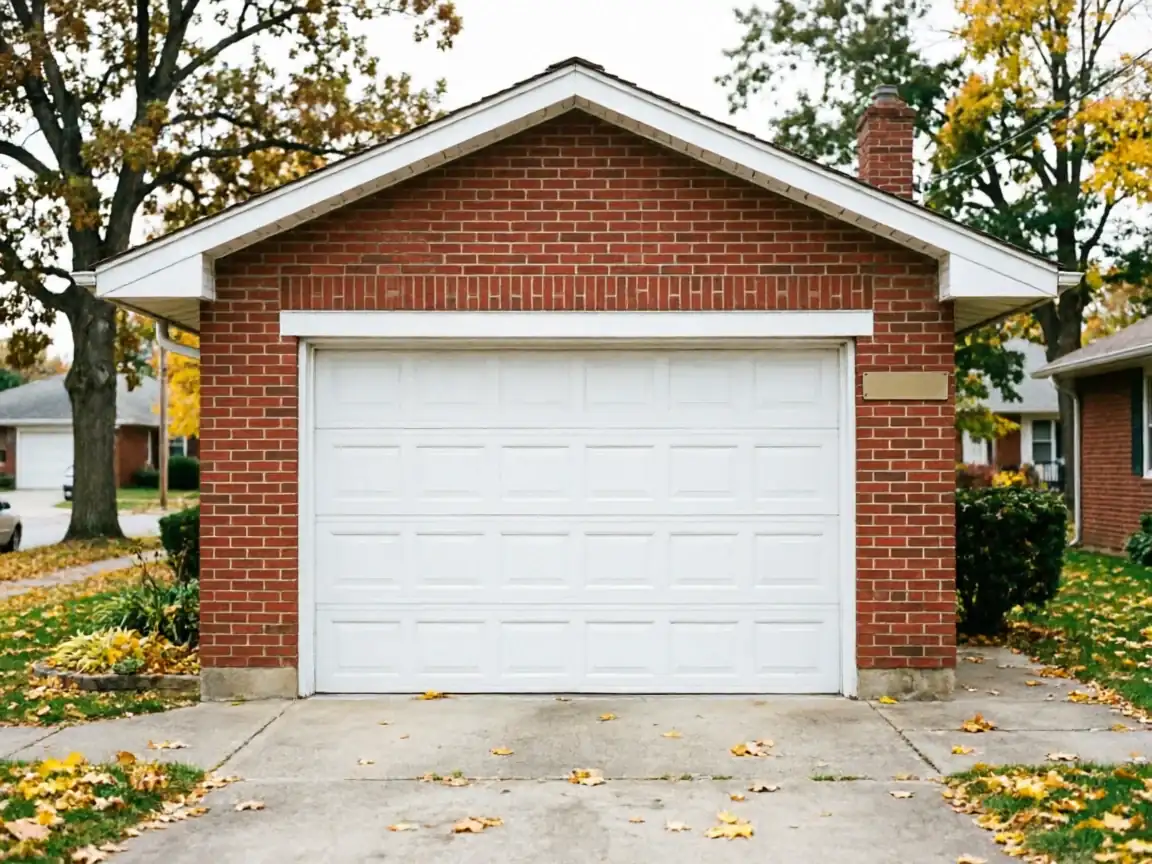
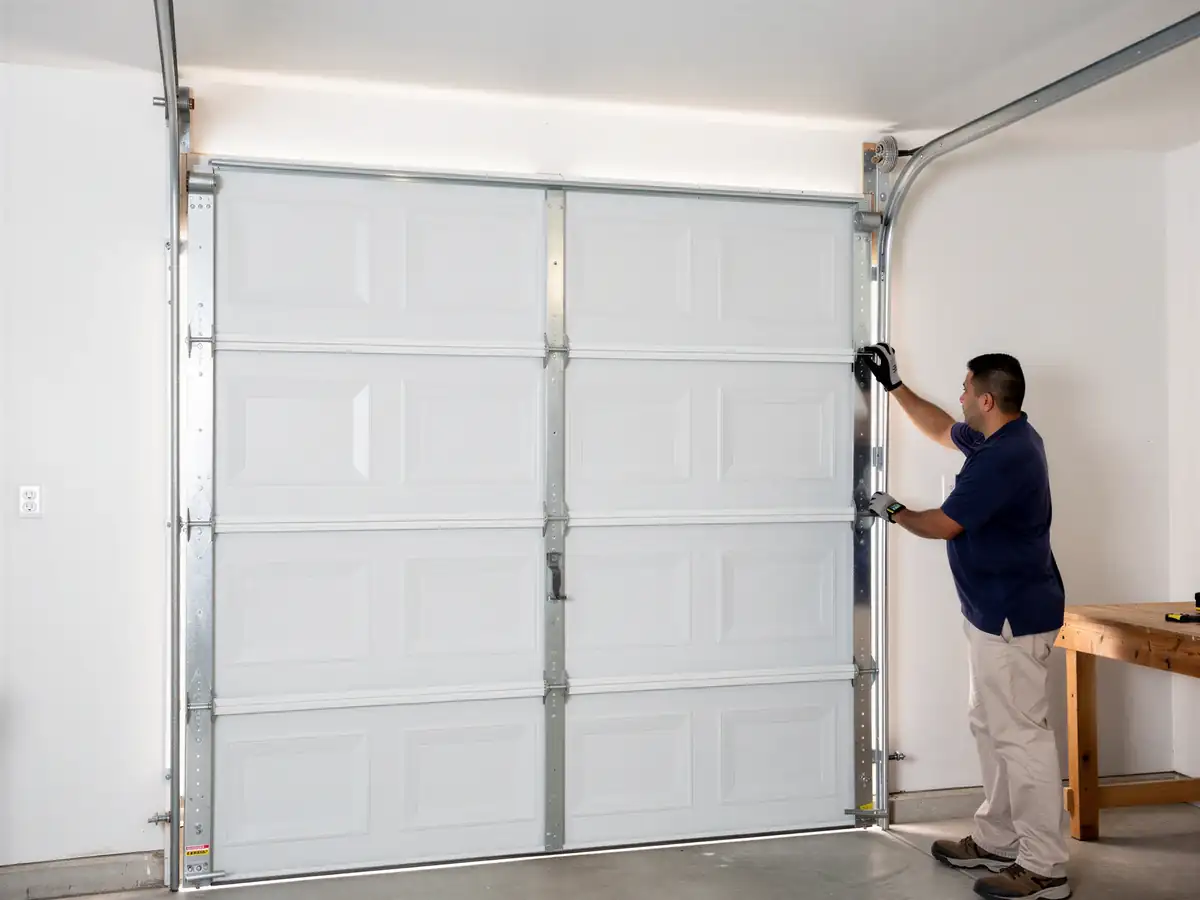
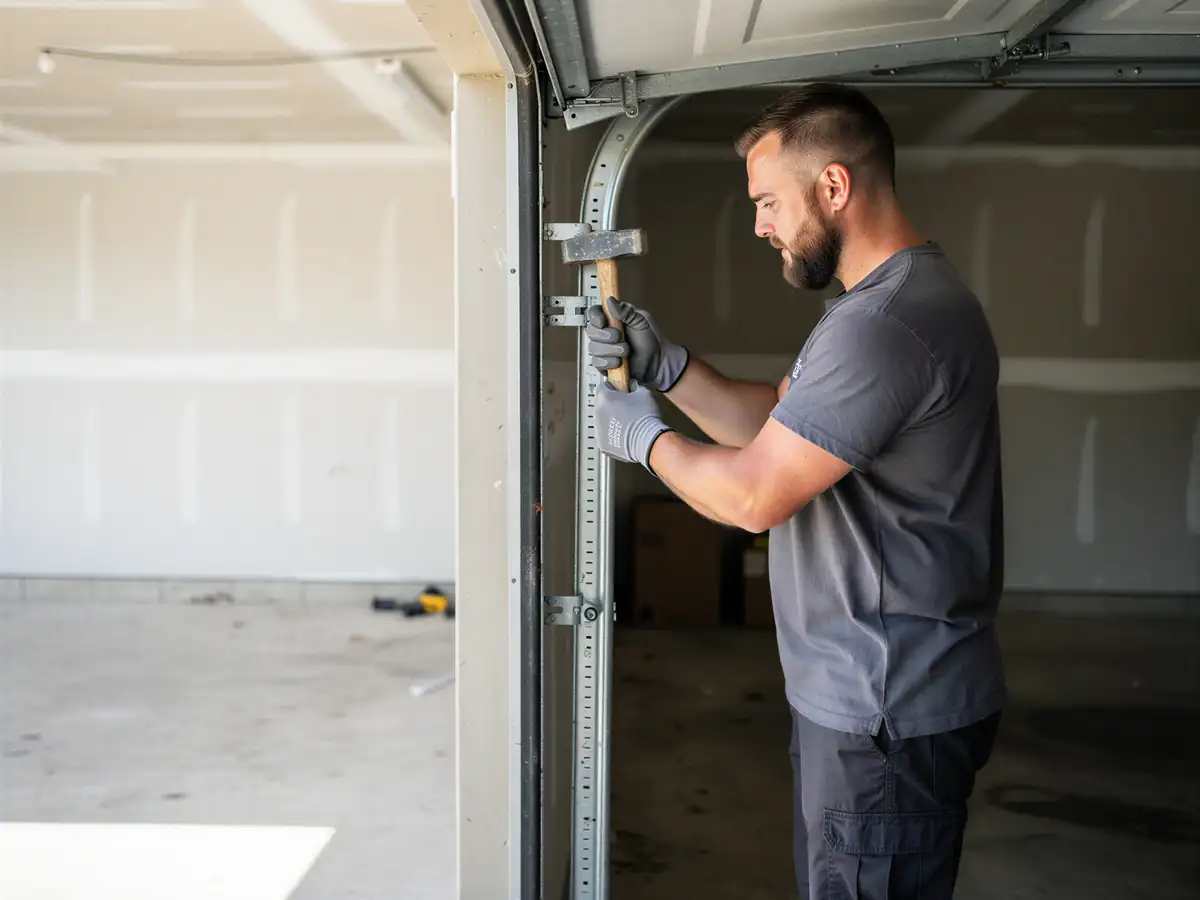
With roughly 16,221 households in Richfield, a meaningful share of them are running torsion springs installed when the house went up around 1959 - hardware that's well past any rated cycle count and often shows it as sudden tension loss rather than a gradual warning. Rollers from that era are frequently steel rather than nylon, and steel rollers wear into the track itself over the decades, which is a different repair than just swapping the roller. Openers added later sometimes fight doors that are heavier than modern lightweight panels, straining the motor and the top track bracket. Left alone, loosened brackets eventually let the door bind or jump the track entirely, usually at the worst moment - mid-opening, with the car half in the driveway. None of this is dramatic on its own, but on houses this old, the small signs (a slow close, a grinding roller, a spring that looks a little flatter than it should) are worth a call before they stack up.