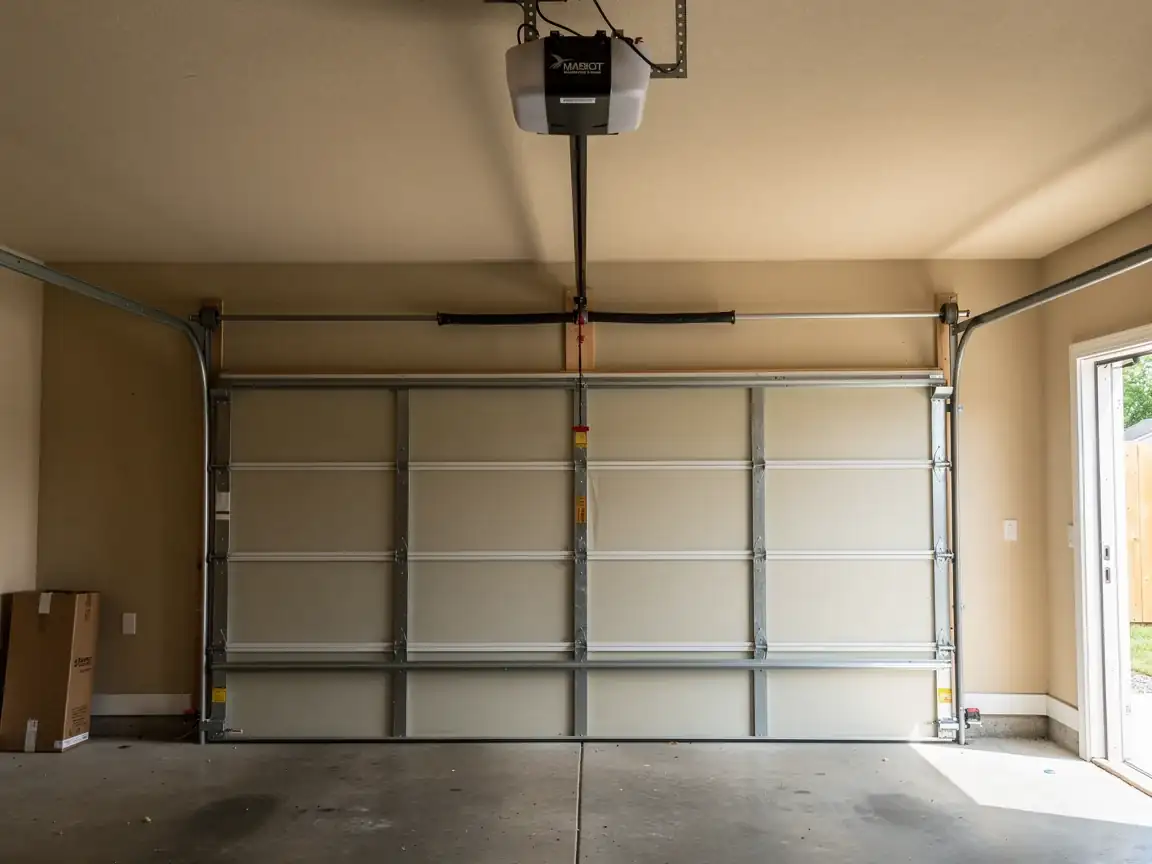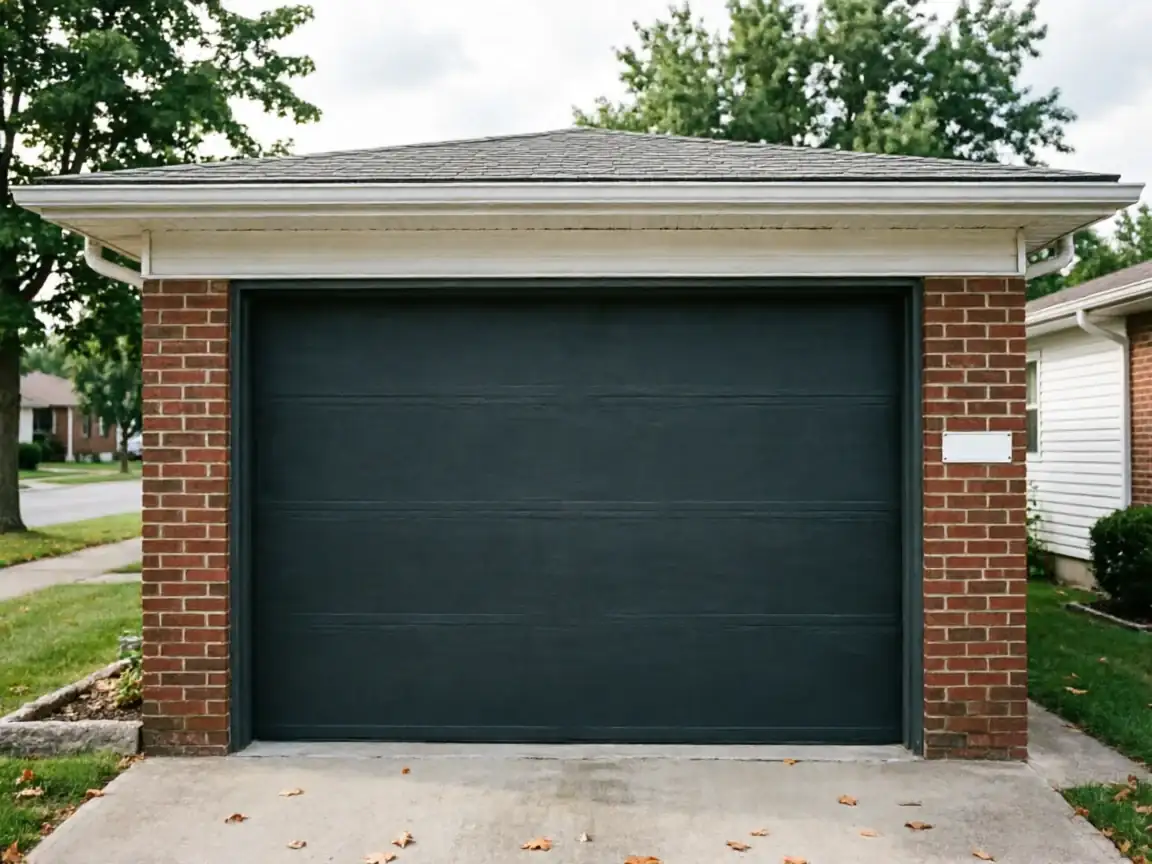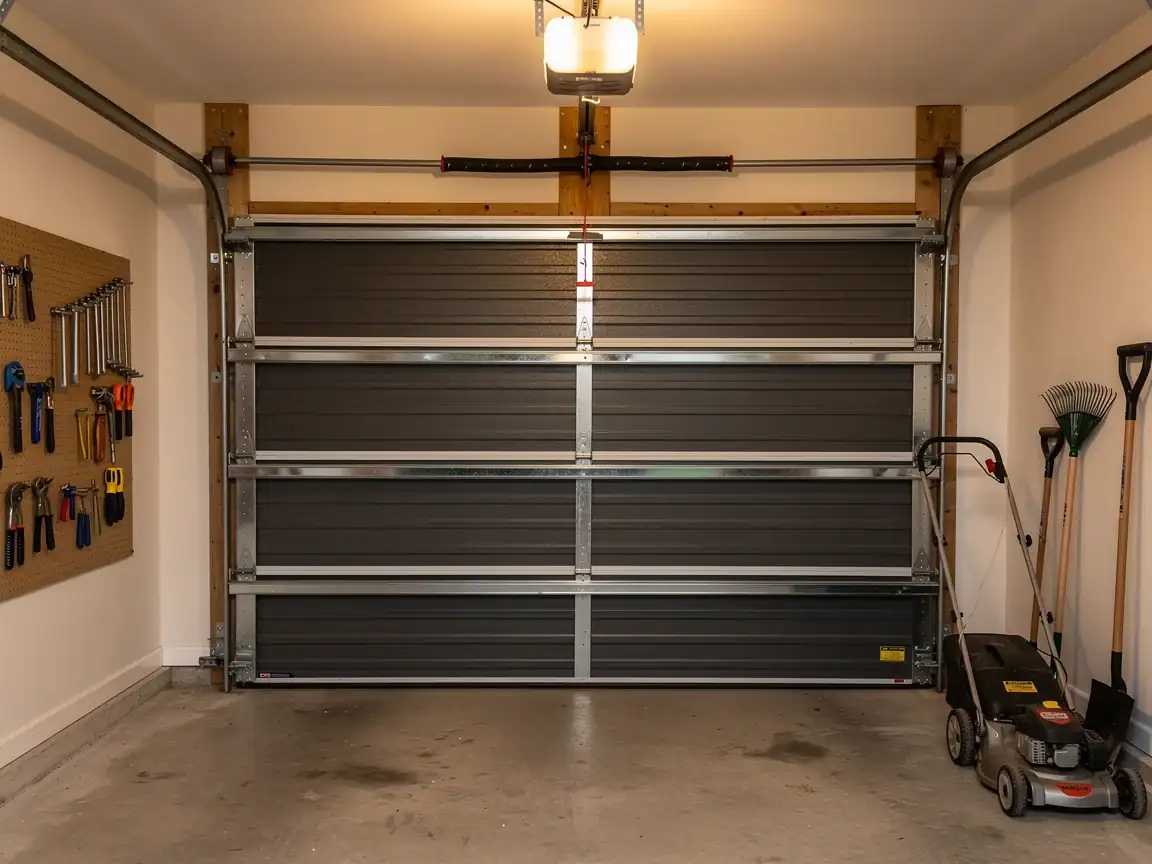
What It Costs
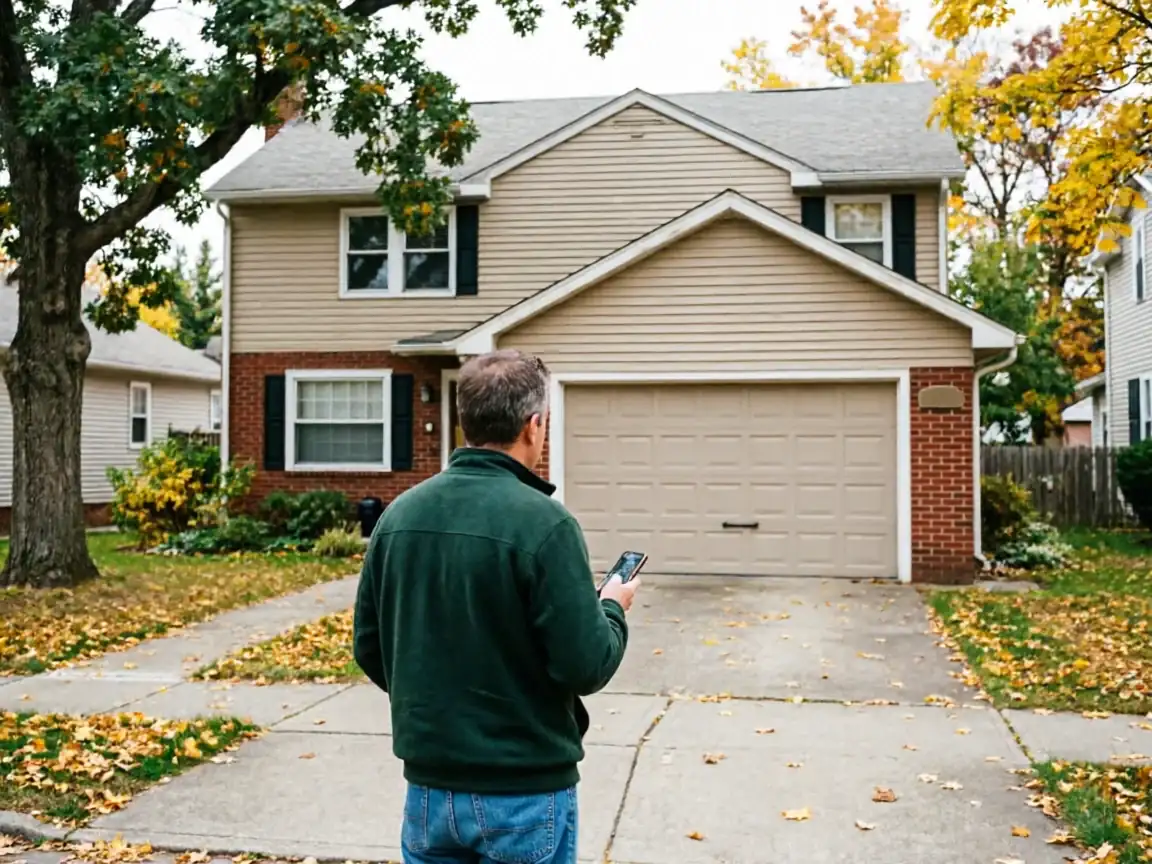
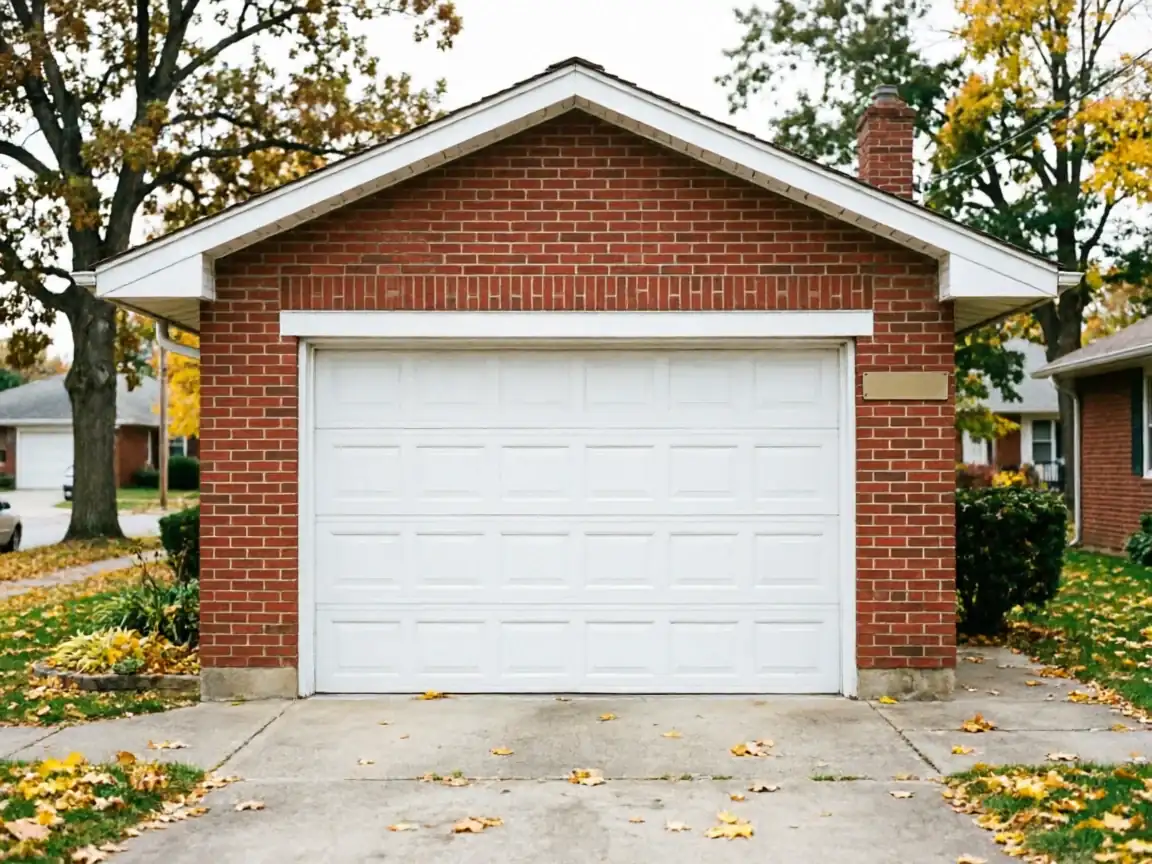
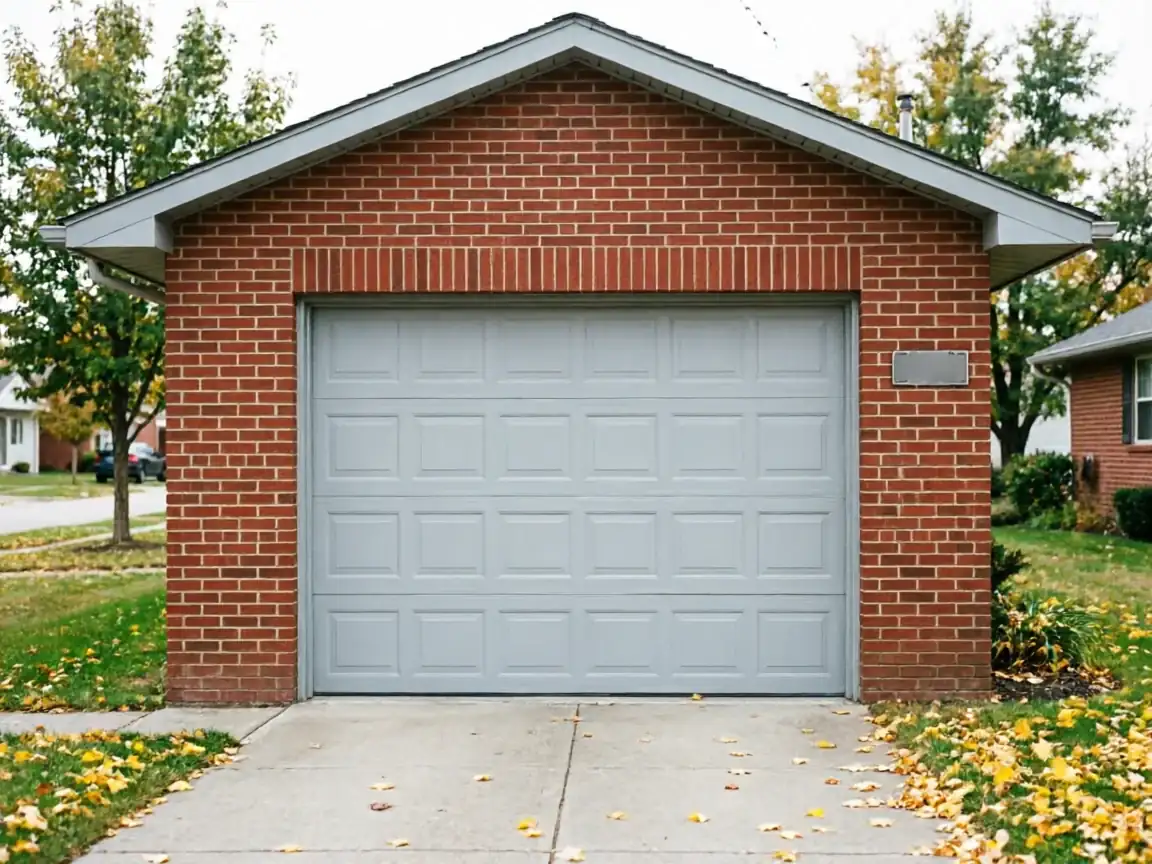
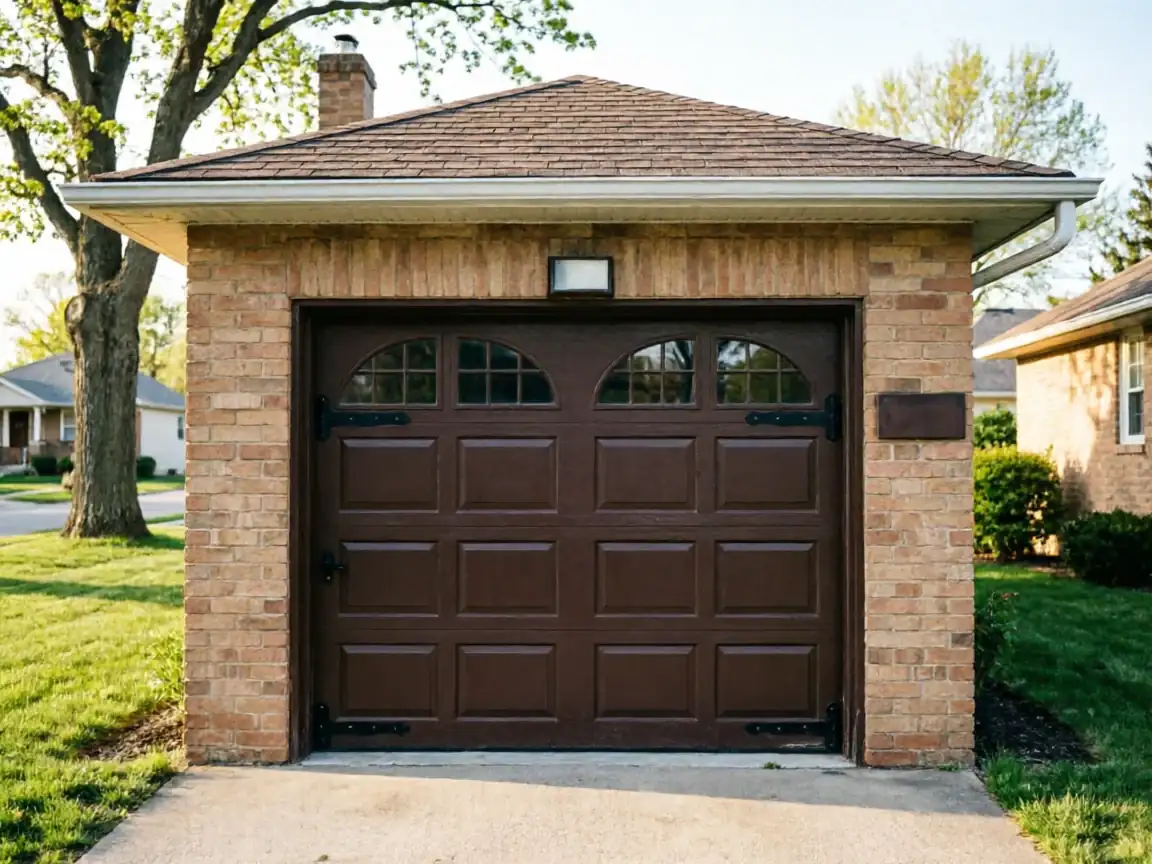
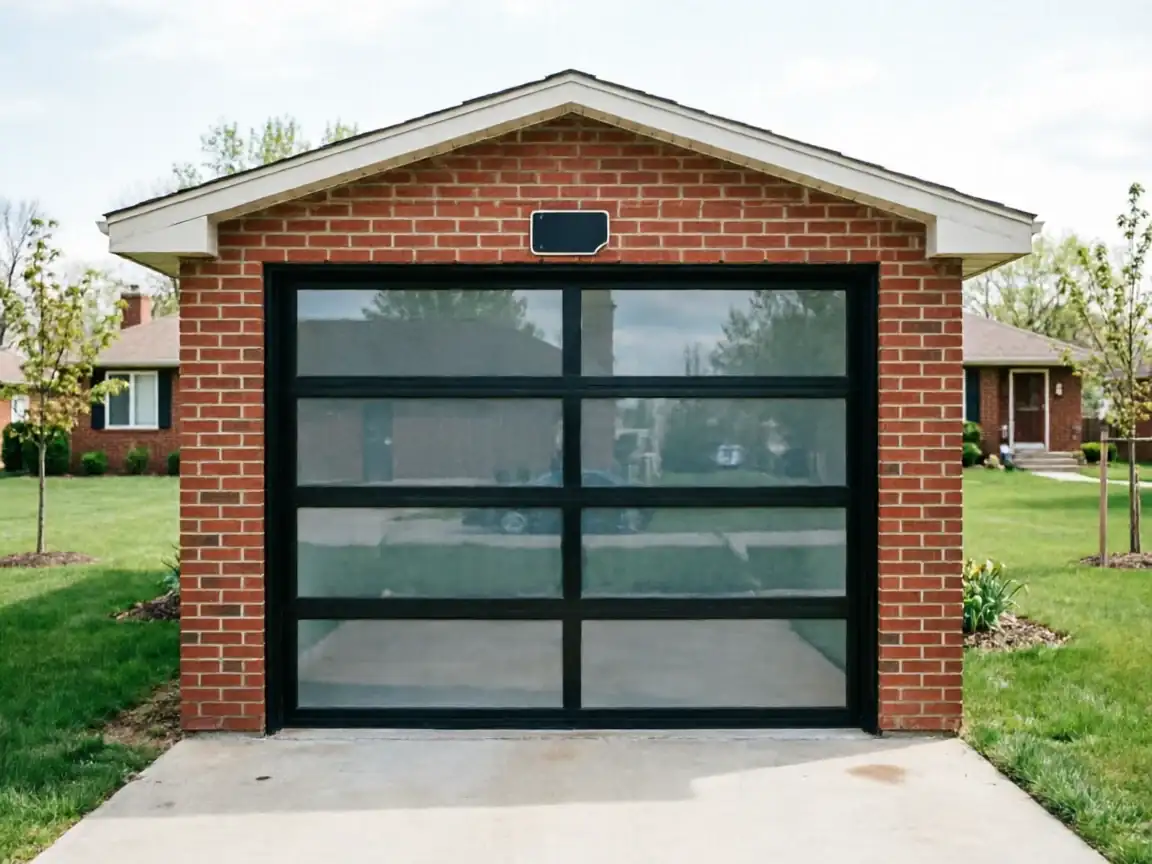
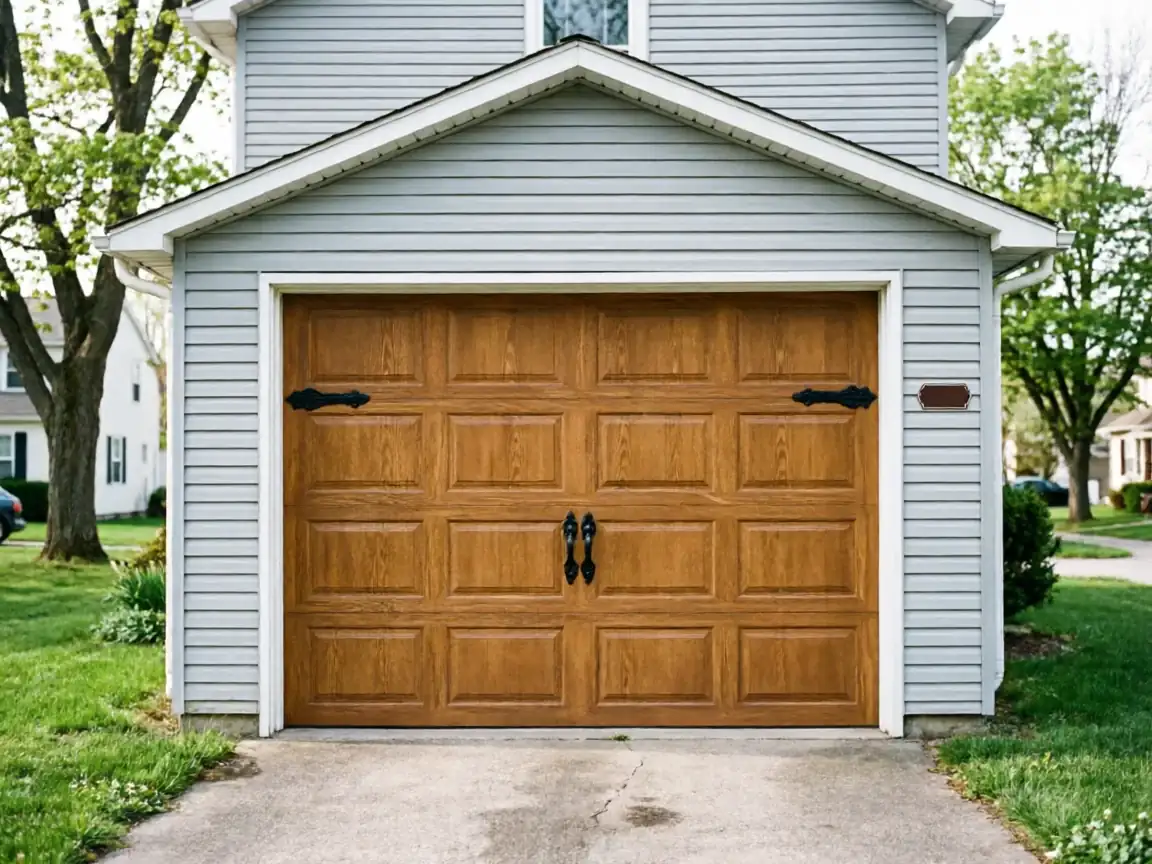
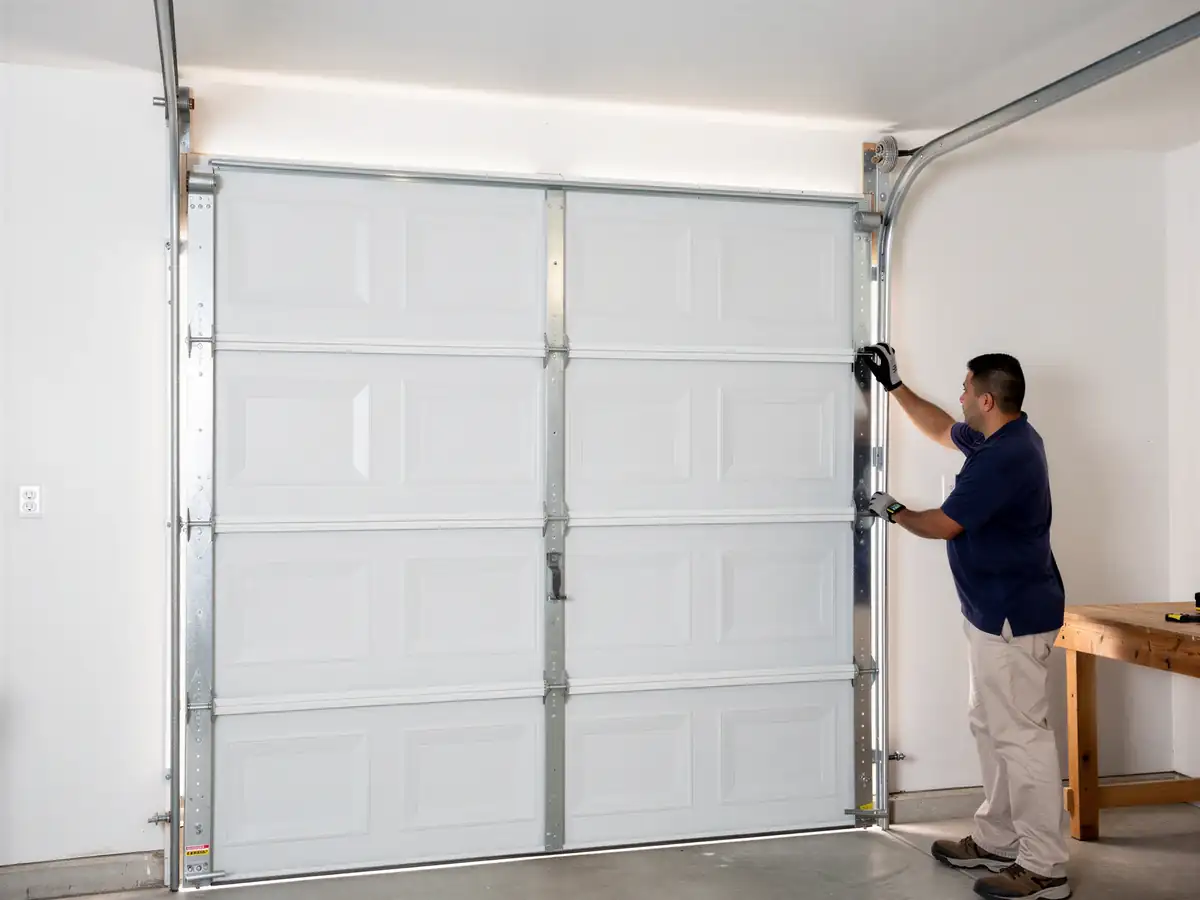
We don't post a flat number here because St. Louis Park's housing skews older than most of the area we cover. Homes built around 1965 often have narrower rough openings and non-standard header heights compared to the 1970s-and-later stock that makes up more of the wider service area, and that changes what we quote. A straight swap into an opening built to modern spec is one price; squaring up a 1965 frame, adding jamb extensions, or re-flashing around an opening that was never sized for today's insulated doors is another. We give the real number after we've measured the opening, not before. With a median household income of $100,250 in St. Louis Park, we see more owners choosing insulated steel or wood-composite doors over the base builder-grade option, but the opening itself, not the upgrade, is usually what moves the price.
What Can Go Wrong
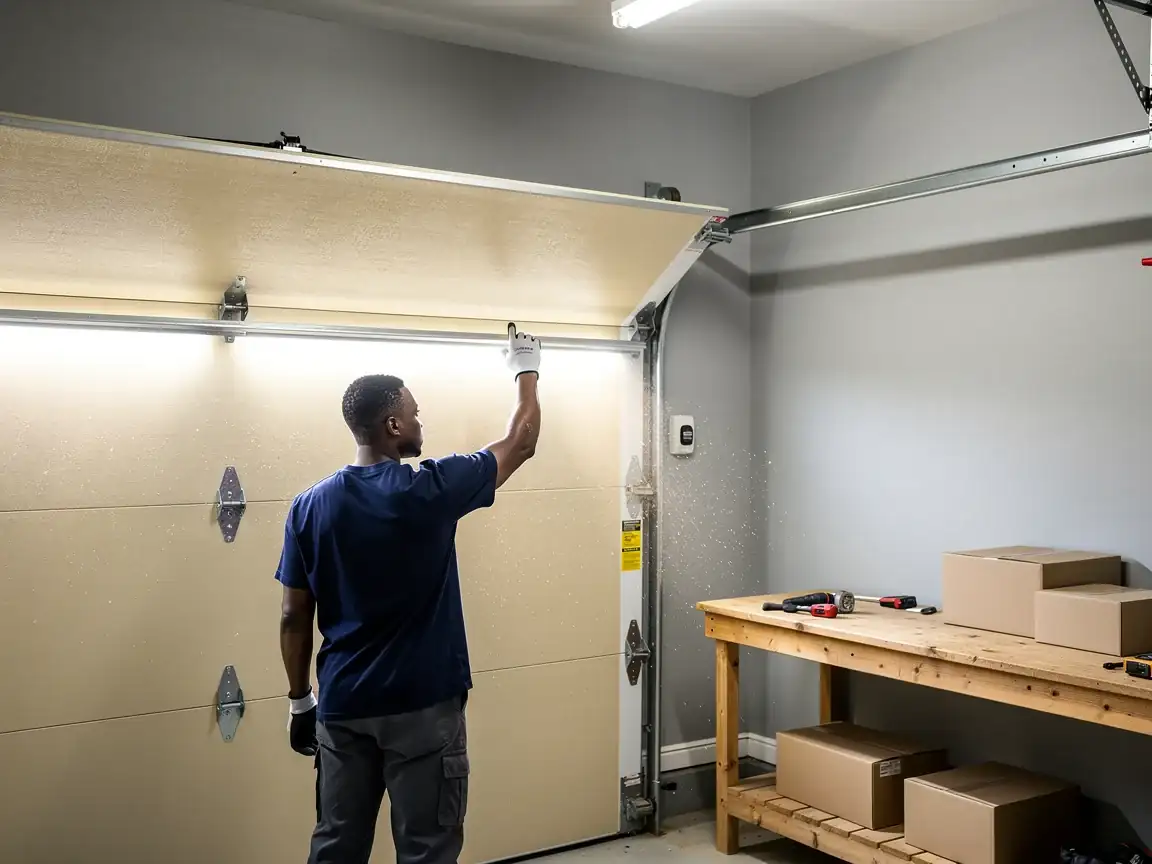
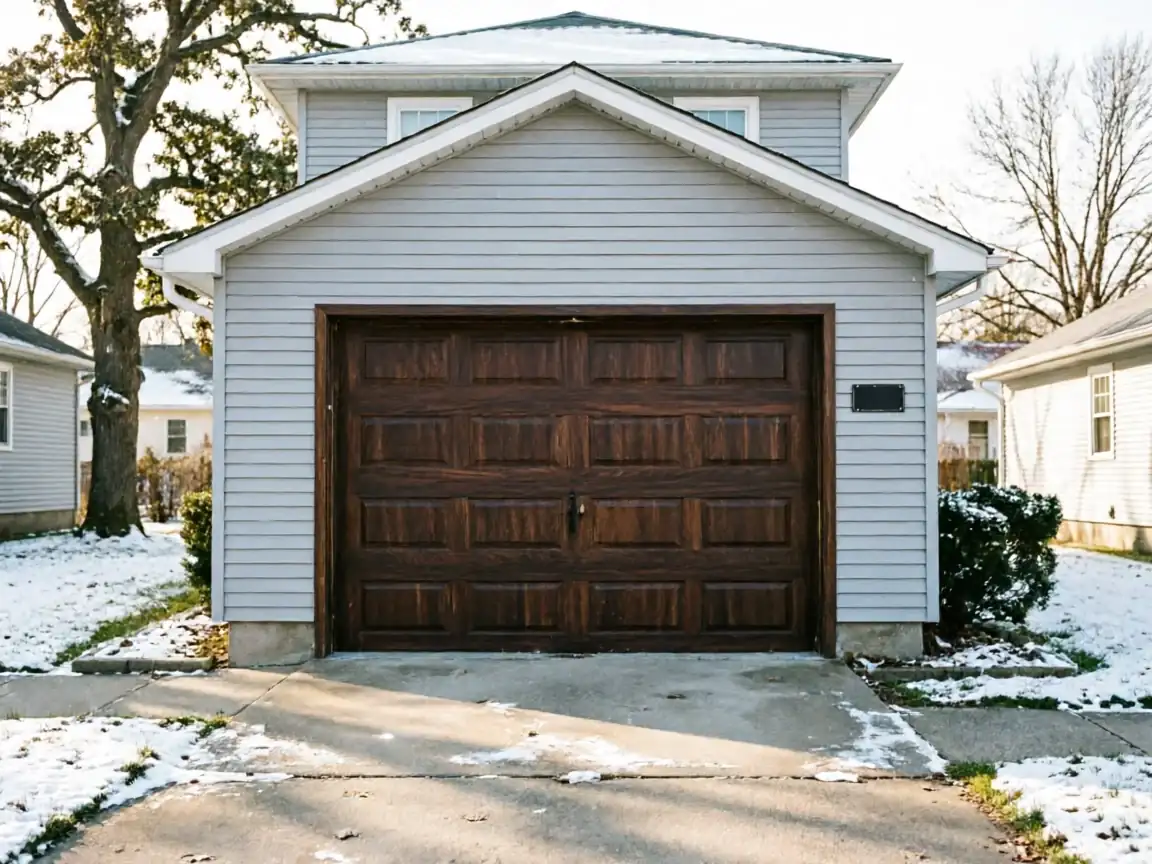
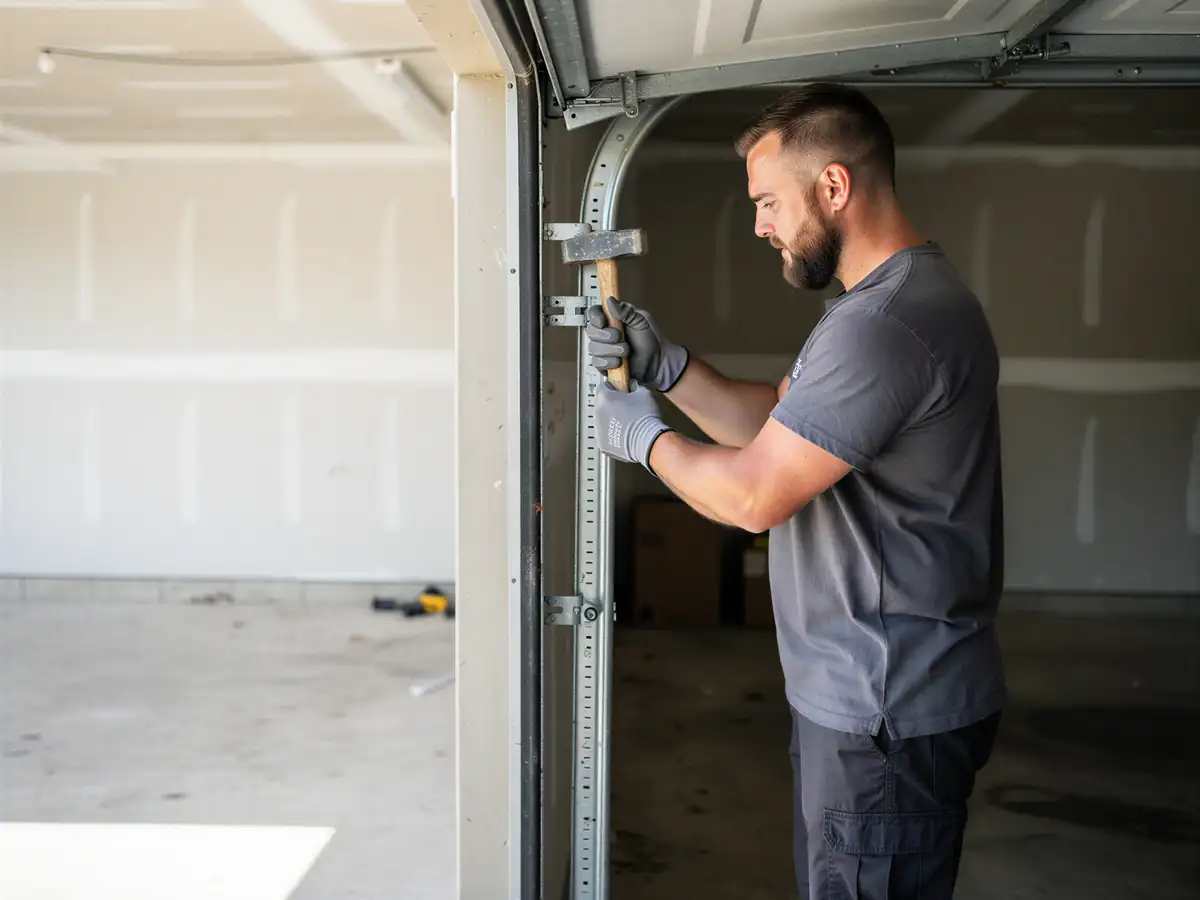
On a house from the mid-1960s, the biggest risk in a new install is assuming the opening is square and standard just because the house looks like its neighbors. It often isn't. Settling over six decades, old jamb repairs, and additions tacked onto the original garage all show up once you pull the old door and look at the bones of the opening. We've also seen headers in this era that weren't built to carry the dead weight of a modern insulated steel door, which means added blocking before the new door ever goes up. Skip that step and you get a door that operates fine for a year, then starts binding or dropping out of track as the header flexes. The climate here runs cold, and a door that isn't seated right in a marginal opening is the one that jams shut on the first hard freeze.
How Long You Are Without the Door
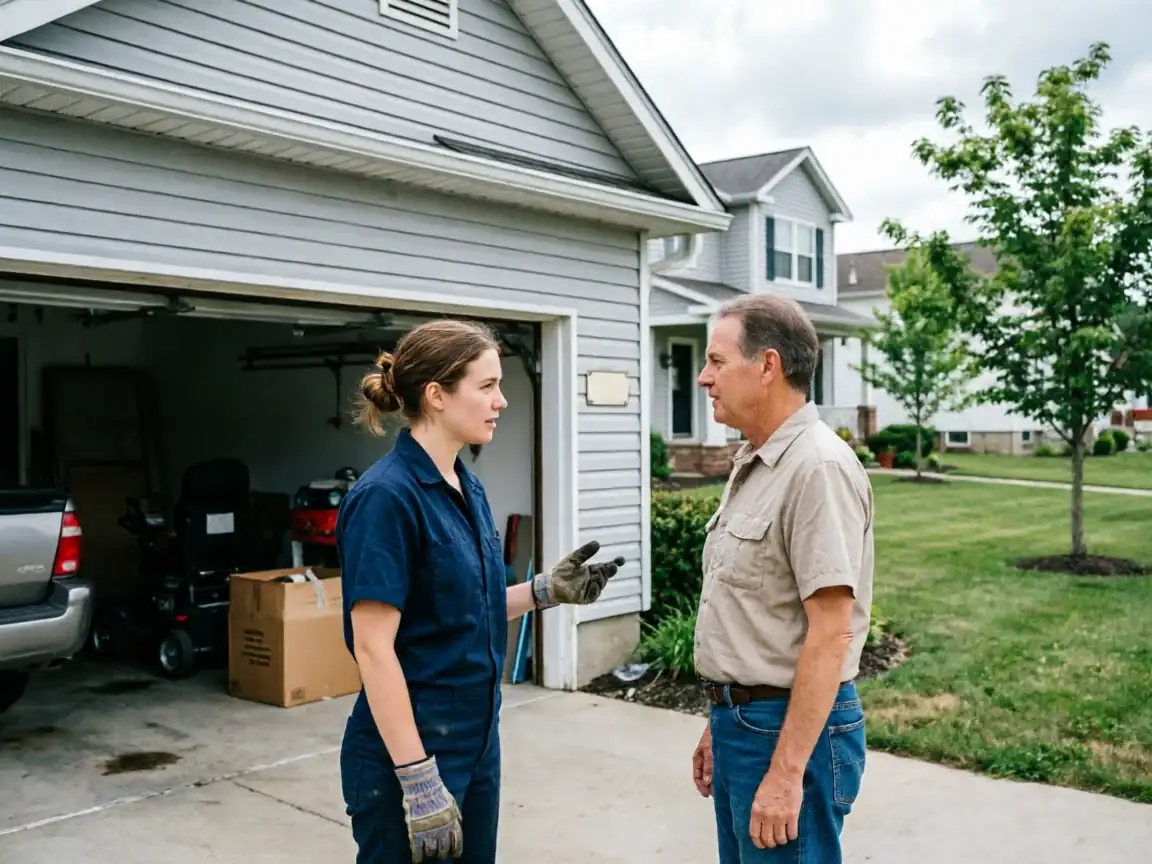
We come from Eagan, about 14 miles out, so the job here runs on a scheduled appointment rather than a same-day drop-in. Once we're on site, a standard new install on an opening that's square and ready usually wraps the same visit. If the opening needs header reinforcement or jamb work because of the age of the framing, we'll tell you that up front during the measure, and it adds time to the one visit rather than requiring a second trip in most cases. We don't promise a turnaround time beyond that because every 1960s opening we've opened up has been a little different underneath the trim.
Parts We Carry
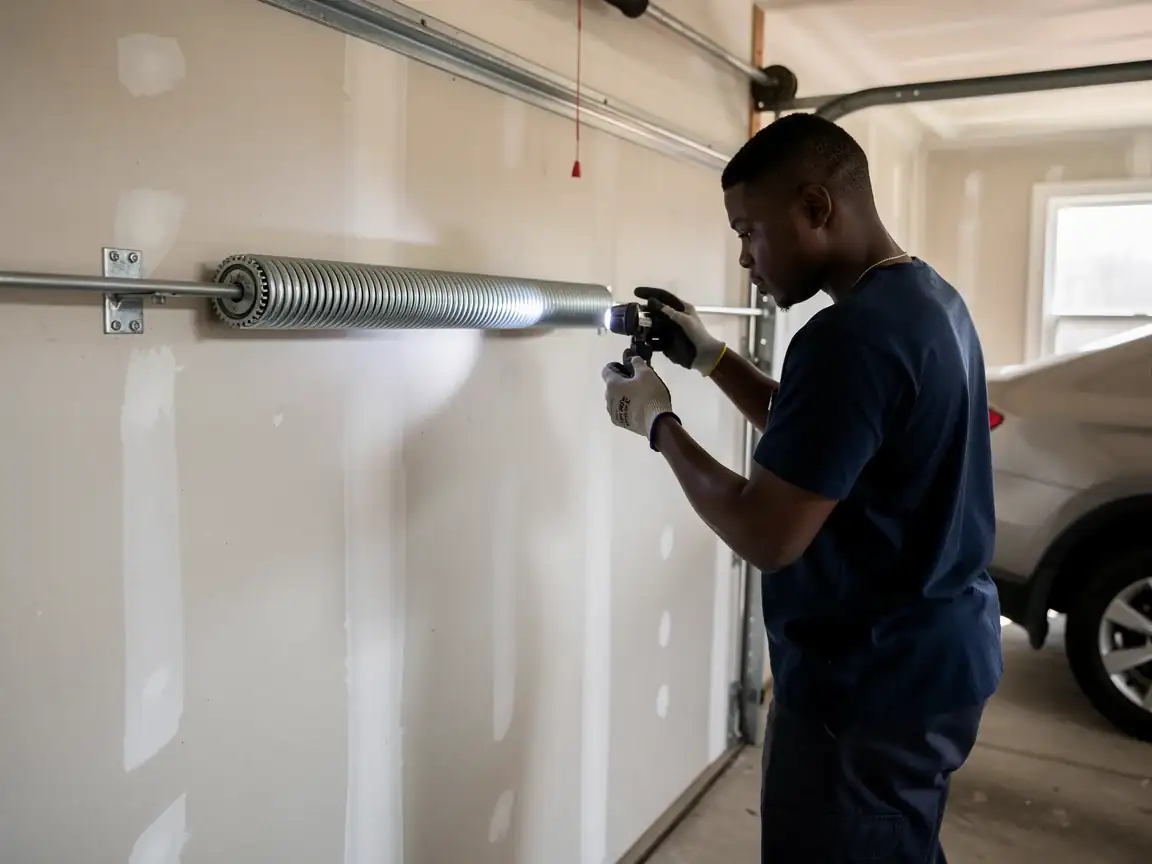
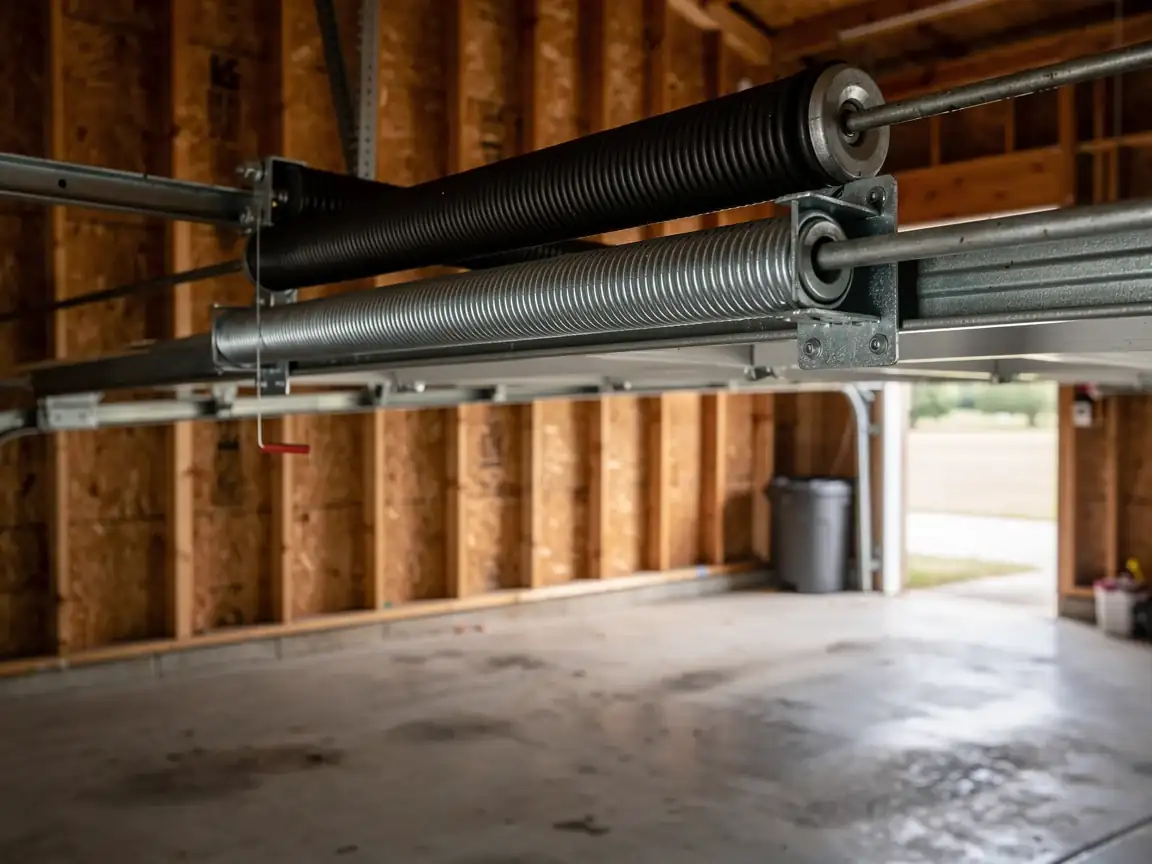
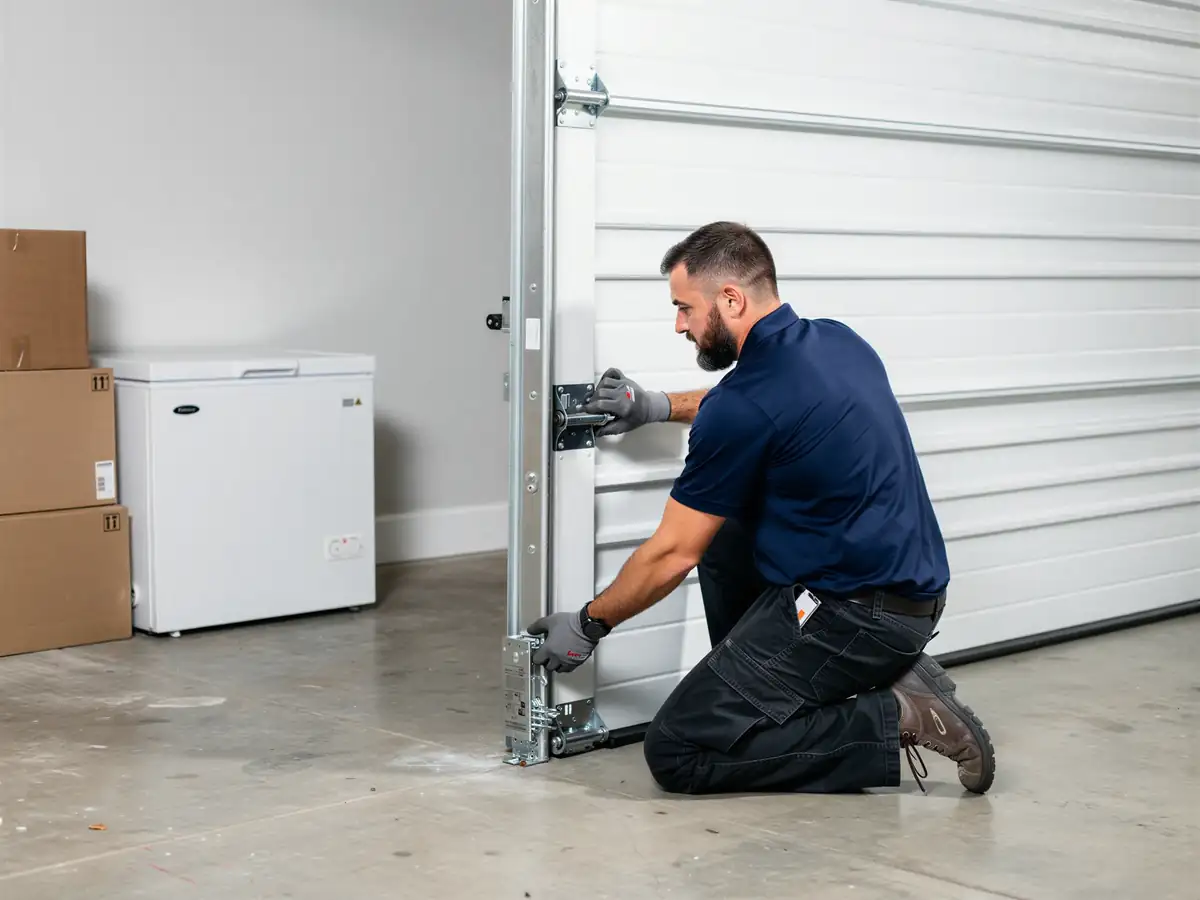
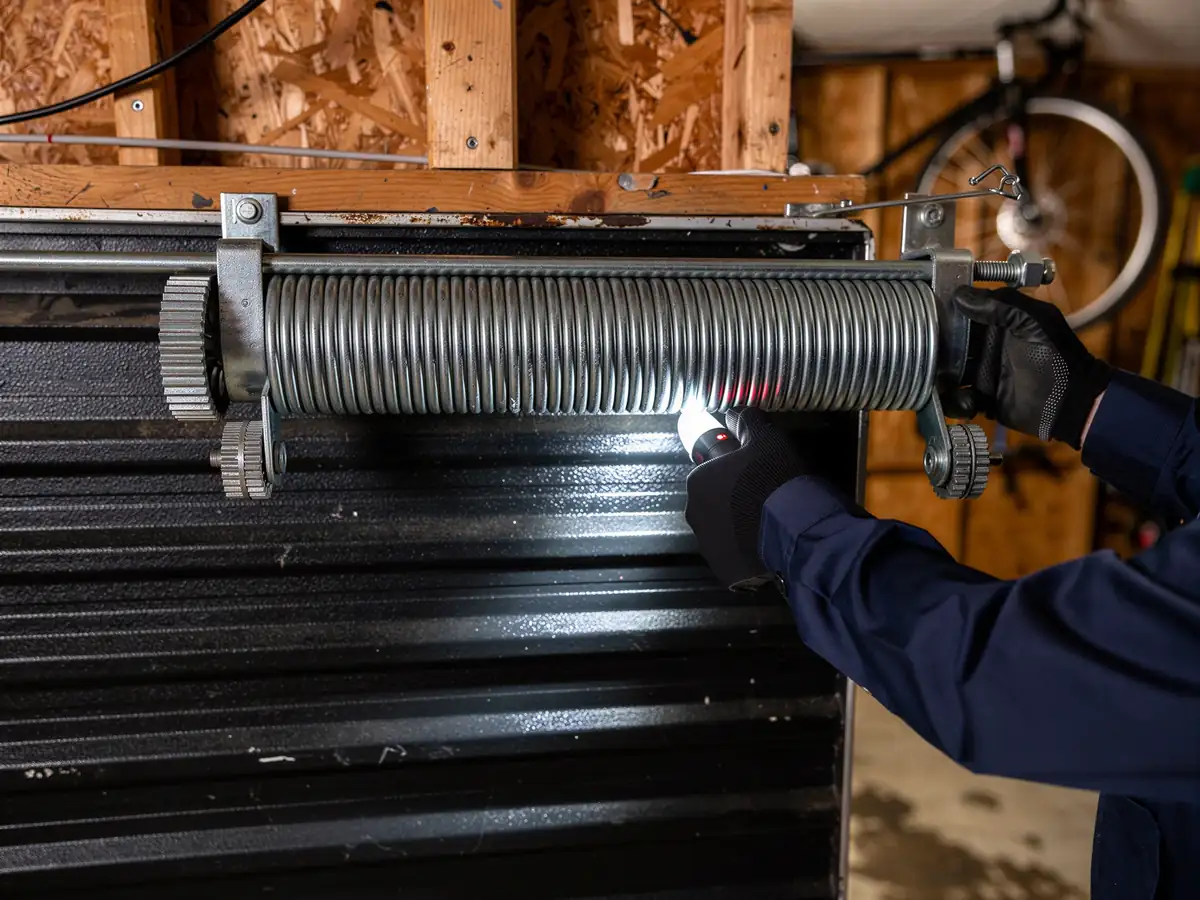
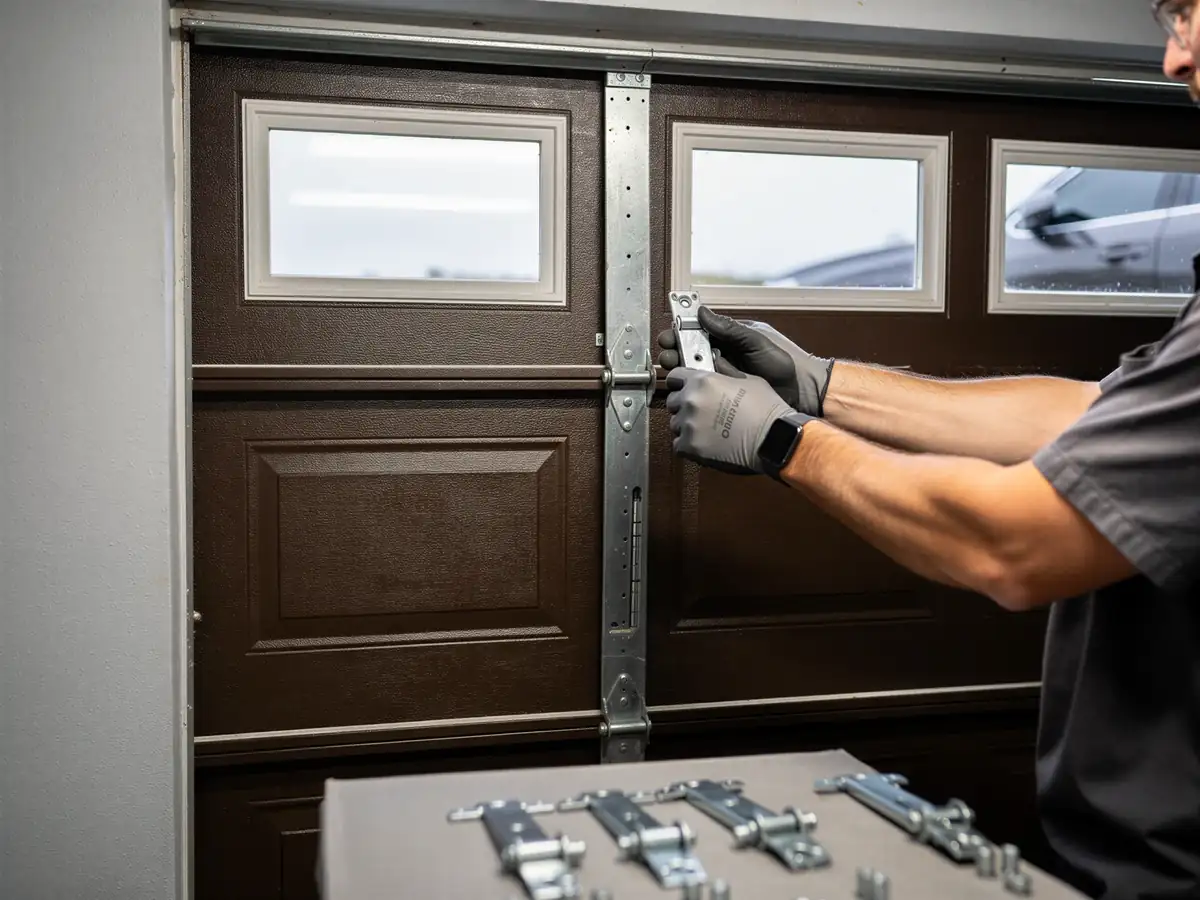
We stock standard steel sections, common spring sizes, and track hardware sized for openings built to more recent code, which covers most jobs without a special order. What we don't keep on the truck is hardware cut to the odd dimensions some 1965-era openings still carry - those sometimes mean a short lead time on a custom panel or jamb kit rather than a same-visit swap. We'll tell you at the measure if your opening falls into that category so there are no surprises on install day. For anything beyond new installation - tune-ups, spring swaps, opener repair - that's handled on our St. Louis Park service page, not this one.