What It Costs
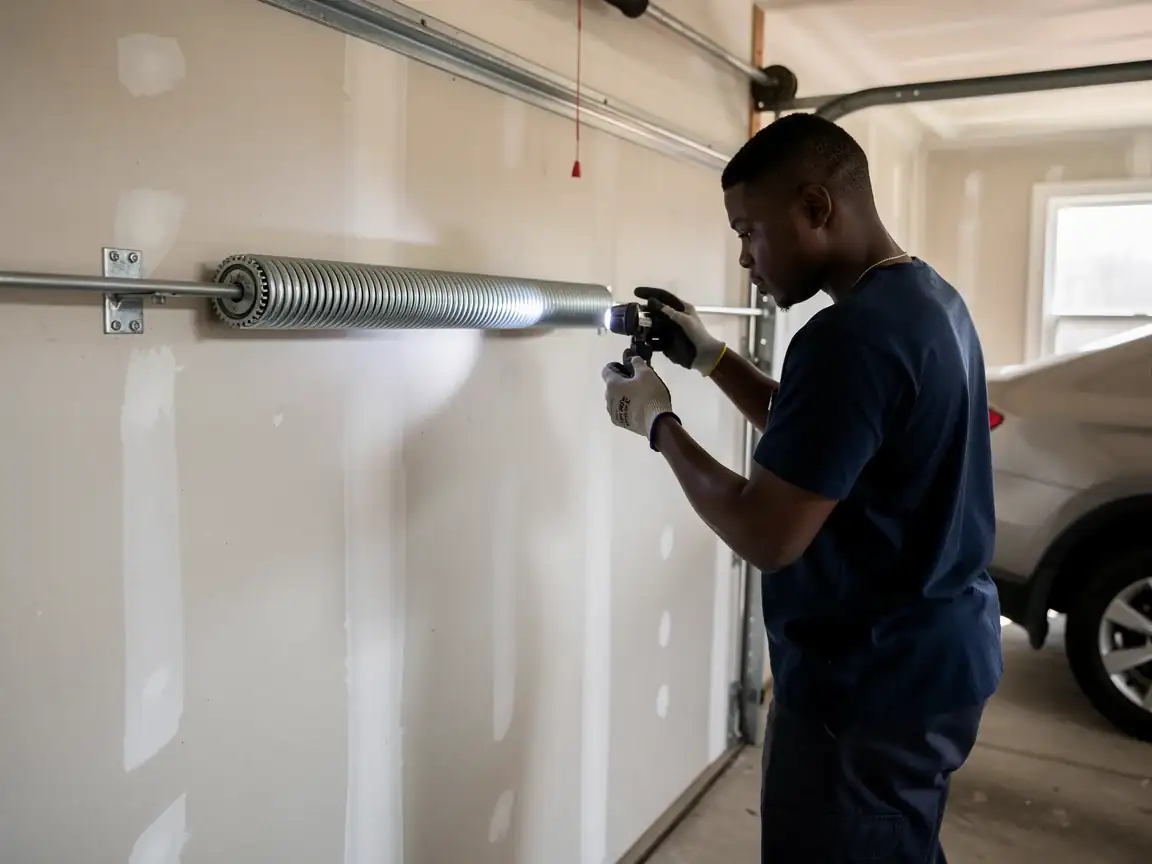
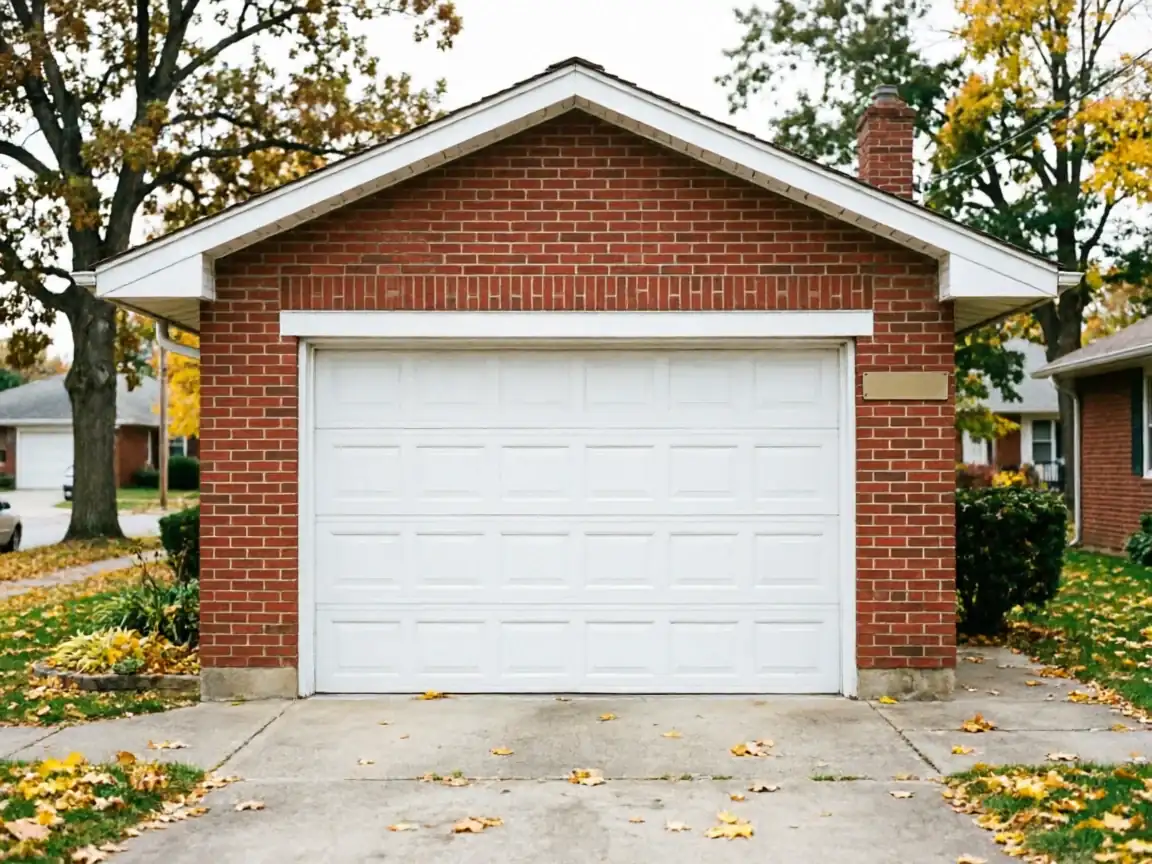
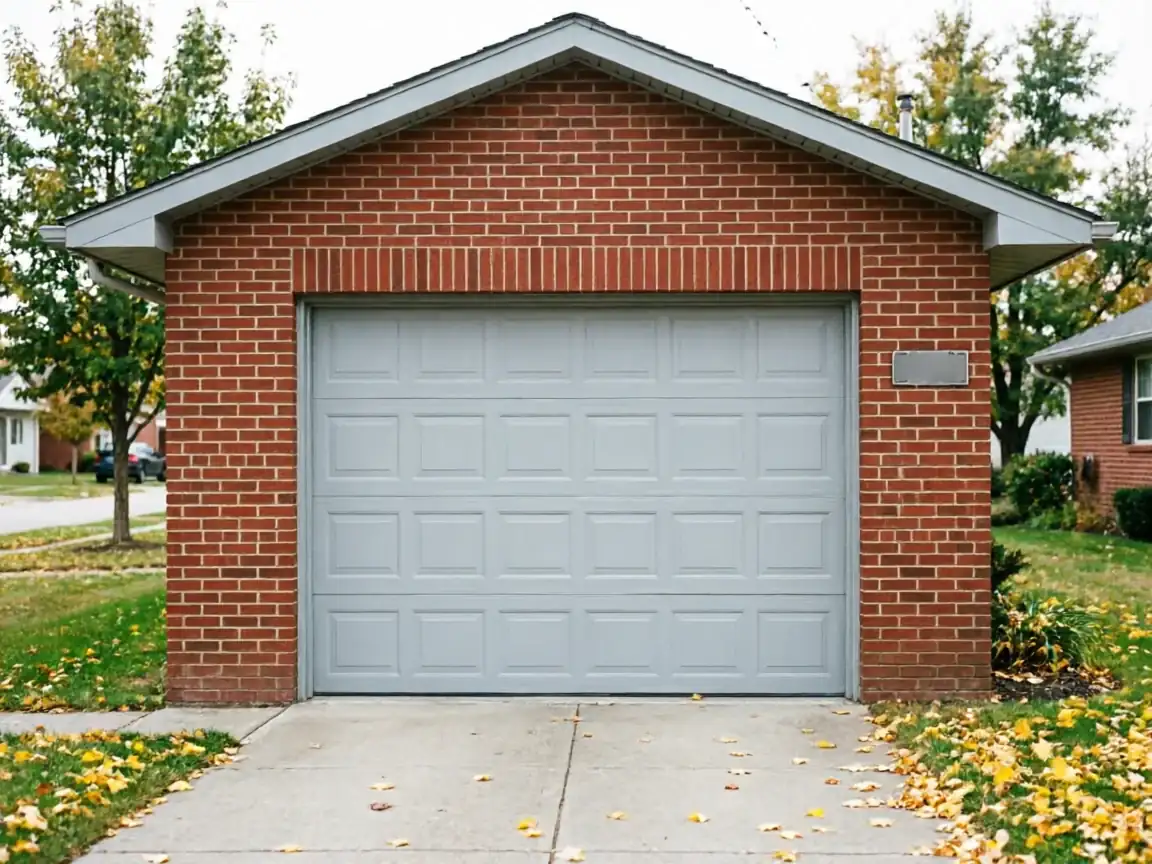
We don't post a flat number for St. Louis Park because the job depends on what's hanging on your door and how old the hardware is. A single torsion spring on a standard double door is a different job than a matched pair on a heavier insulated door, and houses here built around the mid-1960s often still carry original torsion drums and stationary cones that need to be replaced along with the spring, not just the spring itself. The drive from Eagan is about 14 miles, and we account for that travel when we quote the call rather than surprise you with it after the truck shows up. If your opener is also grinding or your track is bent, that gets priced separately - a spring swap doesn't fix a misaligned track, and we'll tell you straight if that's what's actually going on before we touch anything. The honest version: we can give you a tight range over the phone once we know the door's age and spring type, but the final number gets set at the house.
What Can Go Wrong
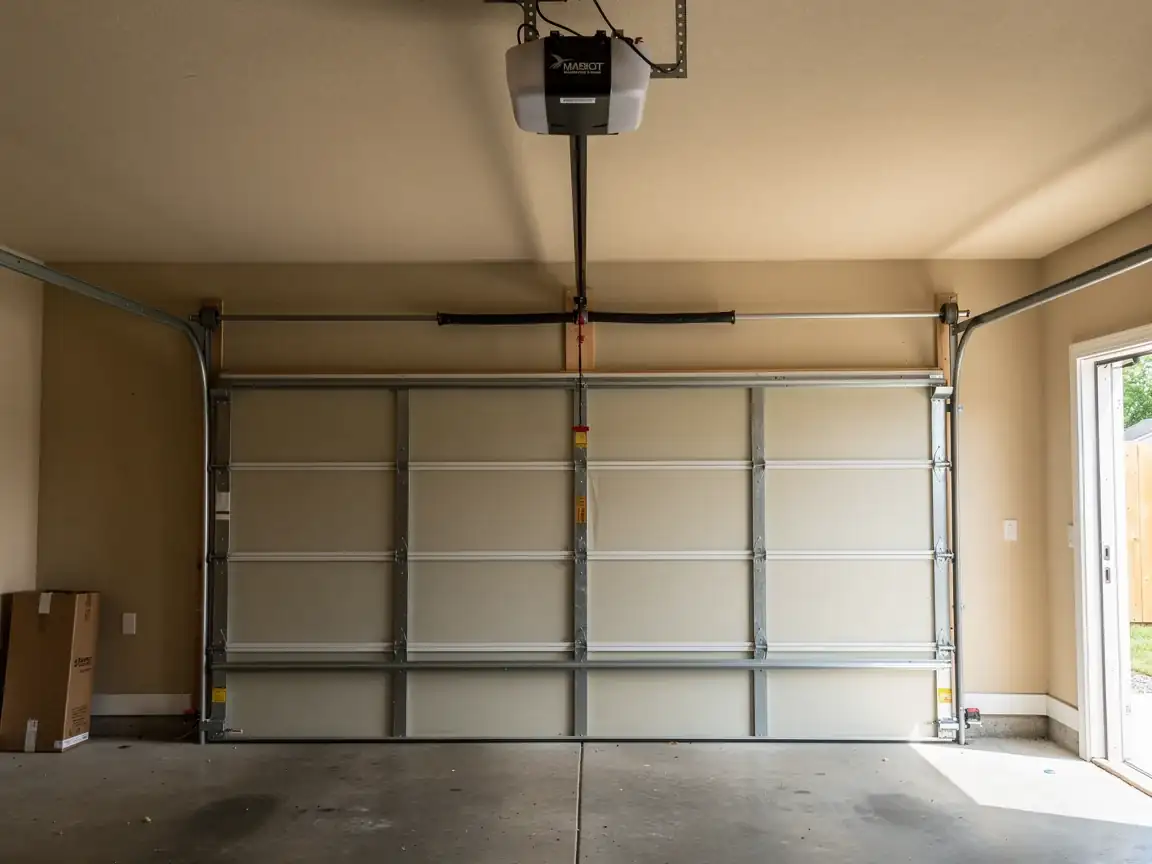
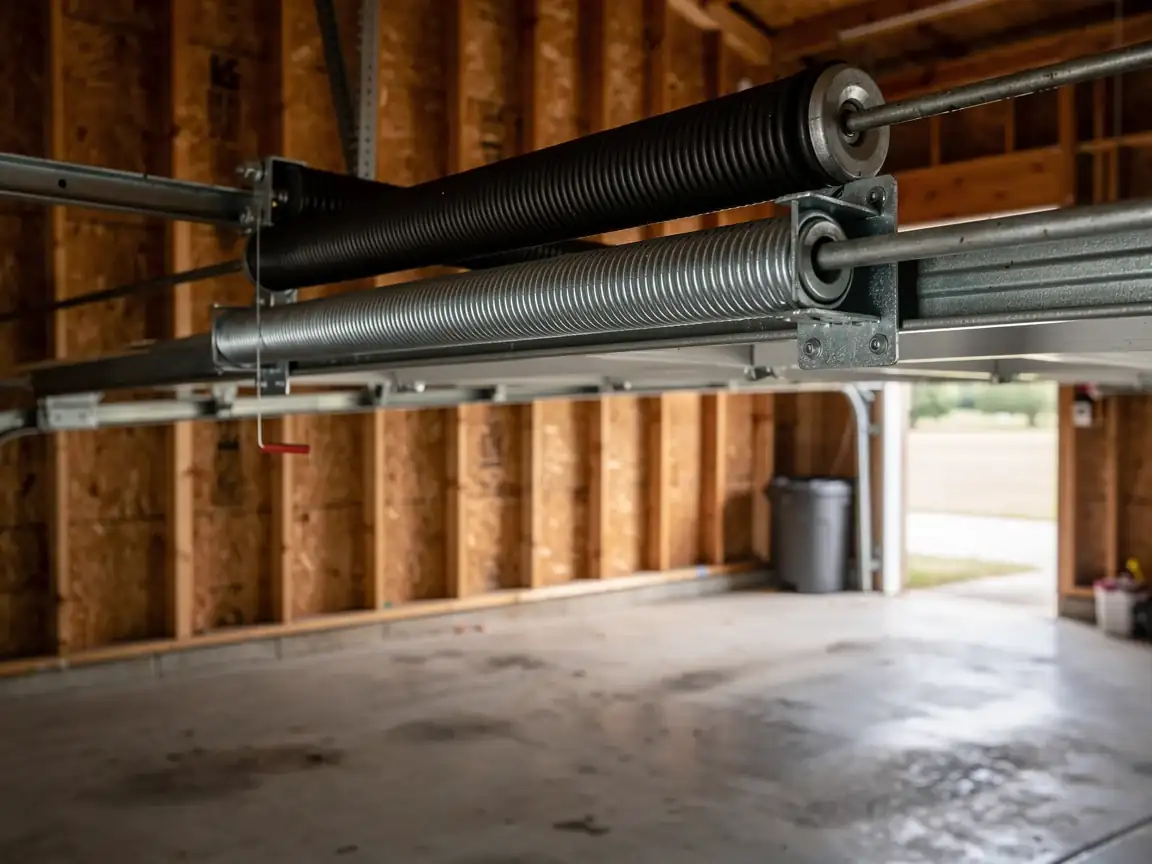
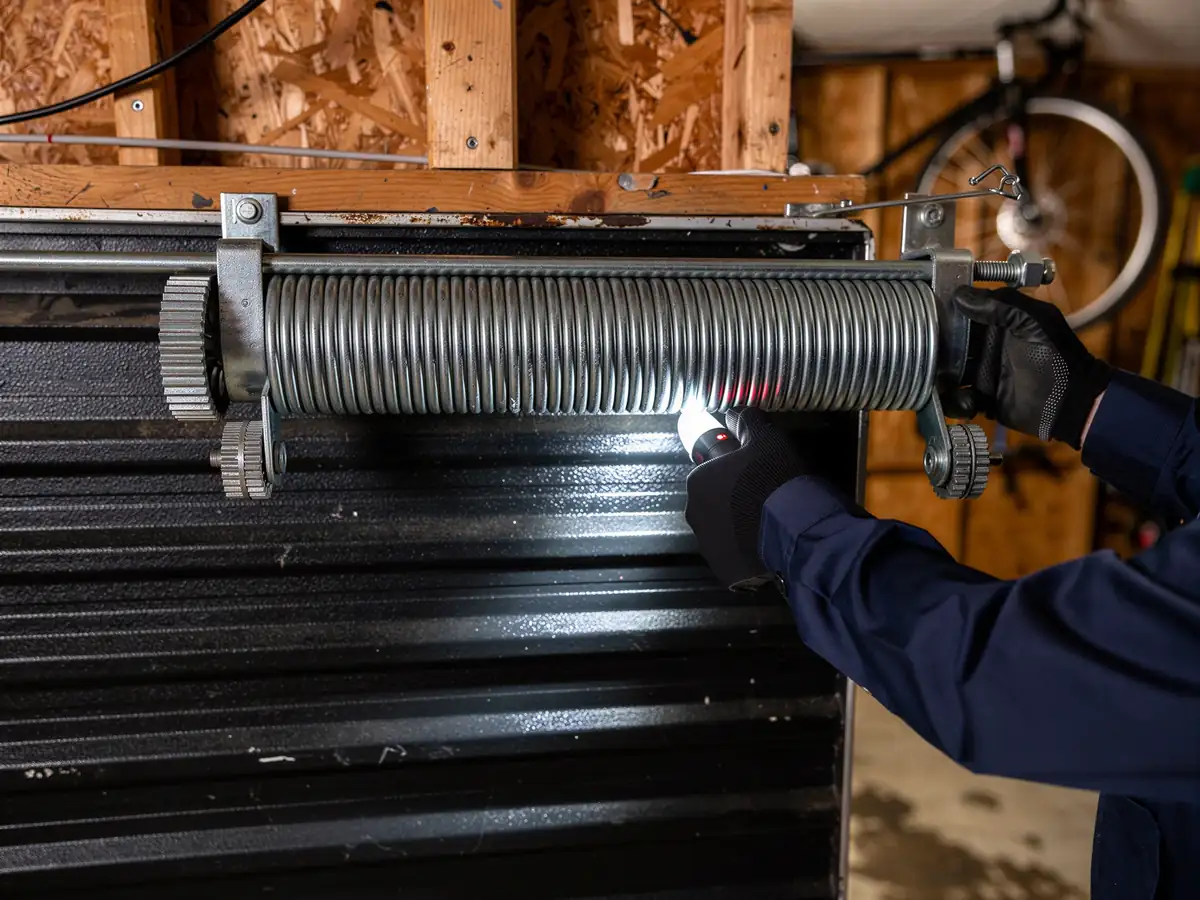
A broken torsion spring on a double door means the door is heavier than anyone can safely lift by hand - the opener will try, strain, and eventually burn out trying to do a job the spring is supposed to share. If you've got a single spring on a wider door built in the 1960s era common here, that spring is working harder than a matched pair would, which shortens its life and raises the odds of a sudden snap rather than a slow weakening you'd notice first. Extension springs that lack containment cables can whip loose with real force if they let go while the door's in motion. None of this is a scare tactic - it's why we ask what the door sounds like on a call before we guess at what's broken.
How Long You Are Without the Door
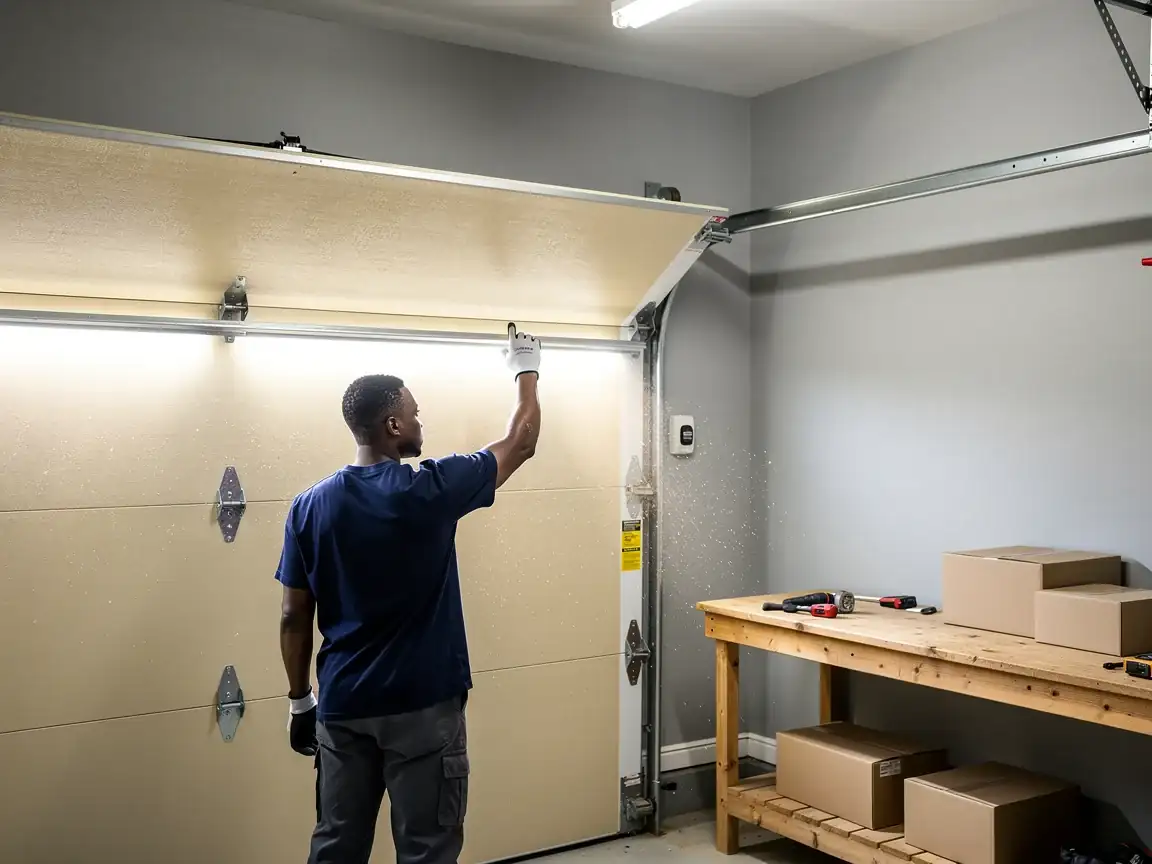
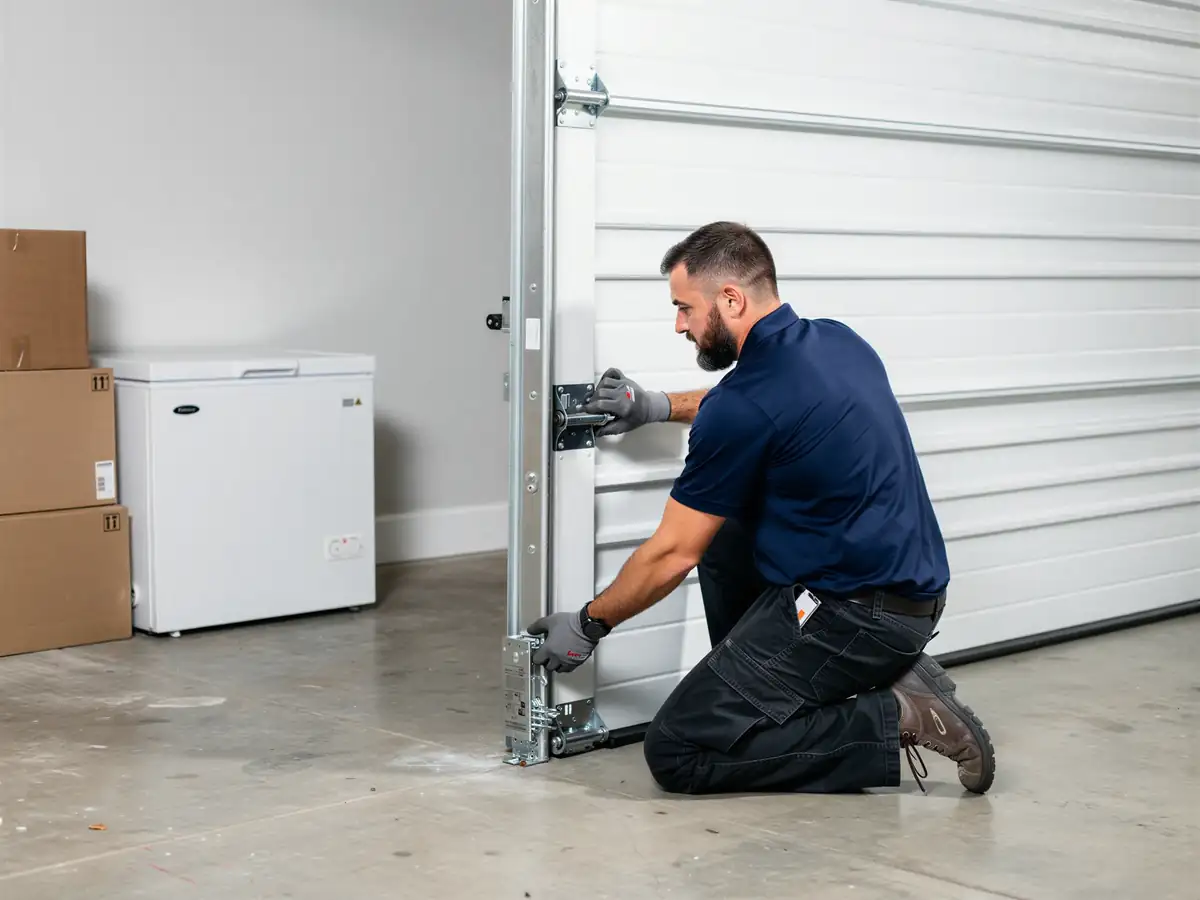
Since we're coming from Eagan, roughly 14 miles out, the time you're without a working door depends partly on when the call comes in relative to our route that day, not just on the repair itself. A straight torsion spring swap on standard hardware is usually a same-visit fix once we're there. Where it stretches is when the drums, bearings, or cable are worn past reuse too - common enough on hardware from the 1965 era - because then we're replacing a small system, not one part, and that adds time on site. We won't leave a door half-fixed; if we find more wear than the spring alone, we'll walk you through it before finishing the job.
Parts We Carry
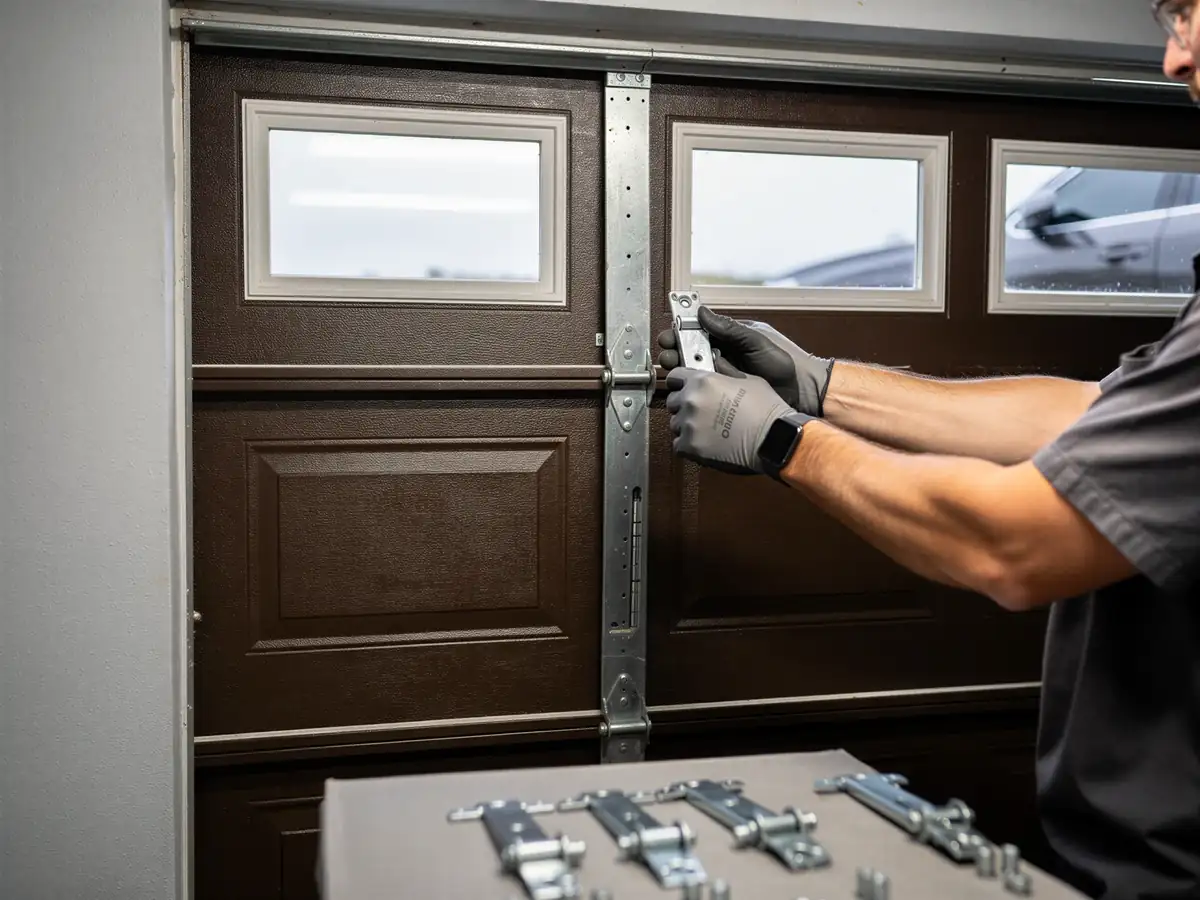
We stock common torsion and extension springs sized for standard residential doors, along with the drums, cables, and bearing plates that tend to wear out alongside an original spring from the 1960s. For houses in St. Louis Park still running hardware close to that 1965 build date, replacing the spring often means replacing the matching drum too, since the two wear as a set. What we don't carry on the truck is obsolete or oversized commercial-spec coil stock - if a door needs something outside standard residential sizing, that becomes a special-order part and adds lead time, which we'll flag up front rather than let you find out at the end of the job.