What It Costs
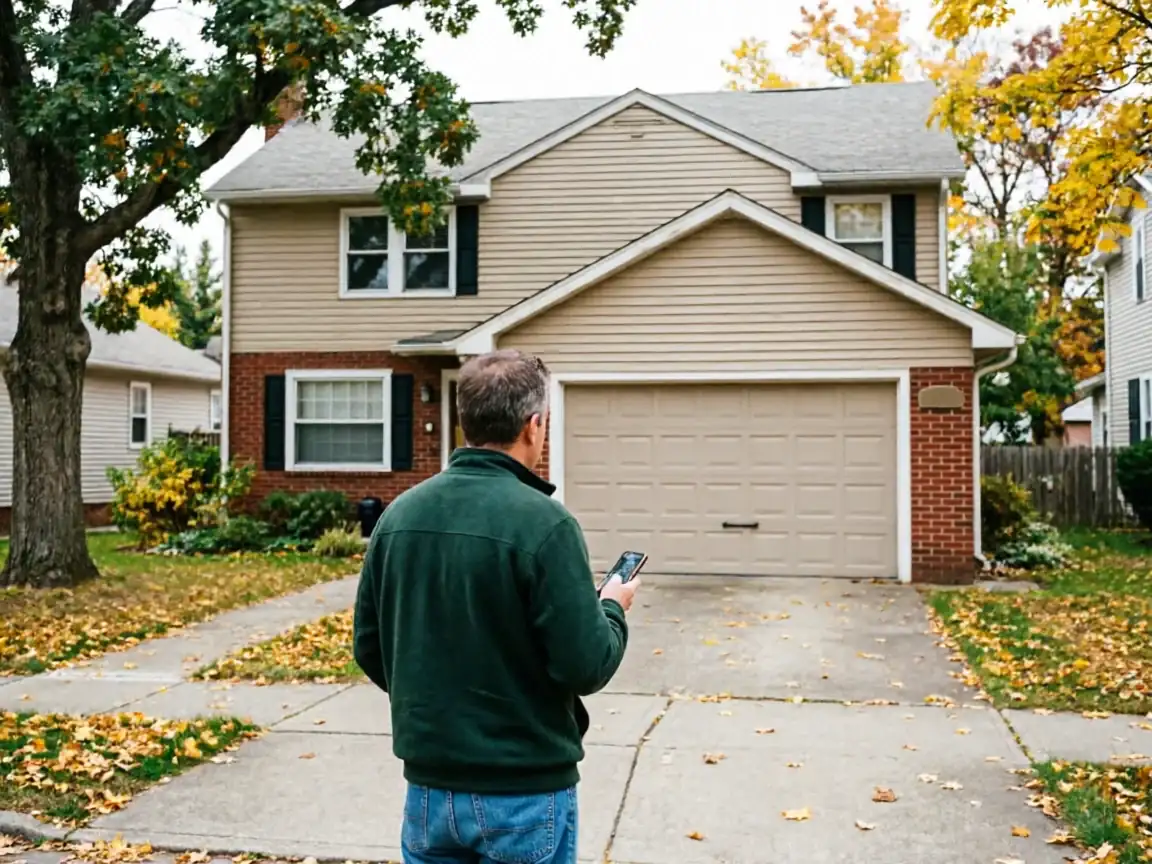
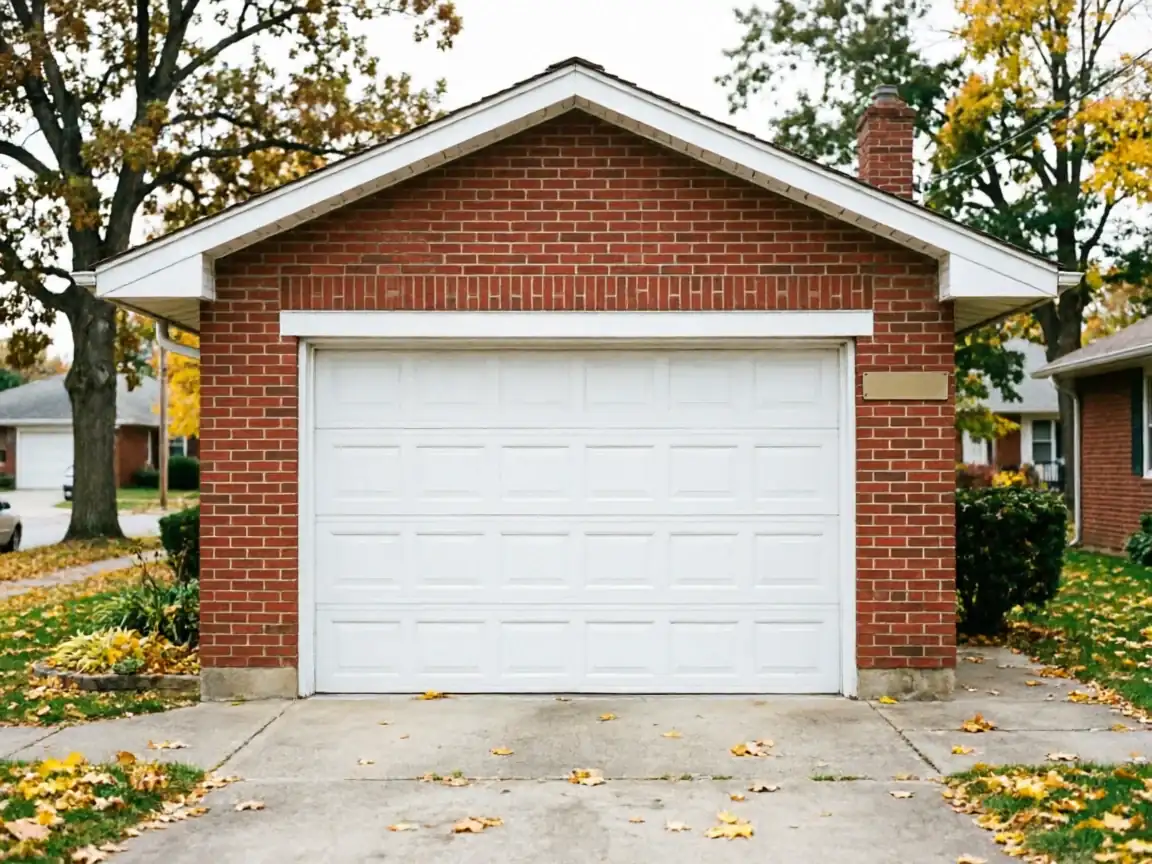
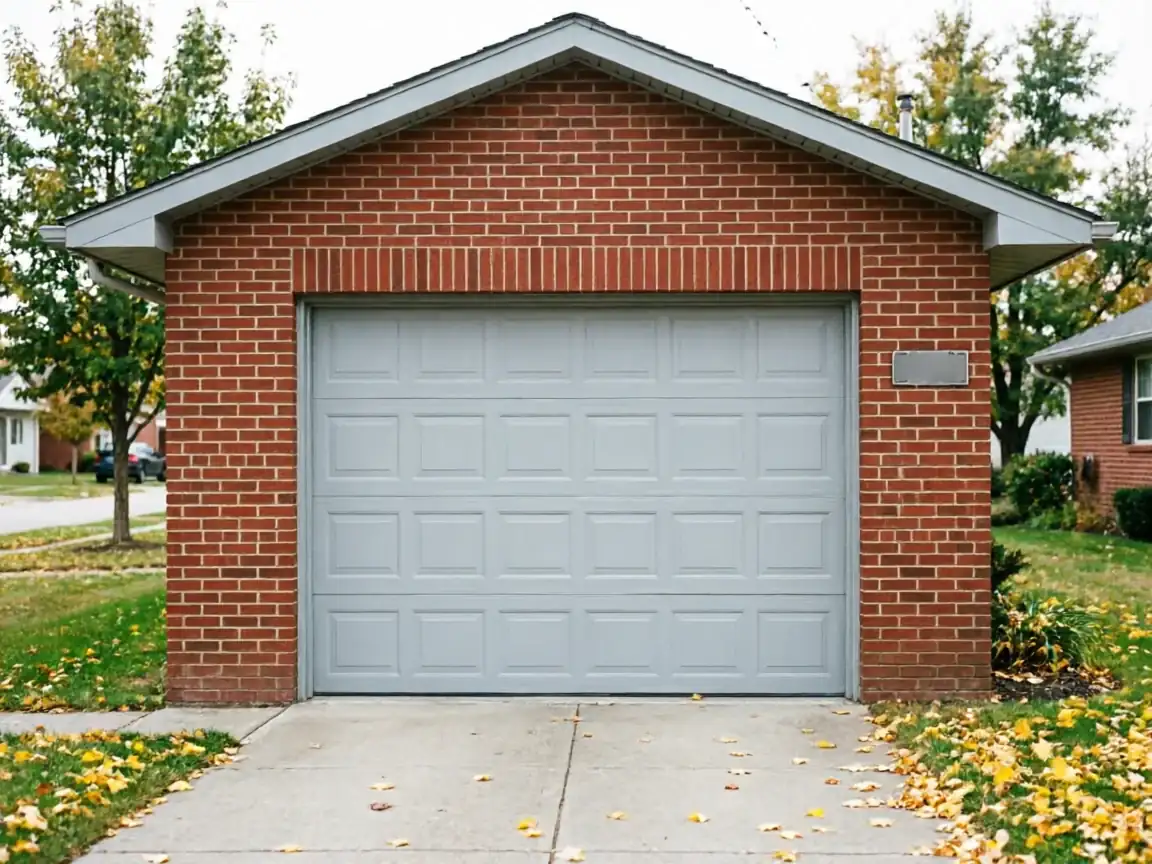
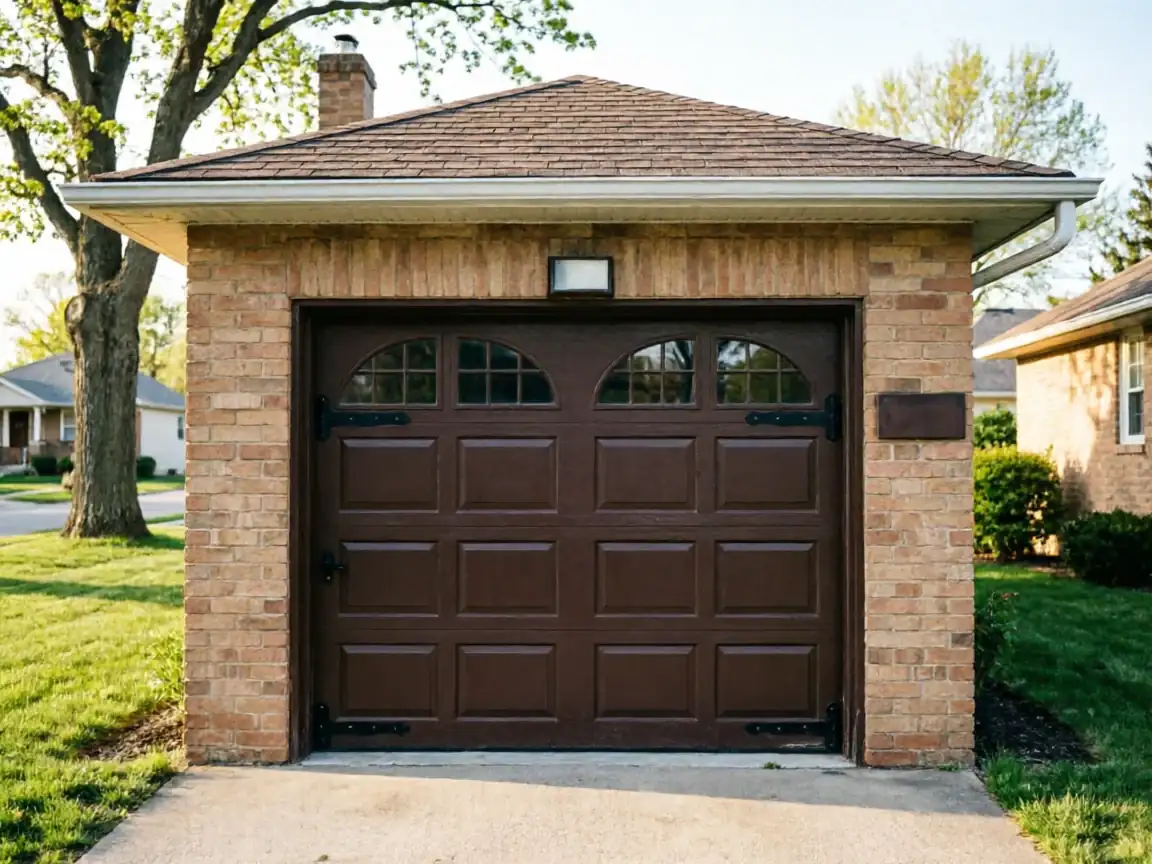
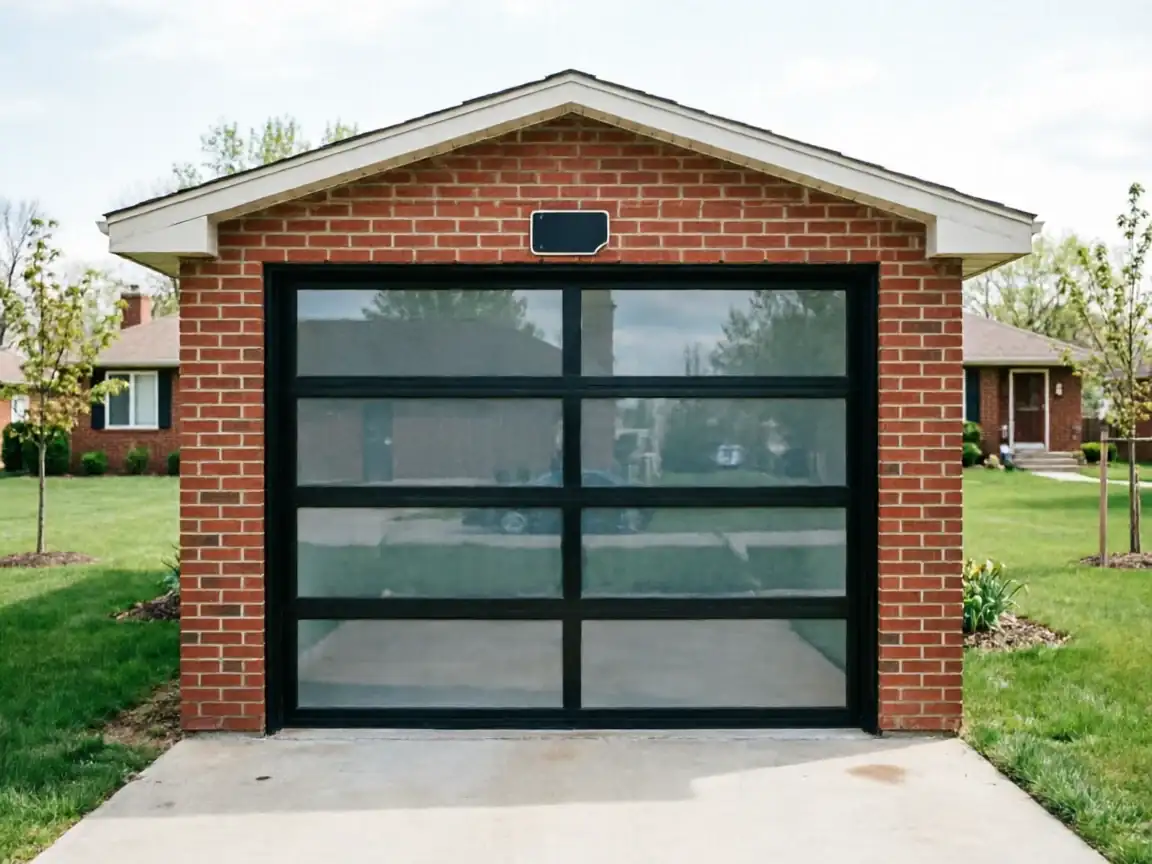
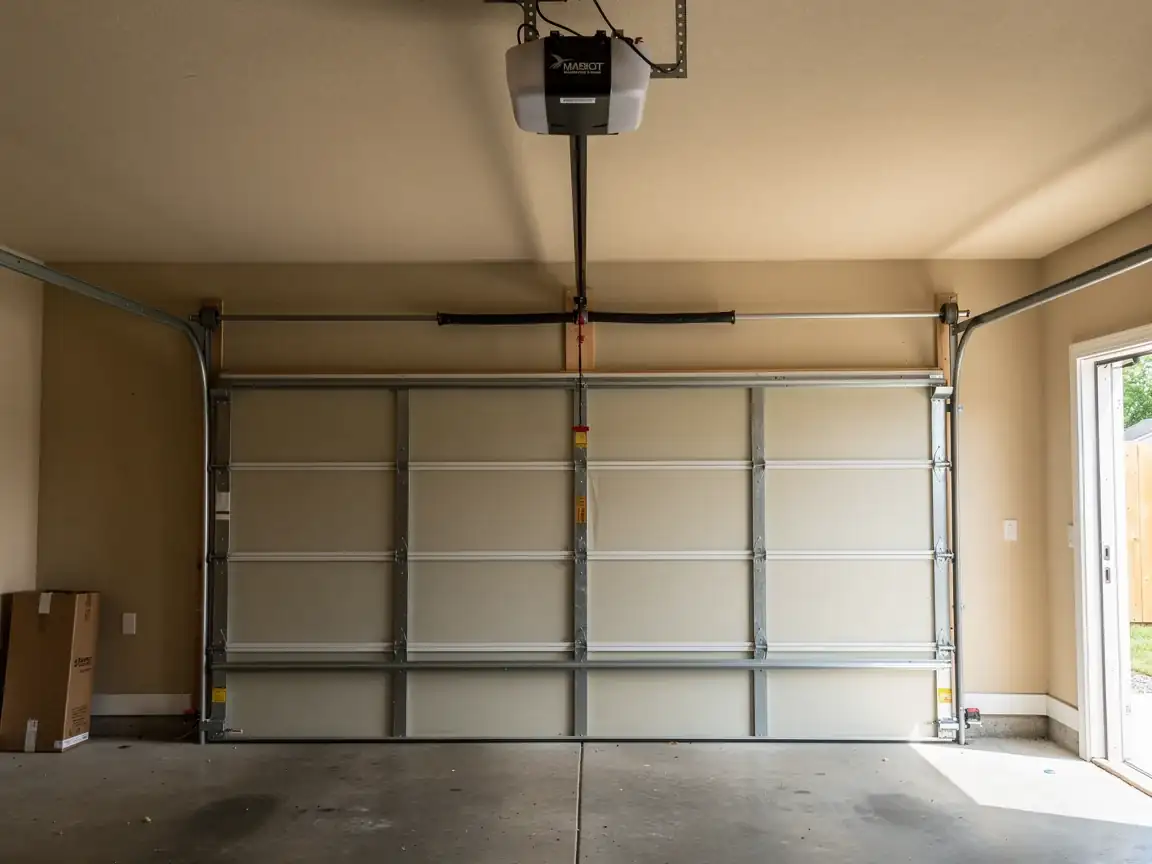
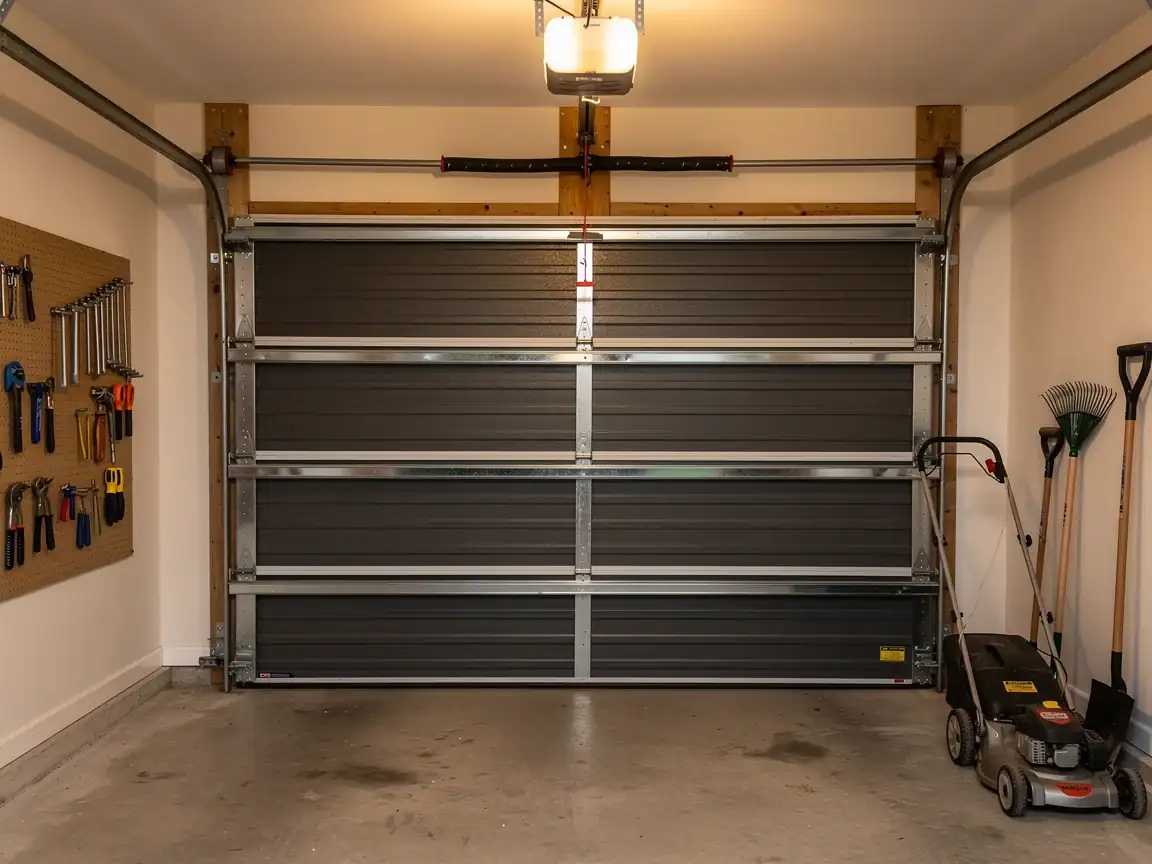
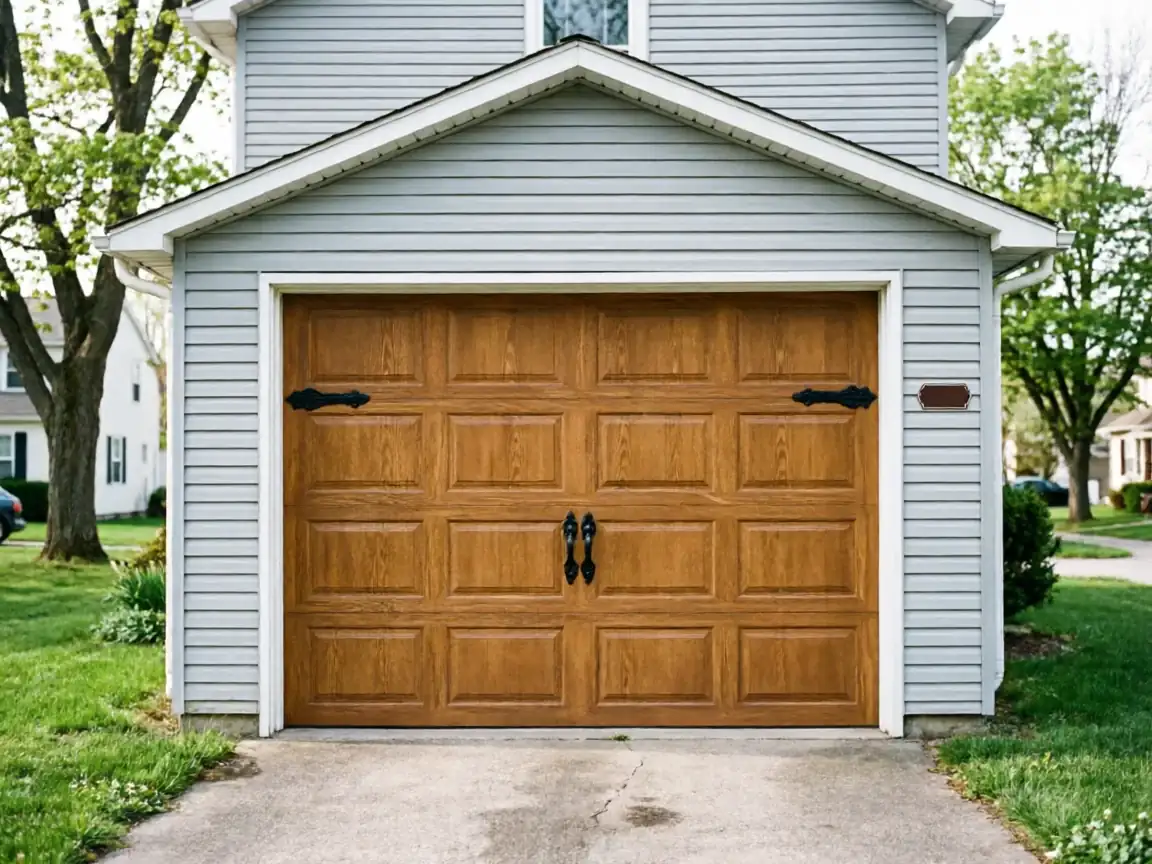
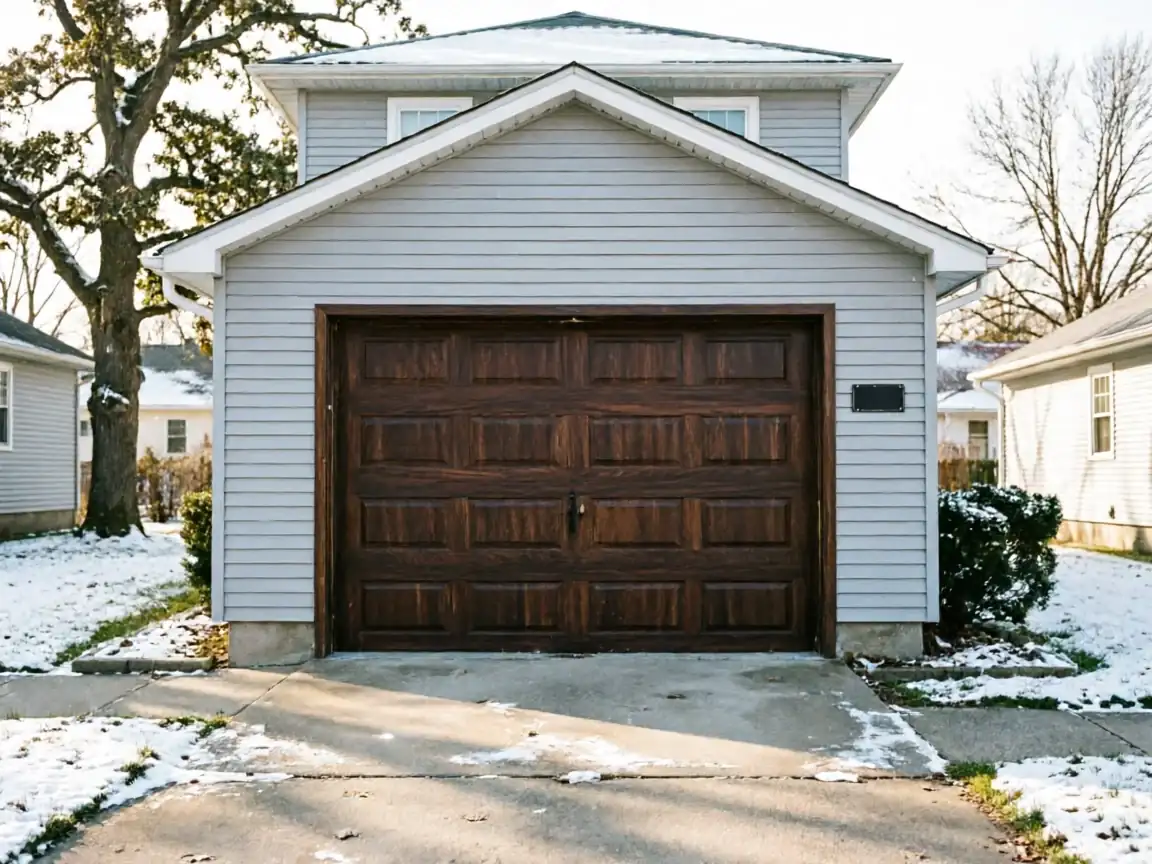
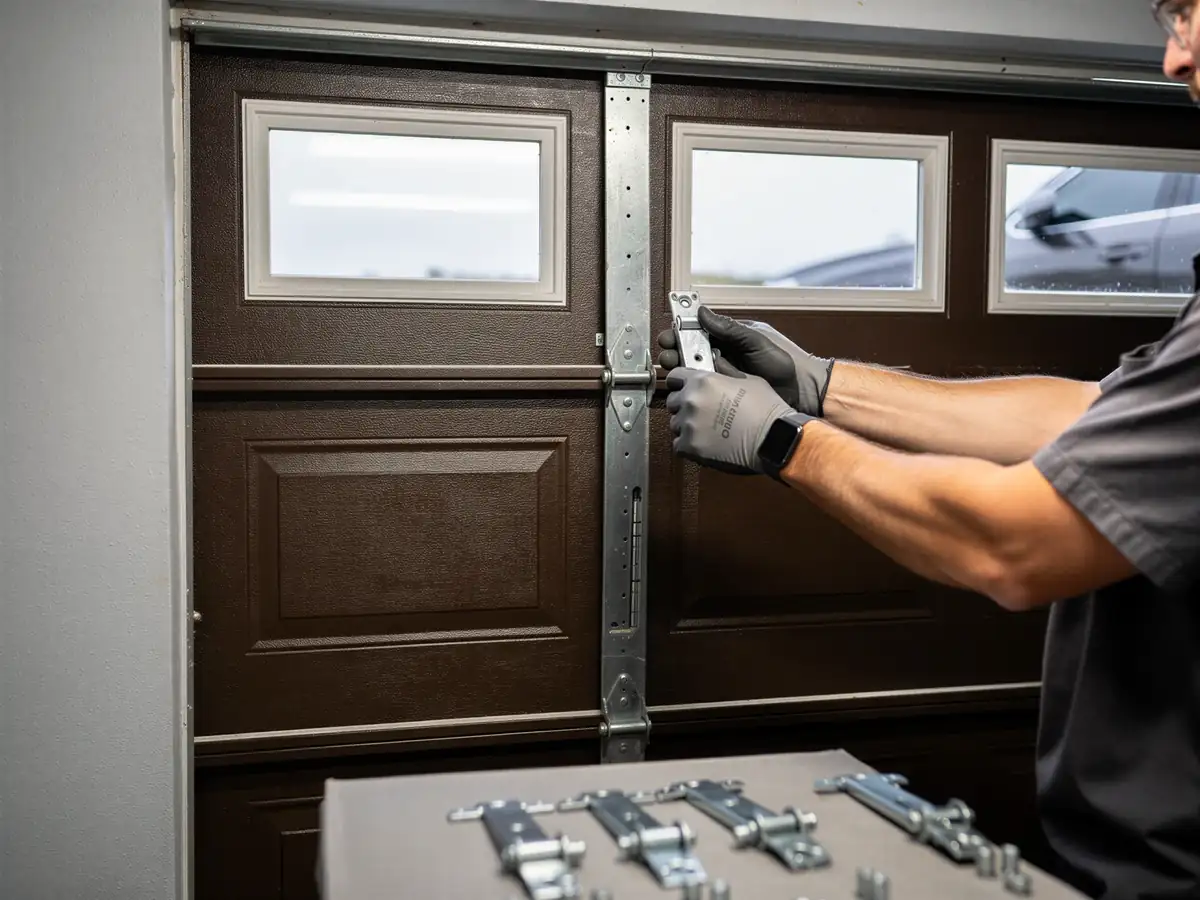
There's no flat number for a panel job because the door underneath drives it. St. Louis Park's housing stock centers on 1965, and a lot of those original steel sectional doors are still hanging, which means a single replacement panel has to be hunted down rather than pulled off a shelf. If we can match the section, that's the cheaper route. If the style's been discontinued, you're looking at a full door instead of a patch, and that's a bigger decision. St. Louis Park's median household income of $100,250 is well above the $92,940 figure for the wider area we cover out of Eagan, and it shows in how many owners here choose the full door over a patched panel once they hear the match isn't exact. We won't talk you into either one. If a patch will hold color and alignment, we say so. If it won't, we say that too.
What Can Go Wrong
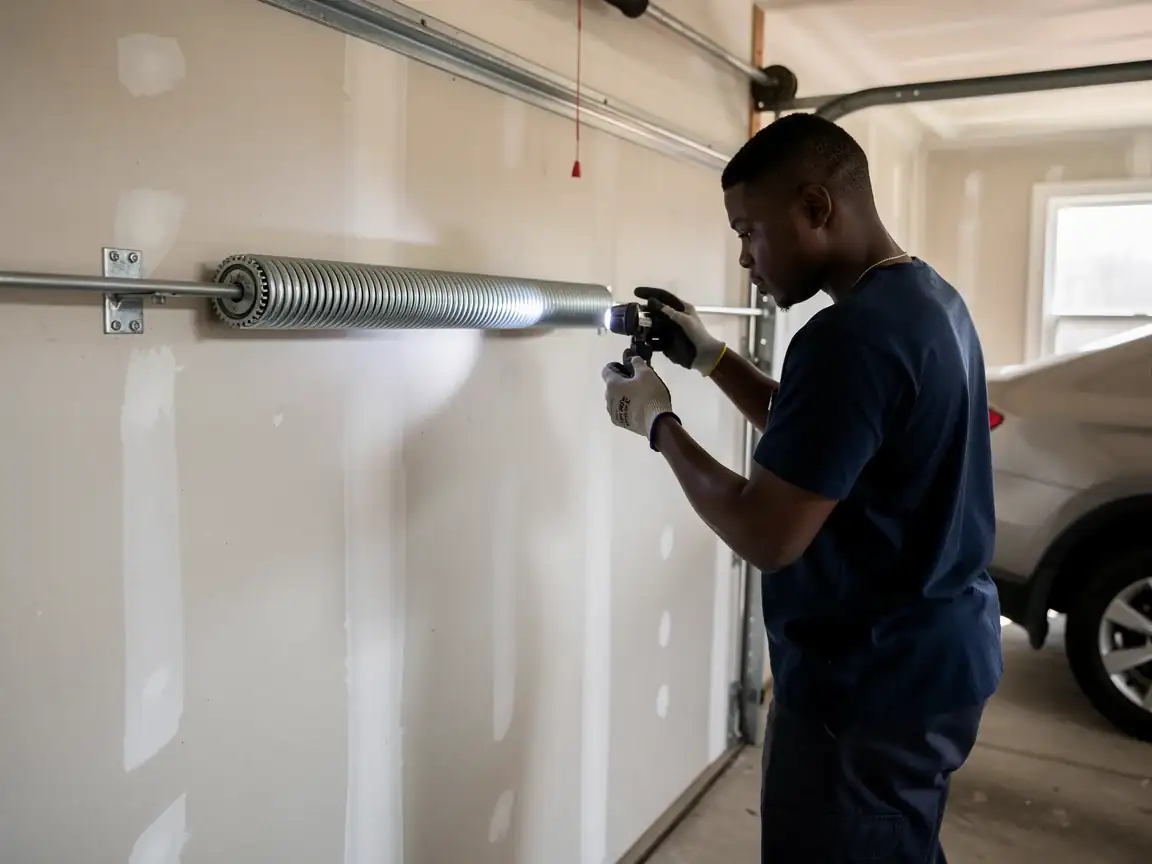
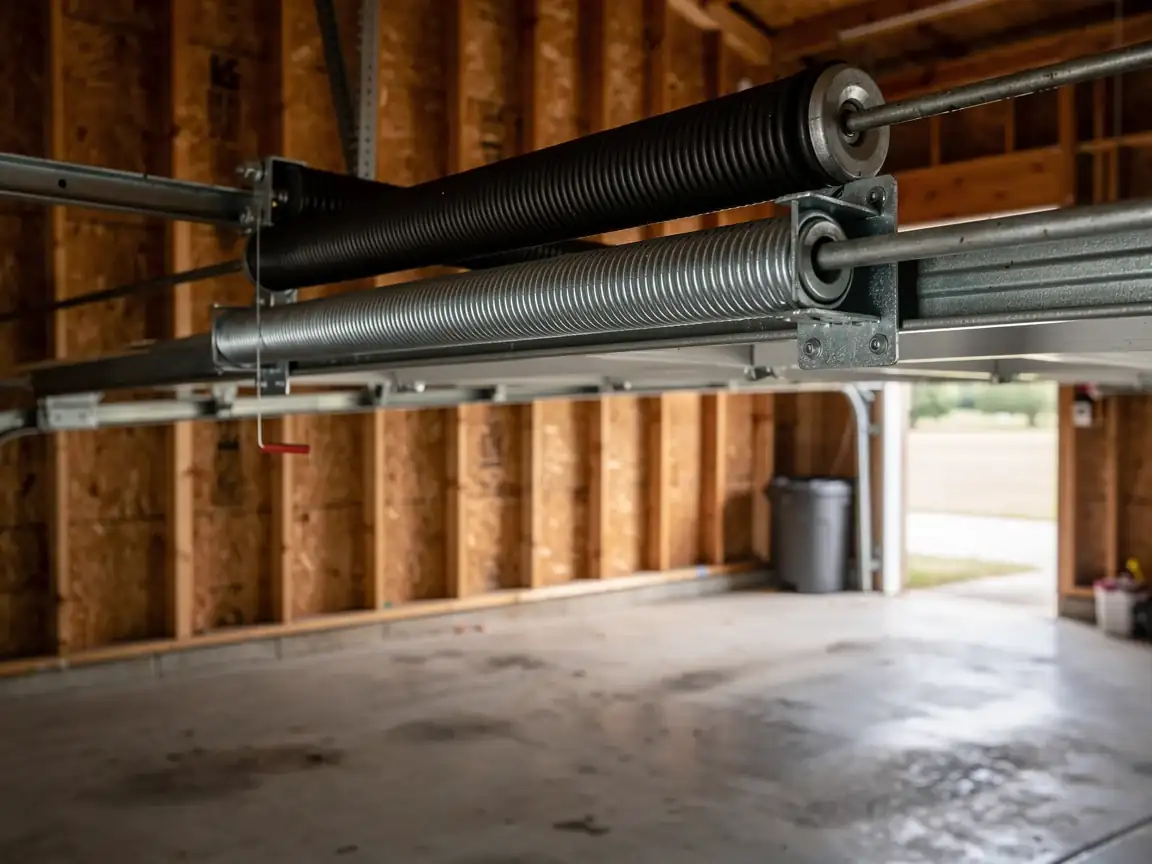
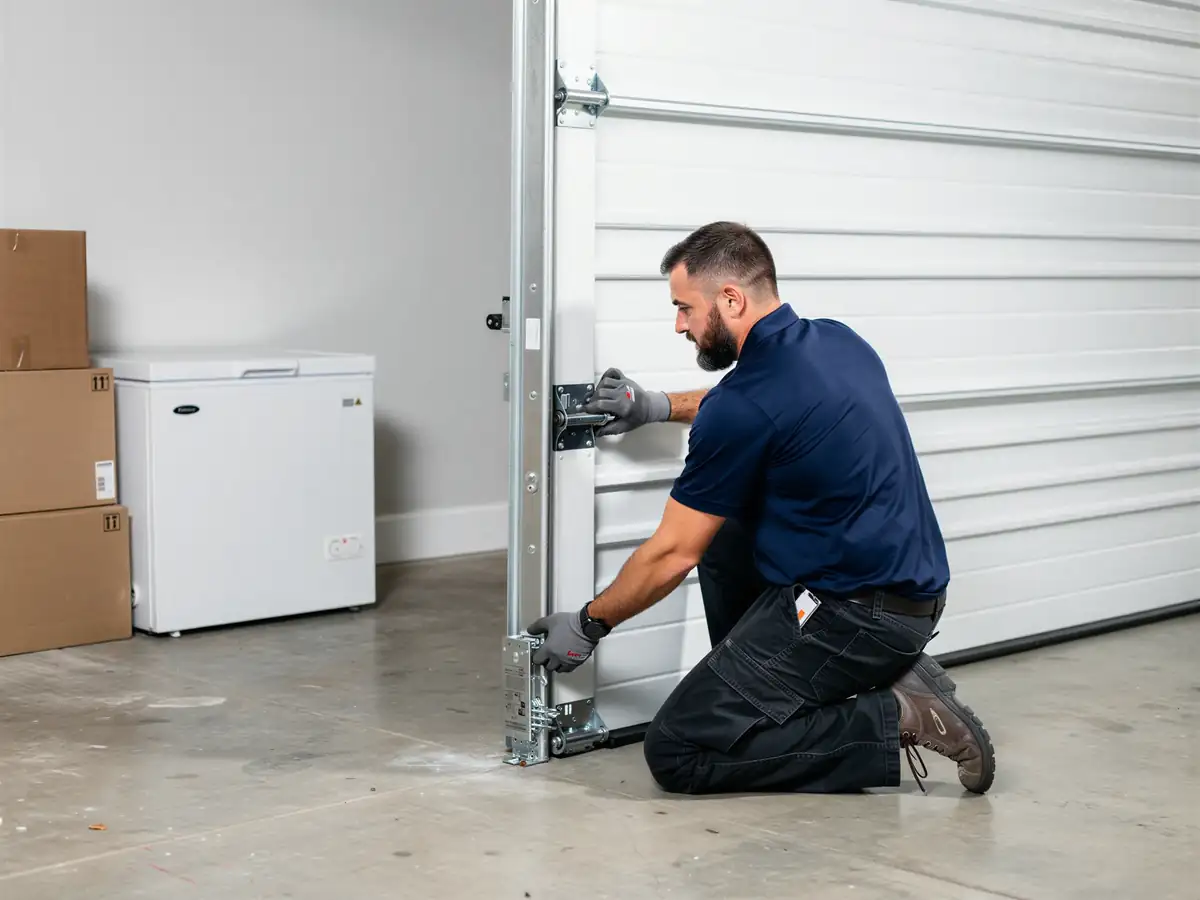
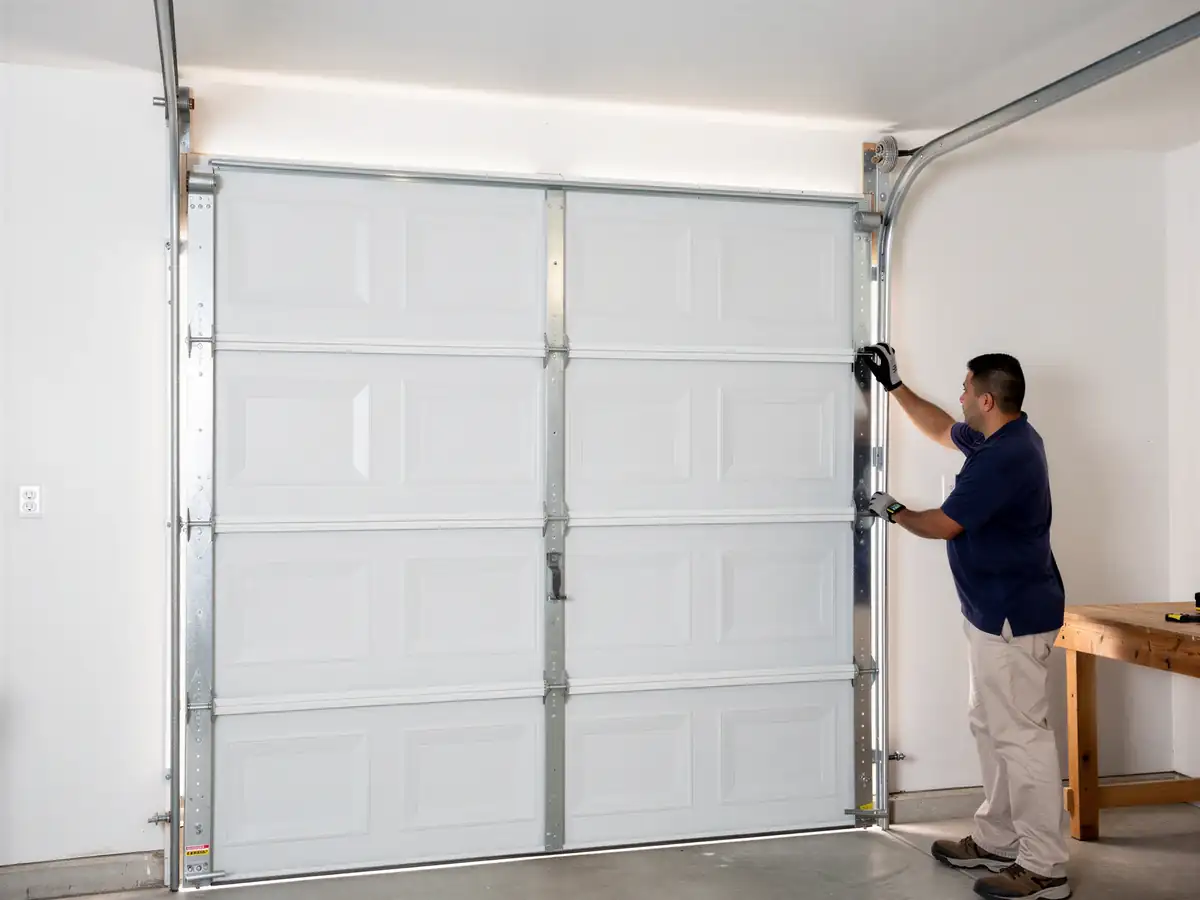
The most common mistake we see is a panel swapped in that's close but not exact. On a door built around the standard sizing of the mid-1960s, a quarter-inch difference in panel height throws off the track alignment at the hinge points, and the door starts binding or dragging within a few months. A mismatched gauge of steel can also throw off balance on the springs, since the opener and torsion setup were tuned for the original panel weight. Insulation is the other trap. A lot of St. Louis Park's original doors are single-layer steel with no insulation behind them; if you replace one panel with a newer insulated section, you get an odd patchwork of R-values across the same door, which doesn't do much for the garage but does make the mismatch visible from the inside. We check hinge spacing and panel gauge before we order anything, specifically because this door style doesn't forgive a close-enough fit.
How Long You Are Without the Door
We travel from Eagan, 14 miles out, so we're not quoting a same-day window here - we size the job up first, usually from photos of the panel and the door's data plate if it's still legible. The real variable is the part. If your panel style is still made, the wait is normal special-order time. If it's one of the older four-inch-section steel profiles common on St. Louis Park's mid-1960s doors, that part may not be in production at all, and we'll tell you that up front rather than string out a search. In that case the honest answer is usually a full door rather than a patch, which changes the timeline but also ends the guessing. Either way, the door can usually stay operational on its remaining panels while we wait on the part, unless the damage is at a hinge point that affects the track.
Parts We Carry
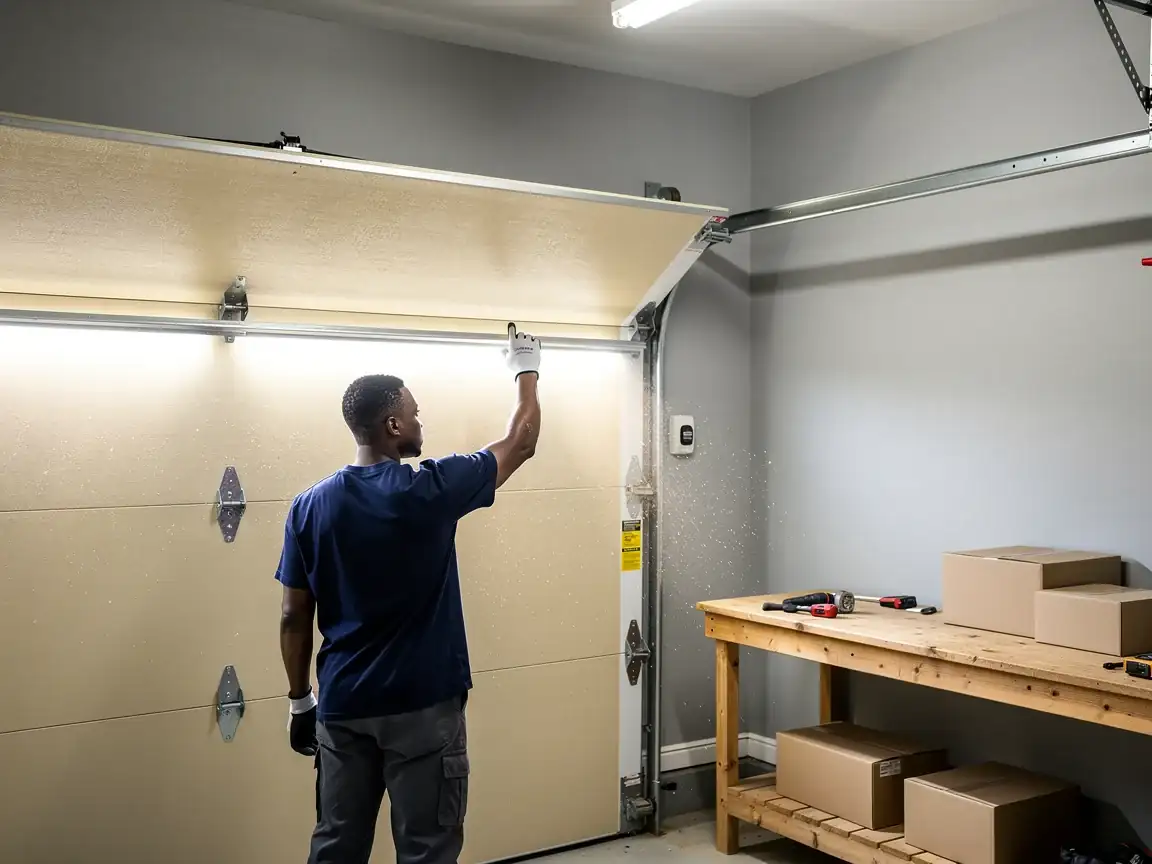
We stock current panel styles and sections in the widths and colors that go on today's doors, which covers most of the newer builds we see as we move through the area. Where we run into a wall is the narrow four-inch steel panel profile that was standard when a lot of St. Louis Park's doors went up around 1965 - that profile's been out of production for a long time, and we can't manufacture a match out of thin air. When we hit that, we say so plainly instead of promising a part we can't get. For those doors, replacing the whole door usually makes more sense than hunting for a single section that may never show up. We'd rather tell you that in the first conversation than have you wait weeks on a special order that goes nowhere.