What It Costs
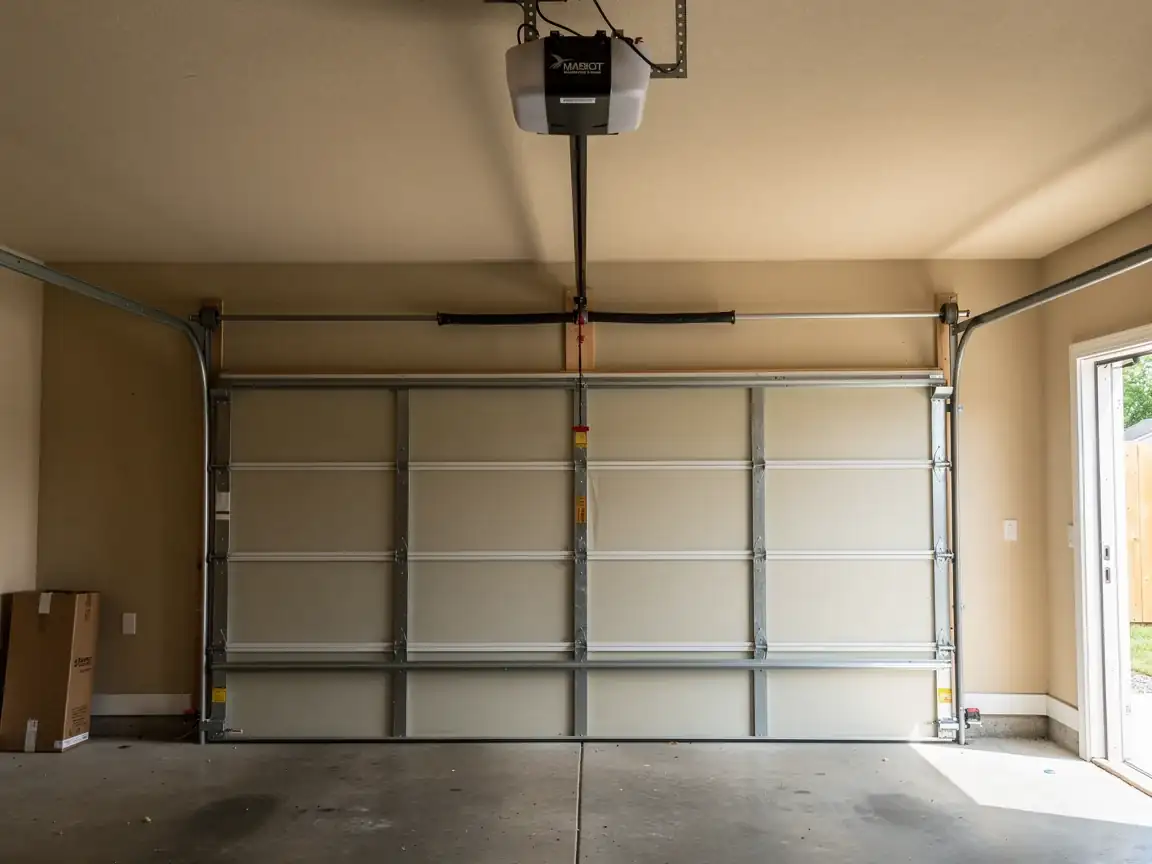
We can't quote a number here without seeing the opener, so we won't pretend otherwise. What drives the bill is usually simple: is this a worn gear or a dead circuit board, and does the opener itself still have parts available or is it old enough that repair costs more than a new unit. A lot of the openers we find in St. Louis Park's 1965-era garages have already been replaced once or twice since the house was built, so you might be looking at a unit from the 1990s, the 2000s, or something installed last decade. Each era uses different logic boards and different drive mechanisms, and that changes what we can fix on the spot versus what needs a part ordered. We'll tell you flat out if replacement makes more sense than another repair - sometimes it does, especially on a chain-drive unit that's already had two or three service calls. We don't pad a repair bill to avoid saying that.
What Can Go Wrong
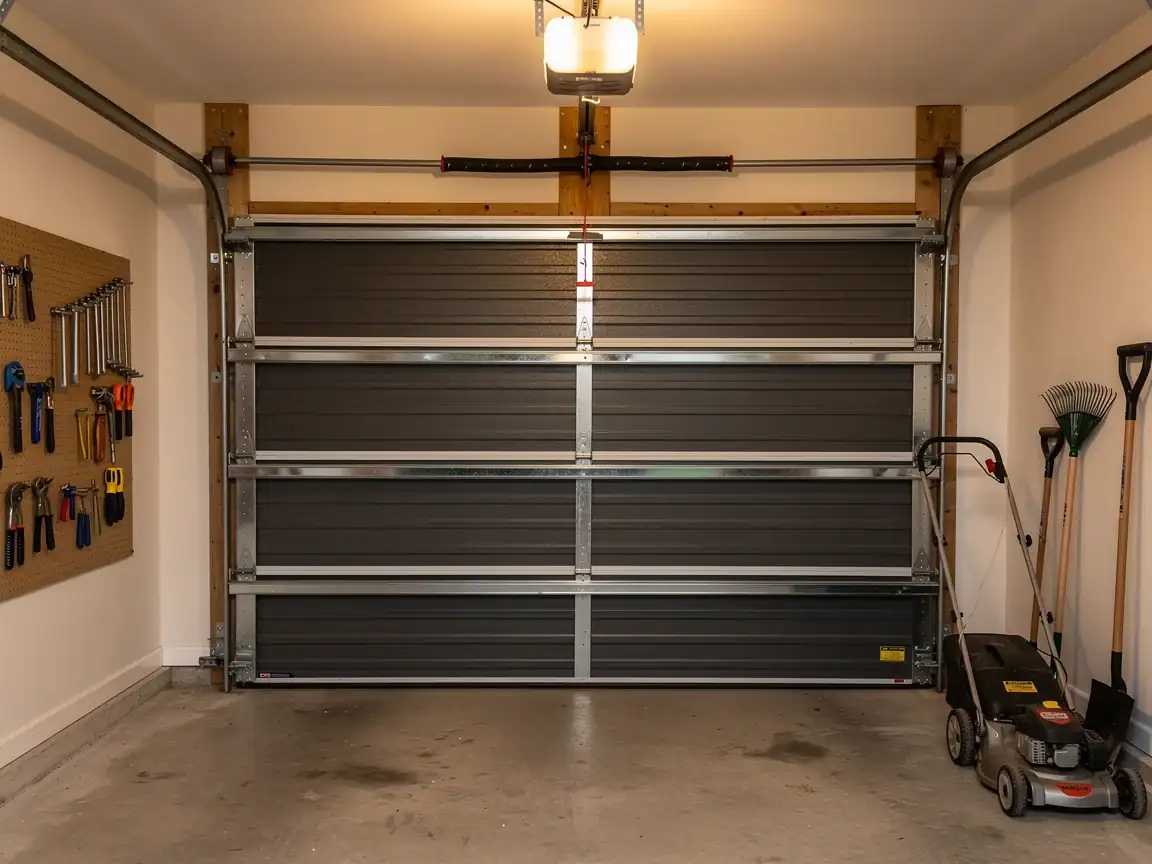
On a chain-drive opener pulling a heavy steel door, the most common failure is a stripped or worn drive gear - the small plastic gear inside the motor housing that takes all the load and eventually gives out. After that, circuit board failure is next: a board that's taken twenty-plus winters of temperature swings starts missing signals from the remote or the wall switch. Safety sensors mounted low on the track can drift out of alignment over the years, especially if the garage has settled some since 1965, which stops the door from closing at all. Limit switches that tell the opener when to stop can also wear out, leading to a door that reverses partway or slams the last few inches. None of these are rare - they're what you'd expect from openers running this long on doors this heavy.
How Long You Are Without the Door
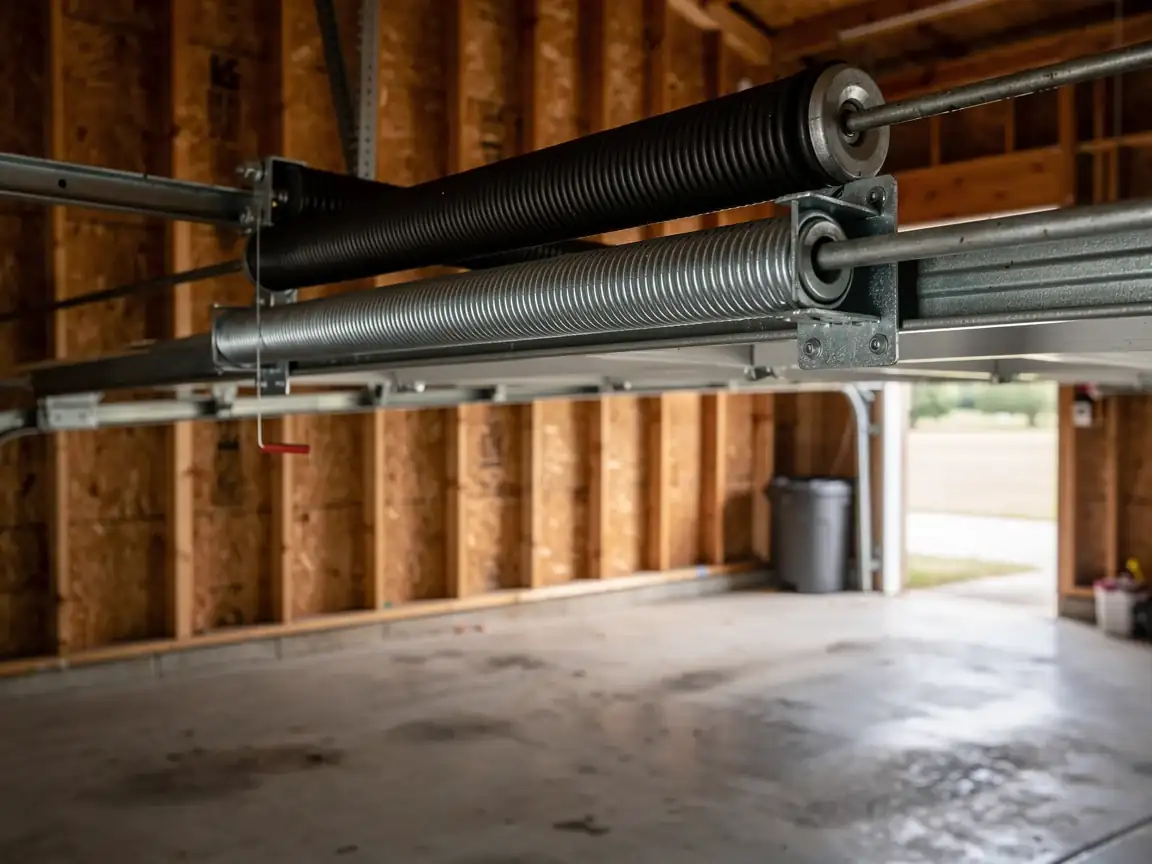
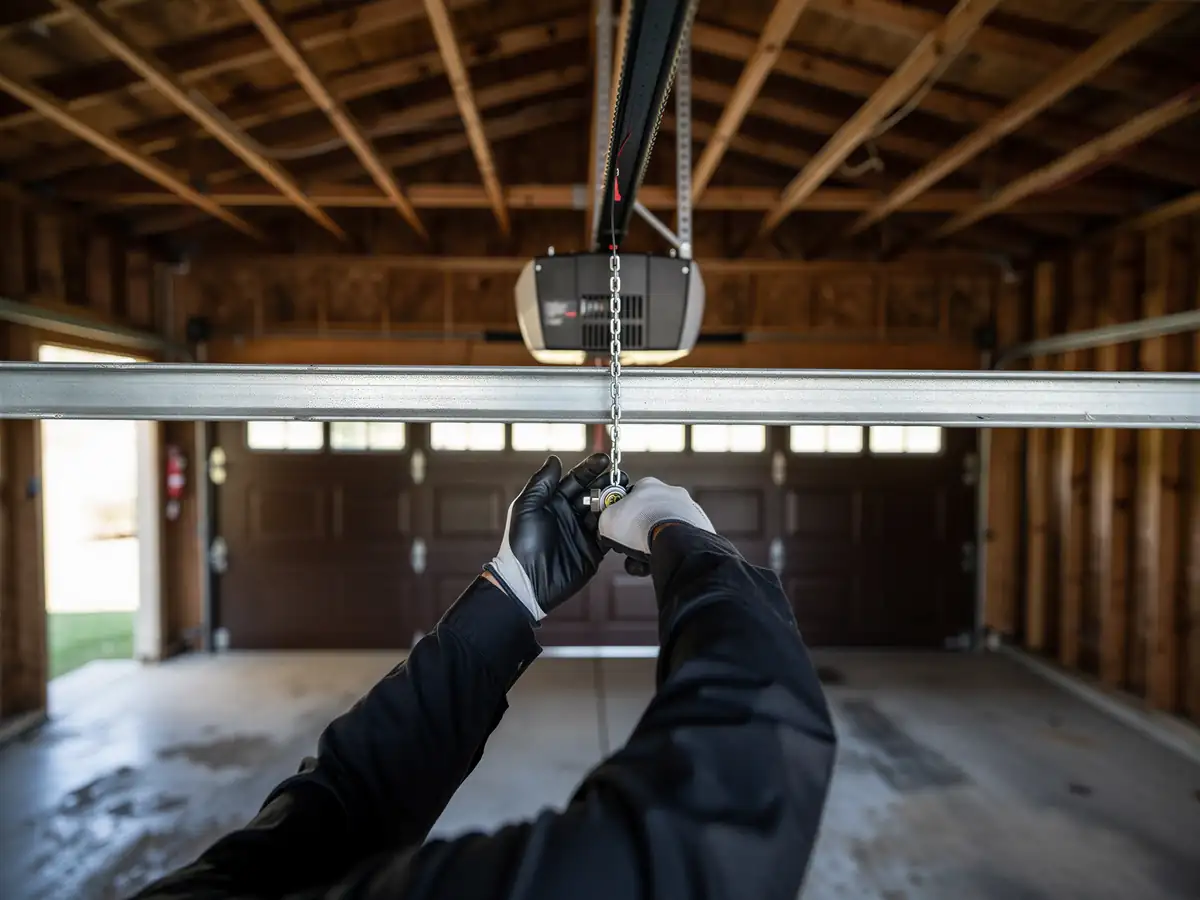
We run this call out of Eagan, about 14 miles from St. Louis Park, so there's real drive time built into any visit - we're not going to promise a number we can't back up. In the meantime, most openers have a manual release cord that disconnects the carriage from the door, letting you lift and lower it by hand until we get there. It's not comfortable on a heavy steel door built for an opener to carry, but it keeps the garage usable. If the opener failed mid-cycle with the door half up or half down, don't force it - a jammed gear or a tripped limit switch can sometimes be worked loose, but a door stuck on a bad spring is a different problem and forcing the opener can make it worse.
Parts We Carry
We stock common gear kits, limit switches, and sensor pairs that fit the chain-drive and belt-drive openers most common in homes from St. Louis Park's build era. Circuit boards are the one part we often can't carry on the truck - there are too many models spanning three decades of openers, and an obsolete board for a unit from the 1990s sometimes has to be special-ordered. If your opener needs a board we don't have on hand, we'll tell you that up front and give you the choice between waiting on the part or replacing the unit, rather than stringing out a repair that isn't worth it on an opener that old.