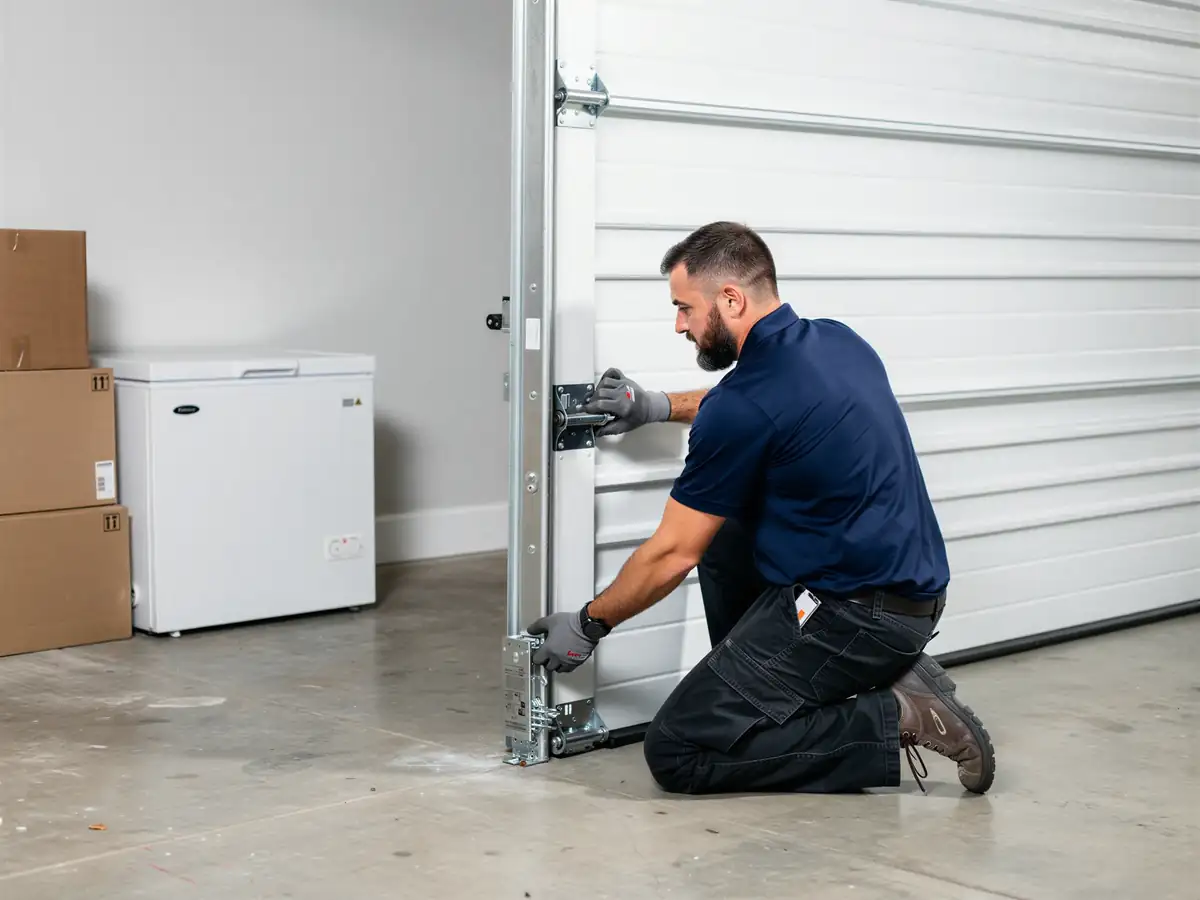
What Can Go Wrong
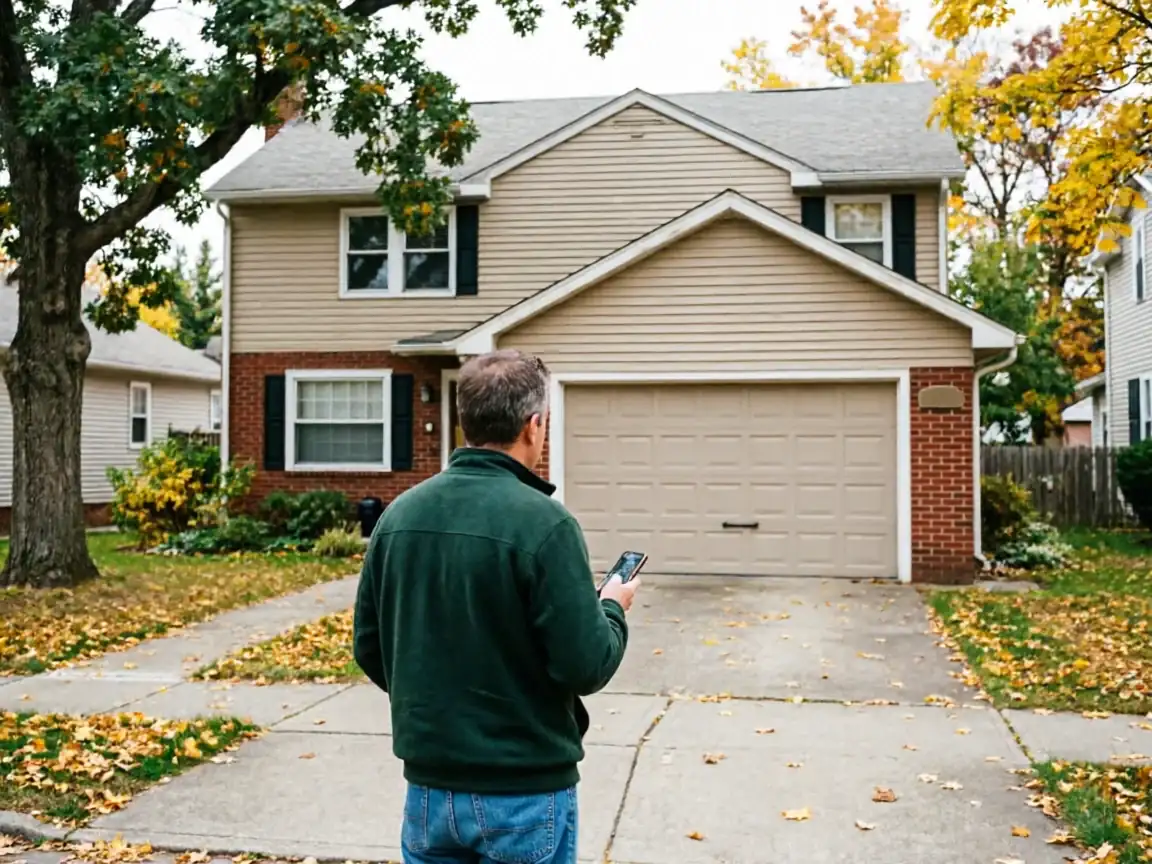
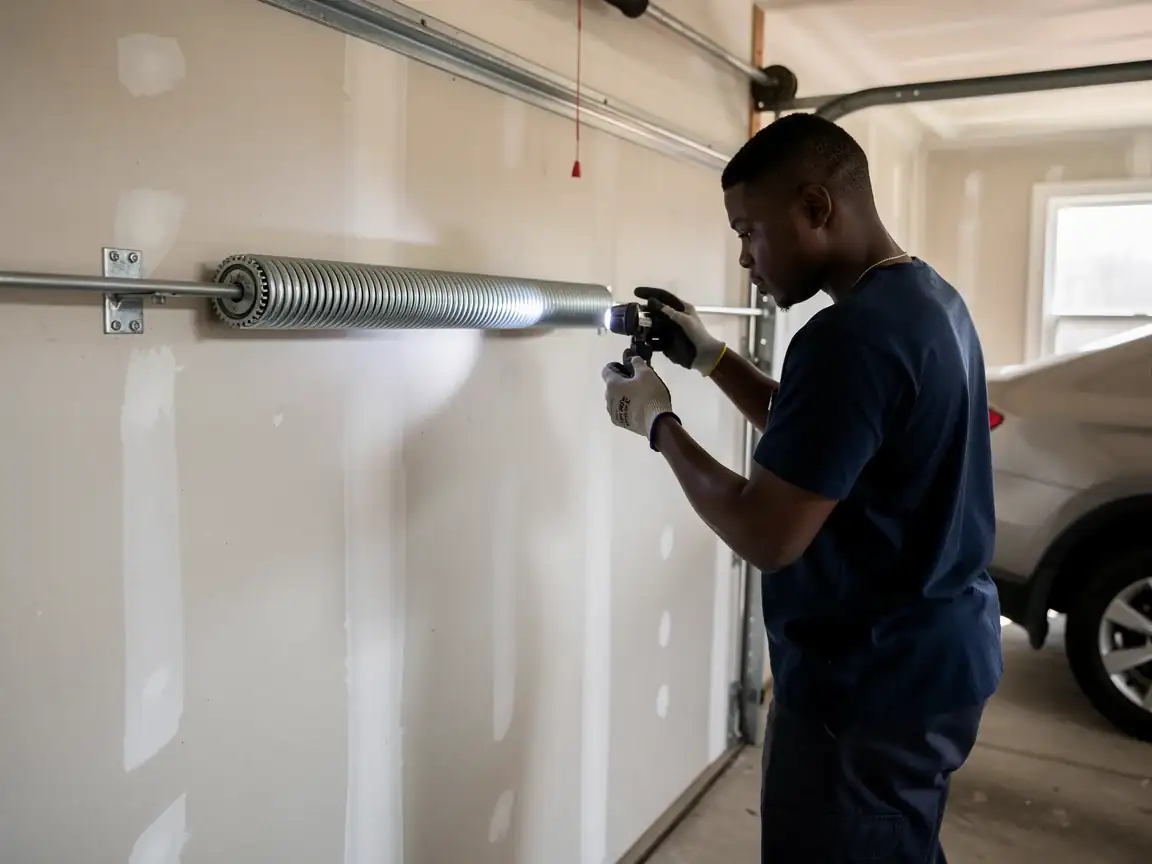
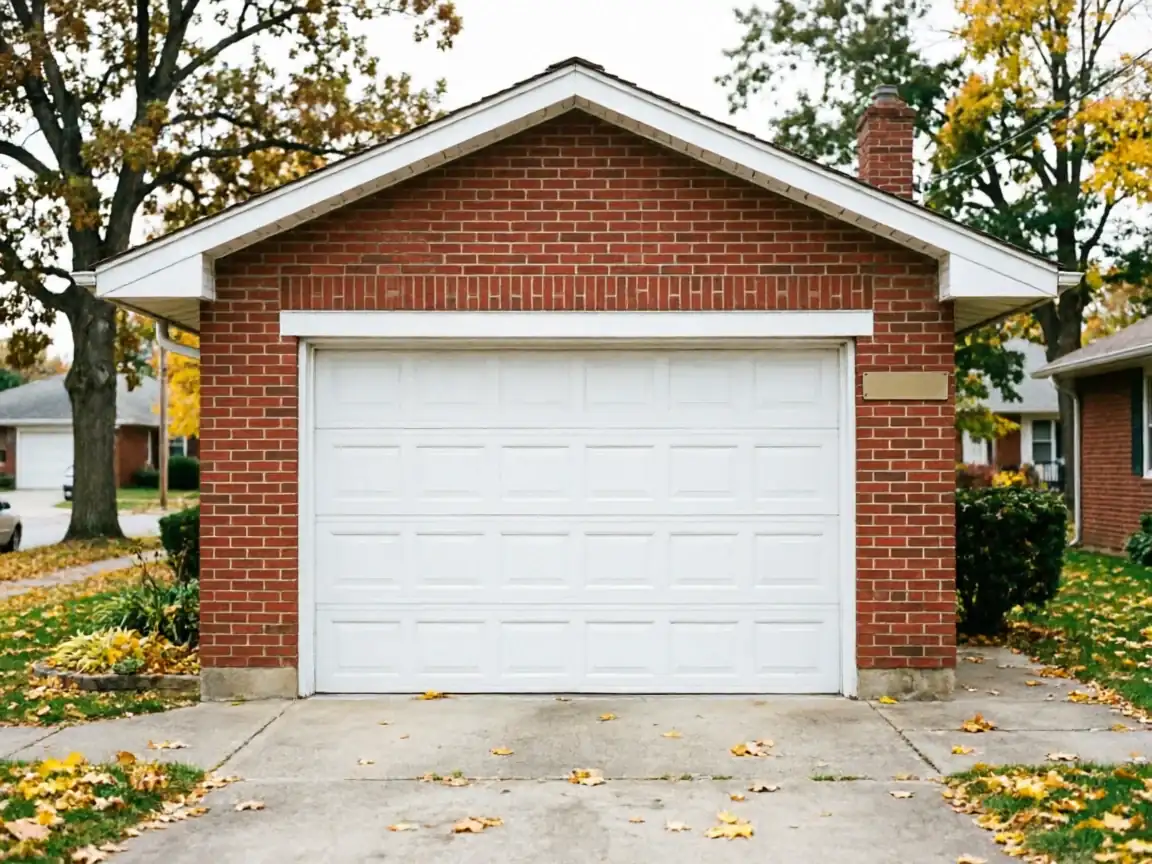
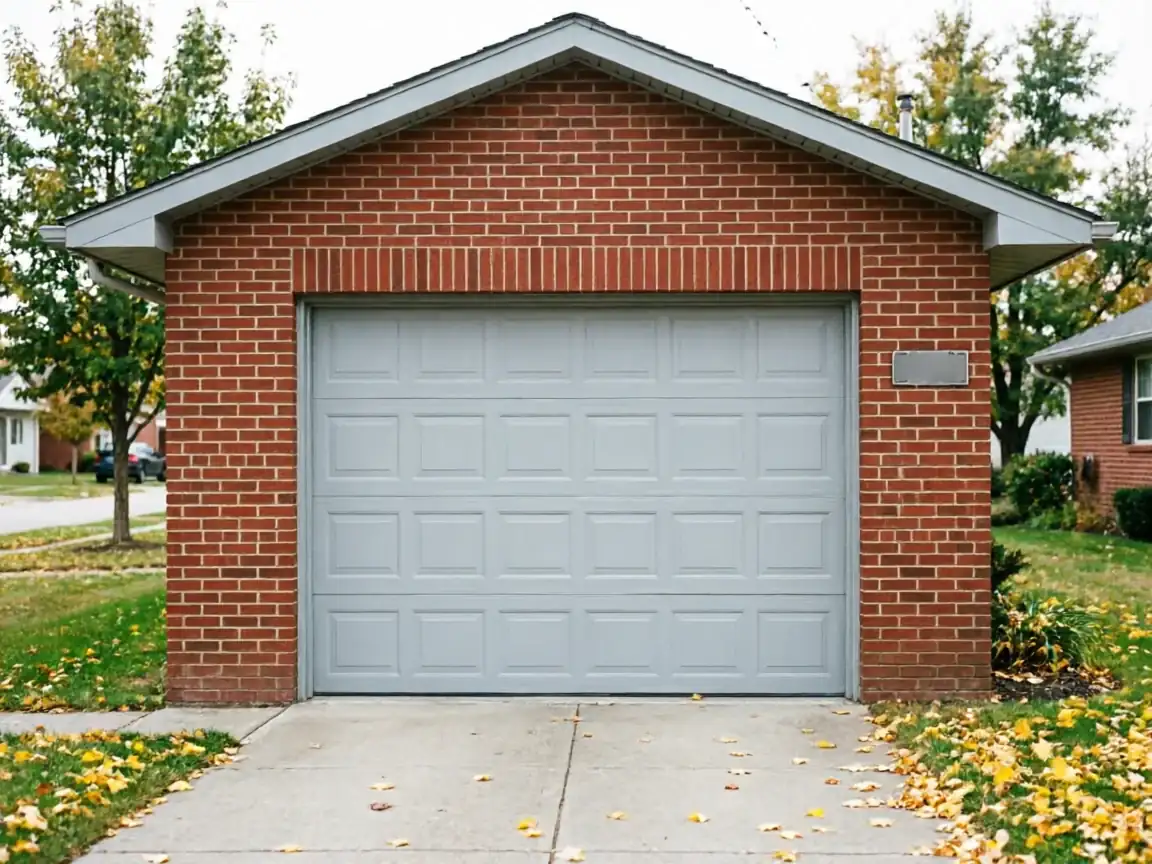
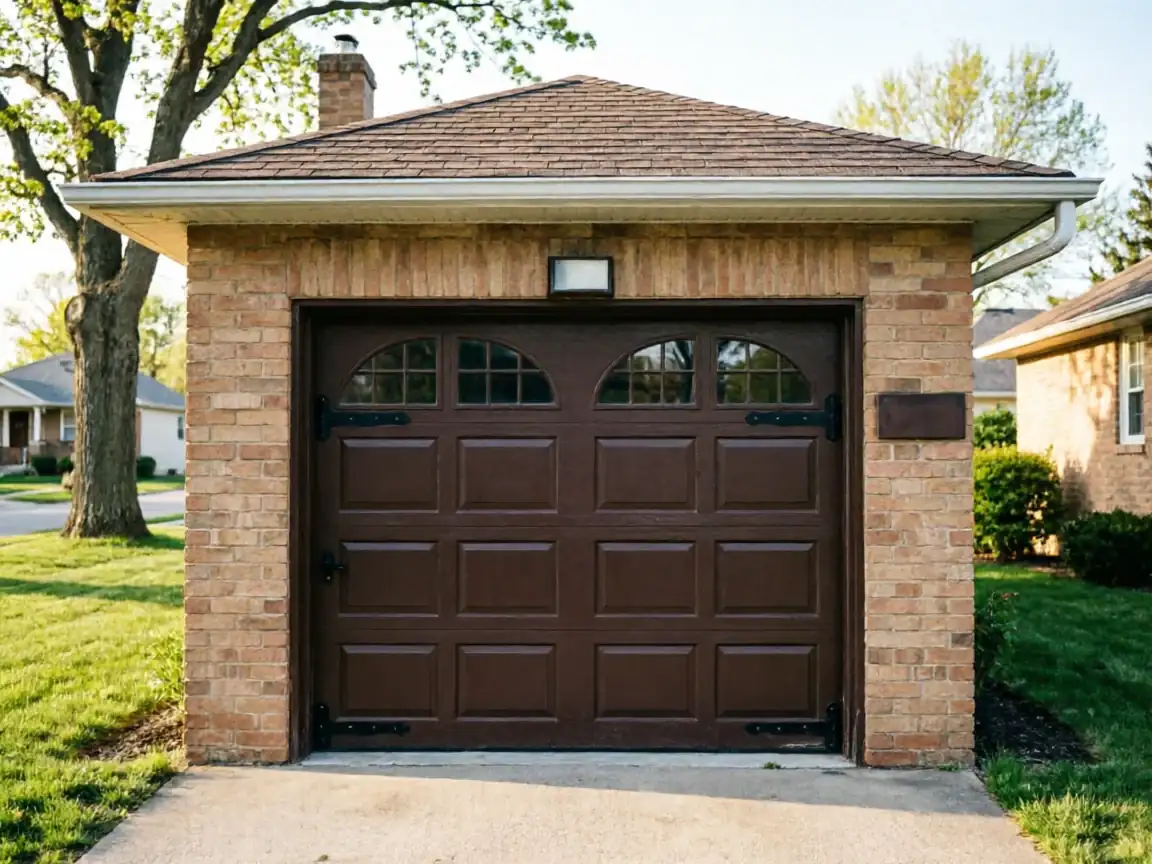
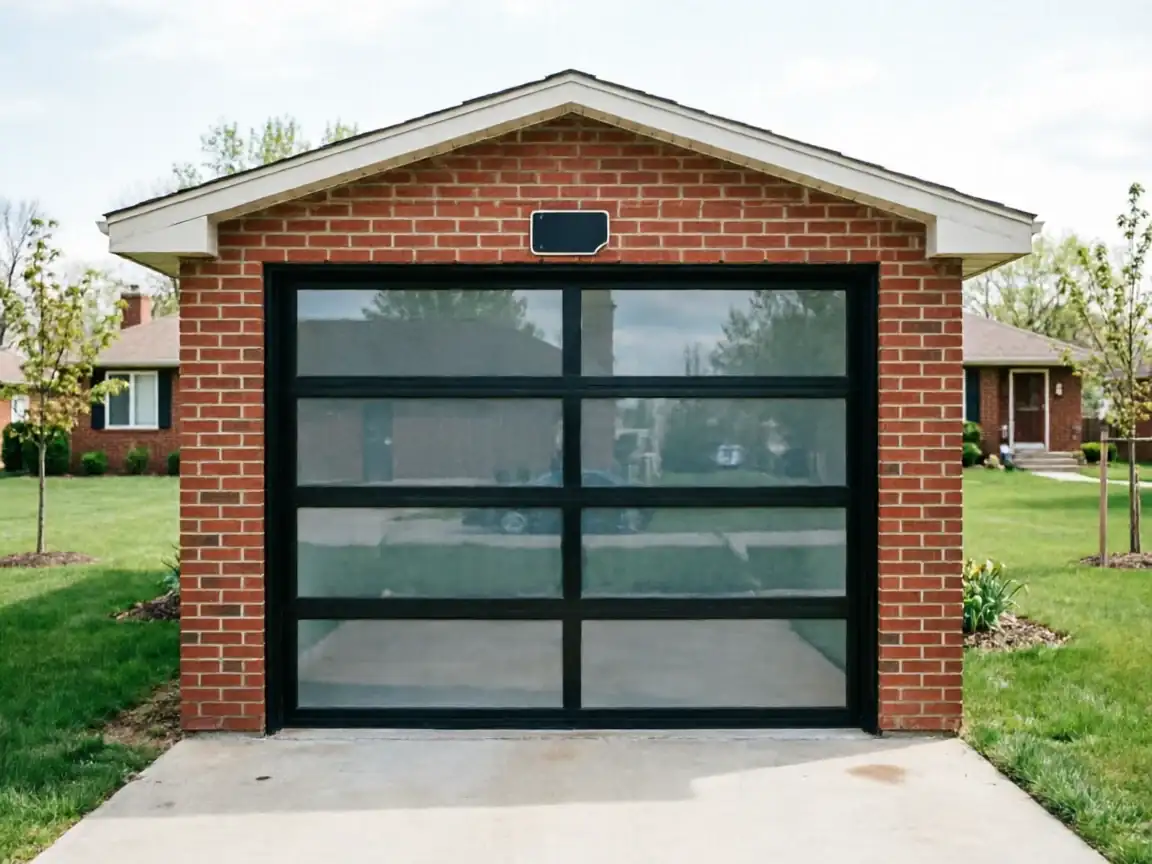
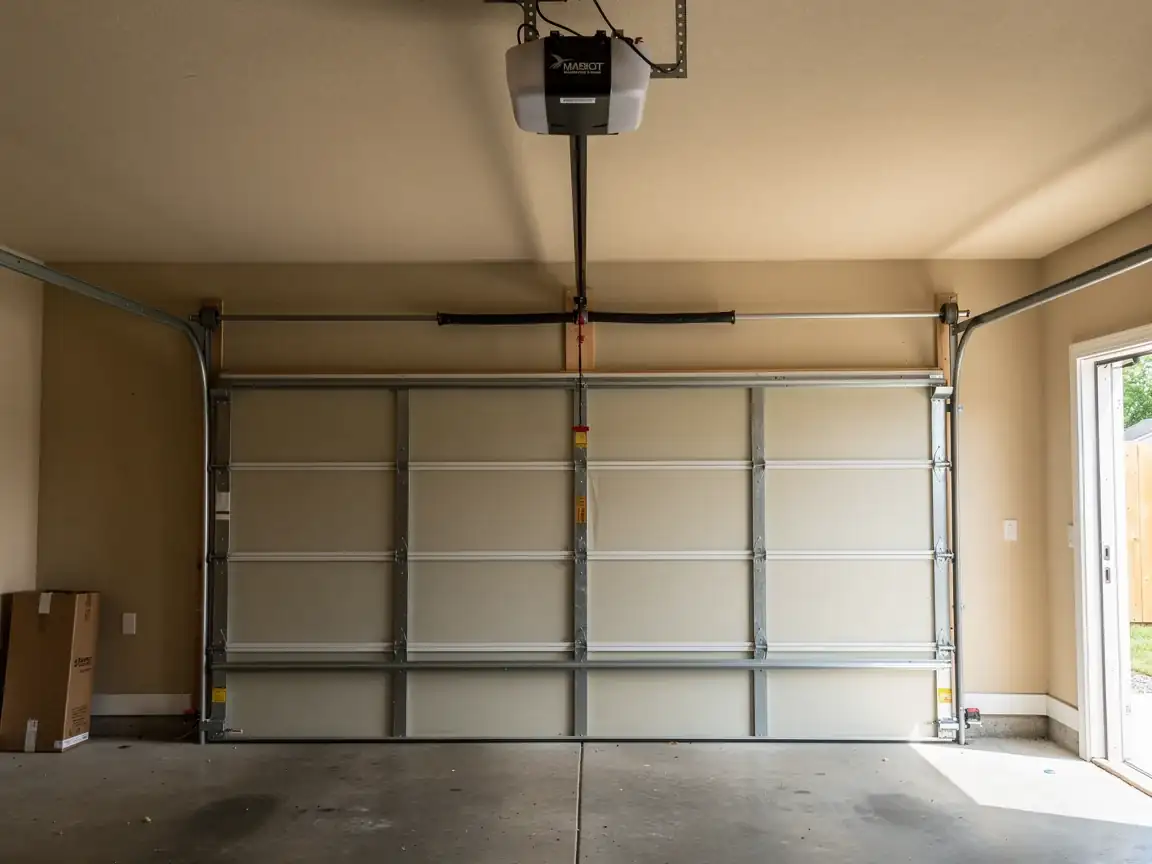
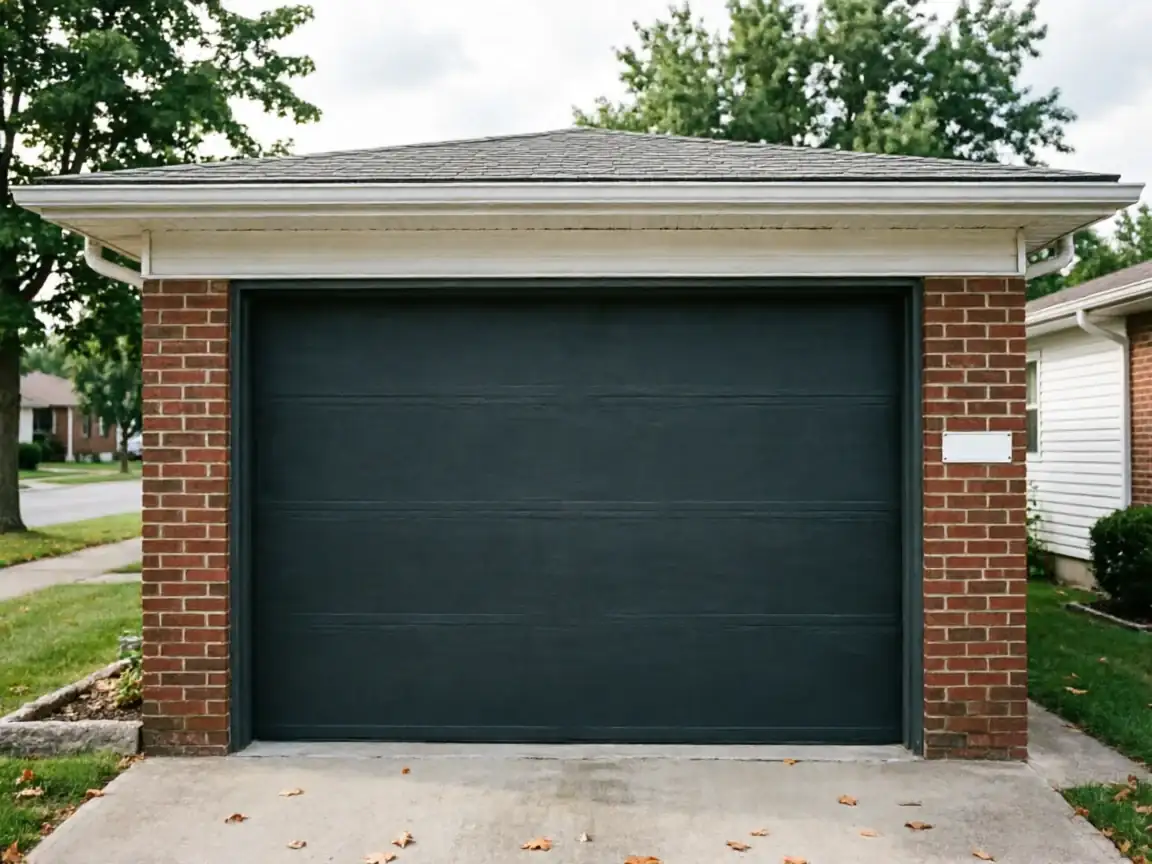
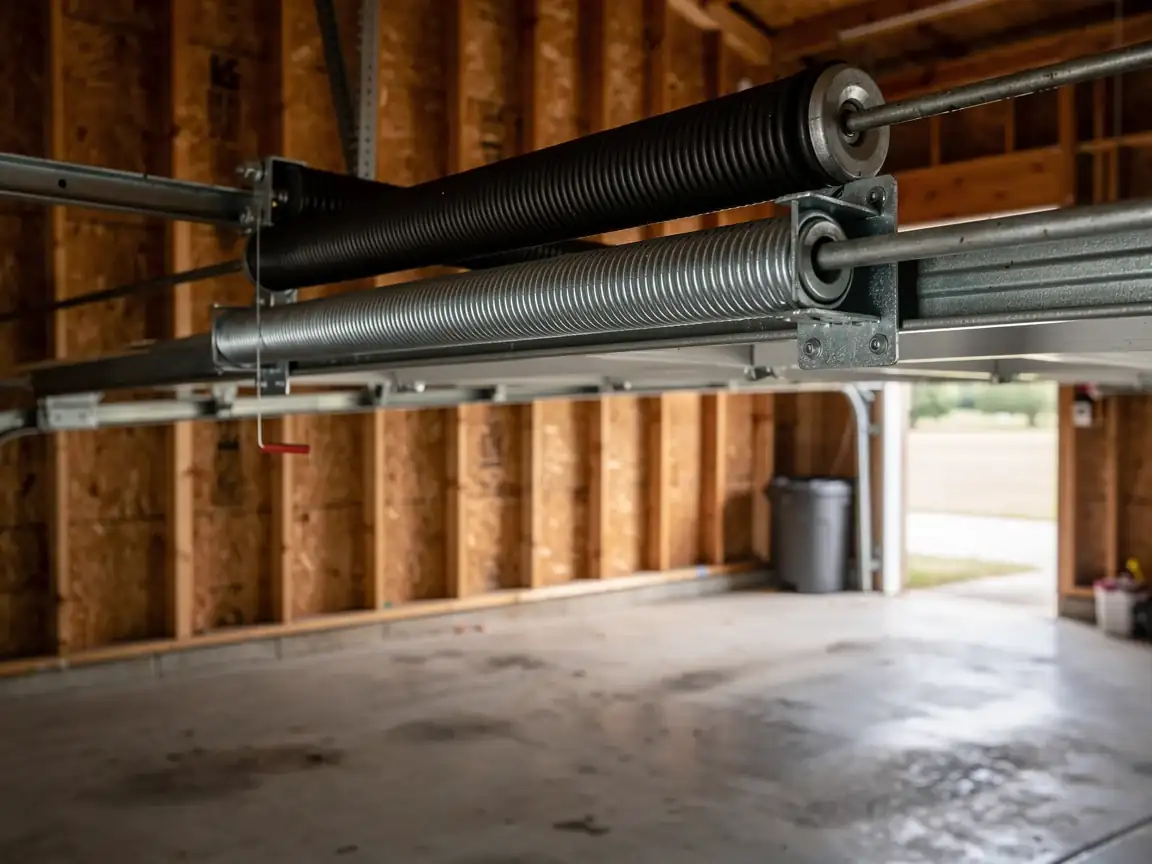
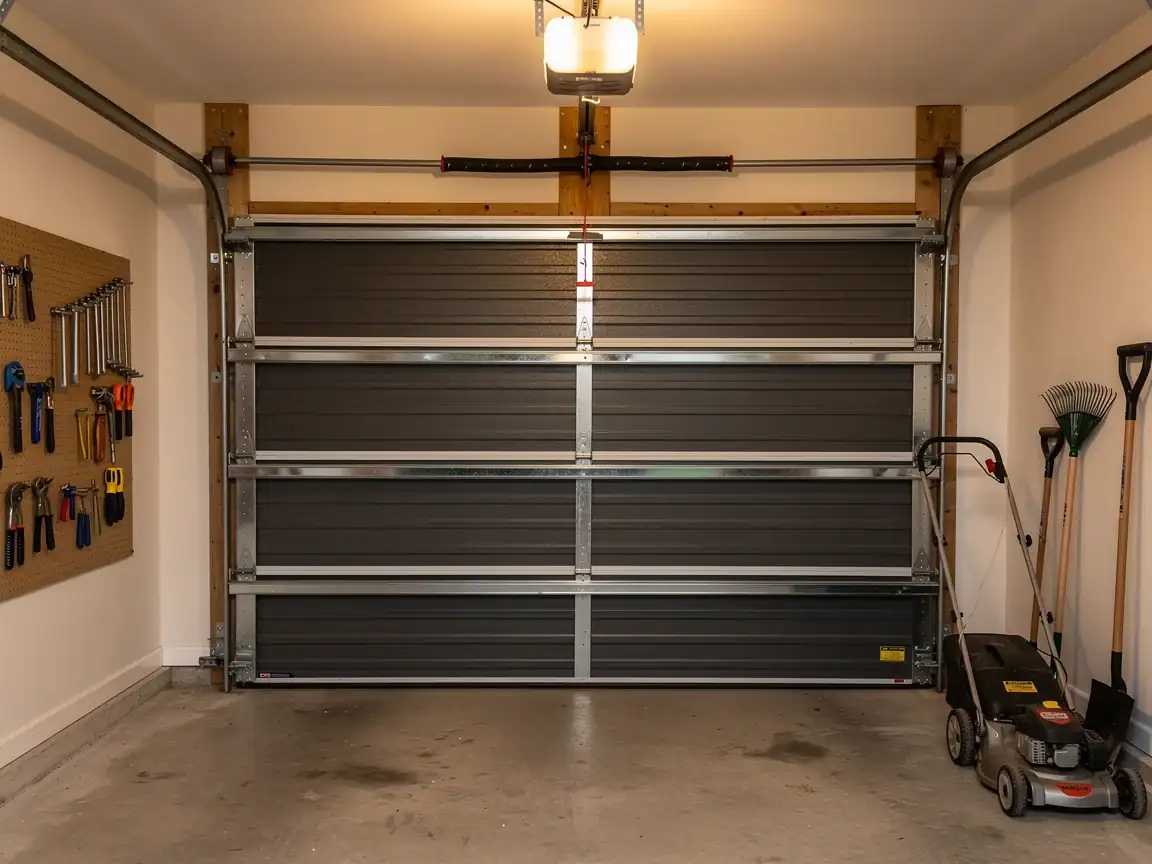
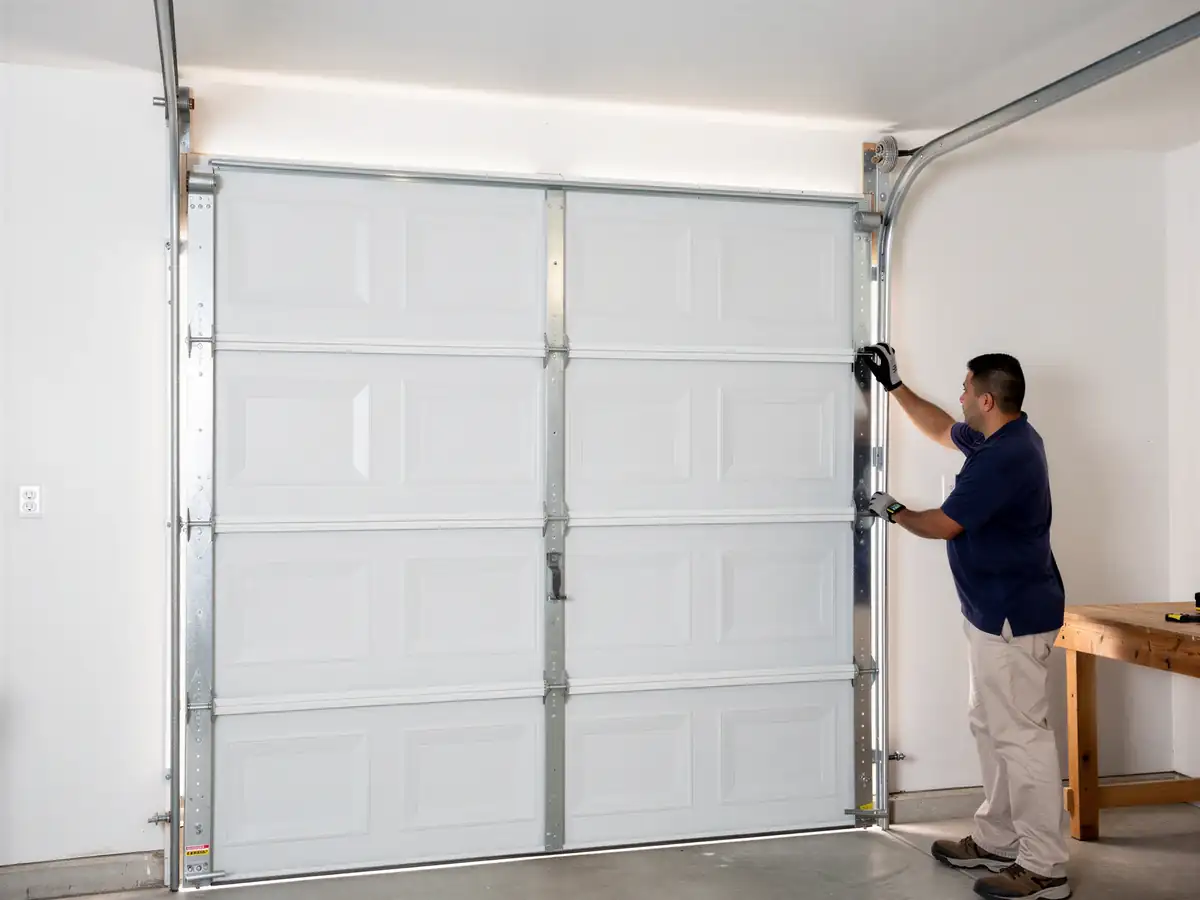
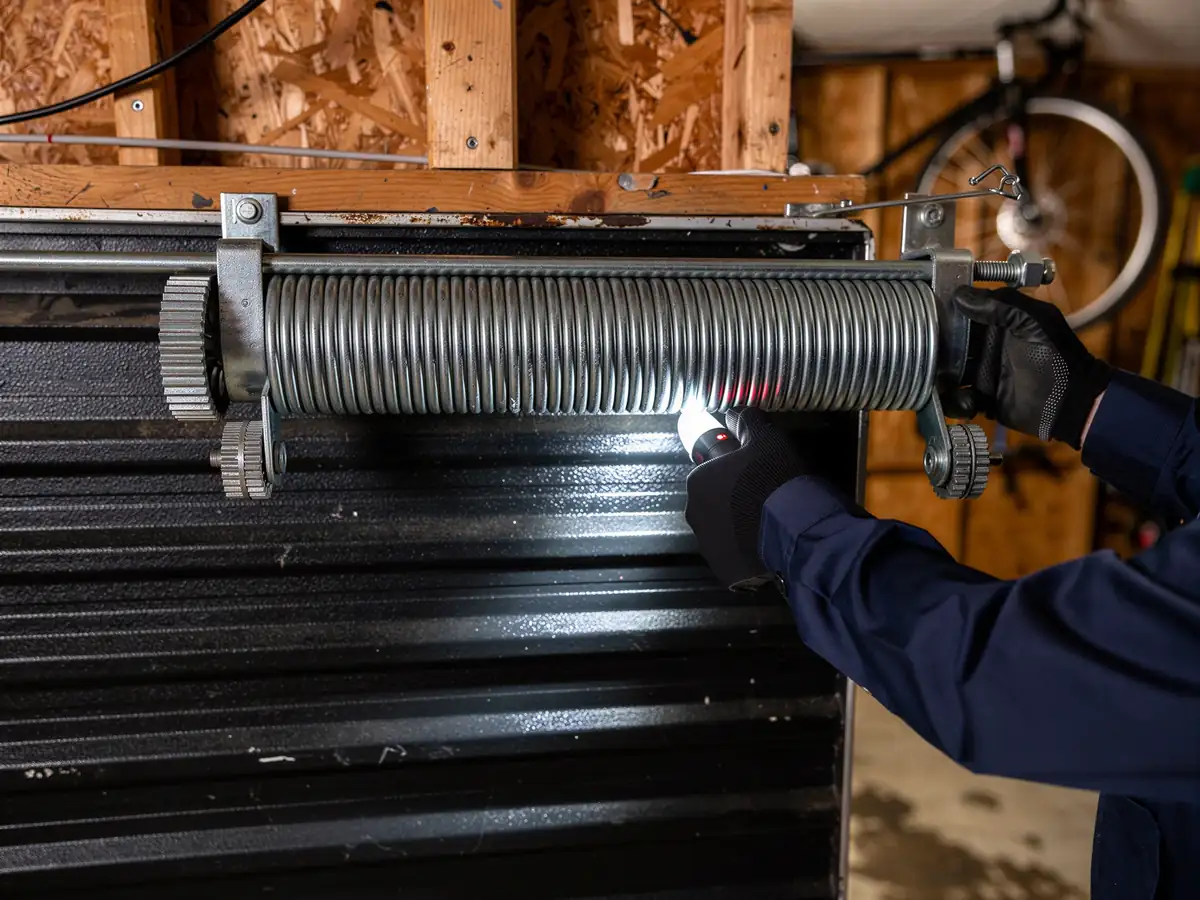
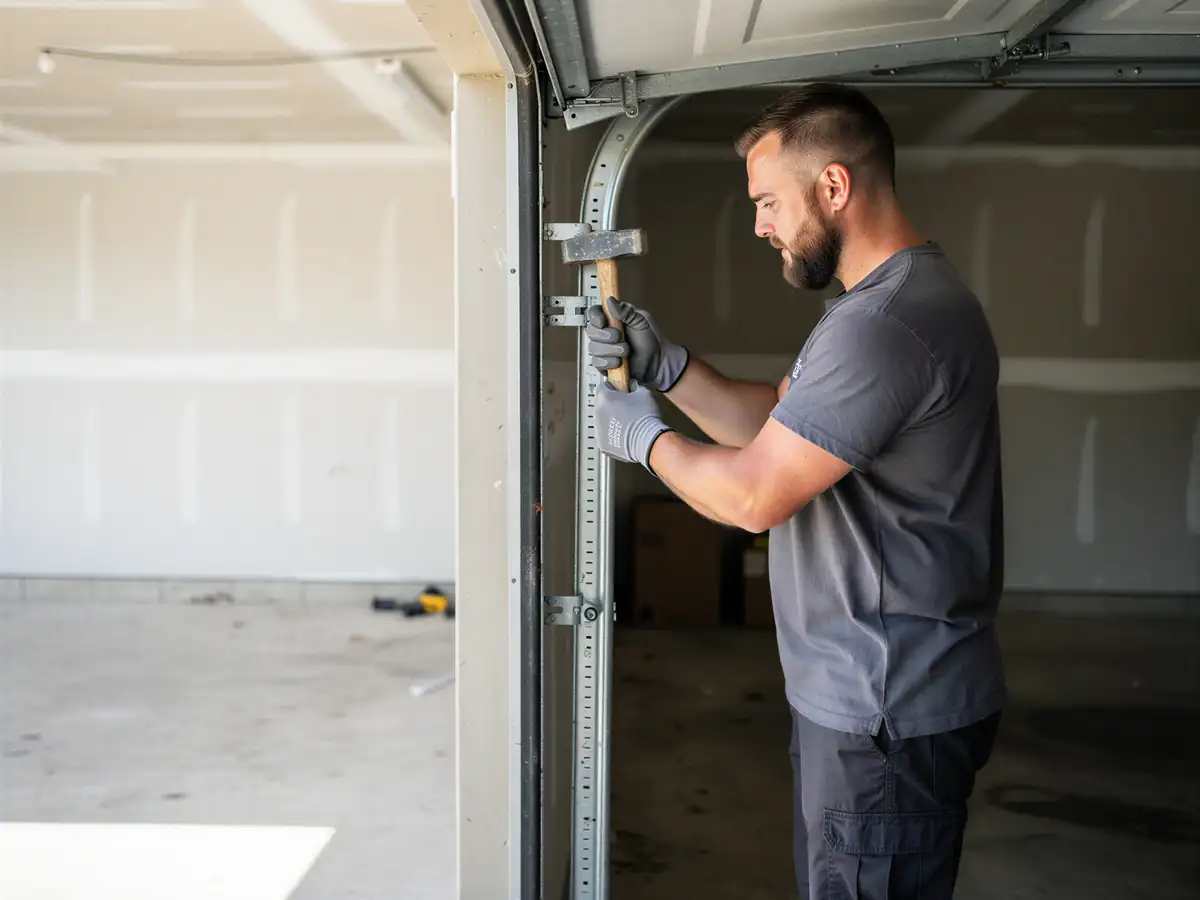
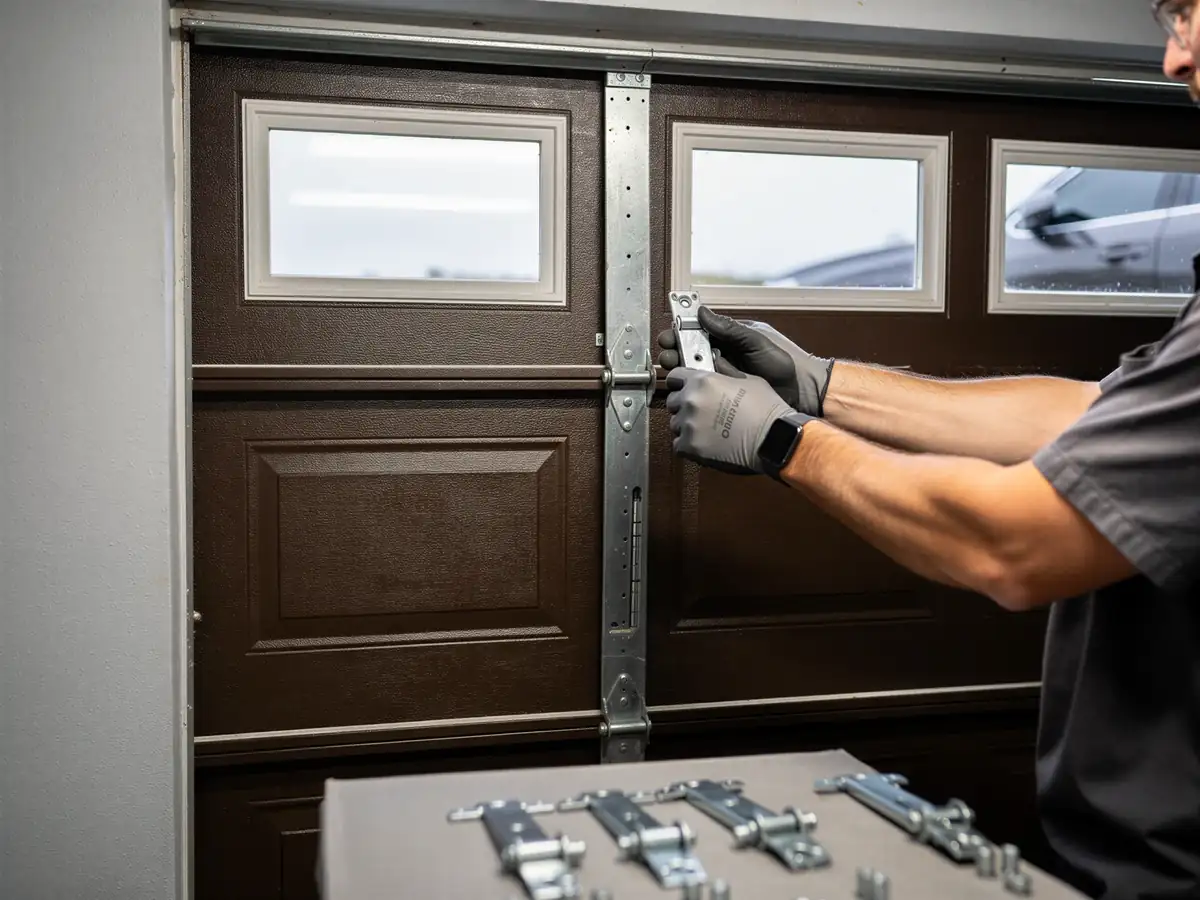
Inver Grove Heights runs about 14,598 households, which is enough volume that we see the same handful of faults come up again and again without the job turning into guesswork. Most of what comes up here traces back to the age of the house, not the size of the city. With a median build year around 1990, you're looking at doors and openers that are a good bit younger than the 1960s and 70s stock that makes up much of the wider service area - torsion springs instead of extension springs, steel sectional panels instead of the older one-piece slab doors, chain or belt drive openers rather than the early screw-drive units. The failures that show up on a 30-year-old torsion system are different from the failures on a 60-year-old extension system: snapped torsion springs, worn center bearings, cables that fray where they wrap the drum, and openers whose logic boards finally give out after three decades of Minnesota winters. We also see rollers that have gone brittle and tracks that have pulled loose where the jamb has settled a little over the years - normal for a house this age, not a sign of anything structural.
How We Fix It
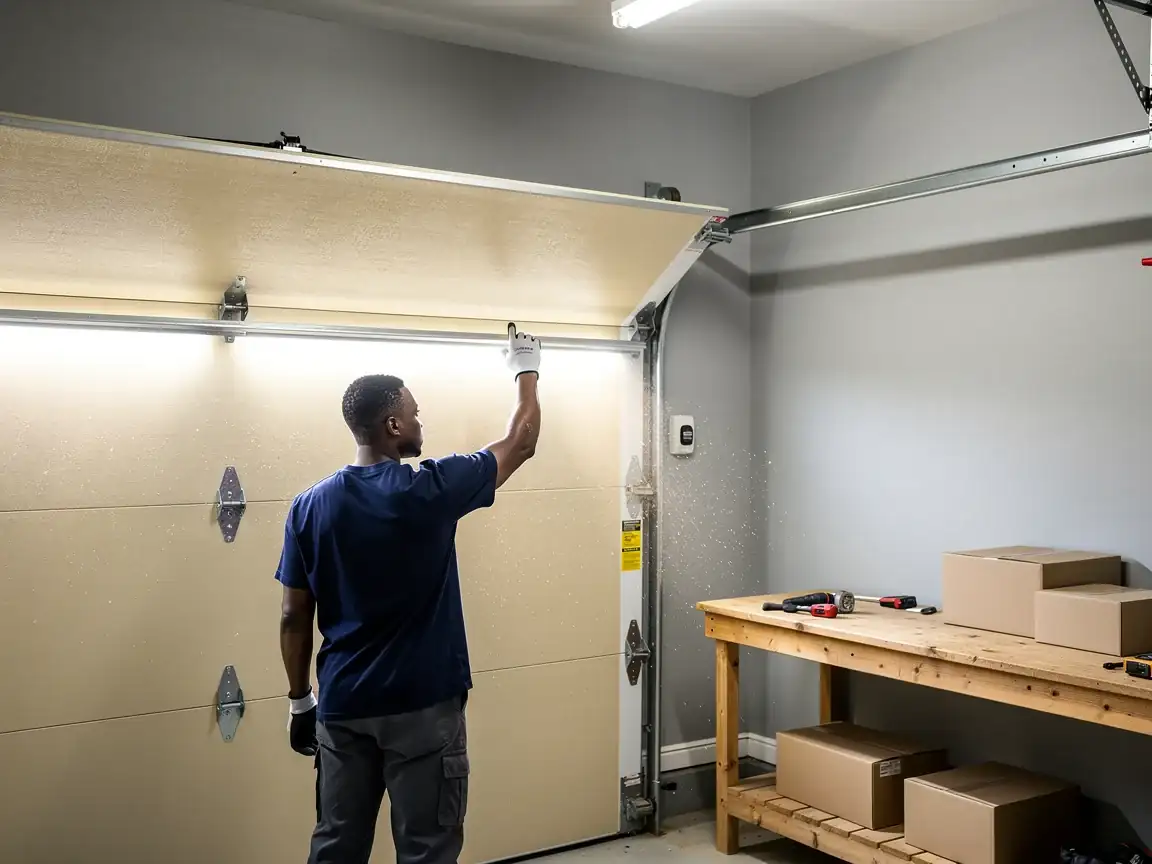
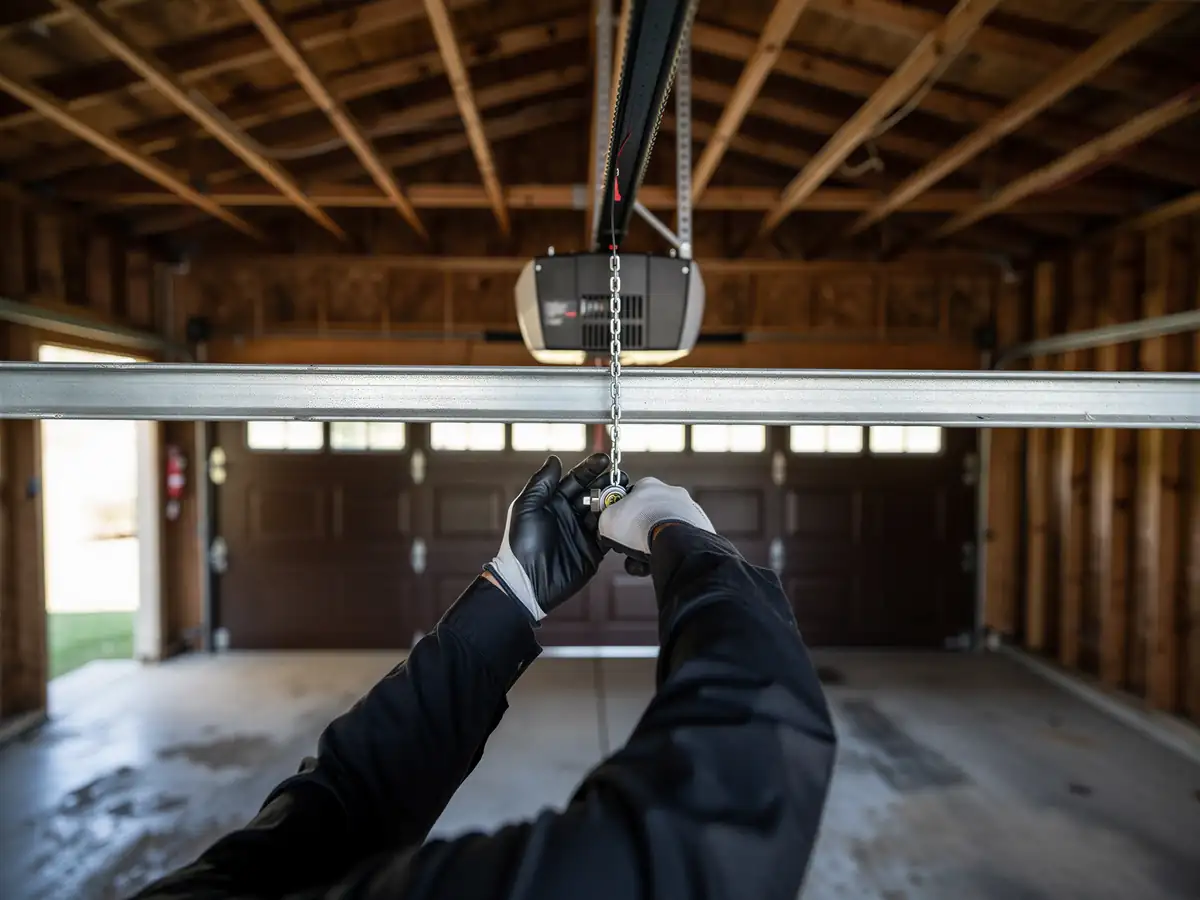
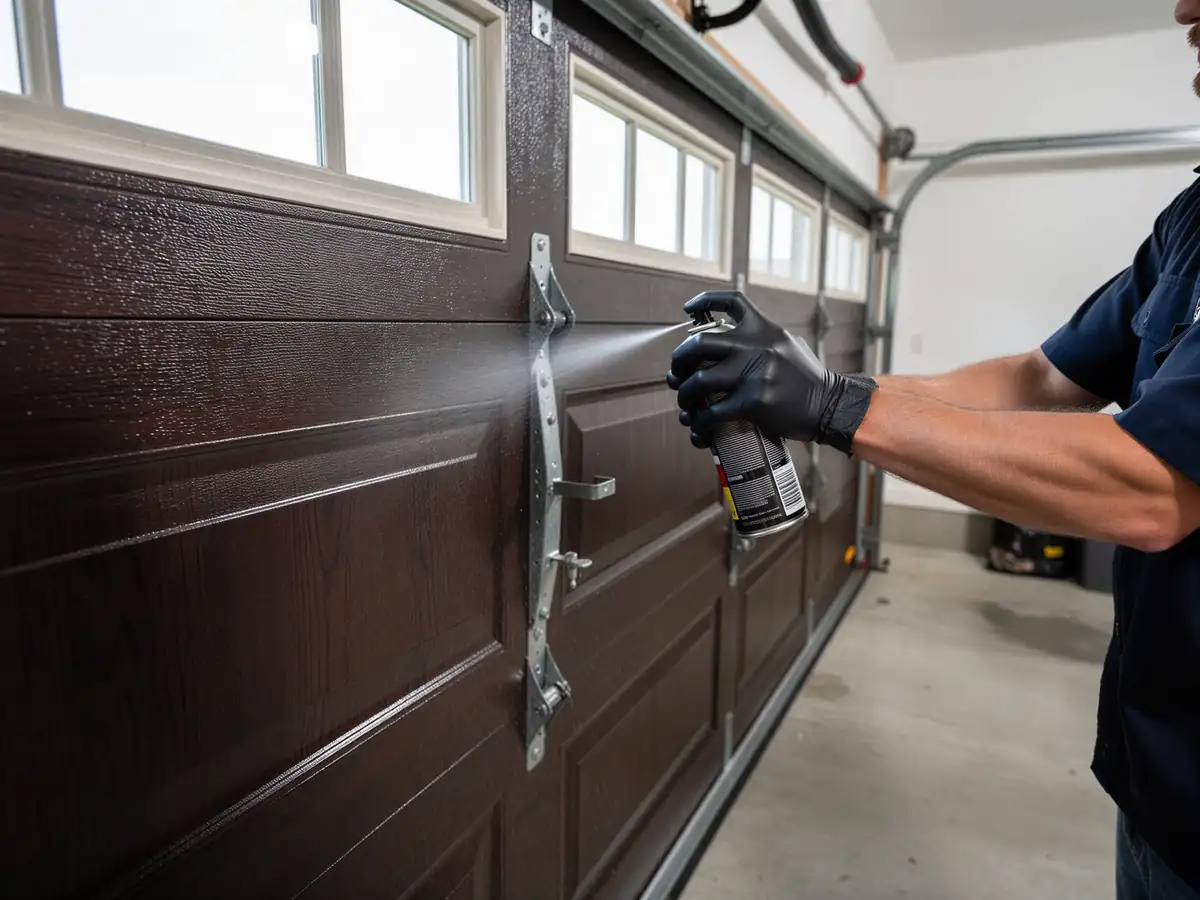
We come from Eagan, five miles down the road, so there's no local depot or dedicated crew sitting in Inver Grove Heights - just a short drive. On a torsion spring failure, which is what most 1990-era doors here have, we match the spring to the door weight and wind tension on site rather than guessing from a chart; get that wrong and the door either won't stay down or slams. On openers, if the logic board or motor has failed on a unit that's original to the house, we'll tell you straight when replacement beats repair - parts for openers from the early 90s are getting hard to source, and a new belt-drive unit often costs less than hunting down an obsolete board. Tracks and rollers get checked for alignment, not just replaced on reflex. One honest limit: if a spring or cable has already let go and the door is down with the car trapped inside, we still need to get a truck there, so same-day isn't guaranteed - we'll give you a real window, not a promise we can't back from 5 miles away.
What Causes It Around Here
Minnesota sits in a cold climate band, and that's the backdrop for nearly every spring and cable failure we see, not just in Inver Grove Heights but across the service area. Steel contracts in deep cold, torsion springs lose a little tension cycle after cycle, and cables that were fine in September start showing fray by February. Because most houses here date to around 1990, the garage doors are old enough that original torsion springs are at or past the end of a normal service life, but young enough that the openers are usually the second or third unit the house has had, not the first. That combination - aging original spring hardware paired with a newer opener - is a specific wrinkle of a city this age, and it's different from the mix you'd find in a neighborhood built in the 1960s, where the spring, the door, and the opener are all closer to the same vintage and tend to fail closer together.