What Can Go Wrong
Start with the money, because it decides most of what happens next. Median household income here runs about $104,055, well above the $92,940 median across the wider service area, and that changes the math on repair versus replace. A homeowner at this income level can usually absorb a $300-$600 spring or opener repair without blinking, but a door itself - the panels, the track, the hardware - is a bigger call.
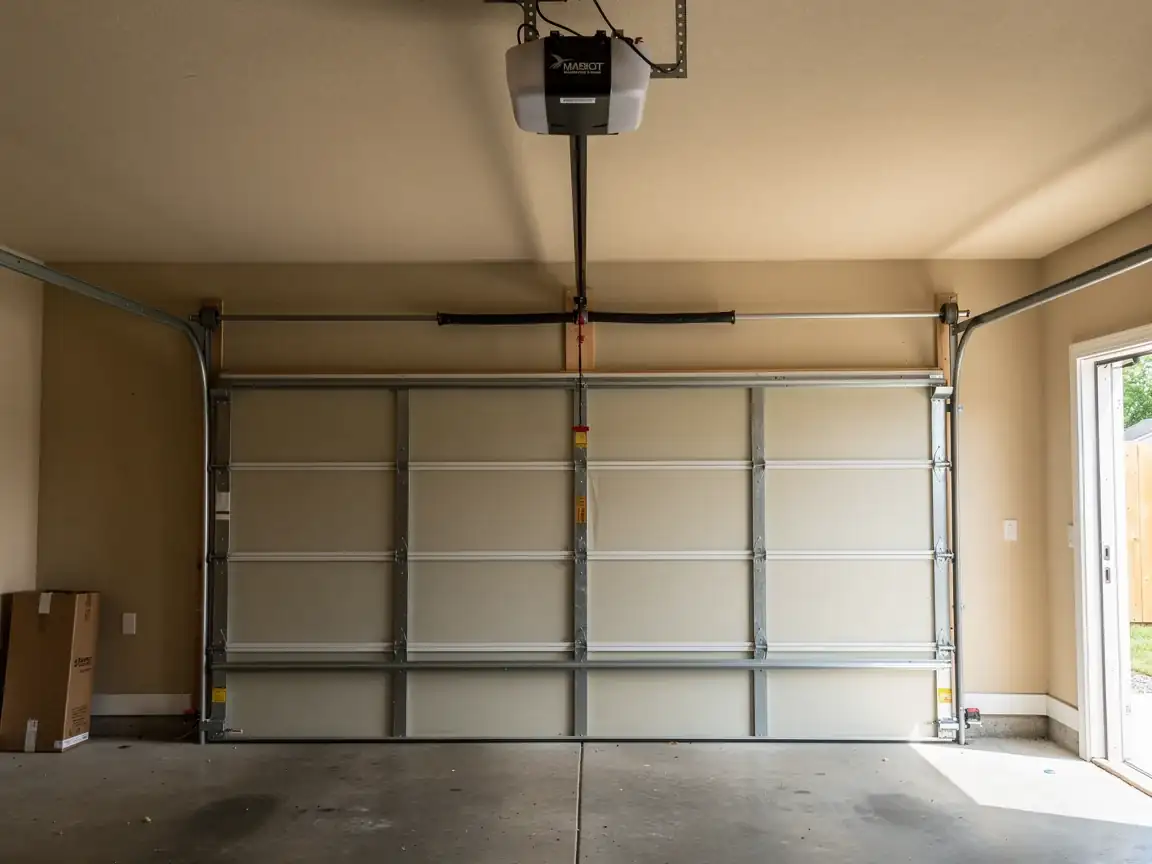
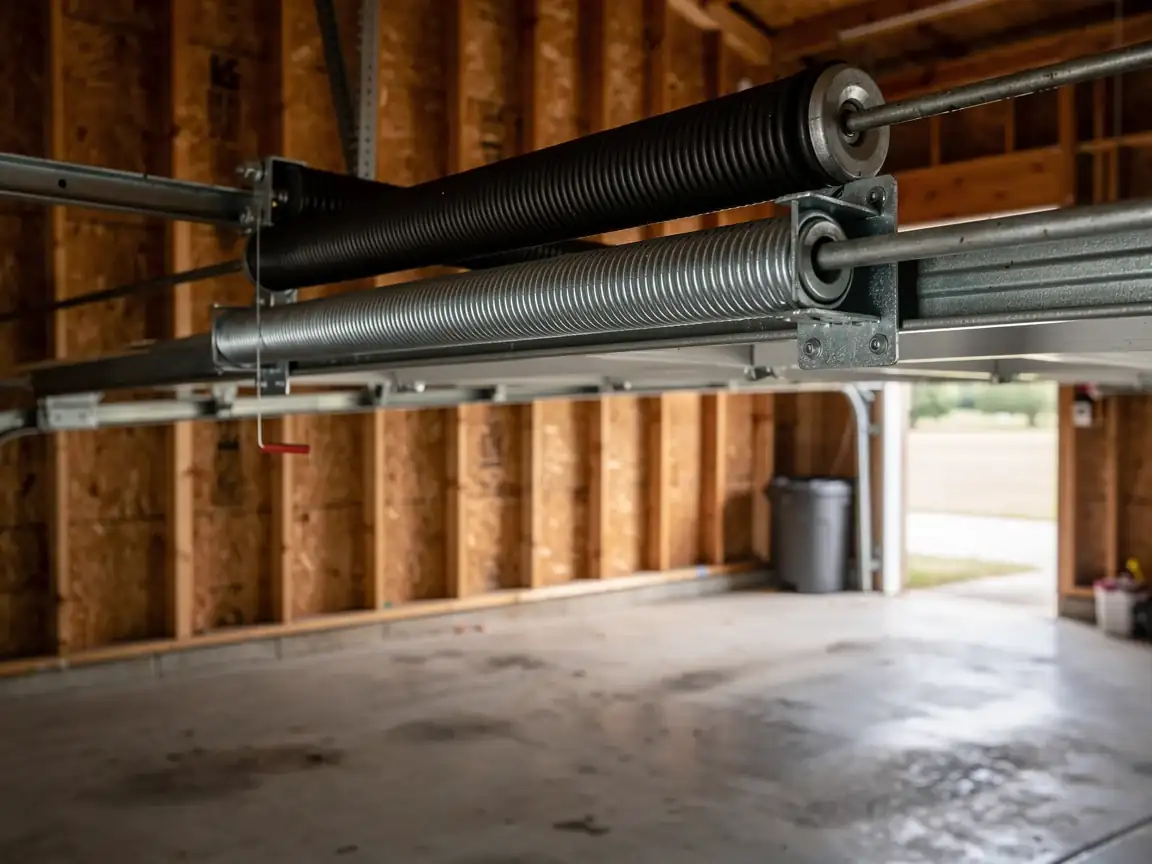
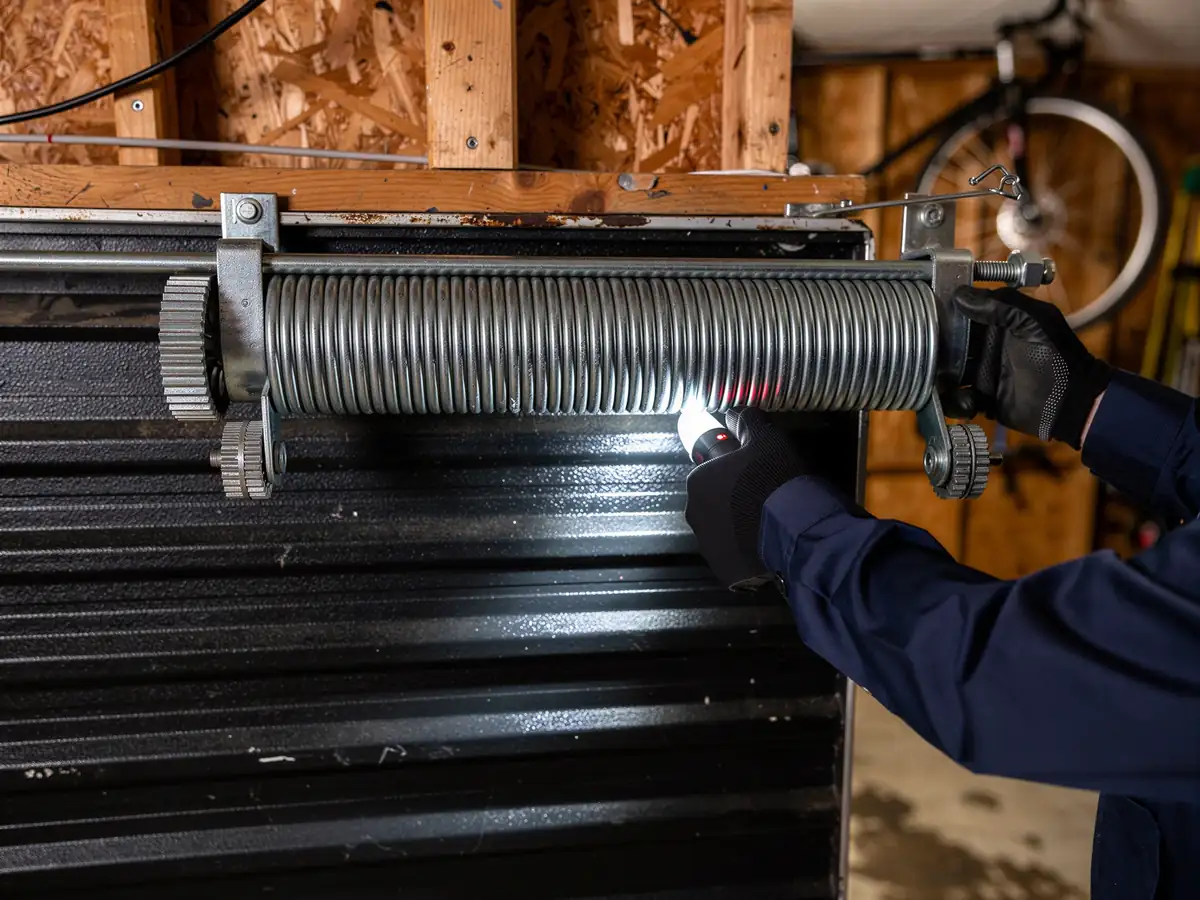
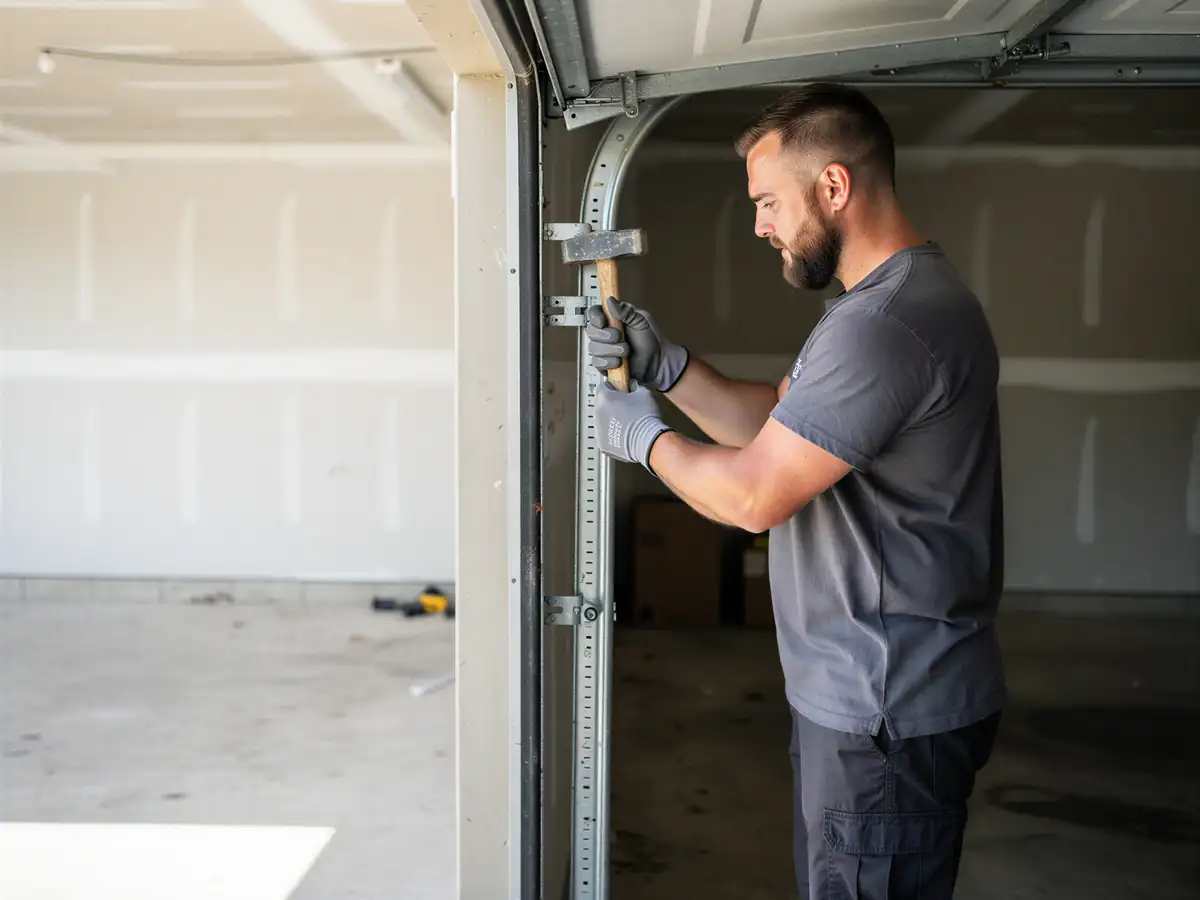
What tends to go wrong depends on the house. Inver Grove Heights homes mostly date to 1990, which puts the typical door and opener well past the point where original parts are getting tired, but still on hardware that's common and in stock, not obsolete. Extension or torsion springs losing tension, openers with worn gears or dying circuit boards, and rollers that have finally worn flat after three decades of daily cycles are the common calls. Steel panels from this era also dent and rust at the bottom corners faster than the rest of the door, especially with Minnesota's freeze-thaw cycles working at the seams. Compare that to older 1960s stock elsewhere in the service area, where doors are more likely to need full replacement because parts for that vintage simply aren't made any more - that's a different conversation than most of what we see here.
What It Costs
We don't publish a price list
Because the real cost of a job depends on spring size, opener model, and how far gone the parts are - and we won't quote a number here that isn't in our records for this exact fix. What we can tell you is how the decision usually plays out at this income level: repairs under roughly $600 - a spring set, a gear kit, a new logic board - are almost always worth doing on a door from the 1990s, because the rest of the door still has life in it.
Where it stops making sense is when the track is bent in more than one place, the panels are rusted through
Or the opener is the third failure in two years. At that point, with household incomes here supporting it, most owners choose to replace rather than keep patching. That's not a sales pitch - it's just where the number crosses over for a door this age. We'll tell you straight which side of that line your job falls on before any work starts, not after.
How We Fix It
We come from Eagan, 5 miles out, so there's no separate branch or crew based in Inver Grove Heights - every job here is a dispatched call, not a drop-in. That means we schedule the visit, bring the parts we expect to need based on what you describe, and diagnose the rest on site.
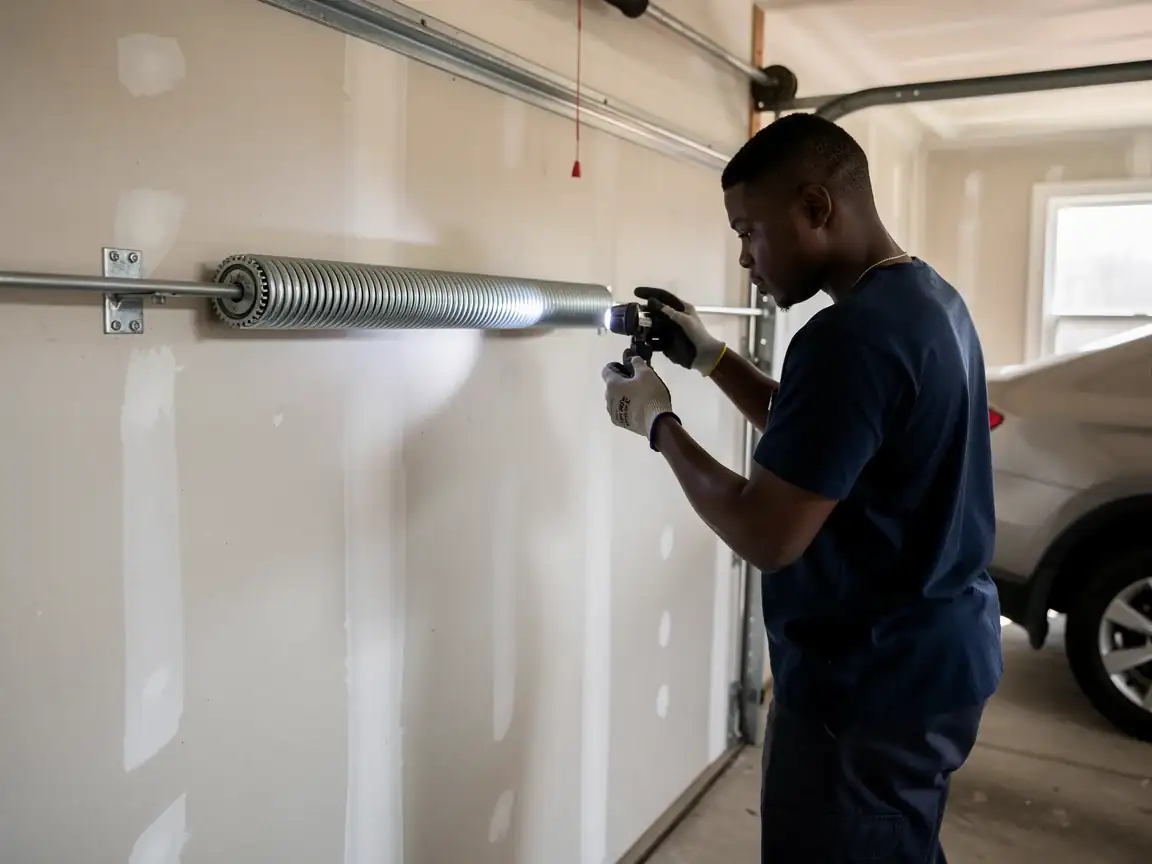
For a 1990s-era door, the usual fix starts with the spring and the opener, since those fail first on houses this age. We check torsion spring wind and cable condition, test the opener's force and travel settings, and look at the track alignment before we touch anything cosmetic. If the panels are sound - and on houses from this build era they usually are - we're rarely talking about a full door swap. One limitation worth saying plainly: if your opener is an obsolete model with a board nobody stocks, we may need to order the part, which can mean a second visit instead of a one-trip fix.
What Causes It Around Here
Inver Grove Heights sits in the same cold-climate band as the rest of the service area - real freeze-thaw cycling, not just cold air - and that matters more for a 1990s door than people expect. Garage doors built in that era used weatherstripping and bottom seals that were an upgrade over the 1960s-70s stock common elsewhere in the area, but after thirty-plus years those seals compress, crack, and let moisture sit against the bottom panel and track.
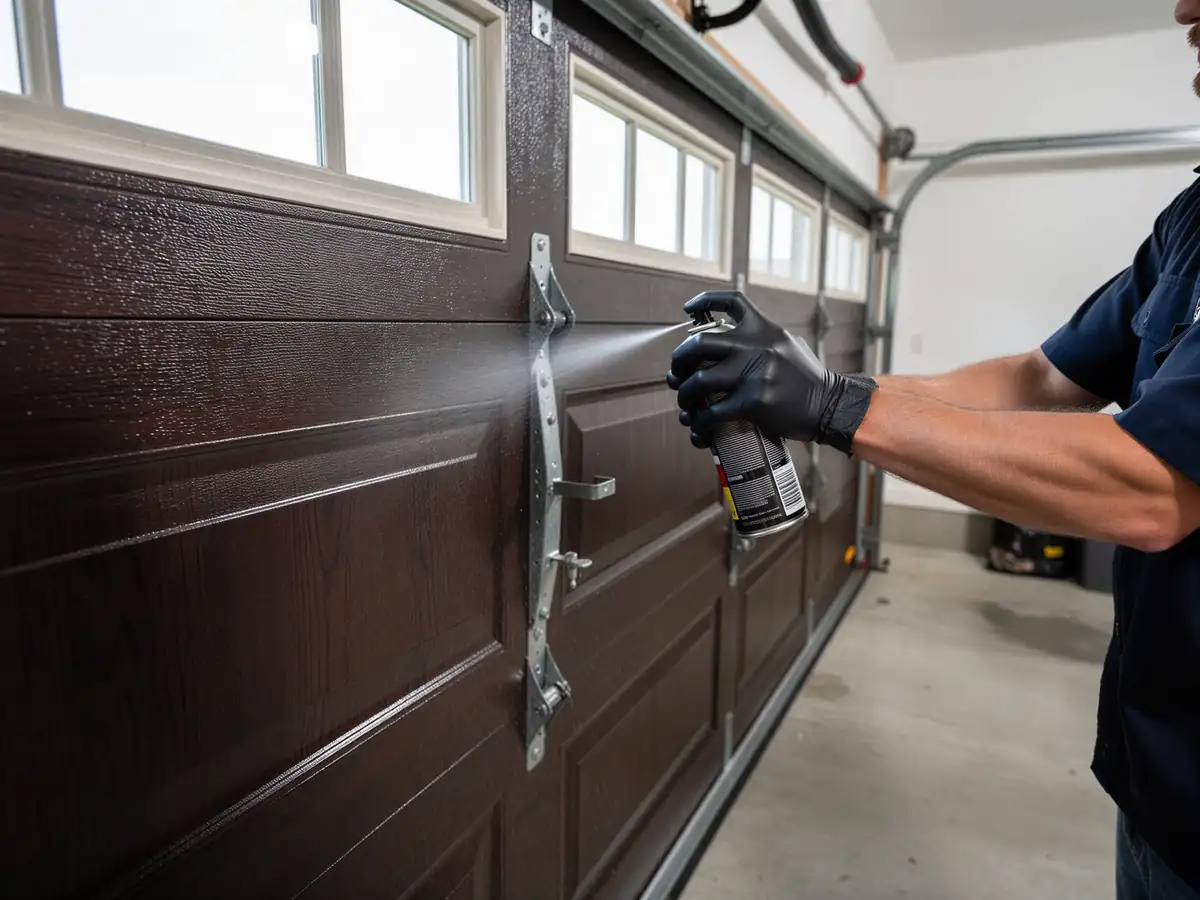
The bigger factor is just mileage. A door installed around 1990 has gone through roughly three decades of temperature swings pulling steel track bolts loose and drying out opener gears, which is a different failure pattern than a door installed in 1965 that's long since had everything but the frame replaced. Springs lose tension gradually with cycle count and cold, which is why a lot of these calls land in winter when a spring that was marginal in October finally lets go in January.
Parts We Carry
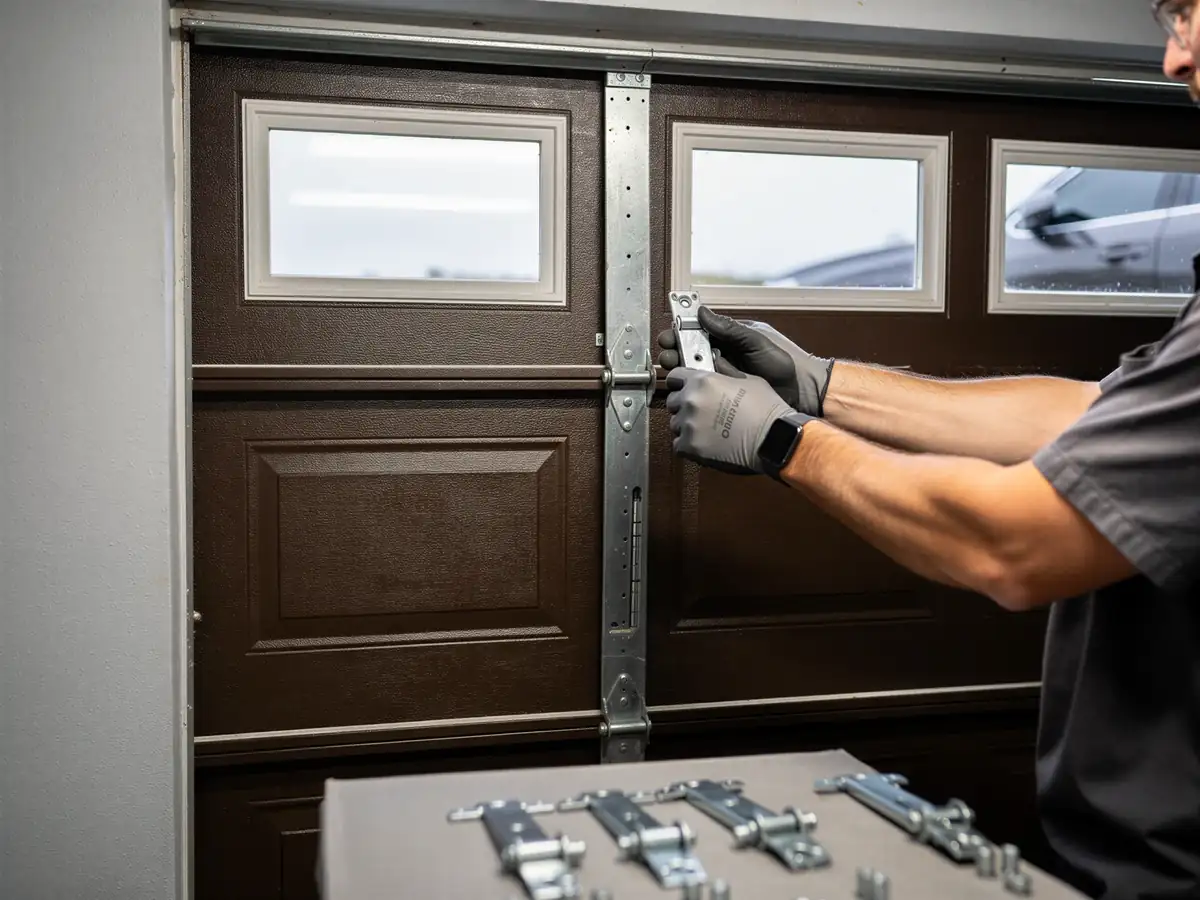
For houses built around 1990, we carry the parts that actually fail on doors this age: torsion springs in the common residential sizes, extension spring sets, nylon and steel rollers, lift cables, and opener gear kits and circuit boards for the mainstream brands that were widely installed through the 1990s and 2000s. We also stock weatherstrip and bottom seal in standard widths, which matters given the freeze-thaw cycling this area gets every winter.
What we don't keep on the truck is anything for genuinely obsolete hardware - older proprietary opener boards or discontinued track hardware - since that's a small share of calls in a neighborhood built mostly in 1990 rather than the 1960s. If your job needs one of those, we'll say so and order it rather than guess.