What Can Go Wrong
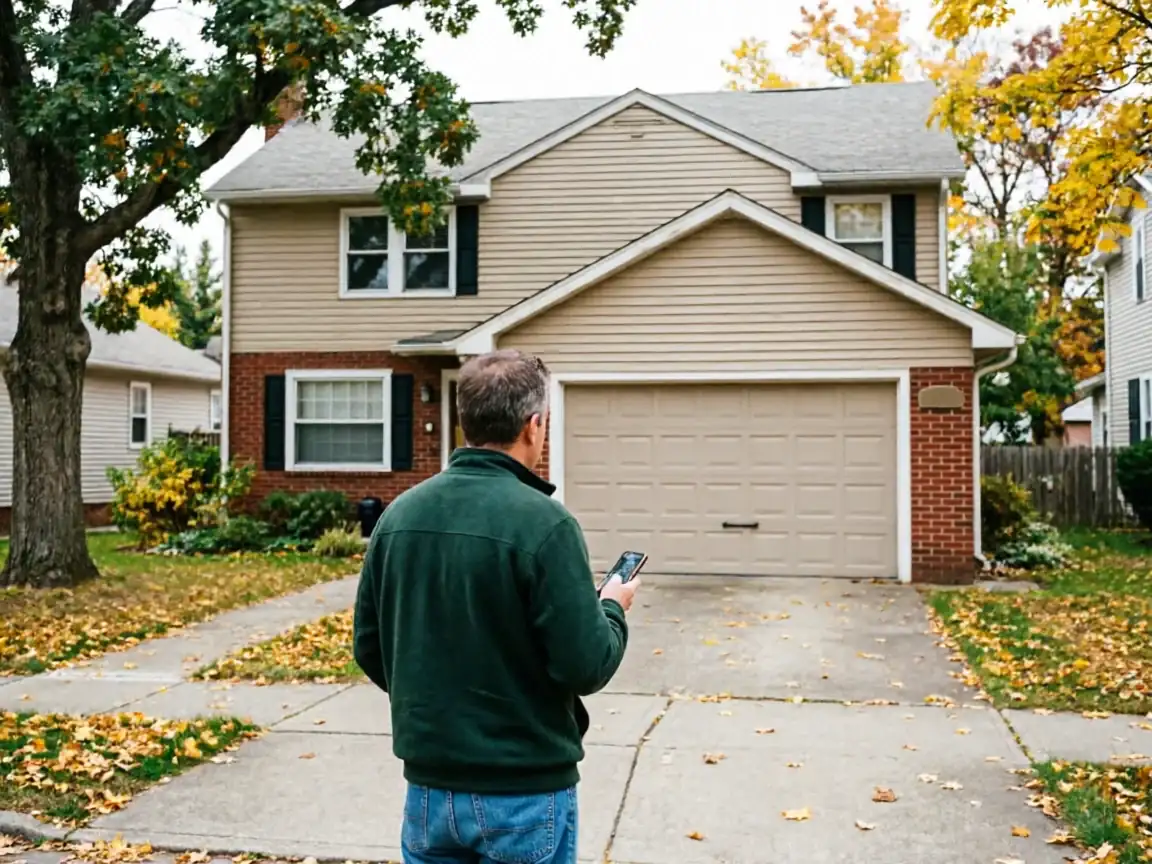
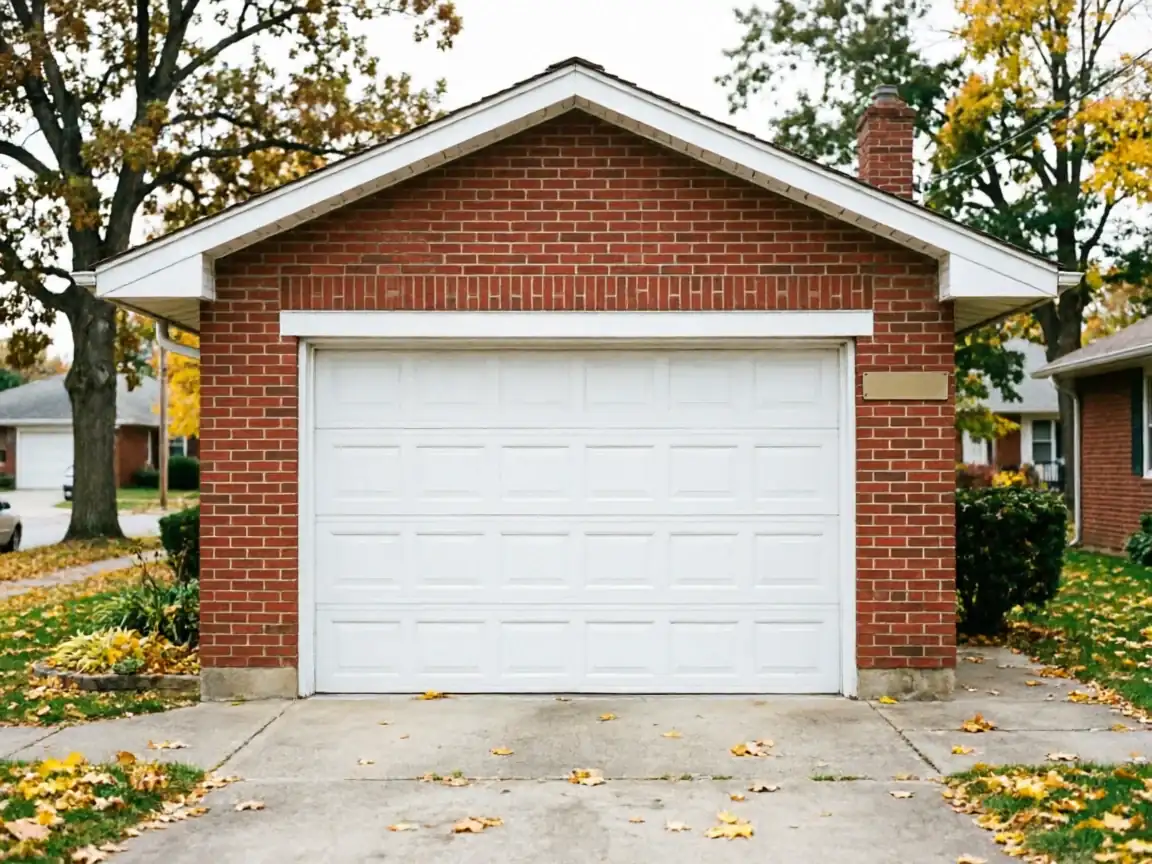
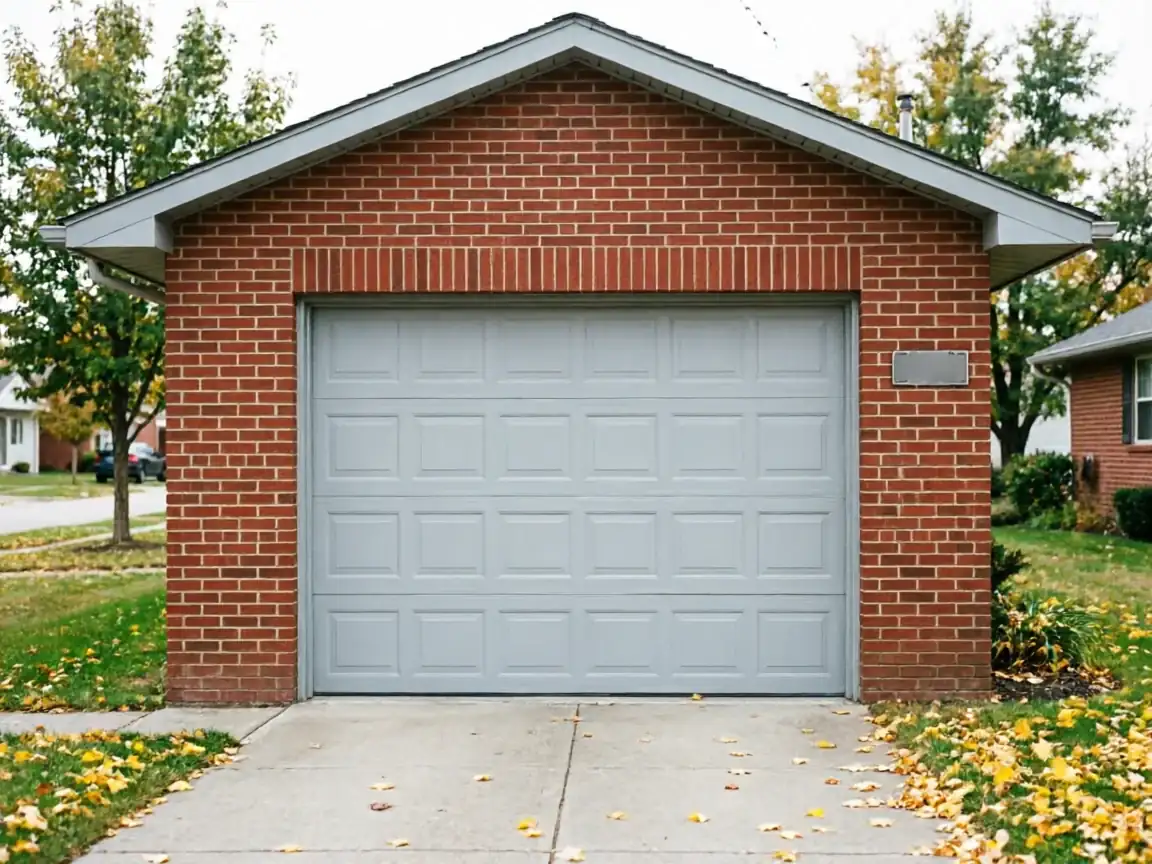
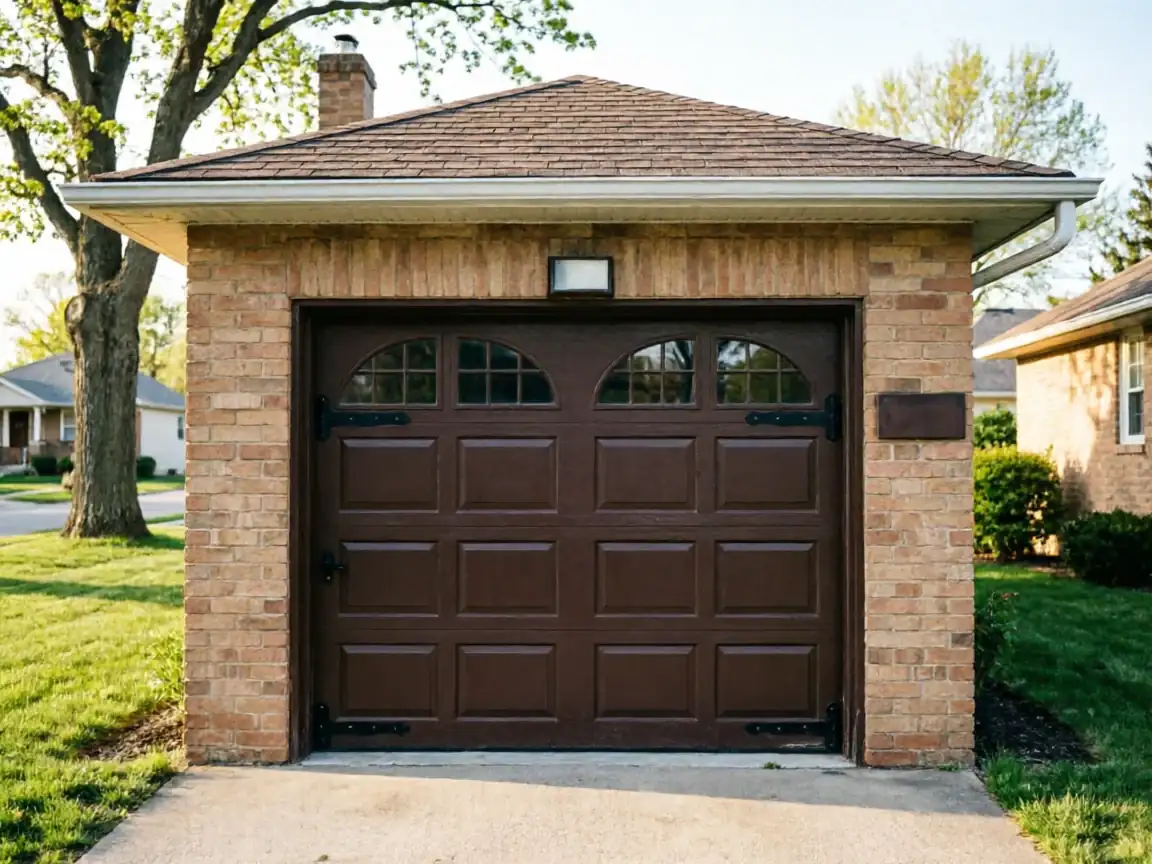
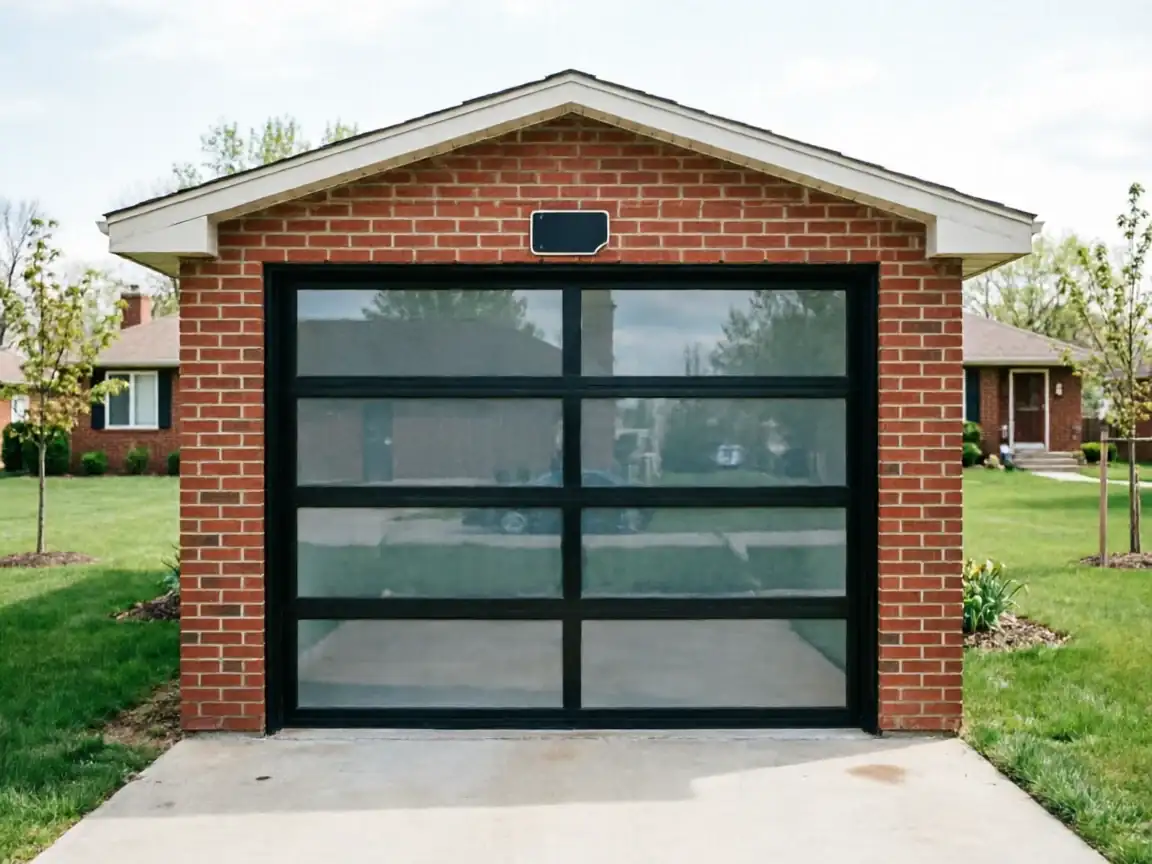
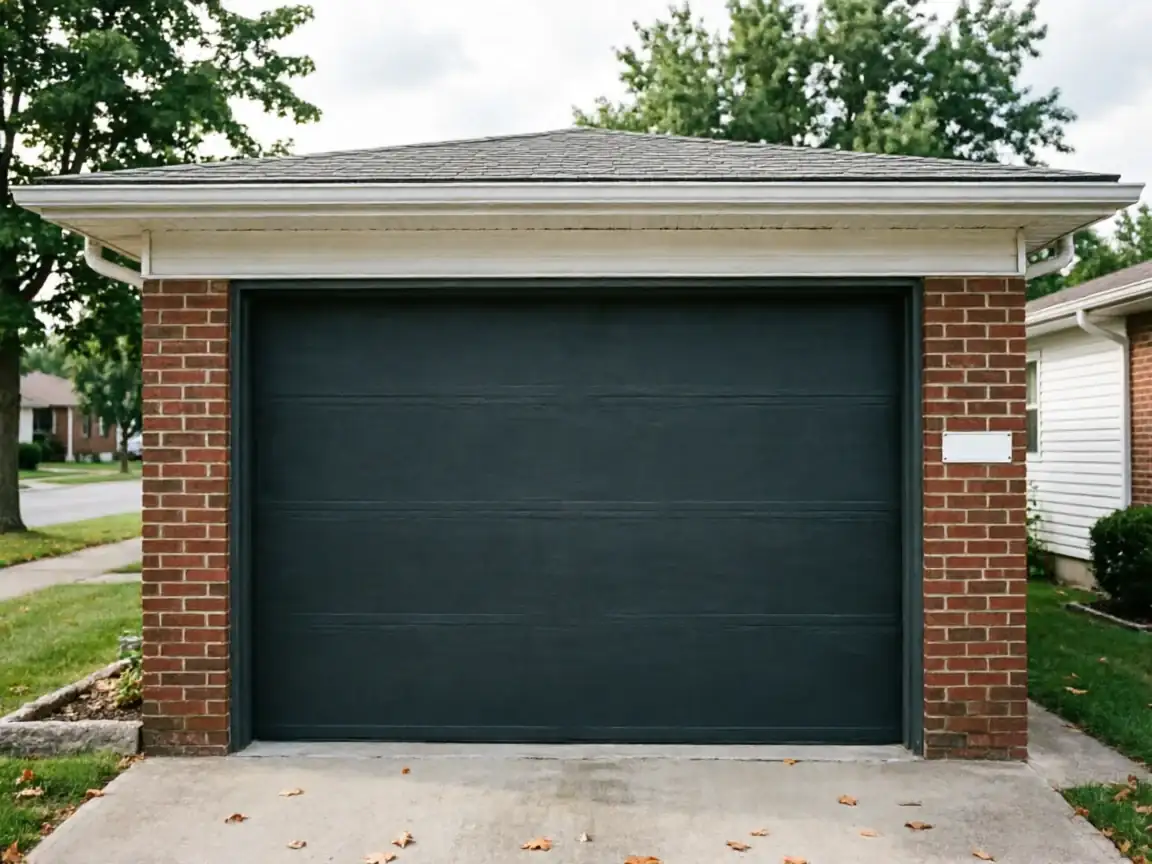
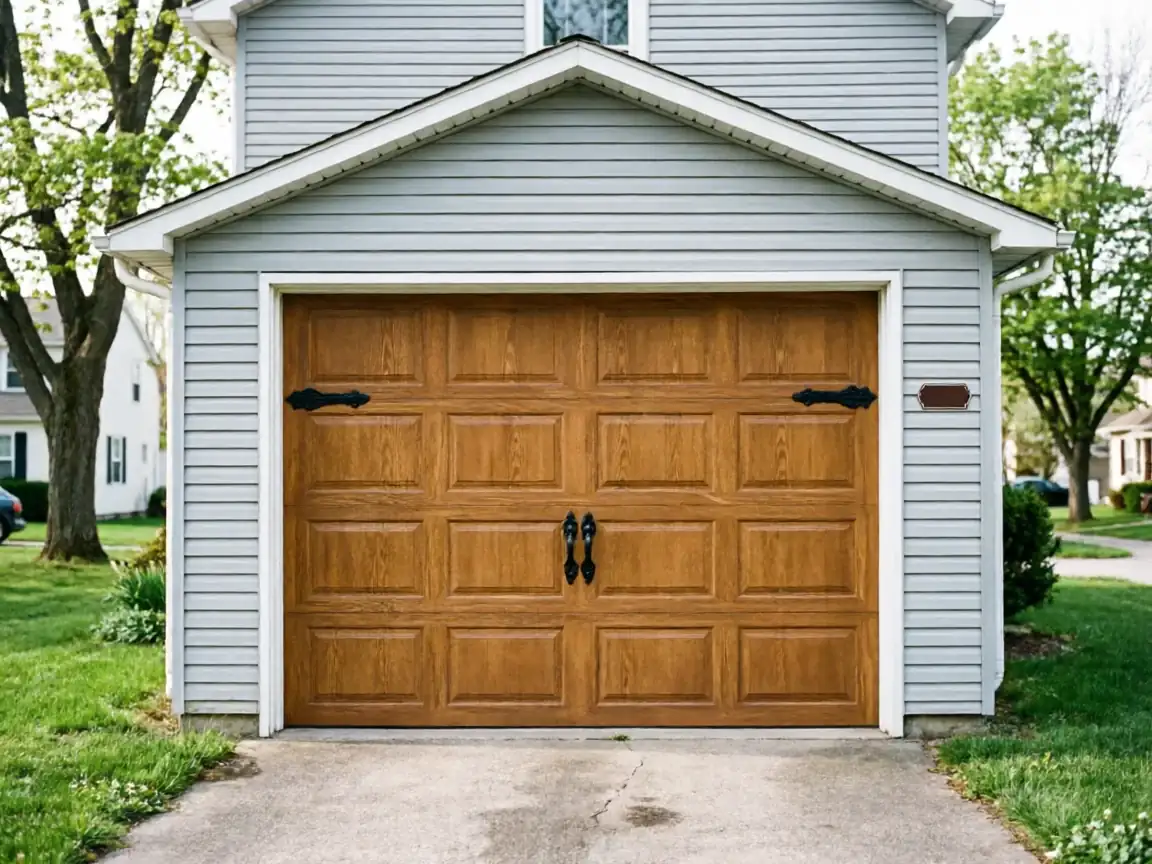
The median home in Inver Grove Heights went up around 1990, which puts most garage doors here a full generation newer than the older housing scattered through the rest of the service area. That's good news on paneling and insulation, but it means a lot of these doors are now sitting at 30-plus years on their original rollers, bearings, and lift cables, right at the point where the factory lubrication is long gone and nylon rollers start to crack or flat-spot.
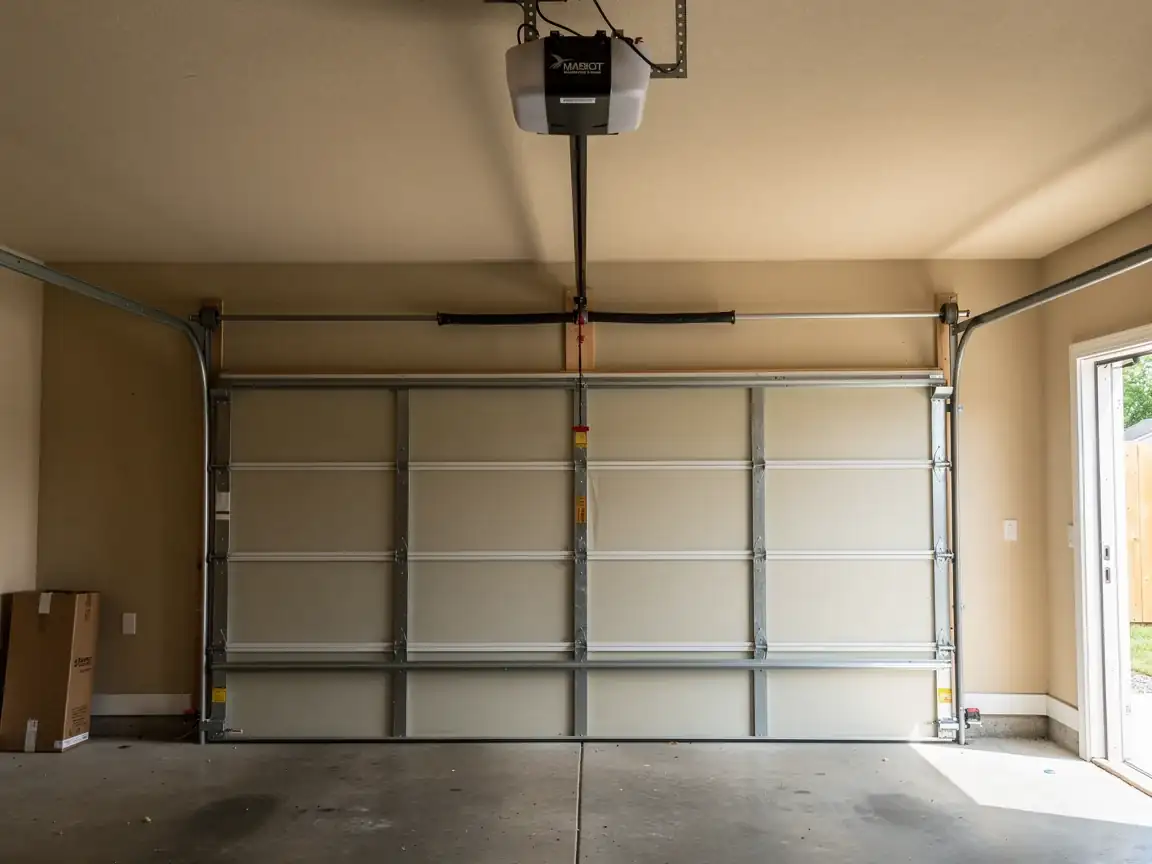
We see a pattern on 1990s-build doors: the torsion spring itself is usually fine (torsion setups were standard by then), but the galvanized coating on cables starts to show rust threads, and the plastic idler bearings at the end of the horizontal track wear oval instead of round. That wear doesn't announce itself - the door just gets louder, then starts dropping unevenly on one side as one roller drags more than the other. Left alone, that uneven drop is what eventually snaps a cable or binds a spring hard enough to need an emergency call instead of a scheduled one.
What It Costs
We don't have a flat maintenance-visit price to quote you in writing here
But we can say this: across the broader Eagan-based service area, median household income runs about $92,940, and Inver Grove Heights sits noticeably above that, closer to $104,055. In practice that means more owners in this town book maintenance as a standing yearly visit instead of waiting for a failure and calling for emergency repair - the math works out cheaper over the life of the door.
A maintenance visit is cheaper than any repair it prevents, full stop
Rollers, lube, hinge adjustment, and a cable inspection cost far less than a snapped cable call or a spring replacement done after hours. What we can't tell you without seeing the door is whether yours needs parts beyond basic service - that's priced once we're looking at the actual wear, not before.
How We Fix It
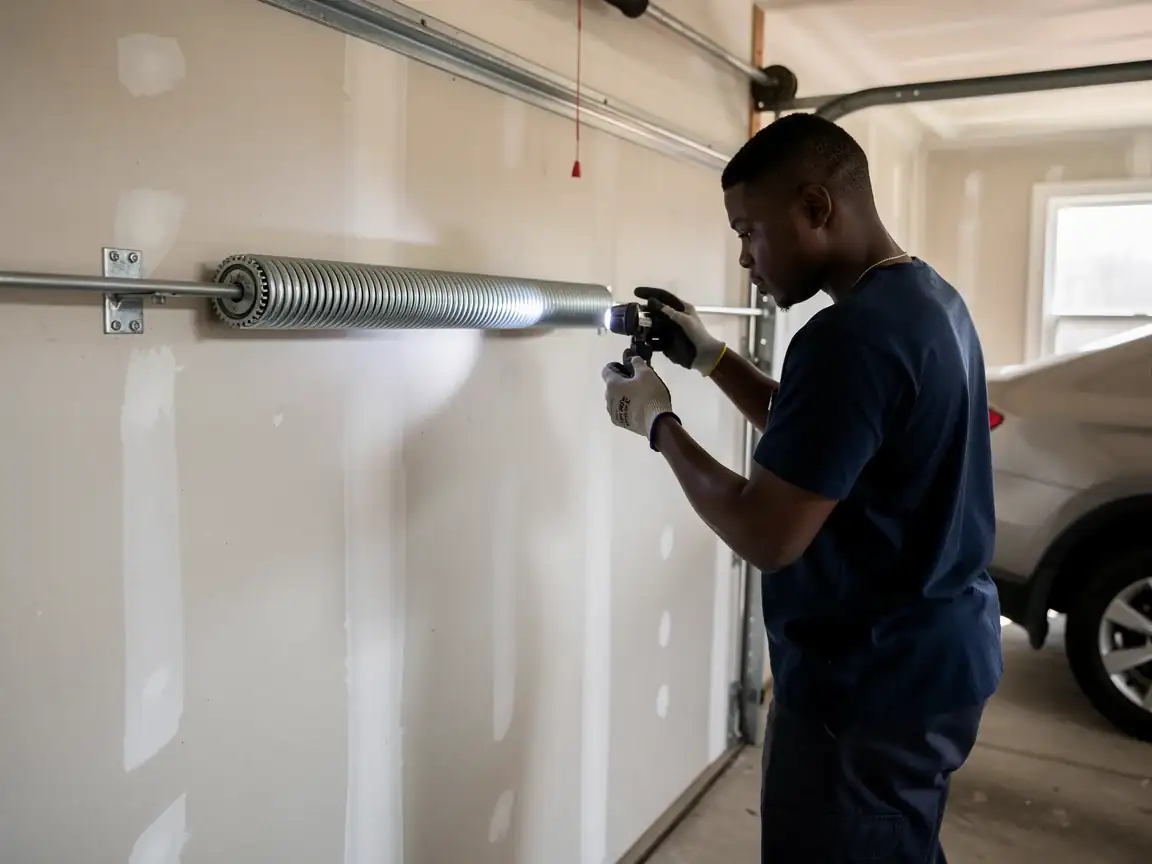
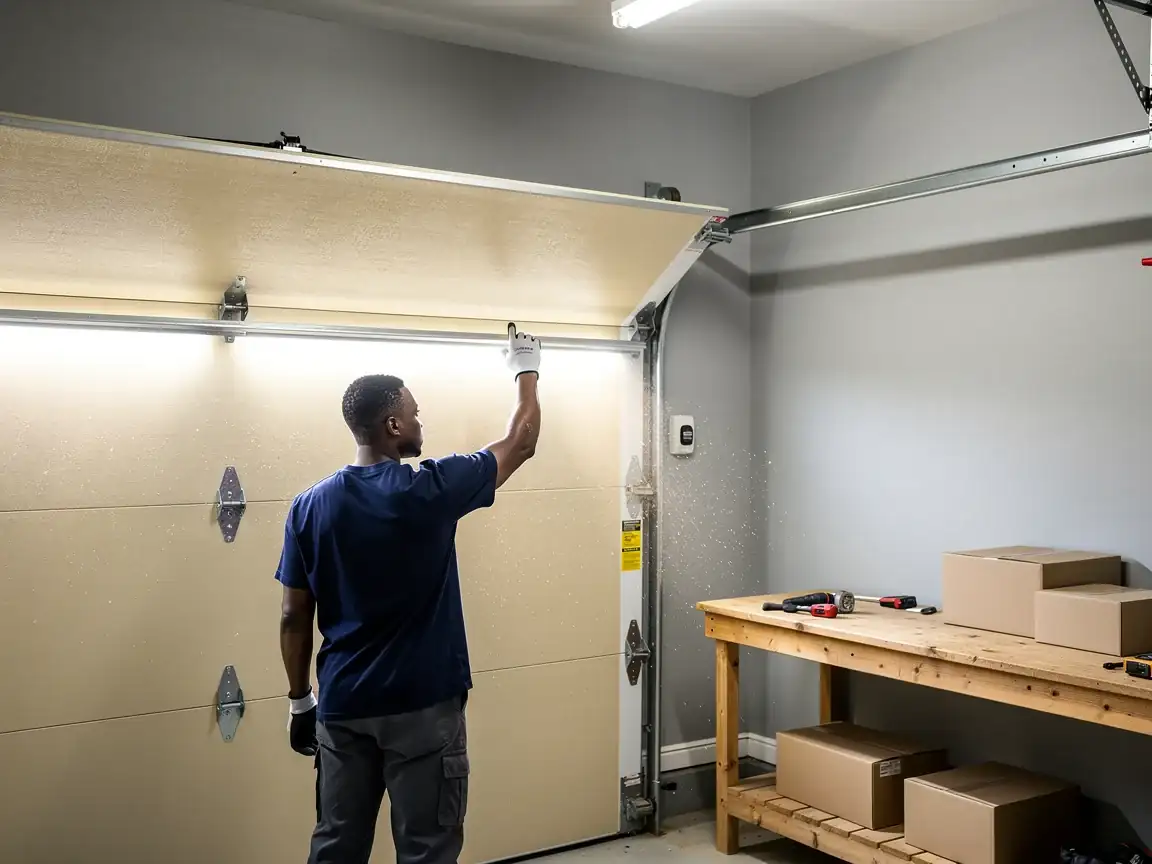
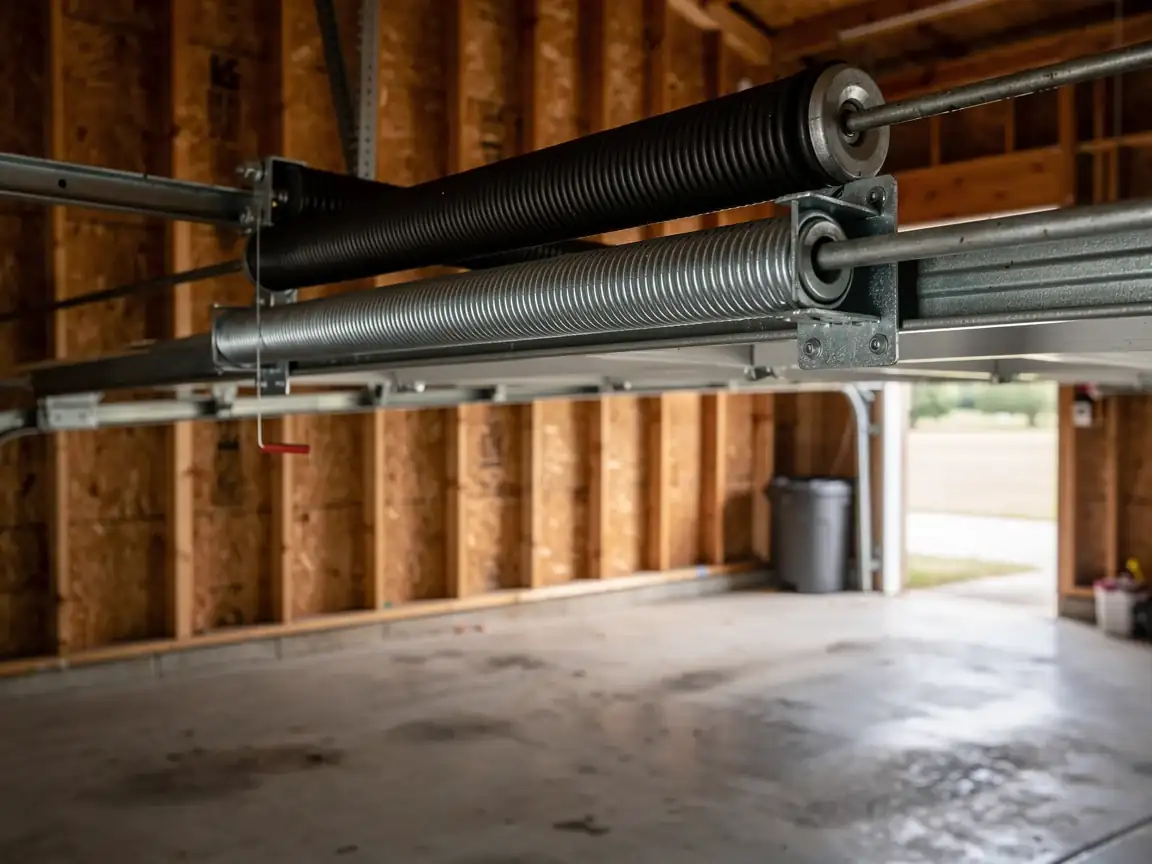
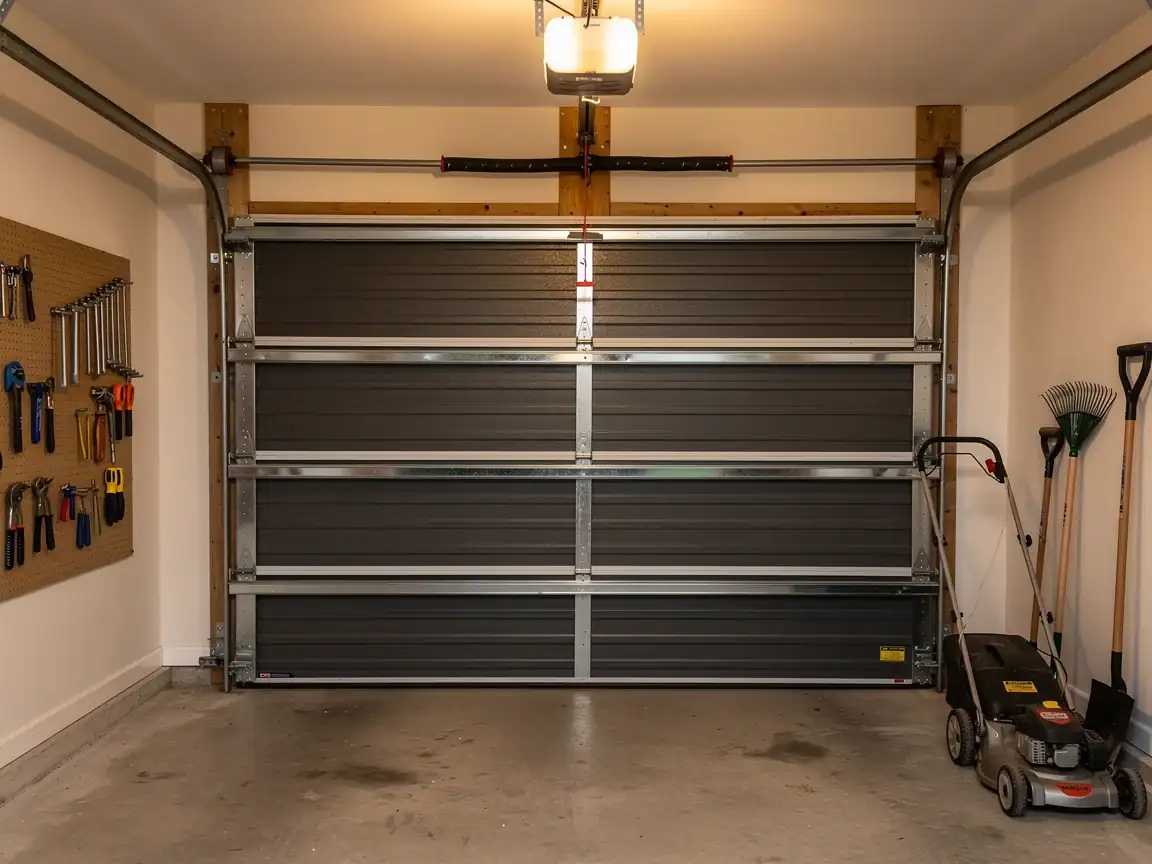
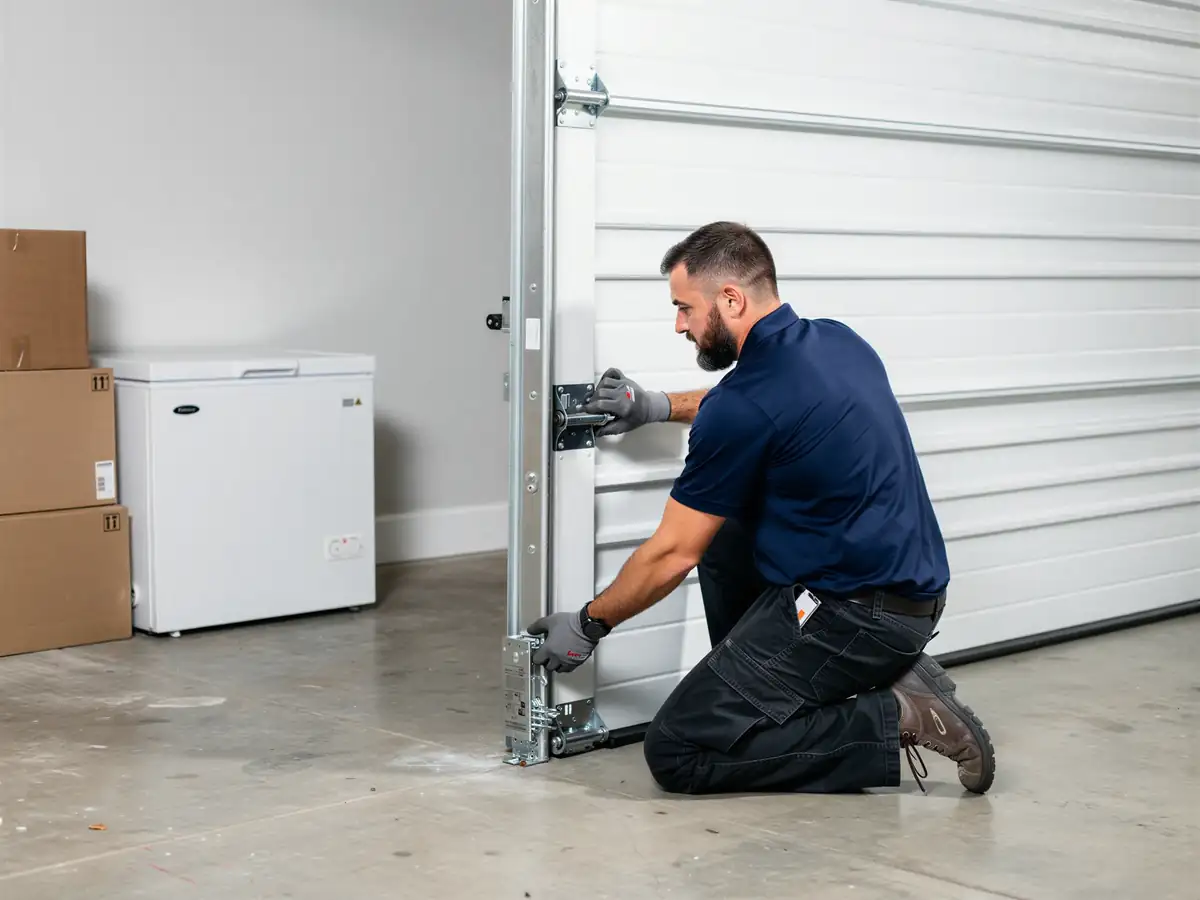
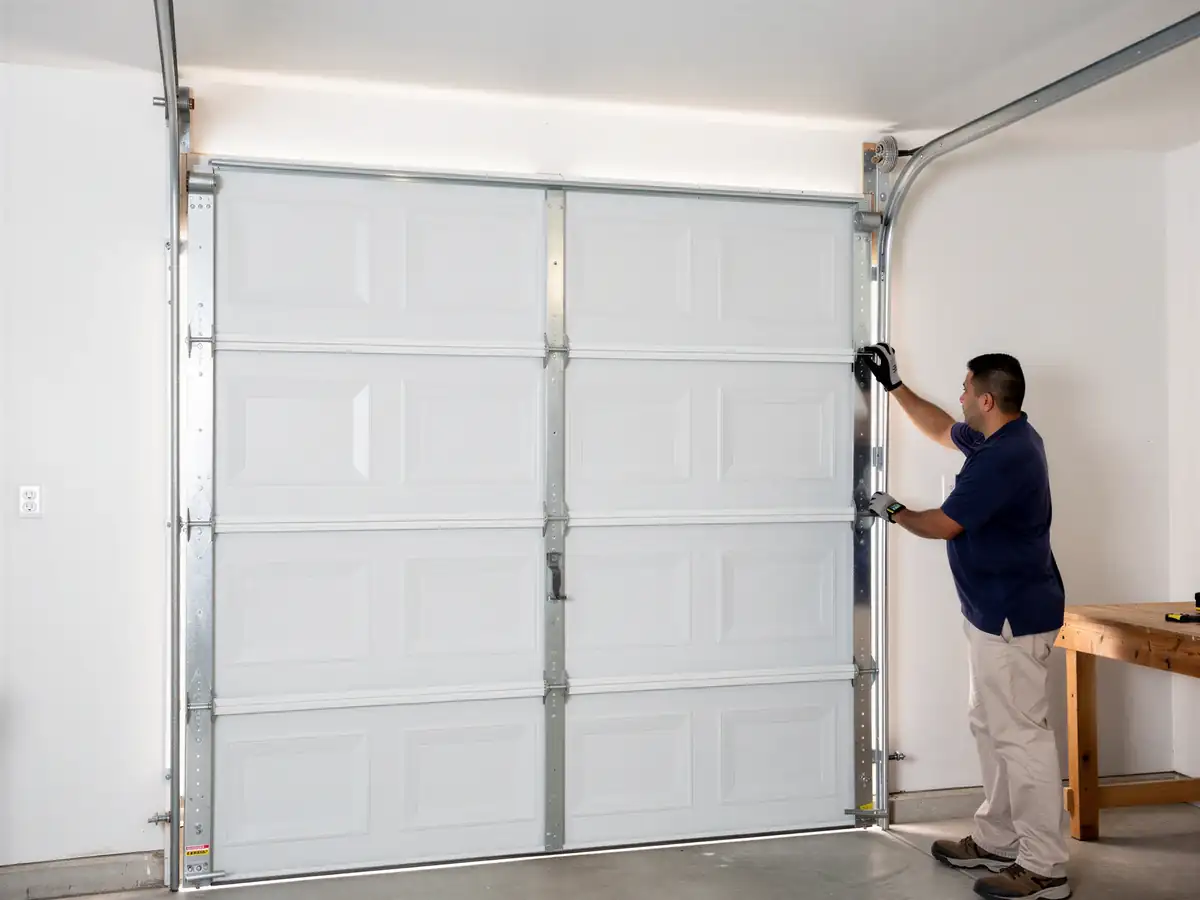
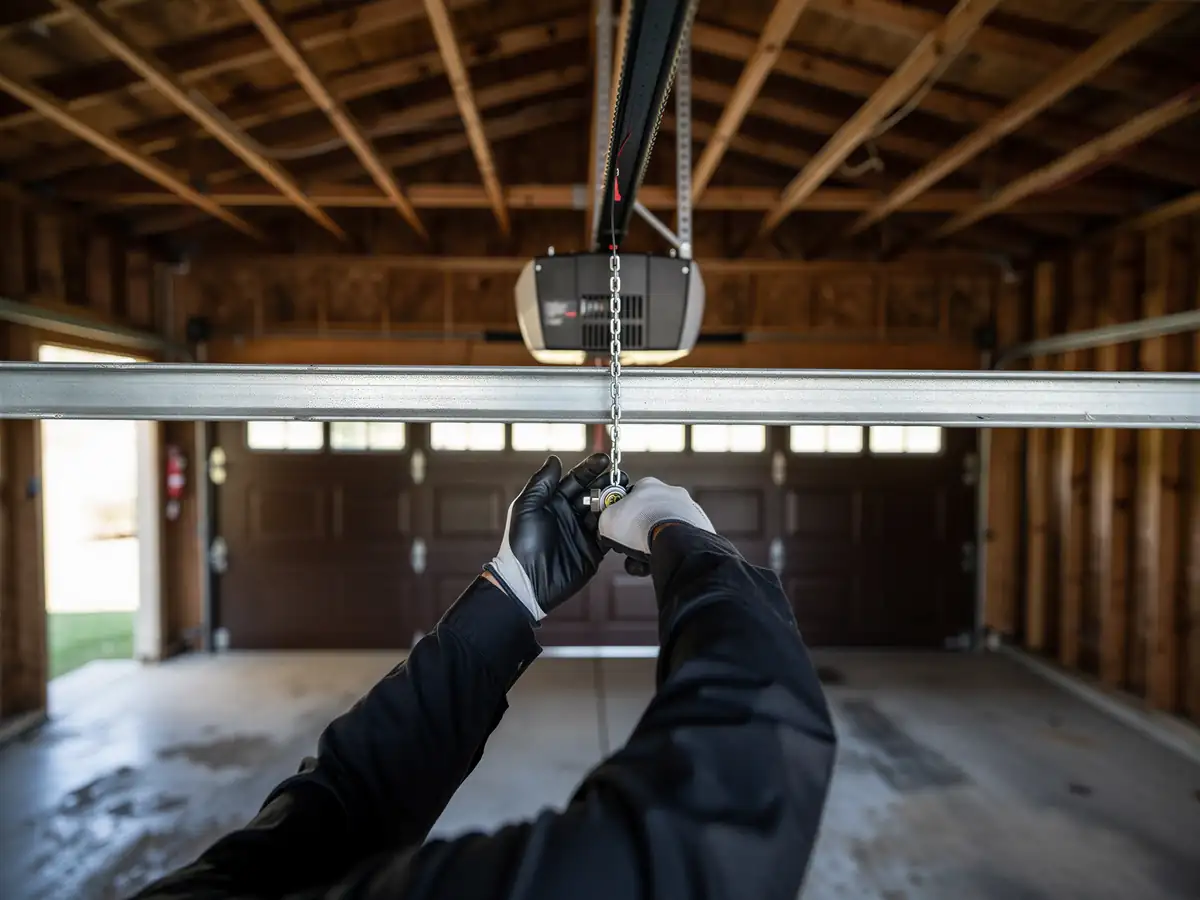
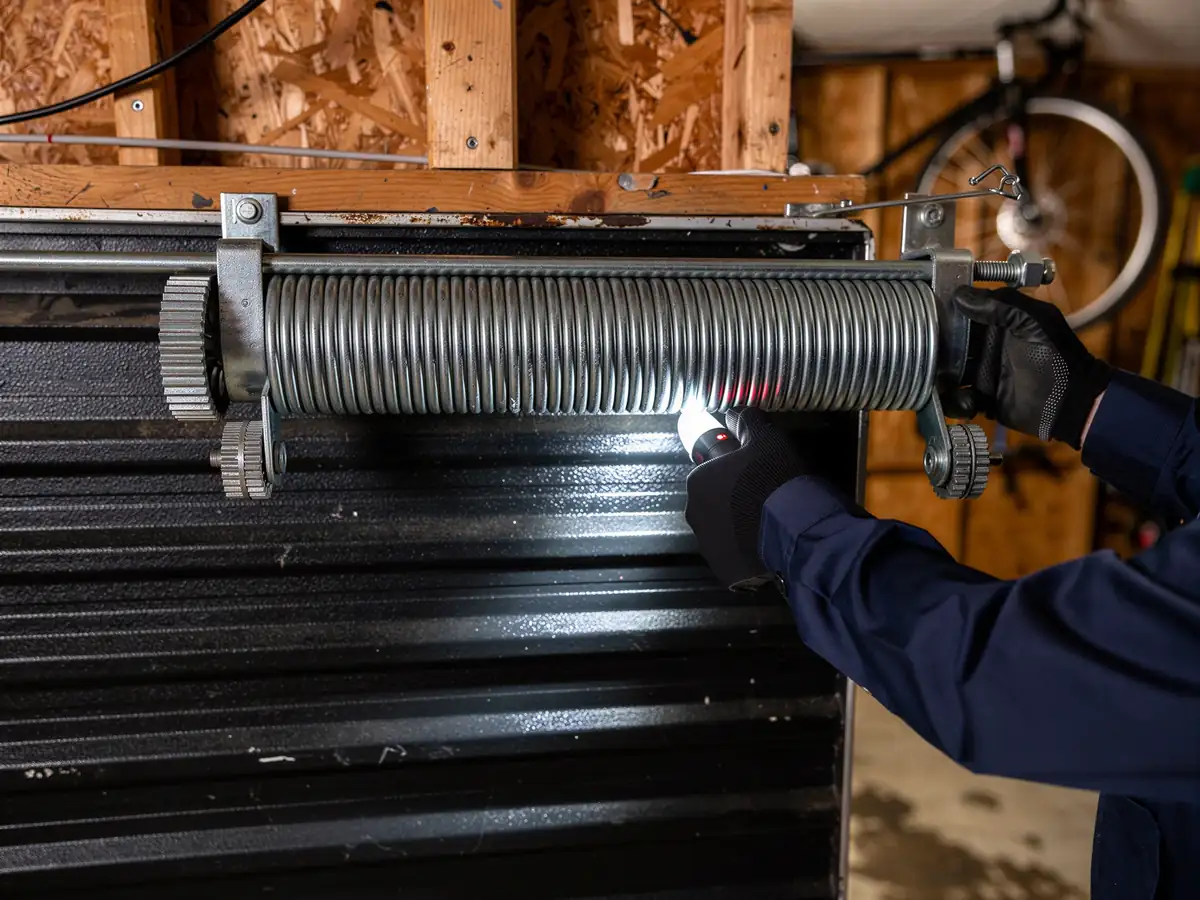
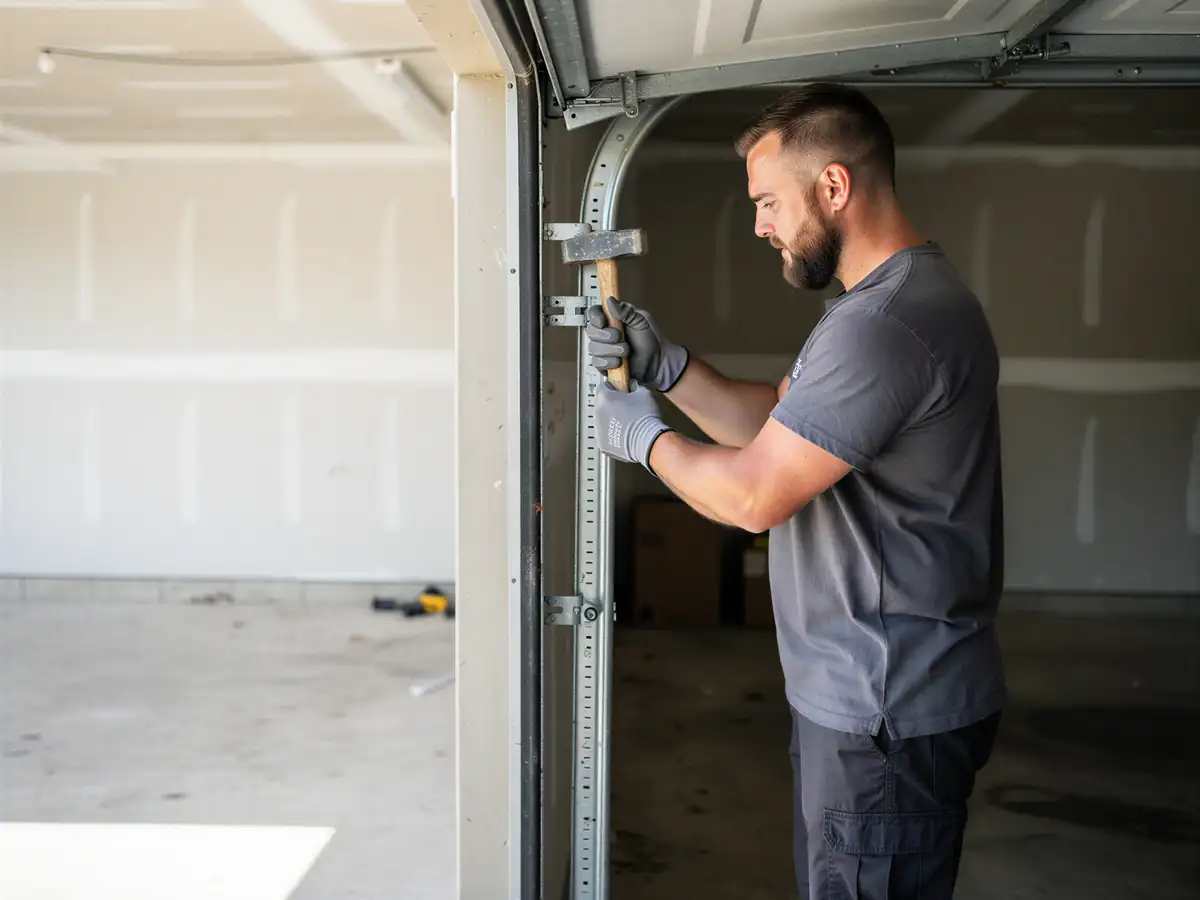
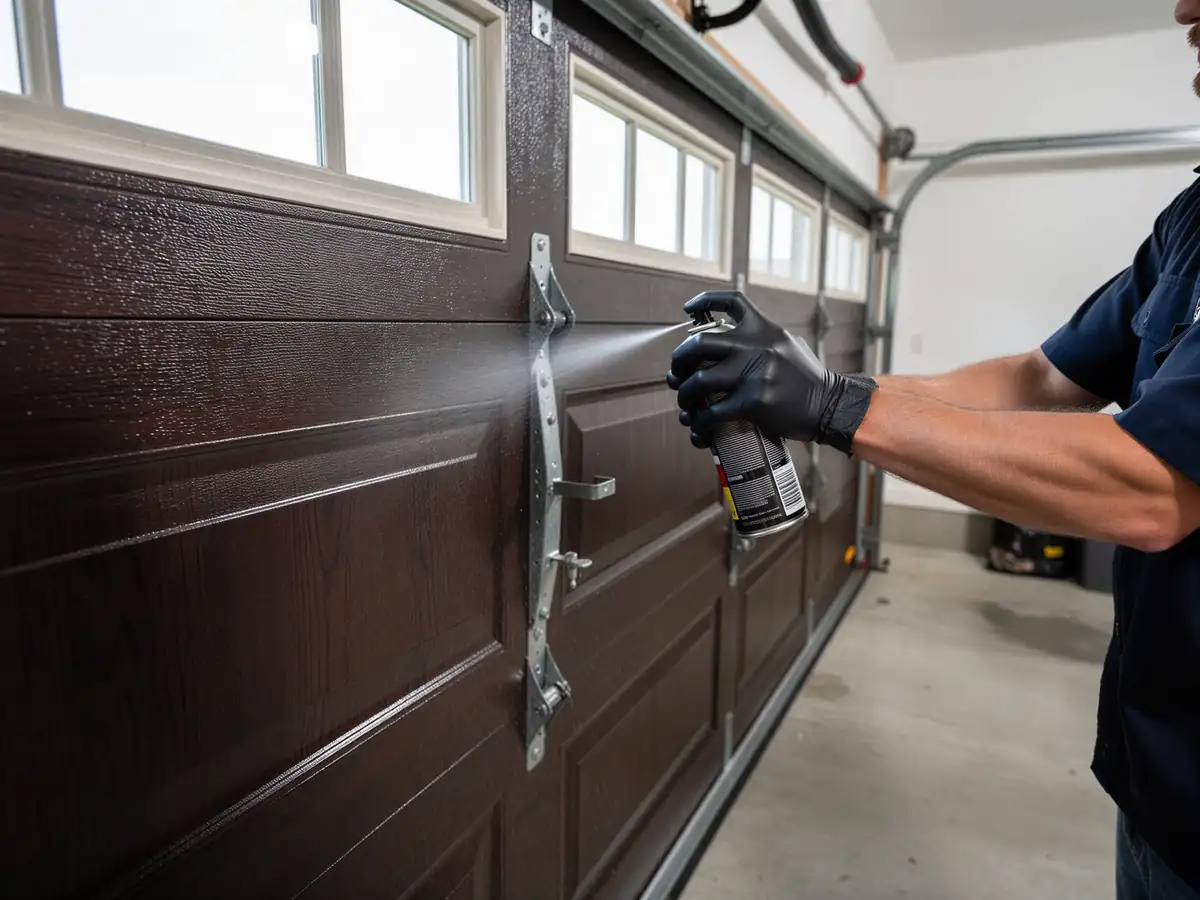
On a standard maintenance call we check balance first - a door that doesn't hold position halfway open is already telling you a spring or cable is losing tension. We lubricate the torsion spring, hinges, and rollers with the right product (not WD-40, which attracts grit), tighten the lag bolts that back out over years of vibration, and inspect cable ends for fraying where they wrap the drum.
For homes built around 1990, we pay particular attention to the plastic idler bearings and the weatherstrip at the bottom panel - both are original-spec parts that have outlived their design life by now even if they haven't failed yet. We travel to Inver Grove Heights from our Eagan base, about 5 miles out, so we schedule maintenance runs rather than drop in same-day; if something fails outright between visits, that's a separate call.
What Causes It Around Here
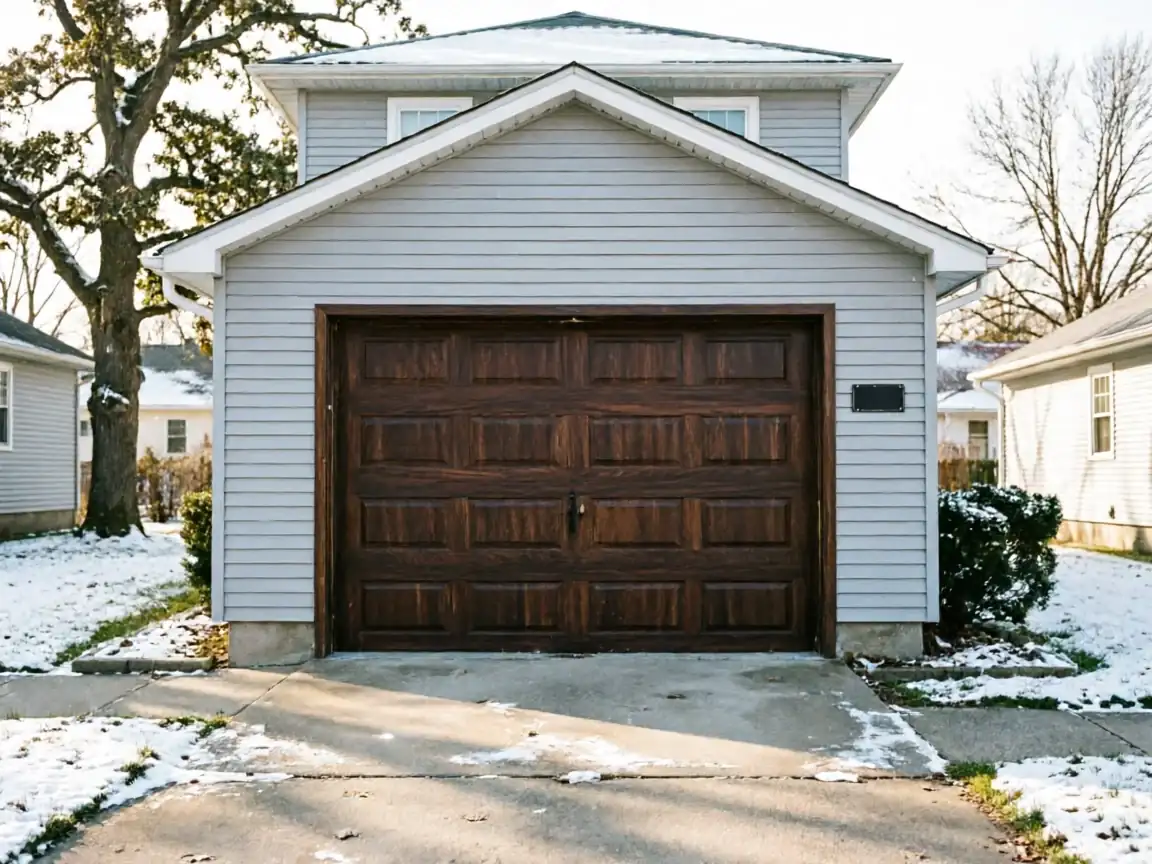
The cold moderate climate band this area sits in is the main driver of wear speed, more than any one bad winter. Repeated freeze-thaw cycles stiffen torsion springs and dry out lubricant on rollers and hinges faster than a steady cold or steady mild climate would. On a door that's already 30-plus years old - which is most of them here, given the 1990 median build year - that stiffening shows up as a grinding start-up noise on the first cold mornings of the season.
Humidity swings also work on the steel cables and the galvanized coating on torsion springs, which is why we check for surface rust on both every visit rather than just assuming they're fine because the door still opens. None of this is dramatic failure - it's slow wear that adds up over a winter or two of skipped lubrication.
How to Book
Maintenance visits in Inver Grove Heights get scheduled out from our Eagan location, about 5 miles away
So we batch them rather than offer same-day drop-ins for routine service. If your door is making noise, dropping unevenly, or you just haven't had it looked at since it was installed, book through our Inver Grove Heights service page and we'll get a date on the calendar.
- 5 miles
If you're not sure whether what you're hearing is a maintenance issue or an actual repair, say so when you book
We'd rather ask a question up front than show up for the wrong job.
Parts We Carry
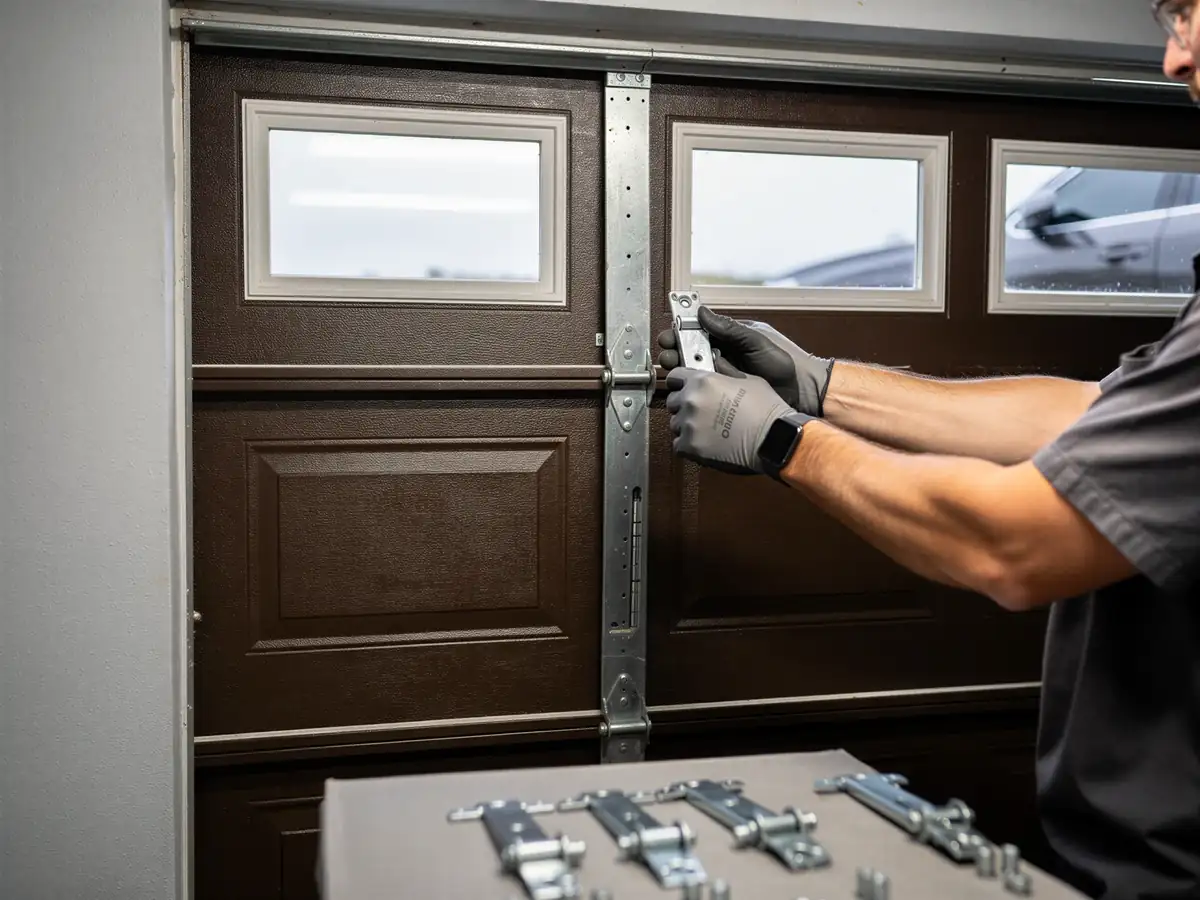
We carry the rollers, hinges, cables, and lubricant that cover the bulk of what fails on 1990s-era doors: nylon and steel rollers, standard hinge sets, galvanized lift cable, and bottom-panel weatherstrip in common widths. Torsion springs we stock in the sizes that match the standard residential doors built across this era of housing.
What we don't keep on the truck is anything custom - odd-width doors or opener models that were already discontinued by the time the house was built. If your door needs one of those, we'll tell you straight that it's a special-order part and give you a real timeline instead of guessing.