What Can Go Wrong
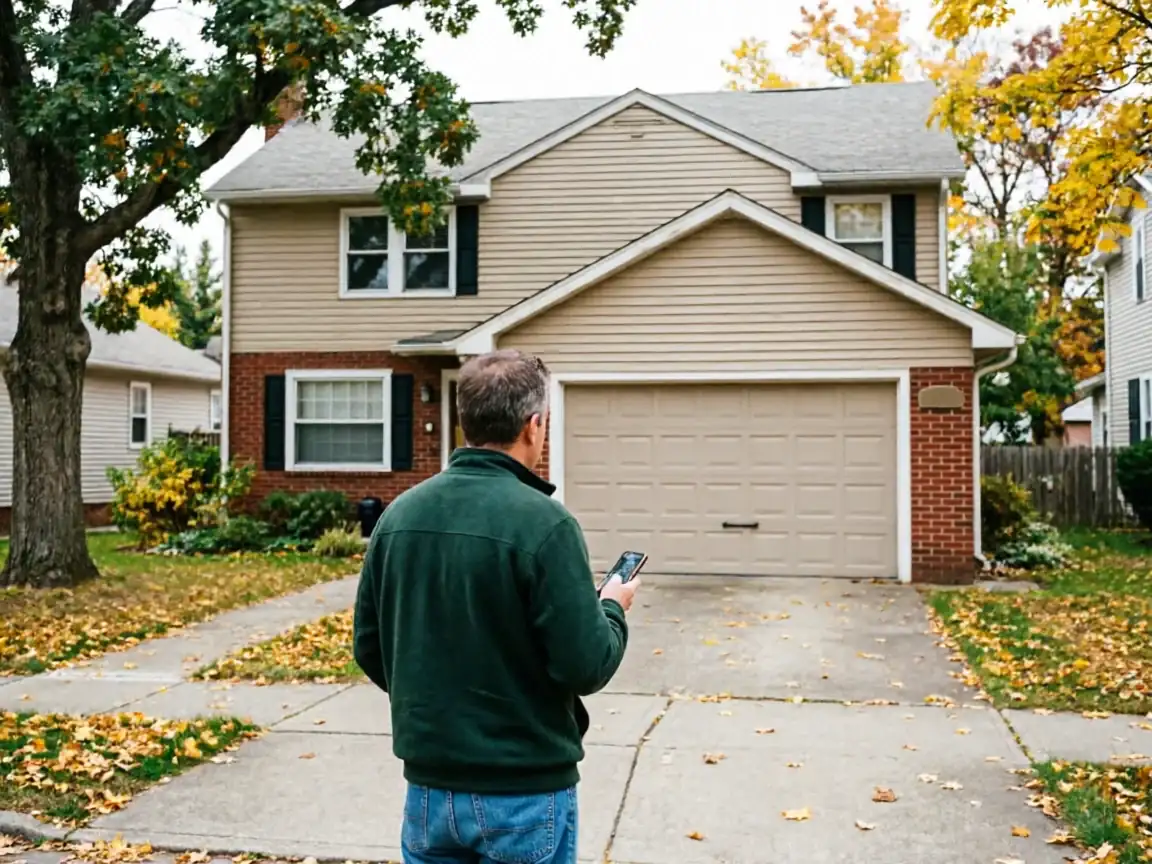
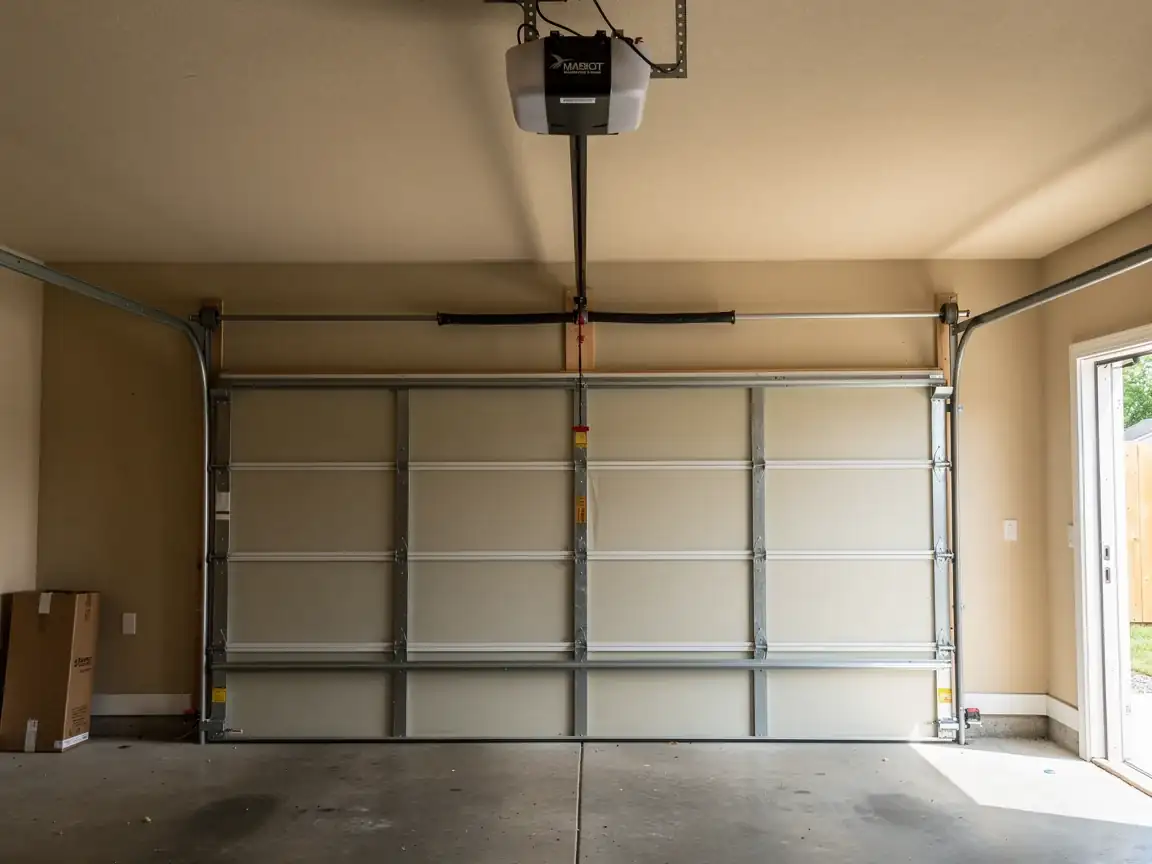
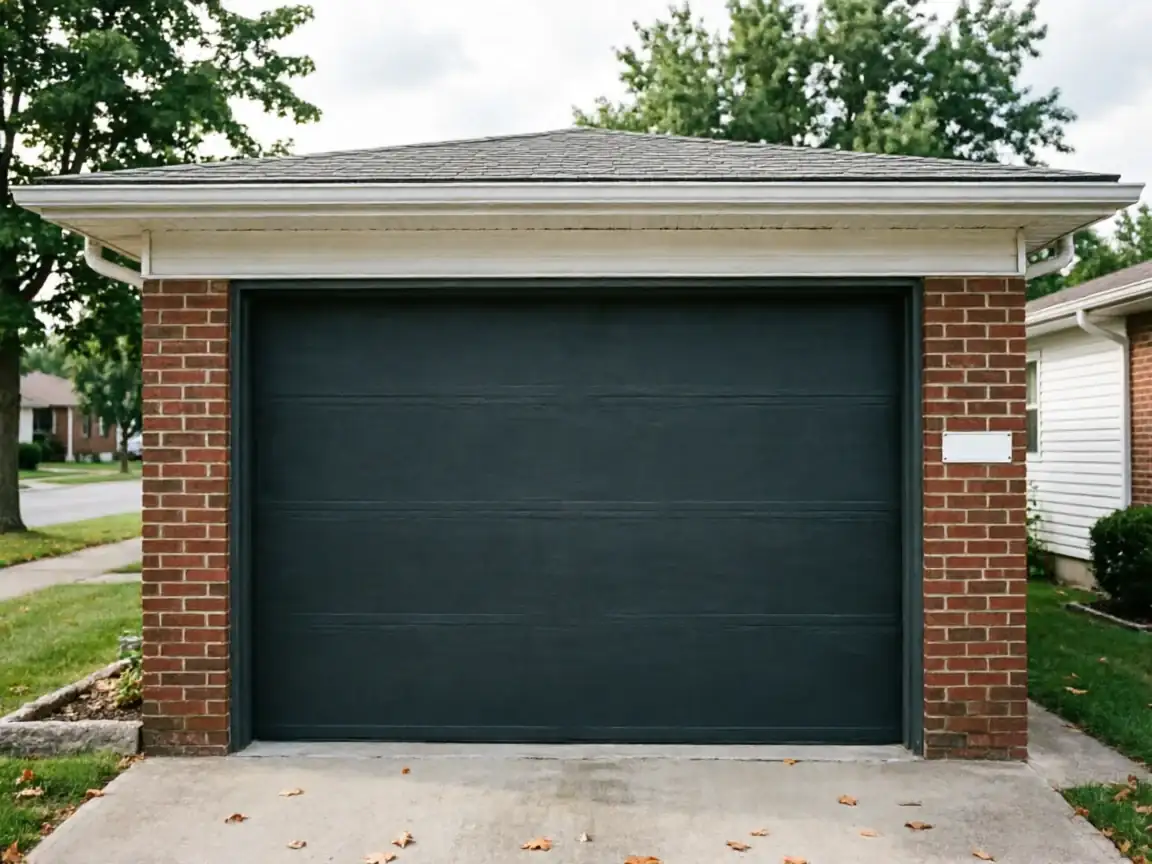
Inver Grove Heights sits apart from a lot of what we see on this side of the metro. Across our service area the typical house was built around 1973, but the median build year here runs closer to 1990 - a full generation newer. That matters for a new install because 1990s construction usually means a wider, taller rough opening than the 1960s and '70s garages we work on elsewhere, often already sized for a double-car door rather than a single retrofit. What goes wrong here is usually not rot or a warped jamb from an old frame - it's a builder-grade steel door from that era reaching the end of its service life, with a cheap roller system and a spring rated lighter than the door actually needs once insulation gets added. Track alignment problems show up too, since many of these openings were framed slightly out of square by production builders working fast through a subdivision. None of this is dramatic, but it means the install plan starts with measuring what's actually there instead of assuming an older opening.
How We Fix It
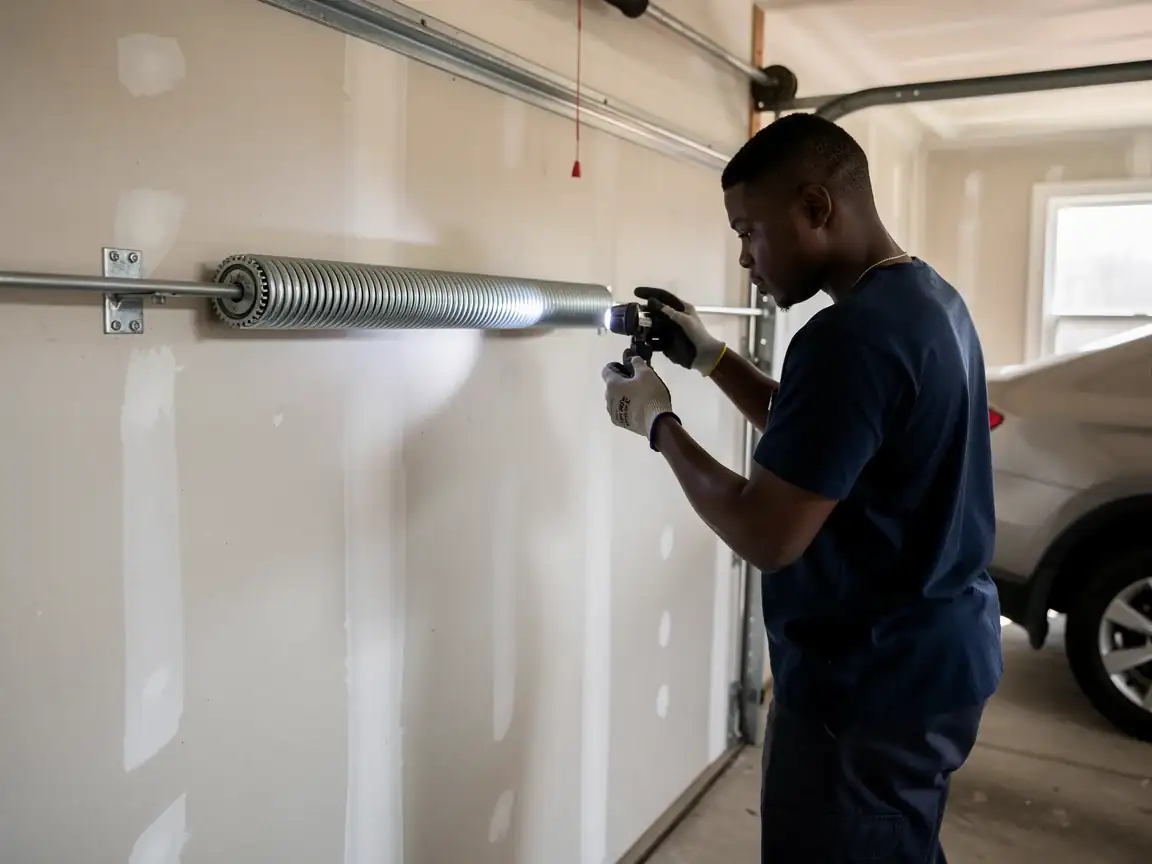
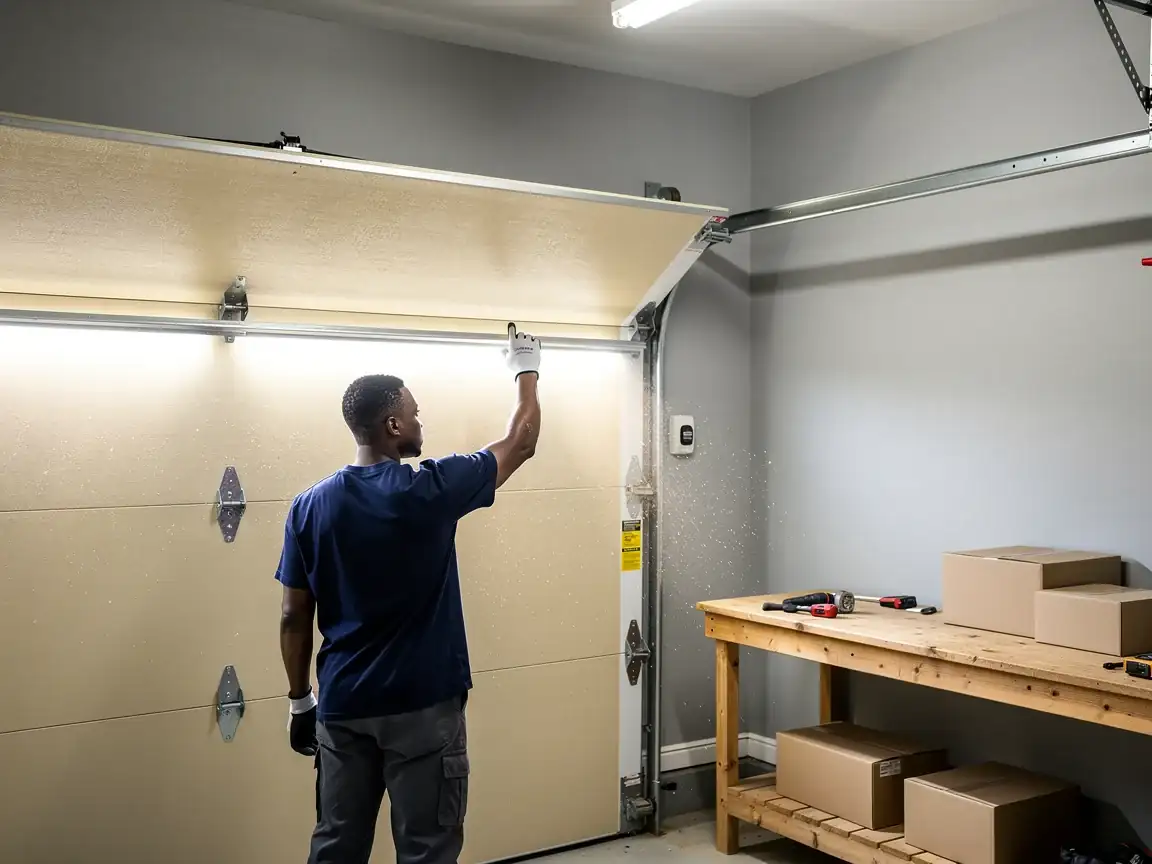
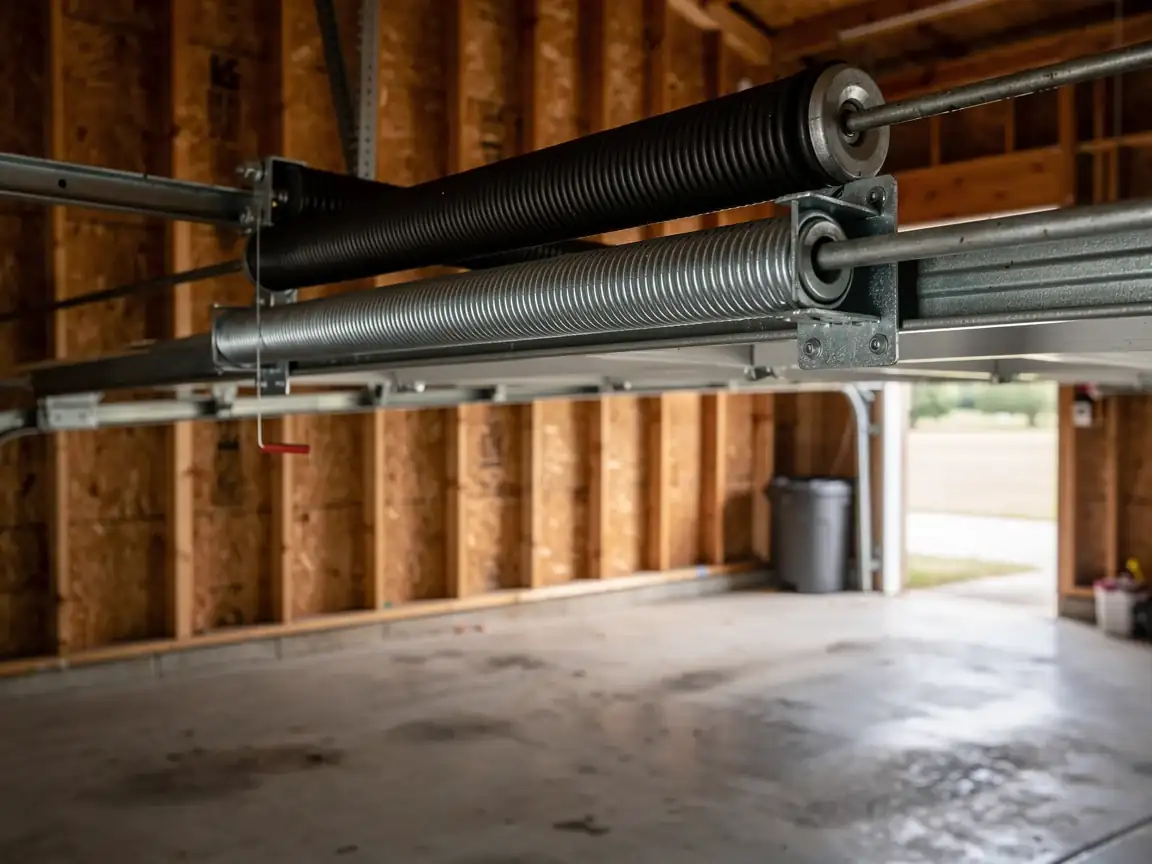
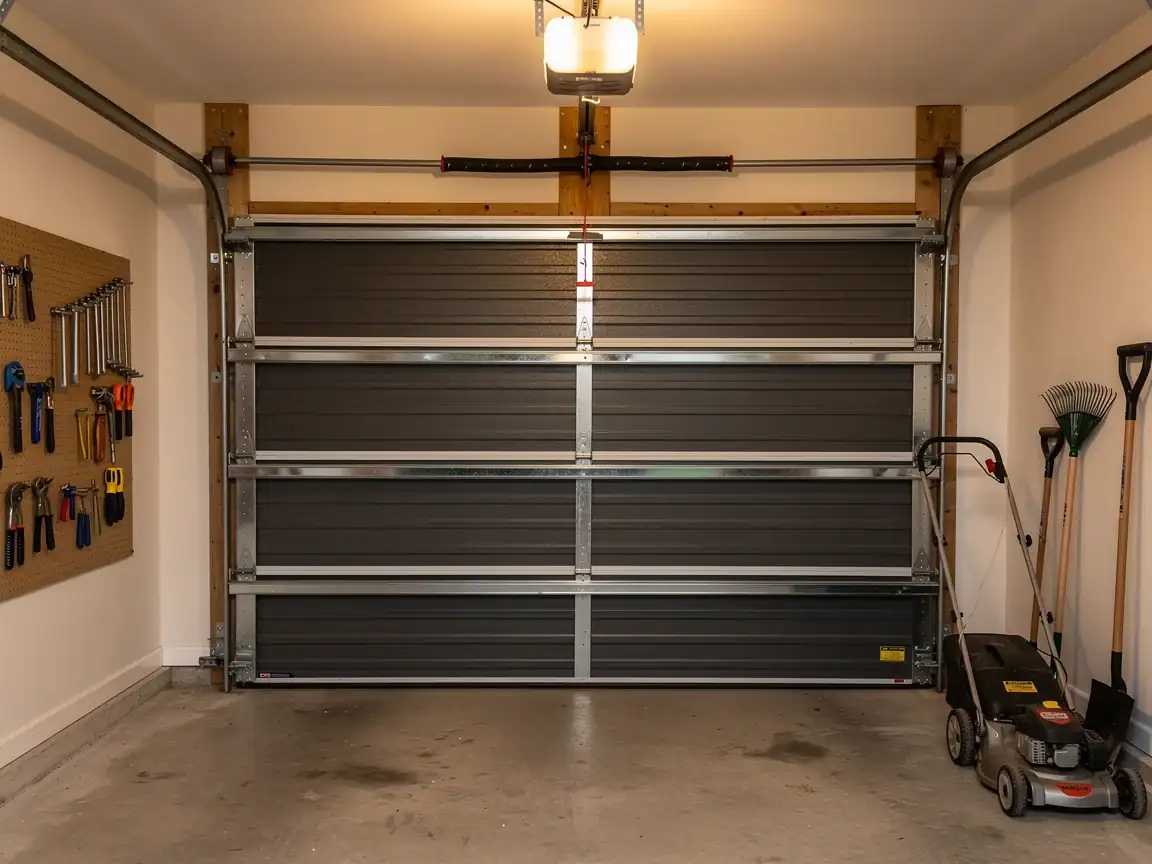
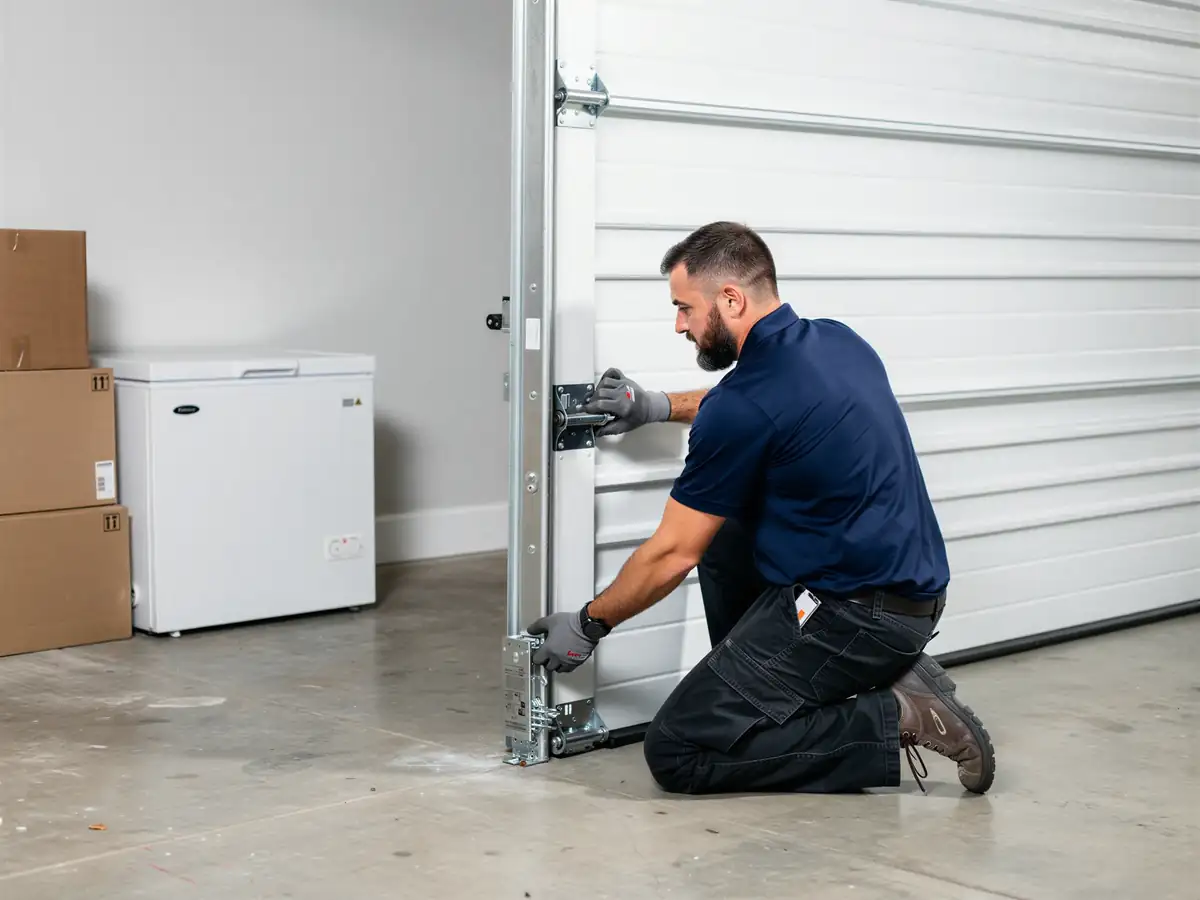
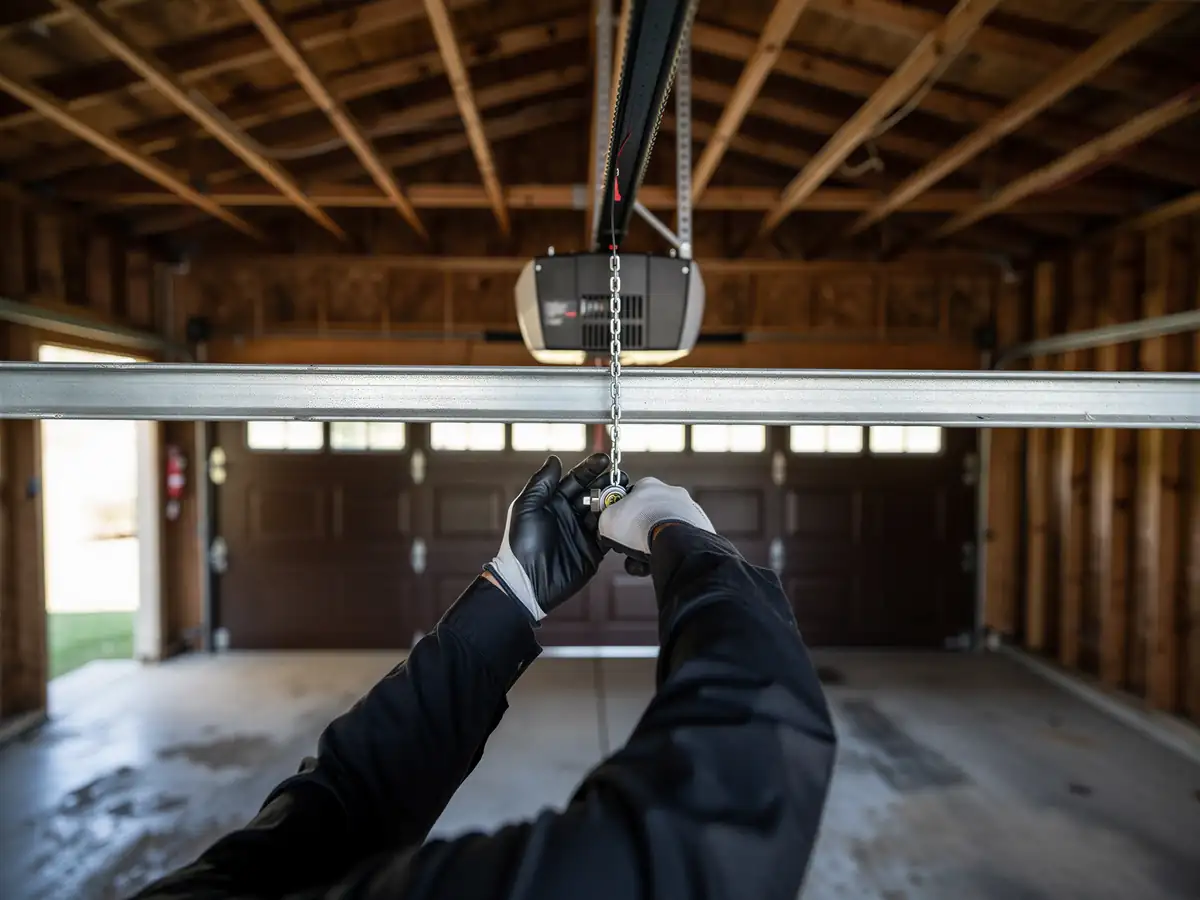
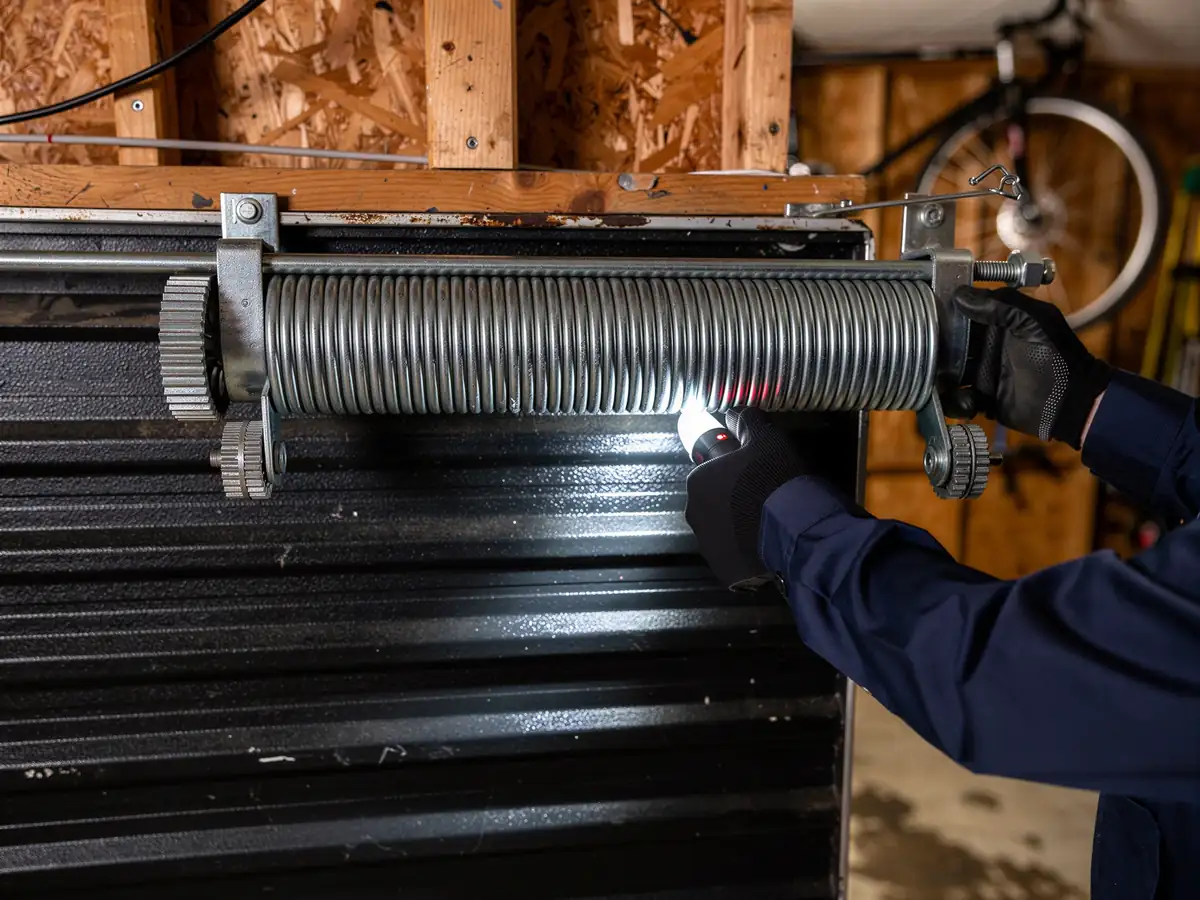
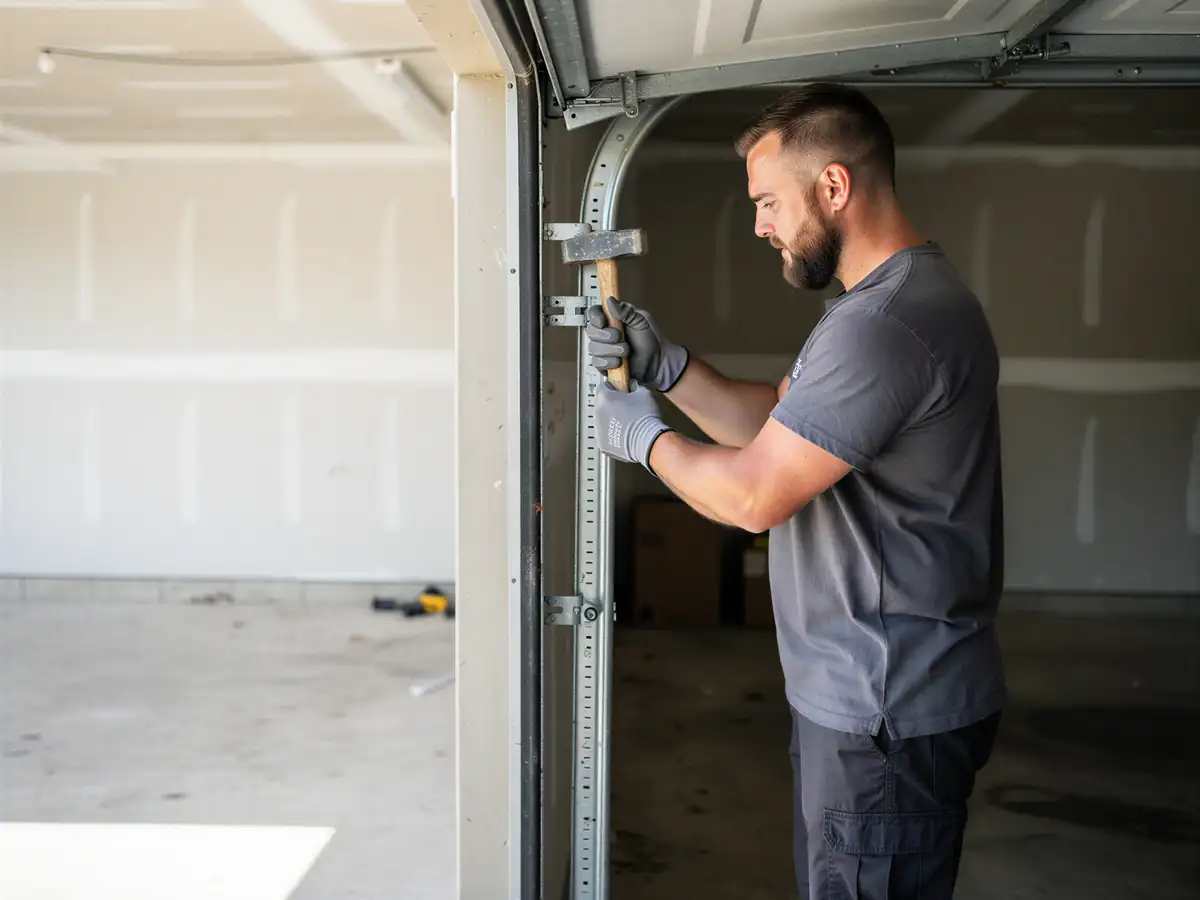
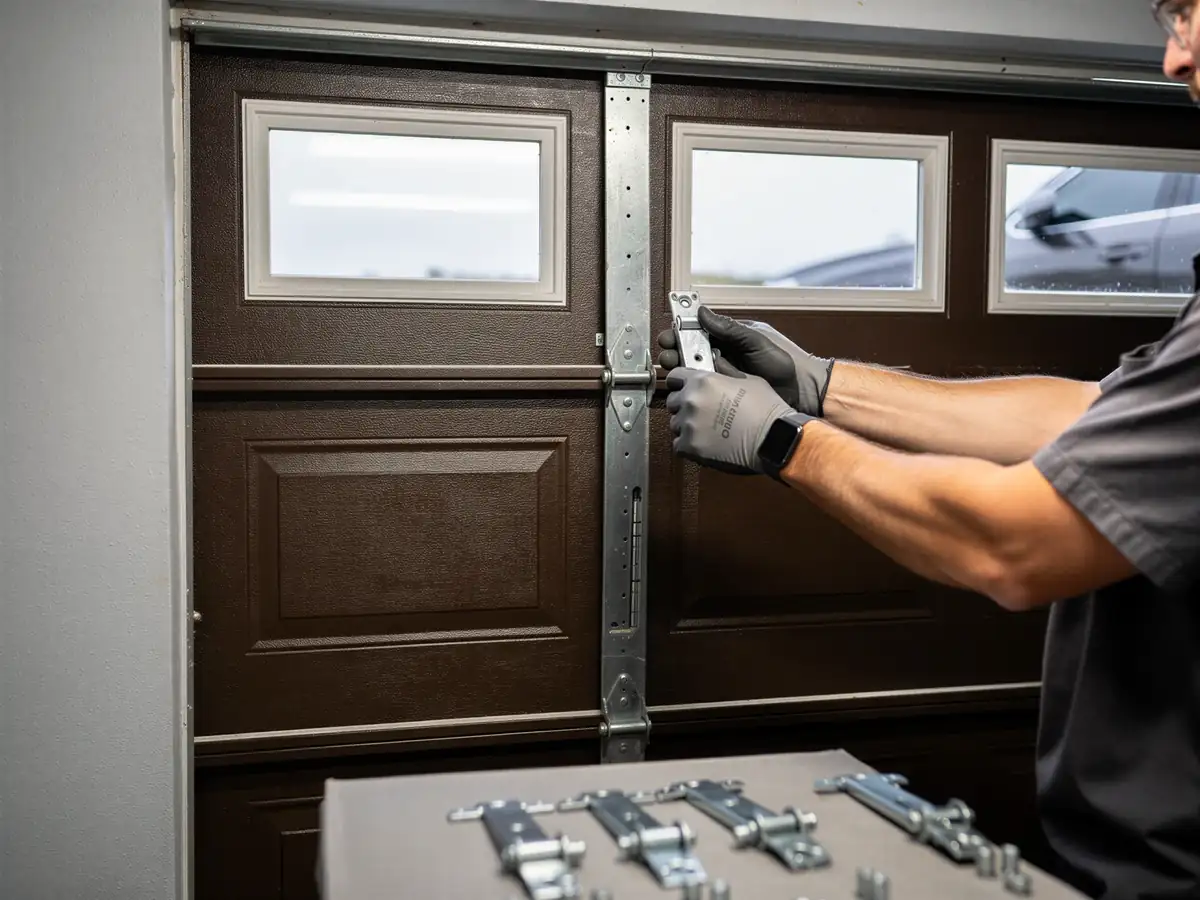
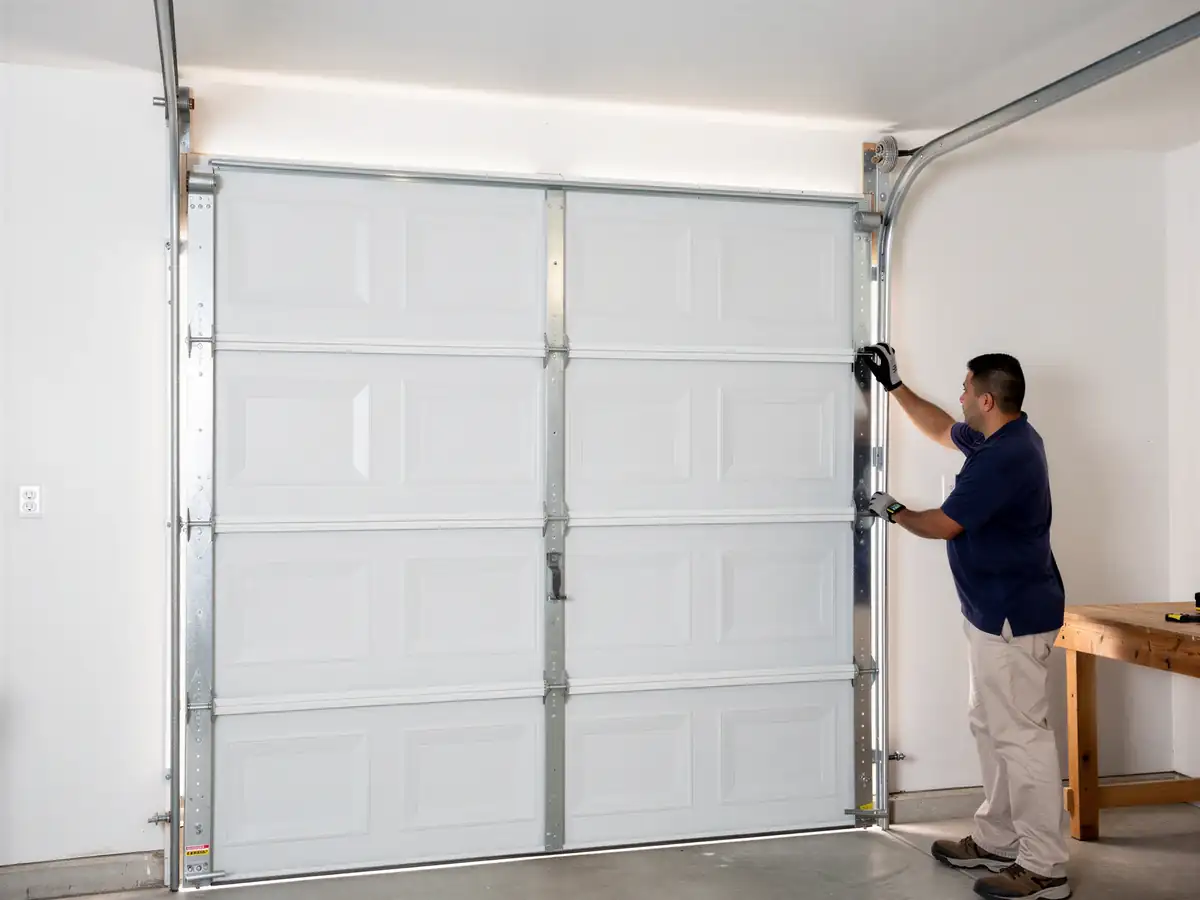
For a straight install, we pull the old door and track, check the opening against current framing, and set new jamb brackets if the original ones have sagged - common on 1990s double-wide openings after thirty-plus years of racking. We size the spring to the actual door weight, not a generic chart number, which matters more here because many homeowners are upgrading from a plain steel panel to an insulated one that weighs more. Opener mounting gets checked against the header too; some of these garages were framed with just enough clearance for the original lightweight door and need a bracket adjustment for a heavier replacement. We test balance and travel limits before we leave, not just whether the door goes up and down.
What Causes It Around Here
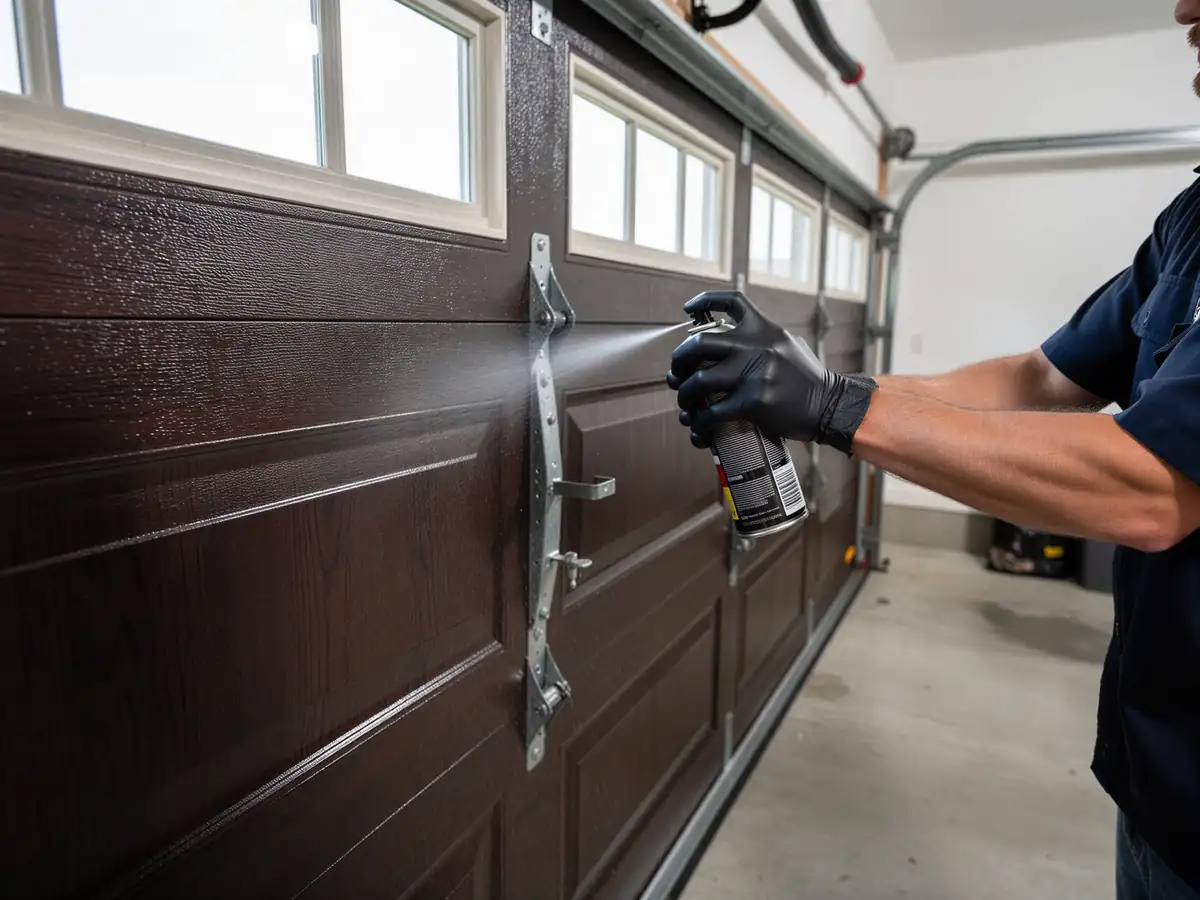
Minnesota's cold-moderate climate band means every door here deals with real freeze-thaw cycling each winter, and that's true whether the house went up in 1973 or 1990. What's different in Inver Grove Heights is less about weather and more about the original build quality - subdivision-era doors from the late '80s and '90s were often builder-grade, picked for cost rather than longevity, with thin panel skins and basic hardware. Thirty-plus years of seasonal temperature swings on that grade of door tends to show up as panel warping, brittle seals, and springs that were undersized from day one. It's less dramatic than storm damage, more a slow mismatch between the door installed and the door the opening actually needs.
Parts We Carry
For new installs we stock standard torsion springs sized to door weight, steel and insulated composite panel doors, nylon and steel rollers, and standard-lift track hardware that fits the taller openings common in 1990s-era double garages. One honest limit: specialty sizes - oversized openings, custom wood doors, or odd historic dimensions - usually mean a special order with a longer lead time, and we'll tell you that up front rather than quote a date we can't hit.