What Can Go Wrong
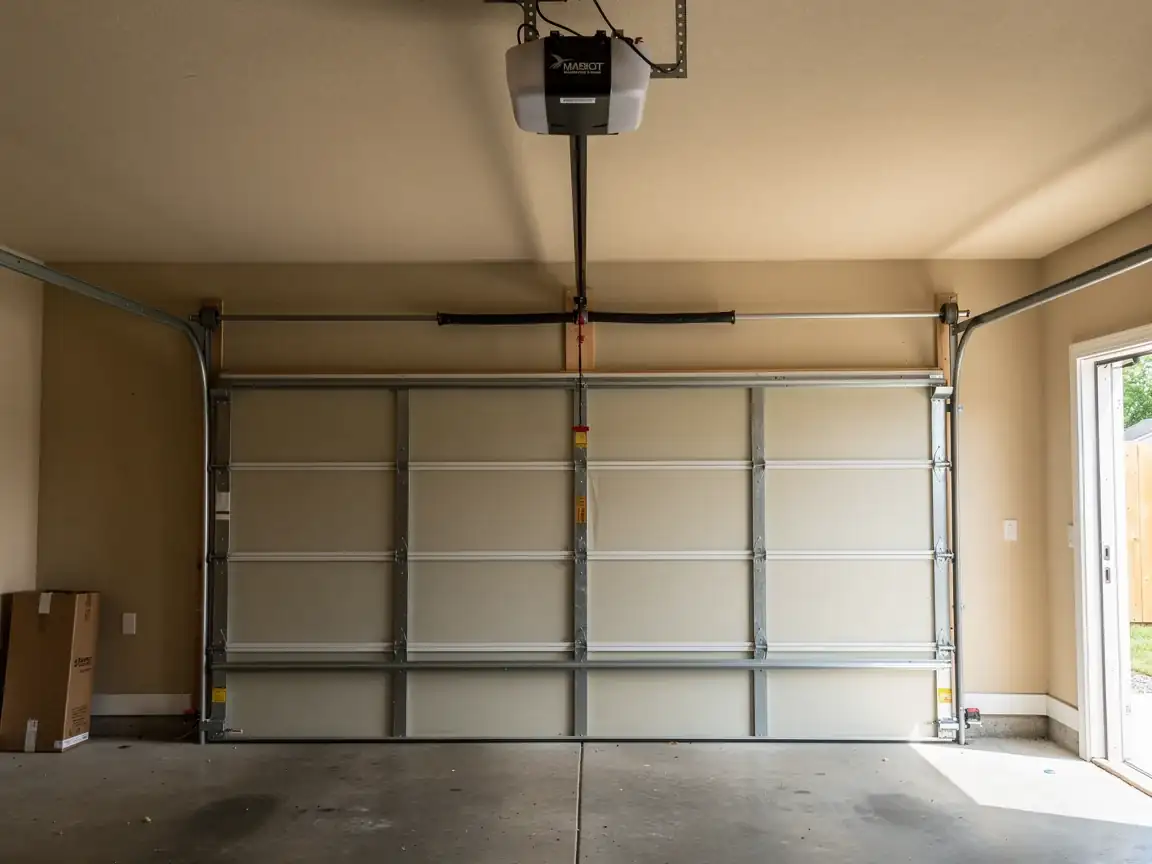
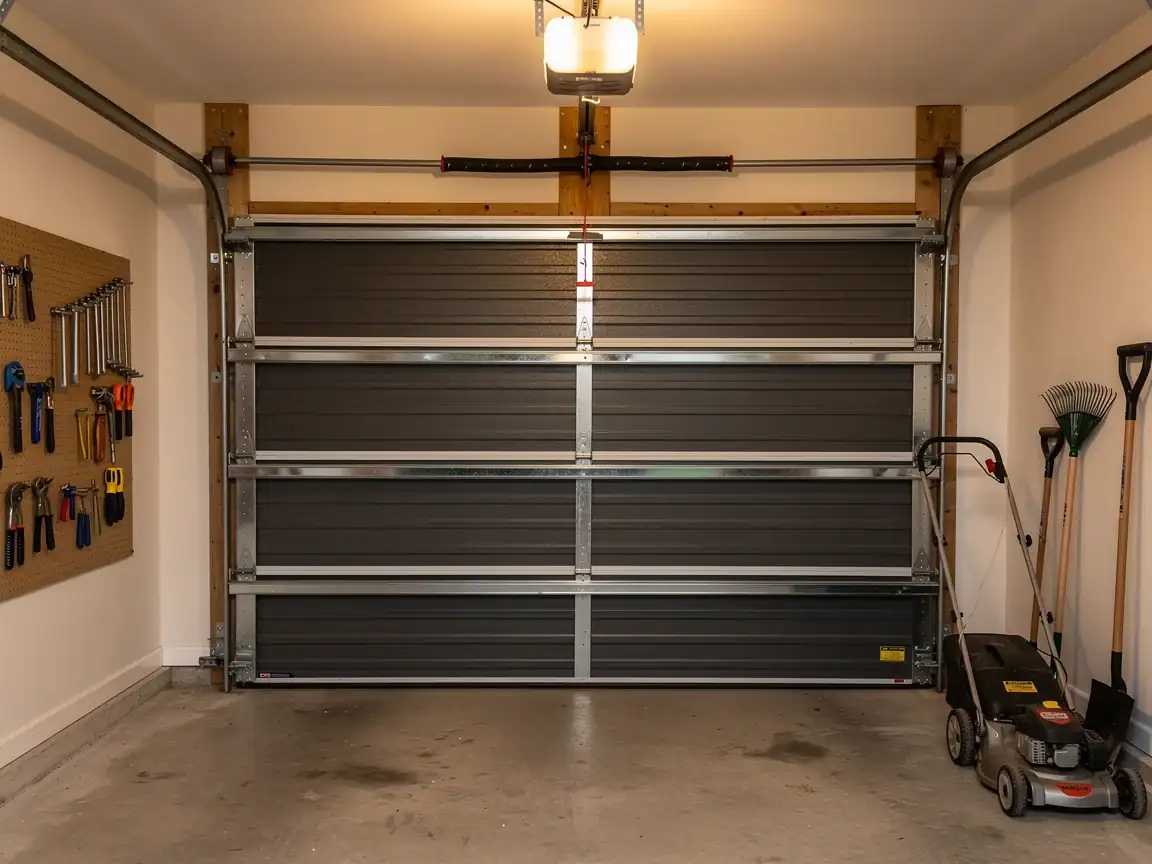
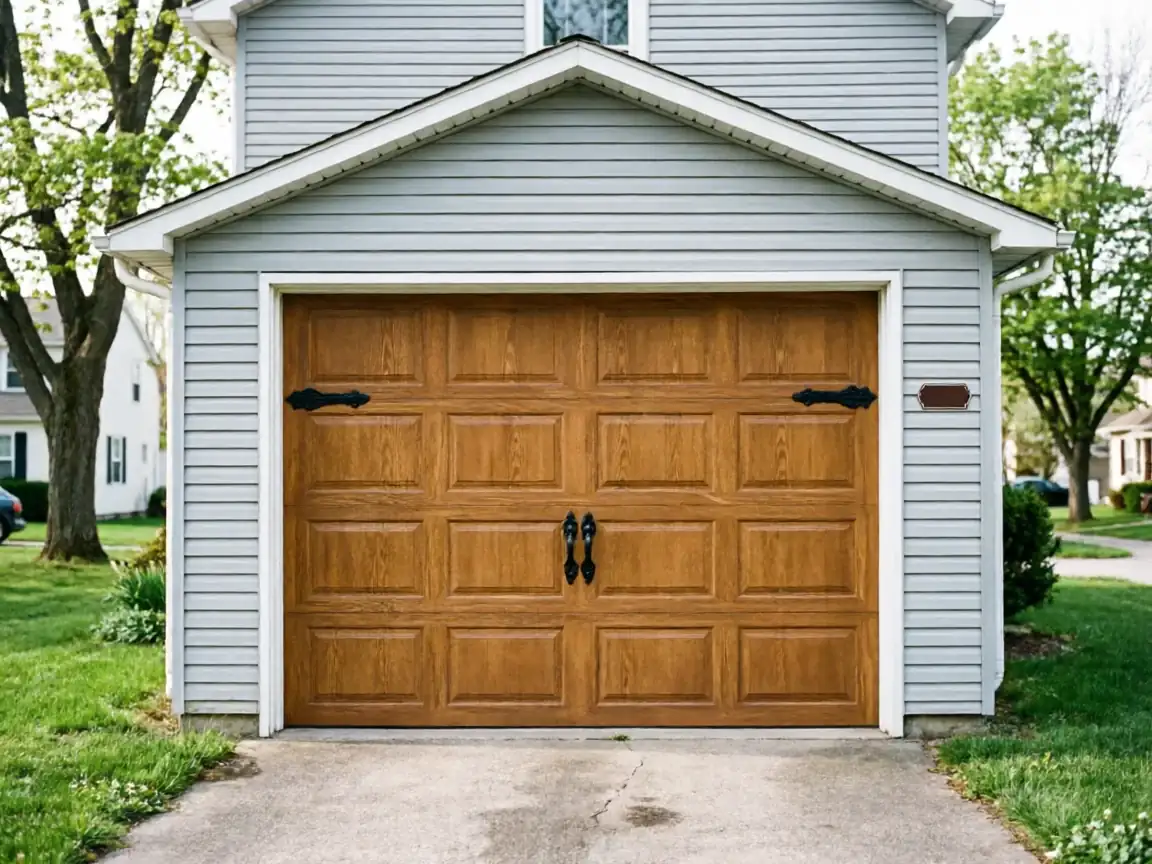
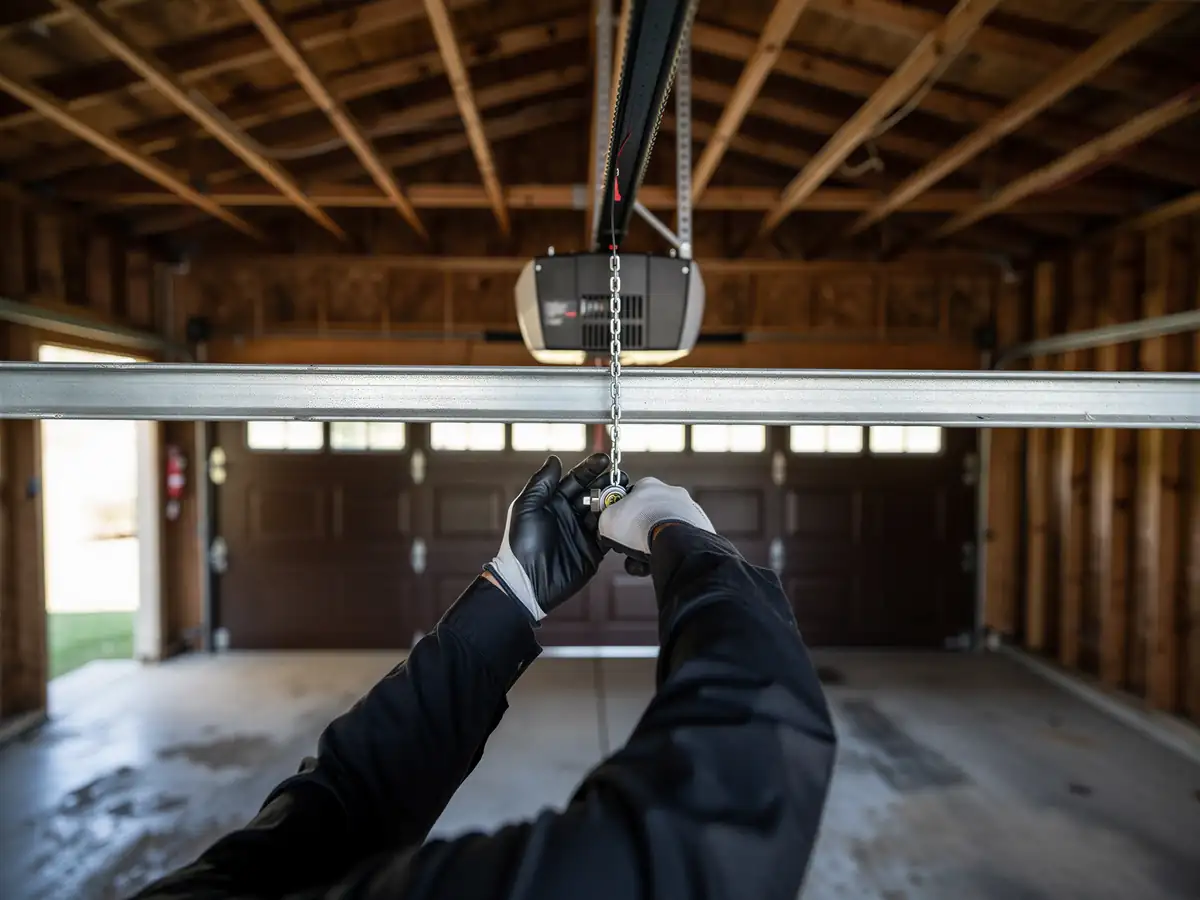
The median house in Inver Grove Heights went up around 1990, and that means the opener bolted to your ceiling joist is probably the original unit or its first replacement - a 1/2 horsepower chain-drive, often with a steel sectional door hung on it that's the standard width for that build era. Openers from right around 1990 sit at an awkward spot: some left the factory just before the 1993 federal rule that required photo-eye safety sensors on every new residential opener, and some got photo eyes added later as a retrofit, wired in by whoever installed them. That means the failure we see most isn't the motor - it's the sensor eyes going out of alignment, a worn drive gear stripping inside the housing, or a logic board that's simply reached the end of its service life after three decades of Minnesota temperature swings. Belt-drive openers installed as later replacements have their own issue: the belt stretches and starts skipping teeth, which reads to the owner as "the door won't fully close" when it's really a half-inch of slack. We also see wall buttons and remotes that predate rolling-code security, which is a real vulnerability on an older system, not just a nuisance.
How We Fix It
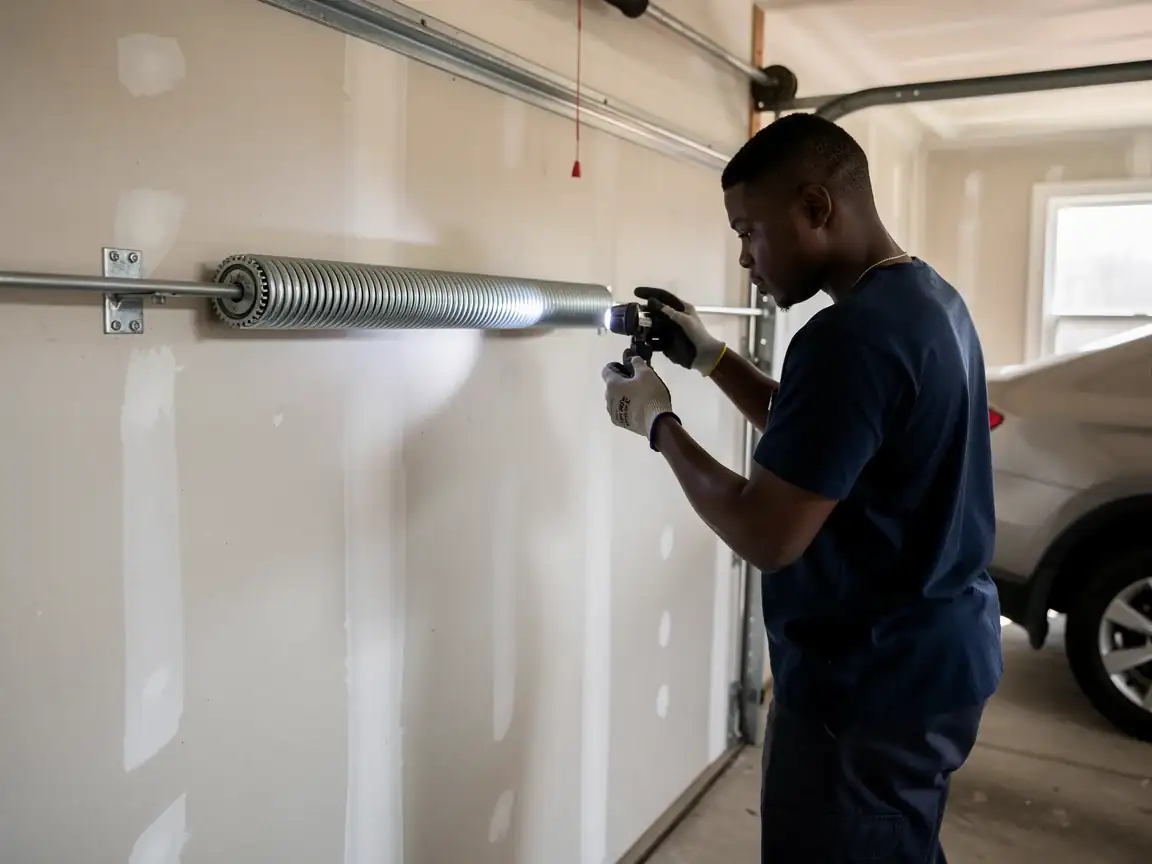
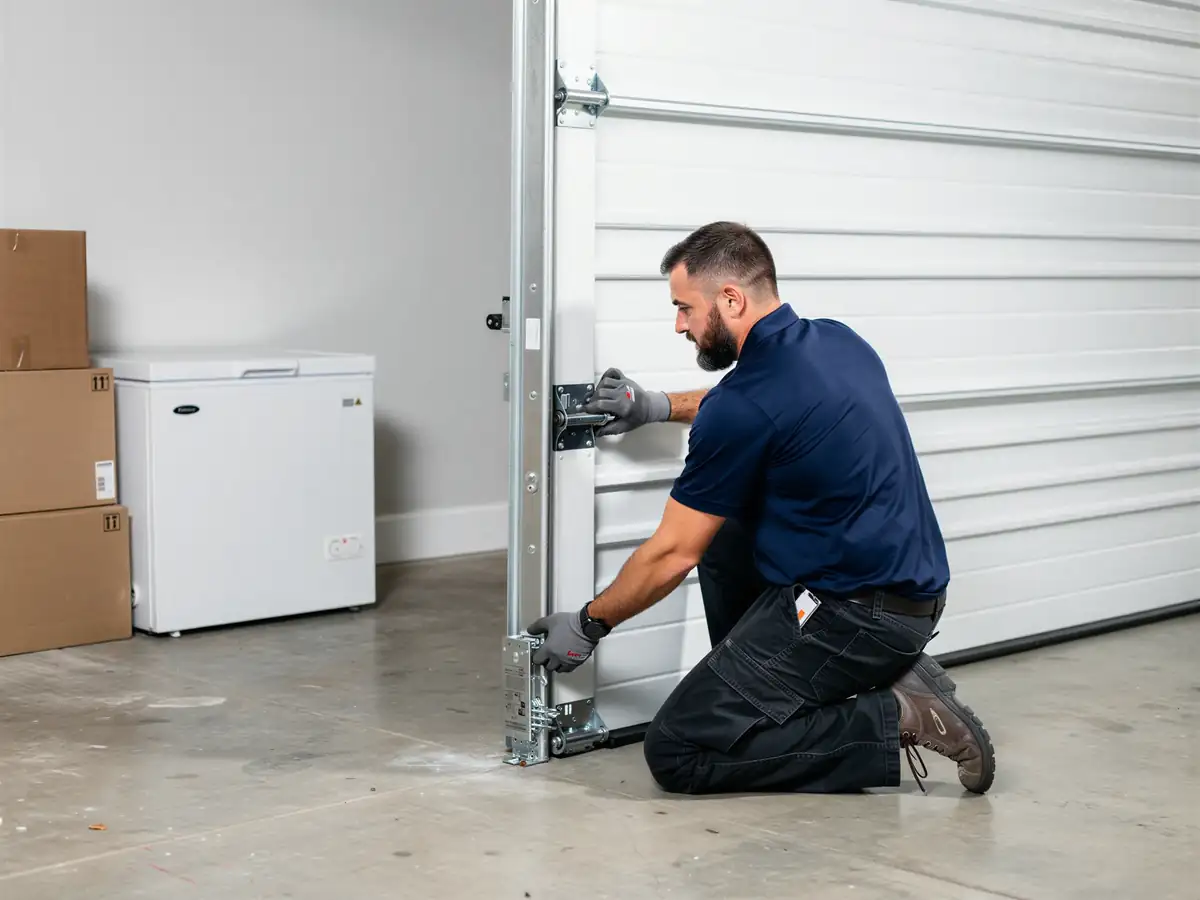
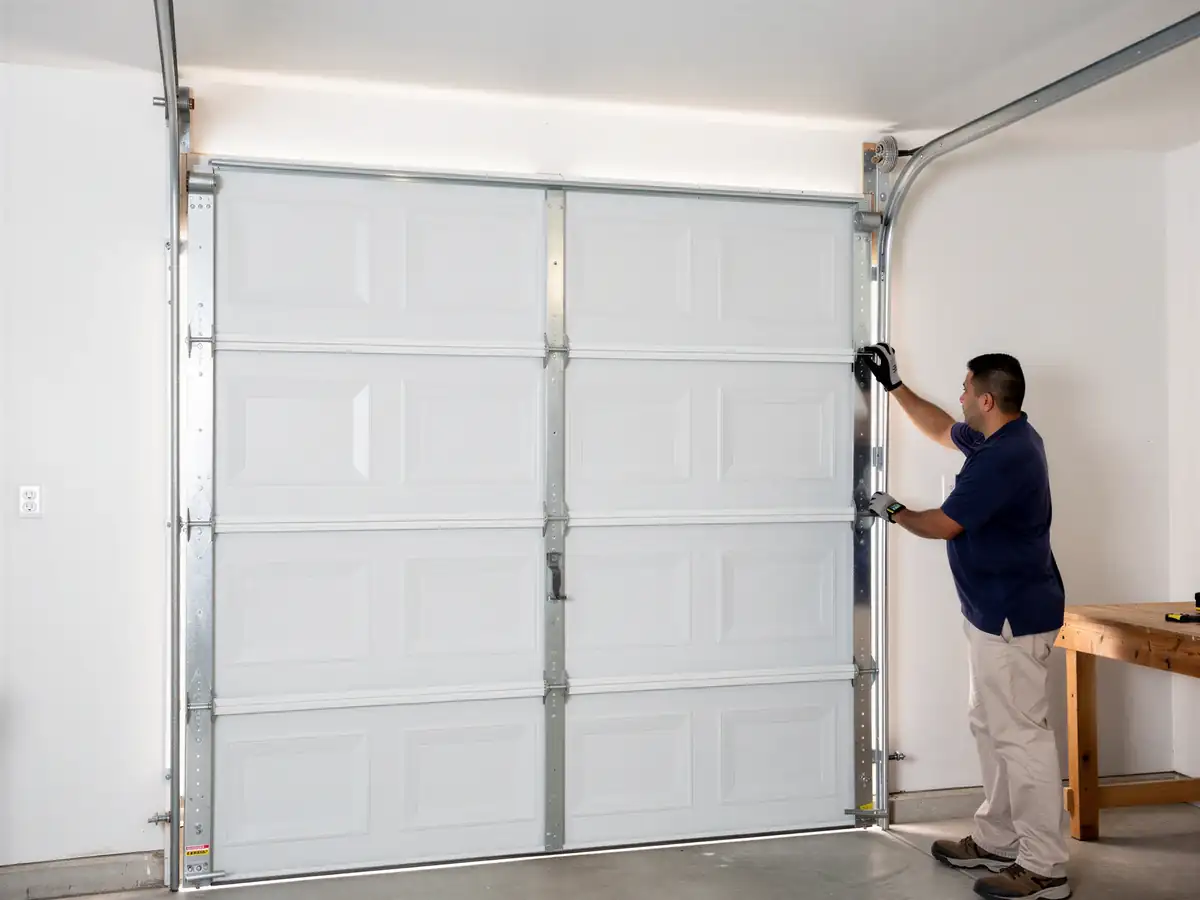
We start at the sensors, because misalignment is the single most common call-back for a door that reverses or won't close - it's a five-minute fix if that's the problem, and we're not going to sell you a new opener to solve it. From there we check the drive system: chain tension and sprocket wear on the older units, belt tracking on the newer ones, and the logic board's response to the wall button versus the remote, since a board that's failing often shows a gap between the two before it fails outright. If the opener is original to a 1990-era build, we'll tell you straight whether it's worth repairing or whether a board, gear set, and the labor to install them add up to most of the cost of a new unit - at that point we say so instead of nickel-and-diming the old one back to life for a few more months. Travel is from our Eagan location, 5 miles out to Inver Grove Heights, so the visit itself doesn't carry a surcharge for distance.
What Causes It Around Here
Minnesota winters are hard on opener electronics generally, but the specific problem in Inver Grove Heights traces back to the housing stock: with a median build year of 1990 across roughly 14,598 households, a large share of openers in this city are now 30-plus years old, which is past the realistic service life for the motor windings and the capacitor that drives the start cycle. Garage doors here aren't failing from storm damage or neglect so much as from age catching up to a generation of openers installed during one concentrated building boom. That clustering means a lot of this city's openers are likely to need attention within the same few-year window, rather than failures being spread evenly across decades like they would be in an older or more mixed-age suburb.
Parts We Carry
We stock common opener components: photo-eye sensor pairs, drive belts and chains sized for standard residential units, logic boards for the major opener brands sold through the 1990s and 2000s, and wall buttons and remotes with rolling code to replace older fixed-code units. Some manufacturer-specific boards for discontinued opener lines aren't something we keep on the truck - those can mean a short parts lead time rather than a same-visit fix, and we'll tell you that up front rather than make you wait at the door for a part we don't have. For a broader look at what we carry for door hardware as well as openers, see our Eagan opener repair page.