What Can Go Wrong
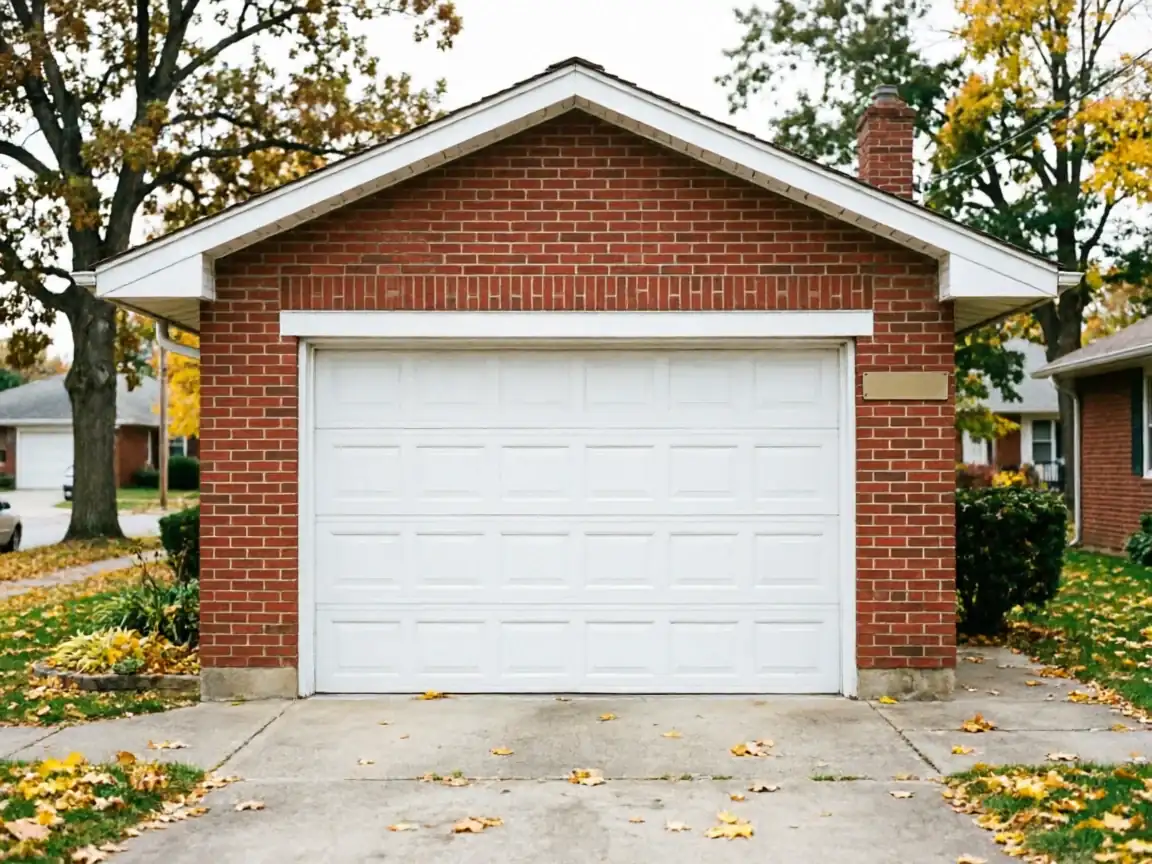
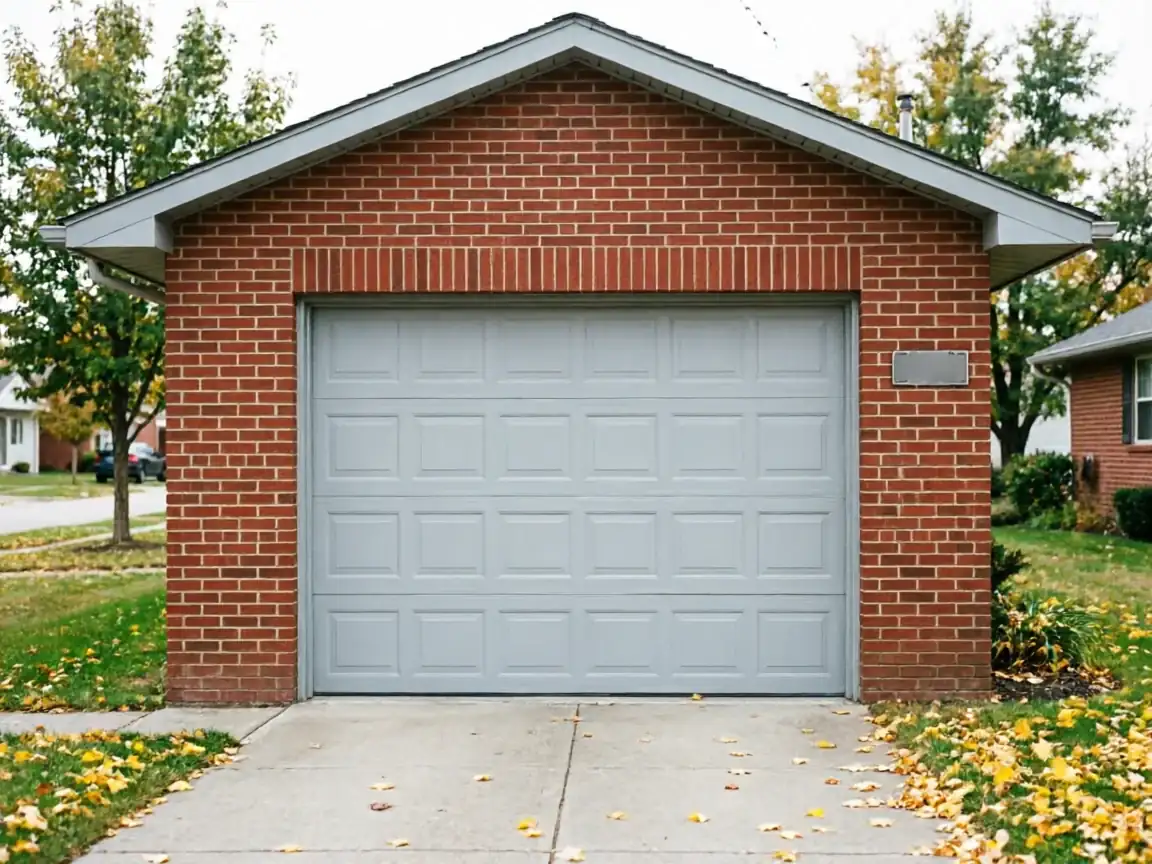
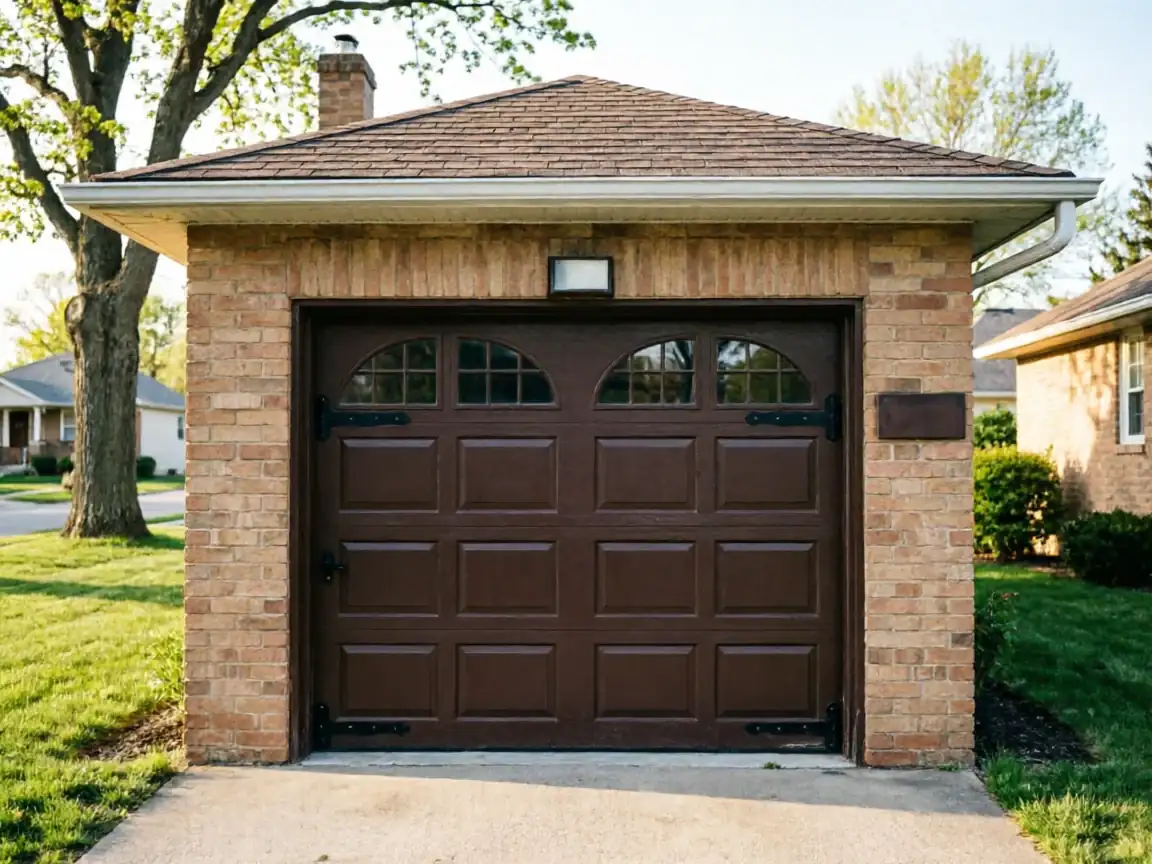
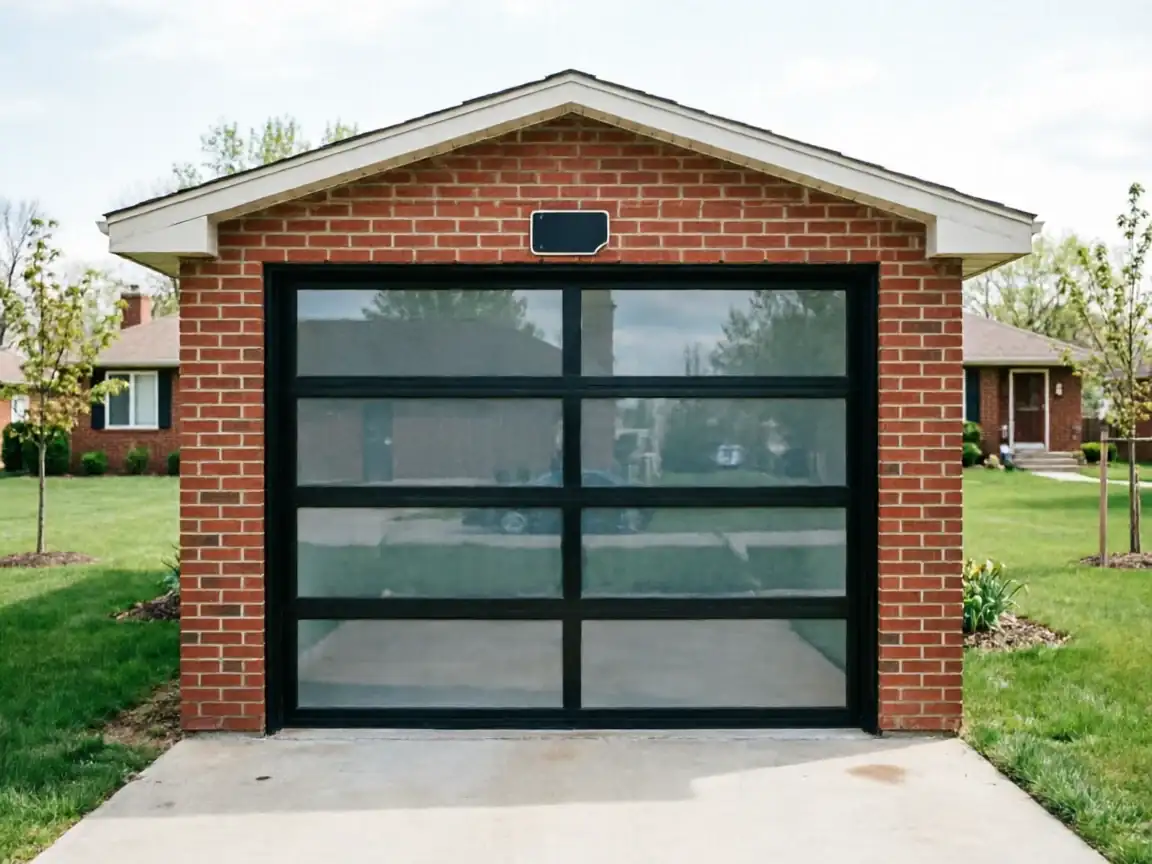
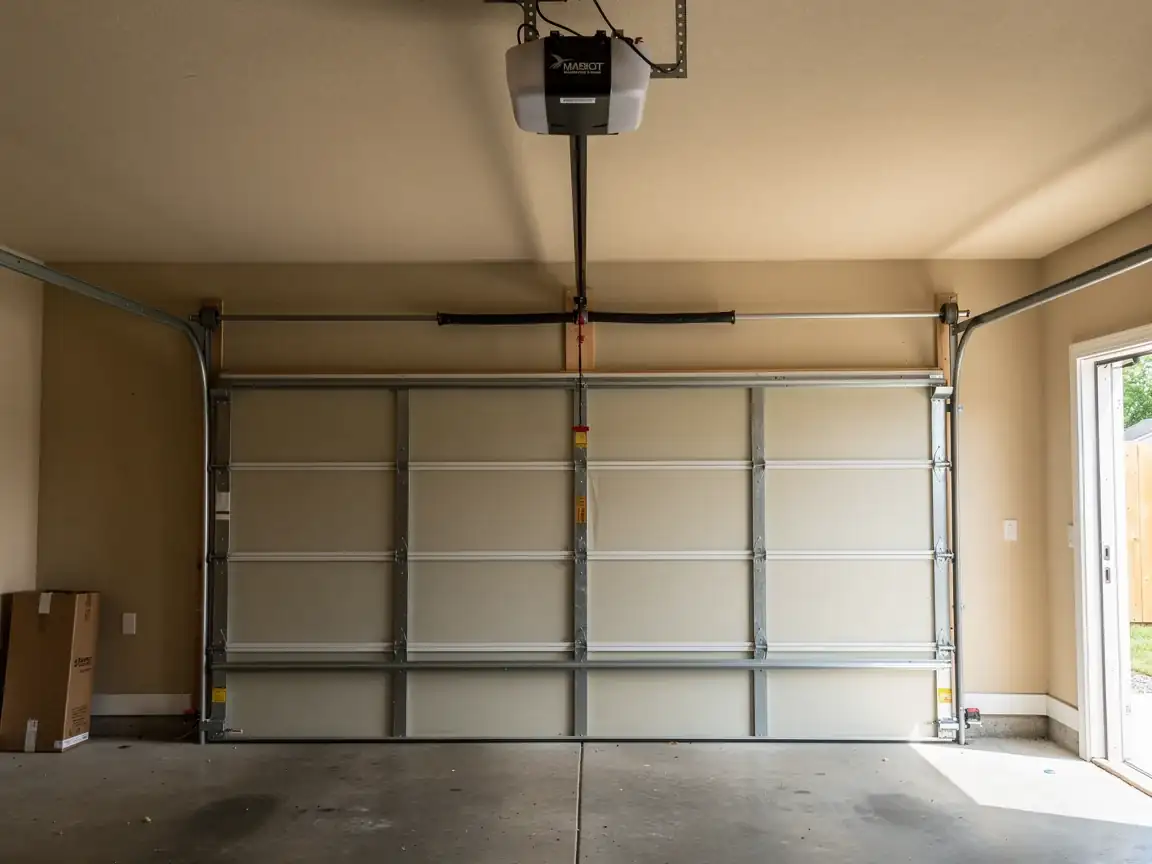
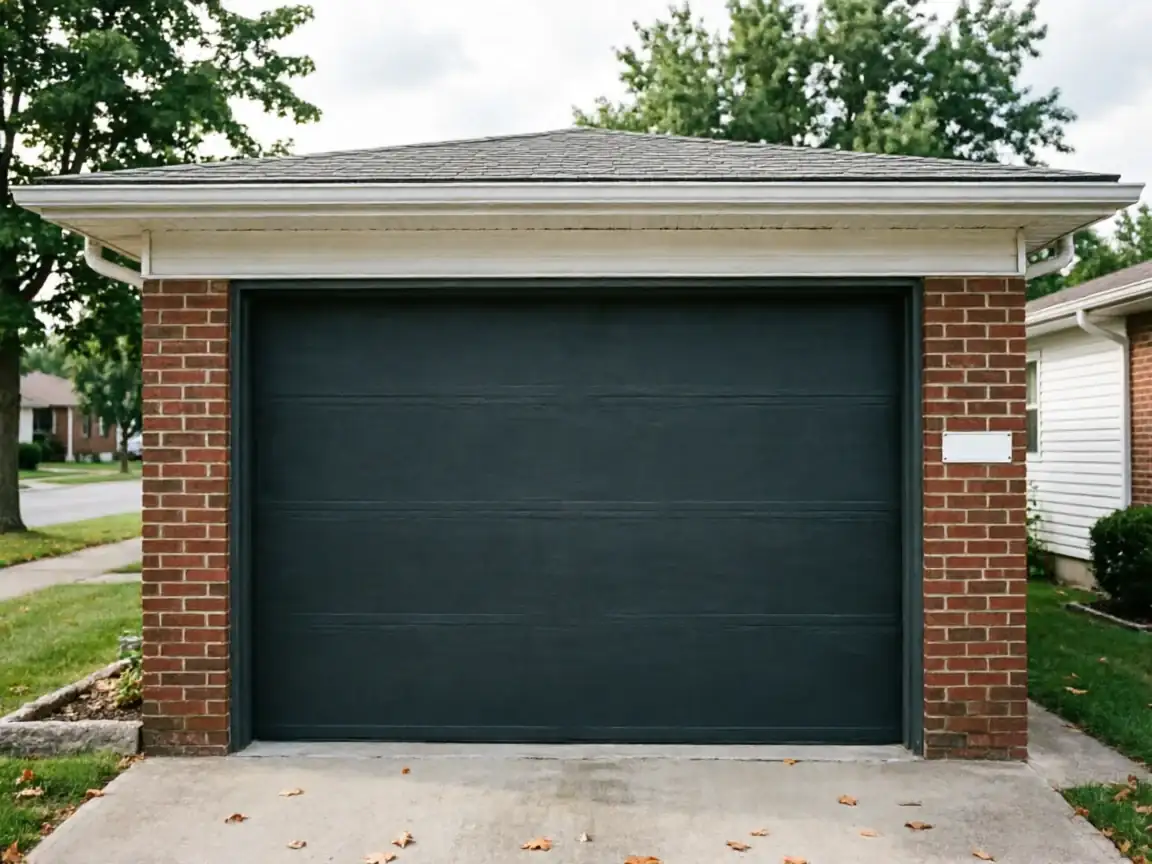
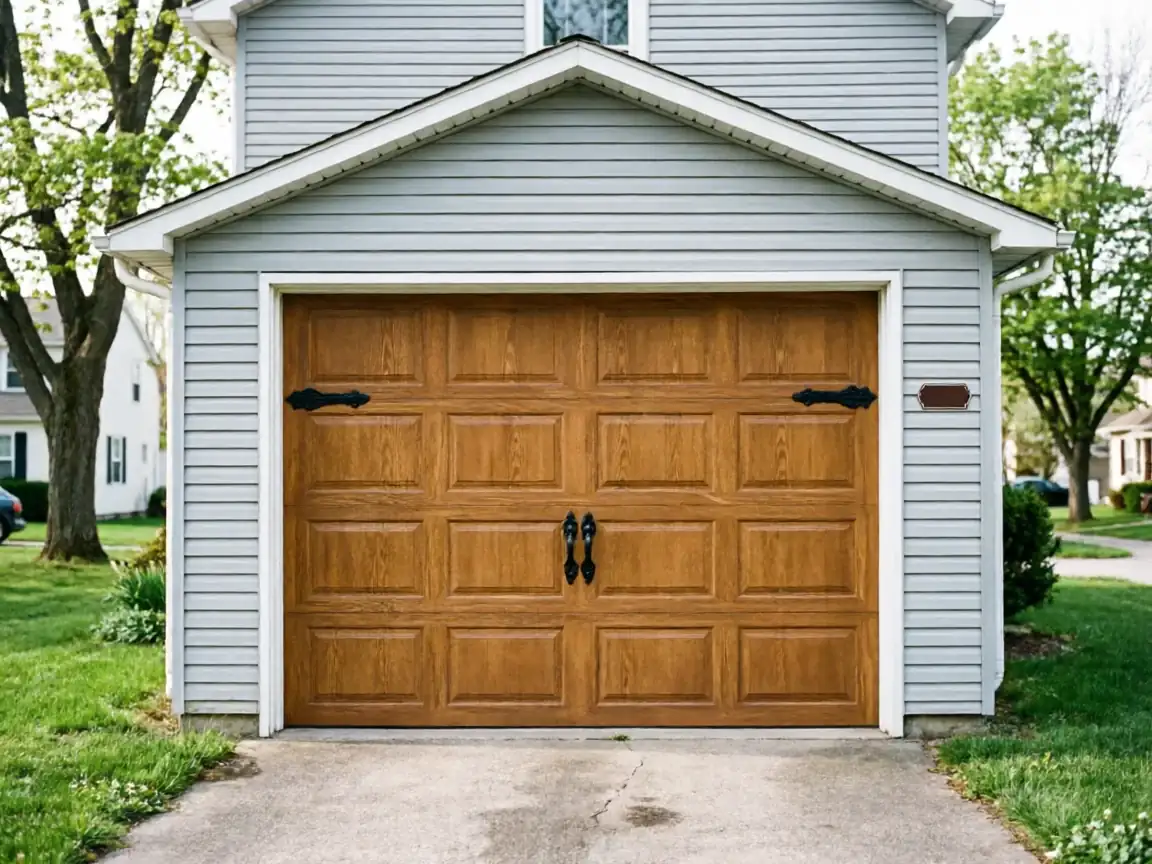
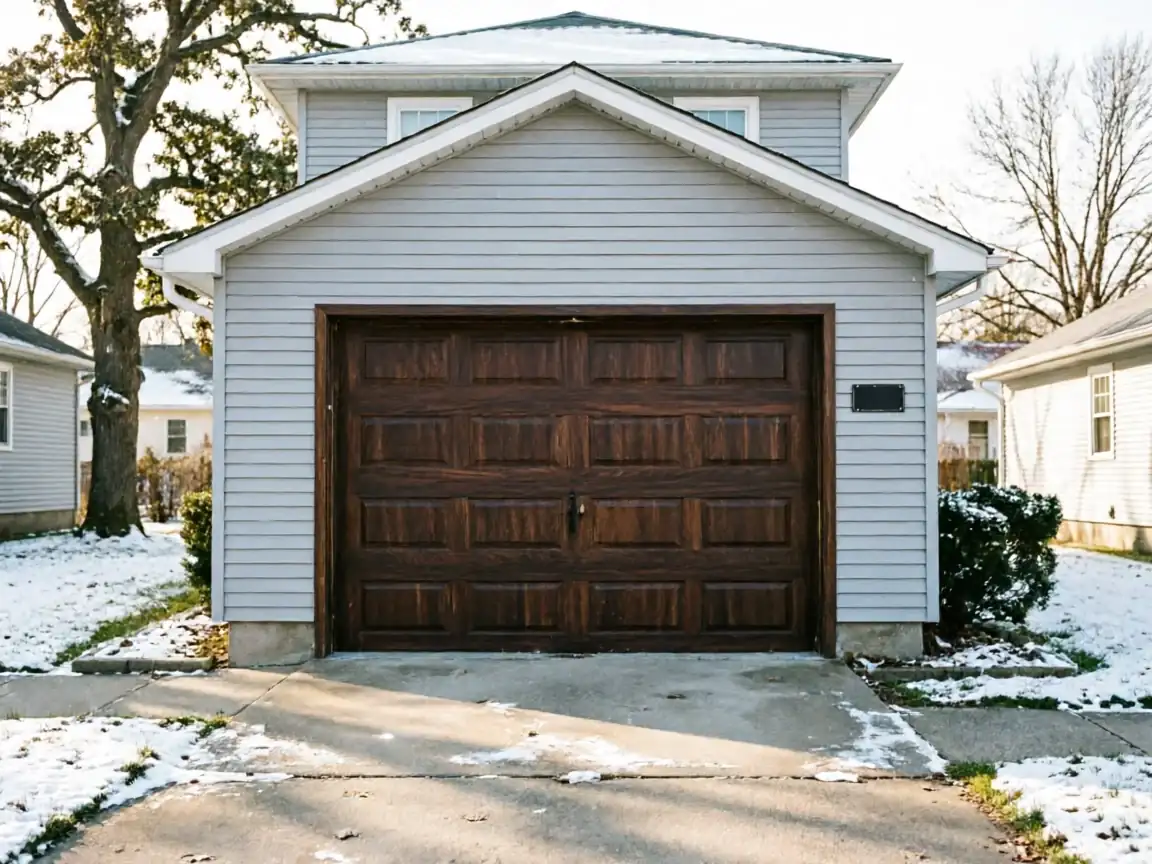
Inver Grove Heights sits five miles from our Eagan shop, close enough that a spring call here runs the same day as calls closer to home. The drive matters less than what's waiting at the house: most of this suburb was built around 1990, a solid two decades newer than the 1973 median you find across the rest of the service area we cover. That later build date means you're mostly dealing with factory steel doors on torsion spring systems bolted above the opening, not the older extension springs strung along the horizontal tracks that show up in pre-1970s pockets elsewhere.
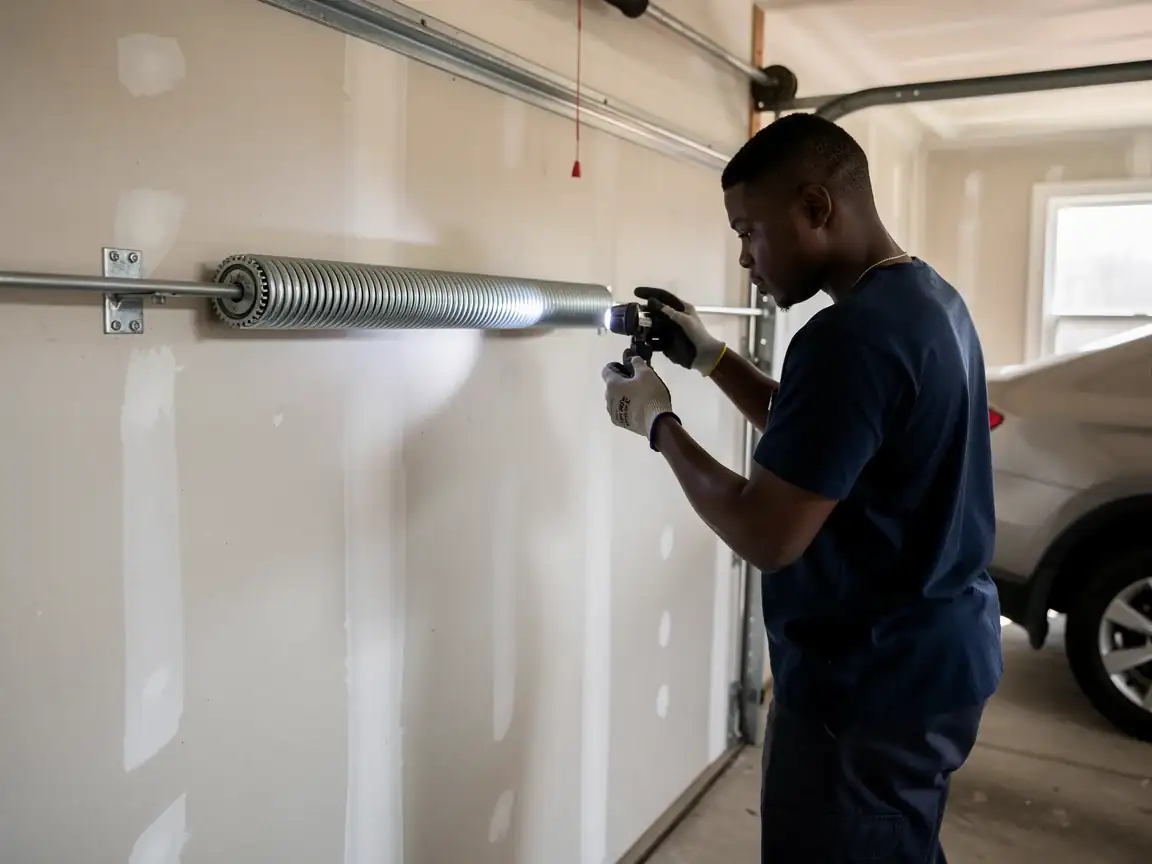
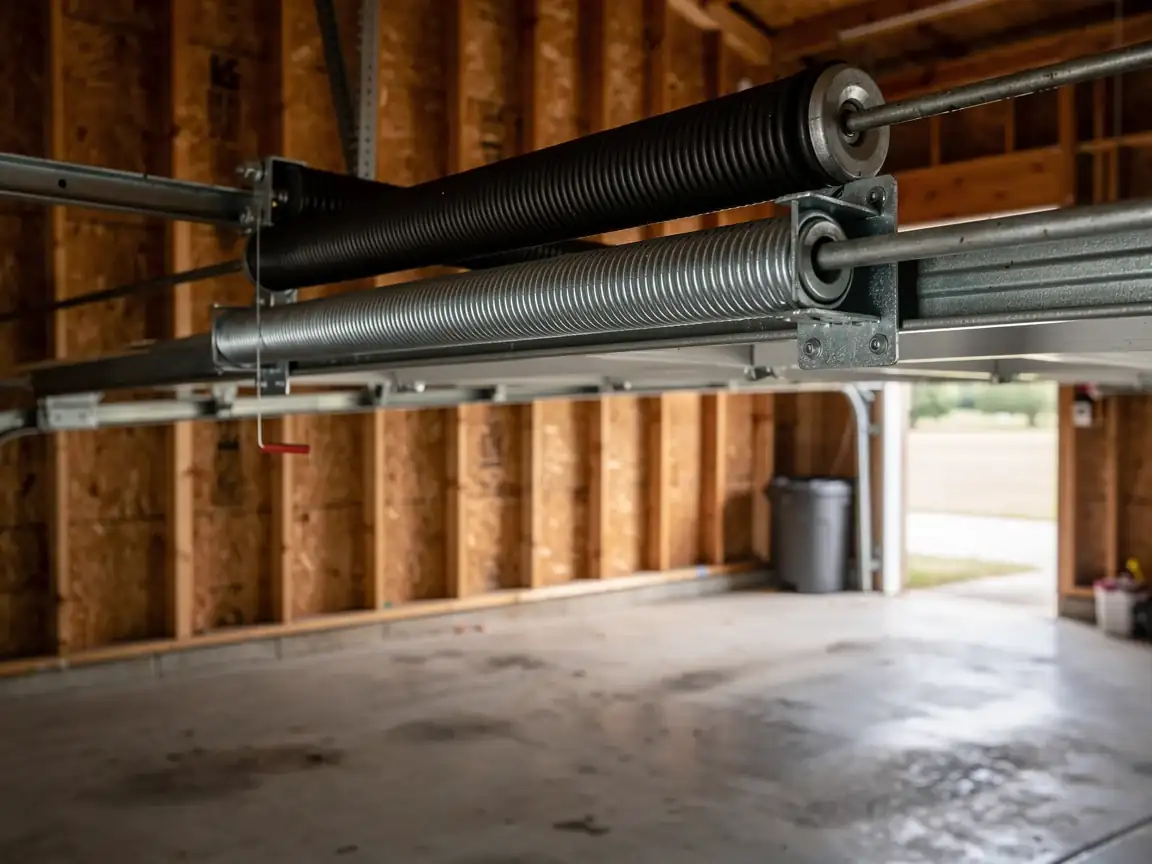
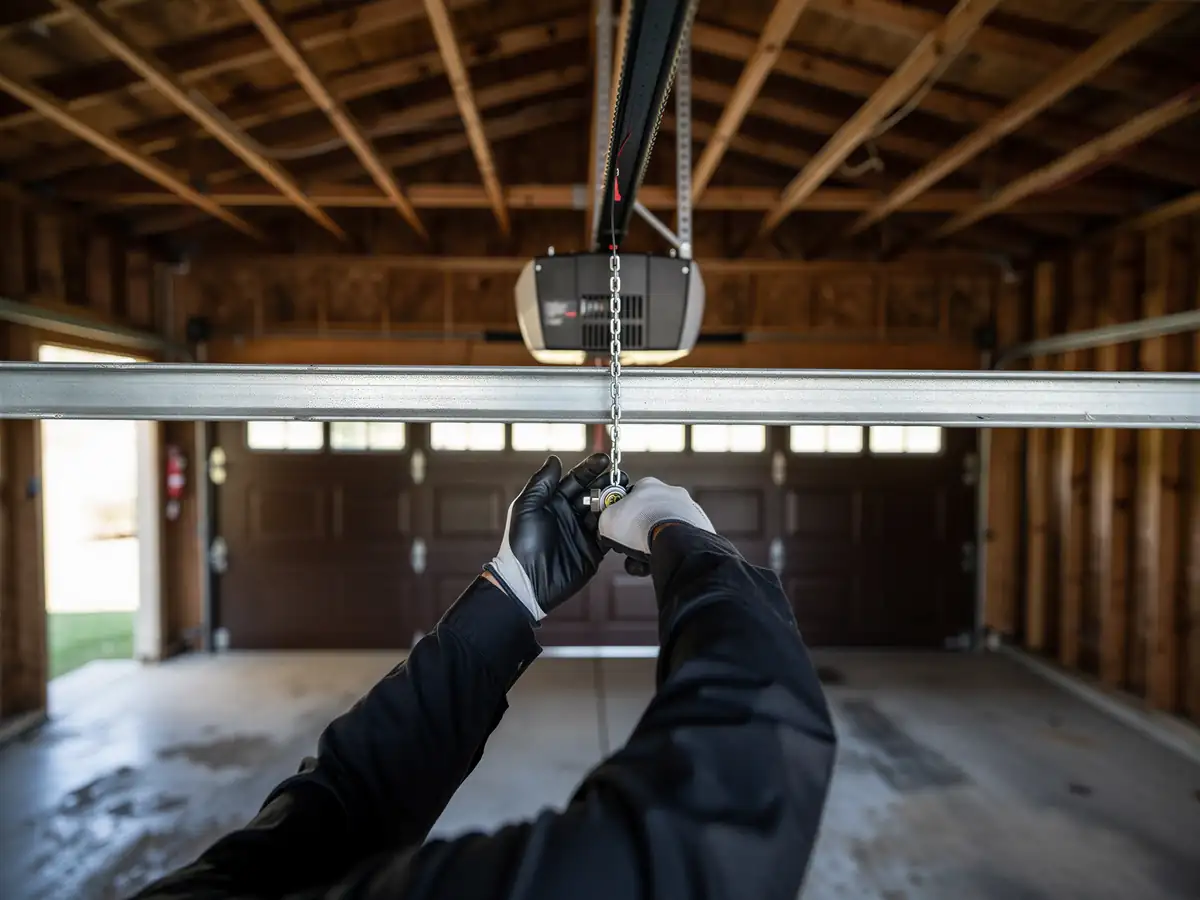
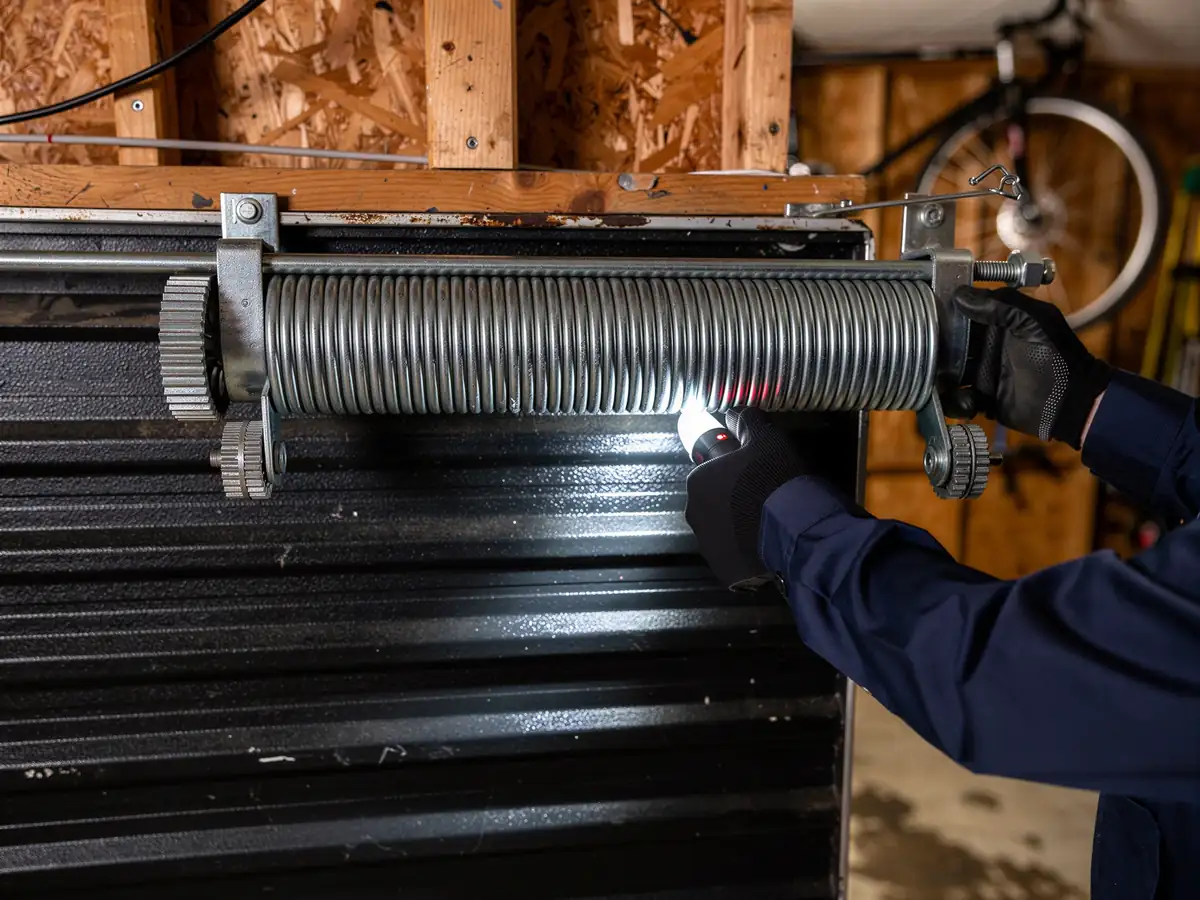
A torsion spring on a 1990s door usually fails the same way: it snaps clean at a coil, the door goes dead weight, and the opener can't lift it without straining the gears or stripping the drive. On double-car doors, which this era of construction favors, you'll often have two springs working together, and when one goes the other is usually close behind. Cables can fray on these systems too, especially if the drum has worn a groove. None of this means the door is done. It means the spring assembly needs the right wind count and the right wire gauge for a door this size, not a universal part off a shelf.
How We Fix It
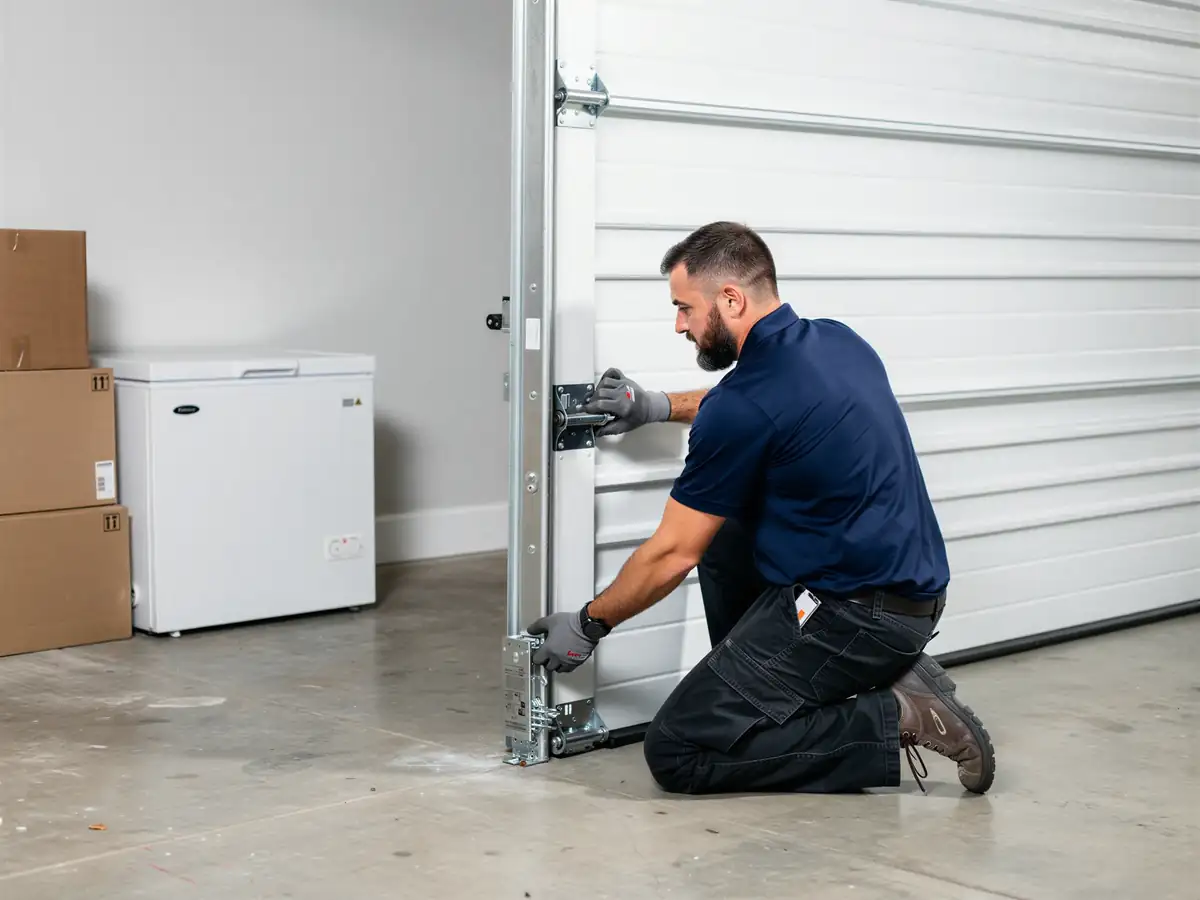
We measure the wire diameter, coil length, and inside diameter off the broken spring or the drum setup, because torsion springs are matched to the door's weight and height, not interchangeable by door size alone. On the double-door torsion systems common in this suburb's newer stock, we replace both springs together even if only one broke - the surviving spring has already done extra cycles under a load it wasn't balanced for, and it's close to its own failure.
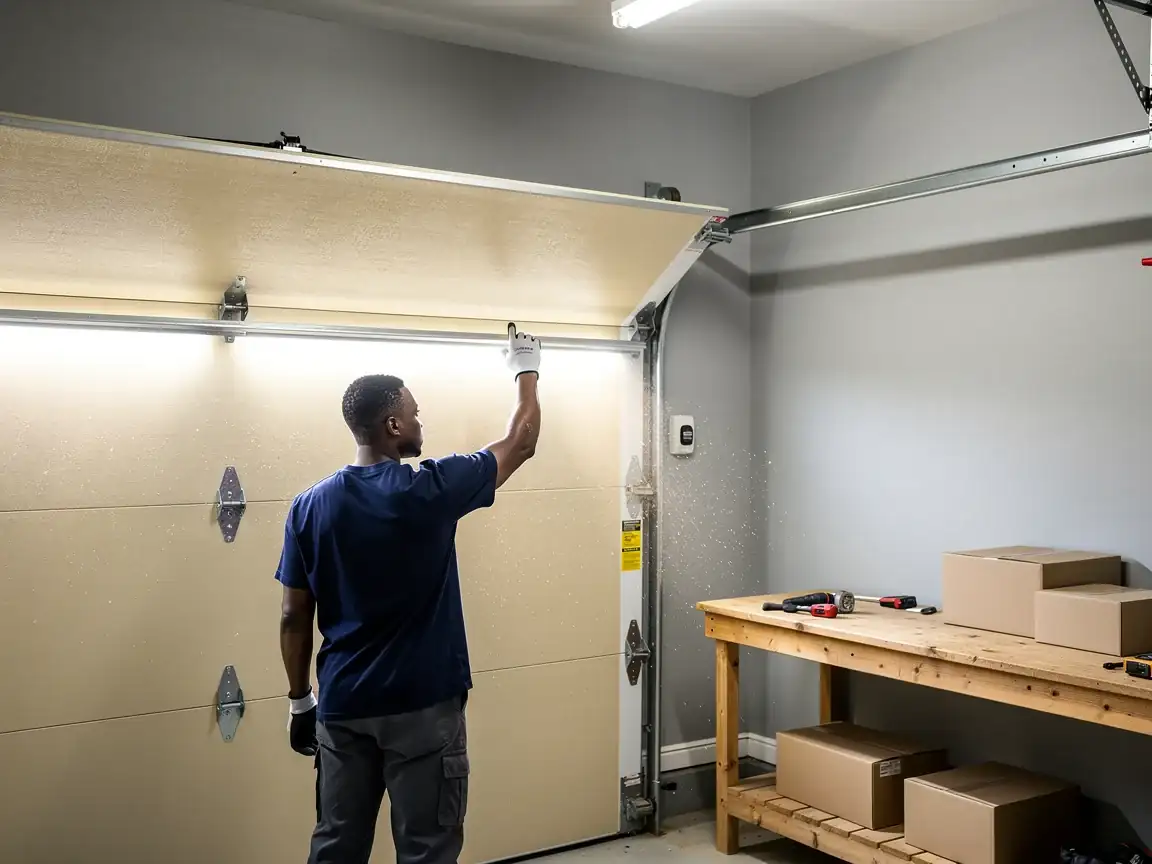
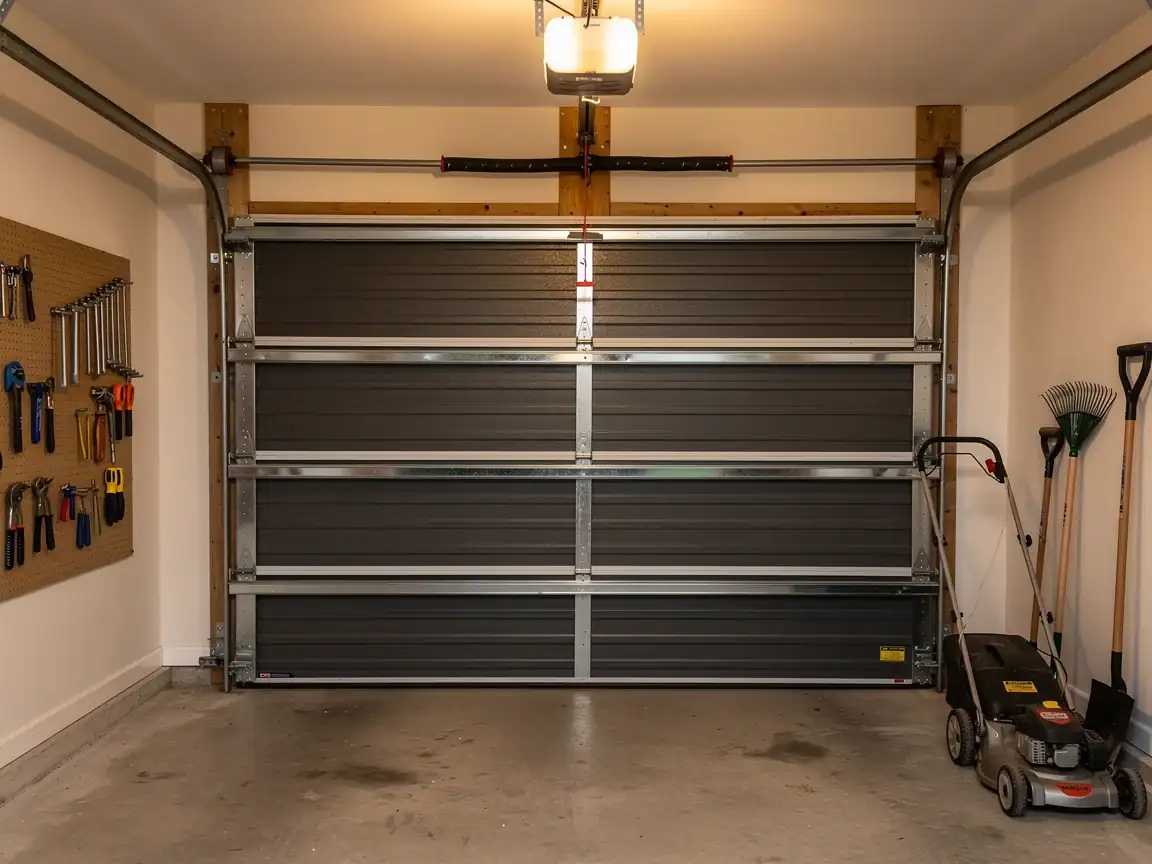
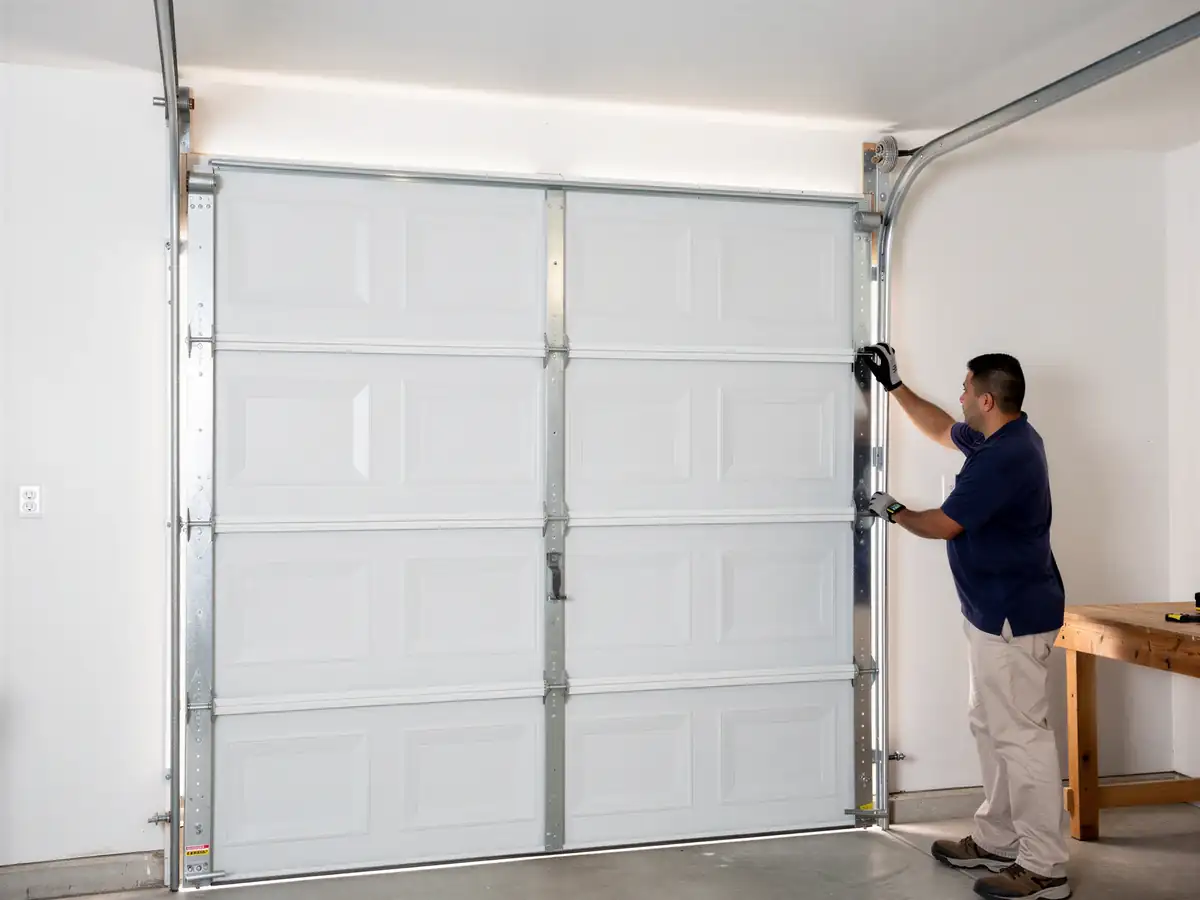
We check the cables and drums at the same time, since a cable that's frayed on one side tends to go next once a new spring puts tension back on the system. Once the springs are wound to the door's actual weight, we run the door through a full cycle by hand before handing control back to the opener, checking it holds at the halfway point without drifting. A door that doesn't sit still halfway up isn't balanced right, and a door that's out of balance is what burns out opener gears early.
What Causes It Around Here
The service area sits in a cold moderate climate band, and torsion springs cycle through more freeze-thaw swings over a winter than springs in a milder zone - the steel contracts, the coil tension shifts slightly with temperature, and that's wear a spring doesn't shed. In Inver Grove Heights specifically, with a median household income of $104,055 against the $92,940 median across the rest of the service area, we see more owners choose a full torsion conversion or an upgraded spring set rather than patch the original factory part once it's near 30 years old. The 1990-era builds here were put up fast as the suburb grew, and the torsion hardware from that period is solid but not built to run forever - it's due.
Parts We Carry
We stock torsion springs in the common wire gauges and lengths that fit the standardized double-door systems typical of this suburb's 1990s housing stock, along with matching cable and drum sets. One honest limit: a spring sized for an unusual door height or a heavier insulated panel isn't always something we have on the truck, and that part may need to be ordered - we'll tell you straight if that's the case rather than force a close-enough spring onto a door it wasn't wound for.