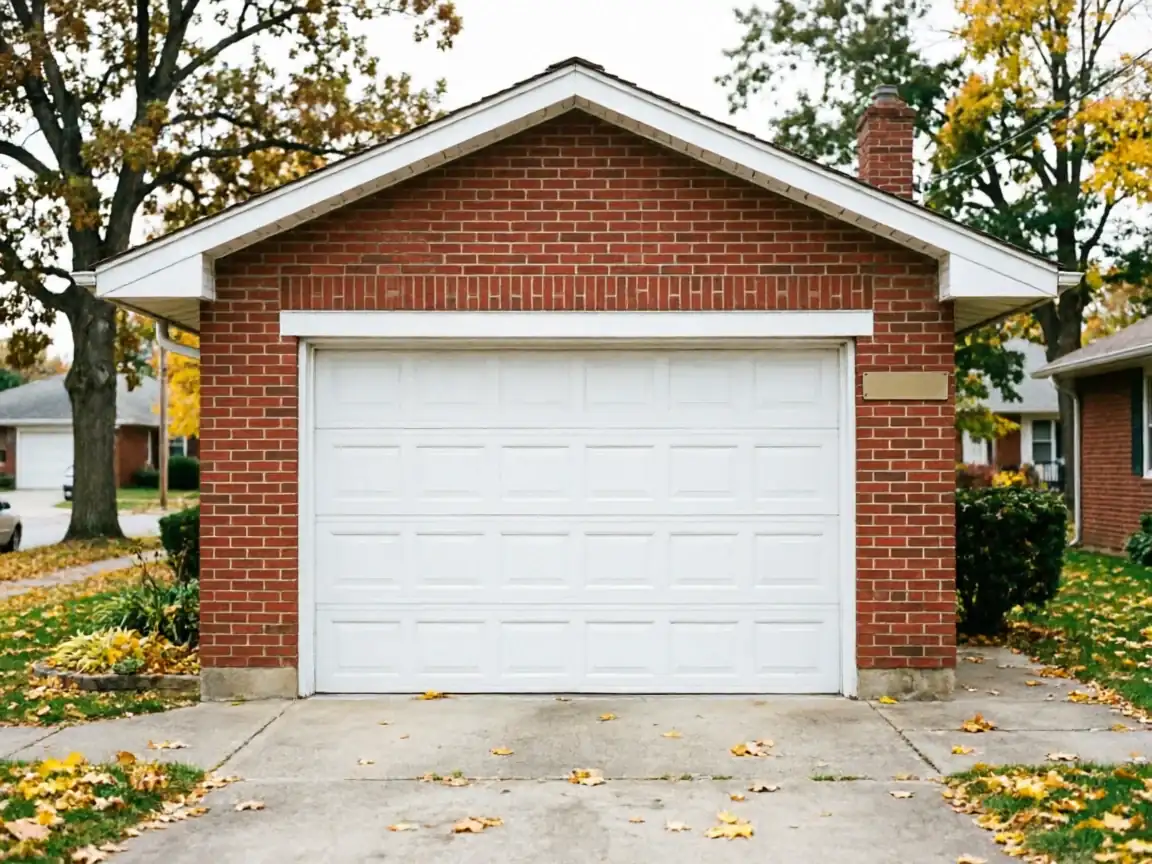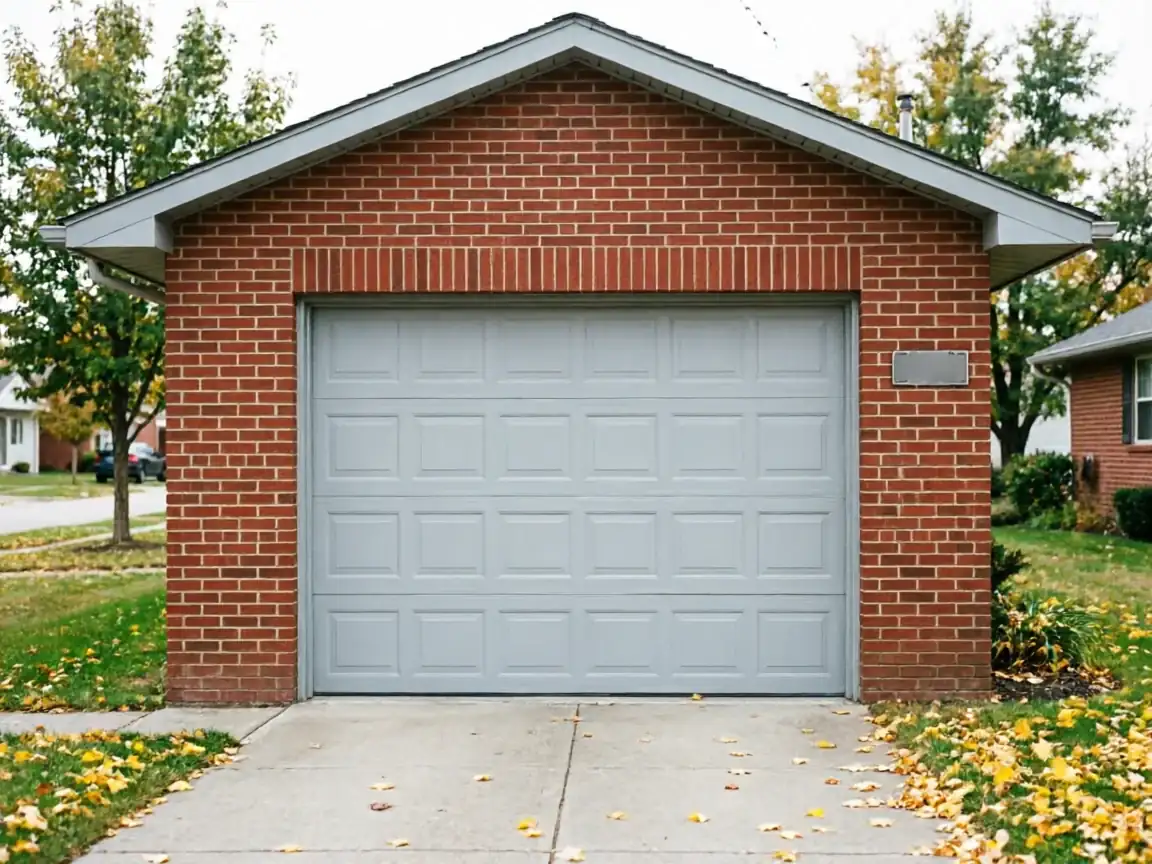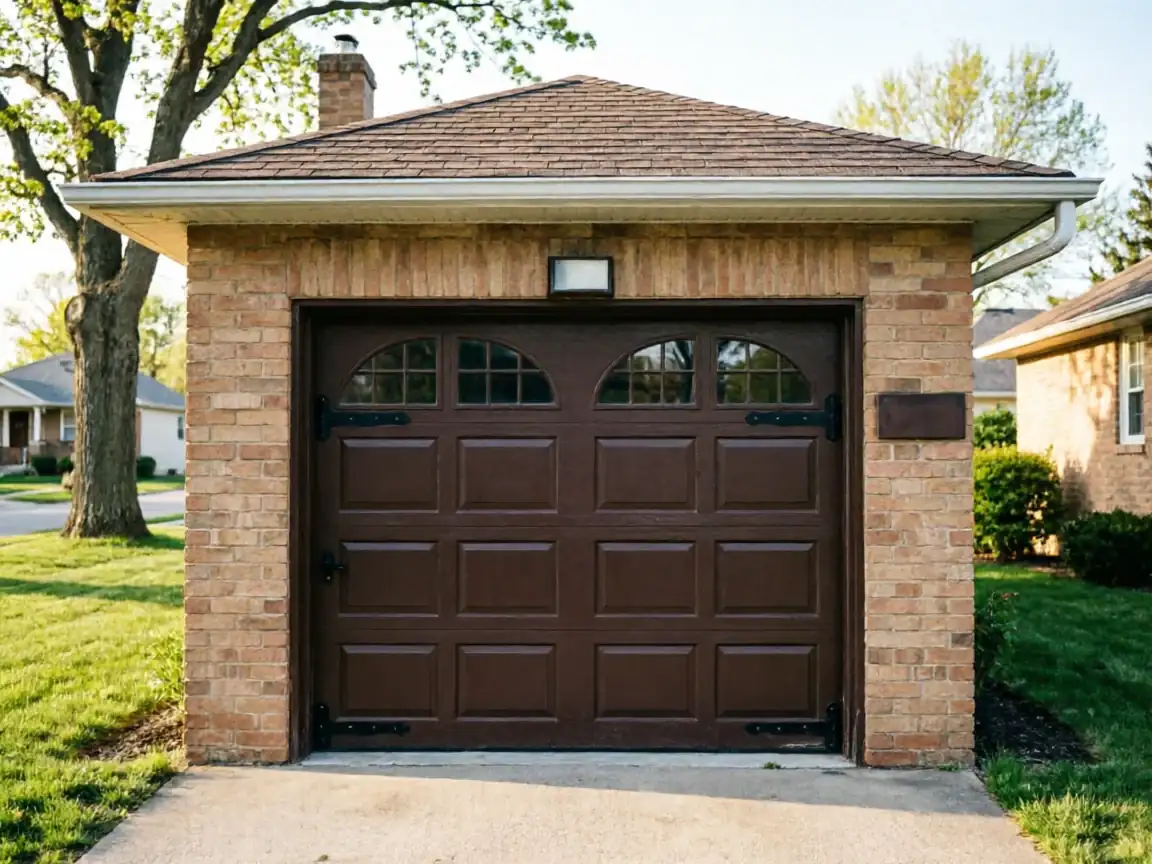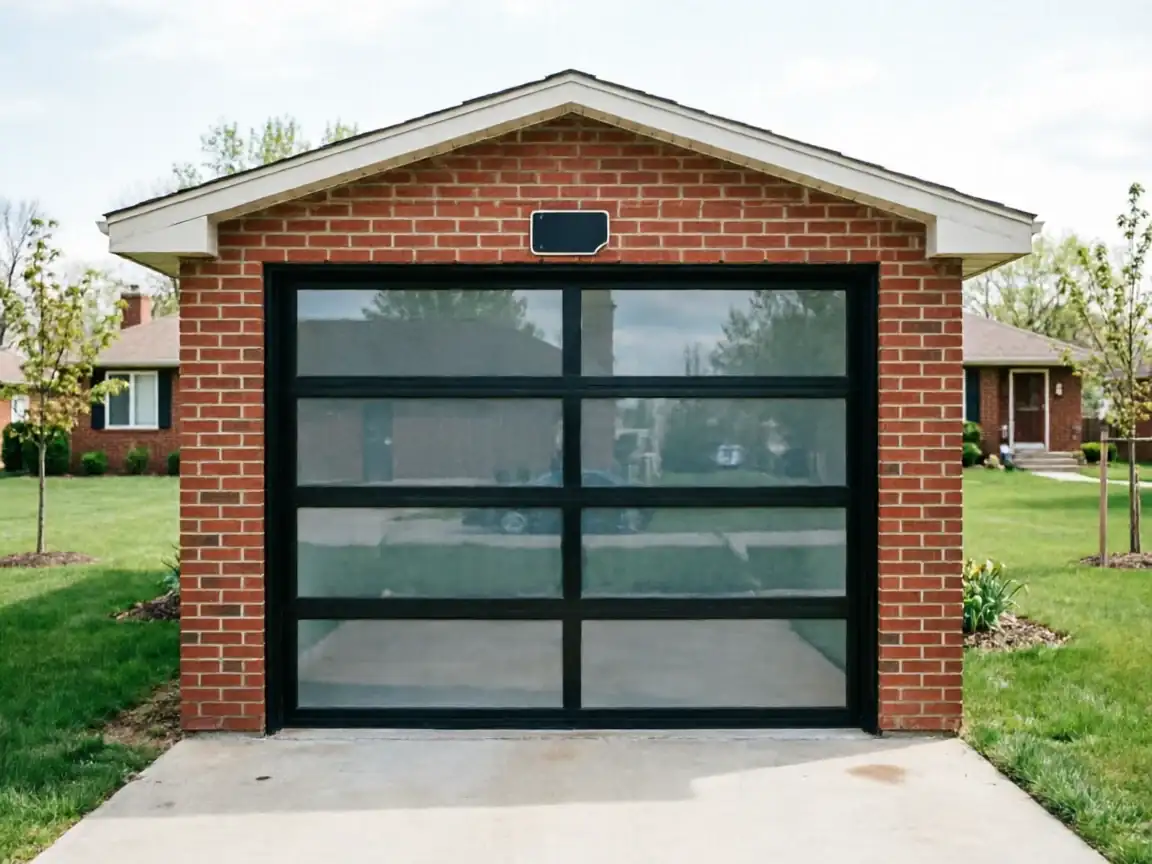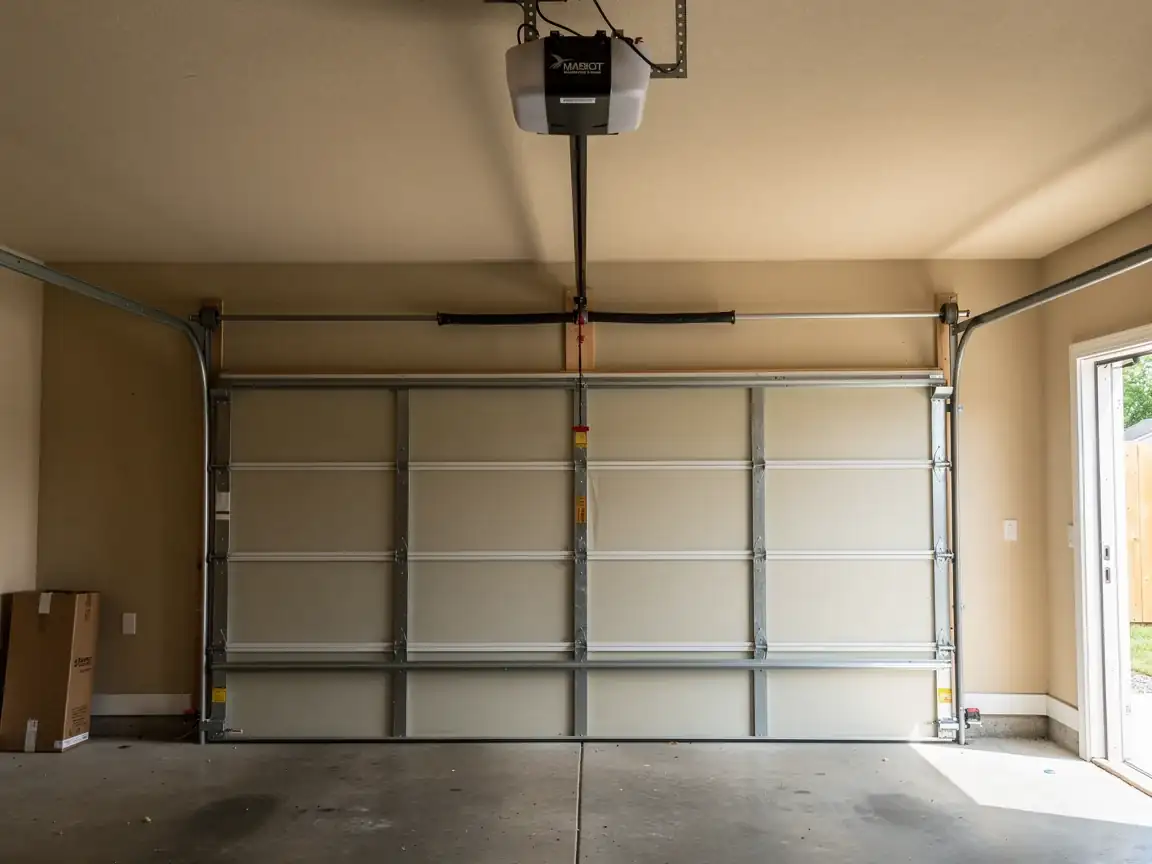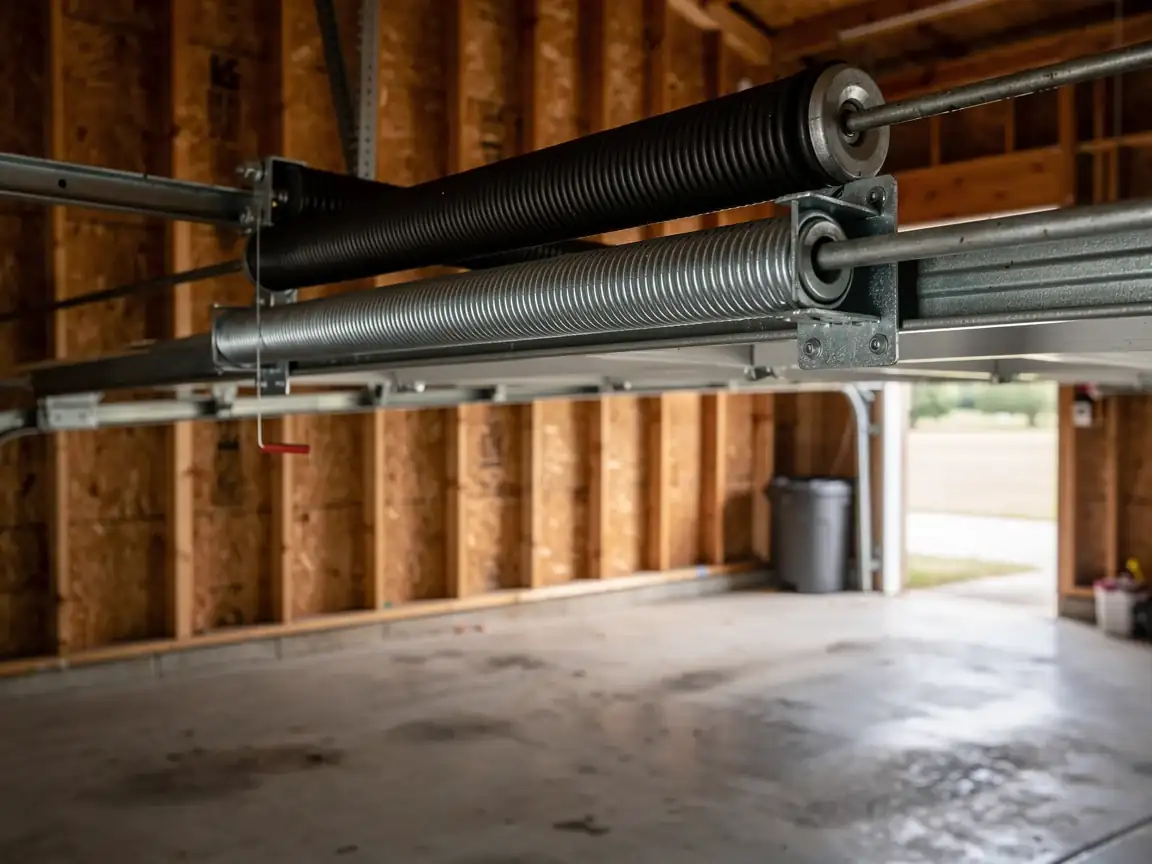
Parts We Carry
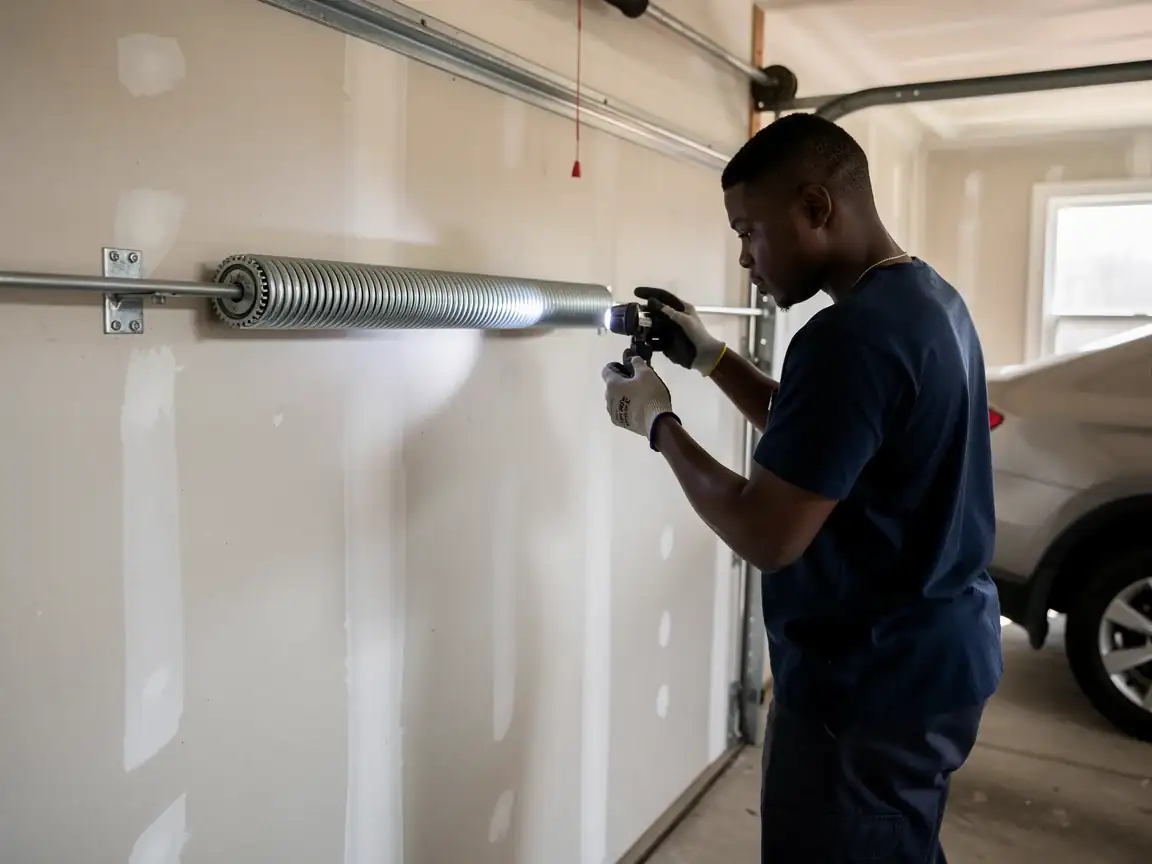
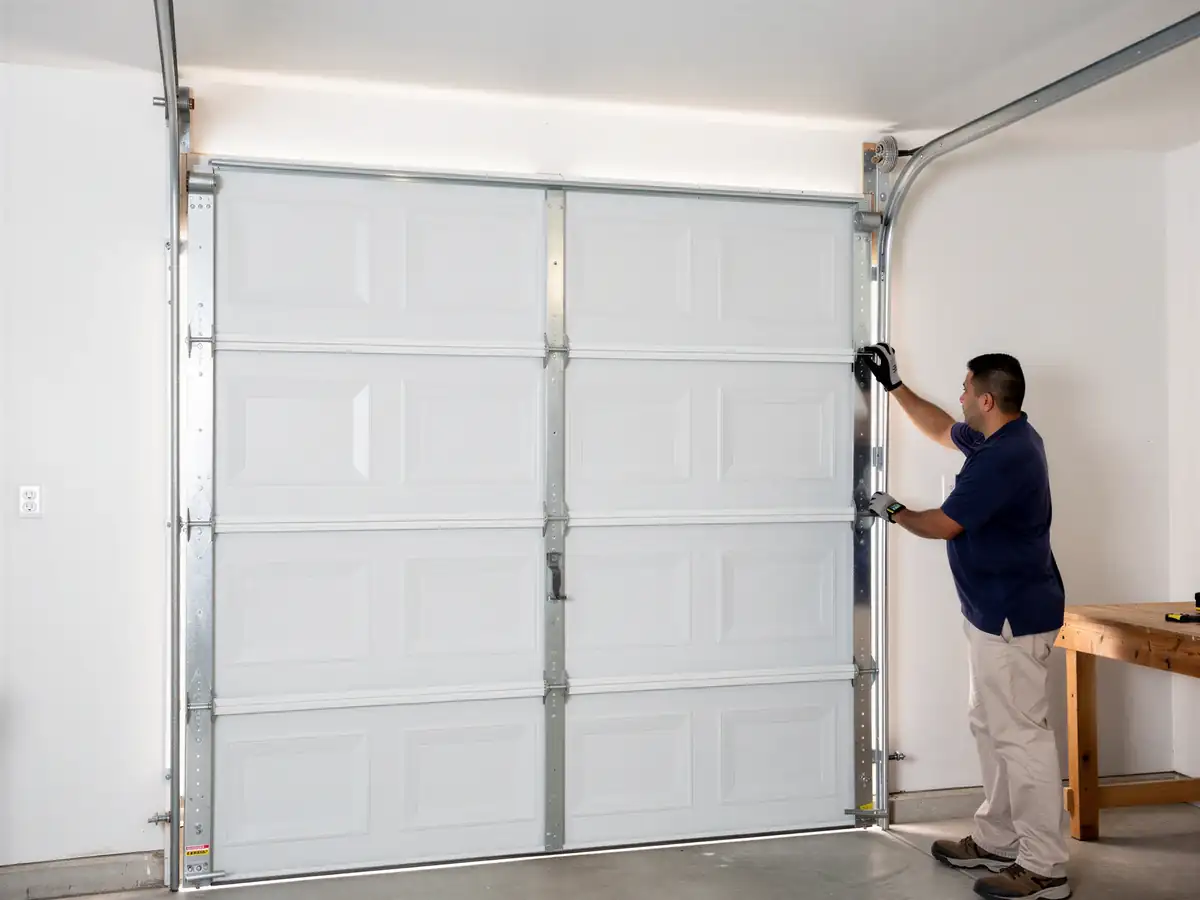
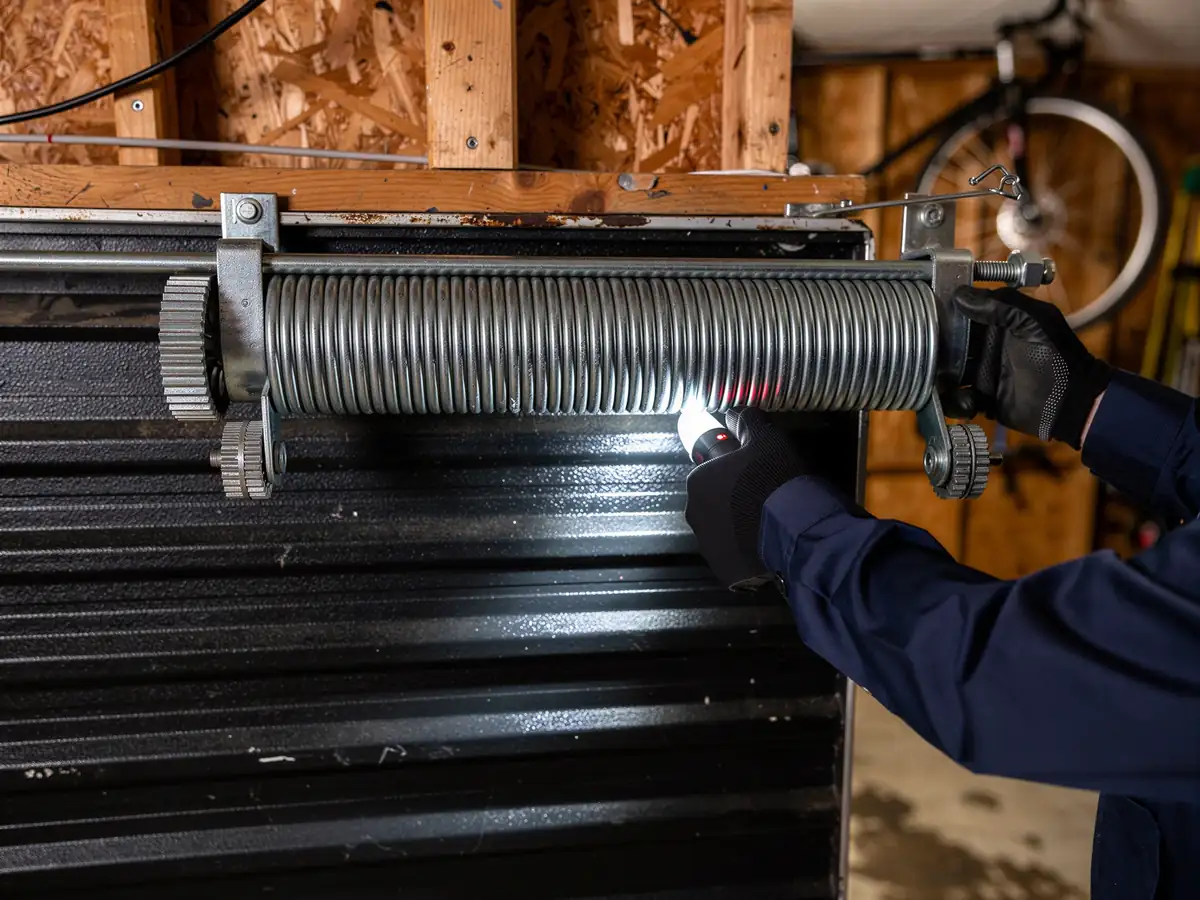
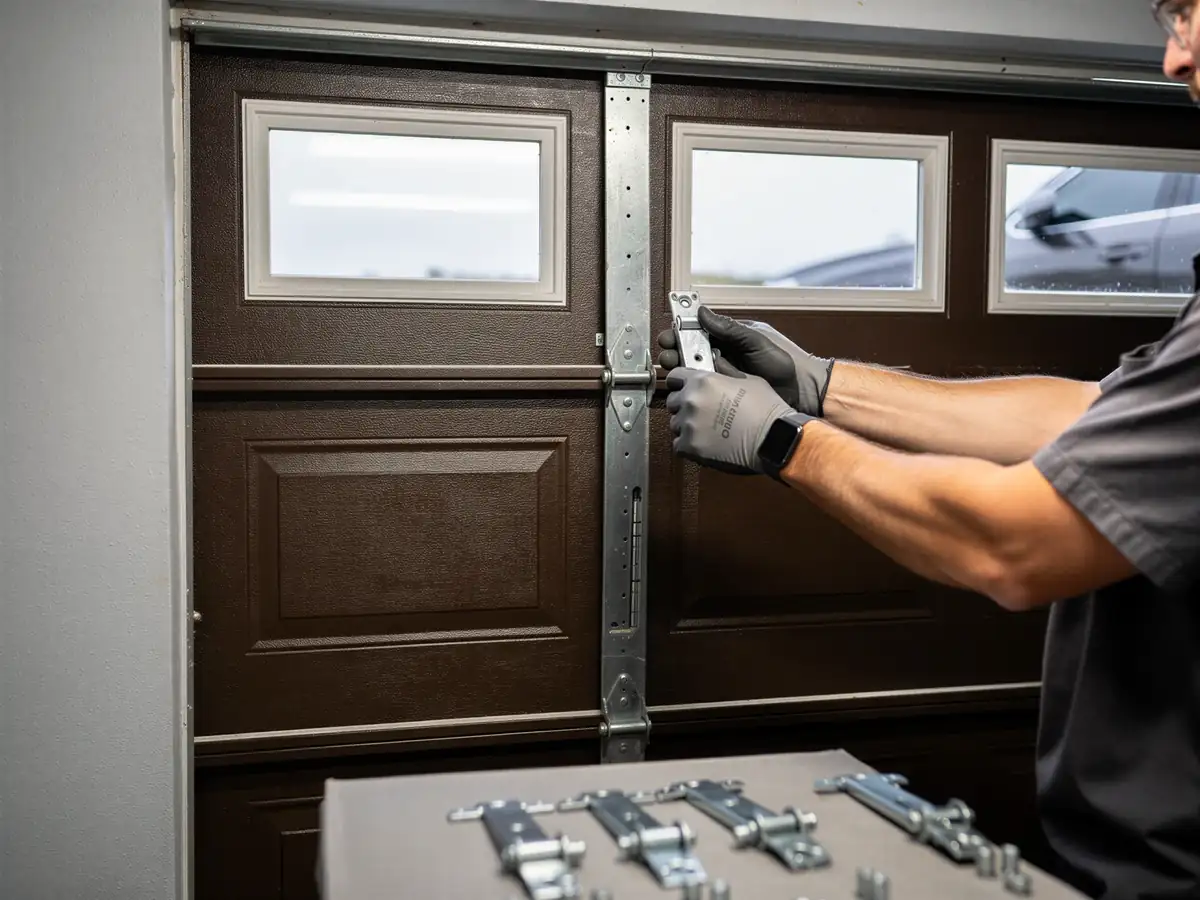
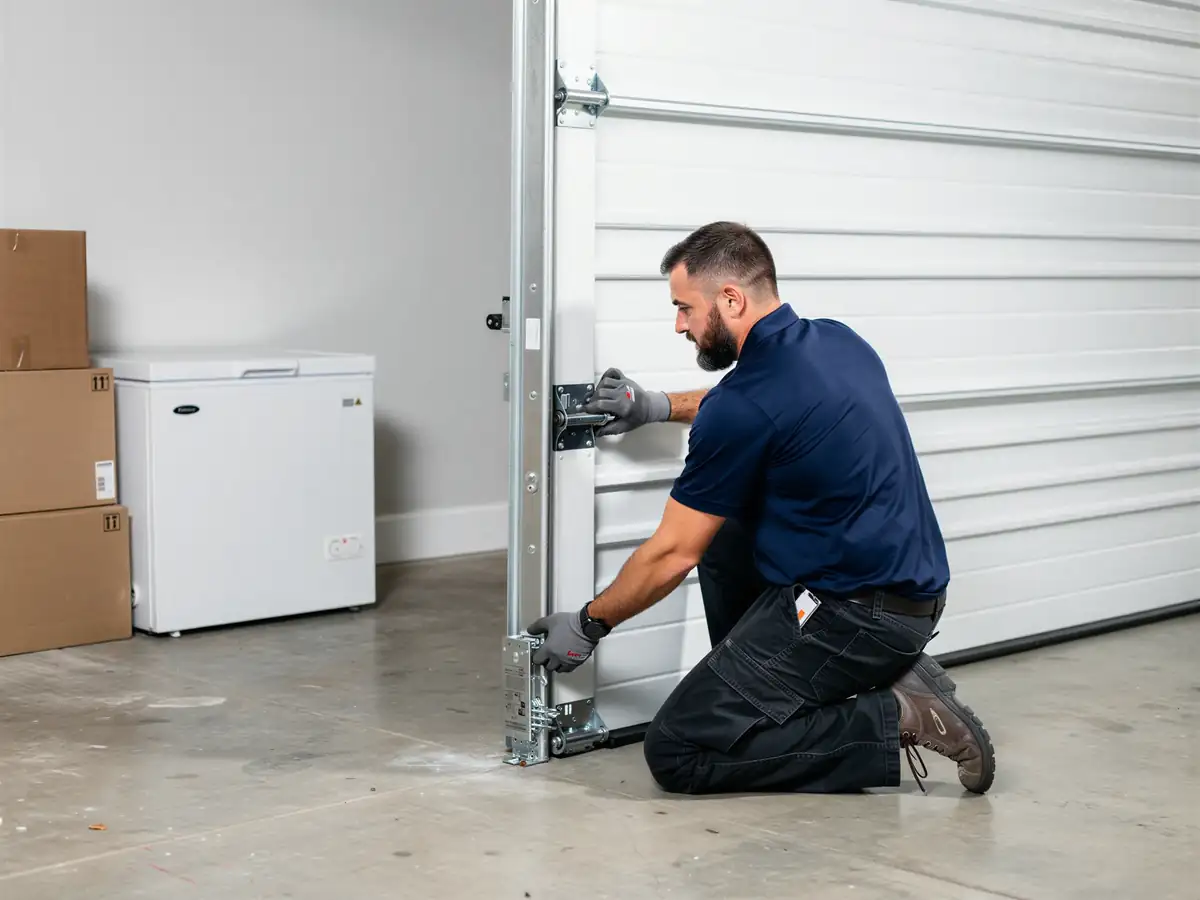
A lot of what we pull out of Golden Valley garages has never been swapped. With a median build year of 1966, a good share of these doors are still running the torsion or extension springs that came with the house, sometimes on tracks that have never been replaced either. We carry standard torsion springs sized for the single and double door widths common to that era, extension spring sets with safety cables (many originals don't have one), steel rollers to replace the hardened nylon or plain steel that's worn oval by now, and replacement cables and drums. We stock what fits openings built to mid-1960s dimensions, which is most of what we see out here. What we don't carry on the truck is anything custom-sized or an obsolete opener part that's been out of production for decades - those get ordered, and that adds a day or two.
How Long You Are Without the Door
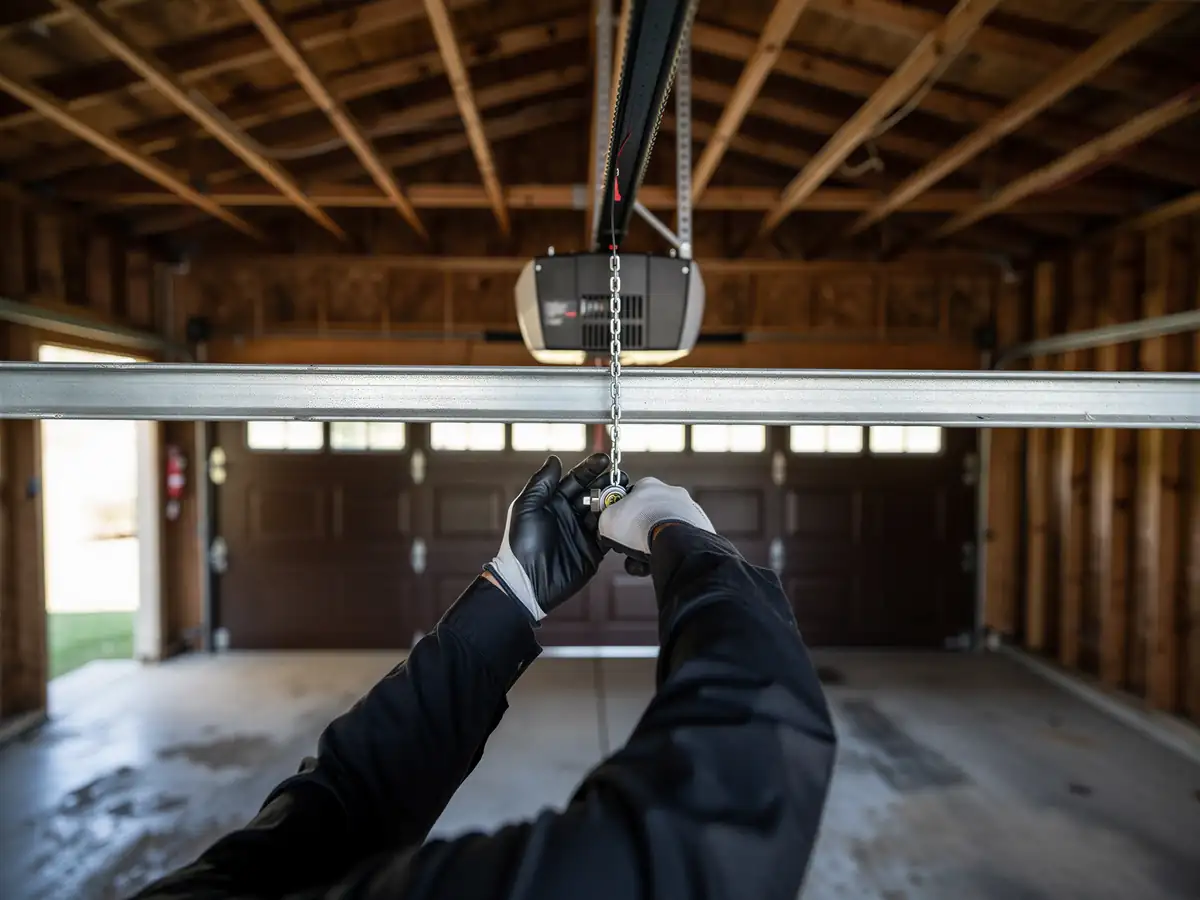
Most spring and cable repairs on these older doors are same-visit work once we're on site - the parts are common enough that we're not waiting on anything exotic. Where it slows down is when the opener itself is original or close to it; parts for units that old sometimes have to be ordered, and that can mean the door sits manual-only, lifting by hand, for a day or two while we wait. With roughly 9,671 households in Golden Valley and a housing stock this uniform in age, we see the same handful of failure patterns often enough to know which repairs are quick and which ones aren't - we'll tell you which one you've got before we start, not after.
What You Are Seeing
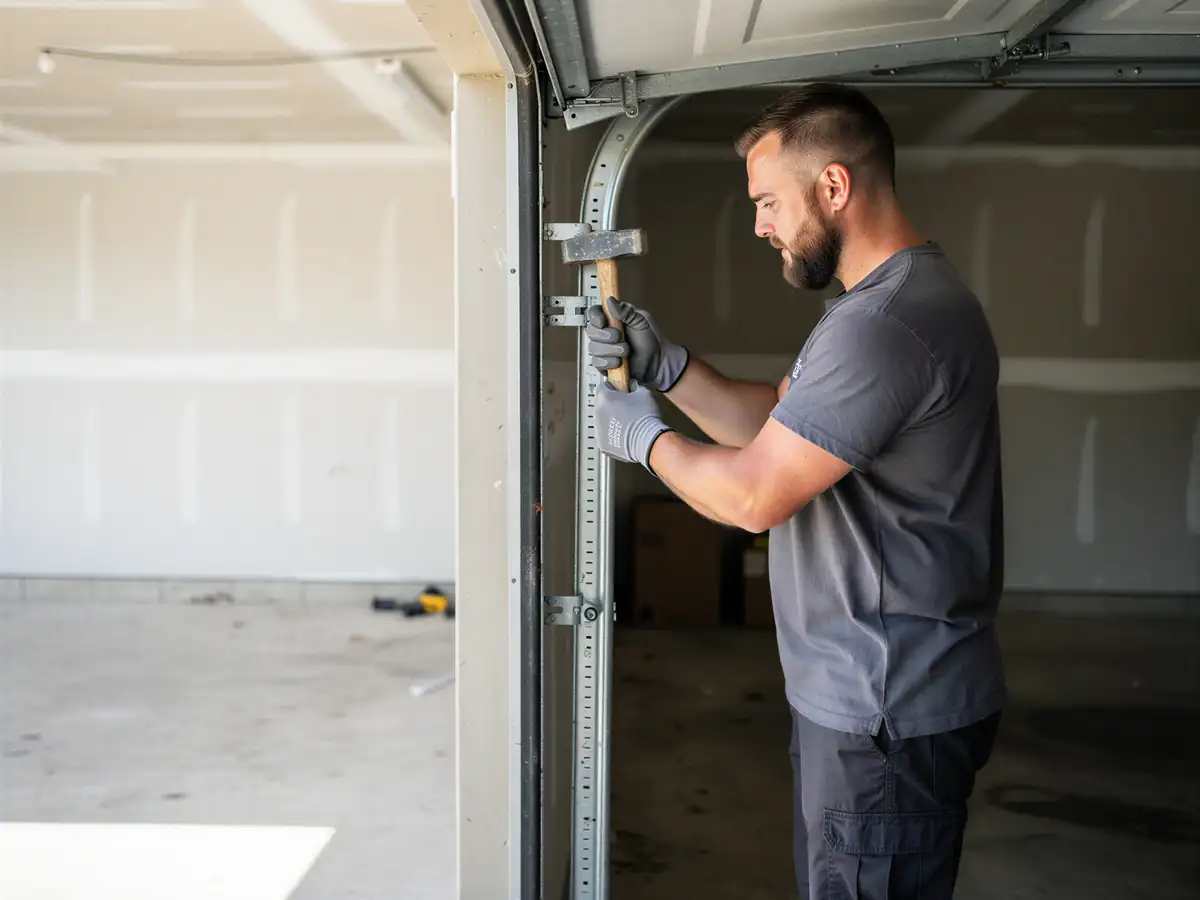
If the door is loud going up, catching partway, or dropping fast on one side, that's usually a spring that's lost tension or a cable starting to fray - common on doors from the 1966 build era that have never had a mid-life spring replacement. Springs are rated for a number of open-close cycles, not years, and a door original to a 1966 house has had a lot of cycles. Sagging at the bottom corners, daylight showing at the edges, or a track that's pulled slightly away from the frame are all signs of hardware working loose over decades rather than anything that happened overnight. None of this is Golden Valley-specific wear - it's age-specific, and a lot of the housing here is the same age.
What Causes It Around Here
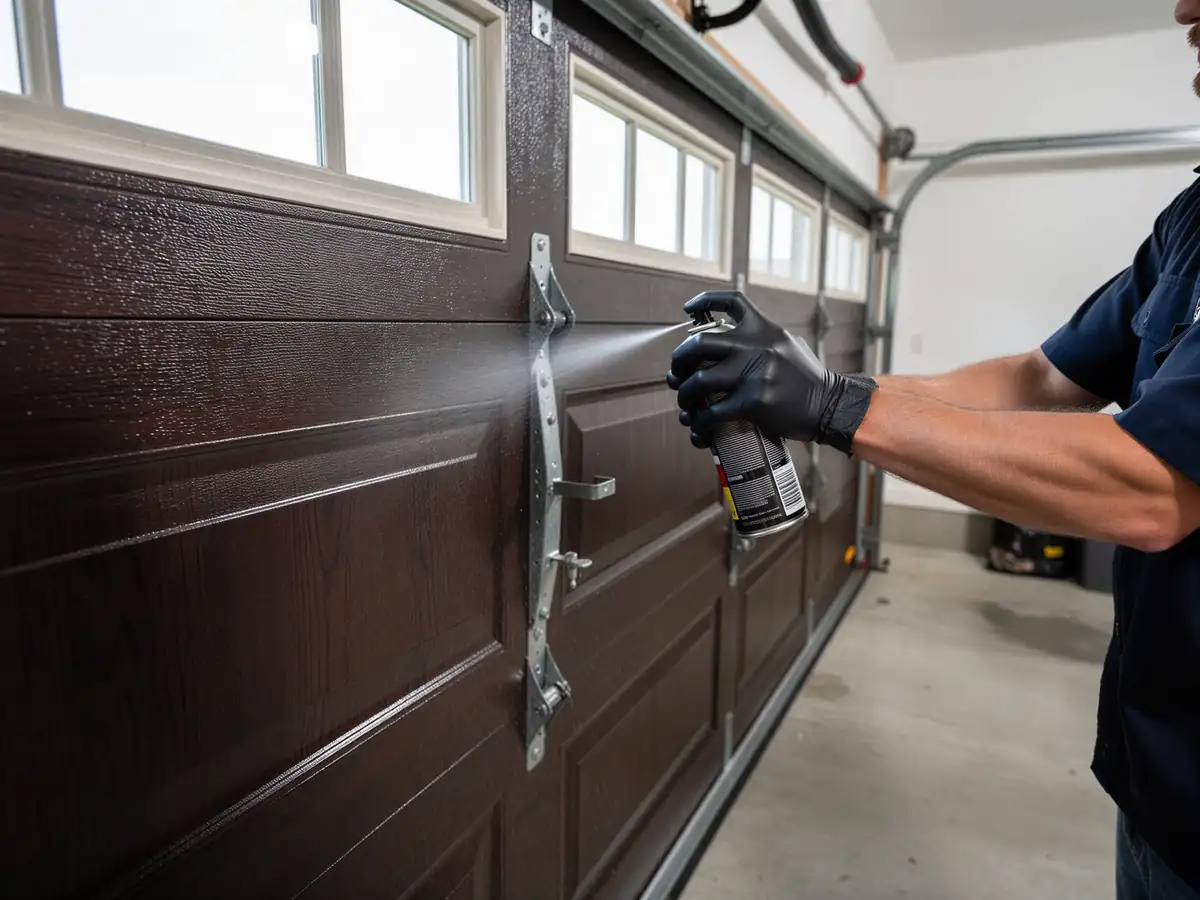
This area sits in a cold, moderate climate band, and that matters more for a 1966-era door than people expect. Repeated freeze-thaw cycles stiffen old lubricant in springs and hinges, and steel tracks installed decades ago don't always have the clearance to handle a bit of seasonal frame movement without binding. A door that's been fine for years can start sticking the first cold snap after the hardware finally wears past its tolerance. We're not going to tell you every Golden Valley door fails the same way - plenty of these houses have had partial updates - but if nothing's been touched since 1966, the cold is usually what finally exposes it.