Parts We Carry
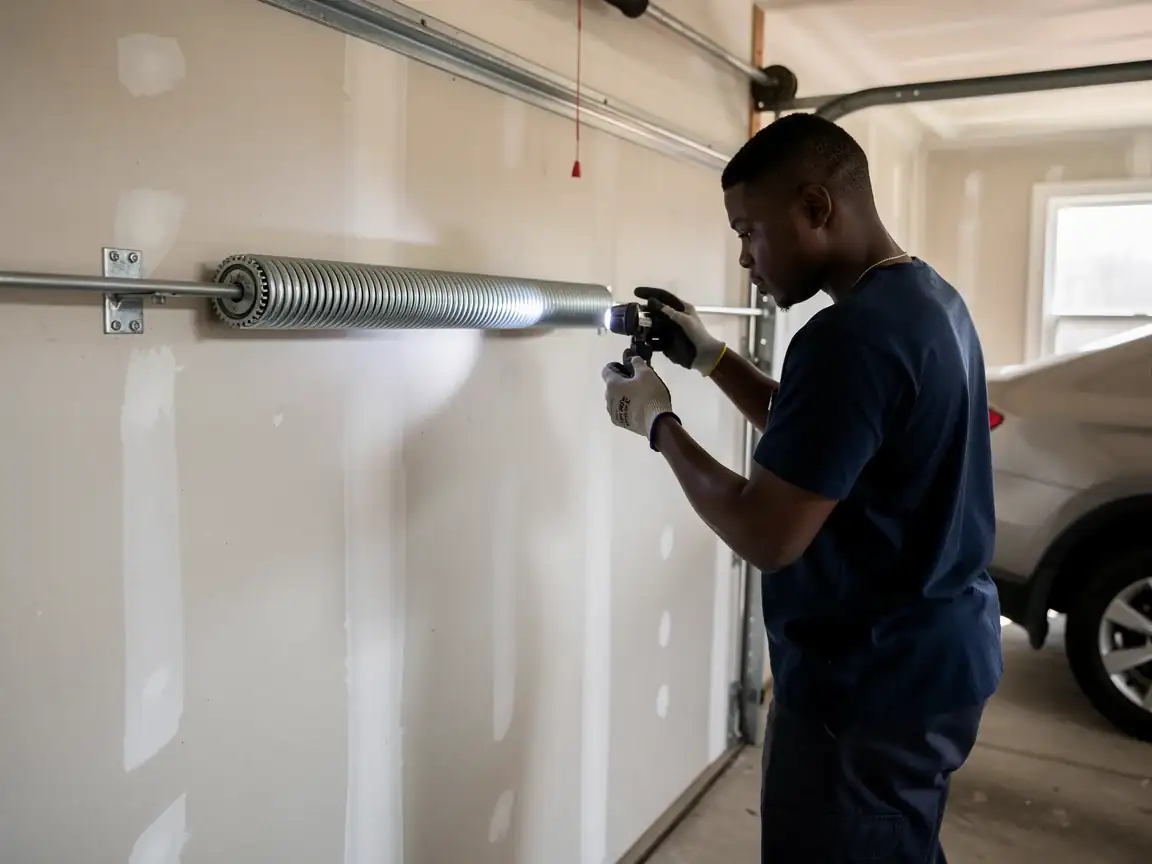
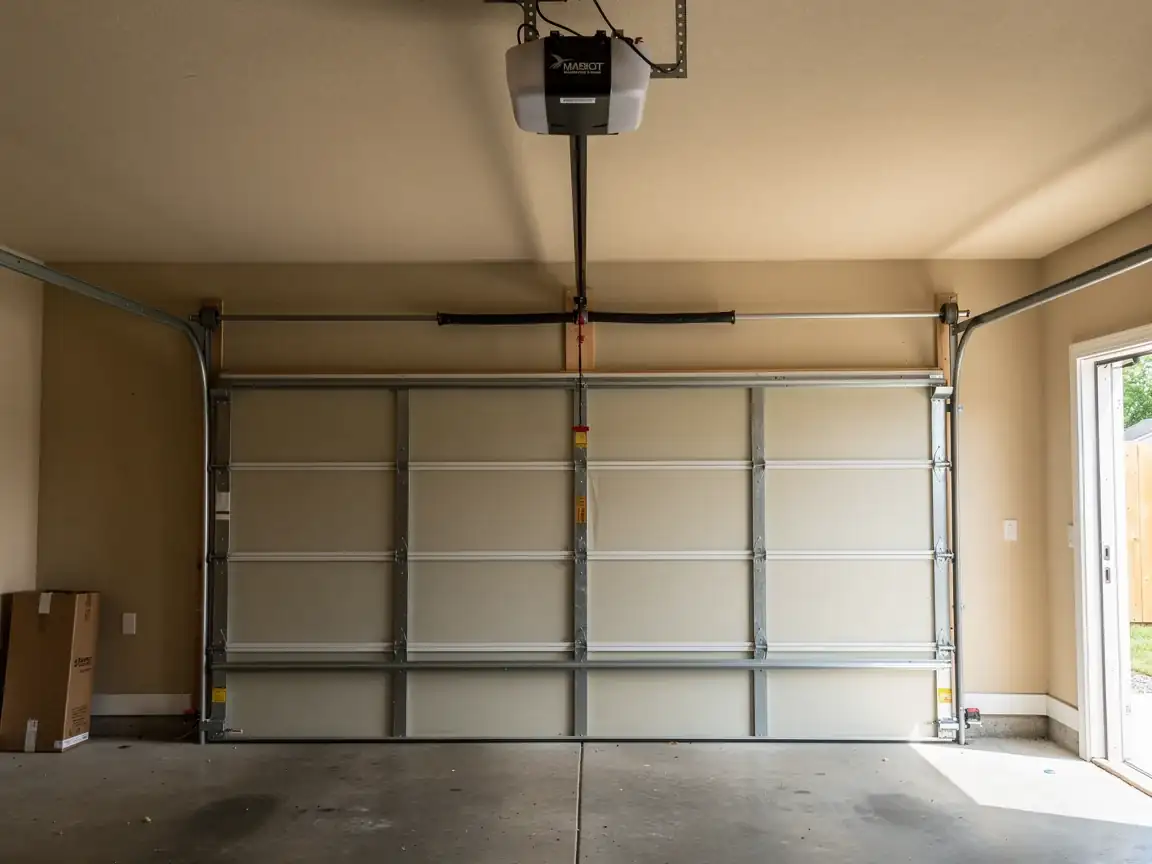
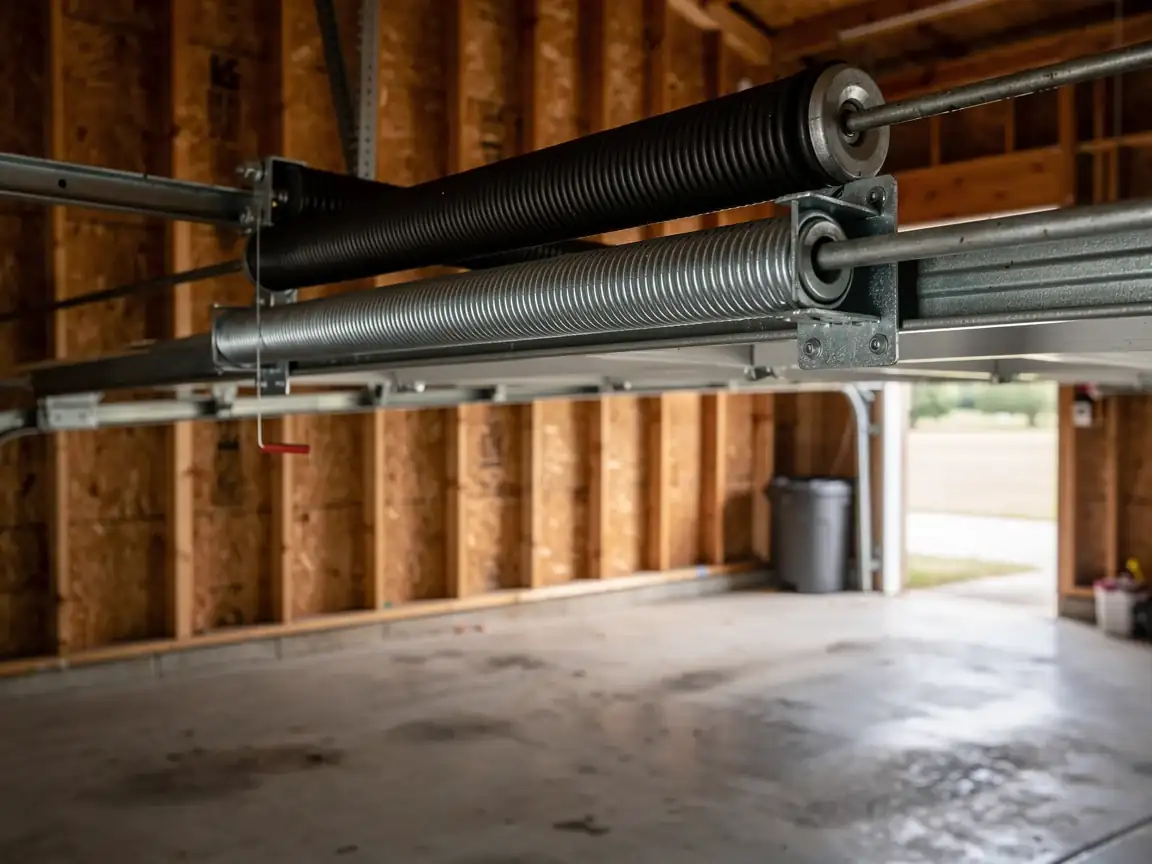
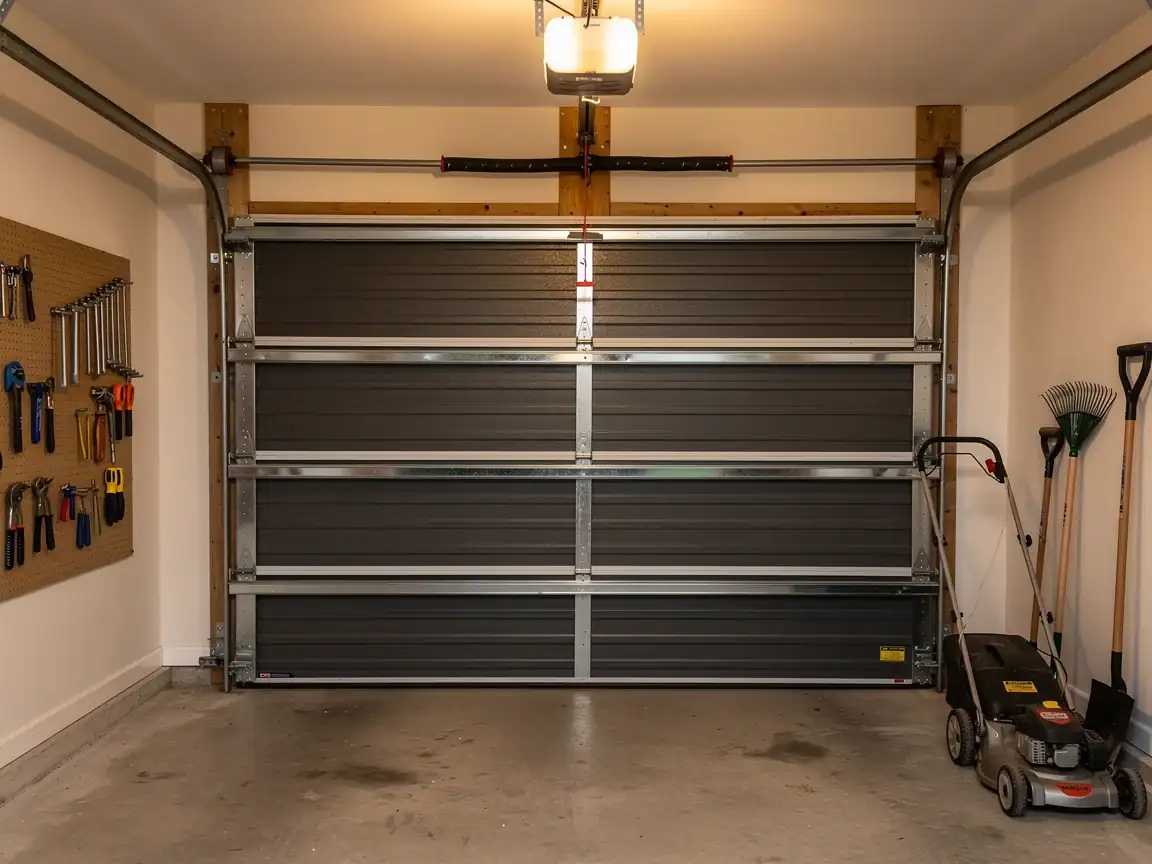
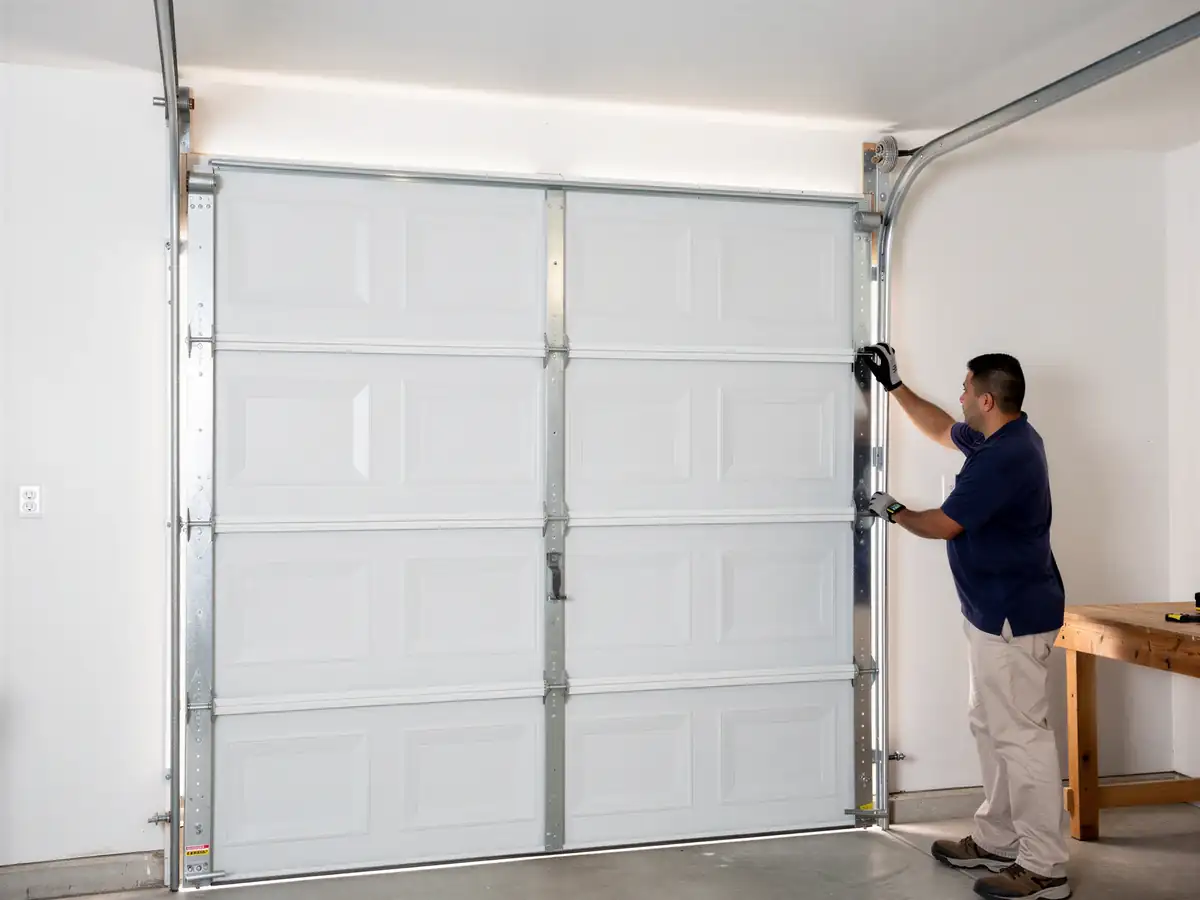
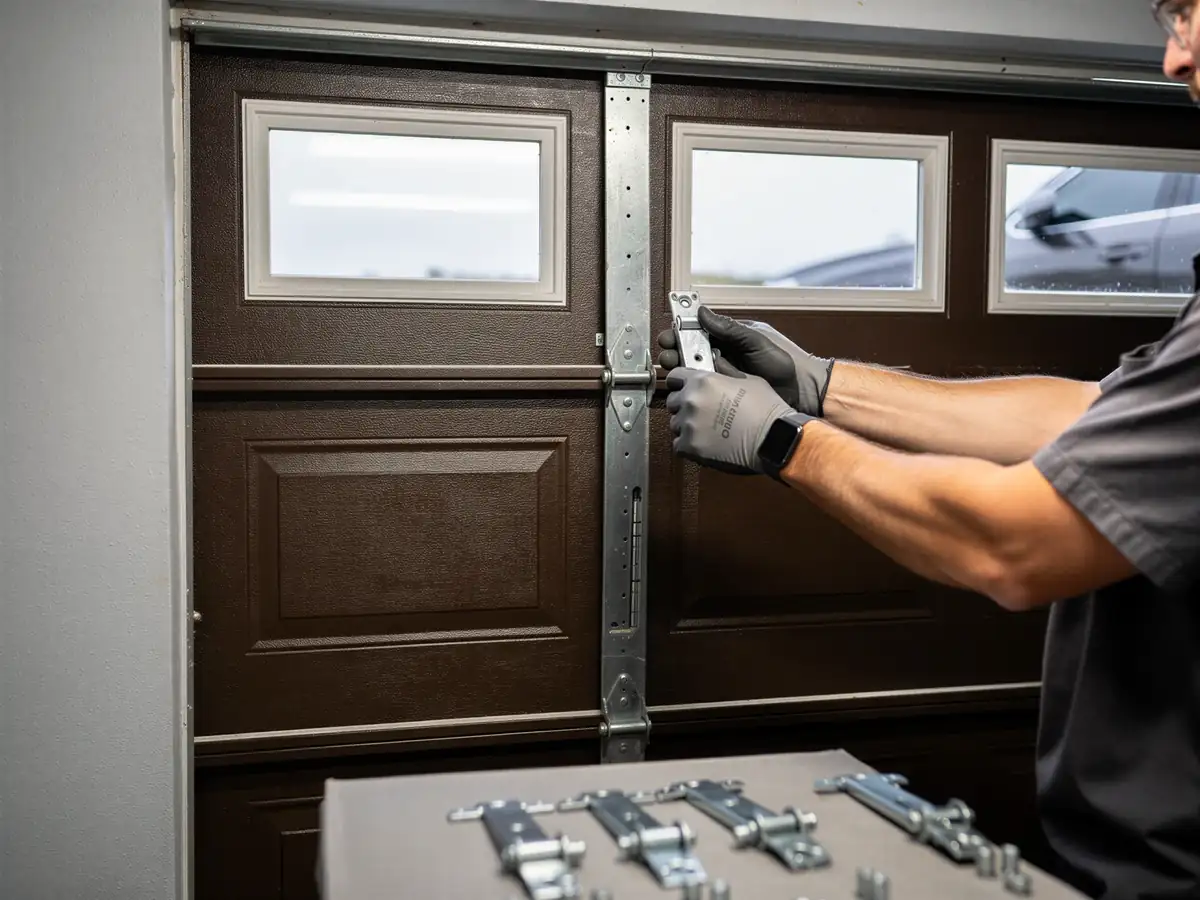
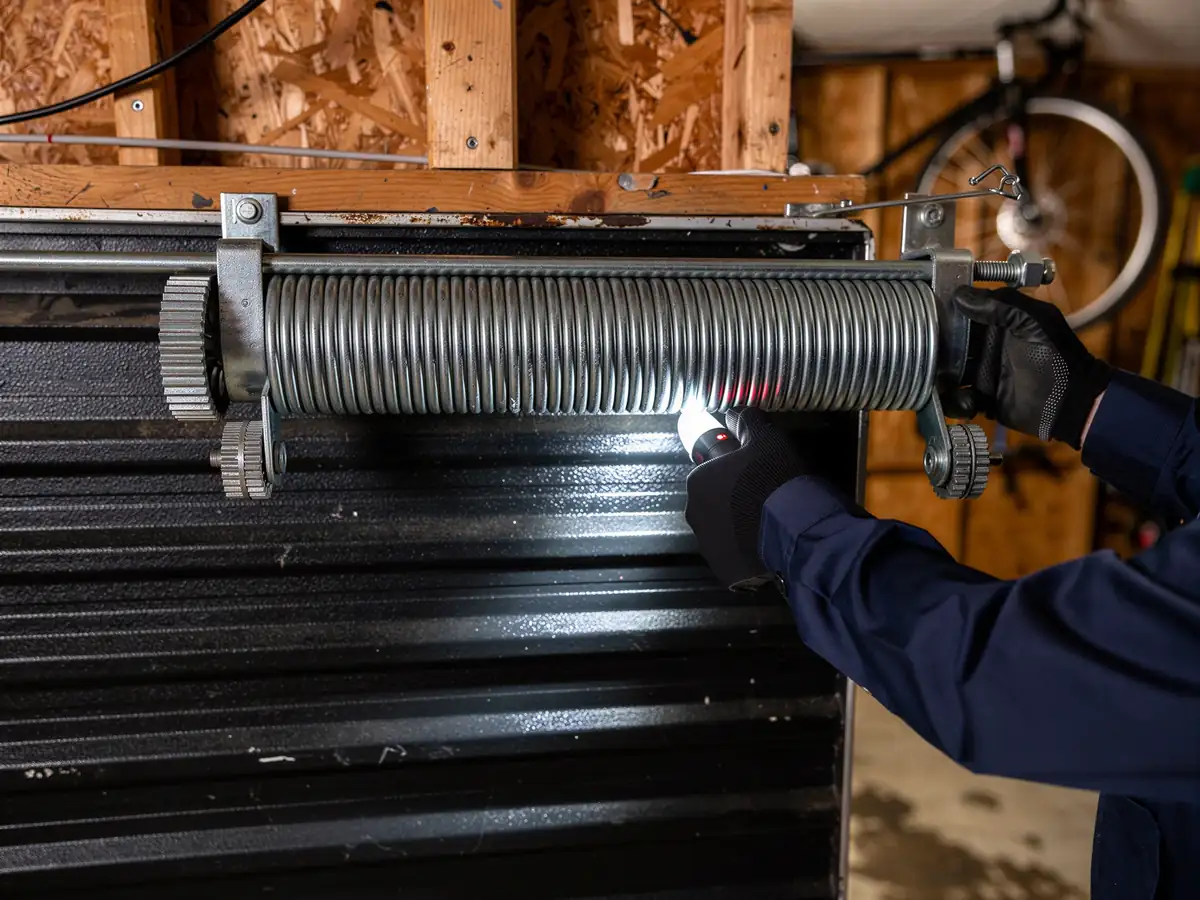
Most of what we carry on the truck for Golden Valley jobs is torsion spring stock, because the housing here clusters around 1966, a bit earlier than the 1973 median for the wider service area. That generation of two-car garage doors was built almost universally on torsion bar systems with a single center spring, not the dual-spring setups that came later. We stock springs in the wire sizes and wind lengths that match those original openings, plus the drums, cables, and center bearings that wear out alongside the spring itself. Some of these homes still run extension springs over the horizontal tracks instead, especially single-car garages from the same build years, and we carry those too with the safety cables that should have been on them from the start but often weren't. What we don't carry on the truck is every oddball size from a door manufacturer that stopped making parts decades ago. If a job calls for something unusual, we tell you that up front rather than guess at a fit and come back a second time.
How Long You Are Without the Door
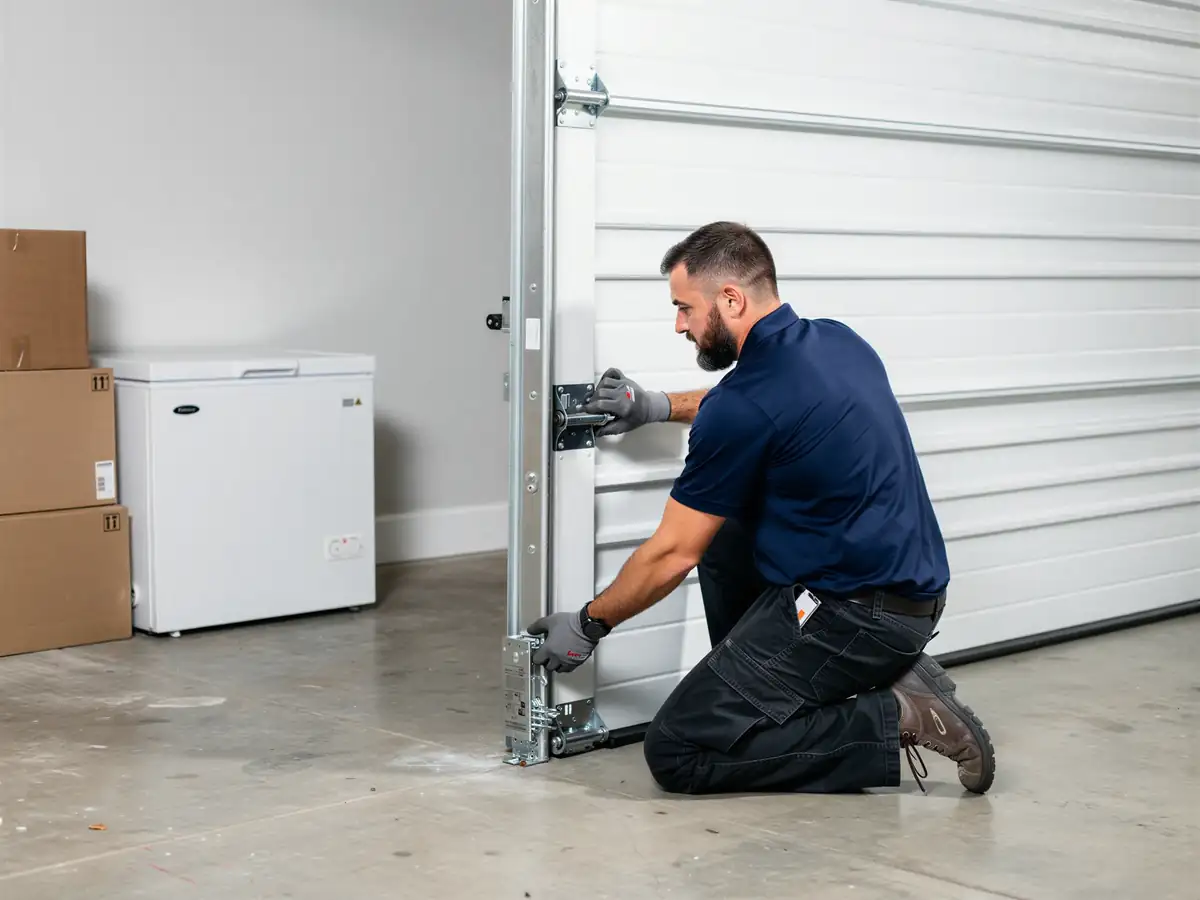
We run this route out of Eagan, about 15 miles from Golden Valley, so we don't promise a same-day window the way a shop based in town might. Spring jobs get scheduled onto the day's route rather than dispatched the moment you call. Once a truck is on site, a single torsion spring replacement on a standard two-car door is usually finished in under two hours, hardware depending. If the drums or cables are also shot, which happens more often on doors that have carried the same spring since the 1960s, plan on longer. The honest limit here is parts: if your door takes a spring size we don't carry on the truck, we may need to order it, and that can push the job to a second visit rather than finishing it the same day.
What You Are Seeing
The door won't open past a few inches, or it opens and then drops back down the moment you let go of the button. Sometimes there's a loud bang from the garage first, usually when nobody's home, and that's the spring itself letting go rather than something failing slowly. On the opener side, you'll hear the motor straining or see it reverse the door partway up because it can't carry the weight alone once the spring is gone. A door that feels unusually heavy when you try to lift it by hand, or one side that looks visibly lower than the other along the top panel, points to a torsion spring that's still intact but losing tension. None of these are safe to keep running the opener against. A motor fighting a dead spring burns out the gears a lot faster than normal use, and that turns a spring job into an opener job too.
What Causes It Around Here
Minnesota's cold winters work hardest on the torsion springs installed when these Golden Valley homes were built, back in 1966. Steel that tightens in a cold snap and loosens again on a warm day fatigues faster than a spring running in a mild, stable climate, and that cycle repeats every winter a spring stays in service. A spring rated for roughly 10,000 cycles doesn't care how many years it's been on the door, only how many times it's opened and closed, but decades of Minnesota winters speed up the metal fatigue underneath that count. With a median household income of $114,435, most Golden Valley homeowners we talk to replace a broken spring outright rather than patch around a cracked one, which is the right call since a spring doesn't partially fail and keep working safely. Add in roughly 9,671 households built mostly in that same mid-1960s window, and a lot of this town is carrying original or first-replacement hardware that's due.