Parts We Carry
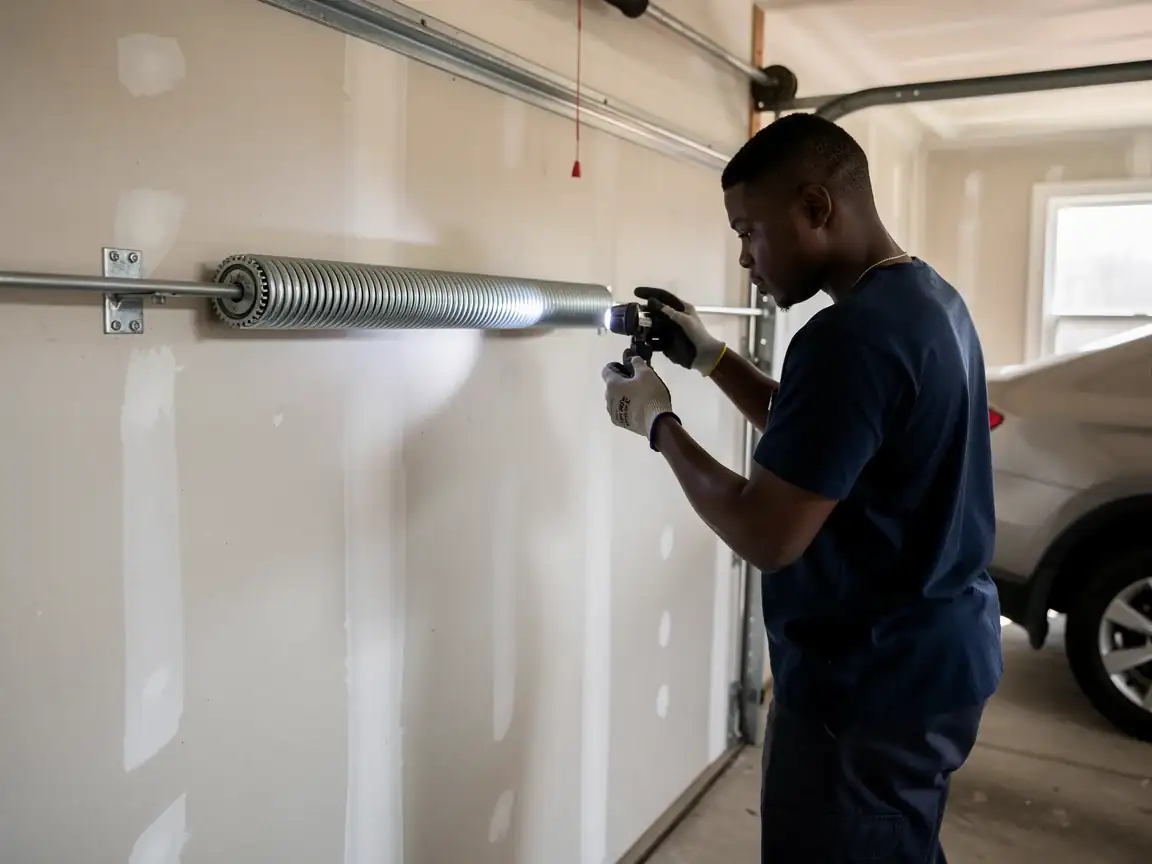
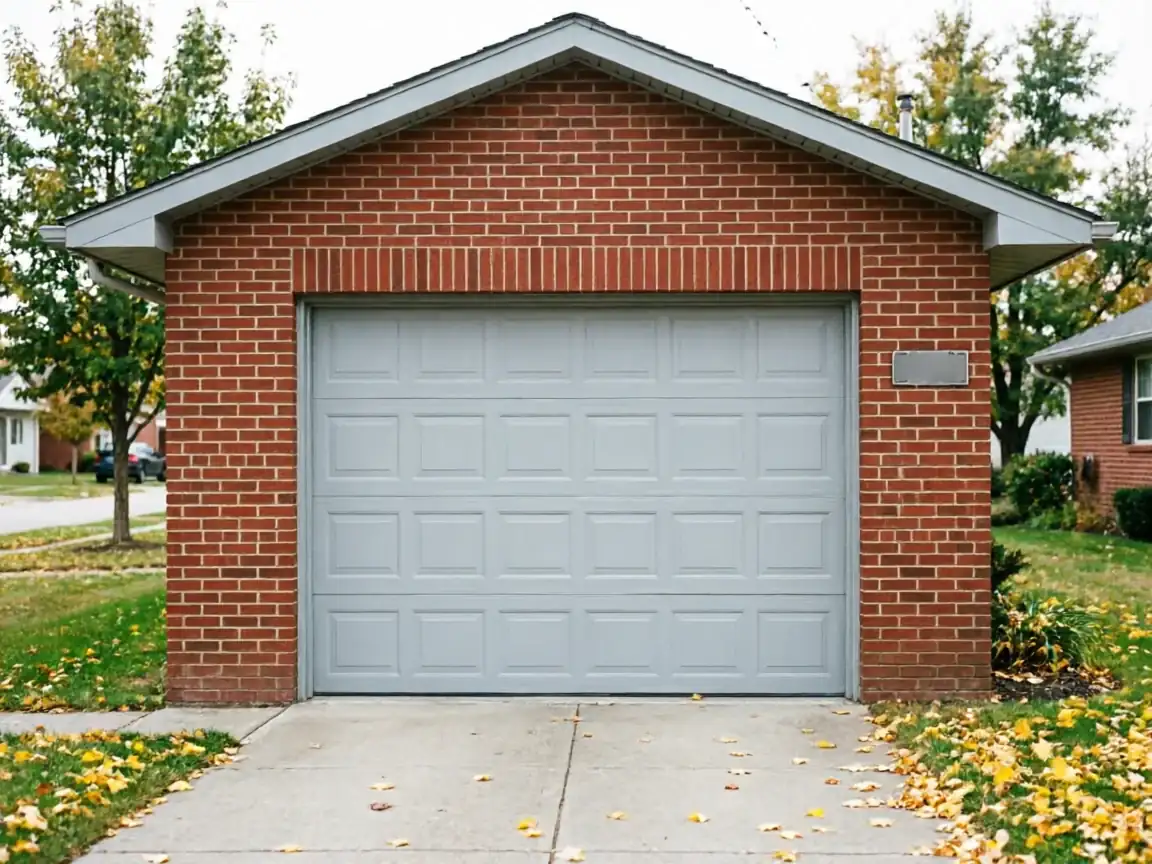
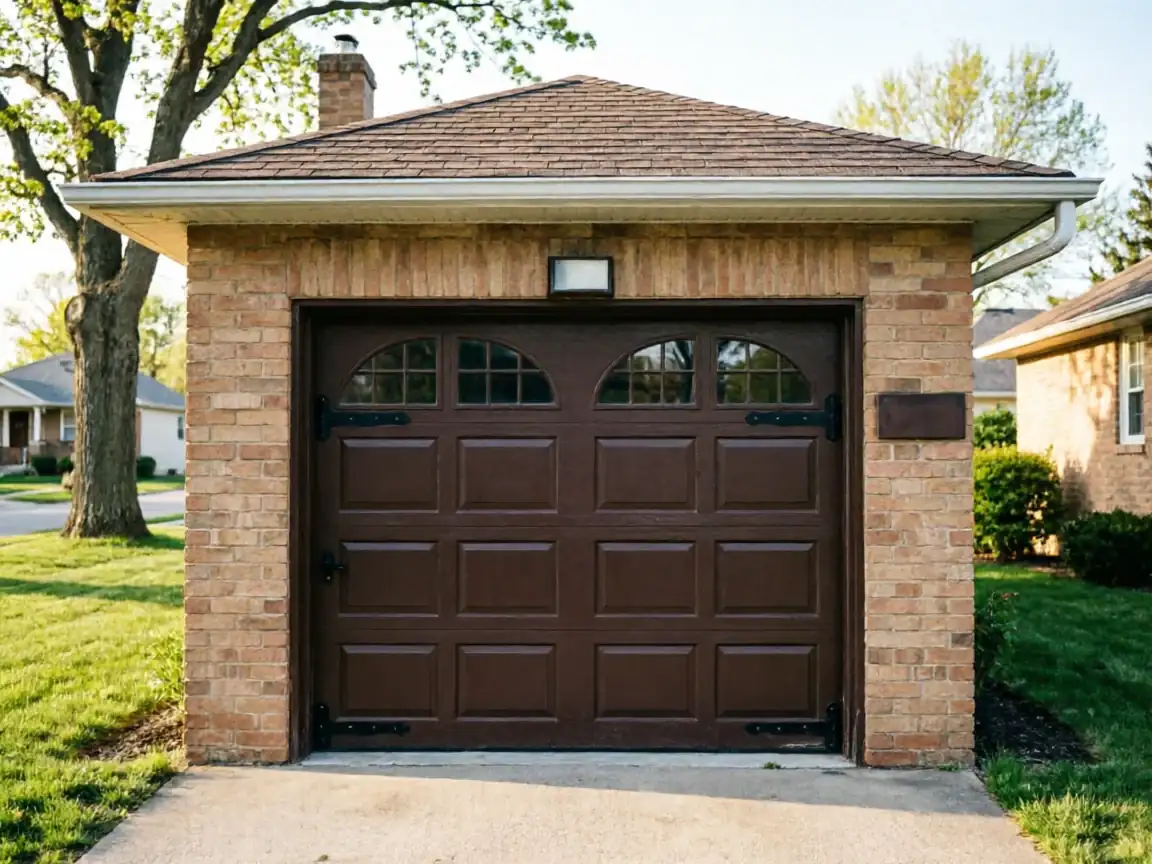
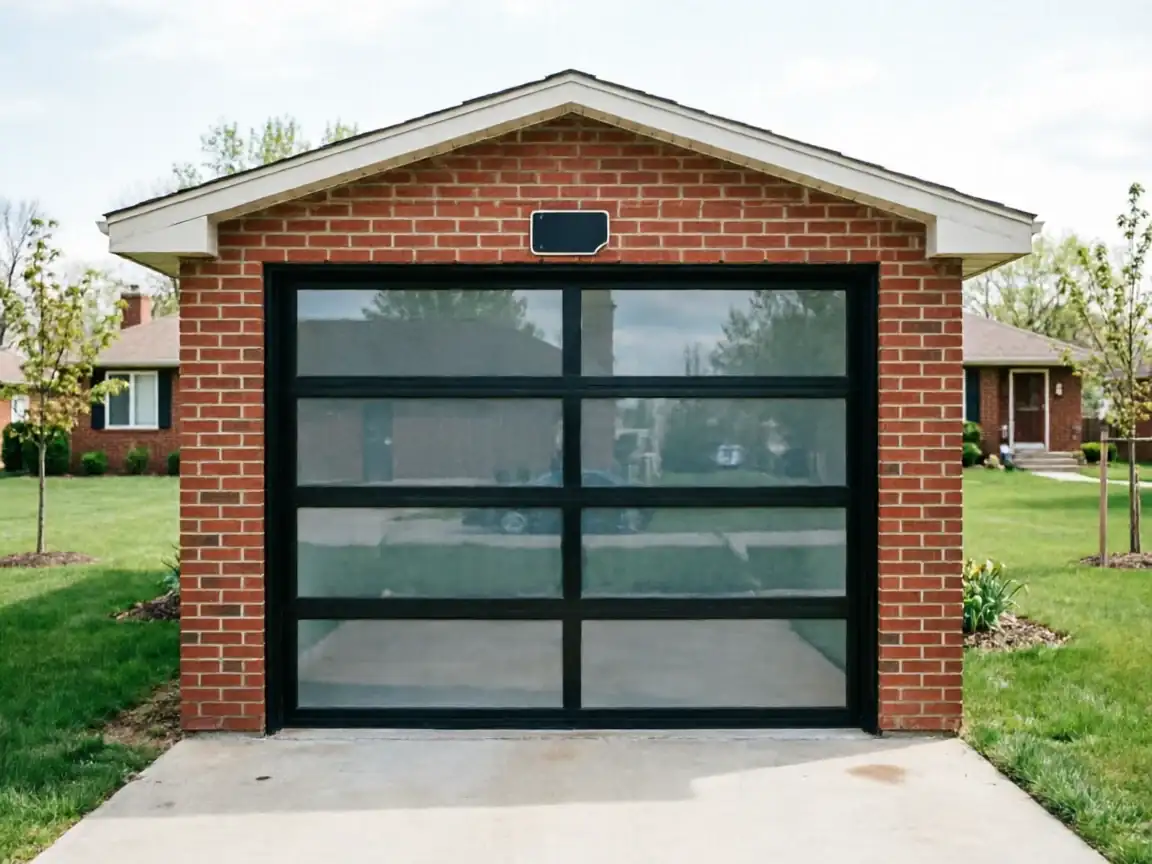
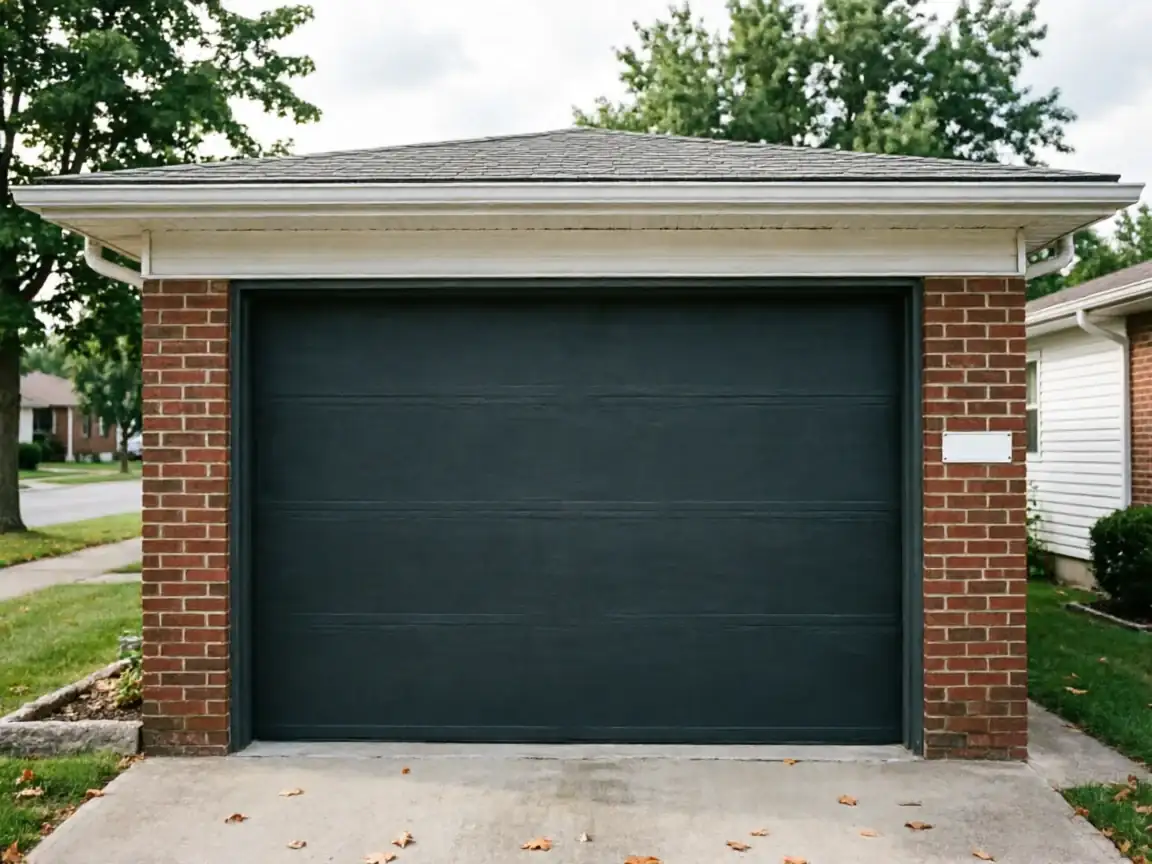
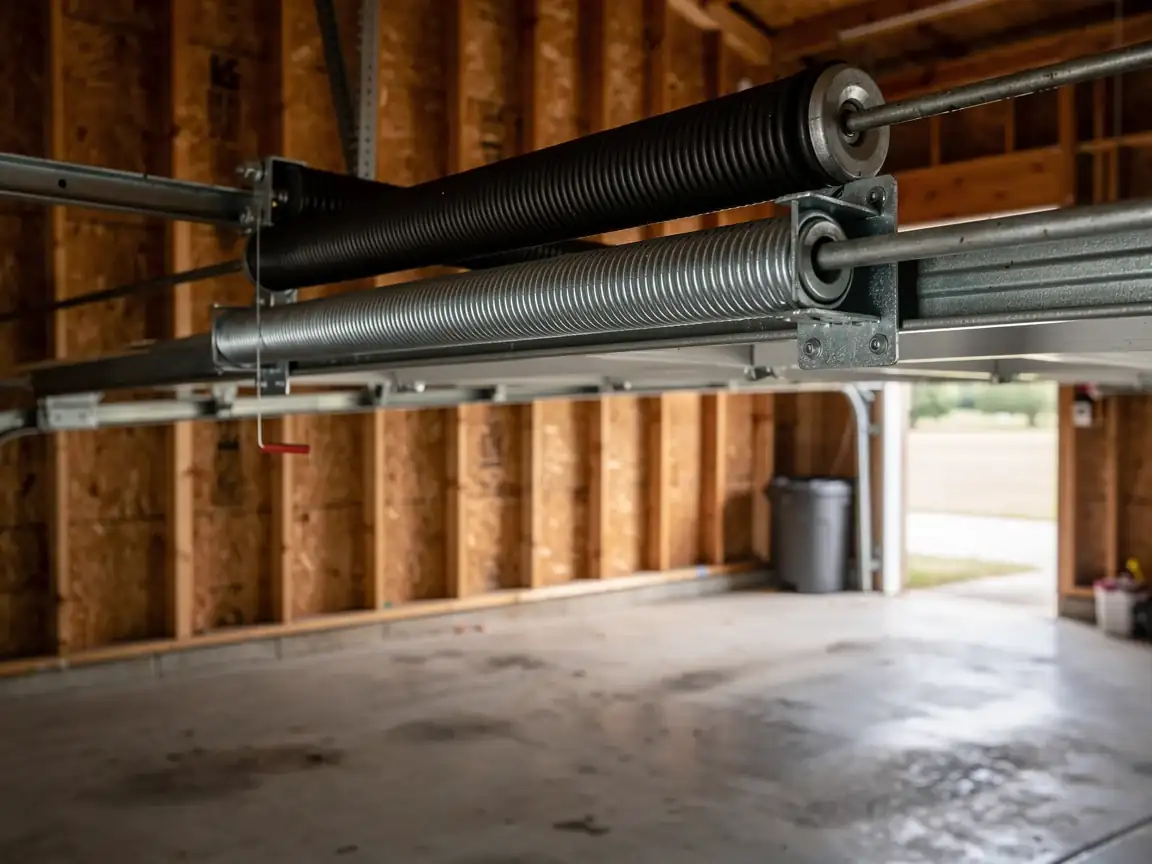
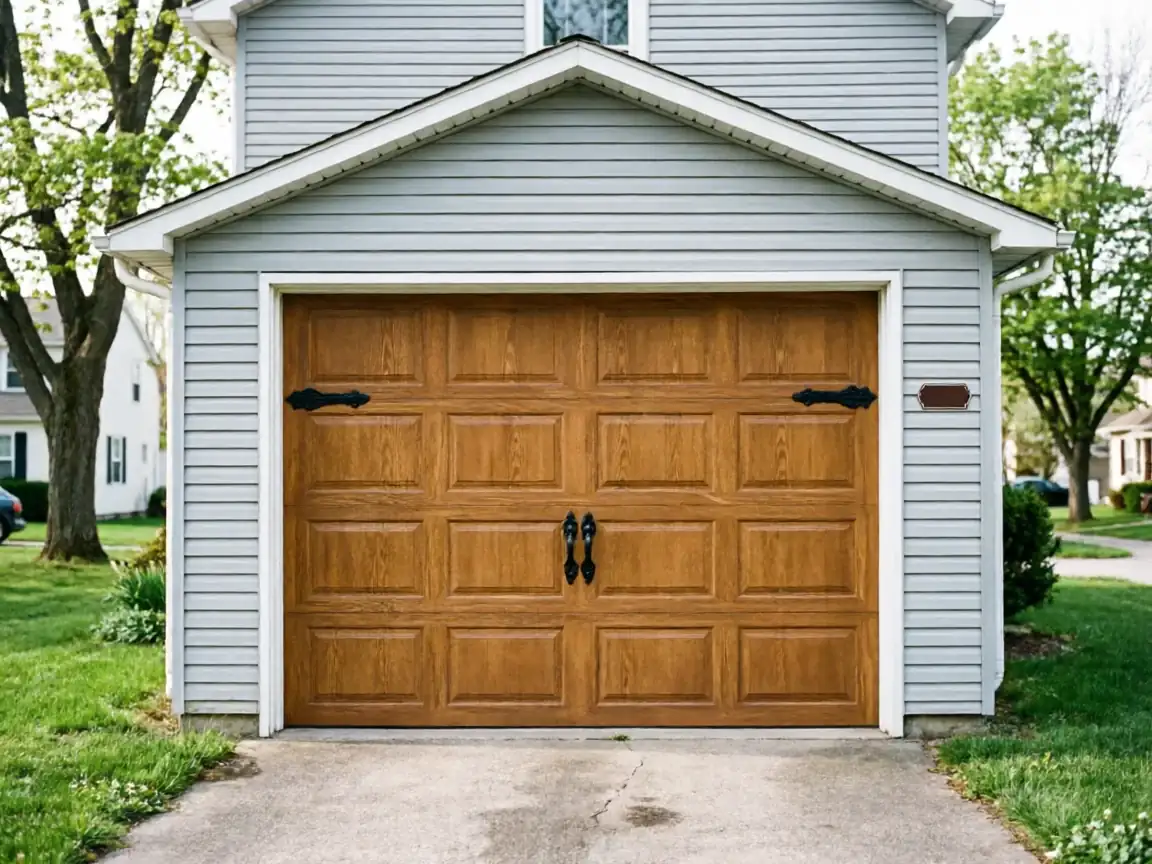
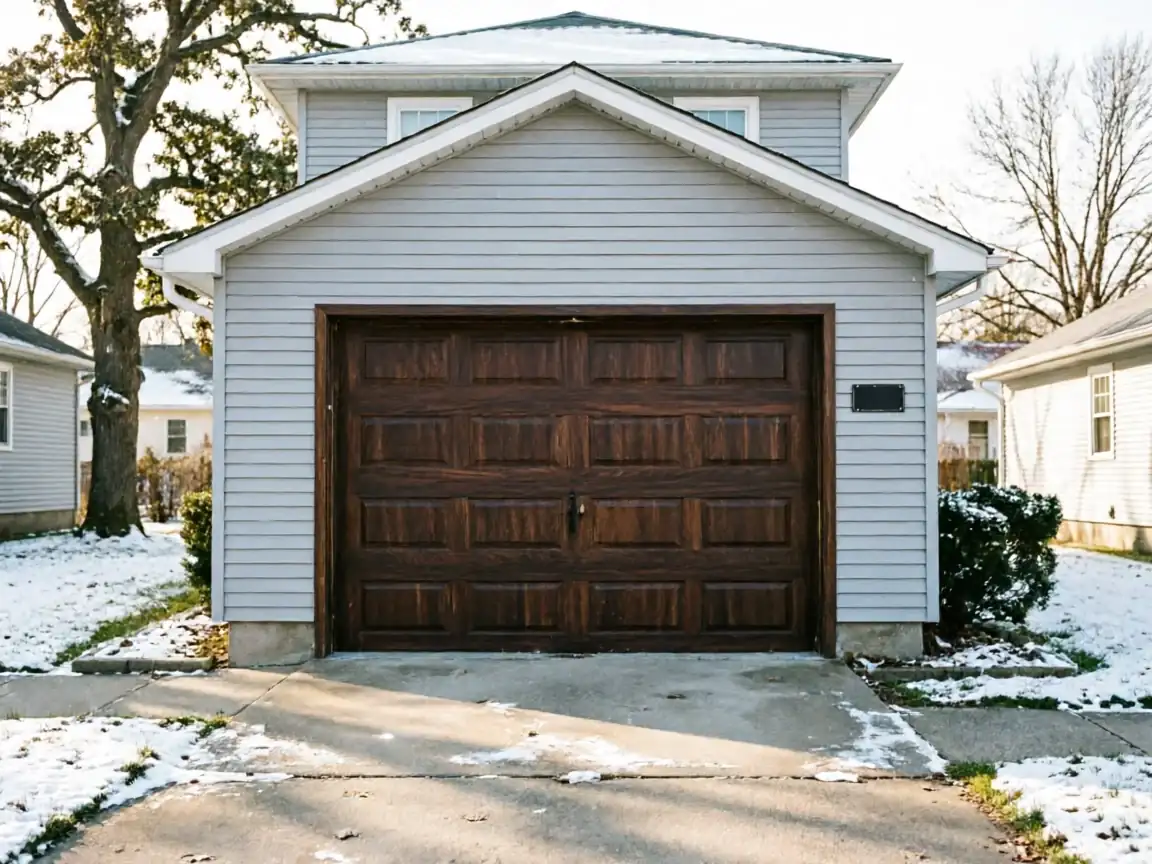
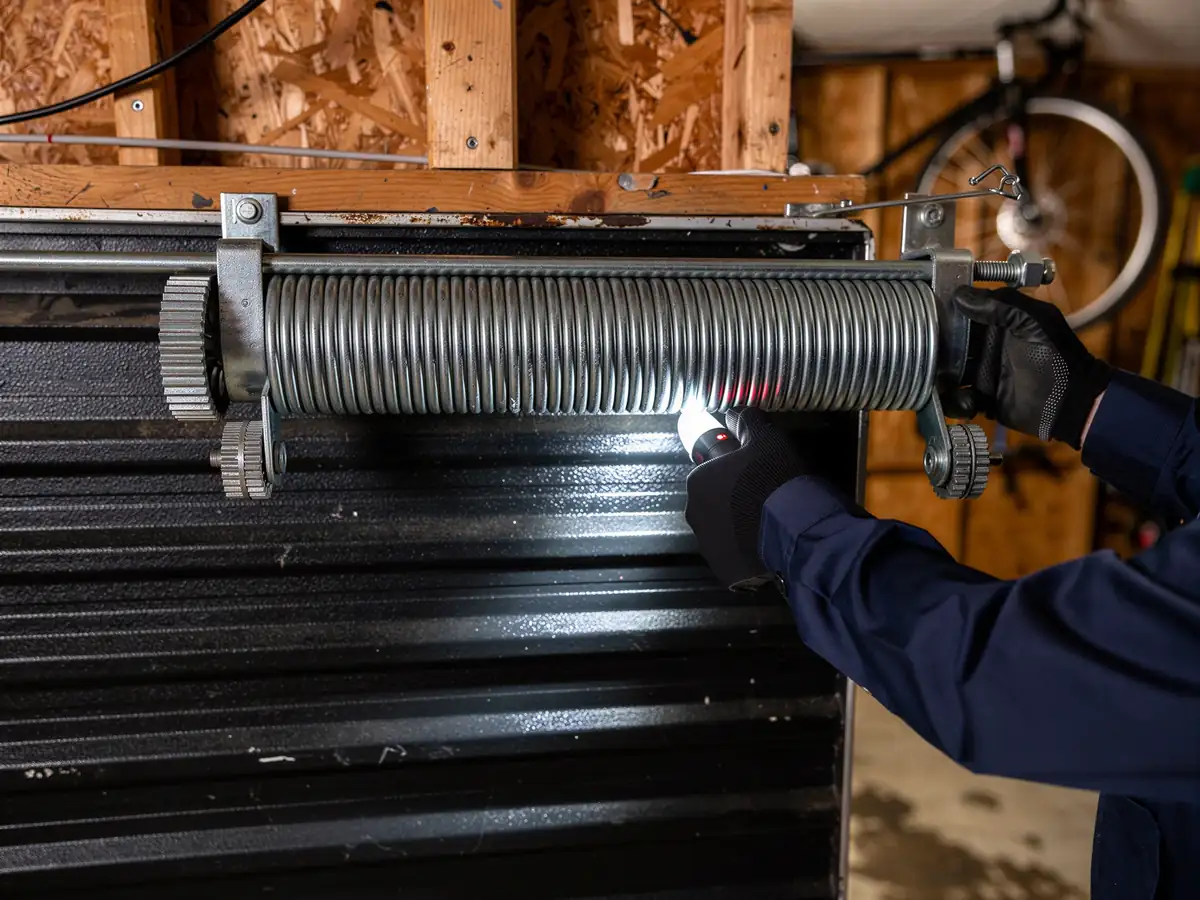
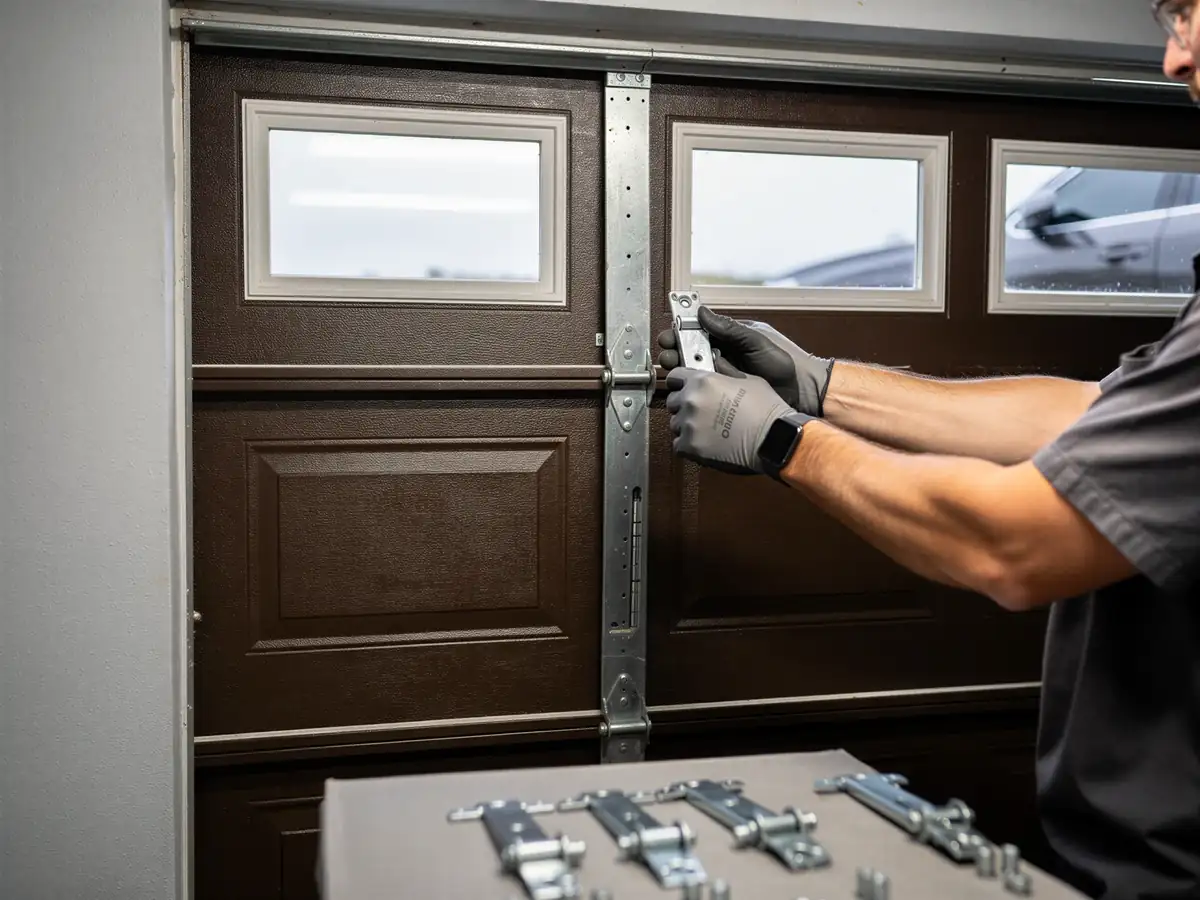
Golden Valley's median house went up around 1966, which puts a lot of these garages on original or second-generation hardware: 7-foot openings rather than the 8-foot height common in newer construction, and track hung on wood jambs instead of steel. When we bring a new door out from Eagan, we bring sections sized to fit that older rough opening without reframing the jamb, plus torsion hardware rated for the lighter, narrower doors this era used. We carry steel sections in a few insulation levels, and we carry the drums, shafts, and end bearings sized for a 7-foot door, since that's still what a lot of these garages need. We don't stock custom wood doors or anything requiring a special order - if you want a carriage-style door with a non-standard panel pattern, that's a longer lead time and we'll tell you that up front before you commit to anything.
How Long You Are Without the Door
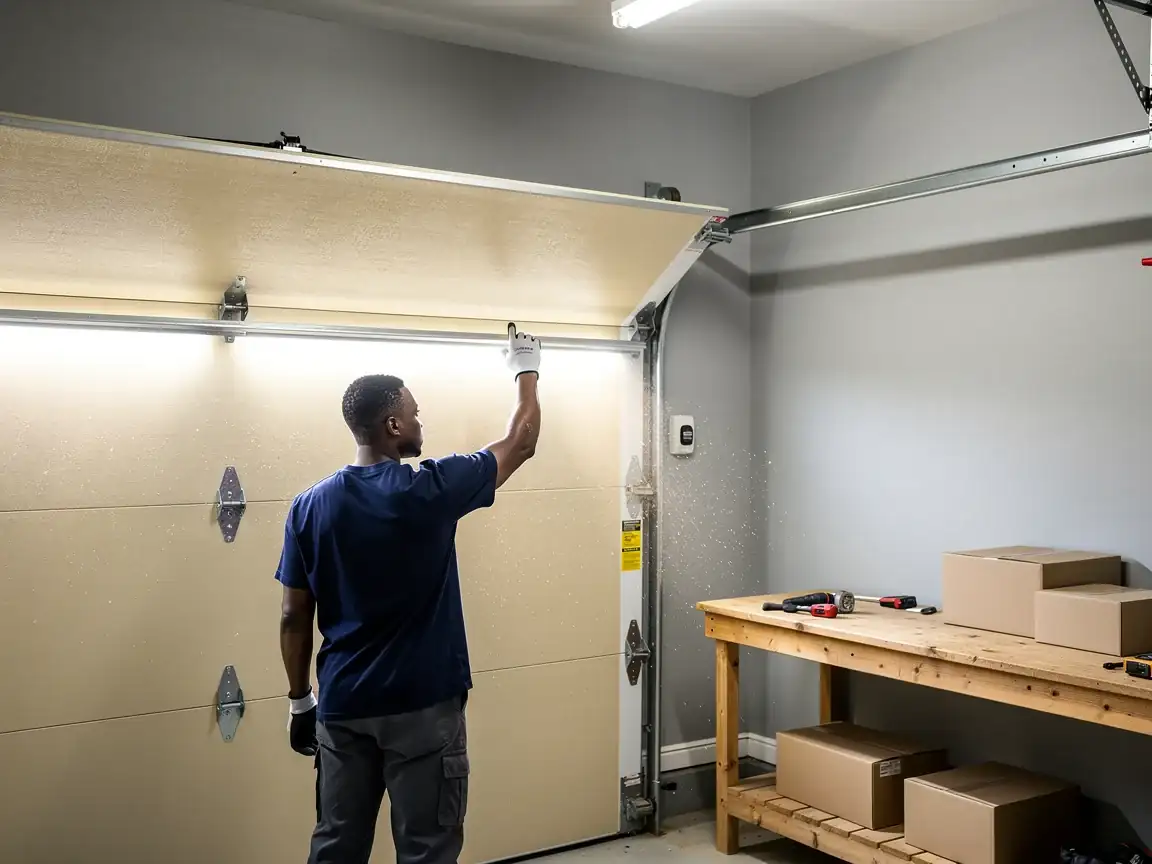
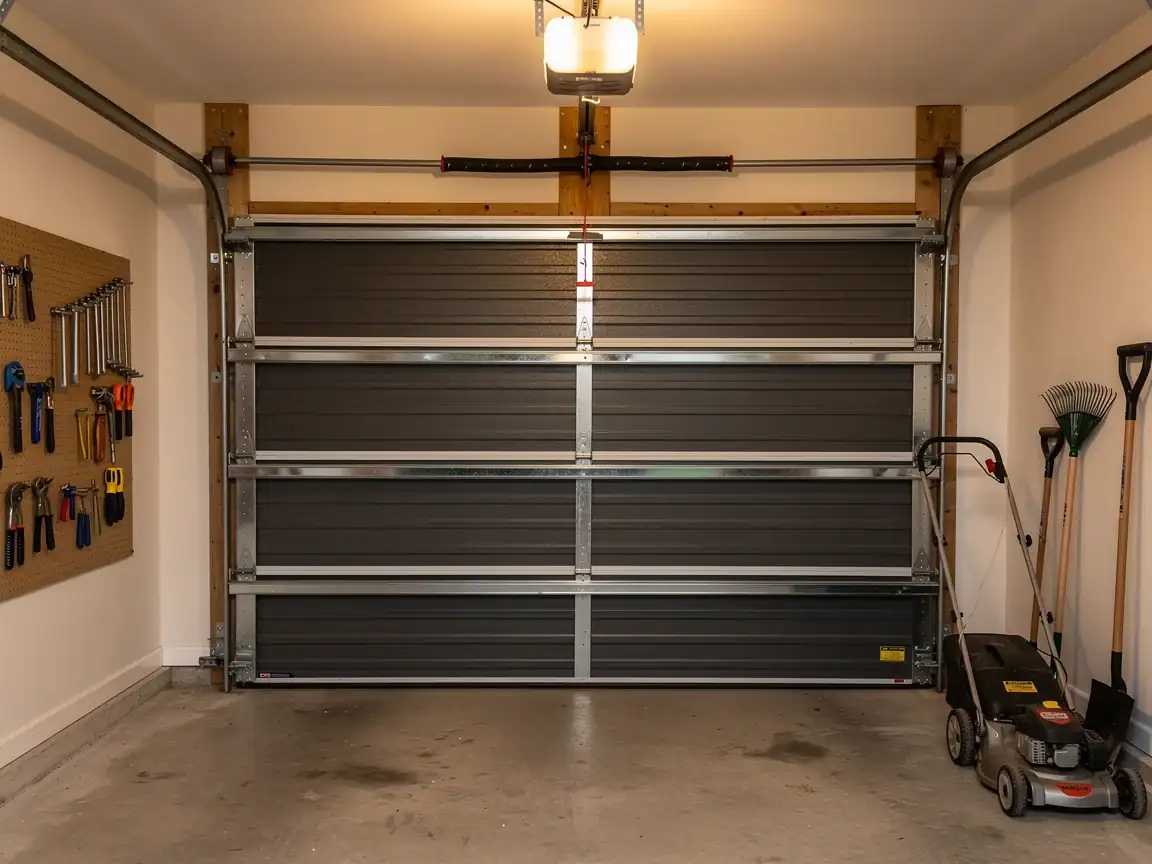
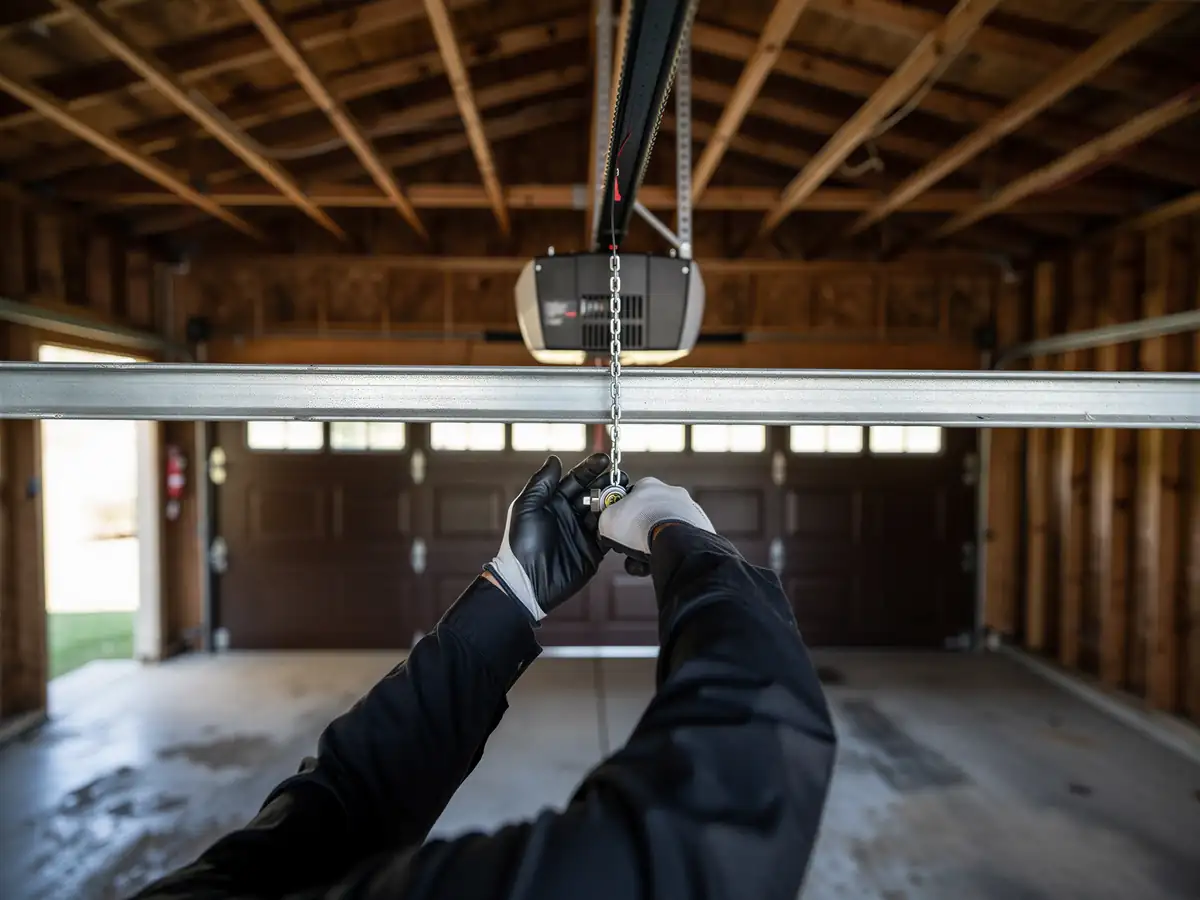
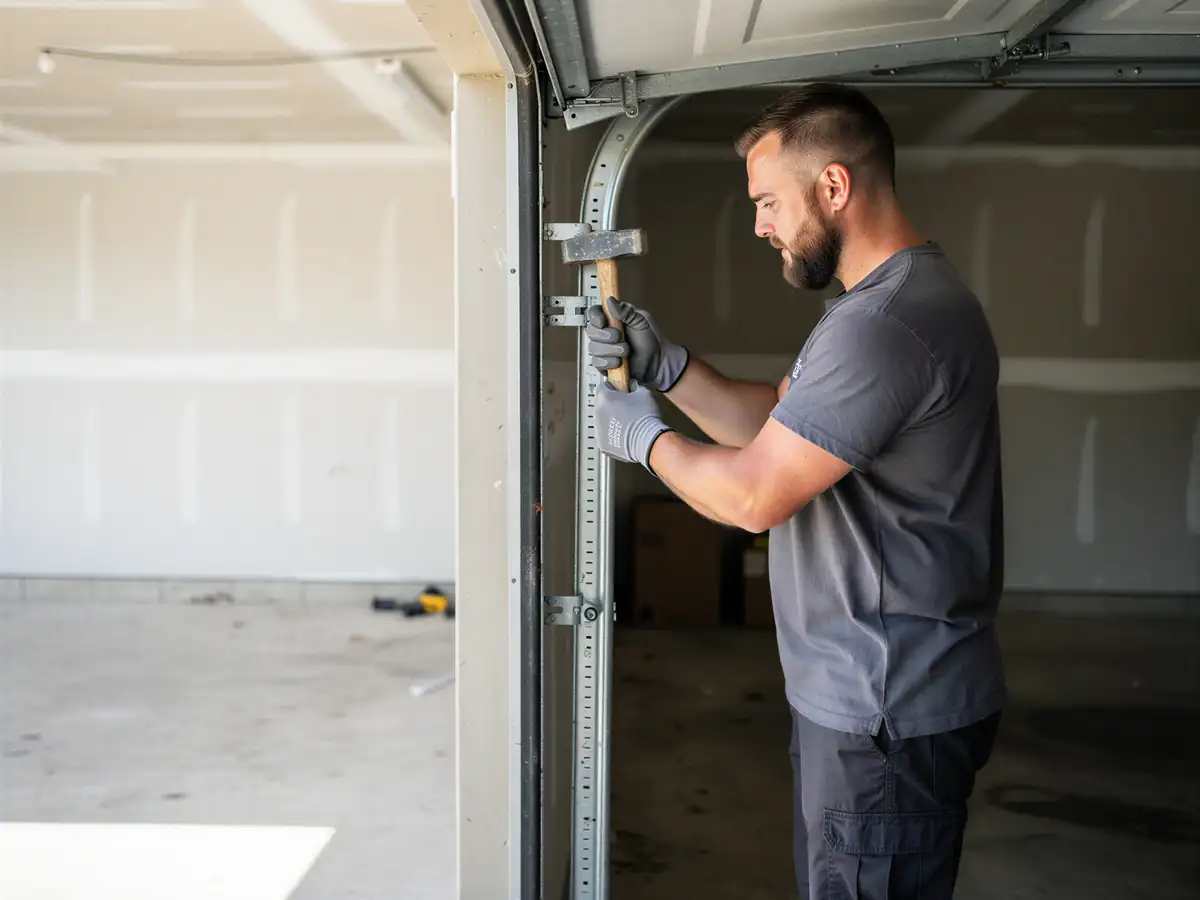
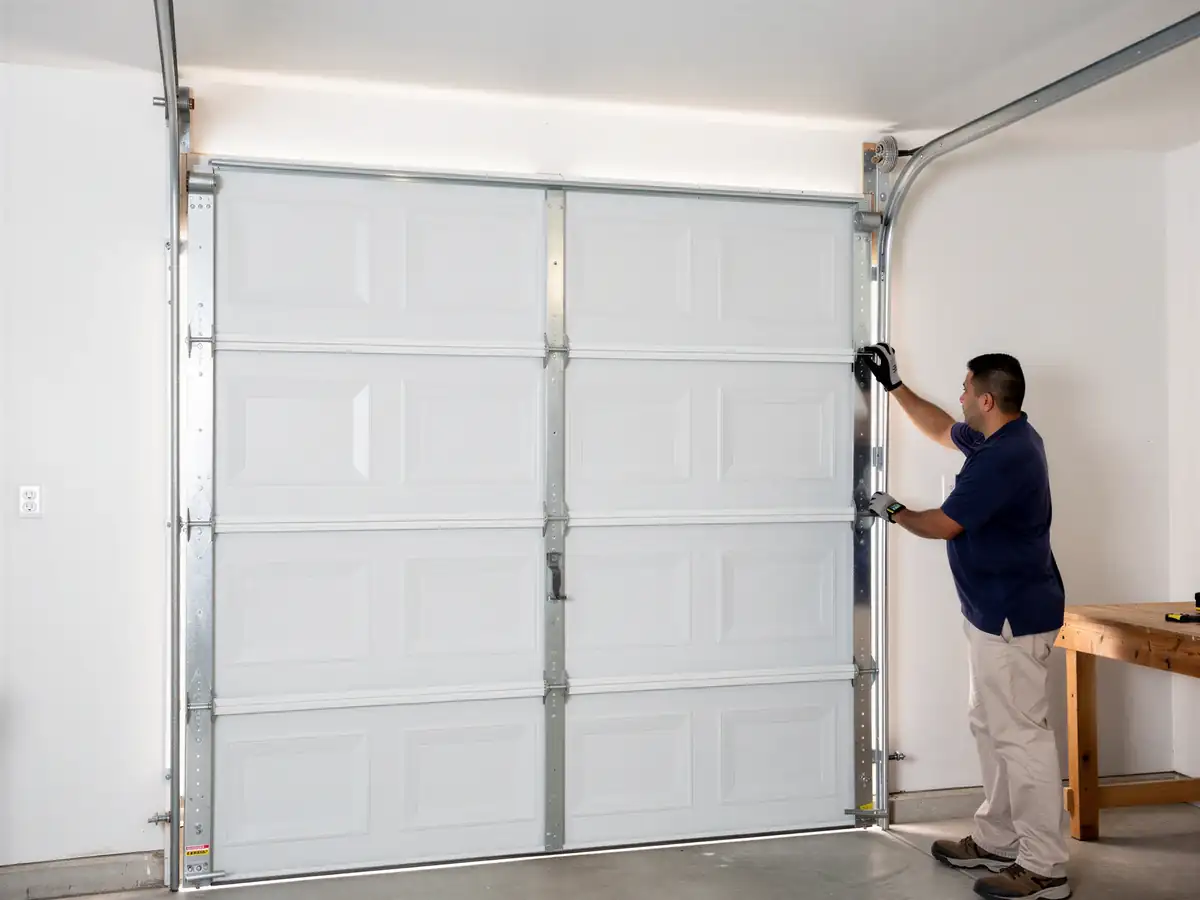
We travel from Eagan, about 15 miles out, so the first thing to plan around is scheduling the install day itself rather than a same-day emergency swap - this is a planned replacement, not a repair call. Once we're on site, a standard single-door swap on a 7-foot opening typically runs a few hours if the jamb is square and the opener is staying. Add time if the old track or jamb needs rework, which comes up more often on houses from the 1966 era than on newer construction, because the opening dimensions and framing methods weren't standardized the way they are now.
What You Are Seeing
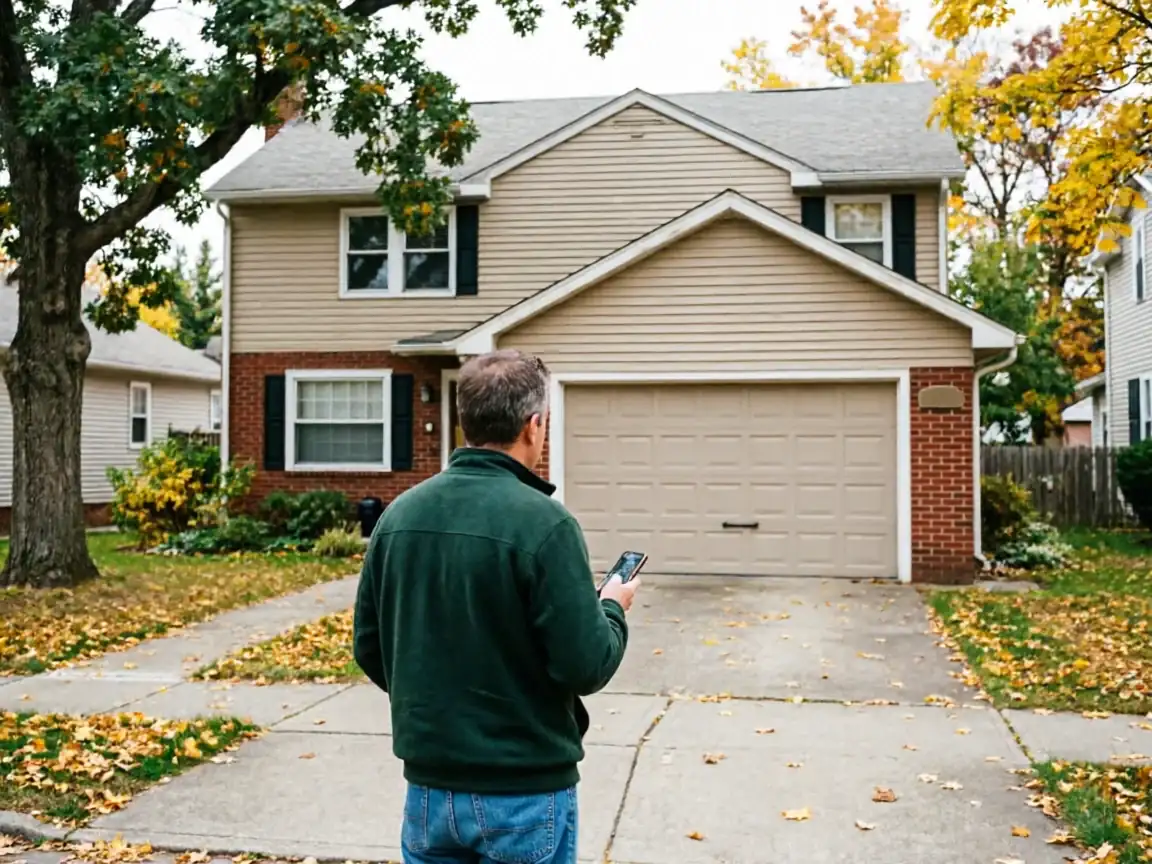
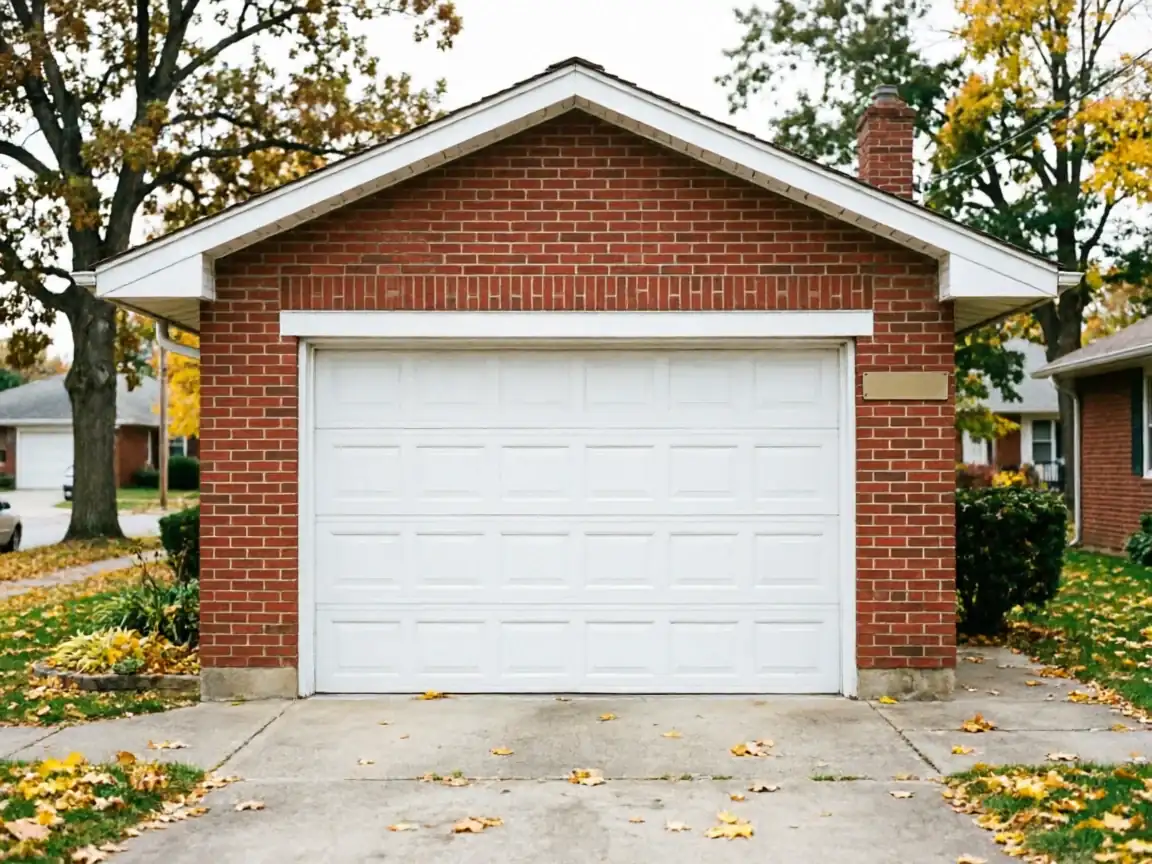
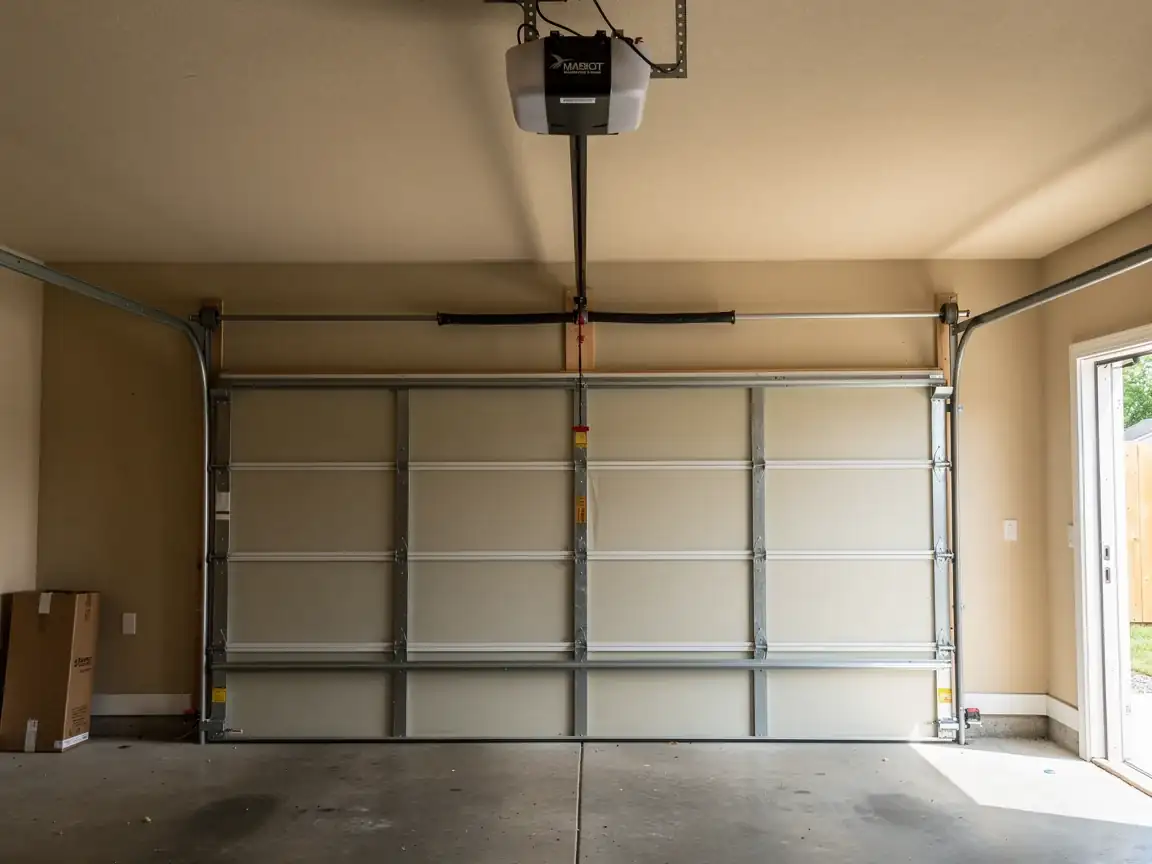
If your door is original to a house built around the mid-1960s, you're likely looking at a narrower 7-foot-wide opening, a single thin steel skin with no insulation, and extension springs mounted along the horizontal track rather than a torsion bar over the opening. These doors often still work, but they're heavy to lift by hand if the spring tension has dropped, and they don't hold heat the way newer insulated panels do. Some owners have already replaced the door once since the house was built and are now dealing with a second-generation door that's 20 to 30 years old itself - different problem, same age-driven pattern.
What Causes It Around Here
The service area's housing stock runs from 1956 to 2004 with a median around 1973, but Golden Valley sits on the older end of that at roughly 1966, closer to the first wave of postwar construction than to the later additions. That earlier build date means more extension-spring setups and narrower openings than you'd find in a house built in the 1980s or later. Minnesota's cold winters add their own wear on top of the age - steel contracts in deep cold, and on a door that's already decades old, that's often what turns a sticky track into a cracked panel or a hardware failure.