Parts We Carry
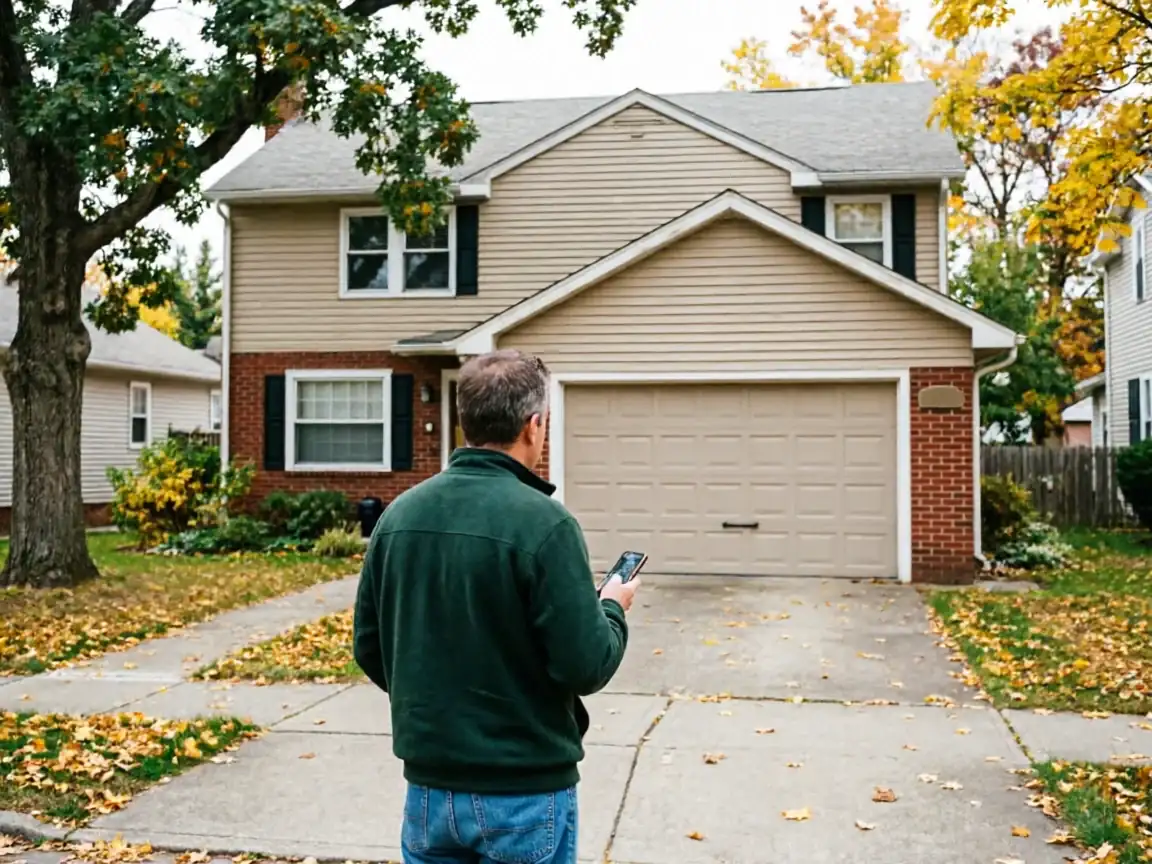
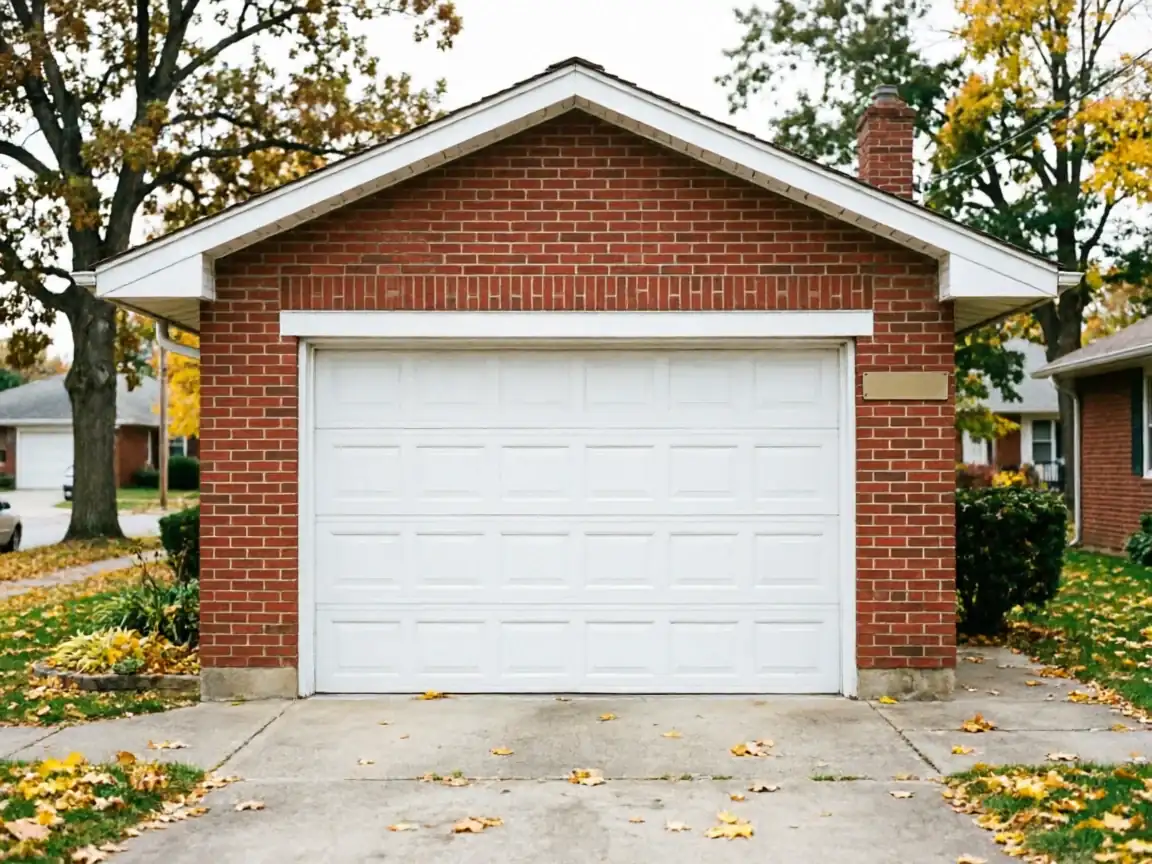
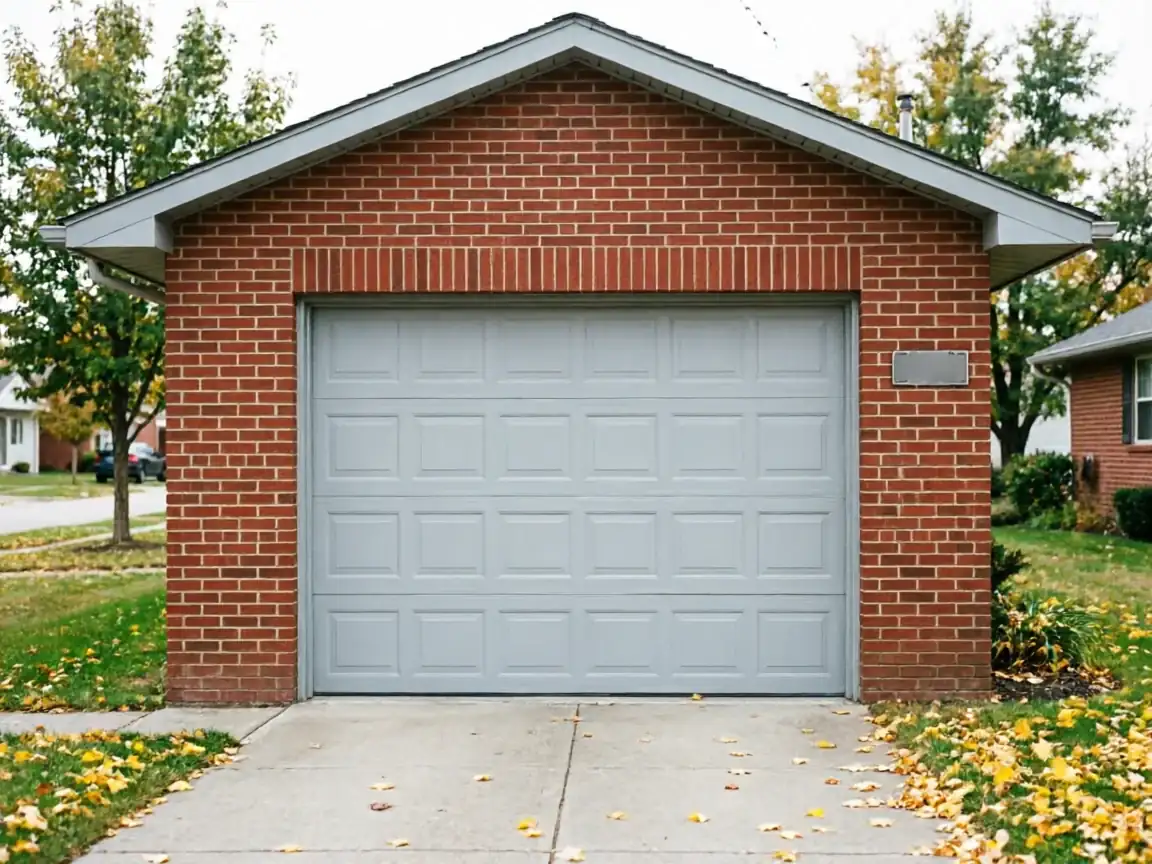
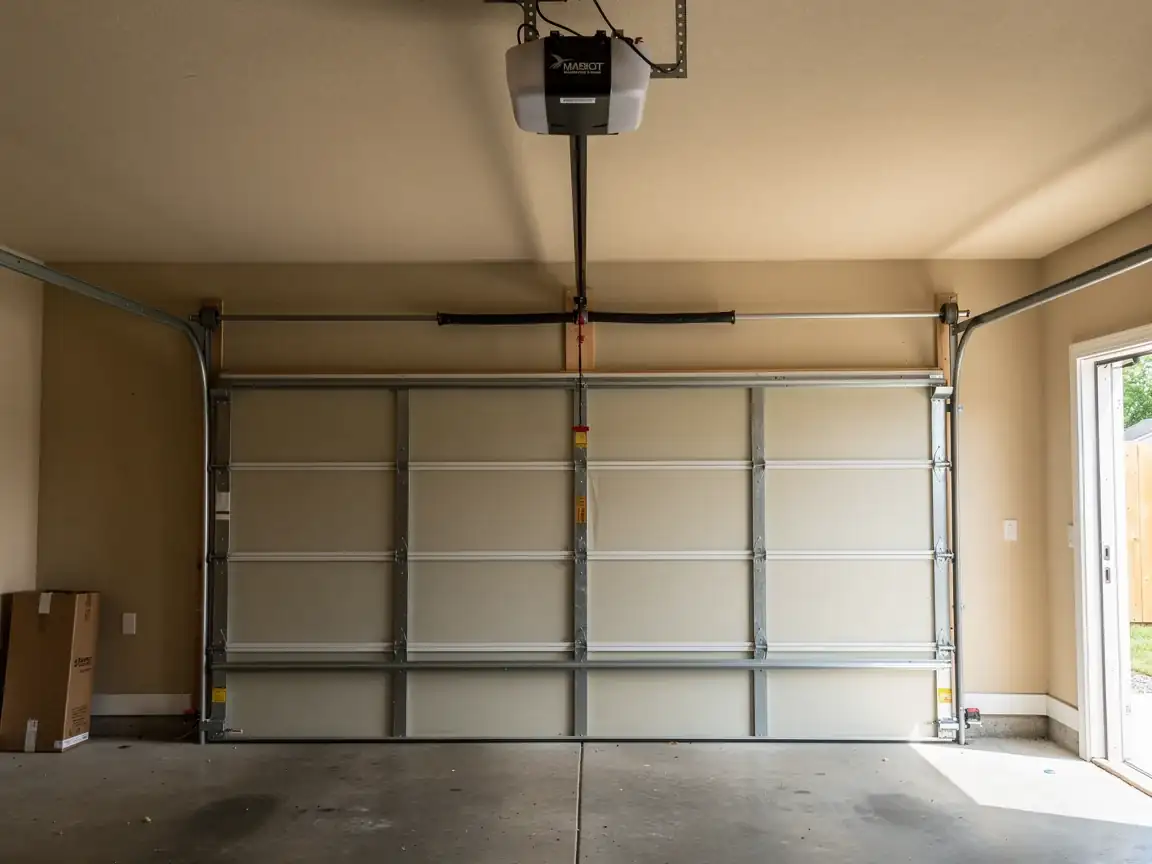
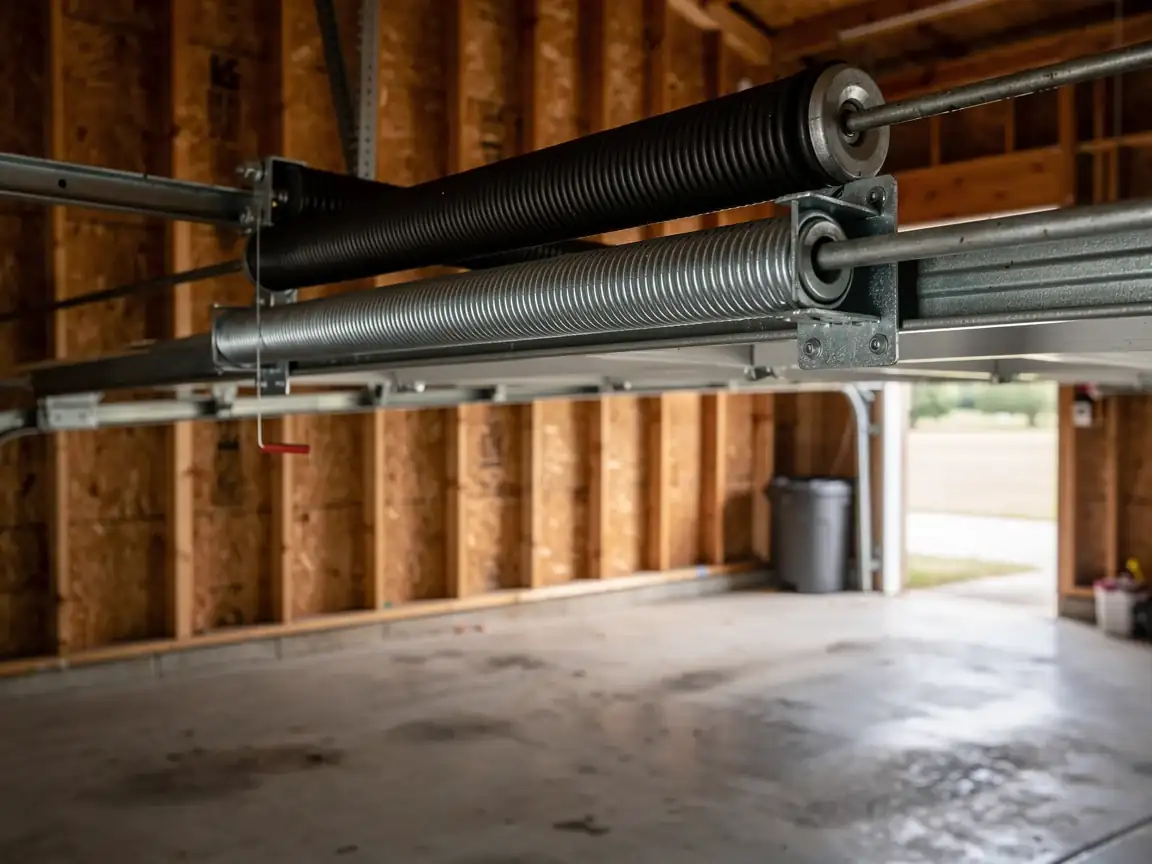
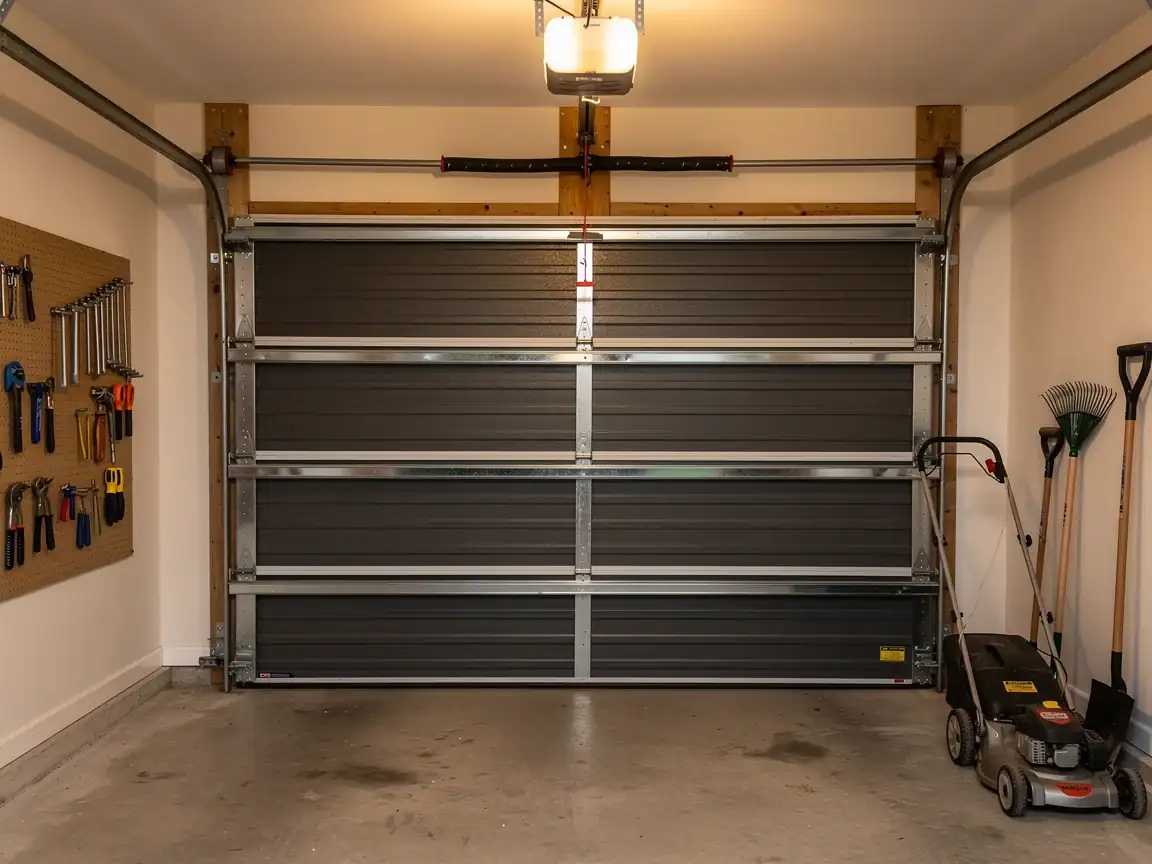
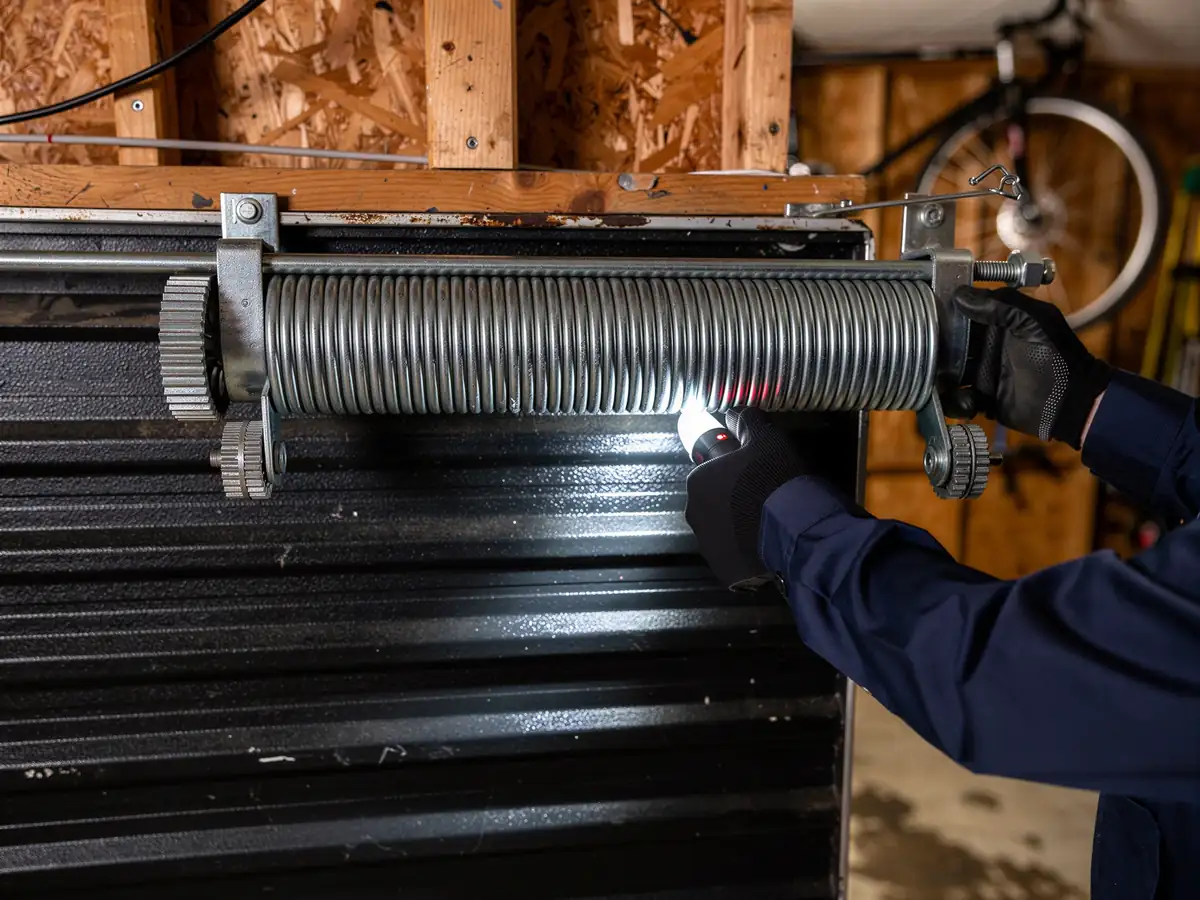
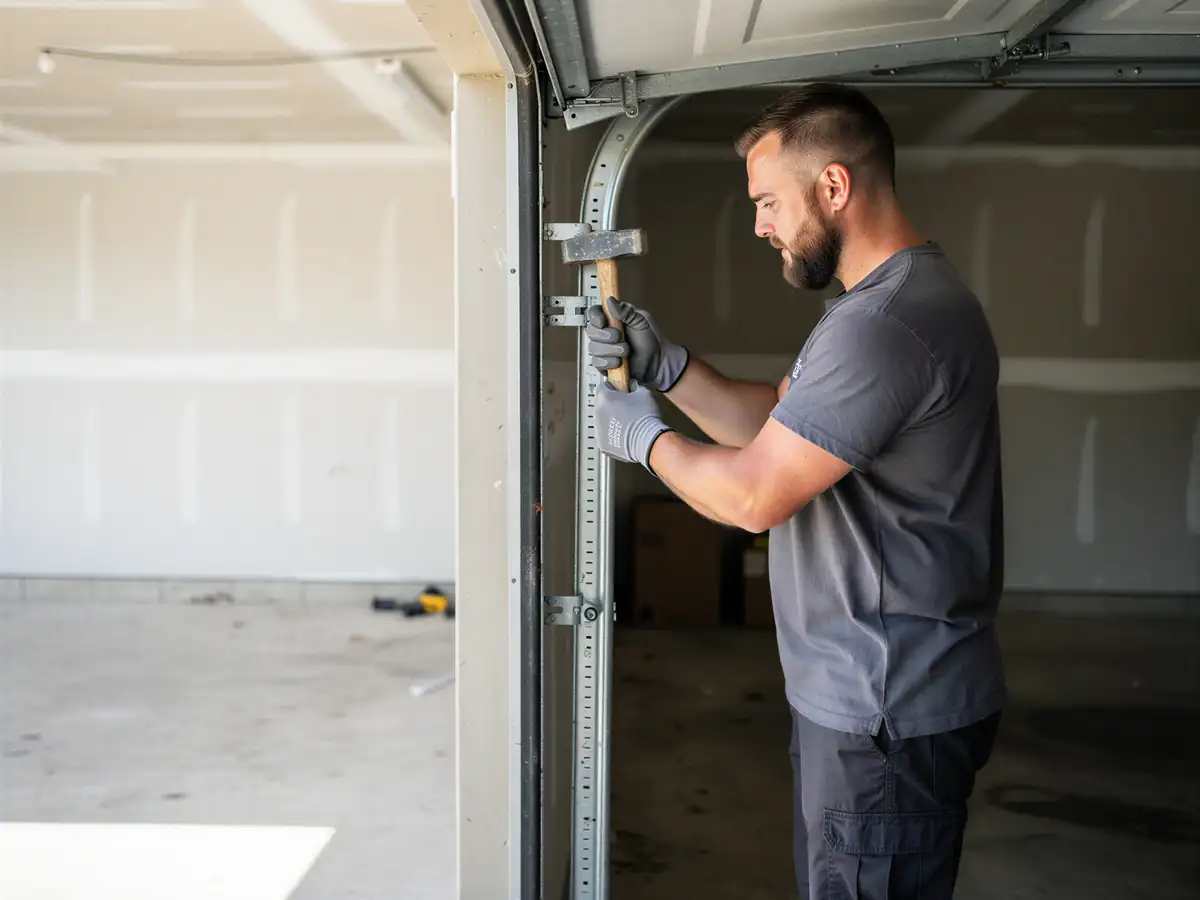
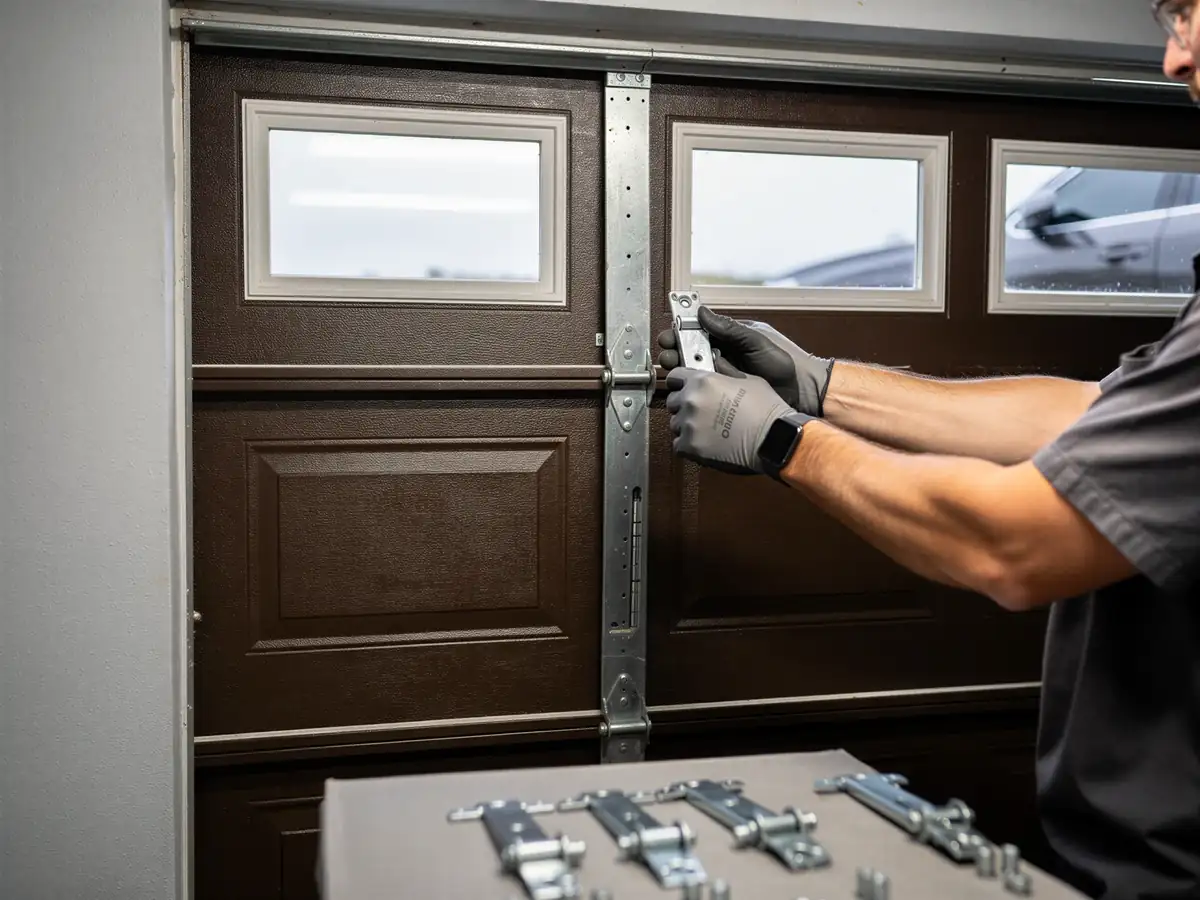
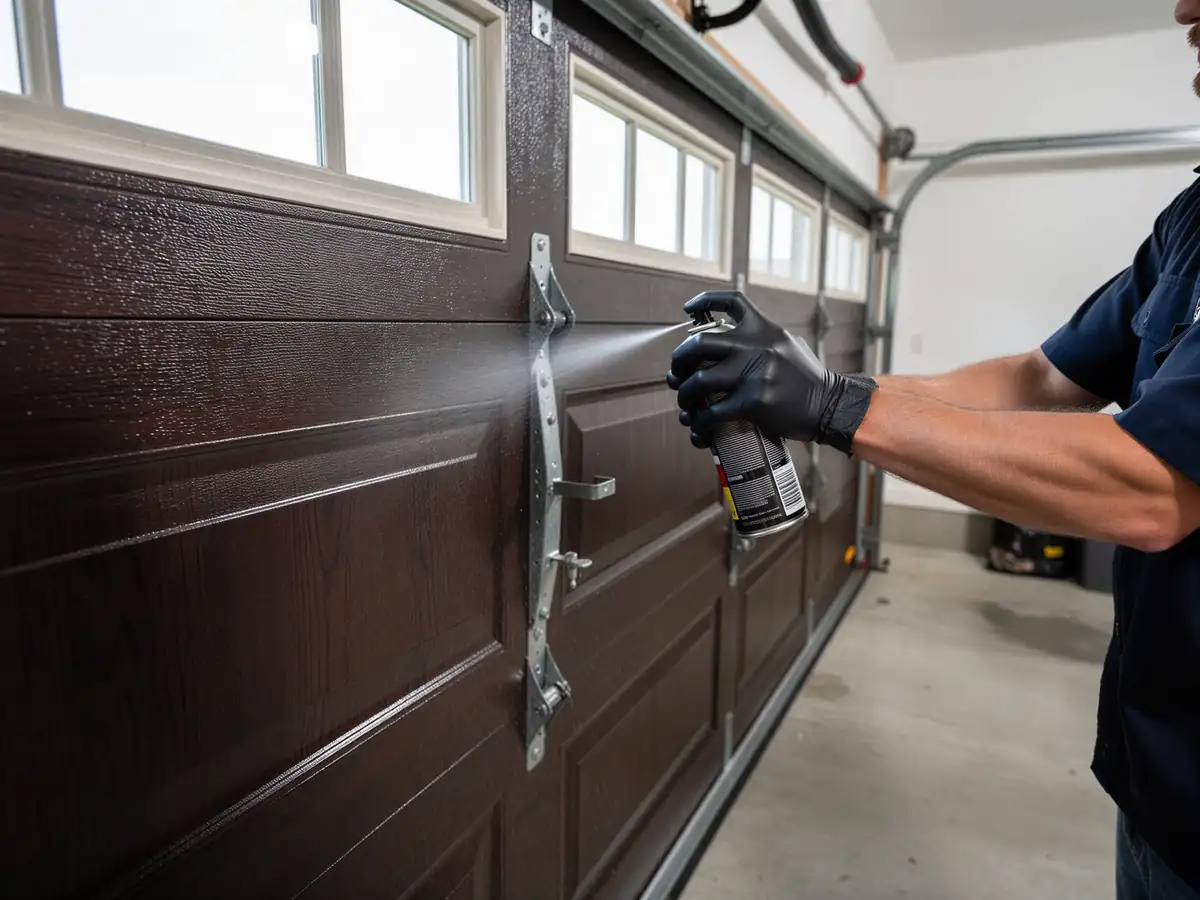
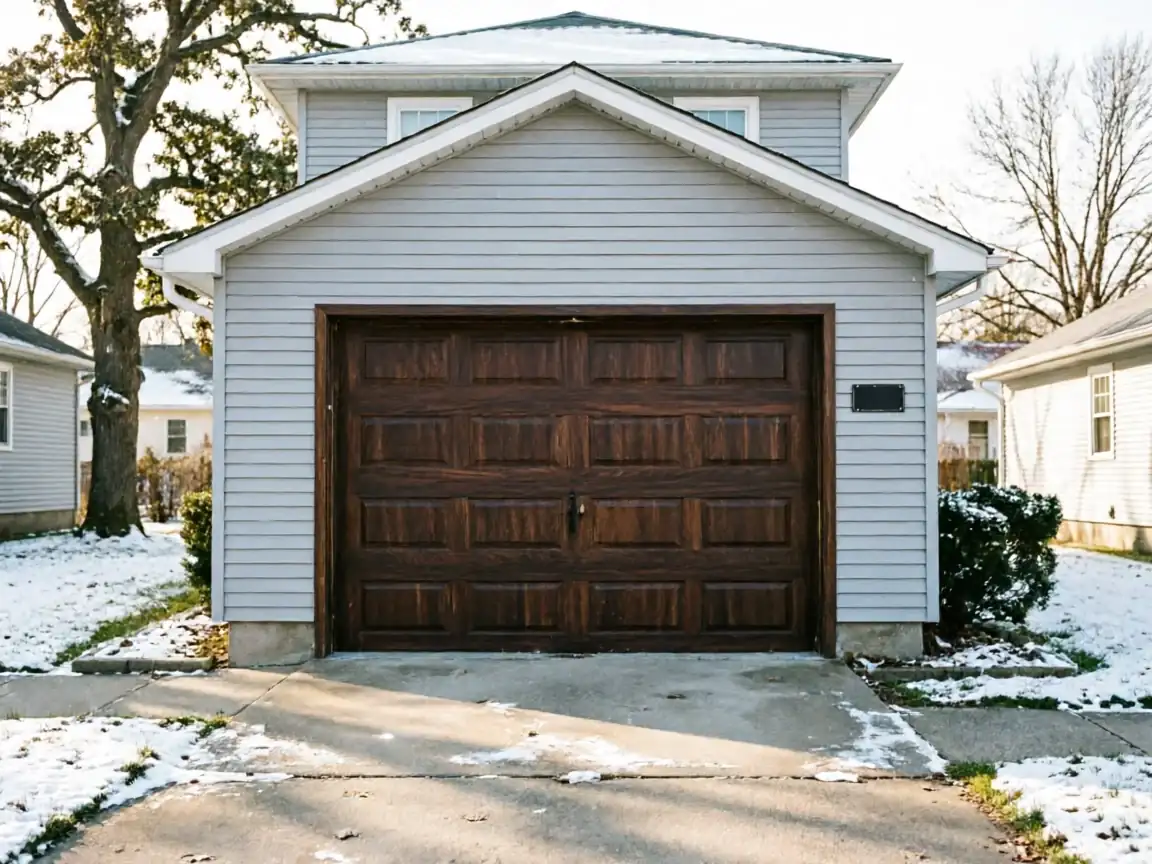
Golden Valley's median home went up around 1966, which puts most of the original garage doors here a decade or two ahead of the newer stock found elsewhere in the service area. That means steel sectional panels on torsion springs, sometimes extension springs on the older end-mount setups that were still common through the mid-60s. The lift cables, rollers, and hinges on these doors were built to a lighter standard than what goes into a door today, and after this many decades of use, galvanized rollers wear grooves, hinges loosen at the panel seams, and the torsion spring's winding cones corrode at the shaft. We carry replacement torsion and extension springs, standard-gauge lift cable, steel rollers, and hinge sets sized for sectional doors from this era. What we don't stock on the truck is anything for a wood carriage door with custom hardware; if your door turns out to be one of those, we order the part and come back once it's in. For a 1966-built house, the fix is usually matching old hardware to a door that's still structurally sound, not replacing the whole unit.
How Long You Are Without the Door
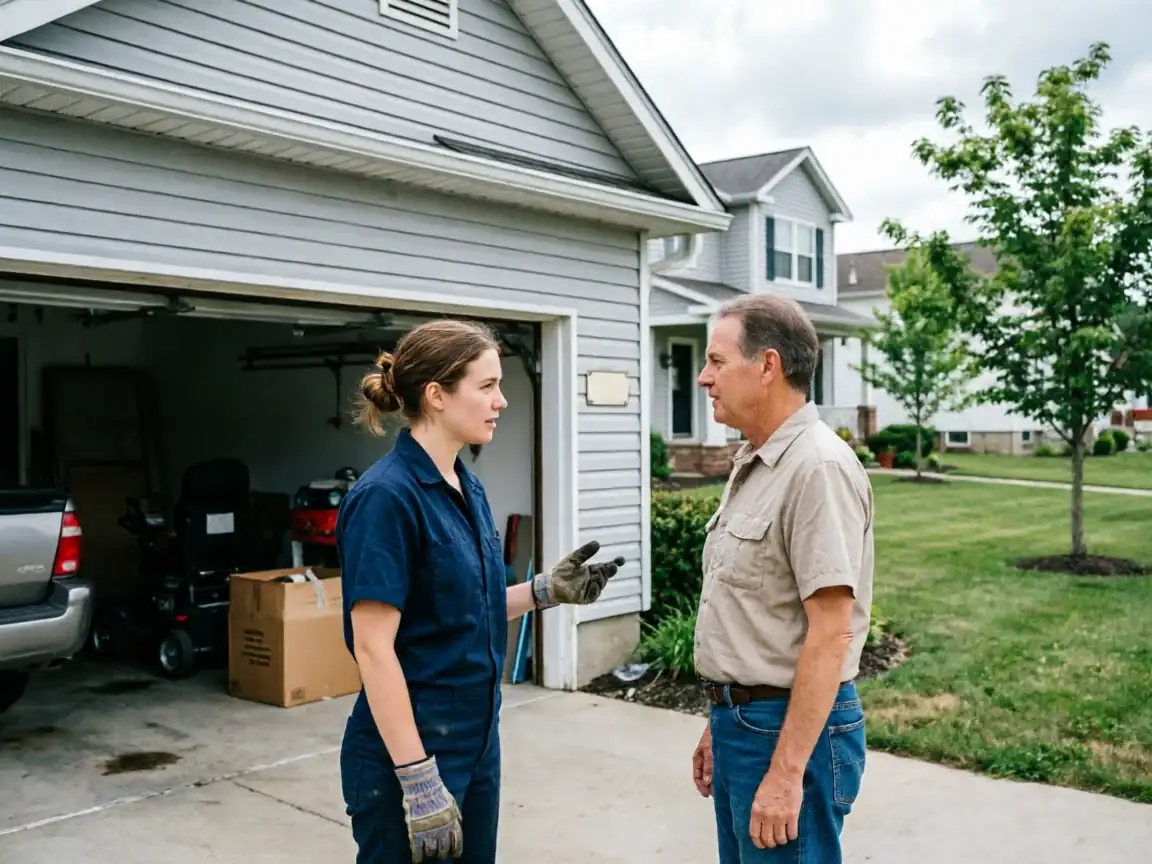
We run out of Eagan, 15 miles from Golden Valley, which is worth knowing before you call. We don't promise a same-hour arrival here, and we're not going to invent a response time we can't back up. What we can tell you is that once we're on site, a spring replacement or cable job on a standard sectional door is usually a same-visit fix, parts on hand. Where it stretches out is when the door itself is non-standard for its era, or when a part has to be special-ordered because nobody stocks it for a door built when Lyndon Johnson was president. If your opener failed and the door is stuck down, that's the one situation where waiting costs you the use of the garage entirely, so tell us that upfront when you call and we'll work it into the schedule accordingly.
What You Are Seeing
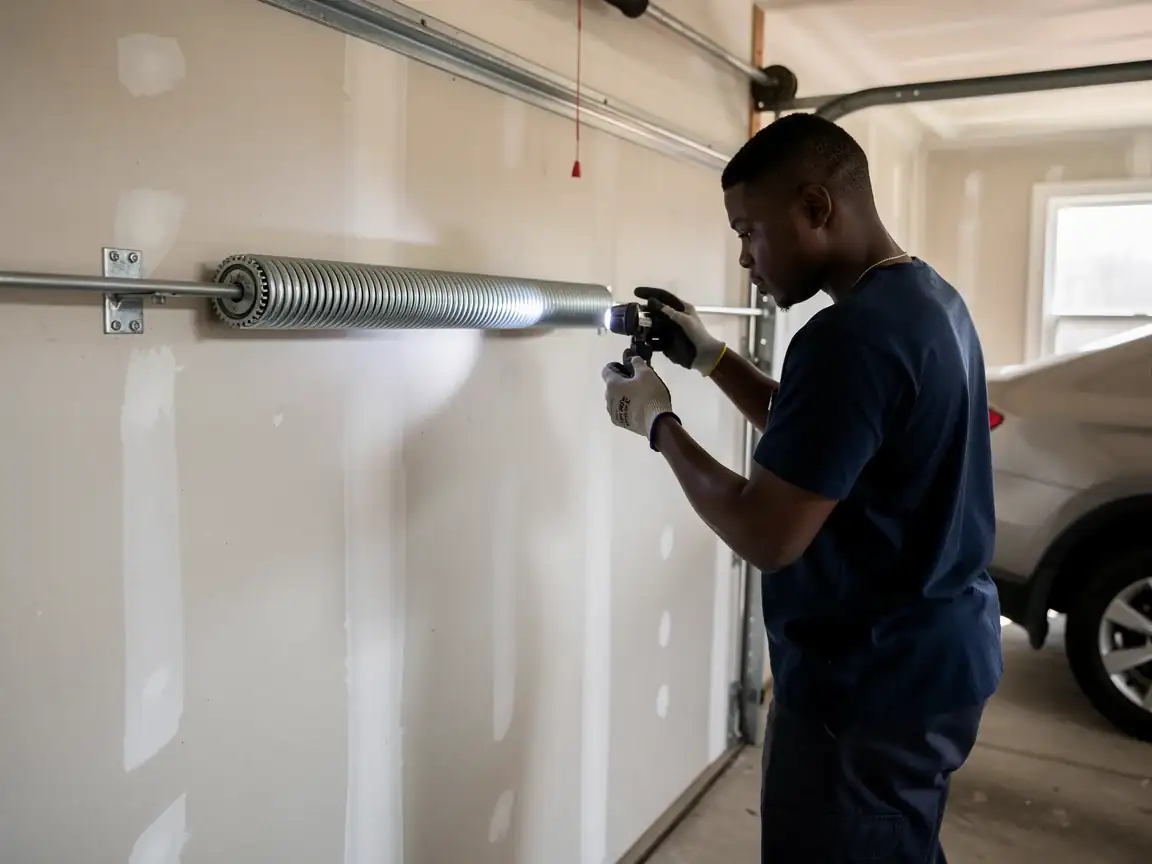
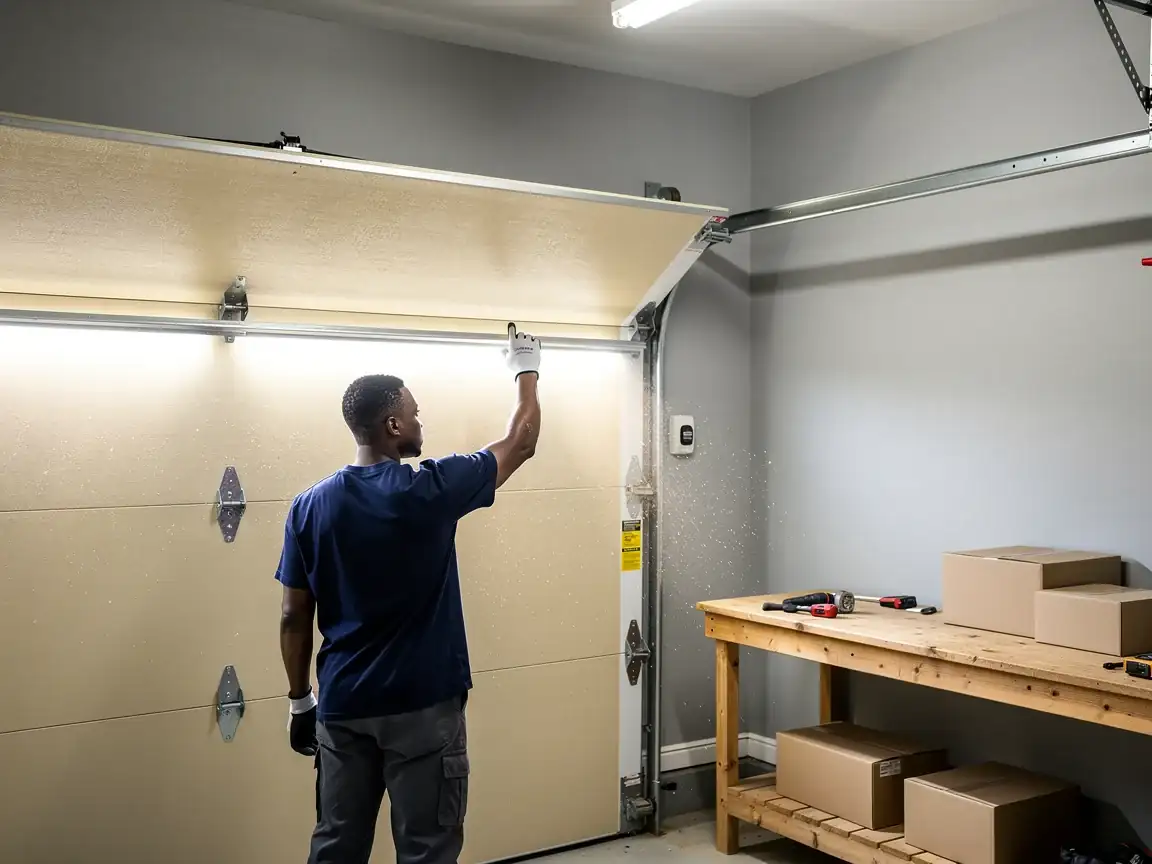
On a door built around 1966, the most common complaint is a door that won't budge, or one that slams down fast instead of lowering under control. Both point to a torsion spring that's lost tension or snapped outright, which is the single most common failure on hardware this old. A door that's noticeably heavier on one side, or that shudders partway up and stalls, usually means one spring broke while its twin held, which is dangerous to touch yourself. Rollers that grind or squeal rather than roll smoothly have usually worn past the point where lubrication helps. If the opener runs but the door doesn't move, check the chain or belt before assuming the motor's dead; original chain-drive units from this era slip and stretch over decades of use. A door that reverses right after it touches the floor, on the other hand, points to the limit switch or the track alignment, not the spring.
What Causes It Around Here
Golden Valley sits in the same cold moderate climate band as the rest of the service area, and a door installed around 1966 has gone through roughly six decades of freeze-thaw cycling on its original torsion spring and steel track. Cold tightens steel and makes springs more brittle right when the door gets used the most, which is why spring failures cluster in the coldest stretches of winter. With 9,671 households in Golden Valley, against 241,852 across the whole service area, this is a smaller pocket, but its housing stock skews a few years older than the broader area's 1973 median build year, so original hardware has had a bit longer to fatigue here than in some of the newer sections we cover. Higher household income in this suburb doesn't change the physics of a rusted spring cone; it just means more homeowners here opt to replace the whole unit rather than patch the original one more time.