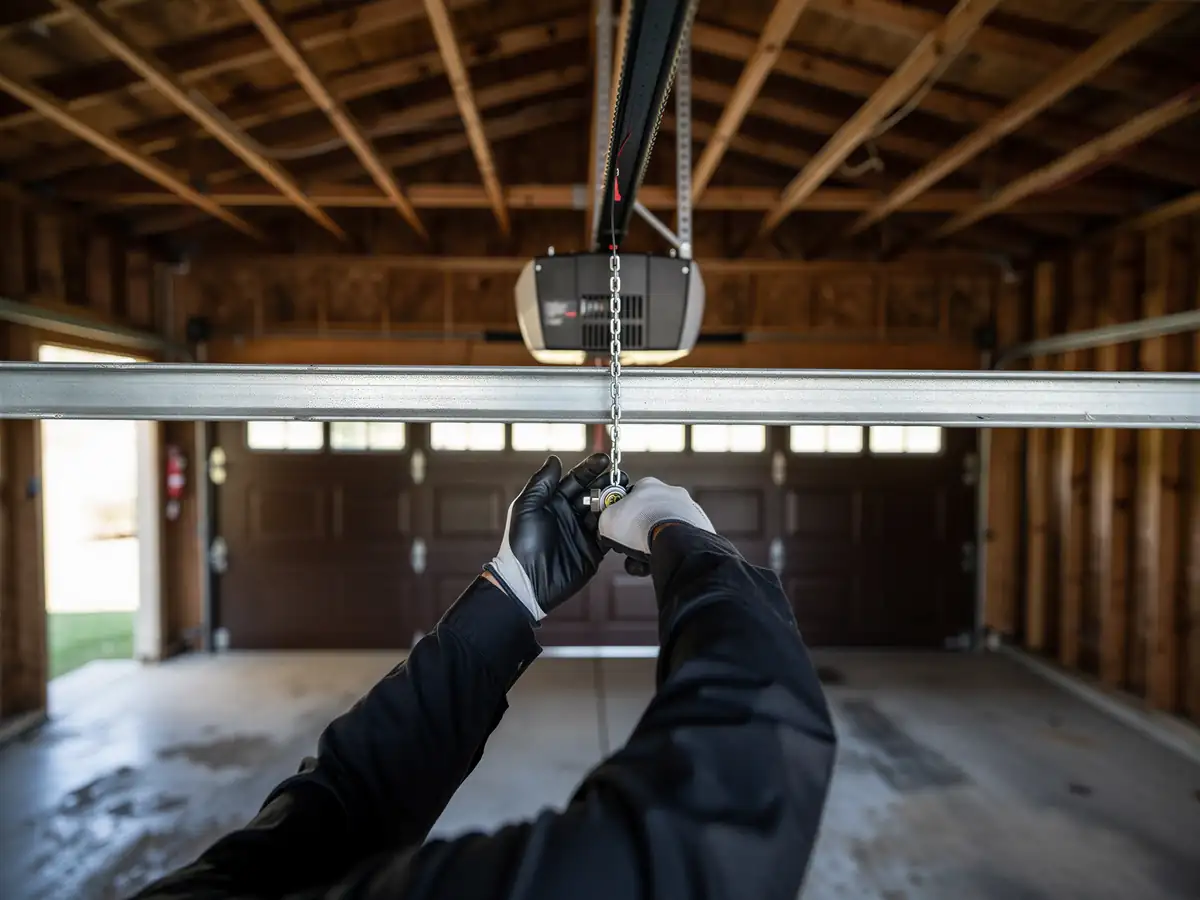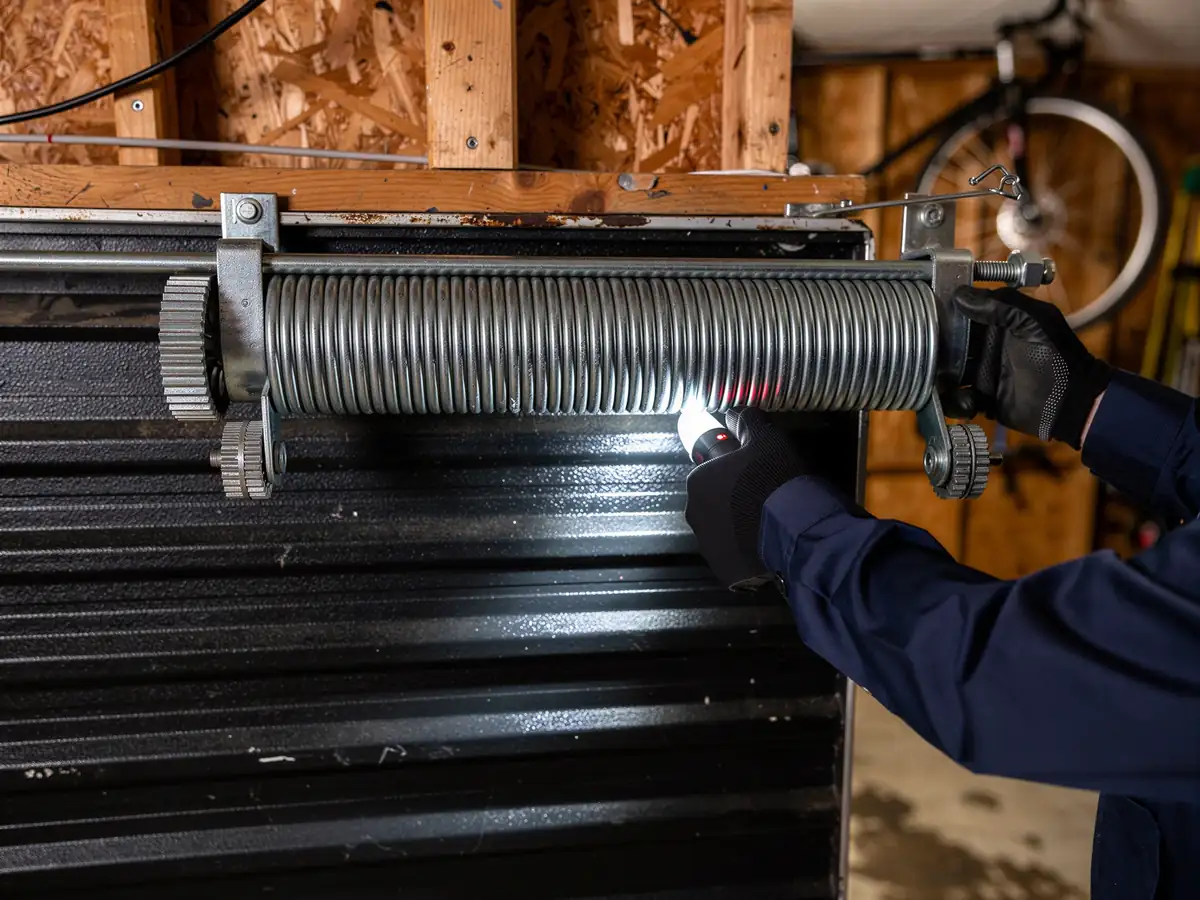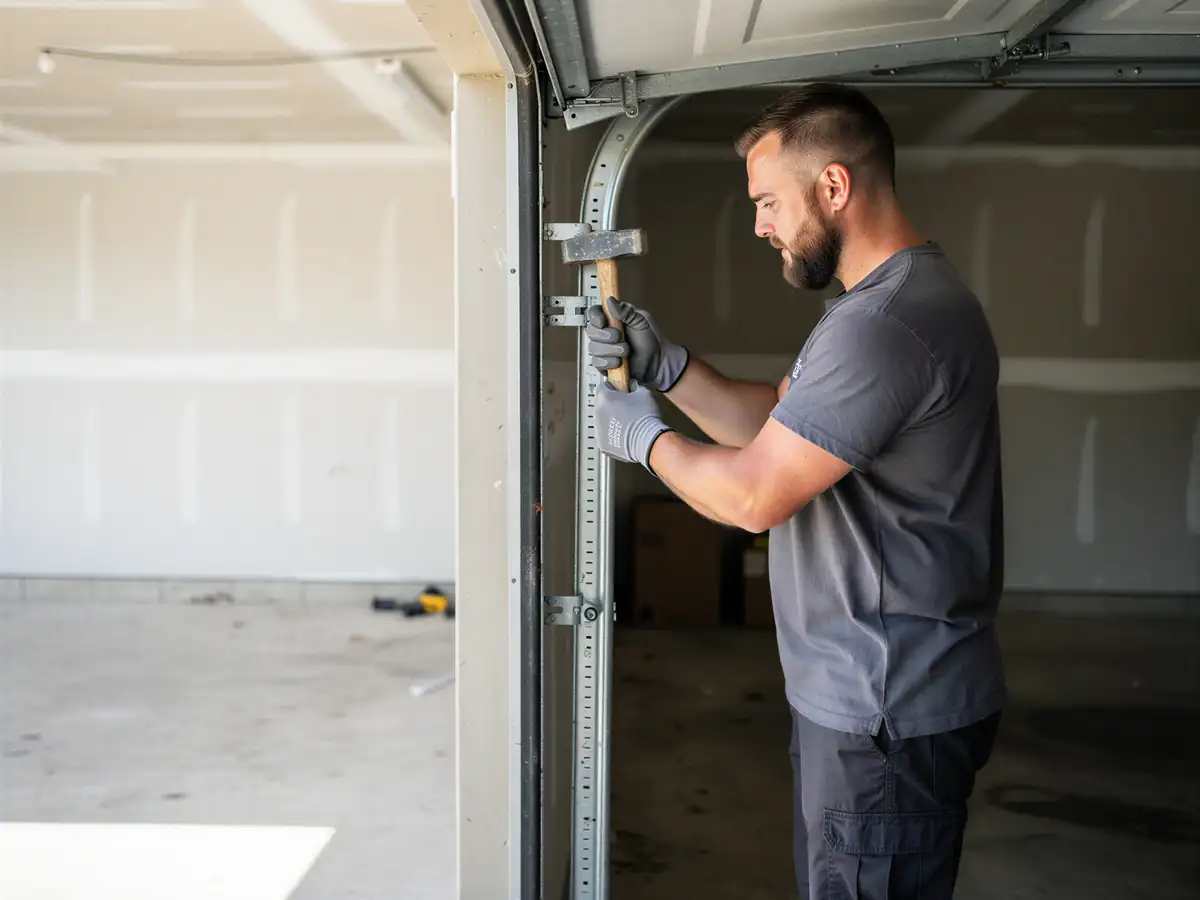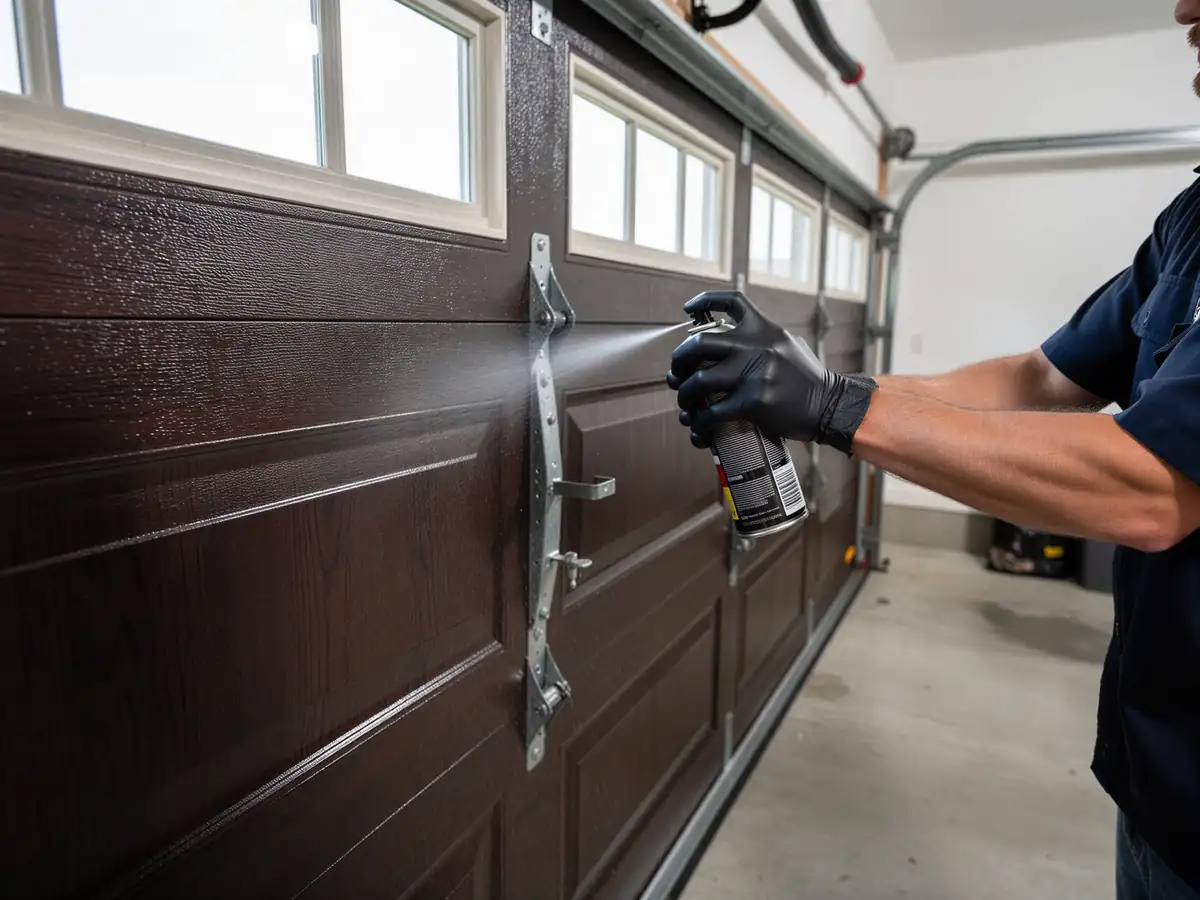
Parts We Carry
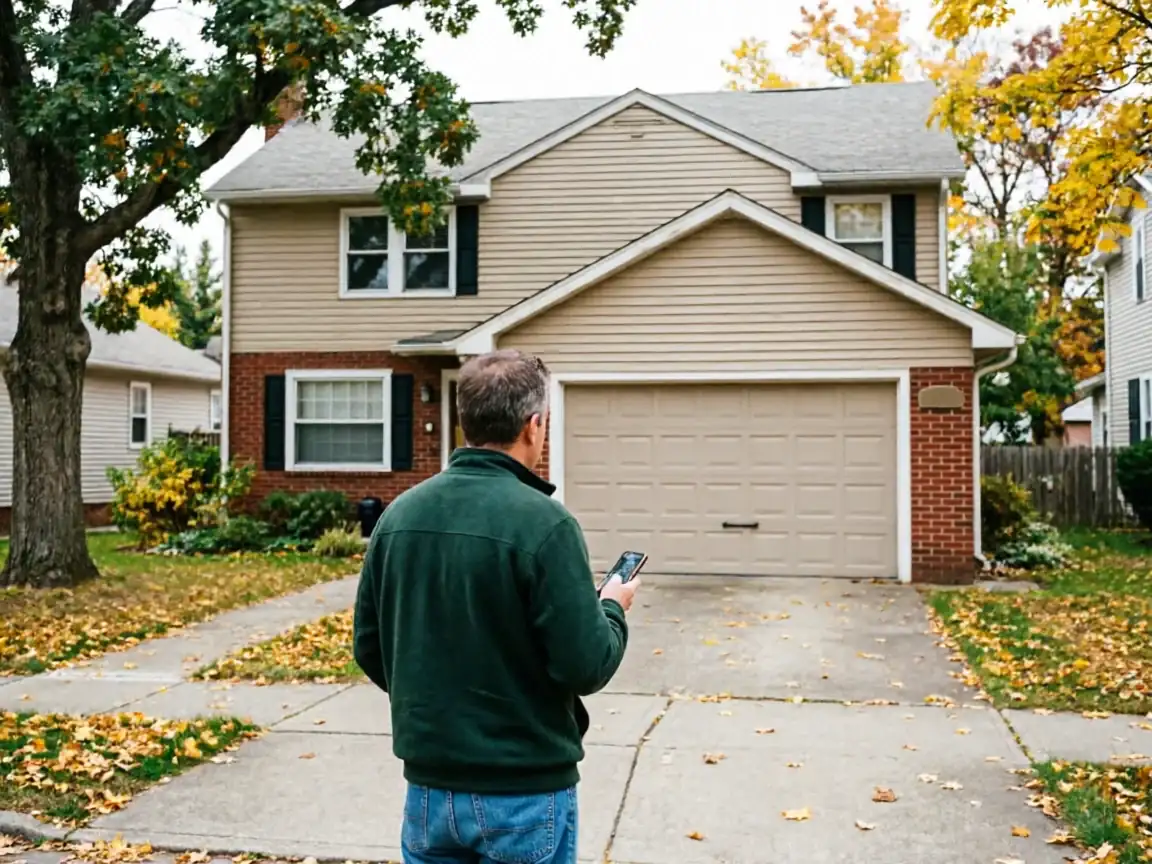
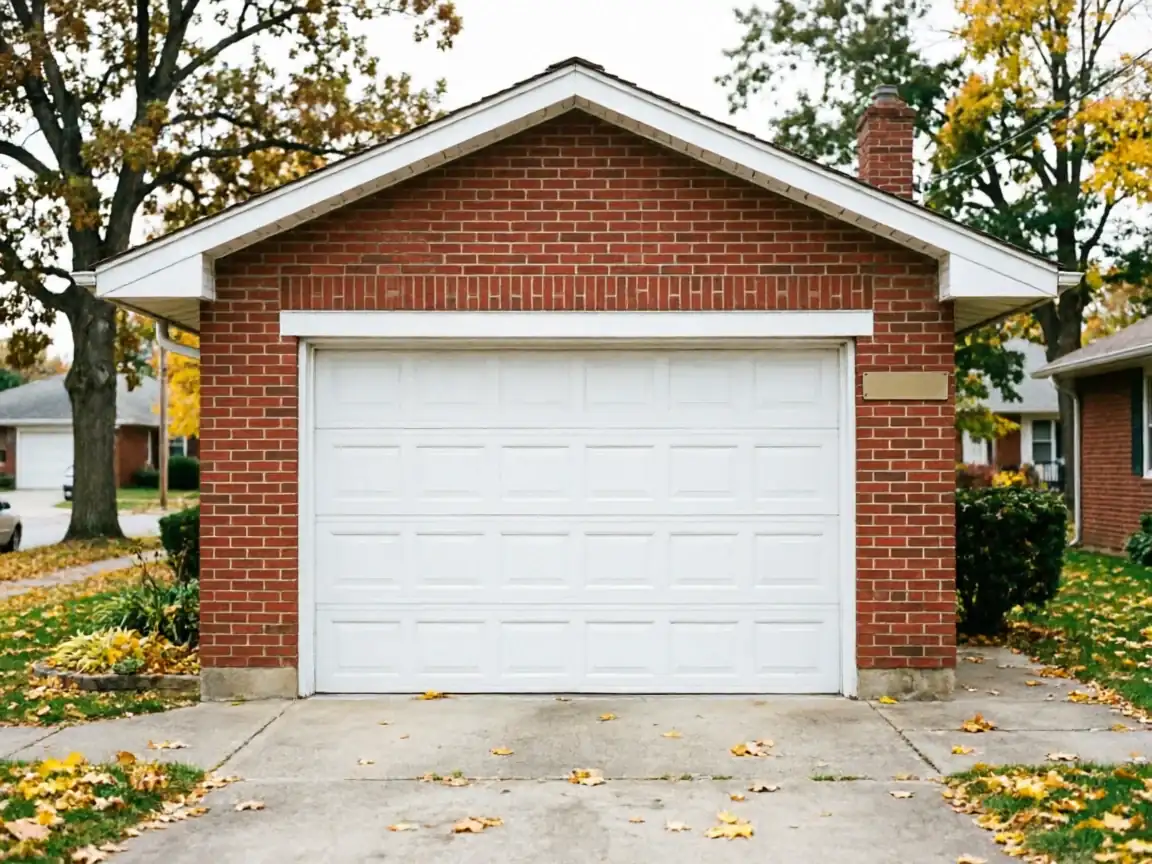
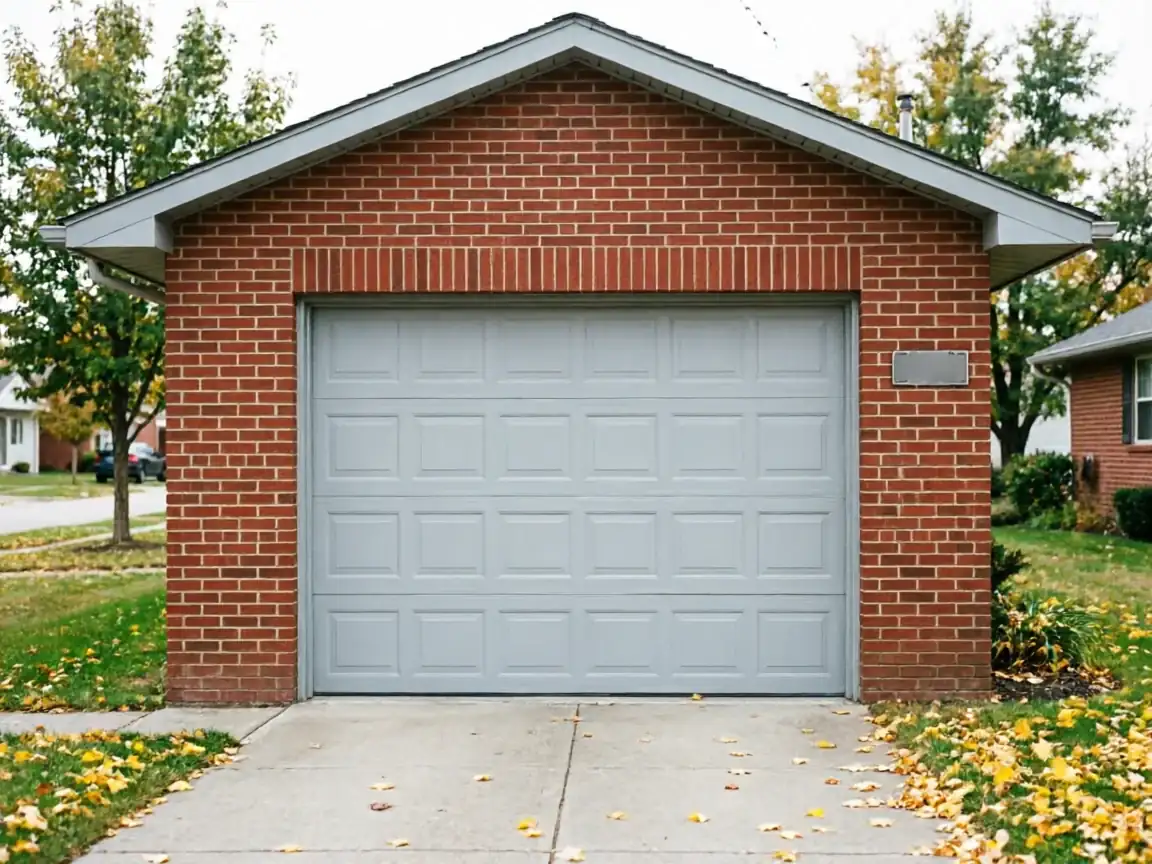
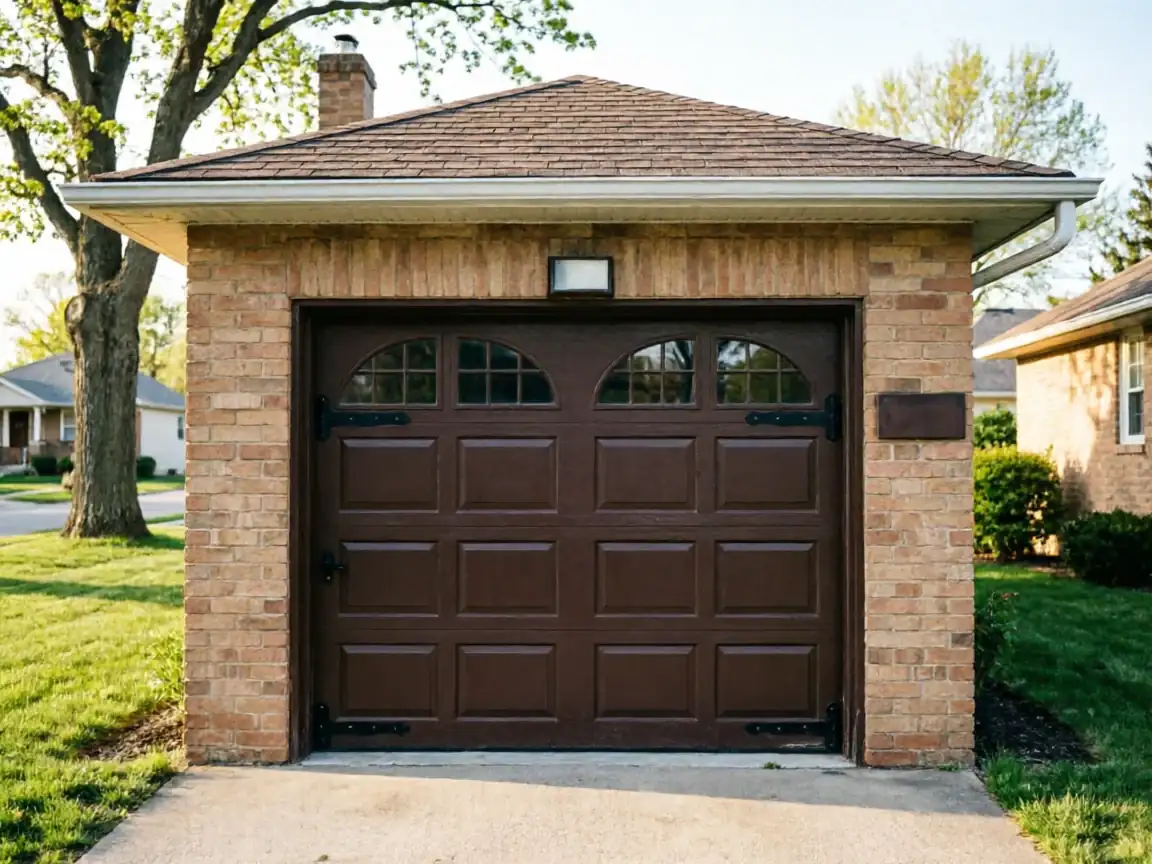
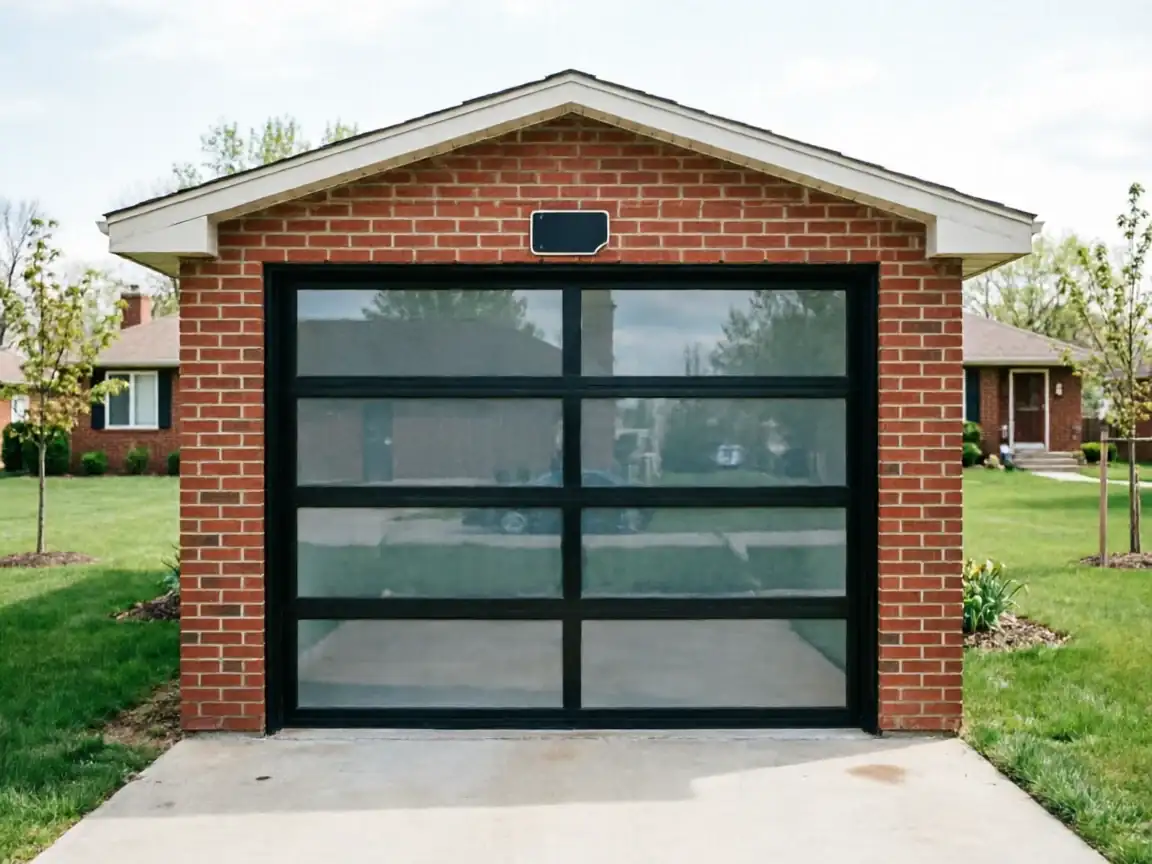
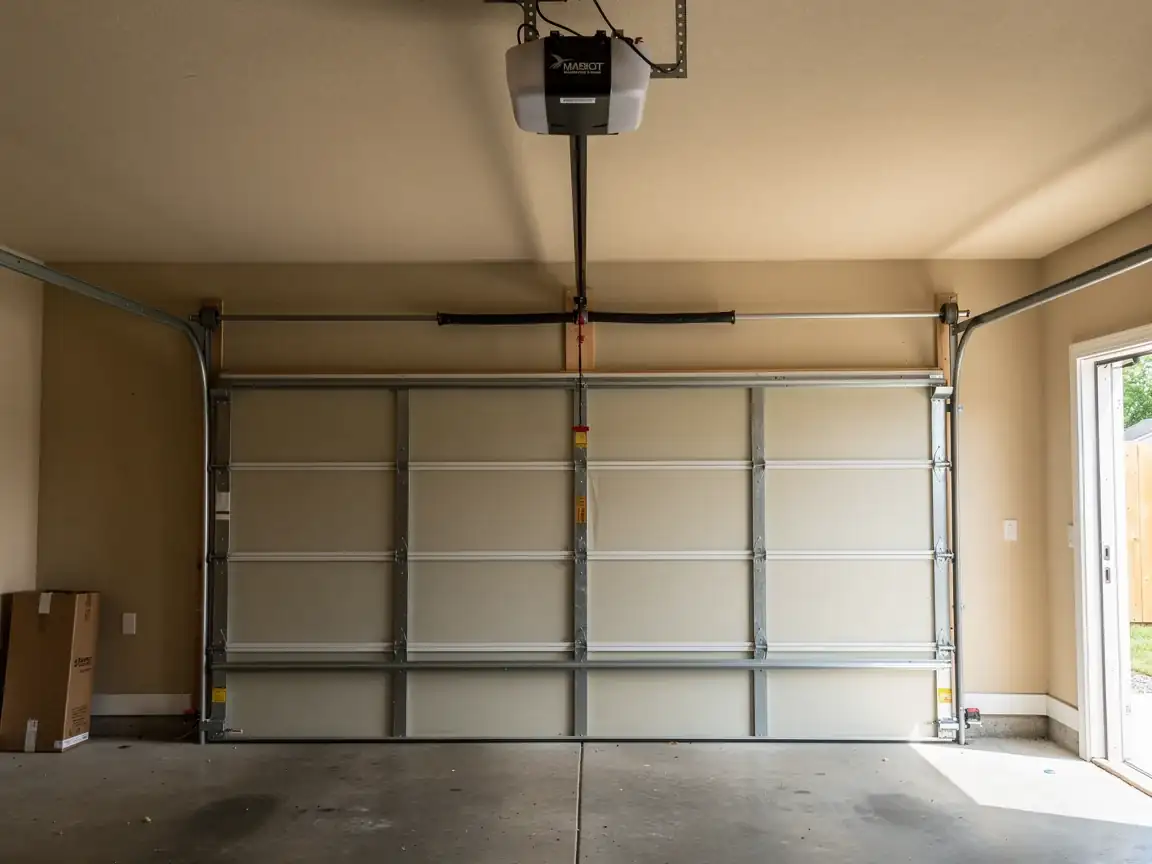
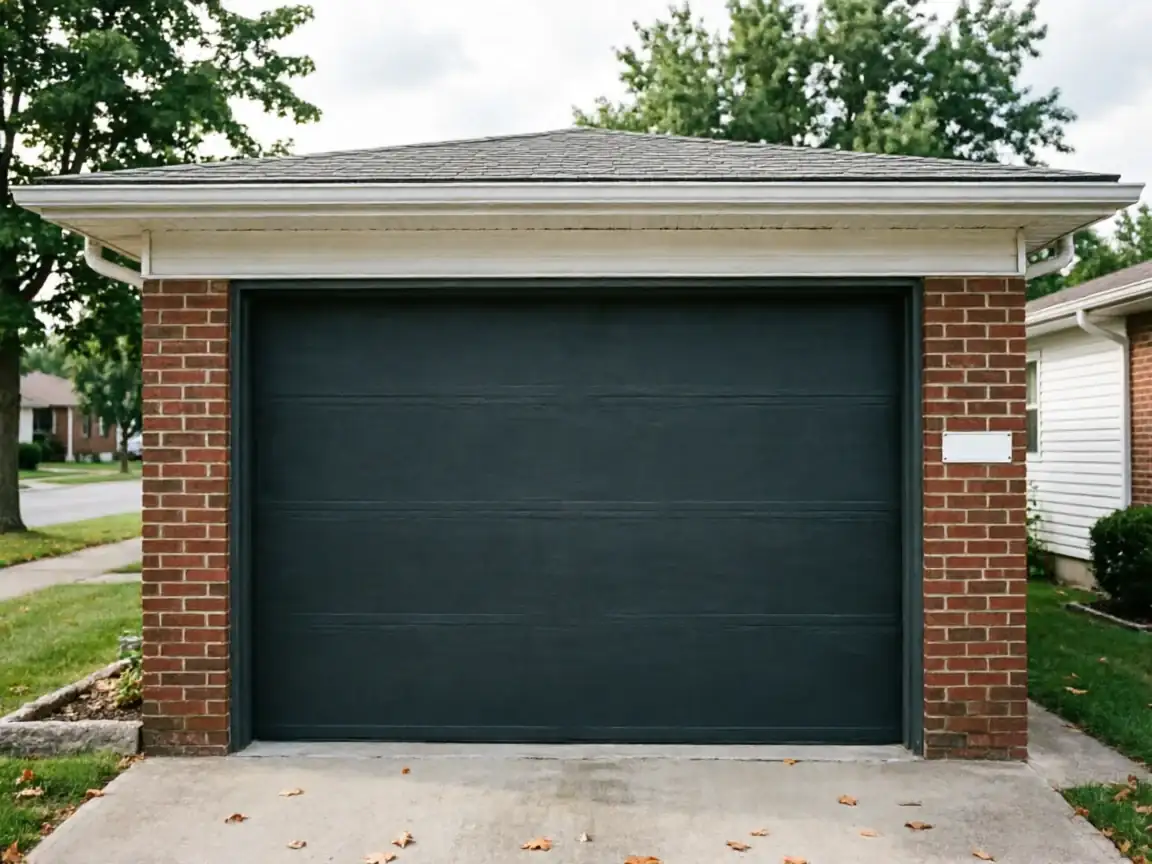
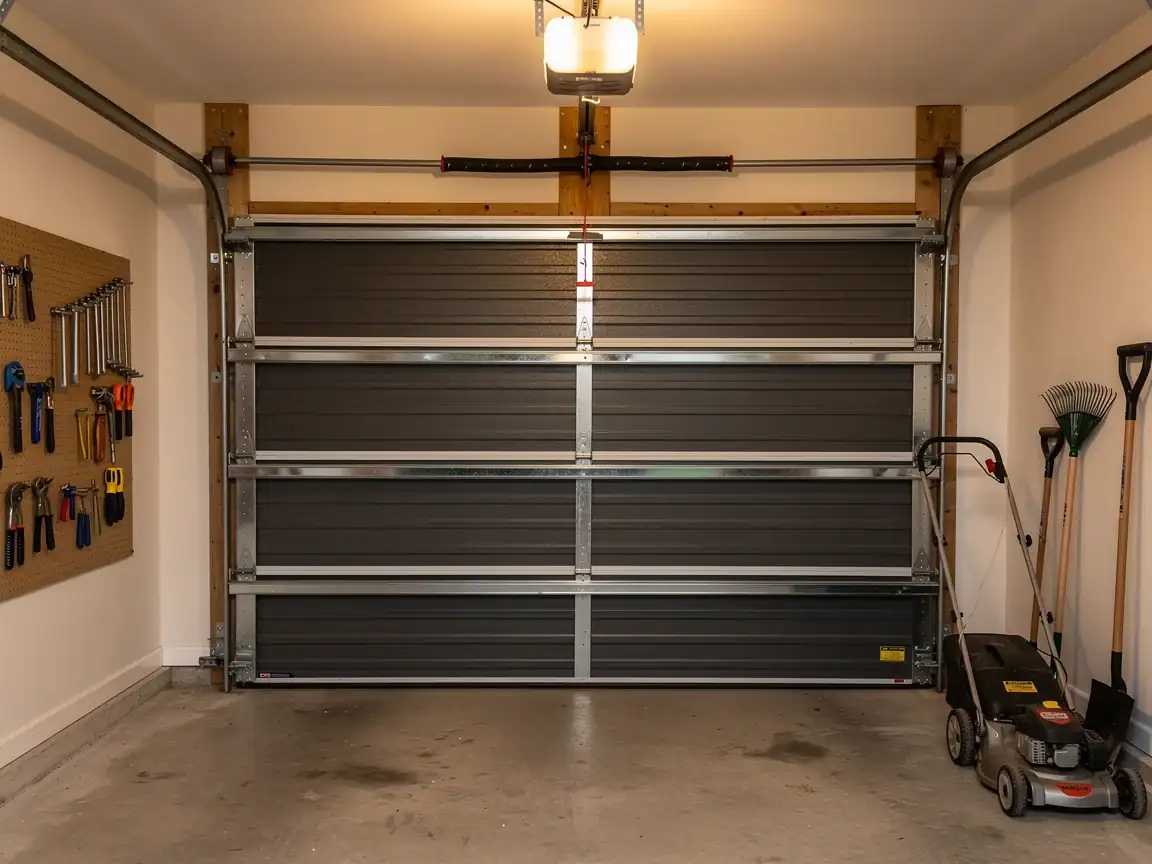
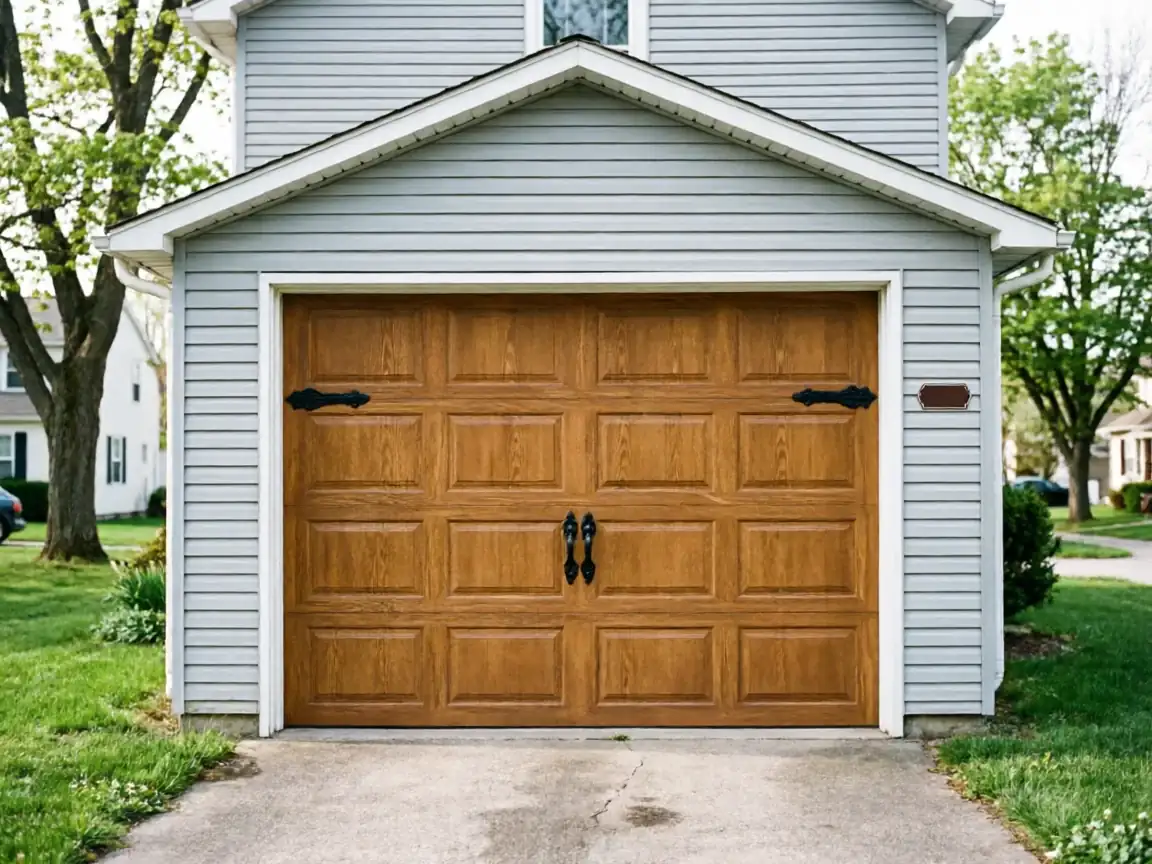
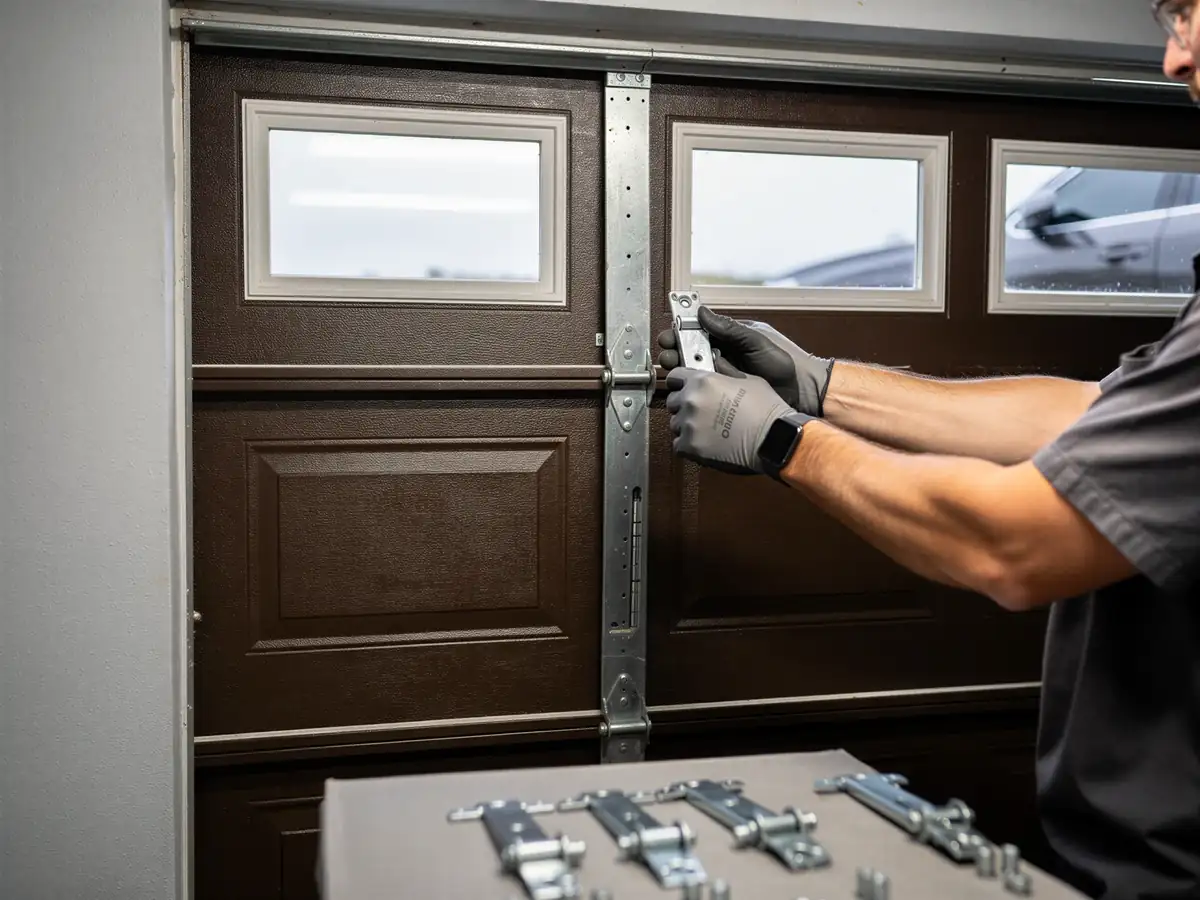
Golden Valley's housing stock centers on 1966, nearly a decade earlier than the service area's overall median of 1973. That gap matters for panel work: doors from the mid-1960s often carry steel sections in narrower widths than what shows up on the shelf today, with hinge spacing and track rollers sized for hardware nobody has made in years. We stock common 24-inch and 21-inch panel heights in the finishes that turn up most across this service area's 37 named communities, plus the end hinges and stile brackets that pair with them. What we don't carry on the truck is a discontinued embossing pattern or a color run from a manufacturer that's left the market - if your door's face pattern is obsolete, we order the closest match and tell you honestly when it won't be exact. Golden Valley sits 15 miles from our Eagan shop, so parts come with us on the appointment rather than from a local stock point - we bring what the job calls for based on what you tell us about the door when you call.
How Long You Are Without the Door
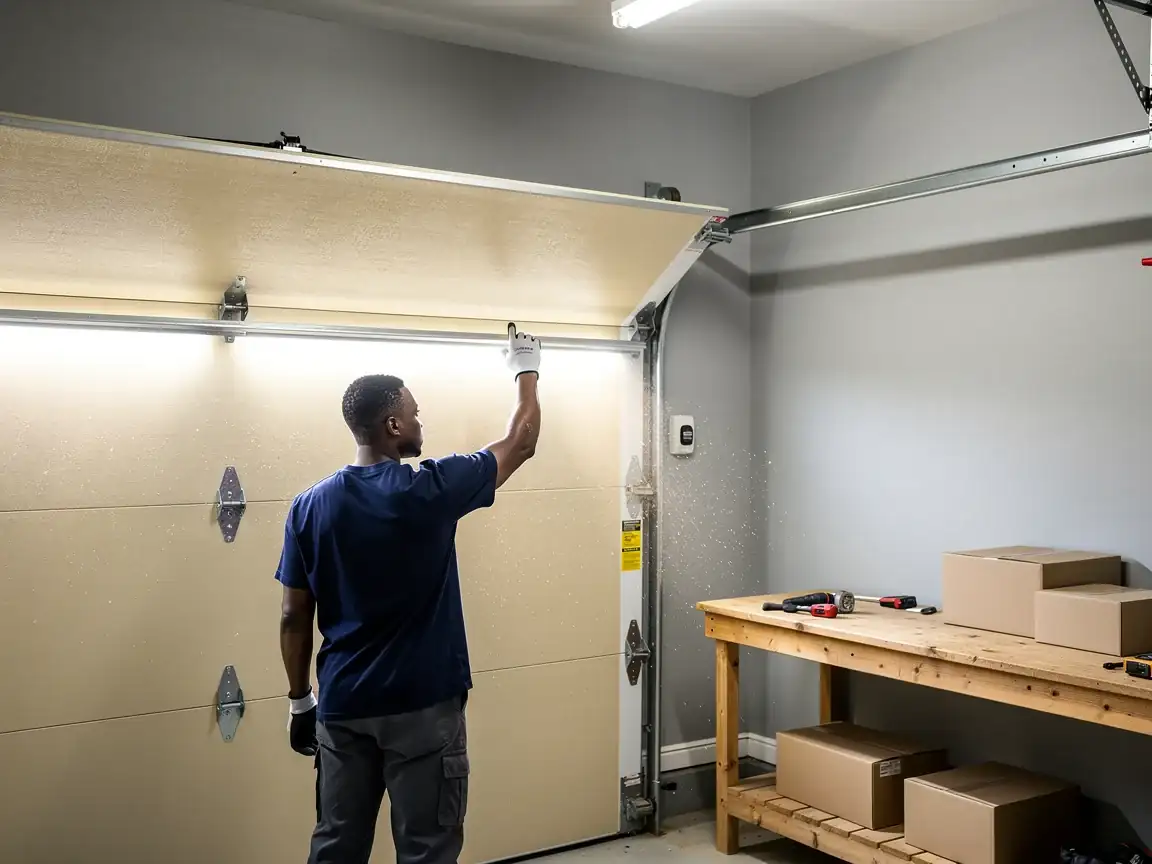
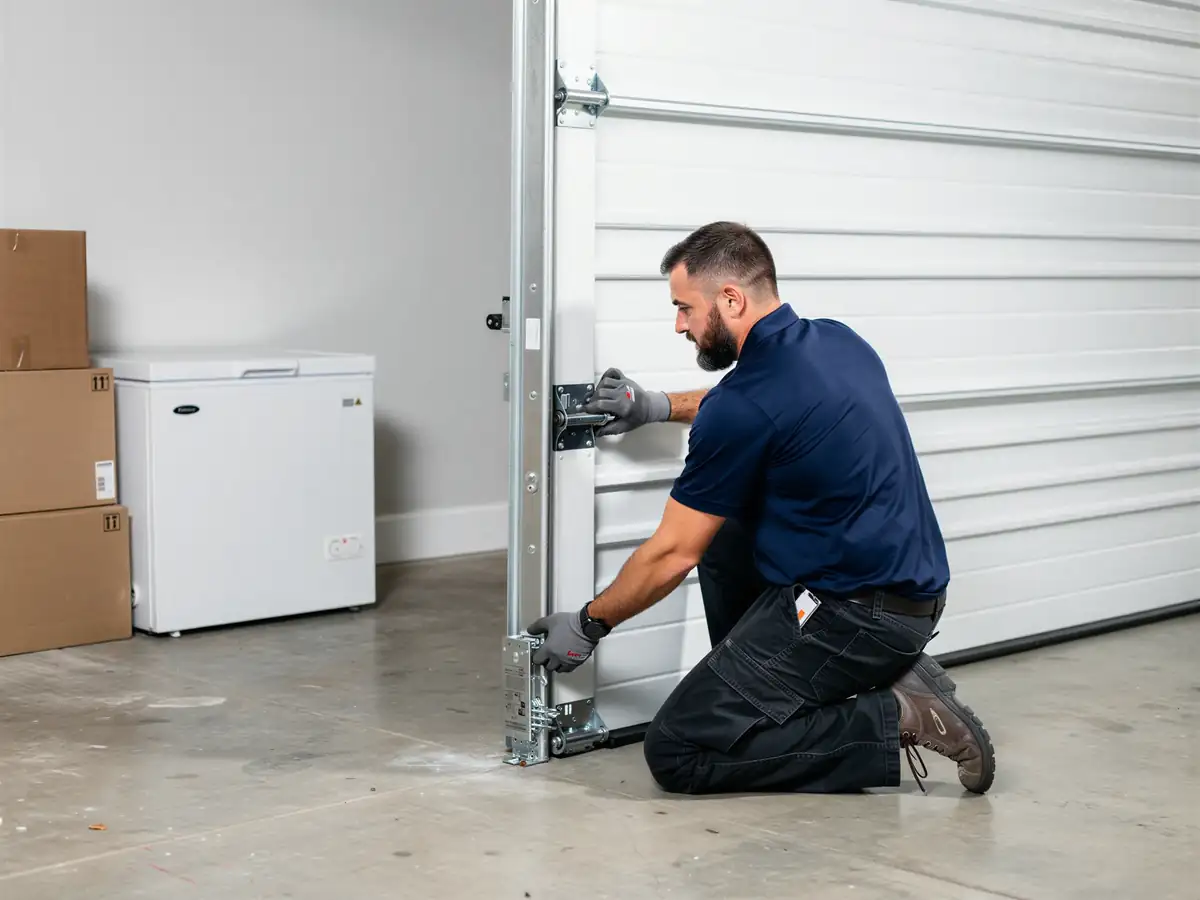
Because we travel from Eagan, the drive itself adds time to the job that a shop based in Golden Valley wouldn't carry. Once the right panel is on hand, swapping a single section is usually a same-visit job - a few hours, not a few days. The wait comes before the truck arrives, if the panel has to be special-ordered because your door is old enough that its profile isn't a current catalog item. For a 1966-era door, that's a real possibility, not a formality. We'll tell you at the first look whether your panel is in regular supply or whether we're waiting on a shipment, and we won't guess at a delivery date we can't back up.
What You Are Seeing
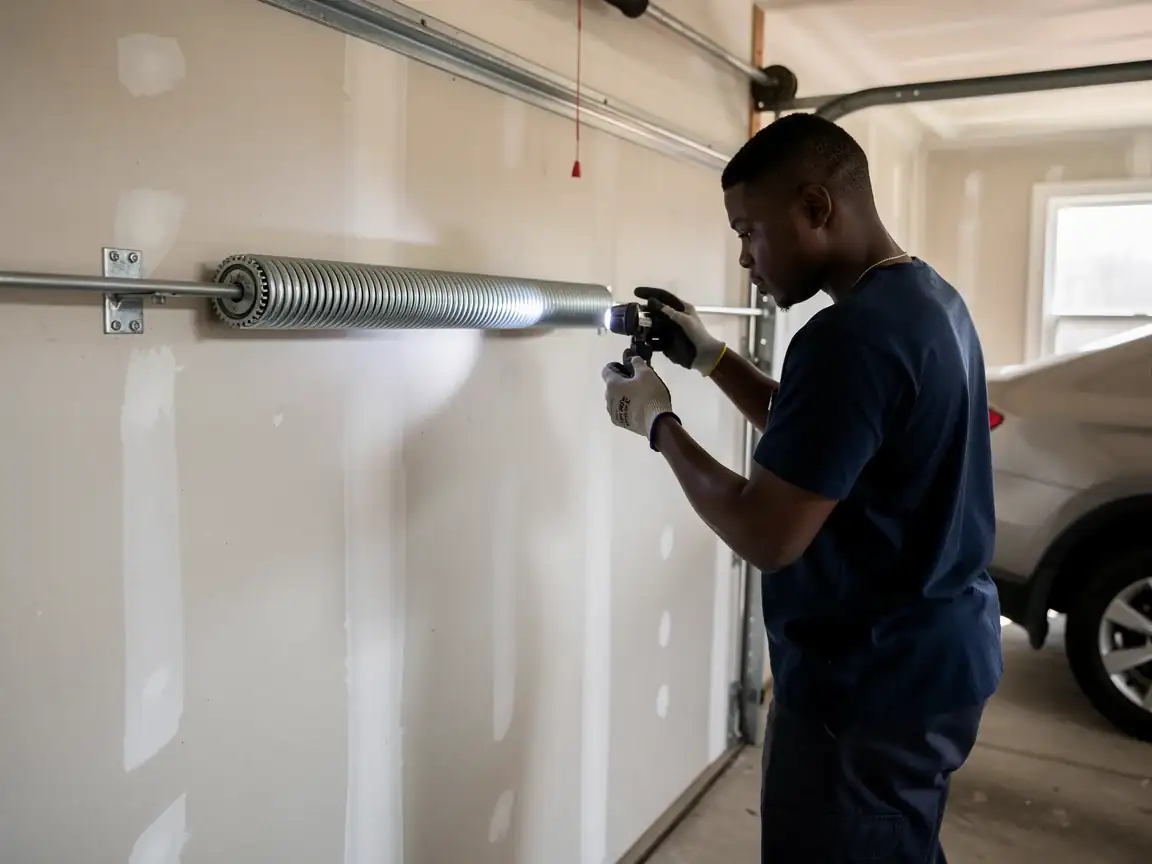
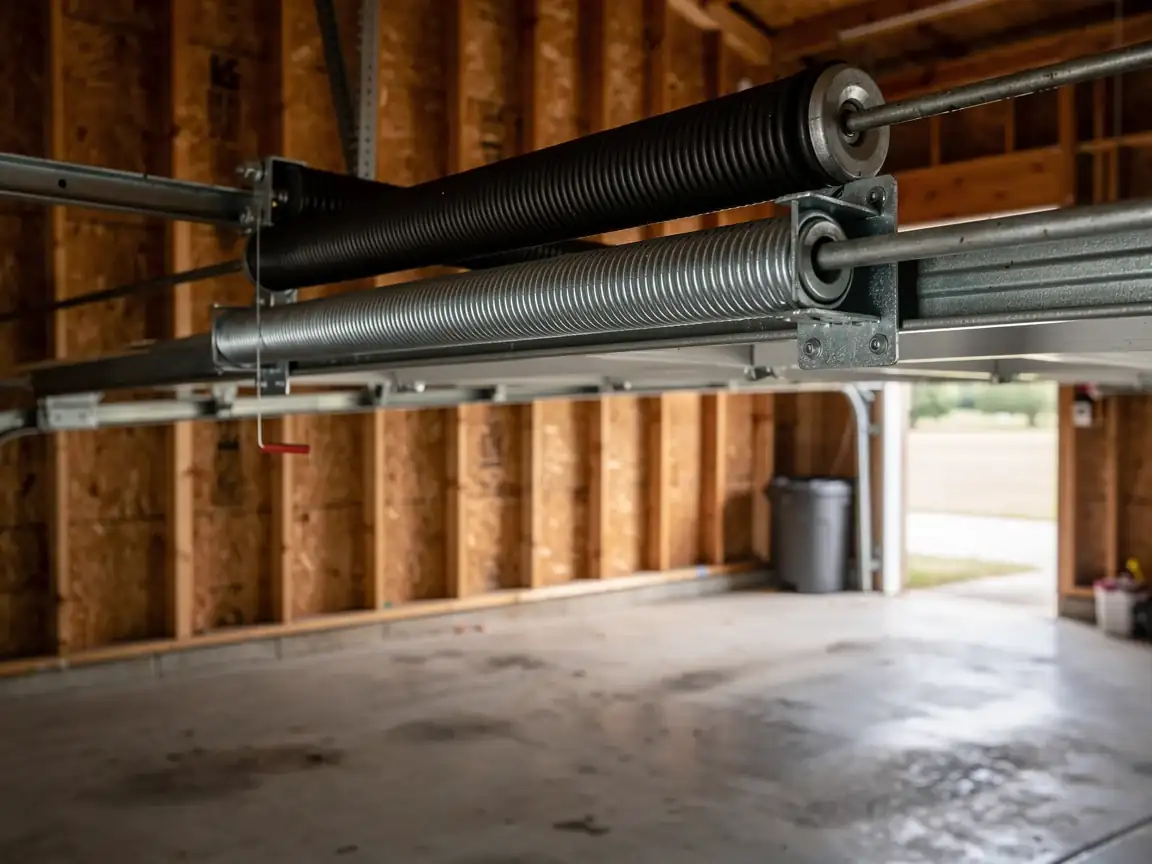
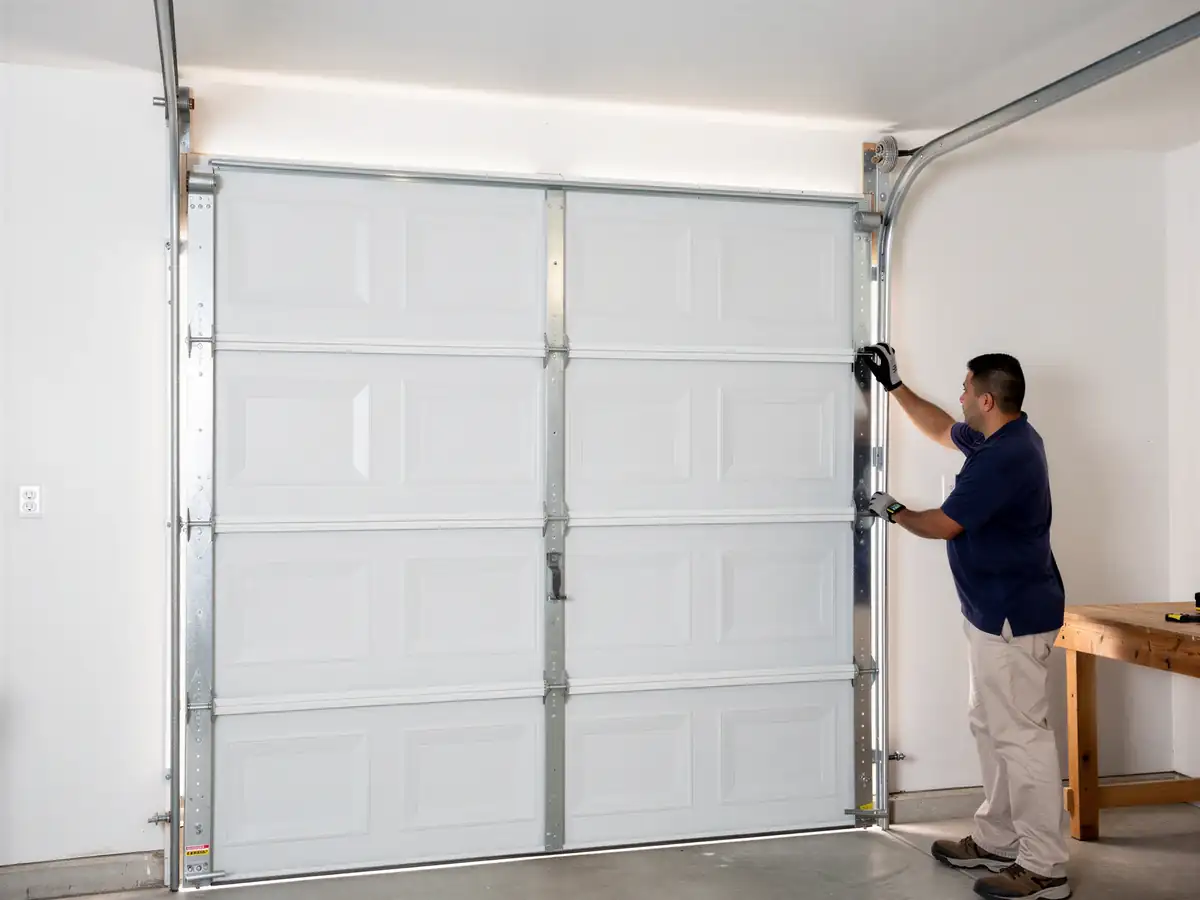
A bent or caved panel is the obvious one - a bumper tap, a snow load, a kid with a basketball. Less obvious is a panel that's sound but has pulled away from its neighbor at the seam, which on a door built around 1966 usually means the steel has thinned at the fold line after decades of flexing. You might also see daylight along the bottom of one section where the panel itself hasn't failed, but the track behind it has racked out of square, which drags on the panel every time the door runs. We look at the whole opening before we quote a panel, because replacing one section on a door whose track is already out of line just moves the stress to the next weak point.
What Causes It Around Here
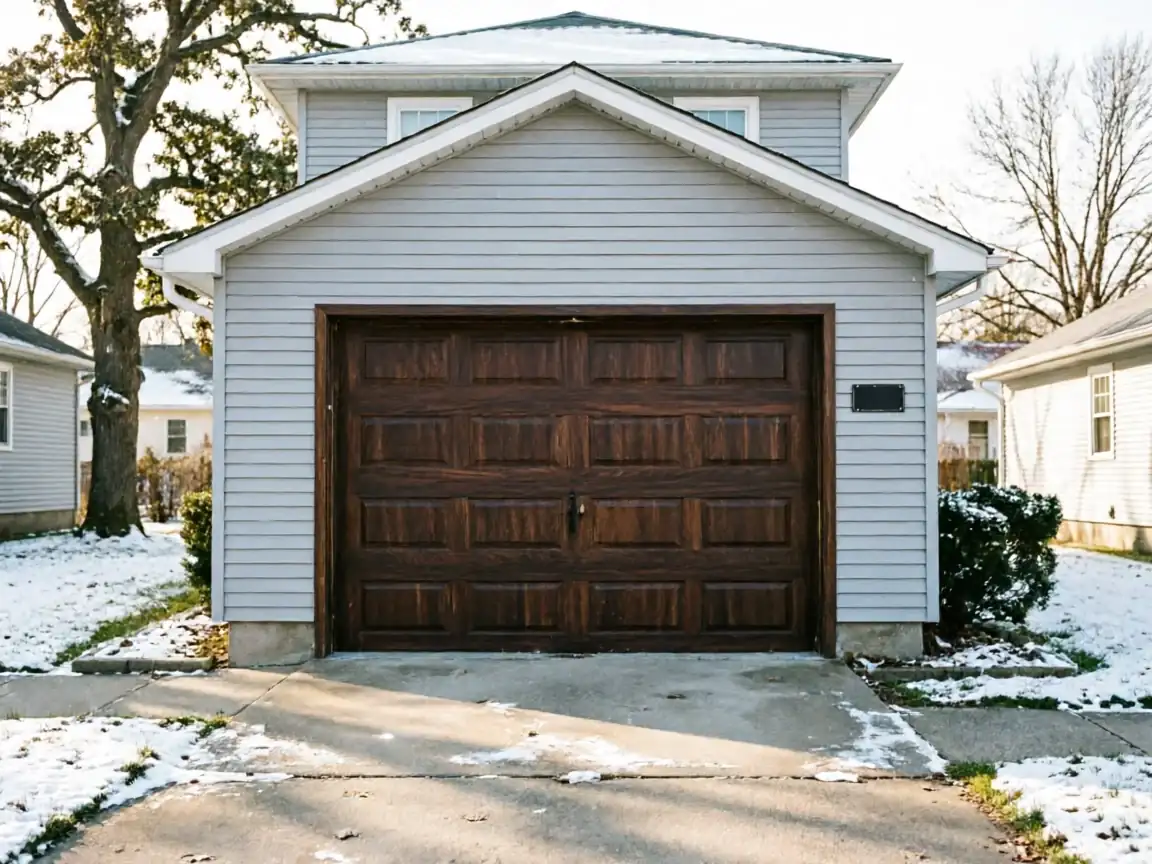
The cold winters this region sits in put real stress on steel panels built decades before today's thicker gauges and better insulation were standard. Repeated freeze-thaw cycling flexes a thin 1960s panel at the same fold points year after year, and that's where the metal eventually fatigues and dents stop popping back out. With roughly 9,671 households in Golden Valley built mostly in that same mid-1960s to 1970s window, a lot of doors here are reaching the point where panels that have taken thirty winters of expansion and contraction are simply tired metal, not damaged metal - and no amount of straightening brings that back.