Parts We Carry
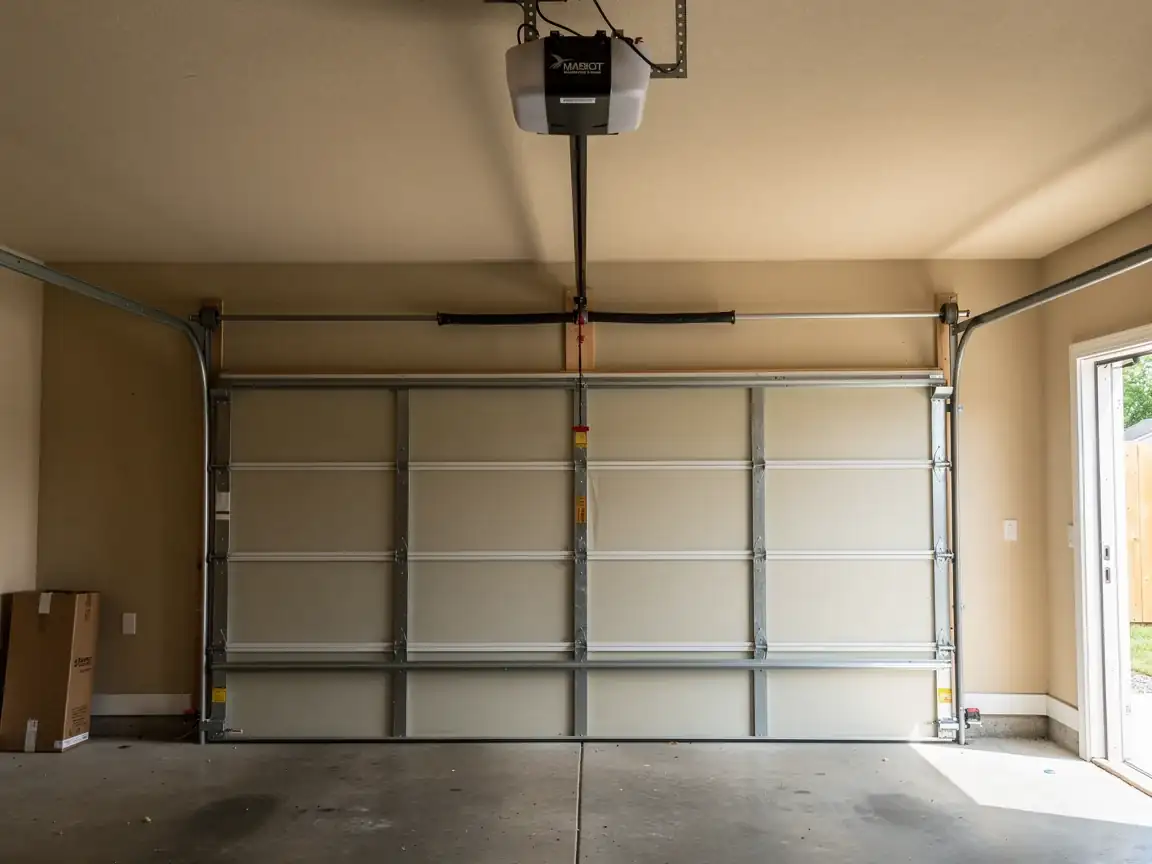
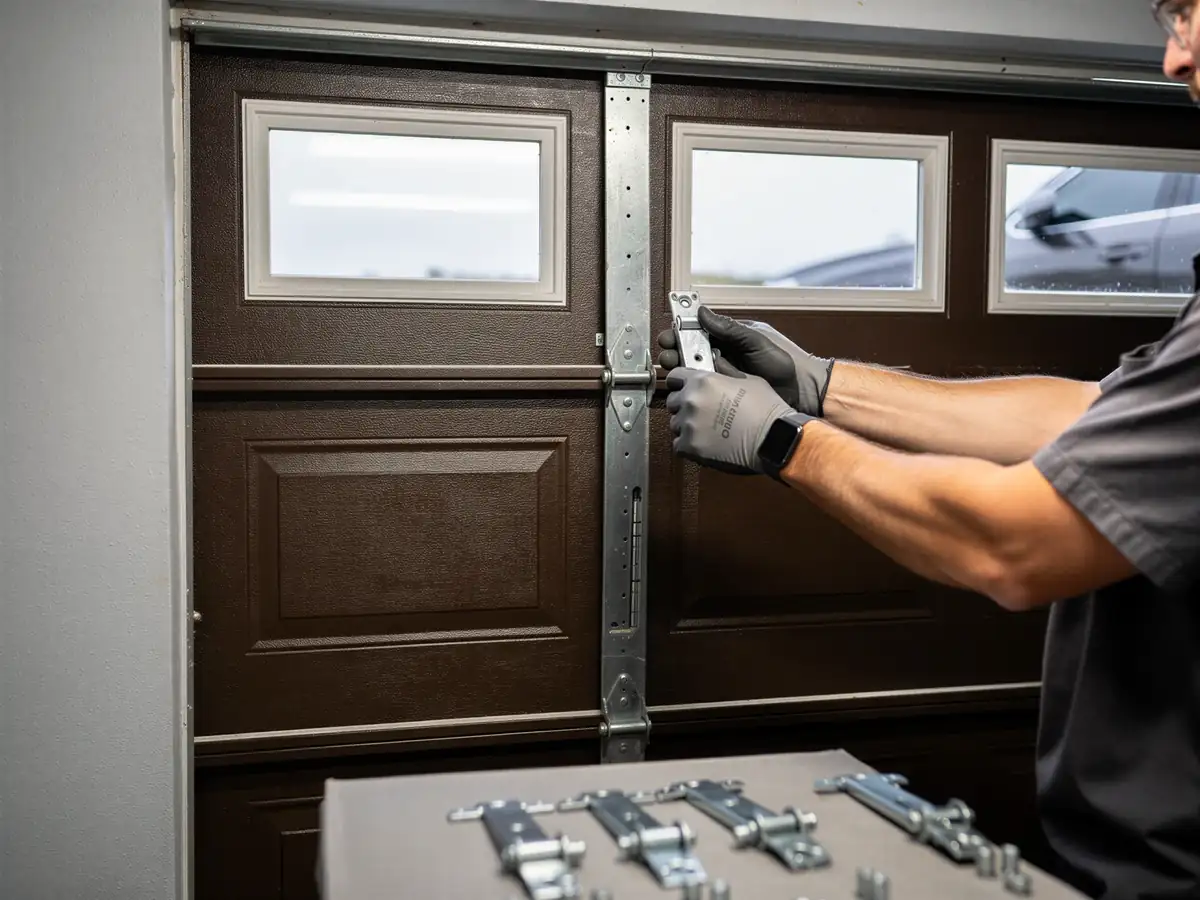
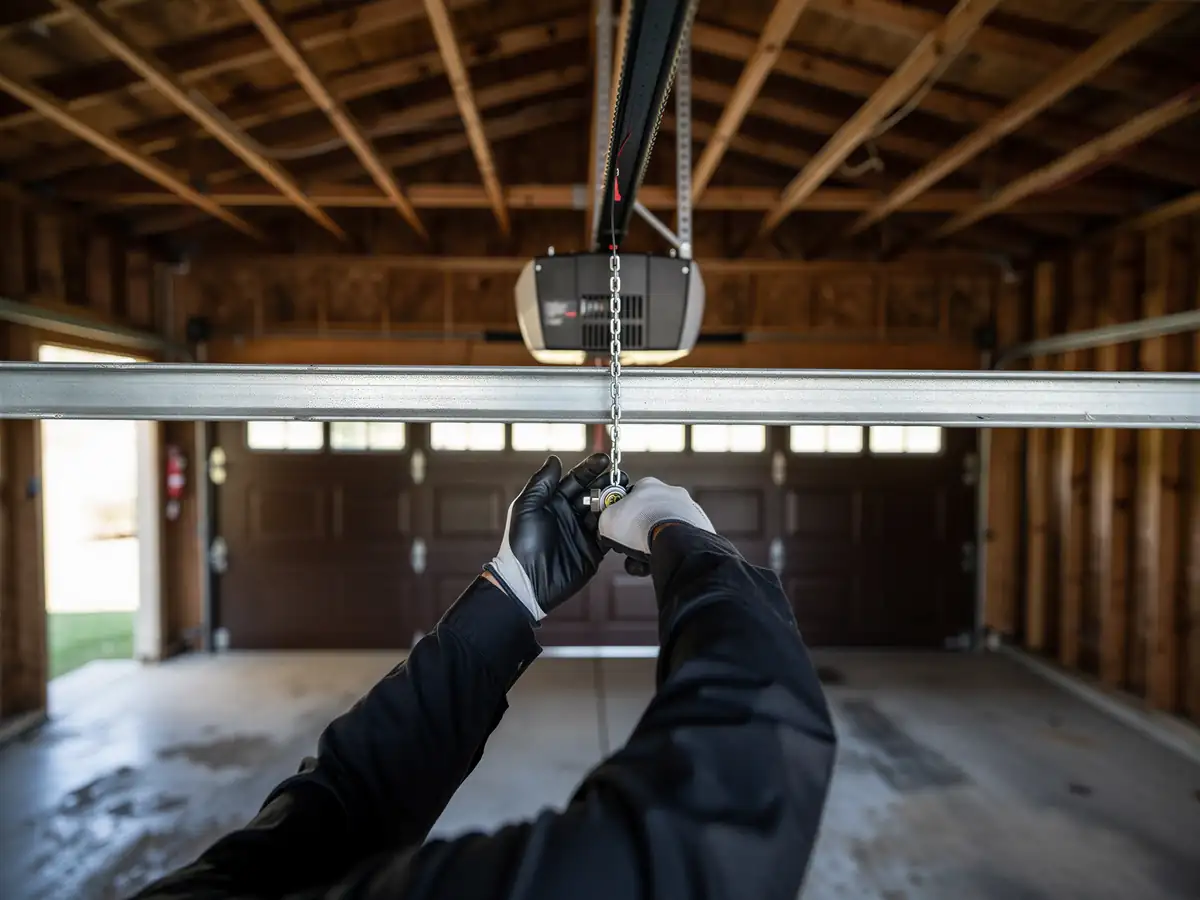
Golden Valley's median household income sits at $114,435, well above the $92,940 median across our wider service area. That number matters more than it sounds like it should, because it changes the math on whether an opener gets fixed or replaced. On a house where the owner can absorb a $400 logic board swap without blinking, we'll often recommend it even when a cheaper fix exists, because the newer board buys years. On a tighter budget, we lean toward patching the existing unit as long as the motor and gears are sound. We carry logic boards, drive gears, capacitors, limit switches, and standard wall controls for the chain and belt-drive units that turn up most in homes from this era. What we don't stock is obsolete circuit boards for openers discontinued more than a decade back - if your unit is one of those, we'll tell you straight that replacement is the only real option, not a parts order with a six-week wait.
How Long You Are Without the Door
We run out of Eagan, roughly 15 miles from Golden Valley, so there's travel time built into any call here - we don't pretend to have a crew parked around the corner. Once we're on site, most opener repairs are same-visit: a bad board, a worn gear, a failed capacitor, a dead wall switch, these get sorted in one trip with parts off the truck. Where you wait is a part we don't carry stock of - older board models or a motor assembly specific to a now-discontinued unit. In that case we're ordering and coming back, and we'll tell you the real timeline rather than a guess.
What You Are Seeing
The door doesn't move but the motor hums - that's usually a stripped gear, common on units that have been running twenty-plus years, which lines up with a lot of Golden Valley's housing stock built right around 1966, ahead of the broader area's 1956-2004 range and median year of 1973. The remote works from inside the car but not from the house - check the antenna and the logic board before you assume the remote itself is bad. Lights blink but the door doesn't respond to the wall button - that's almost always the board, not the motor. A door that reverses immediately after closing is a safety-sensor issue, not an opener failure, and we treat those as a separate, usually cheaper, fix.
What Causes It Around Here
Our winters are the main driver. The service area sits in a cold, moderate climate band, and openers here work harder in January than they do in July - cold grease stiffens, capacitors lose capacity faster in temperature swings, and gear teeth under extra load from a cold, heavy door are the first thing to strip. Golden Valley's housing, concentrated around a 1966 build year, puts a lot of original or first-replacement openers right at the age where motor bearings and capacitors are due regardless of how well they've been maintained. Houses built in that stretch were also wired for lighter-duty single doors in many cases, which means the opener is doing more work per cycle than a modern double-door unit would, and that shows up as earlier gear wear across the board.