Parts We Carry
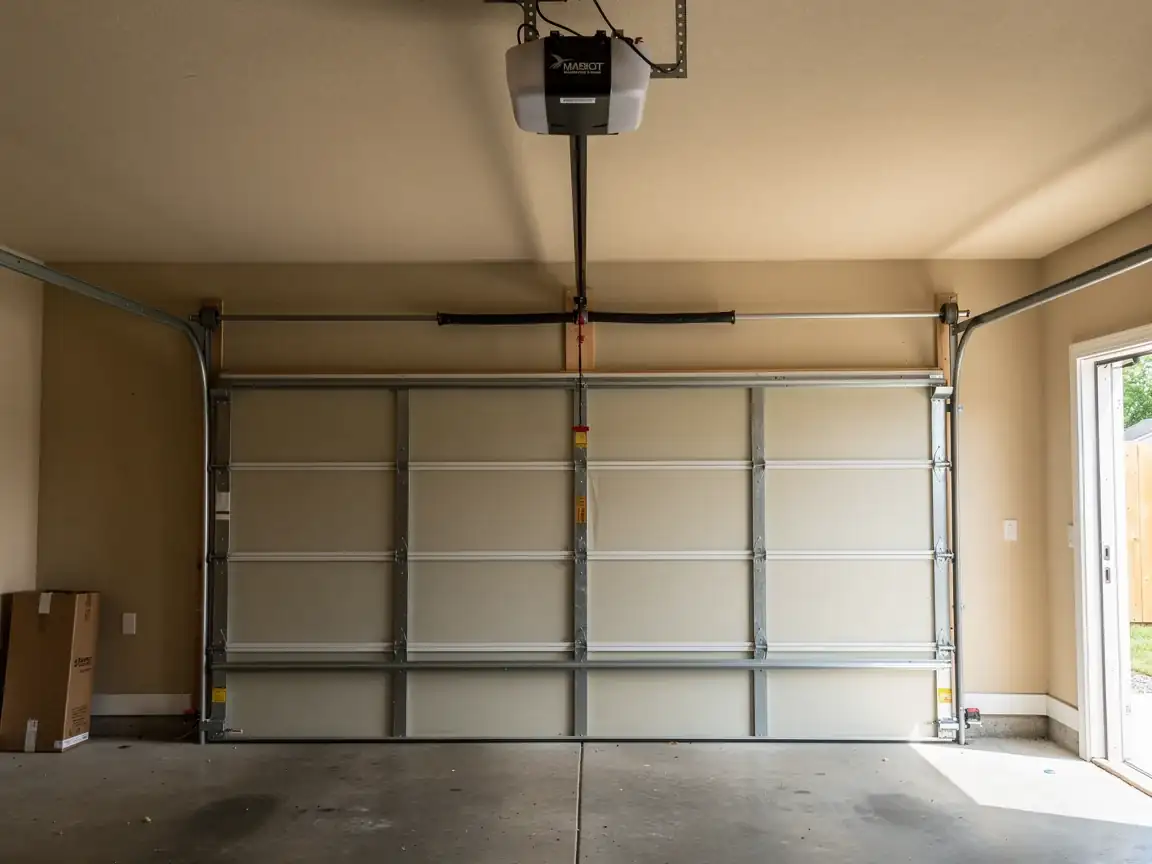
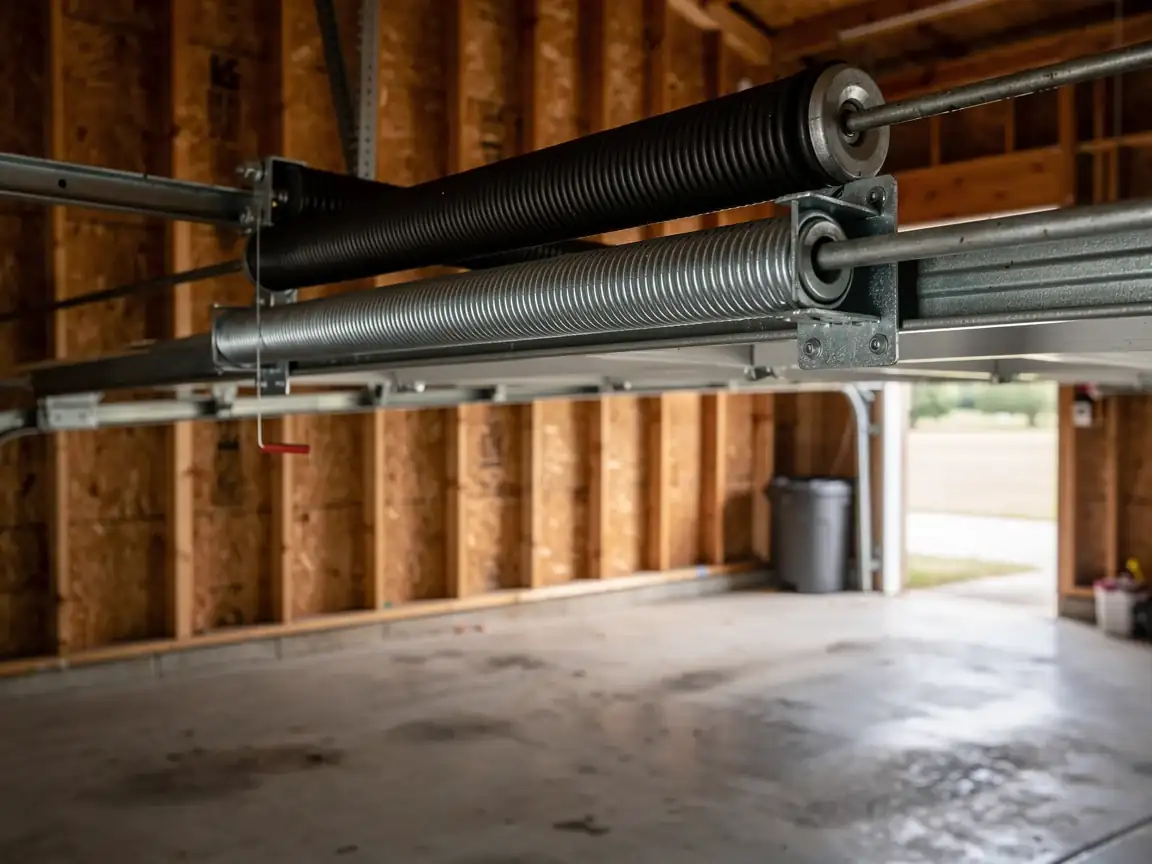
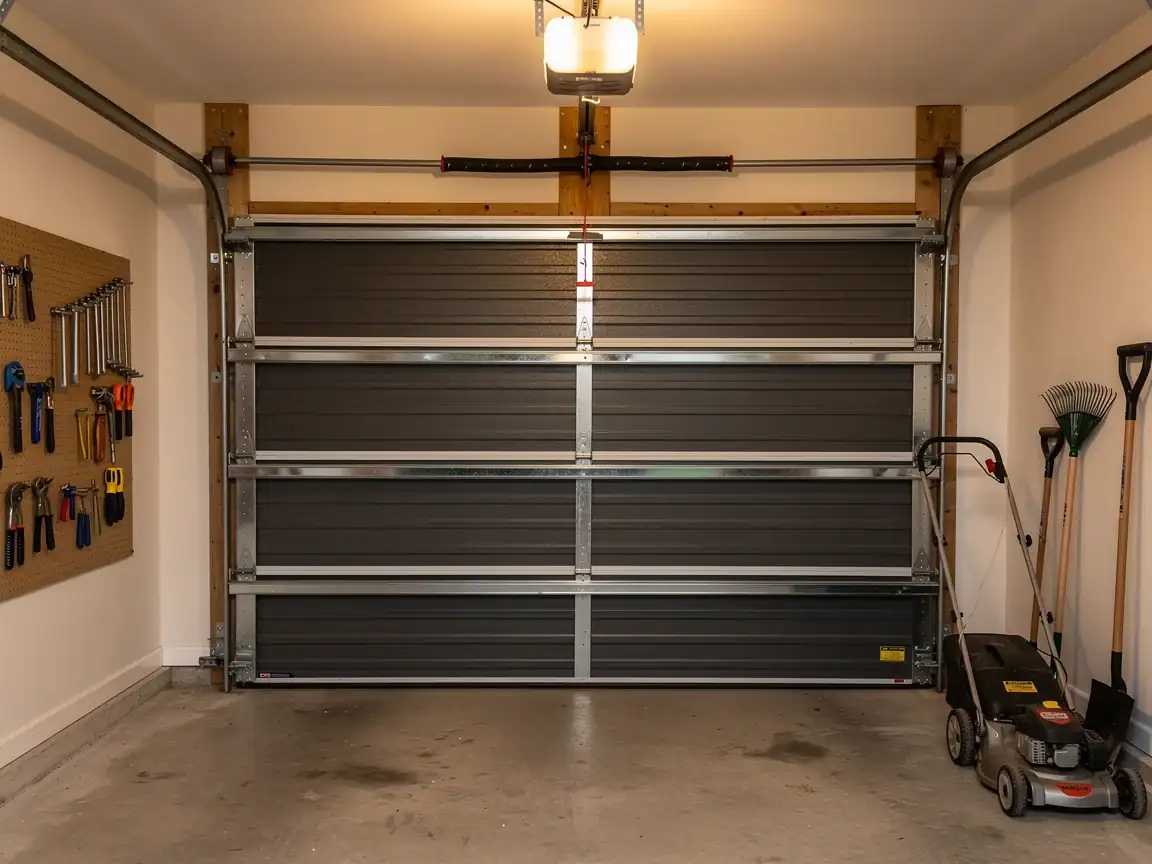
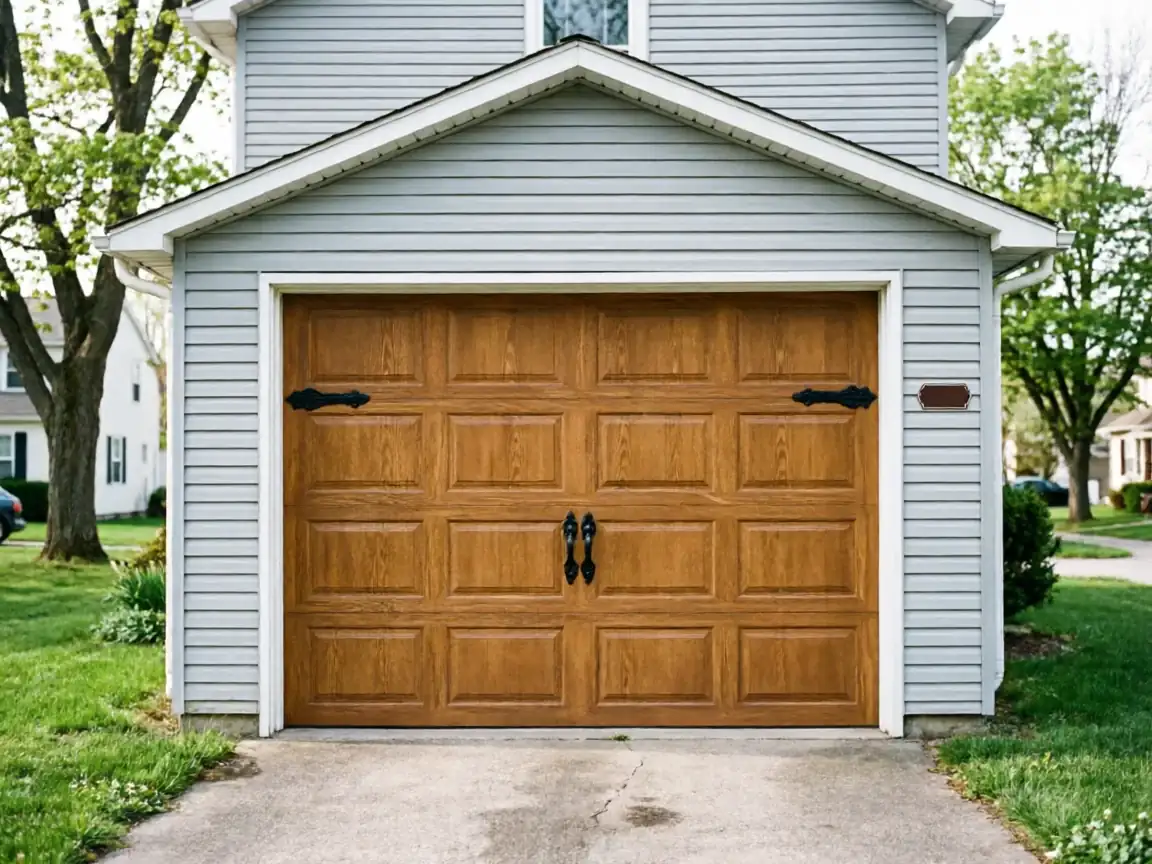
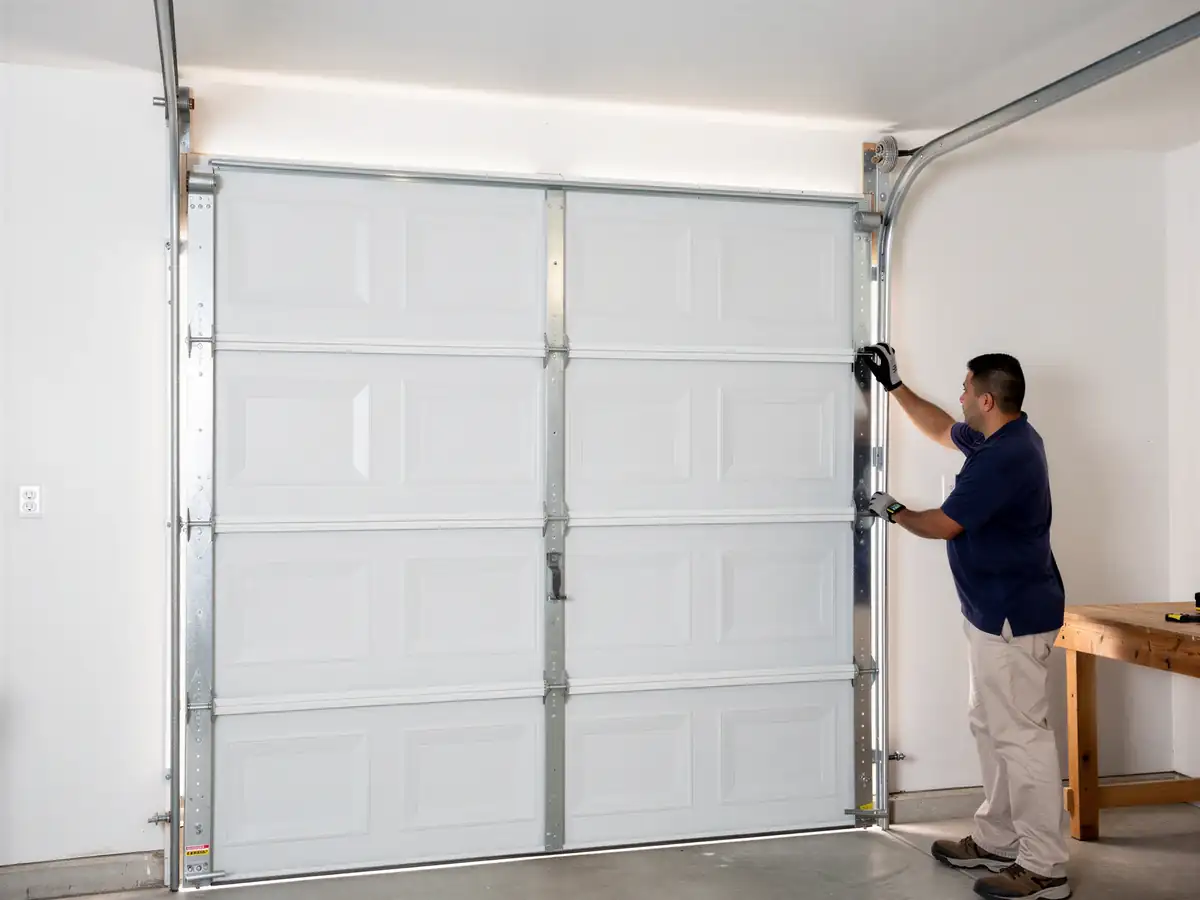
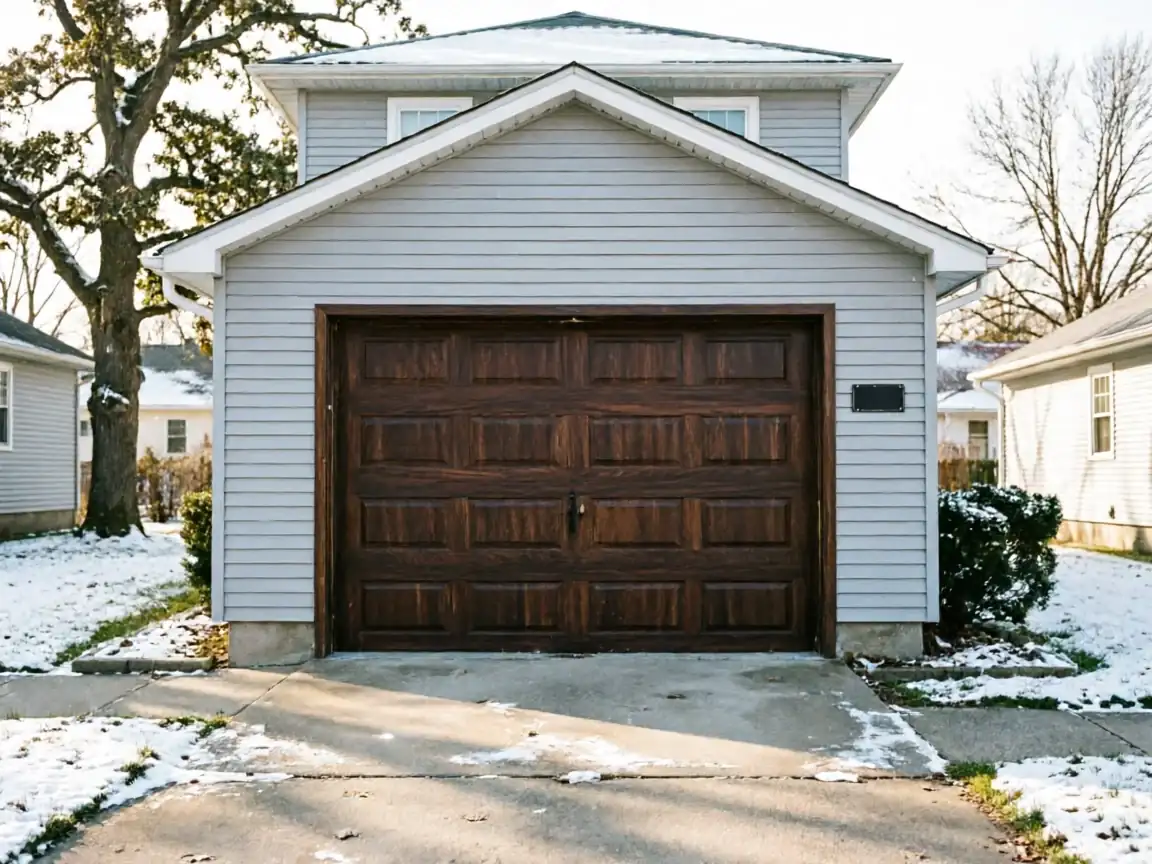
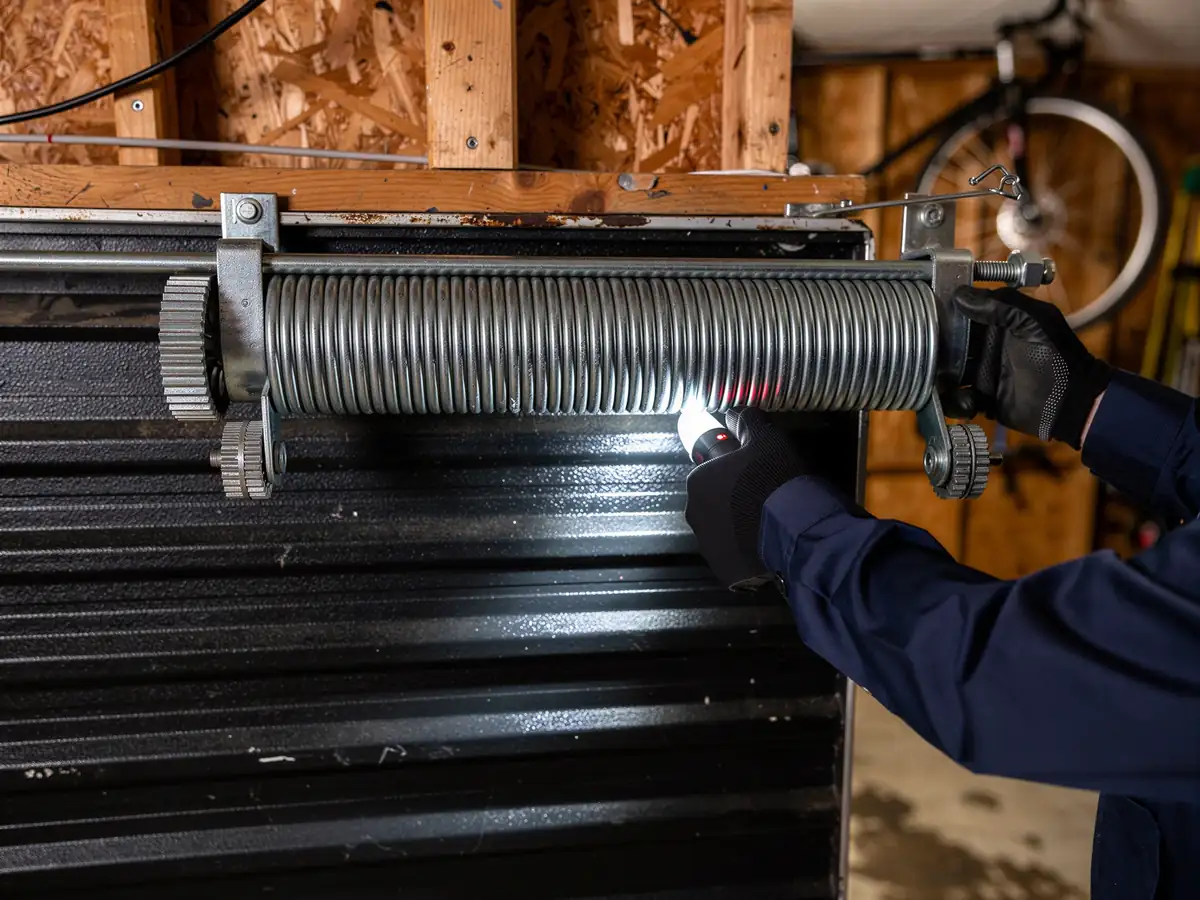
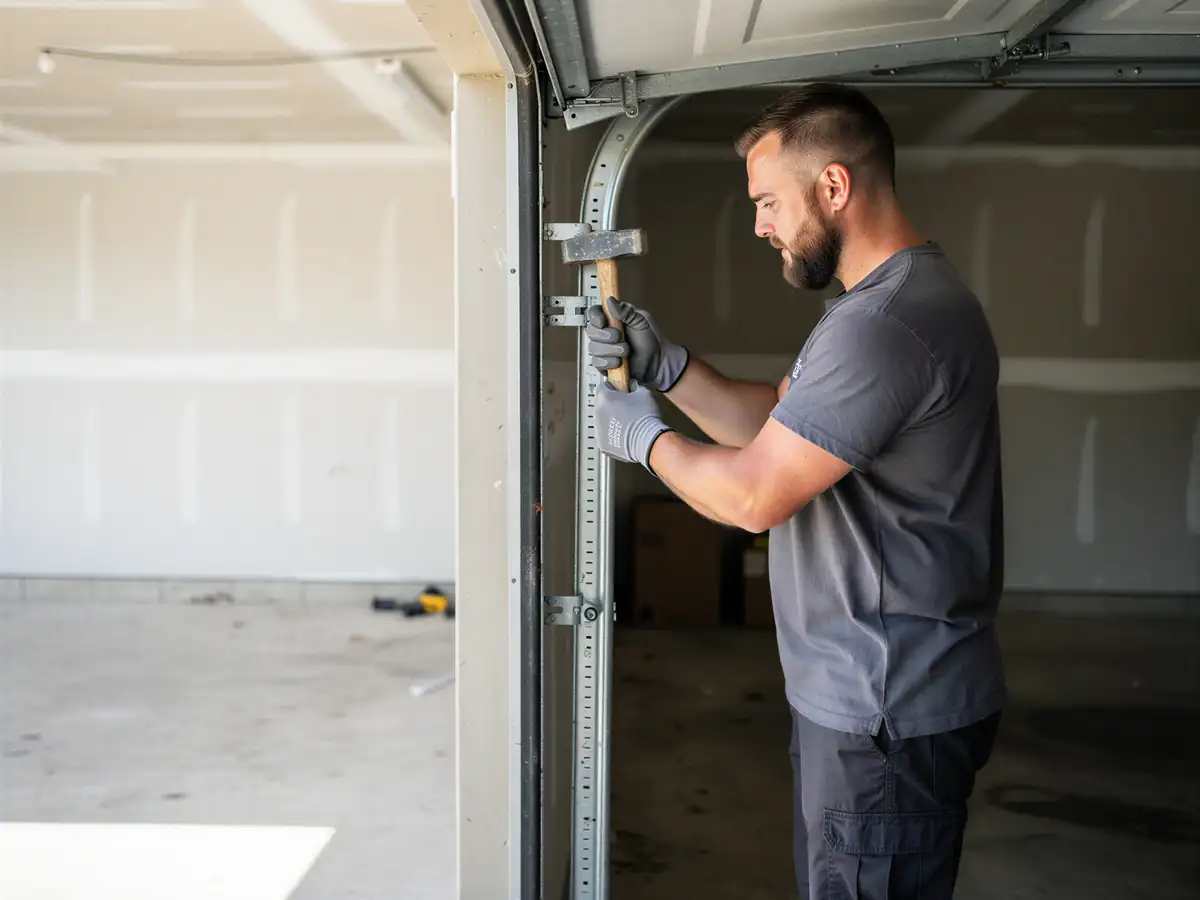
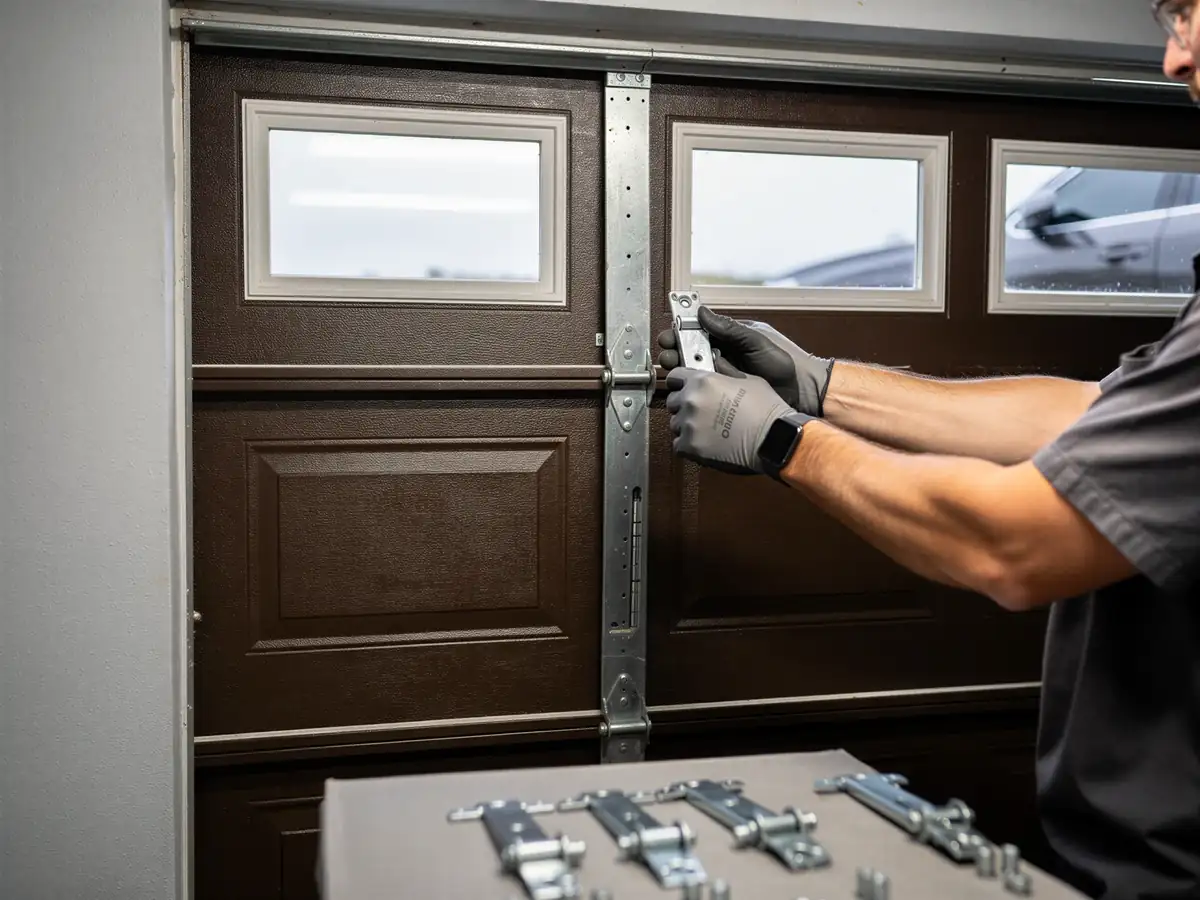
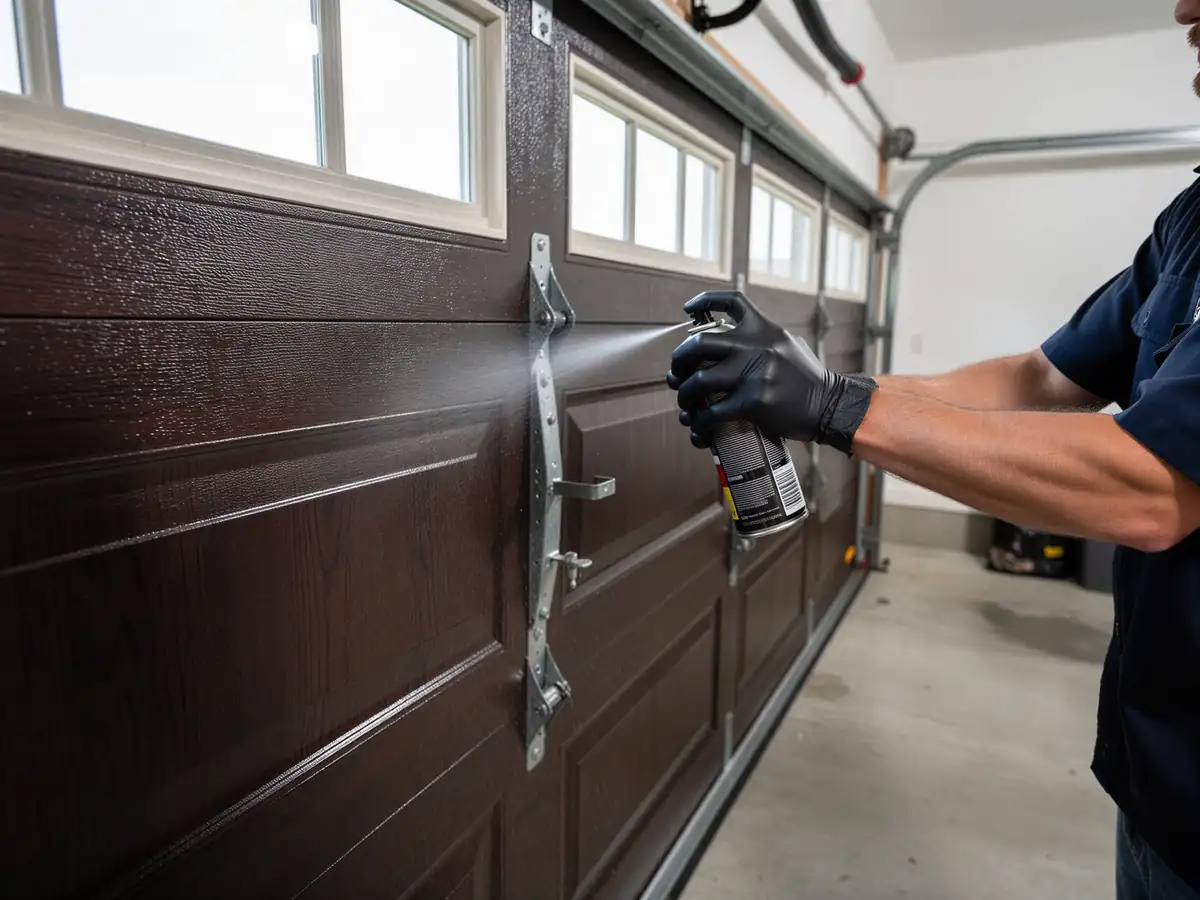
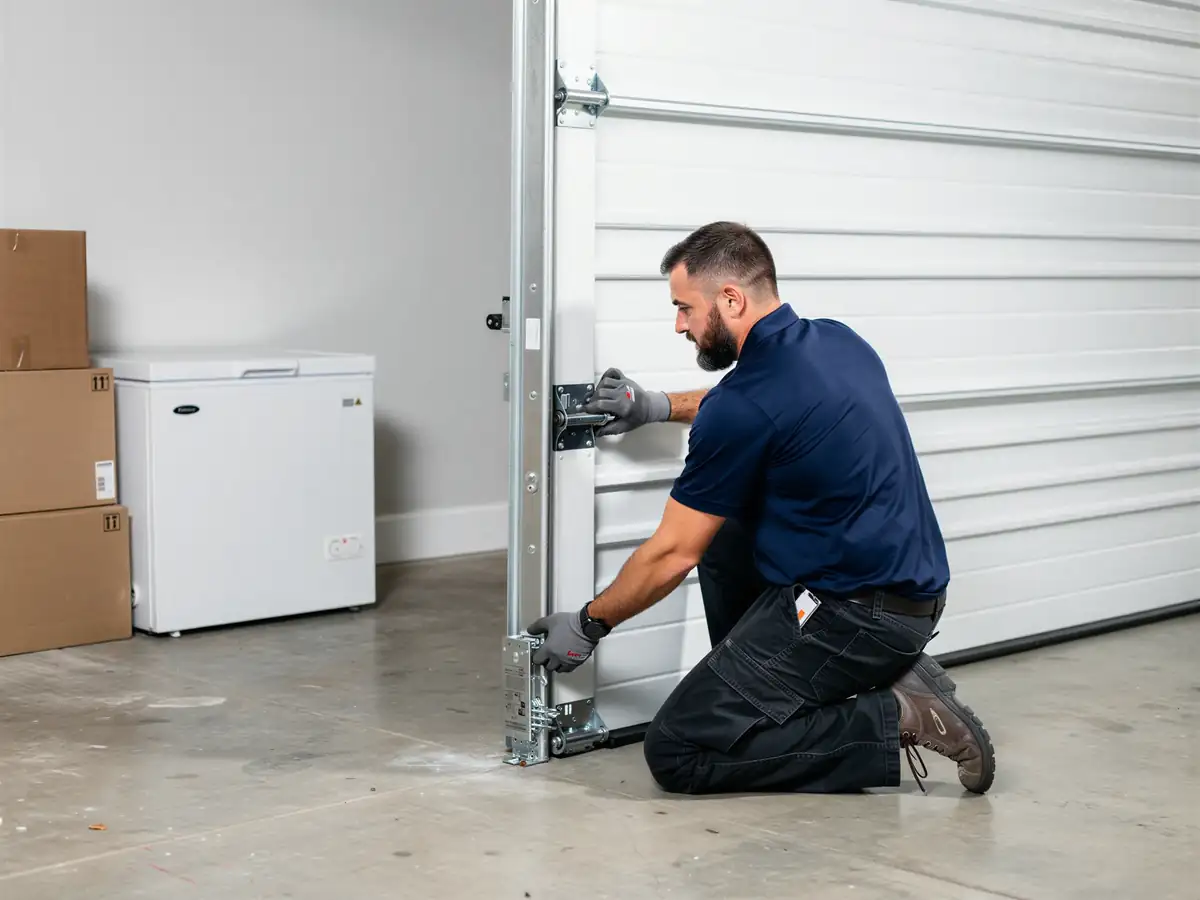
Lake Elmo's median home was built around 2002, which puts most of its garage doors well past the one-piece and early sectional era. What's on these houses is factory steel sectional doors, usually 16 feet wide for a two-car bay, often insulated with a polystyrene or polyurethane core, and running on torsion springs sized for a heavier door than the thin steel panels from the 1970s. We stock torsion springs in the wind sizes that match these newer doors, along with the nylon rollers, galvanized tracks, and extension cables that factory installers used through the 2000s. We also carry the steel hinges and center struts that come standard on insulated panels - different gauge than what you'd find on an older uninsulated door. If a panel needs replacing on a door from this era, matching the woodgrain or smooth-coat finish matters more than it did on older stock, since these doors were sold with a specific look in mind, not just a working garage.
What Can Go Wrong
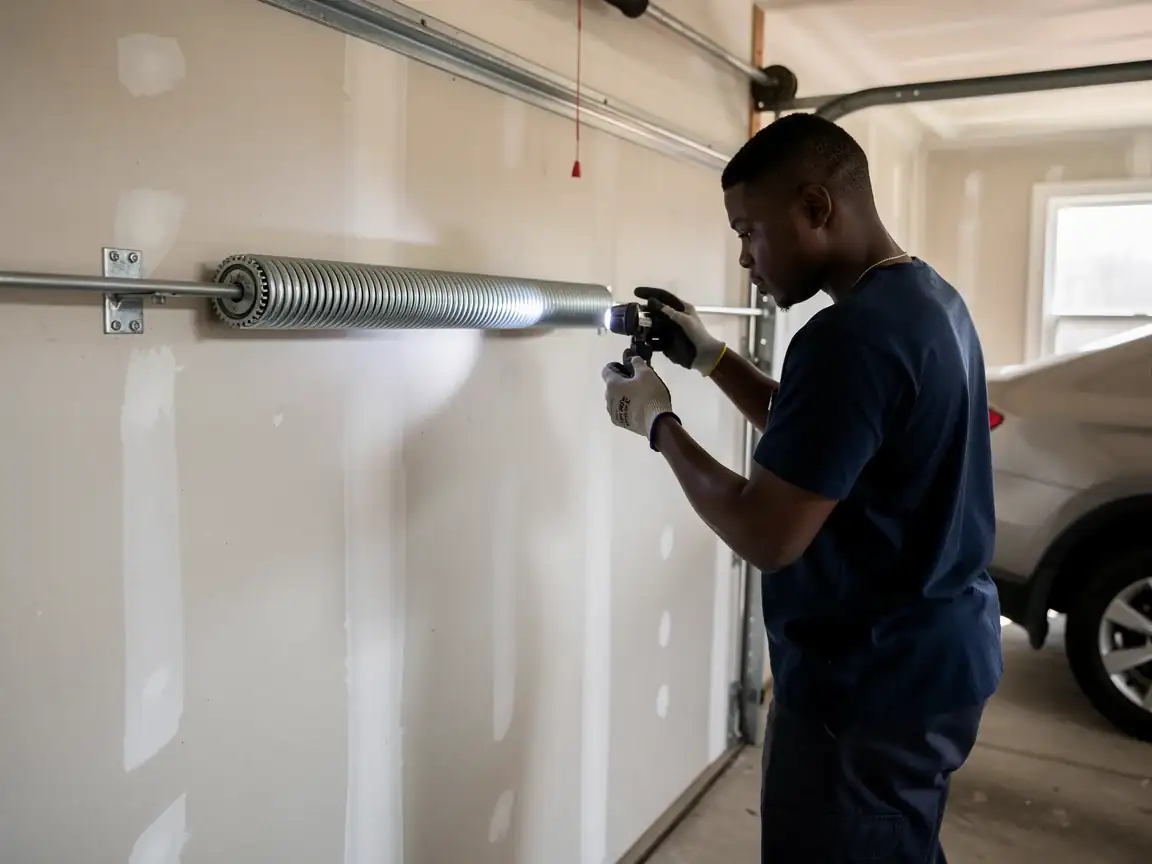
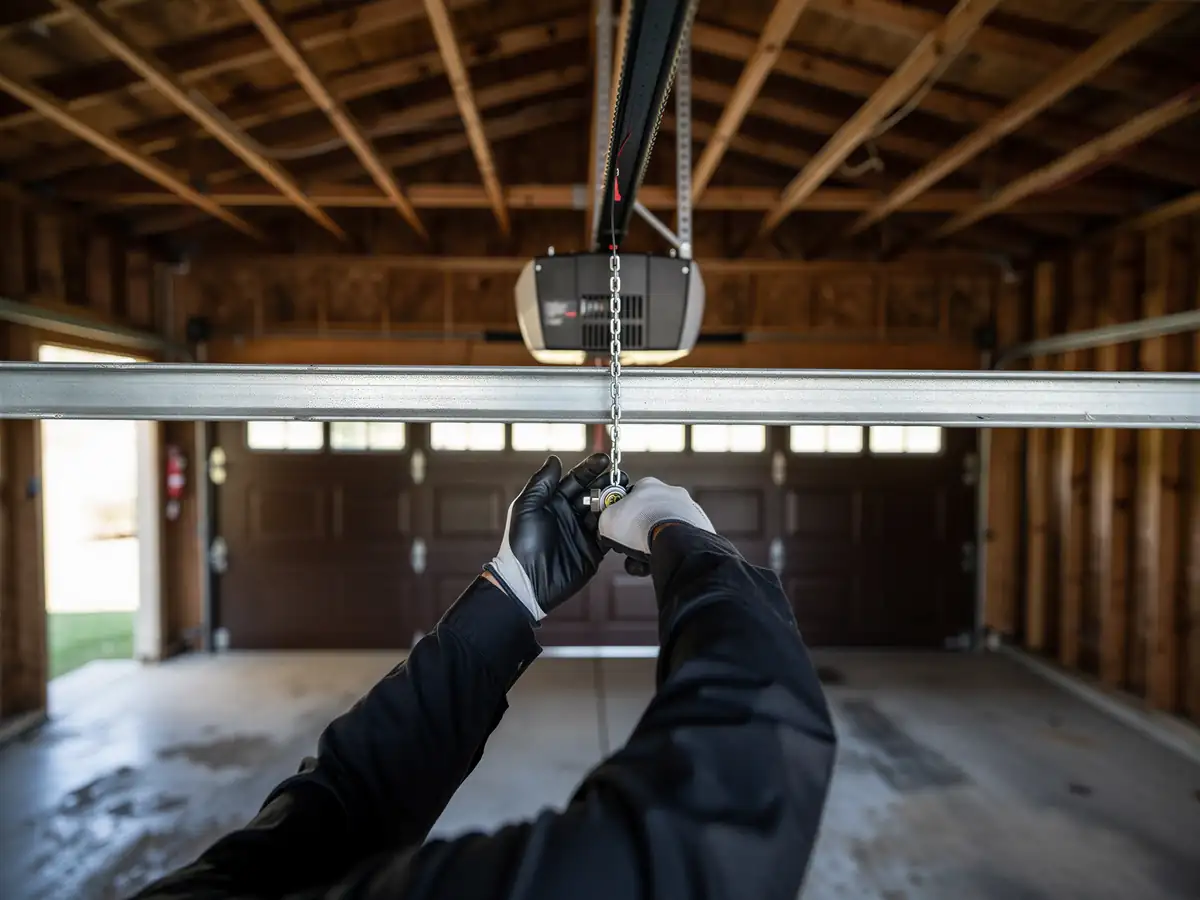
The most common failure on these newer insulated doors is the torsion spring reaching the end of its cycle life - most are rated for a set number of open-and-close cycles, and a door that's seven to fifteen years old is squarely in the window where that number runs out. The other thing we see on this era of door: the factory-installed plastic idler bearings at the ends of the torsion shaft wear out and start making a grinding noise under the spring's housing, which sounds alarming but is a cheap fix if caught before the shaft starts wobbling. Openers from this build era are usually chain or belt drive with a rolling-code remote; the circuit boards in these units are starting to hit the age where capacitors fail, which shows up as a opener that hums but won't lift.
What You Are Seeing
If your door is slow to respond to the remote, or responds to the wall button but not the car remote, that's usually a dying receiver board, not the whole unit. A door that opens a few inches then reverses is tripping its safety sensors, often from sunlight hitting the receiver eye directly in late afternoon. A loud bang followed by the door refusing to lift more than a foot is a broken torsion spring - do not force the opener on a door in that state, since the opener alone isn't built to lift a door without spring assist and will burn out the motor trying. None of these symptoms point to anything unusual for Lake Elmo's housing stock specifically; they're the normal failure points for steel sectional doors in their second decade.