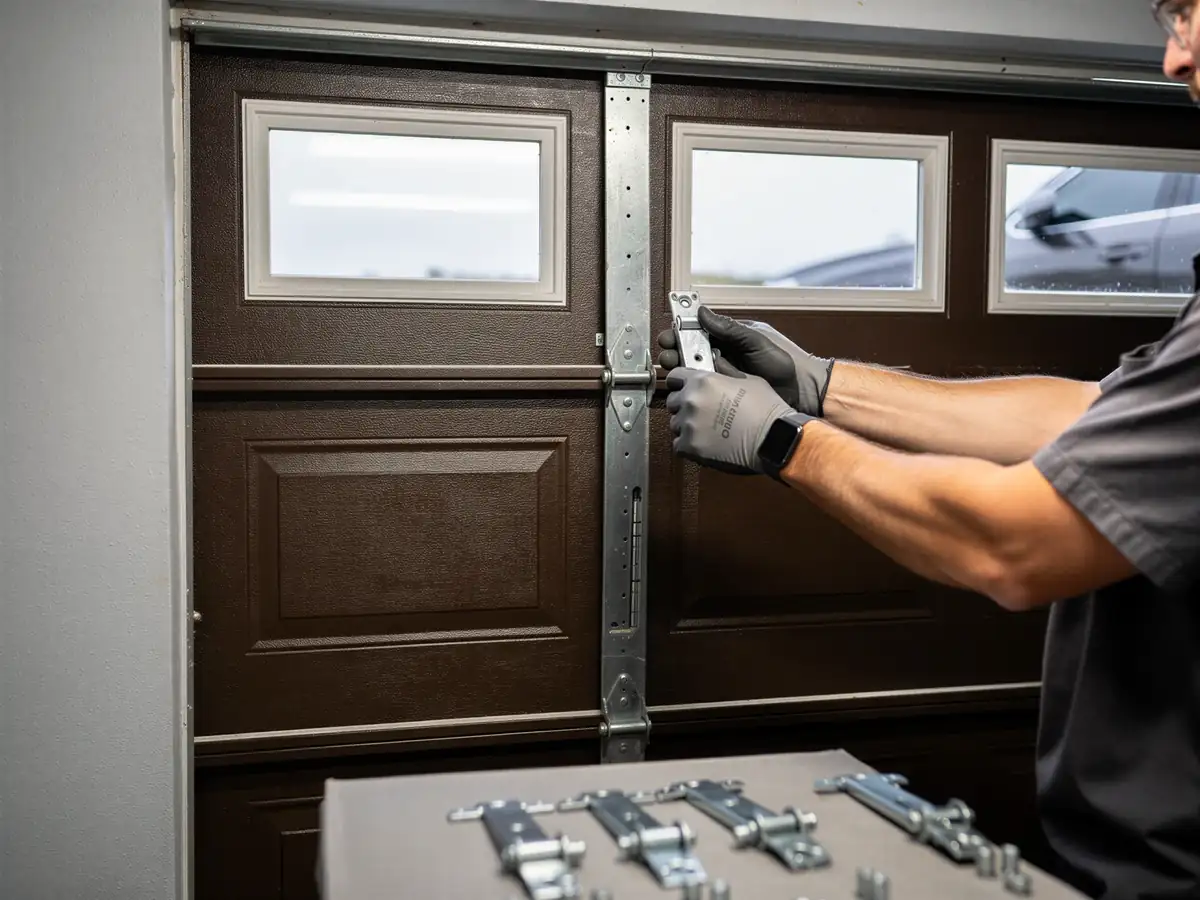
Parts We Carry
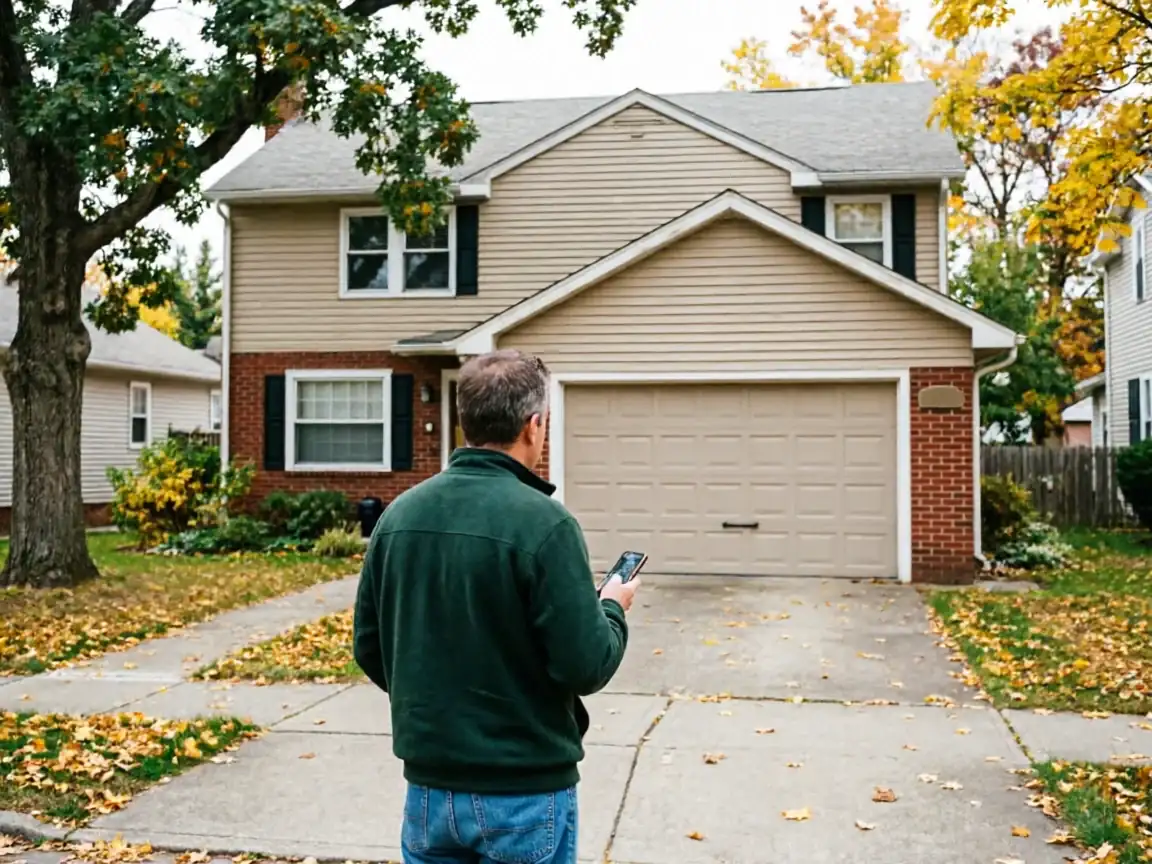
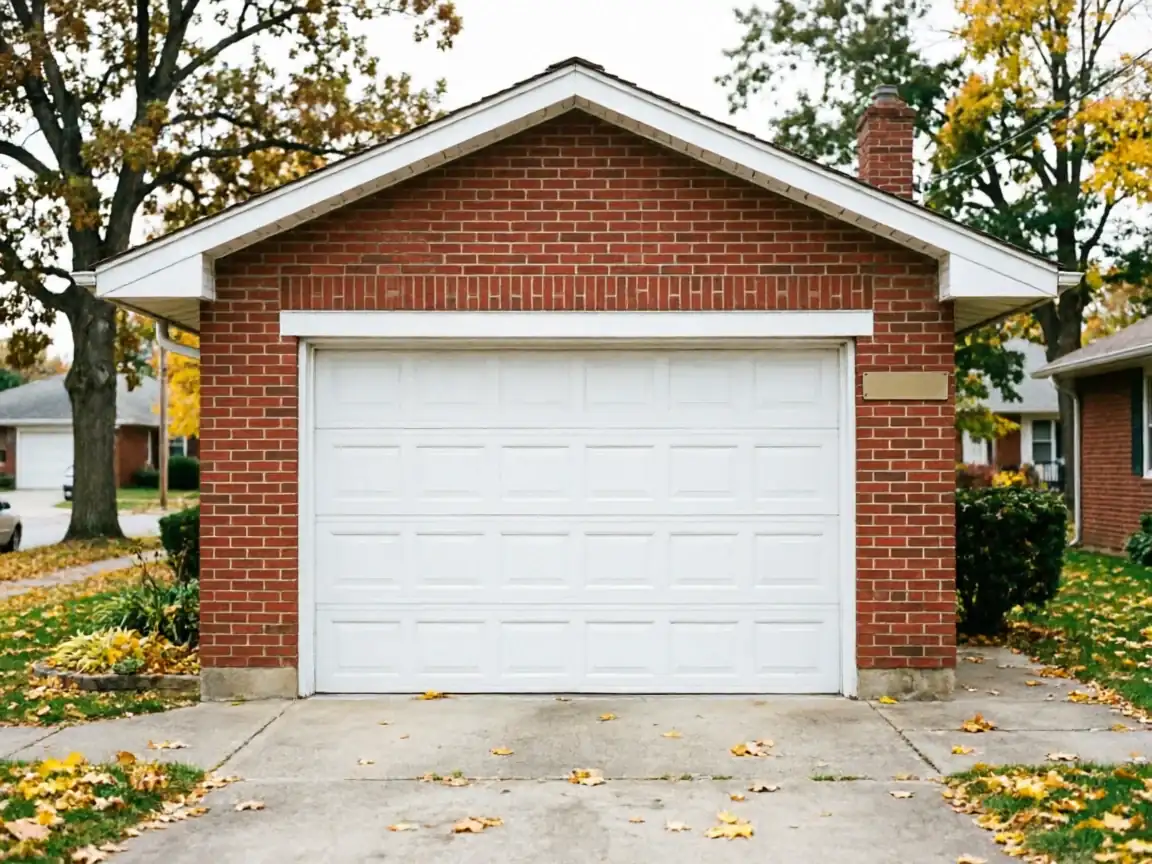
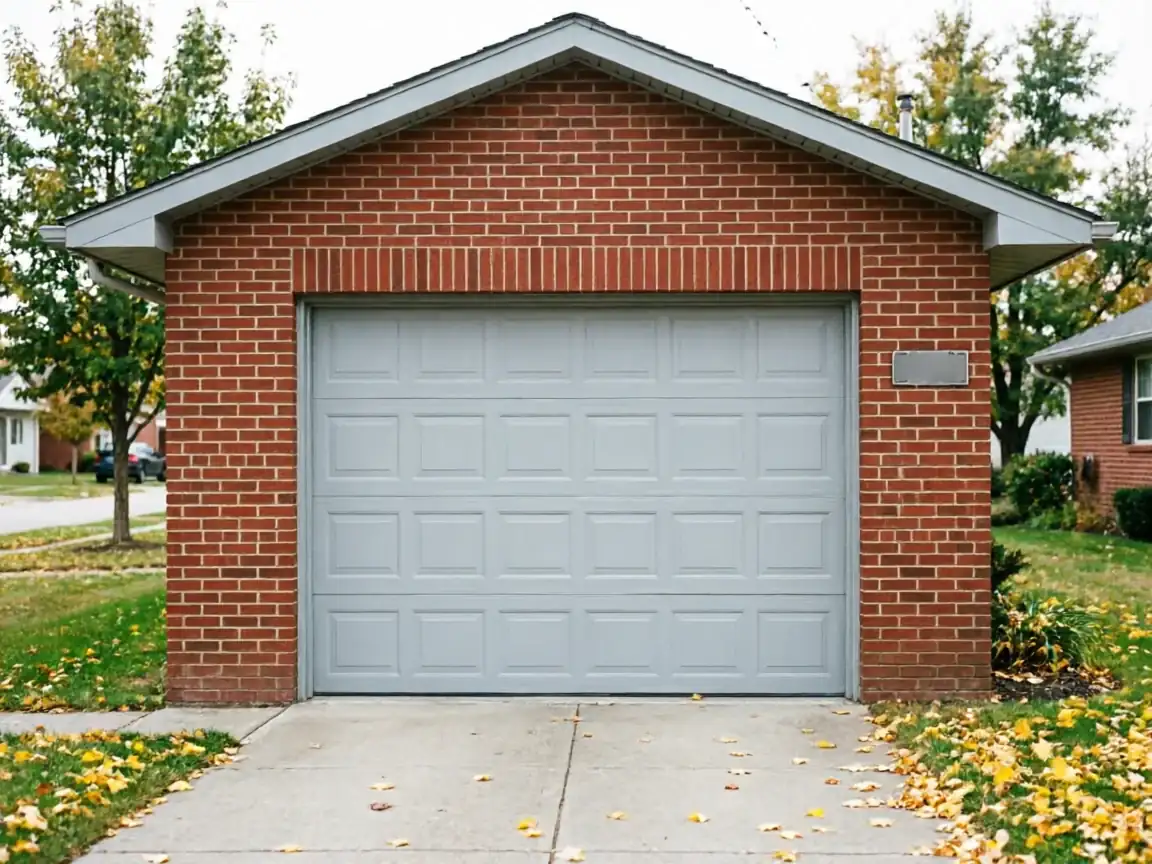
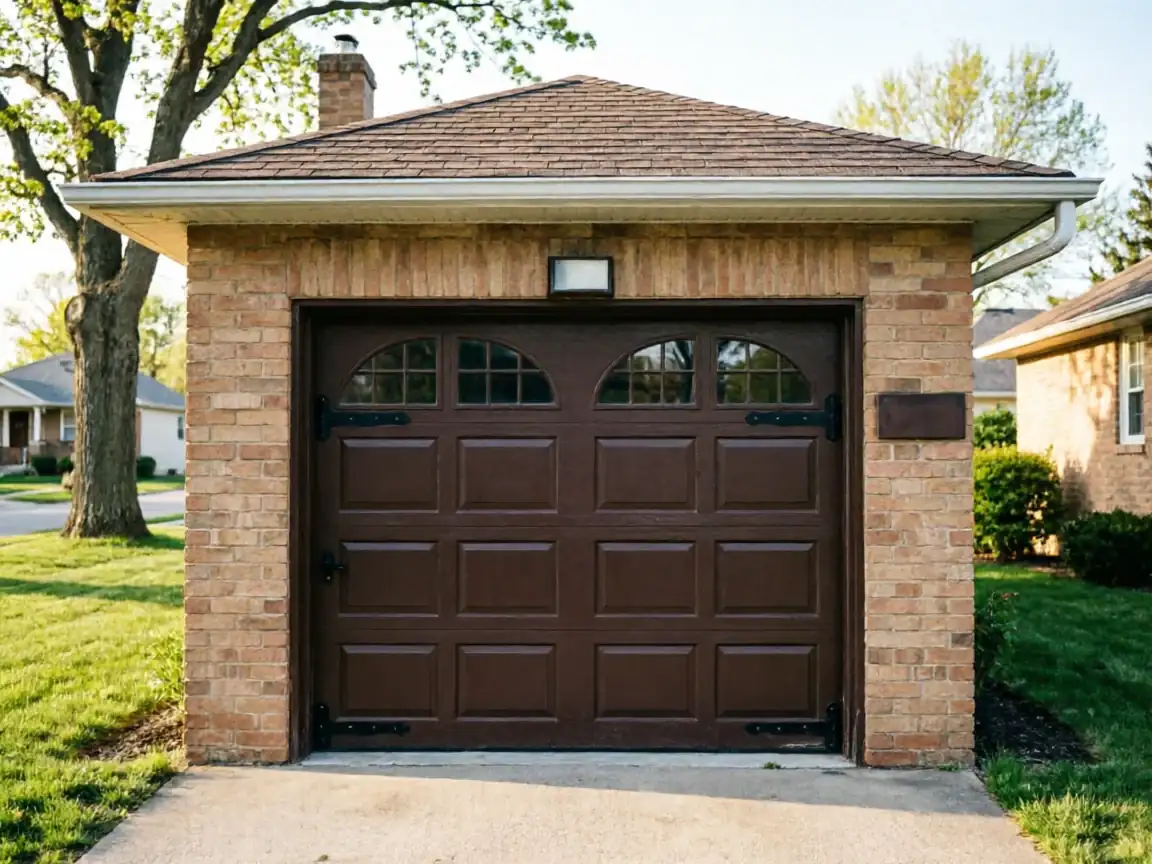
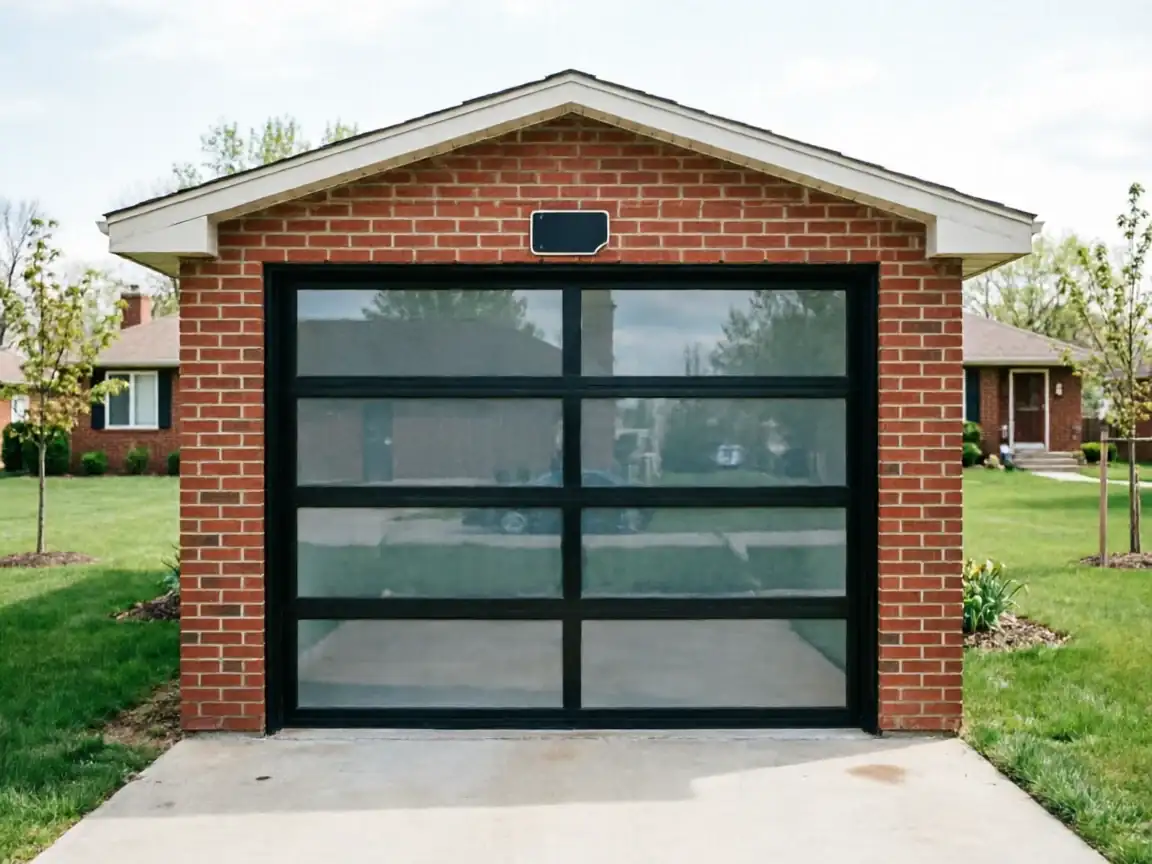
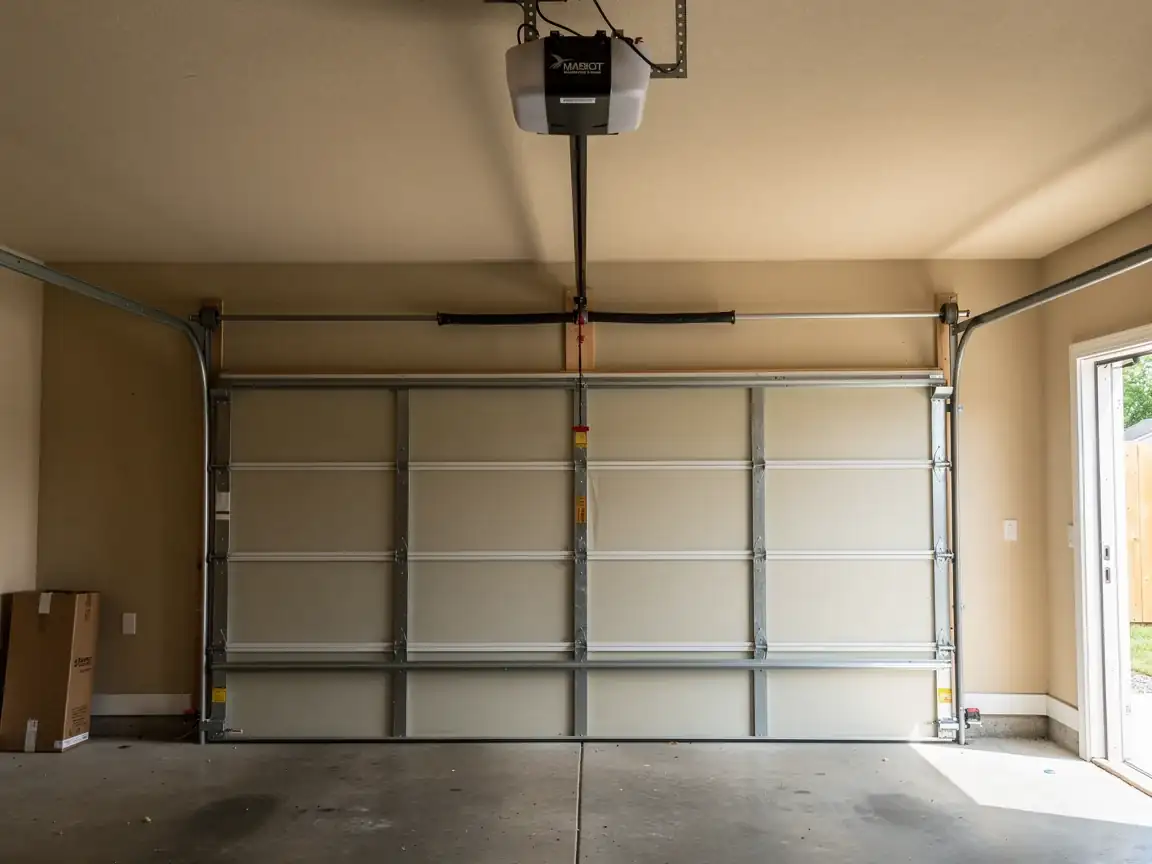
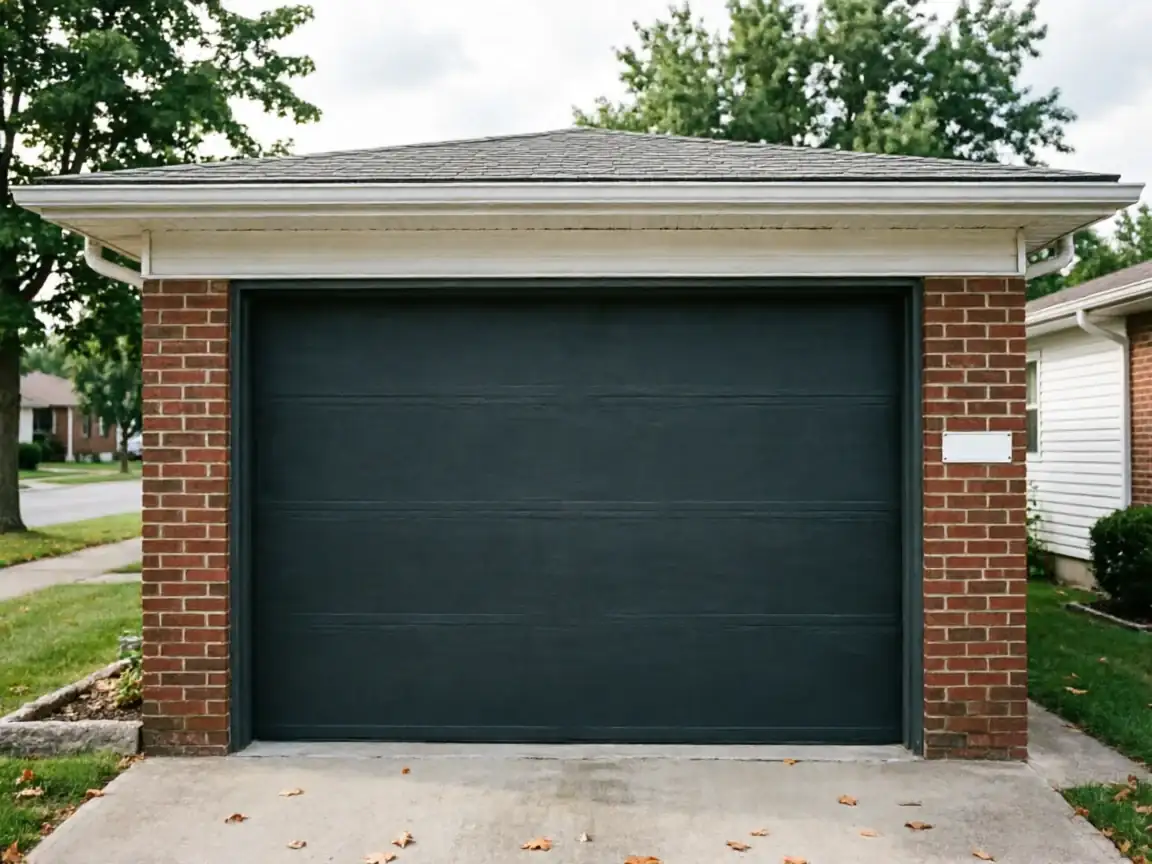
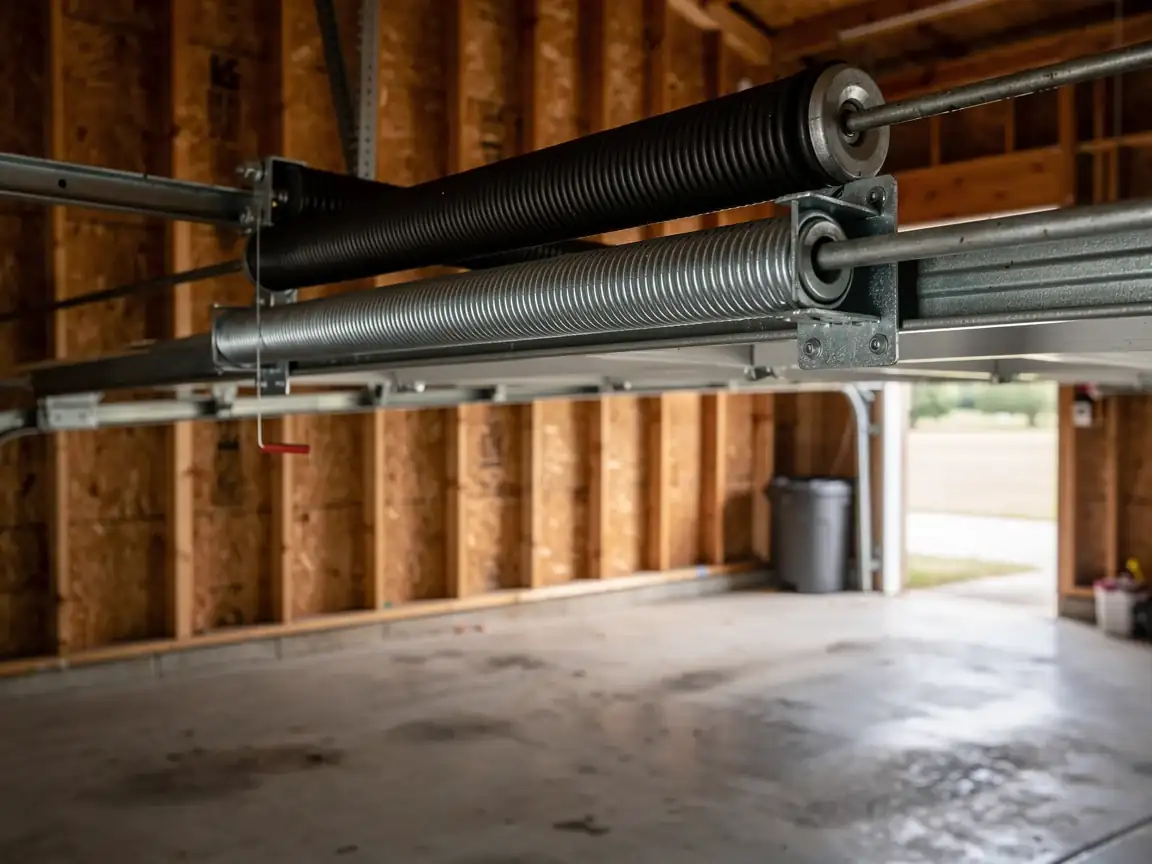
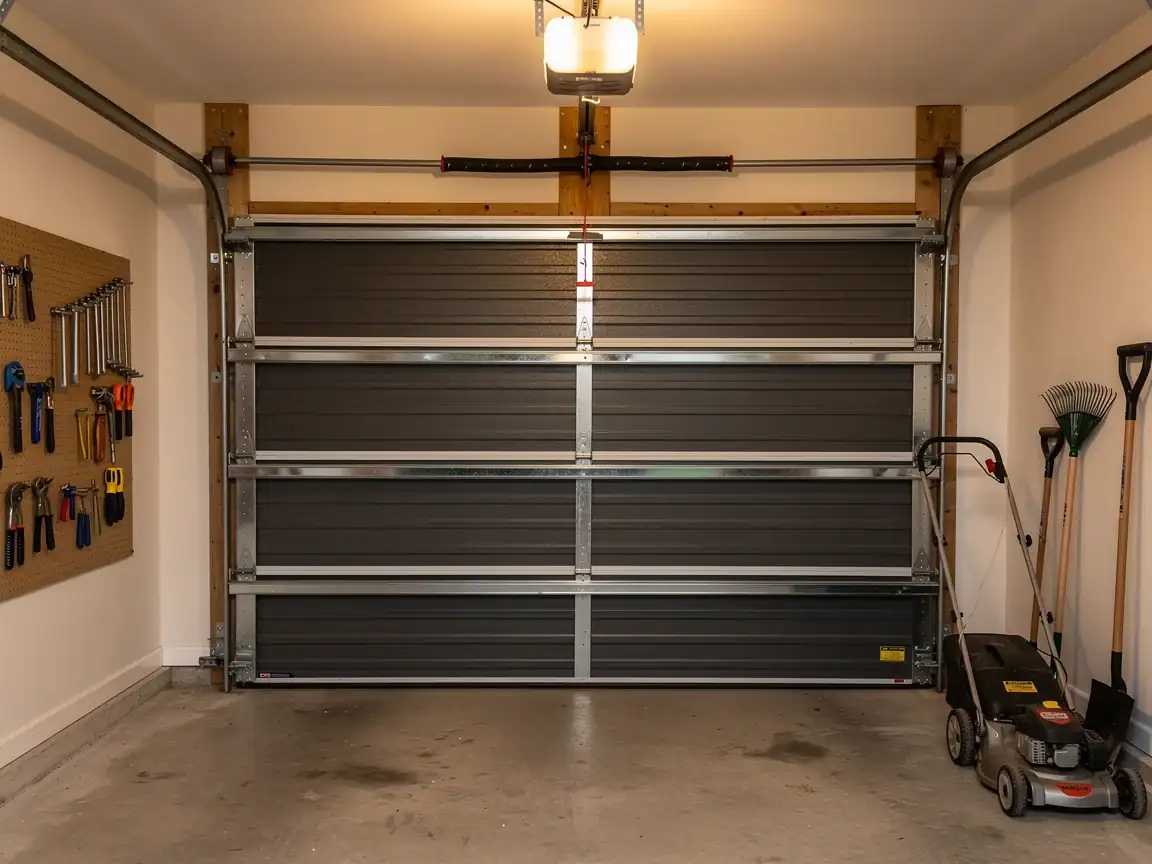
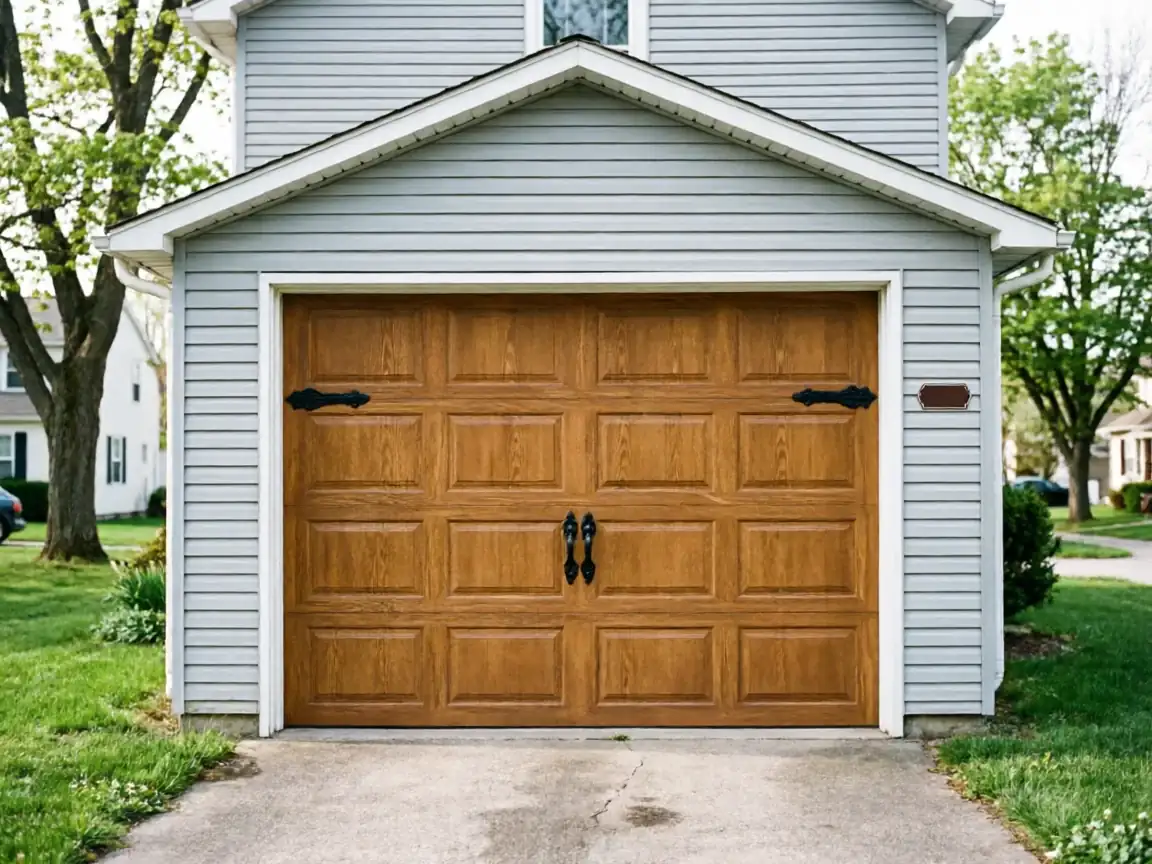
Most garage doors in Lake Elmo went up well after the torsion-spring retrofits and one-piece doors you'd find in older parts of the metro. With a median build year around 2002, the doors here are factory steel sectional units with insulated foam-core panels, not the thin uninsulated steel or wood doors from the 1970s stock that makes up more of the wider service area. That changes what we stock for this town: full-panel steel sections in standard residential widths, matching end stiles, and the foam-insulated cores that came standard on builder-grade doors from that era.
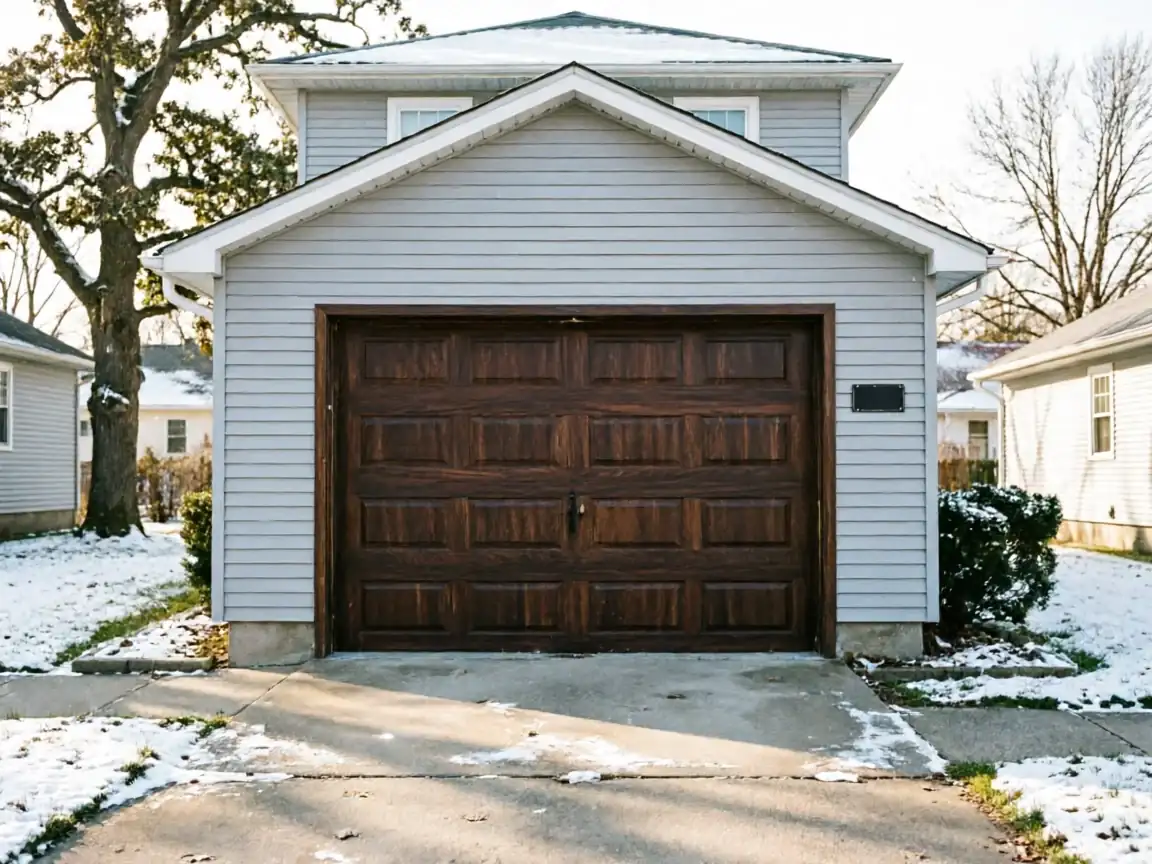
We carry panels sized for the common builder-grade door lines installed through the 1990s and 2000s construction boom, in the finishes most often used on new construction from that period - woodgrain-textured steel and smooth white or almond. What we don't always carry on the truck is an exact color or texture match for a door that's been in the weather for twenty-plus years and has faded unevenly. We'll tell you straight if a replacement panel is going to look slightly different next to the rest of the door, because paint fade and panel fade don't happen at the same rate.
Doing It Yourself
Swapping a single panel on an insulated steel sectional door is a more involved job than it looks
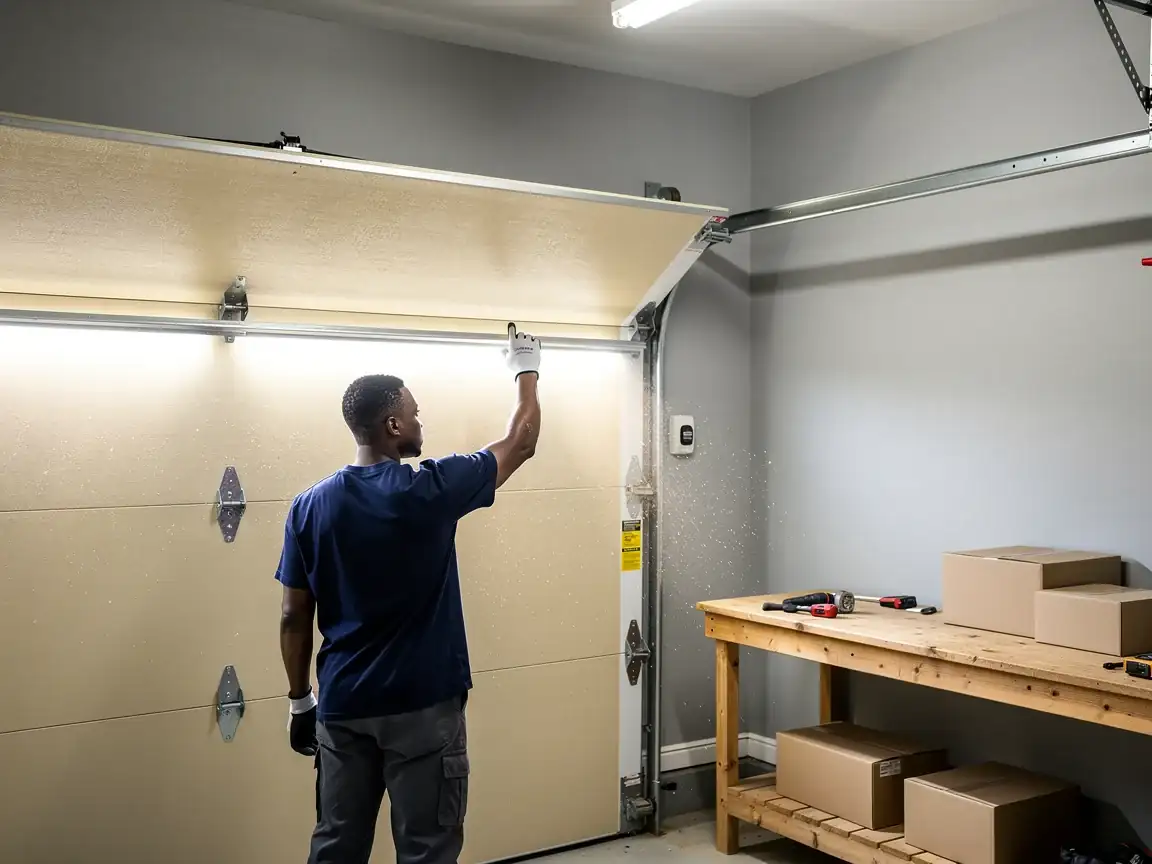
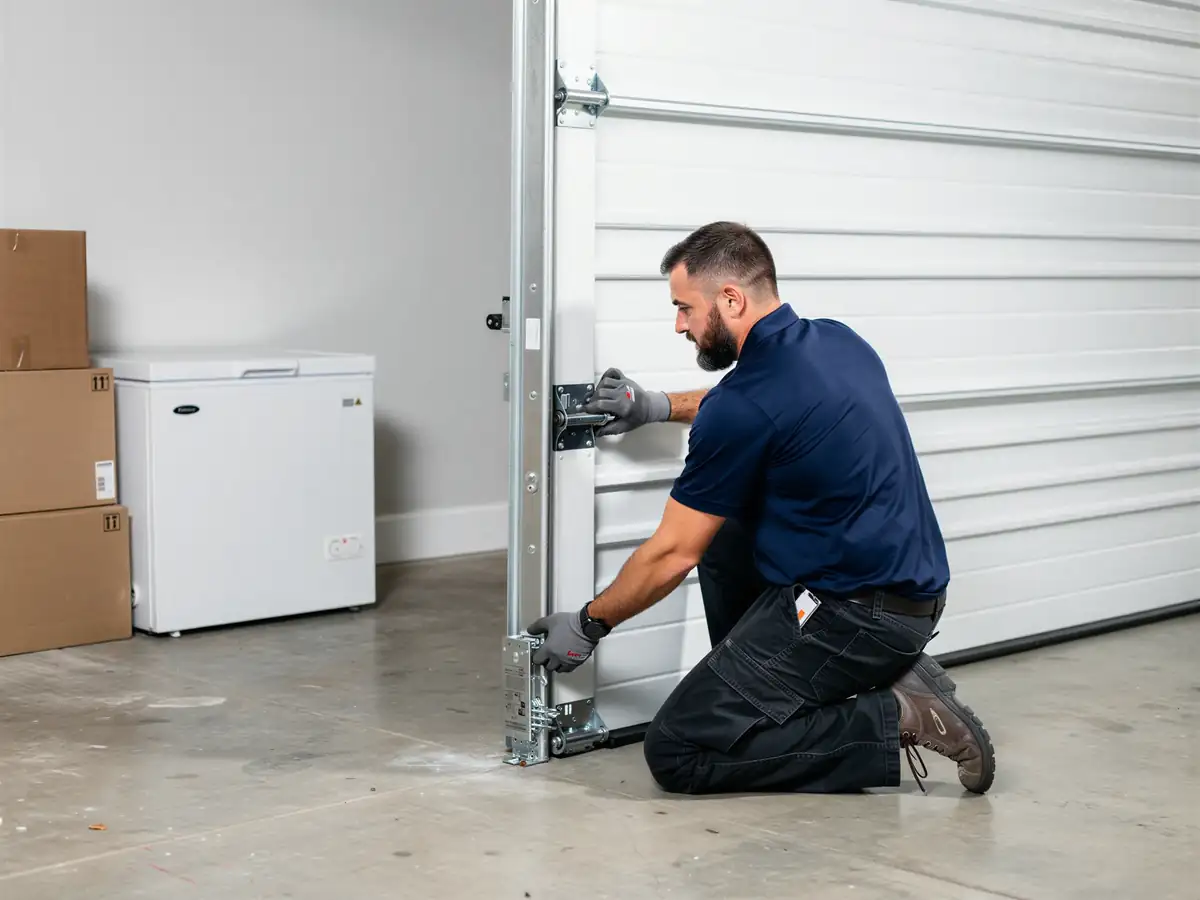
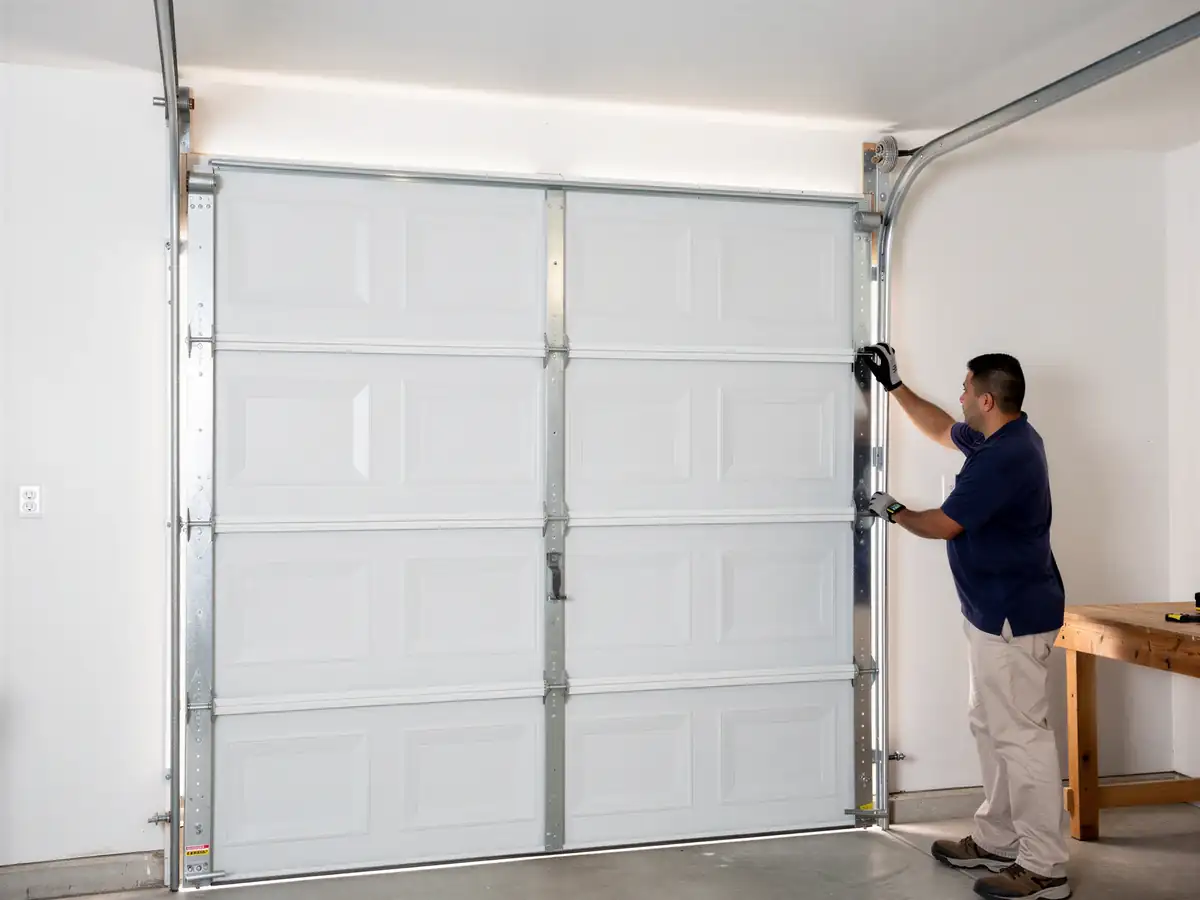
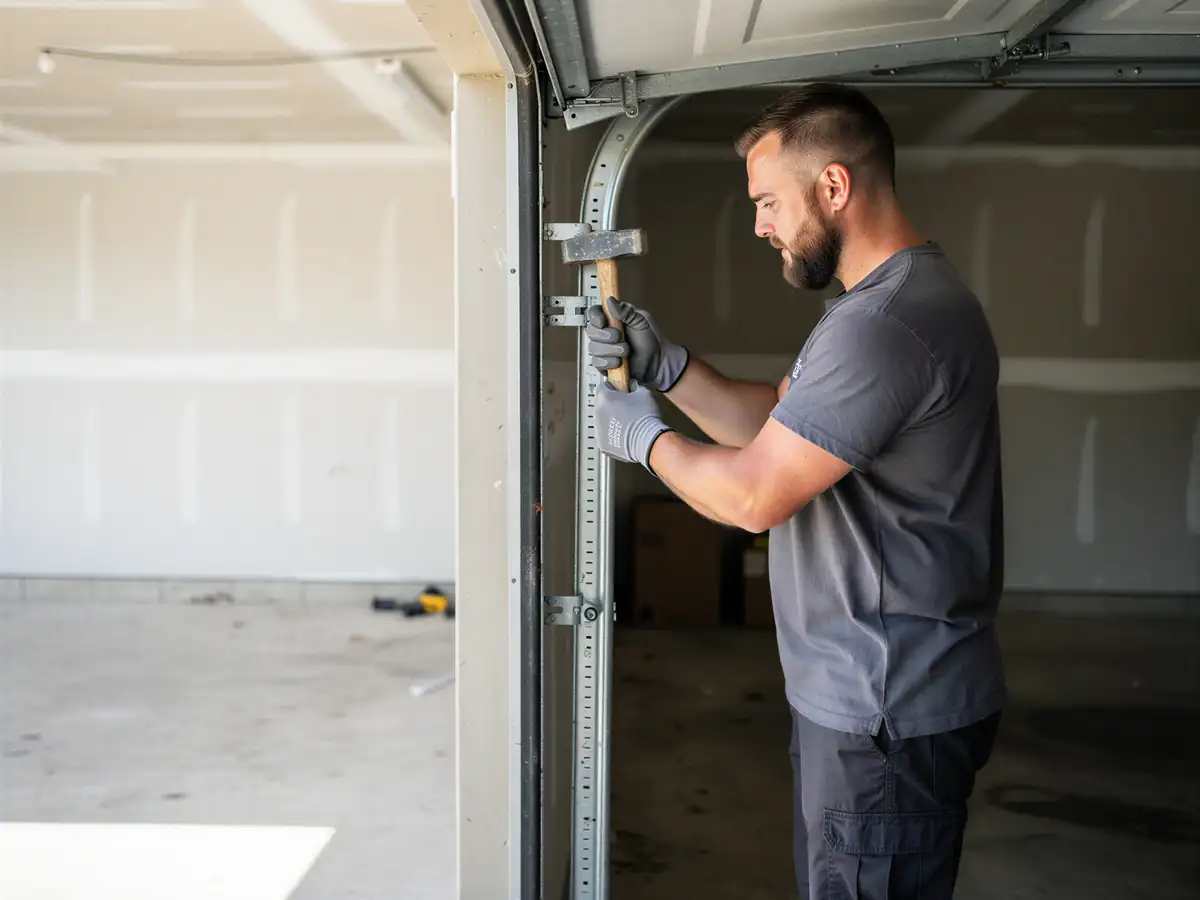
The panel is usually riveted or bolted to the hinges and end stiles, and the foam core means you can't just pry it loose the way you could with an old hollow steel door - you risk tearing the insulation or cracking the skin on the panel next to it. On a double-wide door especially, getting the new section square with the track takes more than hand tools and patience.
If you're comfortable with it, you can usually handle cosmetic touch-up
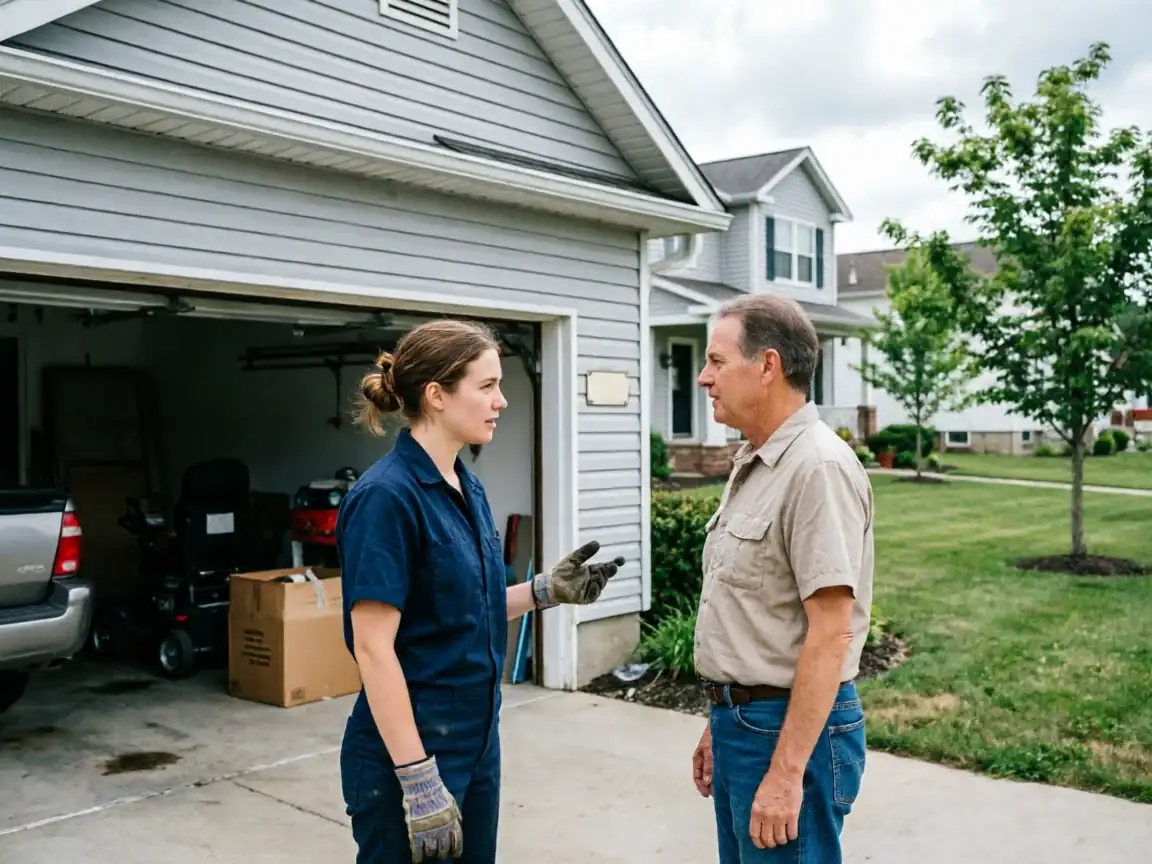
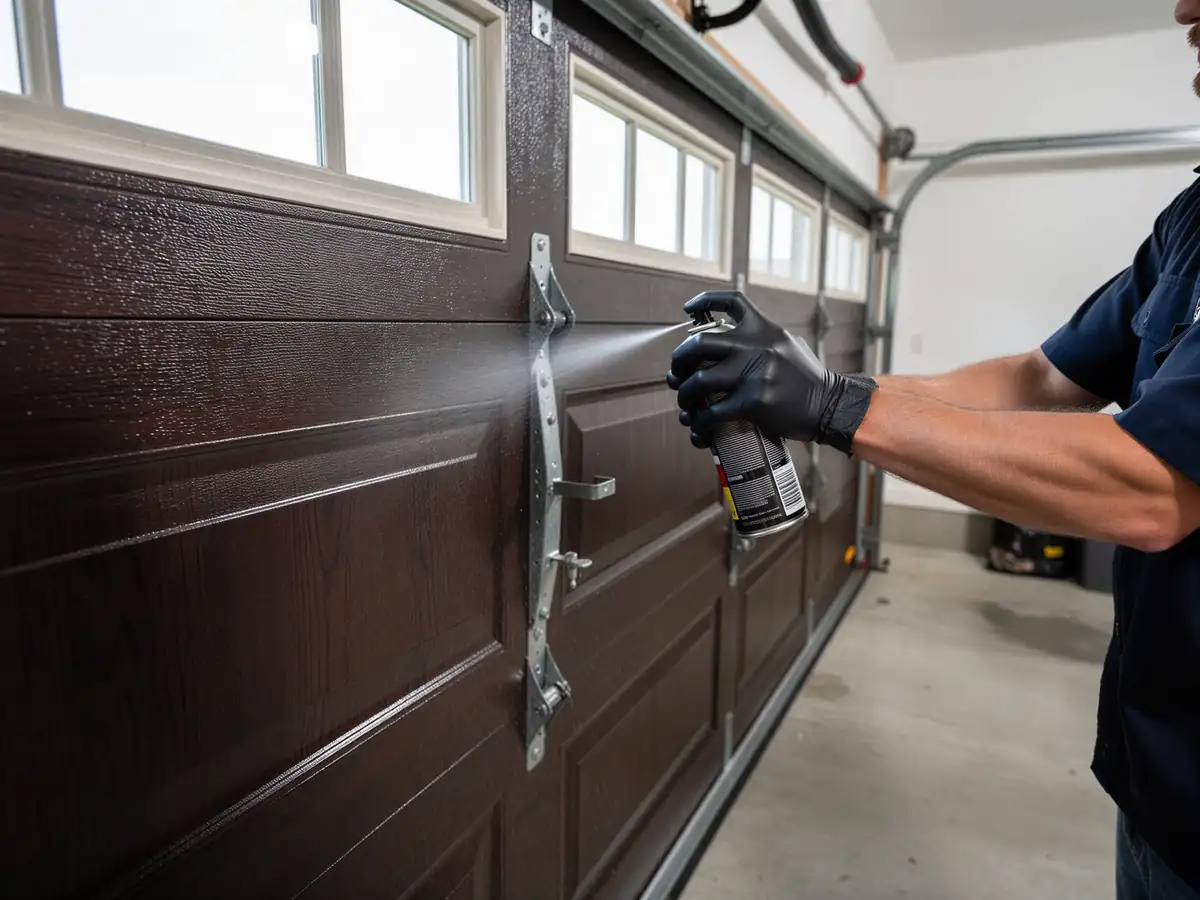
A scuffed panel face, a loose weatherstrip at the bottom section - without calling anyone. Full panel swaps on an insulated door are where we'd tell most owners to call first, get a quote, and decide from there. We'd rather talk you through what the job actually involves before you've got the door half apart in the driveway.
What Can Go Wrong
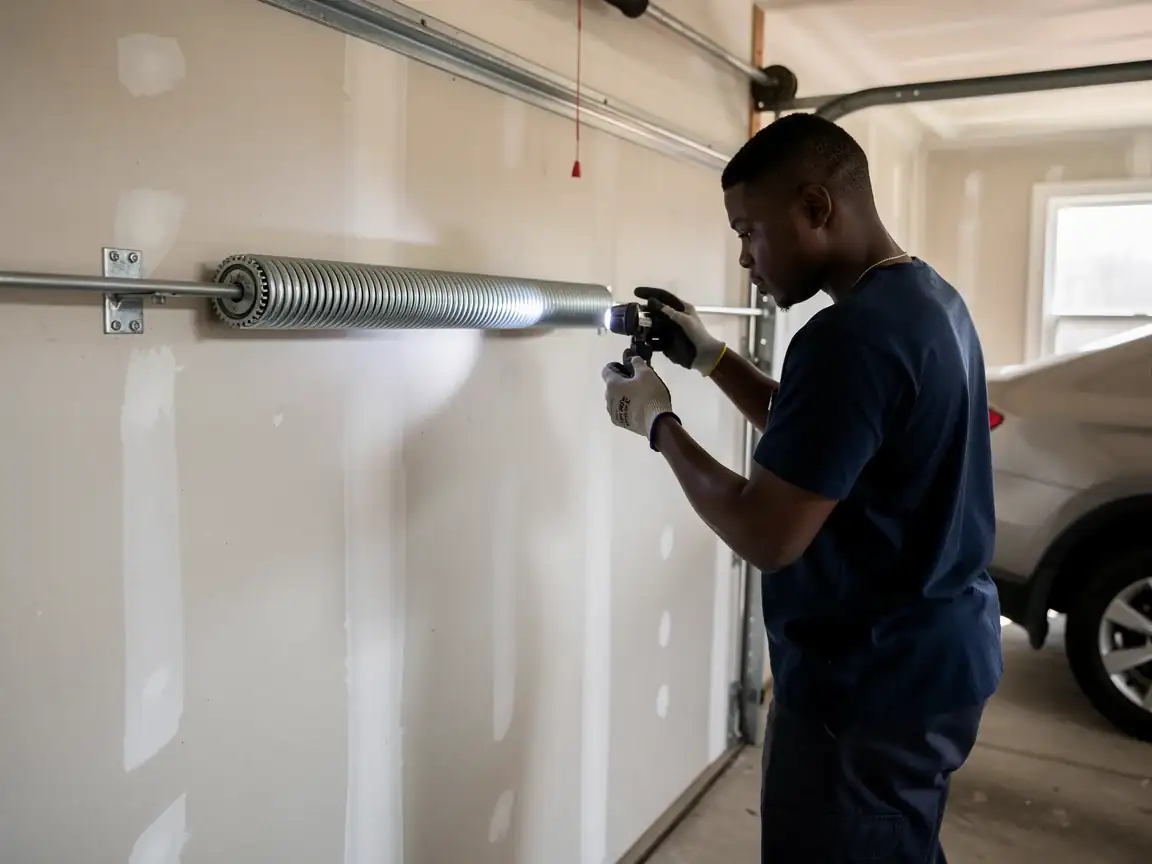
The climate here runs cold with real seasonal swings, and that's hard on the foam-insulated panels that are standard on doors from Lake Elmo's building era. The bond between the steel skin and the foam core can let go over repeated freeze-thaw cycles, and once it does, the panel bows or the skin separates slightly from the core - something you won't see on the older uninsulated steel doors common elsewhere in the service area, because there's no bonded layer to fail in the first place.
Beyond that, the usual physical damage still applies: a dented bottom panel from a mower or a trailer hitch backing in, a cracked panel at the hinge points from age and stress, bottom-panel rust where the door sits close to a concrete apron and holds moisture. None of this is unique to Lake Elmo, but on a door this age, a single damaged panel is more often a clean swap than it would be on a much older door where matching hardware is the real problem.
What You Are Seeing
If a panel face looks slightly rippled or has a soft spot you can press in with a thumb, that's usually the foam core separating from the steel skin - more a function of age and temperature cycling than of impact. A visible crack running horizontally near a hinge point usually means stress from repeated flexing, often worse on the bottom panel that takes the most daily movement.
Rust blooming along the bottom edge of the lowest panel, especially where it meets the weatherstrip, points to standing moisture rather than a manufacturing defect - common on doors sitting close to grade. A dent that's pushed the panel skin in far enough to bind against the track is a different problem than a cosmetic dent; one is cosmetic, one keeps the door from running smooth. We can usually tell which from a photo before we load the truck.