Parts We Carry
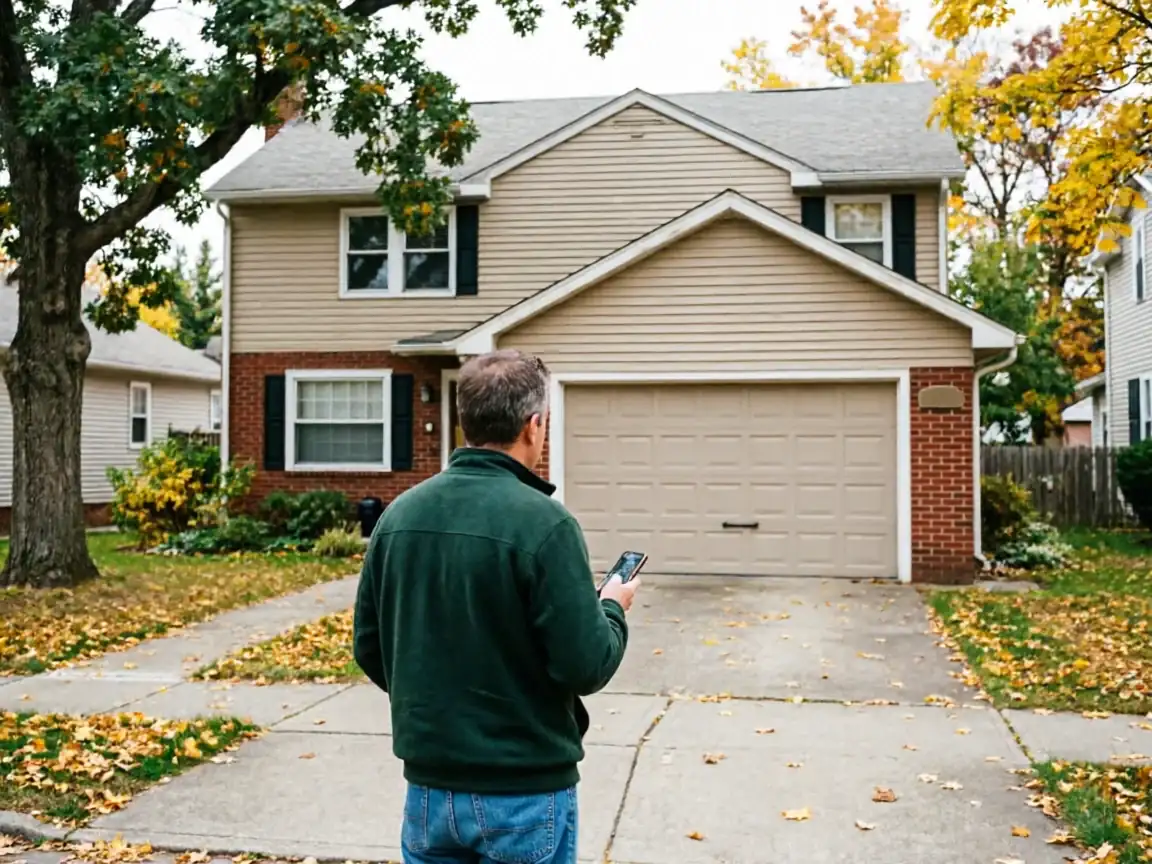
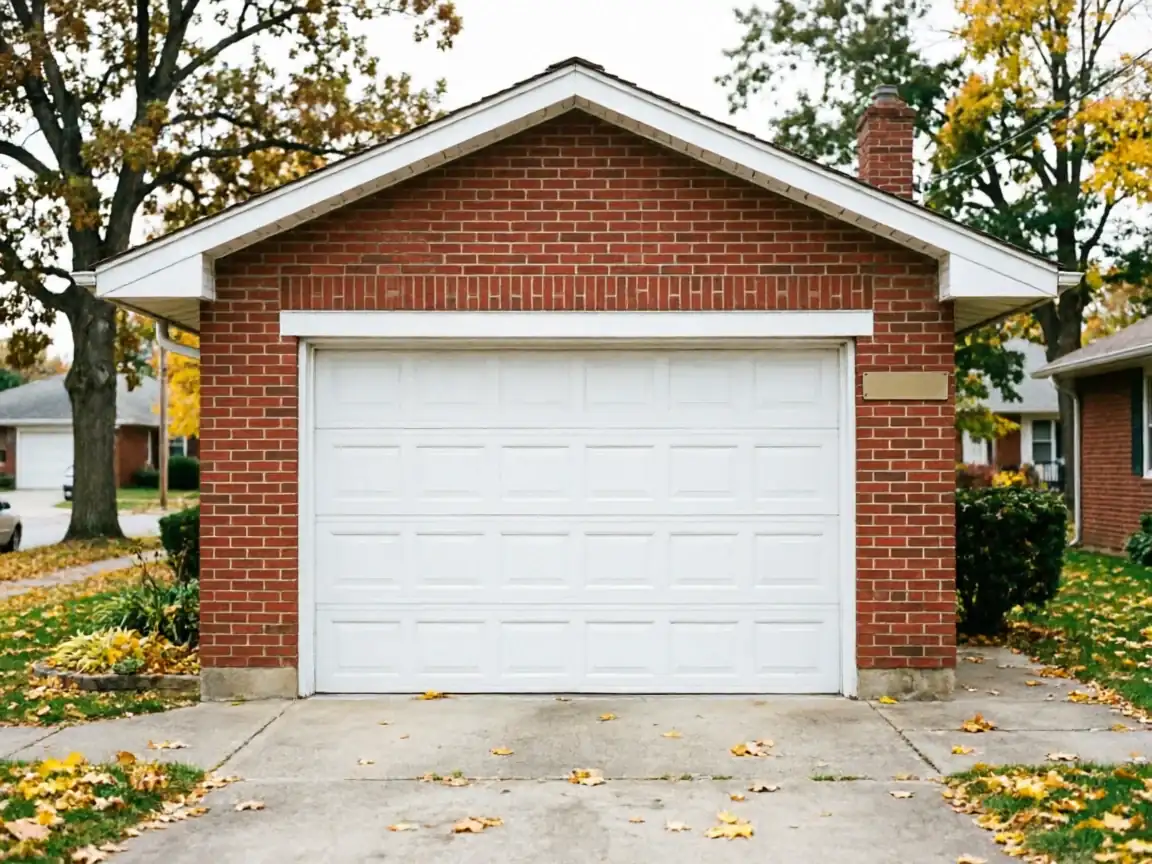
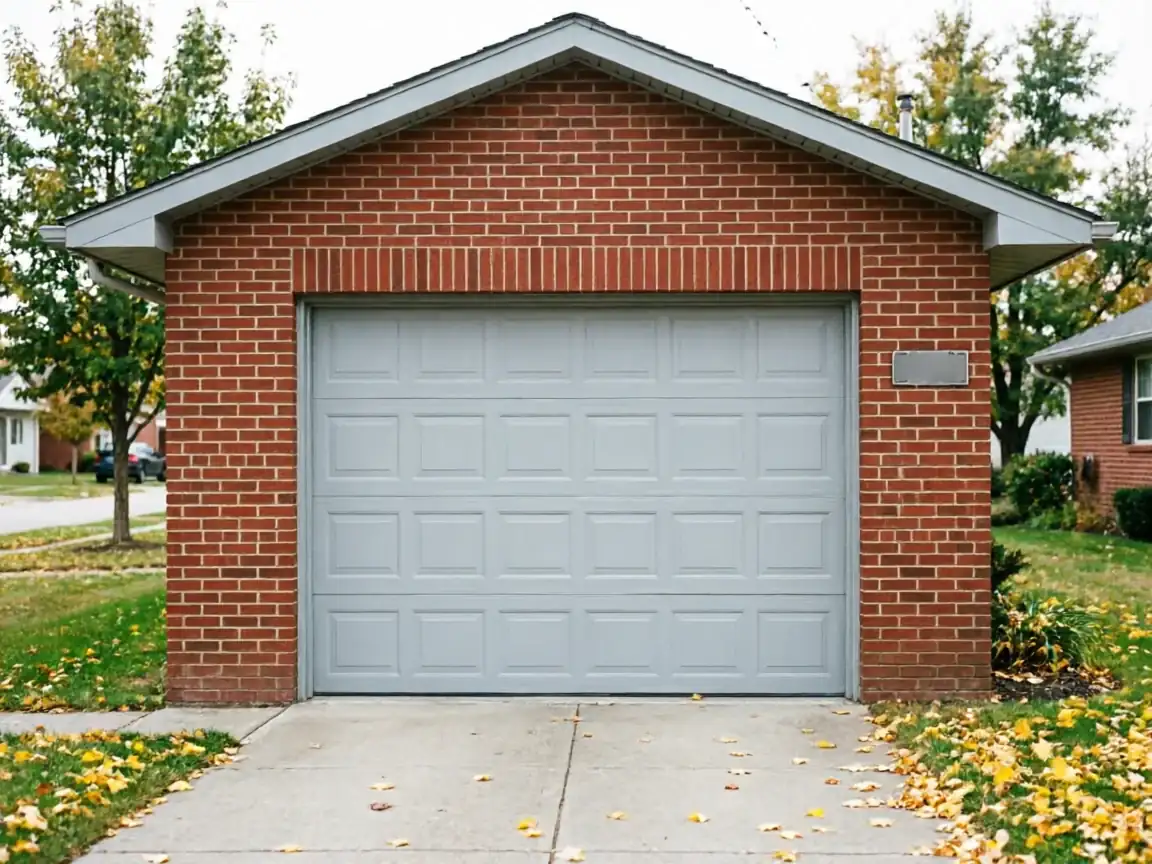
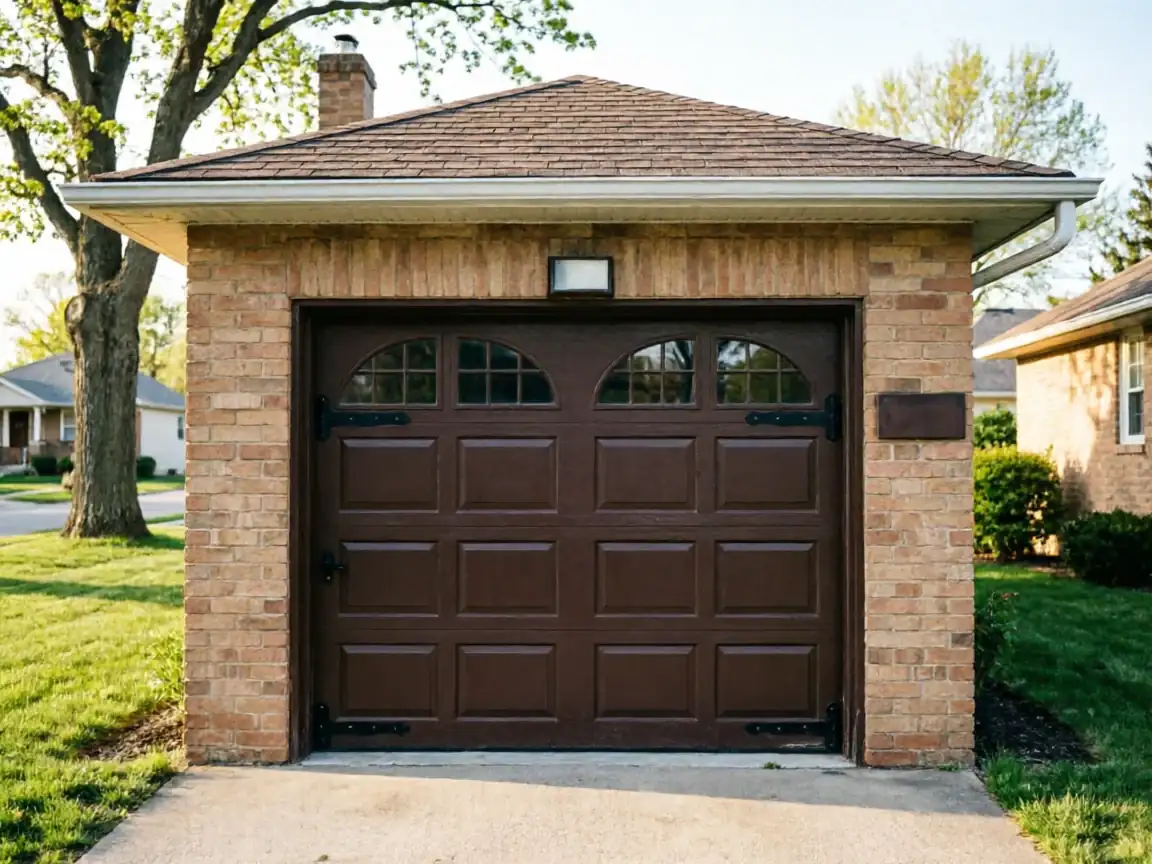
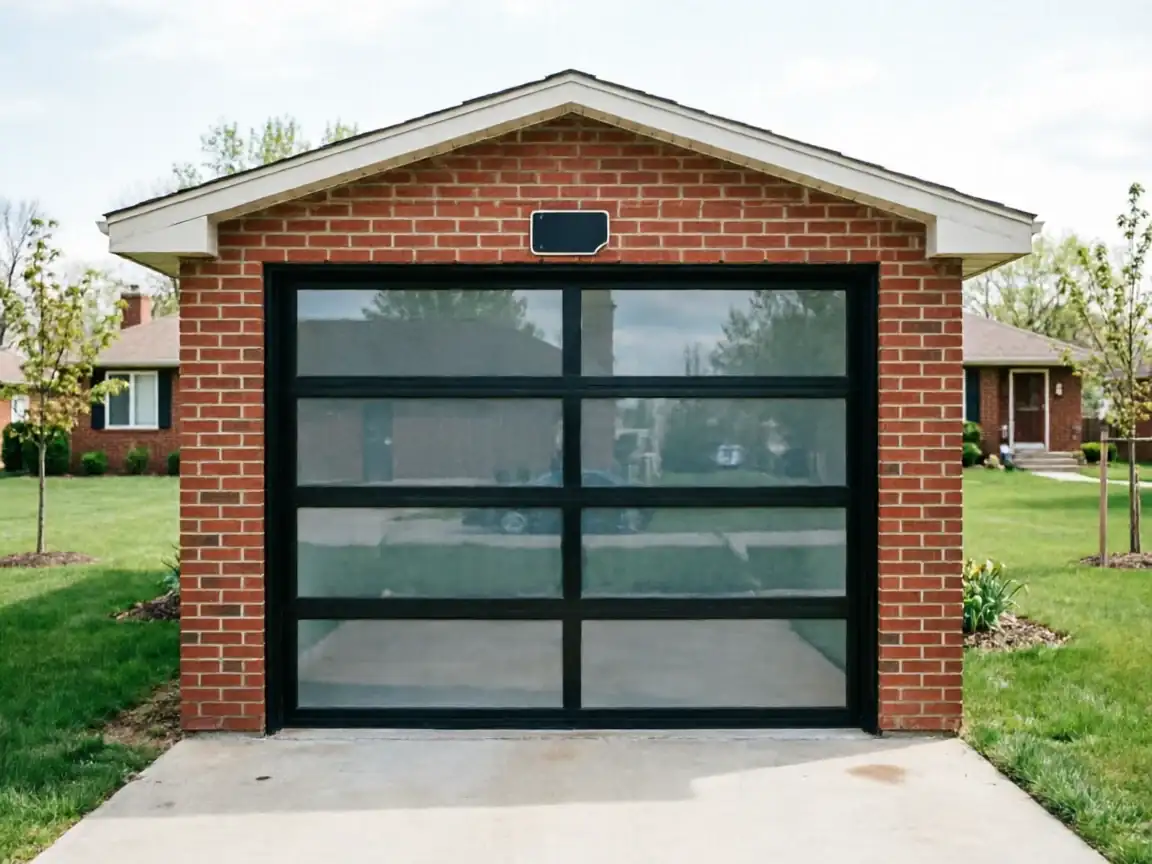
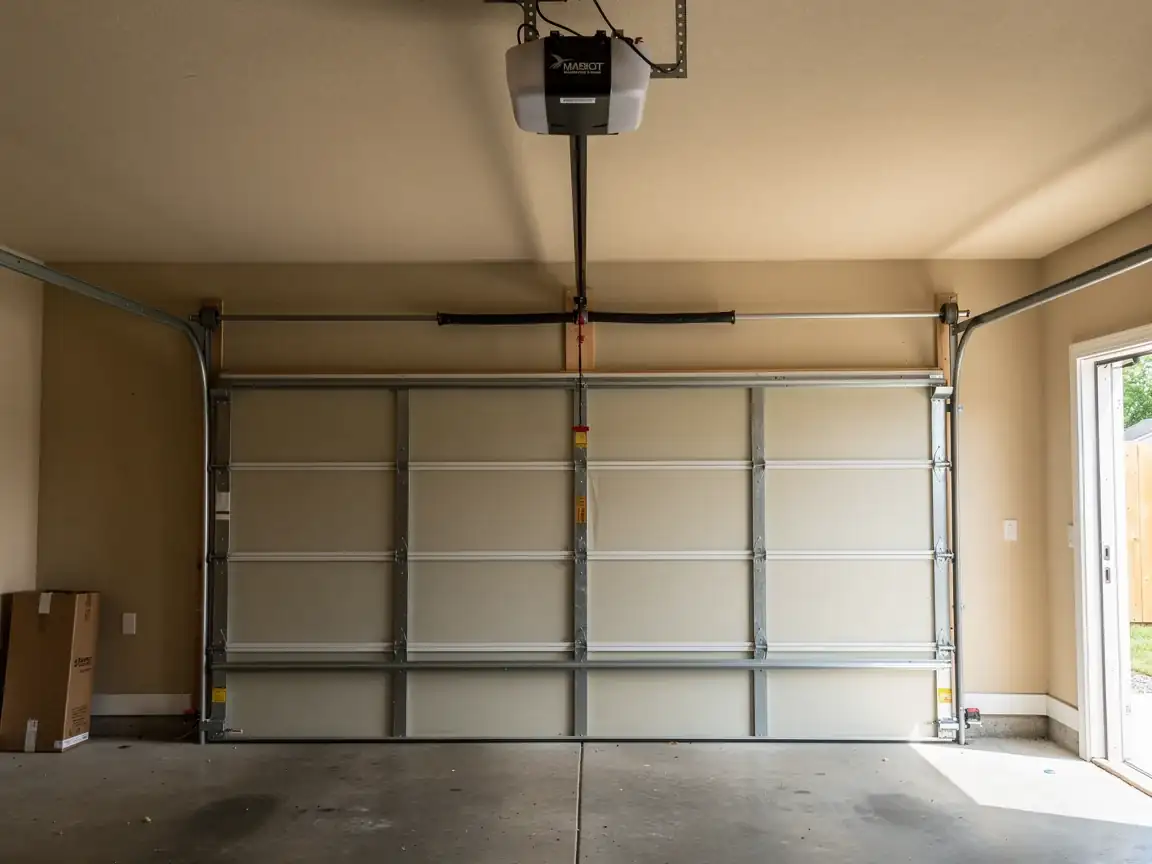
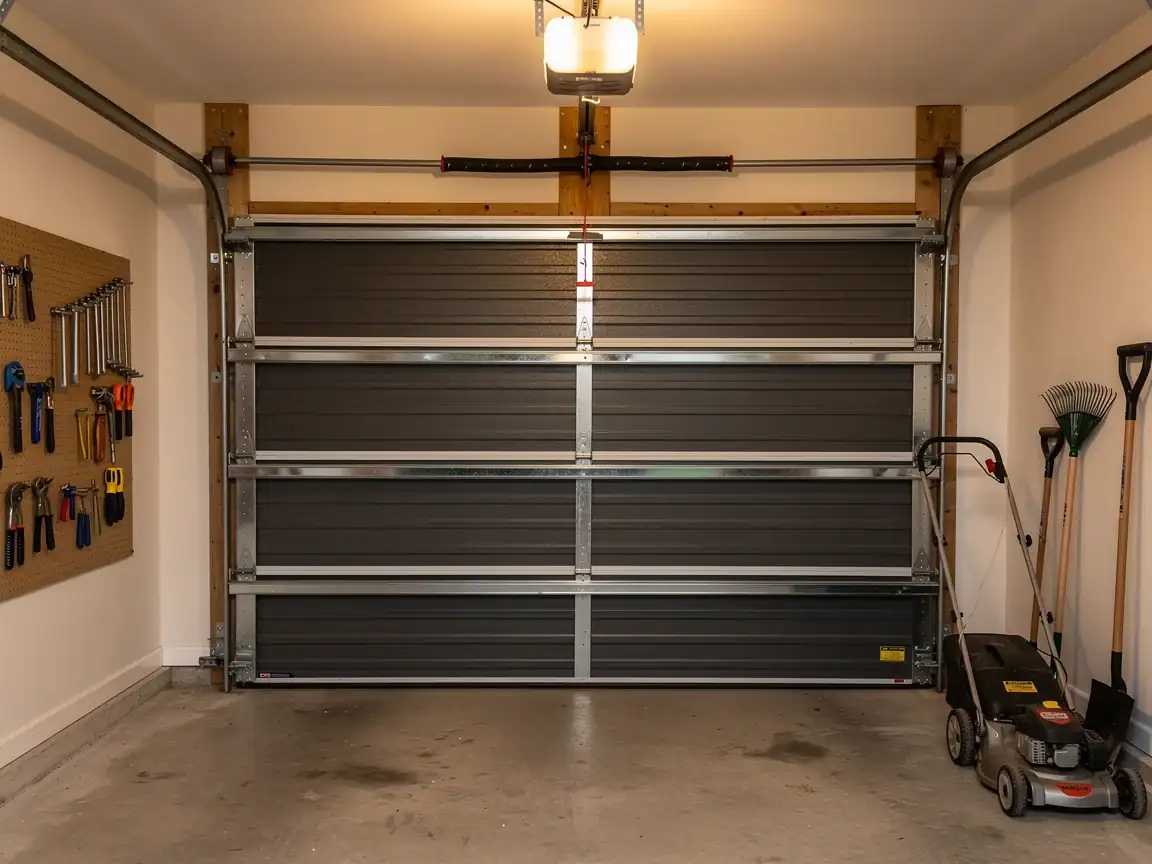
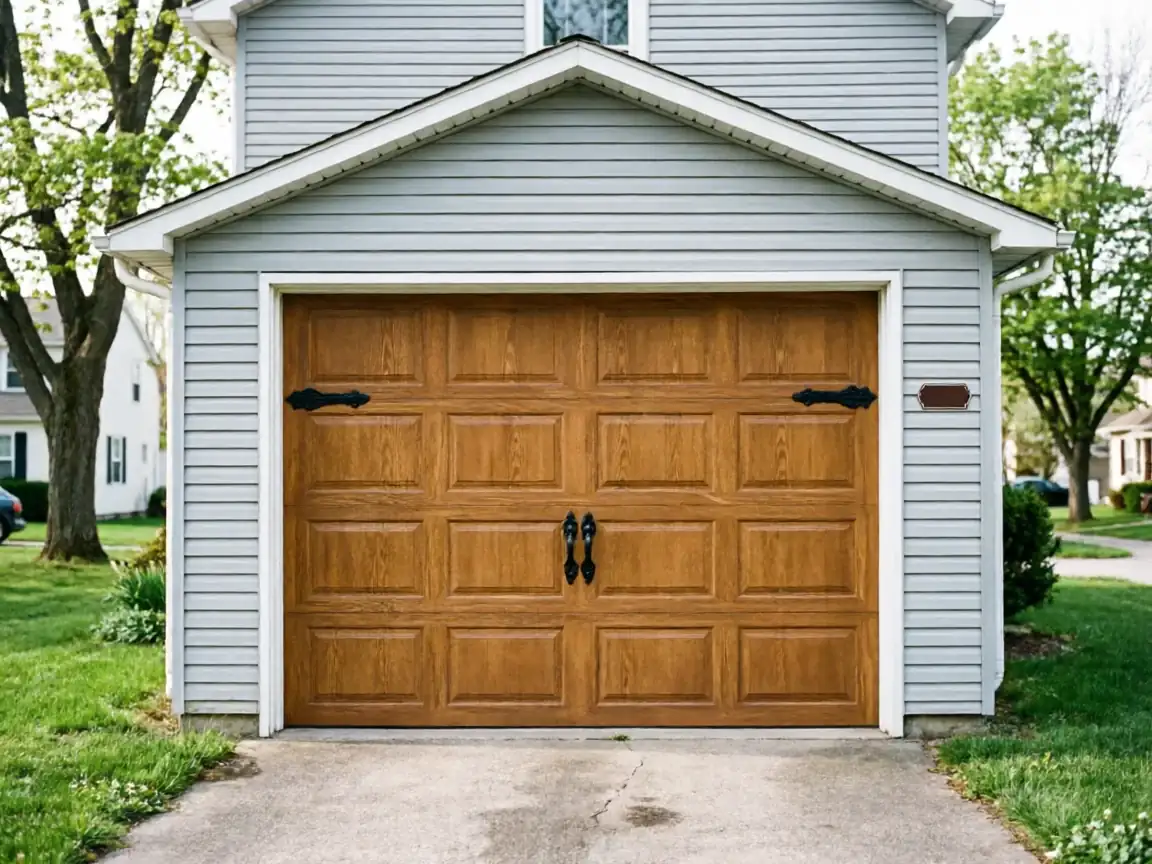
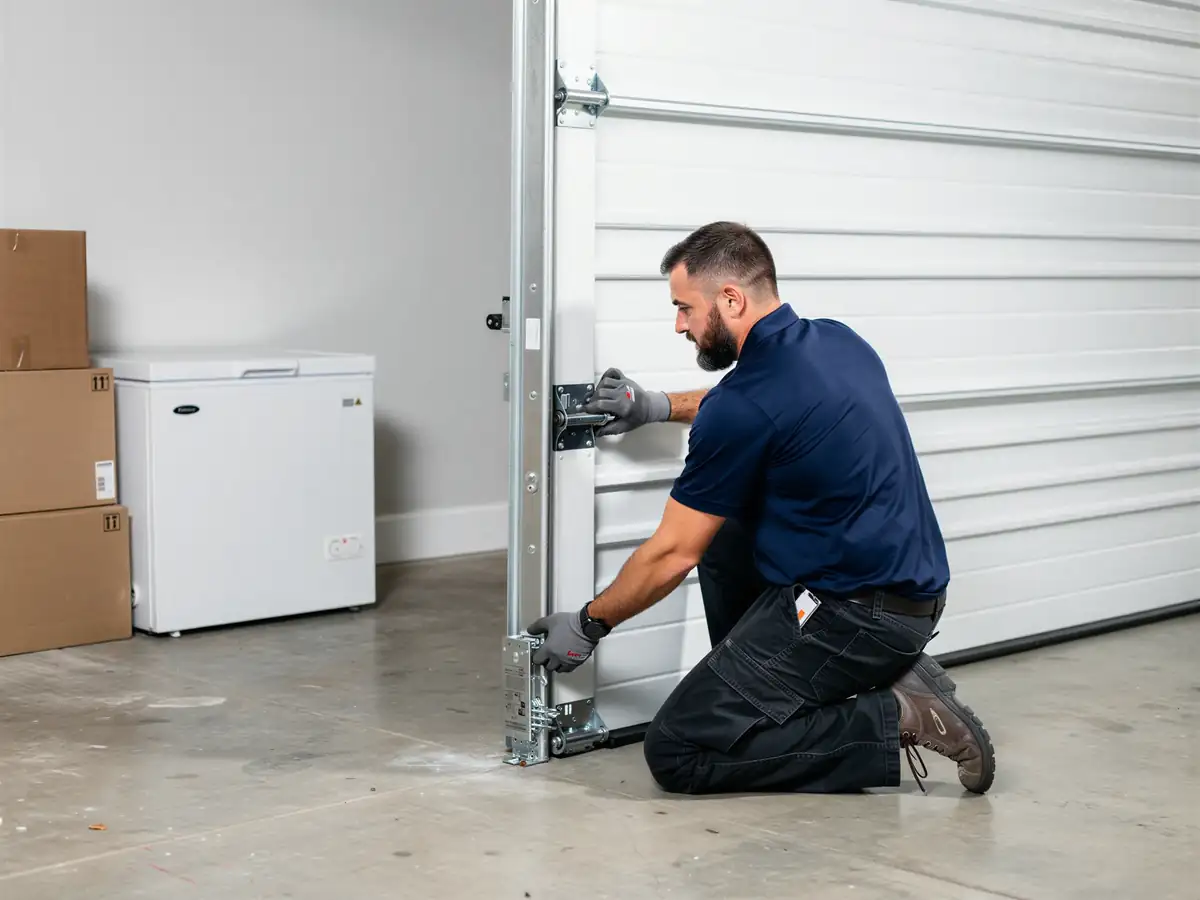
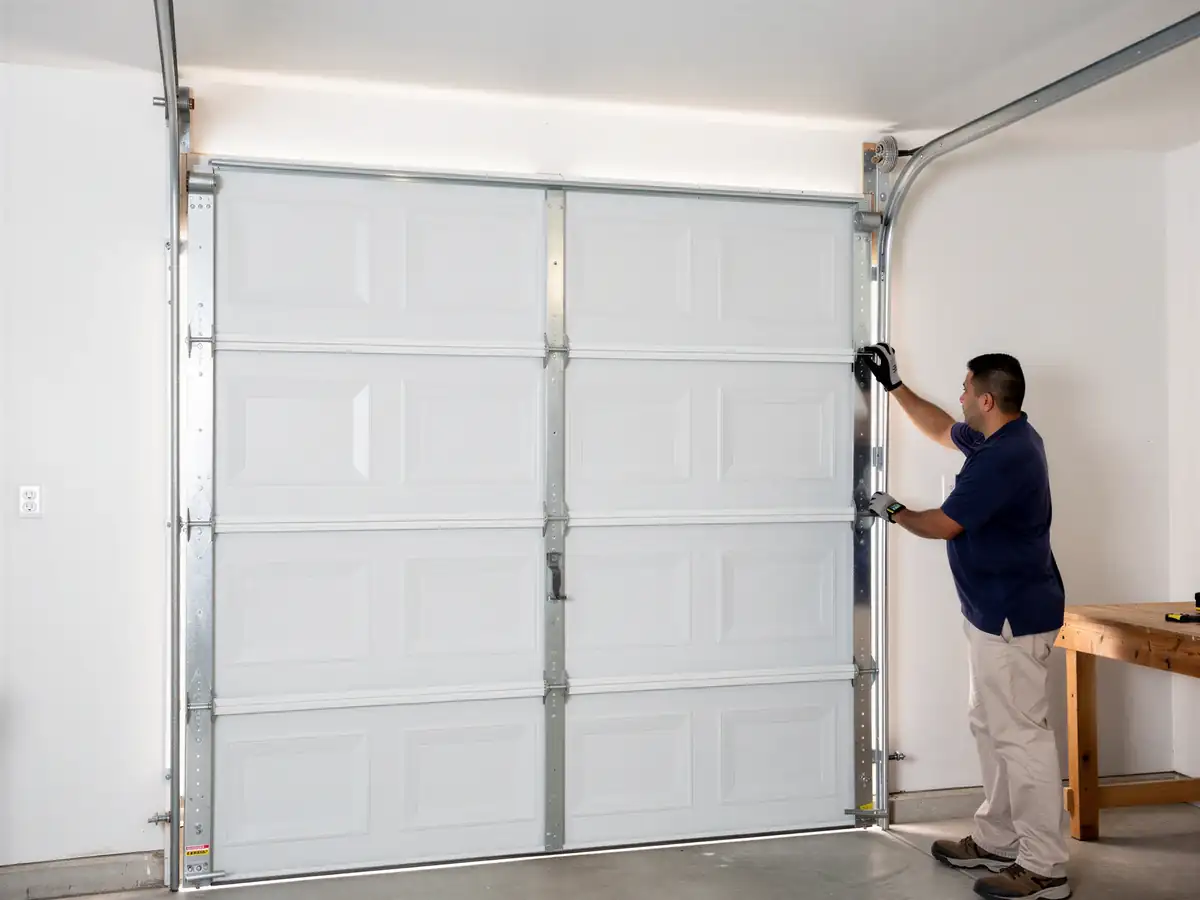
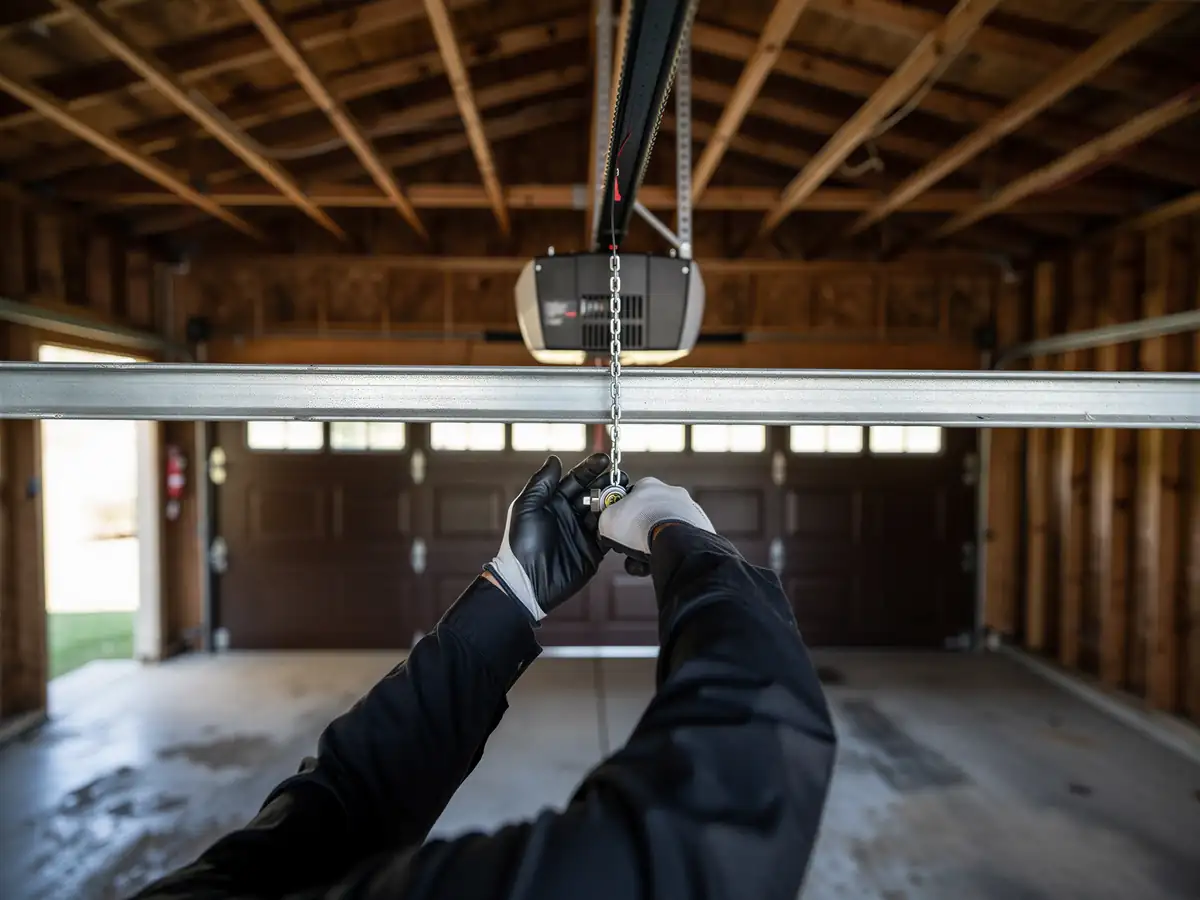
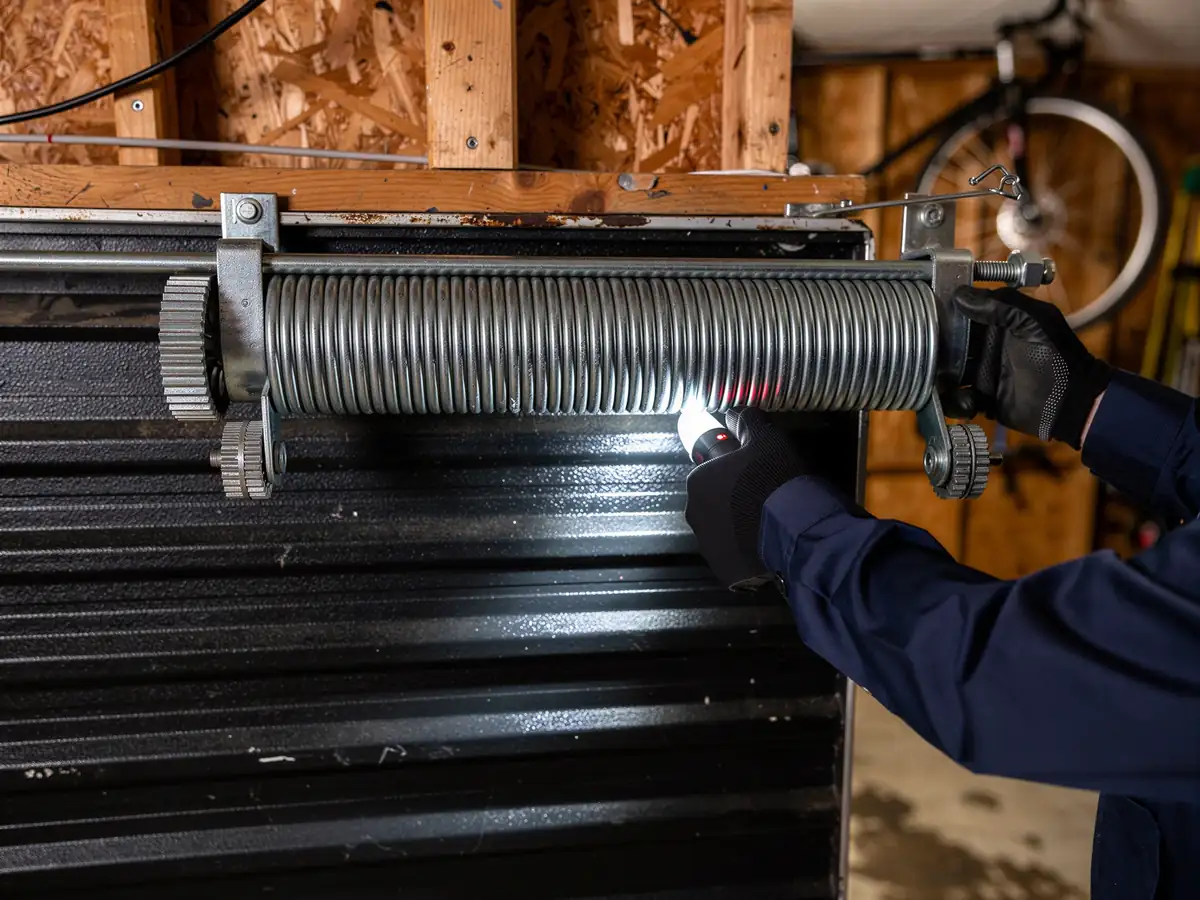
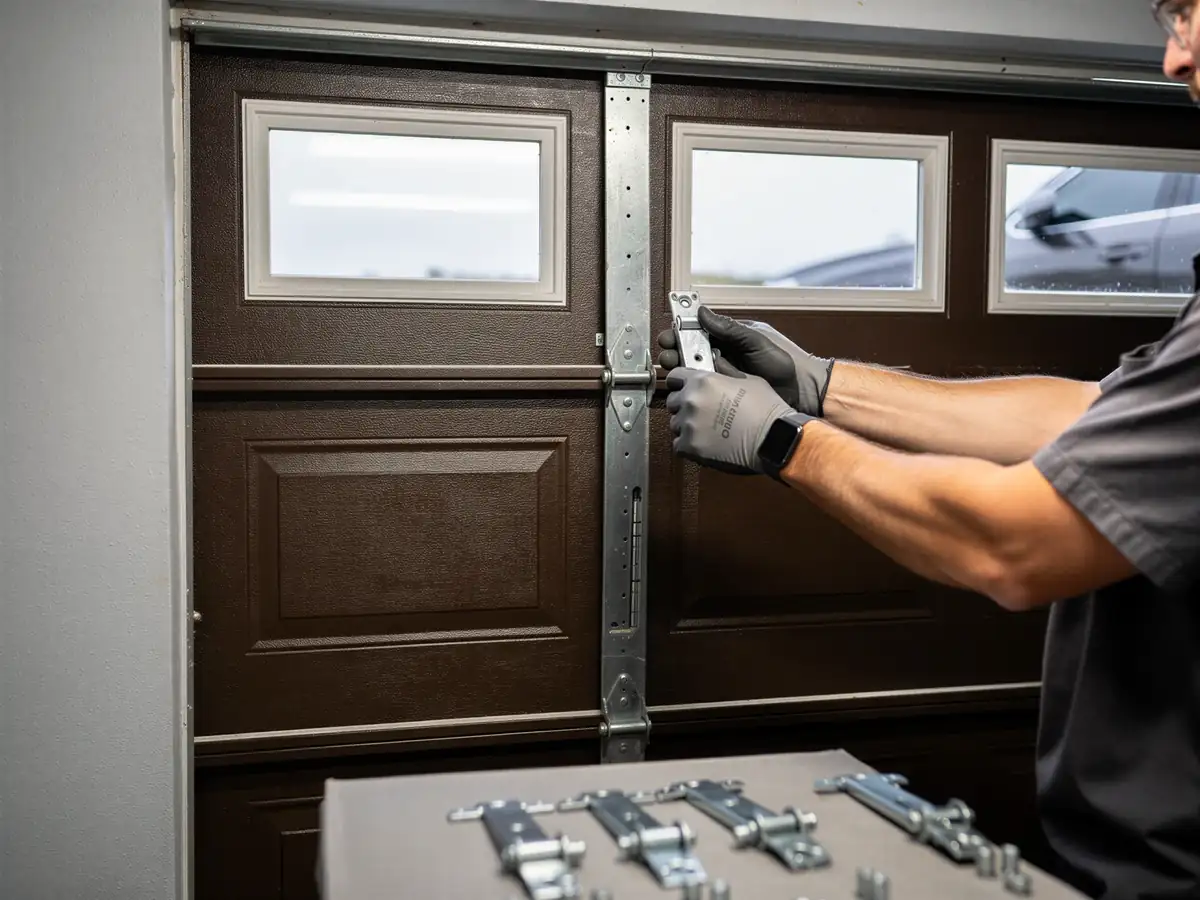
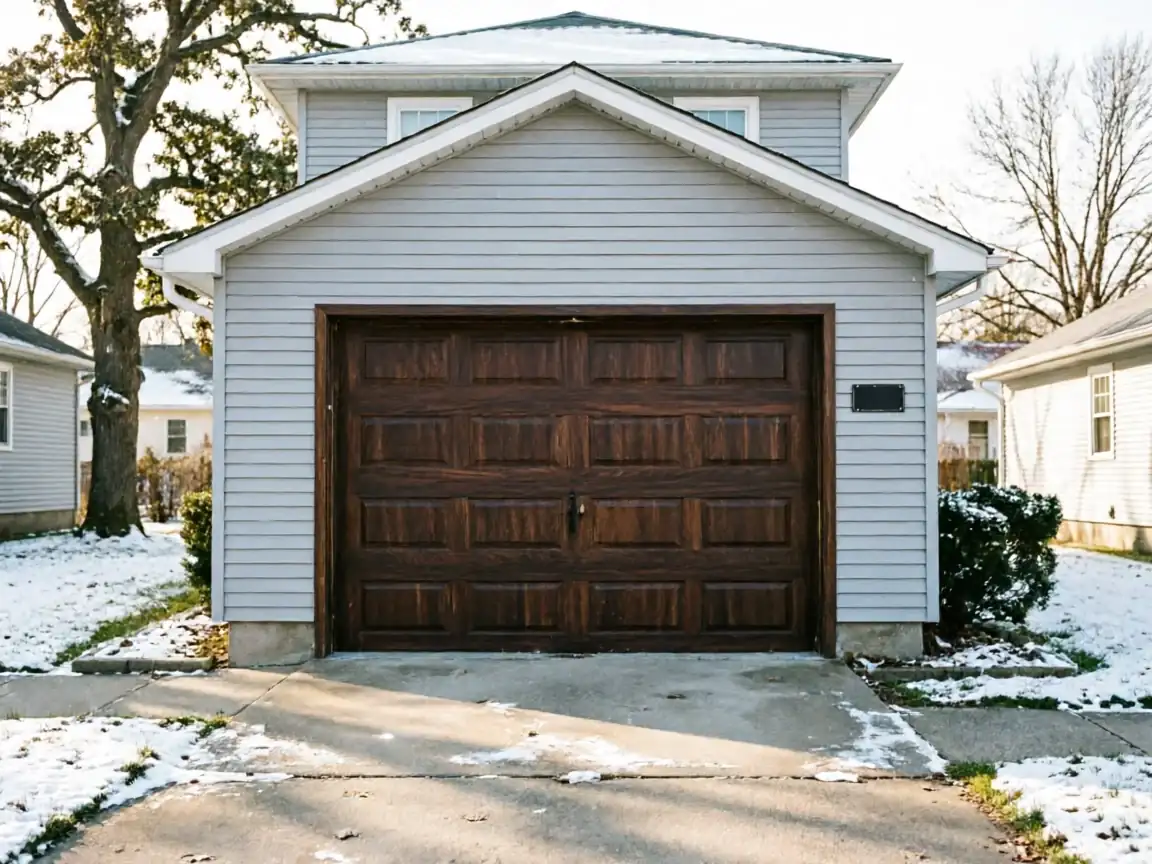
Most of Lake Elmo went up well after 2000, which means the doors we see here are a different animal than the ones in the older parts of our service area. You're mostly looking at factory steel raised-panel doors, galvanized track, and either extension springs over the rail or lighter torsion units than the heavy-gauge stuff on 1970s houses. We carry the rollers, cables, and standard torsion springs that fit this generation of door, plus the openers that came with these builds - belt and chain drive units from the 2000s and later, not the older screw-drive units you'd find on a 1973-built garage. The one thing we don't stock on the truck is specialty hardware for custom or architectural doors; if your door is an upgrade install rather than a builder-grade original, we may need to order the panel or track kit, and that can add a day or two. We'll tell you straight if that's the case before we start, not after.
What Can Go Wrong
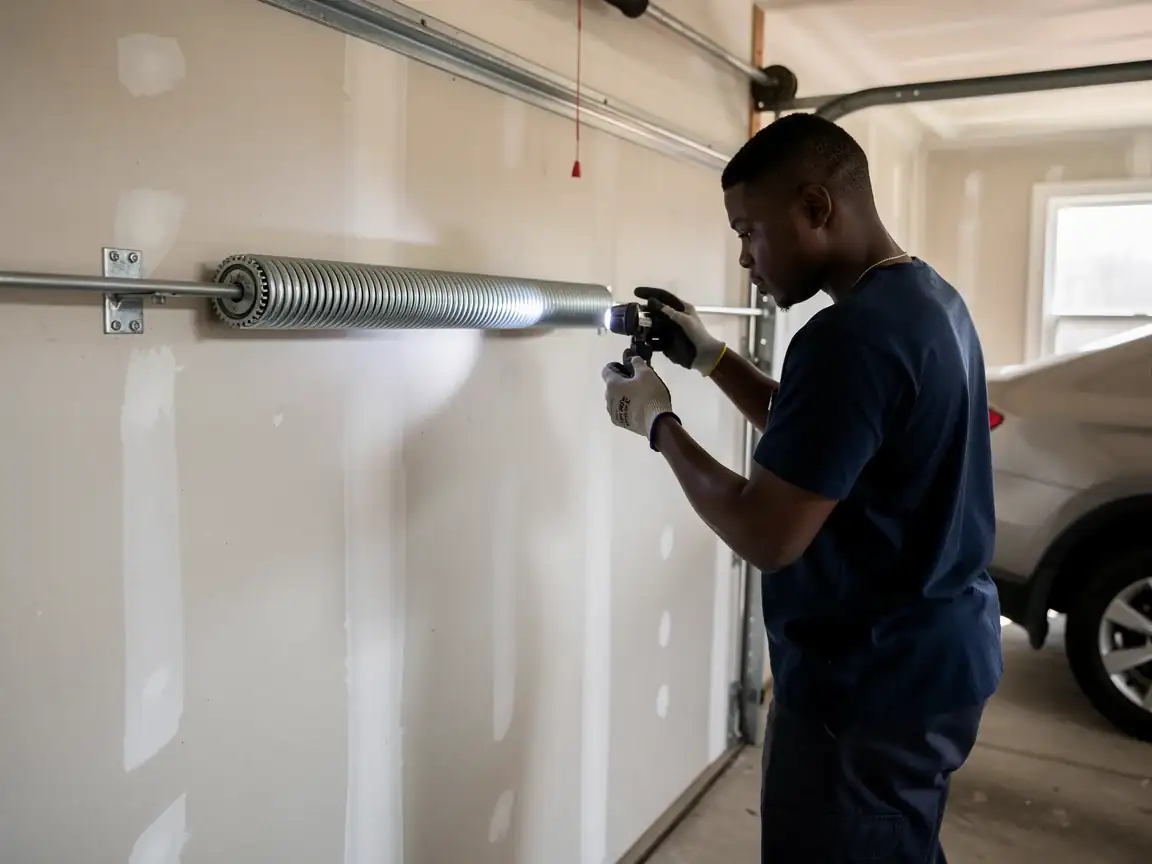
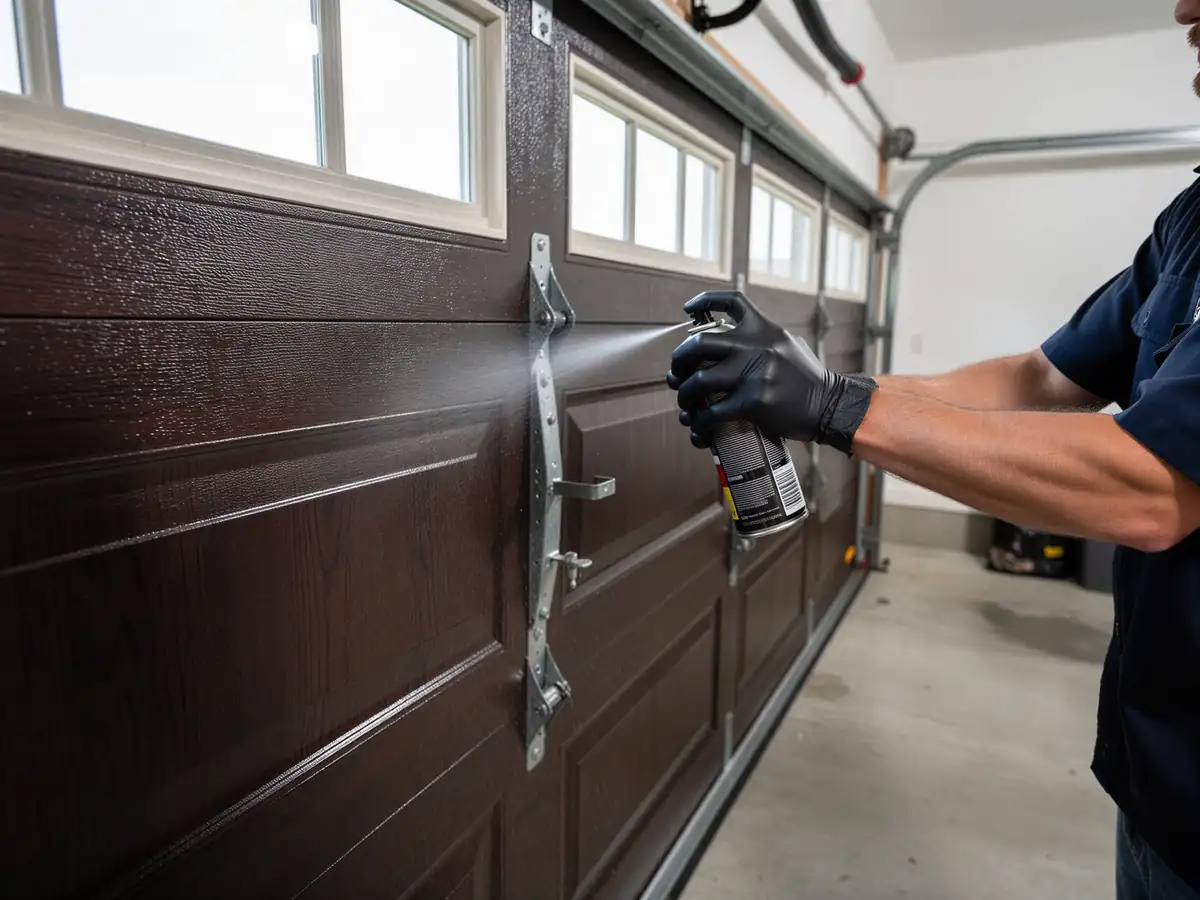
Houses built from the early 2000s on tend to have fewer of the structural surprises you get with older wood-frame garages - jamb rot, warped headers, that kind of thing. What goes wrong instead is usually wear on a part that's been cycling for fifteen to twenty years straight: a roller that's worn its bearing out, a cable starting to fray at the drum, an opener logic board that's simply reached the end of its service life. Minnesota winters still put the same cold-weather stress on these doors as anywhere else in the area - stiff springs, slow openers, and seals that shrink and crack in sub-zero stretches - so cold-weather symptoms show up here just like they do on older housing stock, even though the hardware itself is newer. We also see openers that were never upgraded with a battery backup, which becomes a problem the first time the power goes out mid-winter and the door is stuck down.
What You Are Seeing
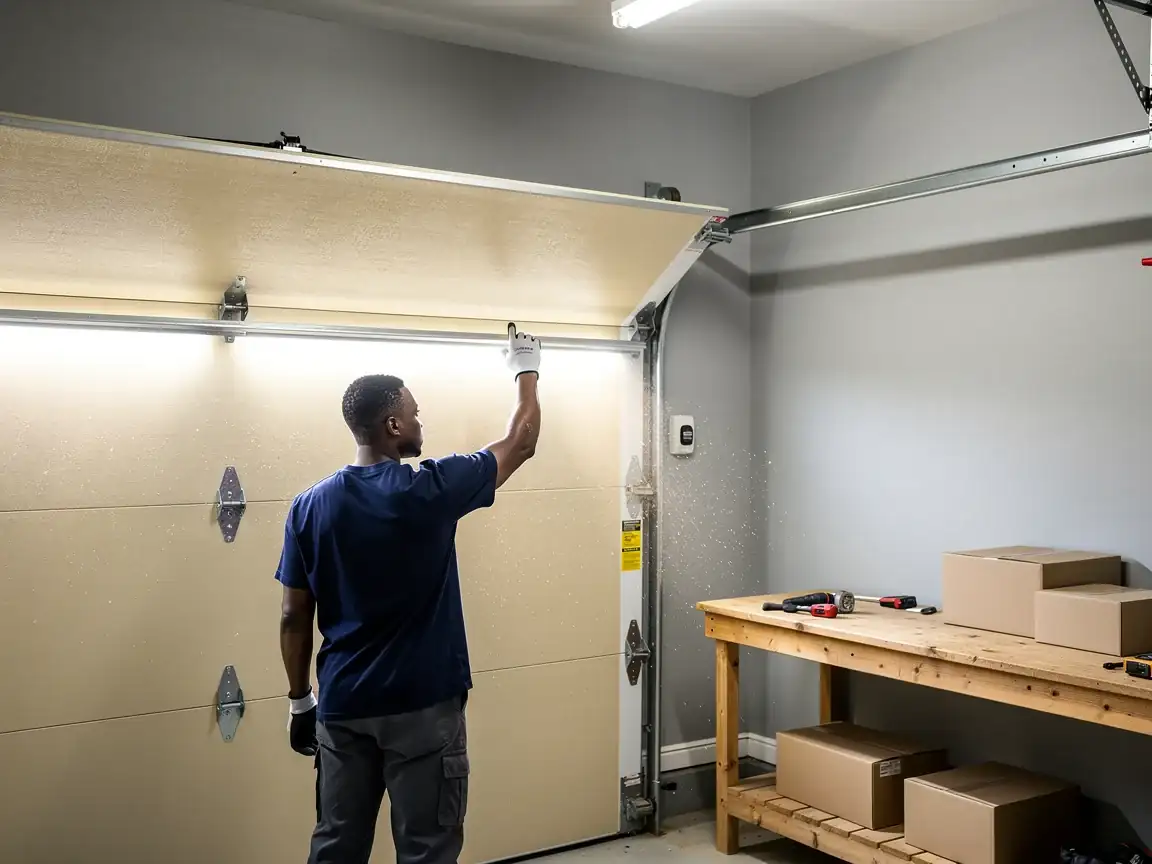
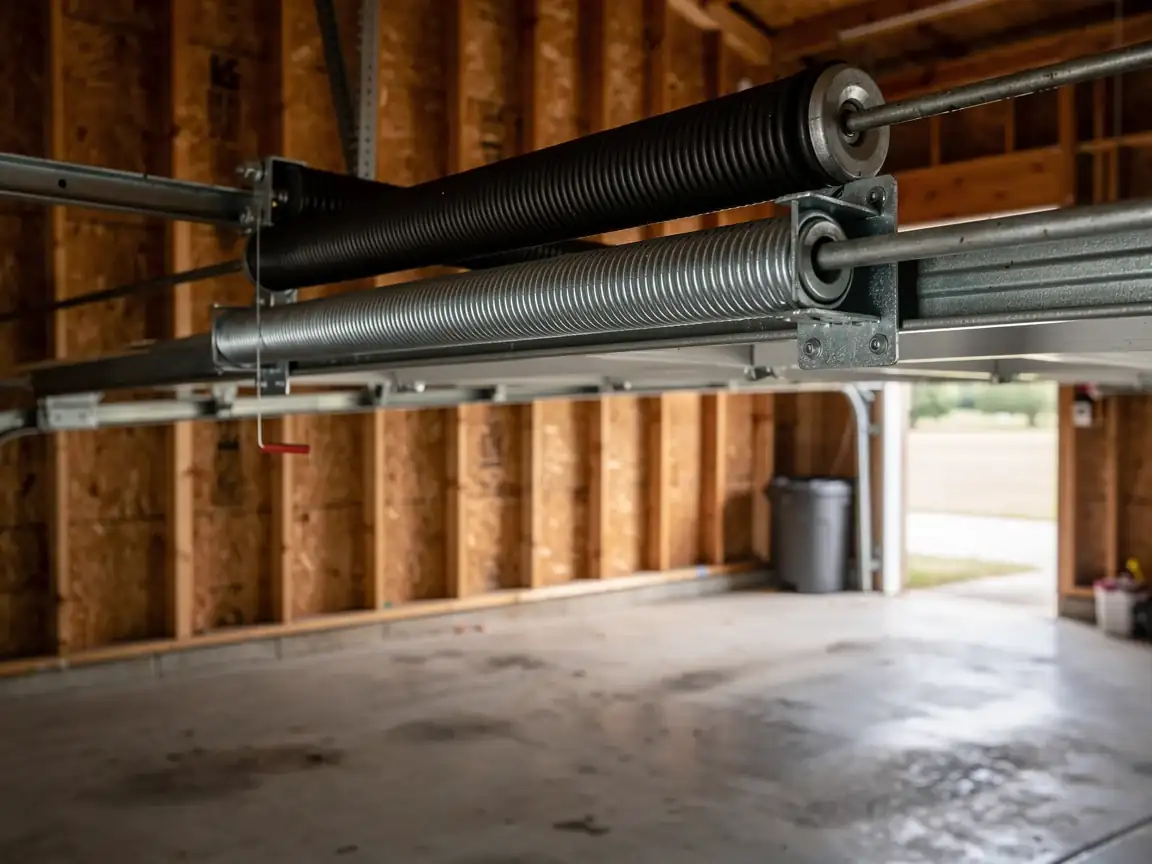
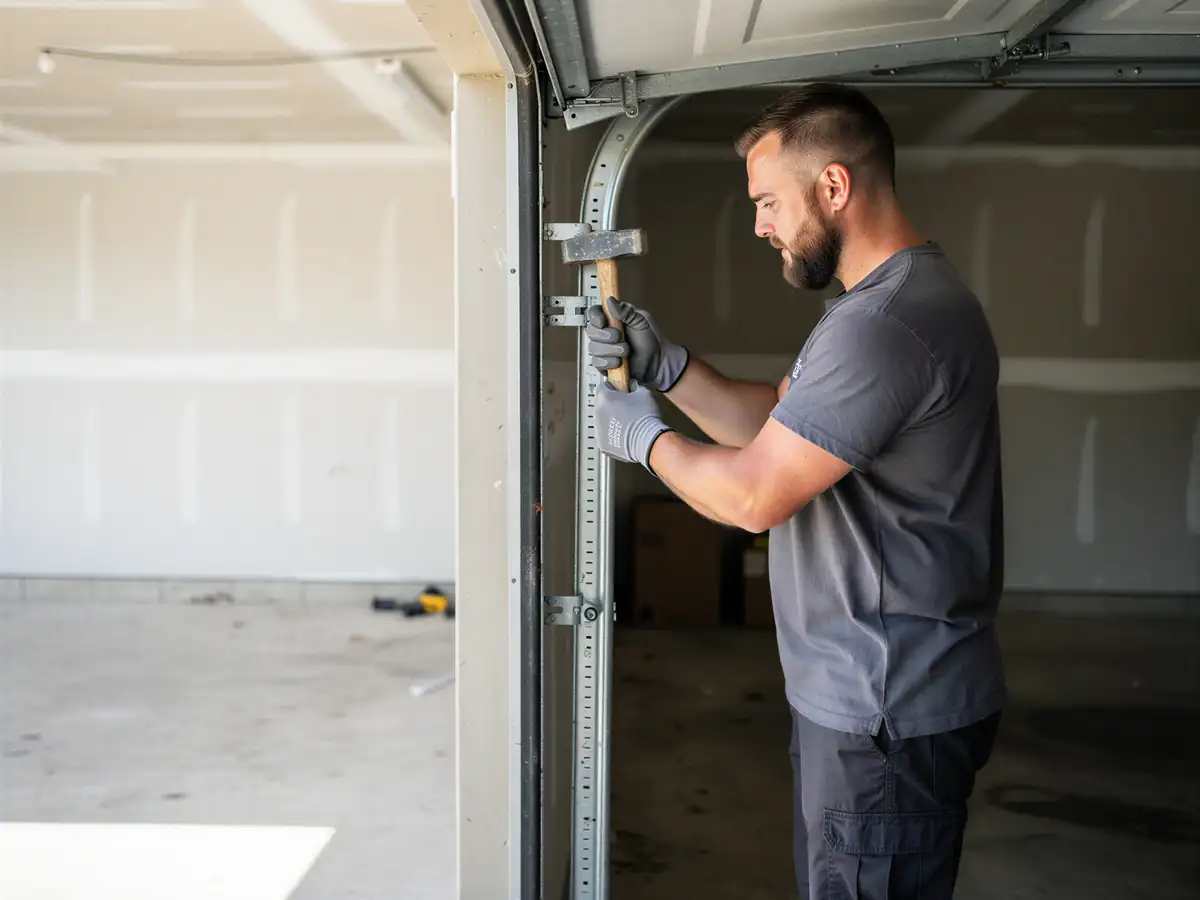
If your door is shuddering partway up and then stalling, that's almost always a spring that's lost tension, not an opener problem - common on a door that's a decade or more into its original spring. A door that reverses right after touching the floor usually means the close-limit setting has drifted, which happens gradually on openers from this build era as the gears wear. Loud bangs on the way up or down point to a roller that's cracked or a track bracket that's worked loose, both normal wear items on a 2000s-era door that's seeing regular daily use. None of these are rare or alarming for a house of this vintage - they're just the predictable failure points on a door that's been running for fifteen-plus years.