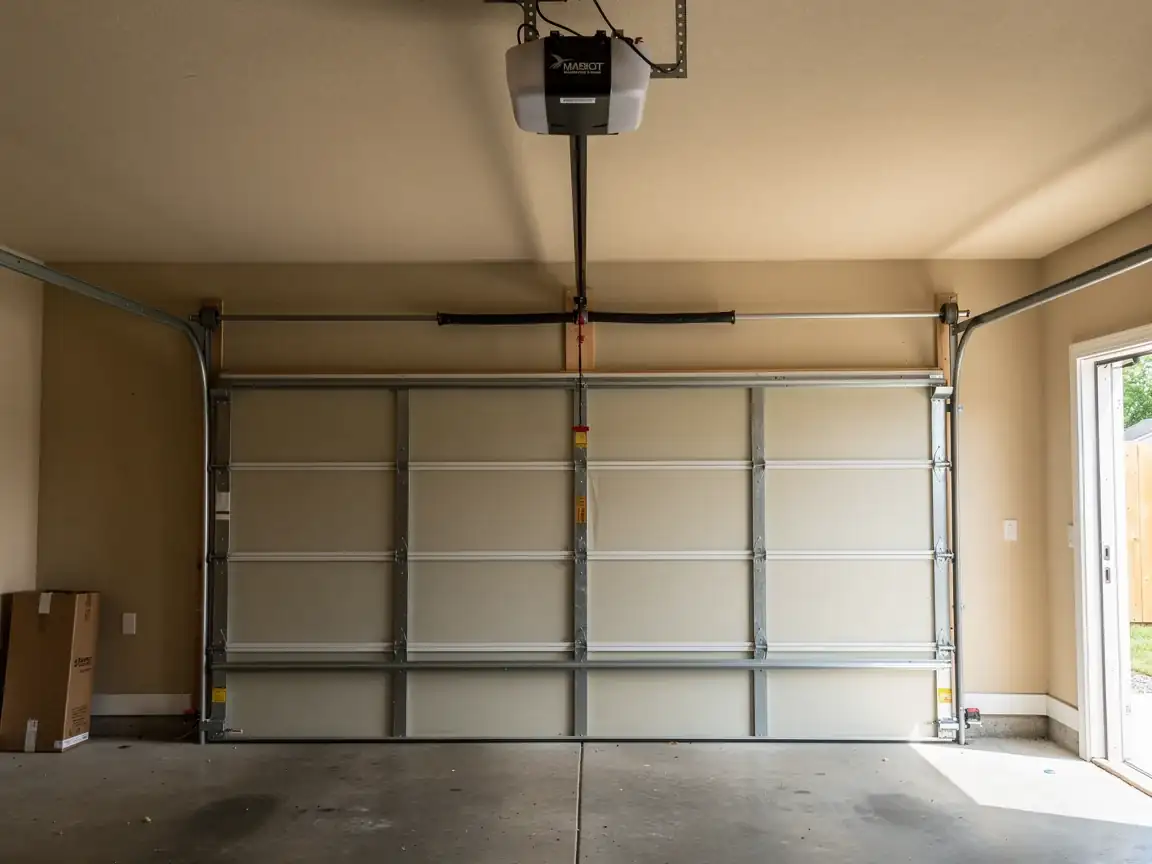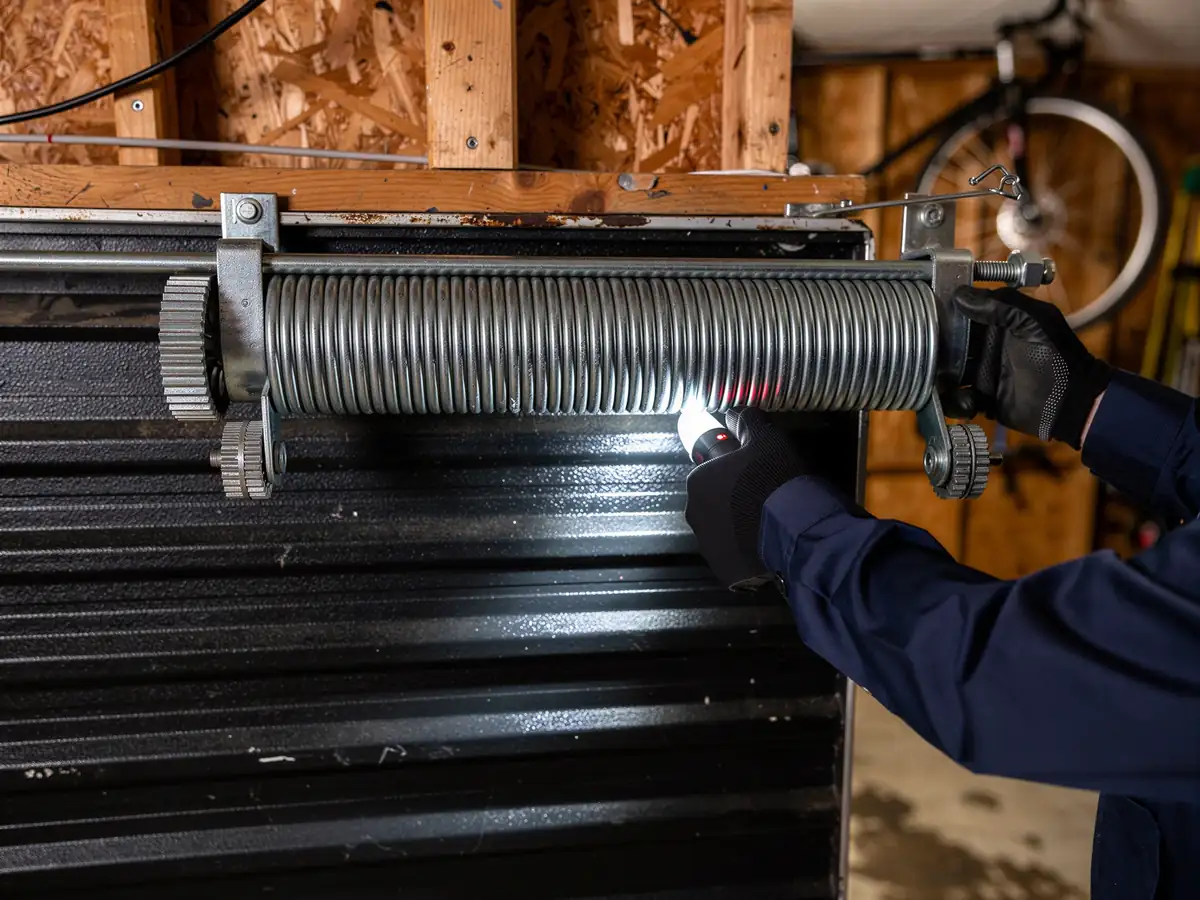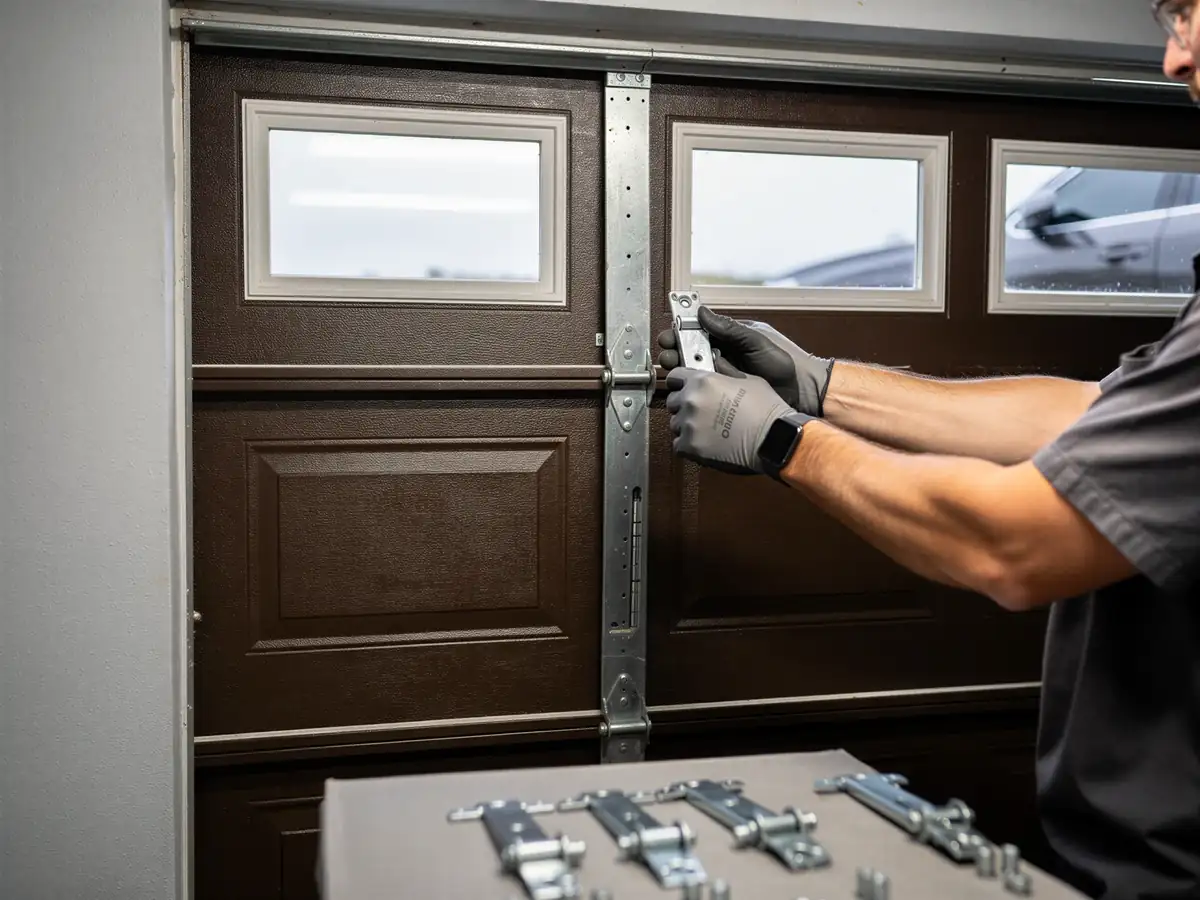
Parts We Carry
Most of the garages we service across this area sit in houses built around 1973, which means chain-drive openers, simple relay logic, and hardware that's been replaced once or twice already. Lake Elmo is different. With a median build year closer to 2002, the garages here were built with openers a couple of generations newer - belt-drive units, circuit boards instead of mechanical limit switches, and safety sensors wired into the original construction rather than bolted on after the fact.
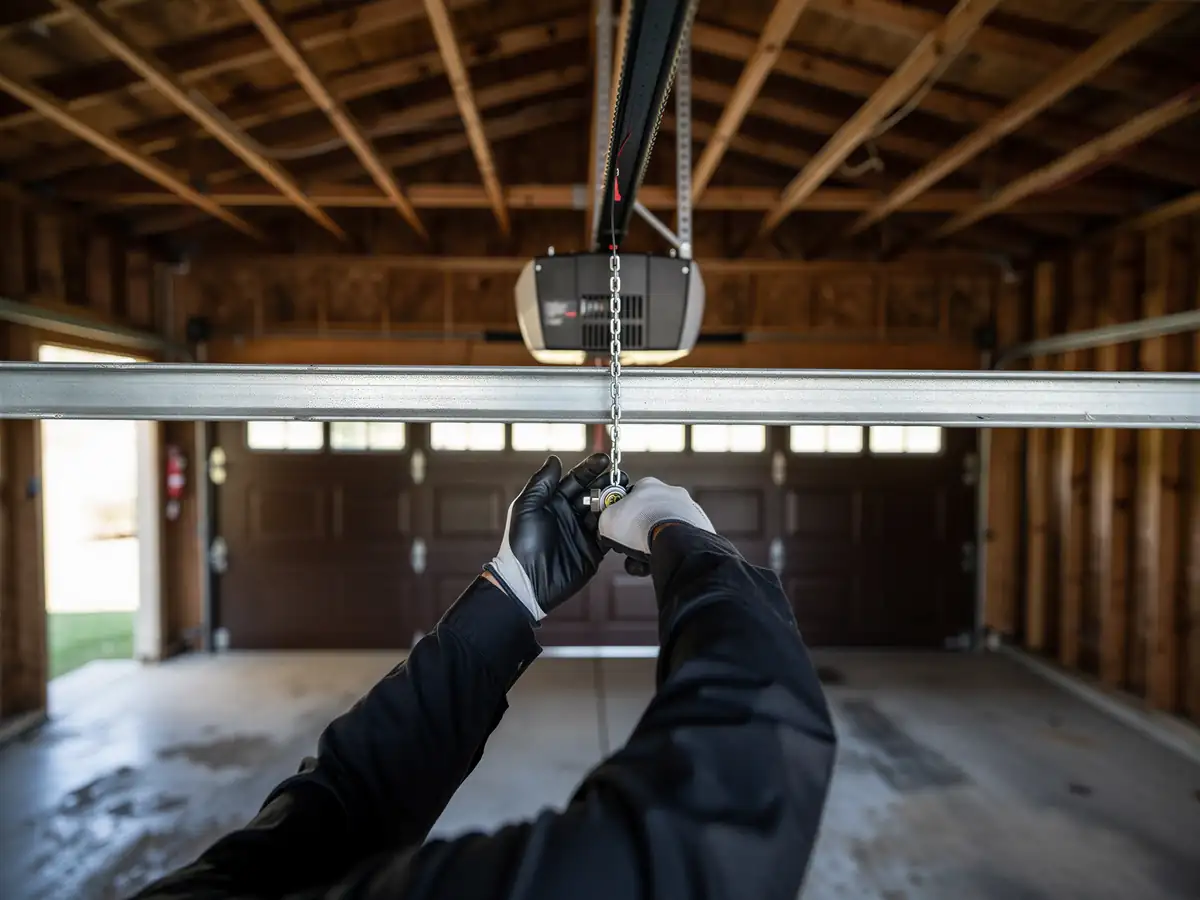
We carry logic boards and circuit boards for the common belt-drive brands installed in homes from that era, along with drive belts, safety-sensor pairs, and the wall control units that go with them. We also stock chain and sprocket parts for the older units, since the 37 areas we cover run from 1956-era houses up through builds like Lake Elmo's. The honest limit: if your opener is a less common brand or an older proprietary board, we may need to order the part rather than carry it on the truck, and that can mean a short wait.
Doing It Yourself
A dead remote or a blinking light on the opener head is often something you can check yourself before calling anyone
Start with the wall button - if the door moves from the wall but not the remote, it's a remote or antenna problem, not a motor problem. Check the sensor lights at the bottom of the track; a knocked-out-of-alignment sensor is one of the most common calls we get, and it's a five-minute fix if you can see which light is blinking versus solid.
Cold weather changes things here
In a moderate-cold climate, grease inside an opener's drive mechanism stiffens up, and a belt that's slightly loose in summer can slip under load once temperatures drop. If your door hesitates or the opener strains audibly before the door moves, that's worth checking before it becomes a full stop. What you shouldn't do yourself: open the opener's circuit board housing or touch anything near the drive gear with the power on. Boards on newer belt-drive units aren't built the same way as the old chain-drive relay boxes, and guessing wrong can turn a $150 repair into a full opener replacement.
What Can Go Wrong
Because Lake Elmo's garages are mostly newer builds, the failures we see here skew toward the electronics rather than the brute mechanical wear you get with a 50-year-old chain drive. Circuit board failures are the most common - a board that's taken a power surge, or one where a capacitor has simply aged out. Belt drives themselves rarely snap outright, but they do stretch and start skipping teeth on the drive gear, which shows up as a grinding or clicking sound right before the door refuses to move.
Safety sensors are another frequent call, especially after any work near the garage floor - a sensor bracket that's been bumped out of alignment will stop the door from closing at all, which looks like a bigger problem than it is. We also see battery backup failures in homes with a backup-equipped opener; the battery holds a charge fine in summer and dies the first cold snap. One thing we don't do: patch a board that's failed more than once. At that point the opener head is worth replacing rather than repairing a third time.
What You Are Seeing
If the opener hums or clicks but the door doesn't move, that's almost always a belt that's slipped off the drive gear or stretched past where it can grip - common on belt-drive units once they pass a few years of regular use. If the overhead light blinks a set number of times when you try to close the door, that's the opener's board reporting an error code, usually tied to the safety sensors or a travel-limit setting that's drifted.
A remote that used to work and now doesn't, while the wall button still operates the door fine, points to the remote itself or a dead backup battery inside it - not the opener. If the door reverses partway through closing every time, check the sensor alignment first; it's the cheapest fix and the one we find most often on service calls in this part of the area. And if the opener runs completely silent with no light and no hum at all, that's worth a call before you assume the worst - it could be as simple as a tripped breaker.
How to Book
We run out of Eagan, about 17 miles from Lake Elmo
So we schedule opener calls here on routes with other stops nearby rather than promising a same-hour arrival. Tell us the opener brand if you know it, whether the door moves at all, and whether the trouble started suddenly or has been building for a few weeks - that helps us bring the right board or belt on the first trip instead of a second one.
- 17 miles
For anything beyond the opener itself
Springs, tracks, panels, or a full door swap - see our Lake Elmo garage door service page. If you're closer to Eagan proper, the opener repair page for Eagan covers that side of the service area directly.