Parts We Carry
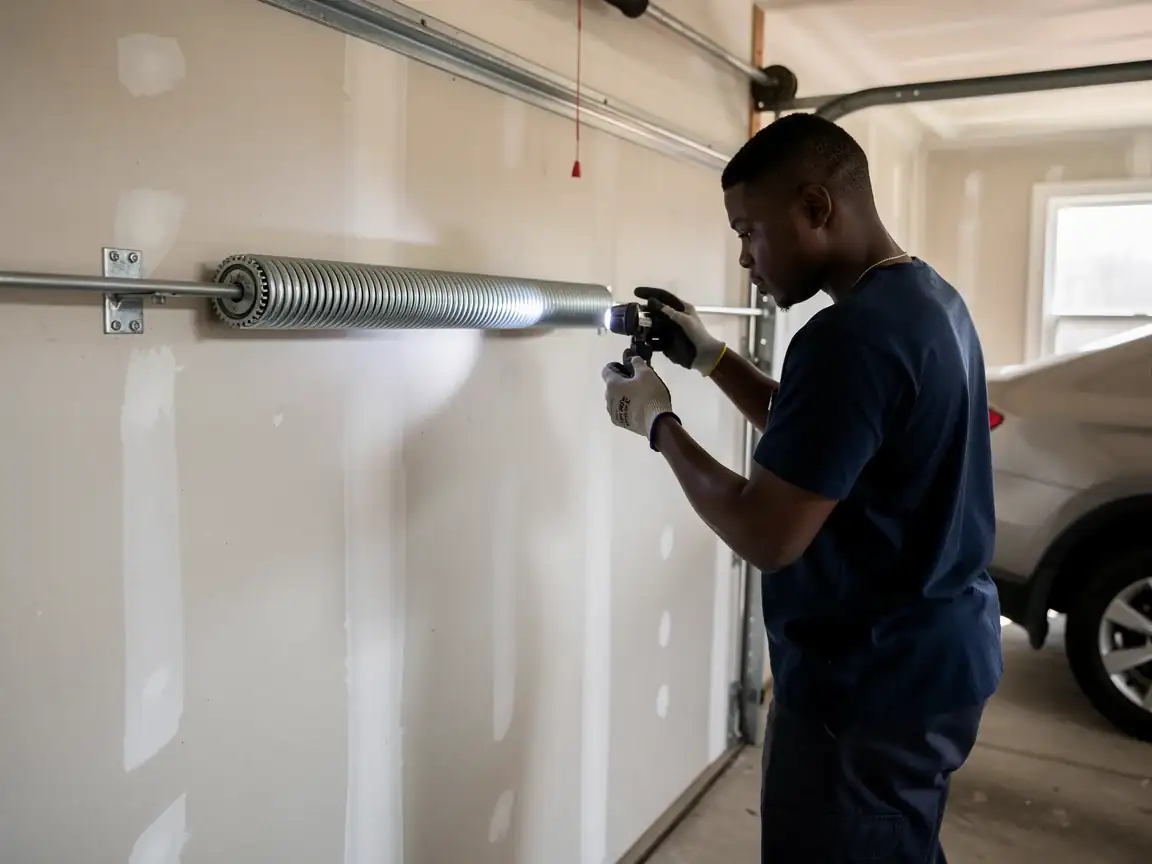
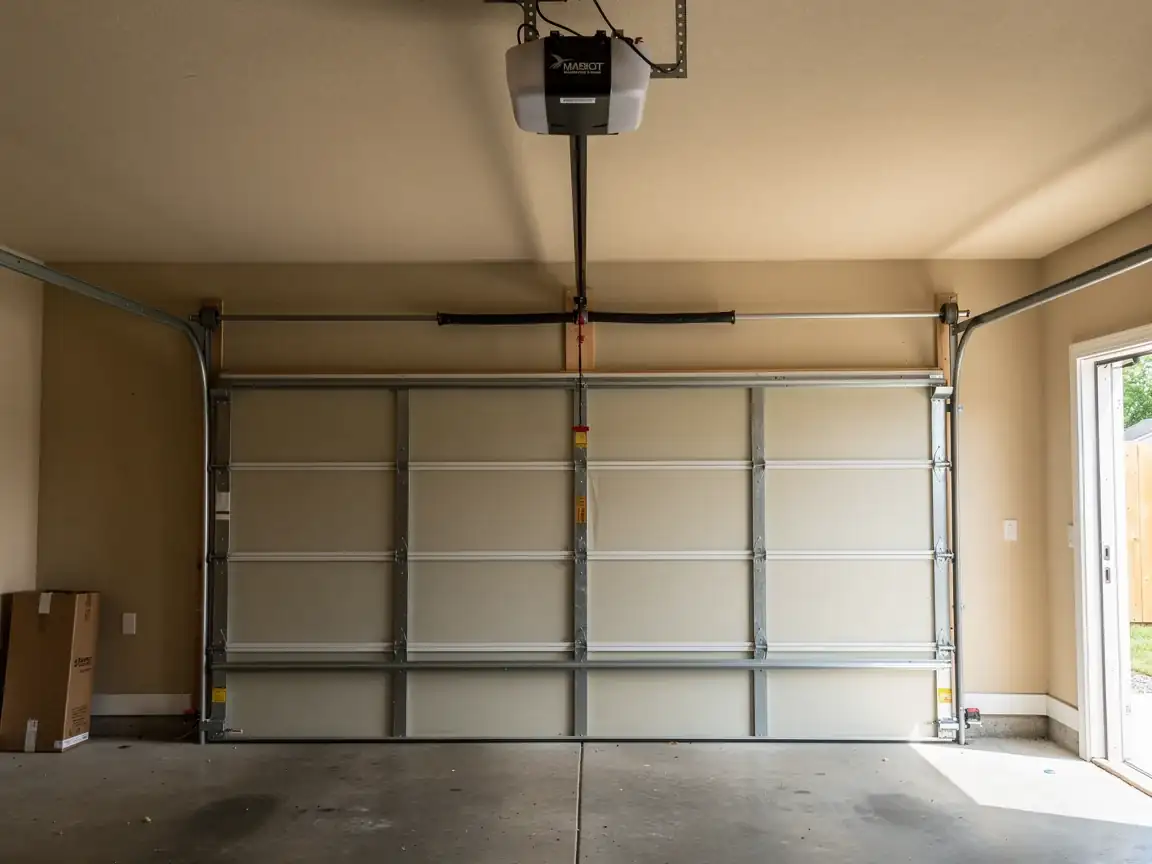
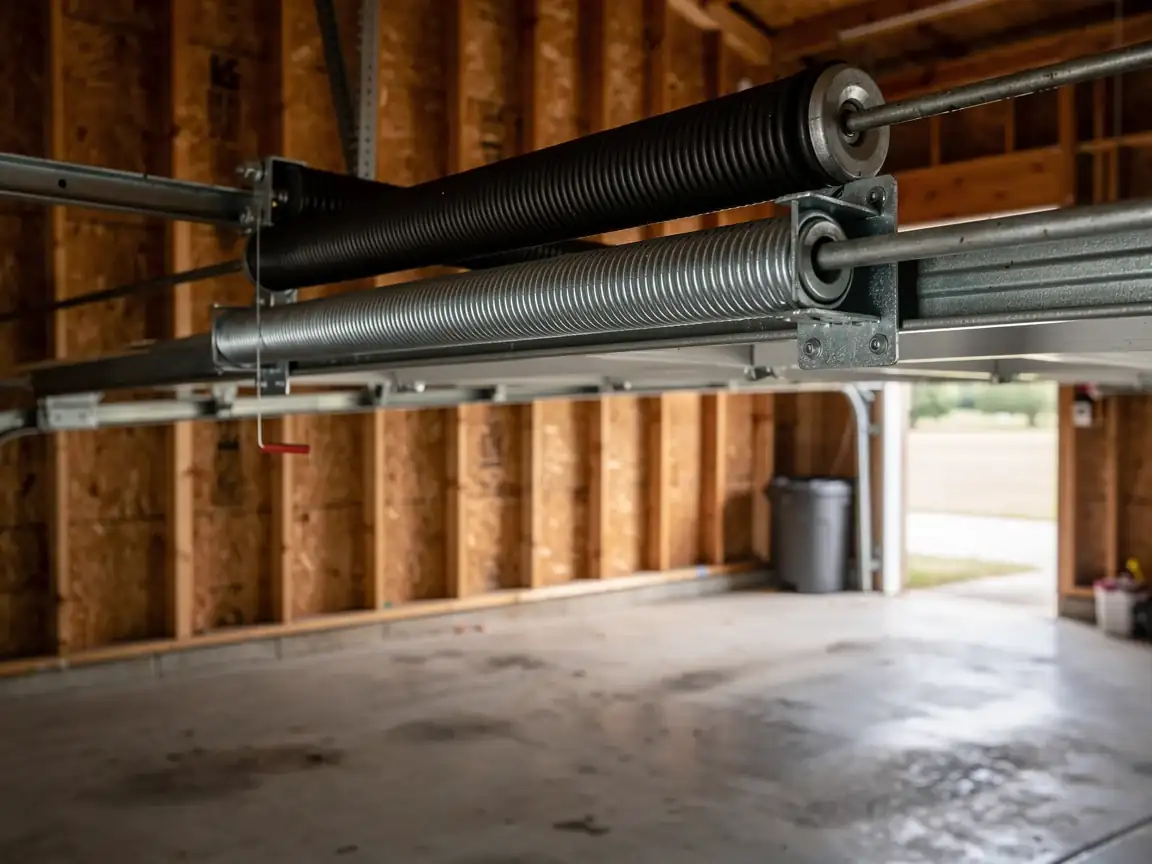
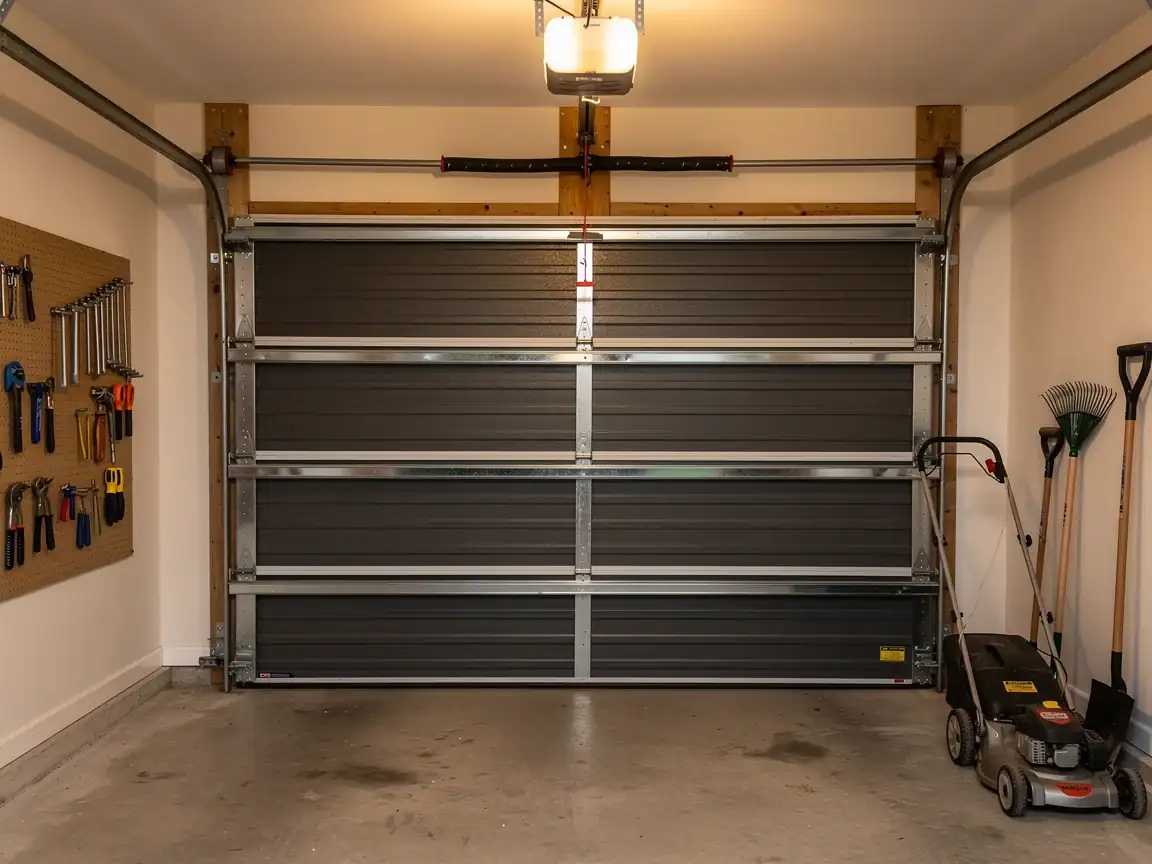
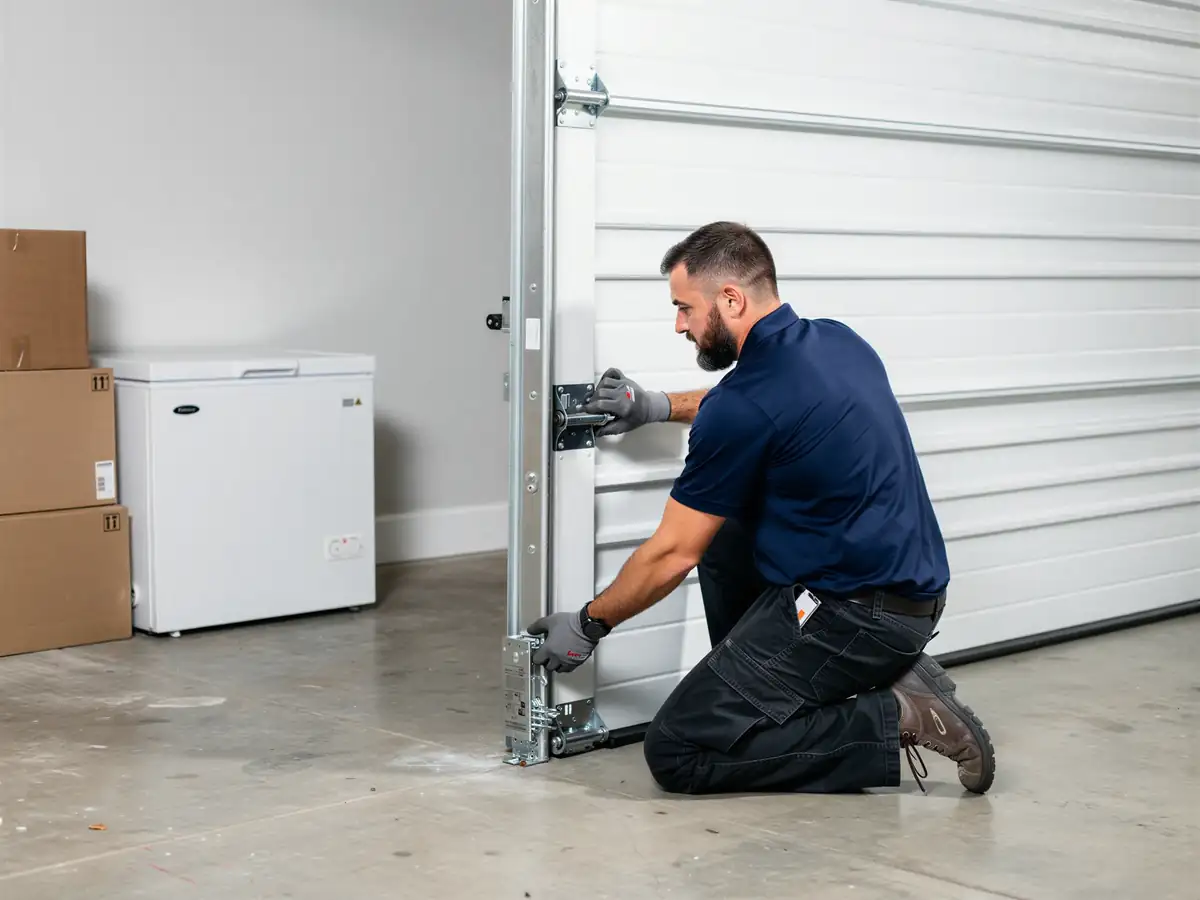
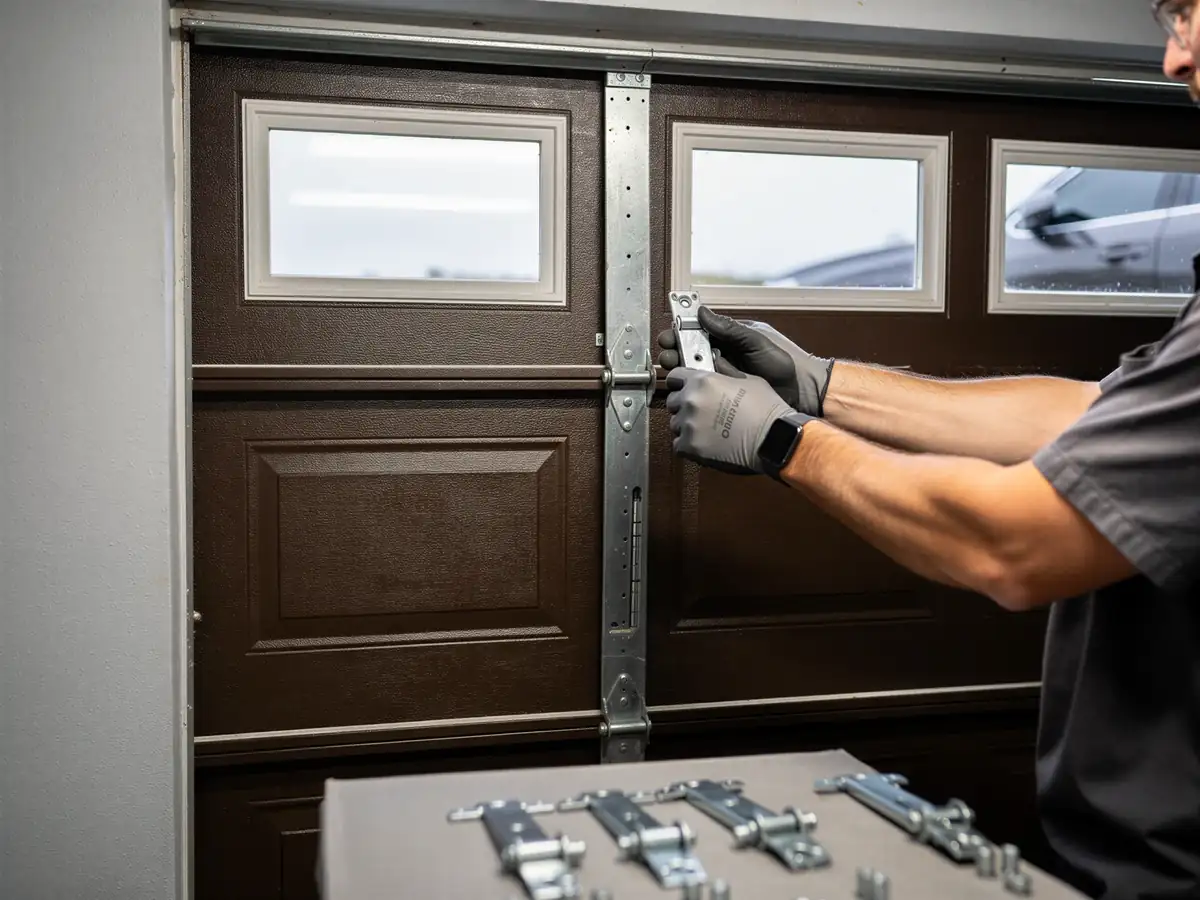
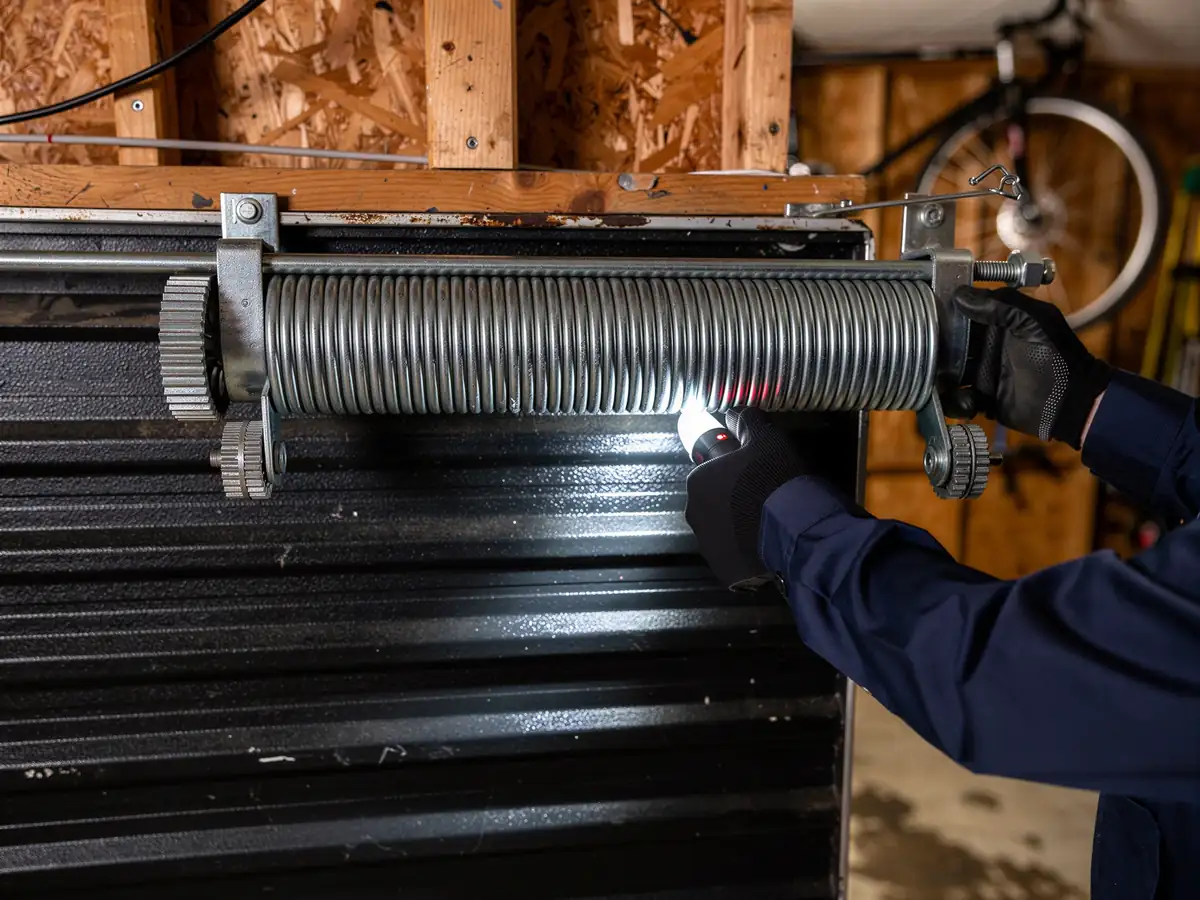
Lake Elmo's housing is newer than most of the area we cover - the median build year here runs around 2002, decades after the 1973 median across the wider service territory. That matters for spring work because a house built in 2002 almost never has its original torsion spring anymore, or if it does, that spring is on borrowed time. Torsion springs are rated in cycles, not years, and a spring installed when a house was framed in the early 2000s has usually logged 15,000 to 20,000 open-and-close cycles by now, which is past where most residential springs are rated to fail. We carry torsion springs in the wire sizes and inside diameters that match builder-grade openers from that era, plus the matching end bearing plates and center brackets, since those wear out around the same time the spring does. We stock standard-lift drums too, since most two-car doors from this period use a single torsion bar rather than extension springs on each side. What we don't stock on the truck is anything custom - oversized doors or odd headroom setups sometimes need a special-order spring, and that's a day or two lead time, not a same-visit fix.
What Can Go Wrong
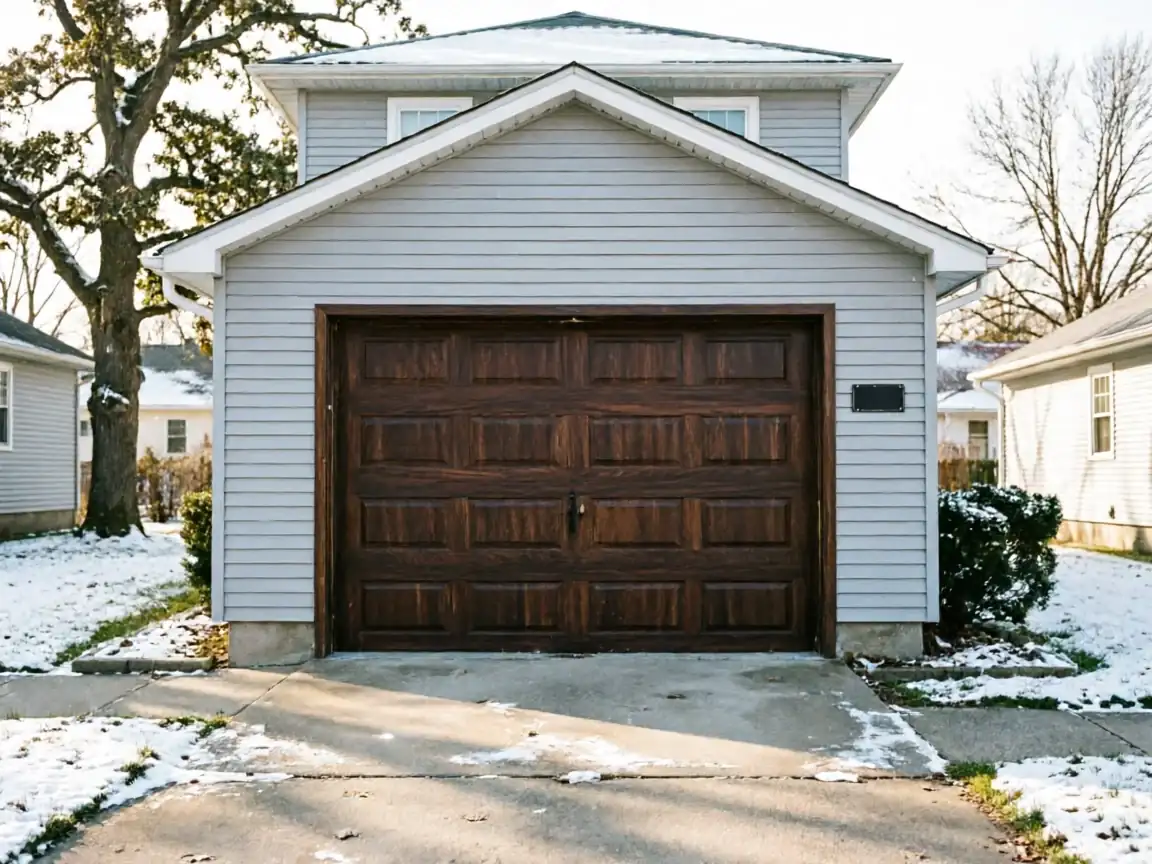
In a cold-climate winter, a spring that's already near the end of its cycle life tends to pick the coldest morning to let go, since the steel is stiffer and the door is heavier to lift when the temperature drops. That's consistent across the colder part of the upper Midwest, not unique to any one street, but it's worth knowing if your door's gotten harder to open as the weather turned. Beyond the spring itself, the parts that fail alongside it on a 20-plus-year-old setup are the end bearings, which seize up and put extra strain on the spring, and the cables, which fray at the drum when a bearing's been dragging for a while. We also see openers from this era burn out trying to force a door with a broken spring - the motor just isn't built to lift that weight on its own, and a few tries on a dead spring can take the opener down with it. If your door won't budge and you hear the opener straining, stop and call rather than letting it keep trying.
What You Are Seeing
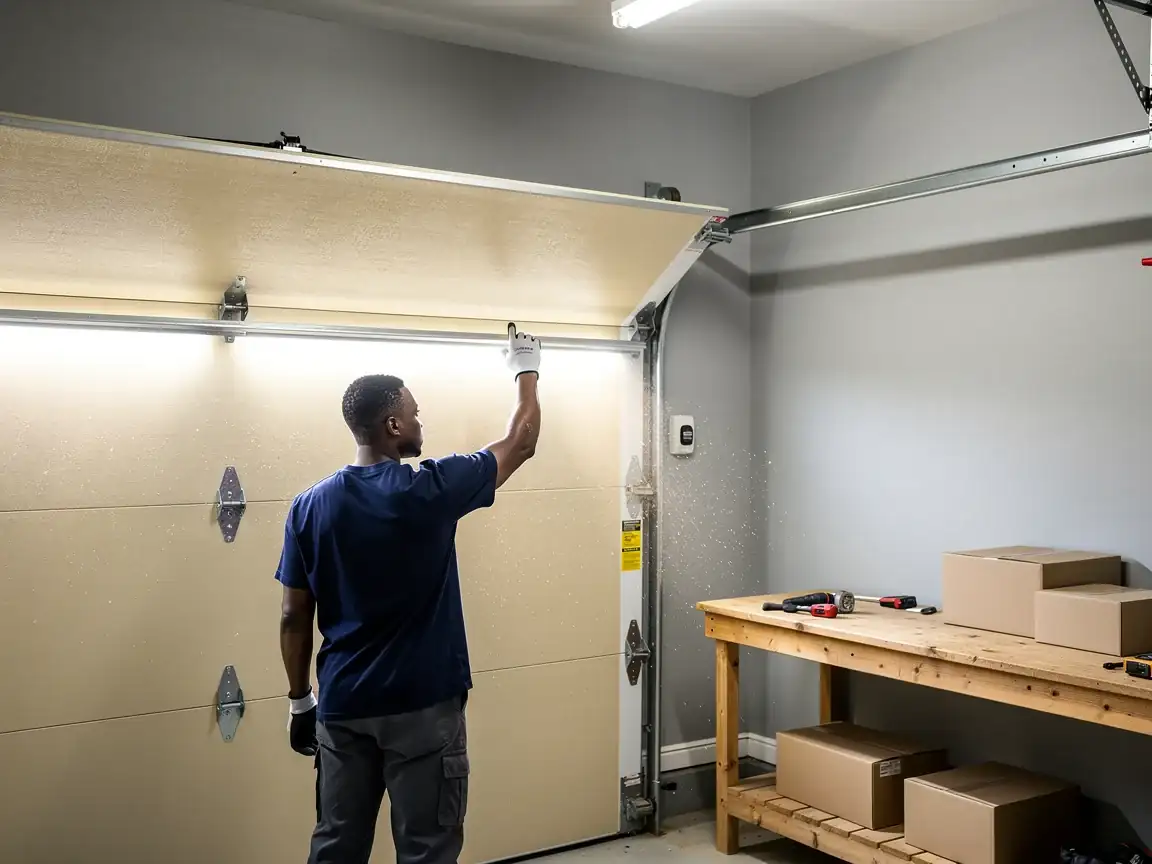
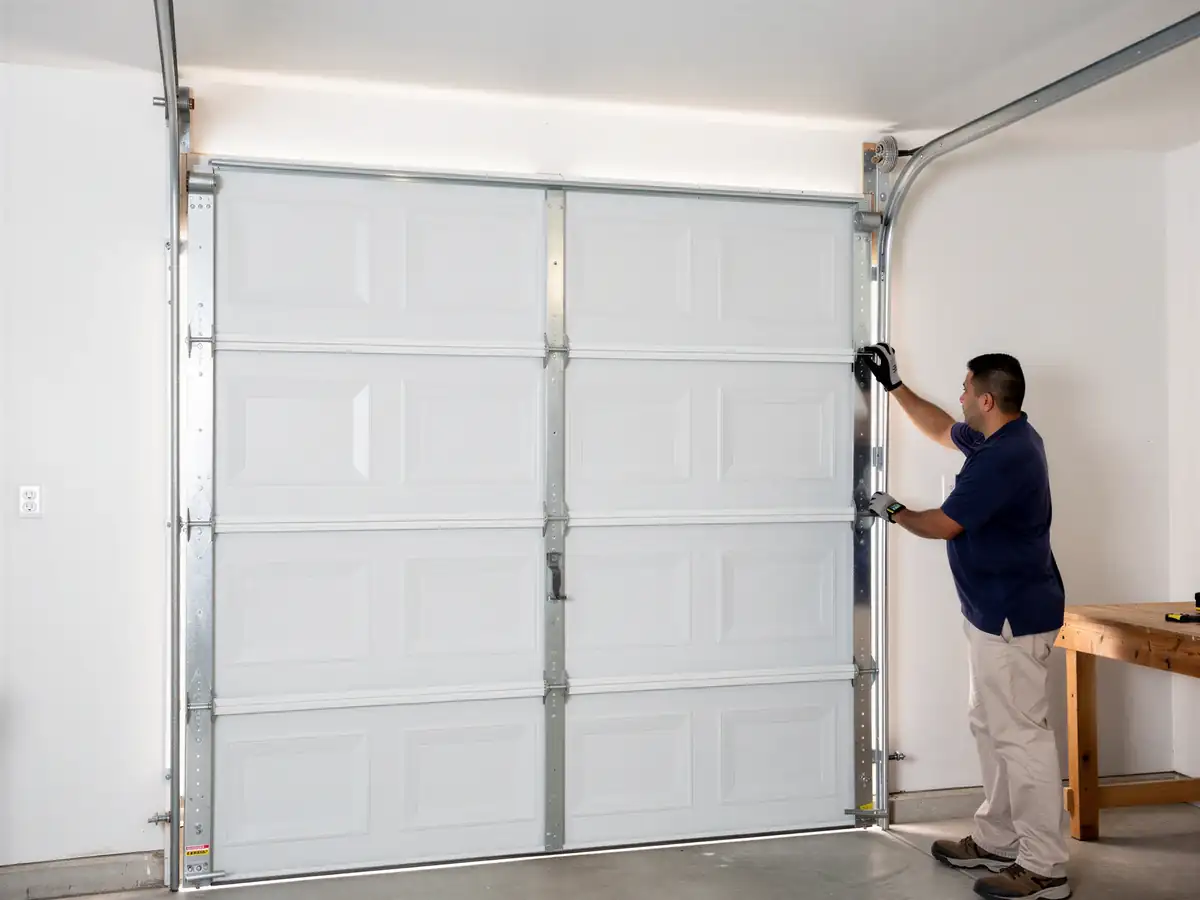
If the door looks like it's hanging unevenly, drops suddenly partway through opening, or you hear a loud bang from the garage followed by the door refusing to lift, that's almost always a broken torsion spring, not a motor problem. With median household income in Lake Elmo running well above the broader service area - $153,407 versus the $92,940 median across the territory - a fair number of these calls come from owners who've already had an opener or keypad upgraded recently but never touched the original spring, since it's hidden above the door and gives no warning until it snaps. Across roughly 4,575 households in Lake Elmo, most garages were built with a single torsion spring rated for standard use, so one failure usually means one spring to replace, not a matched pair. If you're also hearing a grinding noise before the break, that's often a bearing going, and it's worth mentioning when you call so we bring the right stock.