Parts We Carry
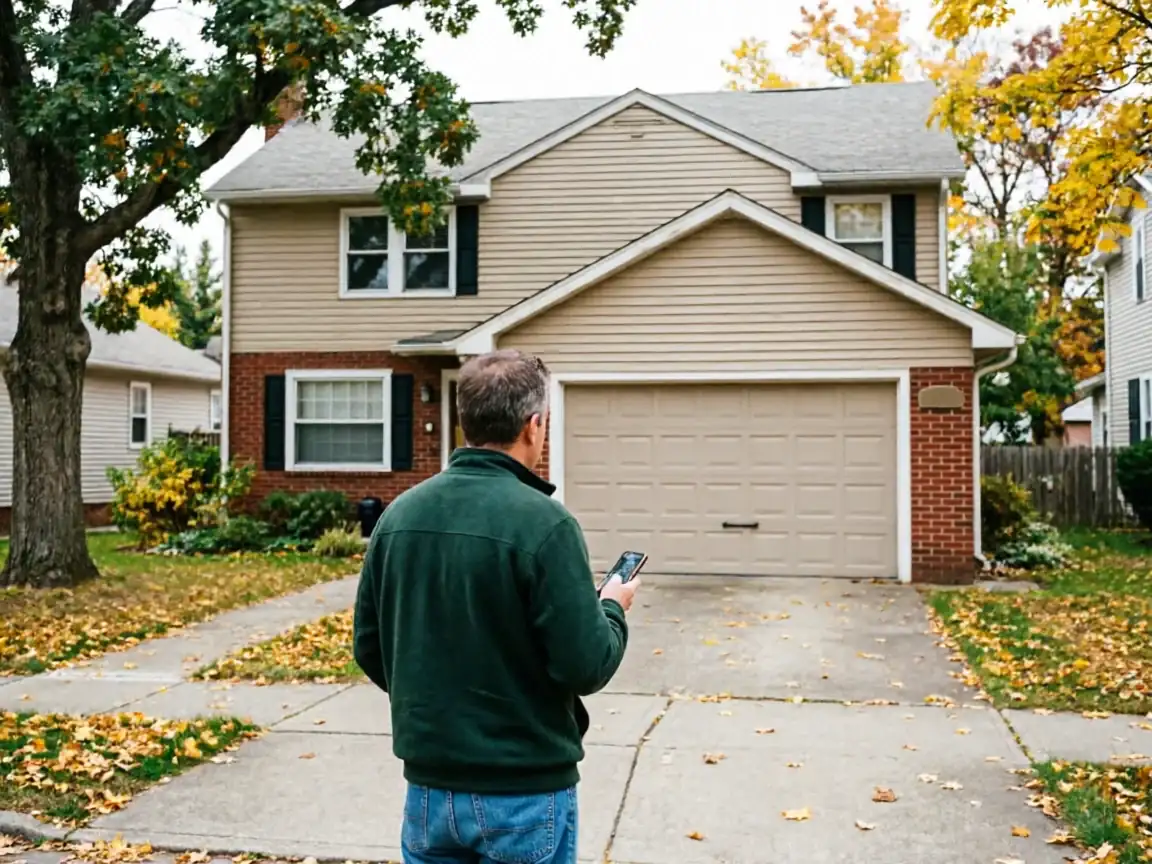
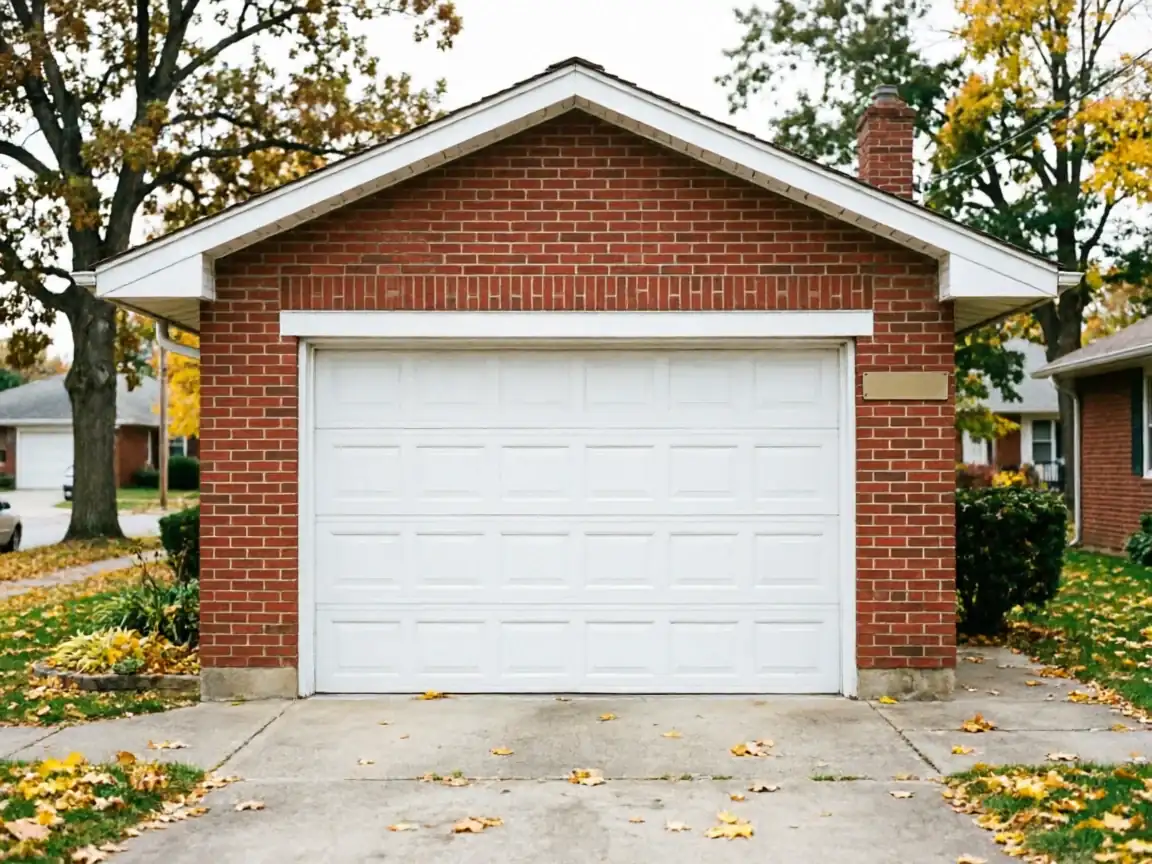
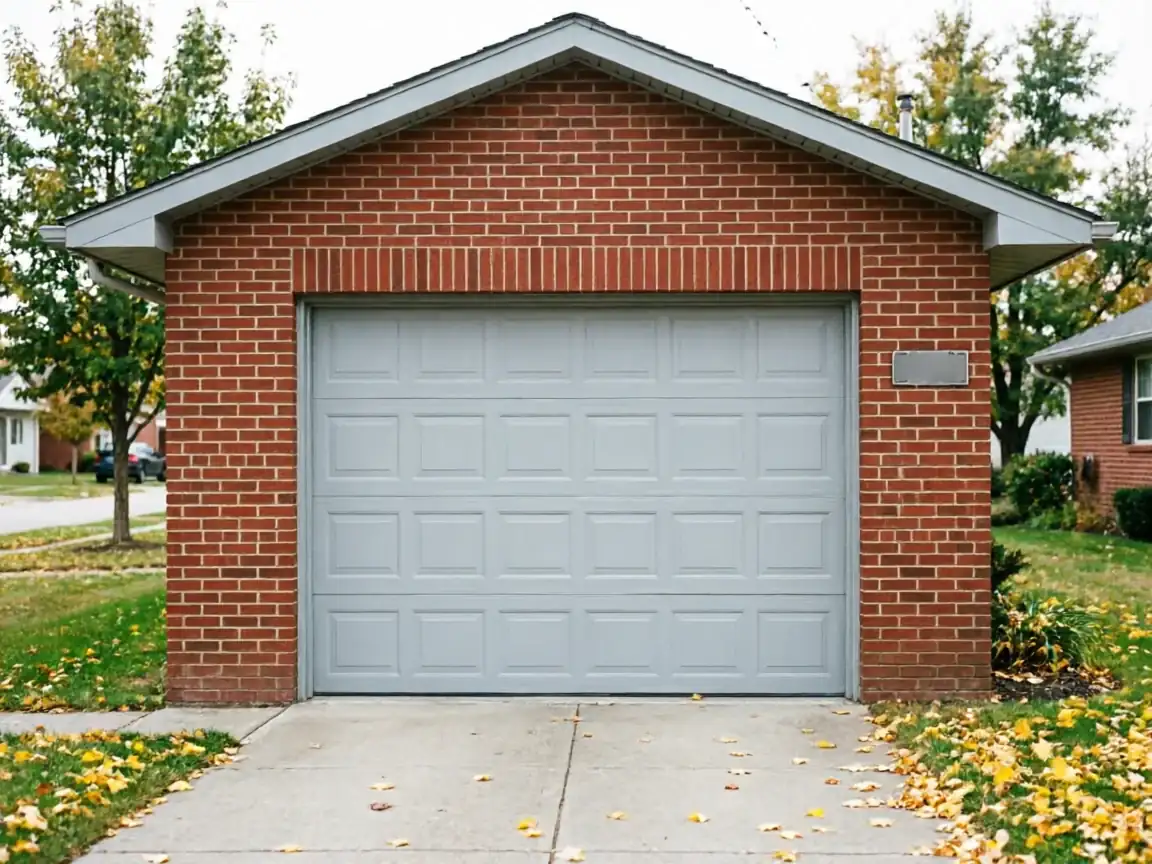
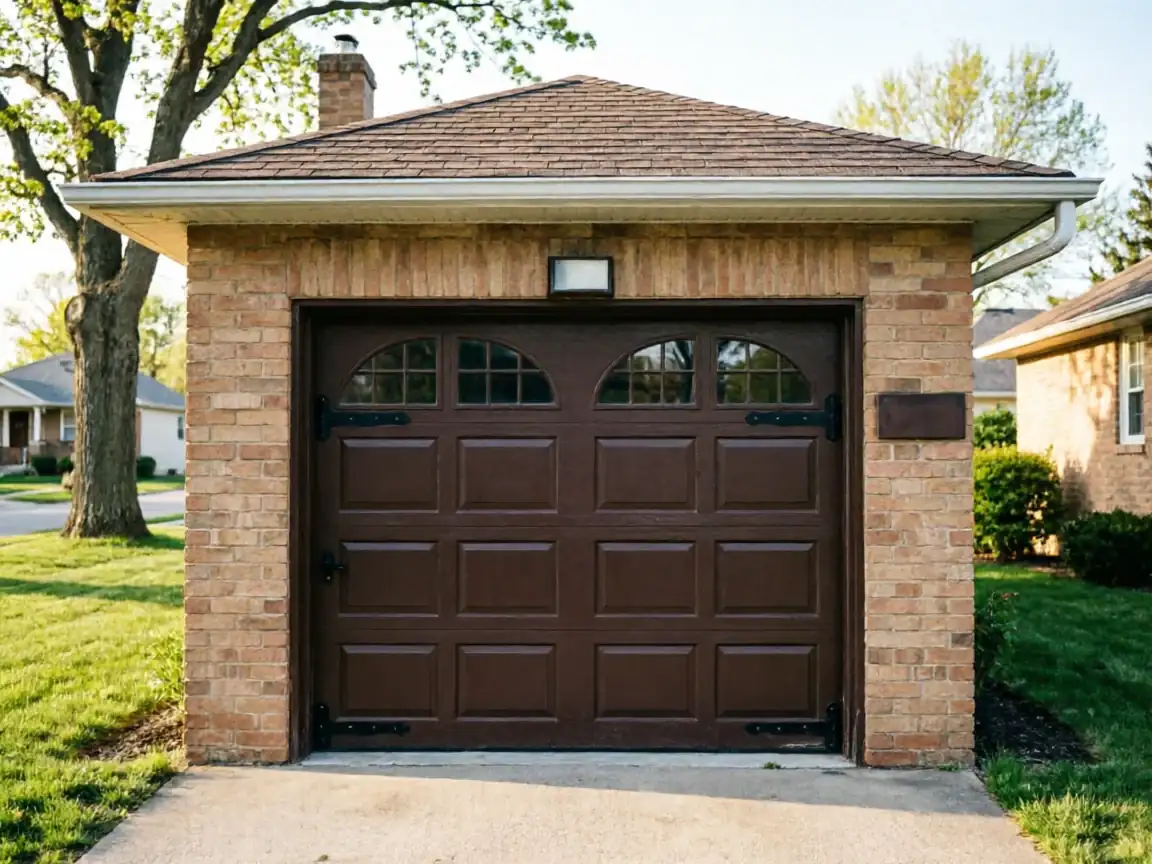
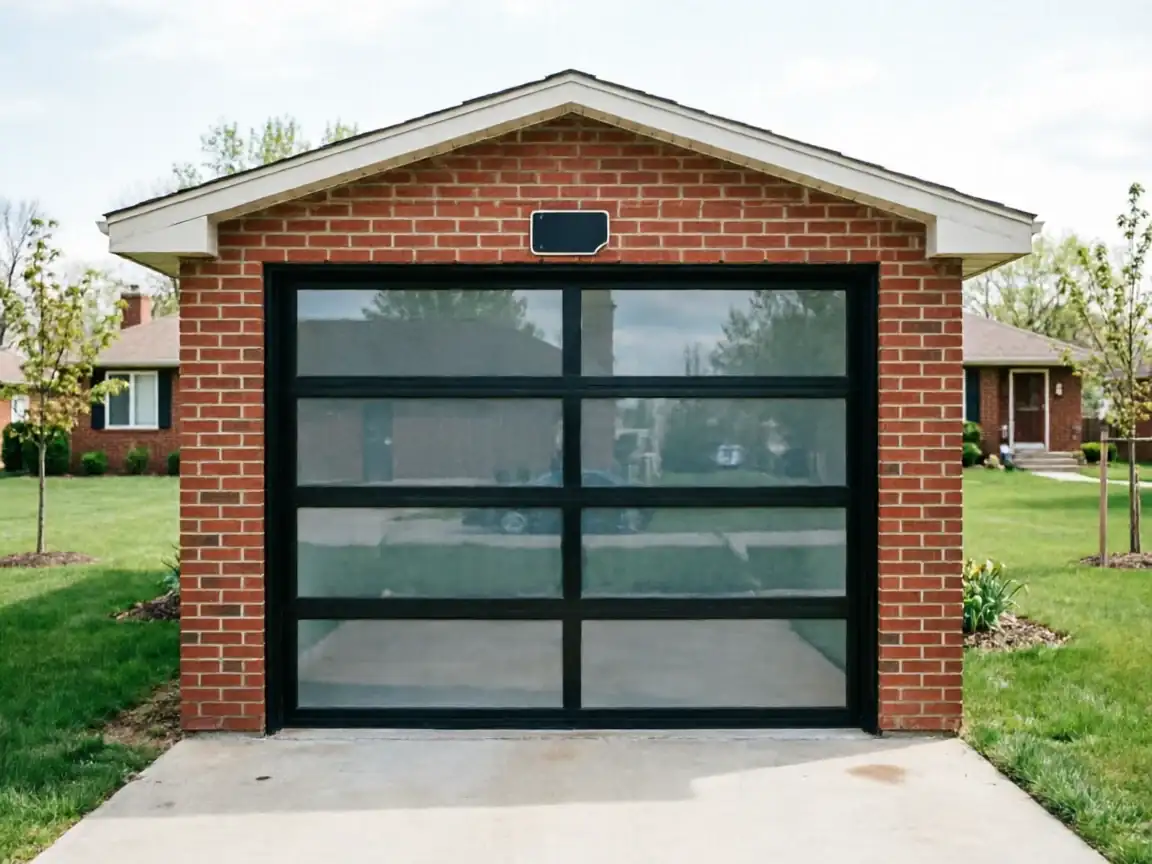
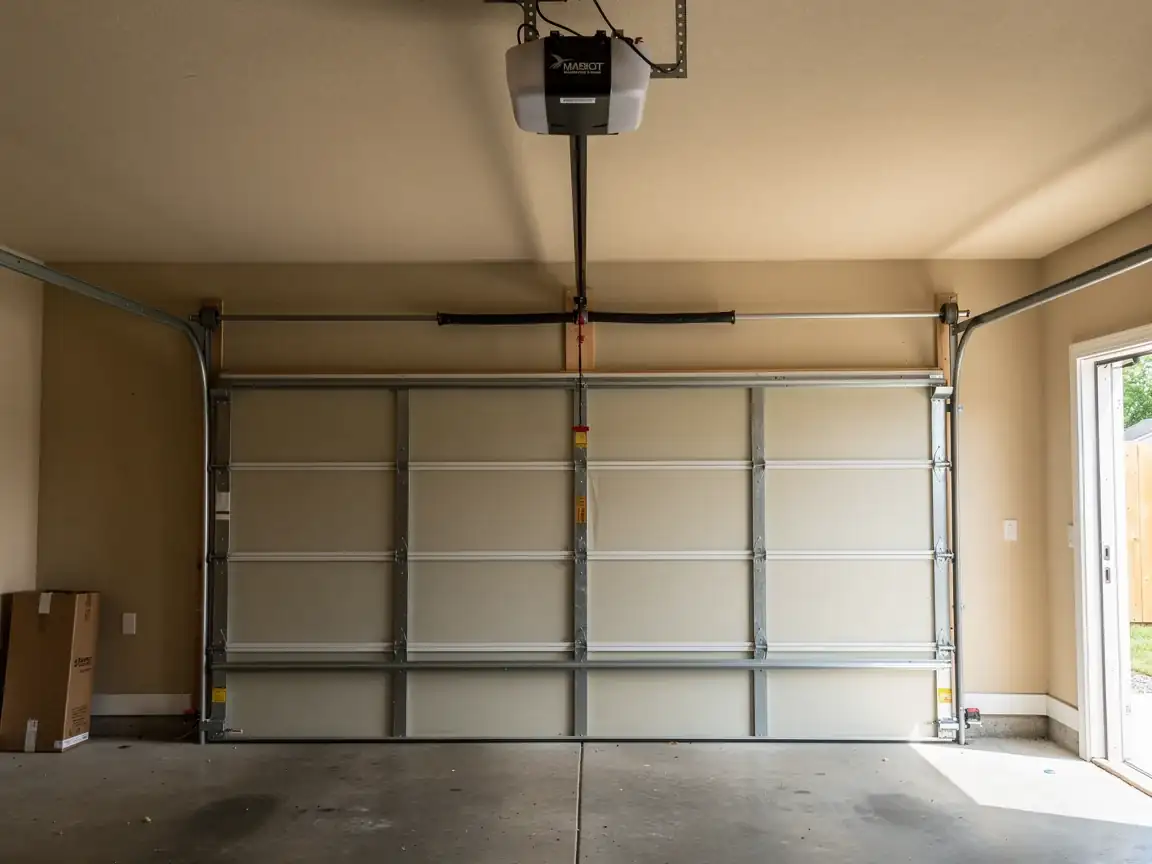
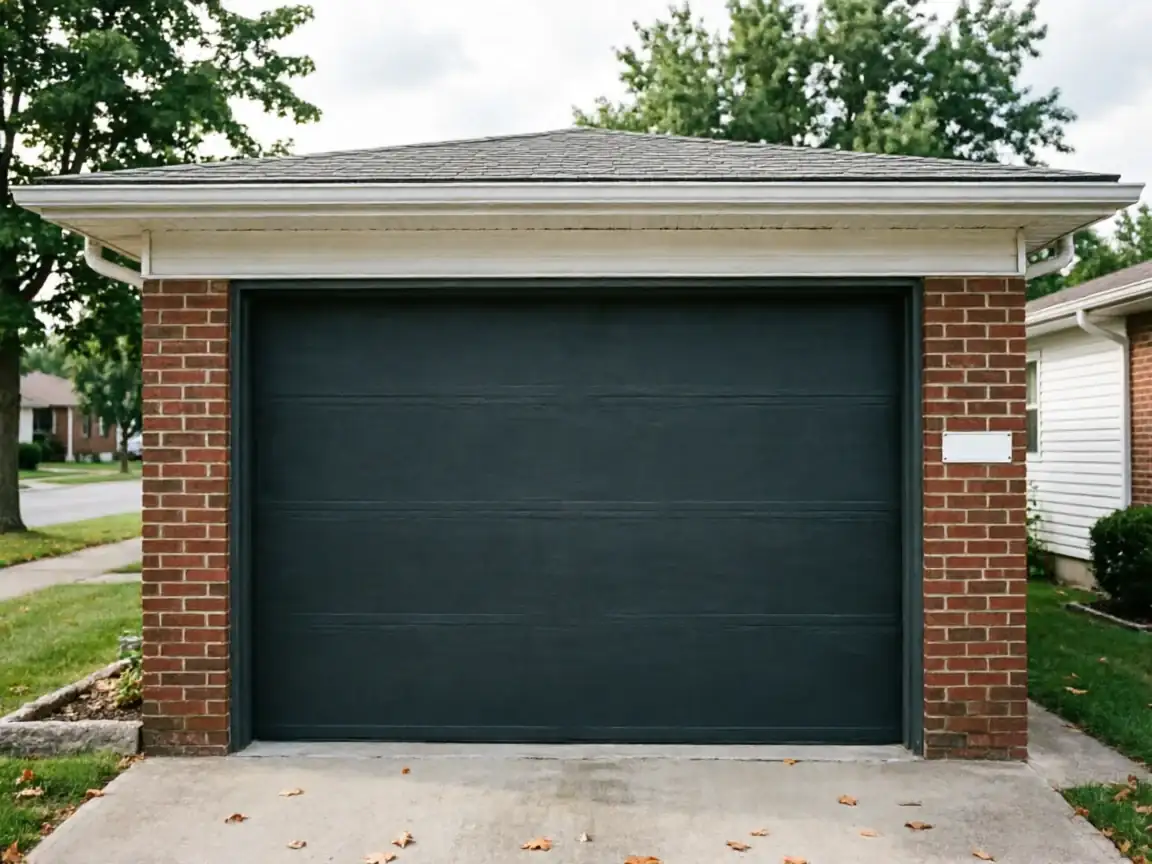
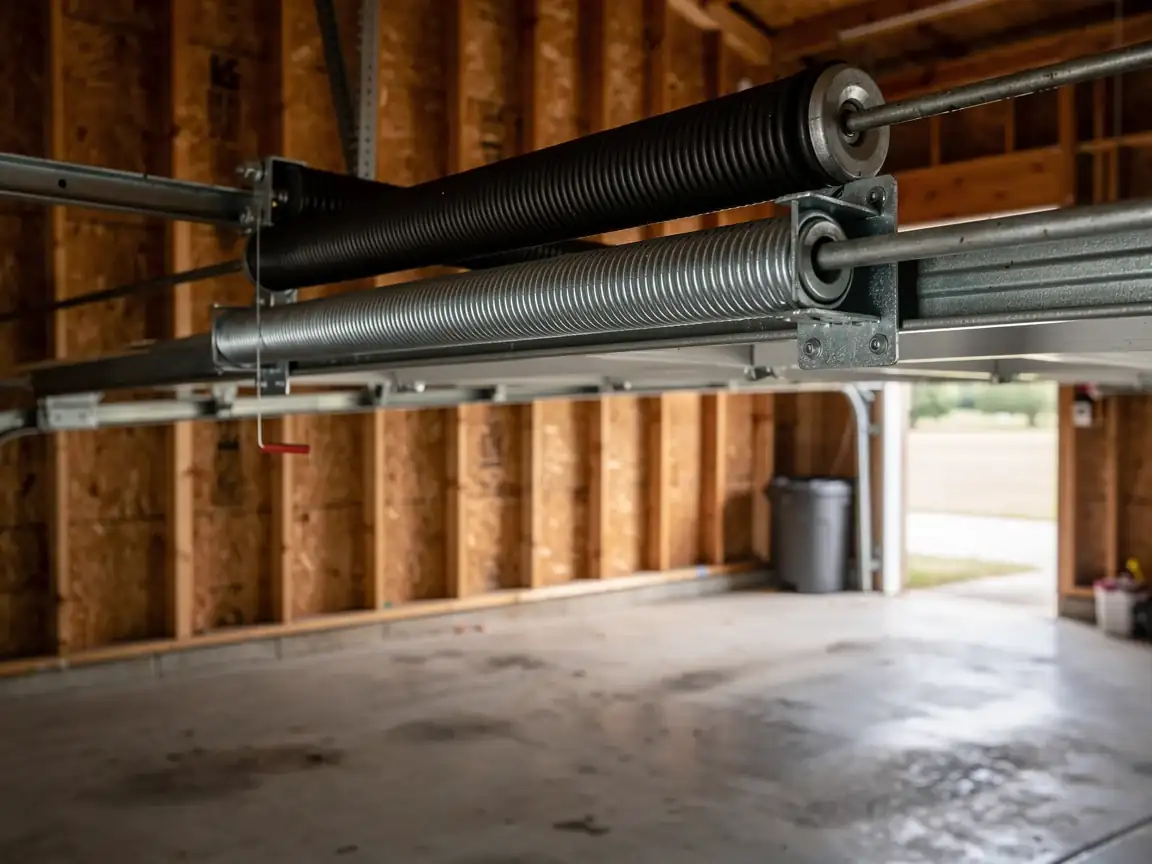
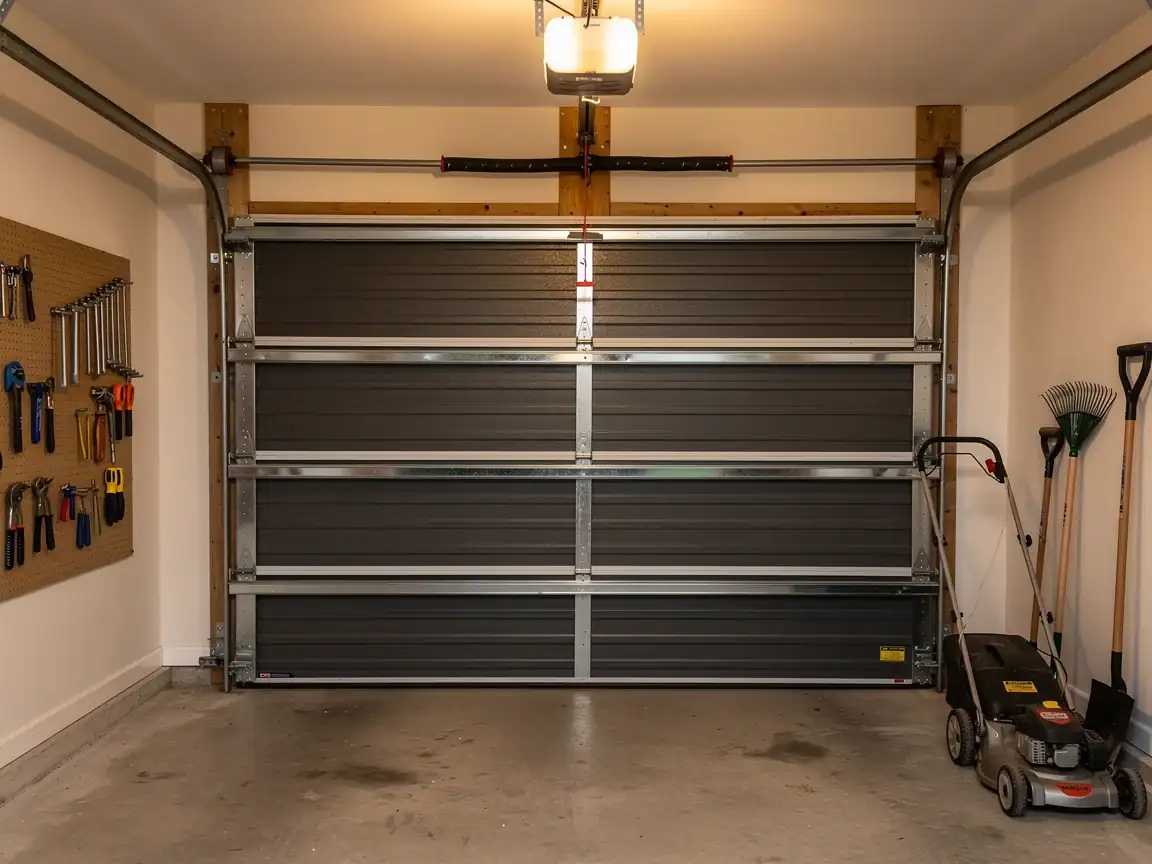
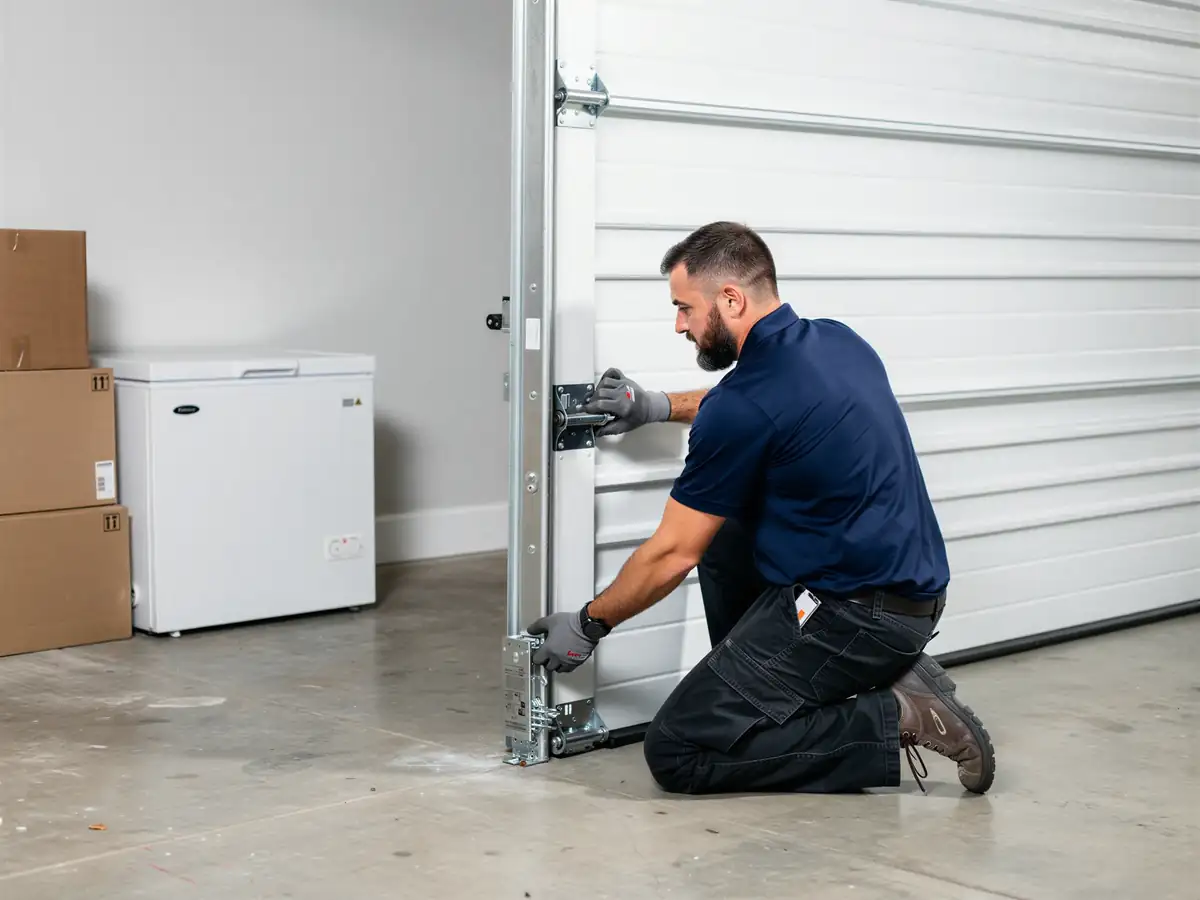
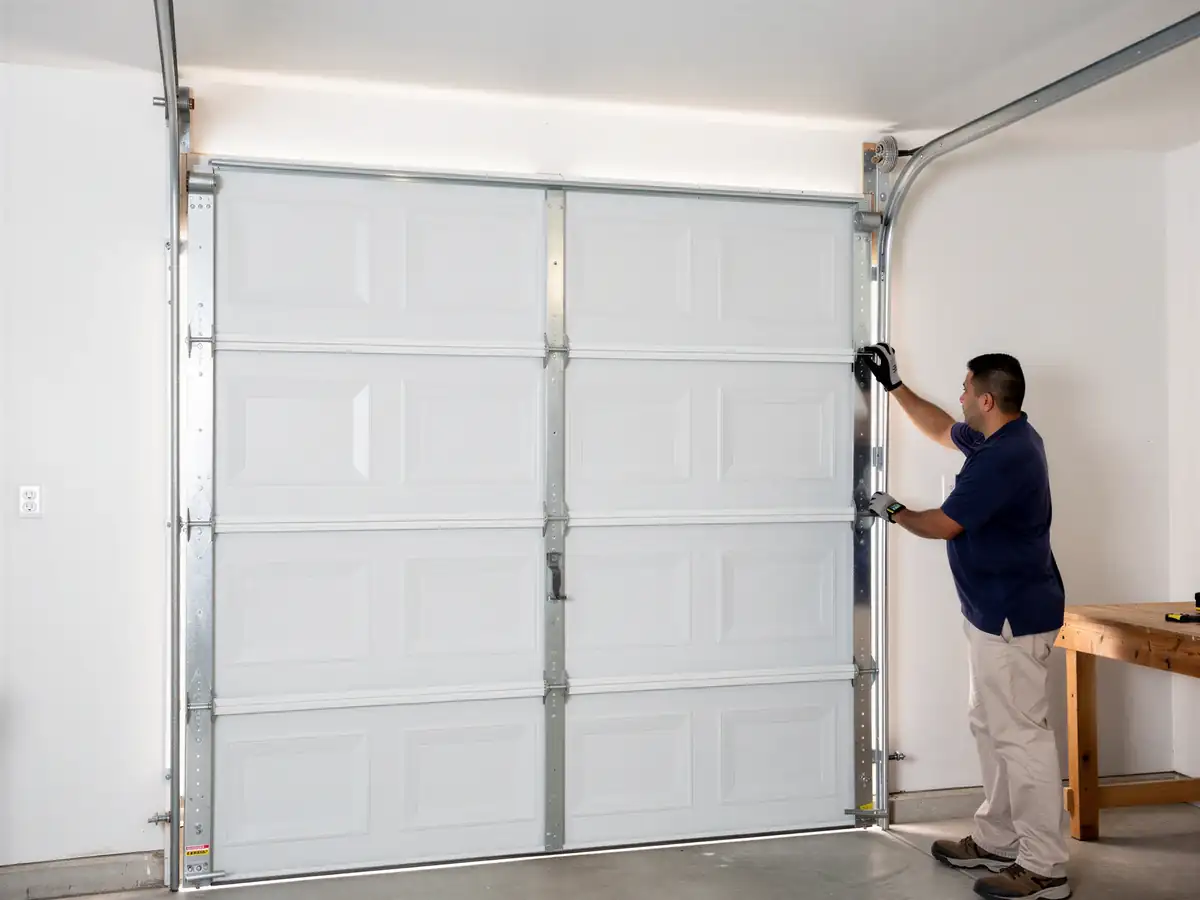
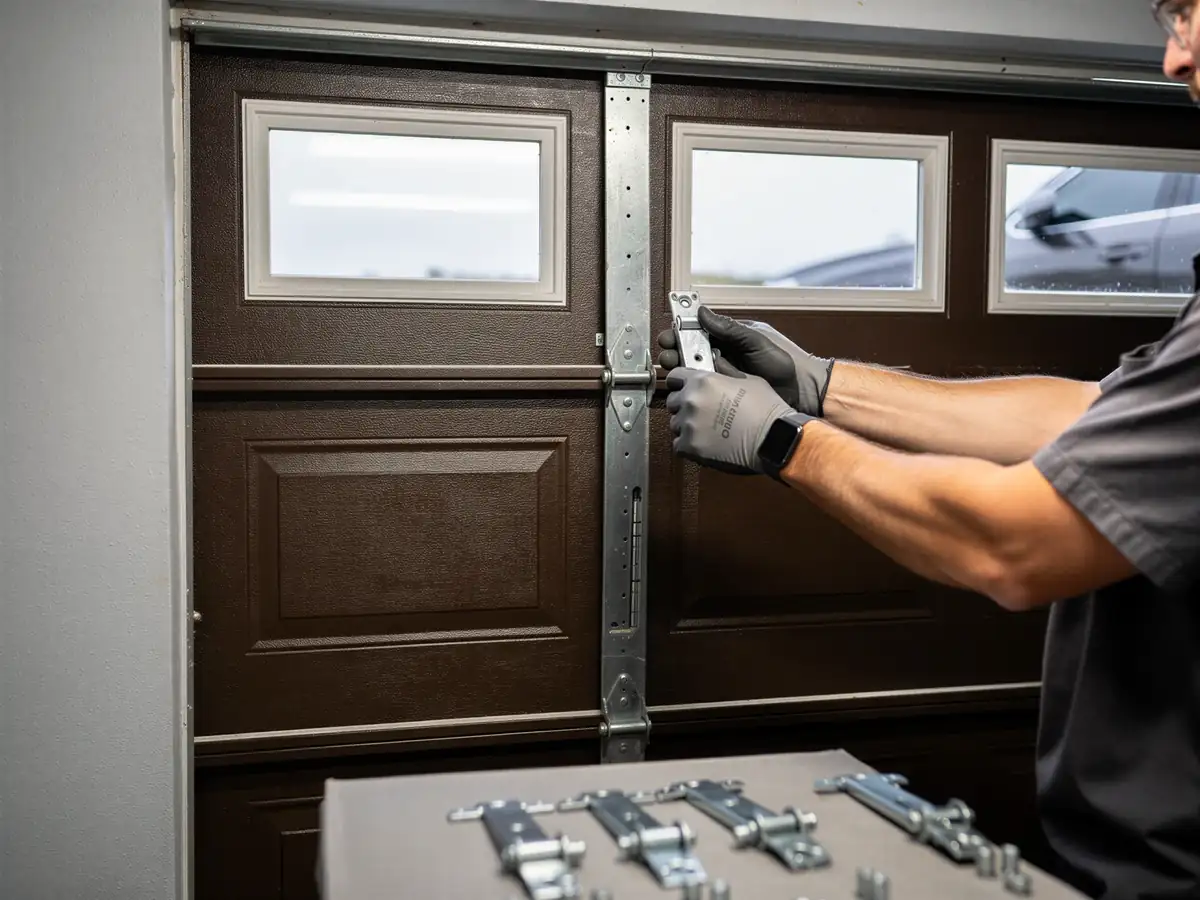
At a median household income of $153,407, Lake Elmo sits well above the broader service area's $92,940, and that shows up in the doors we're called out to fix. Houses here were mostly built around 2002, which means wider double-car openings, heavier insulated steel panels, and factory nylon rollers instead of the steel rollers common on older stock. When one of those panels jumps the track, the fix usually isn't a universal bracket off a shelf - it's a roller and hinge set sized to match a heavier door, plus track sections cut to the taller openings common in newer construction. We carry both steel and nylon roller stock, extension and torsion-compatible track, and hinges rated for the extra weight these doors carry. If a panel's bent badly enough that the track alone won't fix it, we'll tell you that on site rather than bolt a patch to something that'll jump again in six months.
What Can Go Wrong
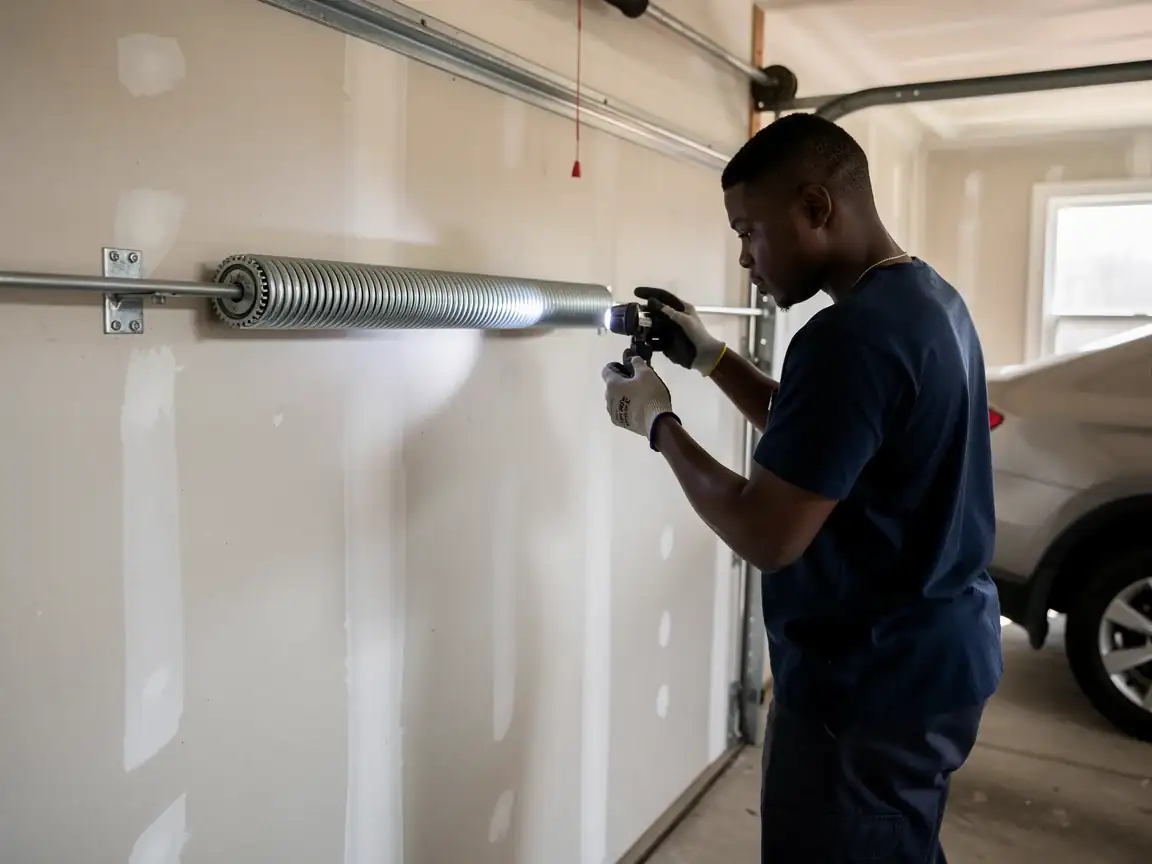
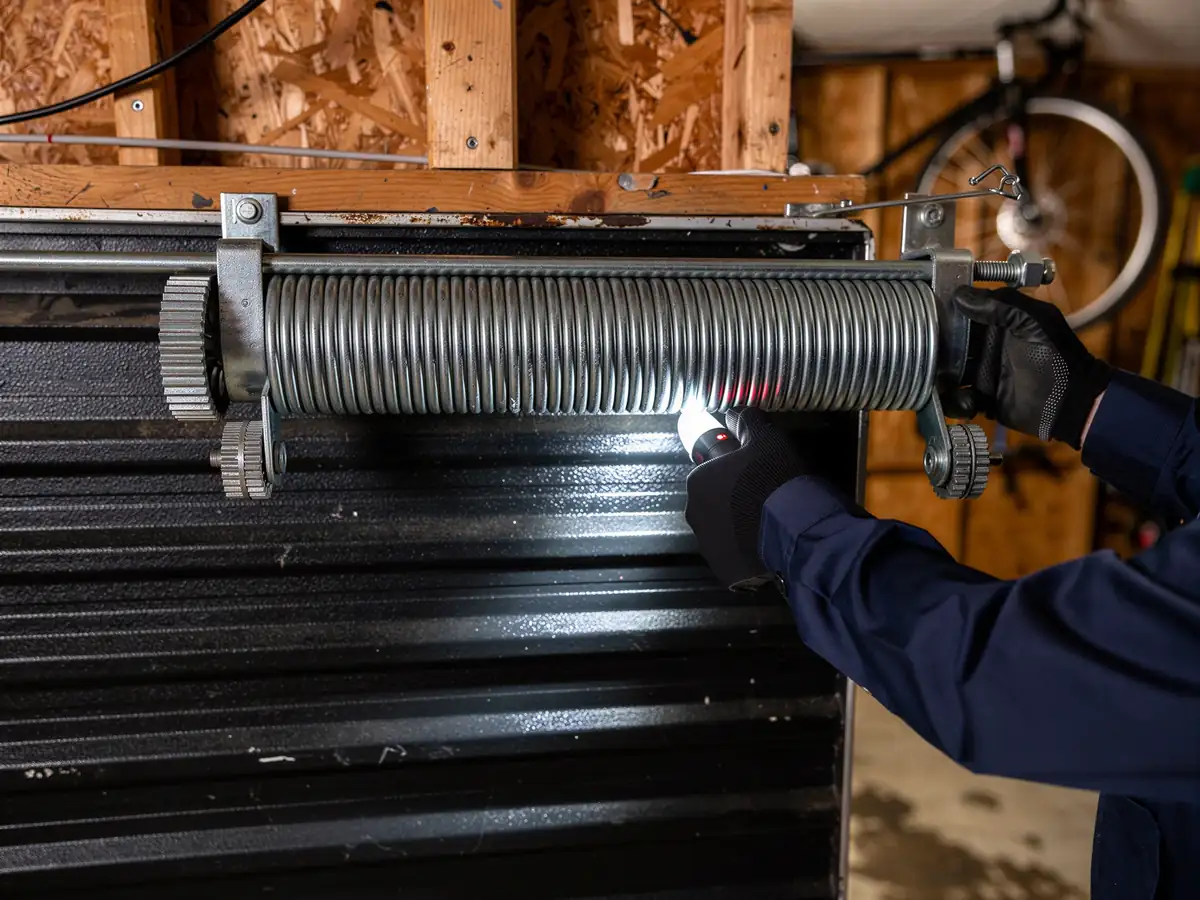
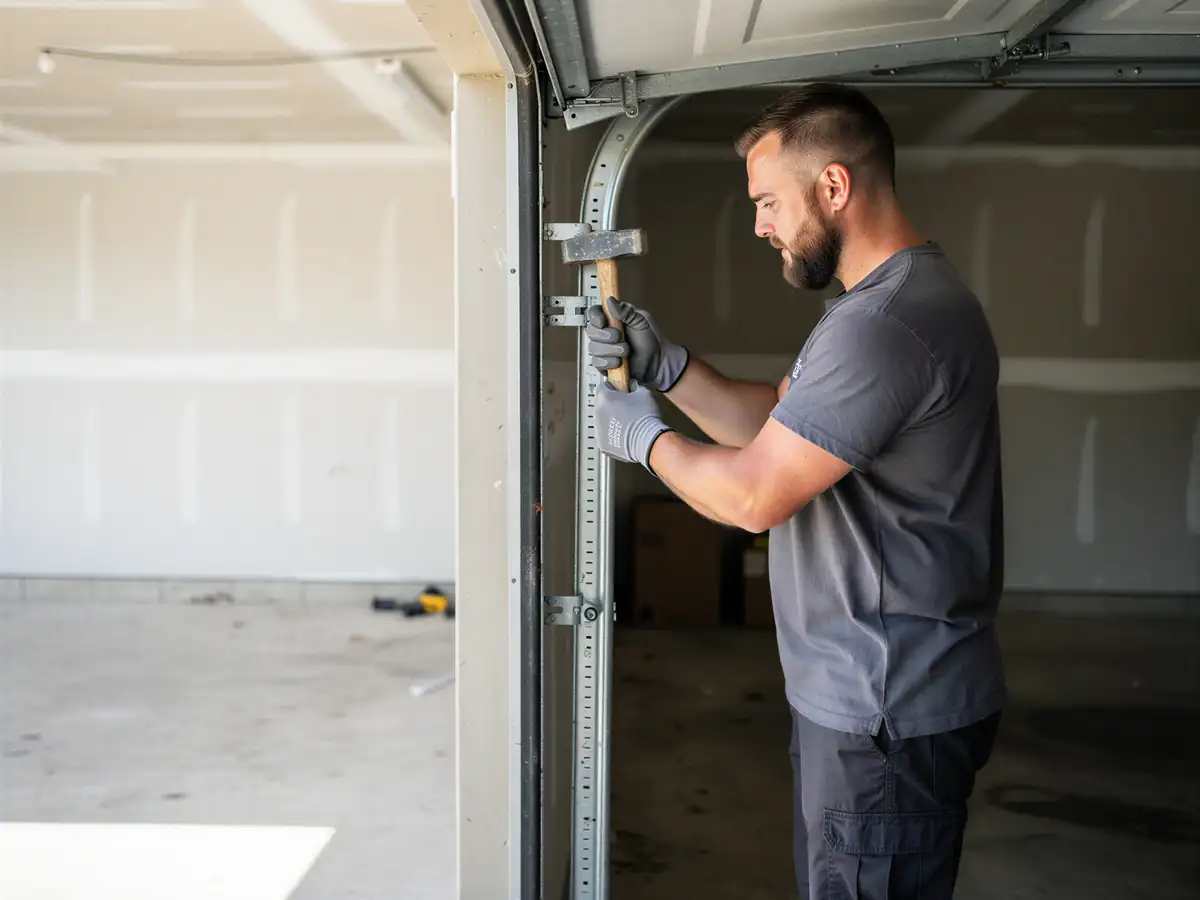
The most common cause we see on newer doors like the ones built after 2002 in this area is a bent track from a car bumper or a kid's bike, not worn-out hardware - these doors are too young for most of the wear failures that show up on 1960s and 70s stock elsewhere in the service area. A single dent in the track rail is enough to walk a roller right out of the channel. The second common cause is a broken cable on one side, which lets that corner of the door drop and twist the whole panel sideways. Less often, a roller bracket works loose from repeated use and lets the door wander out of alignment gradually, so it jumps track on a day with no obvious trigger at all. None of these are urgent safety issues if you catch them early and stop using the door, but none of them get better if you keep running the opener through a bent rail.
What You Are Seeing
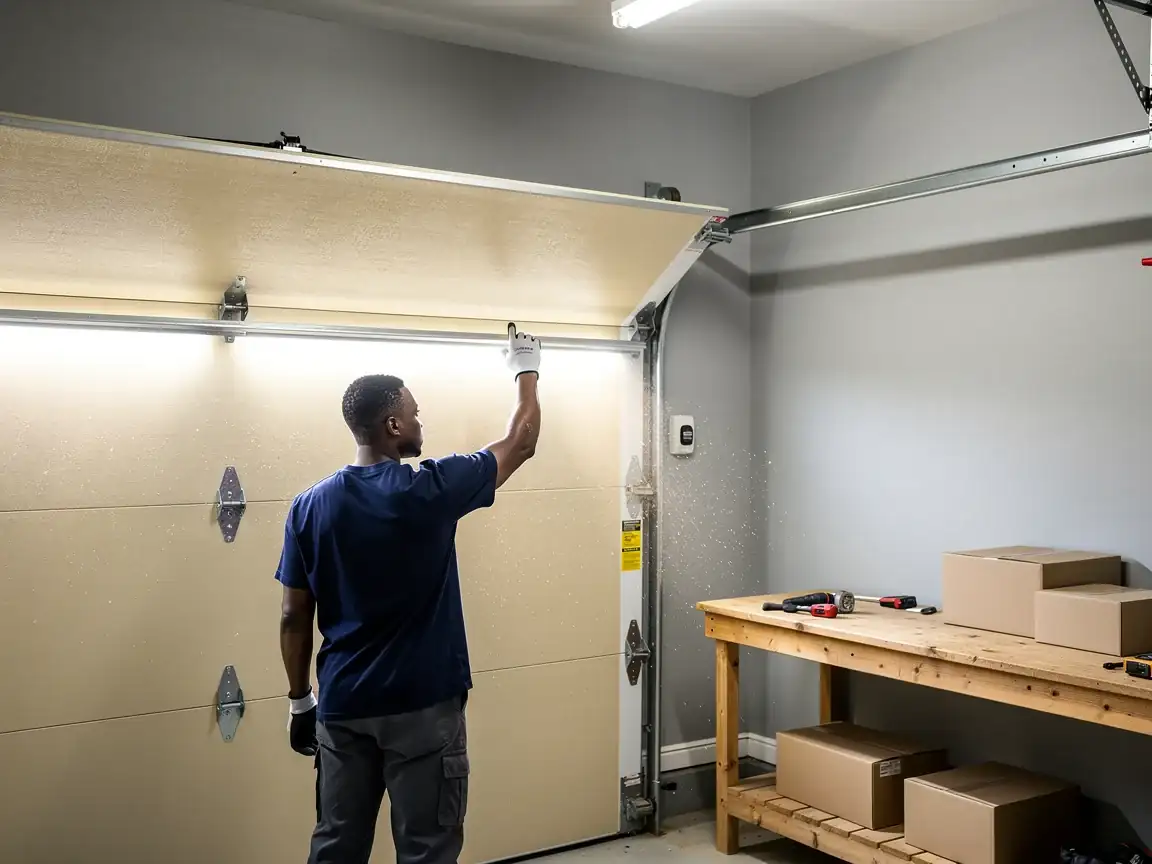
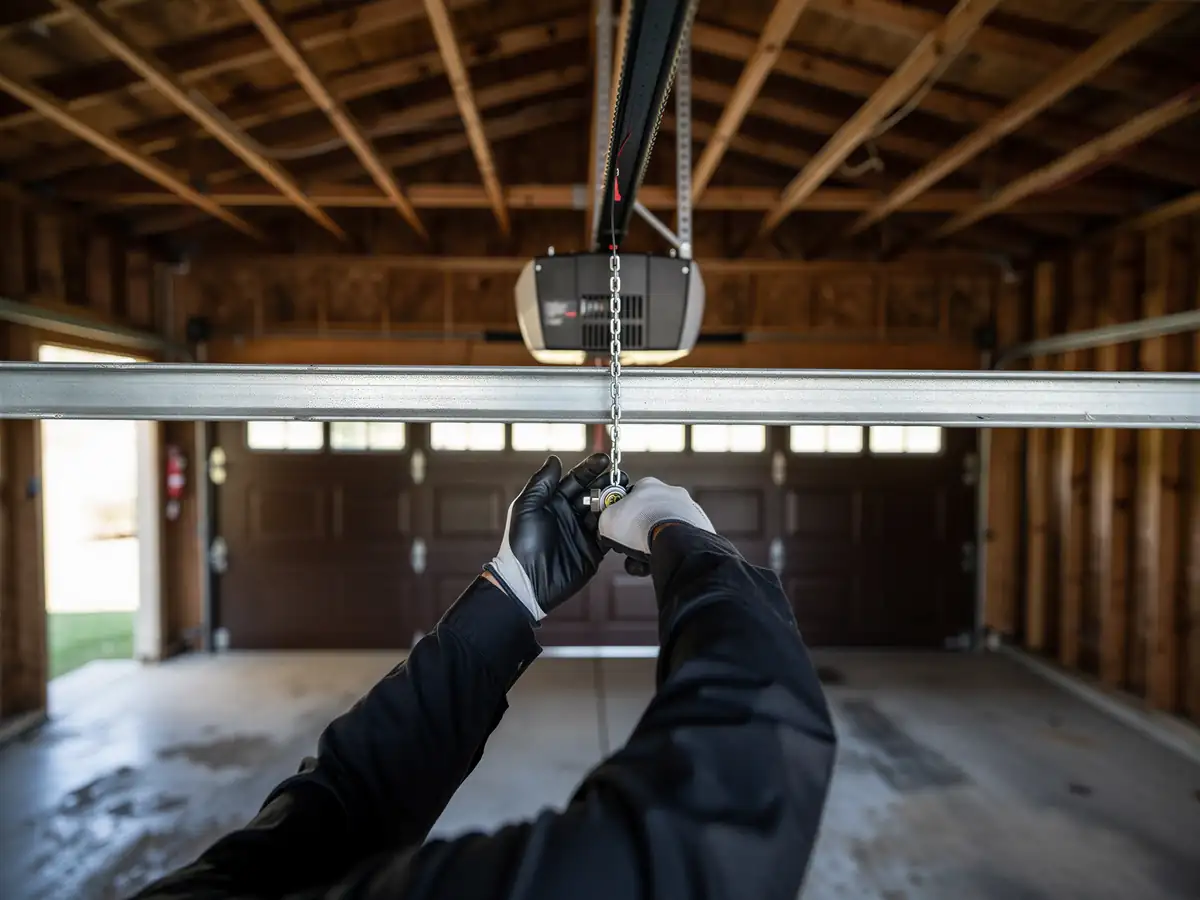
If the door hangs crooked in the opening, with one corner lower than the other, that's usually a dropped cable, not the track itself. If the door stopped partway and the opener is straining or grinding, shut it off - the chain or belt is likely fighting a roller that's already derailed. A visible gap between the roller and the track rail, especially near the top corner, means the door is one more cycle away from coming off entirely. And if you hear a bang followed by the door sagging at an angle, that's consistent with a cable snapping under load, which on a heavier insulated door can happen fast and without much warning beforehand.