Parts We Carry
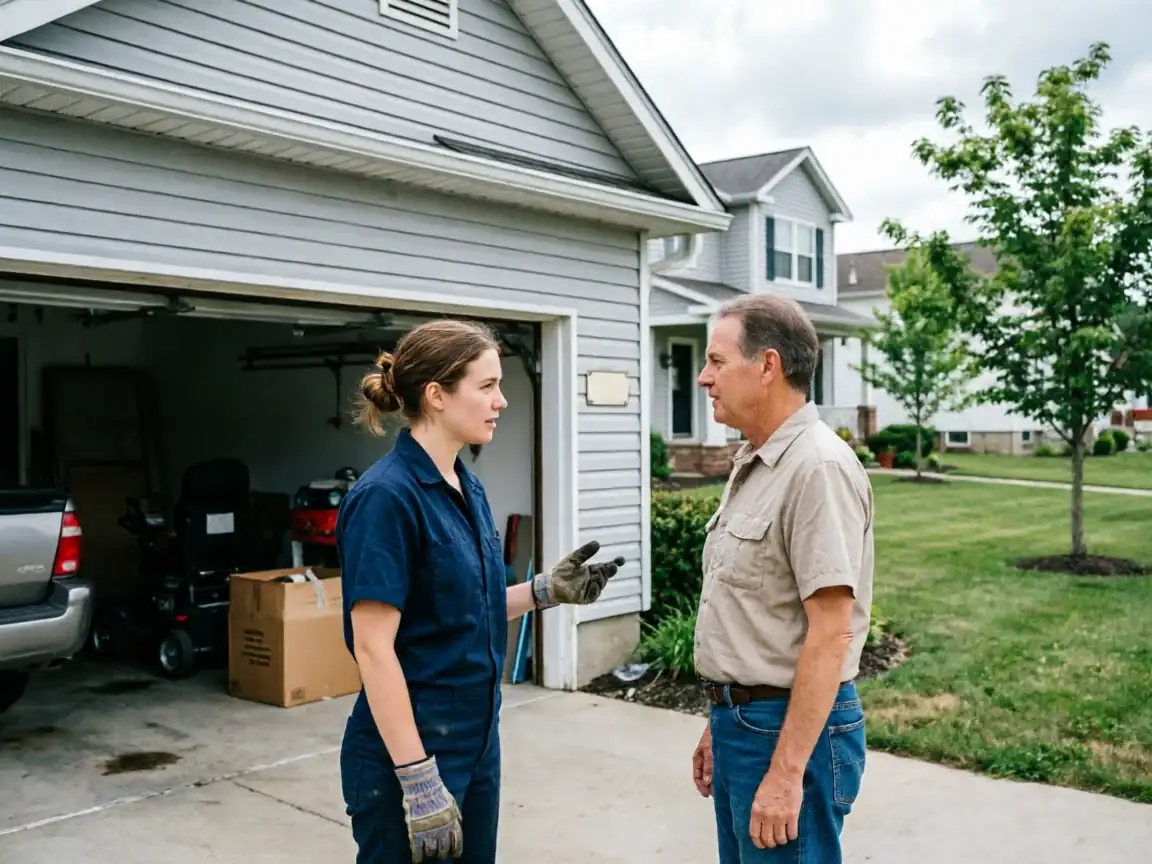
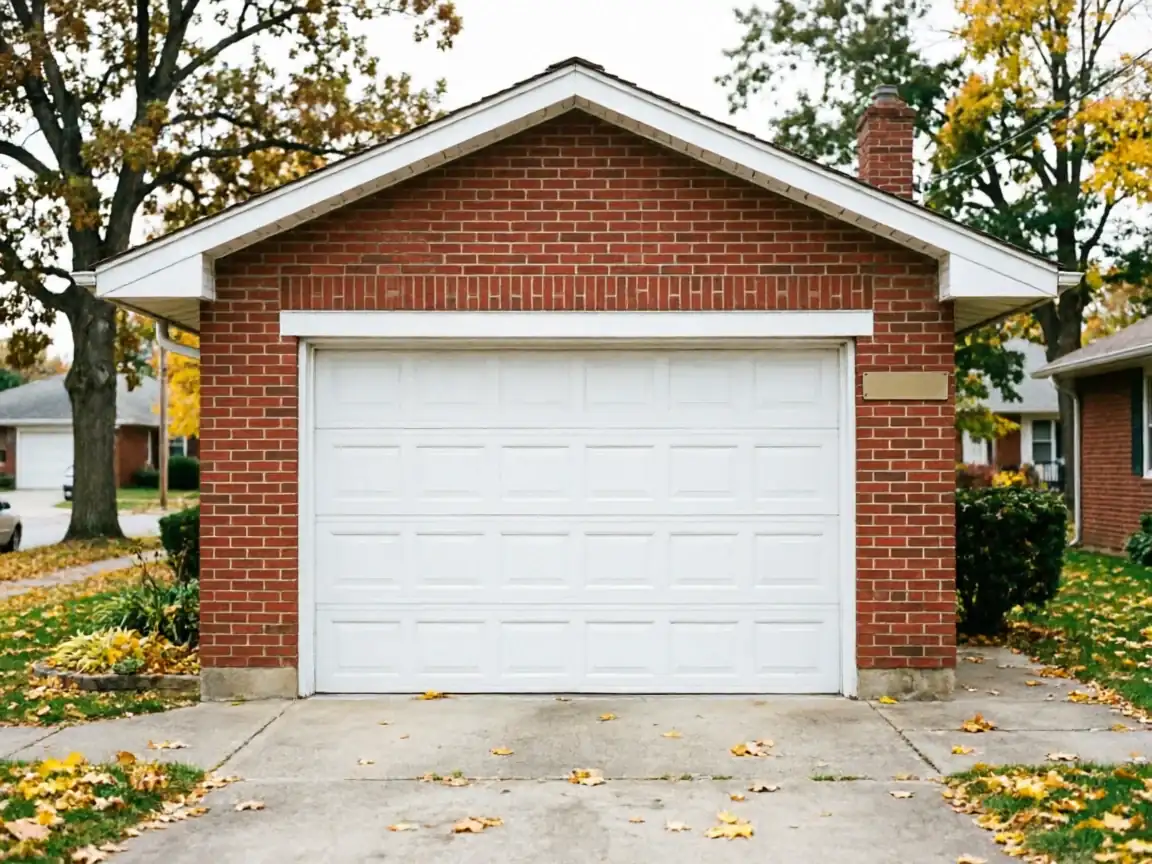
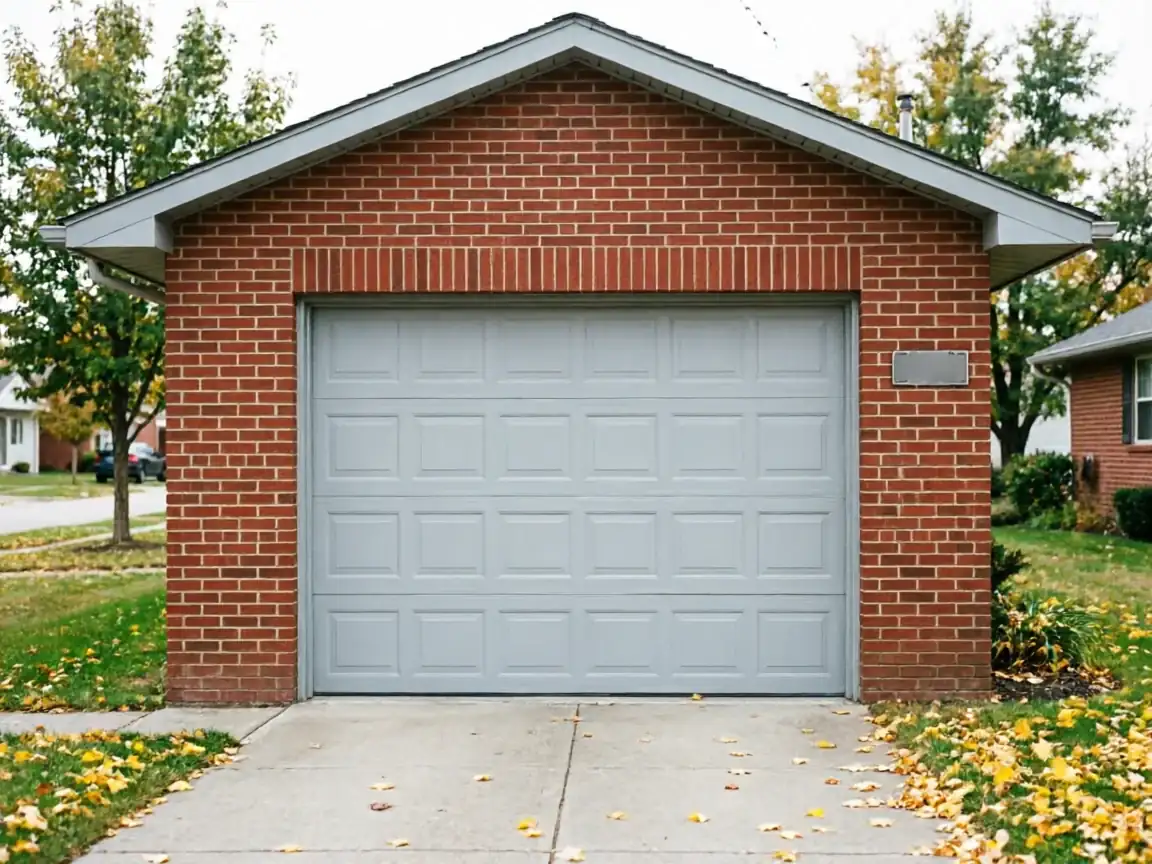
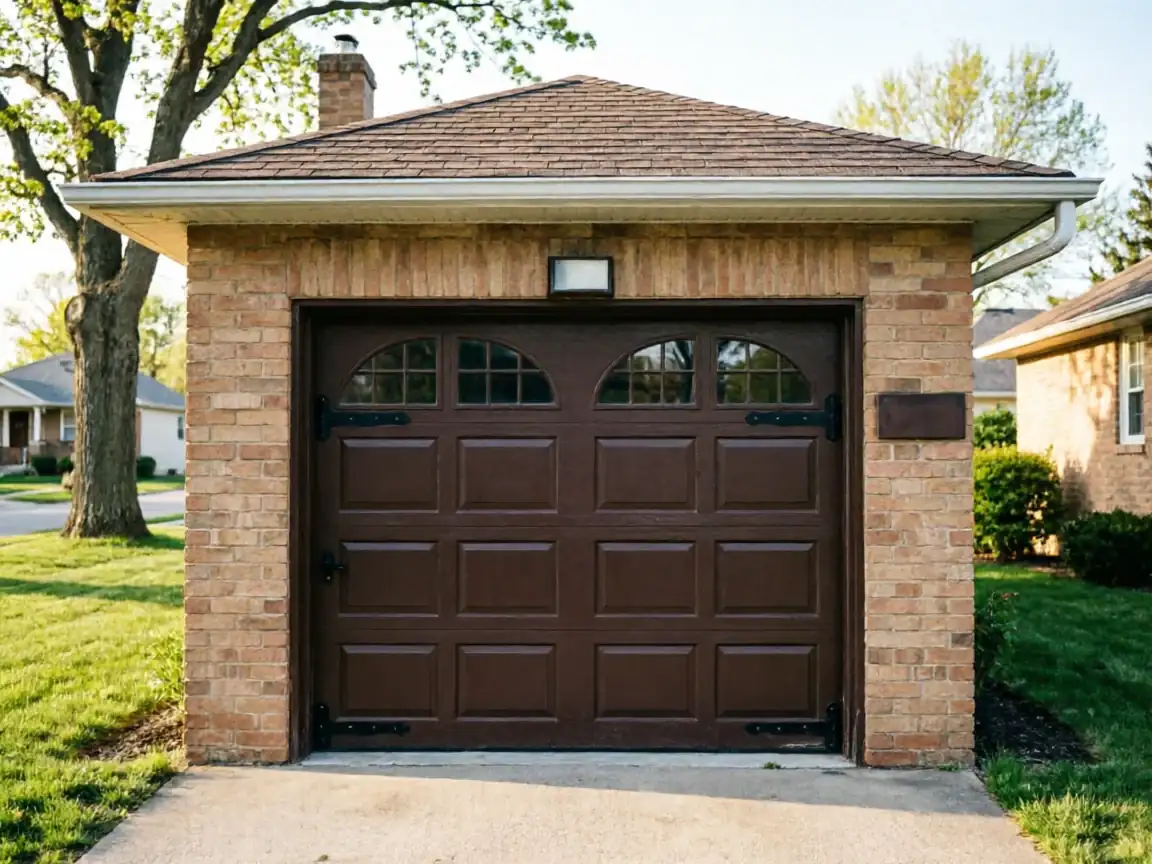
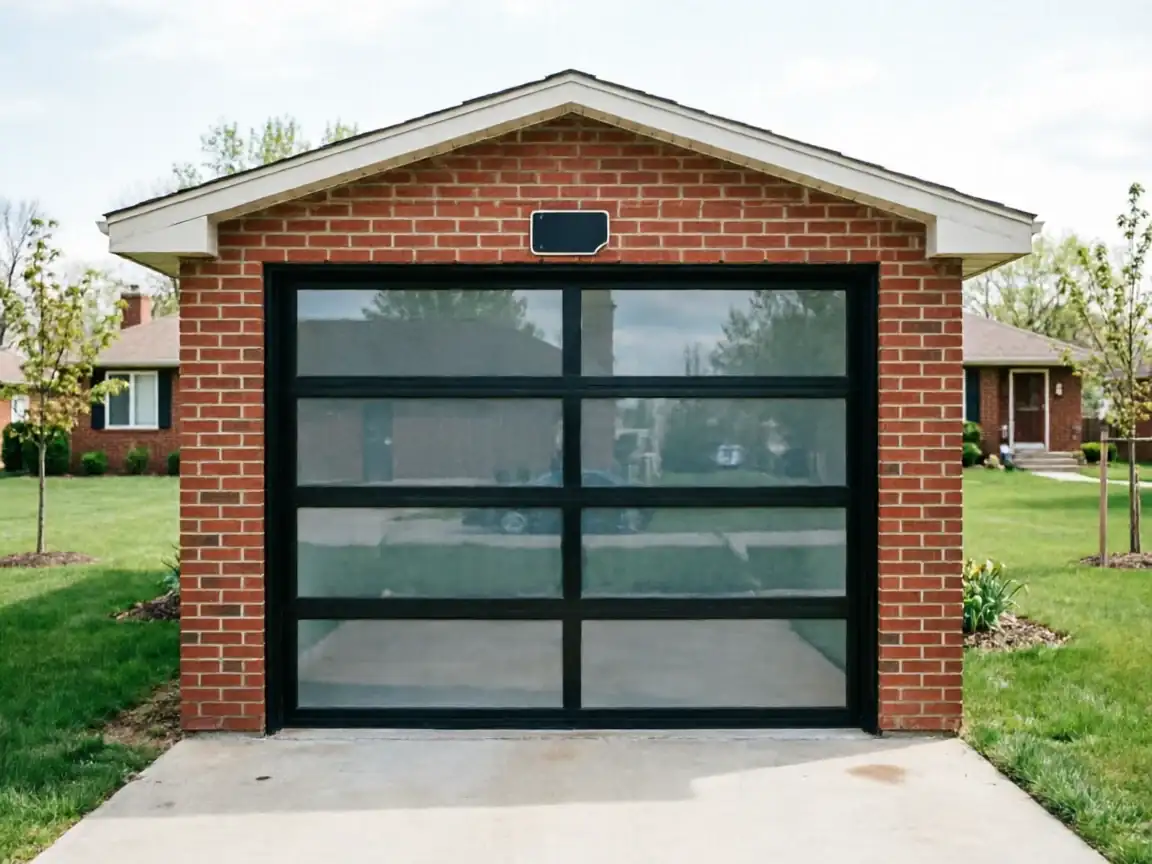
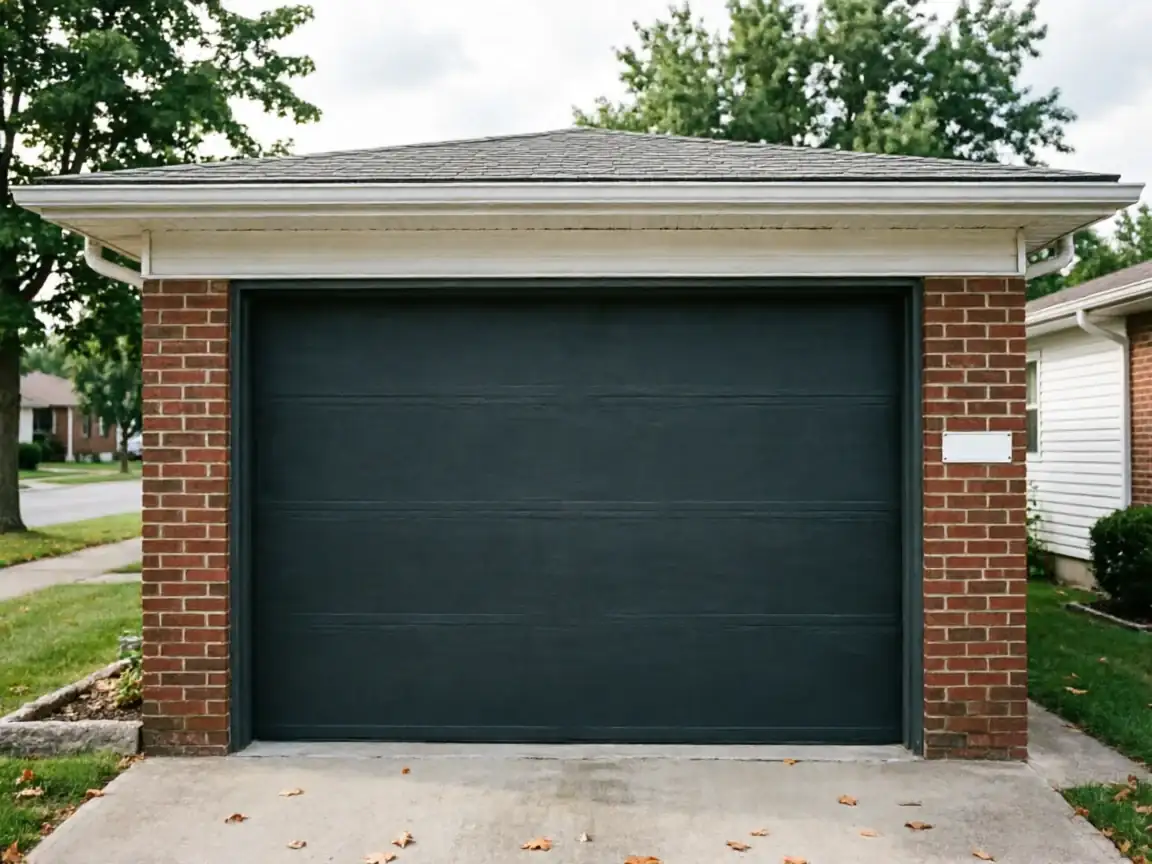
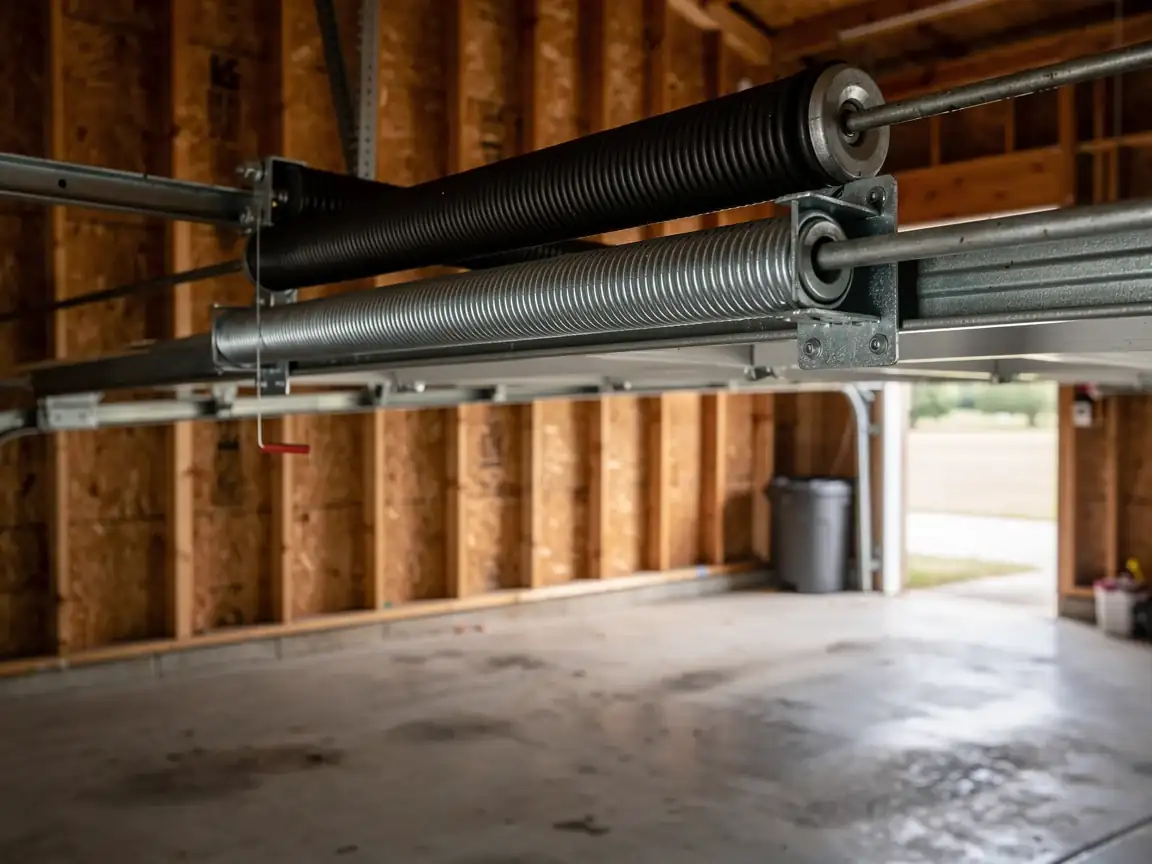
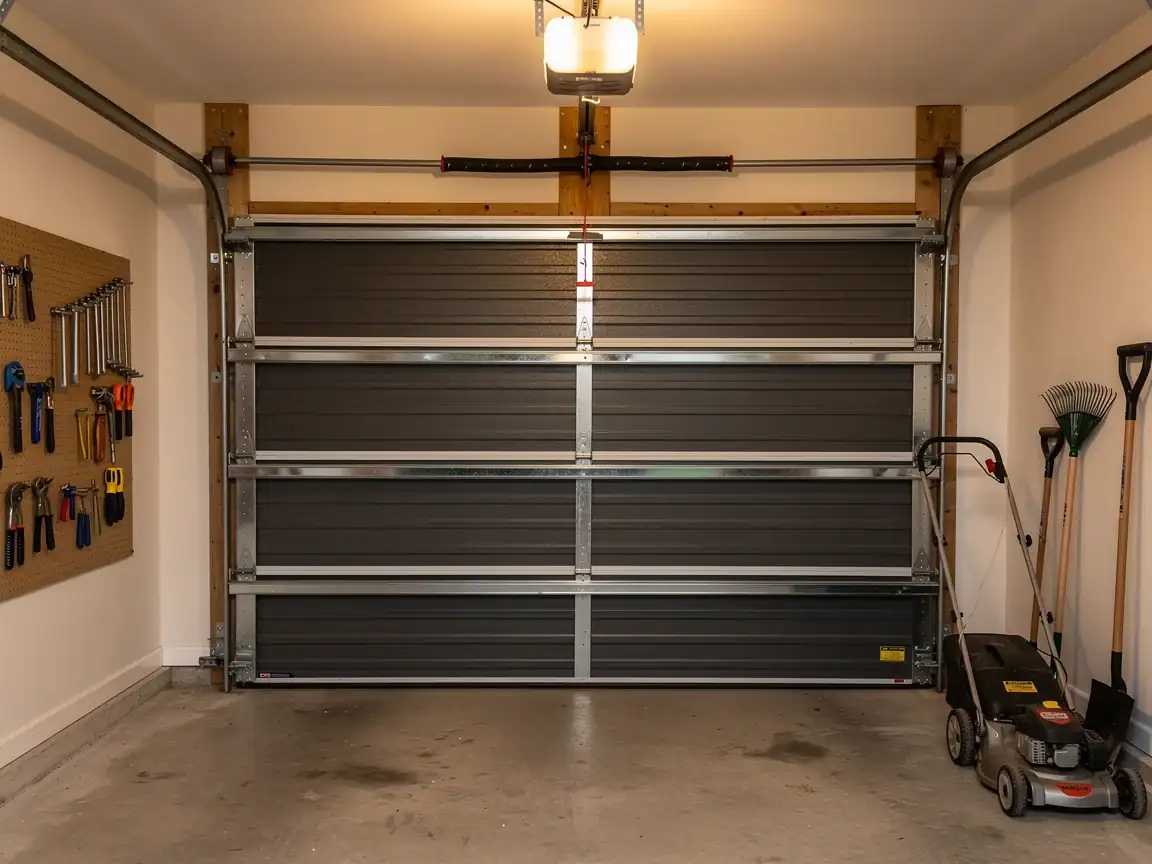
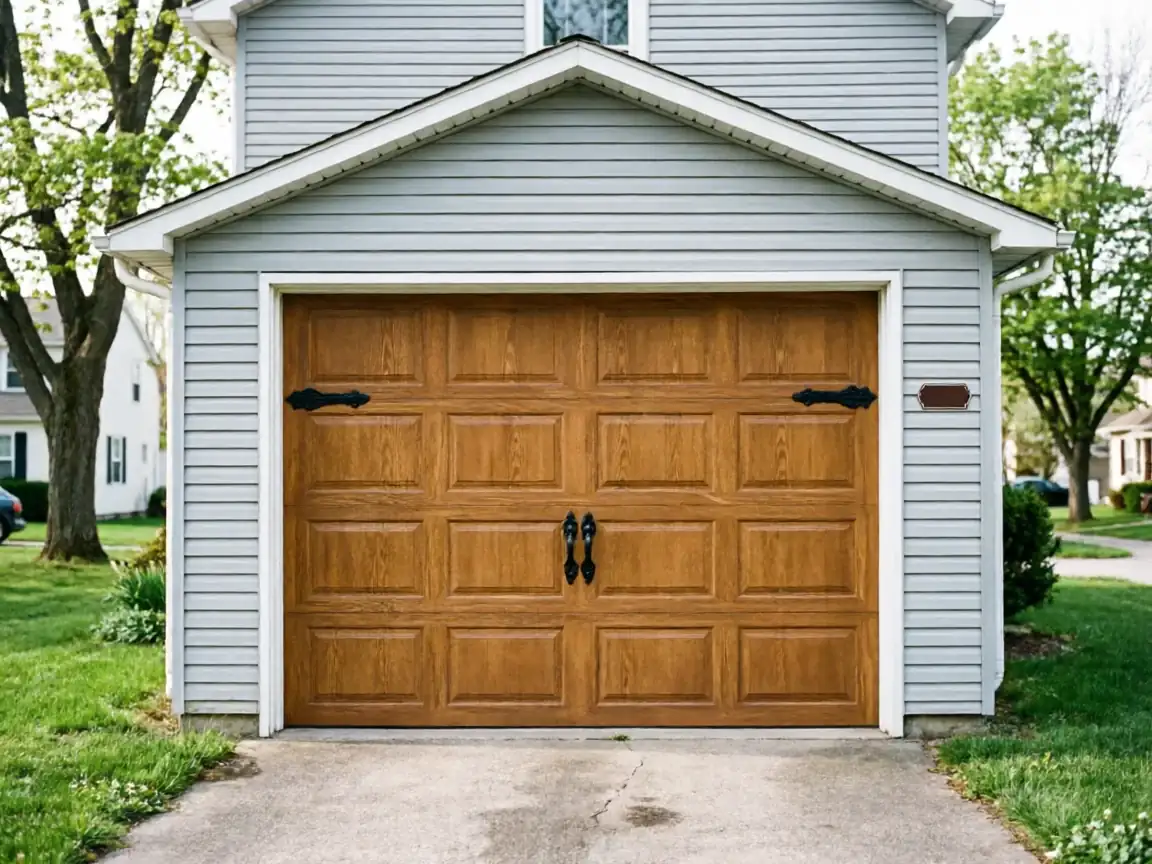
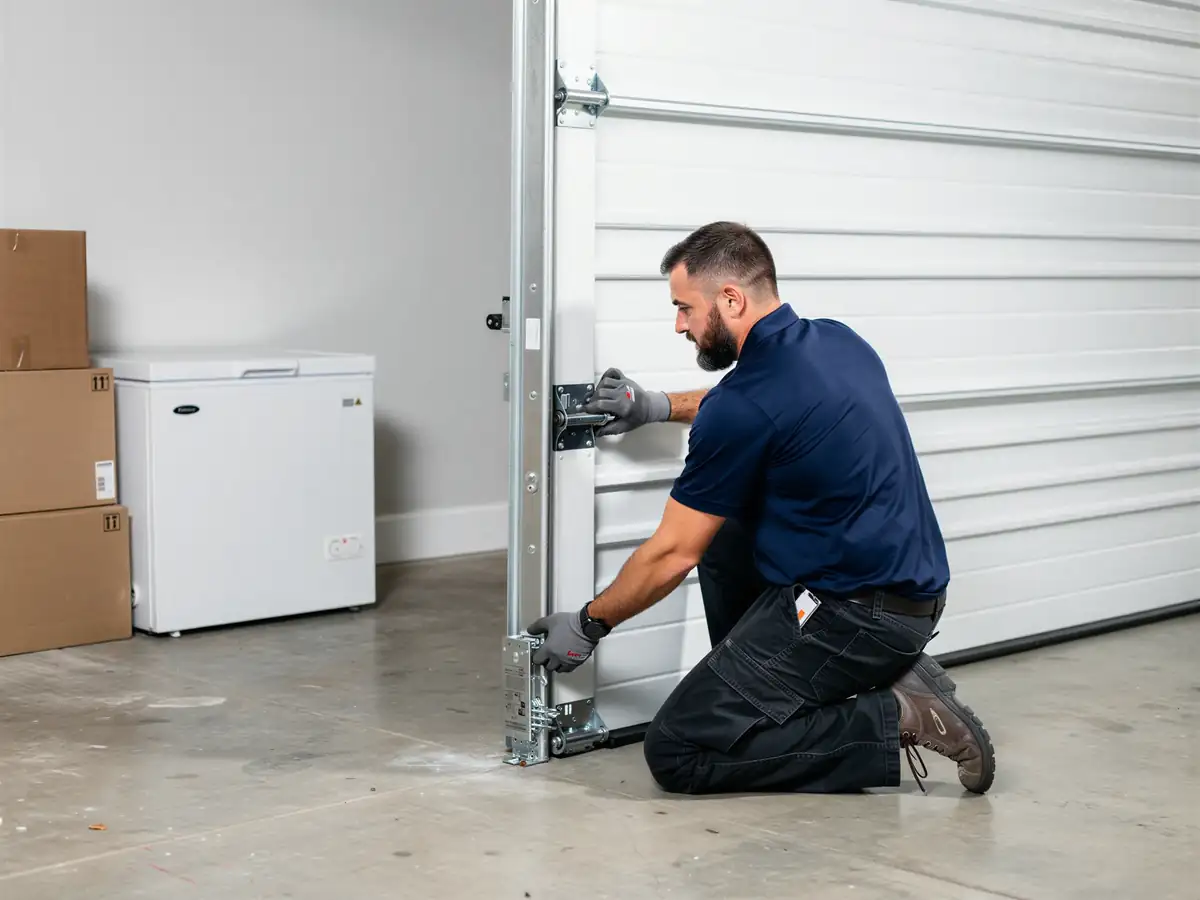
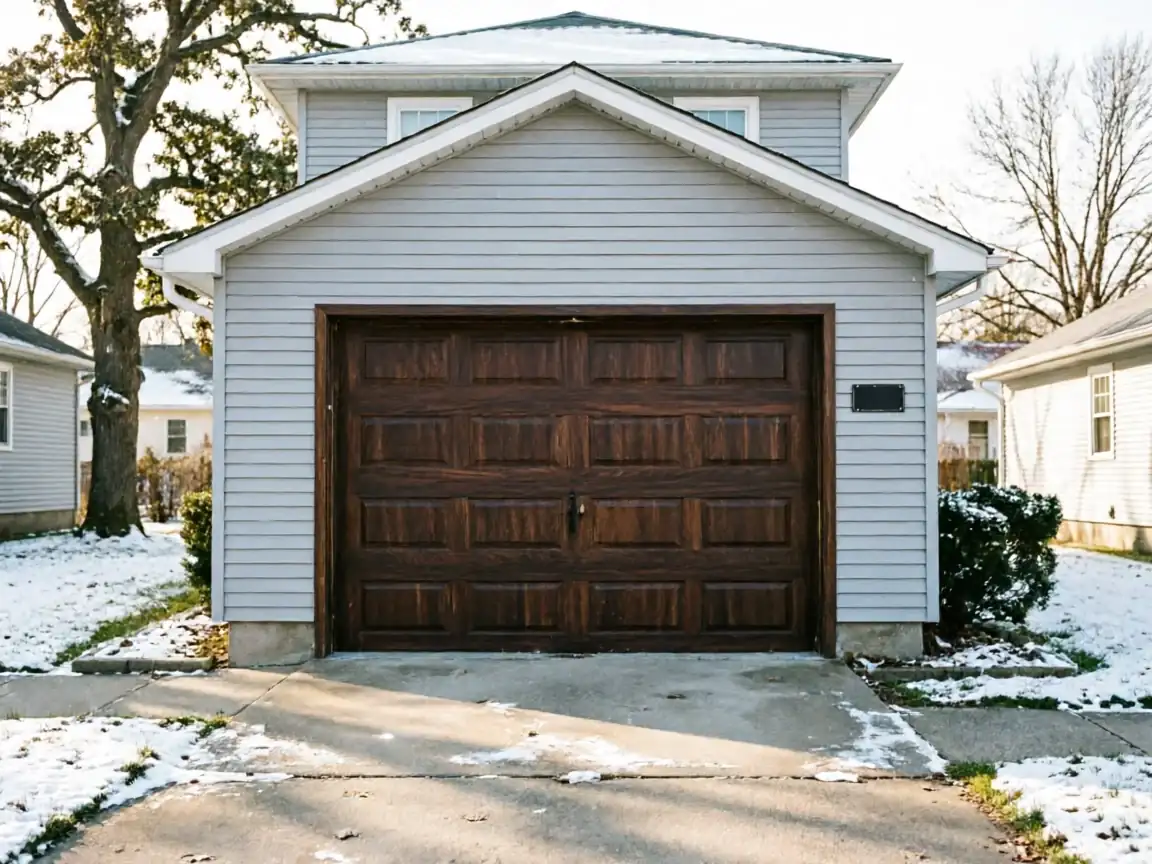
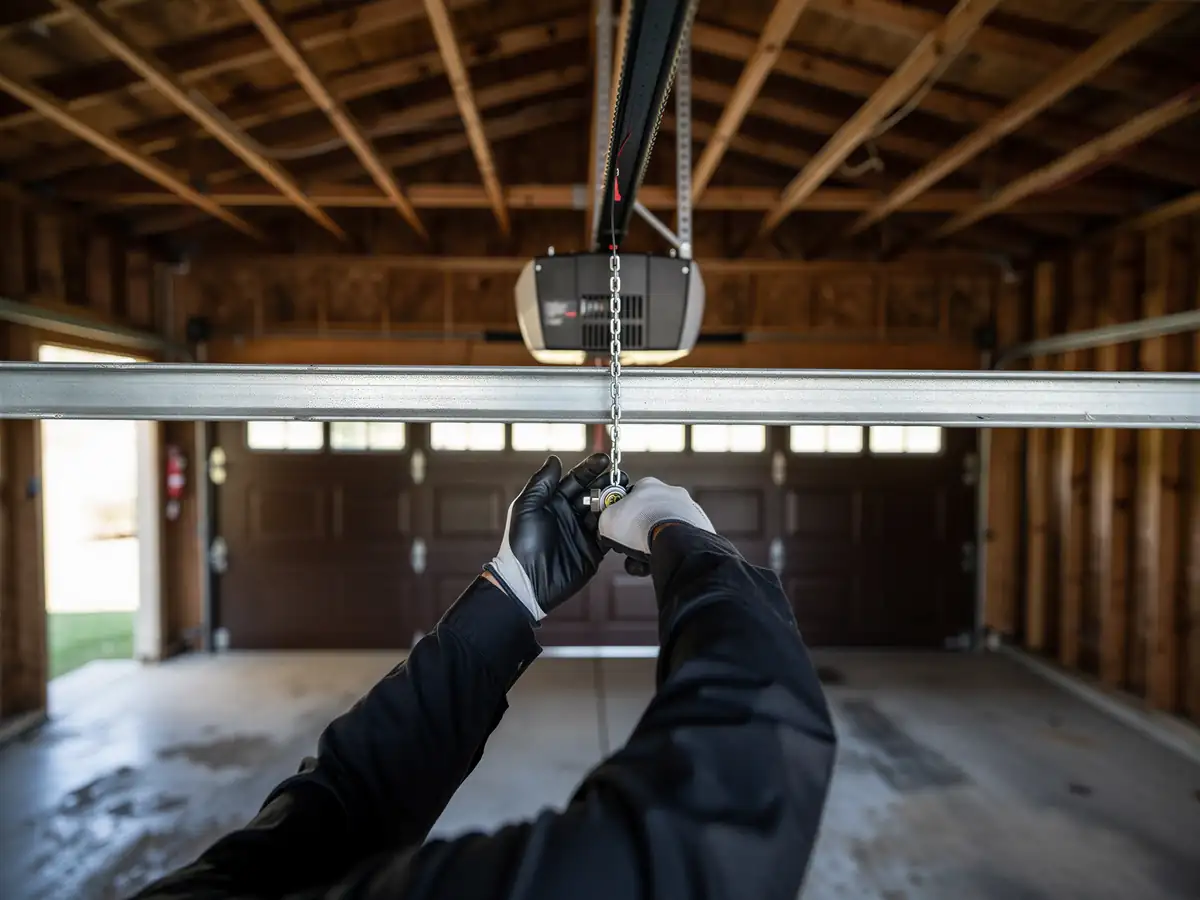
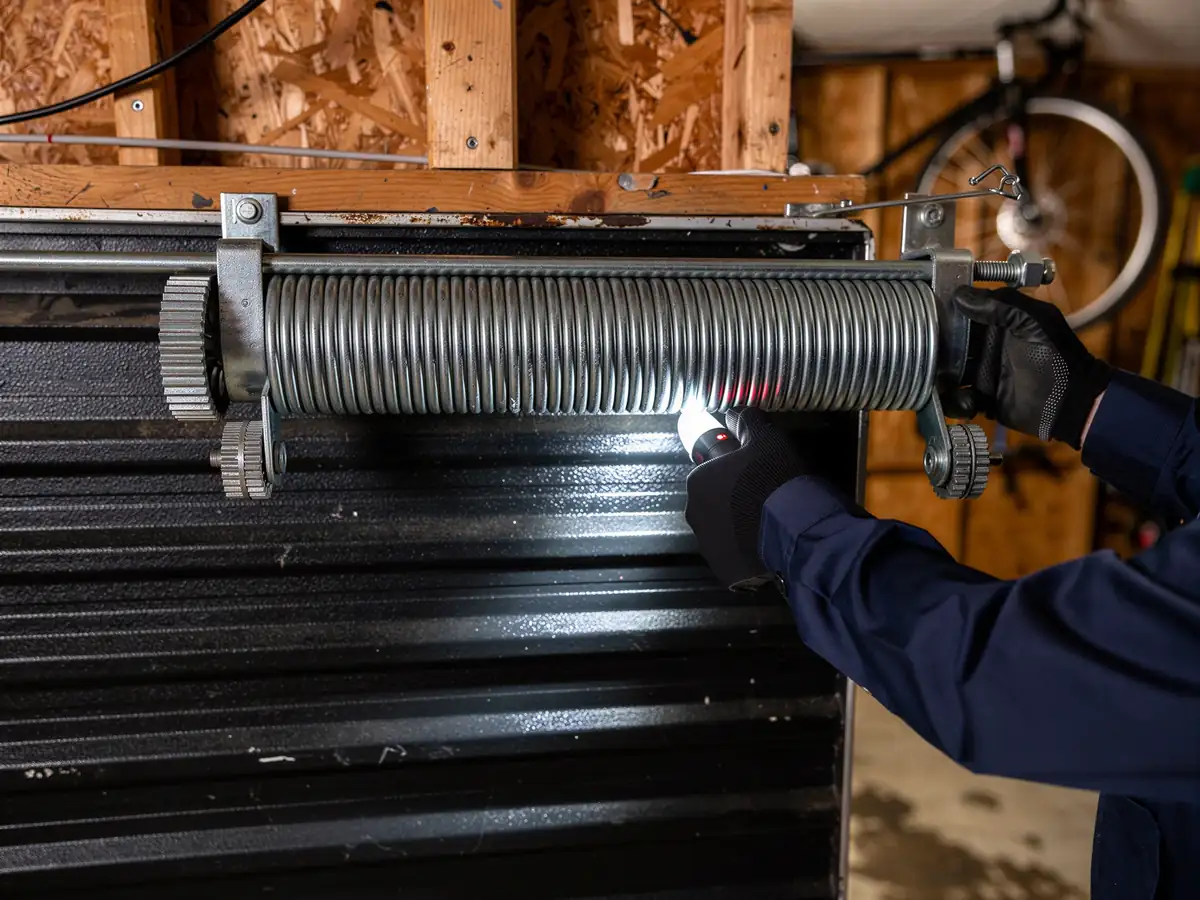
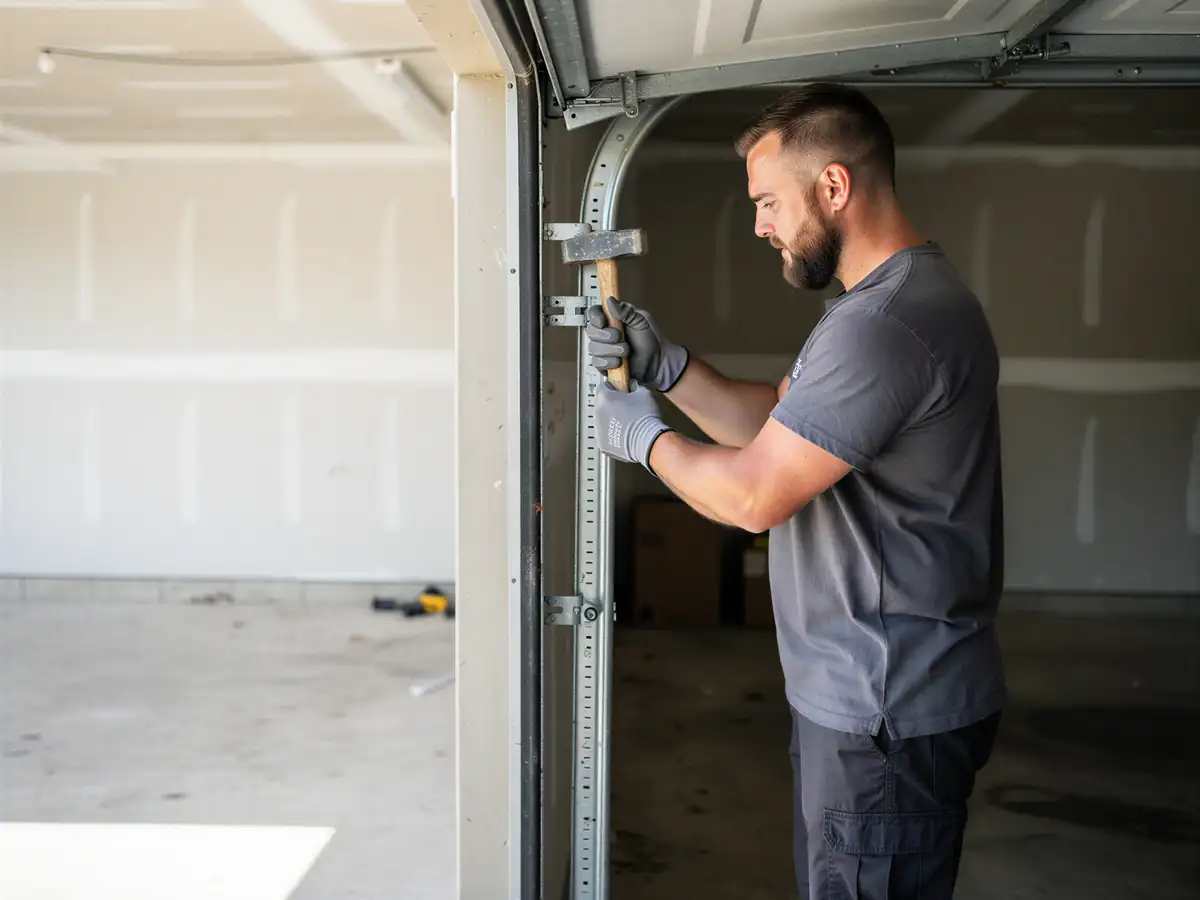
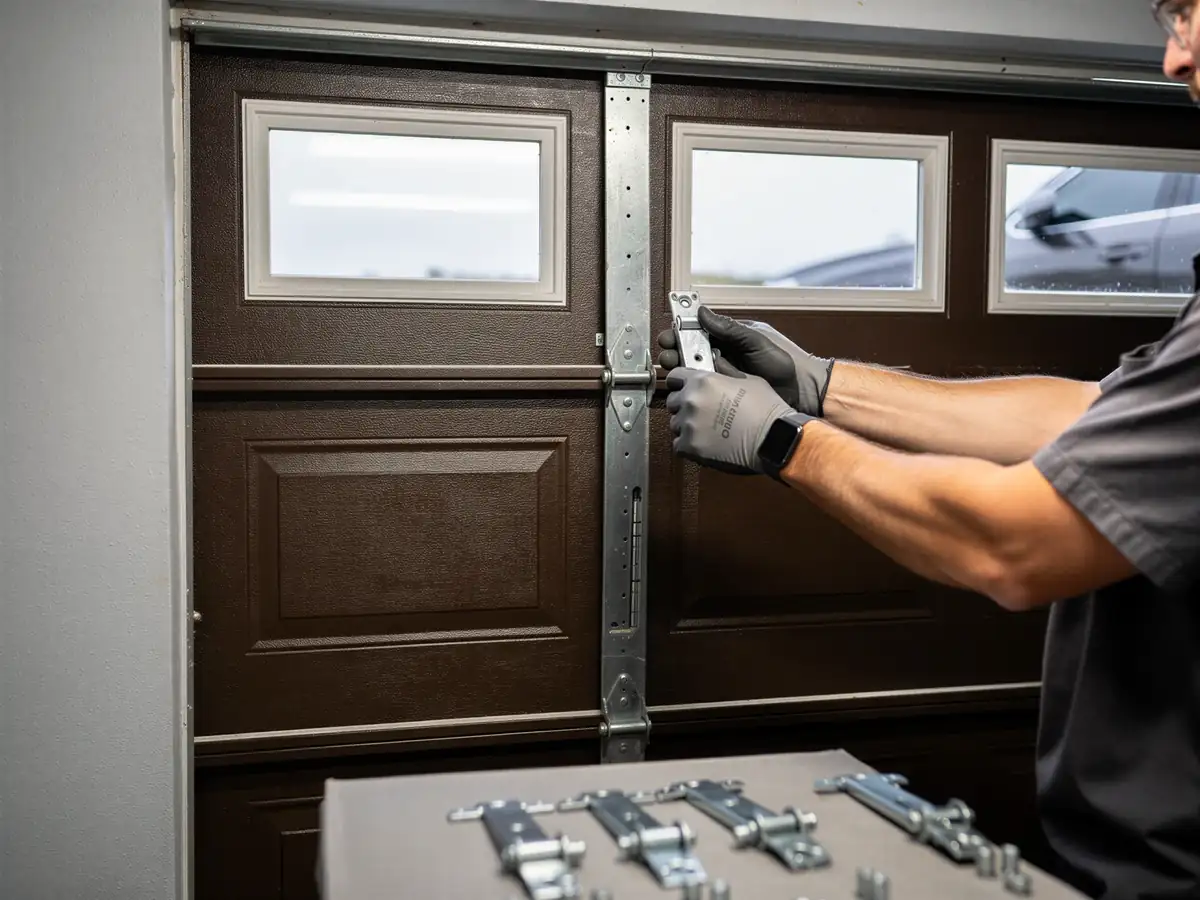
The drive out to Lake Elmo is 17 miles from our shop in Eagan, which matters more here than it sounds. We don't keep a branch in town, so every install is a planned trip: the truck goes out loaded with the door, the track kit, and the right opener for the job, because a second trip for a missing bracket costs everyone an afternoon. Lake Elmo's median home was built around 2002, newer than much of the rest of our service area, where the typical house went up in 1973. That means fewer of the original builder-grade doors from the 1960s and 70s and more doors from the early 2000s hitting the point where springs fatigue and torsion hardware starts to show play. We carry steel and insulated steel sections in standard widths, torsion springs rated for the taller 7 and 8-foot openings common in newer construction, and openers with battery backup, which matters in a cold-climate area where winter outages aren't rare. We don't stock custom wood doors or odd historic widths off the truck; those get special-ordered and the lead time is real, not a sales line.
What Can Go Wrong
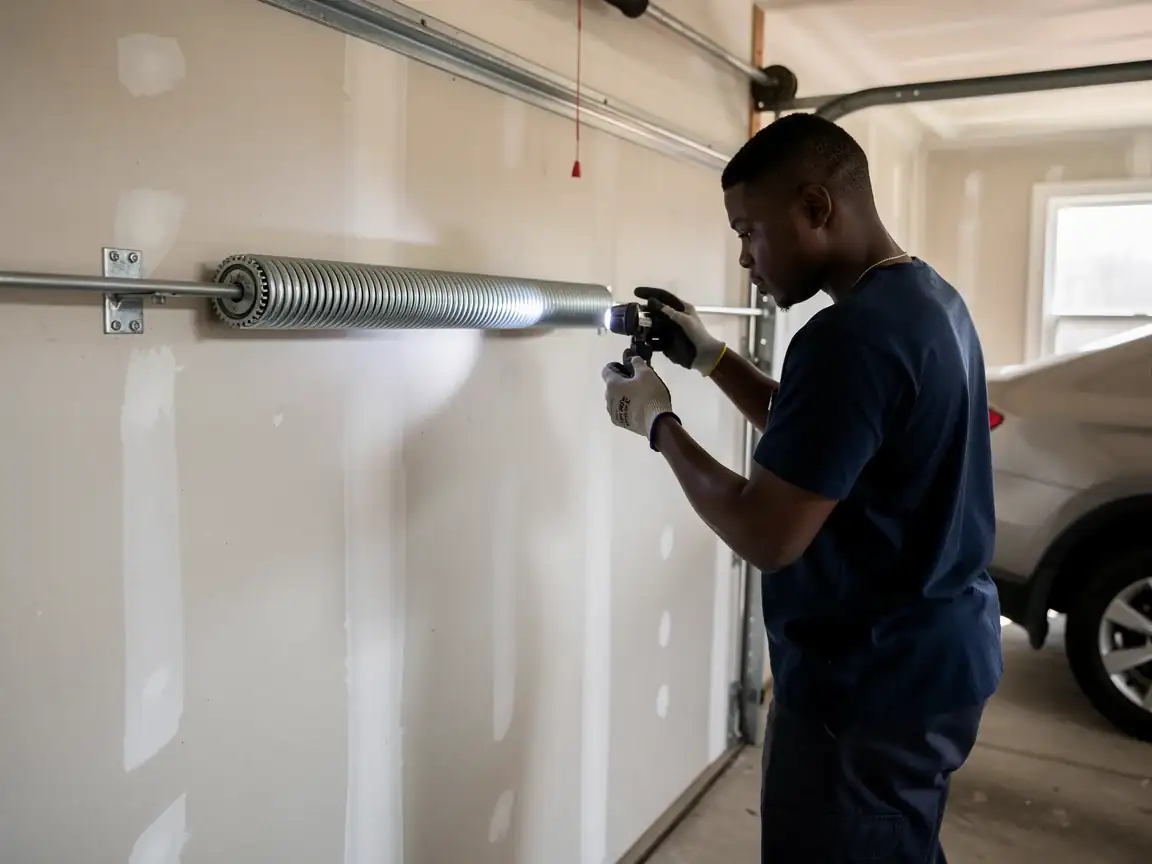
Because Lake Elmo's housing stock skews newer, the failures we see here aren't the seized, decades-old hardware you find in older parts of the service area. They're more often openers original to a 2000s-era build finally quitting after twenty-plus years, or insulated doors with foam that's degraded enough that the door's noticeably heavier to lift by hand, a sign the springs are overdue. The cold-moderate climate band this area sits in means steel doors without a thermal break can develop condensation issues inside an attached garage in winter, which is worth asking about if you're replacing an uninsulated door. We also run into openings that were never squared quite right at construction, which only becomes obvious once an old door comes out and a new one won't sit flush without shimming.
What You Are Seeing
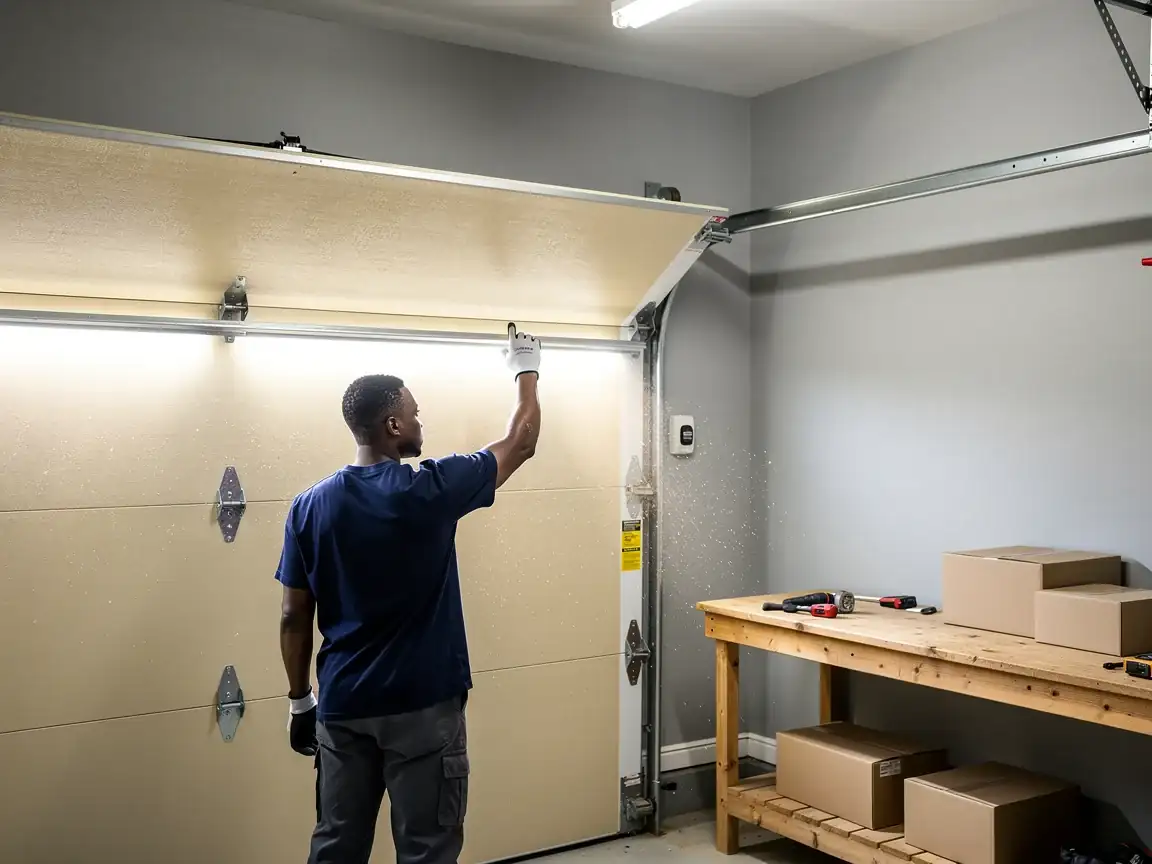
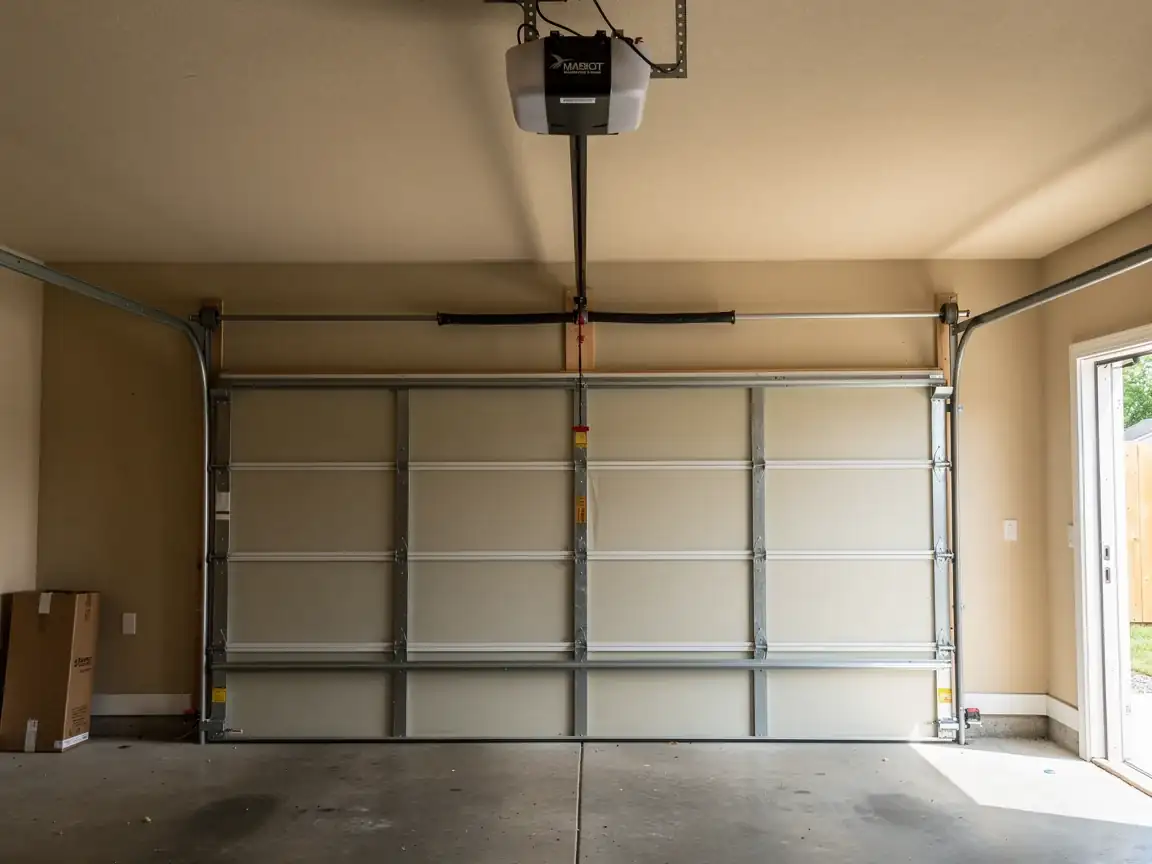
If your opener strains, reverses partway up, or the door looks like it's not calf-height level across the bottom when it lands, that's not an opener problem to patch, it's a sign the door and track are out of balance and a replacement is worth pricing against another repair bill. On newer construction like a lot of what's in Lake Elmo, a door that's sagging or bowing in the middle after twenty-some years is usually just at the end of its service life rather than damaged. Rust streaks at the bottom panel, worn weatherstripping that lets daylight in around the edges, or a noticeably colder garage in winter are all reasons to look at insulated replacement rather than another patch repair.